Artwork
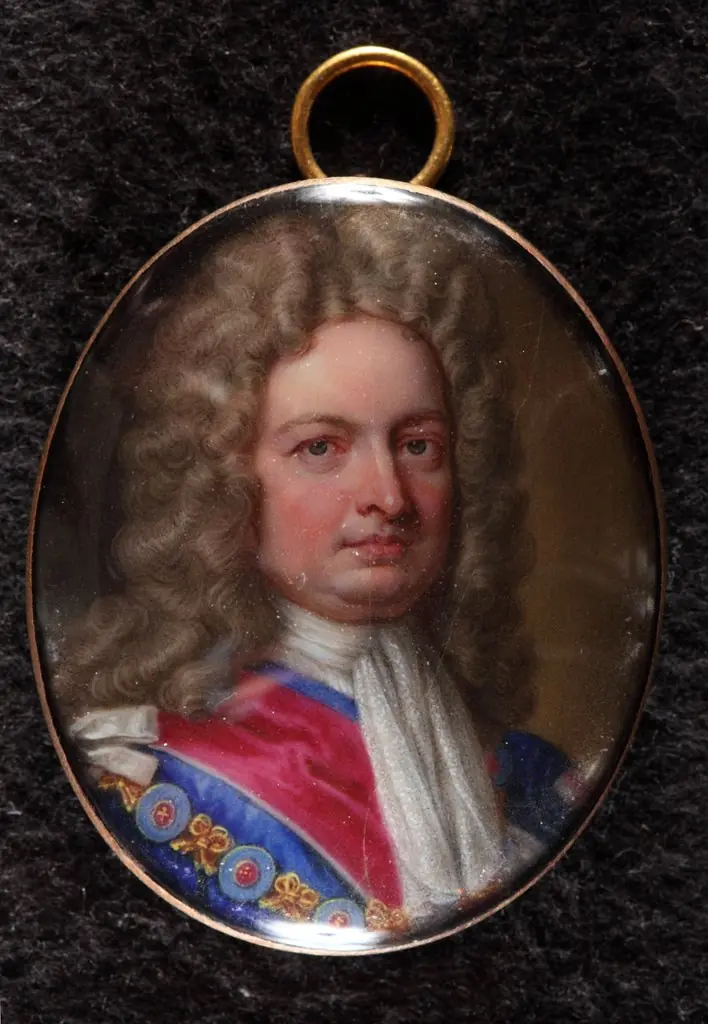
James II (1633-1701), the future King of England, at a young age
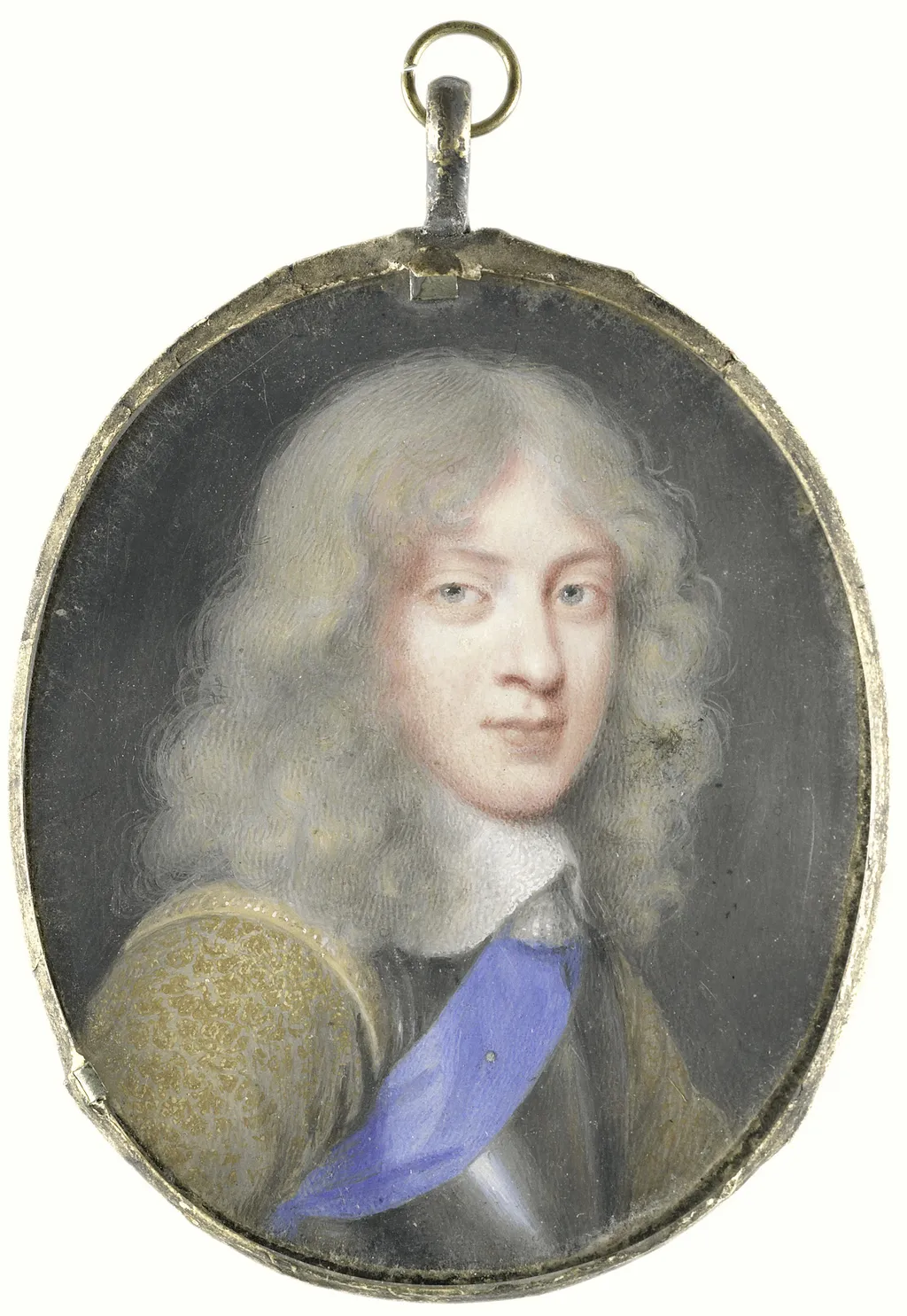
James II (1633-1701), the future King of England, at a young age is an unspecified painting by the Barbizon school artist Louis du Guernier. It dates from 1650 and is held in the collection of the Rijksmuseum.
About this work
Subject & Meaning
The miniature portrait shows James II as a young man, rendered in cardboard and housed in the Rijksmuseum. It belongs to the genre of miniature painting and was created by Louis du Guernier in 1650. The work depicts the future English monarch at an early stage of his life, emphasizing his youth through formal portraiture conventions of the period.
Technique & Style
The painting was executed on cardboard and measures 6.2 cm by 5.1 cm. It belongs to the miniature genre, reflecting the small scale typical of early portraiture. The work was created by Louis du Guernier around 1650 and is housed in the Rijksmuseum collection.
History & Provenance
No specific inventory or accession number is documented in the available sources, and no exhibition history is recorded for the work.
The miniature was created in 1650 by Louis du Guernier, executed on cardboard, and depicts the future King James II at a young age. The work is held in the collection of the Rijksmuseum, where it remains part of the institution's holdings. No further details regarding its commission, intermediate ownership, or acquisition history are documented in the available sources.
The miniature is held in the collection of the Rijksmuseum, where it remains part of the museum's holdings as recorded in Wikidata.
No specific inventory or accession number is documented in the available sources, and no exhibition history is recorded for the work.
Overview
Created around 1650 by the French‑born artist Louis du Guernier, this portrait presents the future English monarch James II during his youth. The work is executed on cardboard, an uncommon support for portraiture, and is now part of the Rijksmuseum’s collection.
Context
At the time of its creation, James was still a prince, and portraiture served to reinforce dynastic legitimacy across Europe. The choice of cardboard as a substrate may reflect either a temporary function or a pragmatic response to material availability during the turbulent period of the English Commonwealth and Restoration.
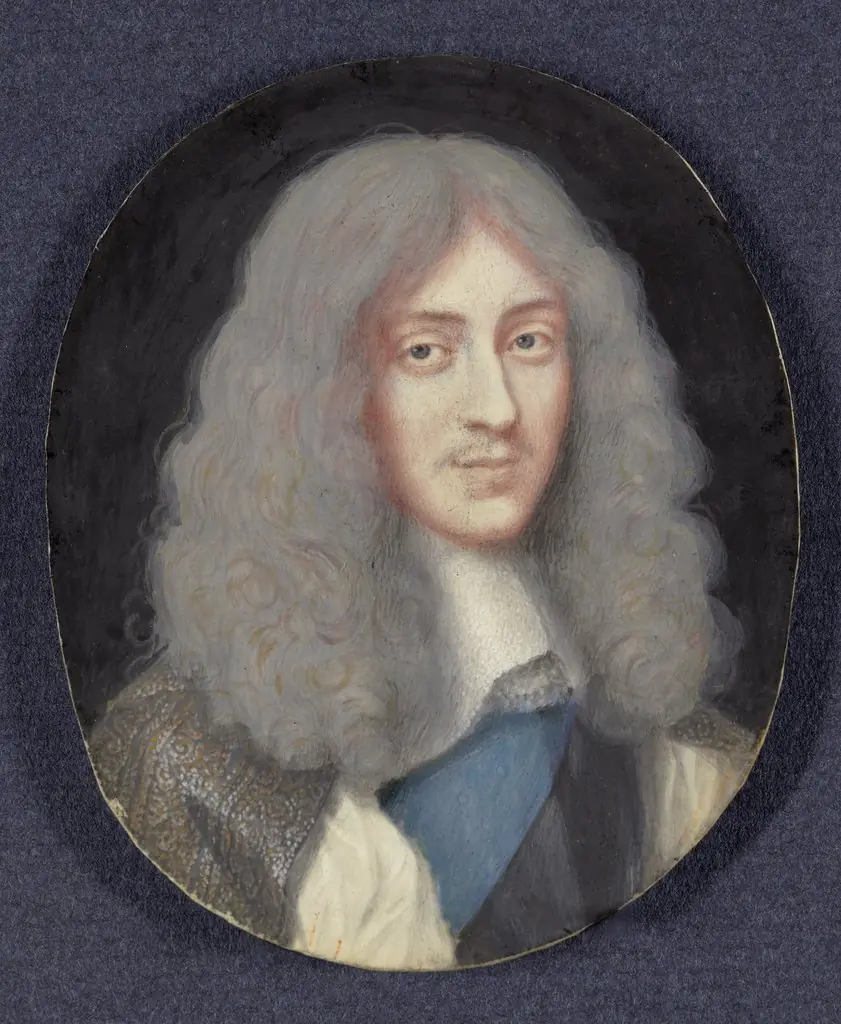
Own this work as a print
Artist & collection
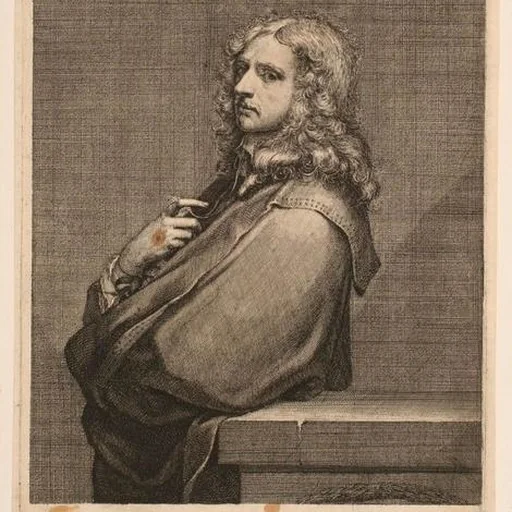

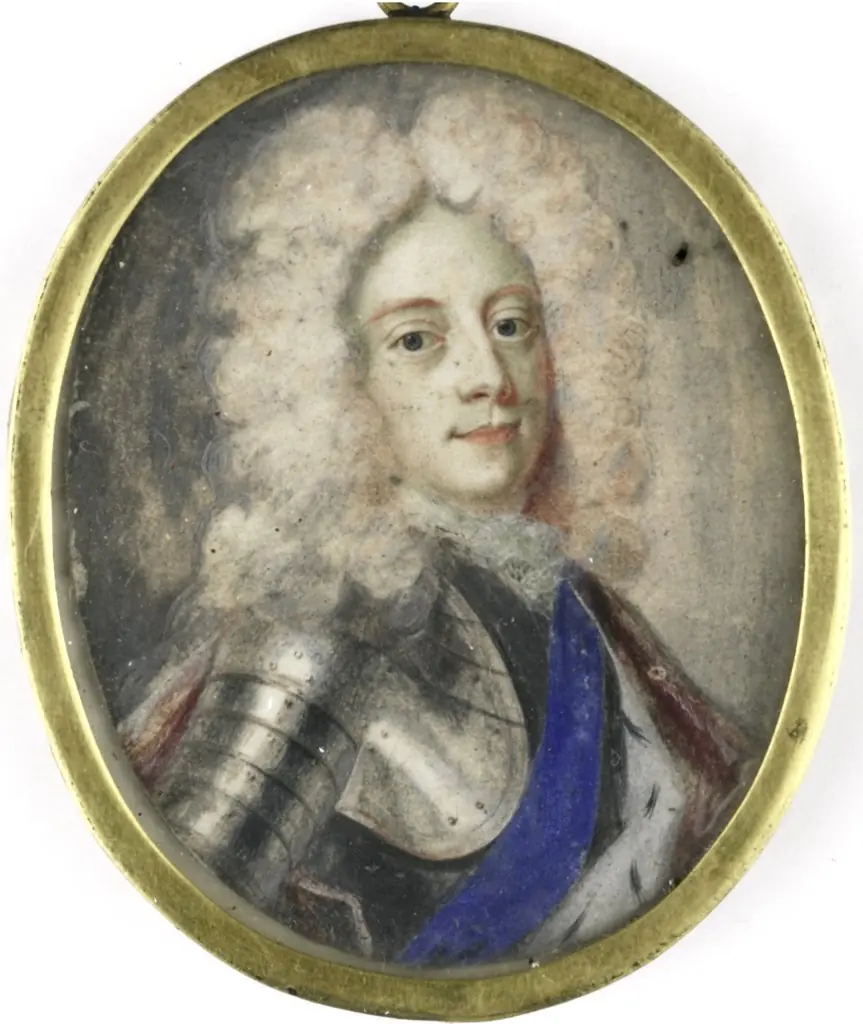 Portrait of Christiaan V van Denemarken (1646-1699)
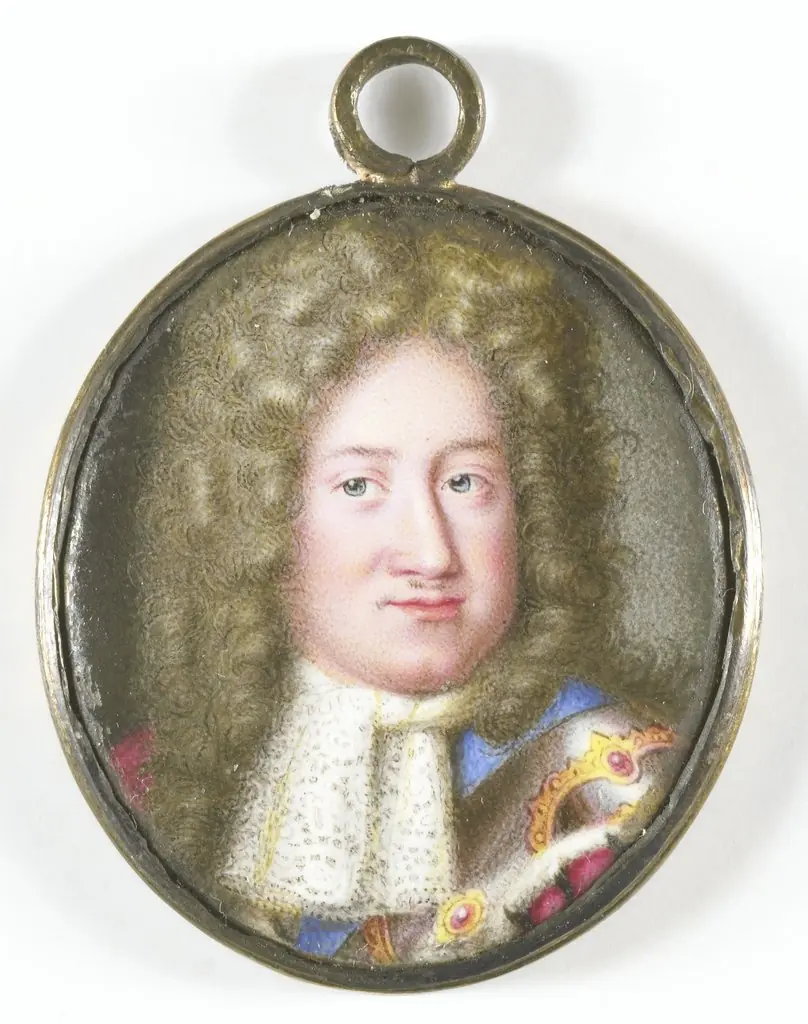 Portrait of Friedrich I van Pruisen (1657-1713)
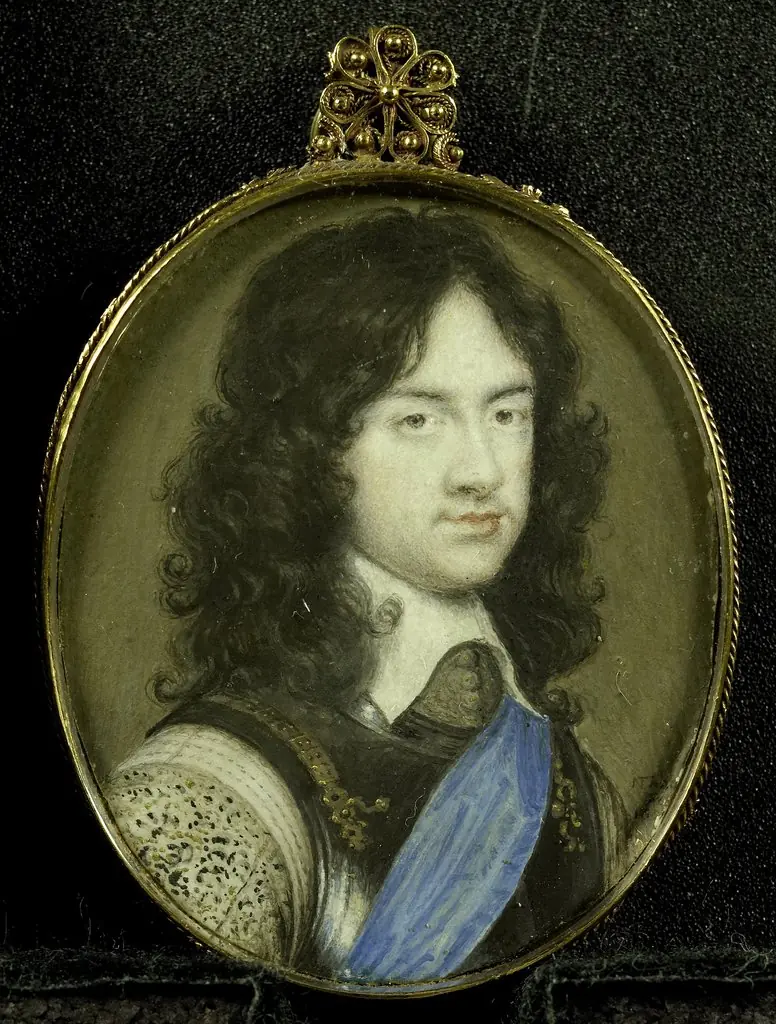 Portrait of Prince Charles Stuart of Wales
 Portret van een man en een vrouw (keerzijde) vermoedelijk Willem Frederik Markgraaf van Brandenburg-Anspach (1686-1723) en zijn vrouw Christiane Charlotte van Württemberg (1694-1723)
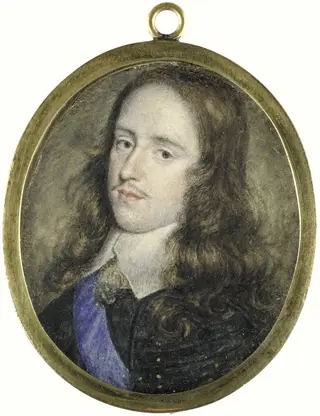 Portrait of Willem II van Oranje- Nassau (1626-1650)
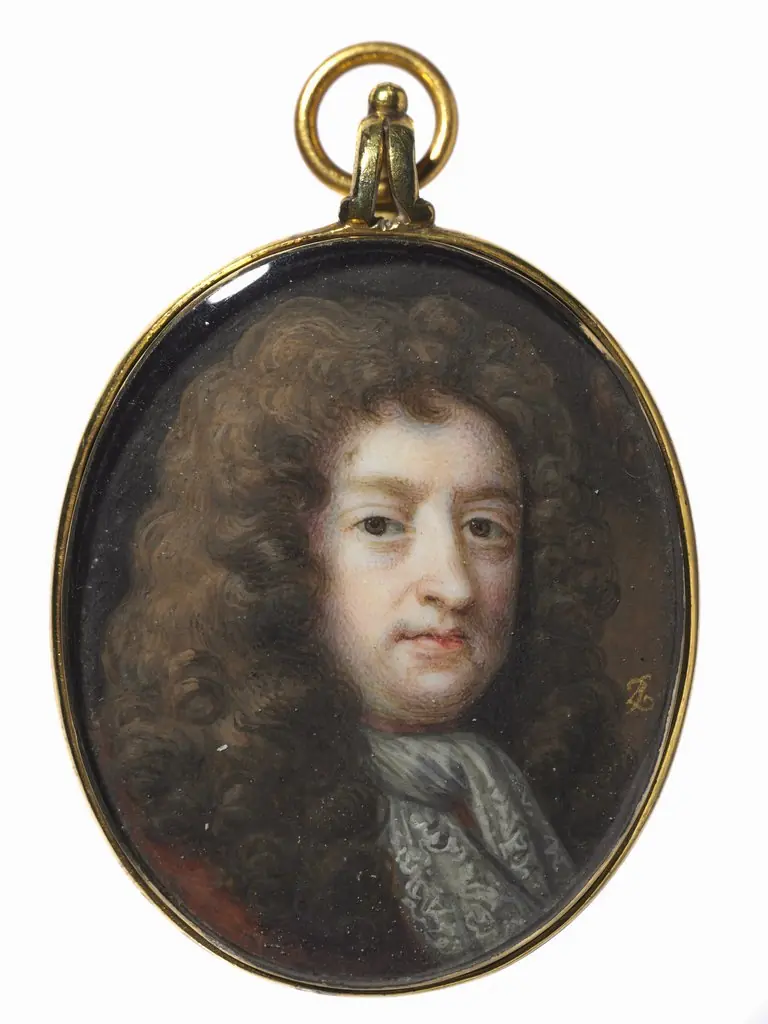 Portrait of Samuel Butler
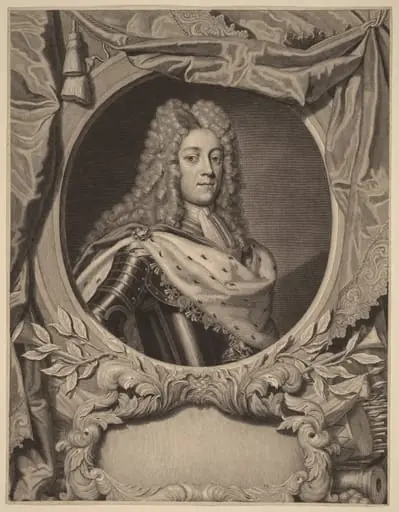 King George II
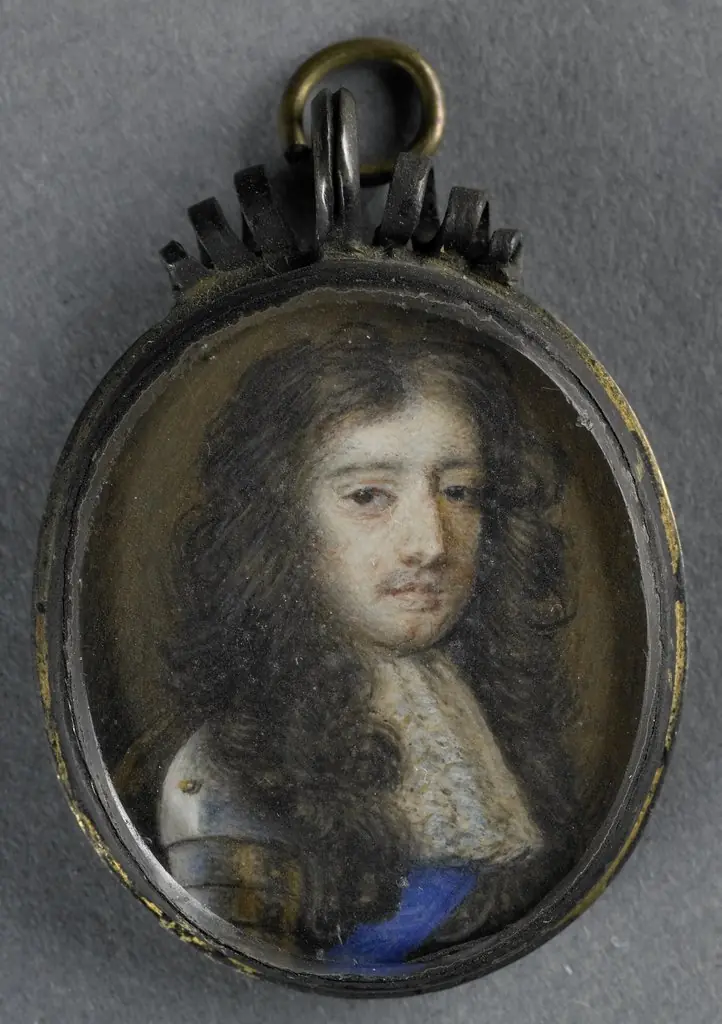 William III
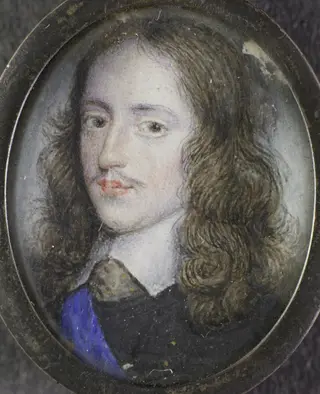 Willem II (1626-50), prins van Oranje
 Robert Harley, Earl of Oxford