Artwork
Portrait of William III of England (1650-1702)
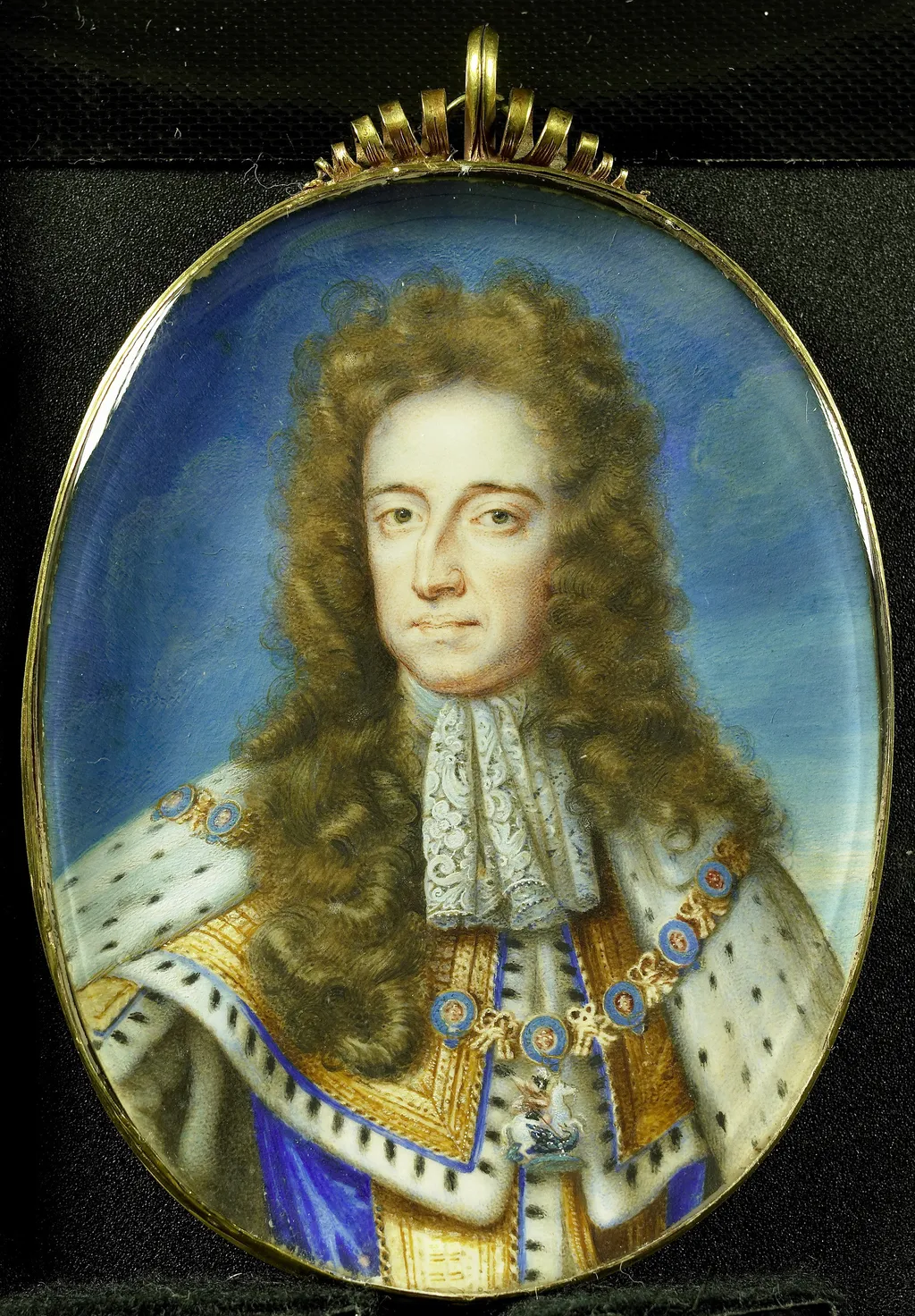
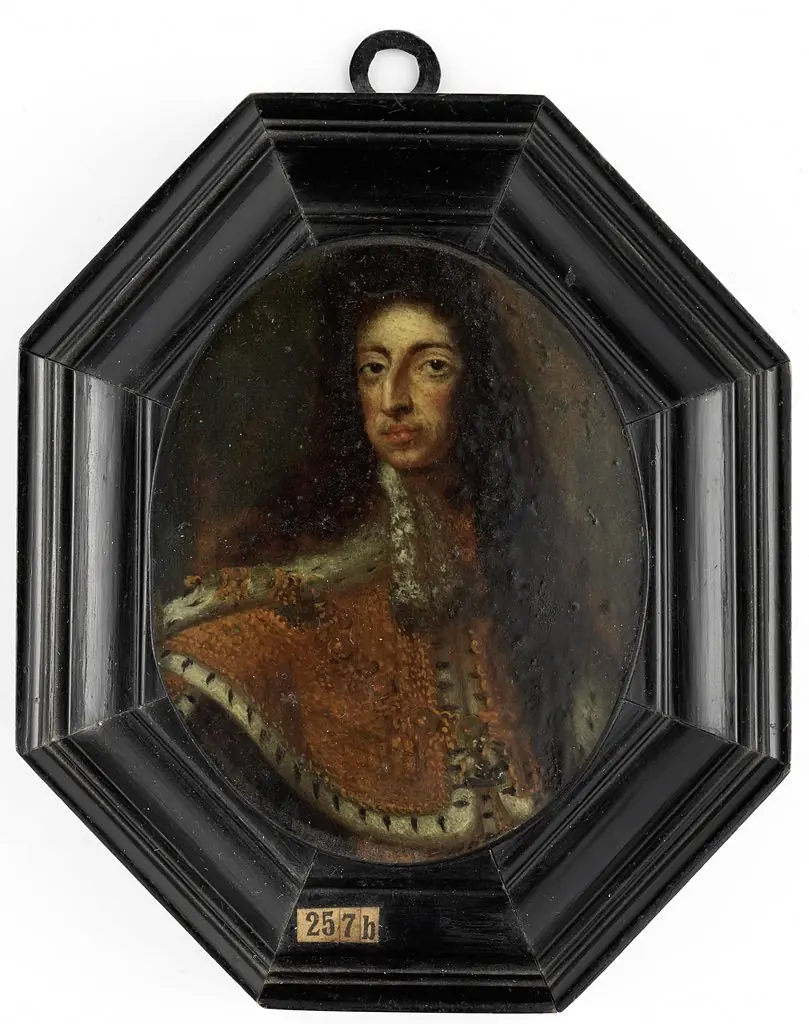
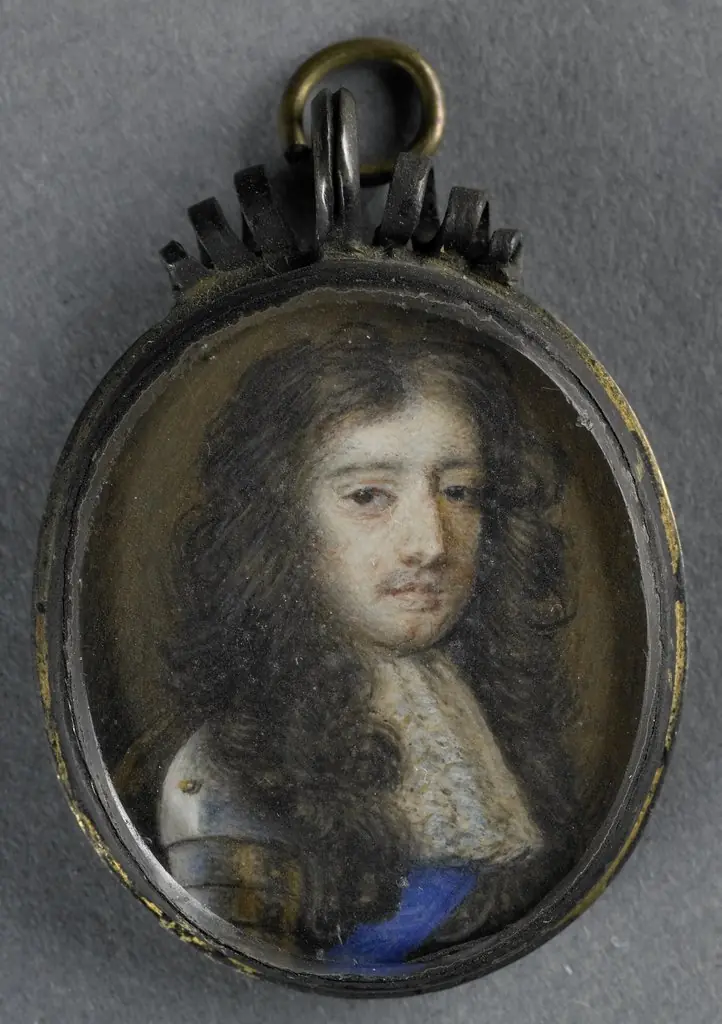
Portrait of William III of England (1650-1702) is an oil painting by the Rococo painting artist Benoît Arlaud. It dates from 1704 and is held in the collection of the Rijksmuseum.
About this work
Technique & Style
The medium and support combination suggests a format intended for portability or intimate display rather than a grand ceremonial presentation.
Created in 1704 by Benoît Arlaud, this portrait of William III of England is executed in oil paint on a cardboard support. The work functions as a reproduction, derived from Godfrey Kneller's original composition. Measuring 9.5 cm in height and 7.3 cm in width, the piece is classified as a small-scale portrait.
The medium and support combination suggests a format intended for portability or intimate display rather than a grand ceremonial presentation.
History & Provenance
The work titled Portrait of William III of England was painted in 1704 by Benoît Arlaud, as documented in the source. It was created as a portrait of the English monarch William III, based on the likeness of Godfrey Kneller, and is part of the Rijksmuseum's collection in Amsterdam. The painting measures 9.5 cm in height and 7.3 cm in width, executed in oil paint on cardboard, and depicts William III, who reigned from 1650 to 1702.
The work was commissioned or produced in the early 18th century, reflecting the artistic practice of the period.
The painting's provenance includes its inclusion in the Rijksmuseum's holdings, where it remains on display as part of the museum's portrait collection.
The portrait is held in the collection of the Rijksmuseum, as recorded in its Wikidata entry. The work entered the museum's holdings as part of its general collection, with no separate accession number provided in the available sources.
No exhibition history is documented in the available sources.
Overview
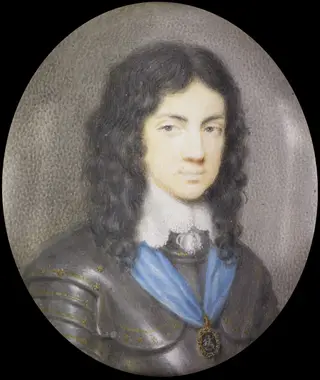
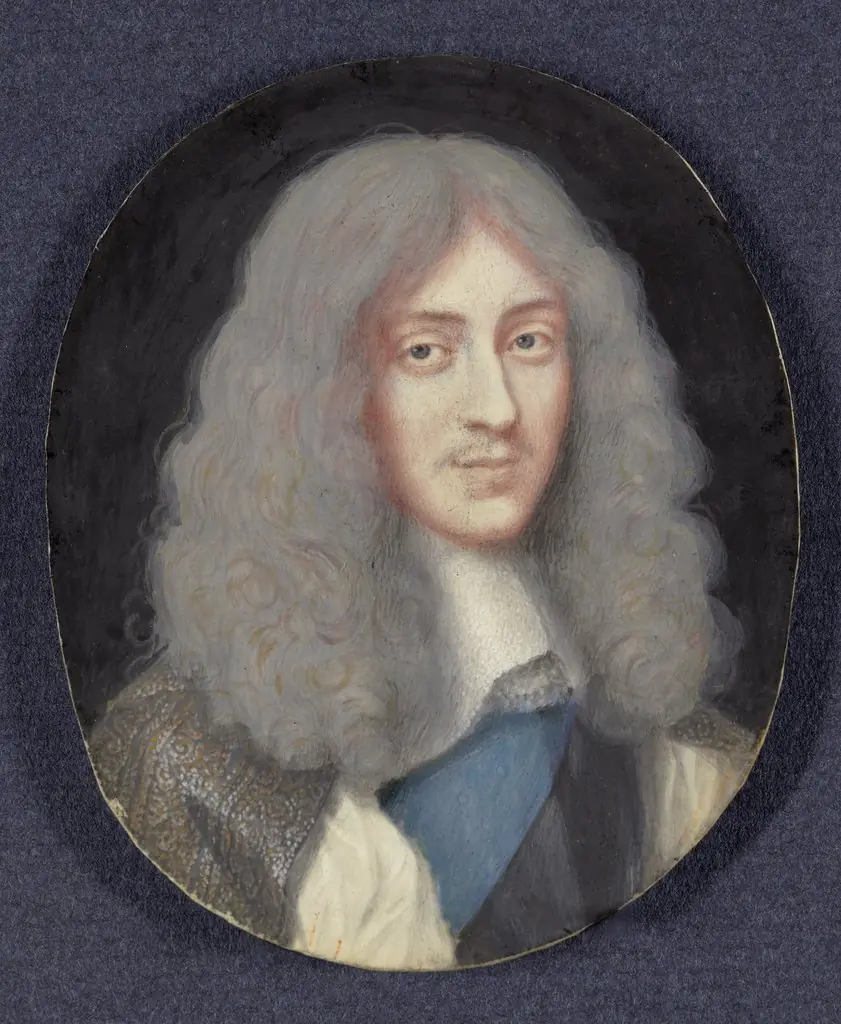
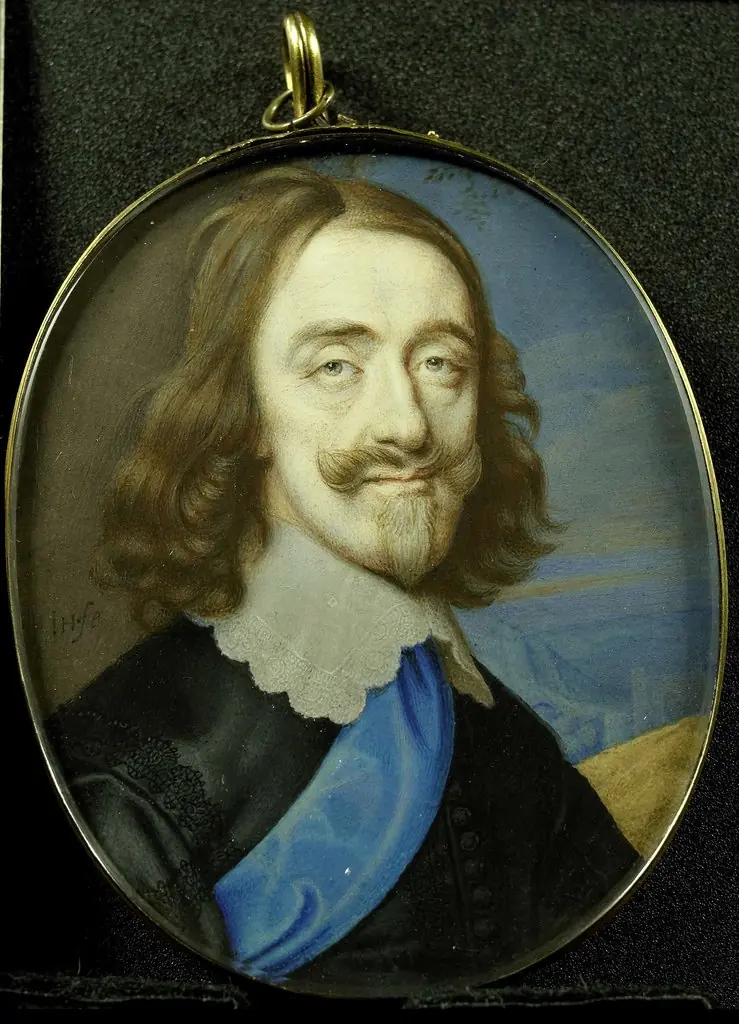
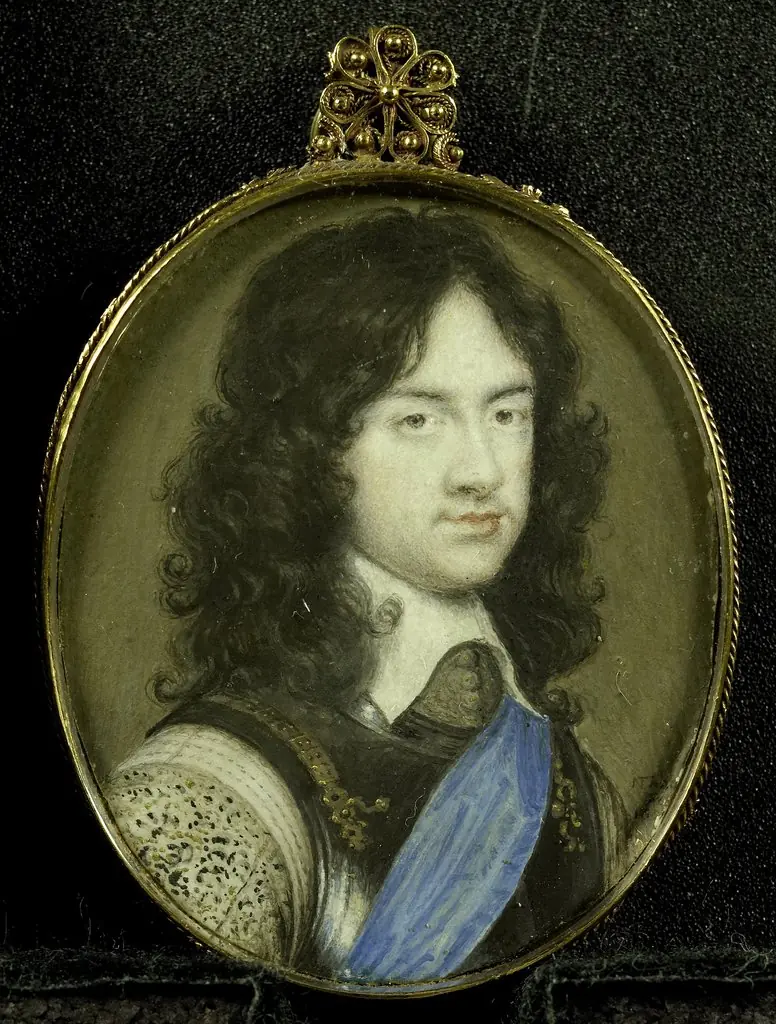
Benoît Arlaud’s 1704 oil painting presents William III of England in a compact oval format. Executed on canvas and now part of the Rijksmuseum’s collection, the work concentrates on the monarch’s visage and attire, set against an unadorned dark backdrop that isolates the figure from any surrounding narrative.
Subject & Meaning
The portrait captures the late Stuart king with a solemn expression, his curly brown hair framing a face marked by authority. The white lace collar and fur‑trimmed robe convey status, while the dark blue sash embroidered with gold stars suggests military honors or royal insignia, reinforcing William’s role as a sovereign‑leader.
Context
In the early eighteenth century, portraiture served both as a record of sovereign identity and as a means of political communication. Arlaud’s depiction aligns with contemporary conventions that emphasized regal attire and symbolic regalia, situating William III within the visual language of European monarchy.
Own this work as a print
Artist & collection