Artwork
Swimming Party
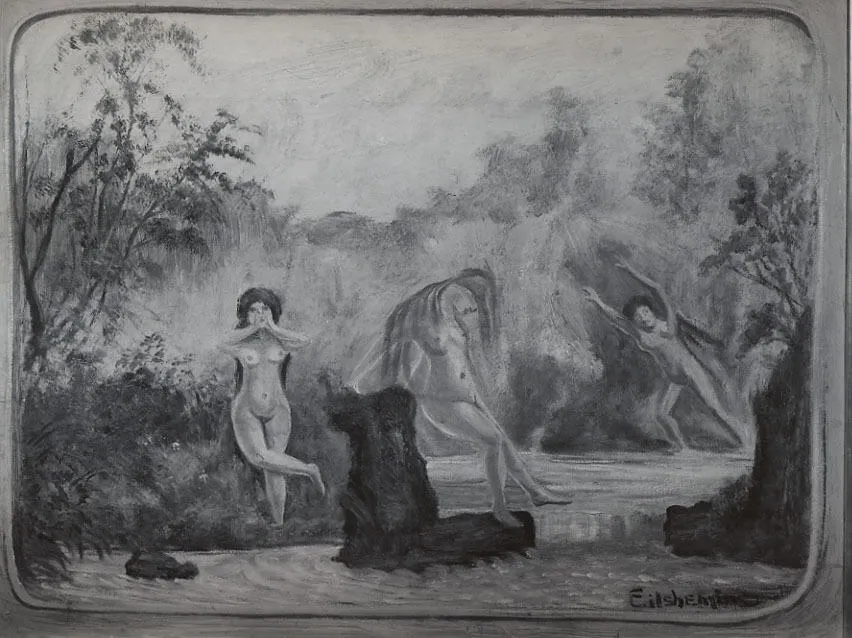
Swimming Party is an oil painting by the Naïve art artist Louis Eilshemius. It dates from 1918 and is held in the collection of the Metropolitan Museum of Art.
About this work
Technique & Style
This combination of materials contributes to the work's formal presence as a significant example of Eilshemius's output from the early 20th century.
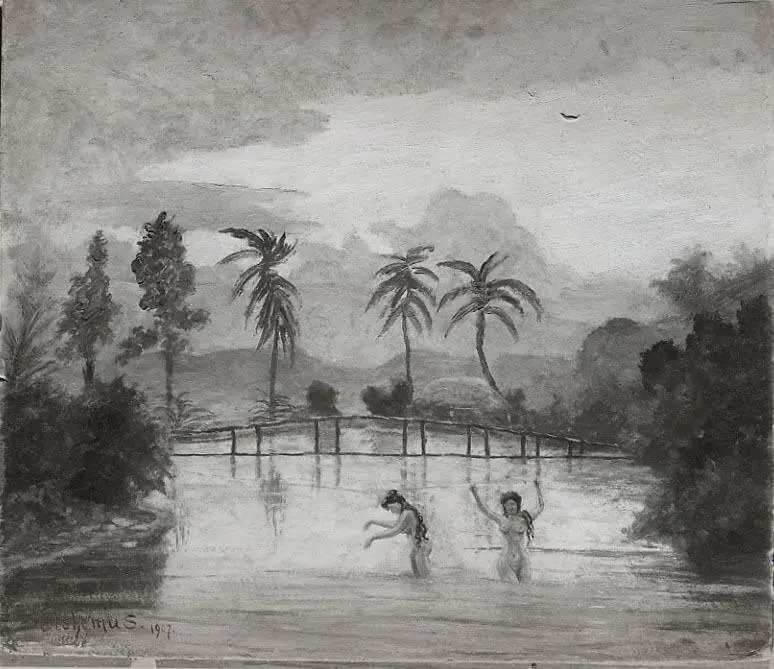
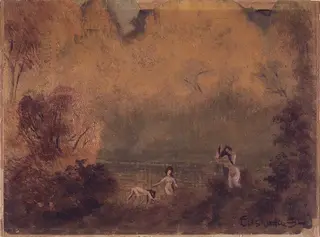
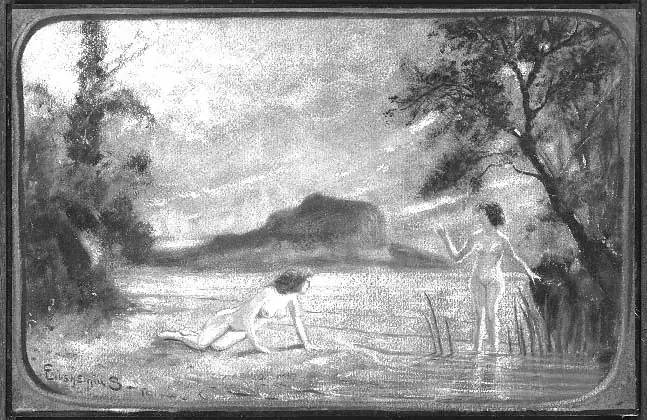
Swimming Party is an oil painting executed on a cardboard support, created in 1918 by Louis Eilshemius. The work depicts nudes and trees, rendered in the artist's distinctive style using oil paint as the primary medium. Measuring 77.5 cm in height and 102.9 cm in width, the piece is classified as a painting within the collection of the Metropolitan Museum of Art.
The composition focuses on a bathing scene, utilizing the unique texture of the cardboard base beneath the oil layers. This combination of materials contributes to the work's formal presence as a significant example of Eilshemius's output from the early 20th century.
History & Provenance
Swimming Party is held in the collection of the Metropolitan Museum of Art. The painting measures 77.5 cm in height and 102.9 cm in width. No inventory or accession number is provided in the available sources, and no exhibition history is recorded in the given materials.
Context
Swimming Party is an oil painting on cardboard created in 1918 by Louis Eilshemius. The work, measuring 77.5 cm by 102.9 cm, depicts a tree and a nude figure and is held in the Metropolitan Museum of Art. It is classified as a painting and executed in oil paint, reflecting the material practices of early twentieth‑century American artists.
Its presence in a major museum highlights scholarly interest in Eilshemius as part of the period’s figurative modernism.
Overview
Louis Eilshemius, an American artist, completed Swimming Party in 1918 using oil paint. This work depicts a gathering of nude figures within a natural landscape, characterized by trees and foliage. The painting is part of the collection at The Metropolitan Museum of Art, representing a facet of Eilshemius's broader artistic output, which often included both landscapes and nudes.
Subject & Meaning
The painting presents a scene of multiple nude individuals immersed in a natural environment, surrounded by trees and bushes rendered in earthy tones of brown and green. The arrangement of the figures, some standing while others recline or sit, conveys a sense of activity and vitality within the composition. This portrayal aligns with Eilshemius's frequent exploration of the human form in outdoor settings.
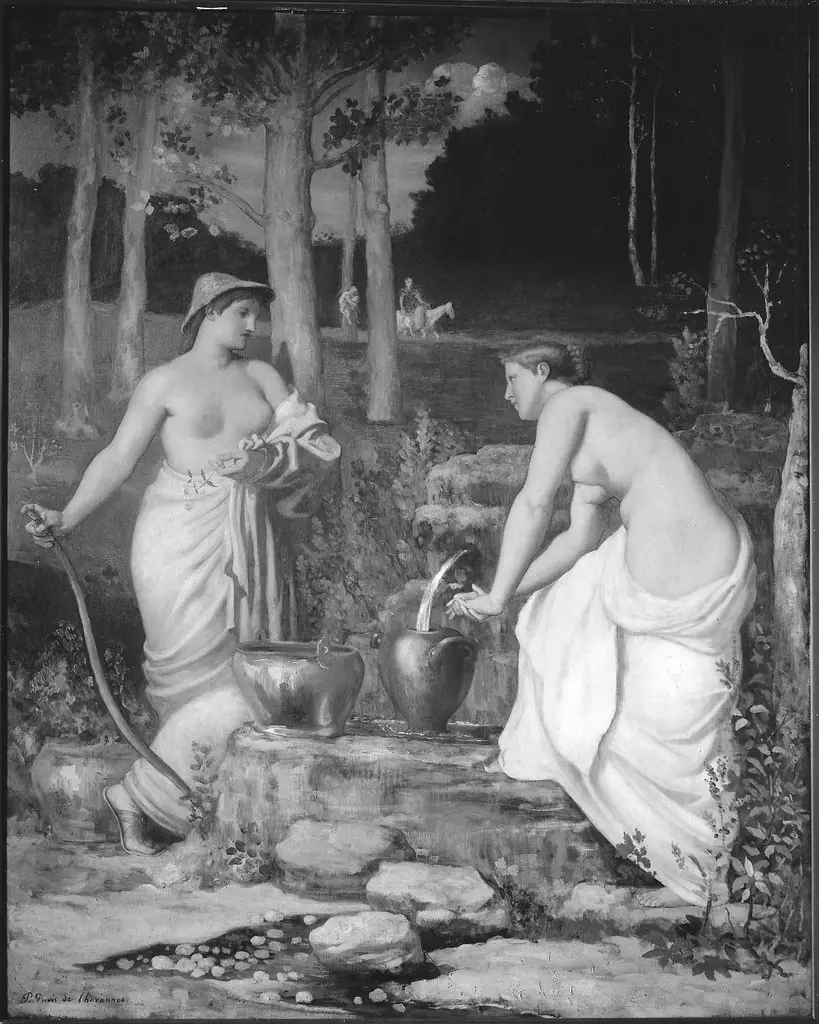
Artist & collection
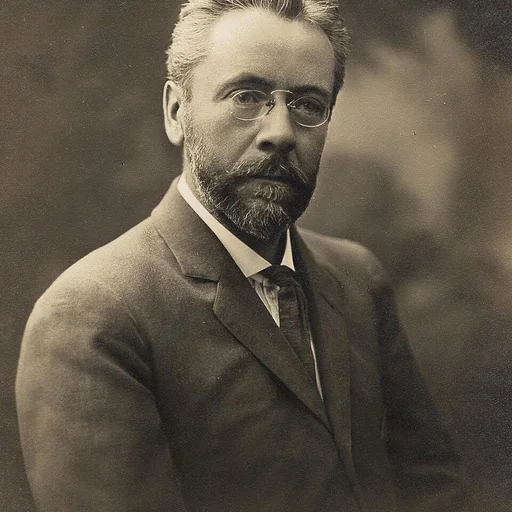
Artist
Louis Michel Eilshemius (February 4, 1864 – December 29, 1941) was an American painter, primarily of landscapes and nudes. He also wrote musical compositions, verse, novels, short stories, and published periodicals.