
Movement
Naïve art
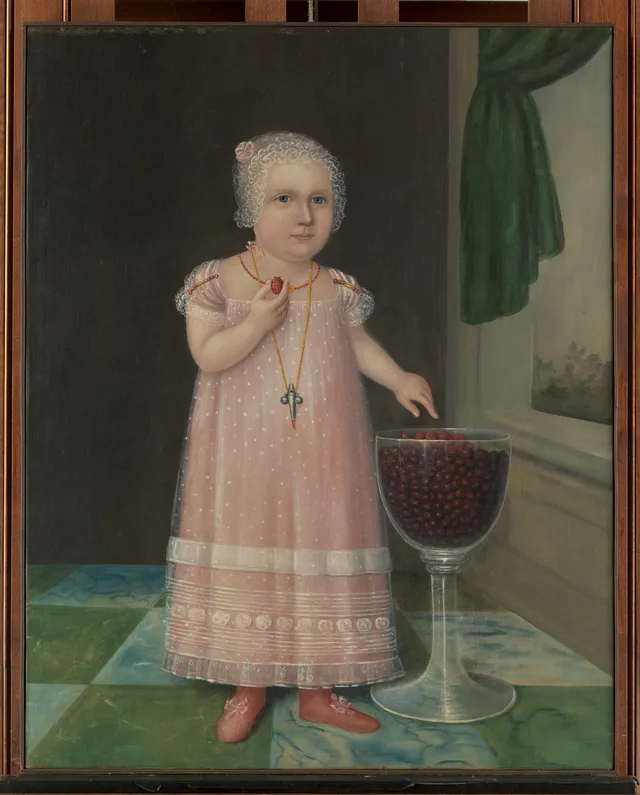
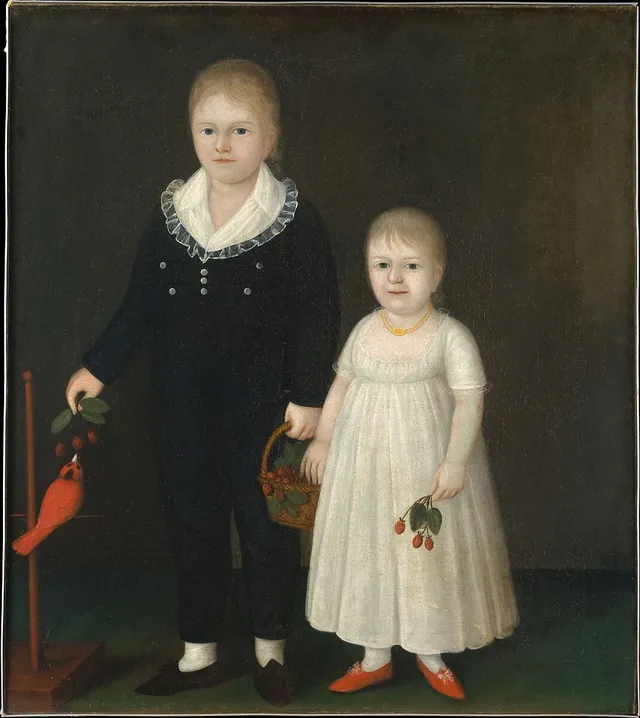
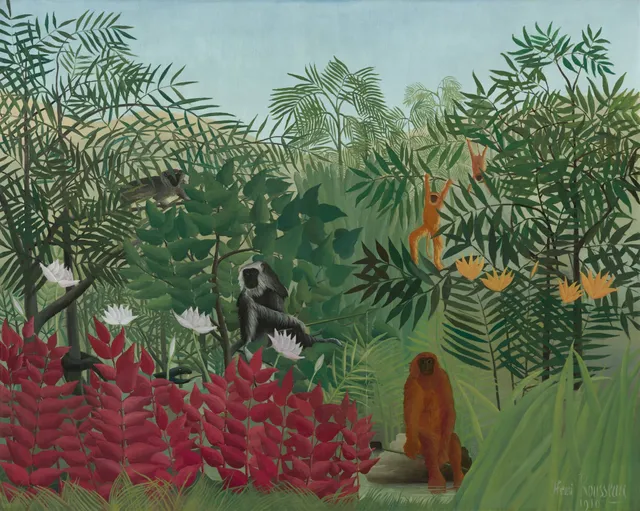
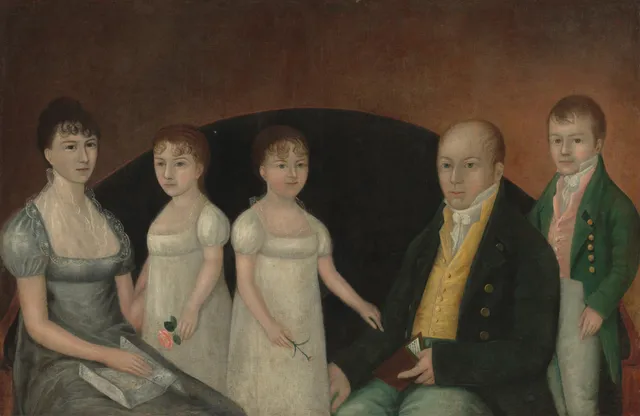
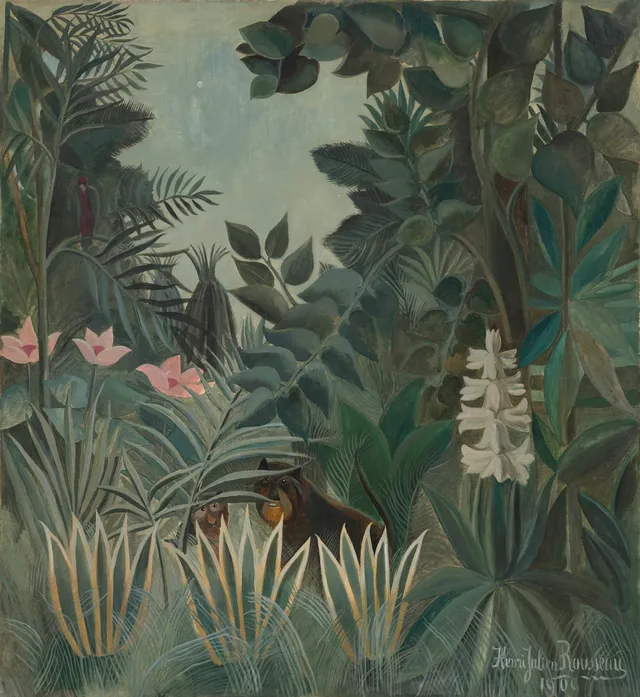
Naïve art is an art movement dating from 1890. The gallery holds 159 works in this movement, including works by Joshua Johnson, Edward Hicks and Horace Pippin. Browse Naïve art paintings, portraits, pictures and artworks from the world's public-domain museum collections.
Naïve art is the work of self-taught painters who, lacking the academic training in perspective, anatomy, and tonal modelling that defined the official Salons, produced images of striking directness and individuality. As a recognized category it crystallized in late 19th-century France, where the term came into use in the 1880s and where the jury-free Salon des Indépendants, founded in 1884, gave untutored painters a public platform alongside the avant-garde. The movement's emergence coincided with a broader modernist revolt against academic polish: at the very moment that artists were questioning illusionism, the unschooled "primitive" eye came to seem a source of authenticity rather than a deficiency.
Visually, naïve art is recognizable by its flattened space and frontal, often symmetrical compositions, its sharp outlines and meticulous, almost obsessive detail, and its bold, unmodulated colour. Linear and atmospheric perspective are typically disregarded or intuitively reinvented, scale is governed by importance rather than optics, and the resulting scenes carry a dreamlike, arrested stillness. The effect is not crudeness but a deliberate-seeming clarity that academically trained contemporaries found impossible to imitate convincingly.
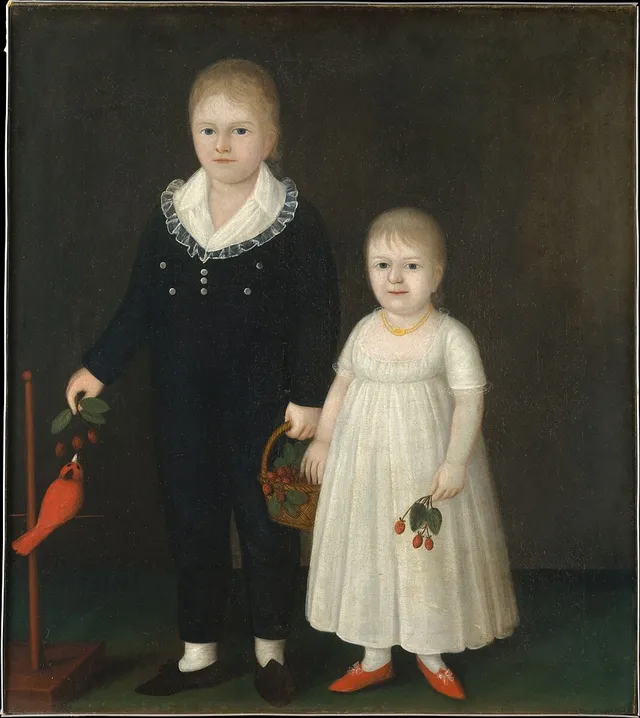
The movement's archetype is Henri Rousseau (1844–1910), nicknamed Le Douanier for his job as a Paris toll collector. Entirely self-taught, he exhibited at the Indépendants from 1886 and painted lush jungles—among them The Sleeping Gypsy (1897) and The Dream (1910)—without ever leaving France, drawing instead on the city's zoo and botanical gardens, as in our holdings The Equatorial Jungle and Tropical Forest with Monkeys. A parallel American tradition runs from the Quaker minister Edward Hicks, whose many Peaceable Kingdom panels preach Isaiah's prophecy, and the early Black portraitist Joshua Johnson (Family Group, Emma Van Name), to John Kane—the first self-taught American admitted to the Carnegie International, in 1927—and Horace Pippin. Internationally, the Georgian Niko Pirosmani, Séraphine Louis, and Croatia's Hlebine School around Ivan Generalić extended the idiom.
Championed by Paul Signac and celebrated by Pablo Picasso, who staged a mock-solemn Banquet Rousseau in 1908, naïve art fed directly into Surrealism and Primitivism and shaped the modern avant-garde's reappraisal of the untrained imagination. It remains distinct from, yet entwined with, folk art and the later category of art brut, or outsider art—a reminder that innocence of technique could itself become a modern style.
Key artists


Works
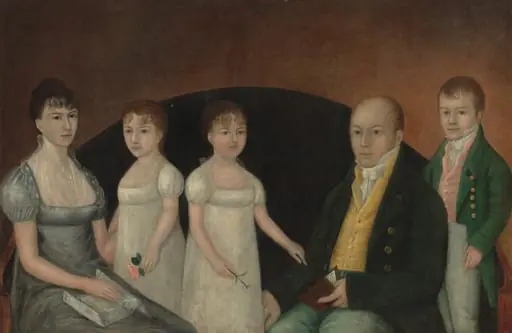 Family Group
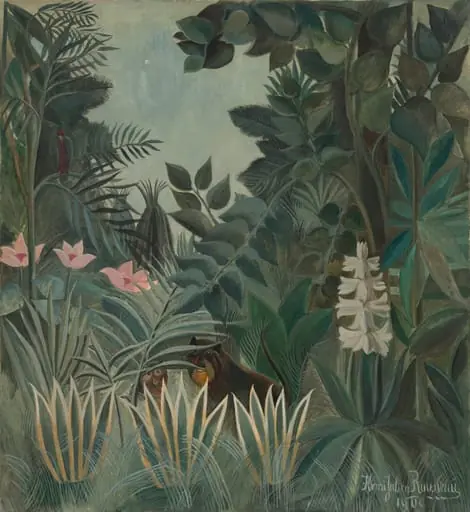 The Equatorial Jungle
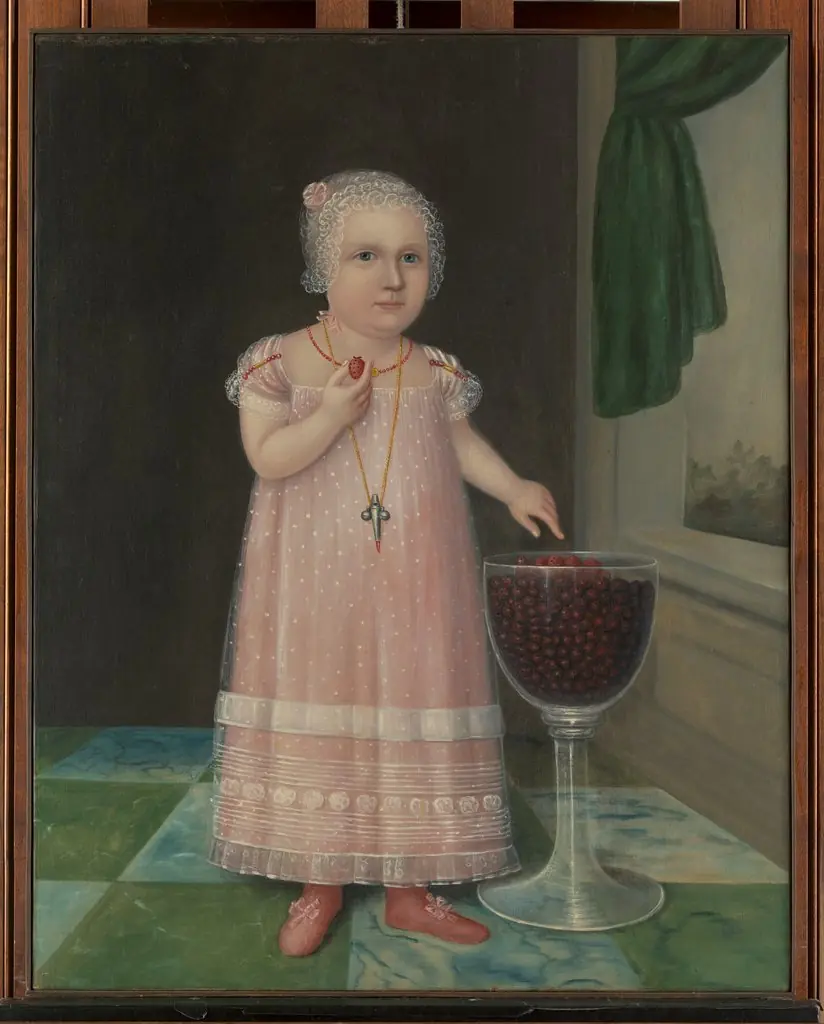 Emma Van Name
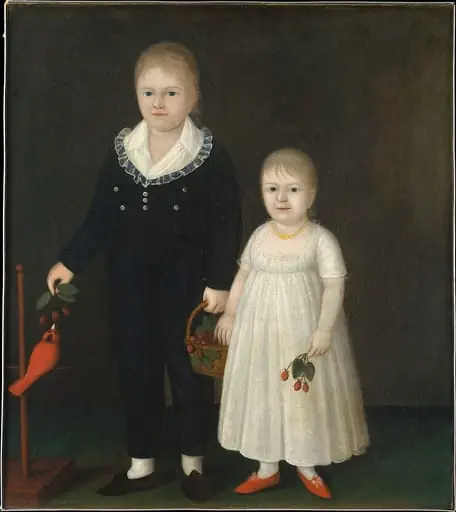 Edward and Sarah Rutter
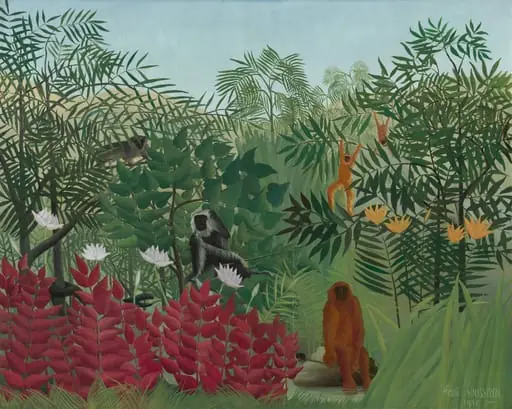 Tropical Forest with Monkeys
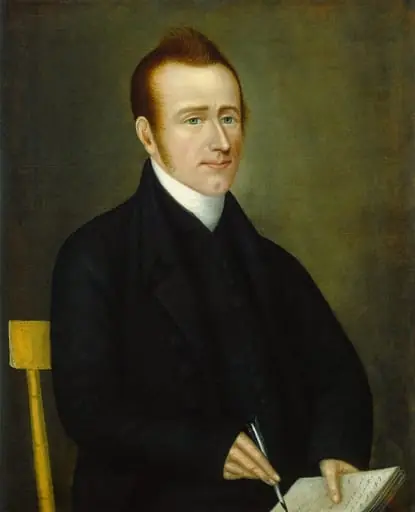 Mr. Baylor
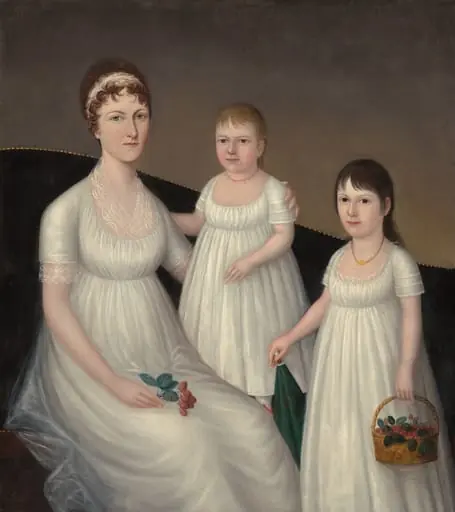 Grace Allison McCurdy (Mrs. Hugh McCurdy) and Her Daughters, Mary Jane and Letitia Grace
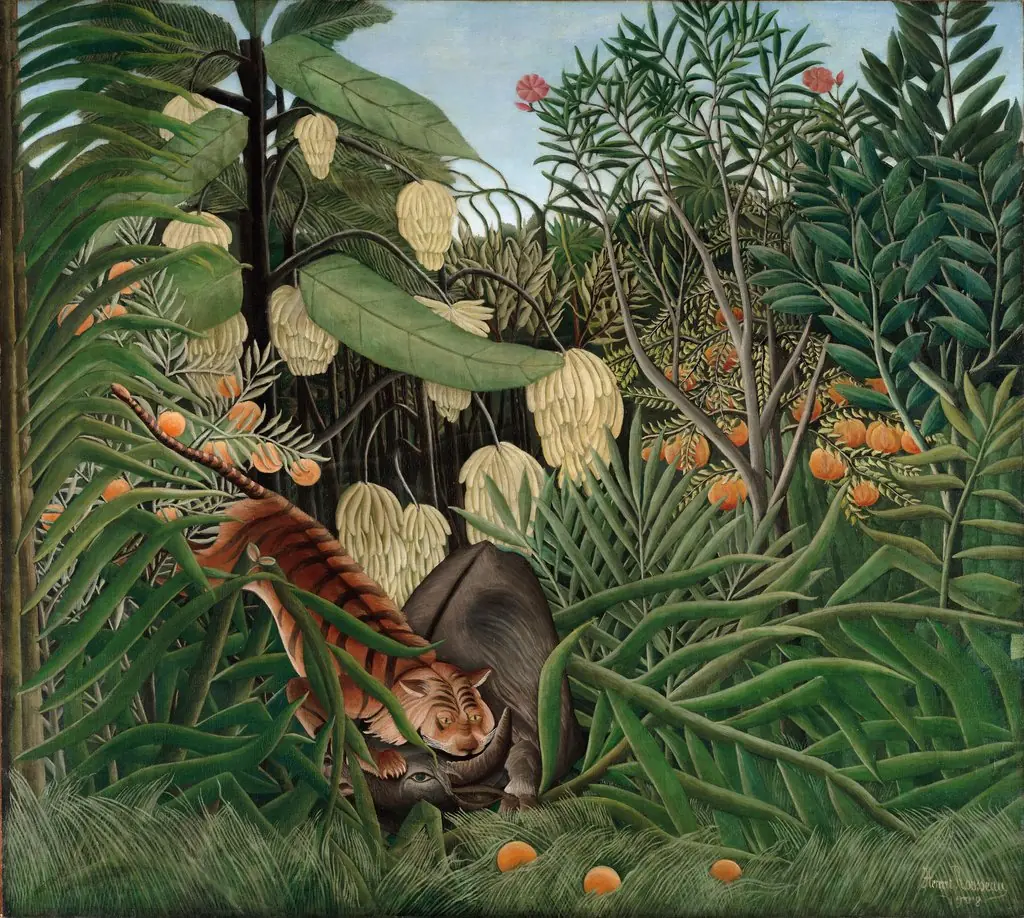 Fight between a Tiger and a Buffalo
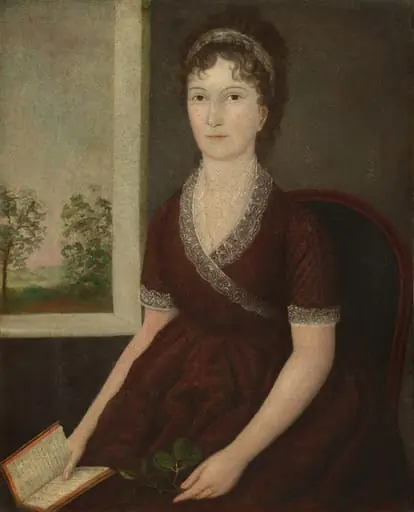 Sarah Ogden Gustin
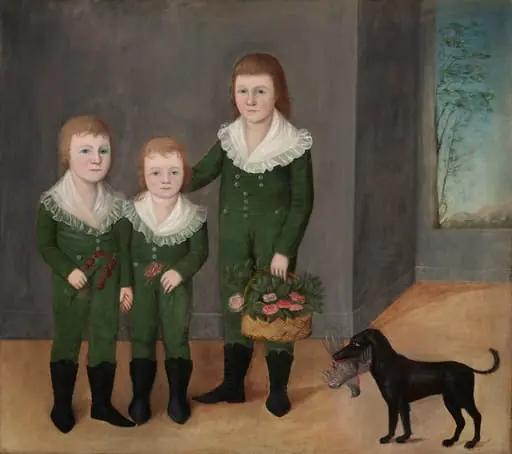 The Westwood Children
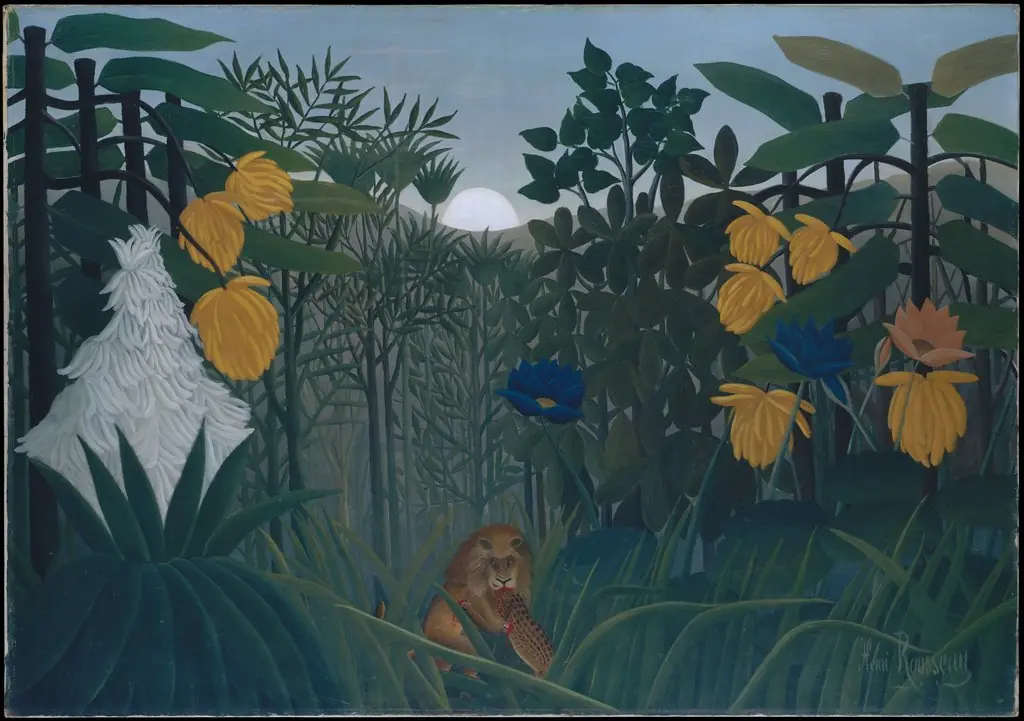 The Repast of the Lion
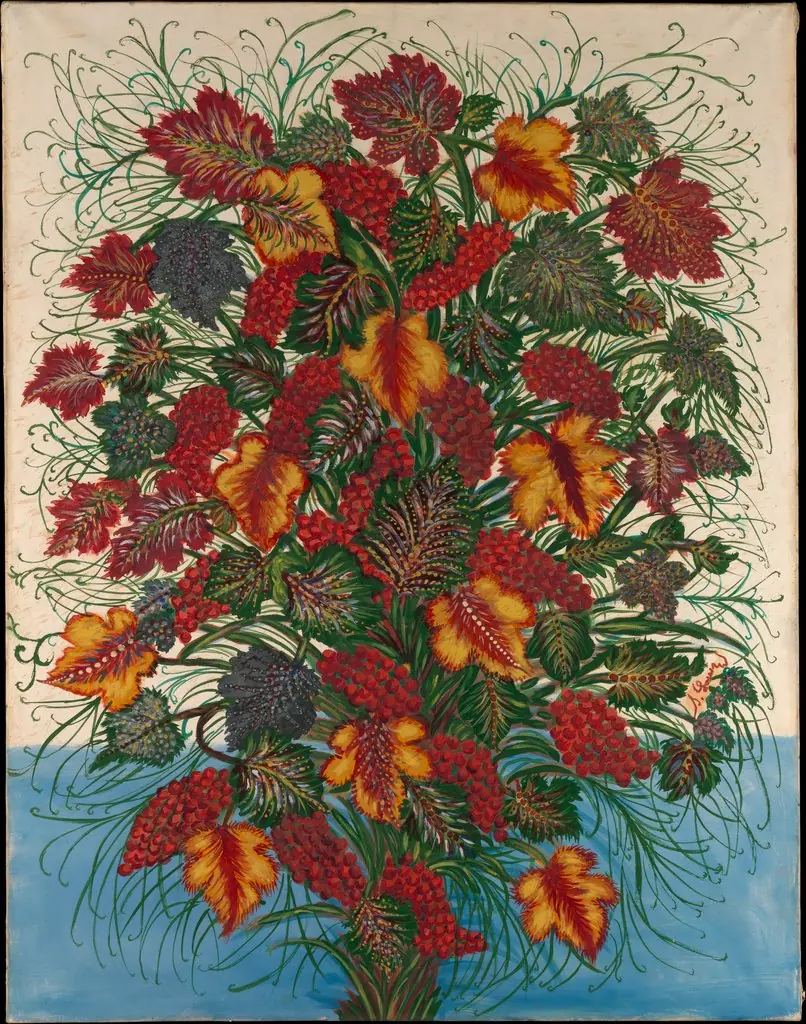 The Large Bouquet
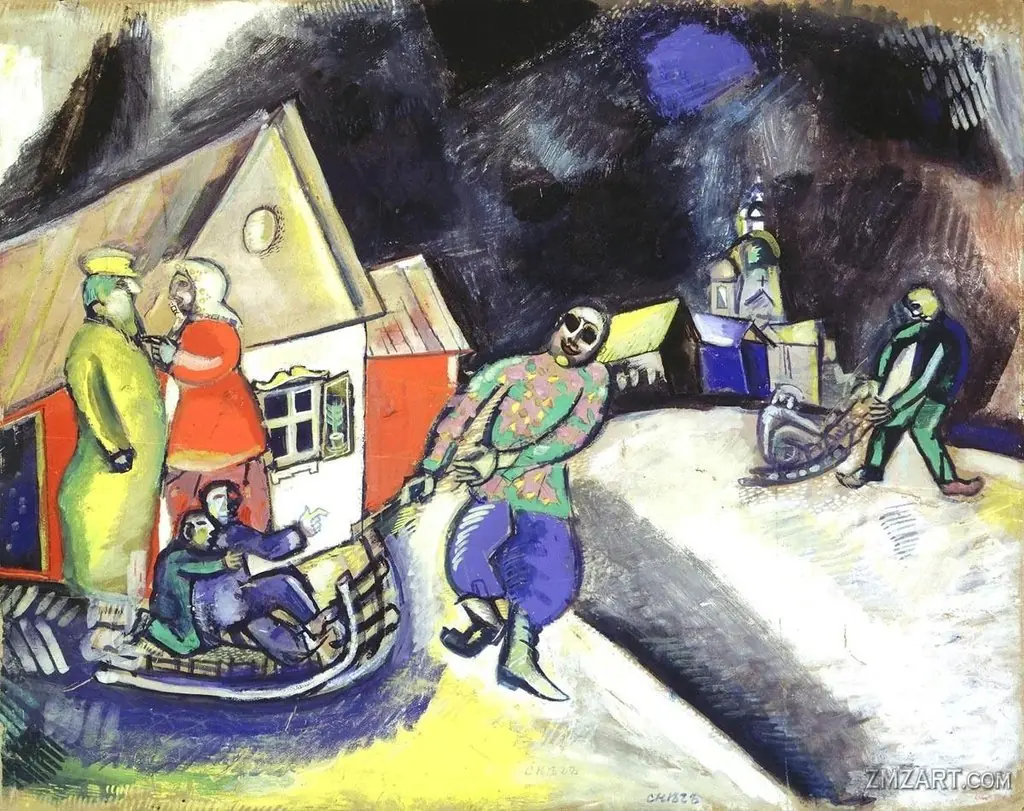 Snow, Winter in Vitebsk
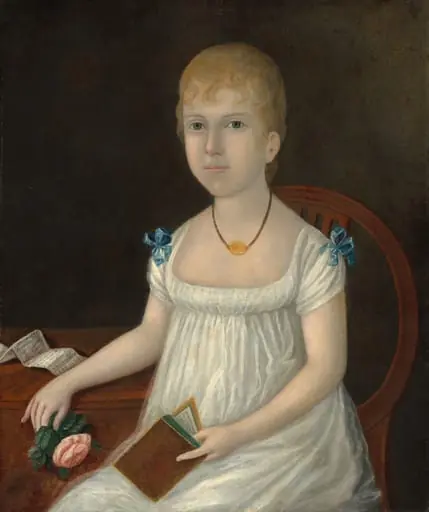 Adelina Morton
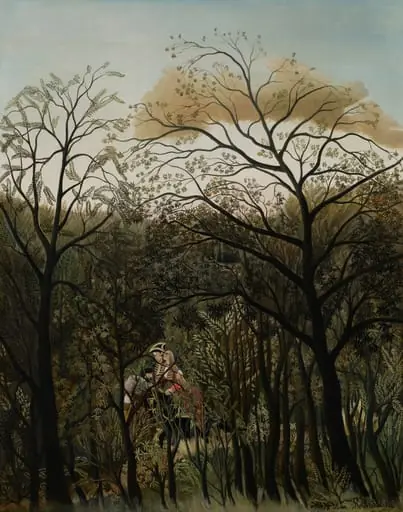 Rendezvous in the Forest
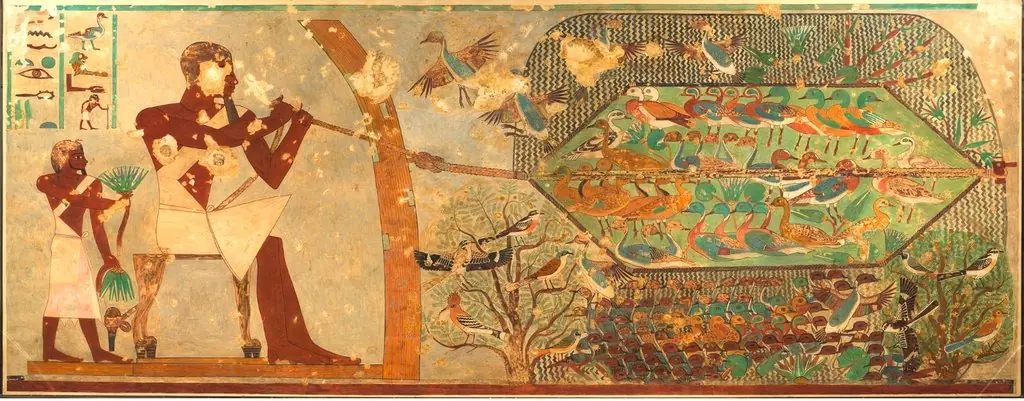 Netting Birds, Tomb of Khnumhotep
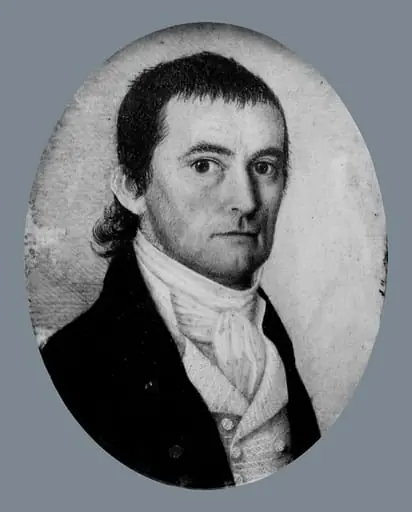 Nathaniel Griffing
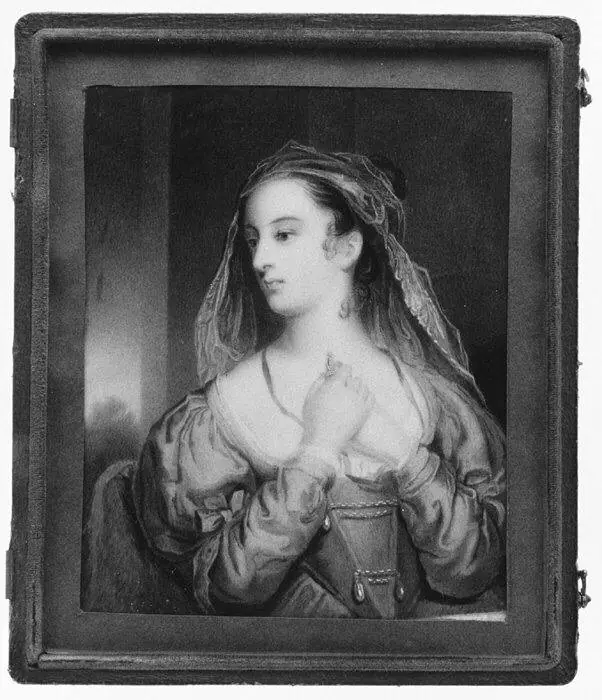 Portrait of a Woman
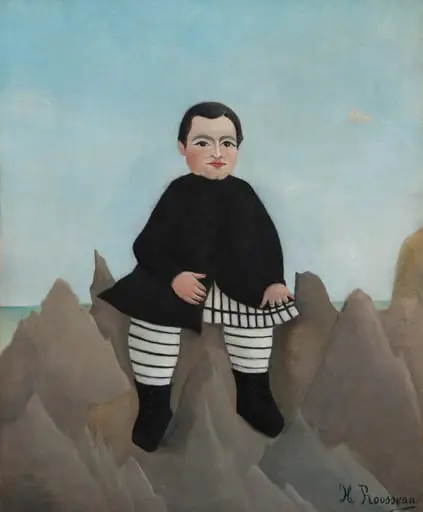 Boy on the Rocks
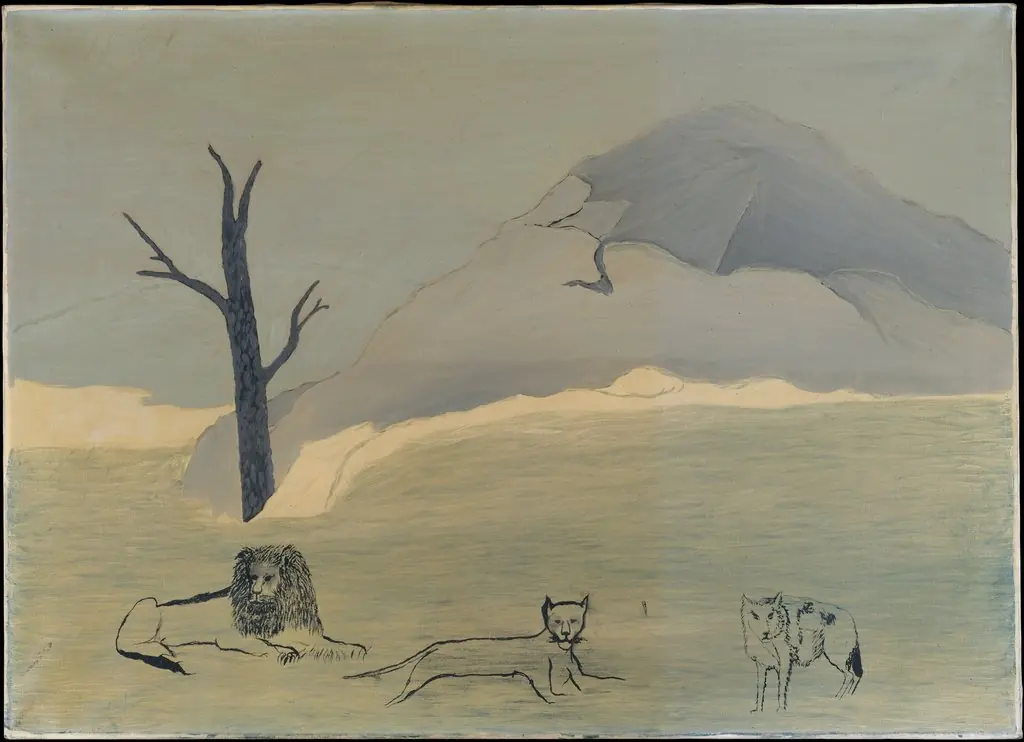 Holy Mountain IV
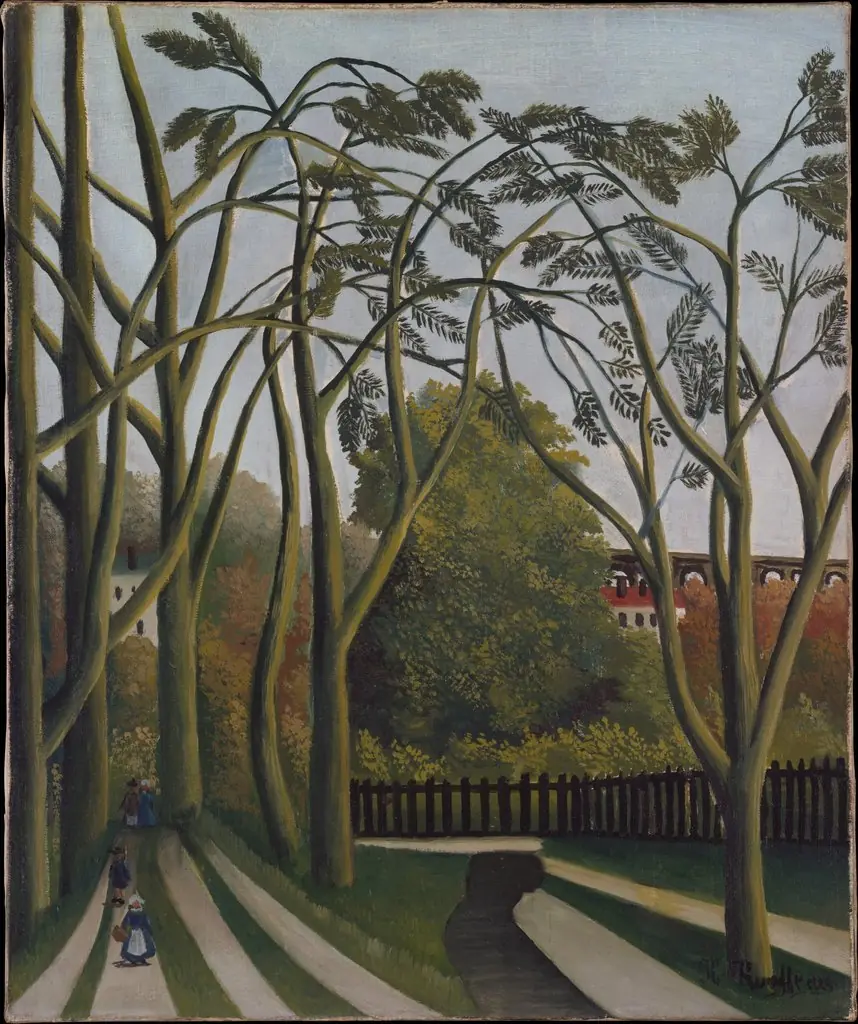 The Banks of the Bièvre near Bicêtre
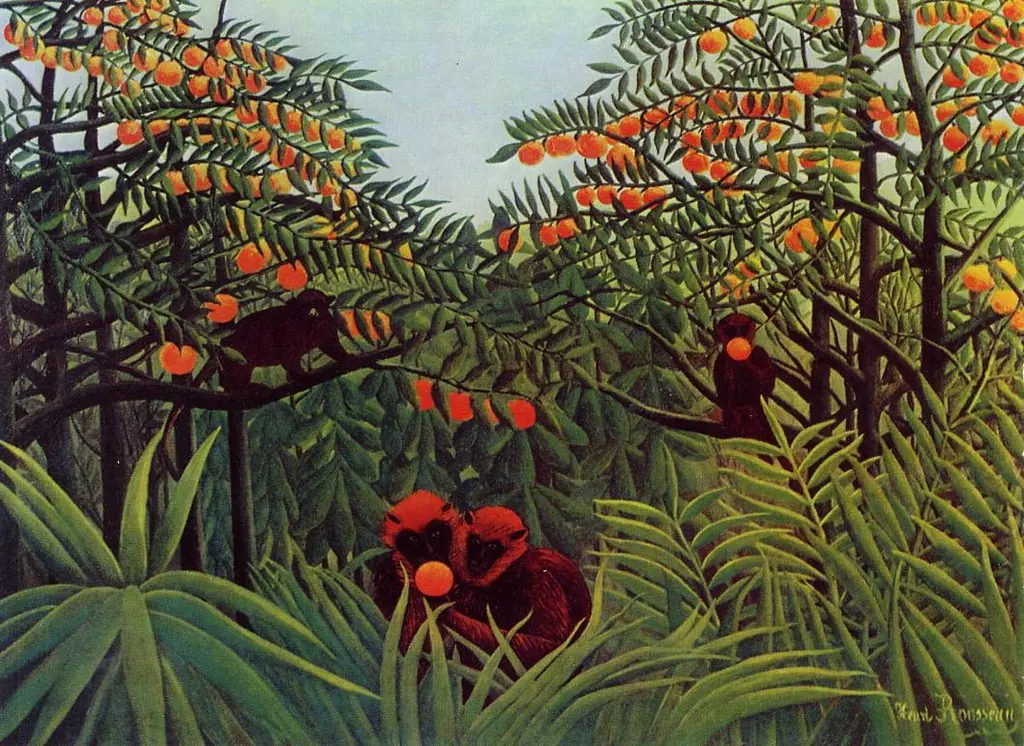 Apes in the Orange Grove
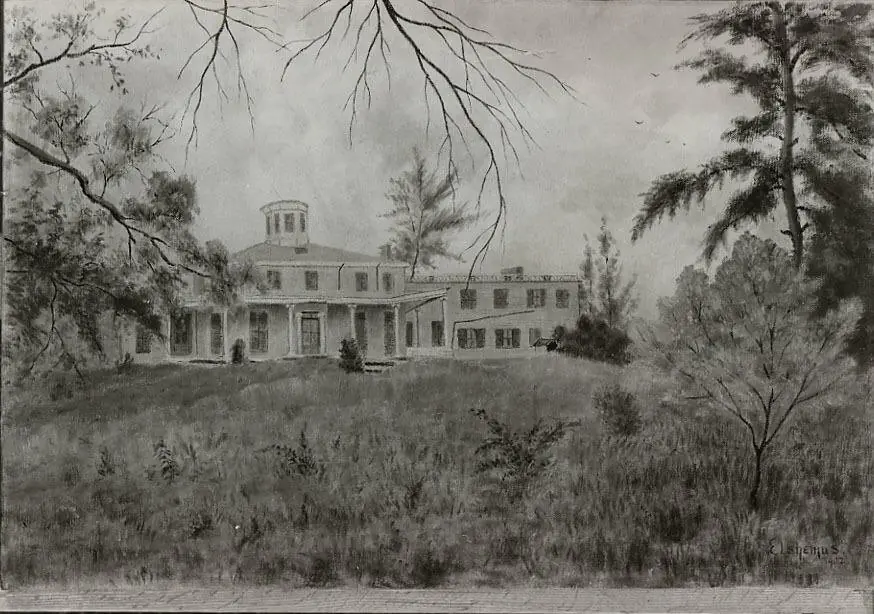 Birthplace of the Artist
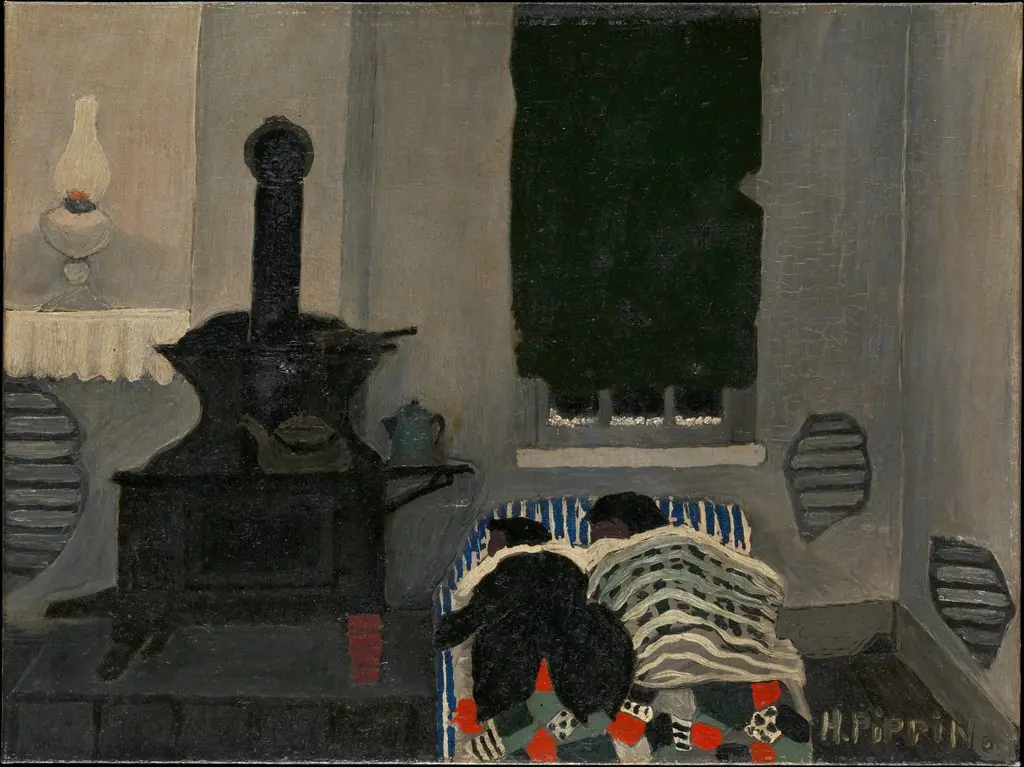 Asleep
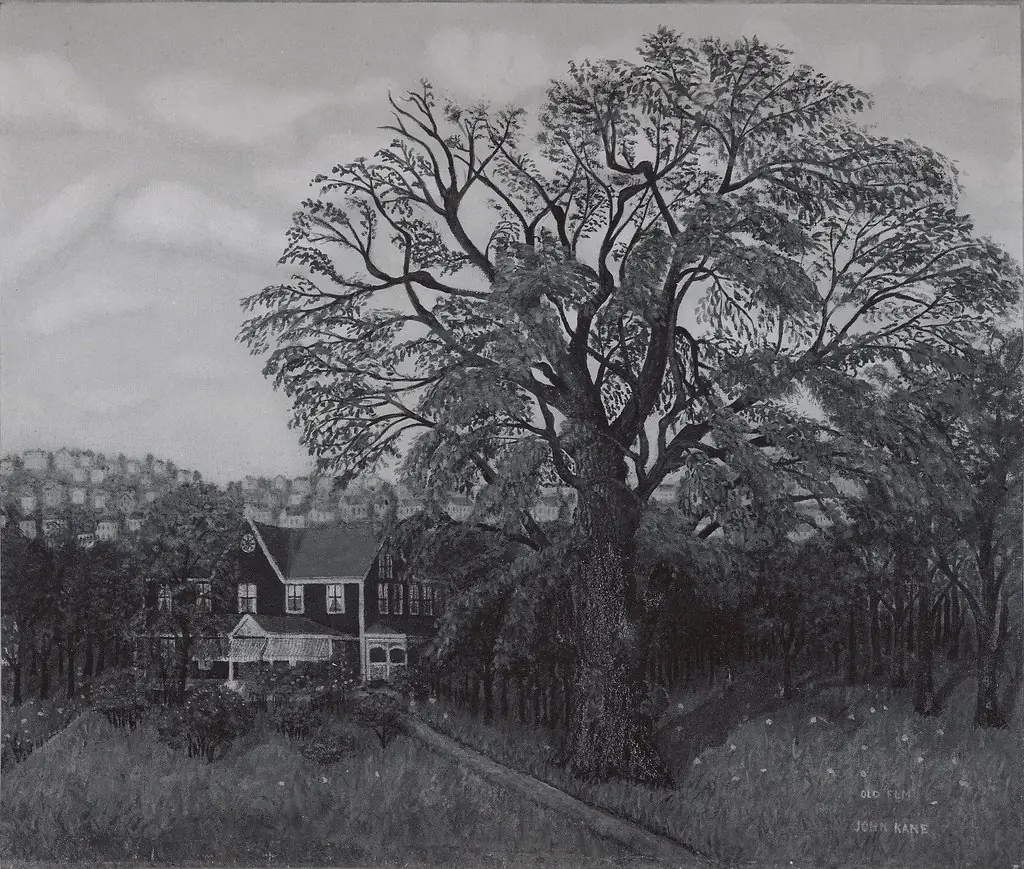 The Old Elm
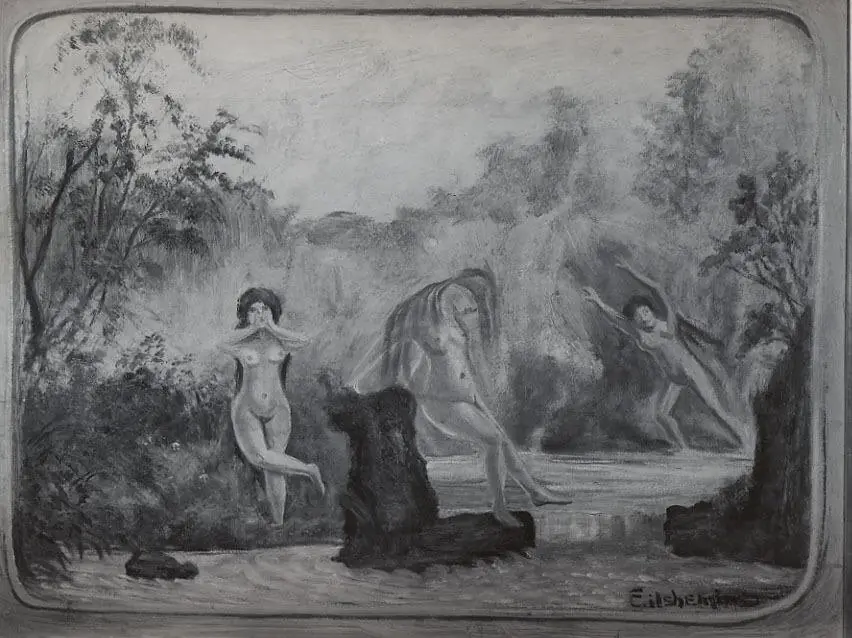 Swimming Party
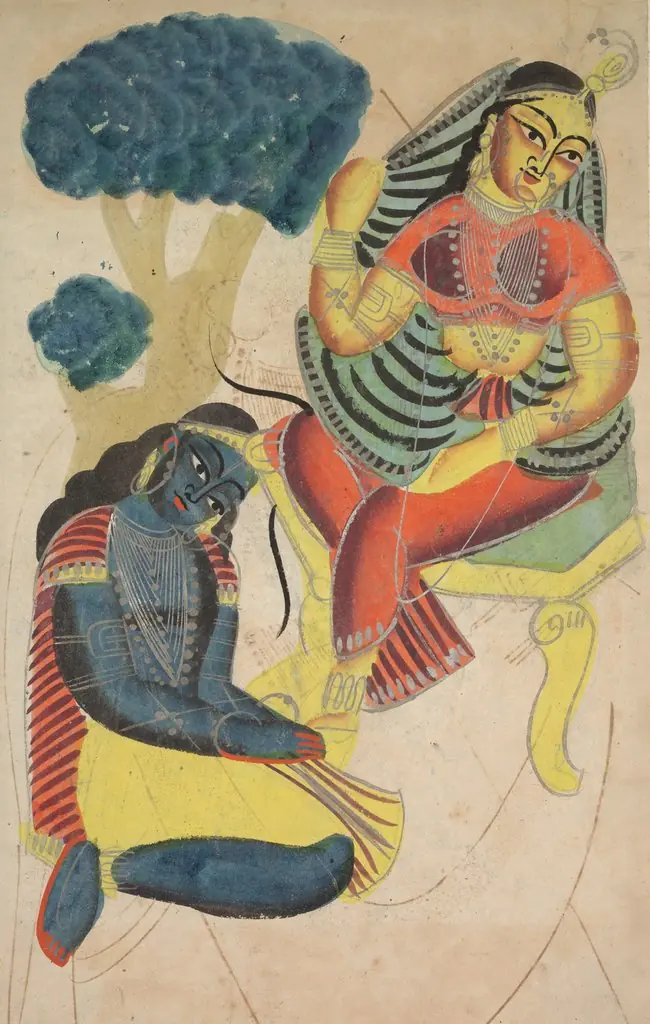 Krishna Stroking Radha's Feet (verso), from a Kalighat album
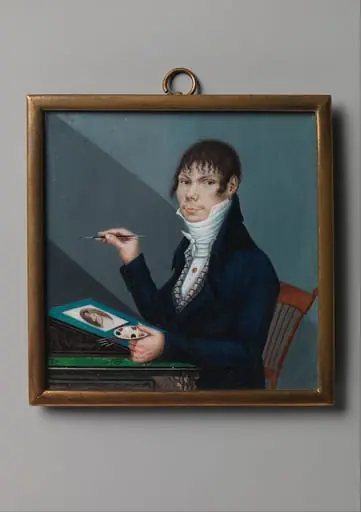 Self Portrait
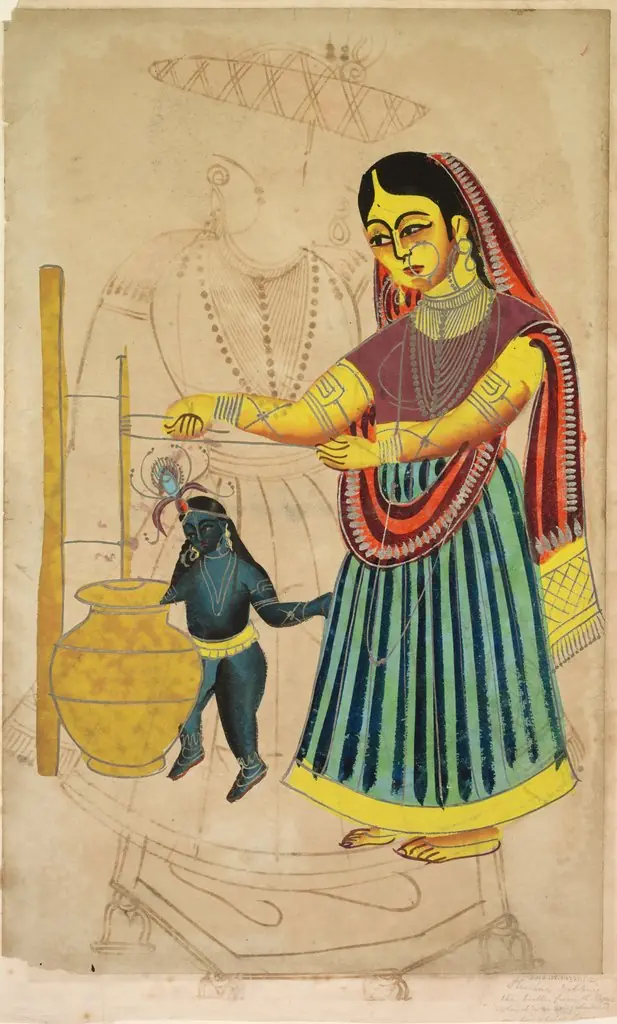 Yasoda Churning Butter (verso), from a Kalighat album
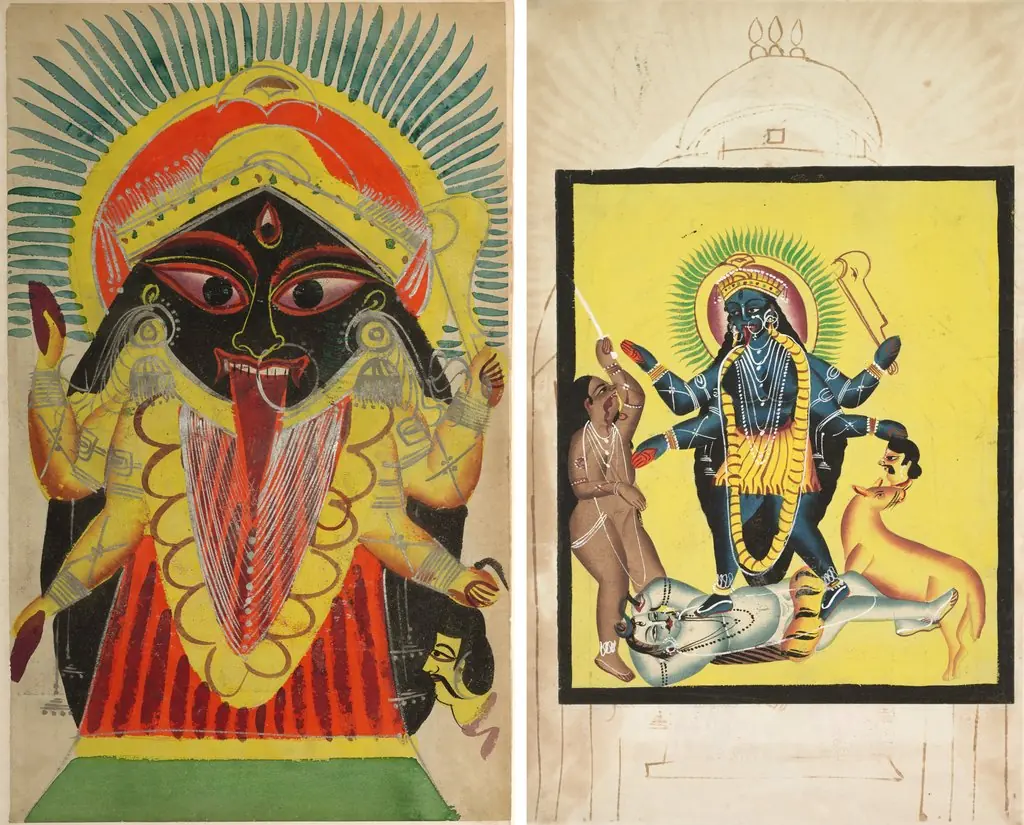 Leaf from a Kalighat album: The Goddess Kali (recto); Kali Standing on Shiva (verso)
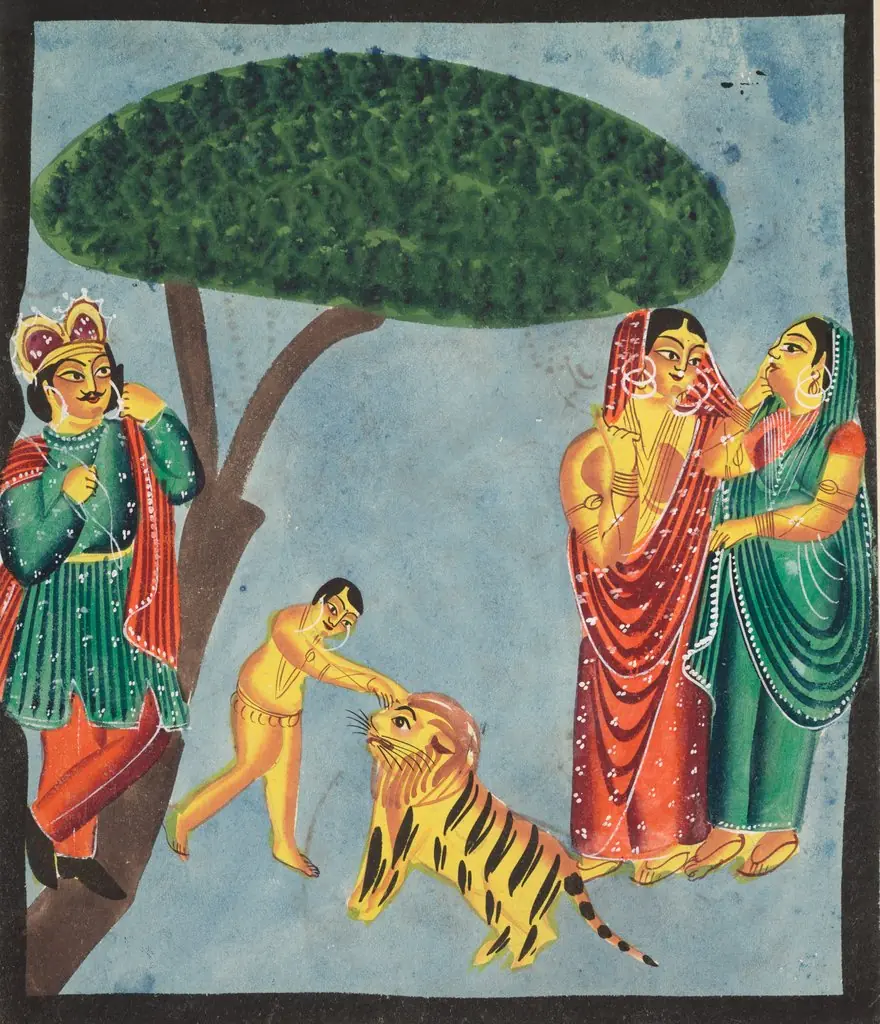 Dushyanta watching his son Bharat playing with the tiger at the end of the Abhijnanashakuntalam (verso), from a Kalighat album
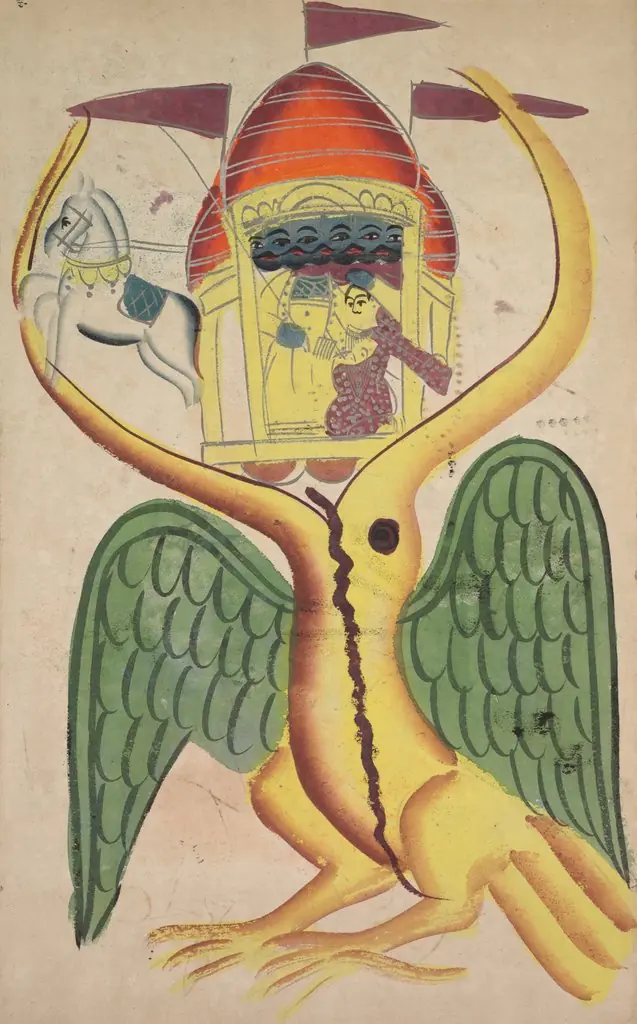 Jatayu hinders Ravana’s chariot, trying to prevent the abduction of Sita (recto), from a Kalighat album
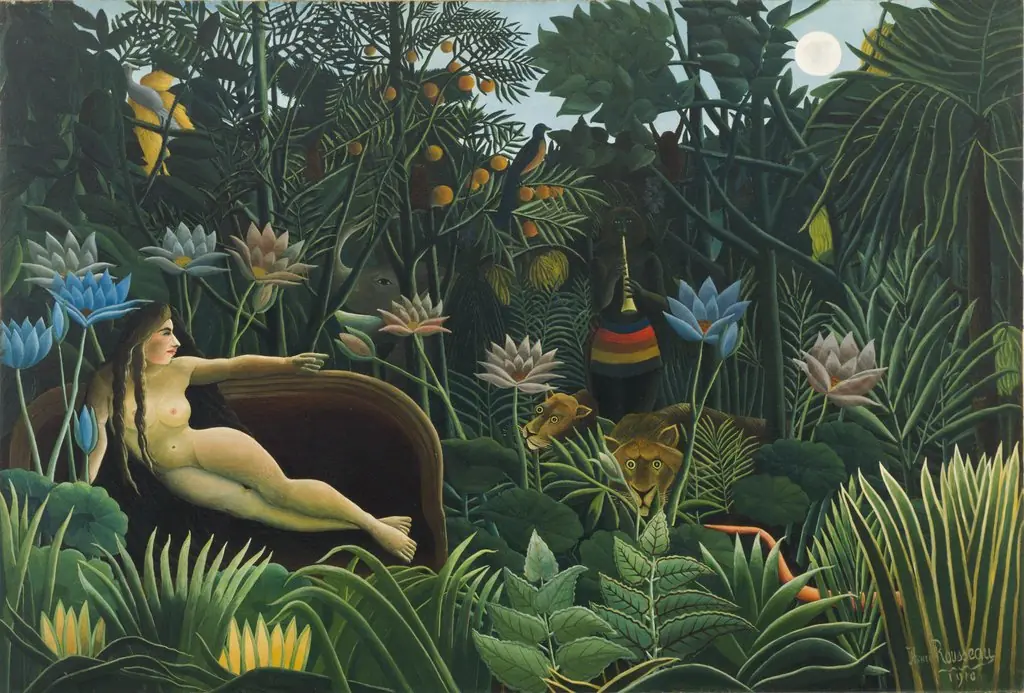 The Dream
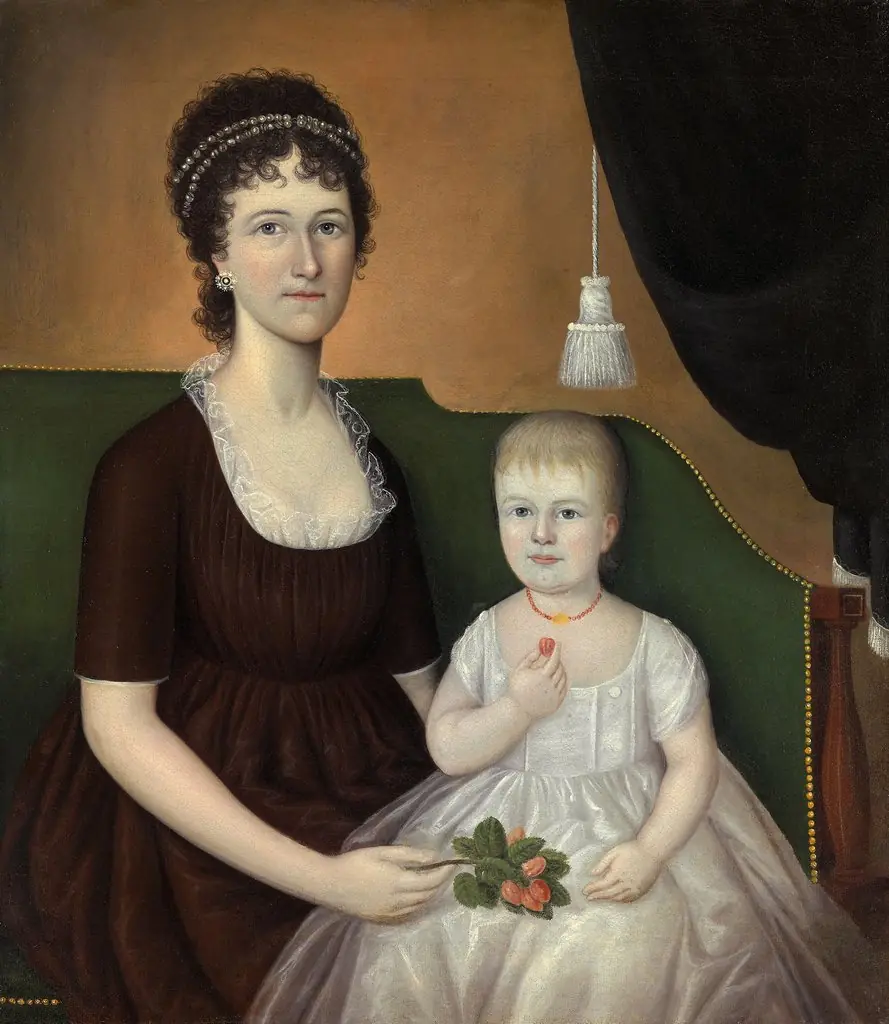 Mrs. Andrew Bedford Bankson and Son, Gunning Bedford Bankson
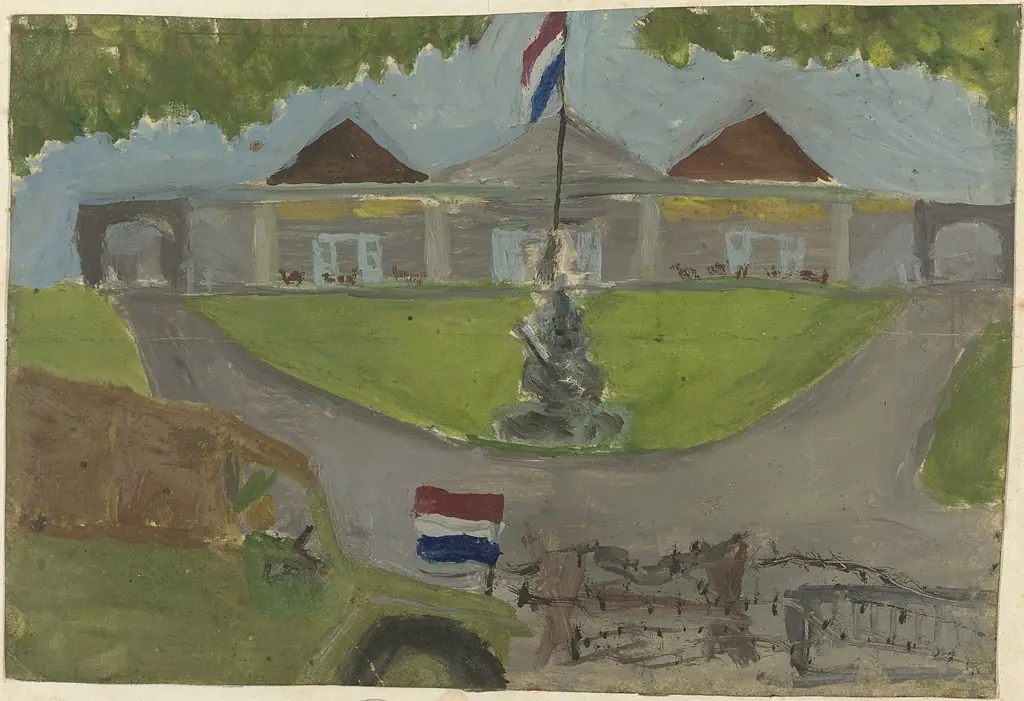 Dutch Troops Occupied the Presidential Palace
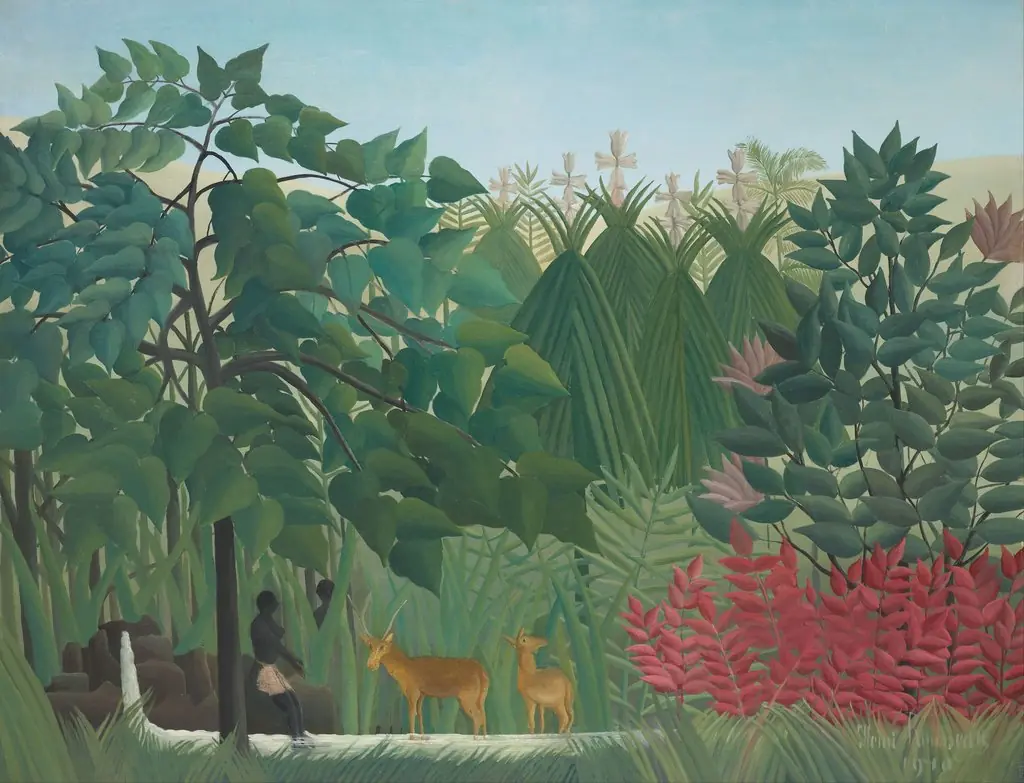 The Waterfall
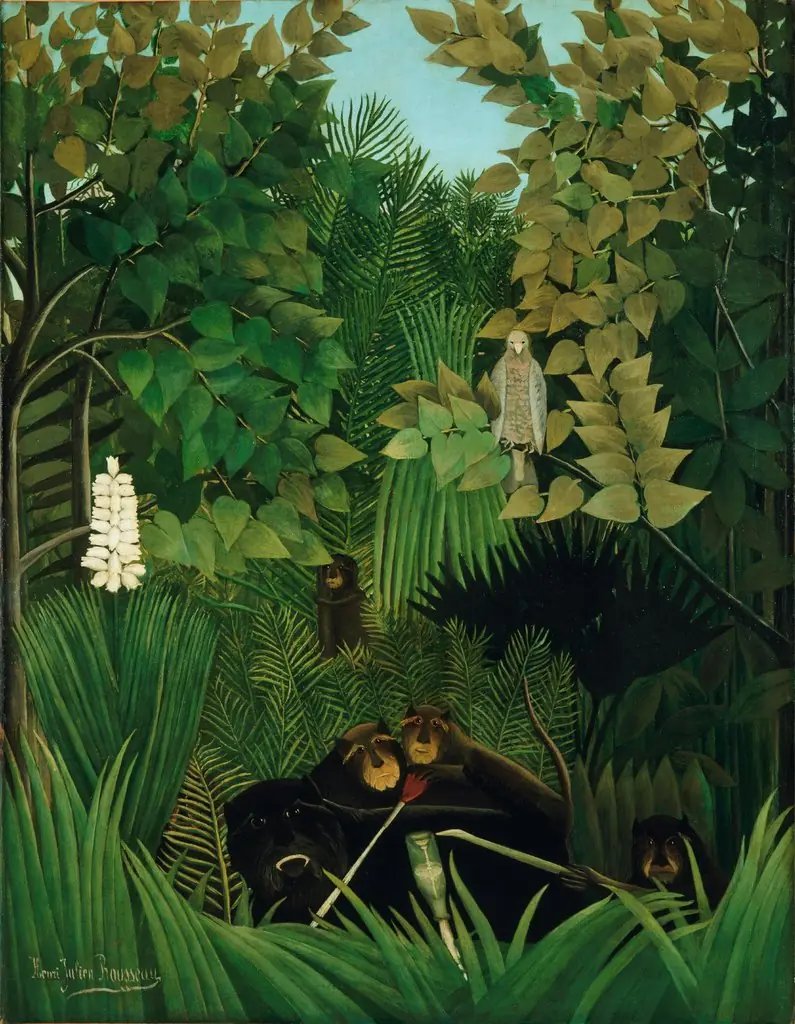 The Merry Jesters
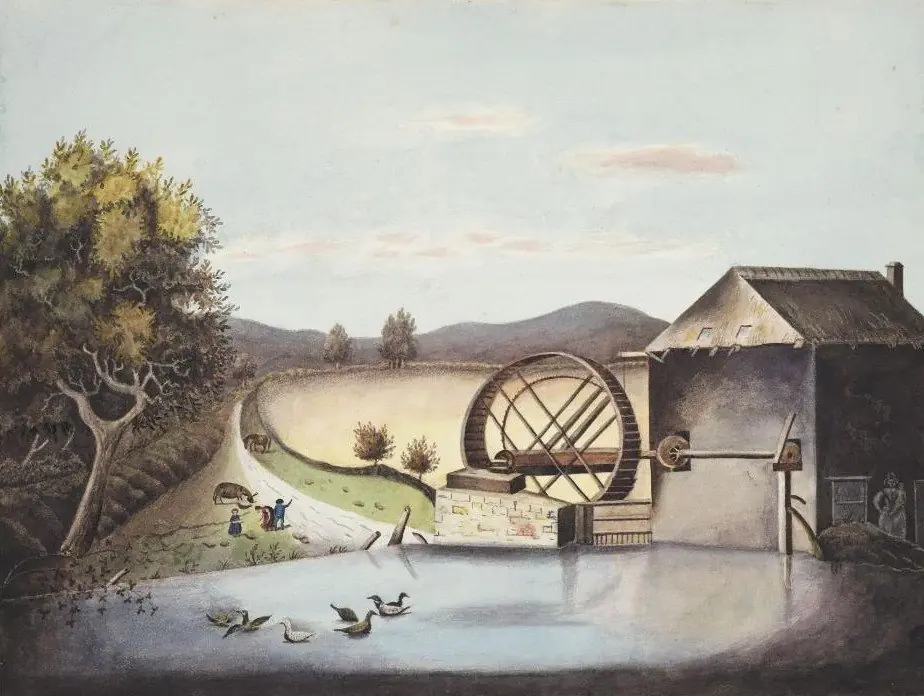 A Factory nigh Aberystwith
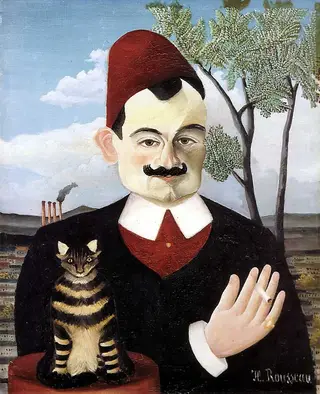 Portrait of Monsieur X (Pierre Loti)
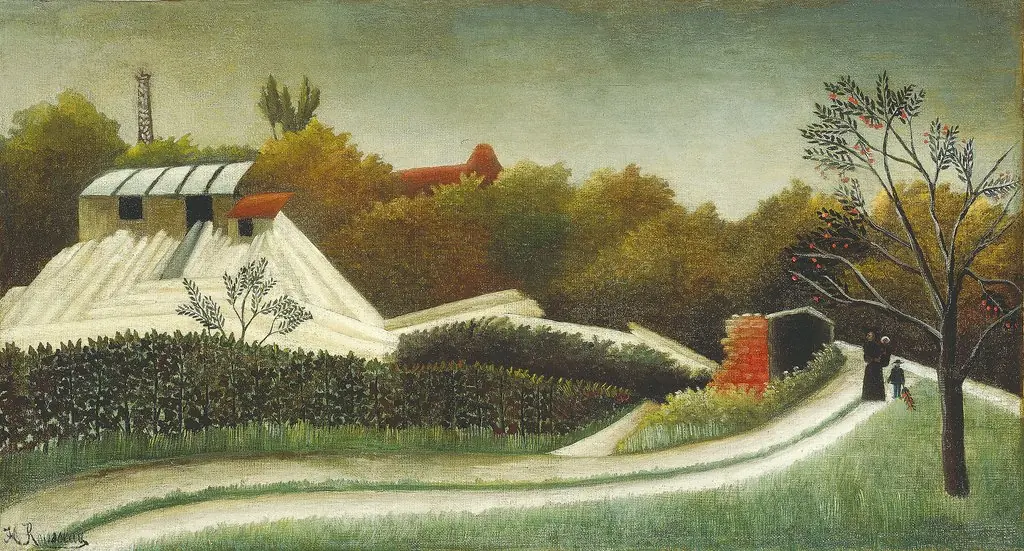 Sawmill, Outskirts of Paris
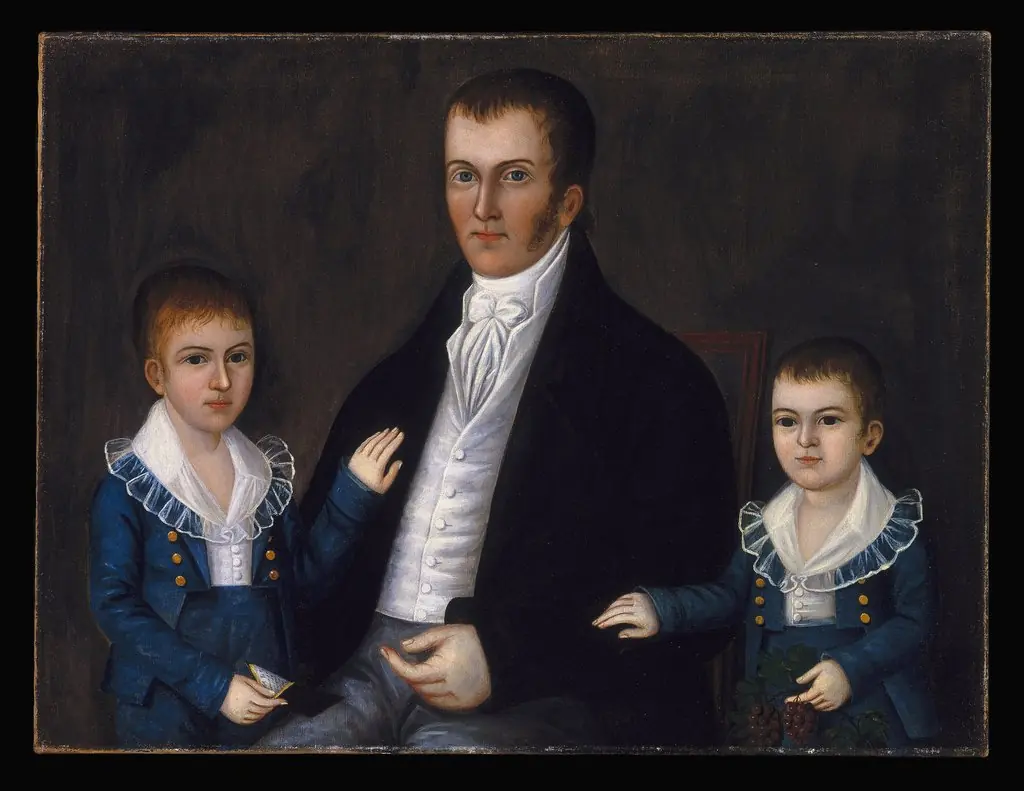 John Jacob Anderson and Sons, John and Edward
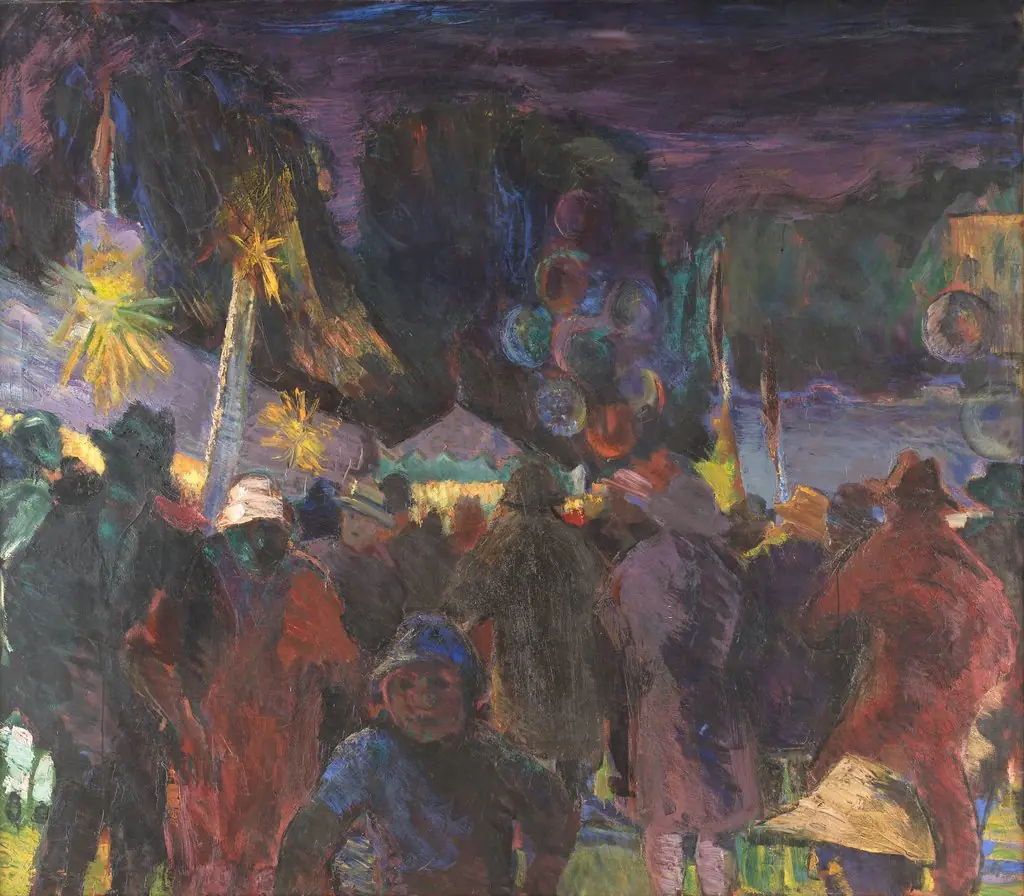 Evening at Dyrehavsbakken
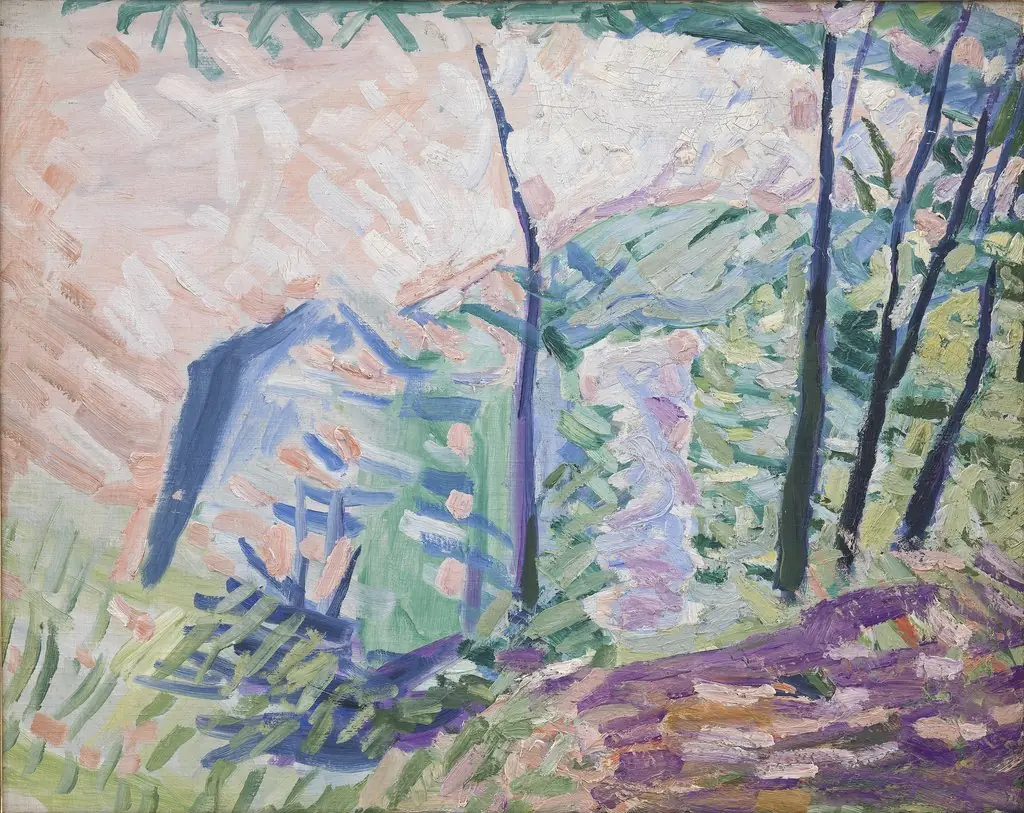 Forest near Bagsværd Lake
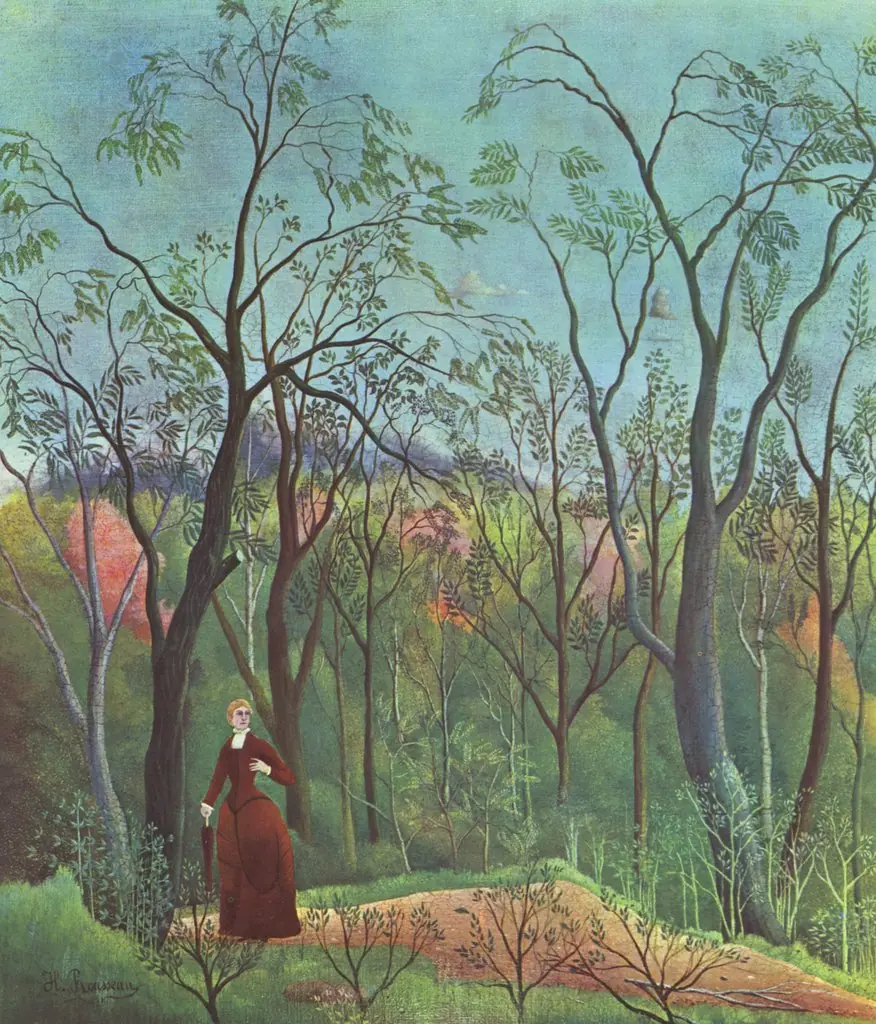 Walk in the Wood
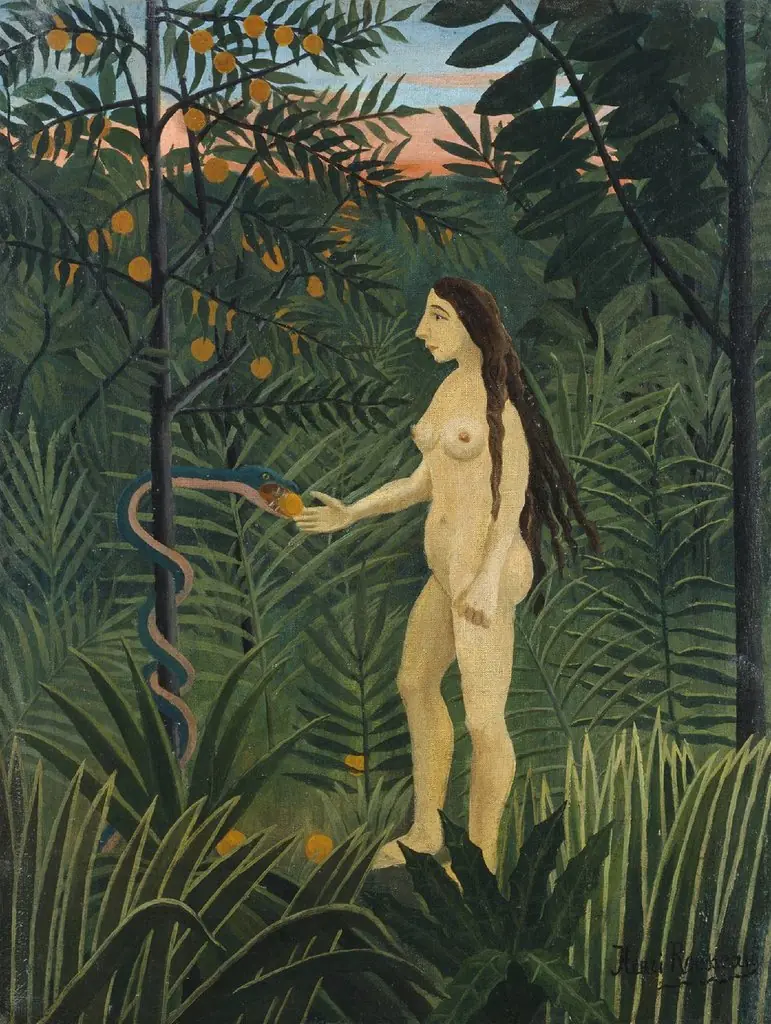 Eve and the Serpent
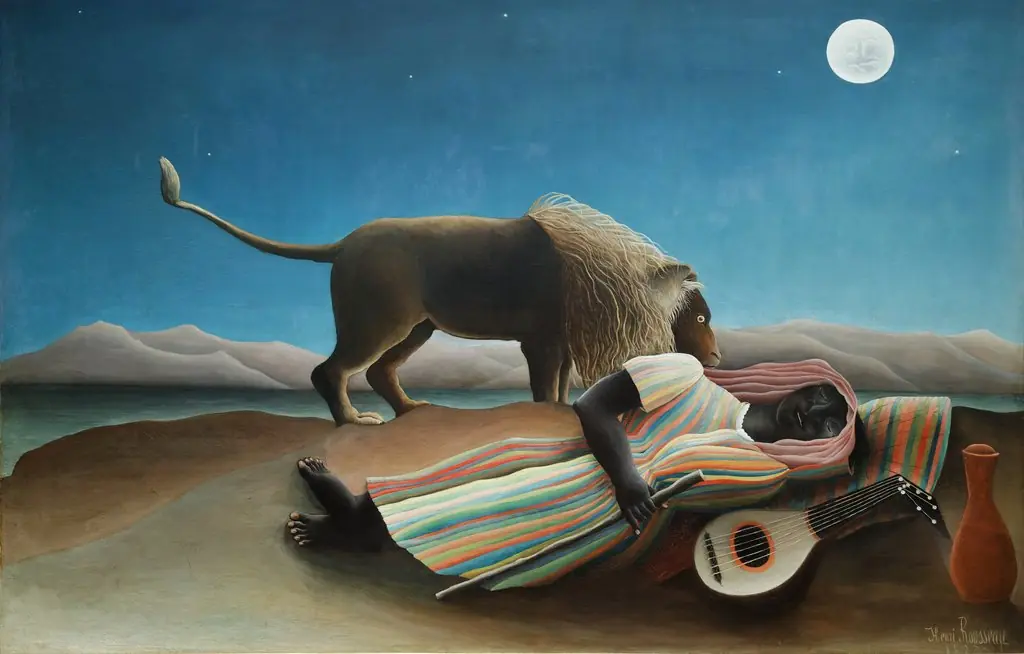 The Sleeping Gypsy
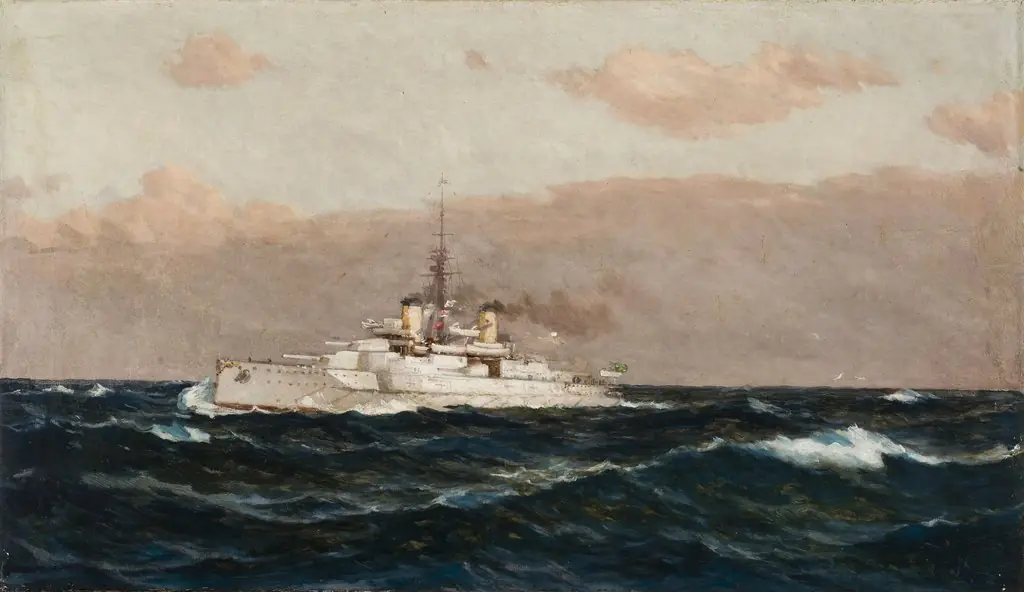 Couraçado São Paulo (atribuído)
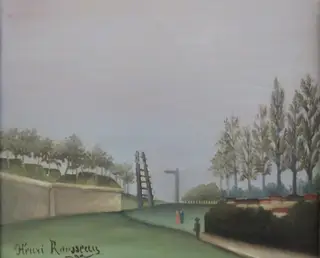 View of the Fortifications to the left of the Gate of Vanves
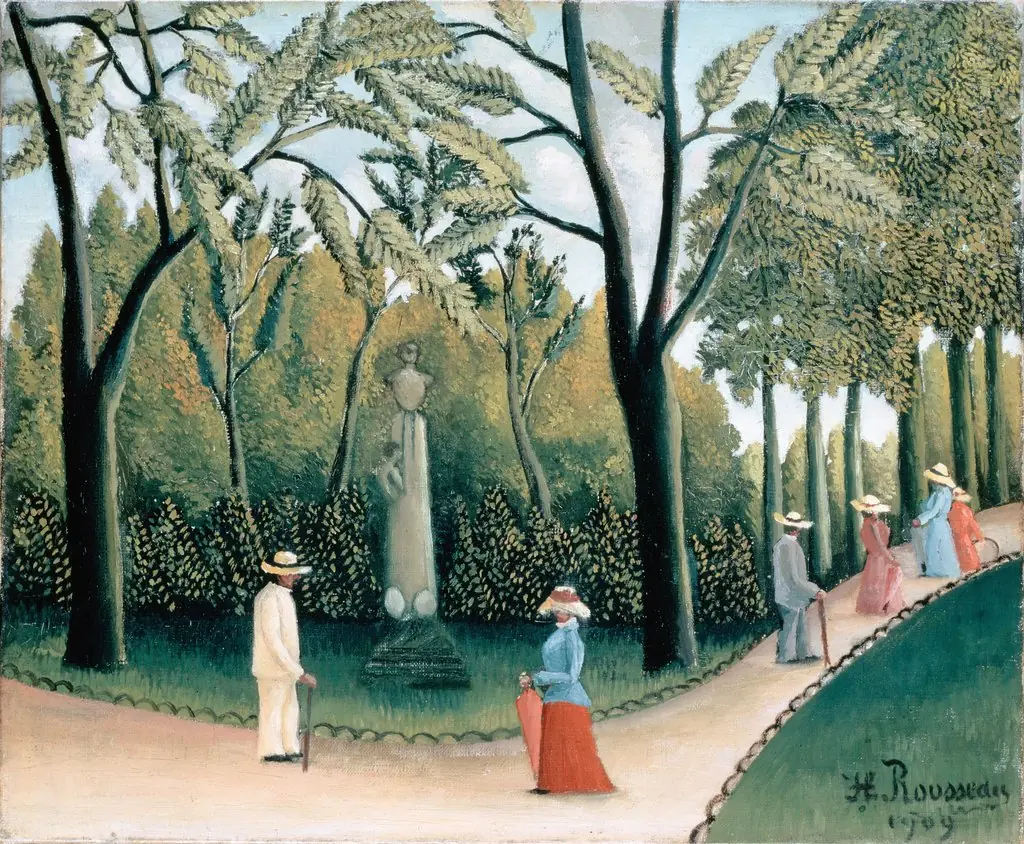 Luxembourg Gardens. Monument to Chopin
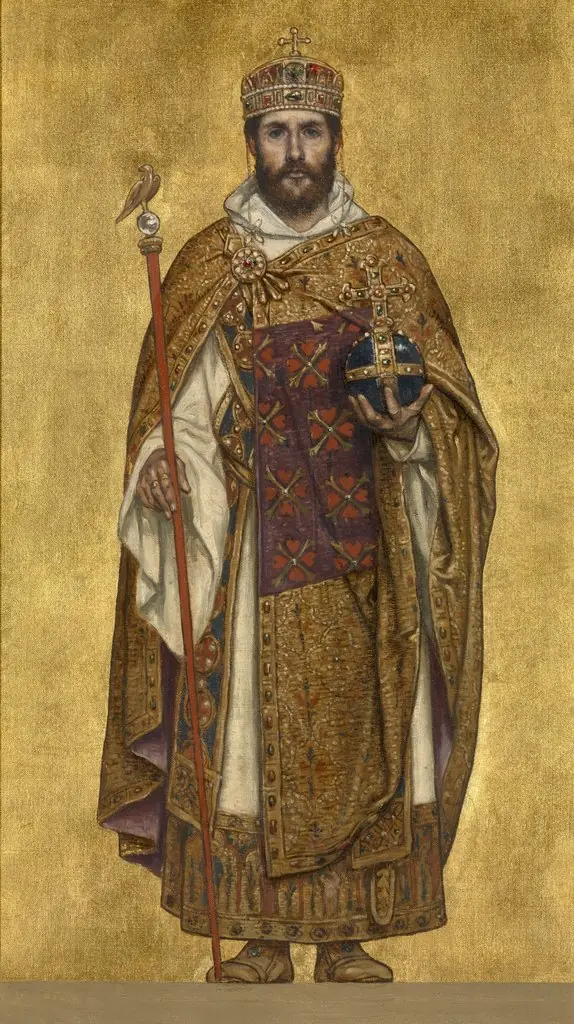 Baldwin III
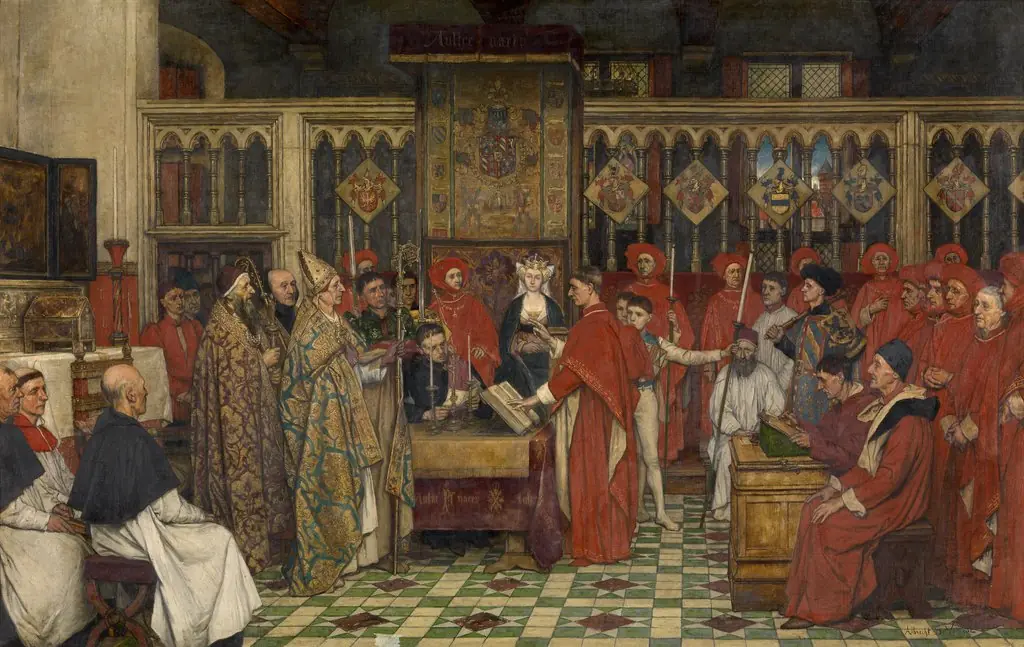 The First Chapter of the Order of the Golden Fleece
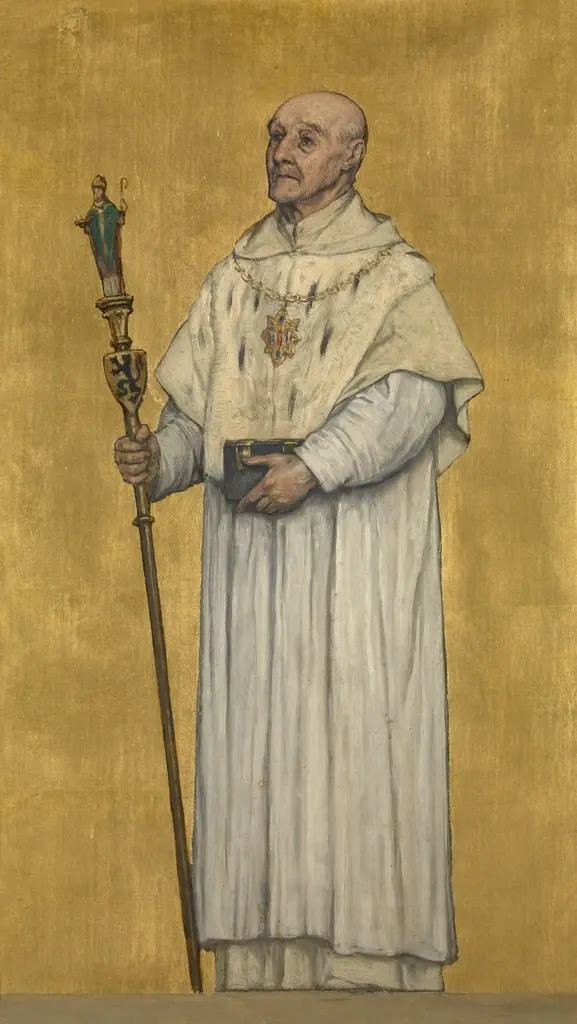 Provost of Saint Donatus
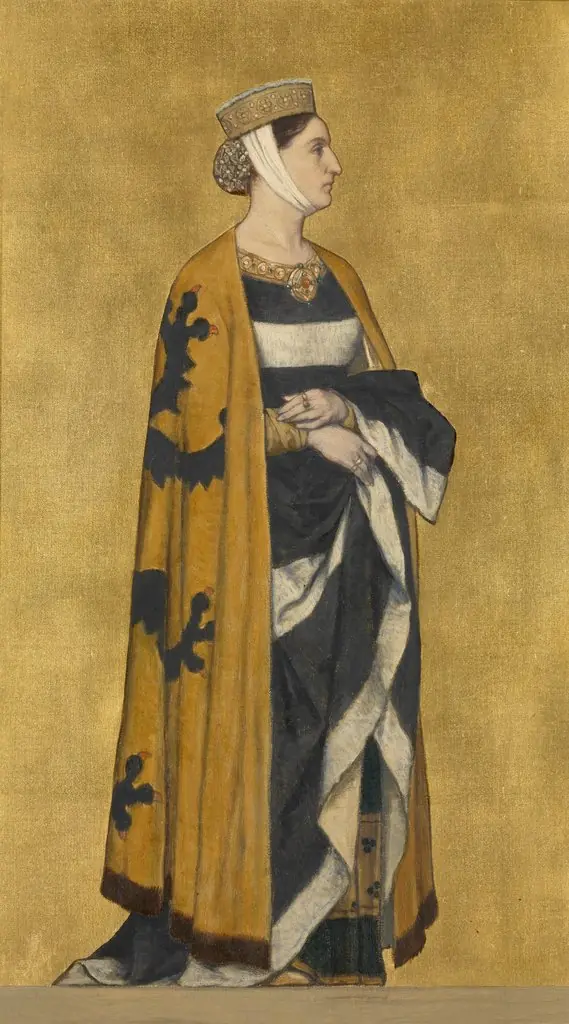 Margaret of Flanders, Daughter of Baldwin of Constantinople
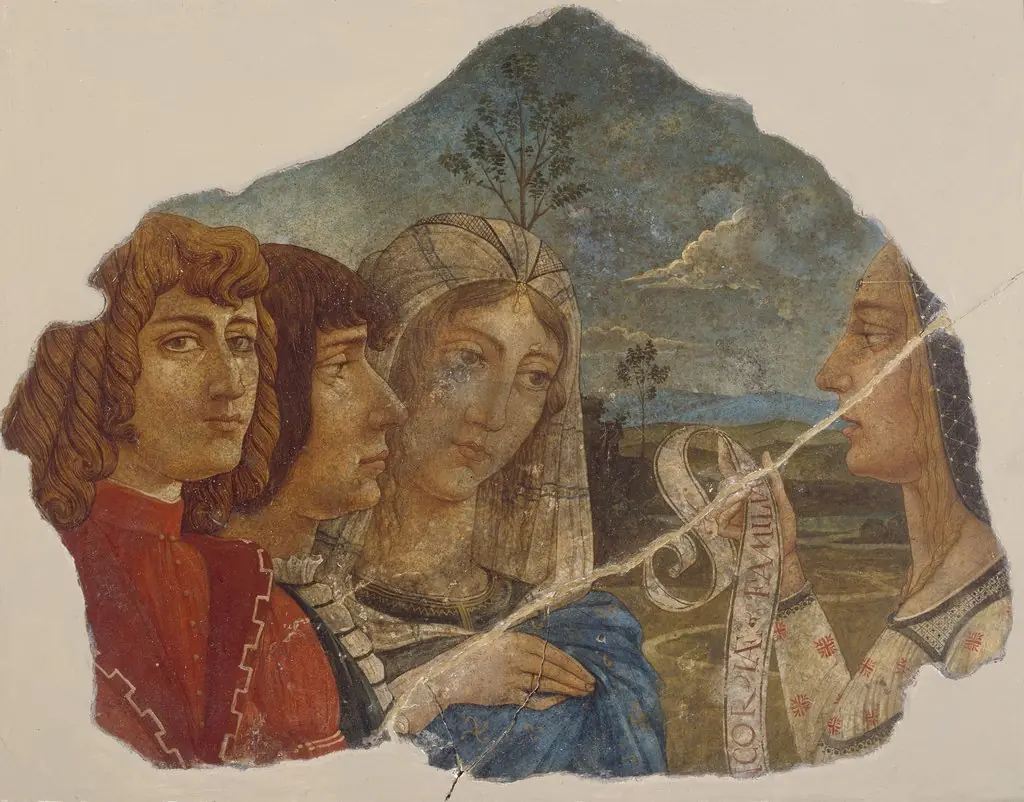 Fresco Fragment
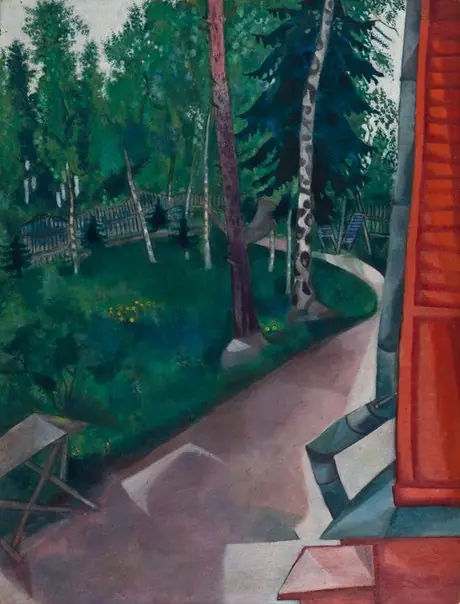 Summer residence
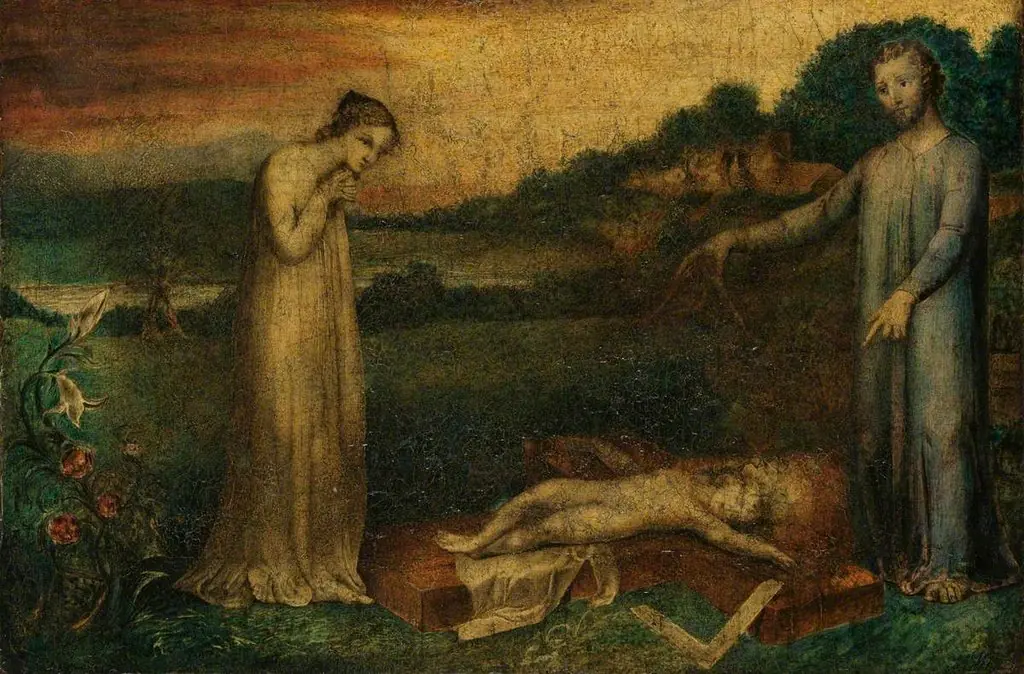 The Christ Child asleep on a cross
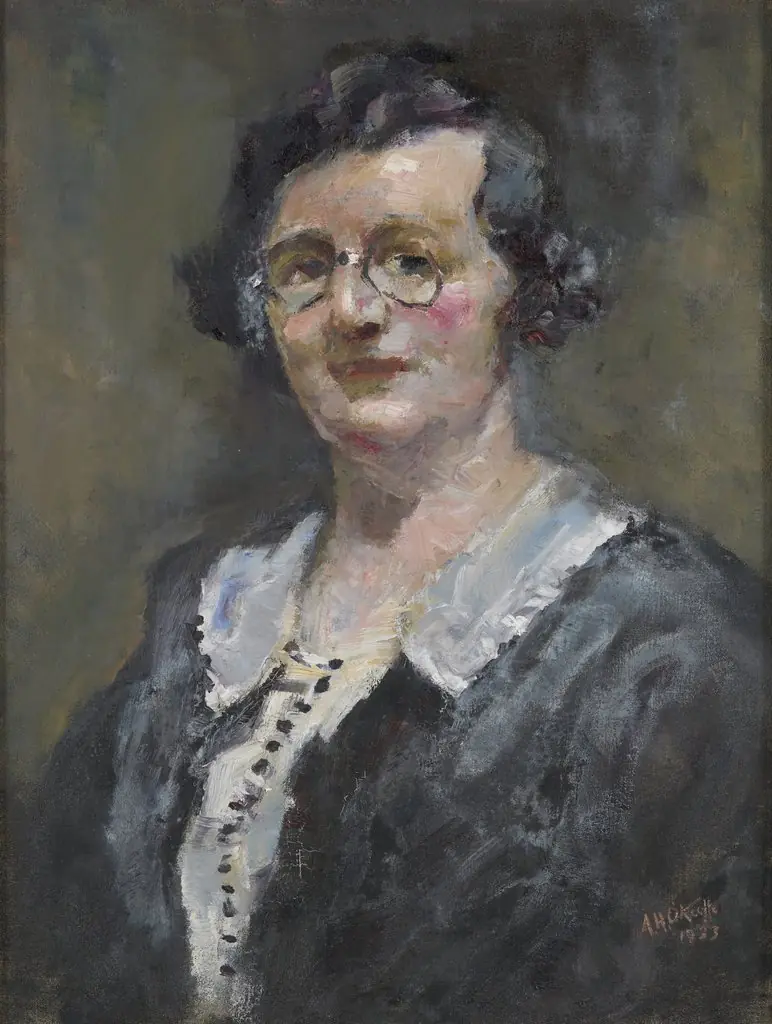 Portrait of Miss I. Robertson
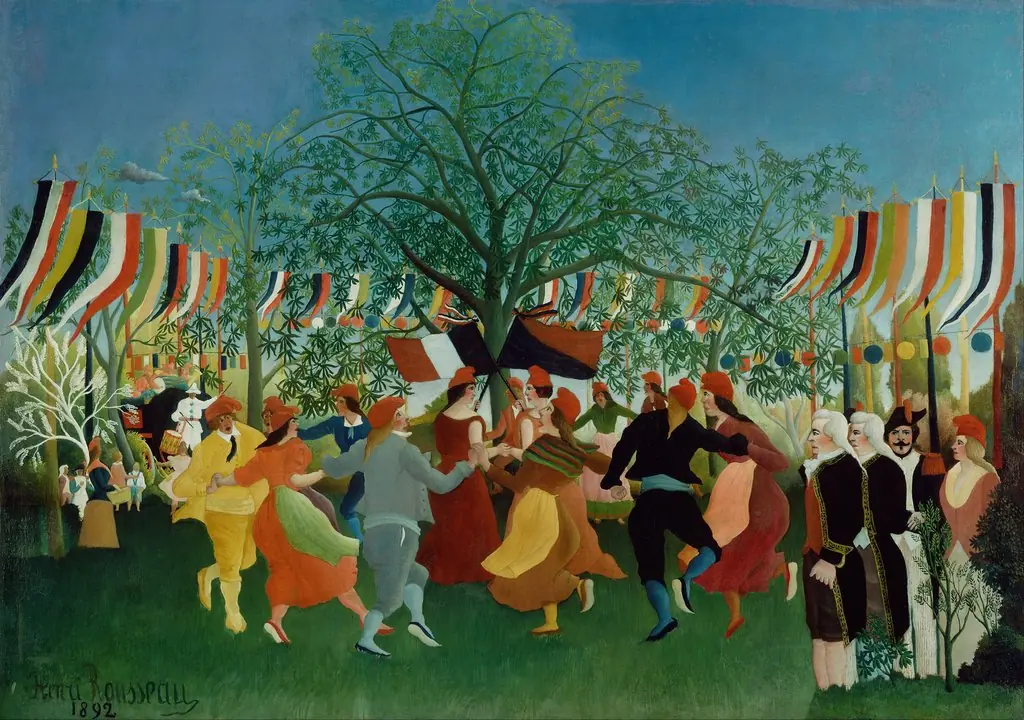 A Centennial of Independence
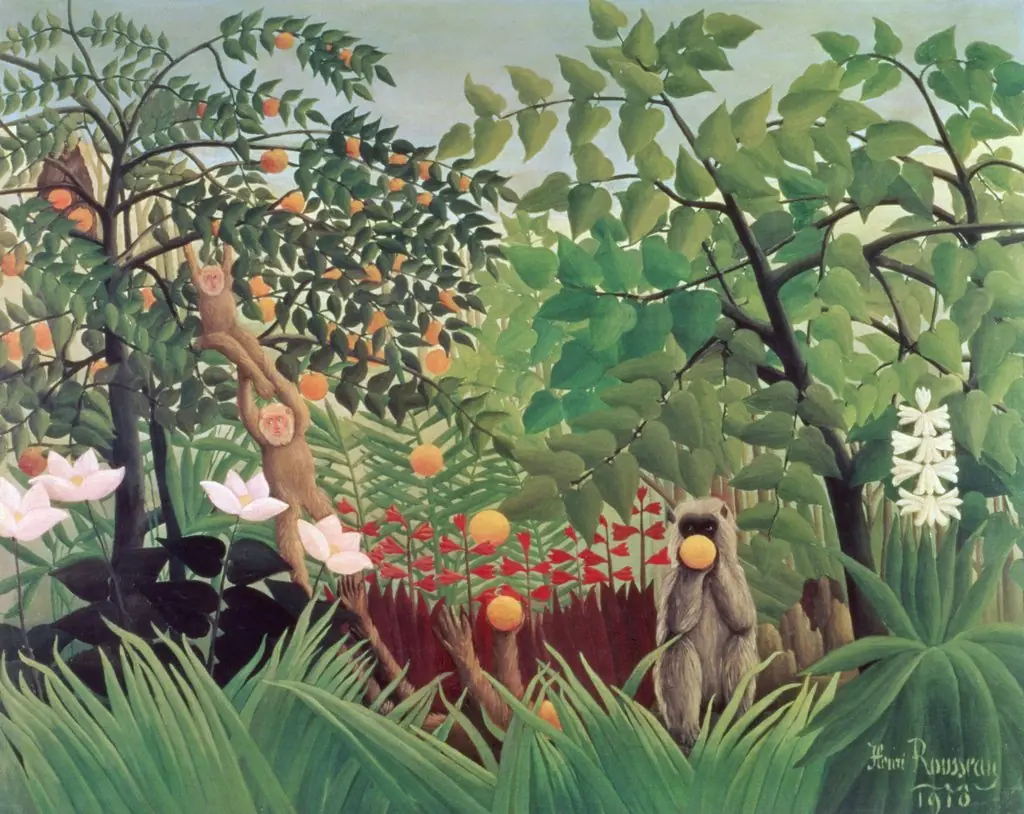 Exotic Landscape
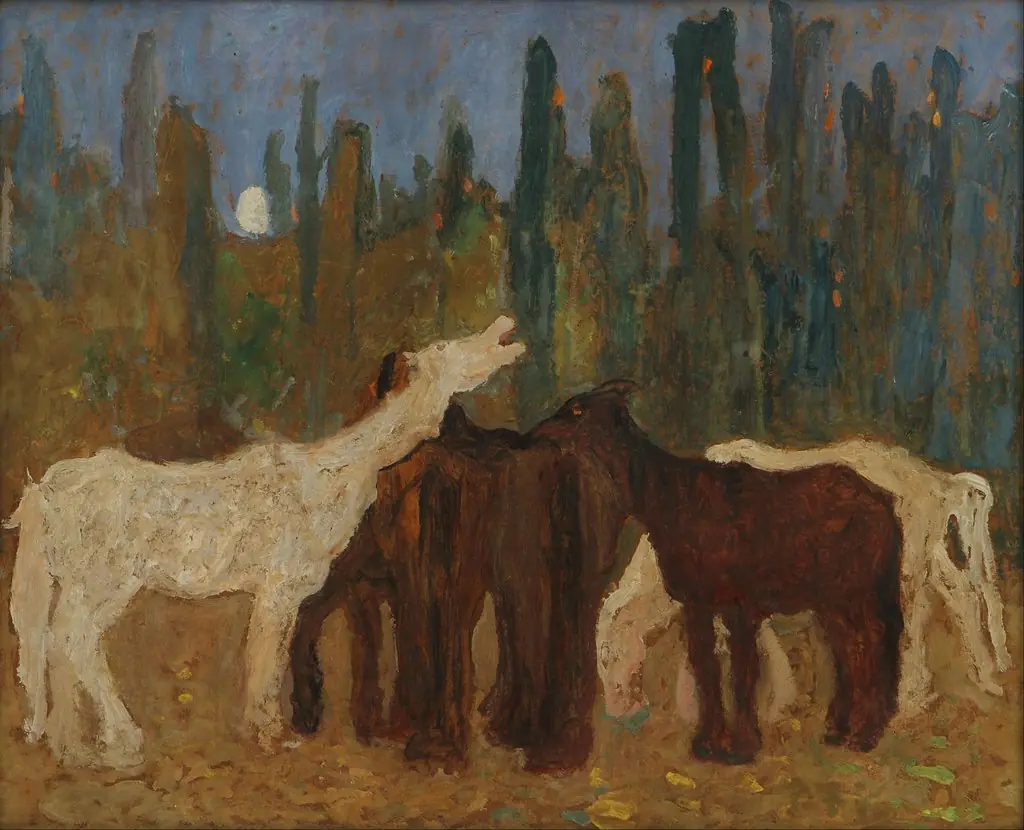 Lamento
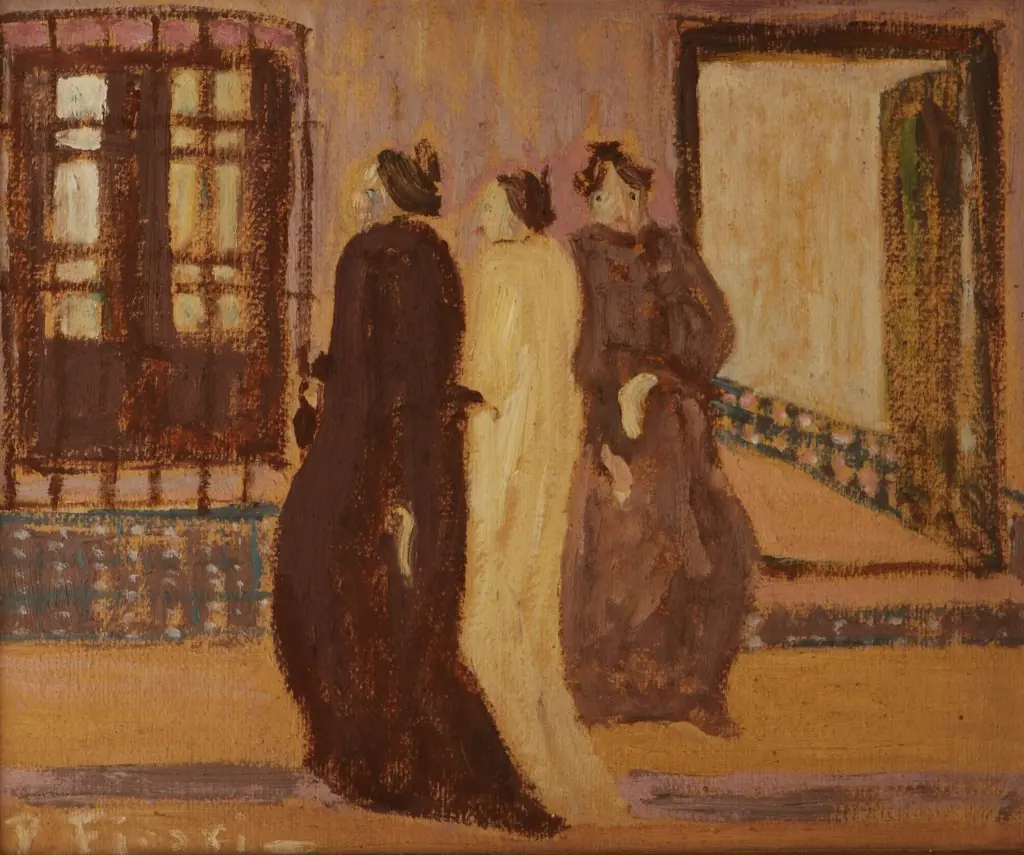 The neighbors
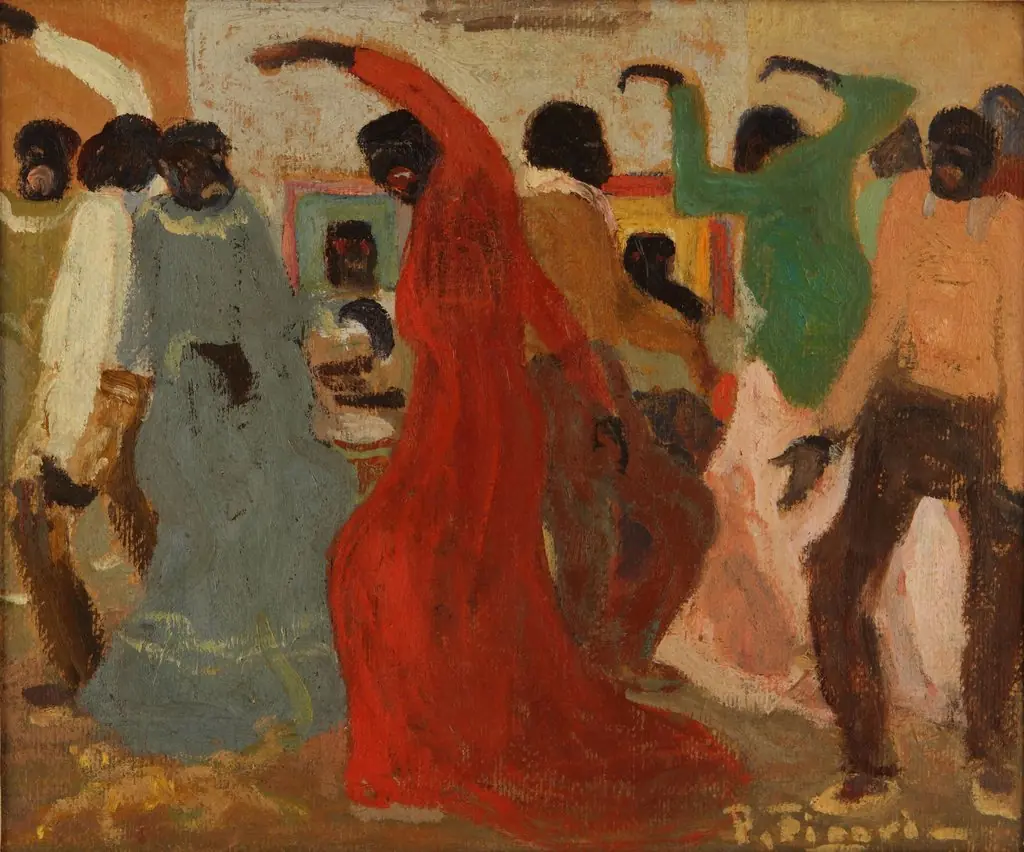 Candombe carnival
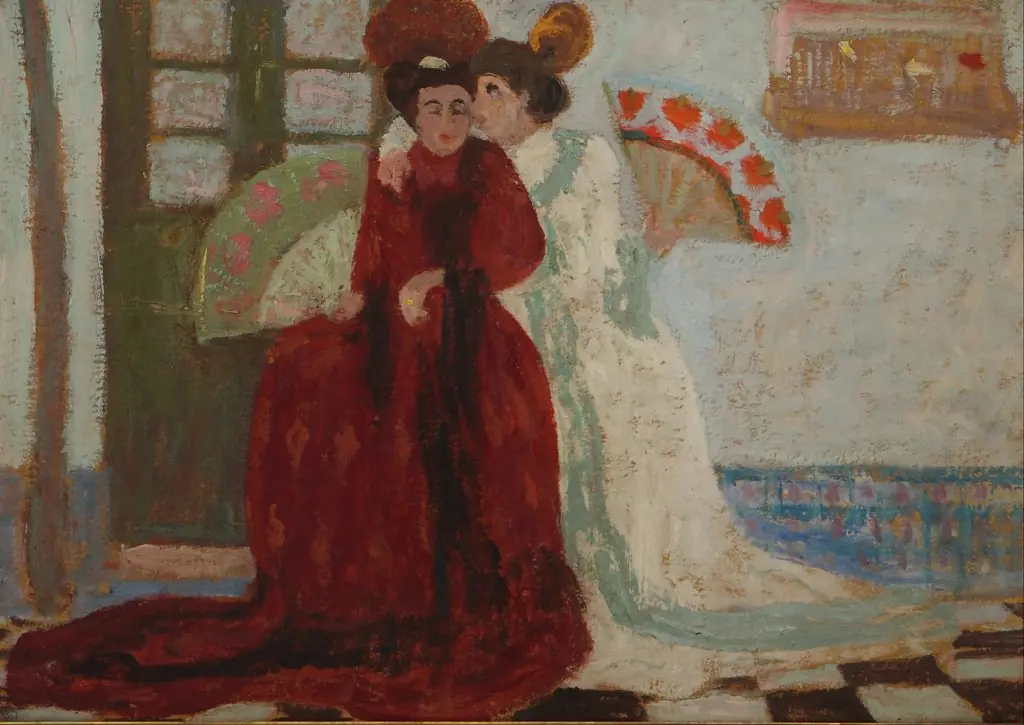 Confidencia
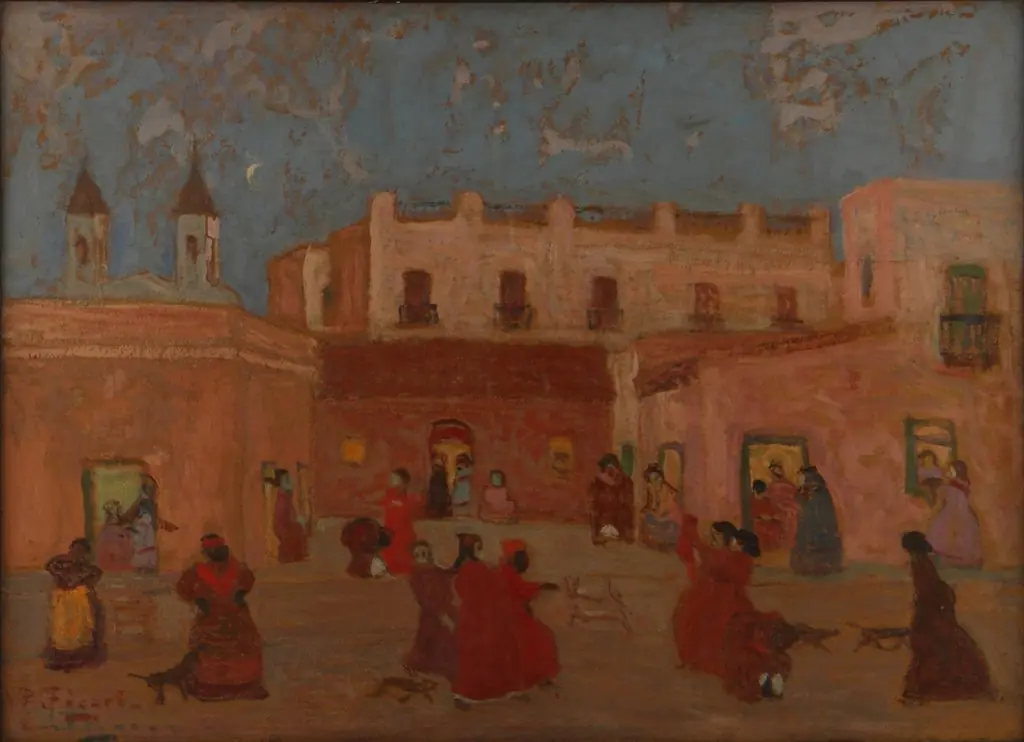 Barracks
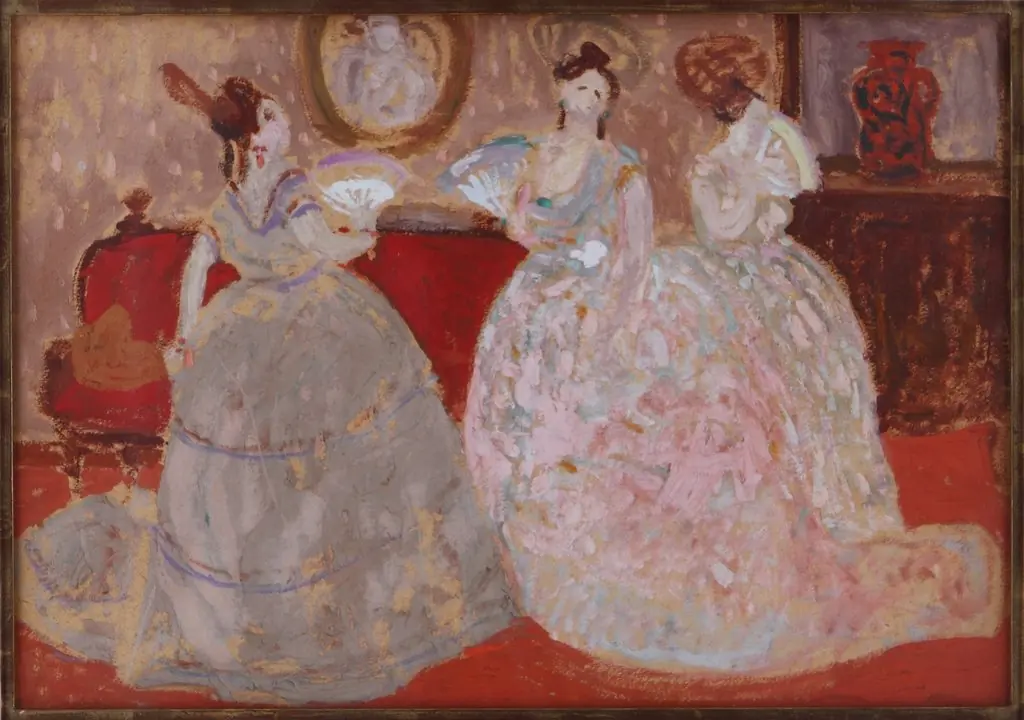 Deliberando
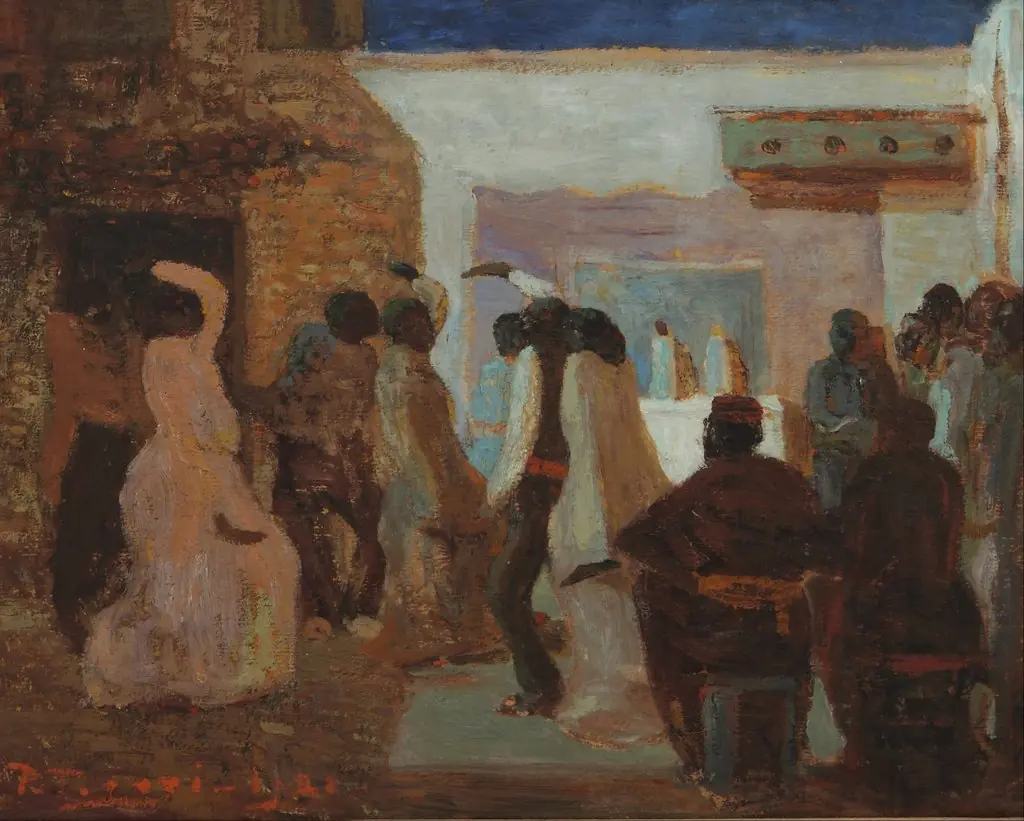 Candombe o Candombe bajo la luna
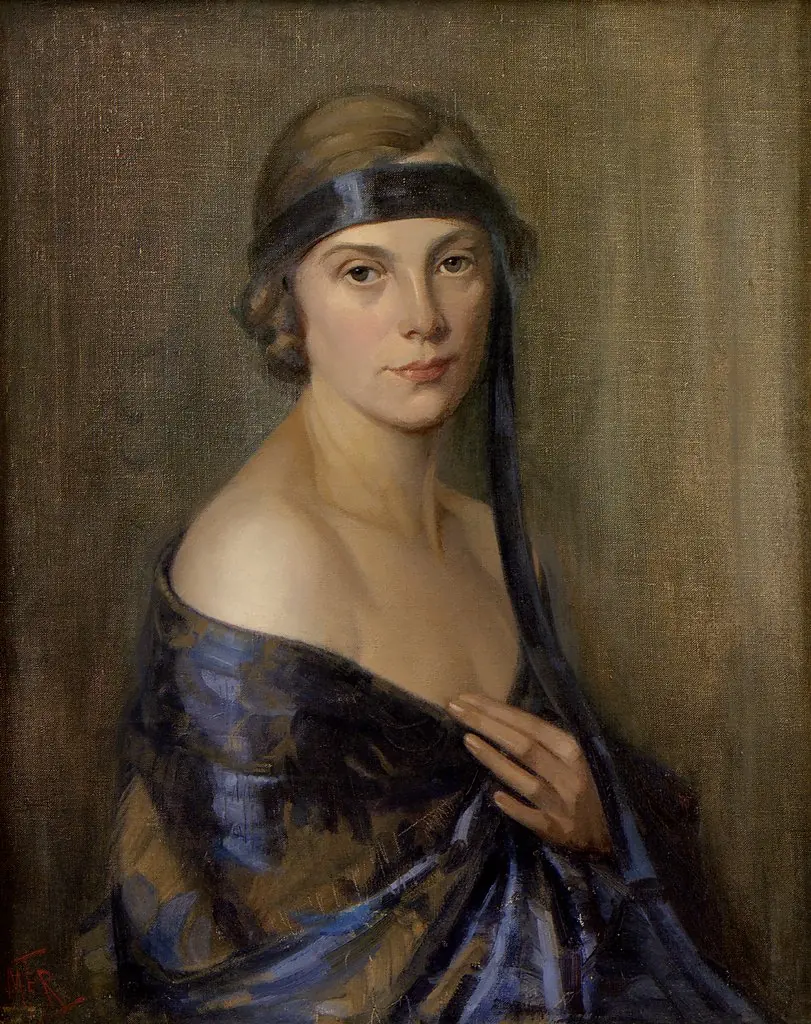 The blue ribbon
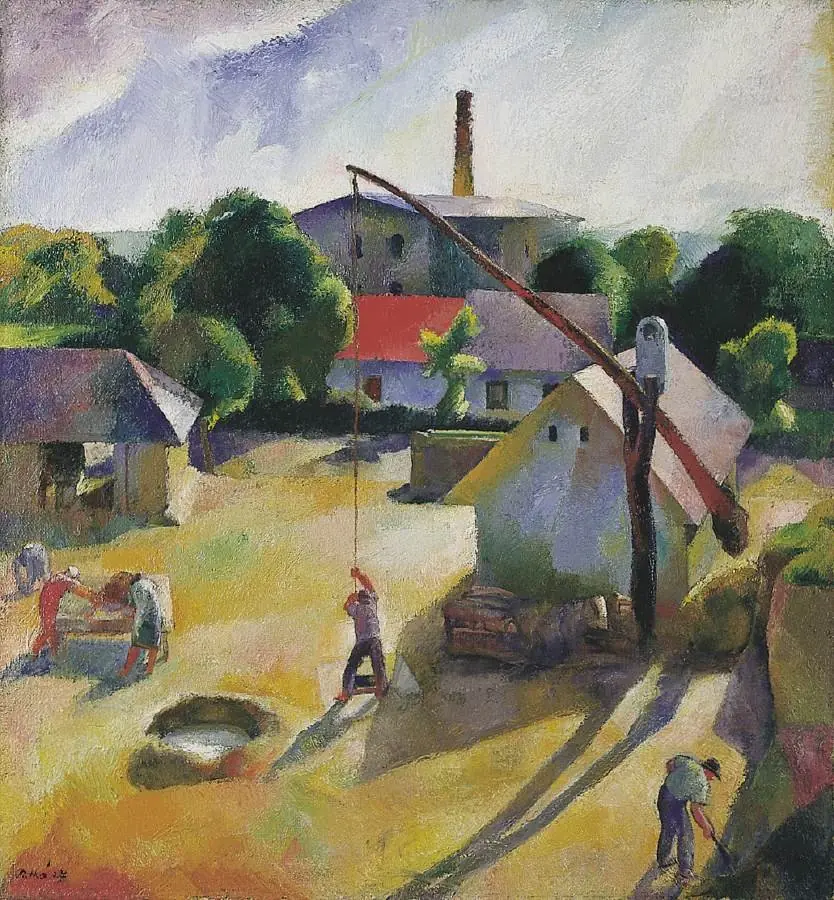 Village Scene
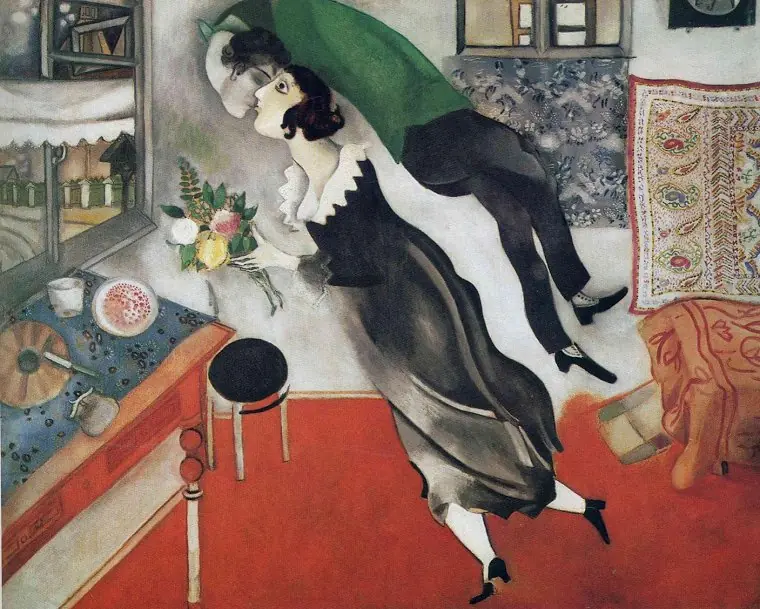 Birthday
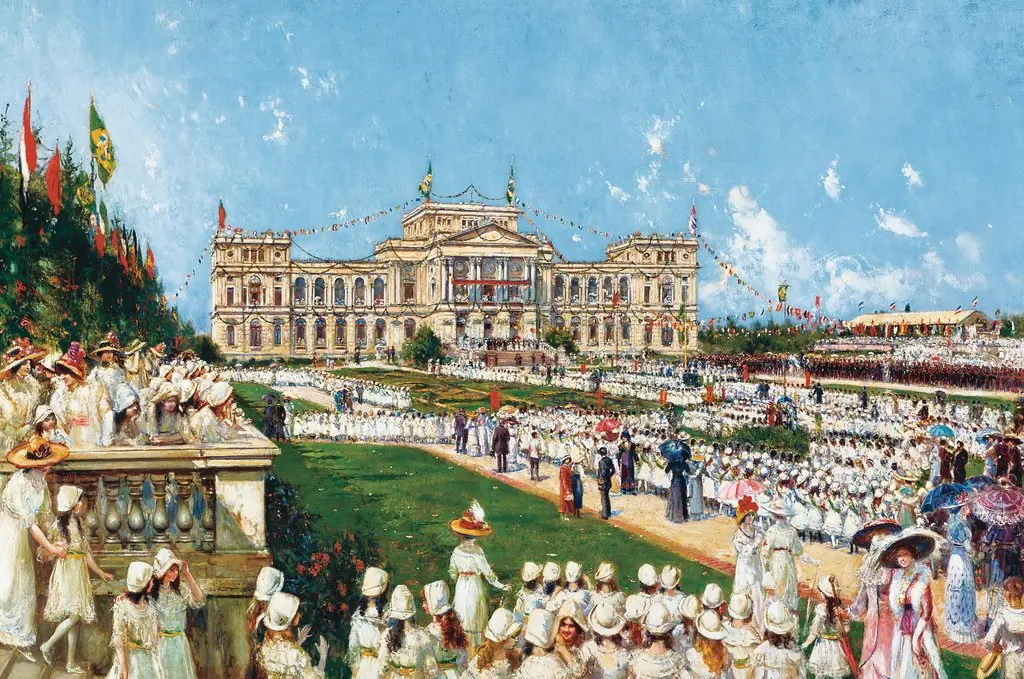 School Festival at Ipiranga
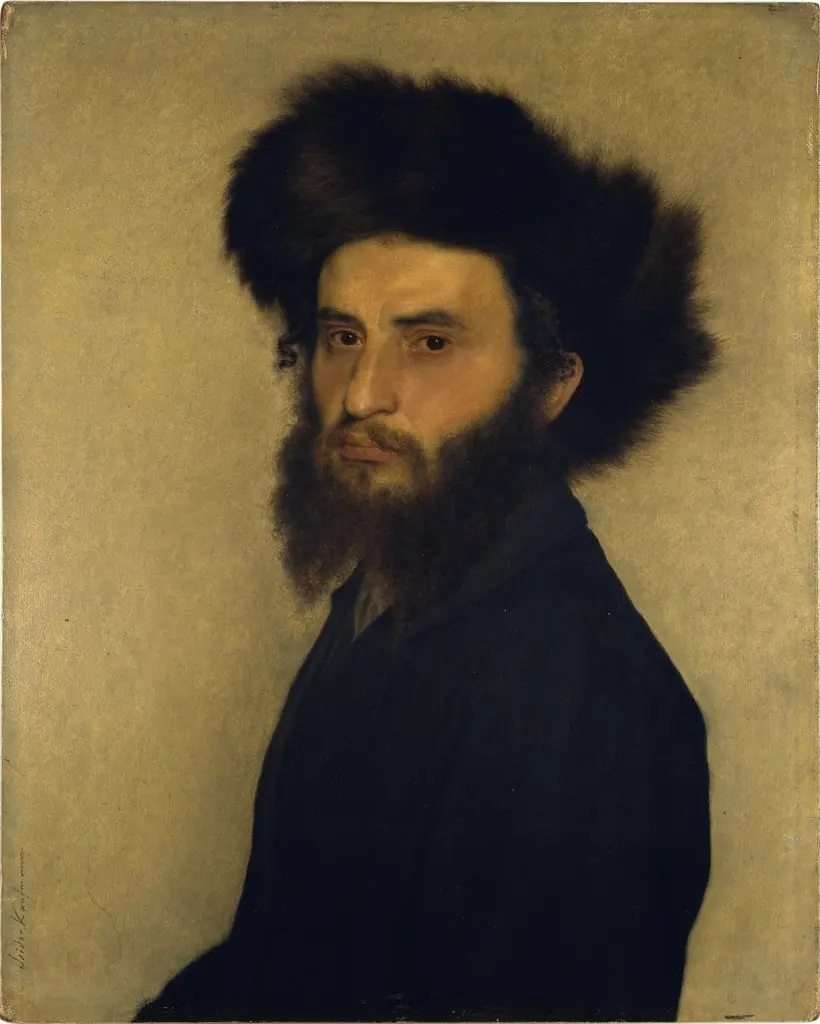 Portrait of a Young Jewish Man
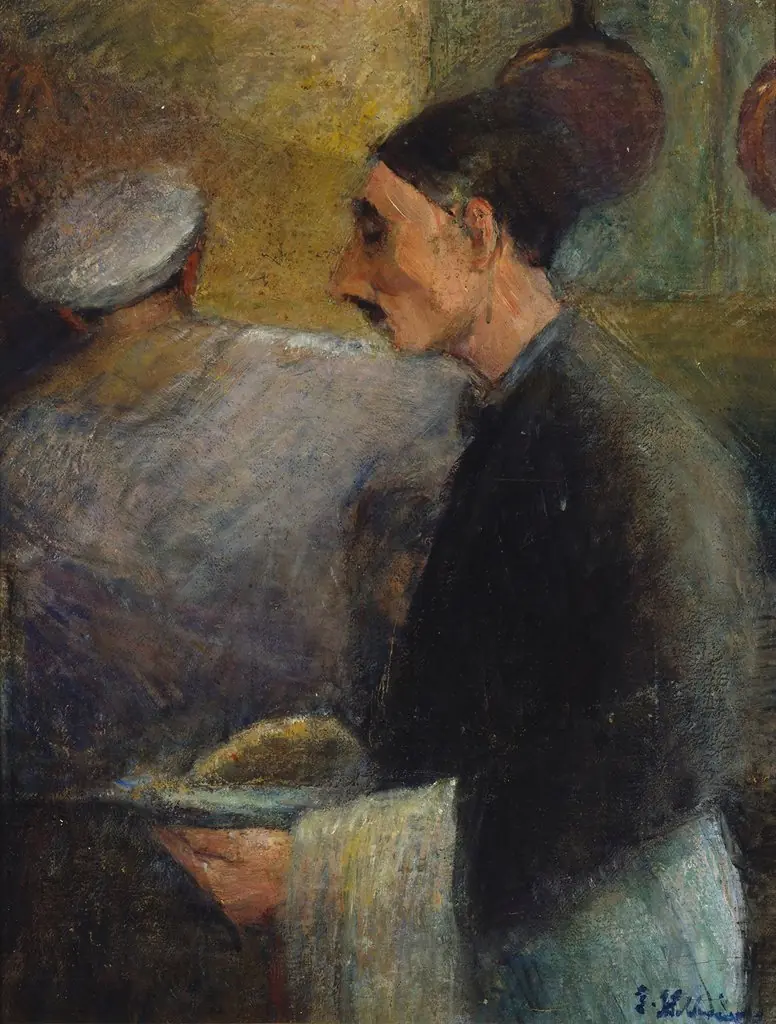 The Chefs
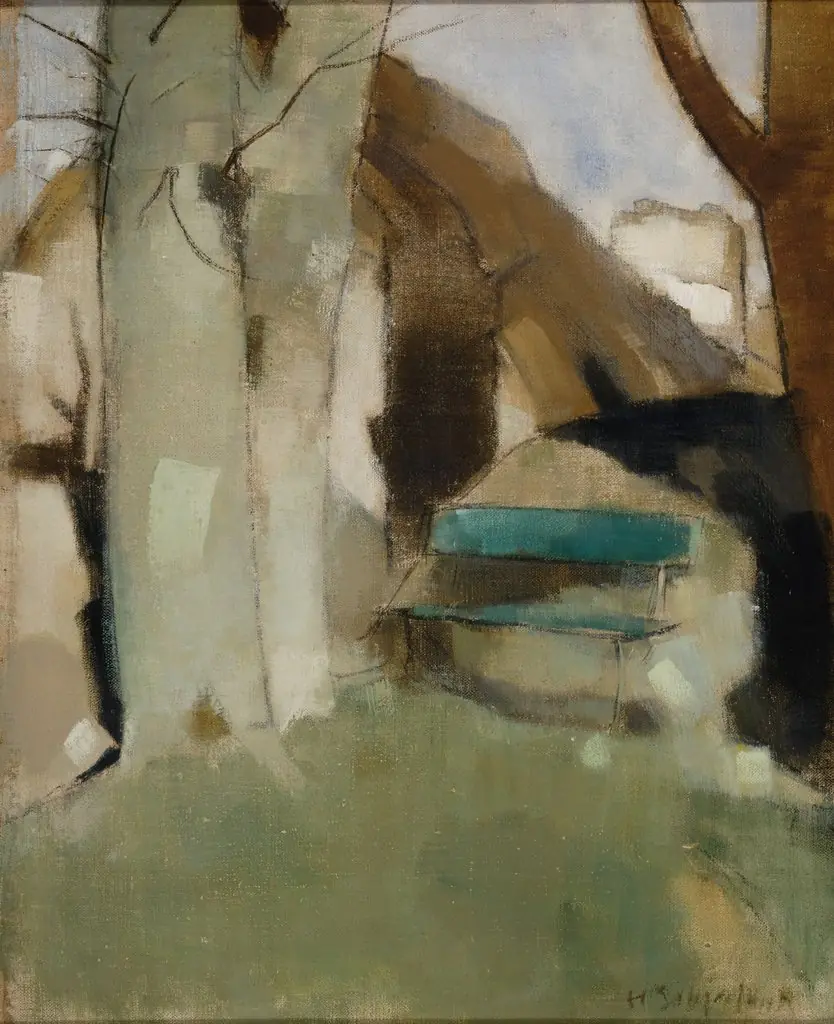 Shadow on the Wall II (Green Bench)
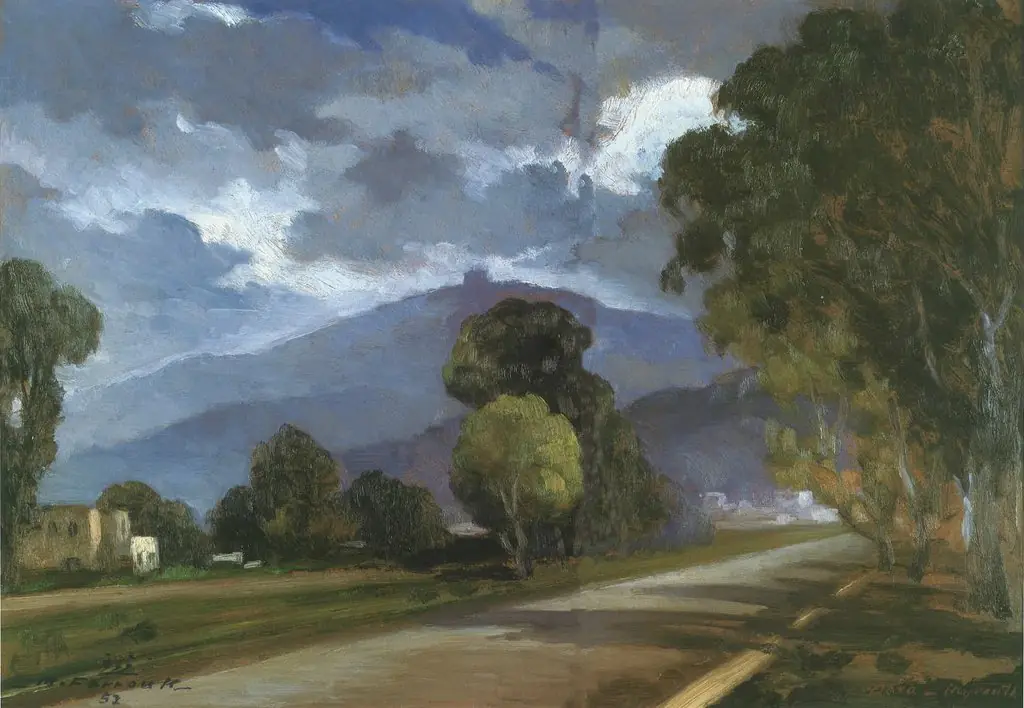 Daoura Road
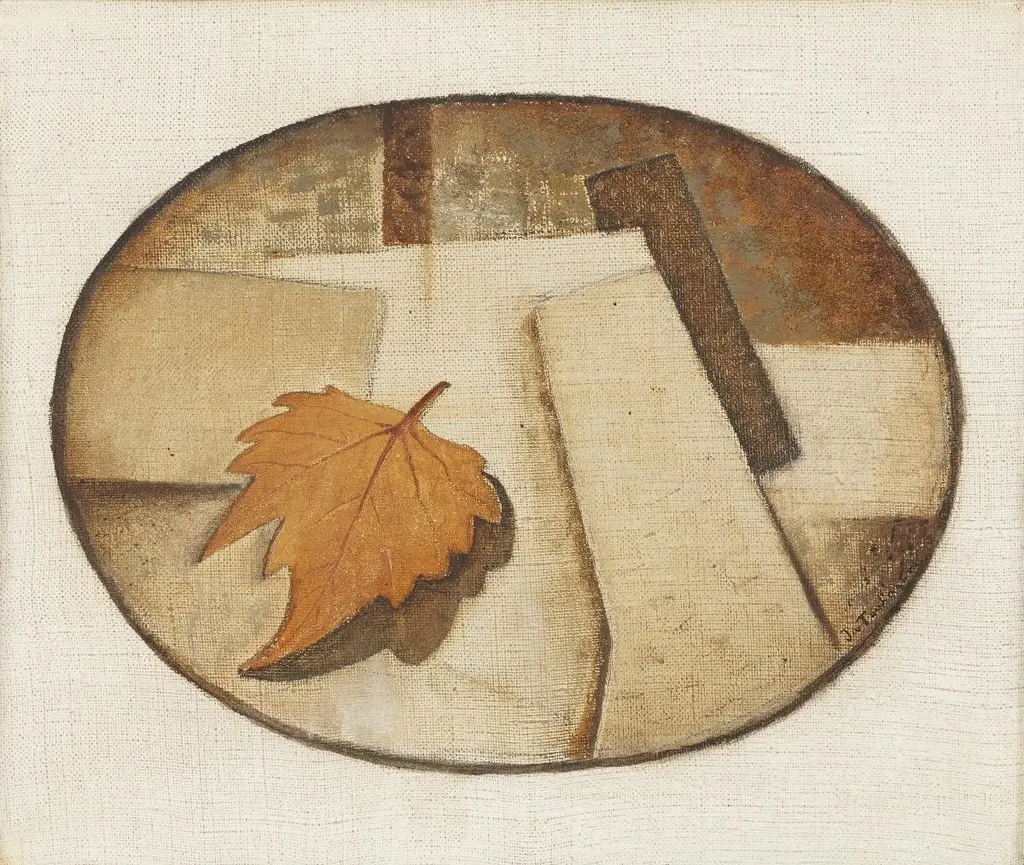 Stillleben mit Herbstblatt
 Gura leului
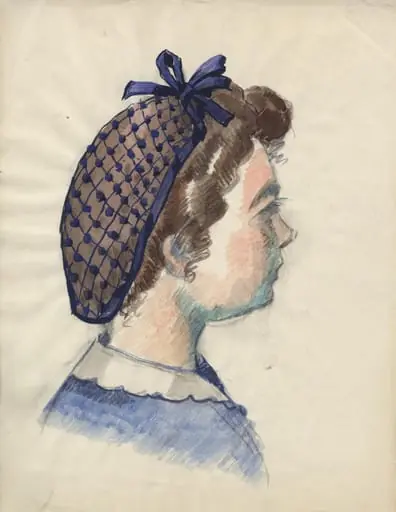 Zeichnung
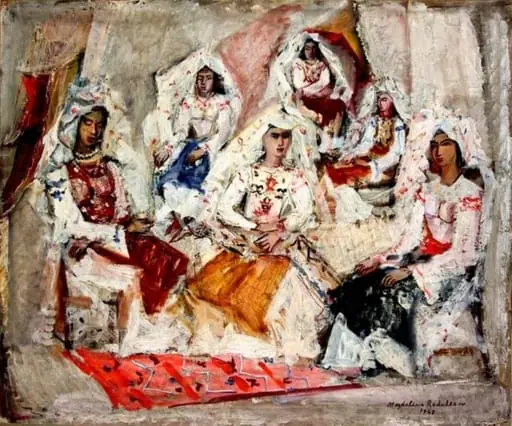 Nunta tătărască
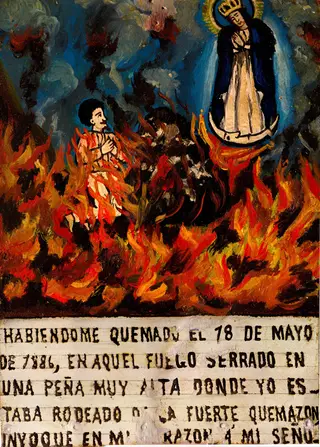 Votive offering dedicated to Our Lady of Solitude
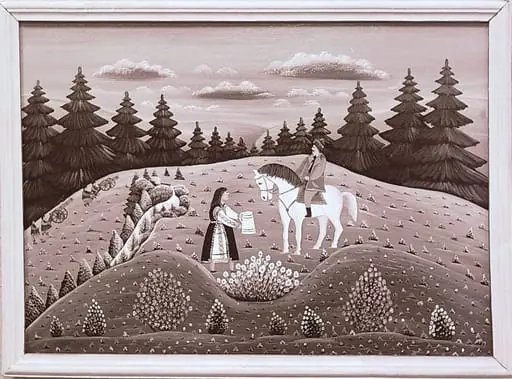 Sequences from the Village Museum, naive painting by Petru Mihuțe - Avram Iancu and Romania (1988)
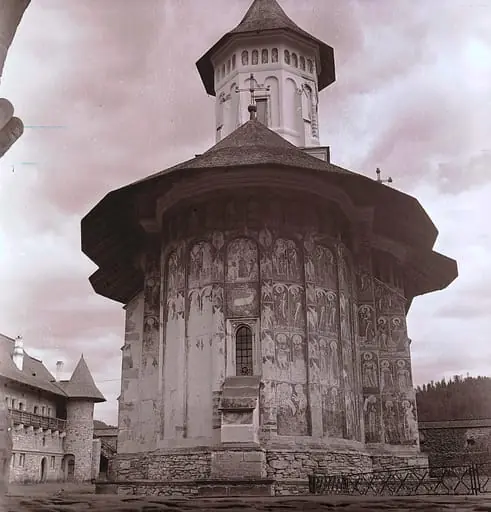 Research Bucovina, Vatra Moldovița. The Monastery And The Church - View With The Absida And The Turla Of The Church (1980)
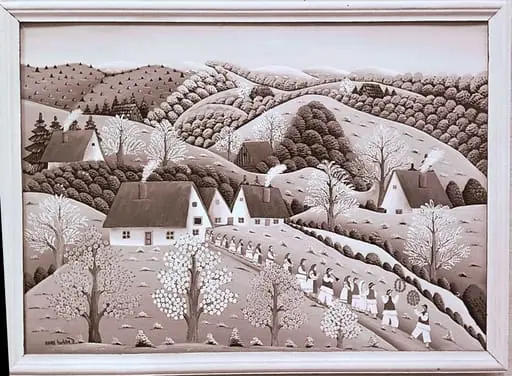 Sequences from the Village Museum, naive painting by Petru Mihuțe - Spring Wedding (1988)
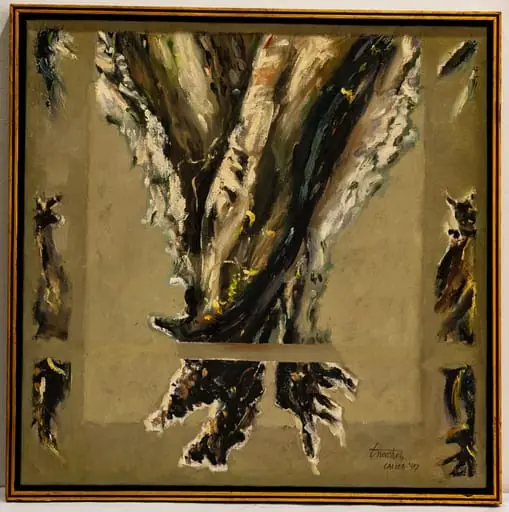 Totem
Totem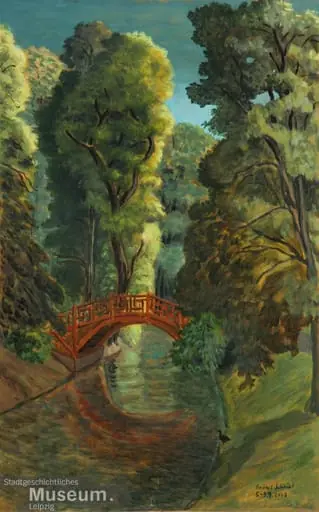 Painting
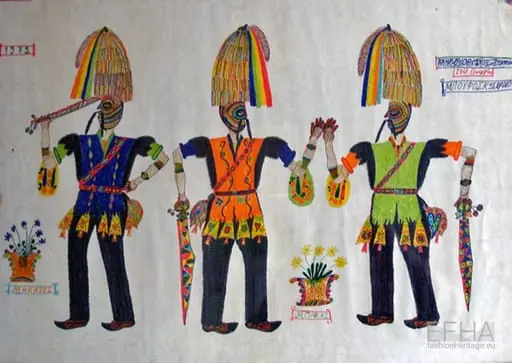 Painting
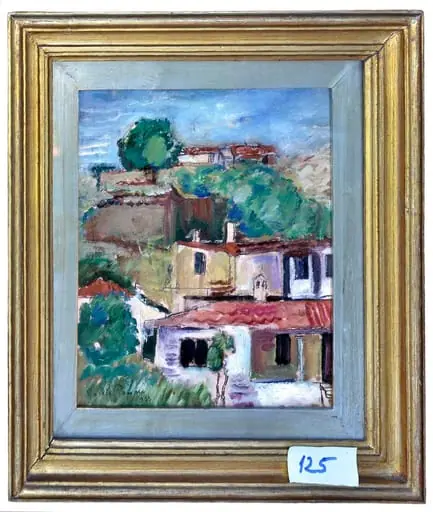 Căsuțe sub mal
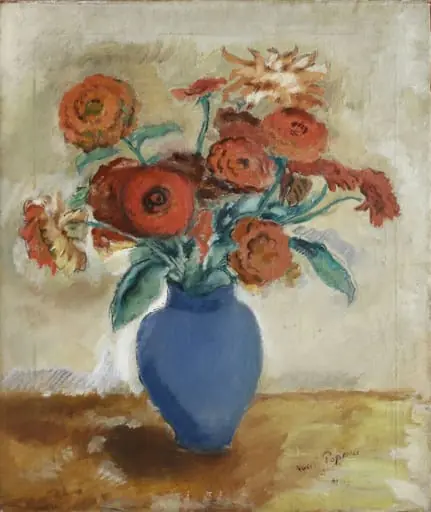 Vas albastru cu flori
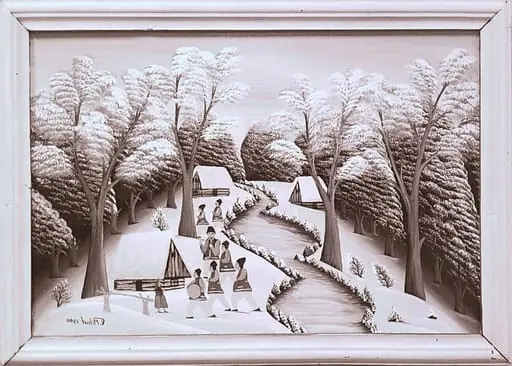 Sequences from the Village Museum, naive painting by Petru Mihuțe - Winter with van (1988)
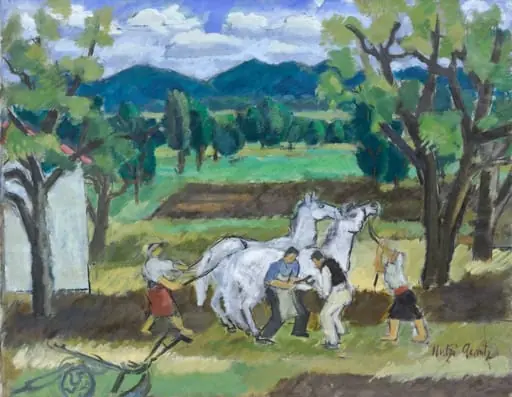 Potcovitul cailor
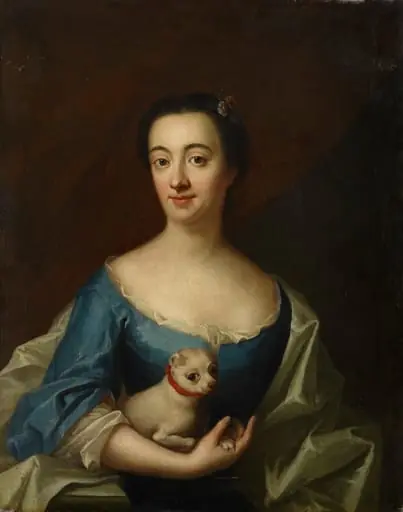 Nainen ja sylikoira
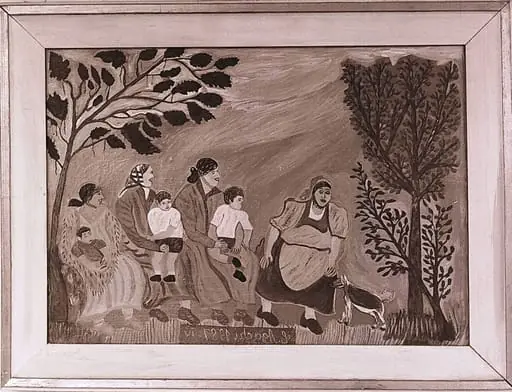 Sequences from the Village Museum, Naive painting by Costache Agachi - The gossip (1988)
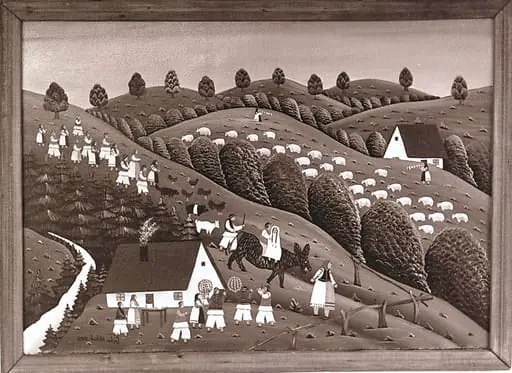 Sequences from the Village Museum, naive painting by Petru Mihuțe - The wedding of the poor boy (1988)
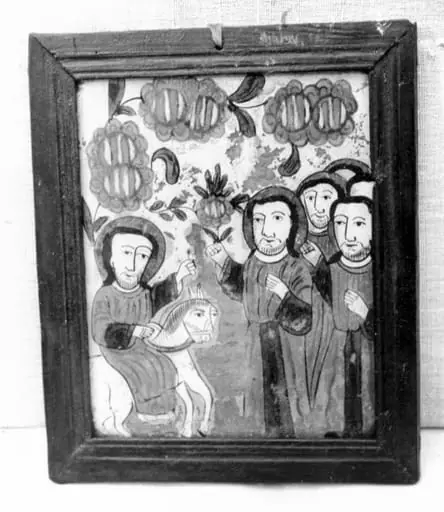 Icoană, casa Șurdești, Muzeul Satului (1968)
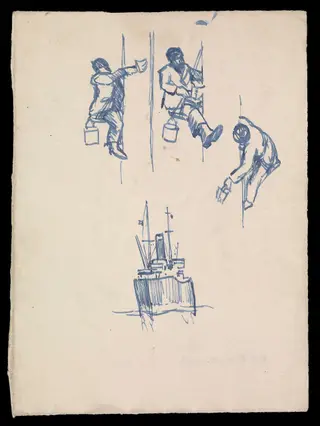 'Painting the mast'
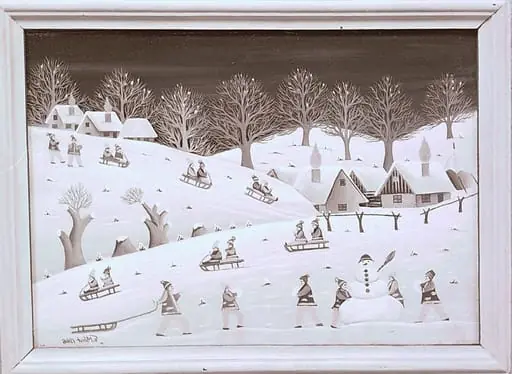 Sequences from the Village Museum, naive painting by Petru Mihuțe - Children at sling (1988)
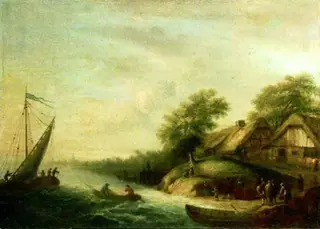 Peisaj la marginea apei
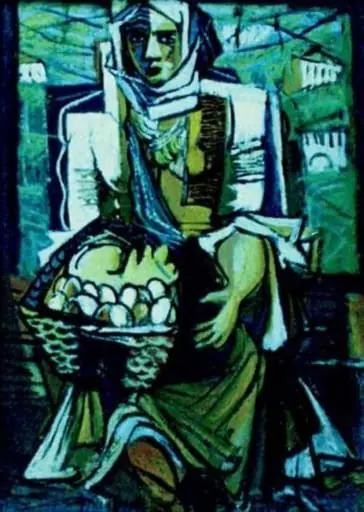 Țărancă cu ouă
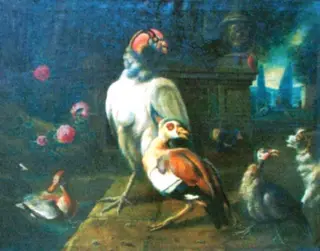 Păsări de curte
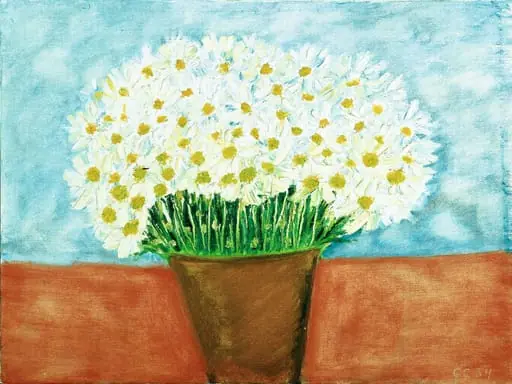 Μαργαρίτες
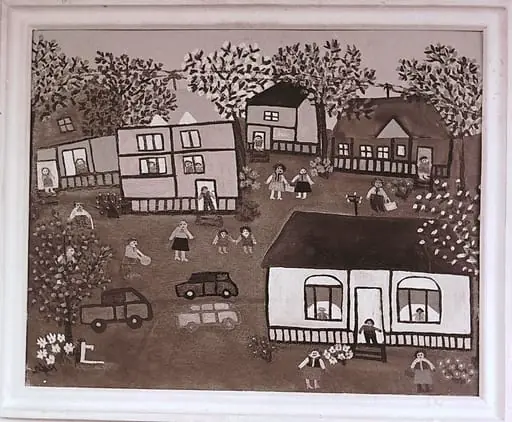 Sequences from the Village Museum, naive painting by Aurora Năfornițe - New houses (1988)
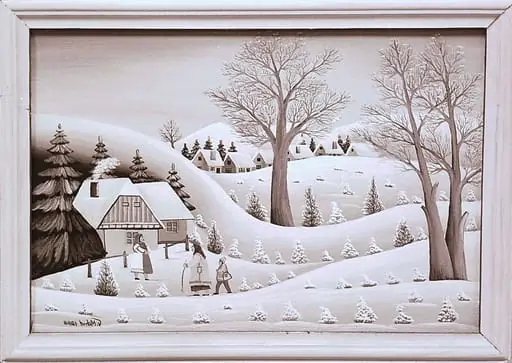 Sequences from the Village Museum, naive painting by Petru Mihuțe - The beggar (1988)
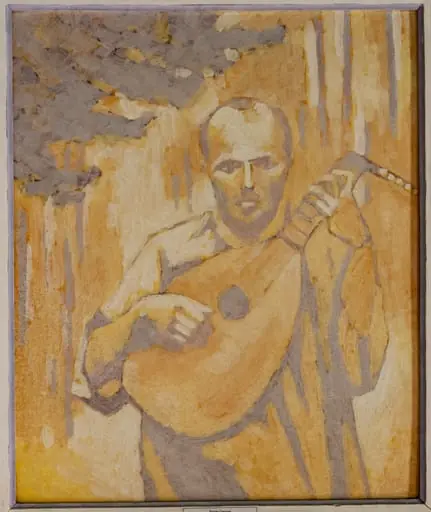 Cobzarul
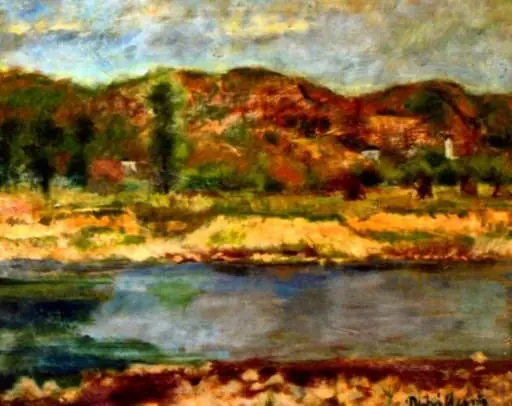 Maluri toamna
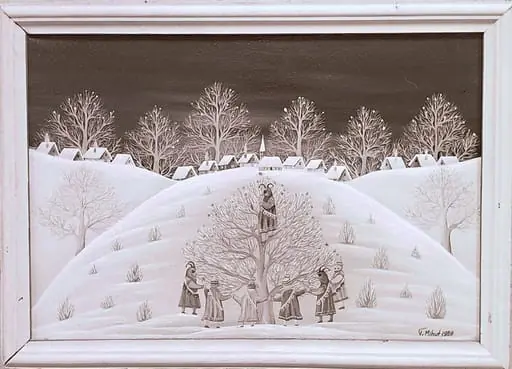 Sequences from the Village Museum, naive painting by Petru Mihuțe - New Year’s Habit (1988)
 Pictură pe sticlă cu reprezentarea unei tradiții care se petrece în Scheii Brașovului, autorul picturii fiind din localitate. Pe caldarâmul străzii, între casele zugrăvite în culori vii două personaje sunt ilustrate față în față. Unul dintre ei este îmbrăcat asemenea voevodului de altădată, reprezentând figura legendară a lui Mihai Viteazul, celălalt personaj, un june curcan îmbrăcat în costumul popular al zonei. Tema este întâlnită azi pe steagul junilor curcani, primul model fiind confecționat în anul 1977, prilejuit de centenarul Independenței. Între ei este redat un cal ornamentat cu harnașament de paradă. Cromatică: alb; negru; maron, galben; verde; albastru; ocru.
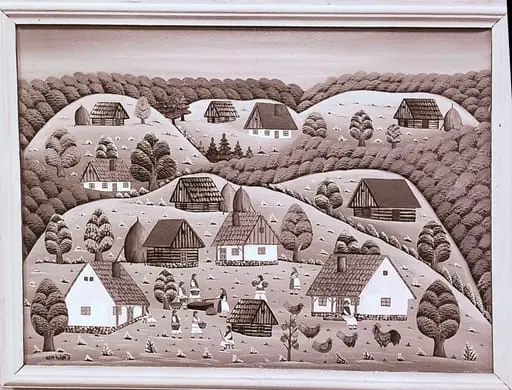 Sequences from the Village Museum, naive painting by Petru Mihuțe - The Magiunul’s Fate (1988)
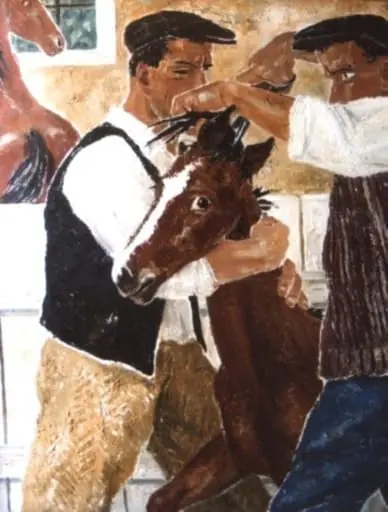 Tunsul mânzului
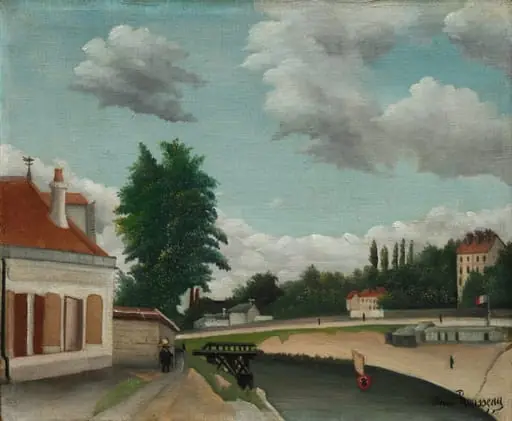 Outskirts of Paris
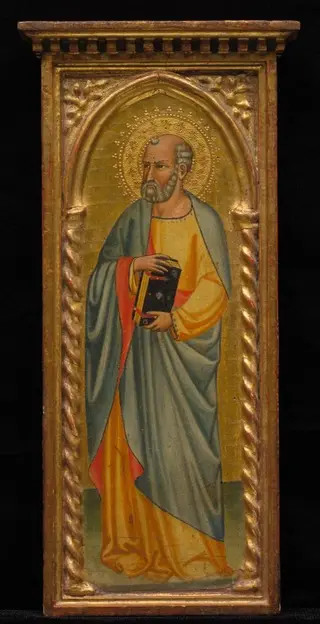 Standing Saint
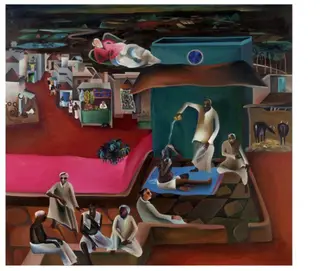 Death in the Family
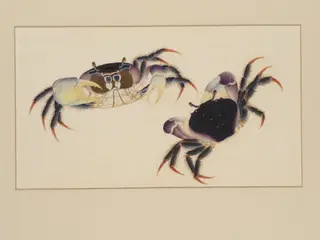 One of four natural-history drawings.
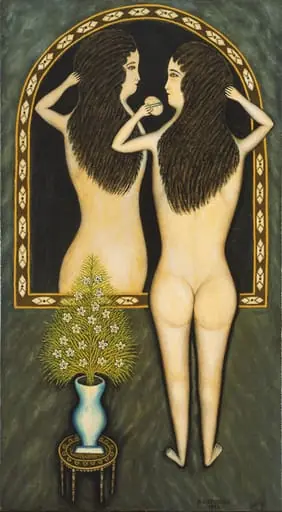 Untitled
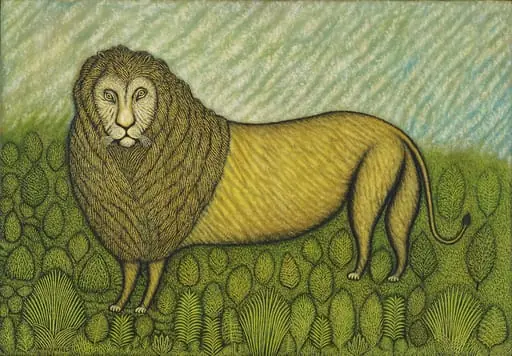 Untitled
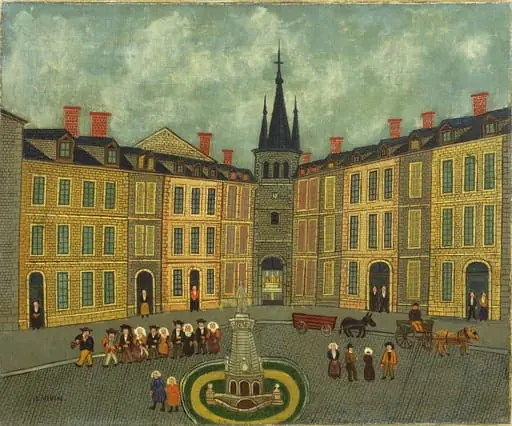 Untitled
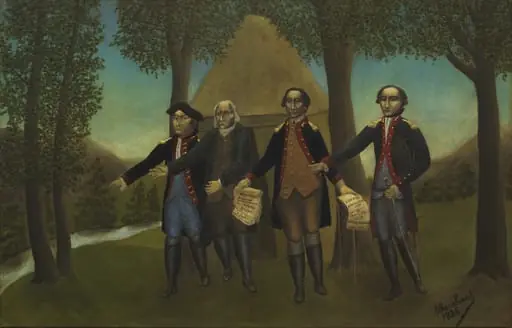 Untitled
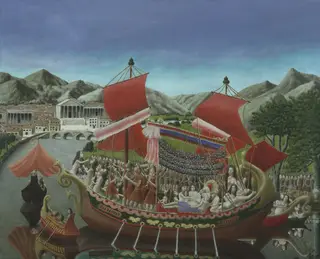 Untitled
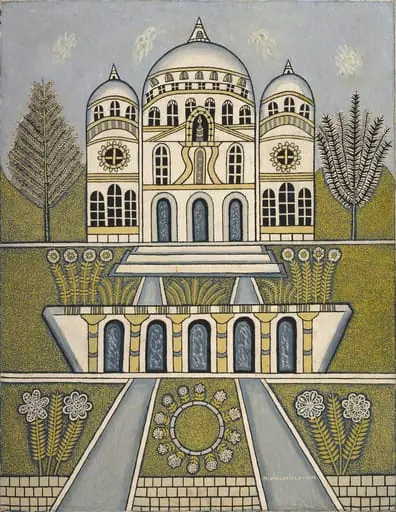 Untitled
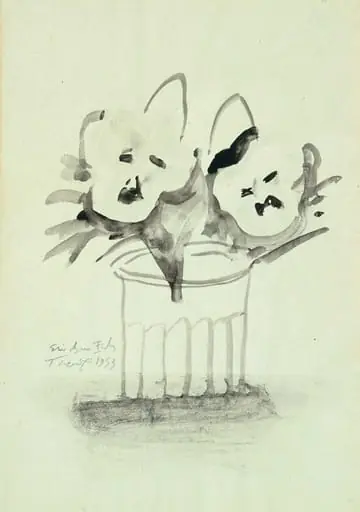 Πανσέδες
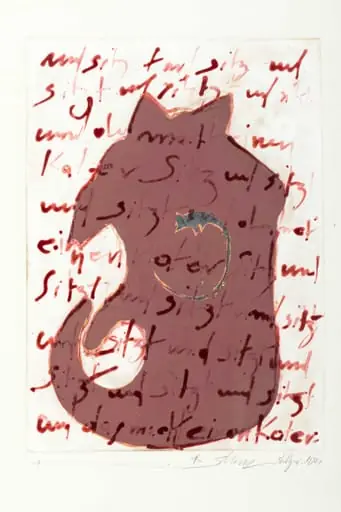 Γάτα Κ1
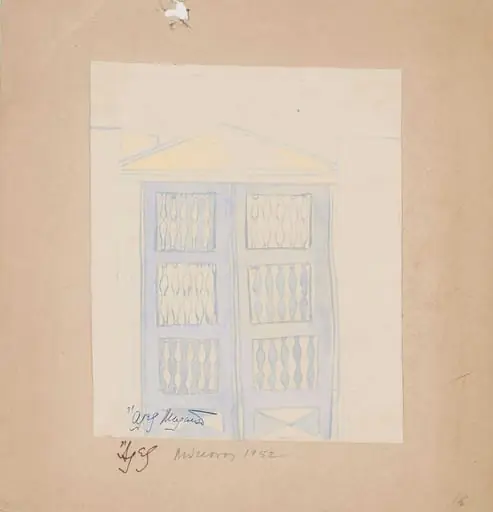 Πόρτα με κολωνάκια
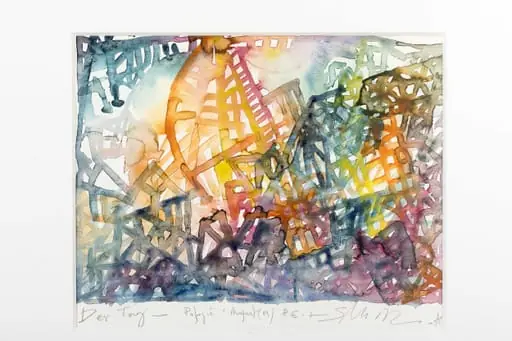 Der Tag (Η ημέρα)
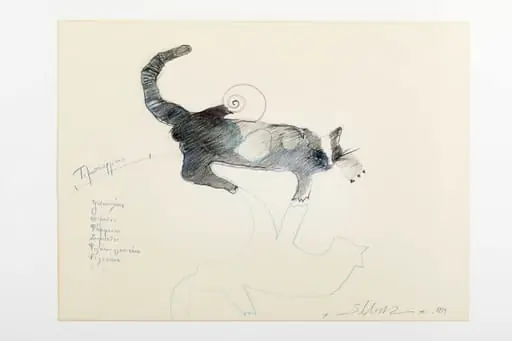 Γάτα
Γάτα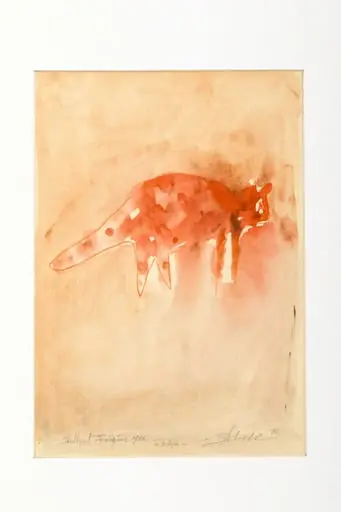 Γάτα Κ4
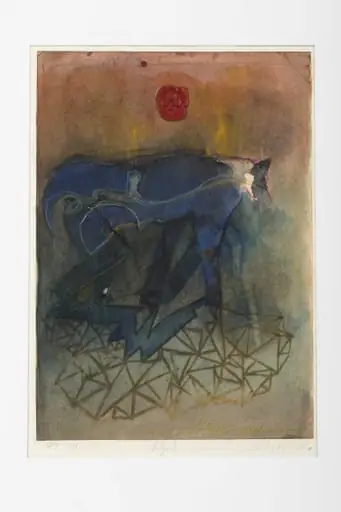 Γάτα Κ5
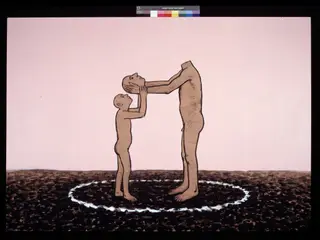 Πέραμα
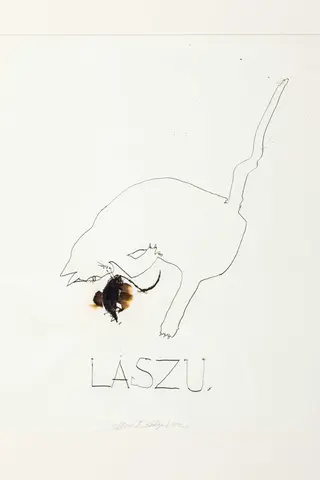 Laszu
Laszu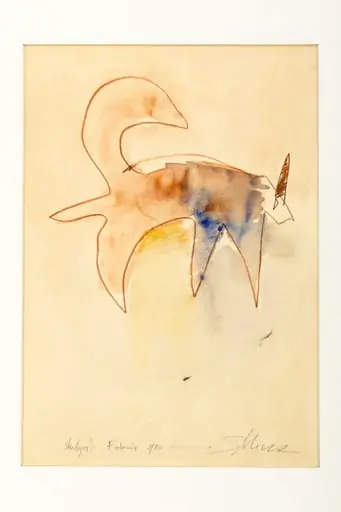 ΓΑΤΑ Κ3
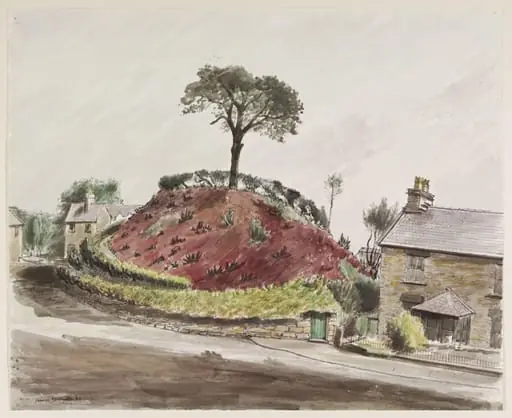 Tomen-y-Bala (Ancient Roman mound at Bala) Merionethshire
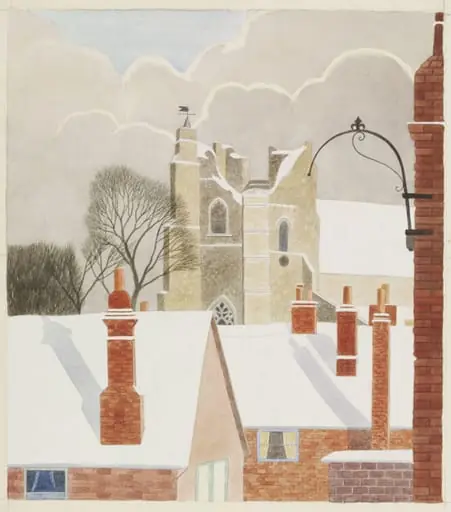 St. Bartholomew's Church from the South-West, Orford, Suffolk
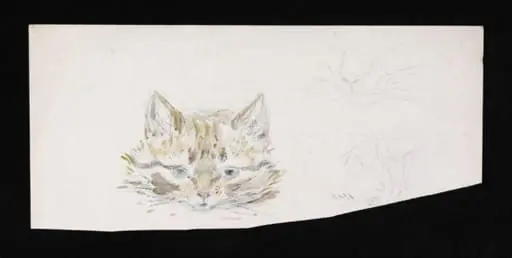 Studies of a cat
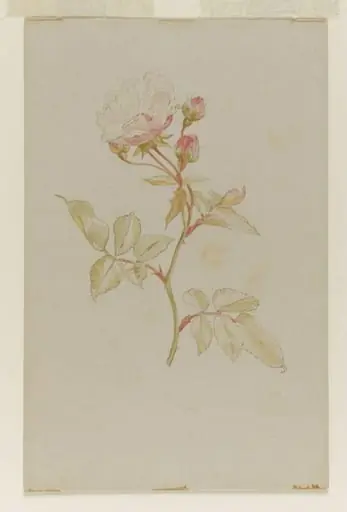 Pink rose
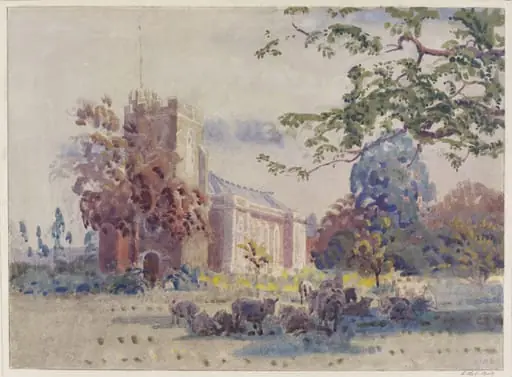 St. Lawrence Church, Little Stanmore
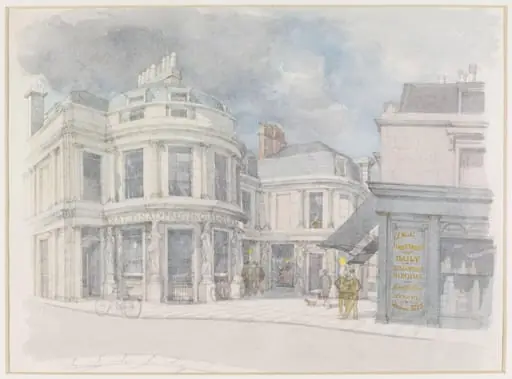 Montpellier Arcade, Cheltenham
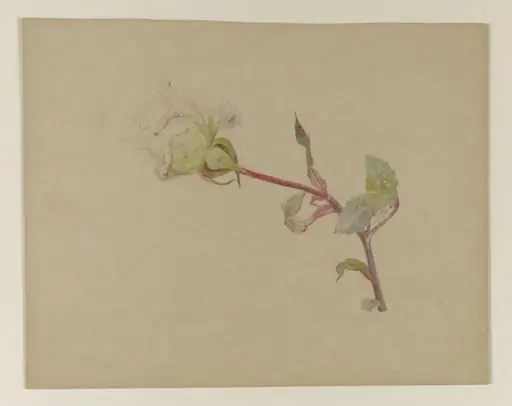 White rose
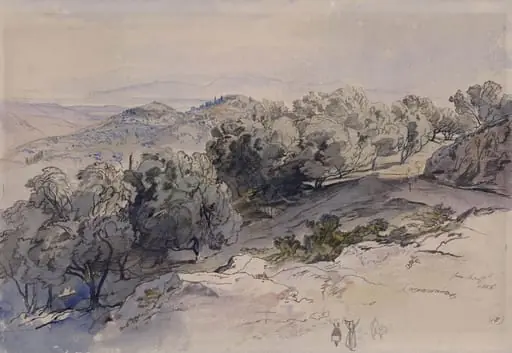 Choropiskopos, June 16th & 17th 1856
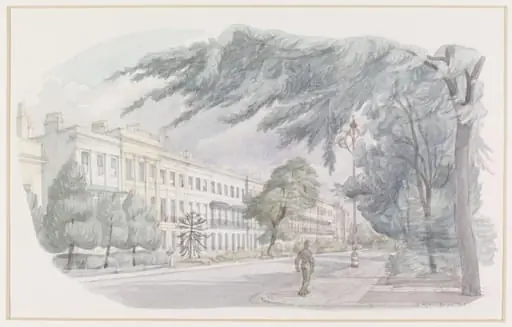 Evesham Road, Pittville, Cheltenham
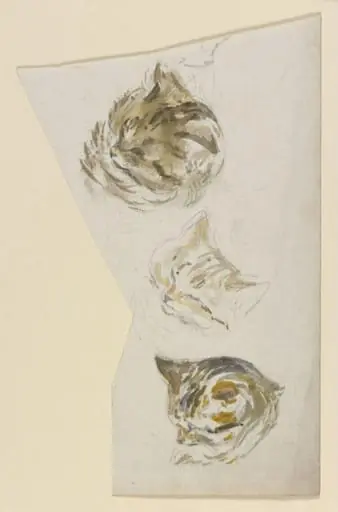 Studies of the head of a kitten
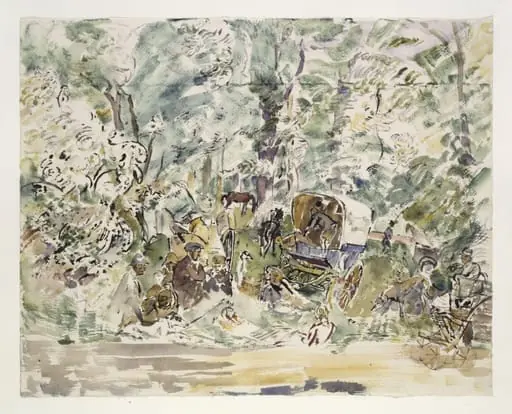 Gipsy Encampment
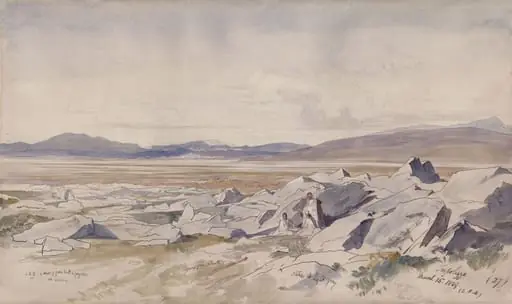 Tripolizza, March 15 1849
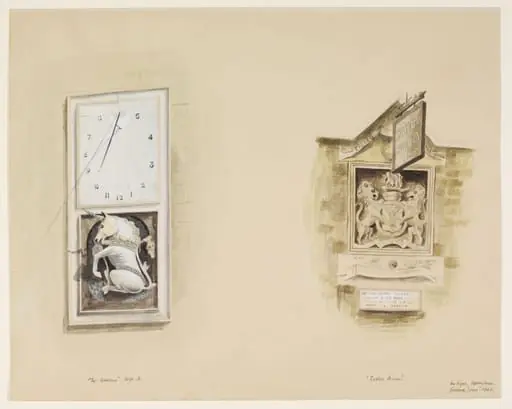 Inn signs ('The Unicorn' and 'Exeter Arms'), Uppingham, Rutlandshire
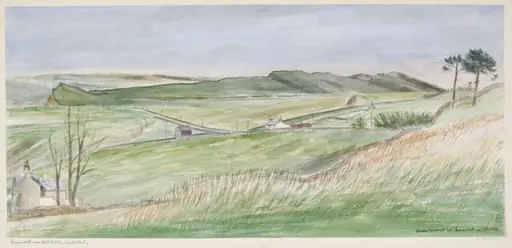 Roman Wall near Haltwhistle, Cumberland
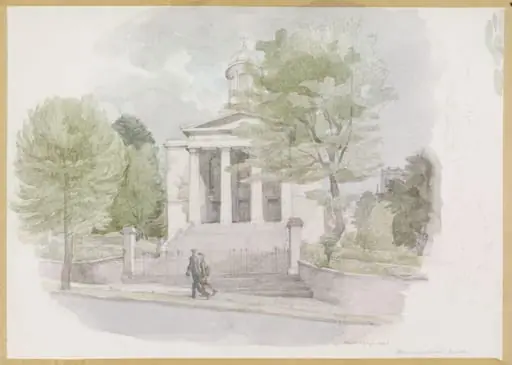 St. George's Church, Bristol
![North Gate [by Thomas Harrison], Chester, by Causer, 1942](https://artifactworldgallery.com/img/causer--north-gate-by-thomas-harrison-chester--aa1b0a0e4cef52c8-w320.webp) North Gate [by Thomas Harrison], Chester
North Gate [by Thomas Harrison], Chester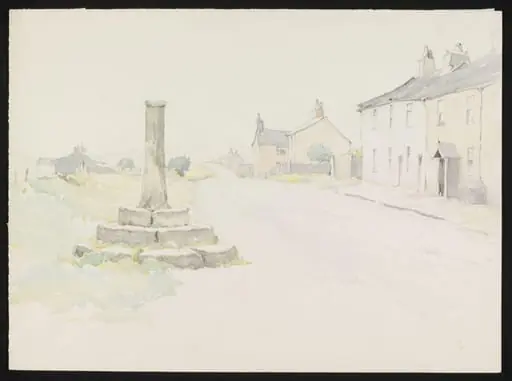 The Village Street and Roman Cross, Affetside
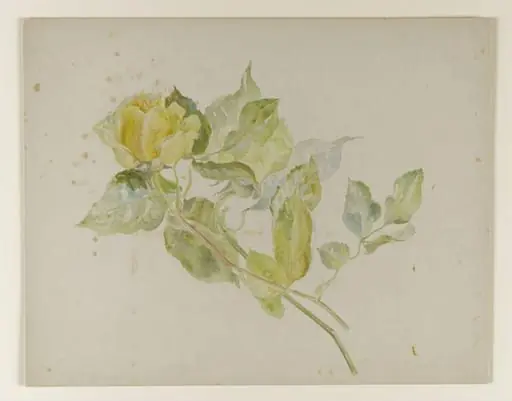 Yellow rose
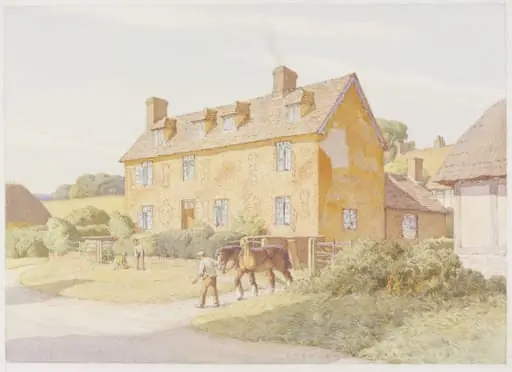 A 15th century cottage at Nether Wynchenden
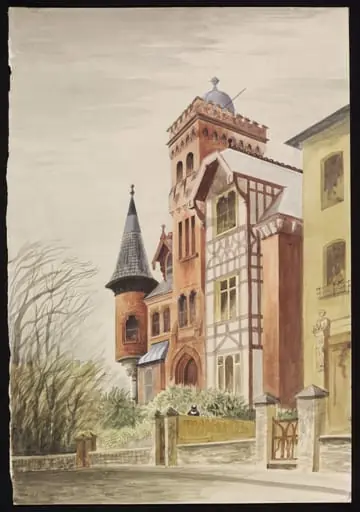 House in Amberley Grove, Sydenham, built by an Astronomer c.1867
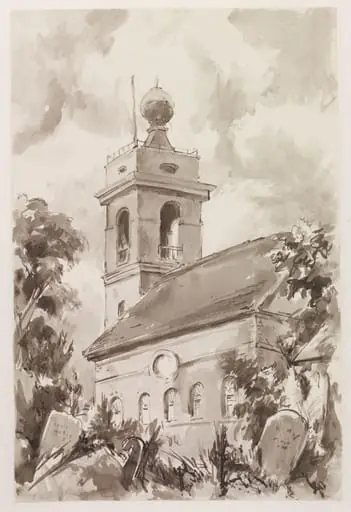 St. Lawrence's Church, West Wycombe
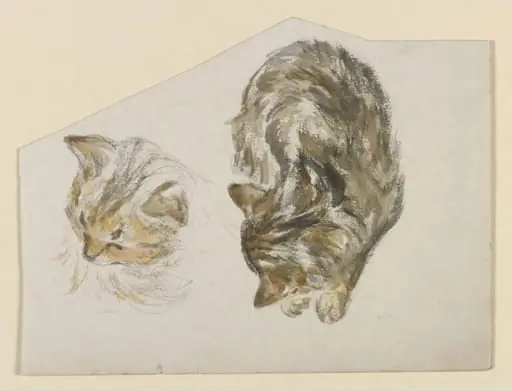 A kitten sleeping; head of a kitten
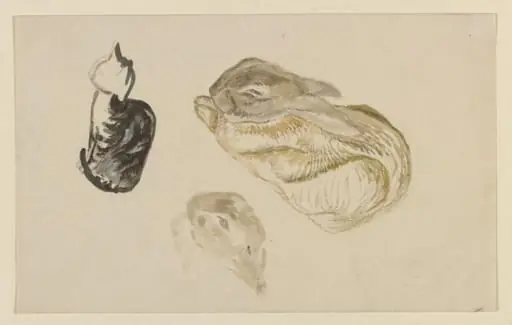 Studies of a rabbit and a cat
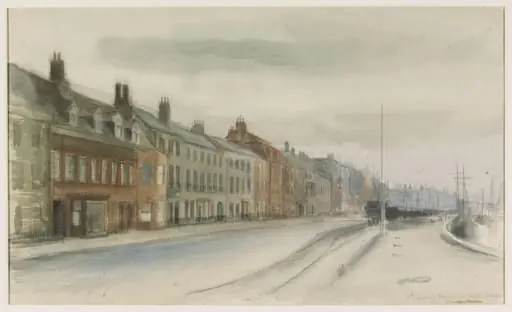 18th Century Houses, South Quay, Yarmouth
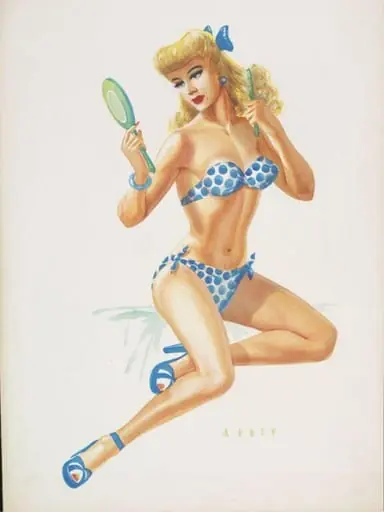 'Pin-up' girl wearing a bikini and brushing her hair
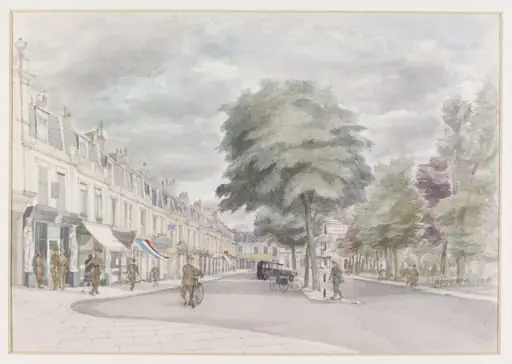 Montpellier Parade, Cheltenham
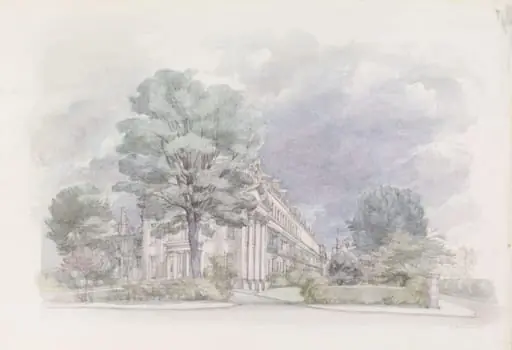 Suffolk Square, Cheltenham
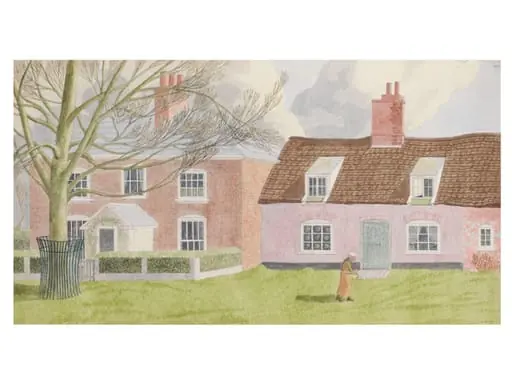 A House and Cottage near the Quay at Orford
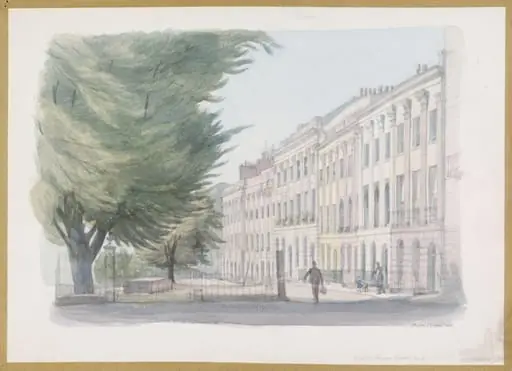 Windsor Terrace, Bristol
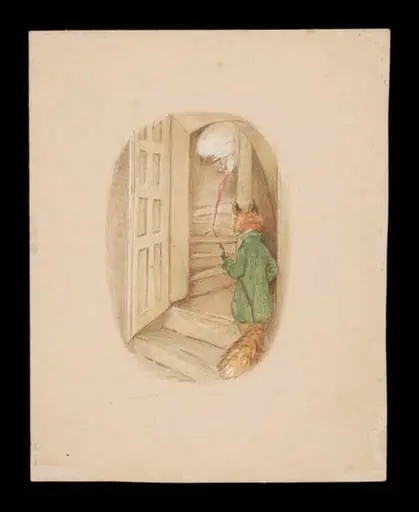 The fox following the stork up a staircase
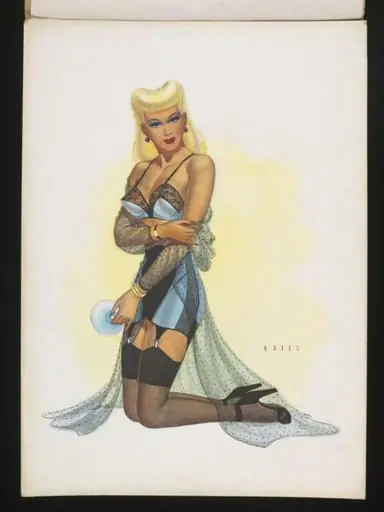 'Pin-up' girl wearing a slip, stockings and suspenders
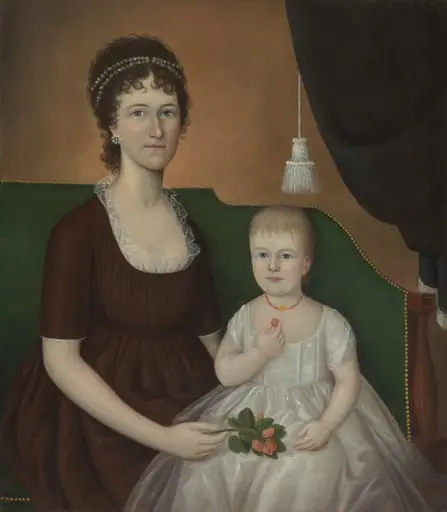 Elizabeth Grant Bankson Beatty (Mrs. James Beatty) and Her Daughter Susan
Frequently asked questions
What is Naïve art?
Naïve art is an art movement. Art made by self-taught artists without formal training who retain a childlike directness — flat perspective, bright color, and instinctive pattern.
How many Naïve art works does Artifact World Gallery have?
Artifact World Gallery holds 159 public-domain Naïve art works, all free to view and download.
Who are the key Naïve art artists?
Key Naïve art artists in the collection include Joshua Johnson, Edward Hicks and Horace Pippin.
When did Naïve art take place?
Naïve art dates from around 1890.
Where can I see Naïve art works?
Naïve art works in the collection are held by Victoria and Albert Museum, Metropolitan Museum of Art and "Dimitrie Gusti" National Village Museum.