Artwork
Egypt and Nubia, Volume III: The Nileometer. Island of Rhoda
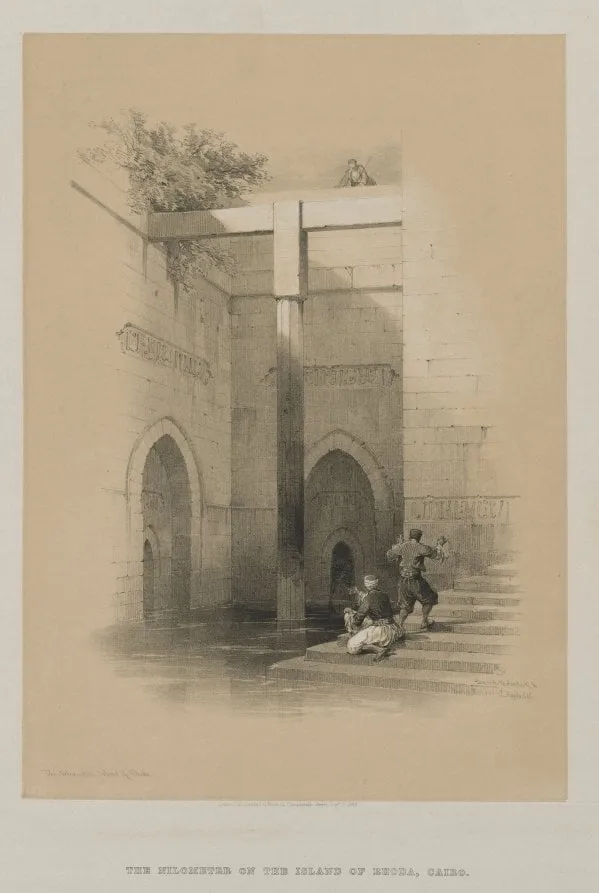
Egypt and Nubia, Volume III: The Nileometer. Island of Rhoda is a print by the Romanticist artist Louis Haghe. It dates from 1849 and is held in the collection of the Cleveland Museum of Art.
- Accession no.
- 2012.231
- Credit line
- Bequest of John Bonebrake
About this work
Overview
Louis Haghe’s 1849 print, titled Egypt and Nubia, Volume III: The Nileometer. Island of Rhoda, records a scene on the small island of Rhoda in the Nile. Executed in lithography, the image presents a stone structure topped by a tall cross, set beside a shallow pool where a few figures are gathered.
Subject & Meaning
The central building is the Nileometer, an instrument erected to gauge the river’s water level and thus forecast flood timing, a crucial factor for agricultural planning in Egypt. The presence of people attending to the pool suggests the practical use of the device in daily life.
Technique & Style
Haghe employed the lithographic process, a method he mastered early while working for the London firm Day & Haghe. The print combines precise architectural detail, arched doorways and stone texture, with a modest, observational rendering of human activity, characteristic of mid‑nineteenth‑century topographical illustration.
History & Provenance
Created in 1849, the work formed part of a larger series documenting Egyptian and Nubian landscapes. It later entered the collection of the Cleveland Museum of Art, where it remains accessible for study and public viewing.
Context
During the 1840s, European interest in Egypt’s antiquities and contemporary infrastructure grew, prompting artists like Haghe to produce visual records for scholarly and commercial audiences. The Nileometer itself reflects the period’s blend of ancient tradition and modern hydraulic management.
Artist & collection

Artist
Louis Haghe (17 March 1806 – 9 March 1885) was a lithographer and watercolourist from the Netherlands and then the United Kingdom.

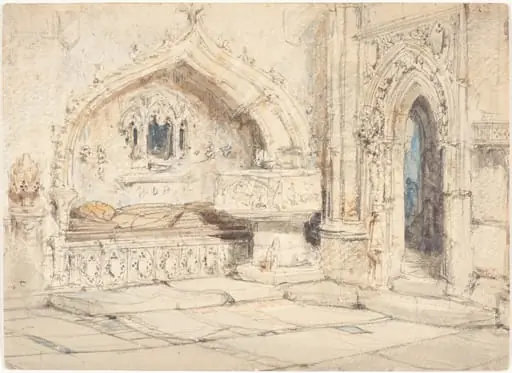 Interior of a Church with a Wall Tomb and Medieval Font
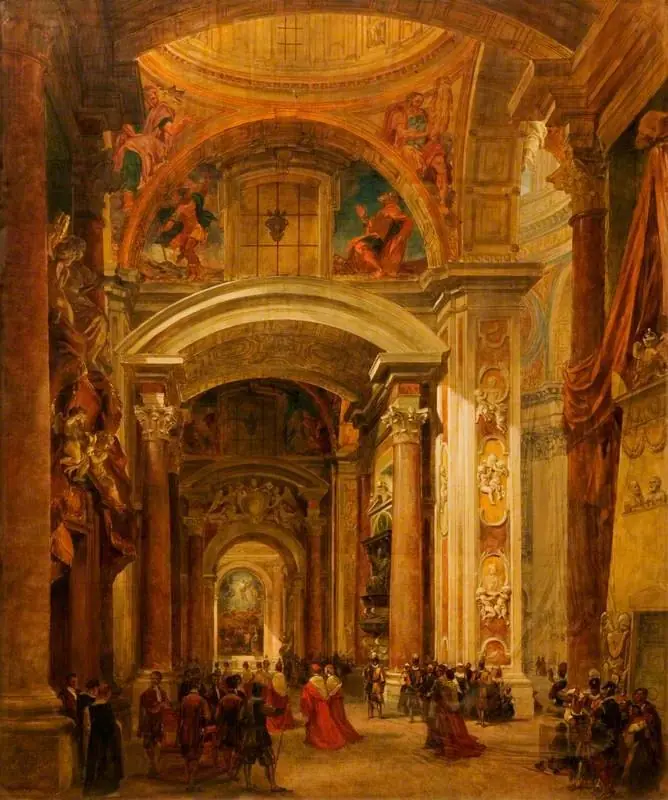 Interior of St Peter's, Rome
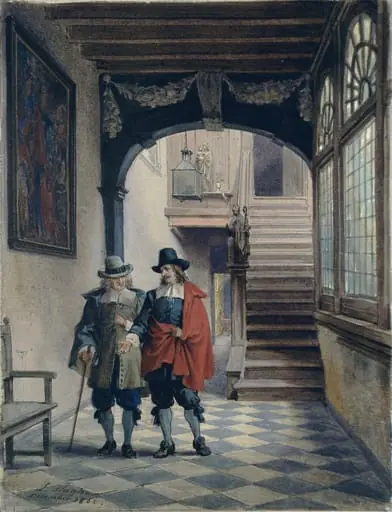 The Corridor, Brewer's Hall, Antwerp
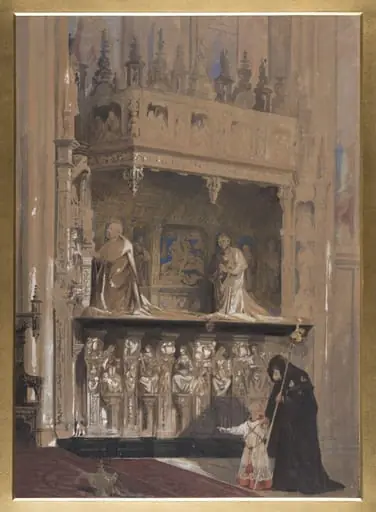 Monument of the Cardinald D'Amboise in Rouen Cathedral
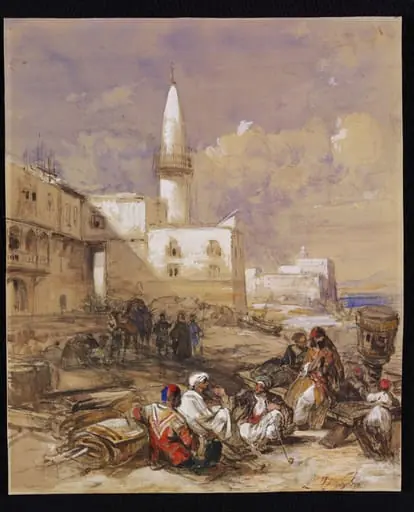 The Quay at Suez
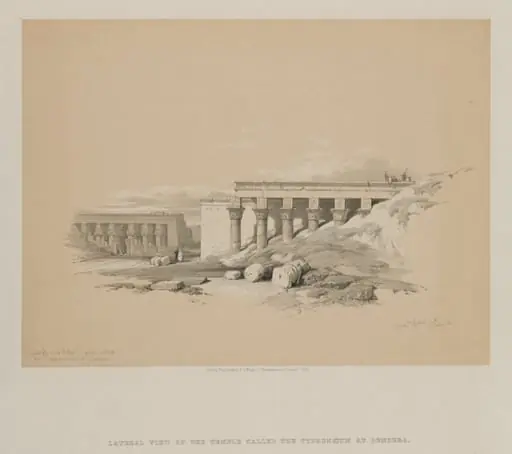 Egypt and Nubia, Volume II: Lateral View of the Temple called The Typhonoeum at Dendera
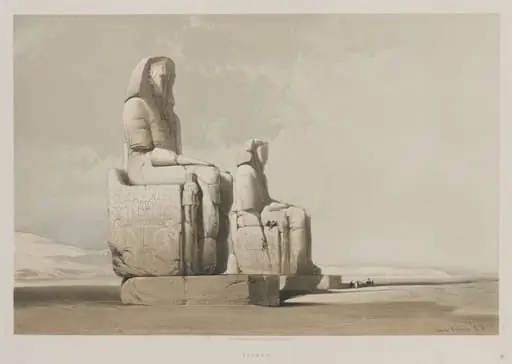 Egypt and Nubia, Volume I: Thebes
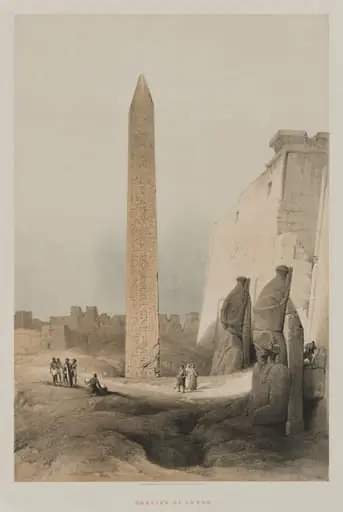 Egypt and Nubia, Volume I: Luxor
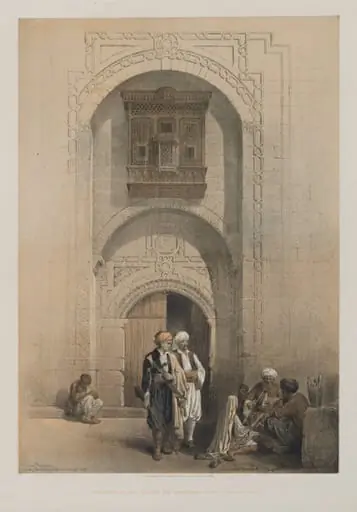 Egypt and Nubia, Volume III: Modern Mansion, showing the Arabesque Architecture of Cairo
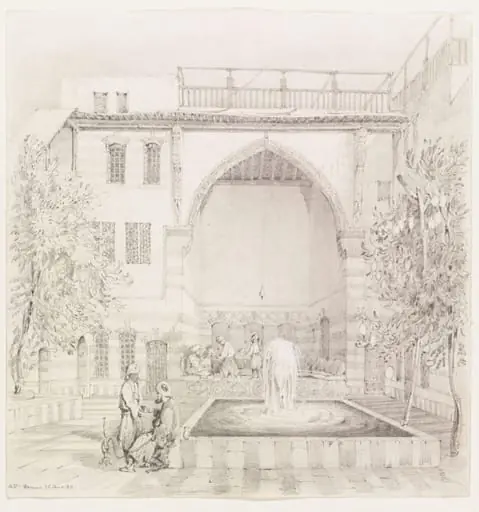 Damas
Damas Architectural drawing
 Mosque of Sultan Bayazid, Constantinople
 Picturesque Architecture in Paris, Ghent, Antwerp, Rouen: Porte Rouge, Nôtre Dame, Paris
 Eglise de Saint-Taurin, Evreux
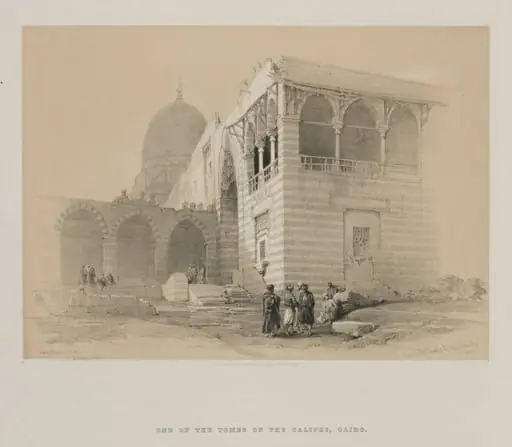 Egypt and Nubia, Volume III: One of the Tombs of the Khalifs, Cairo