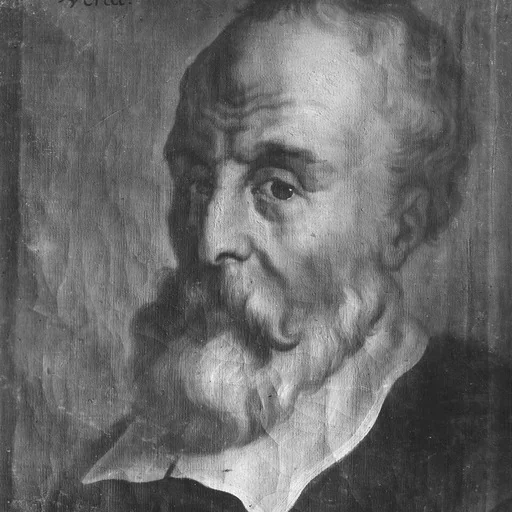
Subject
Stairs
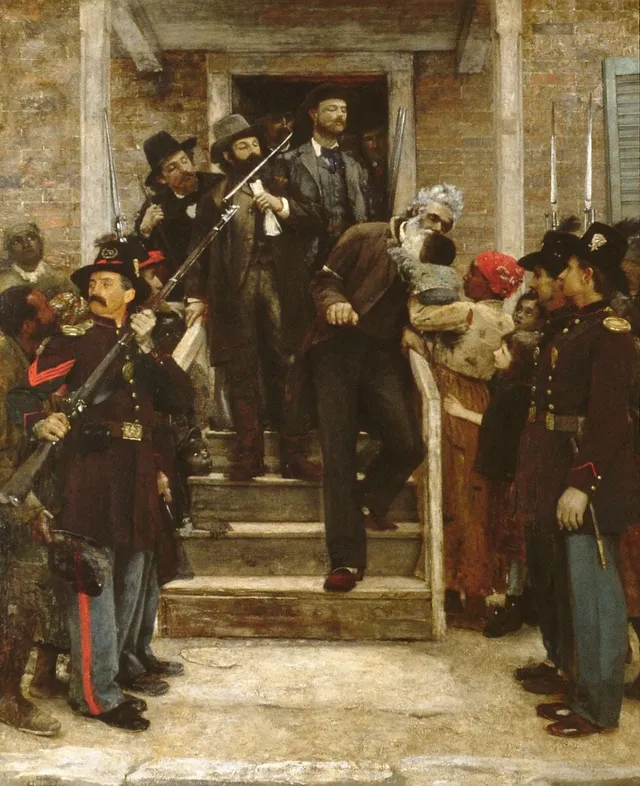
Stairs is a subject in art. The gallery holds 58 works in this subject in art, including works by Paolo Veronese, Jacques-Louis David and Chinese Qing Dynasty.
Stairs are a structure designed to bridge a large vertical distance between lower and higher levels by dividing it into smaller vertical distances. This is achieved as a diagonal series of horizontal platforms called steps which enable passage to the other level by stepping from one to another step in turn.
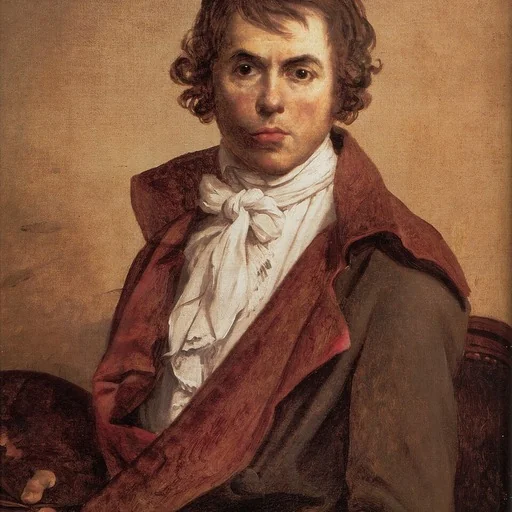
Key artists

Overview
Stairs are architectural structures designed to bridge vertical distances by dividing them into a diagonal series of horizontal platforms called steps, enabling passage between lower and higher levels. As one of humanity's oldest architectural inventions, with roots traceable to at least the second millennium B.C. and perhaps as early as 8000 years ago, stairs have transcended their purely functional purpose to become a persistent and versatile motif in art. Their essential quality of directing movement upward or downward, combined with their capacity to frame human action and create dramatic spatial transitions, has made stairs a recurring subject across painting, sculpture, and architectural representation. The motif appears in diverse works ranging from historical narratives and religious scenes to city views and genre paintings, reflecting both the mundane and the symbolic dimensions of vertical passage.
Iconography & meaning
The iconography of stairs carries layered meanings that have accumulated across millennia. In sacred contexts, stairs have traditionally symbolized ascension, transition, and transformation, serving as pathways toward the divine or as connectors between earthly and heavenly realms. This symbolic charge derives from the physical experience stairs demand: unlike roads or doors, they require sustained bodily effort and engagement, making each climb an embodied journey. In ancient temple architecture, steps represented the transition from one plane of existence to another, a meaning that persisted in Christian, Hindu, and other religious traditions. In secular and civic contexts, stairs have functioned as markers of status and power: grand exterior staircases elevate buildings onto pedestals, literally and figuratively raising those who dwell above while diminishing visitors who must ascend to meet them. The direction of movement on stairs carries narrative weight, upward suggesting ambition, spiritual striving, or social climbing, while downward movement can imply descent into the underworld, humility, or fall from grace. In artistic representation, stairs also serve as powerful compositional devices, creating diagonal vectors that energize pictorial space, establishing spatial depth, and framing multiple levels of action within a single field.
Across movements & periods
The treatment of stairs in art has evolved considerably across movements and cultures, though certain constants remain. In ancient and medieval art, stairs appeared primarily in architectural and religious contexts, with early examples at Göbekli Tepe around 10,000 B.C. and in Mesopotamian ziggurats by 6000 B.C. establishing the sacred connotations that would persist. Medieval architecture experimented with stair forms, while the Renaissance expanded decorative possibilities. The Baroque period particularly exploited the dramatic potential of stairs, with grand staircases becoming essential features of palatial and ecclesiastical architecture, as seen in the helicoidal staircase of Palazzo Barberini from 1633. The Dutch Golden Age, to which several collection works belong, developed a particular interest in stairs as elements of civic and domestic space, often rendered with careful attention to perspective and material texture. In the nineteenth century, academic history painting used stairs to stage dramatic moments, while Impressionist and later modern artists began to explore more subjective and formal treatments. Across cultures, the basic vocabulary of stairs varied: spiral stairs appeared in Europe from the 400s B.C., while different traditions developed distinct approaches to the transition between levels. The nineteenth-century bourgeois apartment building introduced the service stair as a social marker, separating inhabitants by class. In contemporary art and architecture, stairs have become increasingly autonomous objects, with designers like Olafur Eliasson creating the Endless Stair as pure sculptural form, and architects from Zaha Hadid to Thomas Heatherwick treating staircases as signature spatial experiences rather than mere circulation.
Notable depictions
While the collection contains numerous depictions, several canonical staircases in art and architecture merit attention for their influence on how the motif has been understood. The Spanish Steps in Rome, built 1723-1725 by Francesco de Sanctis and Alessandro Specchi, became a cultural stage for artists and writers including John Keats and Percy Bysshe Shelley, and later achieved cinematic fame in Roman Holiday. The Vatican Museums Spiral Staircase, designed by Giuseppe Momo in 1932 with its double helix of intertwined staircases allowing simultaneous ascent and descent, represents a pinnacle of modern stair design. The Tulip Stairs at Queen's House, Greenwich, completed in 1635, holds distinction as Britain's first centrally unsupported geometric spiral staircase. In the realm of art proper, M.C. Escher's explorations of impossible stairs in works such as Relativity and Ascending and Descending transformed the motif into a vehicle for perceptual paradox. The Potemkin Stairs in Odessa, constructed in 1841 with their optical illusion of merging steps, achieved immortality through Sergei Eisenstein's 1925 film Battleship Potemkin, demonstrating how stairs could become protagonists in cinematic narrative. More recently, the Selarón Steps in Rio de Janeiro, created仅供个人创作始于1990 by Jorge Selarón, exemplify how stairs can become collaborative community artworks through the accumulation of thousands of tiles from around the world.
Legacy
The legacy of stairs as enduring subjects in art and architecture continues to expand in the contemporary period. The motif has proven remarkably adaptable to new media and conceptual frameworks: from Escher's lithographs to Instagram photography, stairs remain compulsively photogenic, their inherent geometry lending itself to the centered, symmetrical compositions favored by contemporary visual culture. The cinematic afterlife of stairs persists, from the Odessa Steps sequence that influenced generations of filmmakers to the Joker stairs that became a pilgrimage site in the Bronx. In architecture, the staircase has experienced something of a renaissance as a design statement, with practitioners like Nendo, Zaha Hadid, and Foster + Partners creating staircases that function as sculptural centerpieces. The Vessel by Thomas Heatherteredwick in New York, with its 154 flights of interconnecting stairs, 2,400 steps, and 80 landings rising 46 meters, represents perhaps the ultimate expression of stairs as pure architectural spectacle. Yet the fundamental meanings persist: stairs still symbolize aspiration and transition, still demand physical engagement, still structure our experience of vertical space. Whether in a seventeenth-century Dutch civic guard portrait or a contemporary museum atrium, the staircase remains what it has always been, a technology of ascent that art continually reimagines.
Works
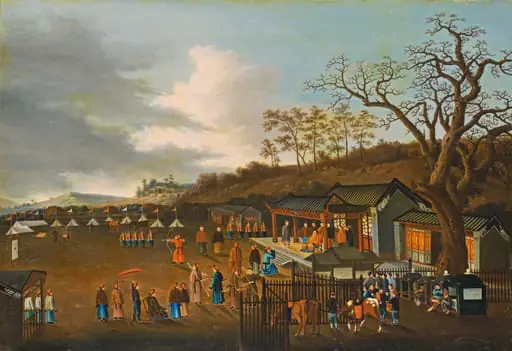 Archery Contest
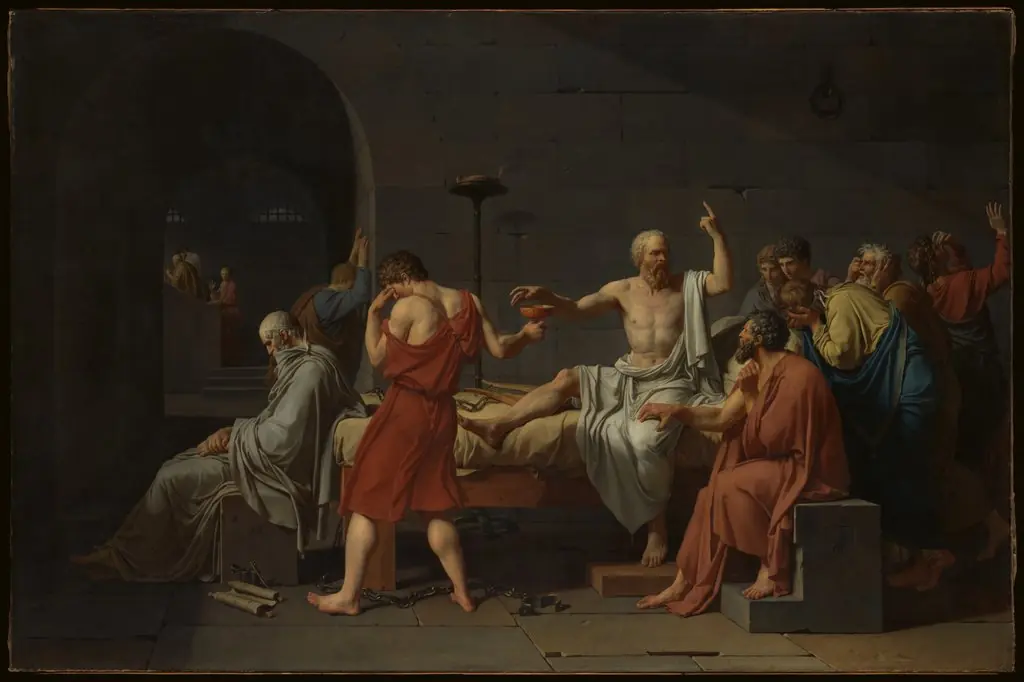 The Death of Socrates
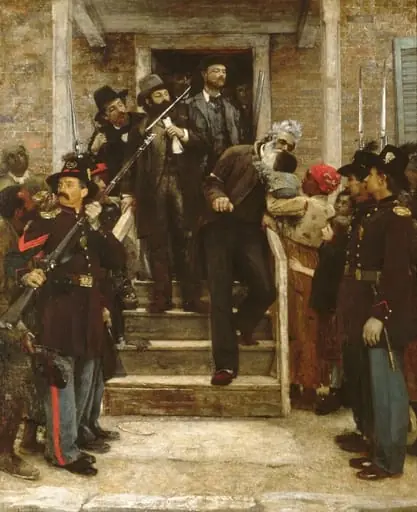 The Last Moments of John Brown
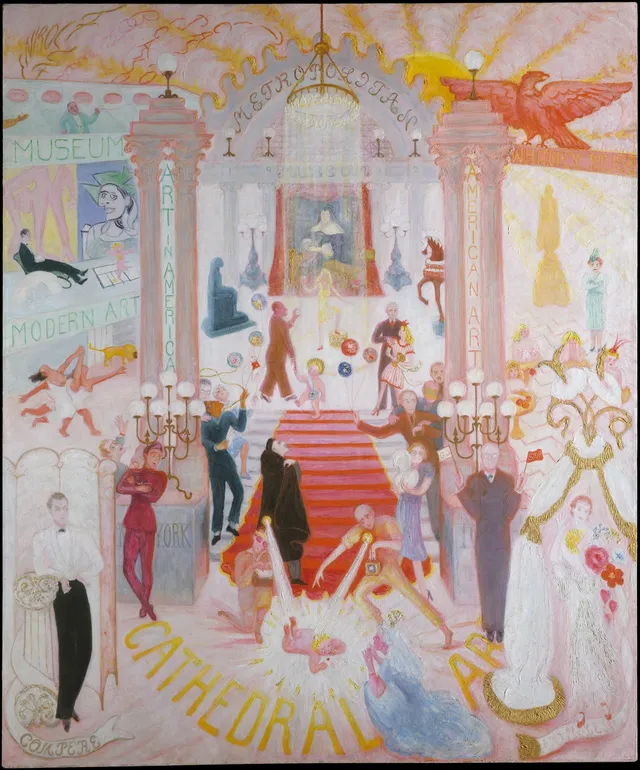
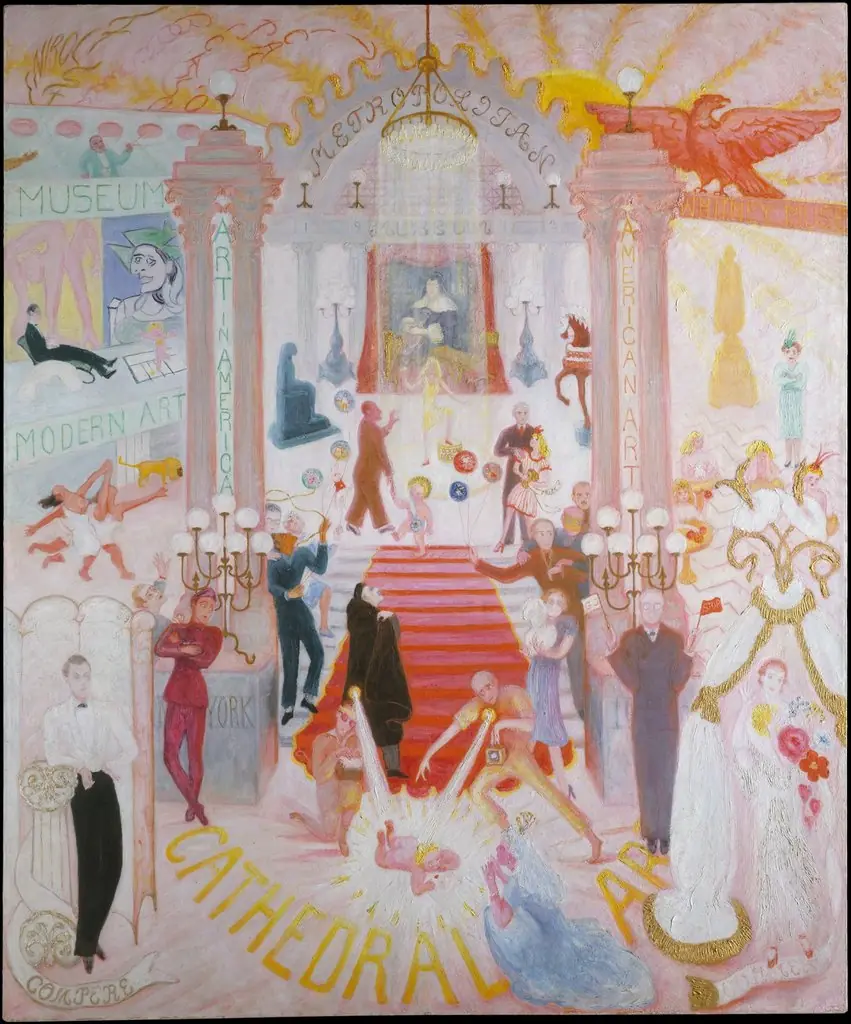 The Cathedrals of Art
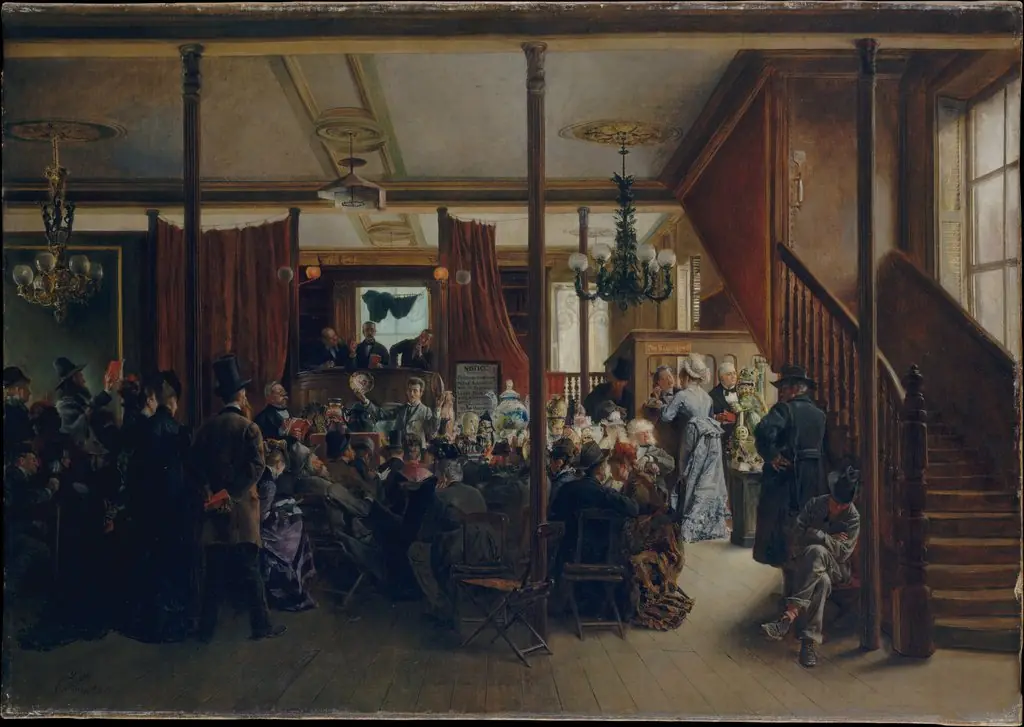 Auction Sale in Clinton Hall, New York, 1876
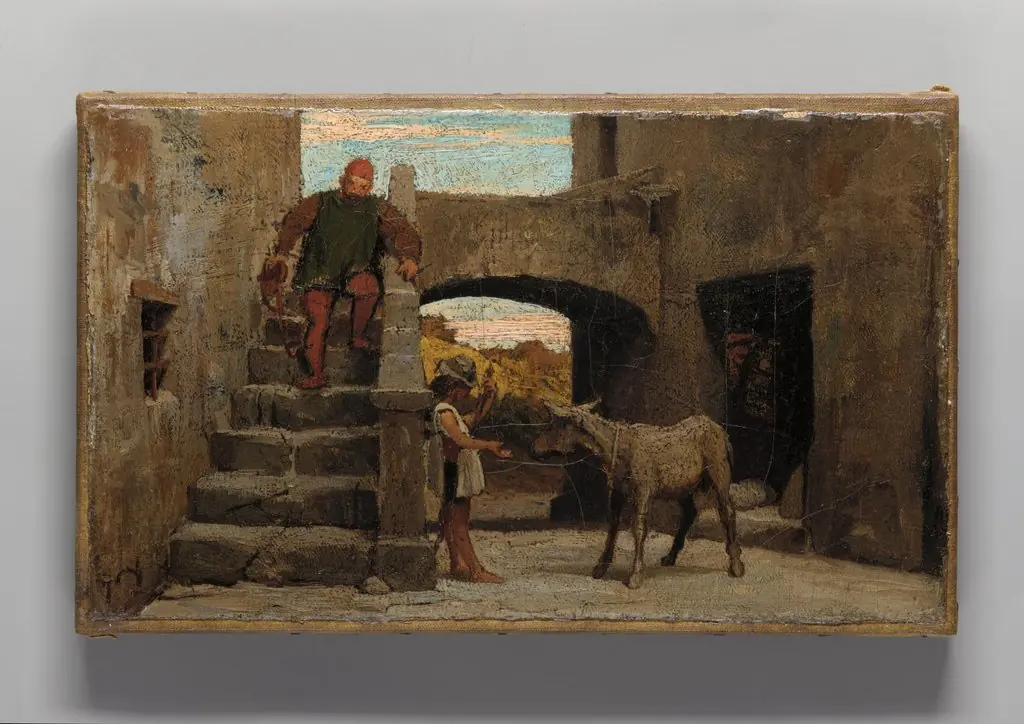 The Fable of the Miller, His Son, and the Donkey
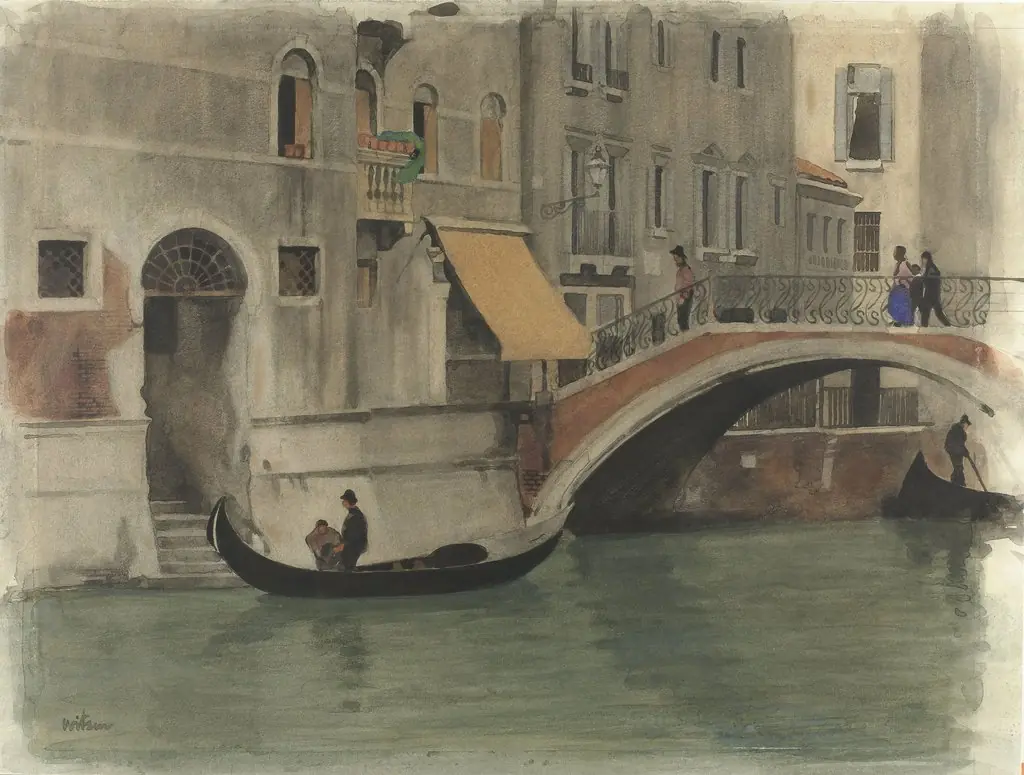 Bridge over a canal in Venice
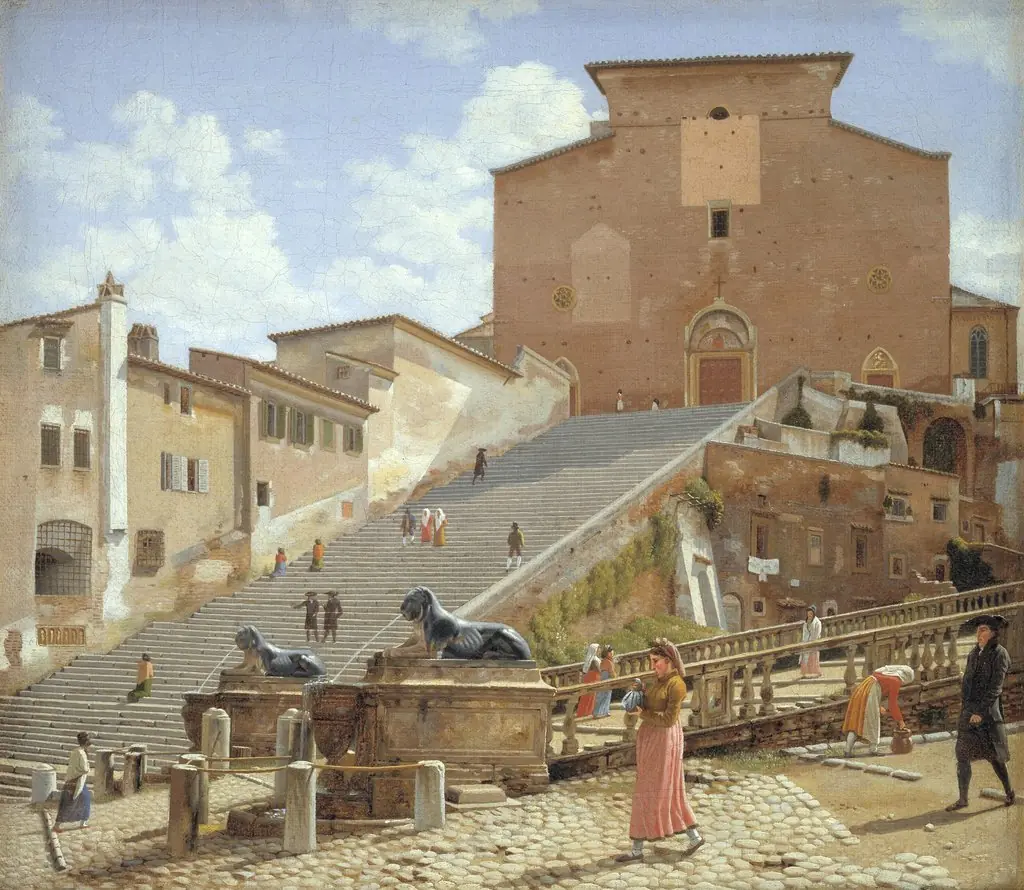 The Marble Steps Leading to the Church of Santa Maria in Aracoeli in Rome
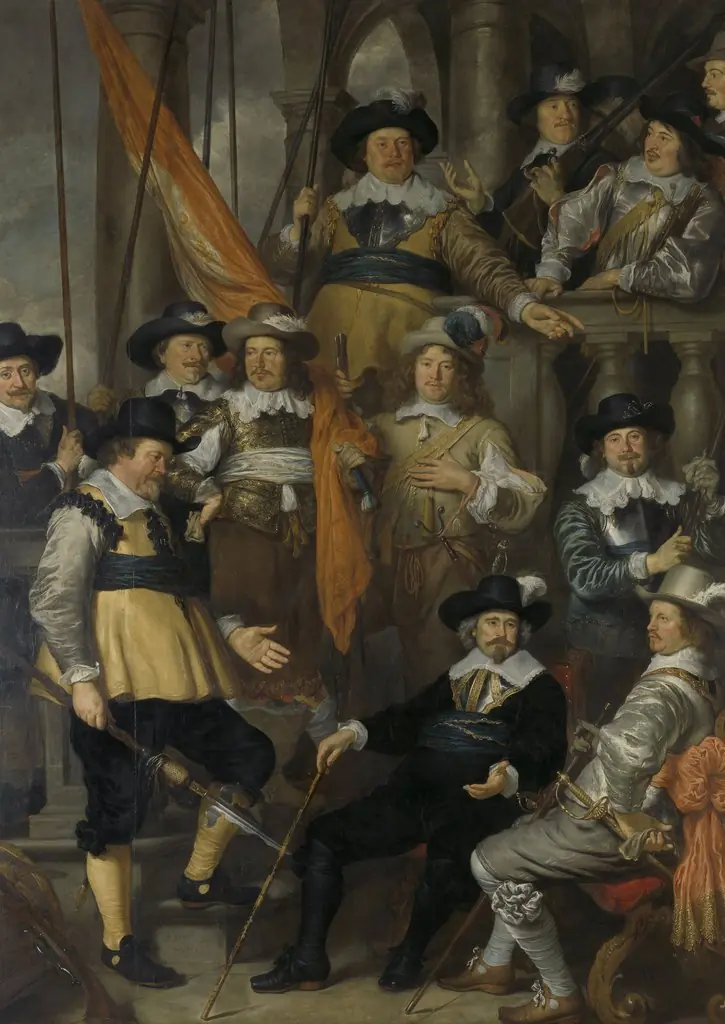 The Company of Captain Albert Bas and Lieutenant Lucas Conijn
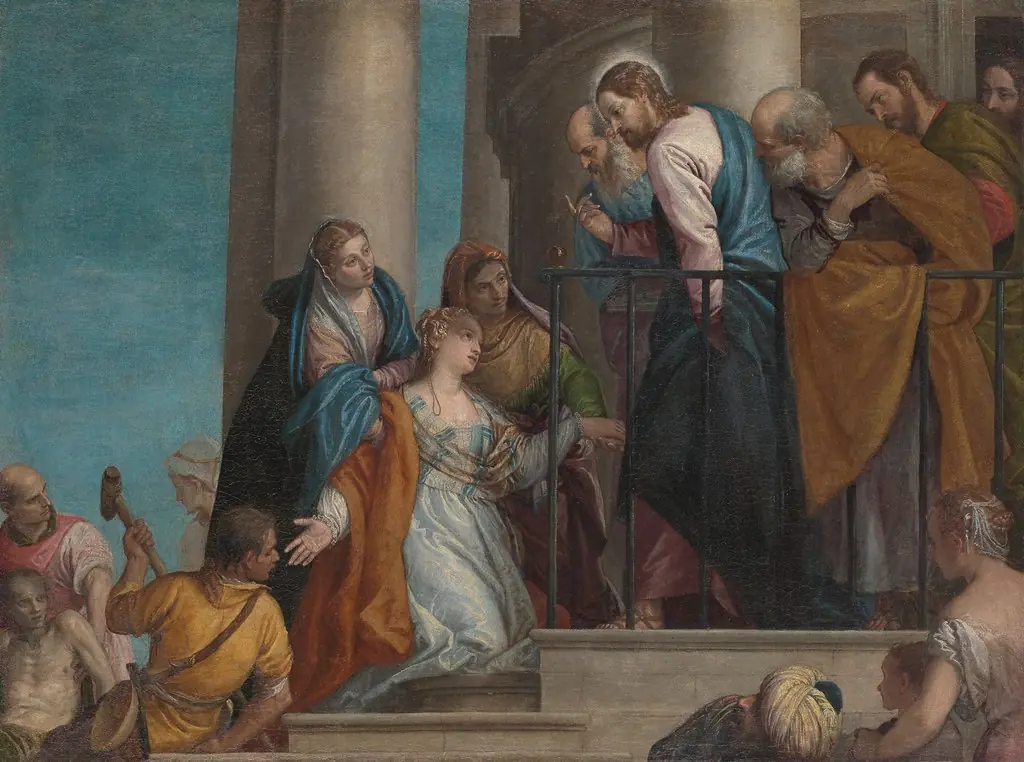 Raising the Young Man of Nain
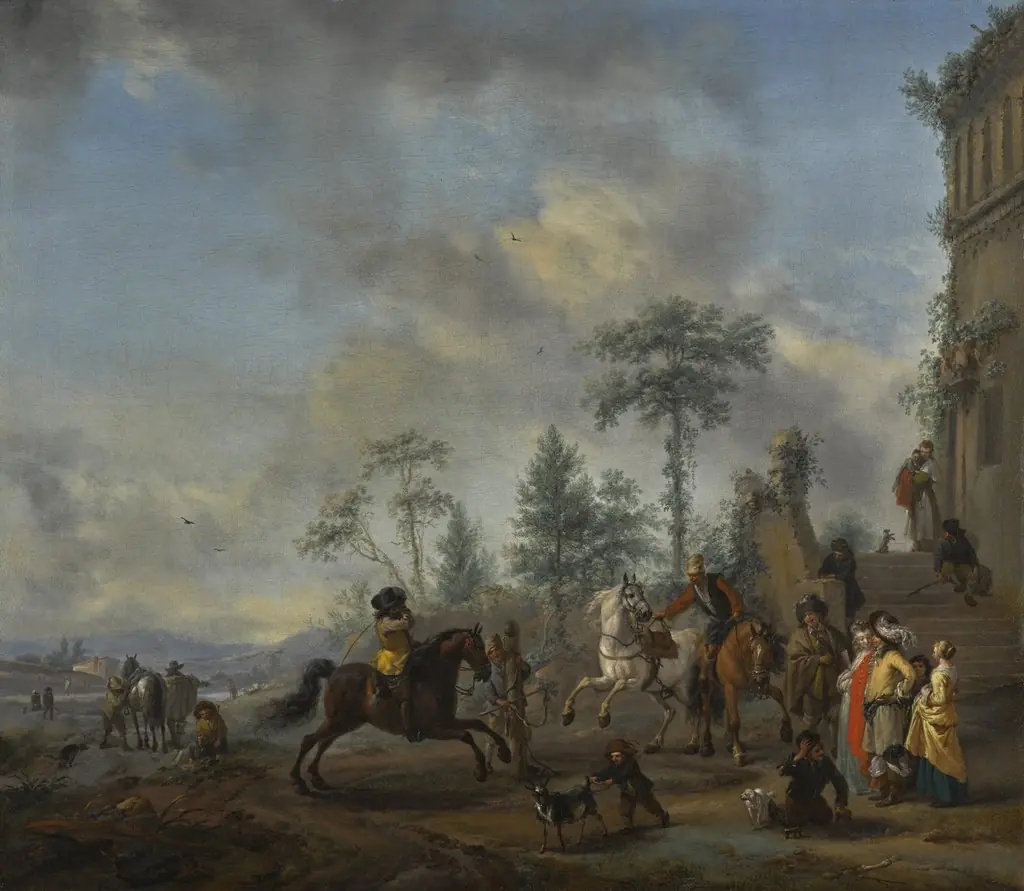 The Riding School
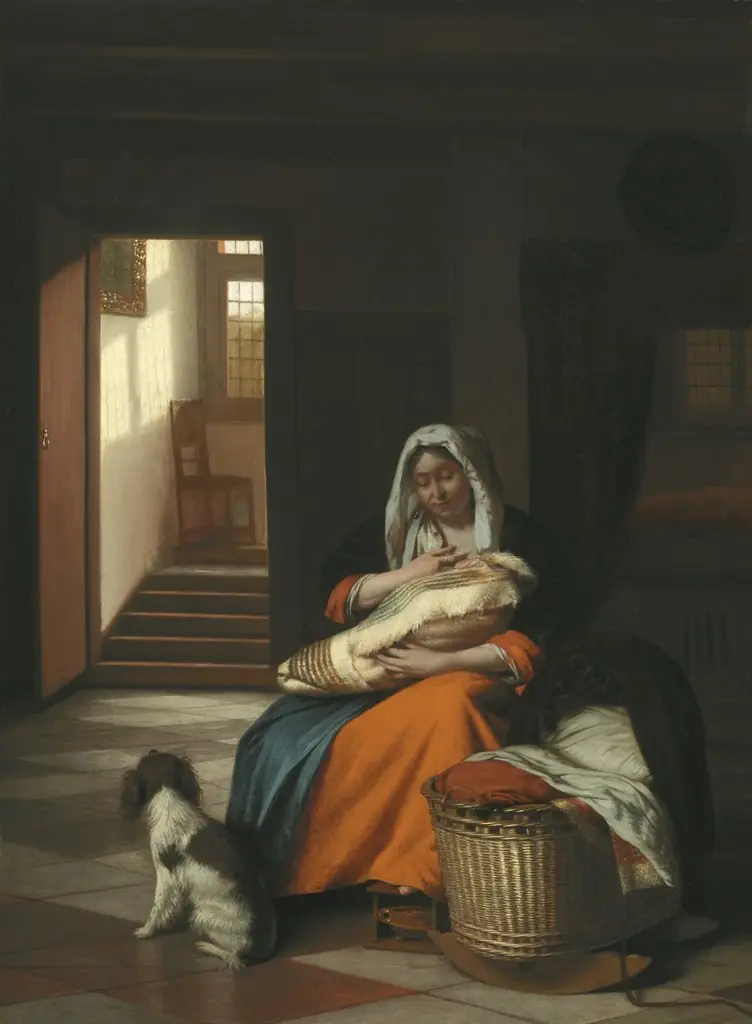 Woman nursing by a cradle with a dog at her feet
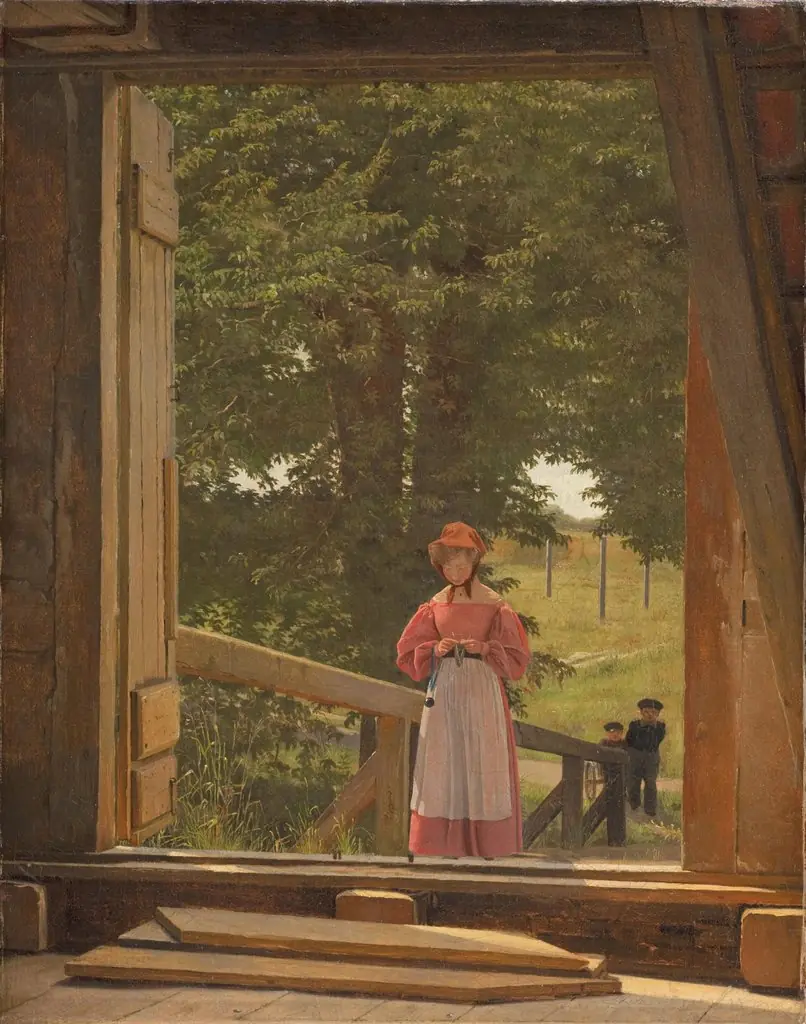 View from the Loft of the Grain Store at the Bakery in the Citadel of Copenhagen
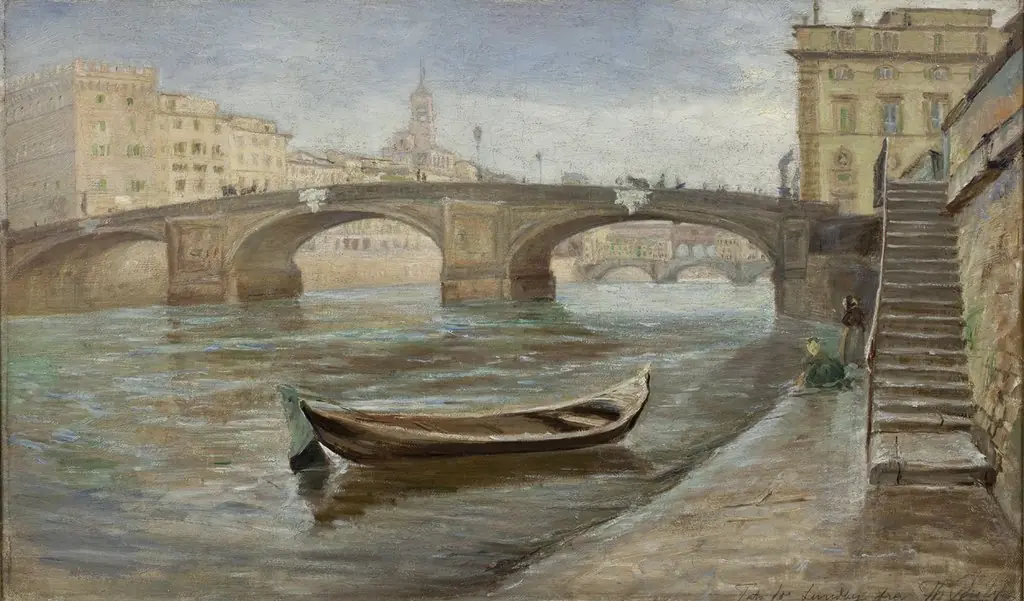 An Overcast Day in Florence near Ponte Santa Trinità
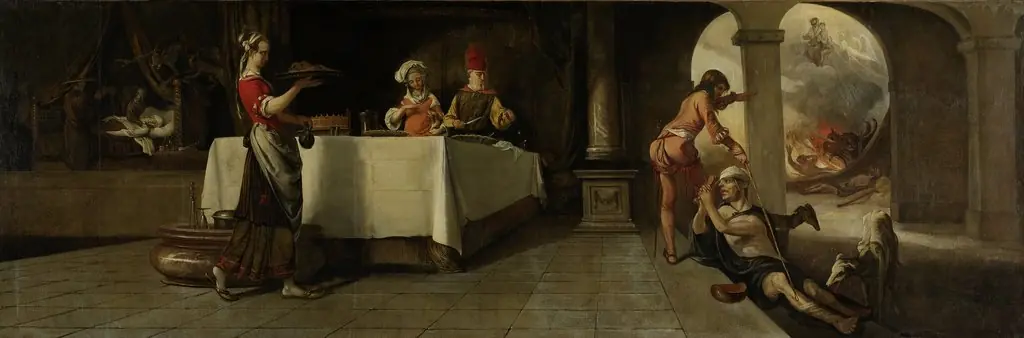 Lazarus and the rich man
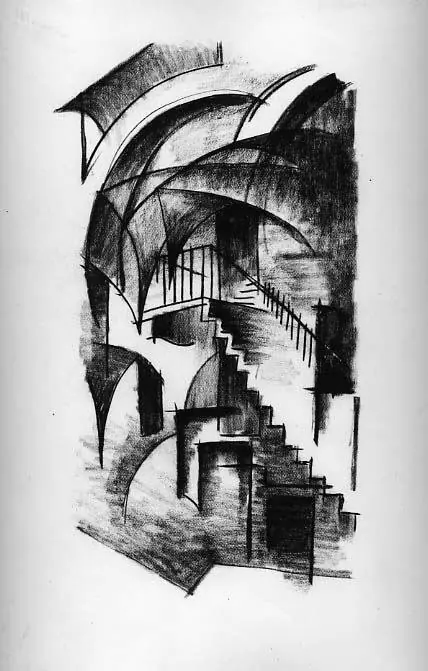 Untitled
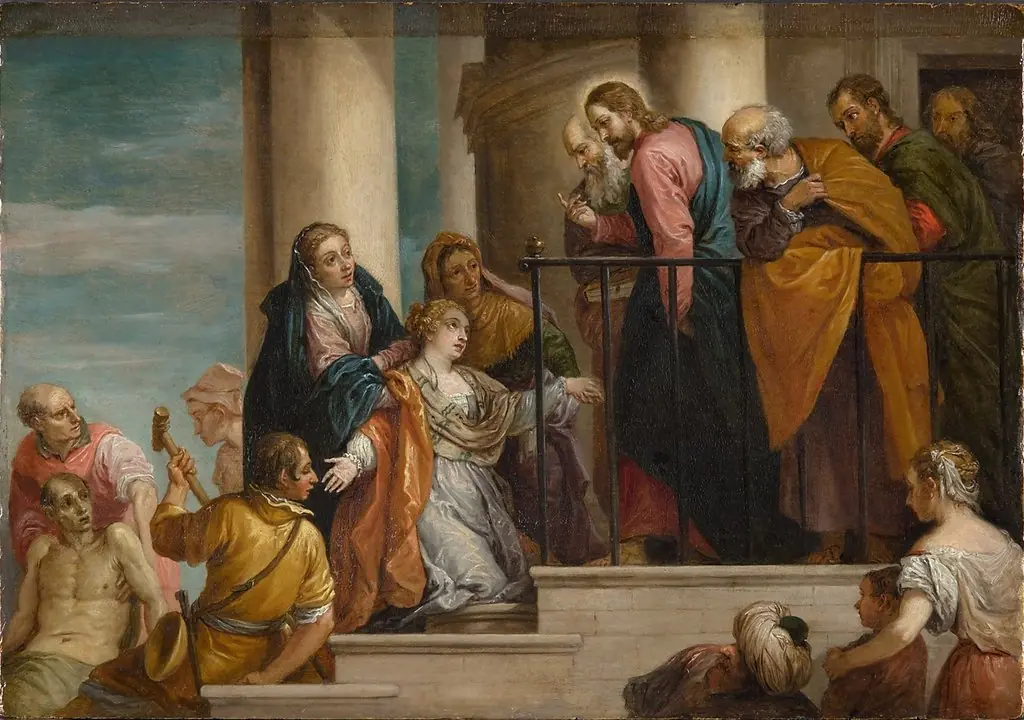 Raising the Young Man of Nain
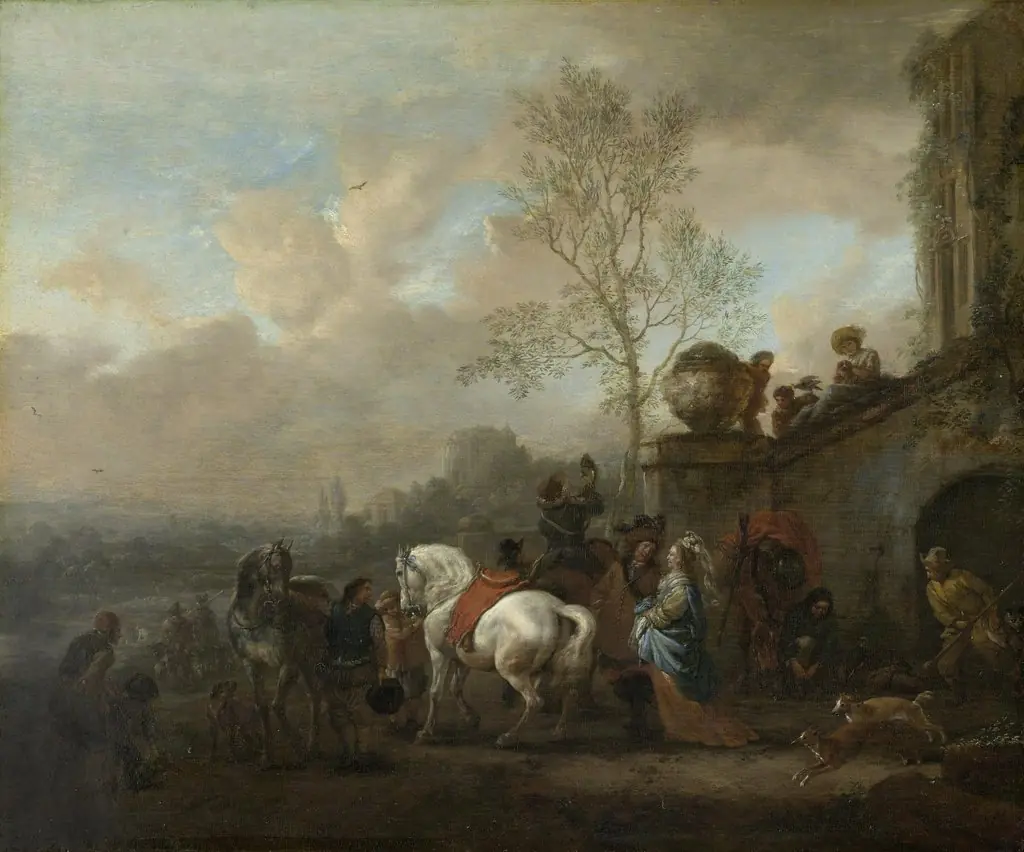 Starting for the Chase
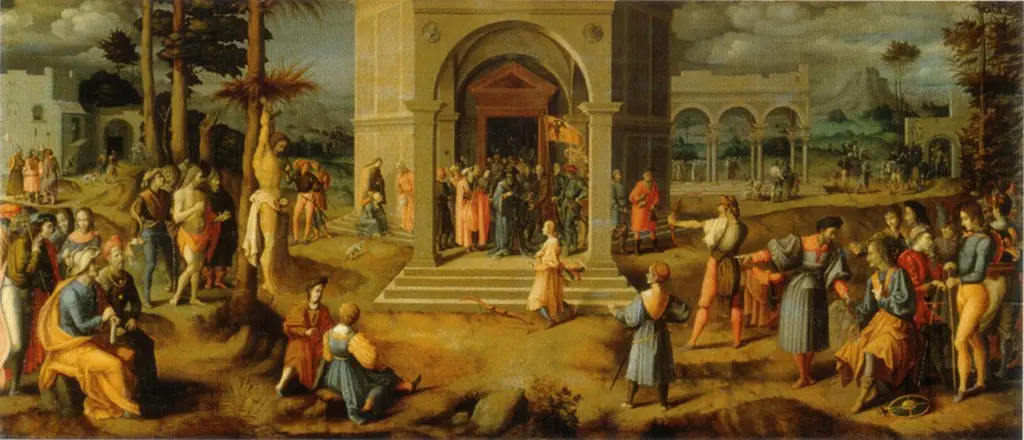 The Legend of the King's Sons
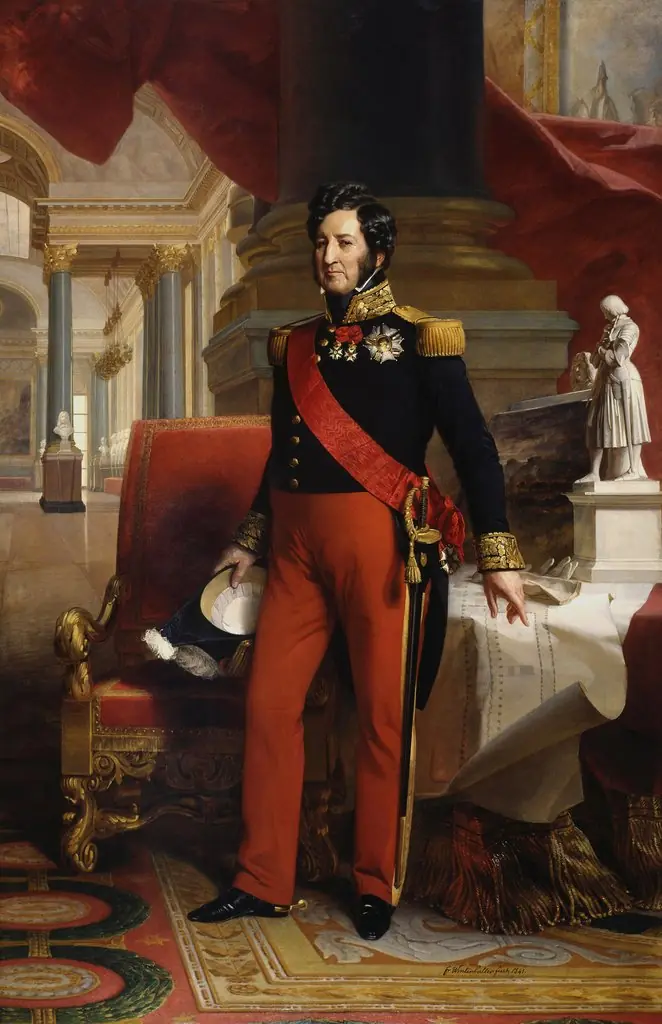 Louis-Philippe I, King of the French (1773–1850)
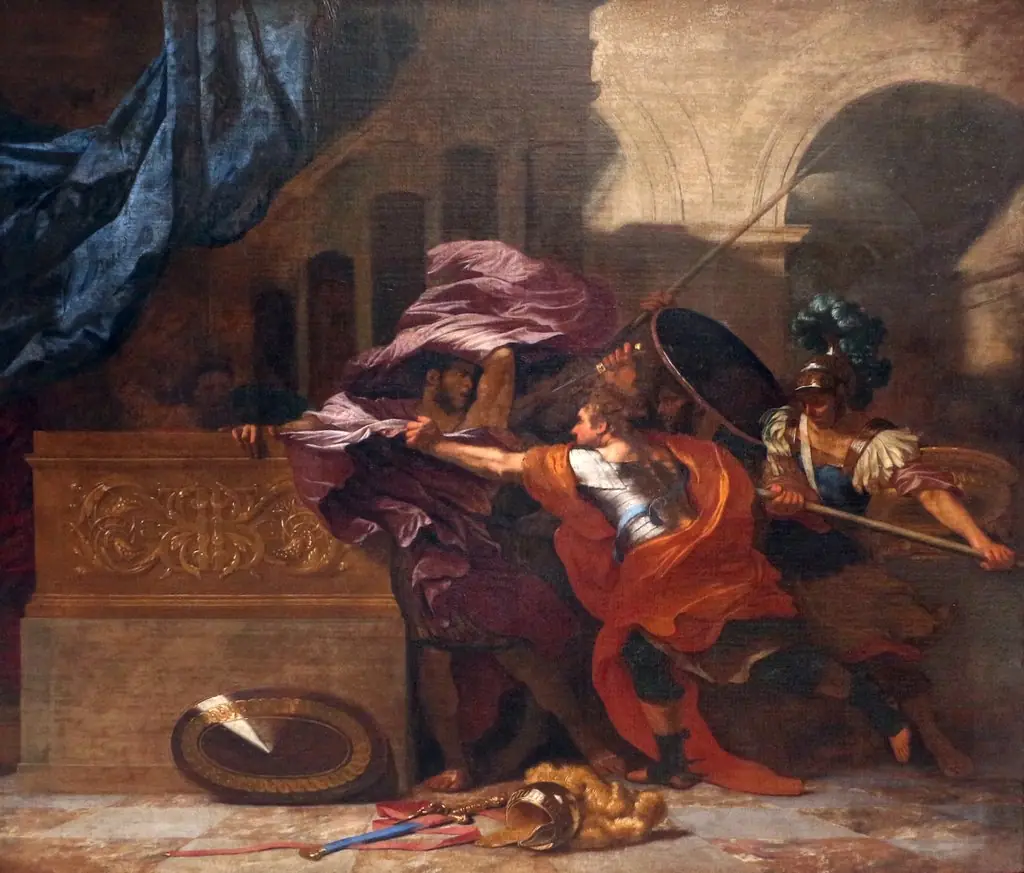 Death of Pyrrhus
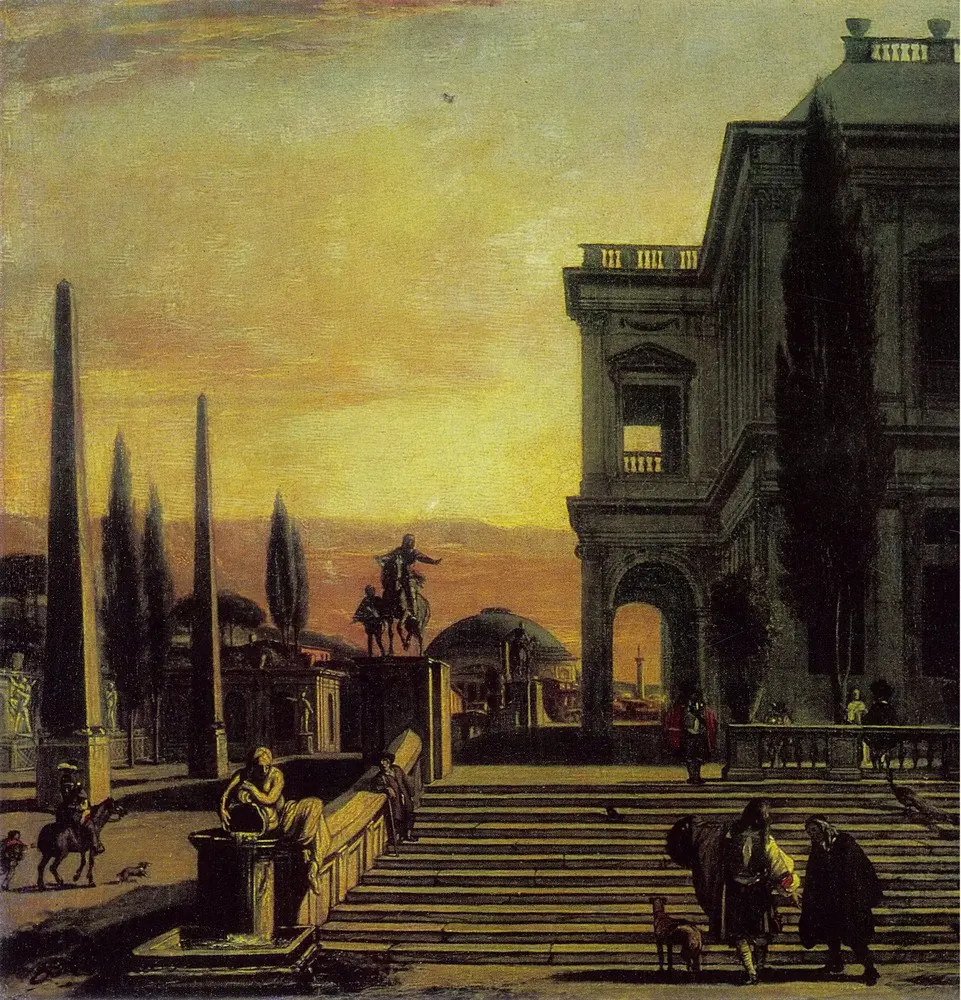 Square in front of the Palace in an Italian Town
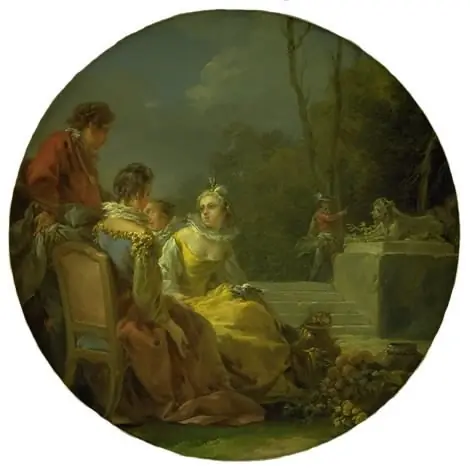 Figures in a Park
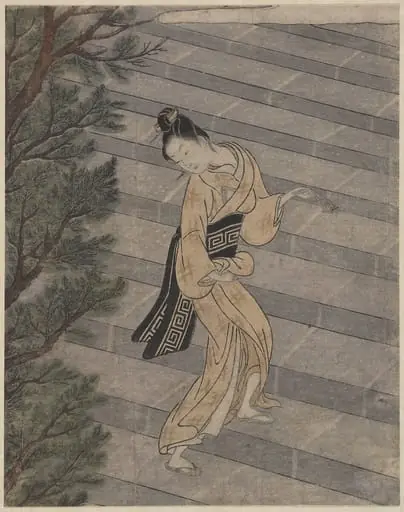 Untitled
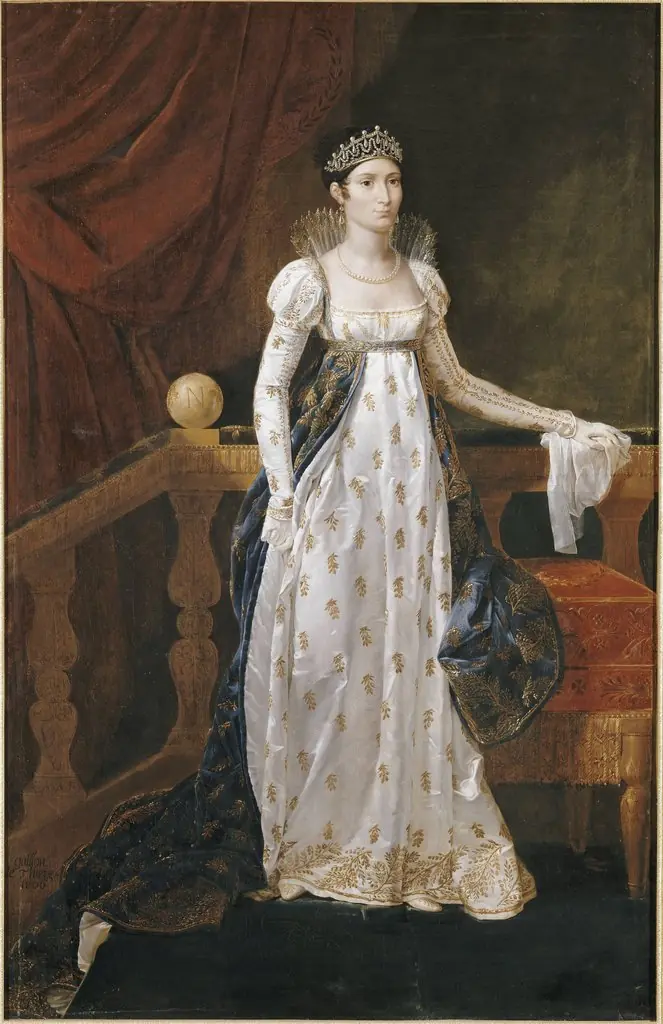 Elisa Bonaparte-Bacciocchi, Grand Duchess of Tuscany
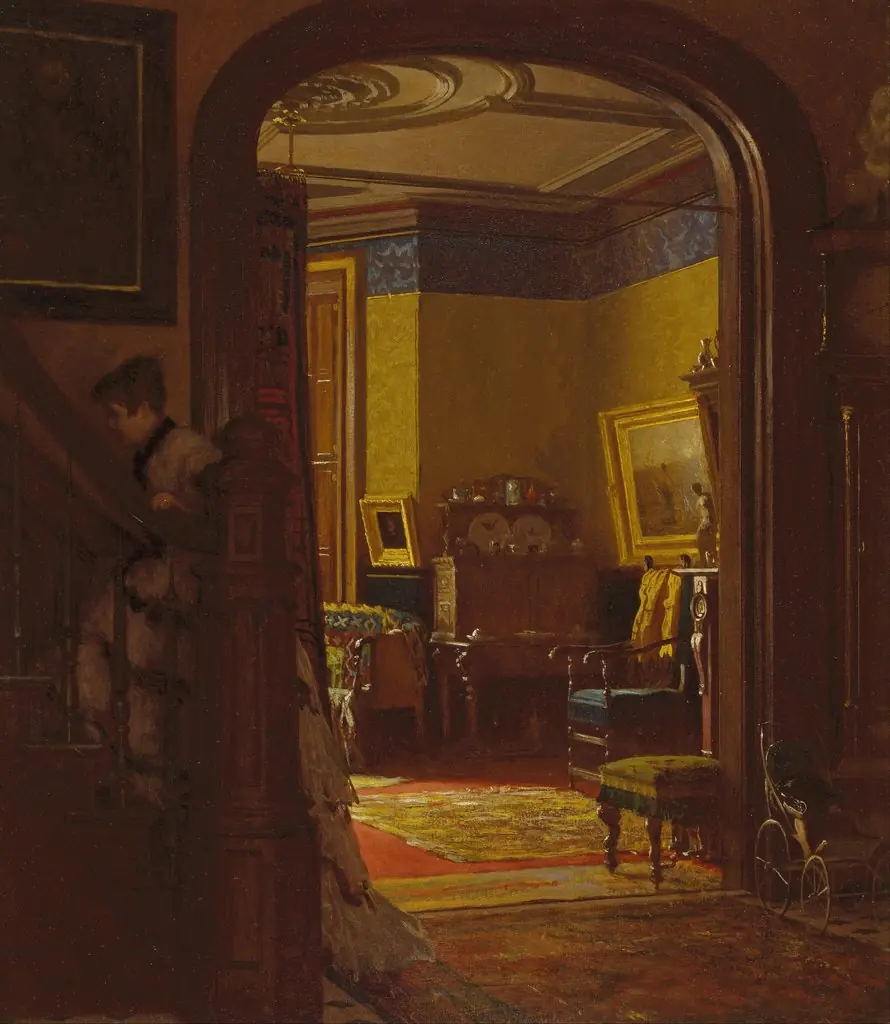 Not at Home
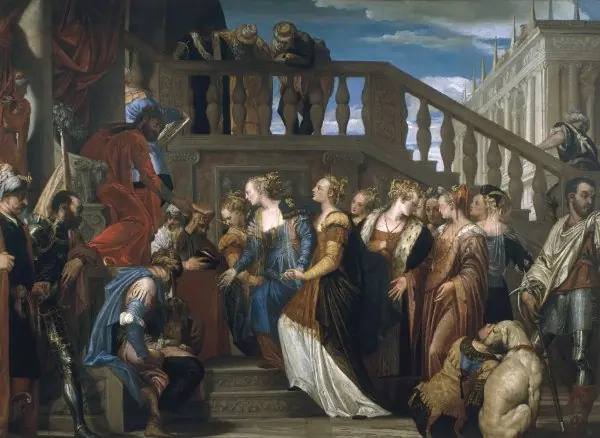 Esther before Ahasuerus
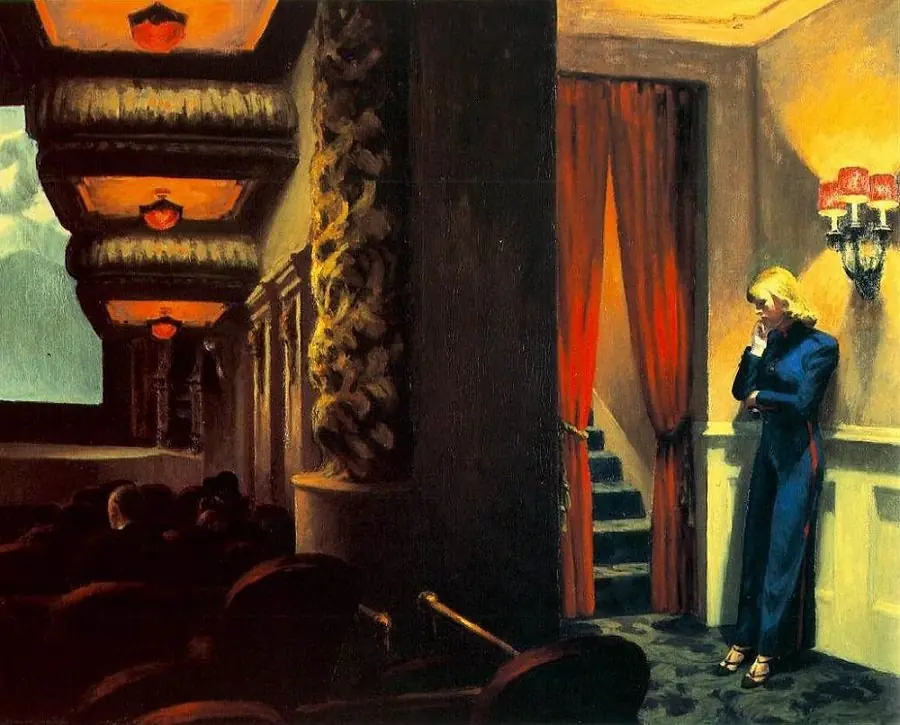 New York Movie
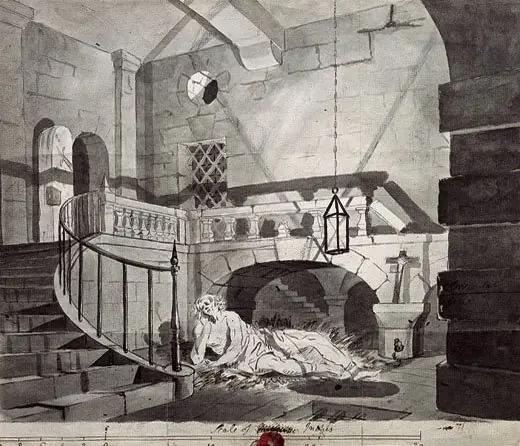 The Captive King
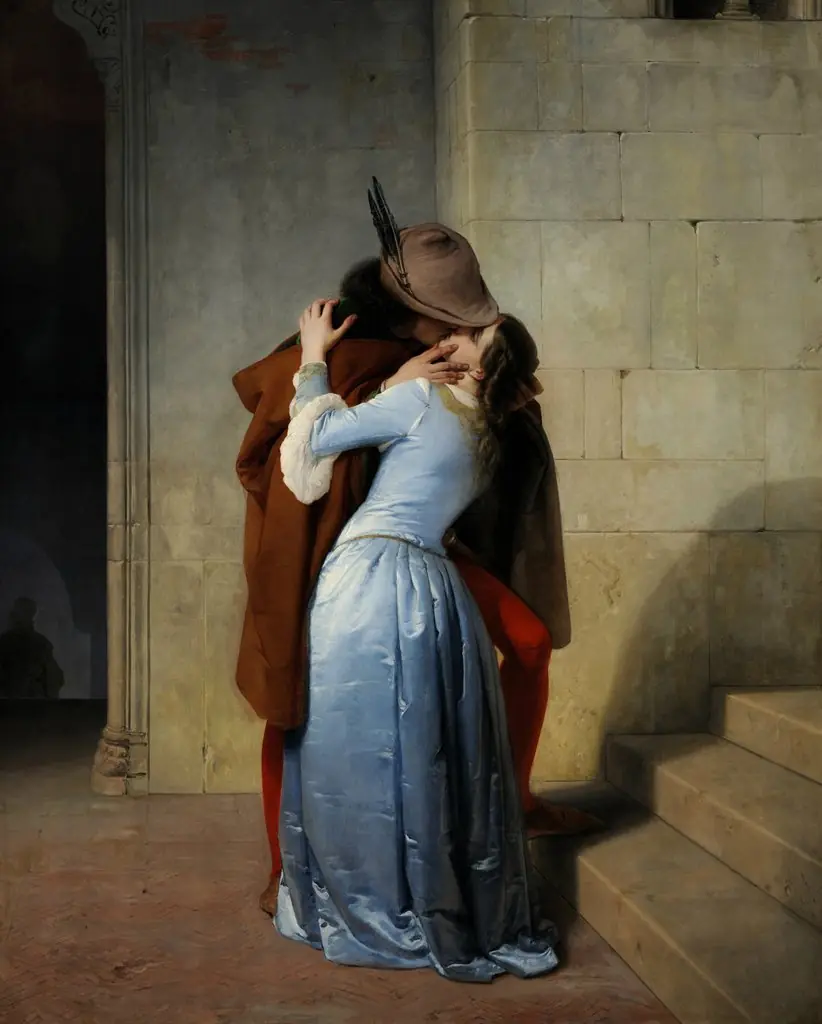 The Kiss
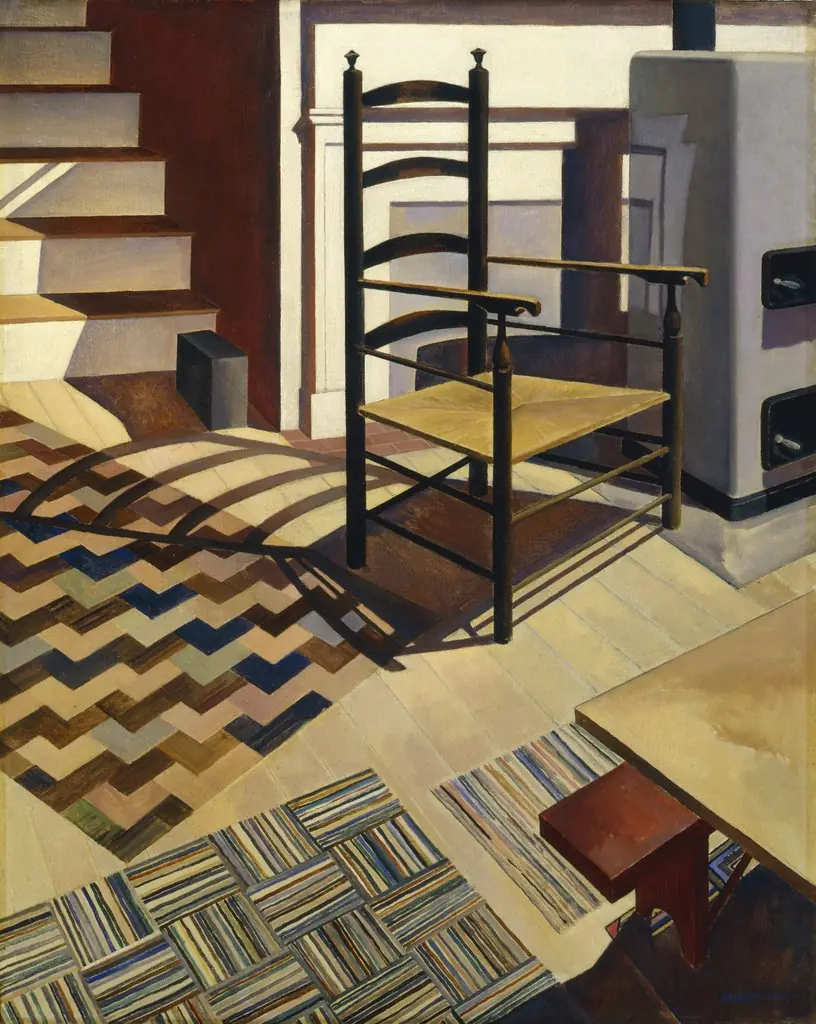 Home, Sweet Home
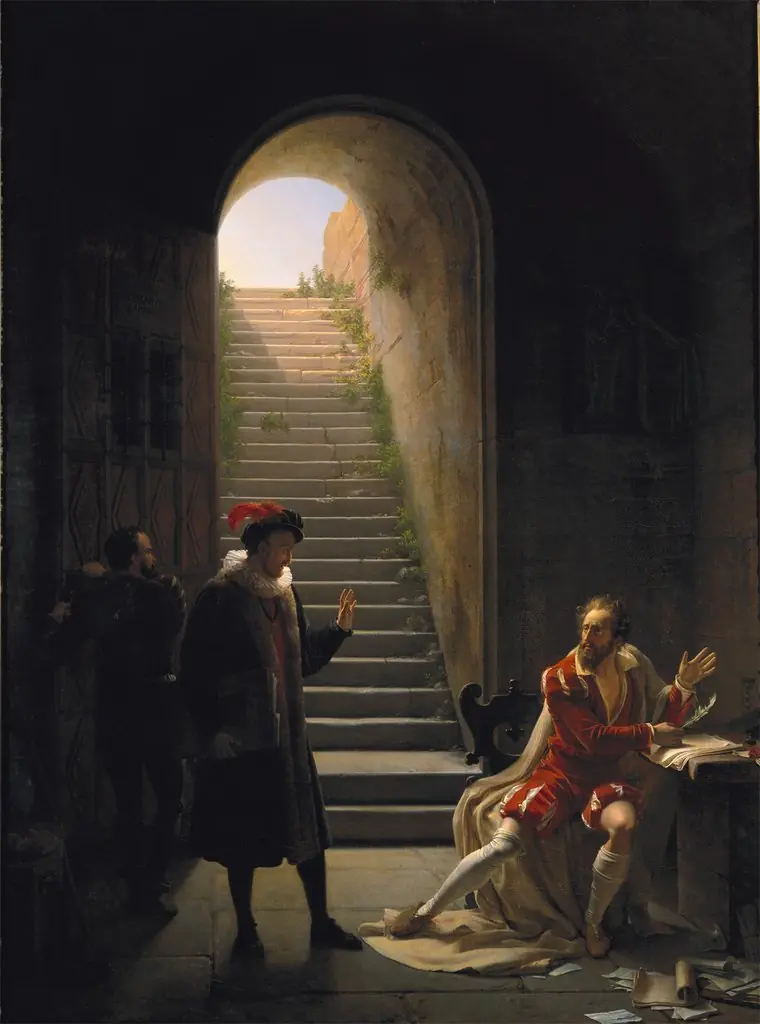 Montaigne Visiting Torquato Tasso in Prison
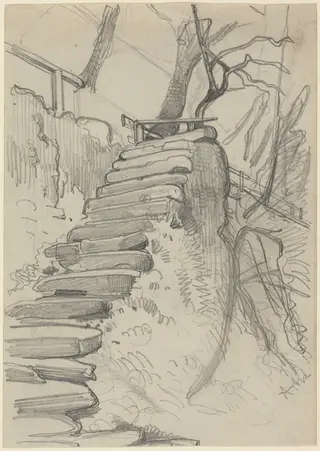 Flight of Stone Steps in a Garden
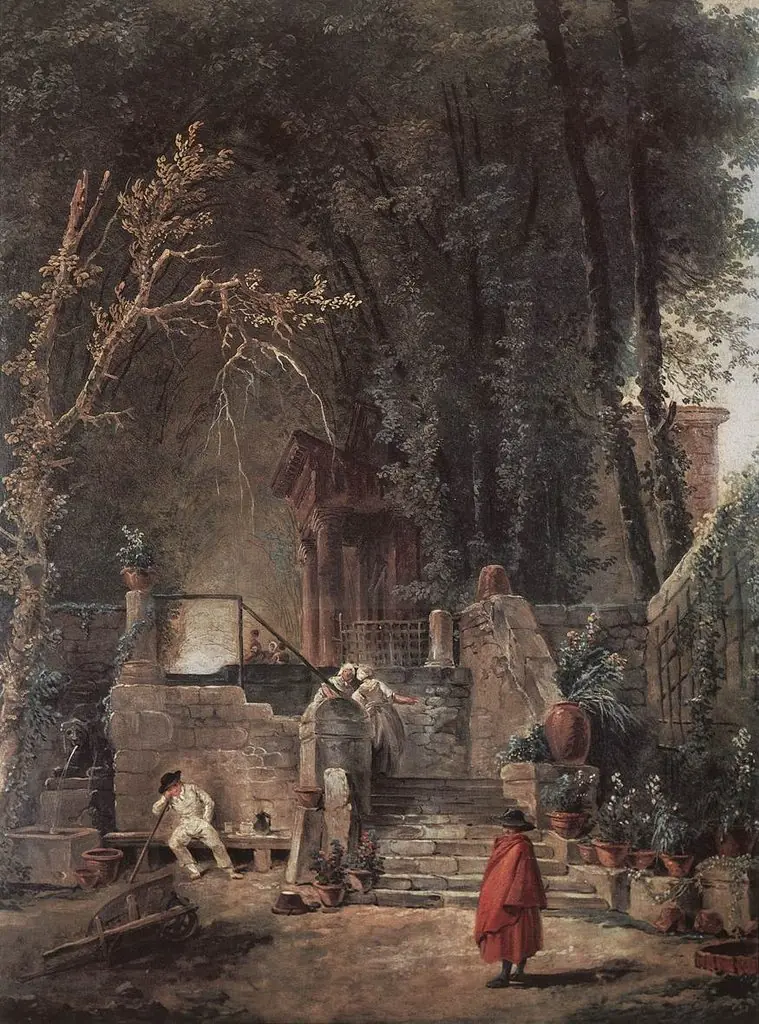 Italian Park
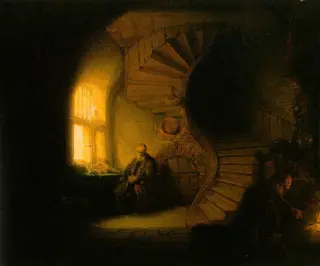 Philosopher in Meditation
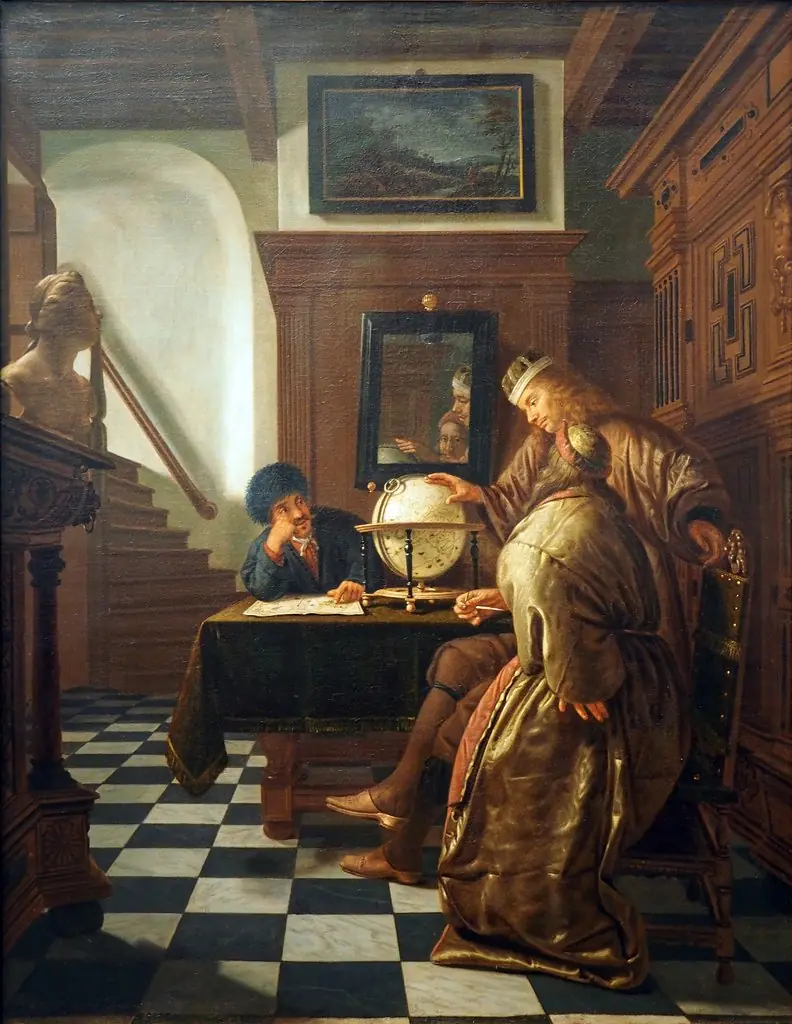 Geographers at Work
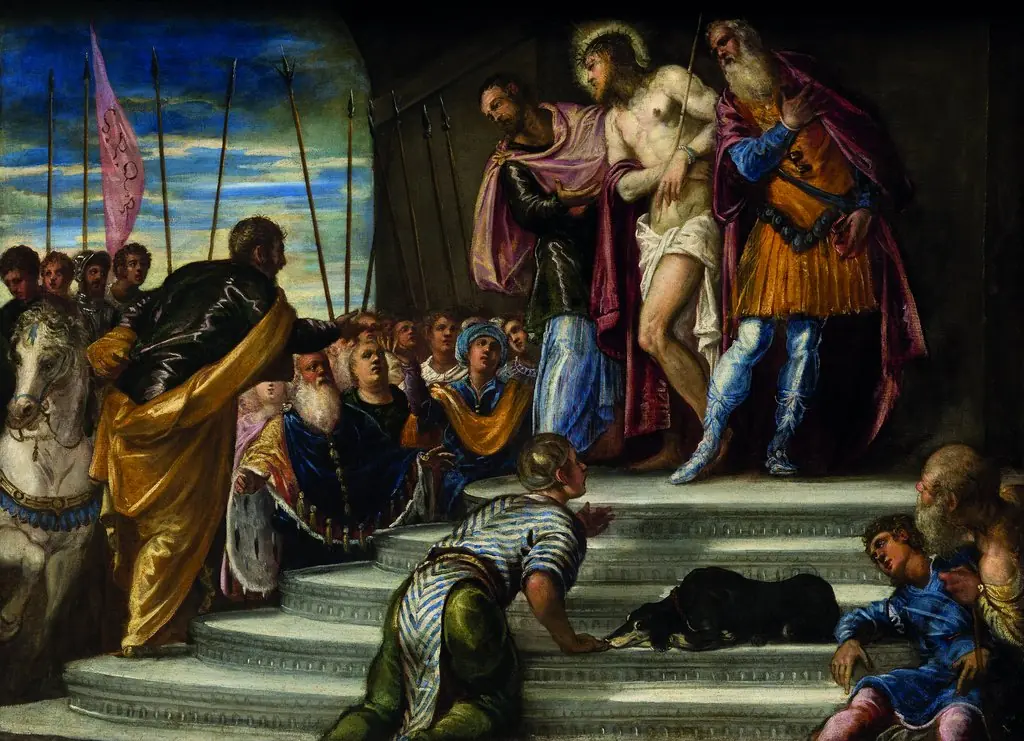 Ecce Homo or Pontius Pilate Presenting Christ to the Crowd
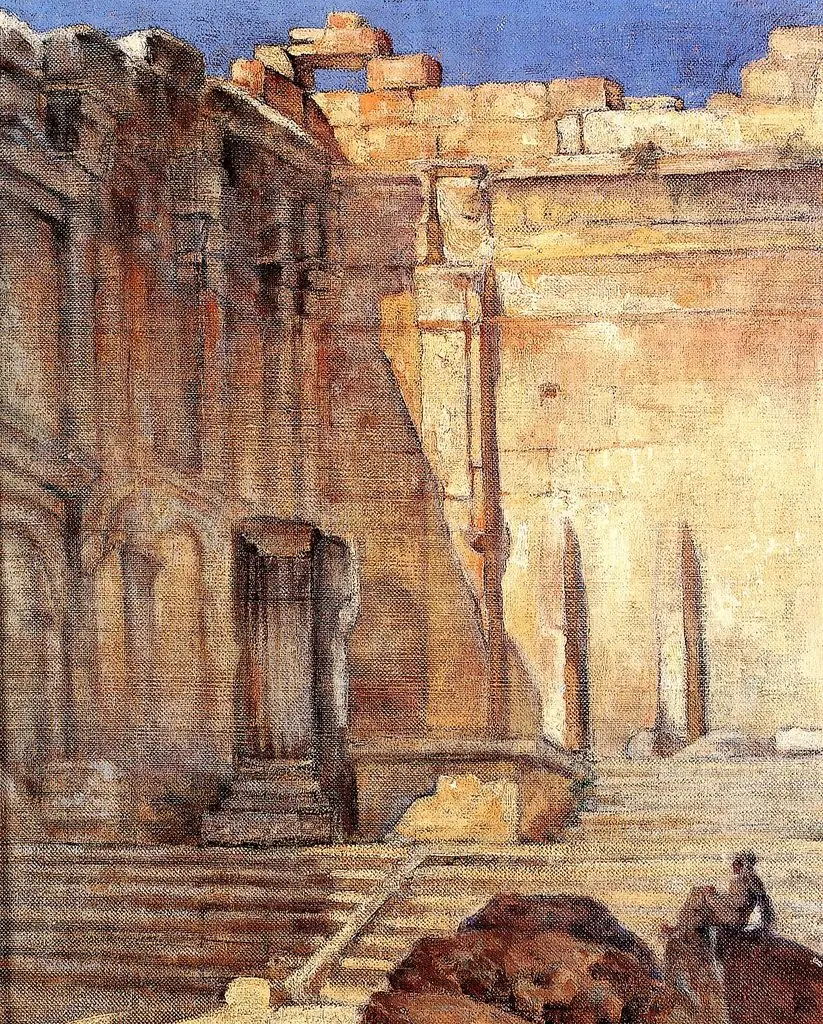 Baalbek, Temple of Bacchus (2)
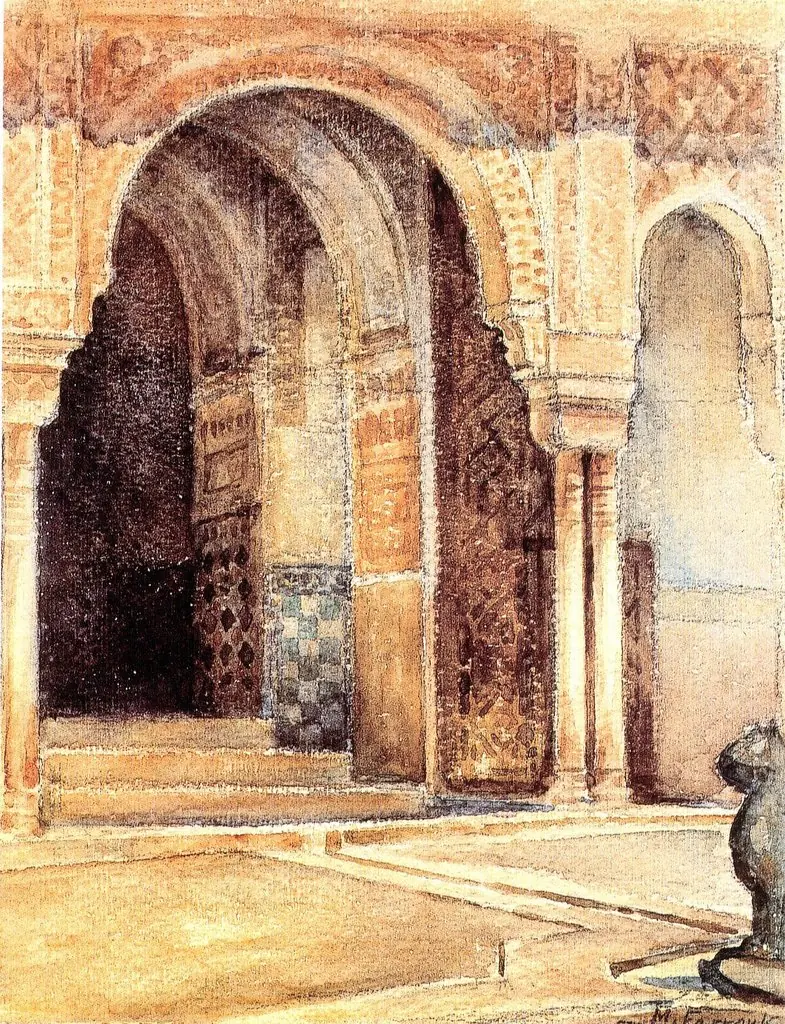 Granada, Alhambra: Entrance to Abencerrages's Hall
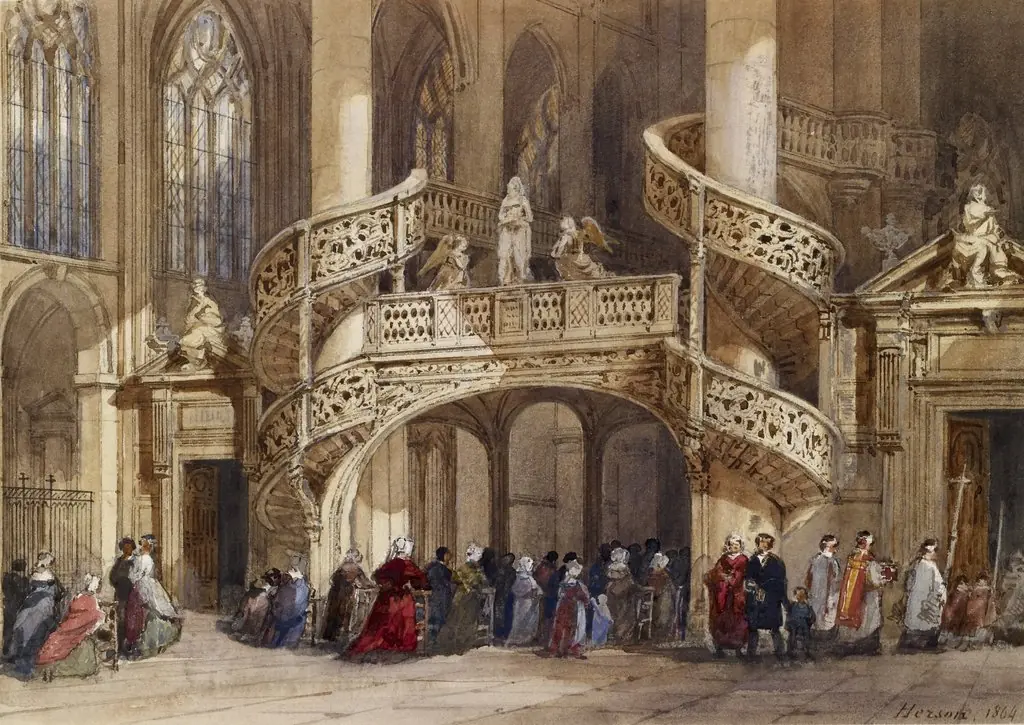 Intérieur de l'église Saint Étienne du Mont
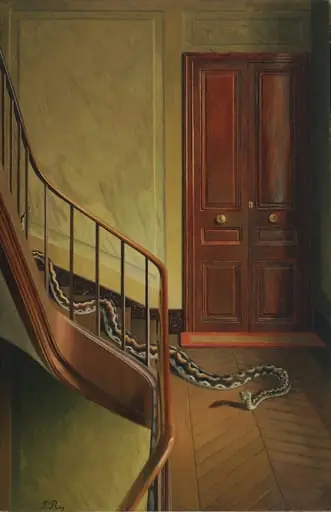 Untitled
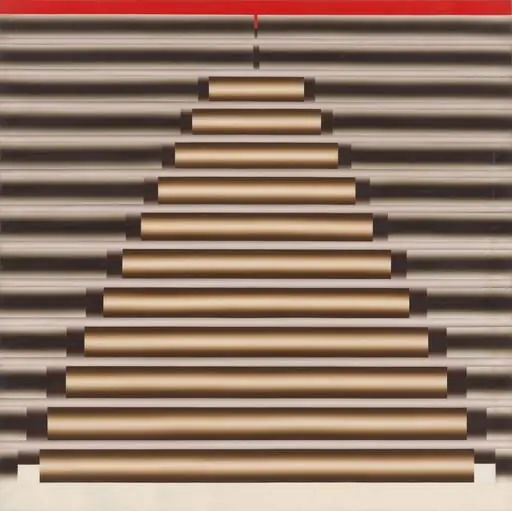 Untitled
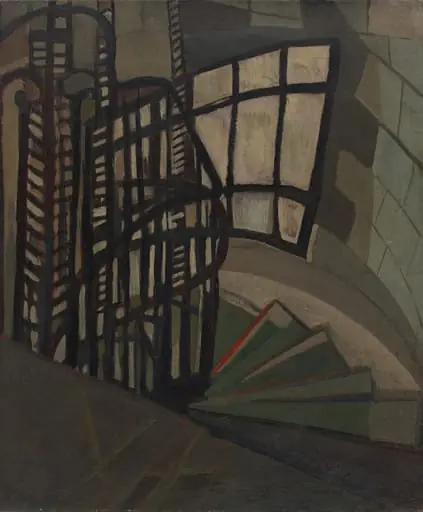 Untitled
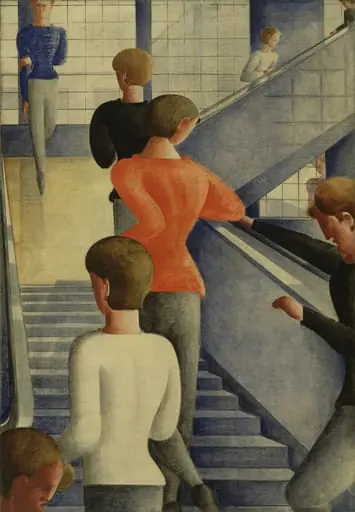 Untitled
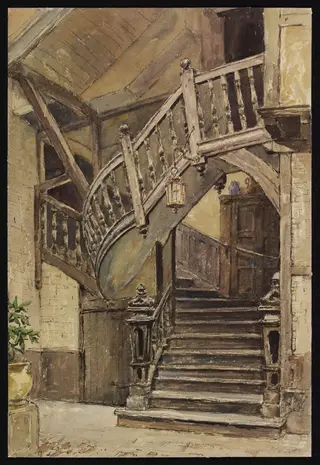 Staircase of a former Inn, "The Plume of Feathers," Queen Street, Salisbury
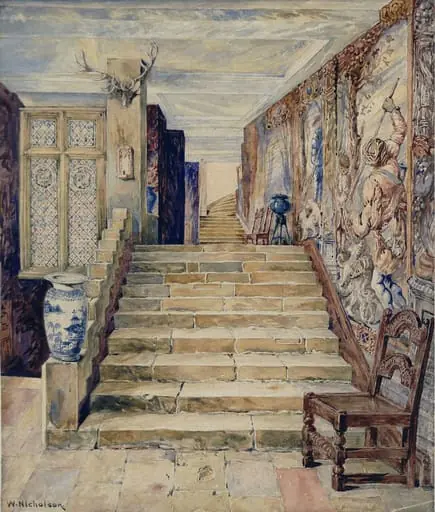 Staircase at Thorpe Ash Hall
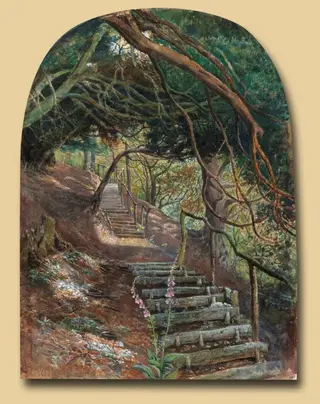 Steps in a Garden
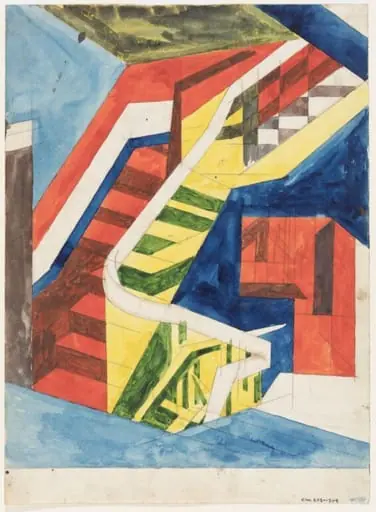 Interior
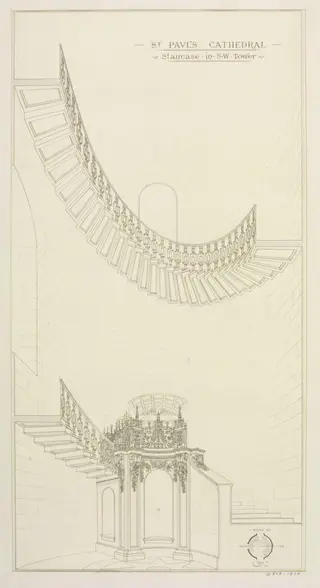 Untitled
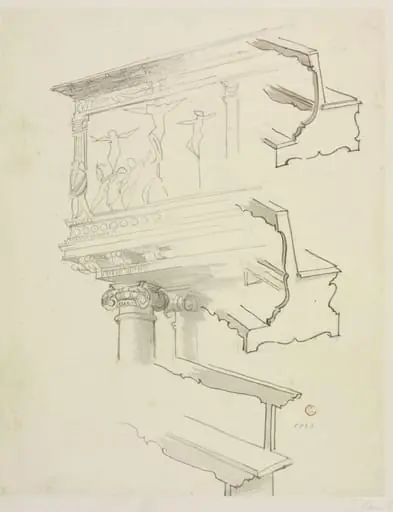 Untitled
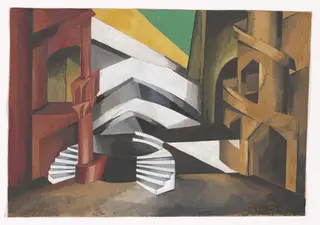 Untitled
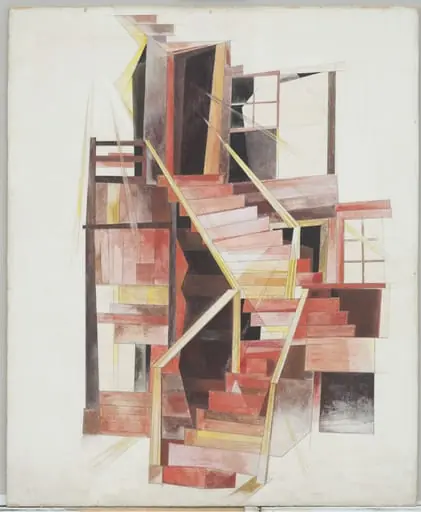 Untitled
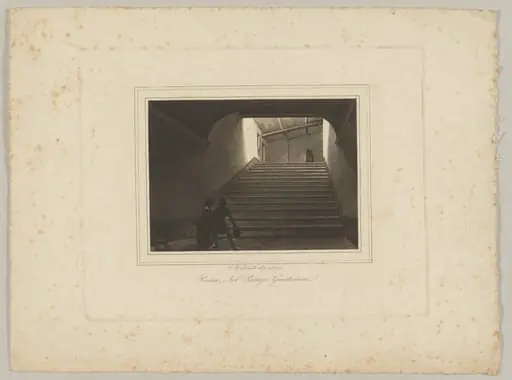 Nel Palazzo Giustiniani (In the Palazzo Giustiniani)
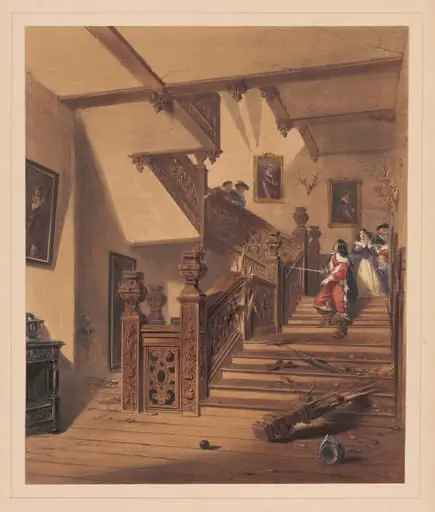 Staircase, Aston Hall, Warwickshire
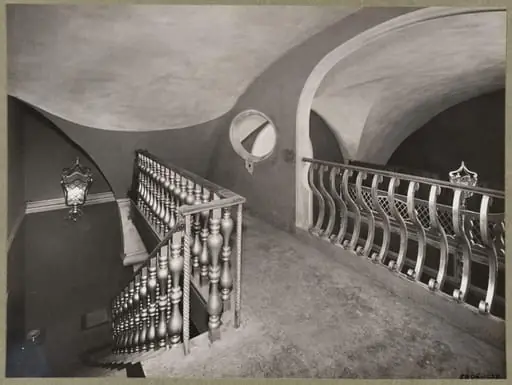 Odescalchi Theatre, Rome, Italy
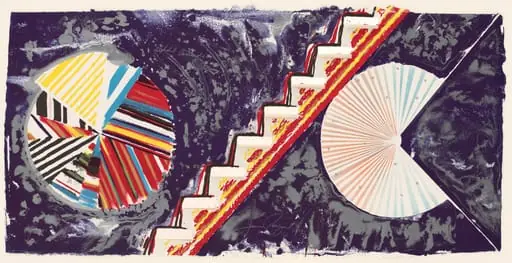 Untitled
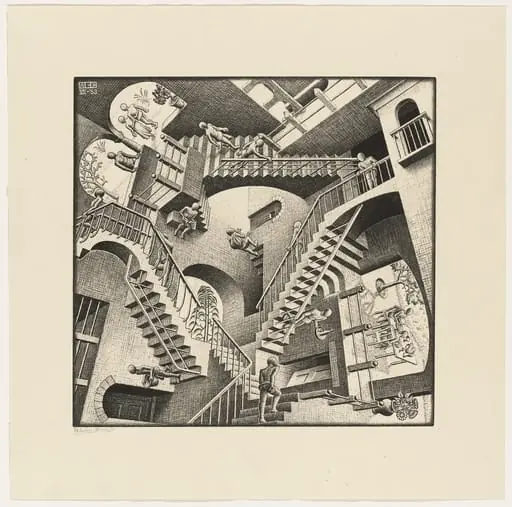 Untitled
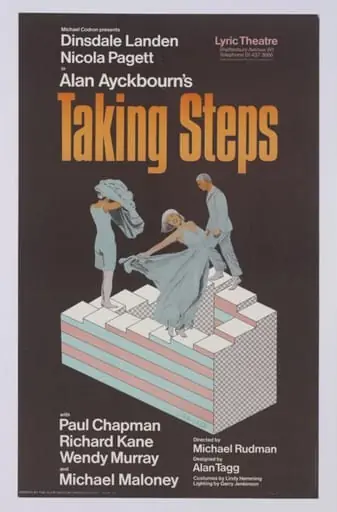 Untitled
Frequently asked questions
What is Stairs?
Stairs are a structure designed to bridge a large vertical distance between lower and higher levels by dividing it into smaller vertical distances.
How many Stairs works does Artifact World Gallery have?
Artifact World Gallery holds 58 public-domain Stairs works, all free to view and download.
Who are the key Stairs artists?
Key Stairs artists in the collection include Paolo Veronese, Jacques-Louis David and Chinese Qing Dynasty.
Where can I see Stairs works?
Stairs works in the collection are held by Museum of Modern Art, Victoria and Albert Museum and Metropolitan Museum of Art.