Artwork
The Lât of Dhava and the Courtyard of Pirthi Raj, Delhi
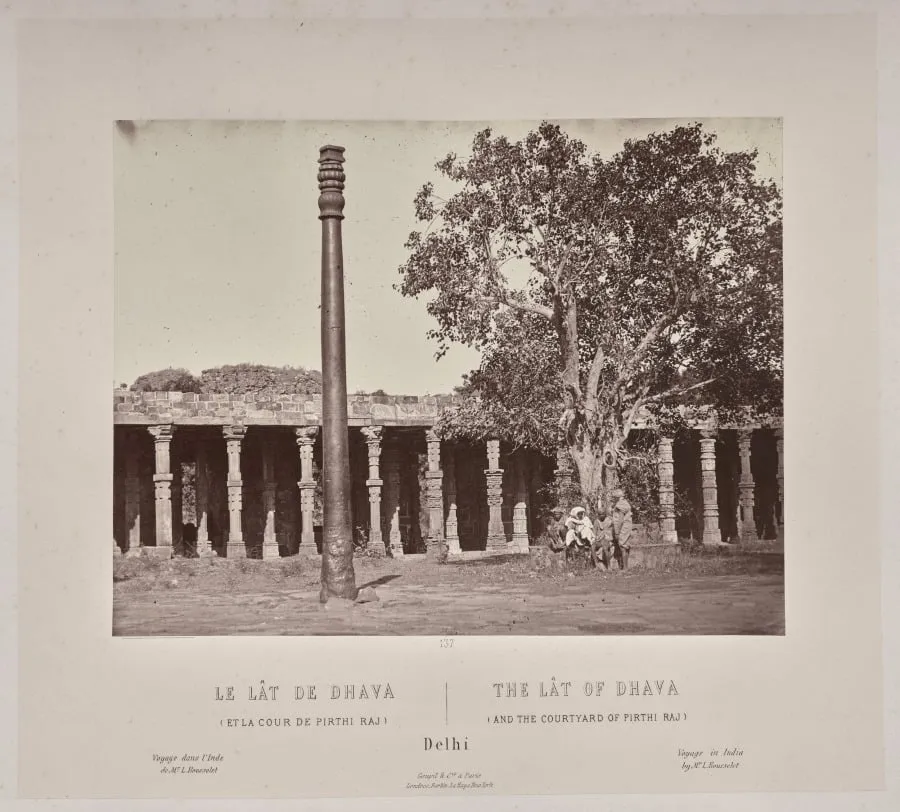
The Lât of Dhava and the Courtyard of Pirthi Raj, Delhi is a photography by the Impressionist artist Louis-Théophile Marie Rousselet. It dates from 1866 and is held in the collection of the Cleveland Museum of Art.
- Accession no.
- 2022.58.17
- Credit line
- Alma Kroeger Fund
About this work
You see a sunlit courtyard in Delhi, with a tall stone pillar in the center and people in loose robes walking or resting in the shade.
You see a sunlit courtyard in Delhi, with a tall stone pillar in the center and people in loose robes walking or resting in the shade.
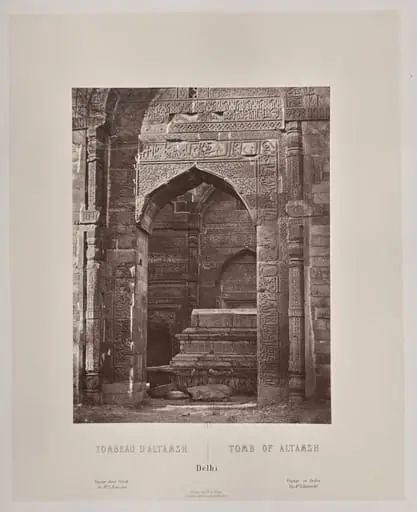
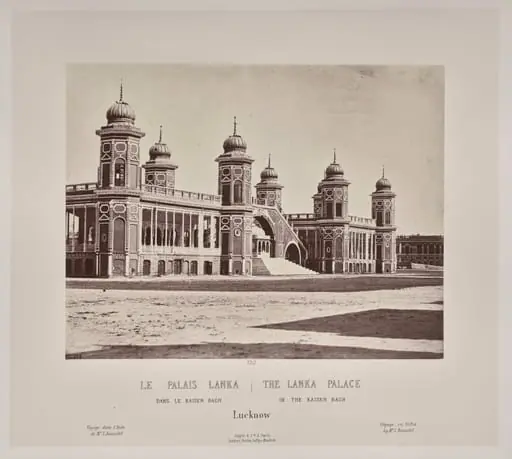
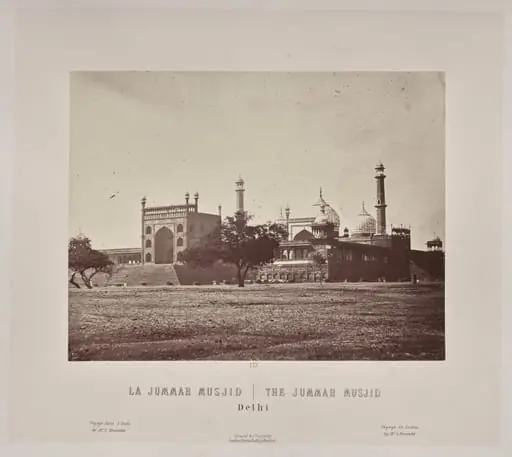
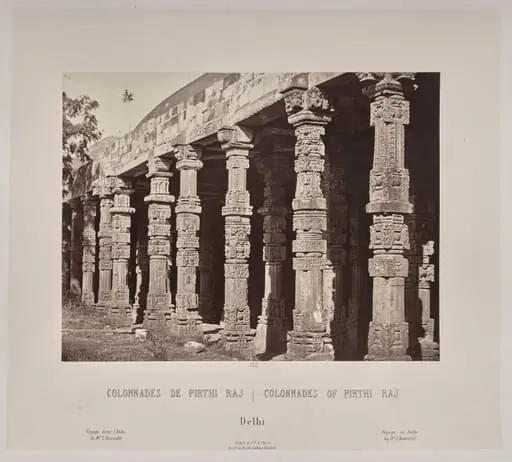
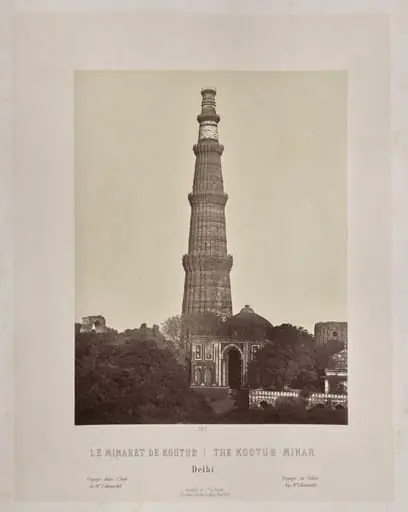
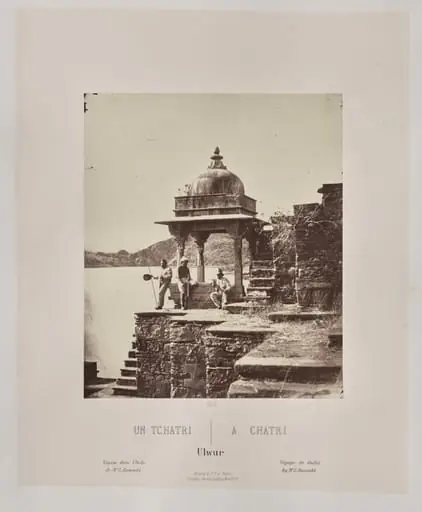
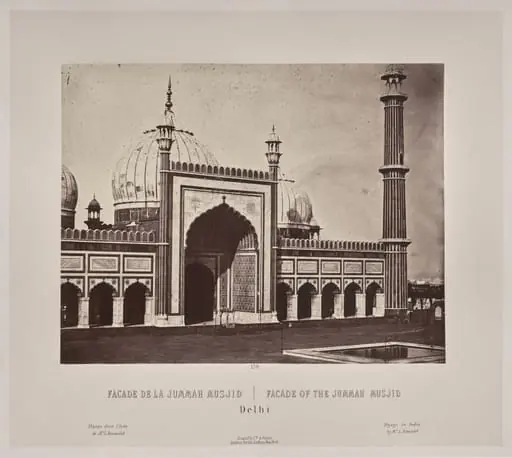
Rousselet drew this while traveling through India in the 1860s. He worried his sketches weren’t accurate enough, so he taught himself photography there, something very few Europeans did at the time. This image comes from his book of drawings and photos showing daily life and grand monuments.
To see more of his travel work, look up the subject france, 19th century.
Overview
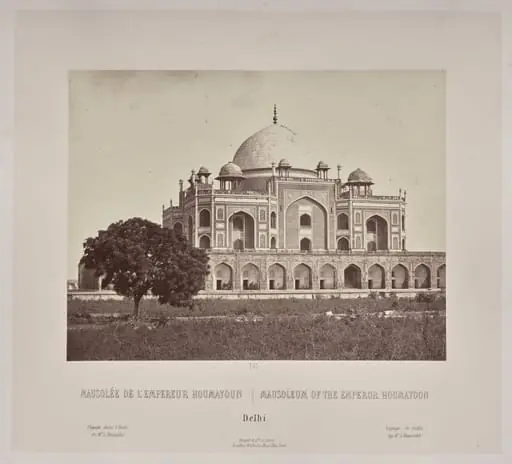
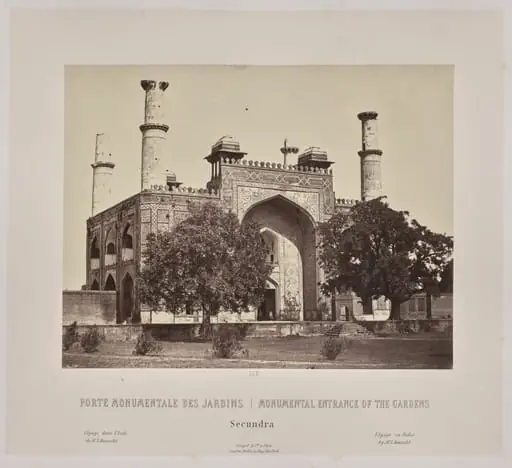
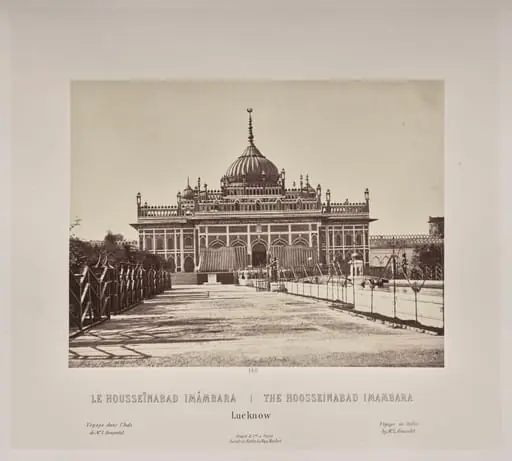
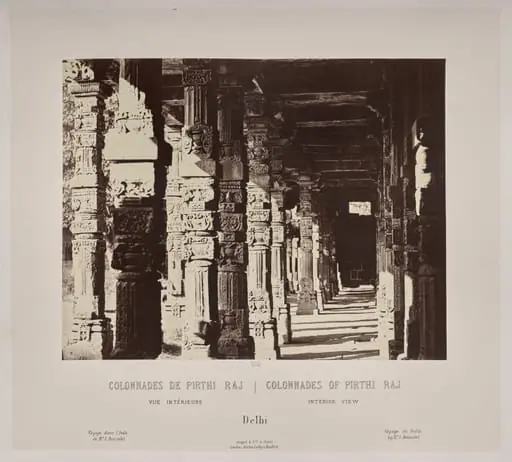
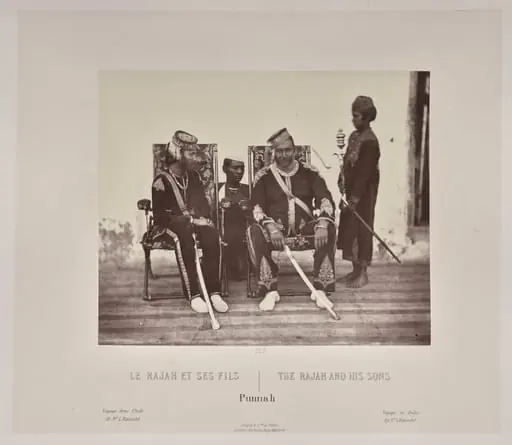
Concerned that his drawings did not do justice to the splendor of India’s monuments, Rousselet learned photography in India that year, a remarkable accomplishment. He proved to be a talented photographer with a sophisticated sense of composition. The scenes in this volume sweep across sites of Sultanate, Rajput, and Mughal power in northern India, from the sacred Hindu city of Varanasi on the Ganges River to Alwar in Rajasthan. Also included are several scenes of industry and portraits of Indian rulers.
Did you know?
Louis Rousselet described himself as a “scientific traveler” when he went to India alone at age 18 in 1863 and stayed into 1868.
Artist & collection
Artist
Louis-Théophile Marie Rousselet
Louis-Théophile Marie Rousselet (1845–1929) was a French artist.