Artwork
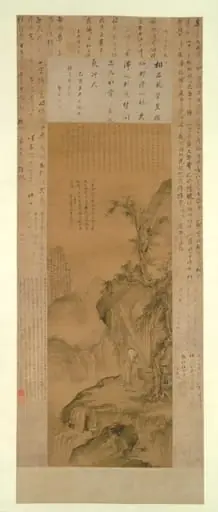
明 陸治 種菊圖 軸|Planting Chrysanthemums
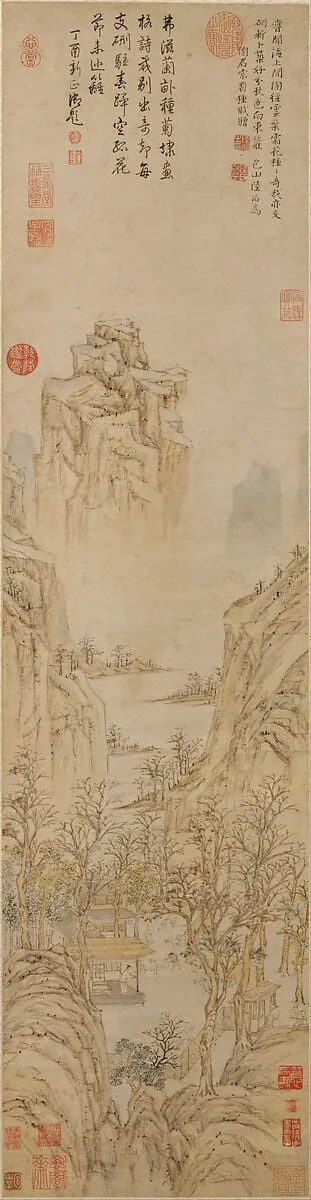
明 陸治 種菊圖 軸|Planting Chrysanthemums is an ink painting by the Ming dynasty painting artist Lu Zhi. It dates from 1550 and is held in the collection of the Metropolitan Museum of Art.
About this work
History & Provenance
The available sources do not detail the commission or the chain of ownership prior to the museum's acquisition, and record no public exhibition history.
The hanging scroll titled Planting Chrysanthemums was created by the Chinese artist Lu Zhi in 1550. Executed in ink and color on paper, it is held at the Metropolitan Museum of Art in New York under accession number 1973.120.1, catalogued as a Ming-dynasty landscape. The available sources do not detail the commission or the chain of ownership prior to the museum's acquisition, and record no public exhibition history.
Overview
Planting Chrysanthemums is a hanging scroll executed in 1550 by the Ming dynasty artist Lu Zhi (1496–1576). The work depicts a scholar in a wide-brimmed hat kneeling to tend a row of chrysanthemums, set against a backdrop of softly rendered, misty mountains. Created during the mid-16th century, a period when scholar-officials in the Suzhou region increasingly produced art for peer exchange rather than imperial patronage, the piece exemplifies the literati tradition of combining poetic allusion with natural observation.
Lu Zhi employs ink and light color on paper, utilizing delicate washes to create atmospheric depth in the distant peaks while maintaining precise, calligraphic line work for the foreground figures and vegetation. The composition balances the intimate human activity of gardening with the grandeur of the landscape, reflecting the Confucian ideal of self-cultivation through harmony with nature. This work stands as a representative example of Lu Zhi's mature style, characterized by its refined brushwork and the integration of the artist's personal scholarly interests into the visual narrative.
Subject & Meaning
The scroll features a man, identifiable by his wide hat, kneeling amidst a row of chrysanthemums in the foreground. Behind him, diminutive mountains rise, enveloped in a soft haze. In Chinese culture, chrysanthemums frequently symbolize reclusion, endurance, and the integrity of a scholar.
The act of planting these flowers suggests a connection to nature and a contemplative lifestyle, aligning with the values of the literati class for whom such works were created.
Technique & Style
Lu Zhi employed a distinctive approach, utilizing delicate ink washes to render the distant mountains with a misty, ethereal quality. In contrast, the chrysanthemums are delineated with precise, sharp brushstrokes, reminiscent of calligraphic writing. This combination of soft atmospheric effects and crisp detail reflects the artist's mastery of brushwork and his ability to convey both the grandeur of nature and the delicate beauty of individual elements, a hallmark of scholar painting.
Context
Active during the 16th century, Lu Zhi was part of a tradition where Chinese scholar-artists created works primarily for an audience of their peers rather than for imperial patrons. This context fostered an emphasis on personal expression, intellectual themes, and a deep appreciation for nature's symbolic qualities. Planting Chrysanthemums thus reflects the cultivated tastes and philosophical inclinations prevalent among the educated elite of the Ming Dynasty.
Artist & collection


![Daoist Retreat in Mountain and Stream (Landscape after Ni Zan [1301–1374]), by Lu Zhi](https://artifactworldgallery.com/img/lu-zhi--daoist-retreat-in-mountain-and-stream-landscape-after-ni-zan--766e576a4810a8bc-w320.webp)
- 明 莫是龍 倣黃公望山水圖 軸|Landscape in the style of Huang Gongwang
 Mountain and Pine Landscape
 Landscape
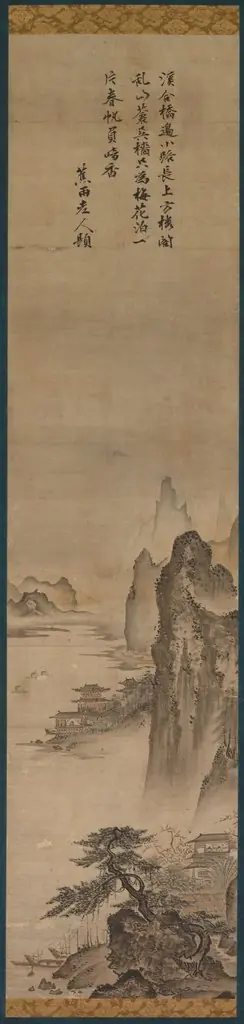 Landscape
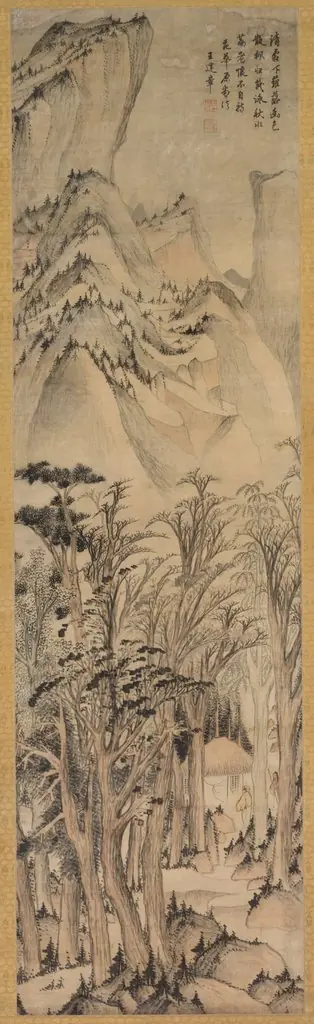 Solitary Colors of the Autumn Woods
 Landscape
![Summer Mountains (after Dong Yuan [active c. 937–75]), by Huang Gongwang](https://artifactworldgallery.com/img/huang-gongwang--summer-mountains-after-dong-yuan-active-c-937-75--8aeb132308294f1a-w320.webp) Summer Mountains (after Dong Yuan [active c. 937–75])
Summer Mountains (after Dong Yuan [active c. 937–75])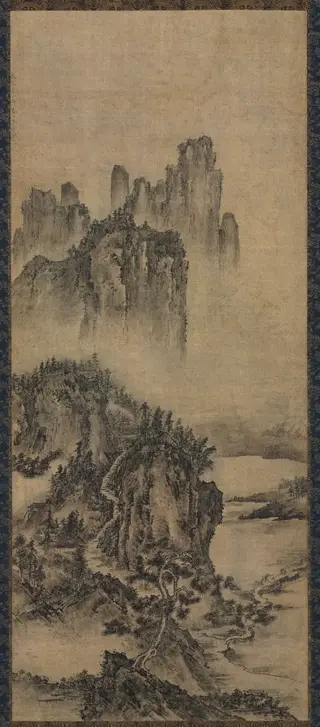 Landscape with a Distant Temple
 Layered Peaks and Splashing Waterfall: Portrait of Hua Yan as a Young Man
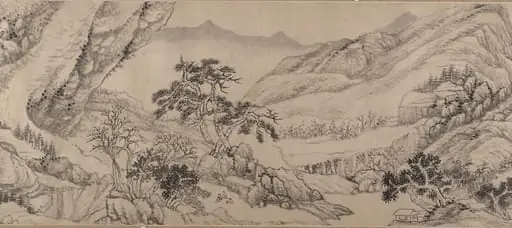 清 柳堉 山水圖 卷|Traveling Amid Streams and Mountains
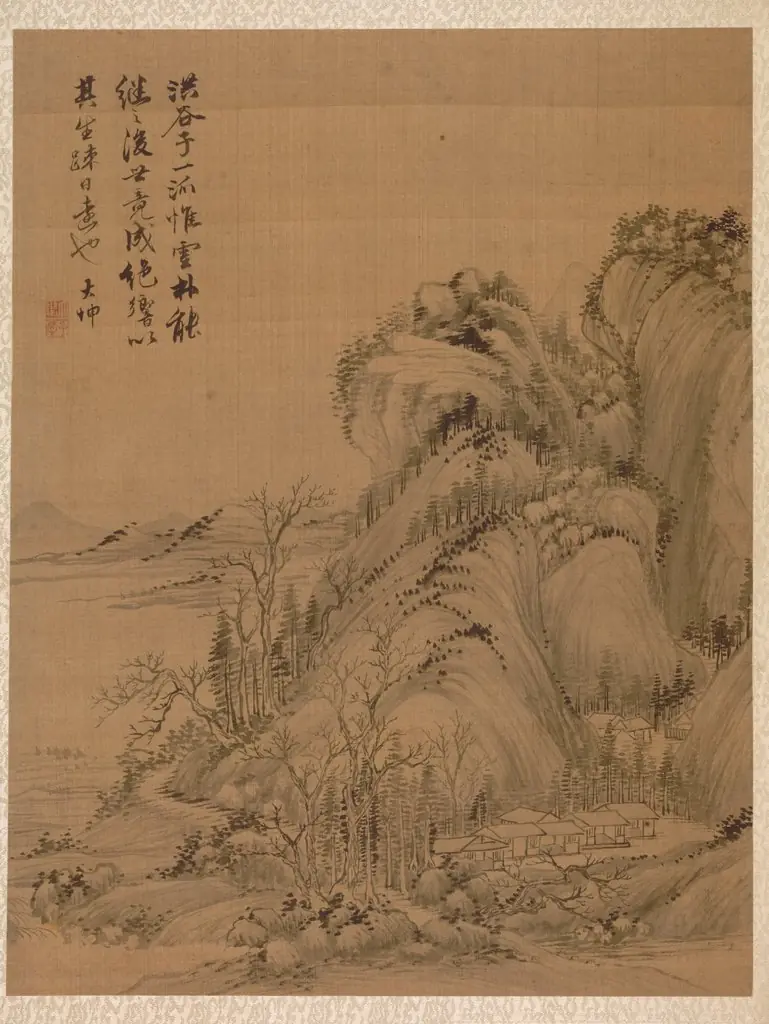 Landscape in the Style of Ching Hao