
Movement
Ming dynasty painting
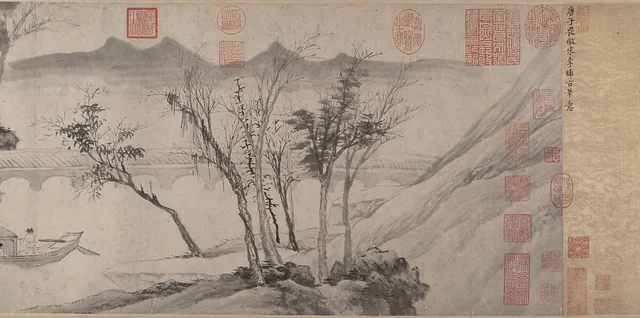
Ming dynasty painting is an art movement of the 1360–1650 period. The gallery holds 751 works in this movement, including works by Qian Xuan, Wang Zhenpeng and Ni Yuanlu. Browse Ming dynasty painting paintings, portraits, pictures and artworks from the world's public-domain museum collections.
Painting under China's Ming dynasty (1368–1644) unfolded after the Hongwu emperor expelled the Mongol Yuan and restored a native Han court, an event that reignited interest in earlier Chinese masters and made painting a vehicle for both imperial splendor and scholarly self-cultivation. Rather than reviving the formal Song imperial academy, the early Ming court drew painters into the palace administration, where they produced large, decorative landscapes and bird-and-flower works. The dominant early force was the Zhe school, named for the Zhejiang home province of its founder Dai Jin (1388–1462) and including Wu Wei. These professional painters revived the bold, asymmetrical "one-corner" compositions and axe-cut brushwork of the Southern Song masters Ma Yuan and Xia Gui, favoring vigorous, wet ink, atmospheric mist, and a conservative, academic polish.
Against this court-adjacent manner rose the Wu school, centered on the wealthy cultural city of Suzhou (ancient Wu). Its leaders Shen Zhou (1427–1509) and Wen Zhengming (1470–1559) were gentlemen-amateurs who built on the Four Great Masters of the Yuan, fusing poetry, calligraphy, and painting into intimate, dry-brush landscapes prized for warmth, restraint, and personal expression rather than display. The Wu and Zhe currents converged in the celebrated "Four Masters of the Ming": Shen Zhou, Wen Zhengming, and the two Suzhou professionals Tang Yin (1470–1524) and Qiu Ying (c. 1494–1552).
Tang Yin, a brilliant exam candidate ruined by a 1498 bribery scandal who turned to painting for a living, bridged literati taste and professional craft in works such as Tao Gu Presenting a Poem. Qiu Ying, a former lacquer artisan, perfected the meticulous "blue-and-green" colored manner; his handscroll Spring Morning in the Han Palace, crowded with some 115 figures, remains the touchstone of Ming court-beauty painting.
Late Ming theory crystallized around Dong Qichang (1555–1636), who—dividing painting into "Northern" (professional) and "Southern" (literati) lineages—elevated the scholar-amateur tradition and grounded it in disciplined study of old masters. His ideas became the doctrine of the succeeding Qing dynasty, shaping its orthodox masters and collectors. Ming painting thus codified the literati ideal that would define Chinese art for three centuries, holding decorative color and expressive ink in lasting, productive tension.
Key artists


Works
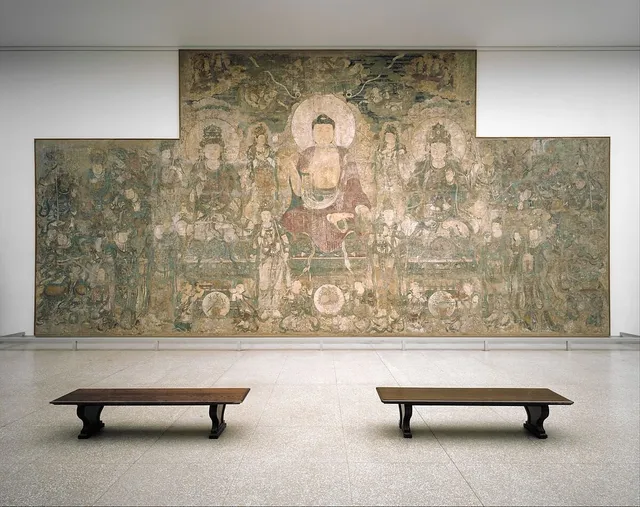
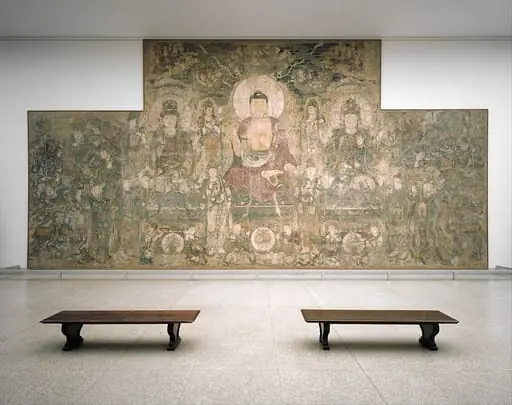 元 廣勝寺 藥師佛法會圖壁畫|Buddha of Medicine Bhaishajyaguru (Yaoshi fo)
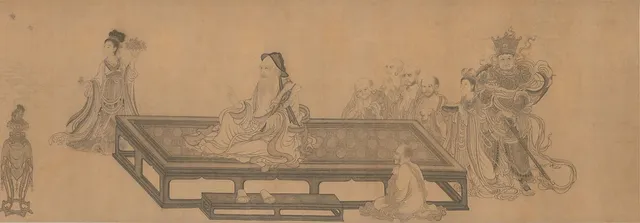
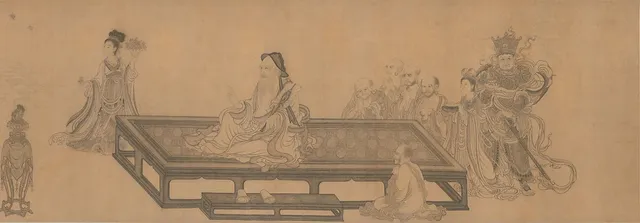
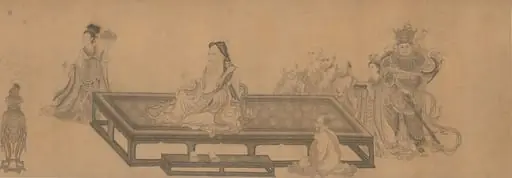 元 王振鵬 維摩不二圖 卷|Vimalakirti and the Doctrine of Nonduality
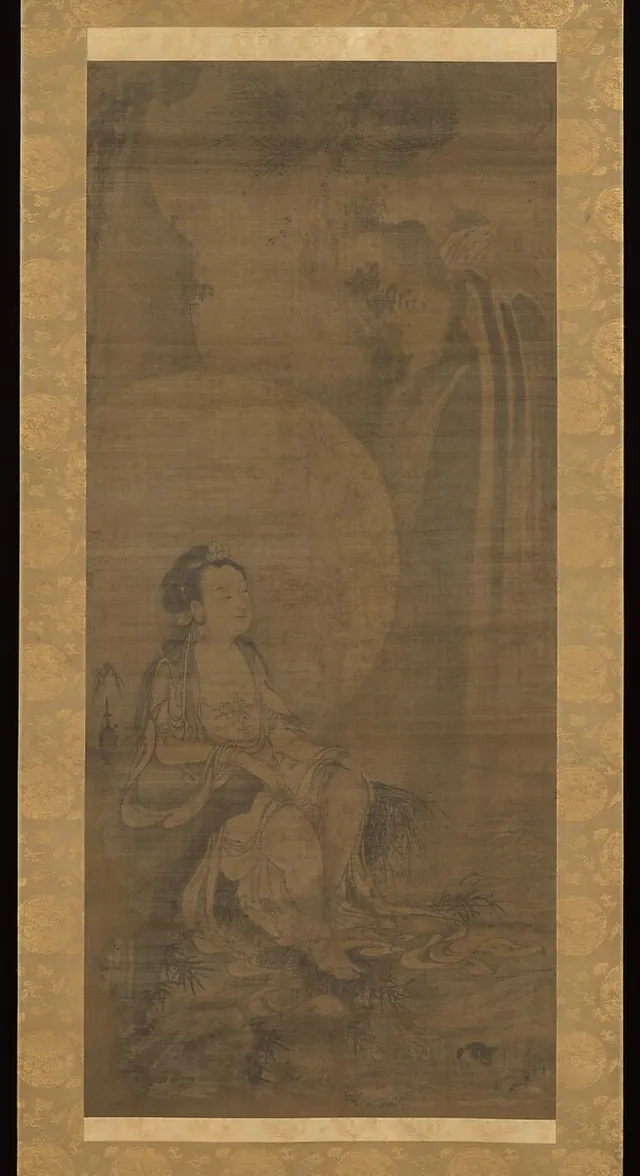
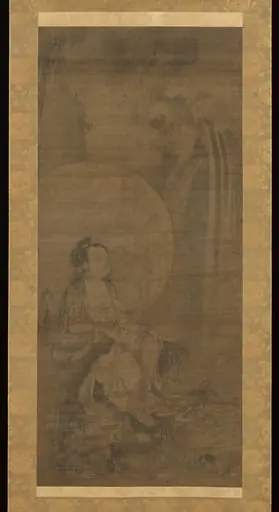 白衣観音図|White-robed Kannon
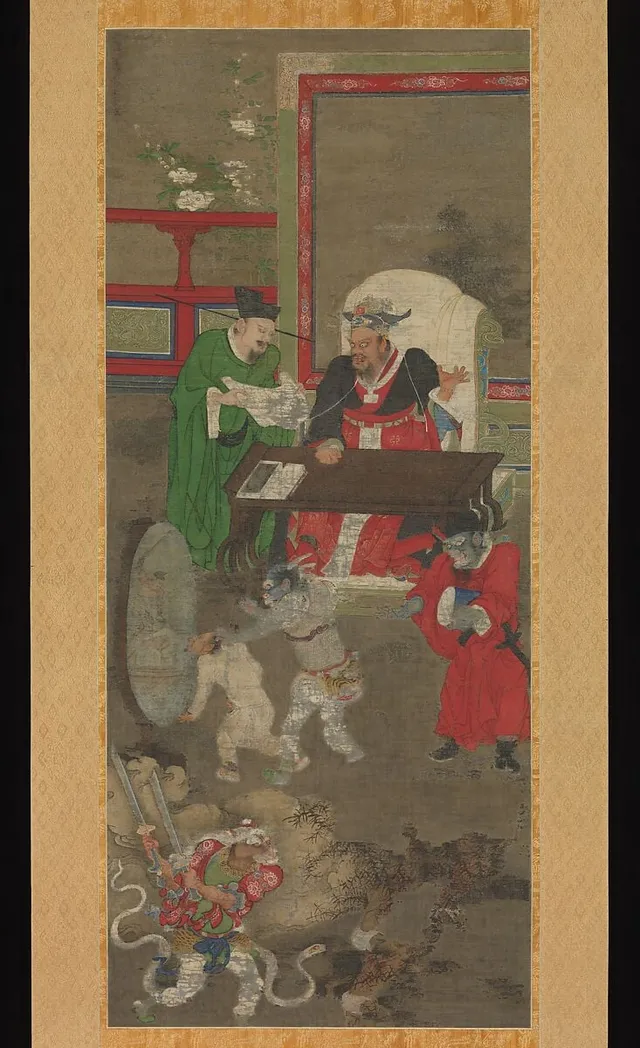
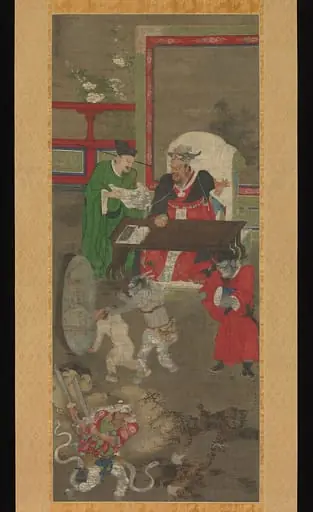 金處士筆 十王図の内|Ten Kings of Hell
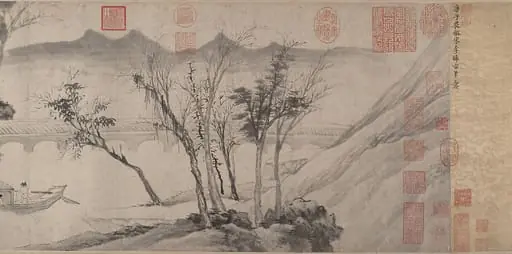 Untitled
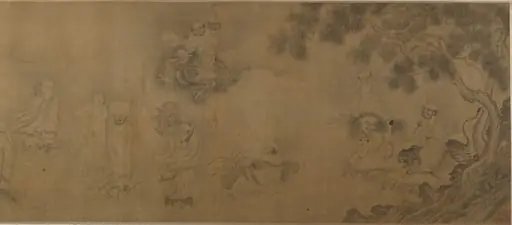 明 /清 佚名 李公麟 偽款 龍王請齋圖 卷|Buddhist luohans crossing the sea to the palace of the dragon king
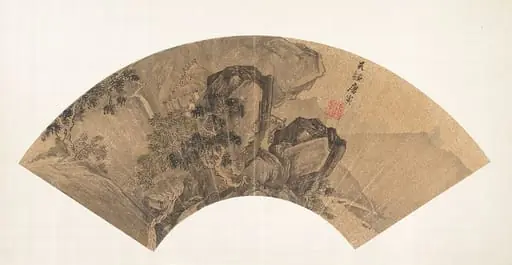 Untitled
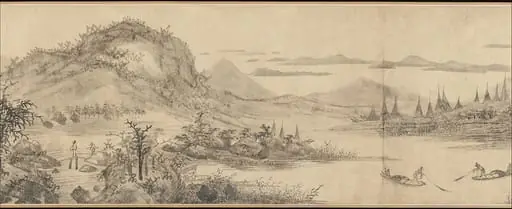 明 王紱 江山漁樂圖 卷|Joys of the Fisherman
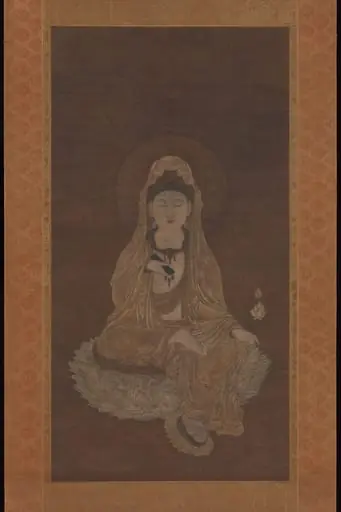 白衣観音図|White-Robed Kannon
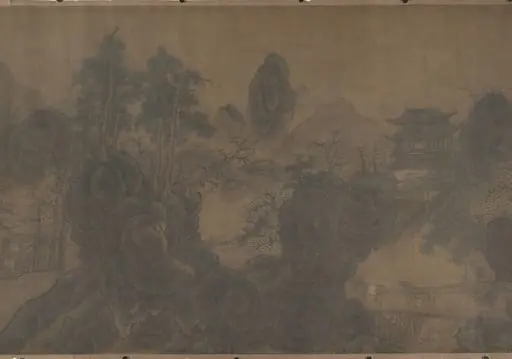 明/清 佚名 舊傳郭煕 關山行旅圖 卷|Traveling amid Mountains
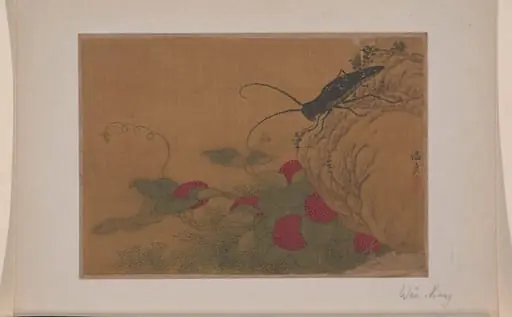 Untitled
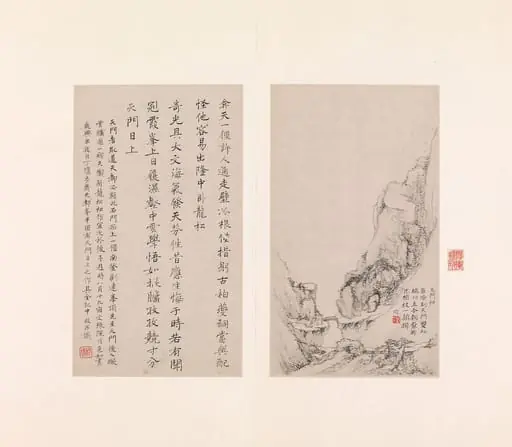 鄭旼 黃山八景 水墨紙本 九開冊|Eight views of the Yellow Mountains
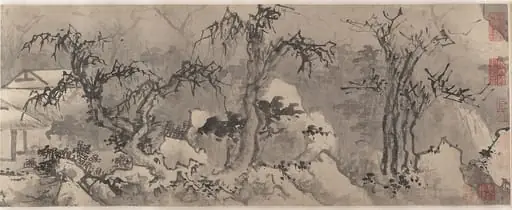 明 傳蔣嵩 冬景山水圖 卷|Winter landscape
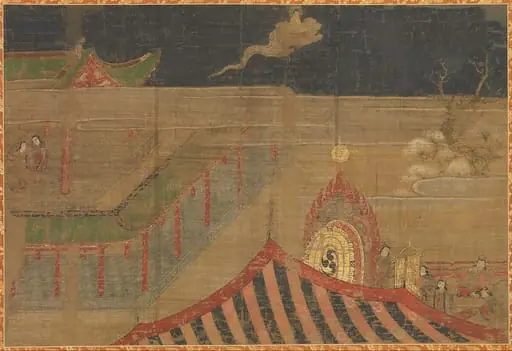 仏伝図|Scene from the Life of the Buddha
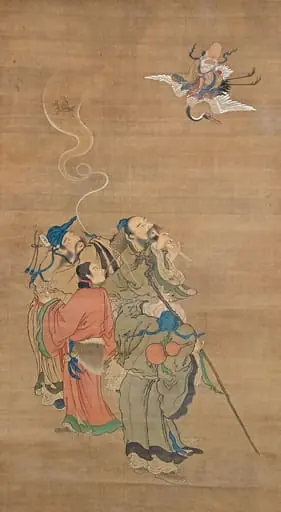 八仙図|Eight Daoist Immortals Welcoming Jurōjin
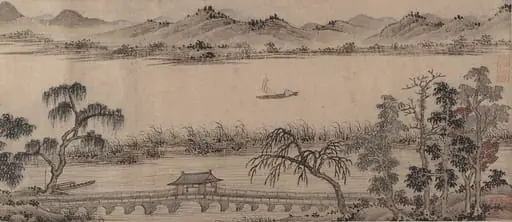 明 佚名 仿趙孟頫 垂虹亭圖 卷|Pavilion of the Hovering Rainbow Bridge
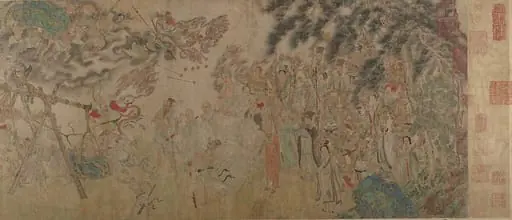 明/清 佚名 揭缽圖 卷|Raising the Alms-Bowl
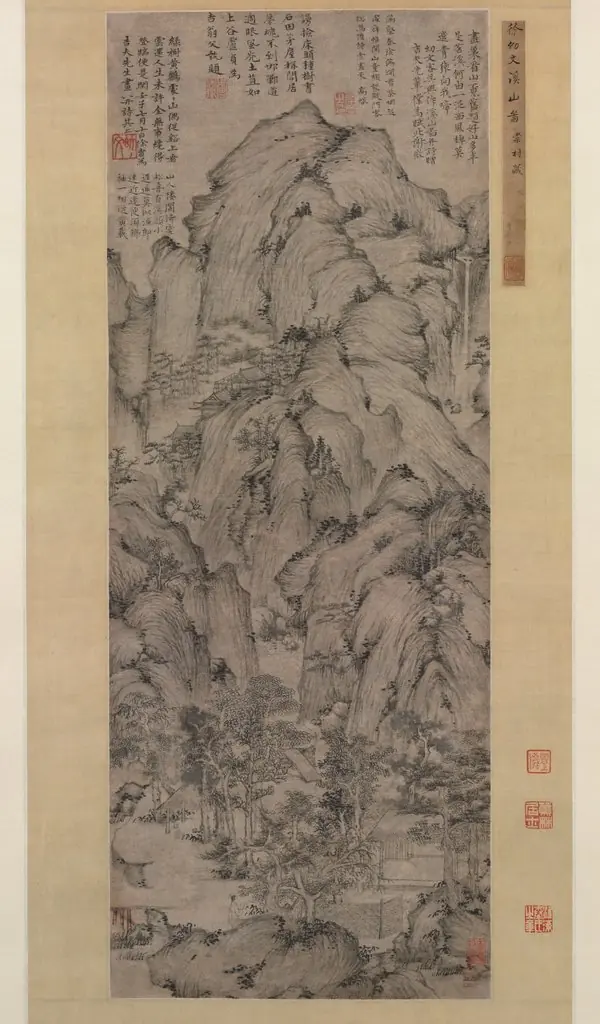 Streams and Mountains
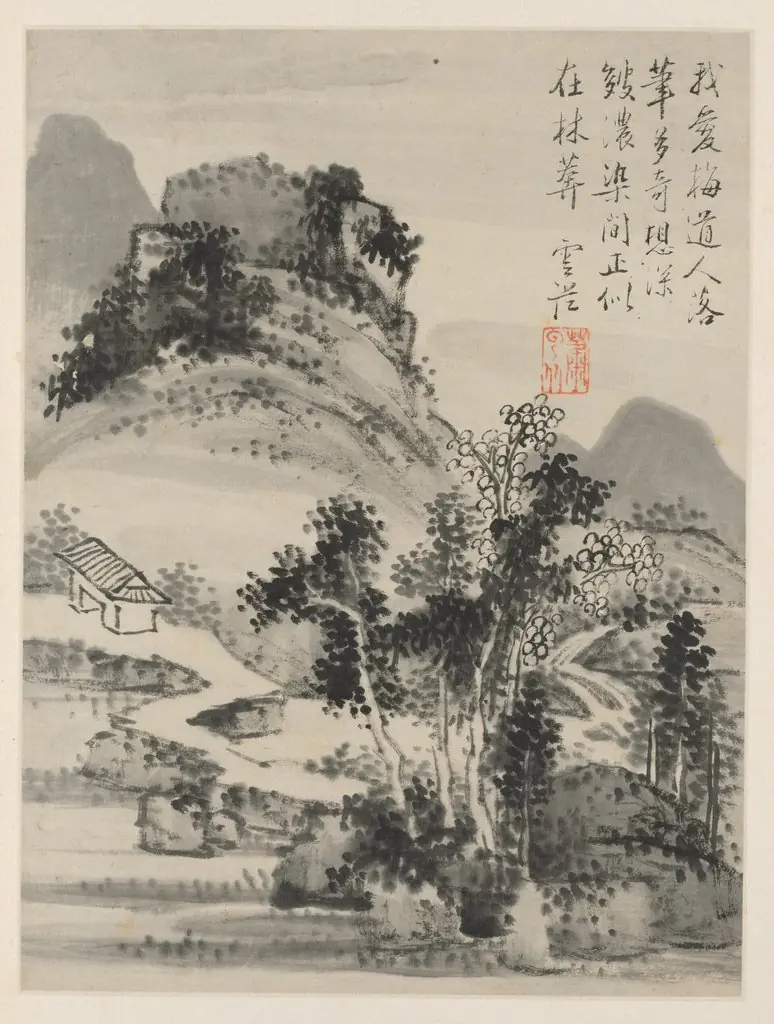 Album of Seasonal Landscapes, Leaf D (previous leaf 2)
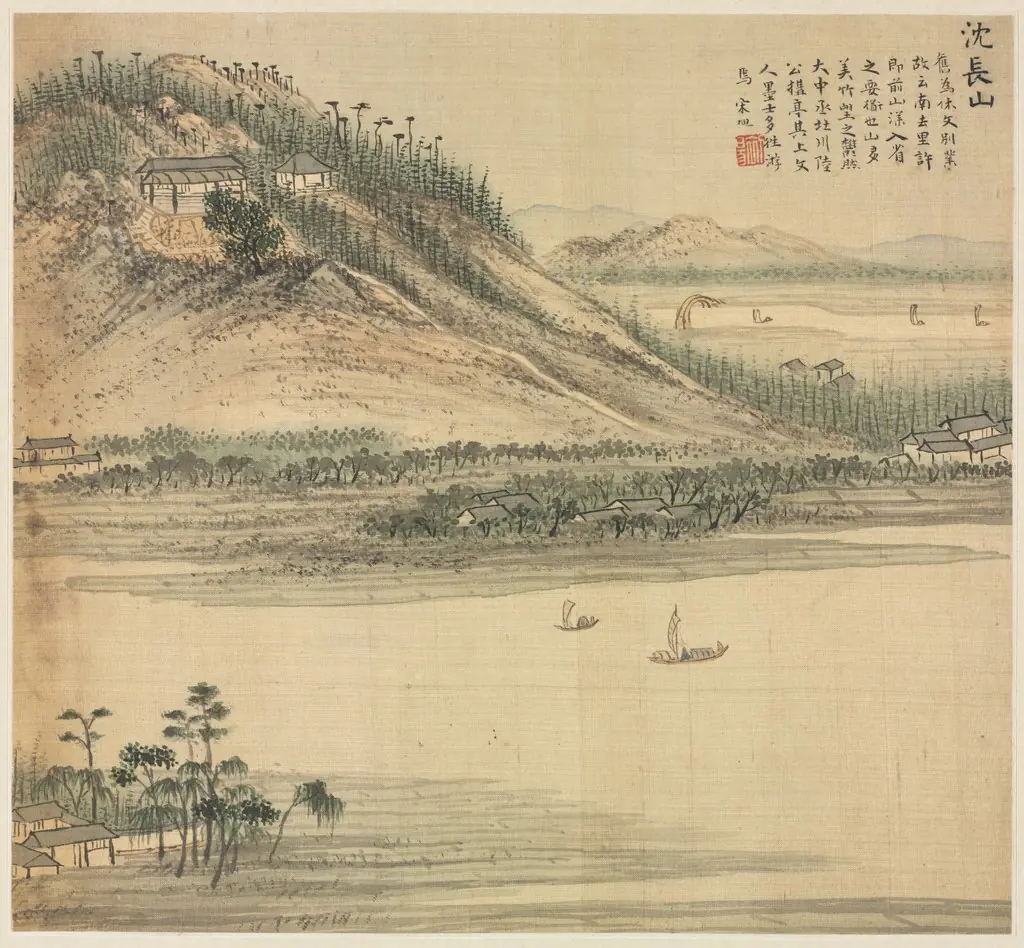 Mt. Shenchang
 五代 傳董元 溪岸圖 軸|Riverbank
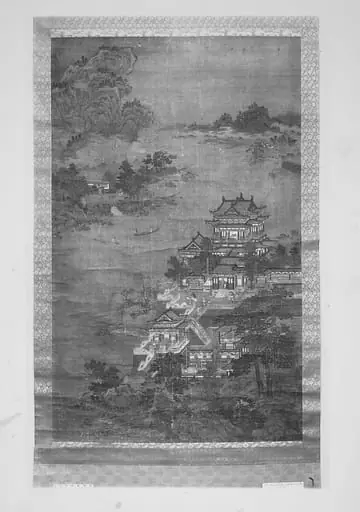 Untitled
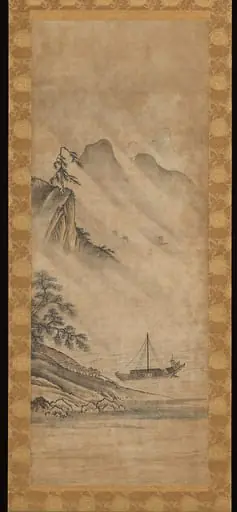 瀟湘八景図|Eight Views of the Xiao and Xiang Rivers
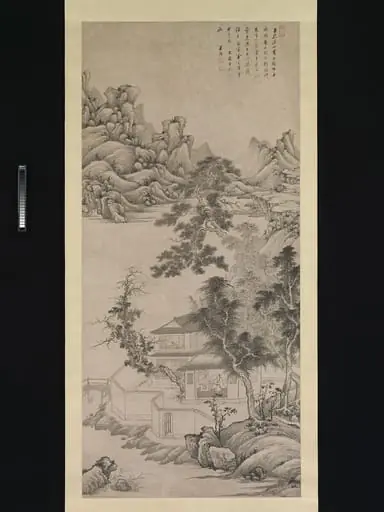 清 王鑑 倣巨然《溪山高士圖》 軸|Lofty Scholar among Streams and Mountains, in the manner of Juran
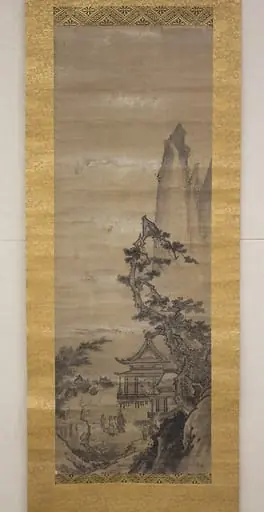 Untitled
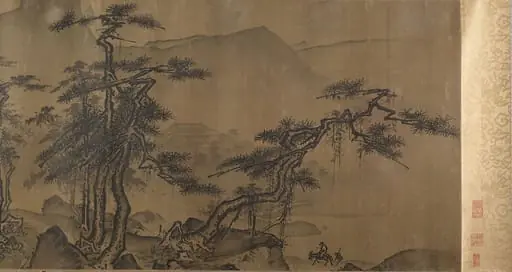 明/清 佚名 李遠(僞款) 仿夏珪江山清遠圖 卷|Landscape
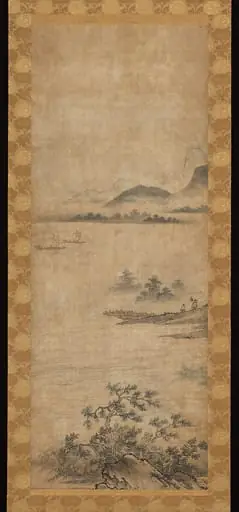 瀟湘八景図|Eight Views of the Xiao and Xiang Rivers
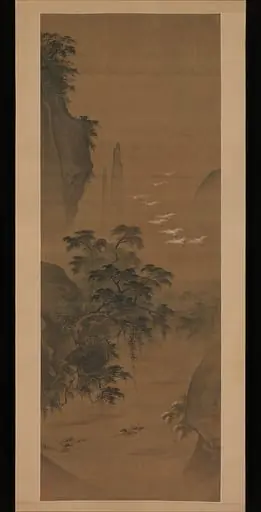 明 呂紀 秋景花鳥圖 軸|Autumn landscape with egrets and ducks
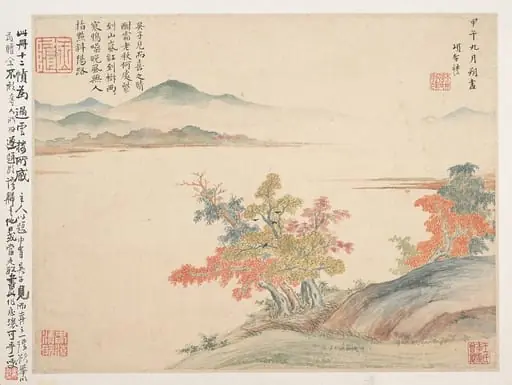 明/清 項聖謨 秋景圖 冊頁|Autumn Landscape, leaf from Album for Zhou Lianggong
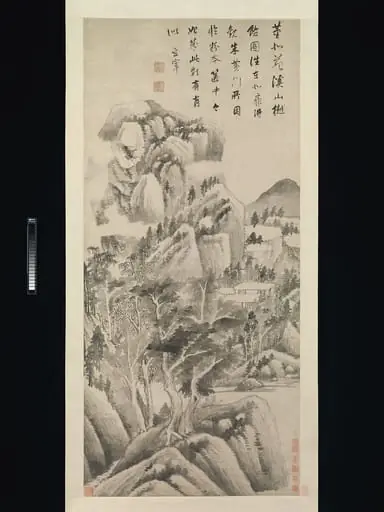 明 董其昌 溪山樾館圖 軸|Shaded Dwellings among Streams and Mountains
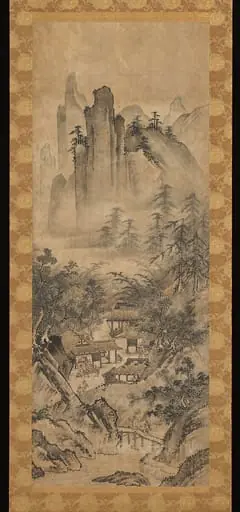 瀟湘八景図|Eight Views of the Xiao and Xiang Rivers
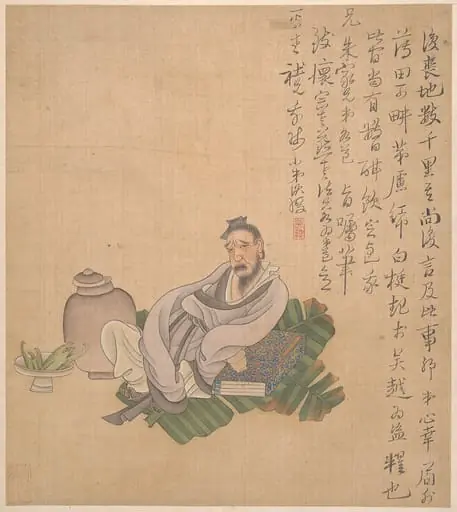 明/清 陳洪綬、陳字 雜畫 冊|Figures, flowers, and landscapes
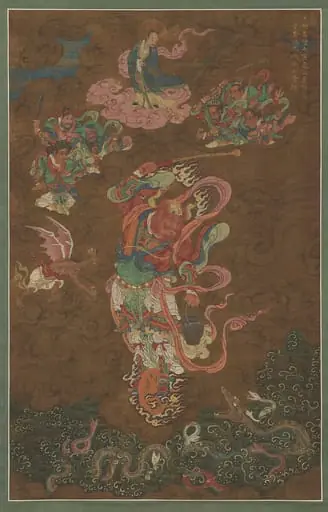 明嘉靖 佚名 王元帥圖 軸|Marshal Wang
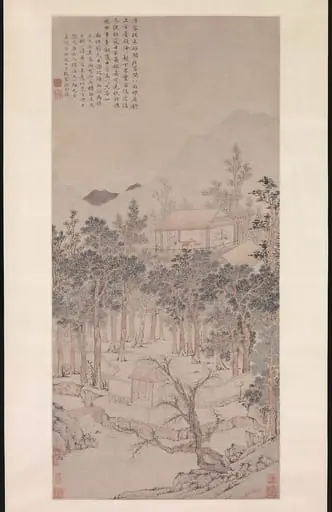 明 文徵明 樓居圖軸|Living Aloft: Master Liu's Retreat
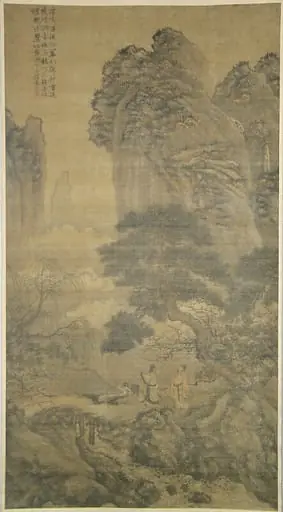 明 謝時臣 谿山春曉圖 軸|Spring Morning in the Mountains
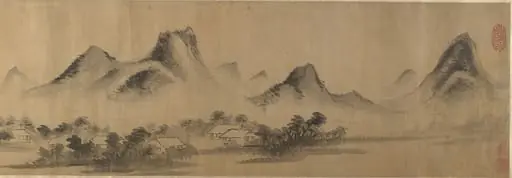 清 佚名 倣董其昌 倣米氏雲山圖 卷|Cloudy Mountain in the Style of Mi Fu (1052–1107)
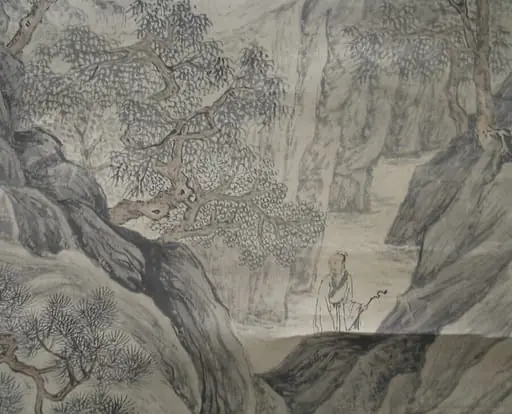 Untitled
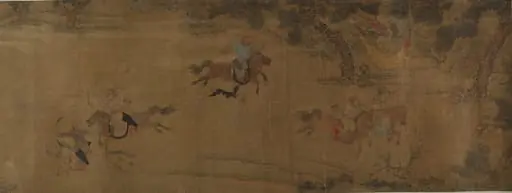 Untitled
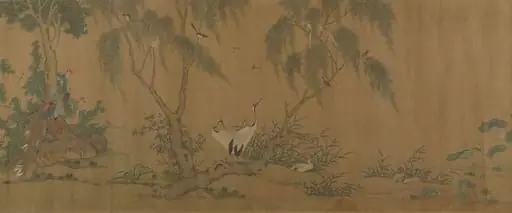 明/清 佚名 林椿(僞款) 百鳥圖 卷|The Hundred Birds
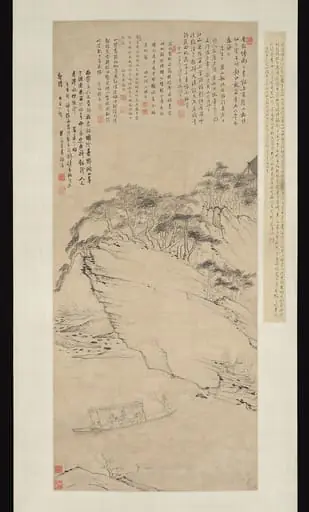 清 倣梅清 響山泛舟圖 軸|Boating beneath Echo Hill
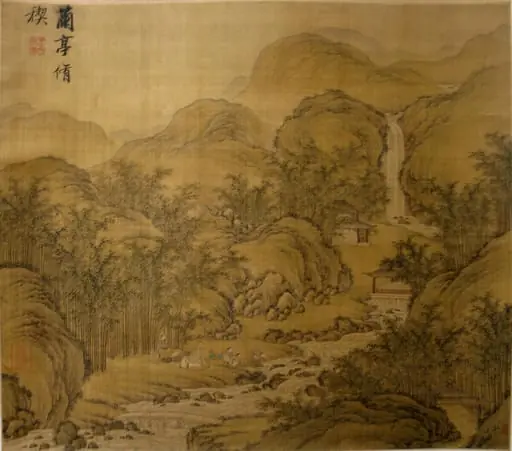 清 佚名 傳王文治 蘭亭修禊圖 軸|Spring Ablutions at the Orchid Pavilion
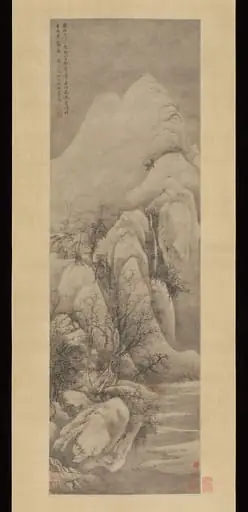 清 王翬 倣李成雪霽圖 軸|Snow Clearing: Landscape after Li Cheng
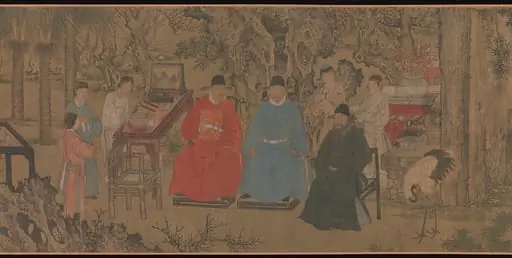 明 傳謝環 杏園雅集圖 卷|Elegant Gathering in the Apricot Garden
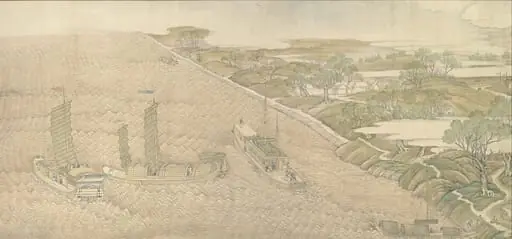 清 徐揚等 乾隆南巡圖, 第四卷﹕黃淮交流|The Qianlong Emperor's Southern Inspection Tour, Scroll Four: The Confluence of the Huai and Yellow Rivers (Qianlong nanxun, juan si: Huang Huai jiaoliu)
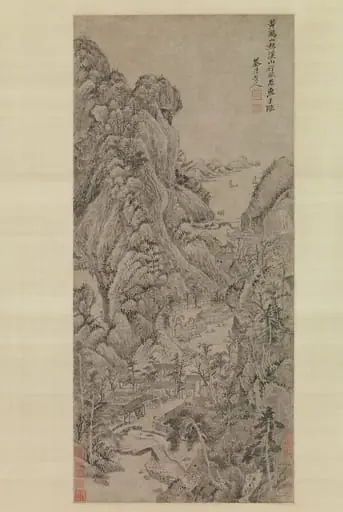 清 吳歷 倣王蒙溪山行旅圖 軸|Travelers among Streams and Mountains
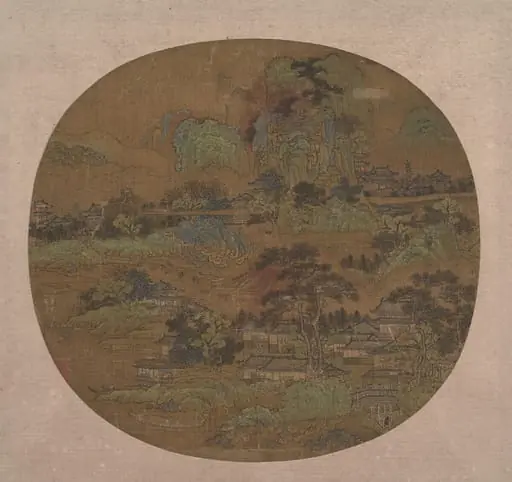 明 佚名 樓閣江帆圖 團扇|Village and Temples in Jiangnan
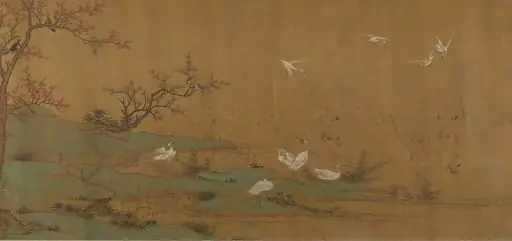 明 佚名 舊傳刁光 叢簧集羽 卷|River Scene with Birds and Bamboo
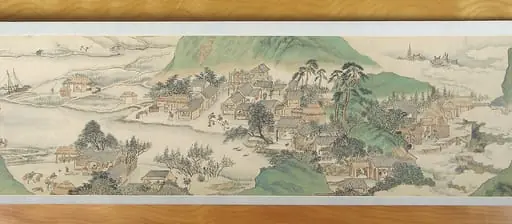 明/清 張宏 桃源勝概圖 卷|Peach Blossom Spring
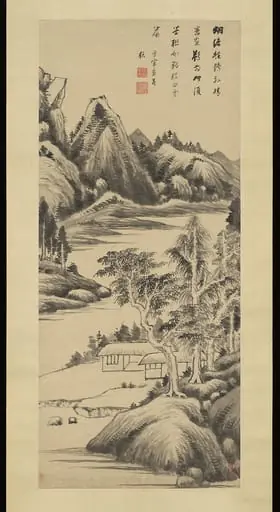 Untitled
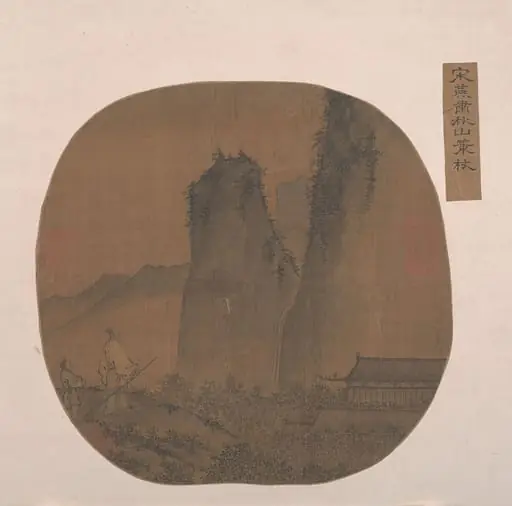 Untitled
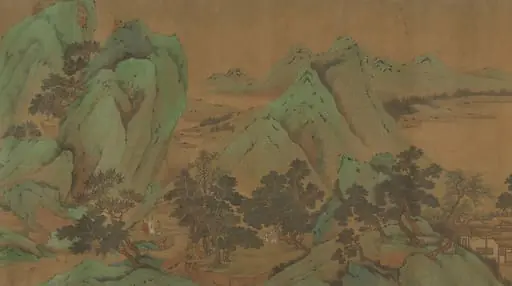 明/清 佚名 劉松年 偽款 山水人物圖|Garden estate
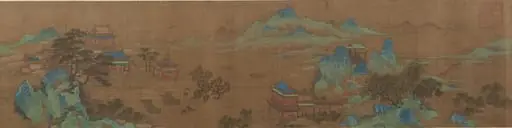 明/清 佚名 趙伯駒(僞款) 漢宮春曉圖 卷|Spring Morning at the Palace of the Han Emperors
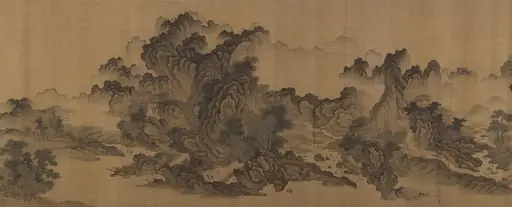 清 佚名 倣郭熙 溪山無盡圖 卷|Streams and Mountains Without End
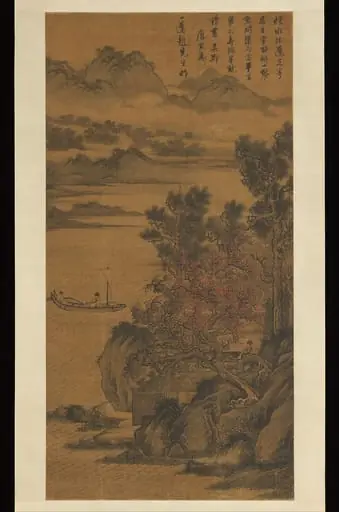 Untitled
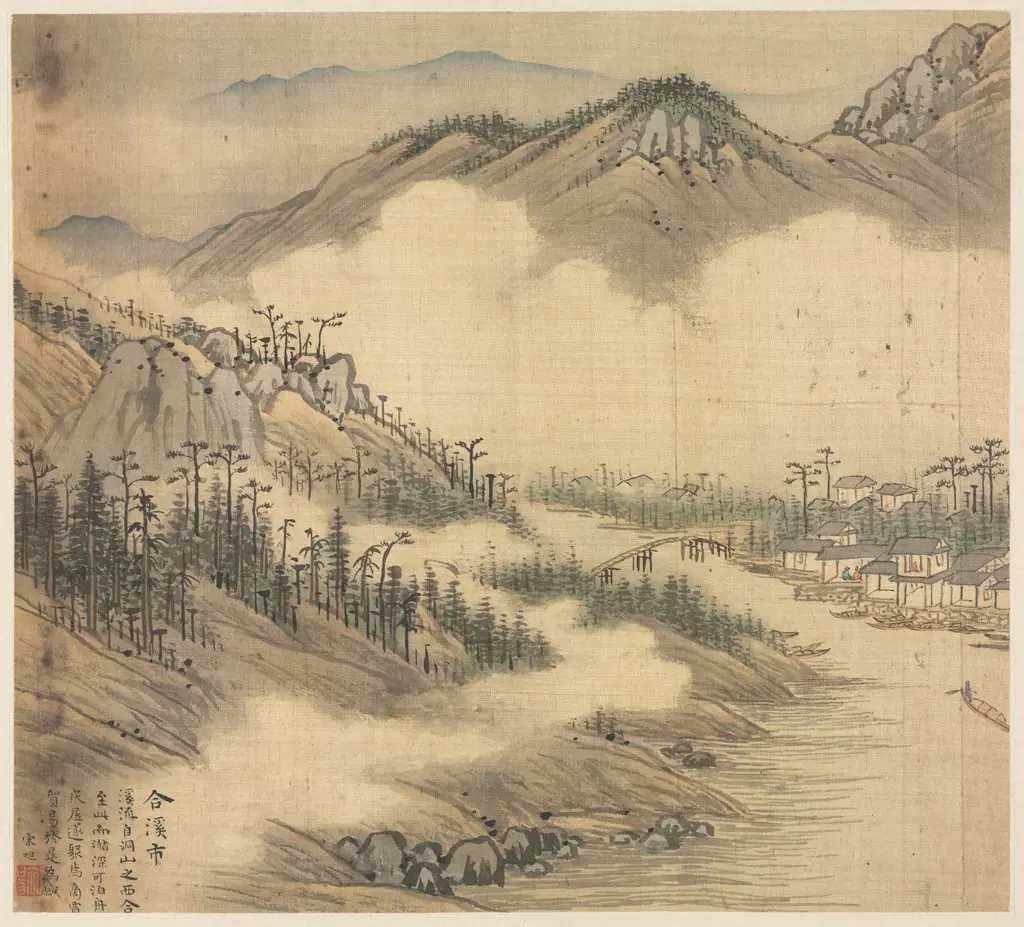 Hexi
Hexi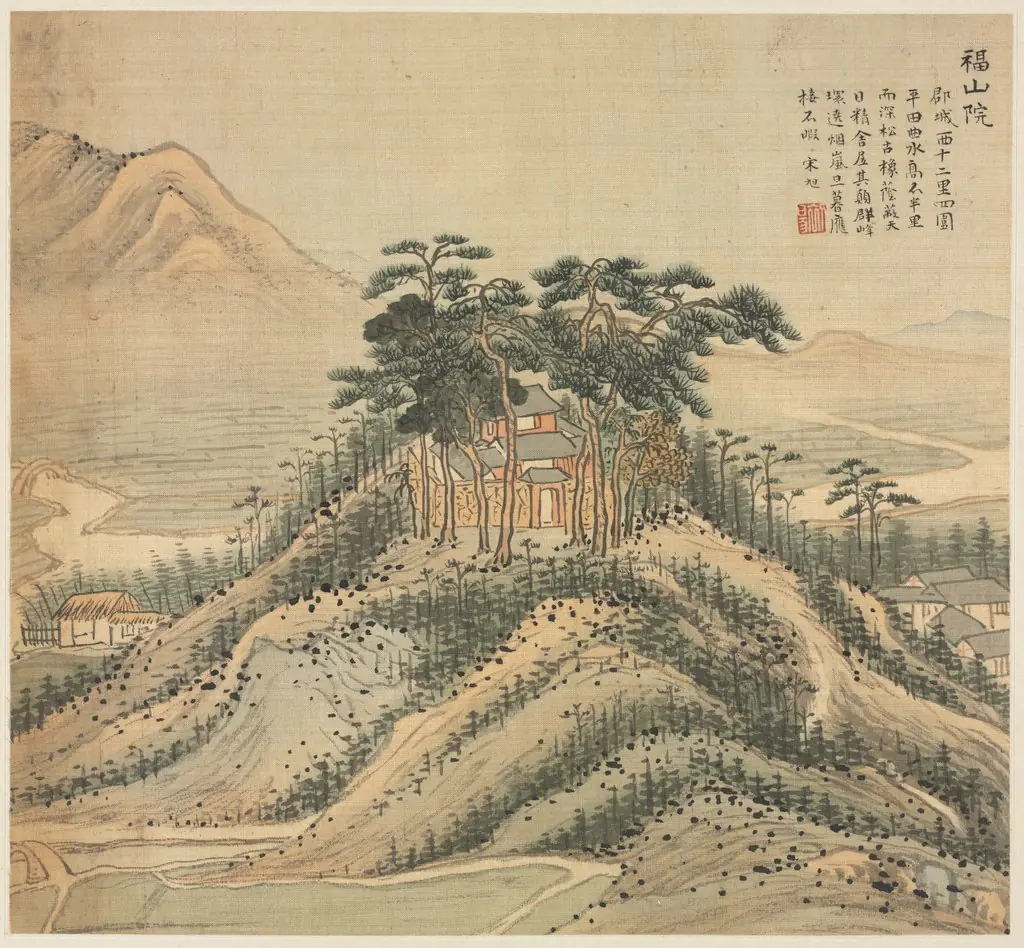 Fushan Monastery
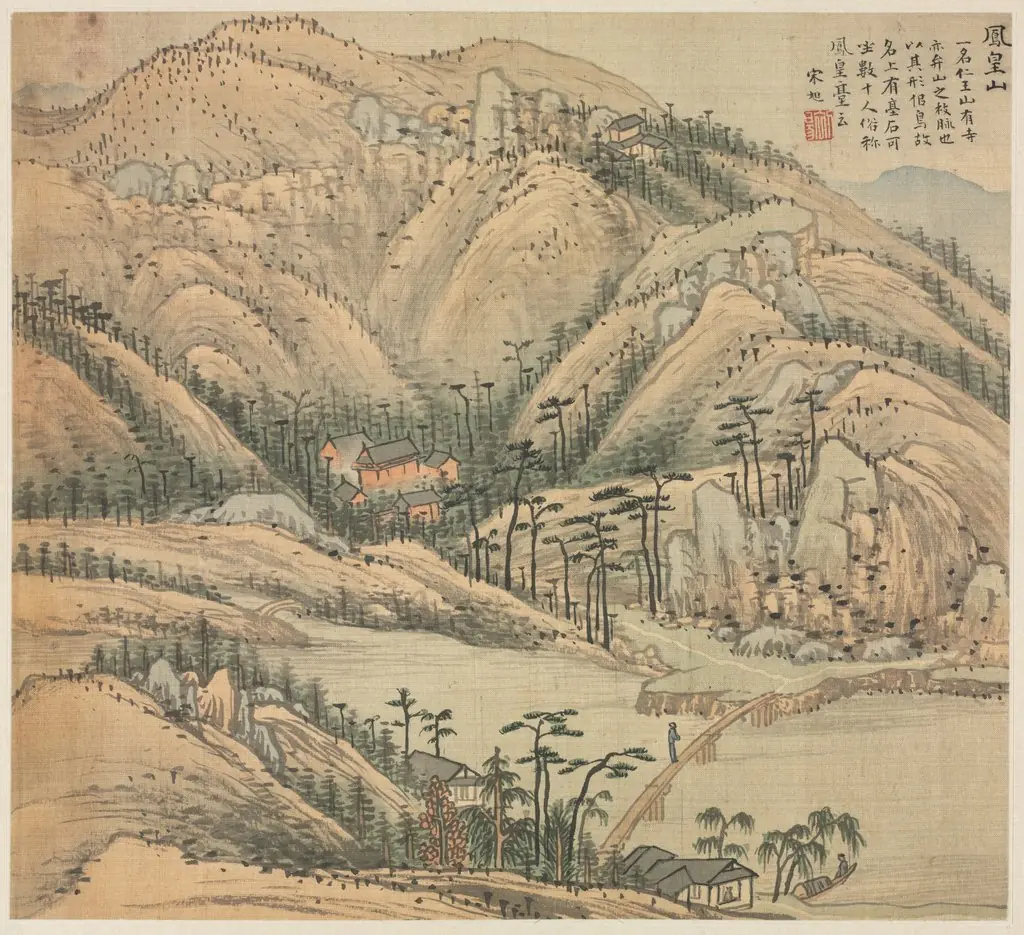 Mt. Fenghuang (Mt. Phoenix)
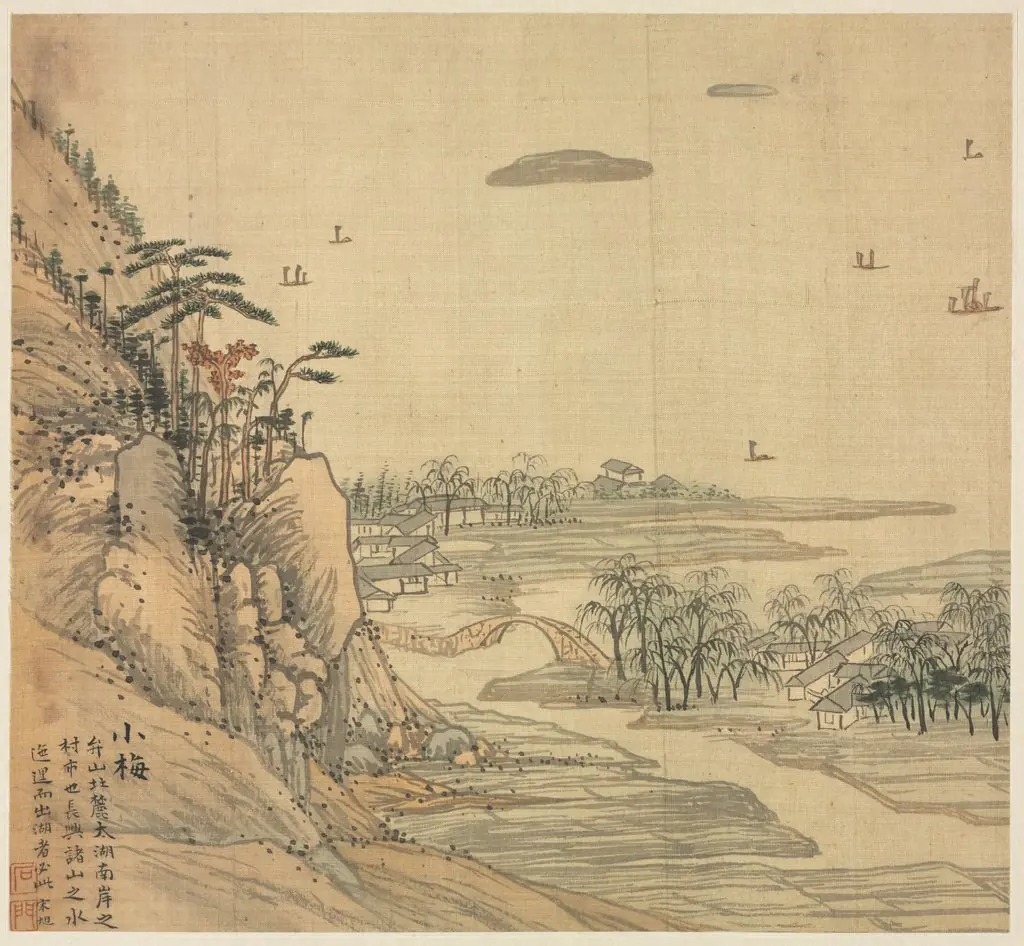 Xiaomei
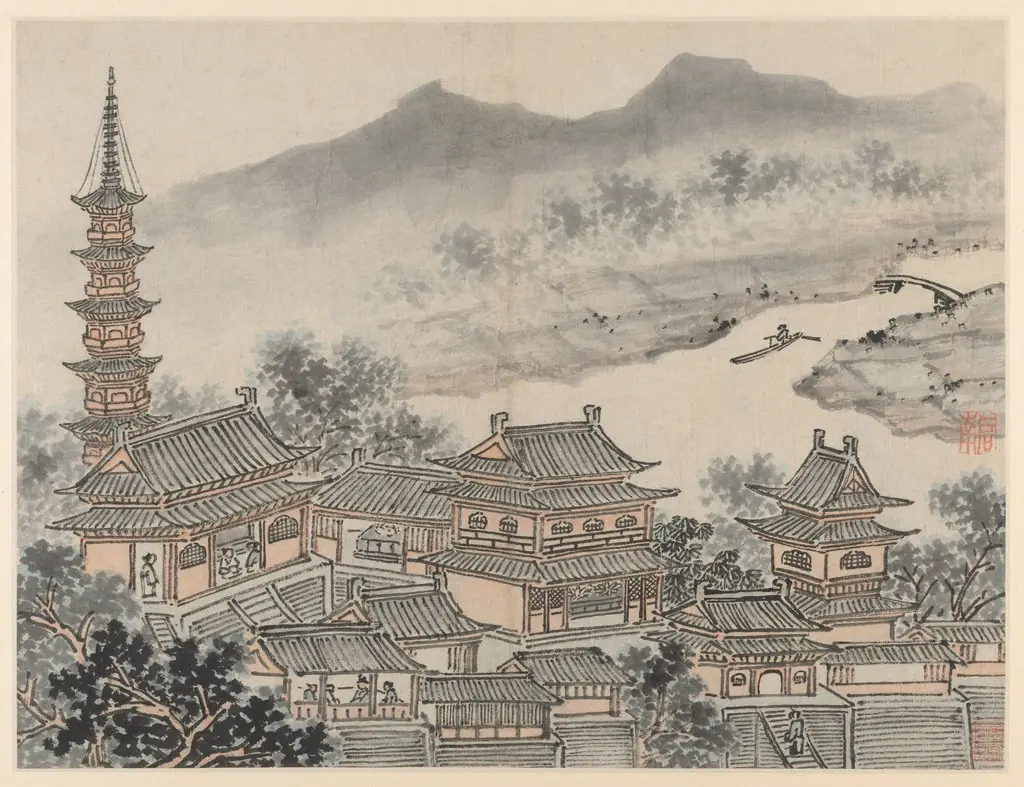 The Thousand Buddha Hall and the Pagoda of the "Cloudy Cliff" Monastery, from Twelve Views of Tiger Hill, Suzhou
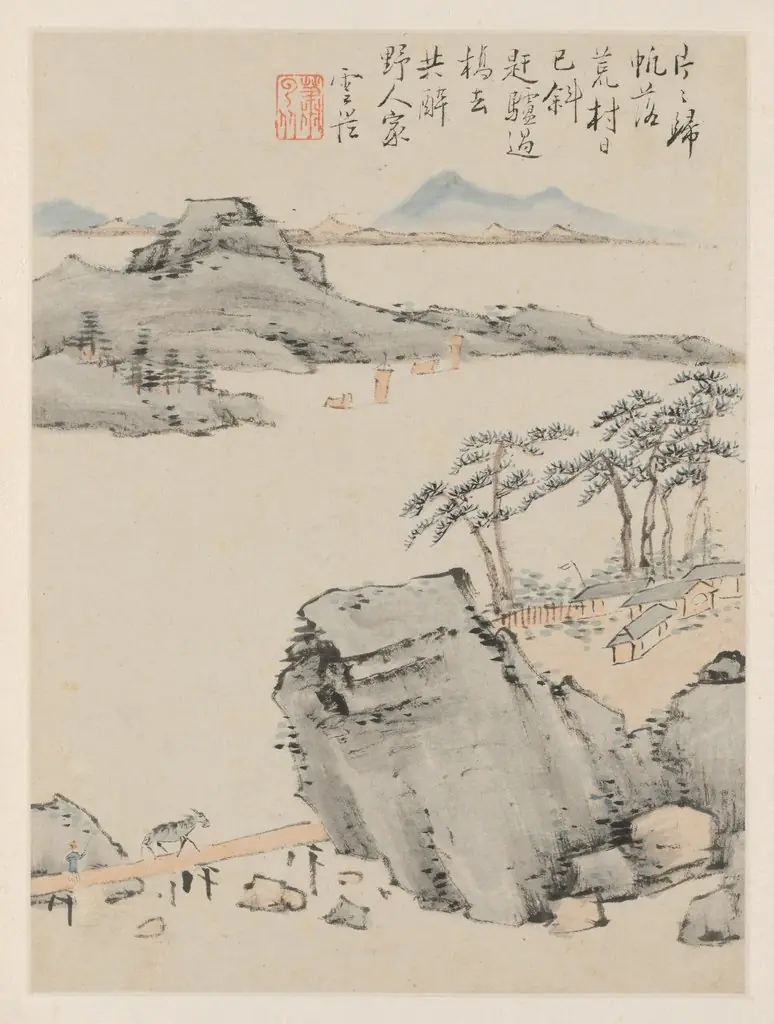 Album of Seasonal Landscapes, Leaf C (previous leaf 6)
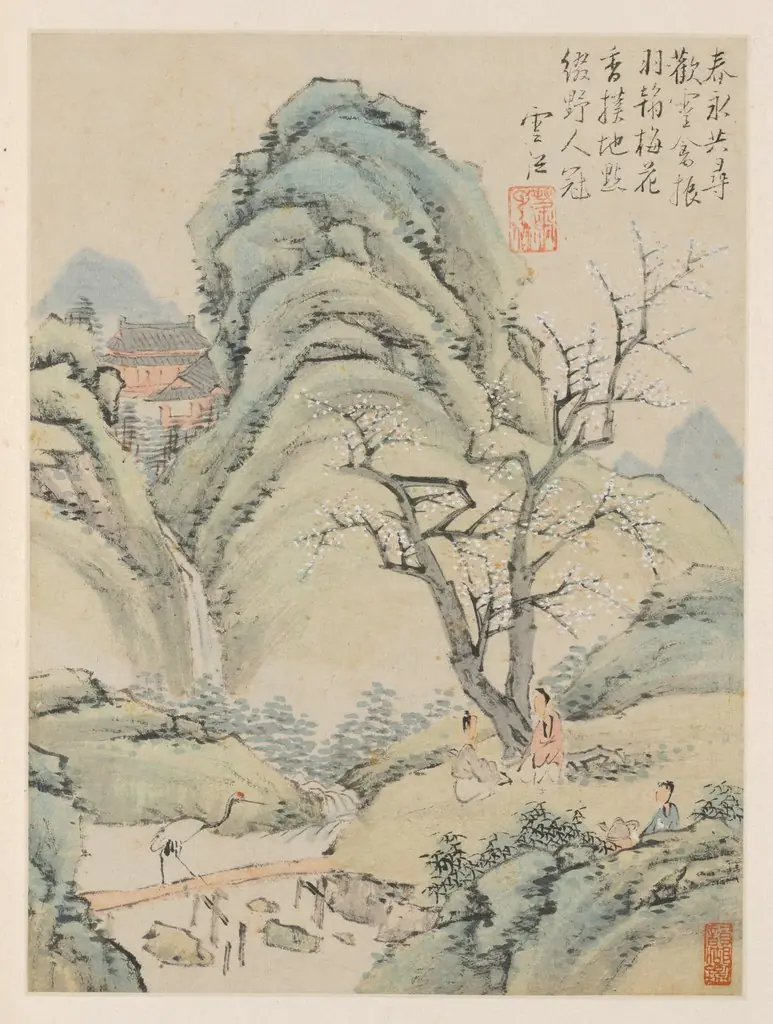 Album of Seasonal Landscapes, Leaf A (previous leaf 4)
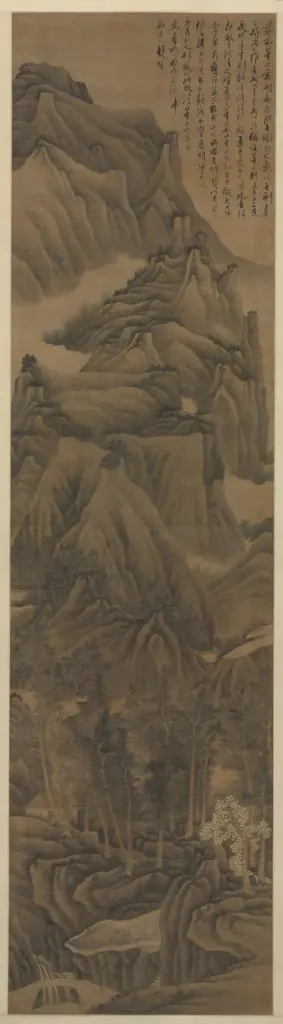 Landscape in the Style of Dong Yuan and Juran
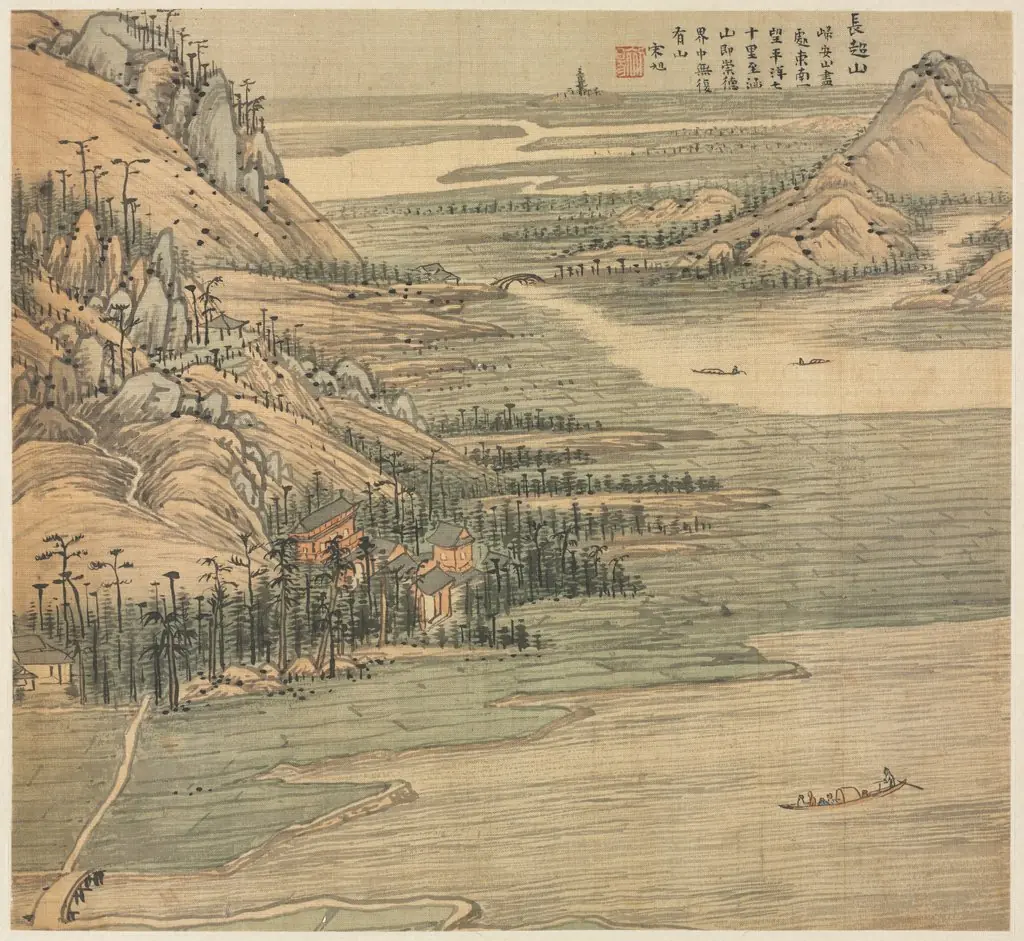 Mt. Changchao
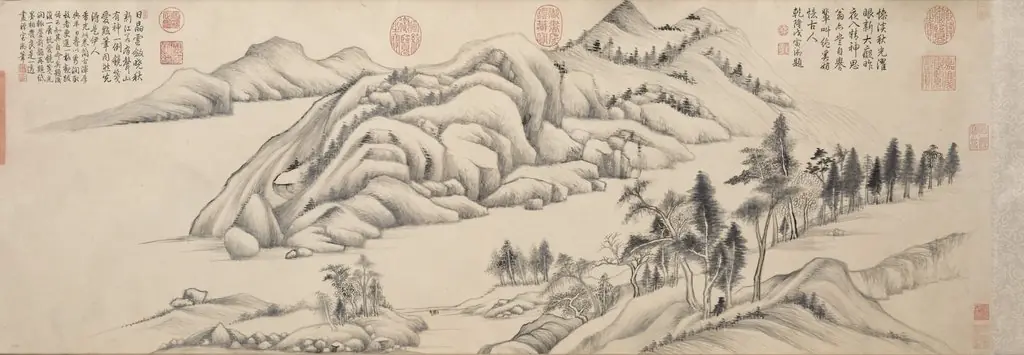 River and Mountains on a Clear Autumn Day
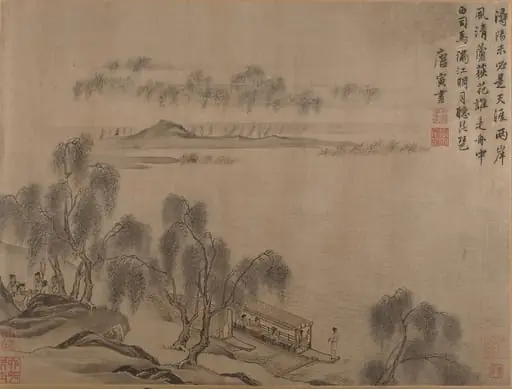 Untitled
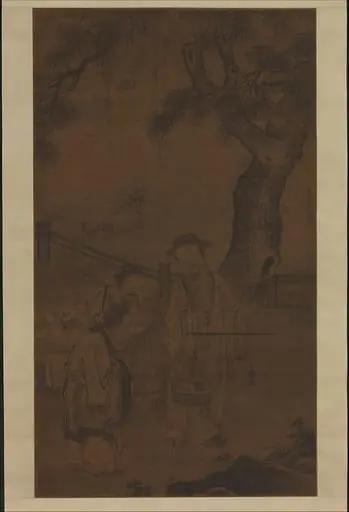 明 郭詡 稱書圖 軸|Weighing Books
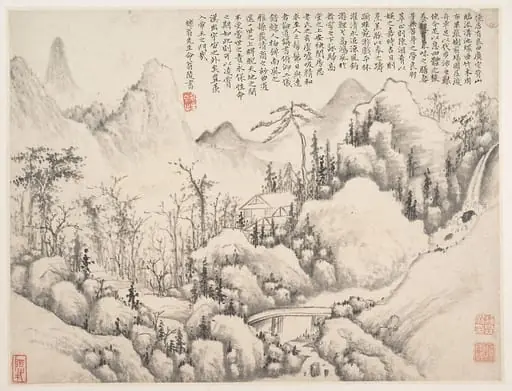 清 施霖 山莊圖 冊頁|Mountain Retreat, leaf from Album for Zhou Lianggong
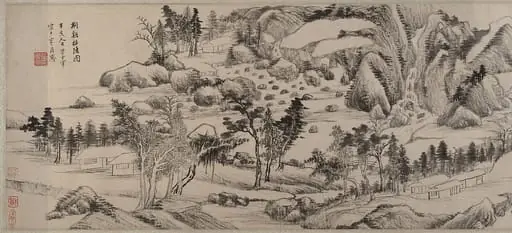 明 董其昌 荊谿招隱圖 卷|Invitation to Reclusion at Jingxi
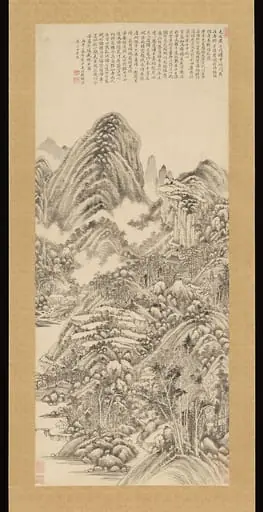 清 王時敏 仿黃公望山水圖 軸 絹本|Landscape in the style of Huang Gongwang
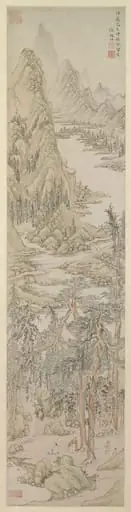 明 侯懋功 高山圖 軸 |High Mountains
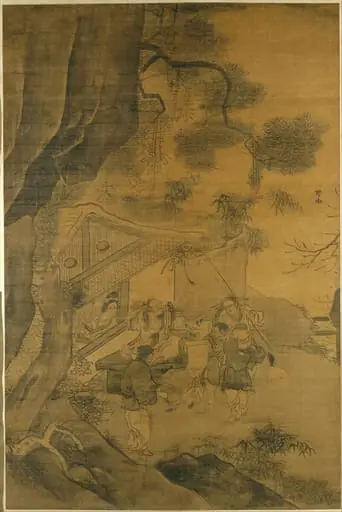 明 張路 觀畫圖 軸|Studying a painting
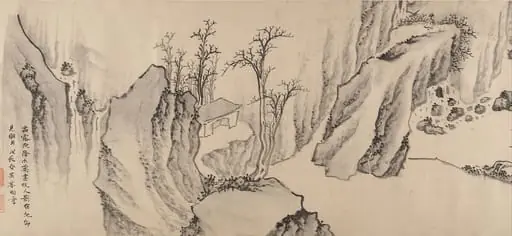 明 張瑞圖 後赤壁賦圖 卷|Illustration of Su Shi’s “Second Ode on Red Cliff”
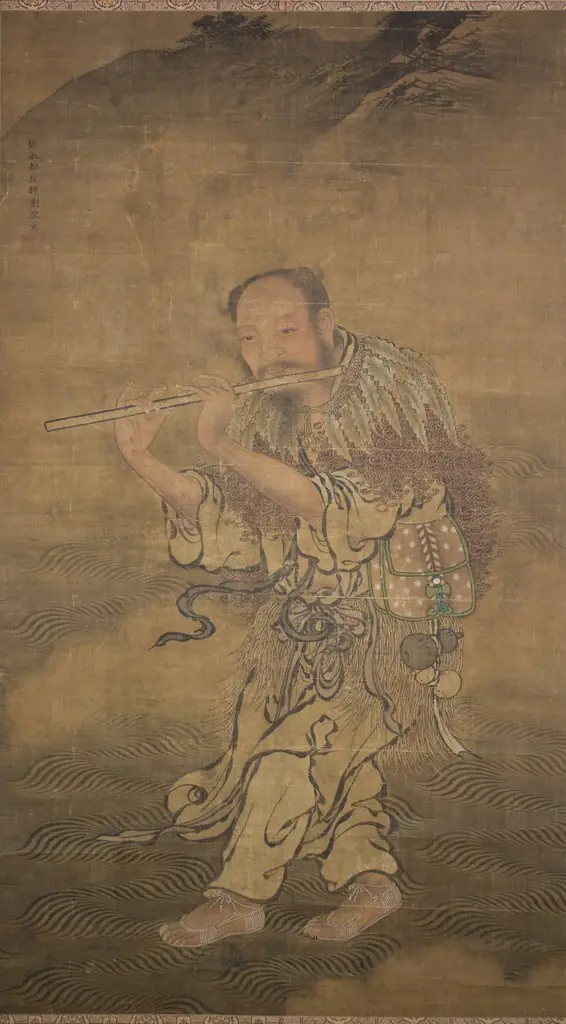 The Daoist Immortal Han Xiangzi
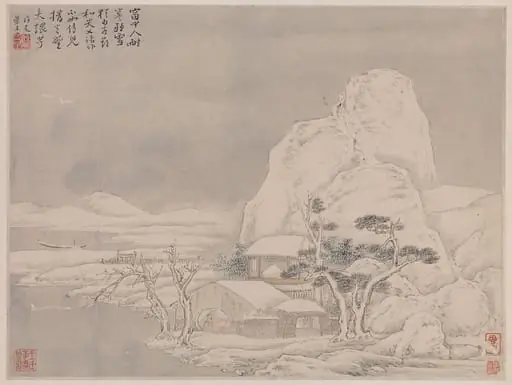 清 葉欣 聼雪圖 冊頁|Snowscape, leaf from Album for Zhou Lianggong
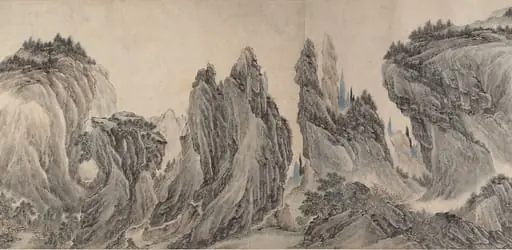 明/清 李在 董巨馬夏合風山水圖 卷|Landscape after Dong Yuan, Juran, Ma Yuan, and Xia Gui
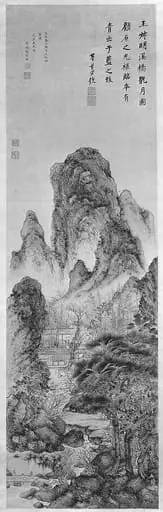 明 顧懿德 倣王蒙玩月圖 軸|Enjoying the Moon: Landscape in the Manner of Wang Meng
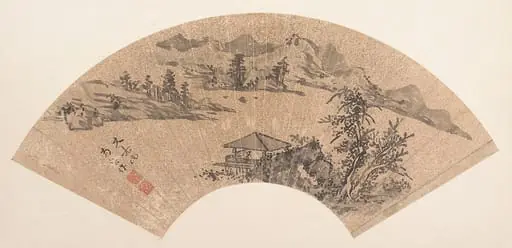 清 佚名 倣文徵明 書法 扇|Pavilion by Lake Shore
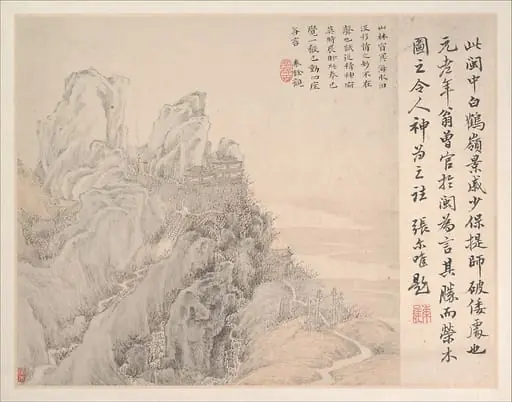 清 葉欣 白鶴嶺圖 冊頁|White Crane Mountain, leaf from Album for Zhou Lianggong
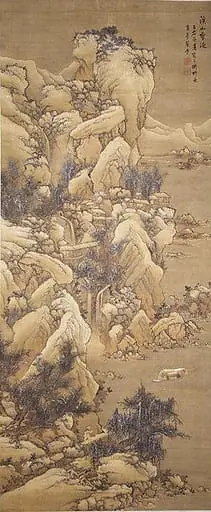 明/清 藍孟 溪山雪泛圖 軸|Boating amid Snowy Streams and Mountains
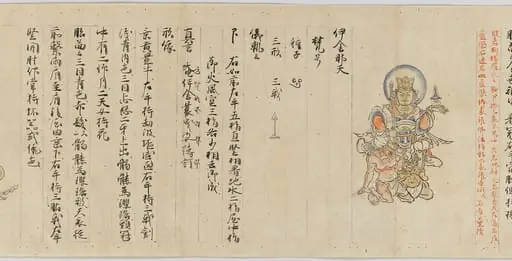 天部諸尊図像抄|Scroll 9 of Collected Iconography (Zuzōshō): Ten (Devas)
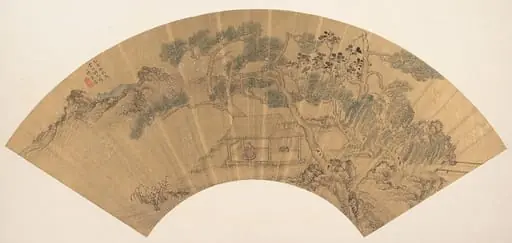 明 陳季淳 山水人物圖 扇頁|Landscape with figure
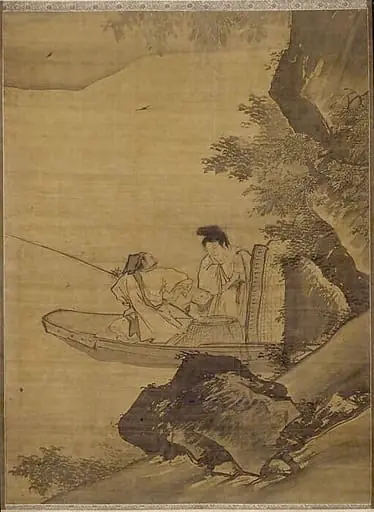 明 傳張路 溪畔漁家圖 軸|Fisherman and family
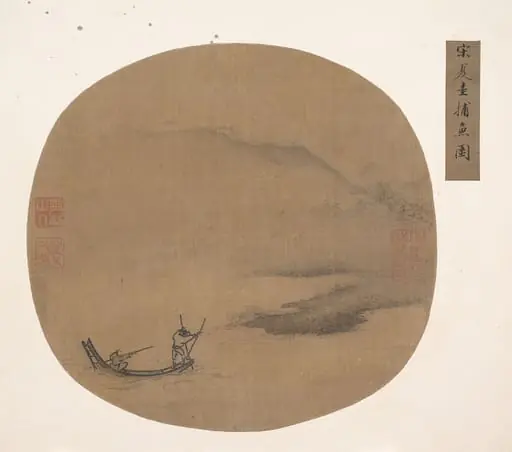 明/清 佚名 仿夏珪 捕魚圖 團扇|River Landscape with Boatmen
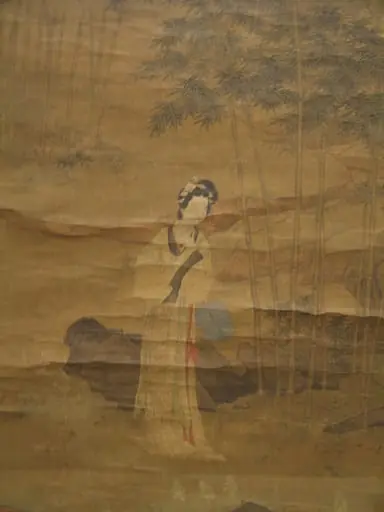 明 沈碩 仿仇英文玉圖 軸|Lady in a Bamboo Grove after Qiu Ying
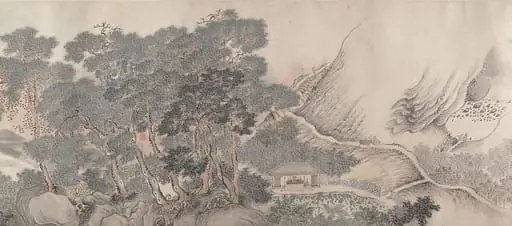 明 魏之克(魏克) 四時倣古山水圖 卷|Landscape of the four seasons in the styles of old masters
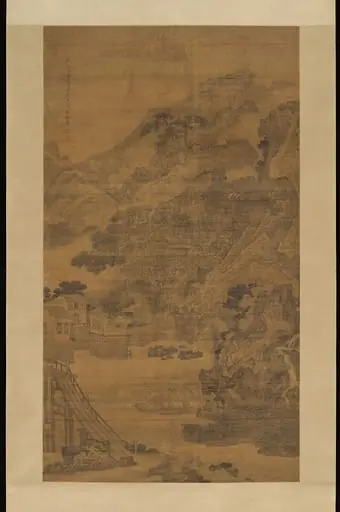 Untitled
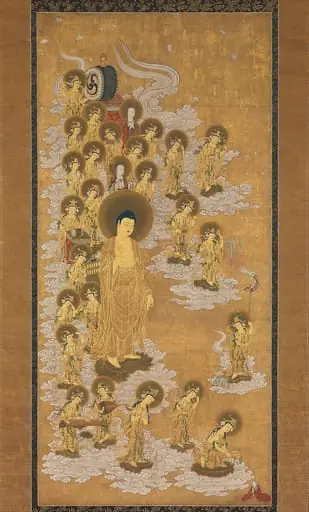 阿弥陀二十五菩薩来迎図|Welcoming Descent of Amida Buddha and Twenty-five Bodhisattvas
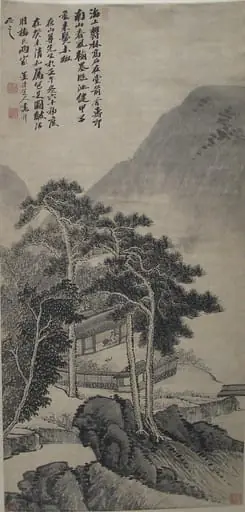 清 佚名 倣吳歷 茂林草堂圖 軸|A Lodge in the Hills
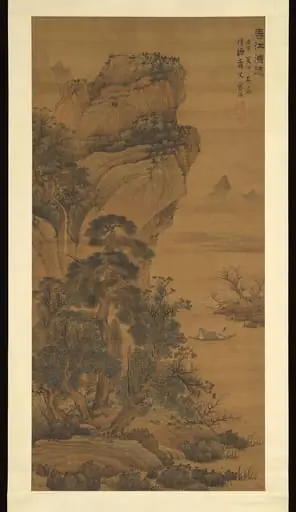 明 藍瑛 春江漁隱圖 軸|Hermit-Fisherman on a Spring River
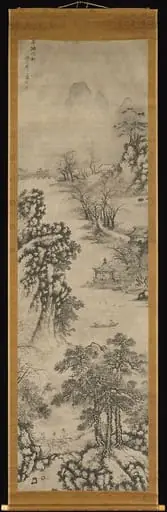 明 謝時臣 四時佳興圖 軸 四幅|Landscapes of the Four Seasons
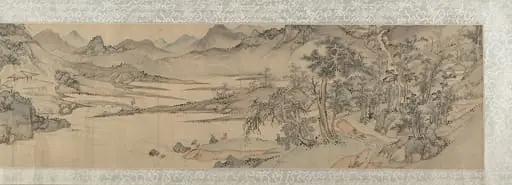 明 佚名 傳文伯仁 山水圖 卷|Landscape
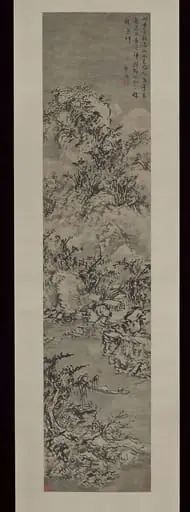 明 史忠 雪景山水圖 軸|Winter landscape with fisherman
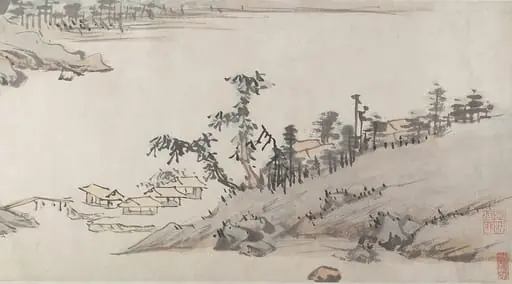 Untitled
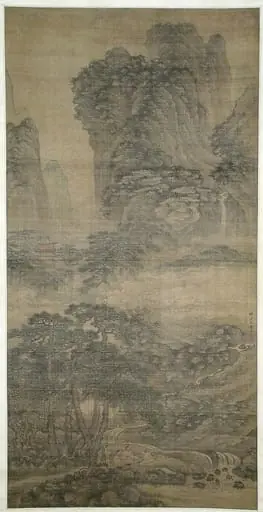 明 傳謝時臣 松溪琴客圖 軸|Listening to the Zither Among Streams and Pines
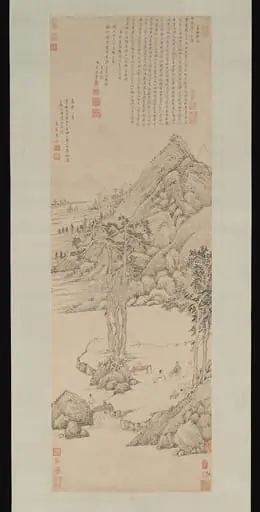 明 文嘉 為項元汴作山水圖 軸|Landscape dedicated to Xiang Yuanbian
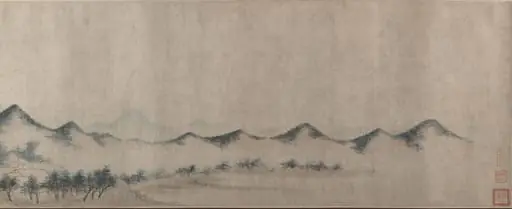 明/清 佚名 仿方從義 巢雲圖 卷|Landscape
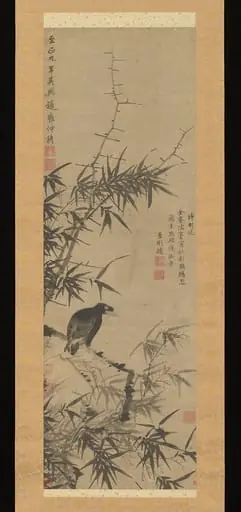 元 趙雍(款) 鸜鵒竹影圖 軸|Mynah Bird and Bamboo
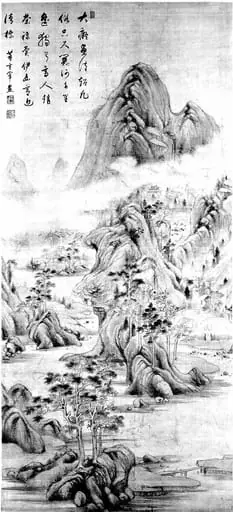 清 山水圖 軸|Landscape
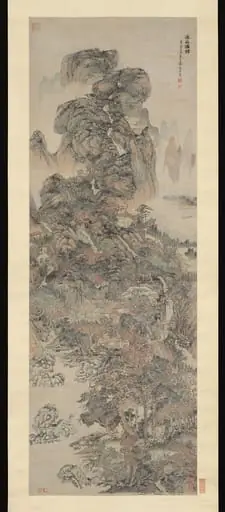 明 文伯仁 溪山仙舘 圖 軸|Dwellings of the Immortals Amid Streams and Mountains
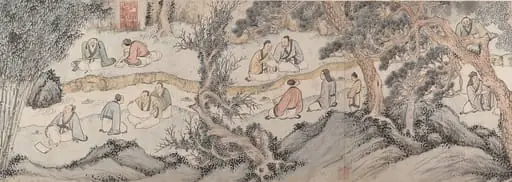 明 錢榖 蘭亭修禊圖 卷|Gathering at the Orchid Pavilion
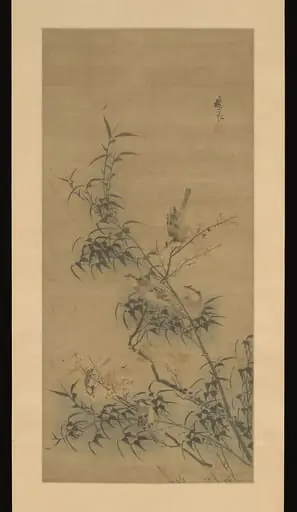 明 佚名 仿林良 喜上梅梢圖 軸|Birds Amidst Blossoming Plum and Bamboo
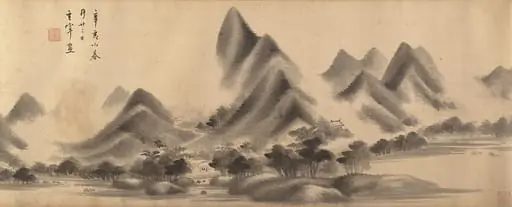 Untitled
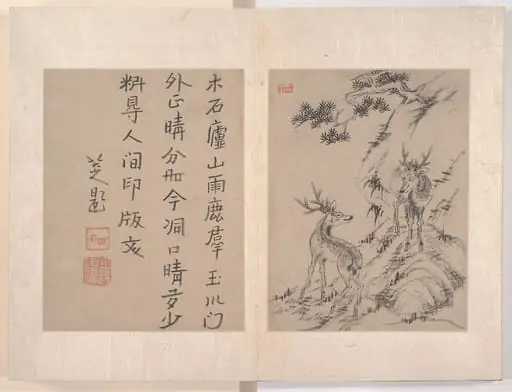 Untitled
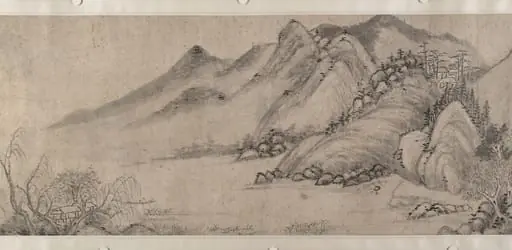 明 卞文瑜 谿山秋靄圖 卷|Streams and Mountains in Autumn Mist
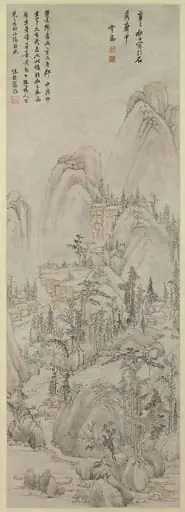 明 莫是龍 倣黃公望山水圖 軸|Landscape in the style of Huang Gongwang
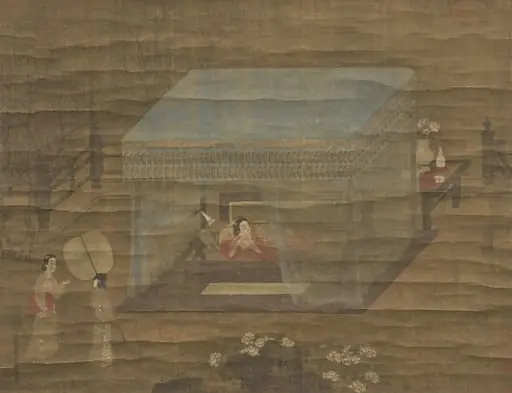 Untitled
 明 佚名 舊傳夏珪 長江萬里圖 卷 (前半) |First half of Ten Thousand Li of the Yangzi River
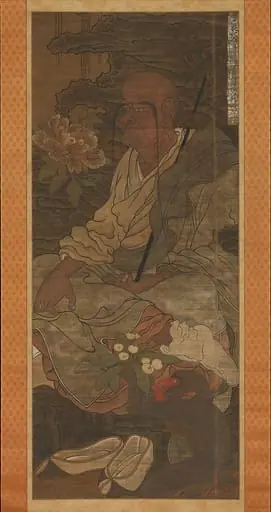 羅漢図(十六羅漢図の内)|Arhat from a series of sixteen Arhats
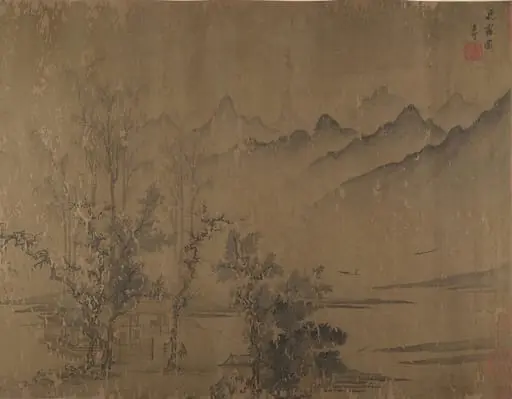 Untitled
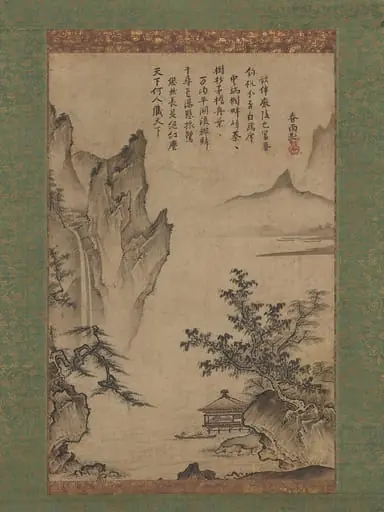 山水図|Landscape with Pavilion
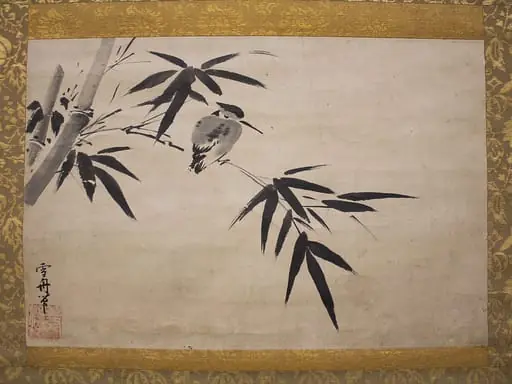 竹に翡翠図|Kingfisher and Bamboo
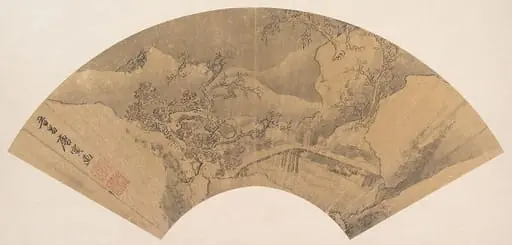 明 佚名 倣唐寅 溪山雪徑 扇|Winter Landscape
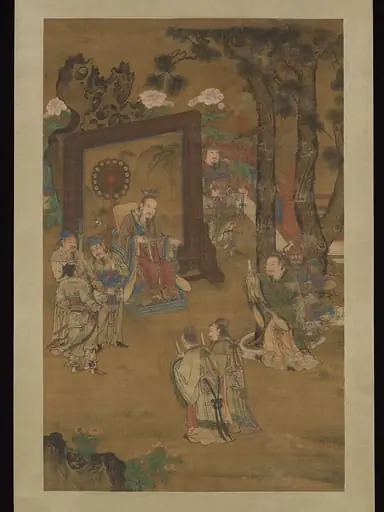 明 劉俊 納諫圖 軸|Remonstrating with the emperor
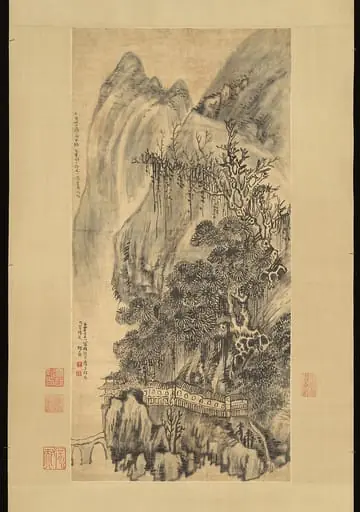 明/清 王鐸 山水圖 軸|Landscape
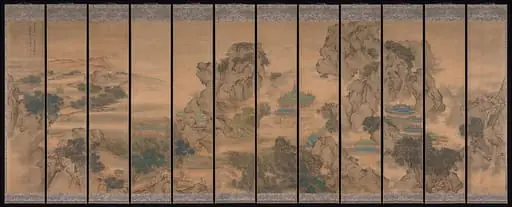 清 袁江 九成宮圖 屏|The Palace of Nine Perfections
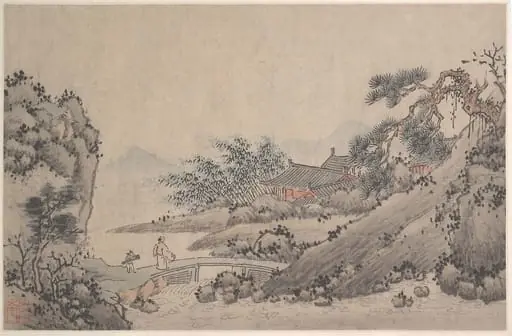 Untitled
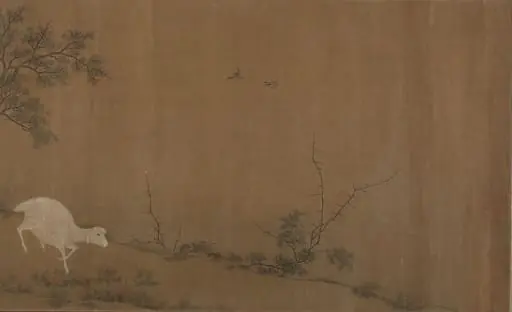 清 佚名 群羊圖卷絹本設色|Landscape with goats
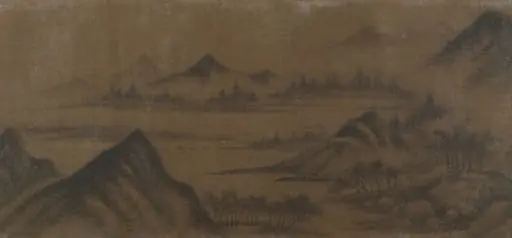 清 佚名 米芾(僞款) 雲山圖 卷|Mountain Landscape
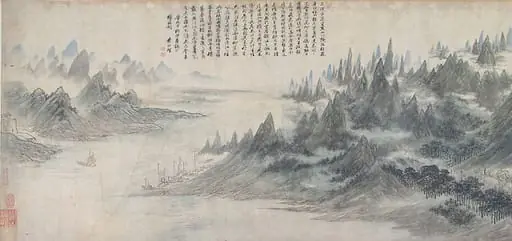 明/清 黃向堅 萬里尋親圖 卷|Searching for My Parents
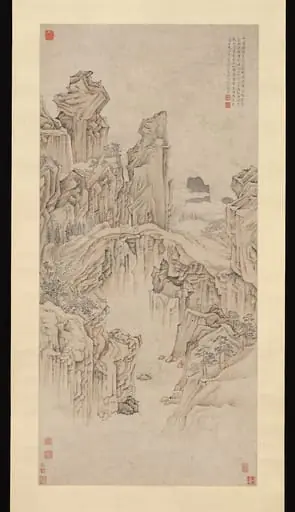 Untitled
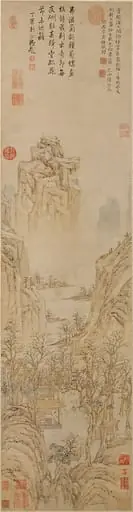 明 陸治 種菊圖 軸|Planting Chrysanthemums
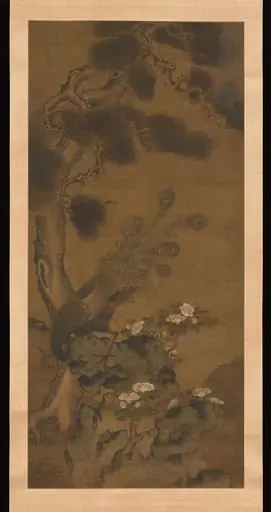 Untitled
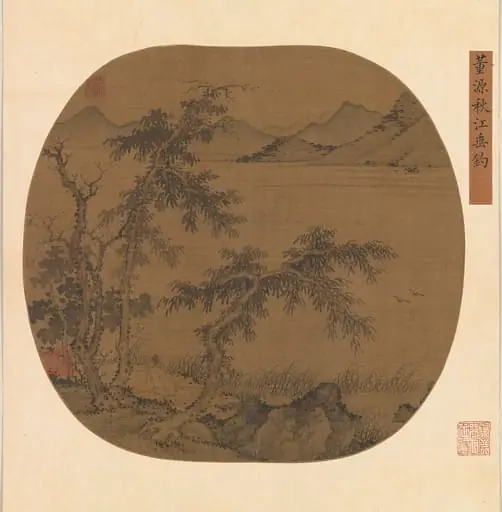 元 盛著 秋江垂釣圖 團扇|Angling in the Autumn River
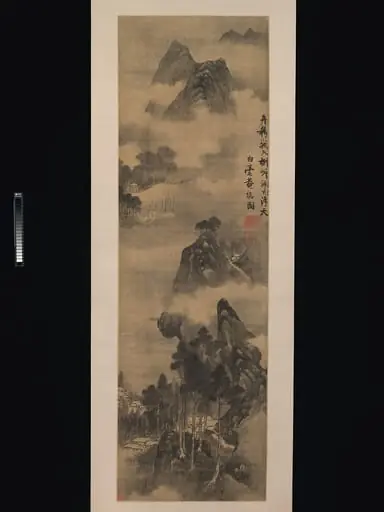 明 張瑞圖 山水圖 軸|Mountains Along Riverbanks
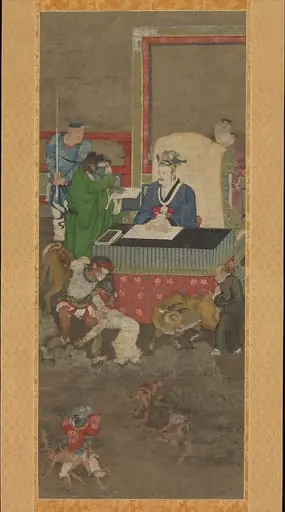 金處士筆 十王図の内|Ten Kings of Hell
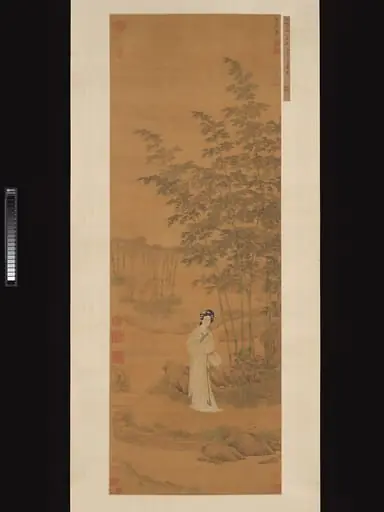 明 傳仇英 文玉圖 軸圖 軸|Lady in a Bamboo Grove
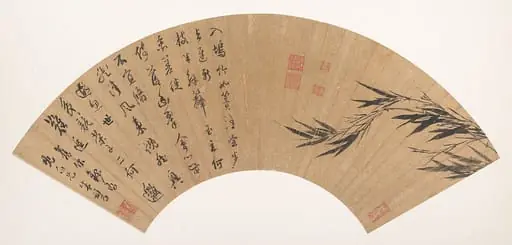 明 朱鷺 墨竹詩畫 摺扇|Bamboo and poem
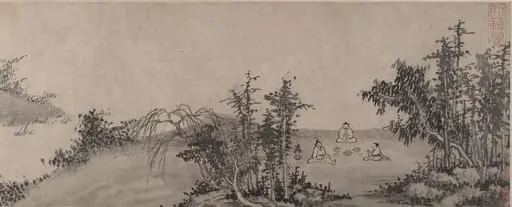 明 姚綬 文飲圖 卷|Drinking and Composing Poetry
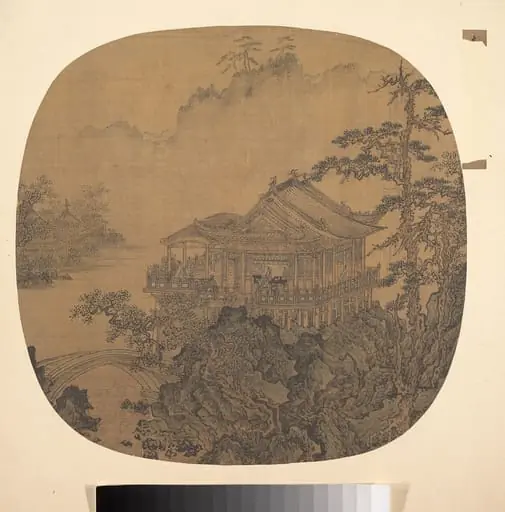 明? 佚名 舊傳李嵩 溪山樓閣圖 扇|Pavilion on a pond
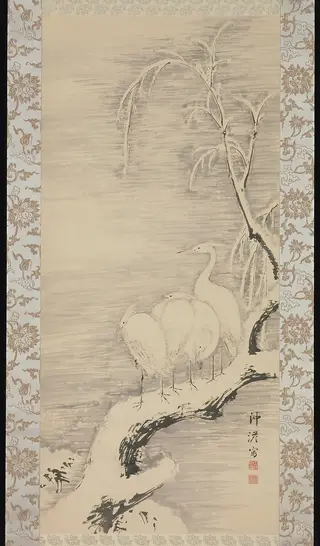 Untitled
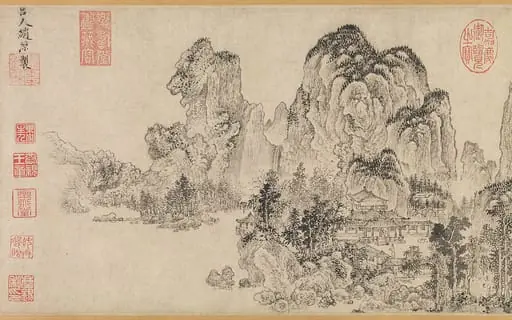 元/明 趙原 倣燕文貴范寬山水圖
元/明 沈巽竹石 合卷|Landscape
元/明 趙原 倣燕文貴范寬山水圖
元/明 沈巽竹石 合卷|Landscape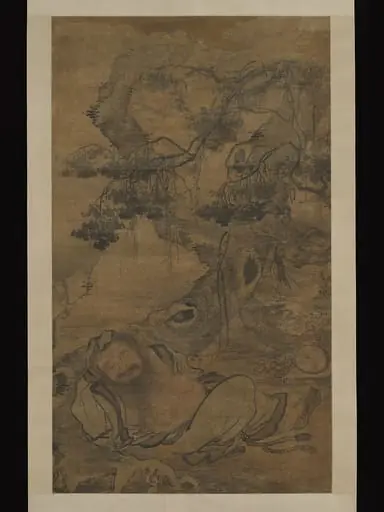 明 陳子和 古木酒仙圖 軸|Drunken recluse beneath an old tree
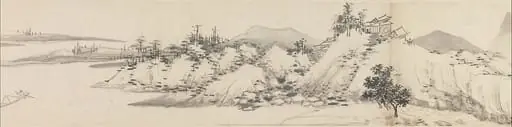 明 沈周 溪山秋色圖 卷|明 沈周 溪山秋色圖 卷明 楷書溪山秋色圖 引首|Autumn Colors among Streams and Mountains
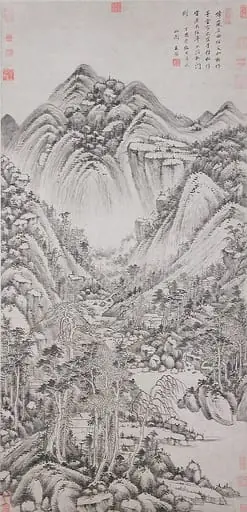 清 王鑑 倣黃公望秋山圖 軸 紙本|Landscape in the style of Huang Gongwang
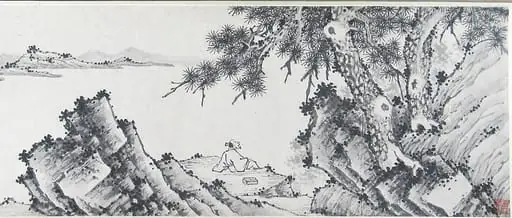 明 (倣)沈周 怡松圖 卷|Enjoying the Pines
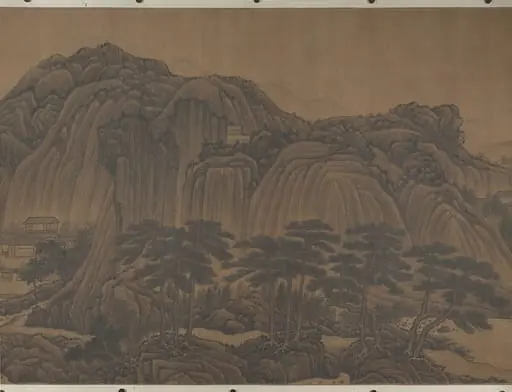 清 佚名 舊傳顧愷之 會稽山圖 卷|The Hills of Kuaiji
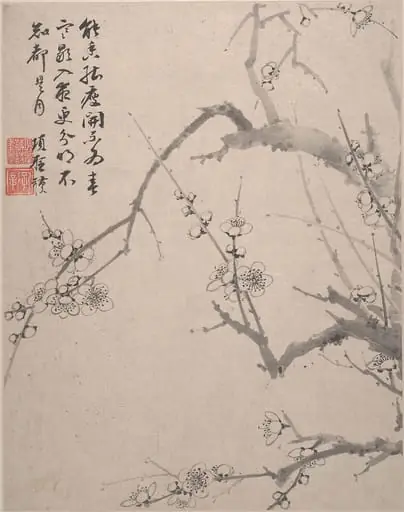 明/清 項聖謨 山水花鳥圖 冊|Landscapes, Flowers and Birds
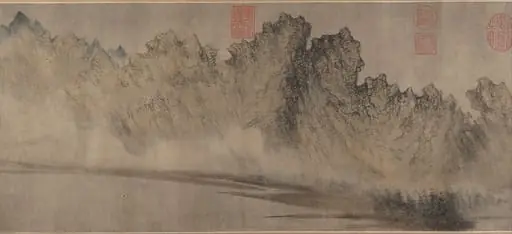 元 方從義 雲山圖 卷|Cloudy Mountains
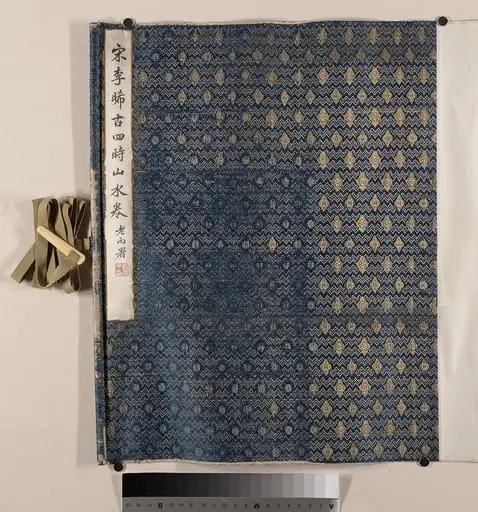 明 佚名 舊傳李唐 四時山水圖 卷|The Four Seasons
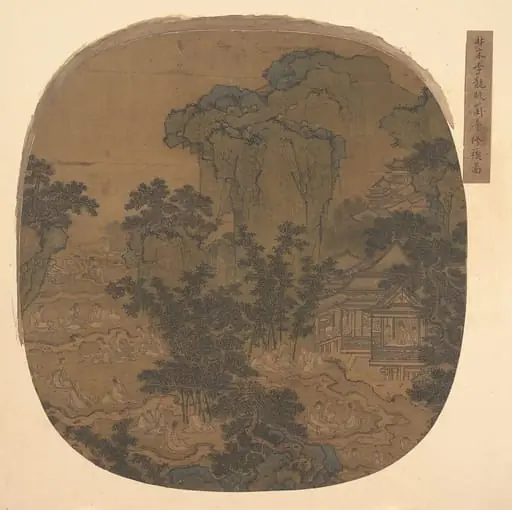 明 佚名 舊傳李公麟 蘭亭修禊圖 團扇|Gathering at the Orchid Pavilion
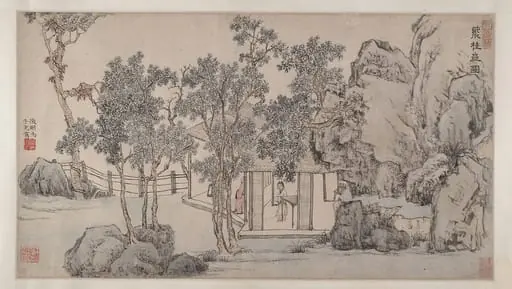 明 文徵明 叢桂齋圖 卷|The Cassia Grove Studio
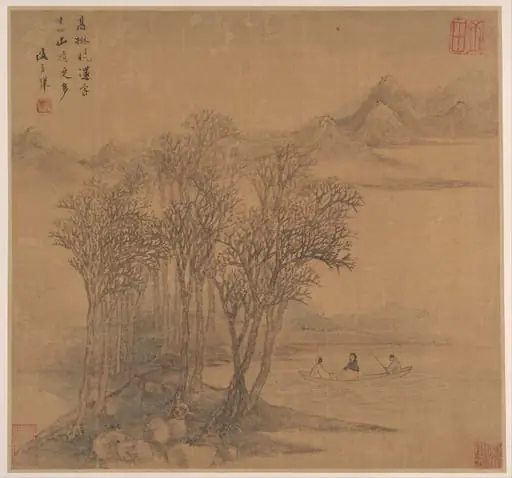 明 盛茂曄 唐詩意山水圖 冊|Landscapes after Tang Poems
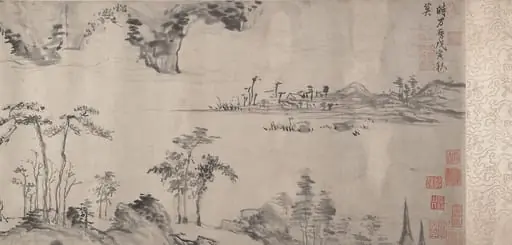 明 傳項元汴 秋江圖 卷|River Landscape
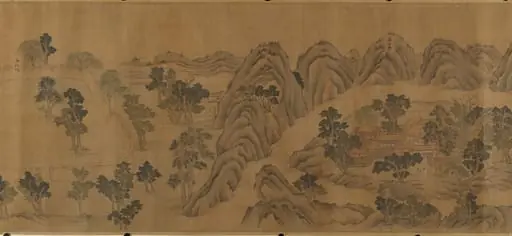 明 佚名 郭忠恕 僞款 輞川圖 卷|Wangchuan Villa
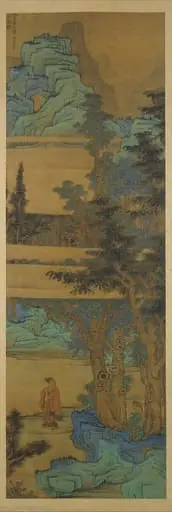 明 陳洪綬 樹下高士圖 軸|Scholar-recluse in blue-green landscape
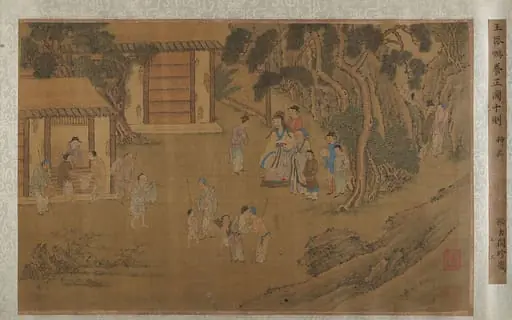 明/清 佚名 舊傳王振鵬 養正圖 卷|Family Training
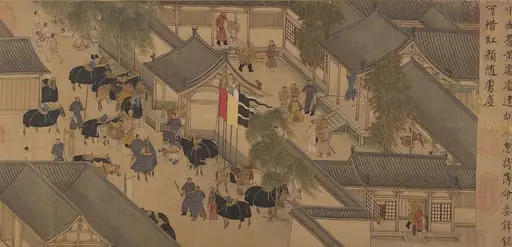 明 佚名 胡笳十八拍圖 卷|Eighteen Songs of a Nomad Flute: The Story of Lady Wenji
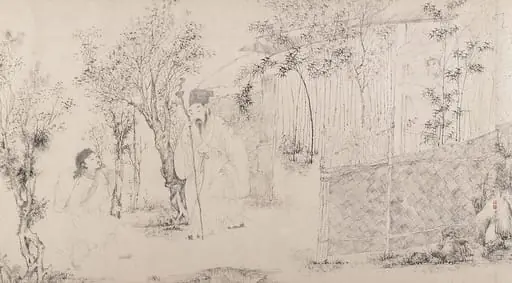 明 王上宮 忠孝圖 卷|Paragons of Loyalty and Filial Piety
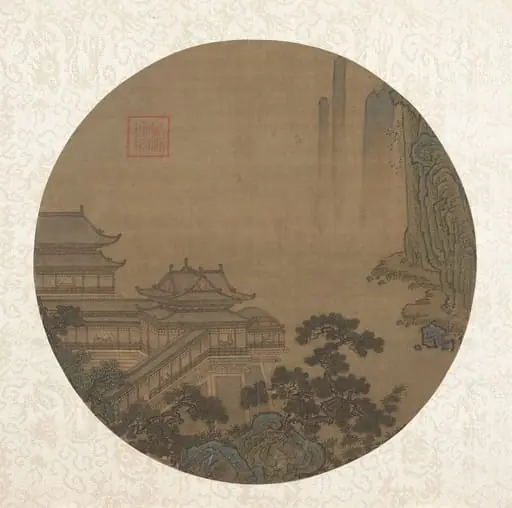 明/清 佚名 仙山樓閣圖 團扇頁|Palace
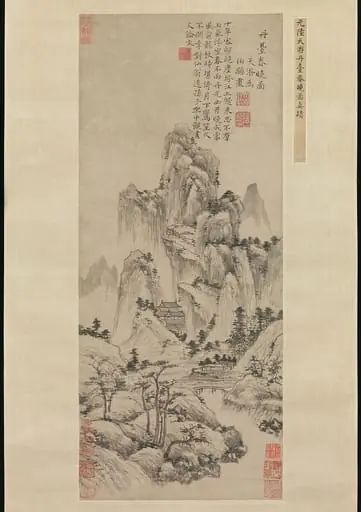 元 陸廣 丹臺春曉圖 軸|Spring Dawn Over the Elixir Terrace
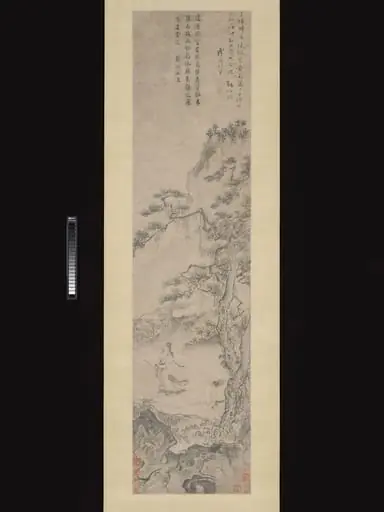 明 杜堇 陶淵明賞菊圖 軸|Tao Yuanming enjoying chrysanthemums
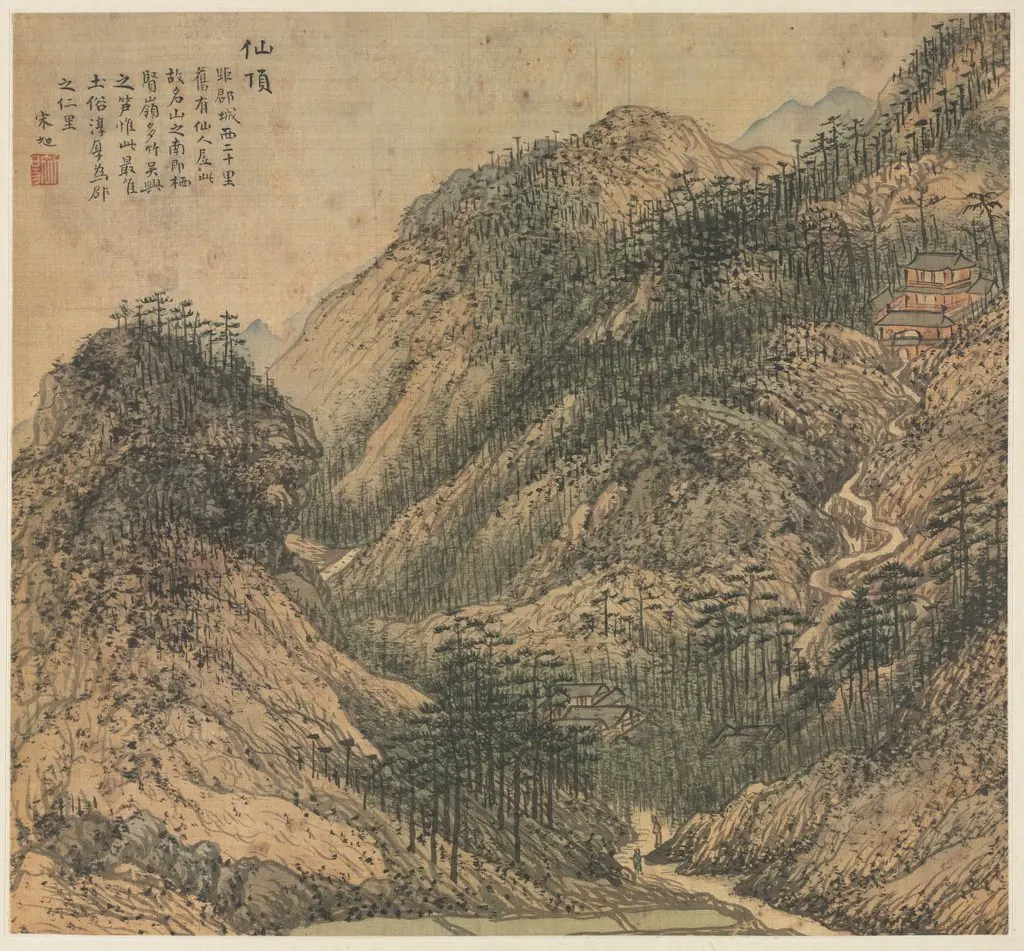 Xianding (Immortal's Peak)
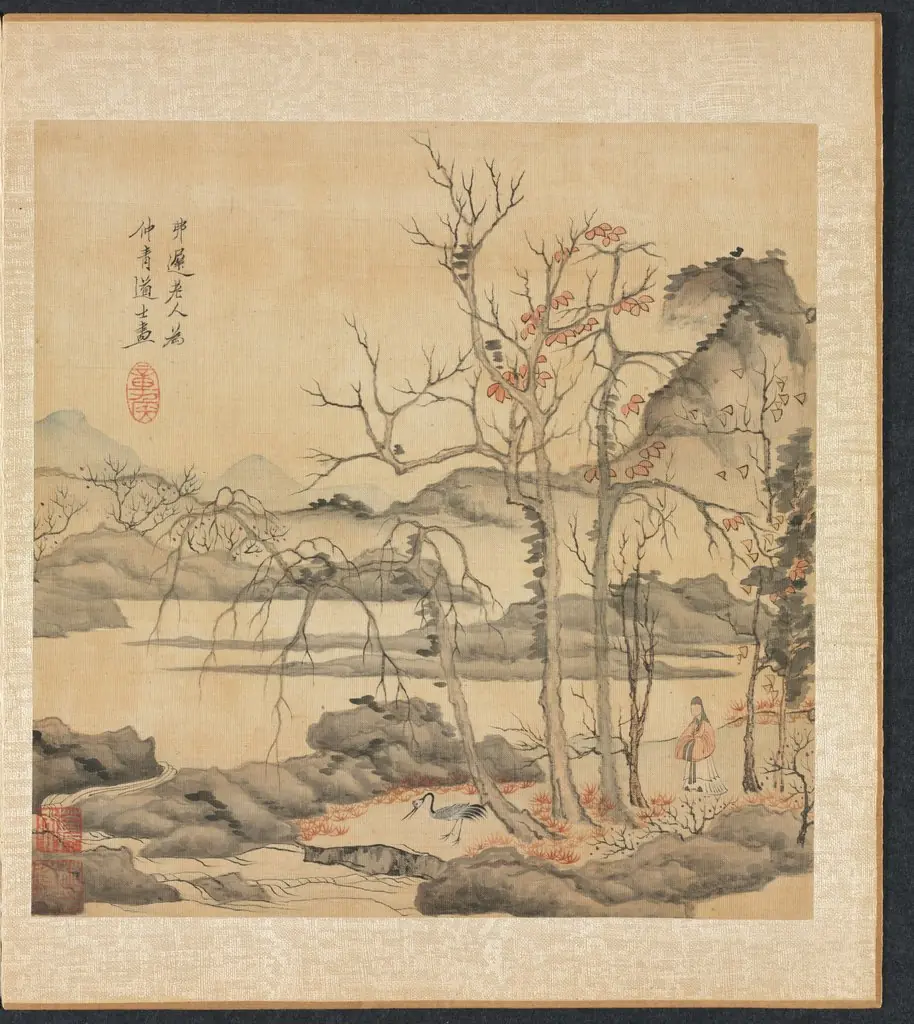 Paintings after Ancient Masters: Daoist and Crane in Autumn Landscape
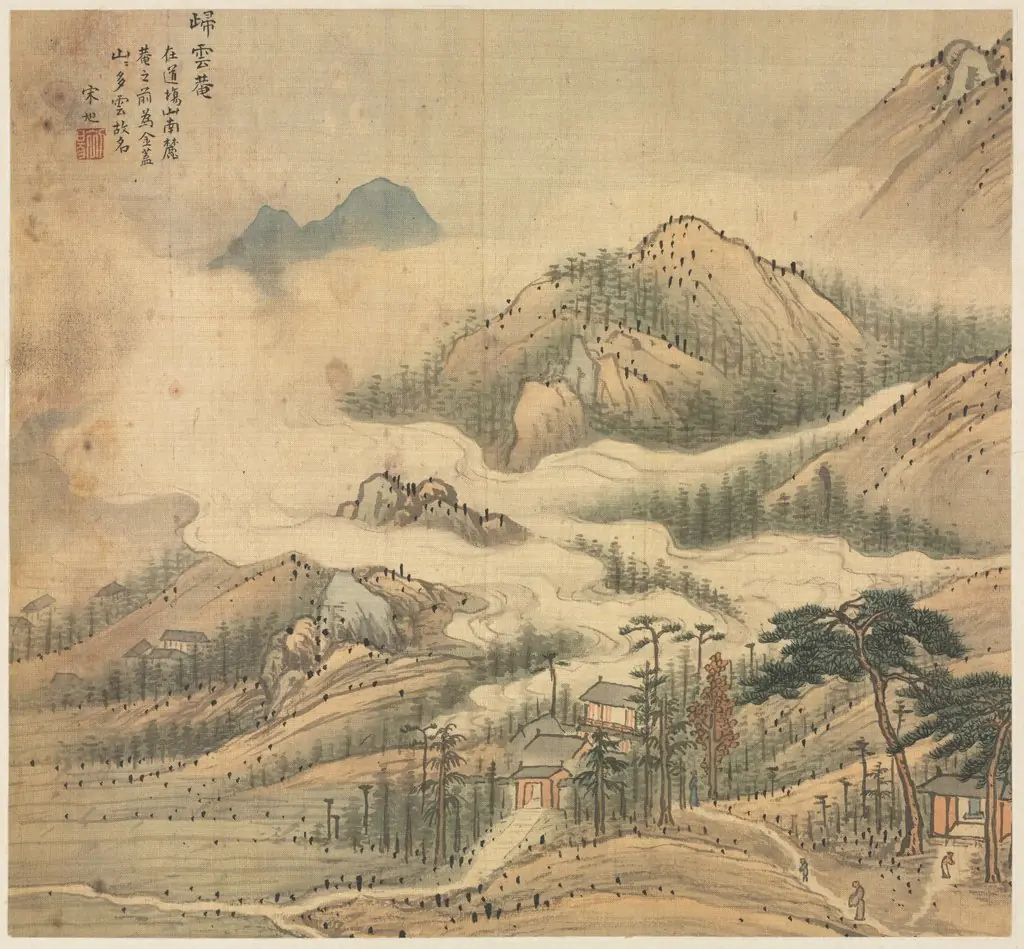 Guiyun Shrine
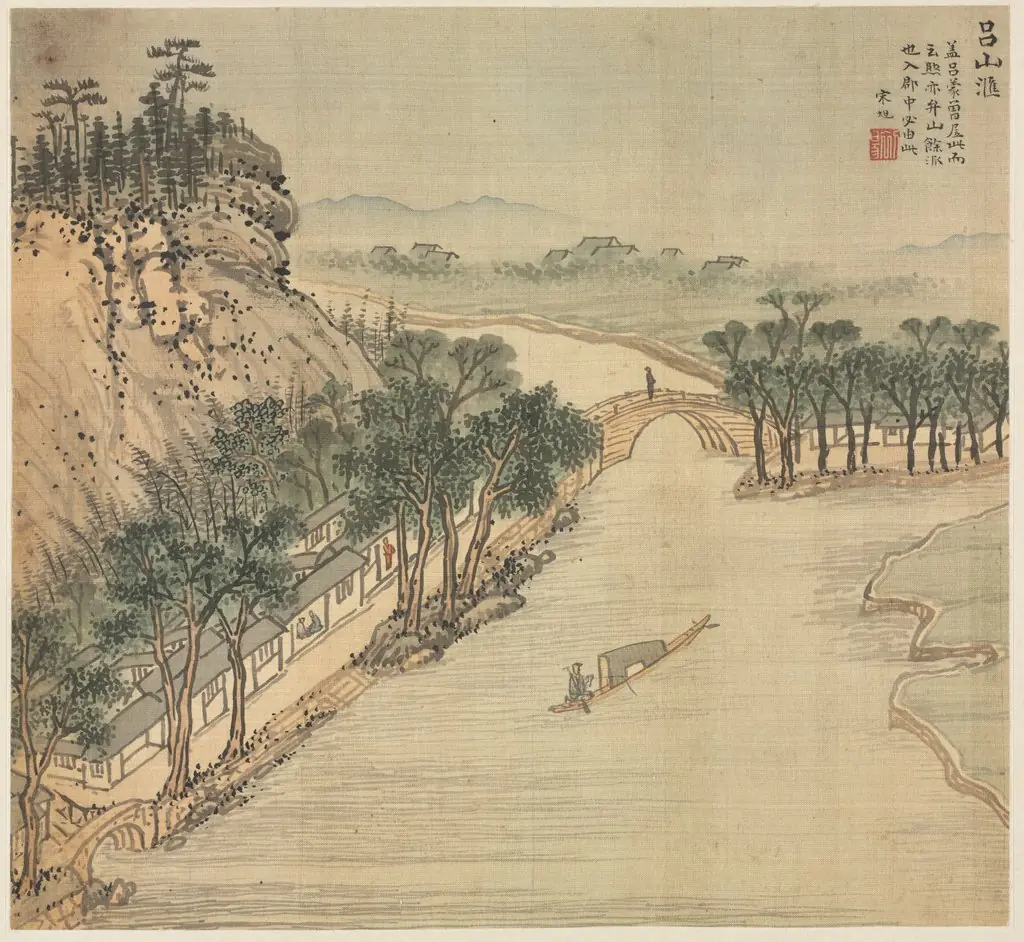 Lüshan Hui
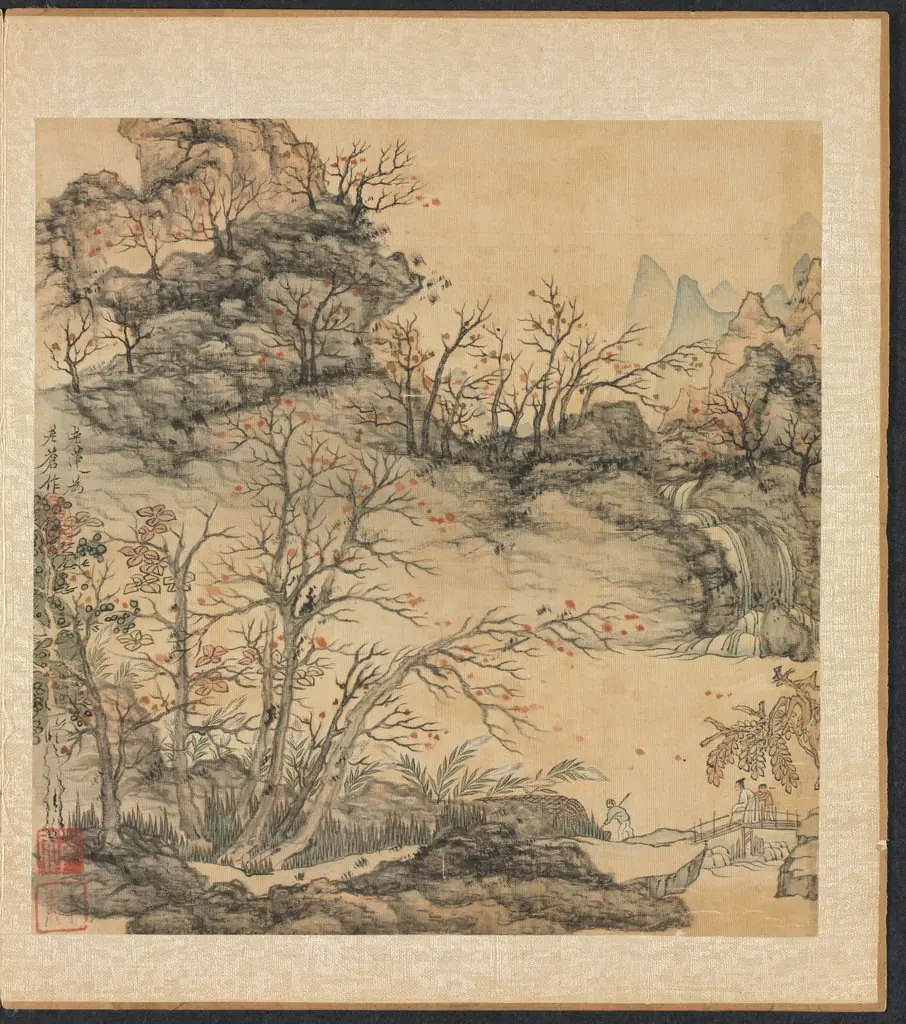 Paintings after Ancient Masters: Autumn Landscape
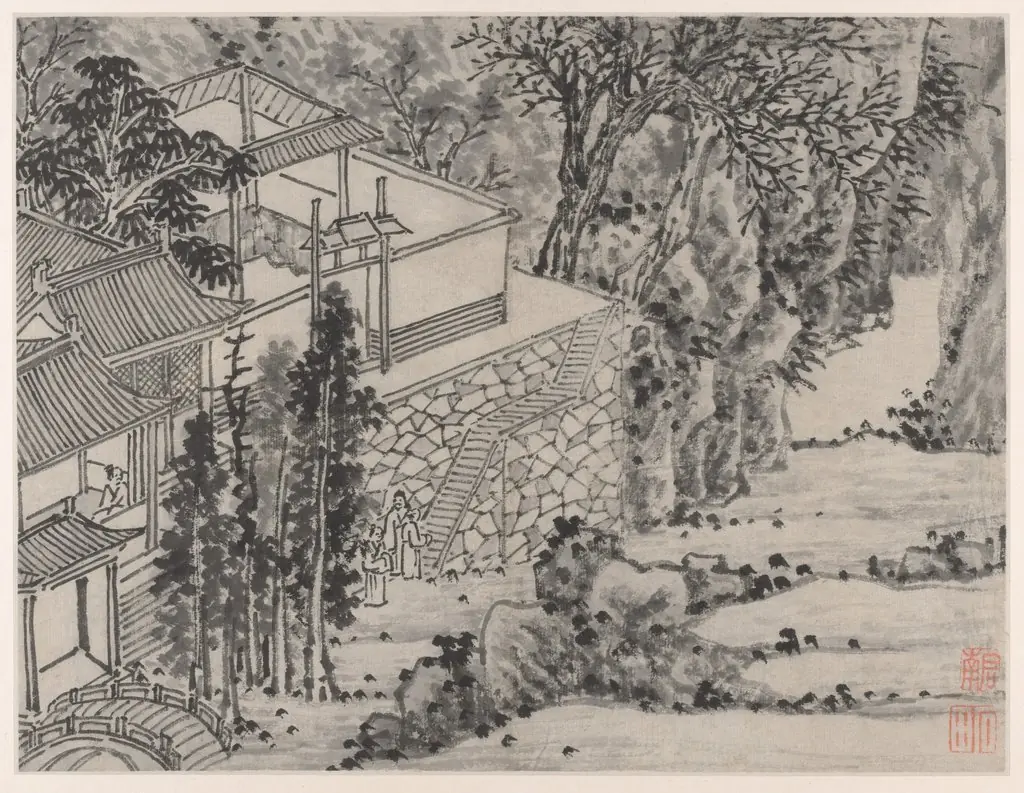 The Enlightened Stone Retreat, from Twelve Views of Tiger Hill, Suzhou
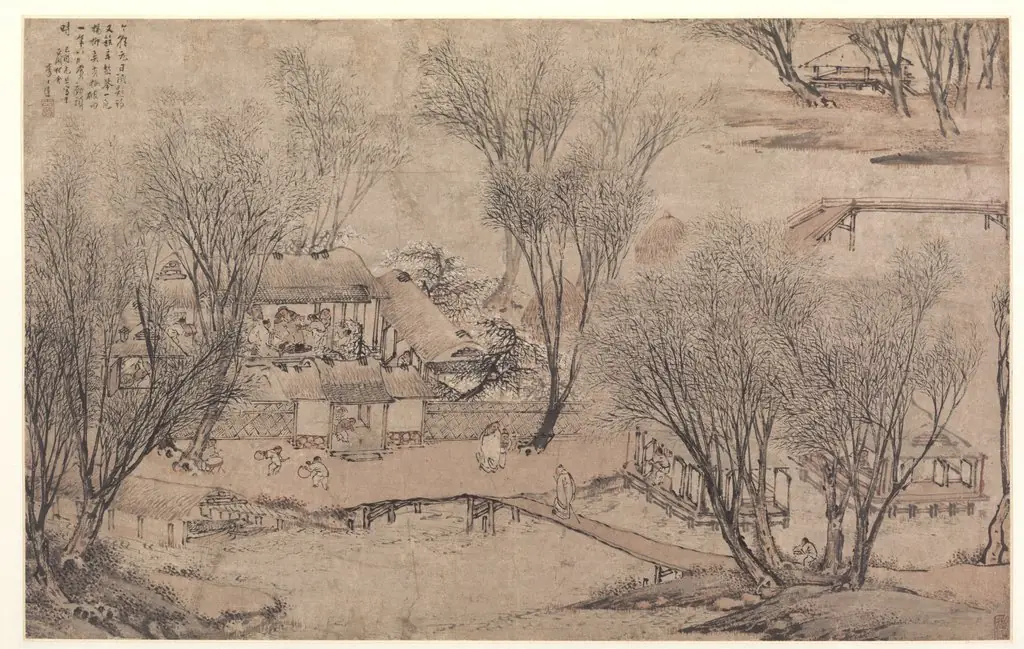 New Year's Day in a Village at Stone Lake
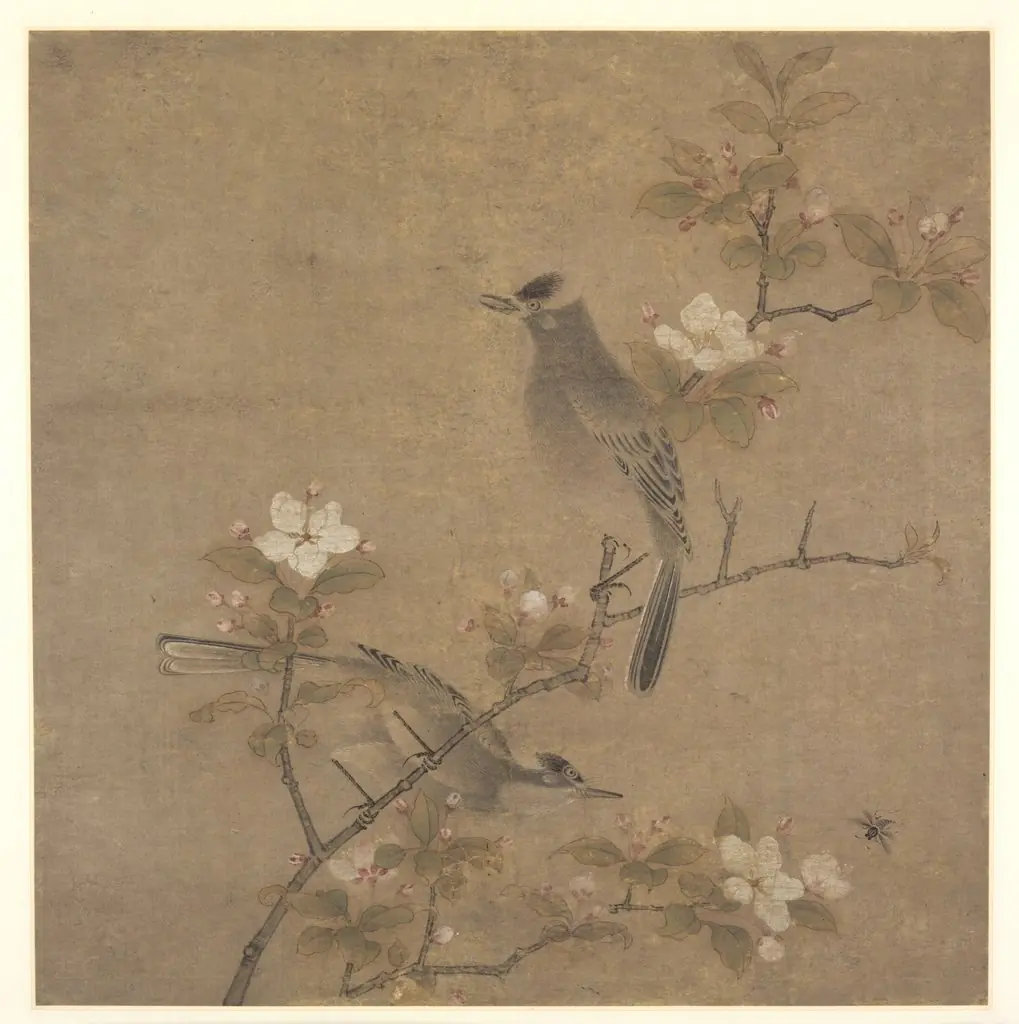 Flowers and Birds
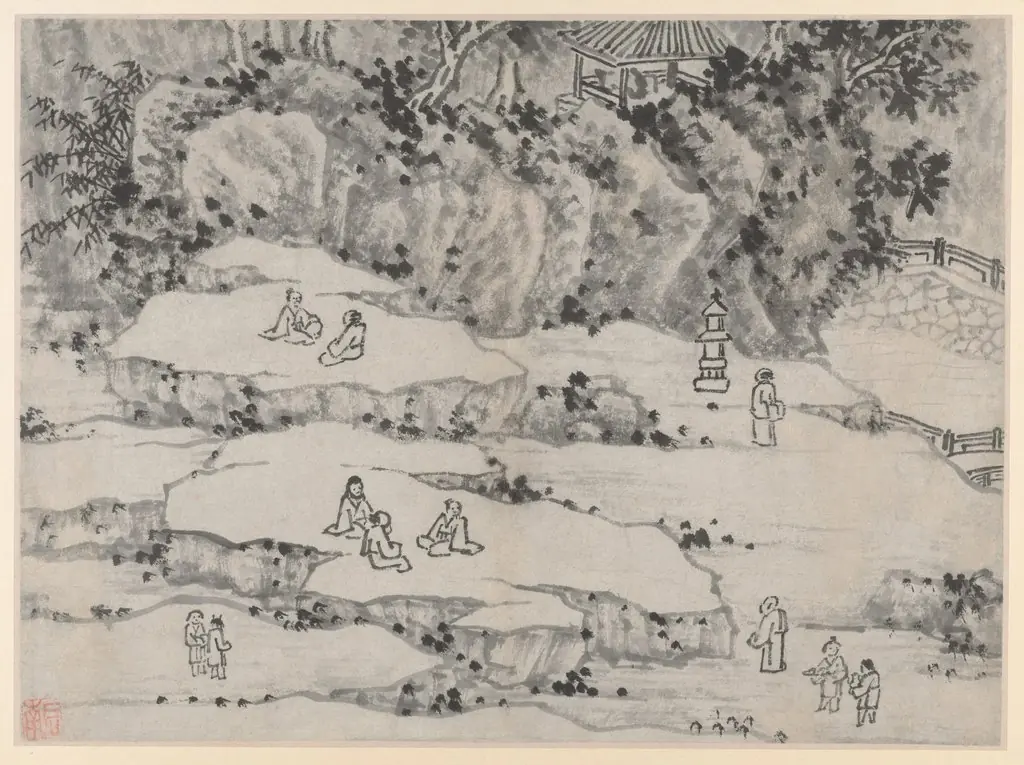 The Nodding Stone Terrace, Tiger Hill, and the Thousand-Man Seat, from Twelve Views of Tiger Hill, Suzhou
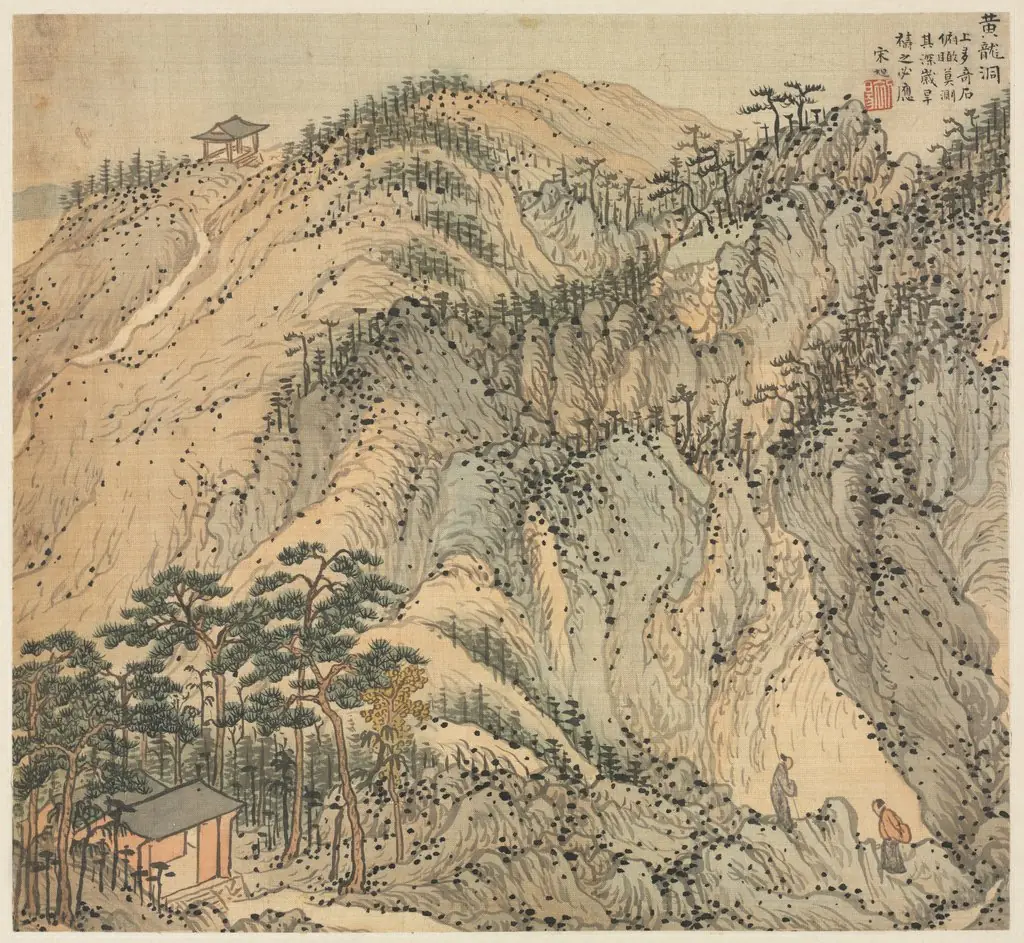 Huanglong Cave (Yellow Dragon Cave)
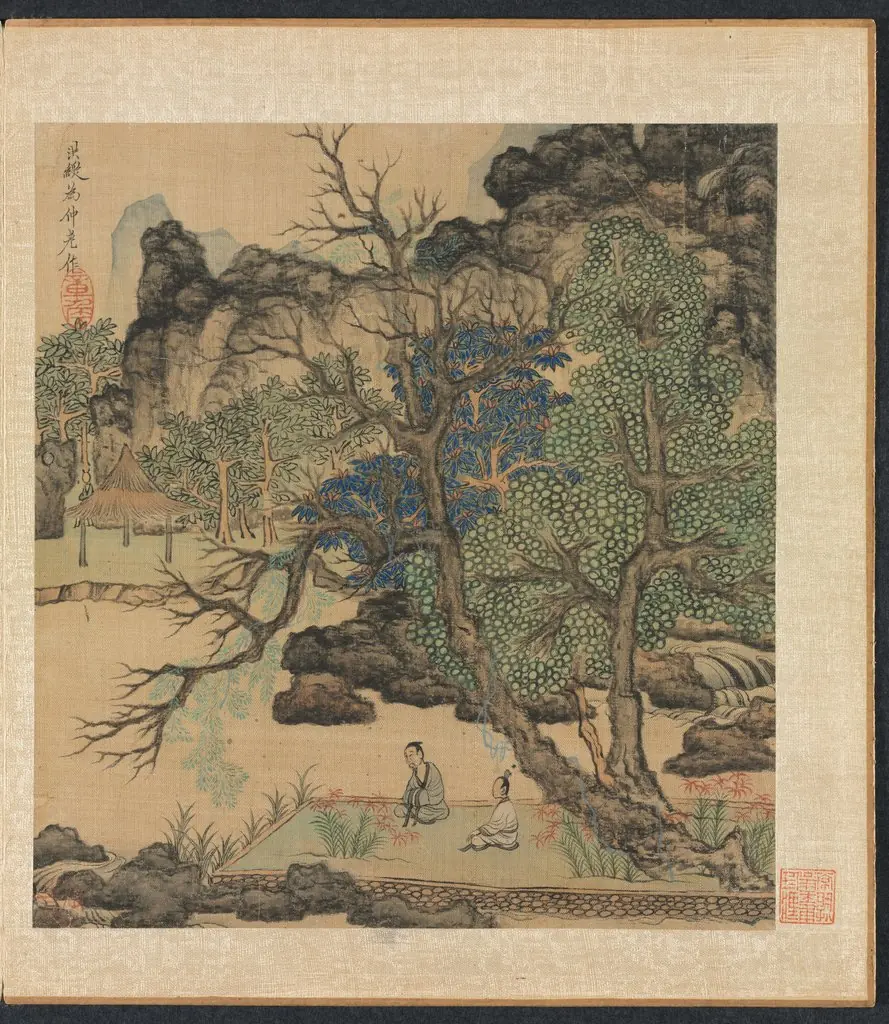 Paintings after Ancient Masters: Scholars in a Garden
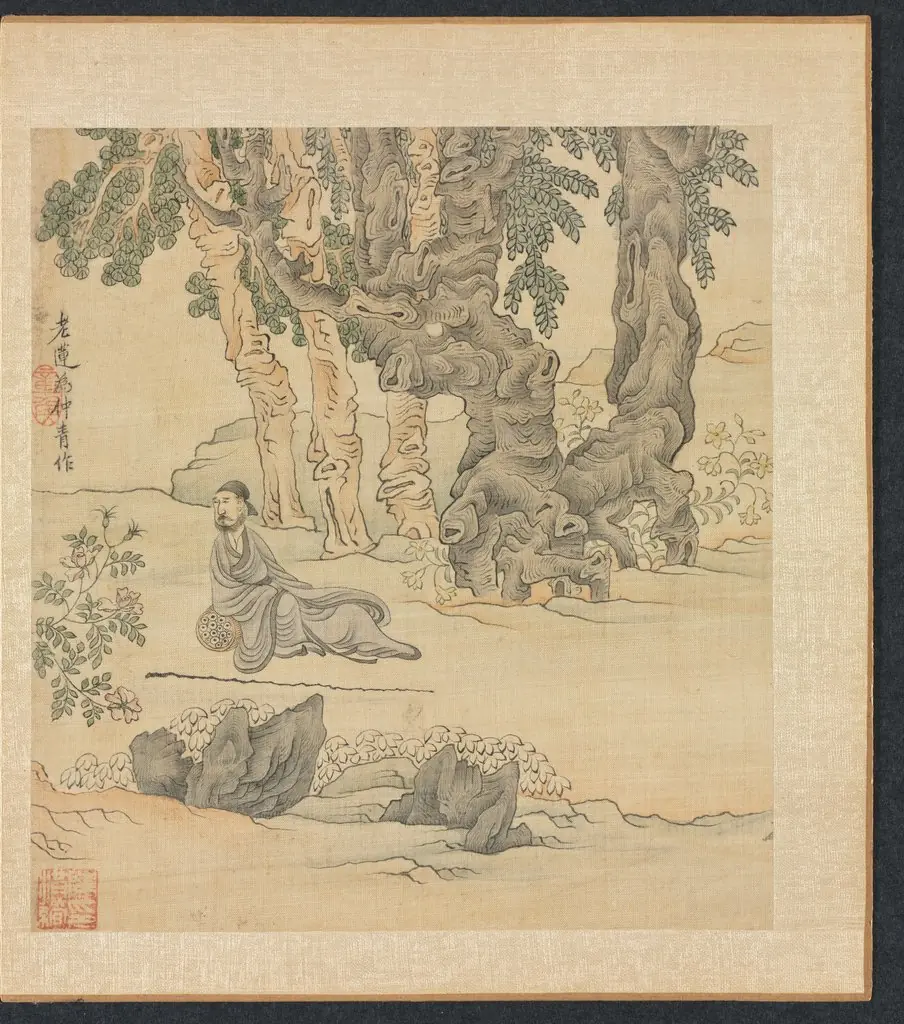 Paintings after Ancient Masters: Portrait of Zhongqing in a Landscape
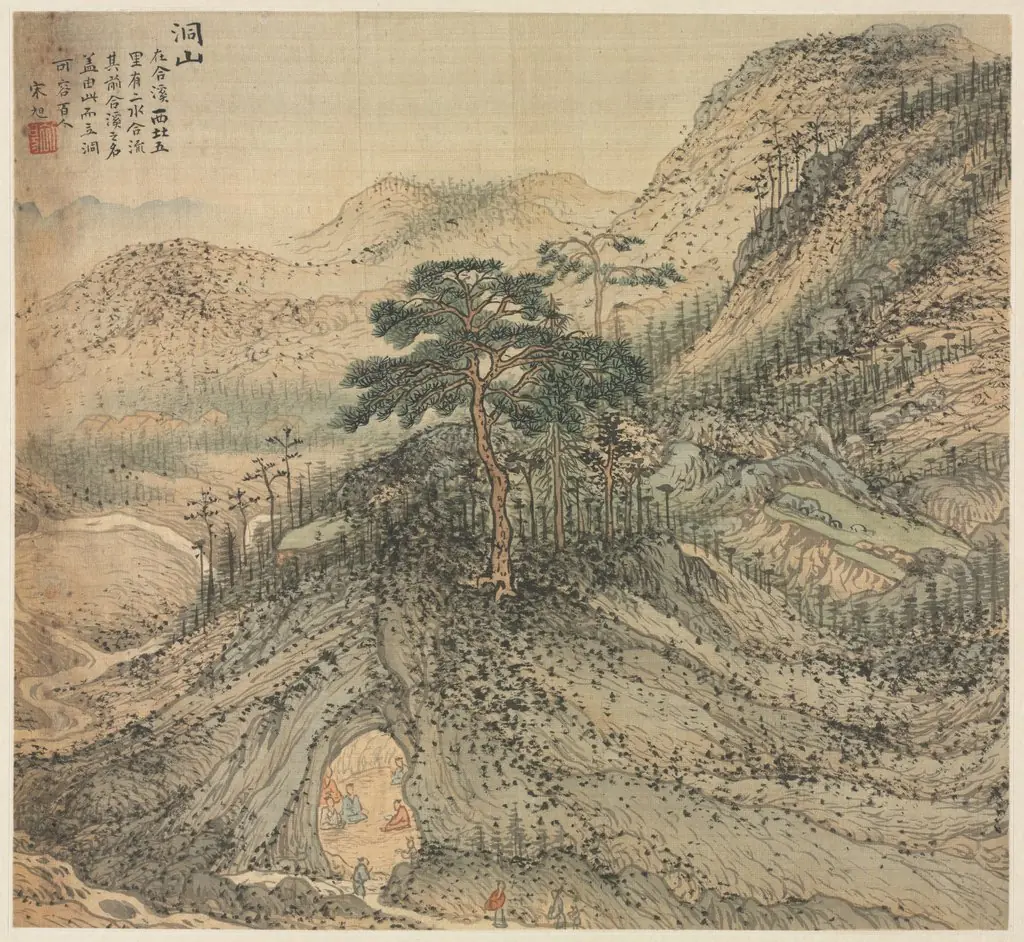 Mt. Dong (Grotto Mountain)
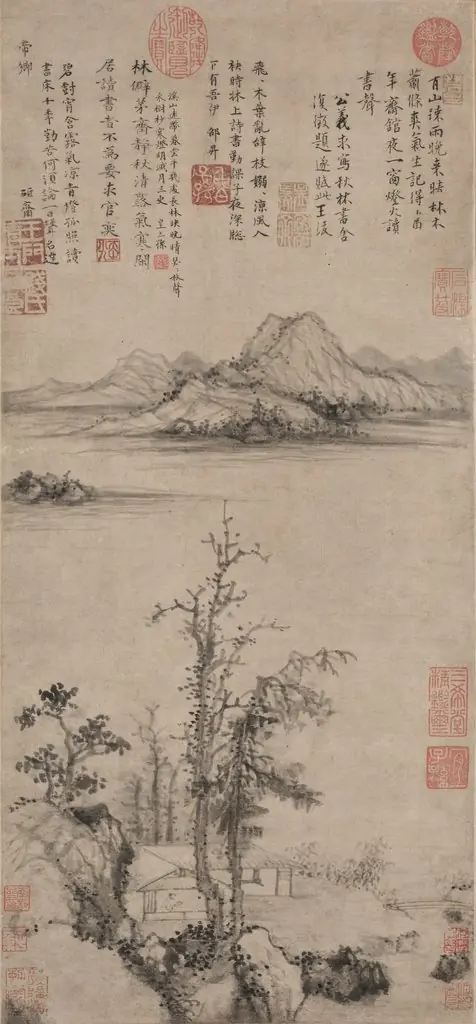 A Scholar's Retreat amid Autumn Trees
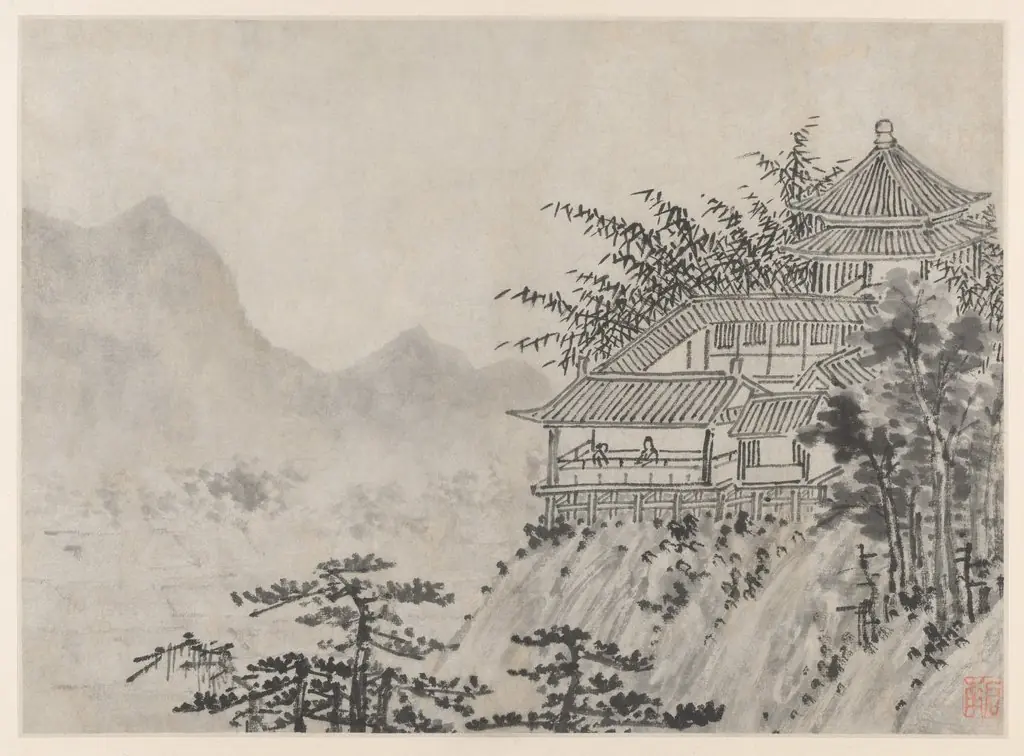 The Thousand Acres of Clouds, from Twelve Views of Tiger Hill, Suzhou
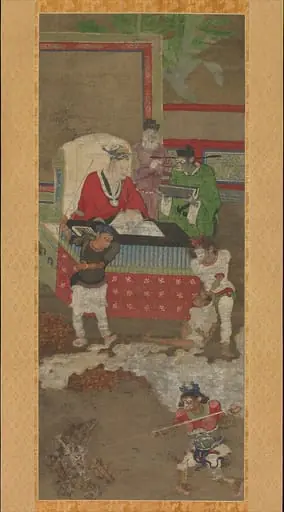 金處士筆 十王図の内|Ten Kings of Hell
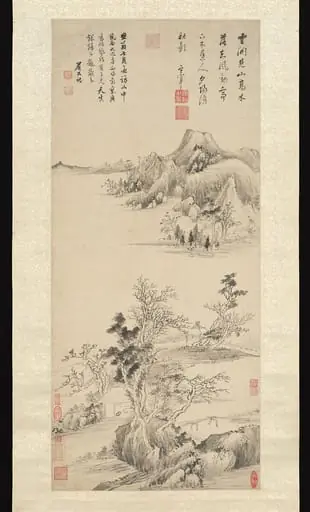 明 董其昌 秋山圖 軸|Autumn Mountains
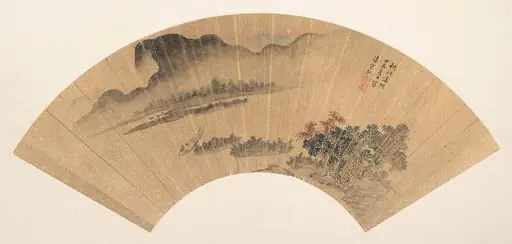 明/清 潘雲馭 秋江落照 扇|Setting Sun on the Autumn River
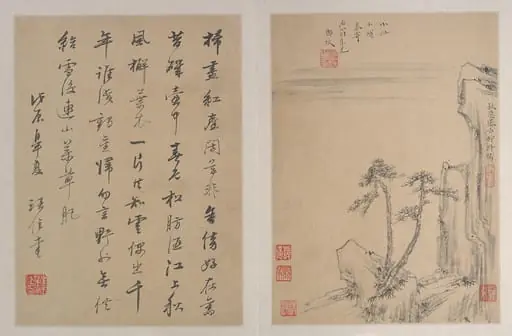 Untitled
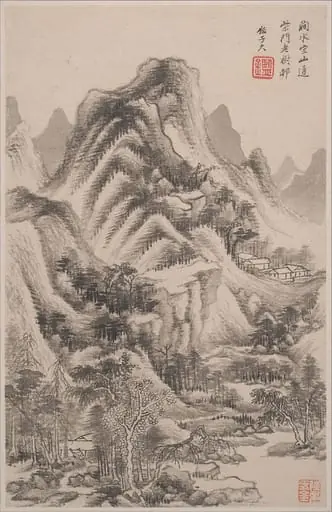 清 王鑑 仿古山水圖 冊 紙本|Landscapes in the styles of old masters
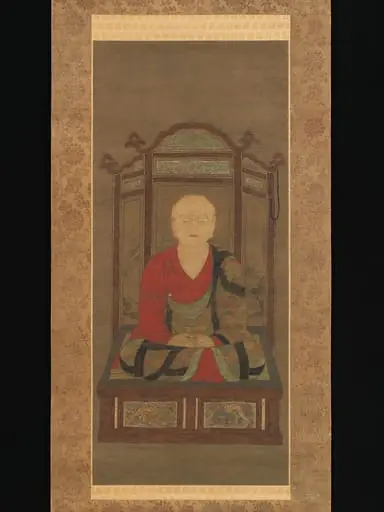 鑑真像 (Ganjin zō)|Portrait of Jianzhen
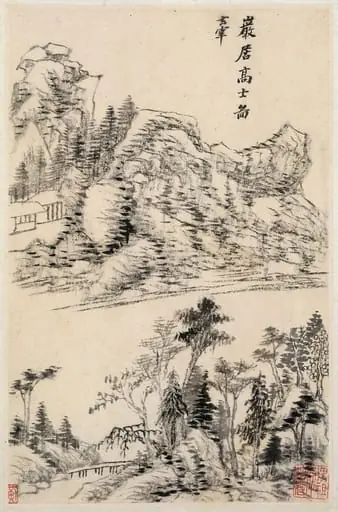 明 董其昌 山水圖 冊|Landscapes after old masters
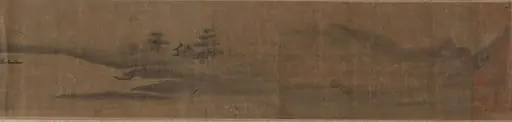 明/清 佚名 仿方從義 巢雲圖 卷|Miniature Landscape
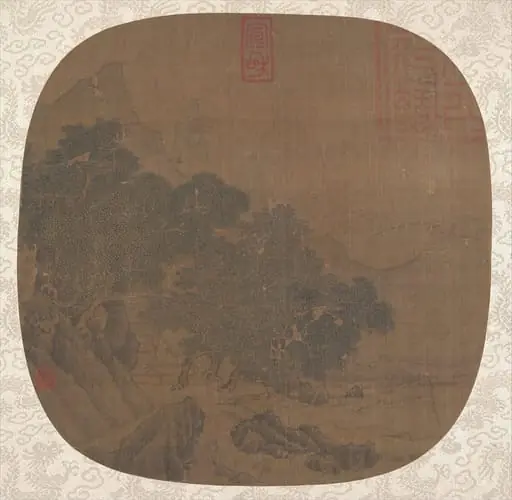 Untitled
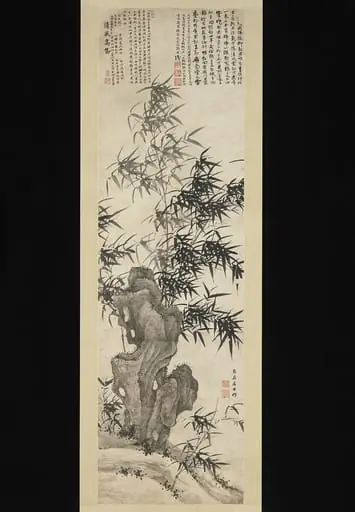 明 夏昶 清風高節圖 軸|Windblown bamboo
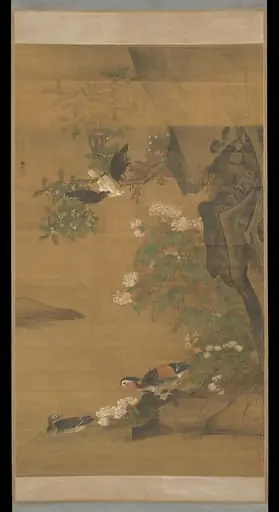 明 呂紀 鴛鴦芙蓉圖 軸|Mandarin ducks and cotton rose hibiscus
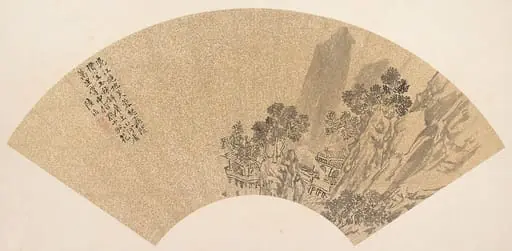 明 佚名 倣陸治 山水 扇|Landscape
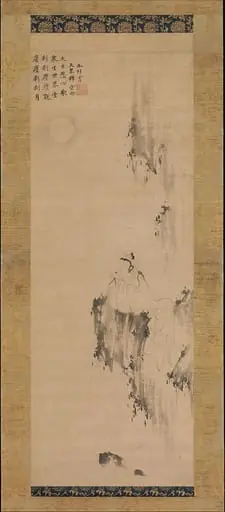 明 佚名 全室宗泐題贊 白衣觀音圖 軸|White-Robed Guanyin
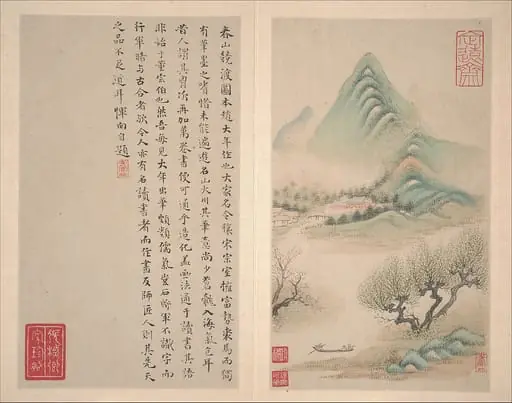 明/清 惲向 仿古山水圖 冊 紙本|Landscapes after old masters
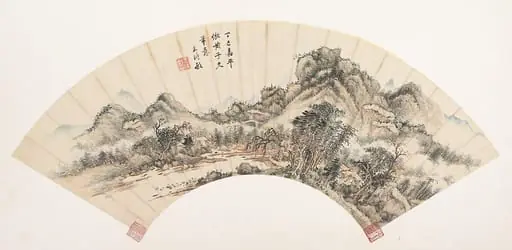 清 王時敏 倣黃子久筆意山水 扇頁|Landscape after Huang Gongwang
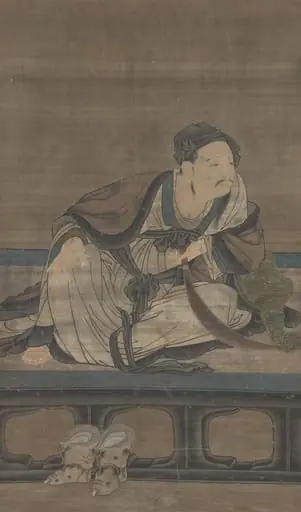 Untitled
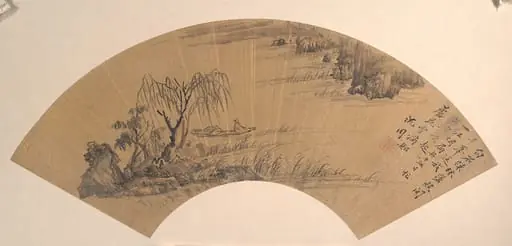 明/清 佚名 倣沈周 山水 扇|Landscape
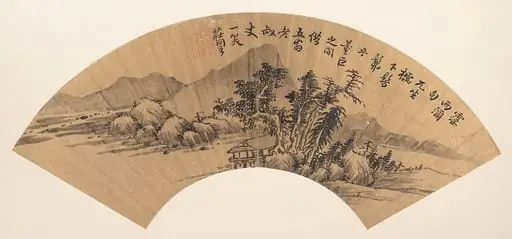 明/清 莊冏生 山水 扇面|River Landscape
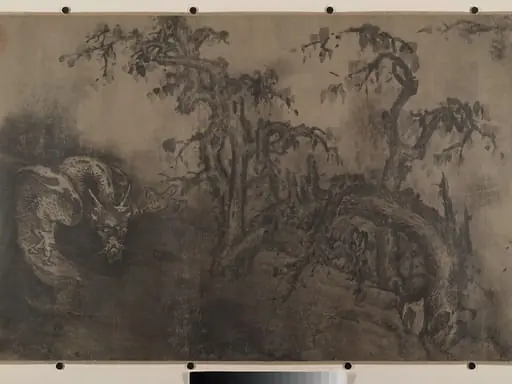 元 佚名 陳容 僞款 雲行雨施圖 卷|Dragon and Landscape
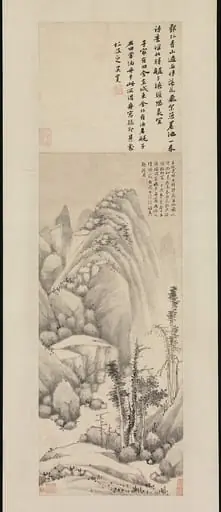 明 沈周 夜雨泊舟圖 軸|Anchorage on a Rainy Night
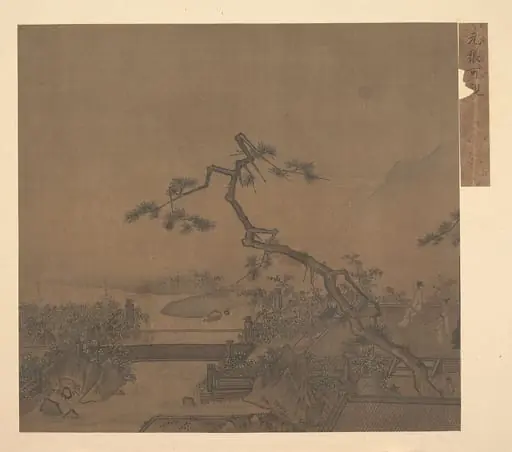 明/清 佚名 舊傳 元張可觀 月映松臺圖 冊頁|Moonlit terrace
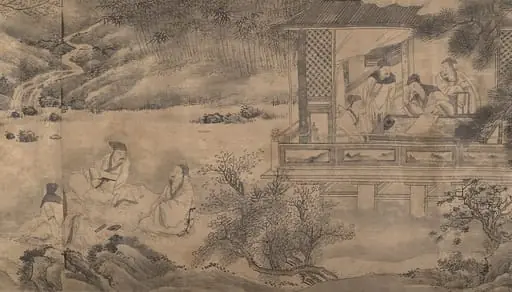 Untitled
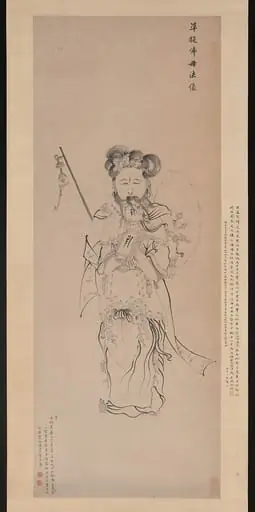 明 陳洪綬 準提佛母法像圖 軸|Bodhisattva Guanyin in the Form of the Buddha Mother
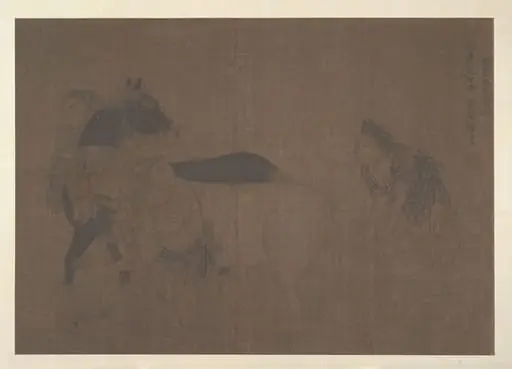 明/清 佚名 舊傳陸青 洗馬圖 冊頁|Washing a Horse
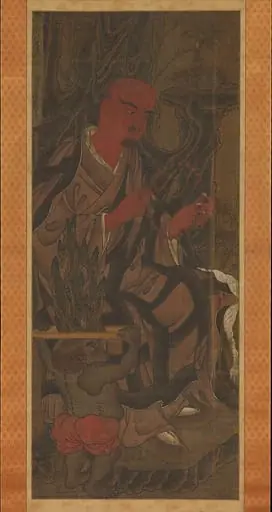 羅漢図 (十六羅漢図の内)|Arhats
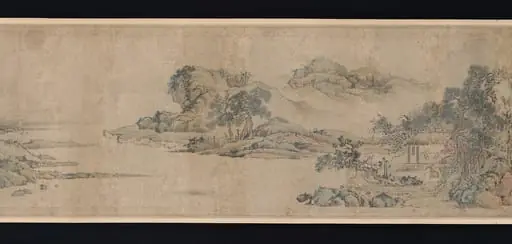 明 佚名 朱德潤 怡樂堂圖 卷|Hall of Harmony and Joy
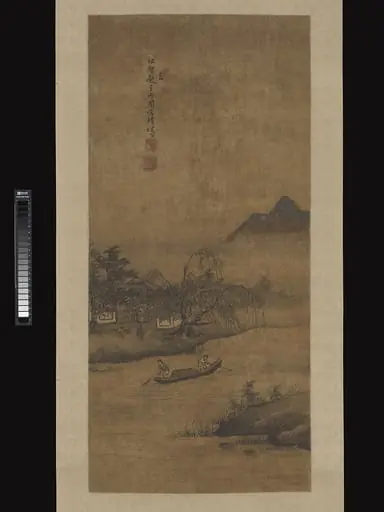 明 周文靖 漁隱圖 軸|Rustic retreat among fishermen
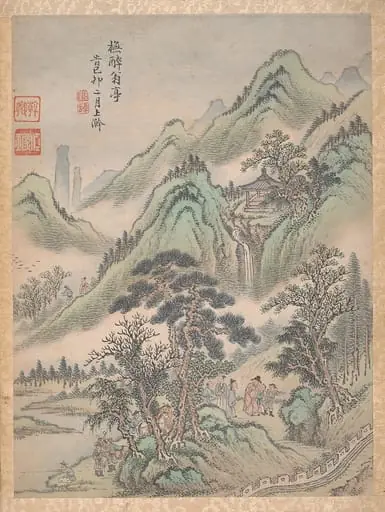 清 陸漢 山水八開 冊|Eight landscapes
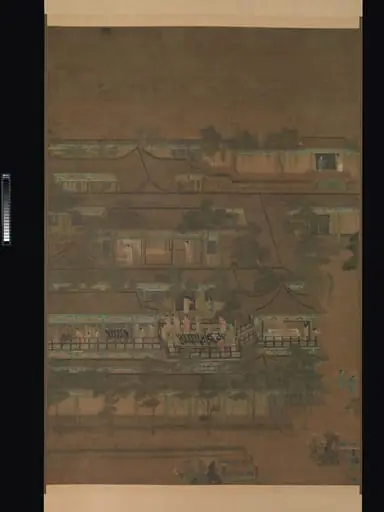 五代/北宋 佚名 乞巧圖 軸|Palace banquet
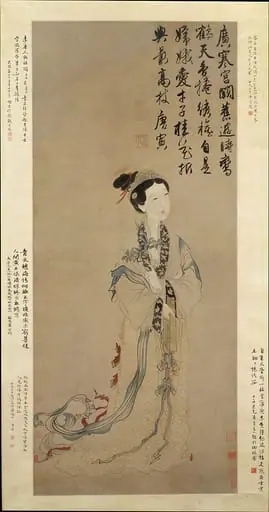 Untitled
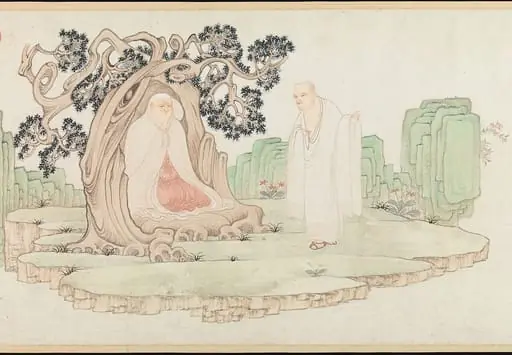 明 吳彬 十六羅漢圖 卷|The Sixteen Luohans
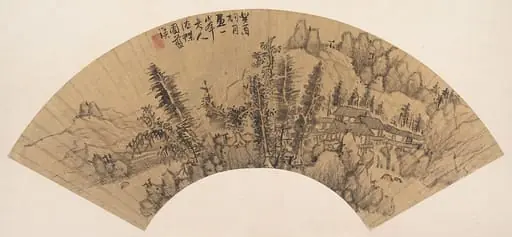 明/清 佚名 倣藍瑛 倣黃公望山水 扇|Landscape in the Style of Huang Gongwang
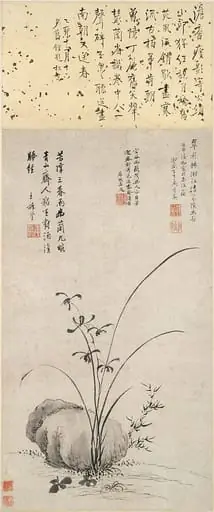 明 傳馬守真 蘭石圖 軸|Orchid and Rock
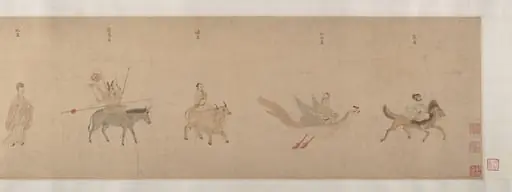 明 傳仇英 五星二十八宿神形圖 卷|Divinities of the Planets and Constellations
Frequently asked questions
What is Ming dynasty painting?
Ming dynasty painting is an art movement. Painting of China's Ming dynasty (1368-1644), spanning refined court works and the scholar-amateur 'literati' tradition.
How many Ming dynasty painting works does Artifact World Gallery have?
Artifact World Gallery holds 751 public-domain Ming dynasty painting works, all free to view and download.
Who are the key Ming dynasty painting artists?
Key Ming dynasty painting artists in the collection include Qian Xuan, Wang Zhenpeng and Ni Yuanlu.
When did Ming dynasty painting take place?
Ming dynasty painting dates from 1360–1650.
Where can I see Ming dynasty painting works?
Ming dynasty painting works in the collection are held by Metropolitan Museum of Art, Cleveland Museum of Art and National Palace Museum.