Artwork
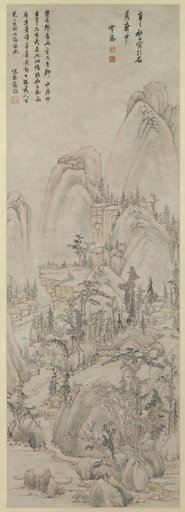
明 莫是龍 倣黃公望山水圖 軸|Landscape in the style of Huang Gongwang
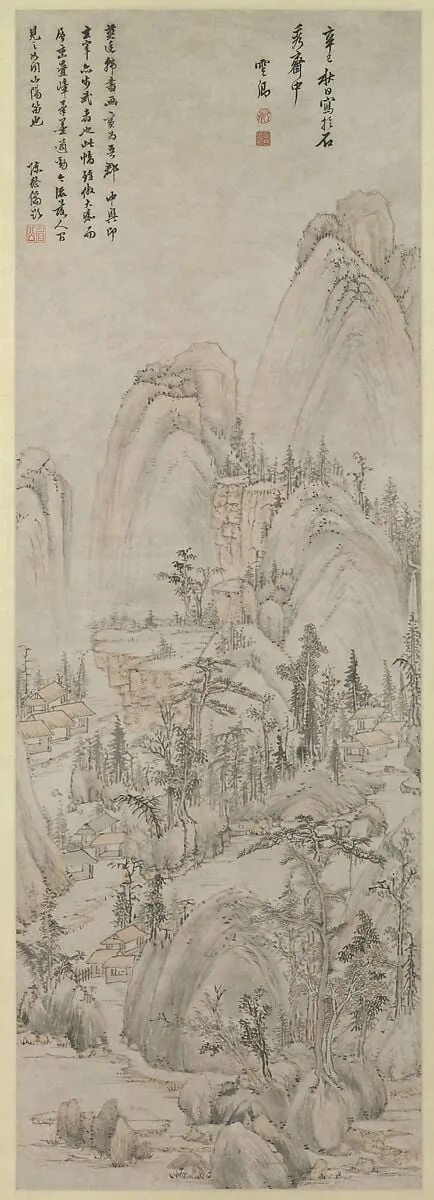
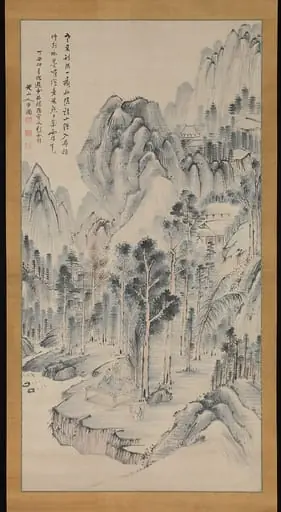
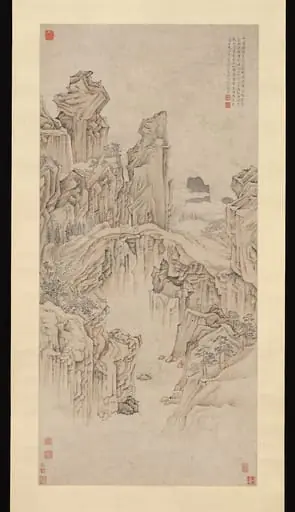
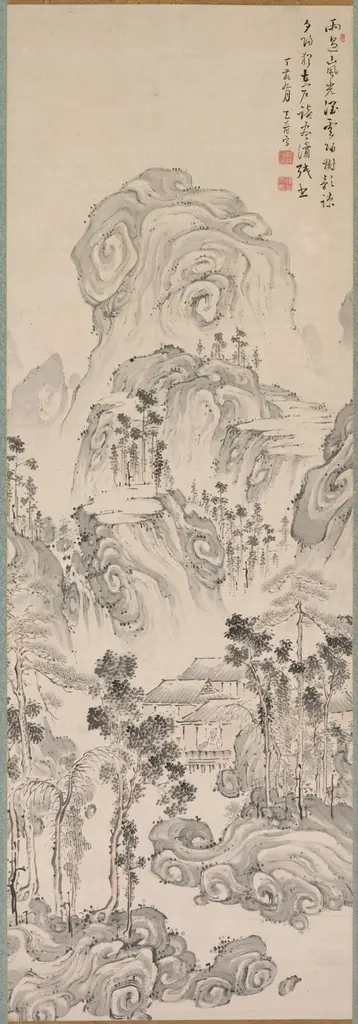
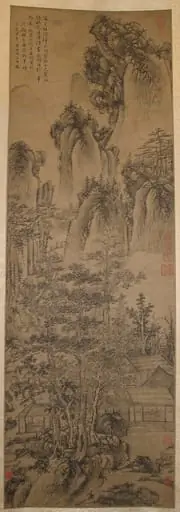
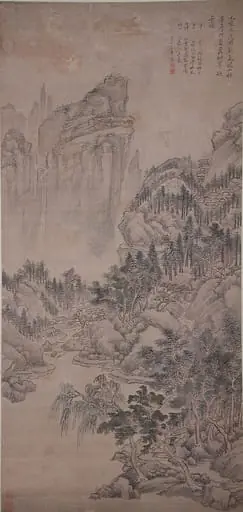
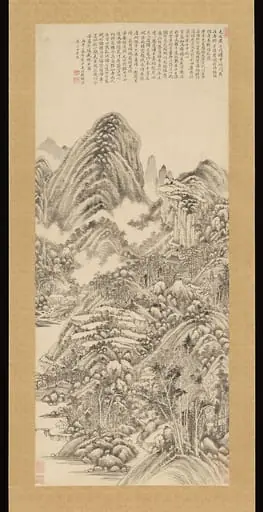
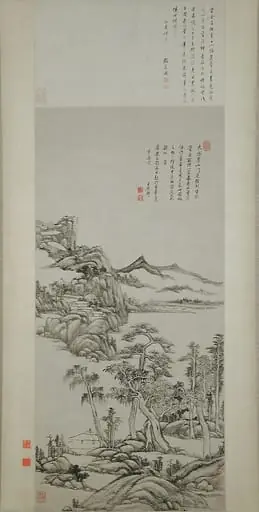
明 莫是龍 倣黃公望山水圖 軸|Landscape in the style of Huang Gongwang is an ink painting by the Ming dynasty painting artist Mo Shilong. It dates from 1581 and is held in the collection of the Metropolitan Museum of Art.
About this work
Subject & Meaning
The hanging scroll, ink and color on paper, was painted by Mo Shilong in 1581 and is classified as a Chinese landscape work in the style of Huang Gongwang.
The hanging scroll, ink and color on paper, was painted by Mo Shilong in 1581 and is classified as a Chinese landscape work in the style of Huang Gongwang. Its imagery centers on a stylized mountain, a motif that traditionally conveys permanence, stability, and the ideal of scholarly retreat within nature. In the literati tradition, such peaks symbolize moral integrity and the pursuit of harmony with the cosmos, reflecting the artist's contemplative engagement with cultural heritage.
The piece is housed in the Metropolitan Museum of Art, underscoring its significance as a representative example of late Ming dynasty landscape painting.
Technique & Style
The work is executed as a hanging scroll on paper, employing ink with subtle color washes to render a mountainous landscape that follows the compositional conventions of Huang Gongwang. Mo Shilong painted it in 1581 in China, using traditional brush techniques that emphasize layered ink strokes and muted palette to suggest depth and atmospheric perspective. The scroll format dictates a vertical presentation, allowing the viewer to unroll the piece gradually, a handling characteristic of Ming-dynasty hanging scrolls.
The painting's formal qualities include a balanced composition of peaks and valleys, delicate gradations of tone, and restrained use of color that together evoke the lyrical style of earlier Yuan masters.
History & Provenance
The hanging scroll Landscape in the style of Huang Gongwang by Mo Shilong, dated 1581, is held in the collection of the Metropolitan Museum of Art. The work, executed in ink and color on paper, is located at the museum's premises in New York. While the sources confirm its current institutional custody and classification as a painting within the landscape genre, they do not provide a specific accession or inventory number, nor do they list any past exhibitions.
Overview
Created in 1581, this hanging scroll by Mo Shilong (1539–1587) is a landscape executed in ink and light color on paper. The work explicitly pays homage to the Yuan dynasty master Huang Gongwang, a central figure in the literati tradition. The composition features a vertical arrangement of misty mountains rising from a river valley, with delicate trees clinging to steep cliffs.
Mo employs a technique of light, dry brushstrokes to render the rocky textures and atmospheric depth, characteristic of the 'ancient style' revival promoted by the Wu School in late Ming China. Rather than depicting a specific location, the painting functions as a scholarly exercise in emulation, allowing the artist to demonstrate his mastery of Huang Gongwang's idiom while asserting his own place within the lineage of great masters. The inclusion of color is subtle, enhancing the ink tones without overwhelming the calligraphic quality of the brushwork.
This piece exemplifies the late Ming practice of 'imitating' past masters, where the act of copying served as both a pedagogical tool and a form of artistic dialogue across centuries.
Context
During the Ming dynasty, the practice of emulating past masters was a significant aspect of artistic development and expression, particularly within landscape painting. Artists like Mo Shilong did not merely copy but engaged in a dialogue with history, using the styles of revered figures such as Huang Gongwang to explore and reinterpret established artistic principles. This tradition underscored a deep appreciation for lineage and the continuous evolution of artistic language.
Artist & collection