Period
Renaissance
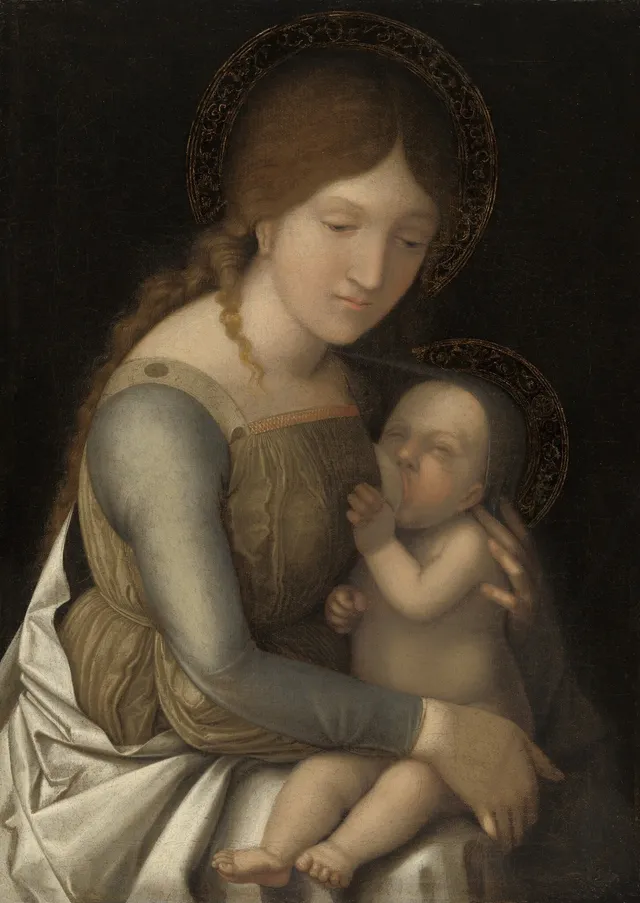
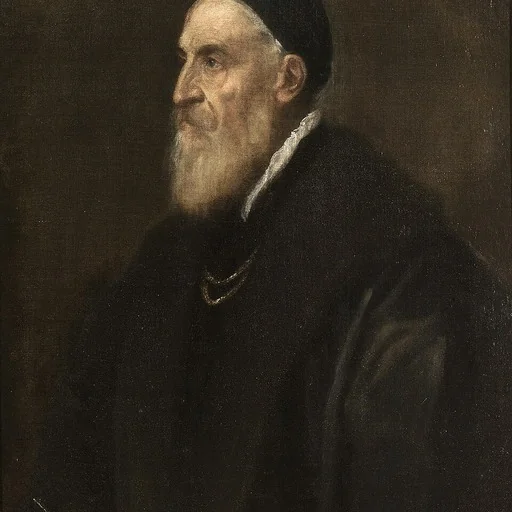
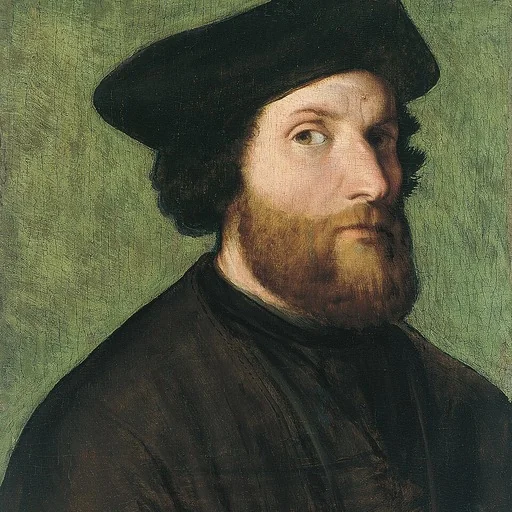
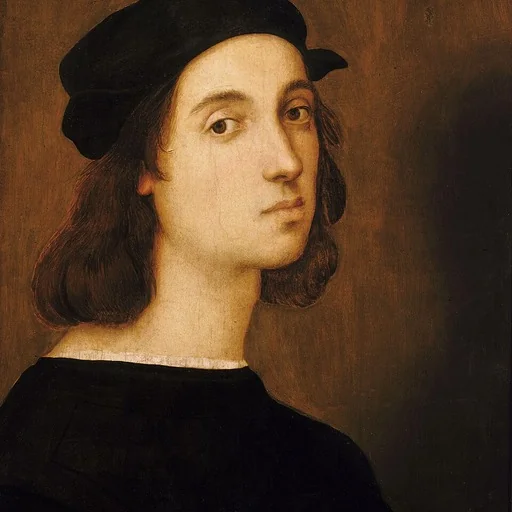
Renaissance is an art period of the 1400–1650 period. The gallery holds 20,442 works in this period, including works by Titian, Paolo Veronese and Lorenzo Lotto.
The Renaissance — from the French for "rebirth" — was a cultural and intellectual movement that spanned roughly the 14th to the 17th century and is conventionally regarded as the bridge between the medieval world and the early modern age. There is broad consensus that it began in Florence, Italy, nourished by a revived study of classical Greek and Roman texts. This humanism, championed by figures such as the poet Petrarch and the Platonic scholars Marsilio Ficino and Pico della Mirandola, placed renewed value on human dignity, observation, and the achievements of antiquity. Wealthy patrons accelerated the movement: the Medici banking family, beginning with Giovanni di Bicci, funded architecture, philosophy, and painting, helping turn a scholarly current into a sweeping artistic flowering.
Renaissance art is defined above all by the pursuit of natural reality. Artists adopted linear perspective — a mathematical system for creating depth on a flat surface — credited to the architect Filippo Brunelleschi and codified by Leon Battista Alberti in his treatise On Painting. Painters in 15th-century Florence developed realistic proportion, foreshortening, sfumato (the soft blending of tones), and chiaroscuro (dramatic light and shade), while the spread of oil paint allowed richer color and finer detail.
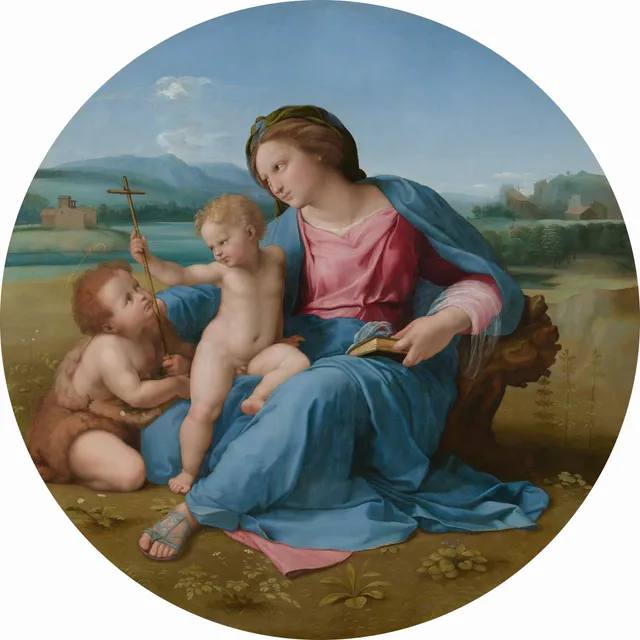
The High Renaissance (roughly 1490s–1520s) produced its most celebrated masters: Leonardo da Vinci (1452–1519), whose Mona Lisa (c. 1503–19) and Last Supper (c. 1495–98) exemplify sfumato; Michelangelo (1475–1564), creator of the David (1501–04) and the Sistine Chapel ceiling (1508–12); and Raphael (1483–1520), whose School of Athens (1508–11) distills the period's harmony and classical ideals.
Venice cultivated a distinct strand built on colorito — composition through luminous color rather than line — led by Titian, alongside Veronese and Tintoretto, in works of sensual mythology such as Titian's Venus and Adonis and Venus with a Mirror, Veronese's Venus and Mars, and Lorenzo Lotto's Venus and Cupid. To the north, a parallel Renaissance ran from Jan van Eyck (d. 1441), an early master of oil, to Pieter Bruegel the Elder, whose The Harvesters (1565) brought monumental realism to everyday peasant life.
The Renaissance reshaped Western art for centuries, its naturalism and classicism giving way first to the elongated artifice of Mannerism and then to the dynamic grandeur of the Baroque.
Key artists
Works
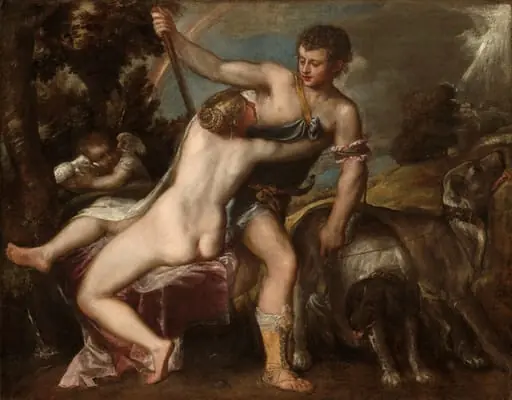 Venus and Adonis
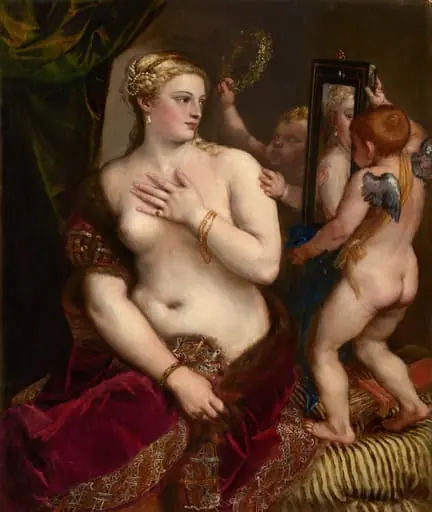 Venus with a Mirror
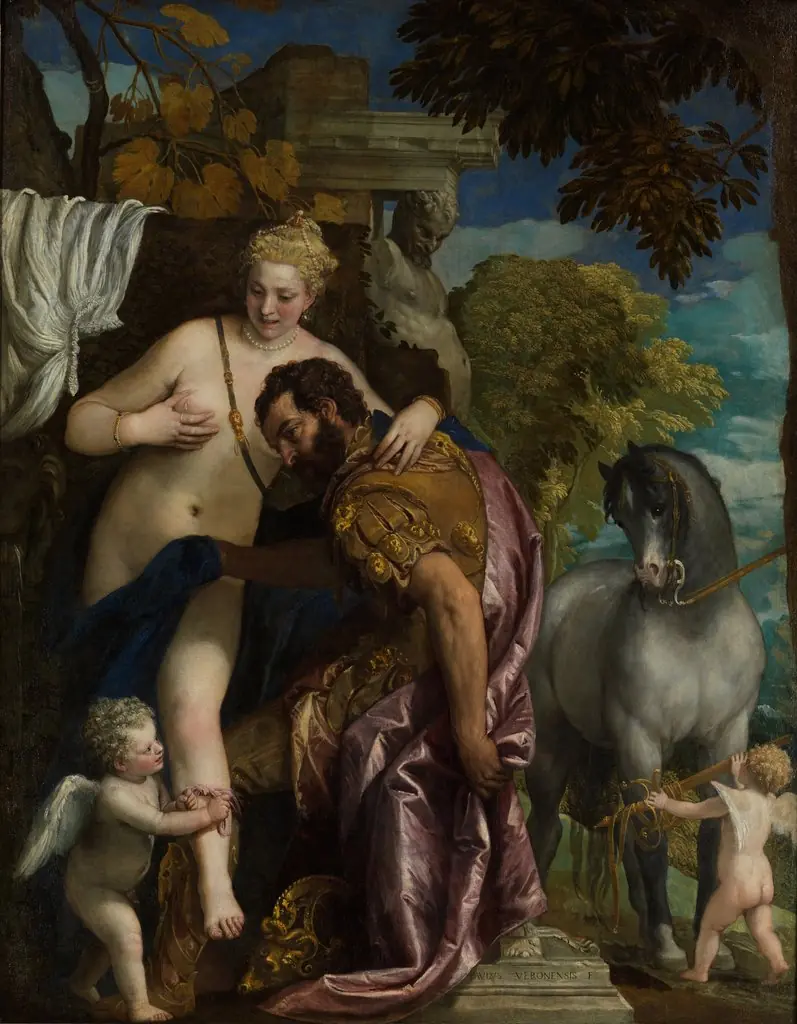 Venus and Mars
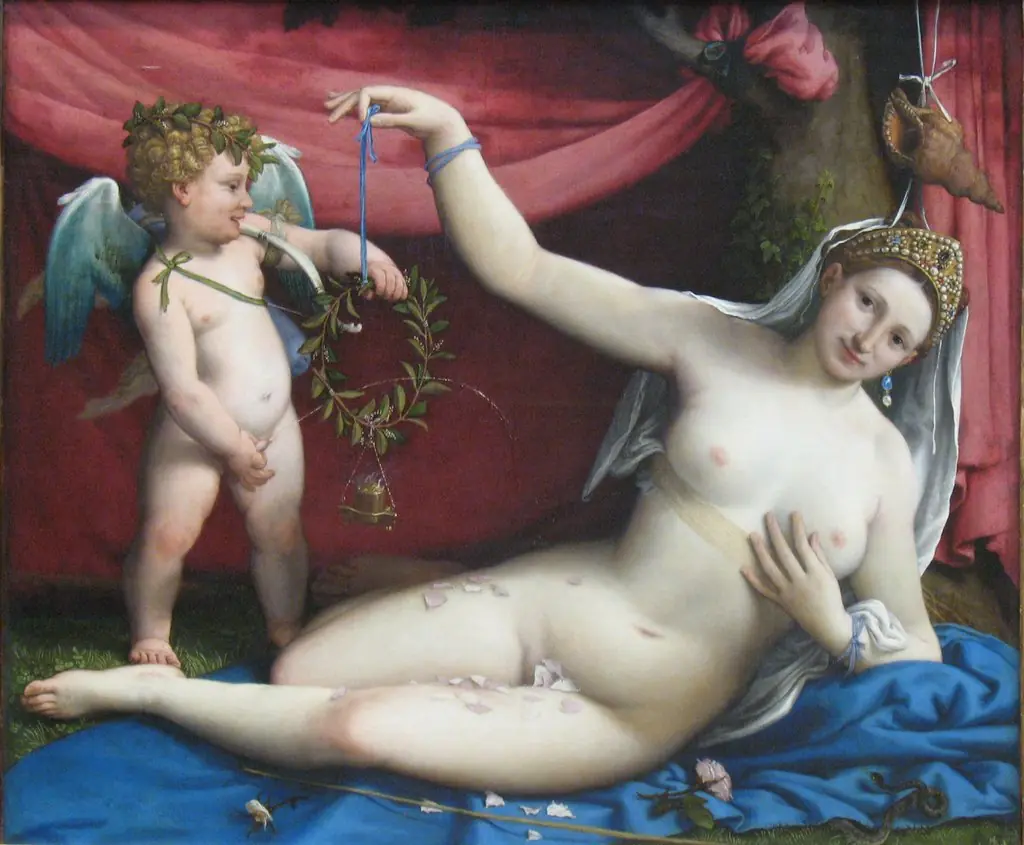 Venus and Cupid
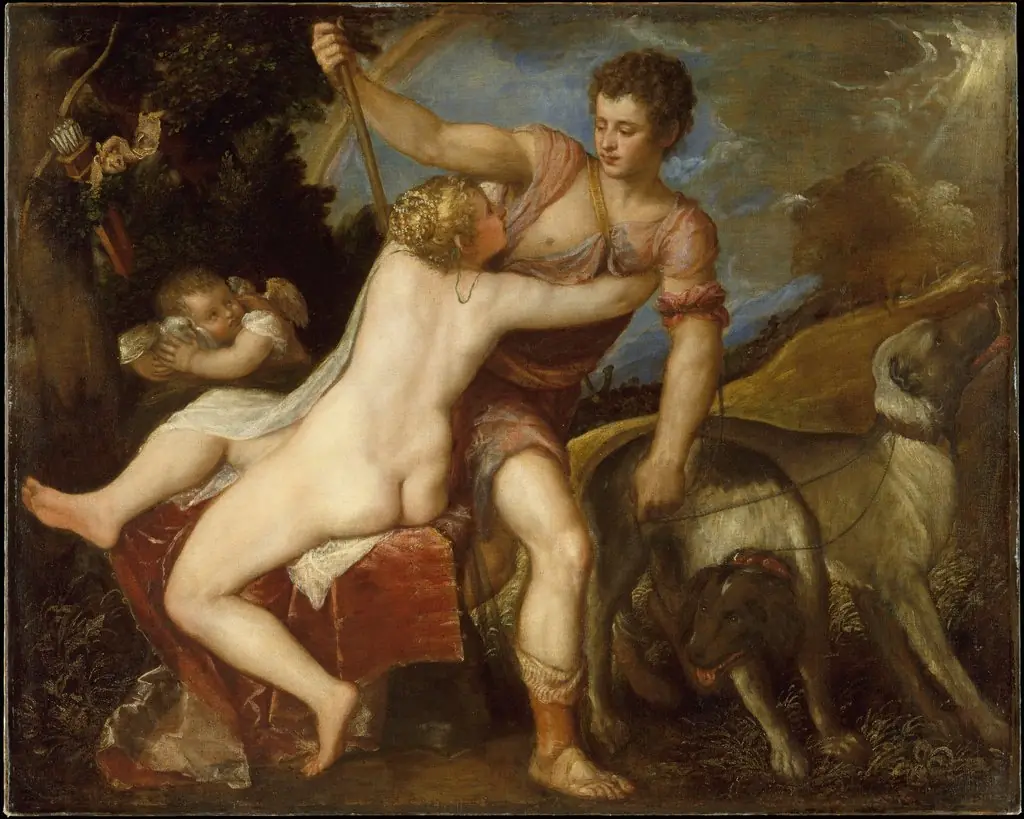 Venus and Adonis
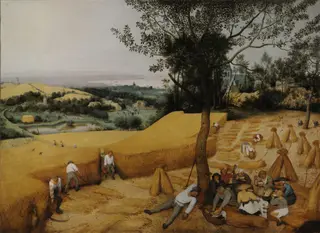 The Harvesters
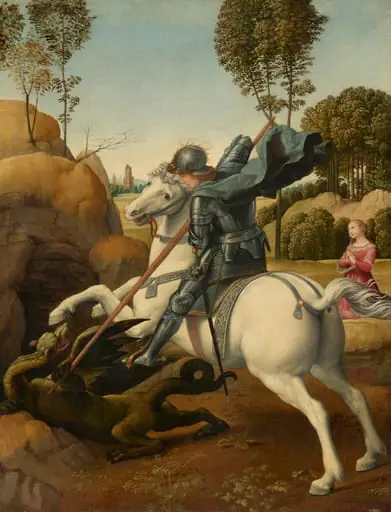 Saint George and the Dragon
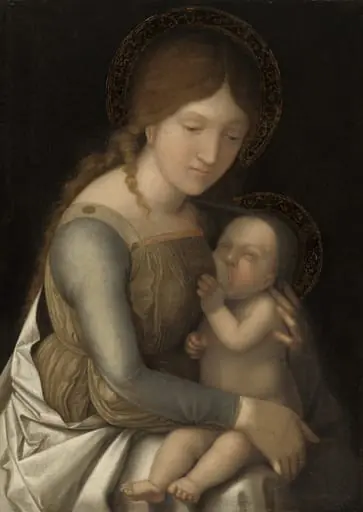 Madonna and Child
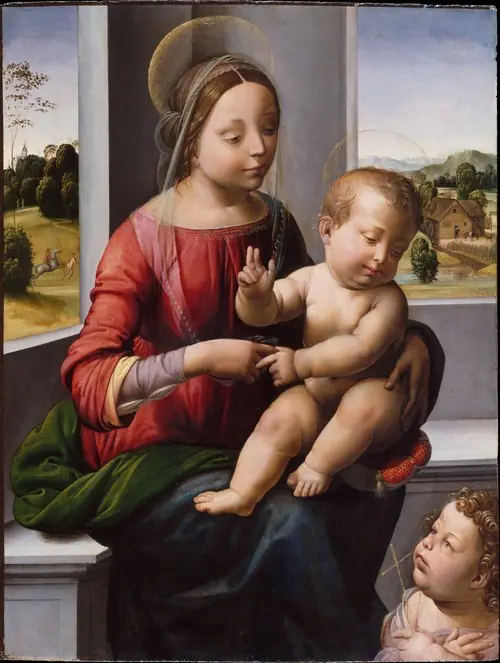 Madonna and Child with the Young Saint John the Baptist
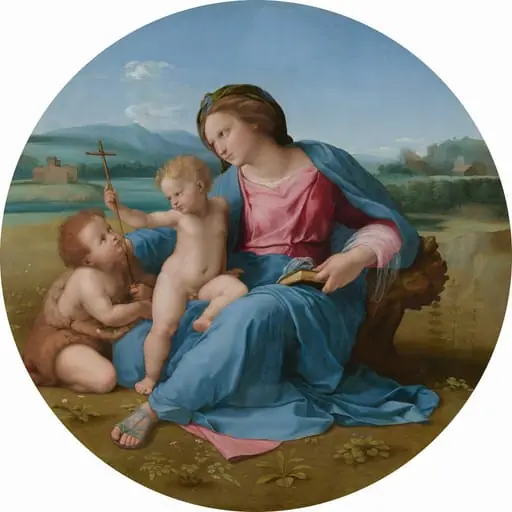 The Alba Madonna
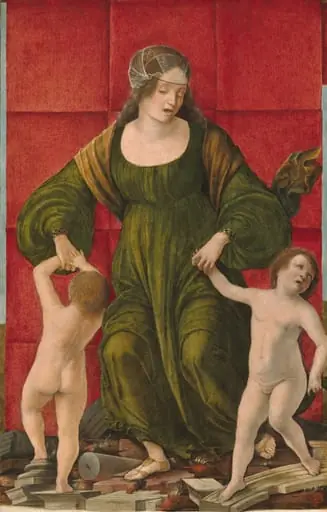 The Wife of Hasdrubal and Her Children
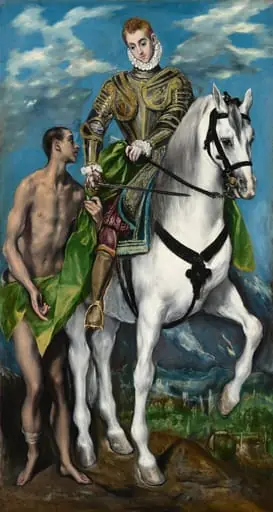 Saint Martin and the Beggar
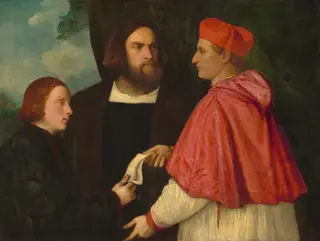 Giacomo and Cardinal Marco, investing Andrea, Abbot of San Zeno, with his Benefice
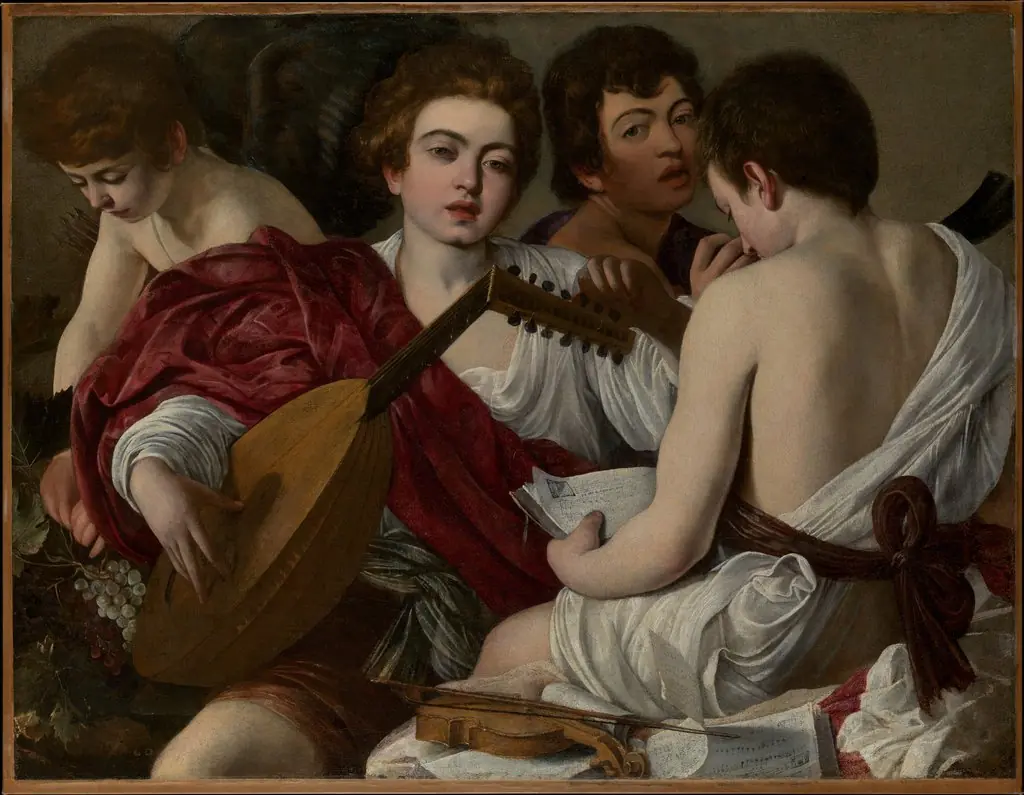 The Musicians
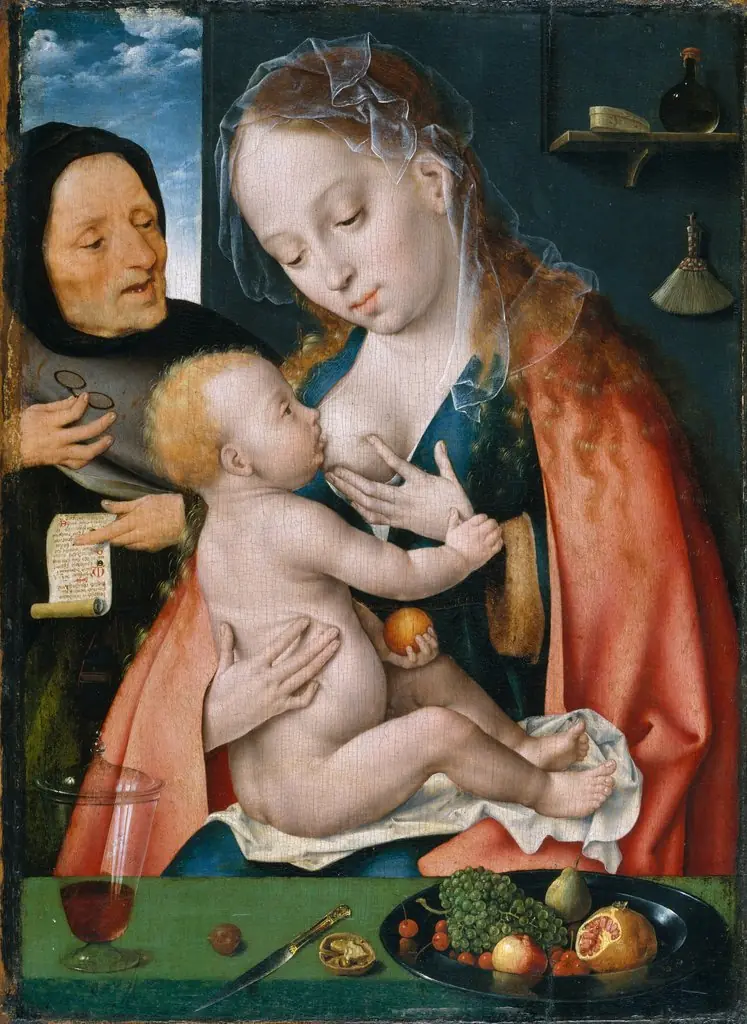 The Holy Family
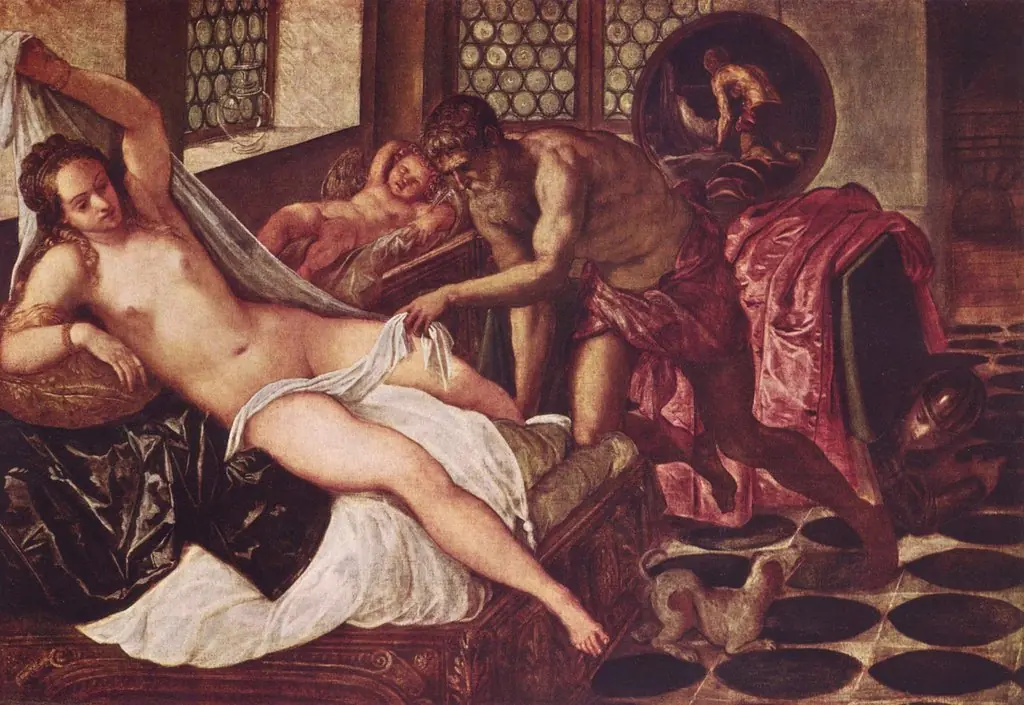 Venus and Mars Surprised by Vulcan
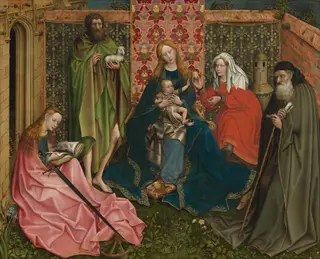 Madonna and Child with Saints in the Enclosed Garden
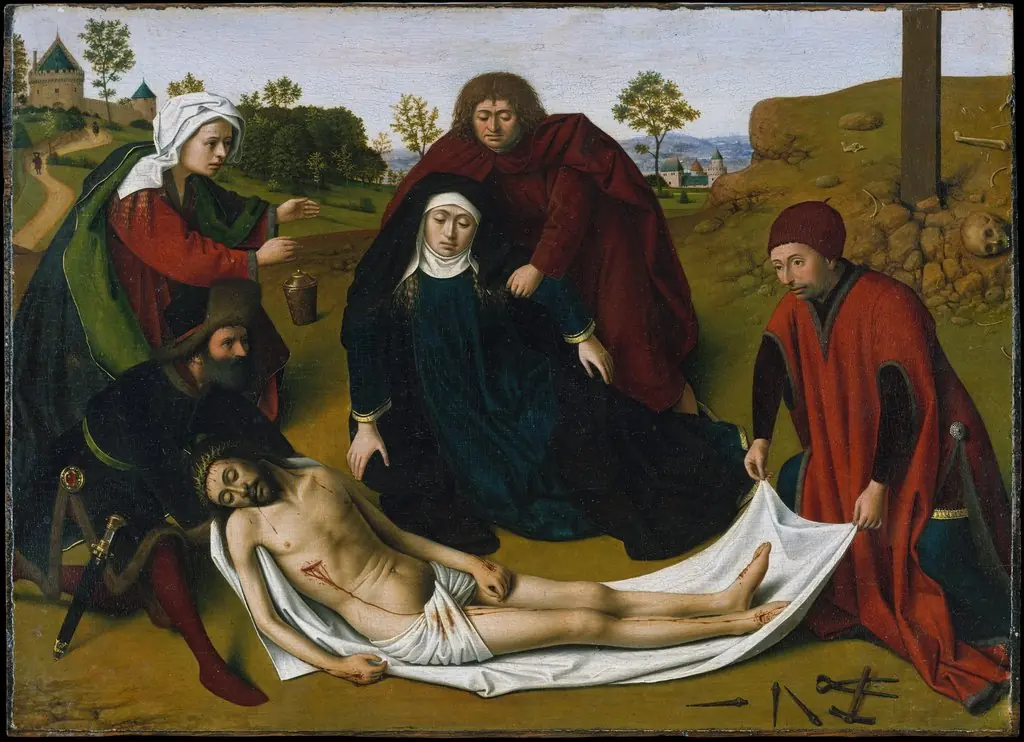 The Lamentation
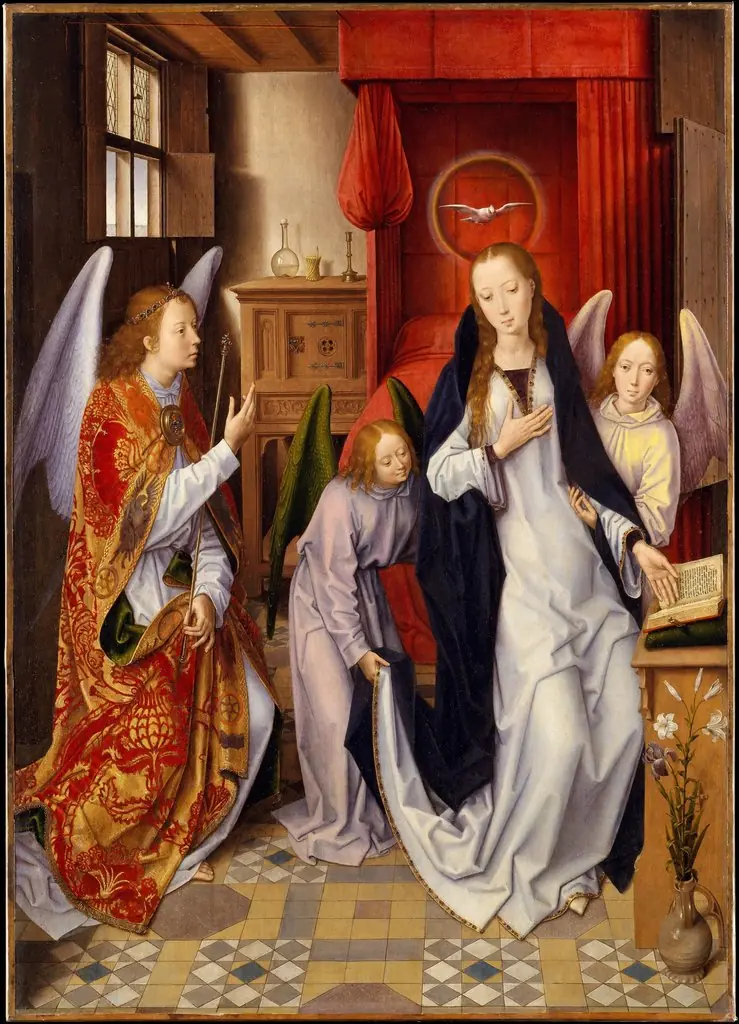 Annunciation
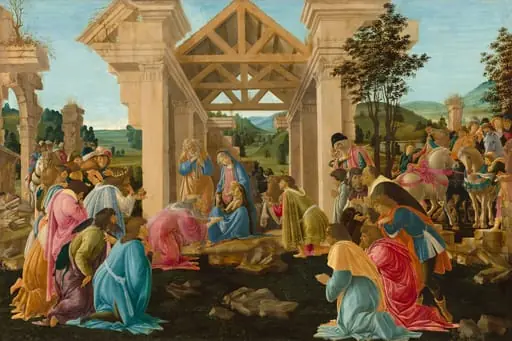 The Adoration of the Magi
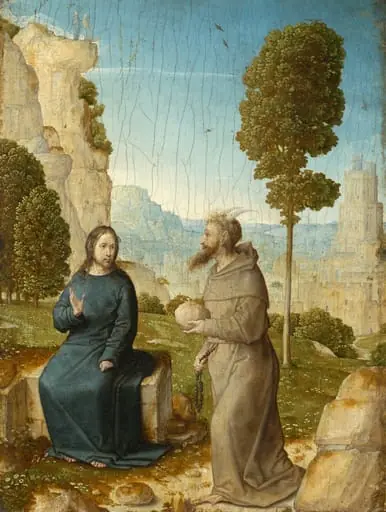 The Temptation of Christ
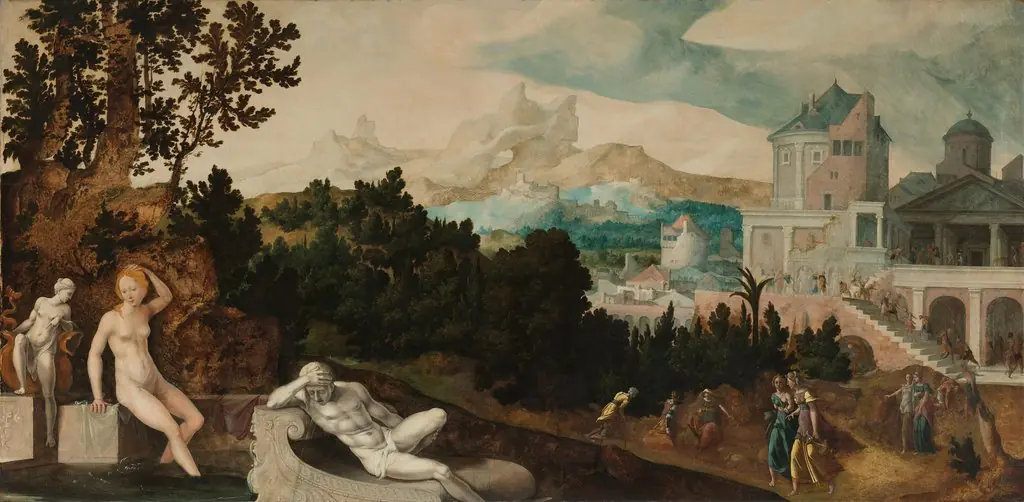 Landscape with Bathsheba
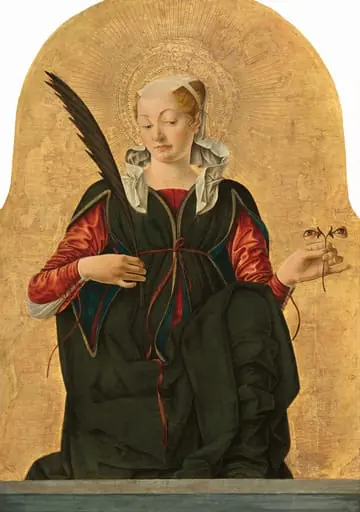 Saint Lucy
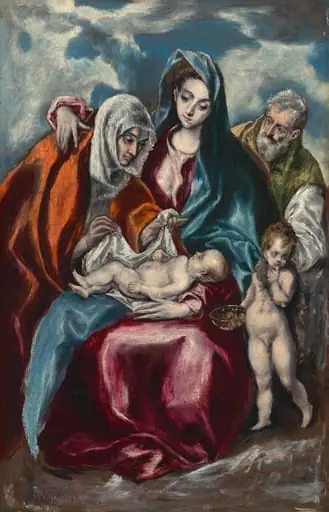 The Holy Family with Saint Anne and the Infant John the Baptist
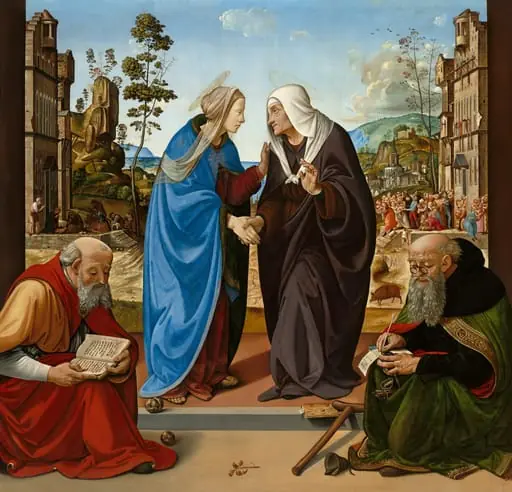 The Visitation with Saint Nicholas and Saint Anthony Abbot
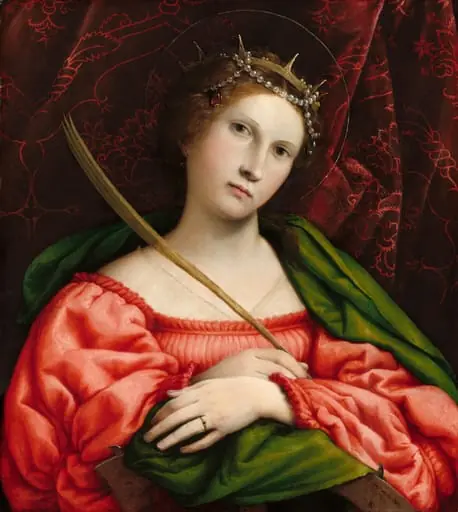 Saint Catherine
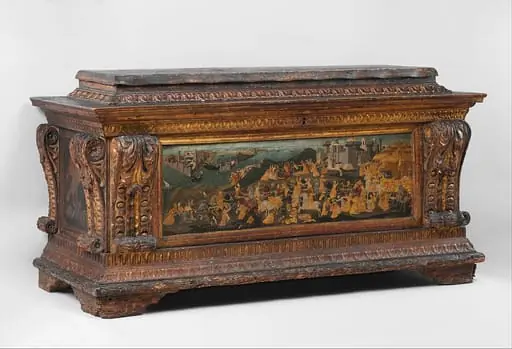 Cassone with painted front panel depicting the Conquest of Trebizond
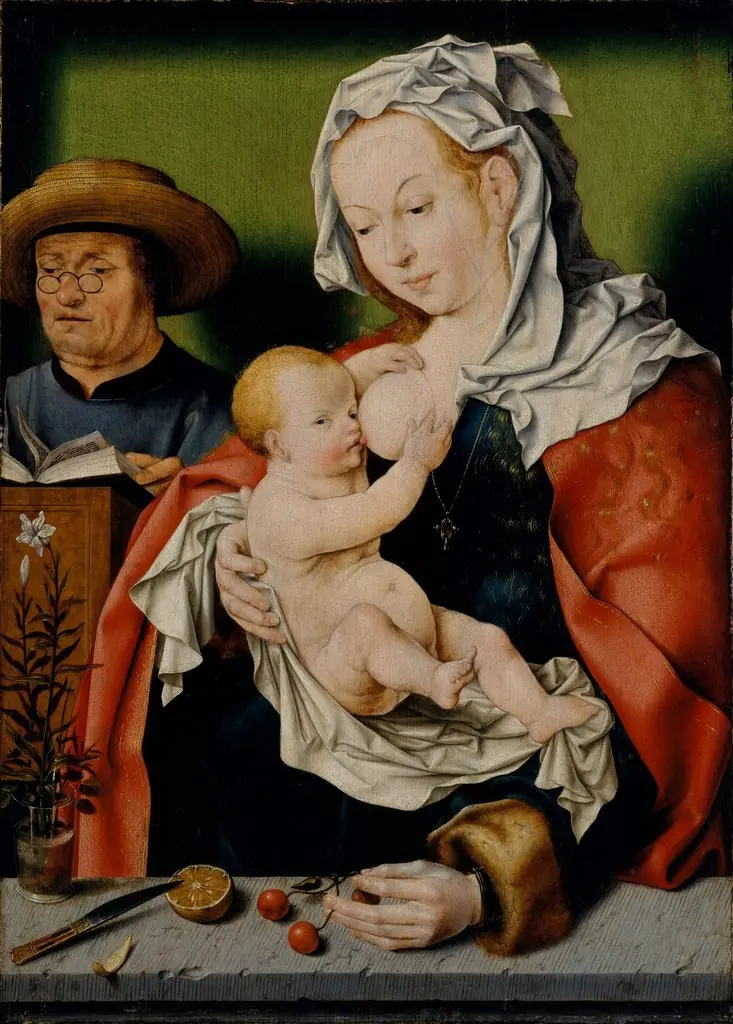 The Holy Family
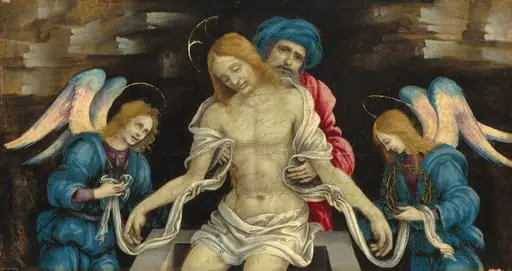 Pietà (The Dead Christ Mourned by Nicodemus and Two Angels)
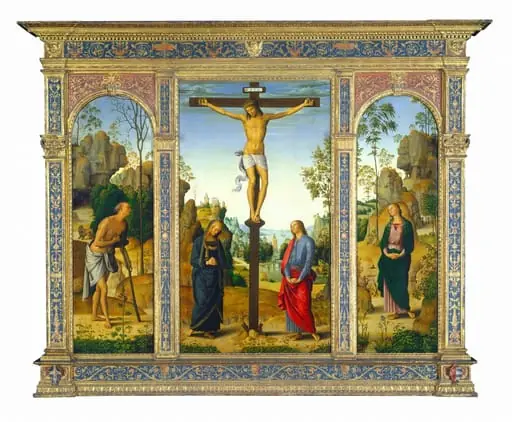 The Crucifixion with the Virgin, Saint John, Saint Jerome, and Saint Mary Magdalene
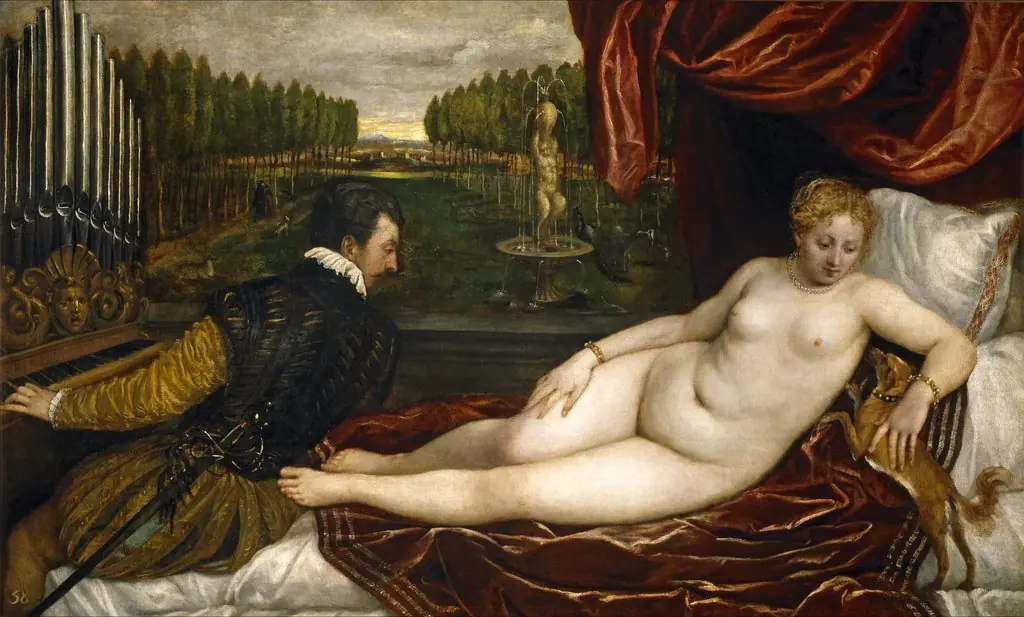 Venus and Music
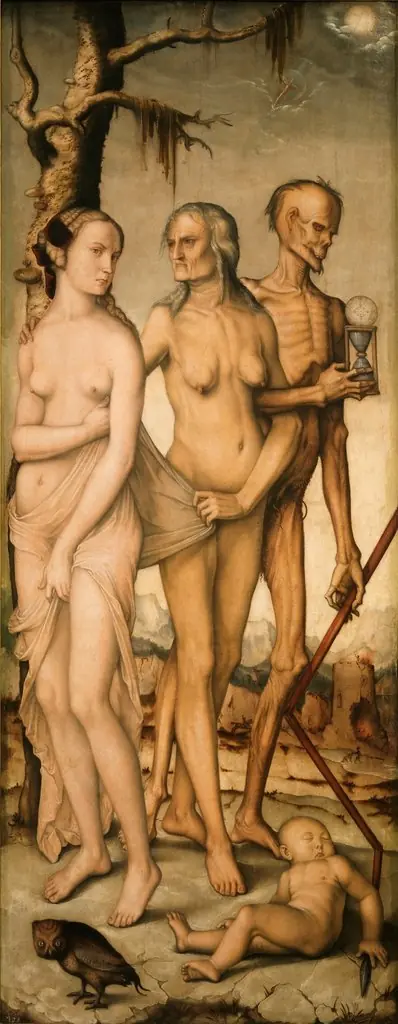 The Ages and Death
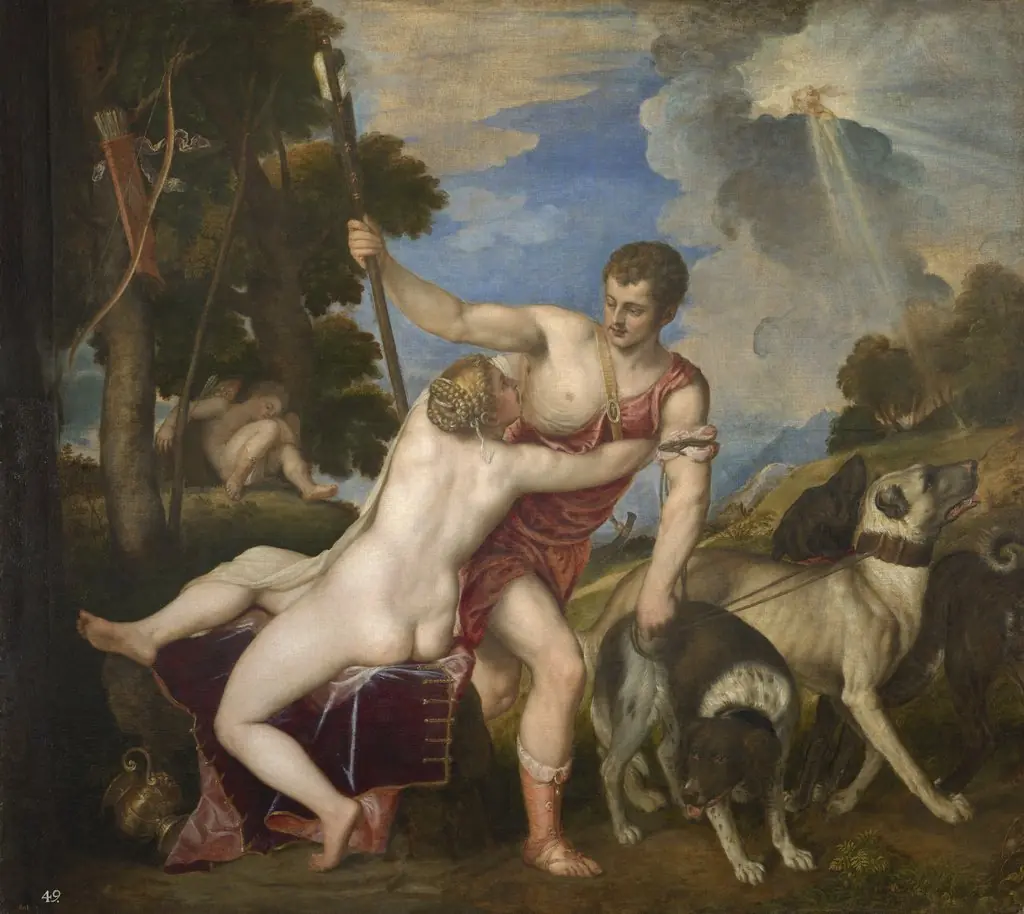 Venus and Adonis
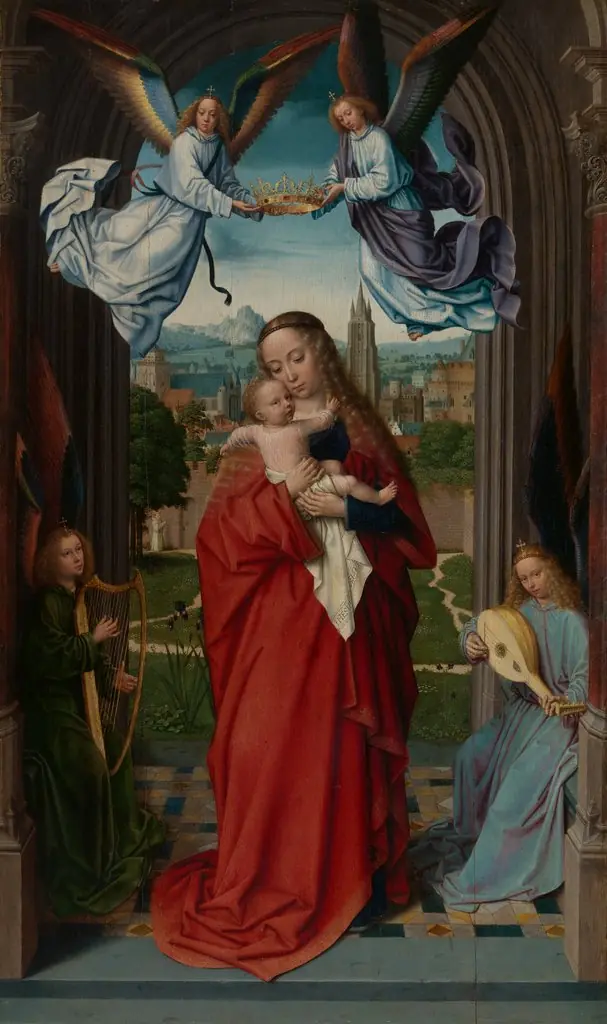 Virgin and Child with Four Angels
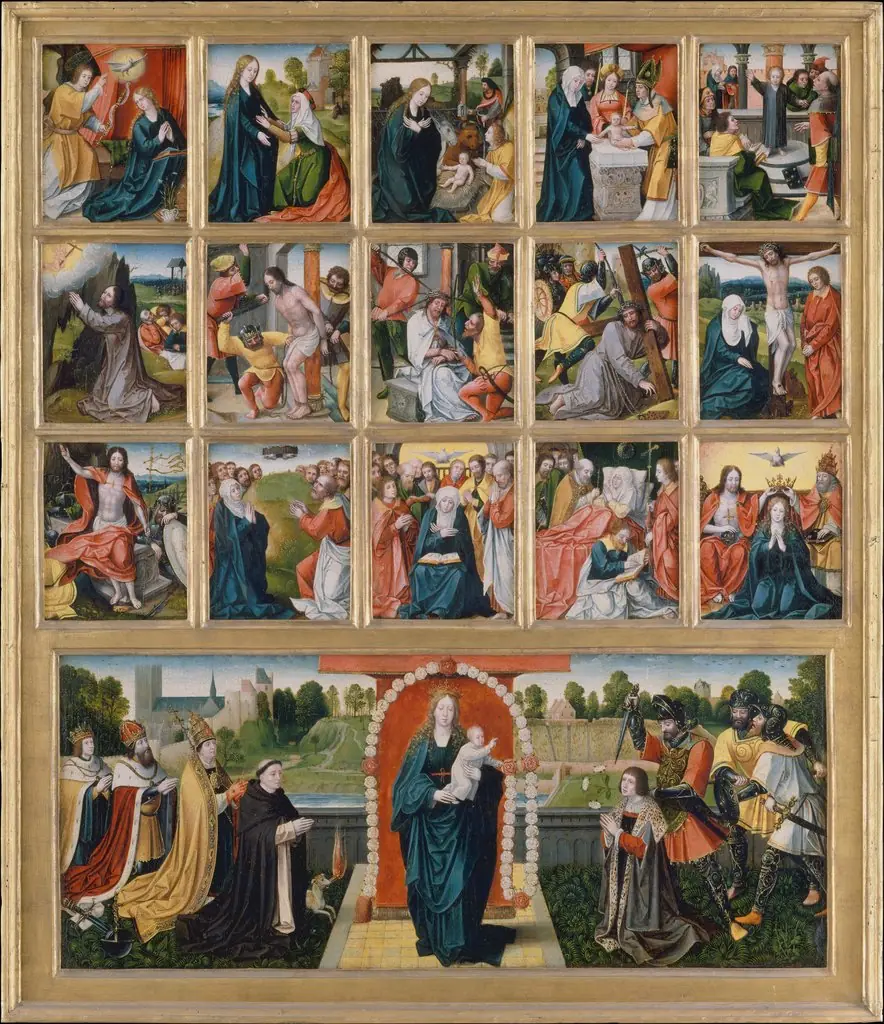 The Fifteen Mysteries and the Virgin of the Rosary
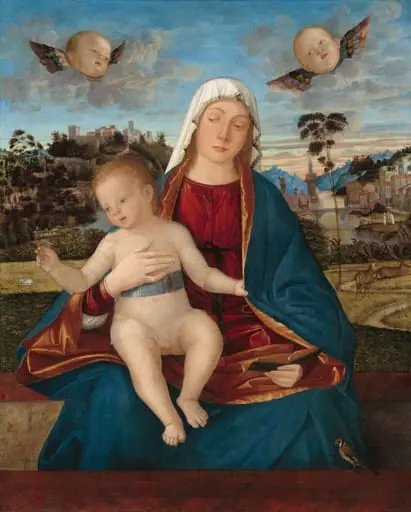 Madonna and Child
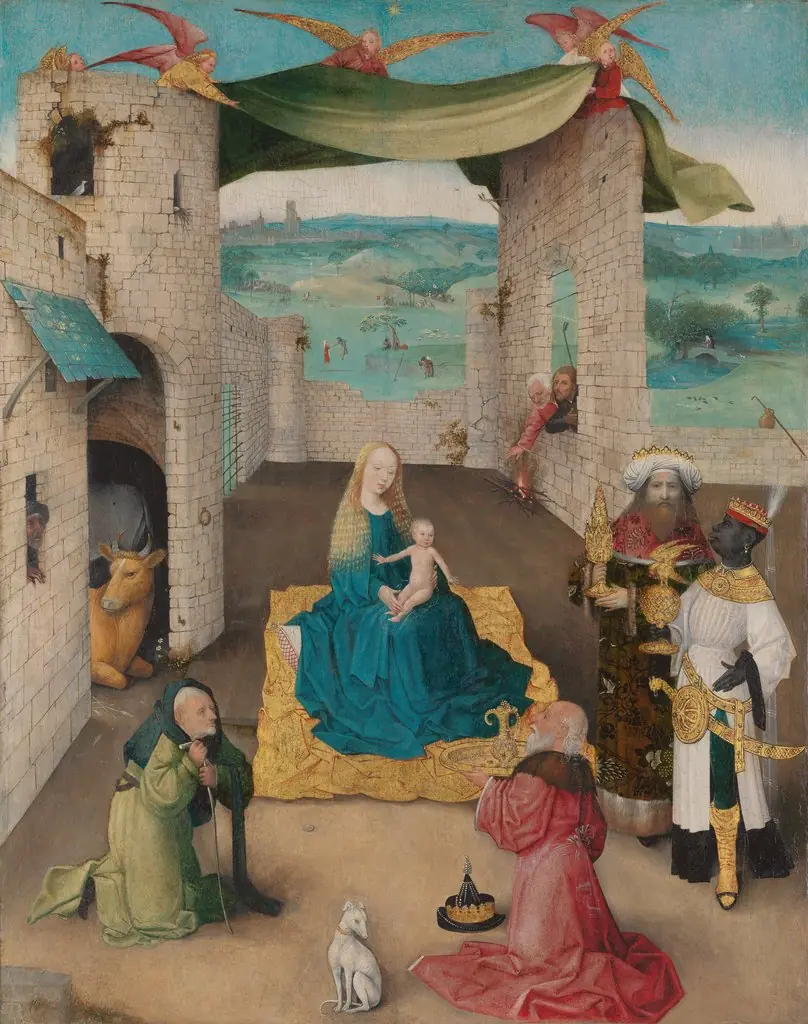 The Adoration of the Magi
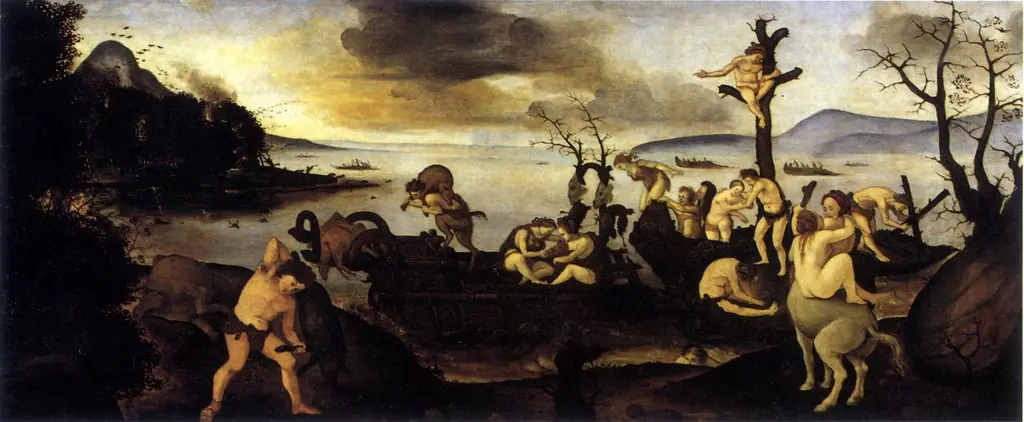 Return from the Hunt by Piero di Cosimo
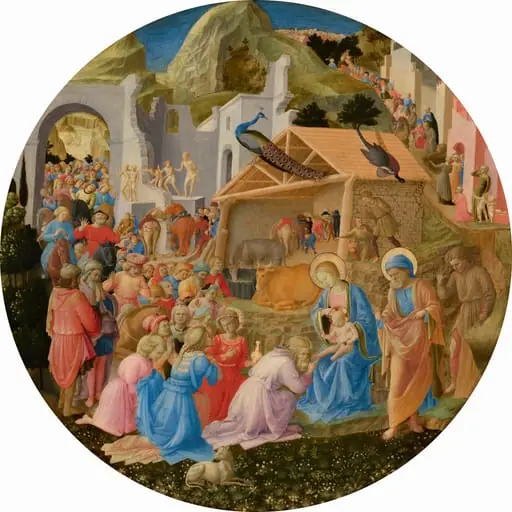 The Adoration of the Magi
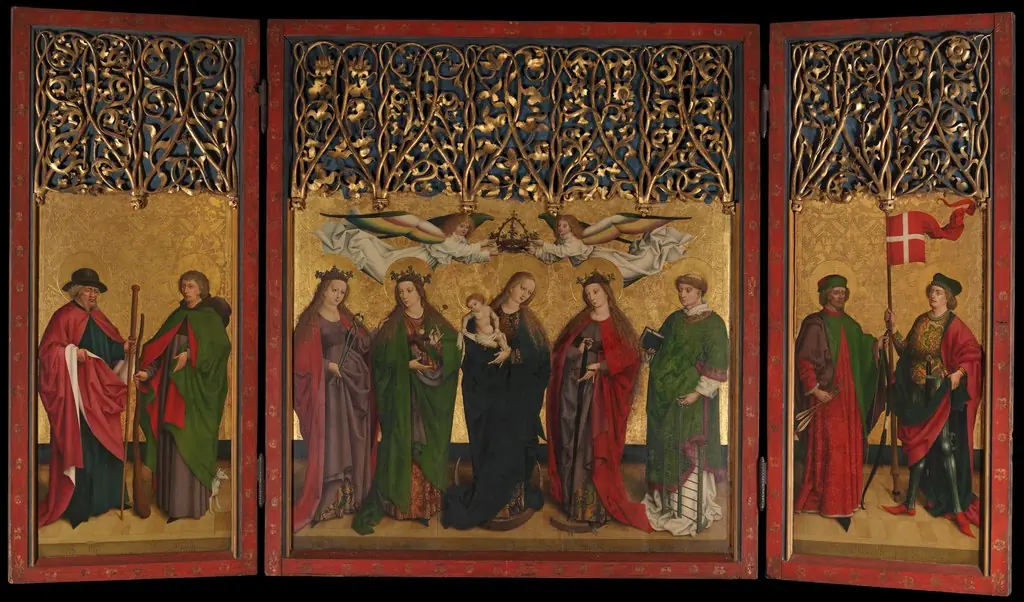 Burg Weiler Altar Triptych
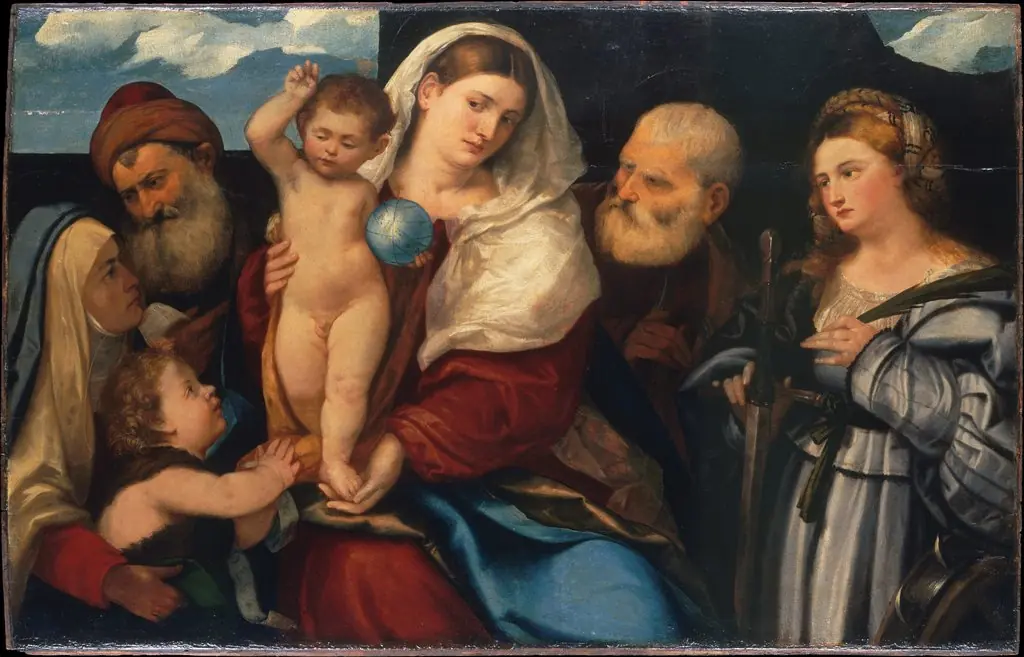 Madonna and Child with Saints
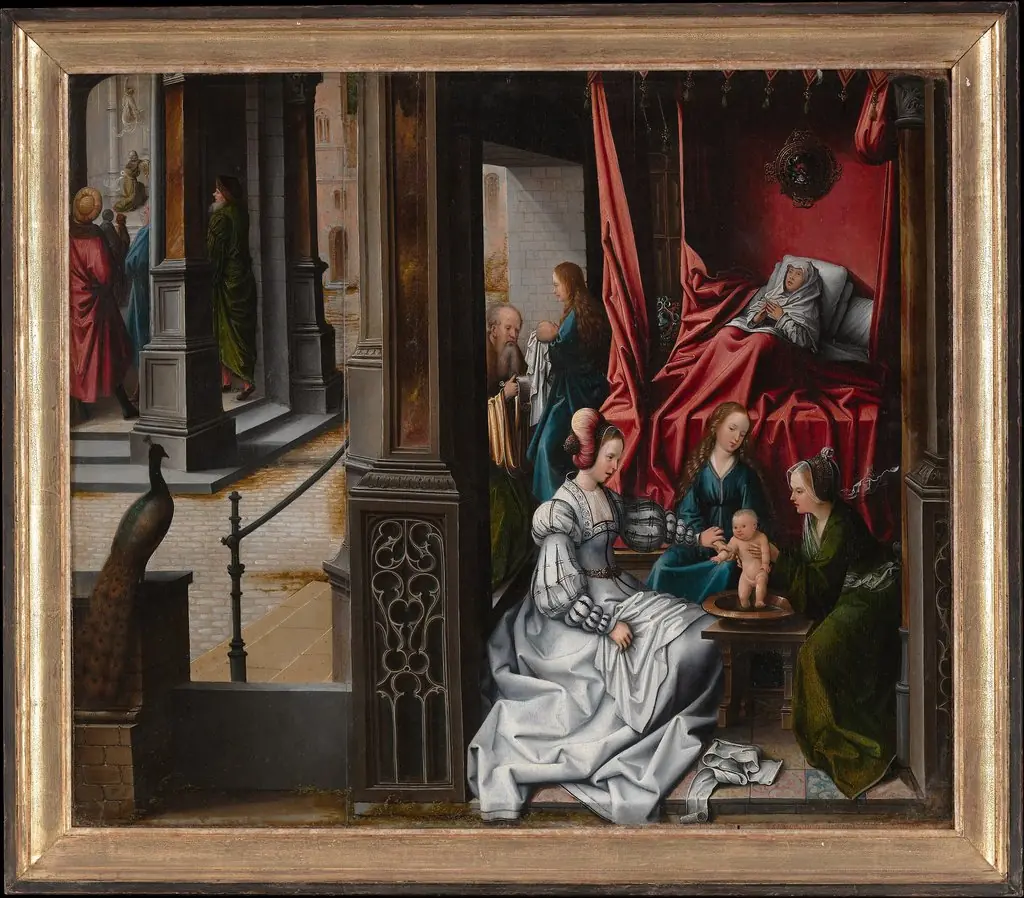 The Birth and Naming of Saint John the Baptist; (reverse) Trompe-l'oeil with Painting of The Man of Sorrows
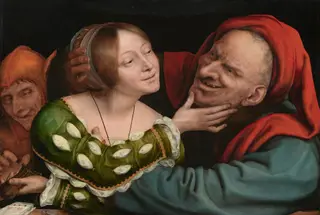 Ill-Matched Lovers
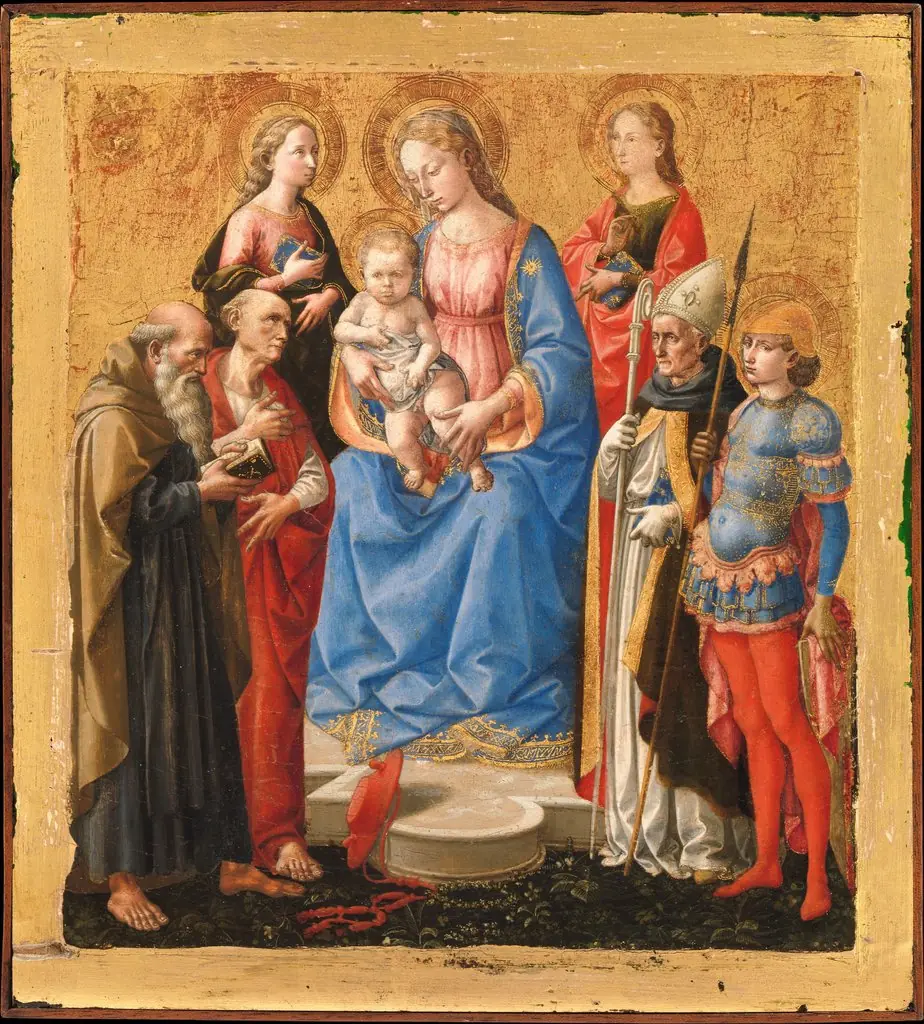 Madonna and Child with Six Saints
 Madonna and Child with Saint Jerome and Saint John the Baptist
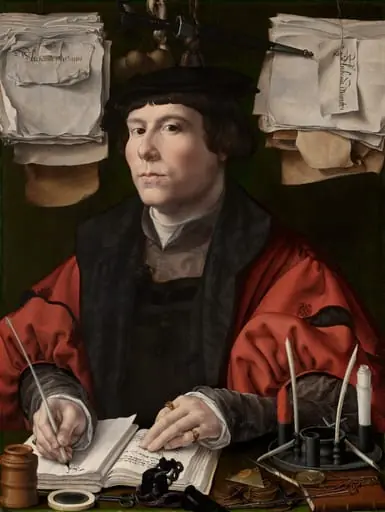 Portrait of a Man, possibly Jan Snoeck
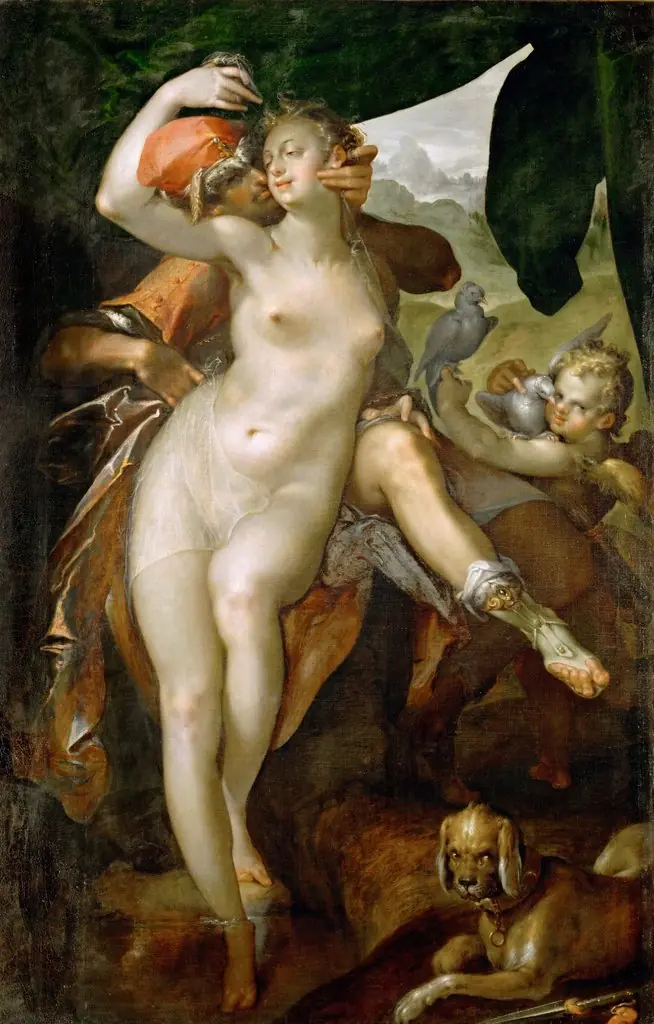 Venus and Adonis
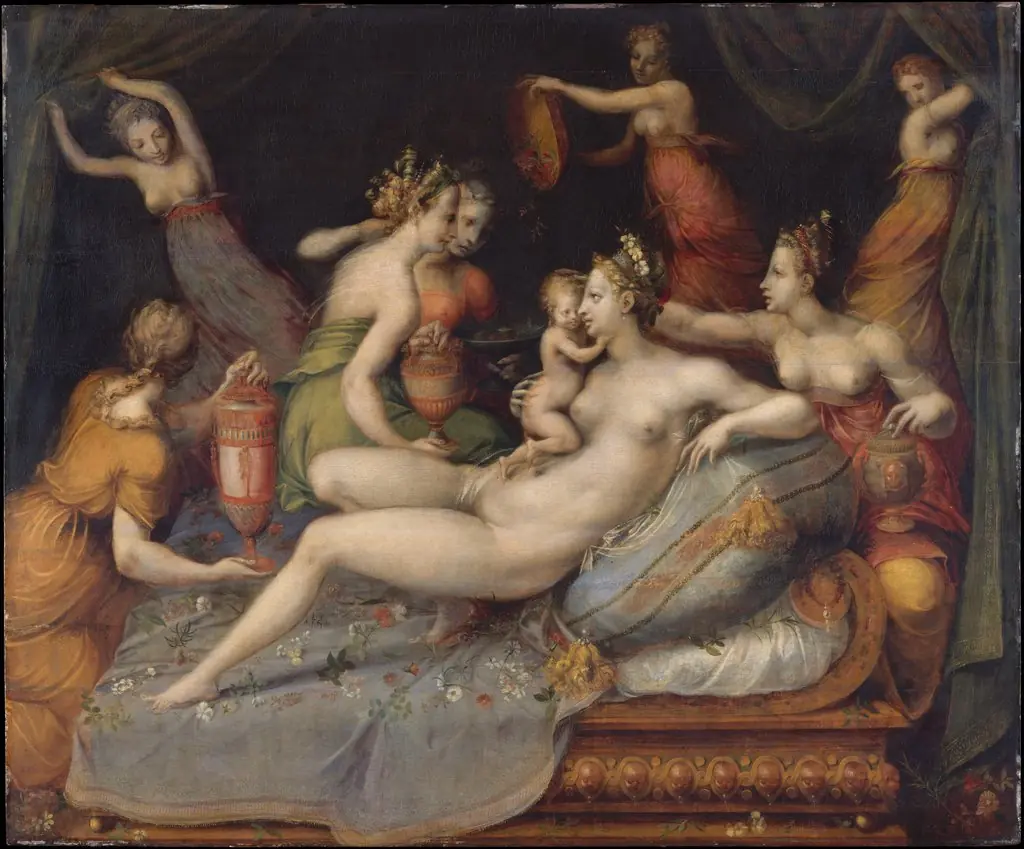 The Birth of Cupid
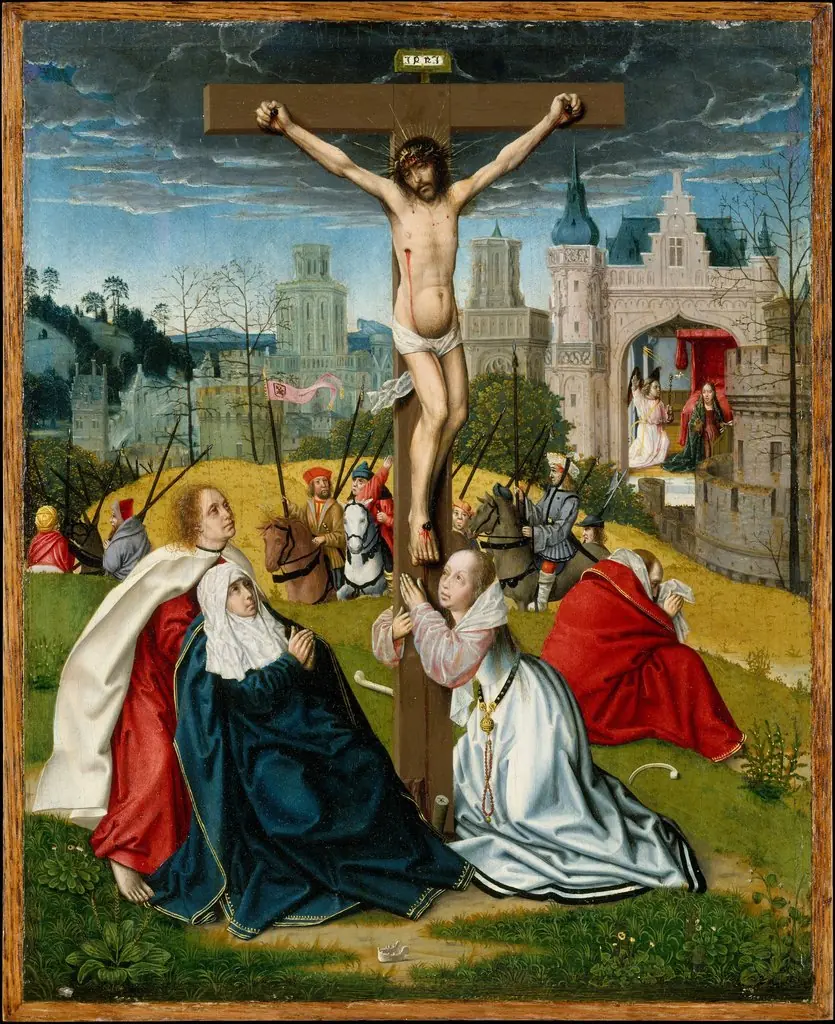 The Crucifixion
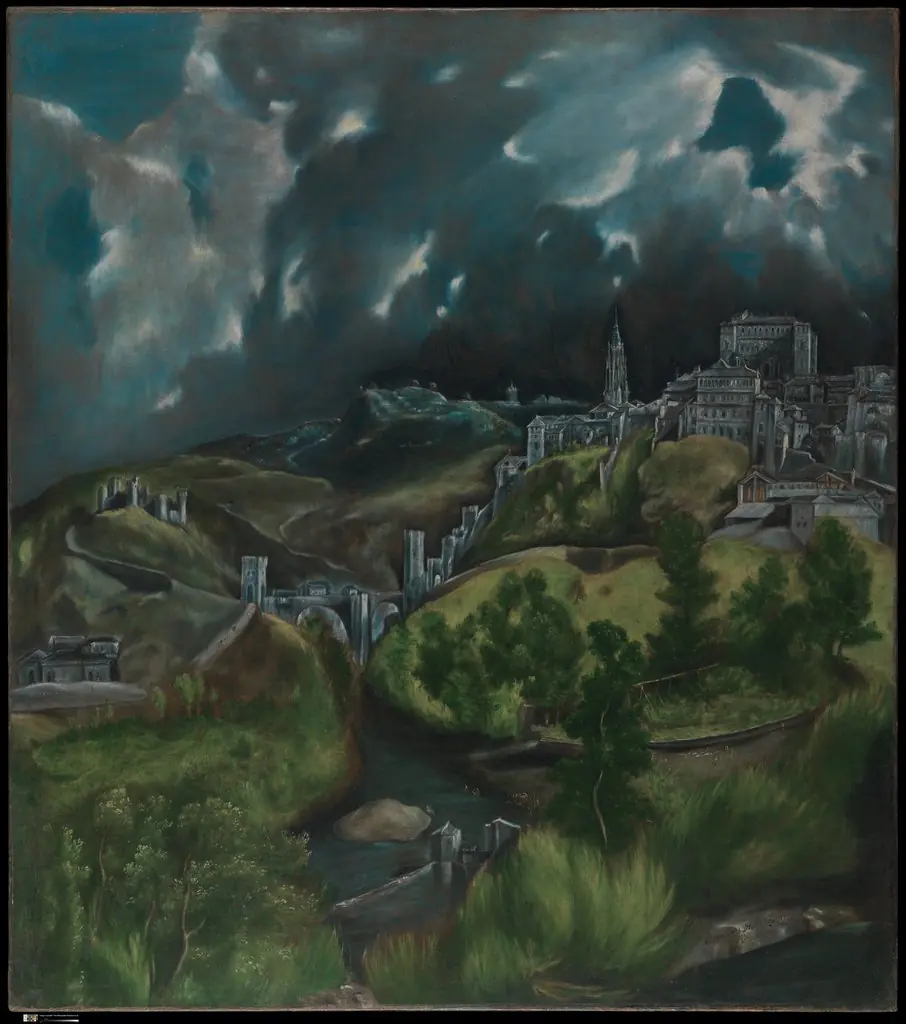 View of Toledo
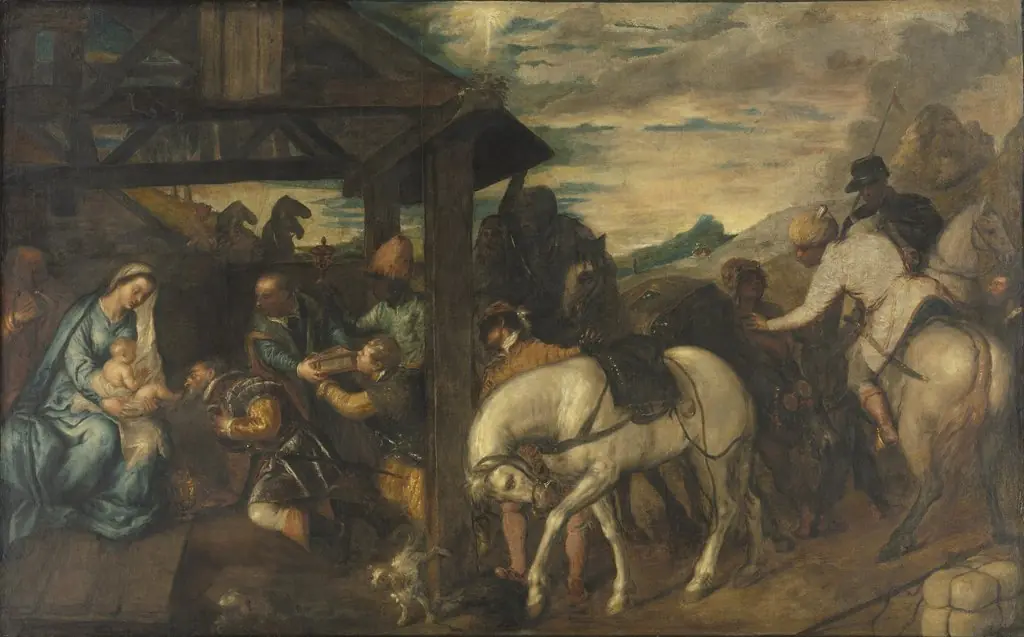 Adoration of the Magi
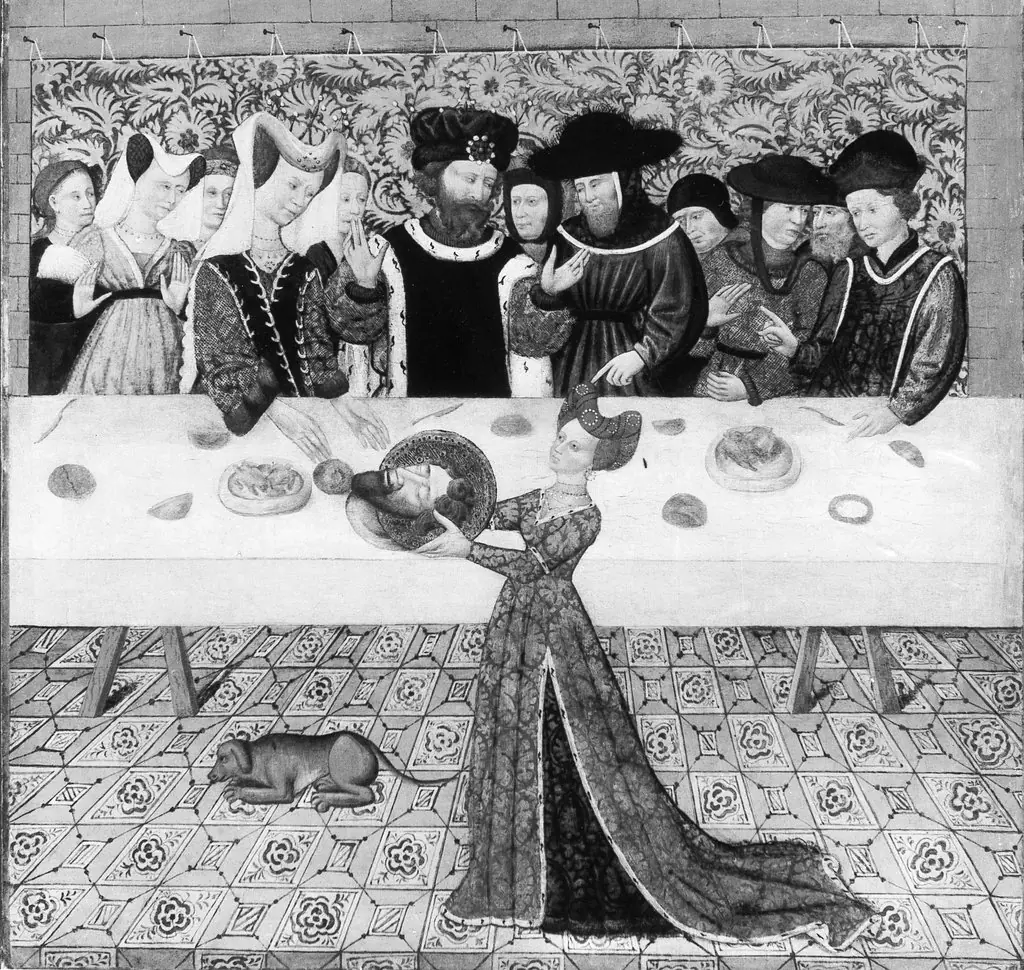 Salome with the Head of Saint John the Baptist
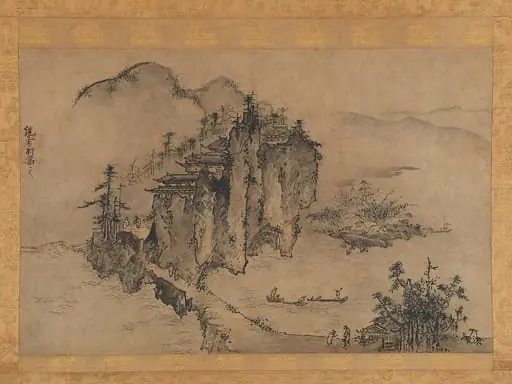 雪村周継筆 山水図|Landscape with Rocky Precipice
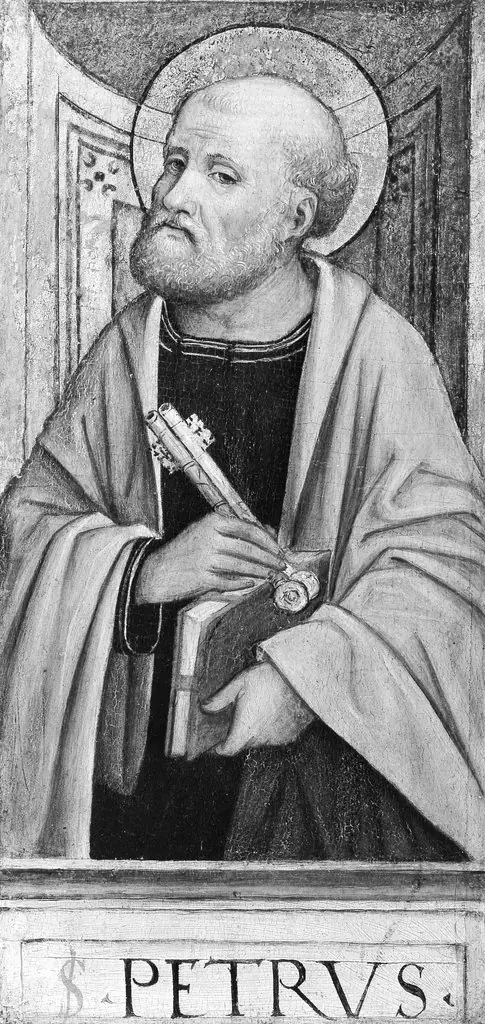 The Twelve Apostles: Saints Bartholomew, Andrew, Matthew, James the Greater, Thaddeus, Philip, James the Lesser, Simon, Peter, Paul, Thomas, and John
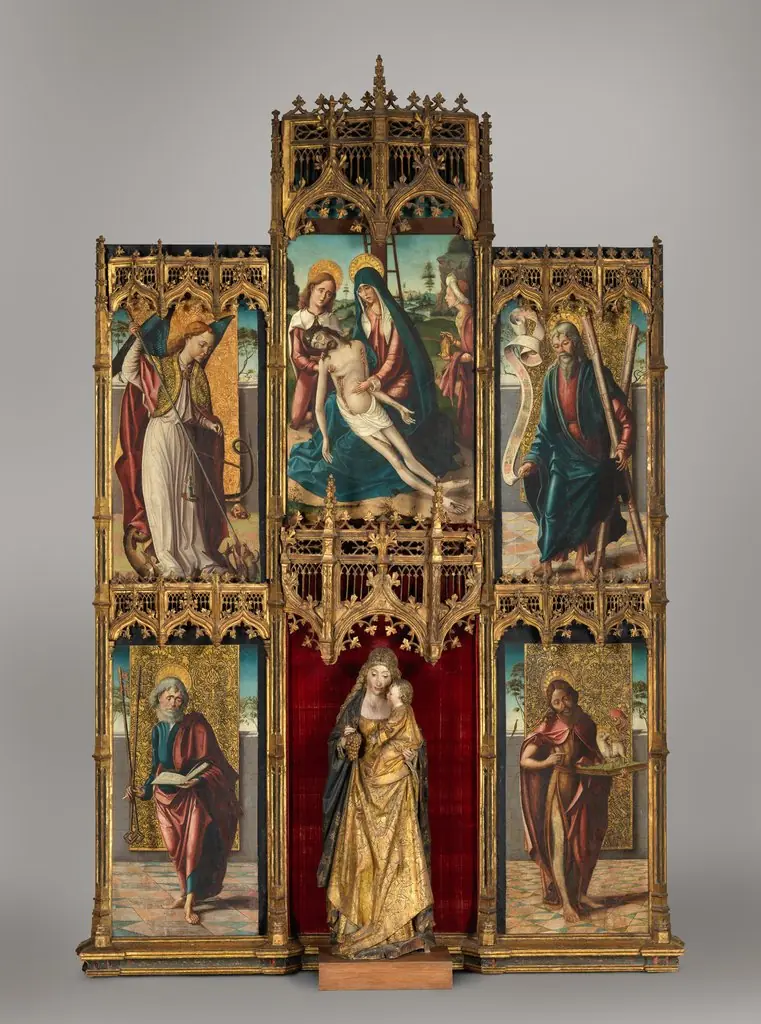 Virgin and Child with the Pietà and Saints
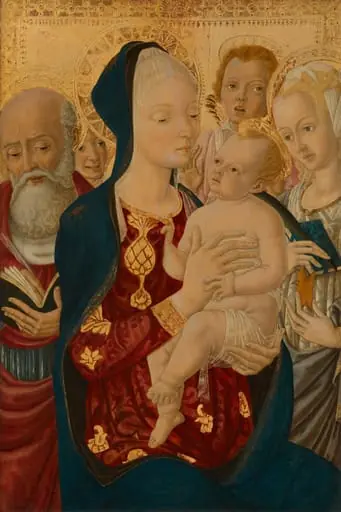 Madonna and Child with Saint Jerome, Saint Catherine of Alexandria, and Angels
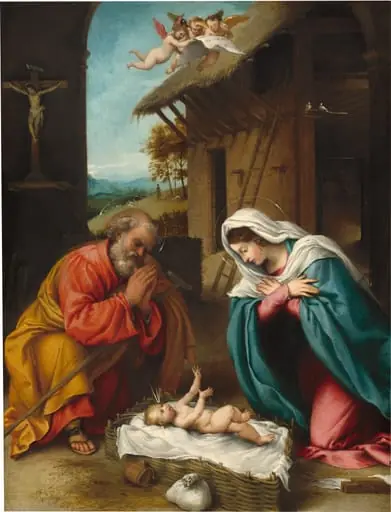 The Nativity
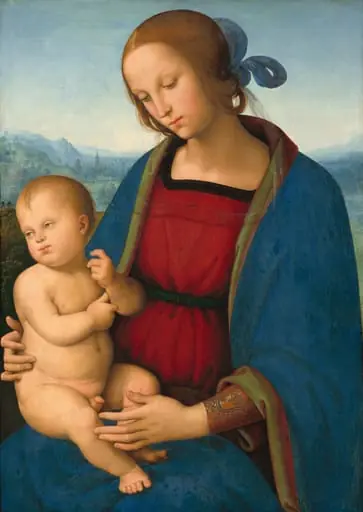 Madonna and Child
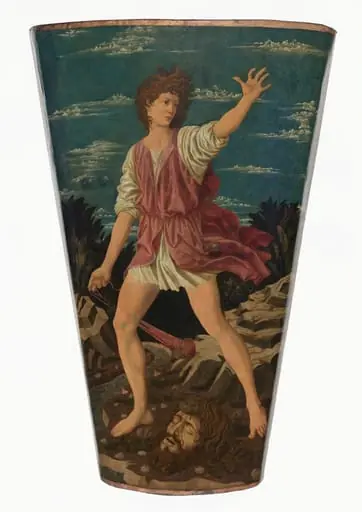 David with the Head of Goliath
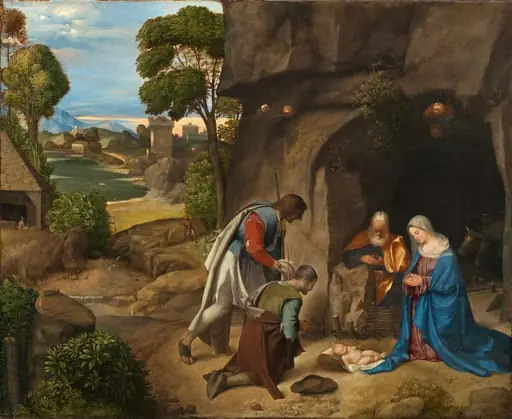 The Adoration of the Shepherds
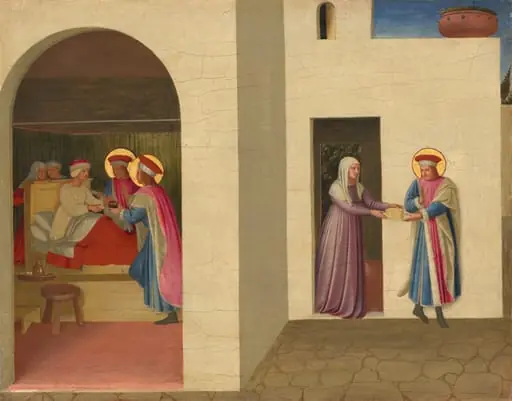 The Healing of Palladia by Saint Cosmas and Saint Damian
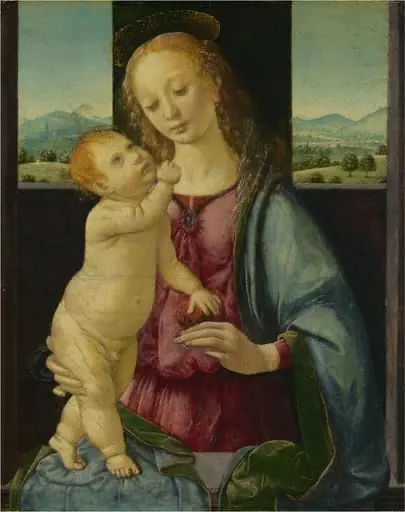 Madonna and Child with a Pomegranate
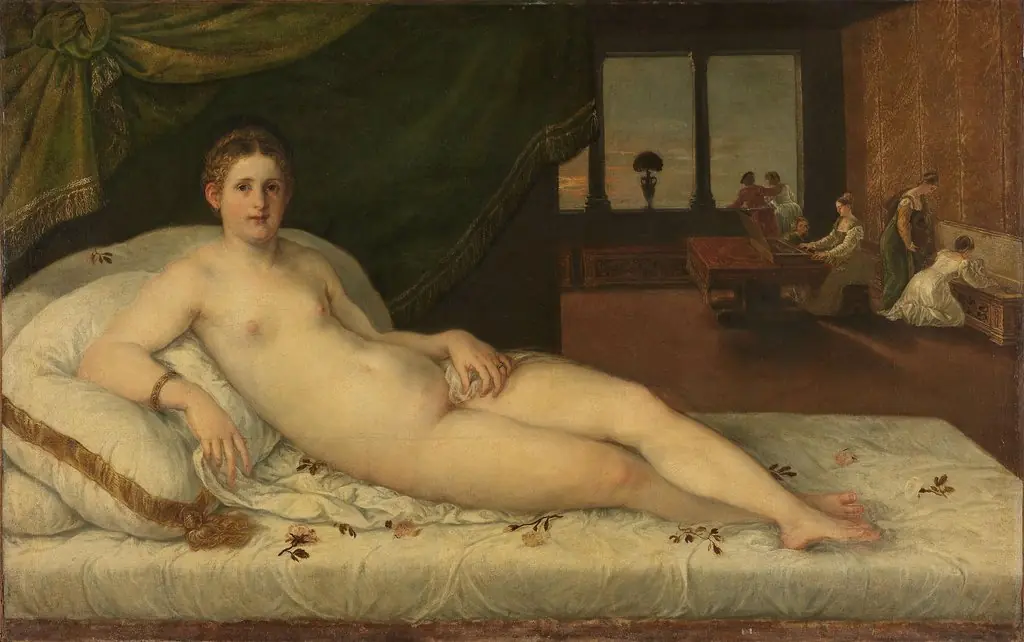 Reclining Venus
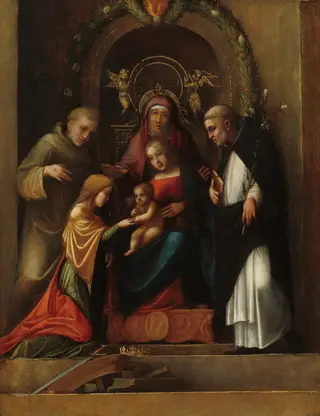 The Mystic Marriage of Saint Catherine
![Madonna and Child [obverse]](https://artifactworldgallery.com/img/albrecht-durer--madonna-and-child-obverse--d7b8ebf05d22ebe5-w320.webp) Madonna and Child [obverse]
Madonna and Child [obverse]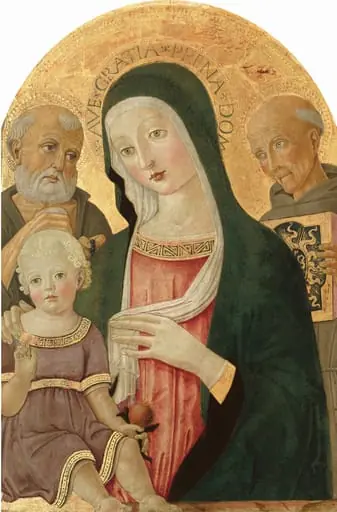 Madonna and Child with Saint Jerome and Saint Bernardino of Siena
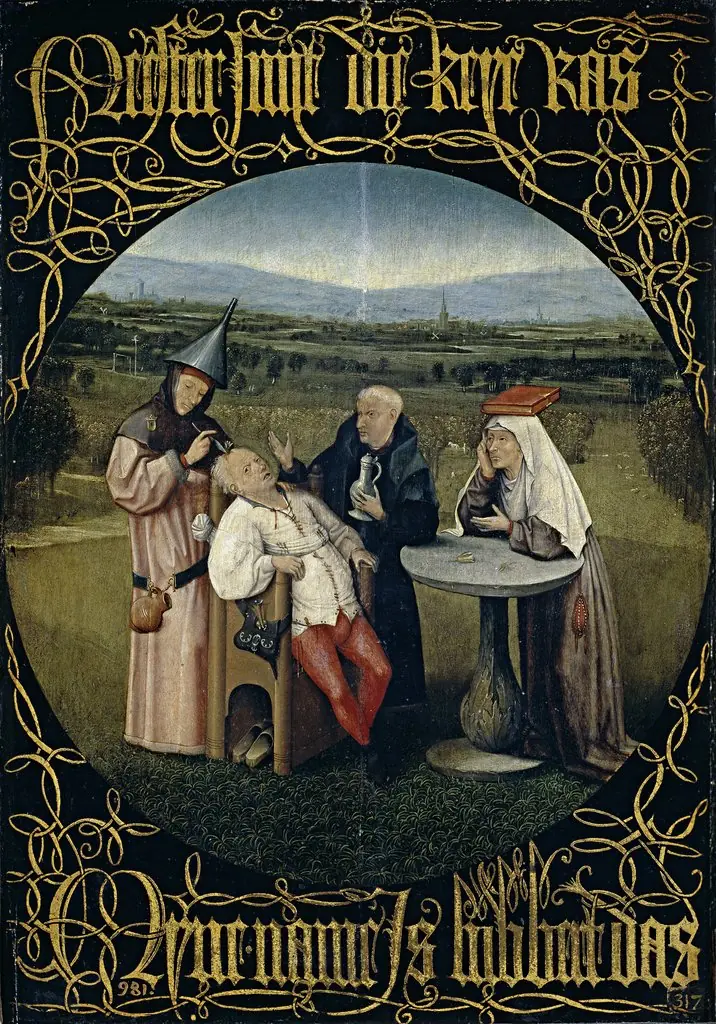 Cutting the Stone
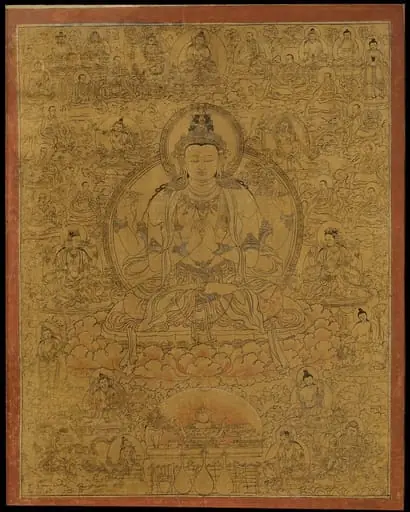 Untitled
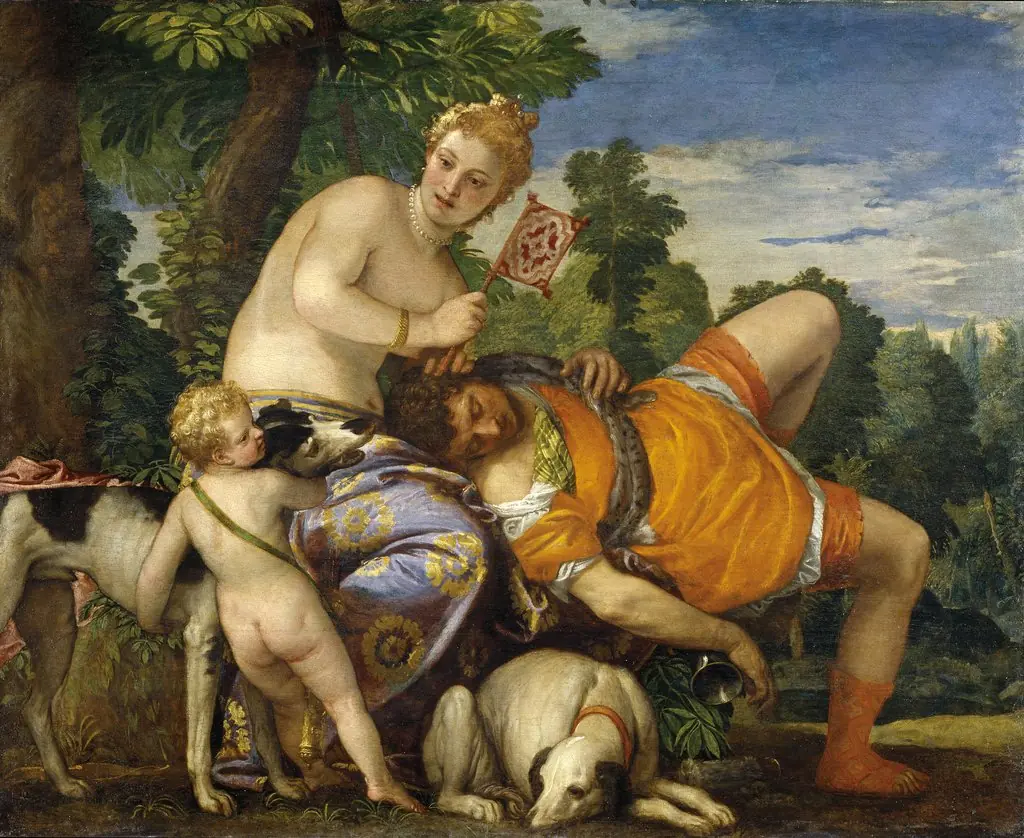 Venus and Adonis
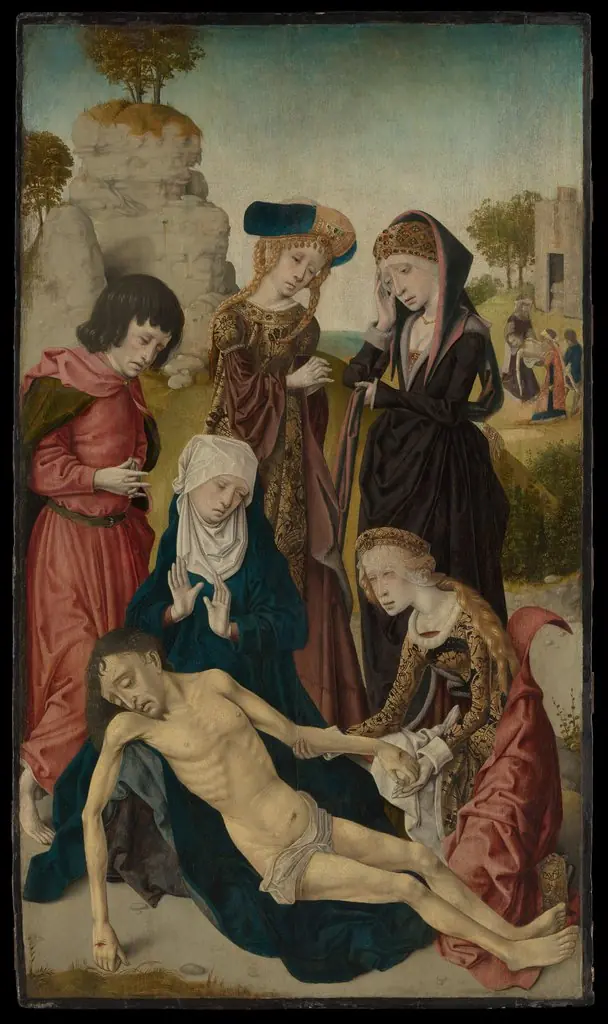 The Lamentation
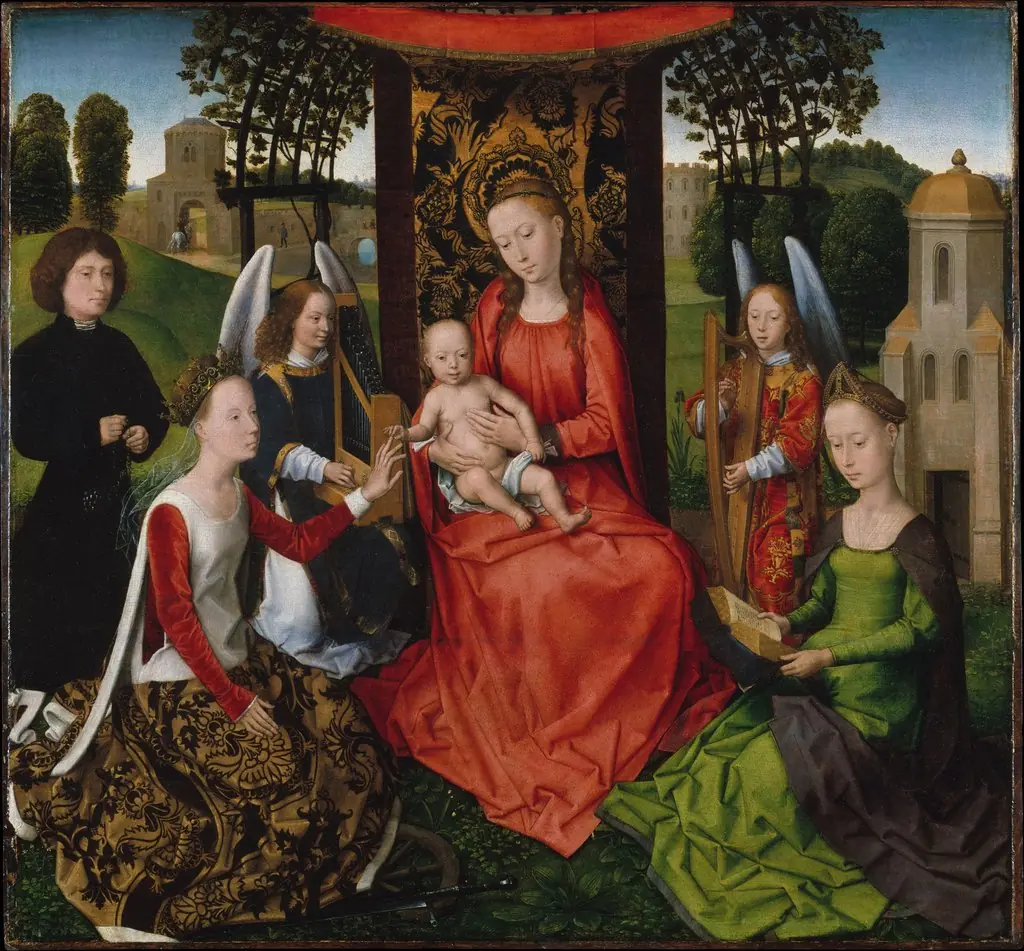 Virgin and Child with Saints Catherine of Alexandria and Barbara
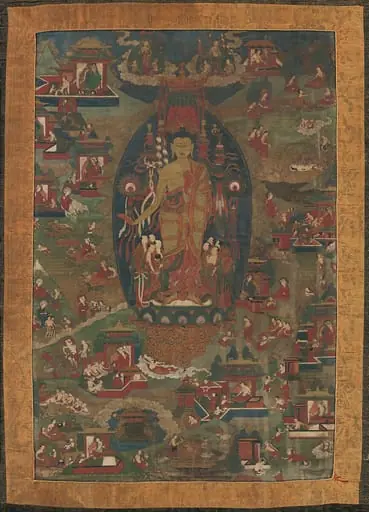 Untitled
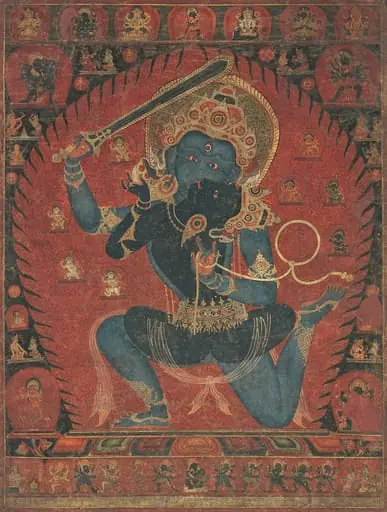 Untitled
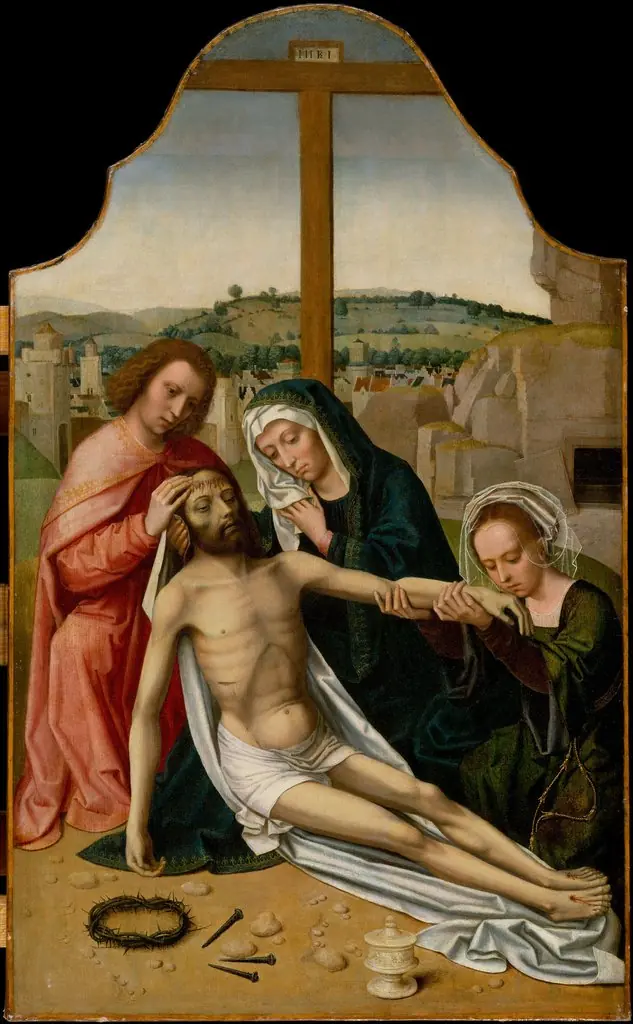 The Lamentation
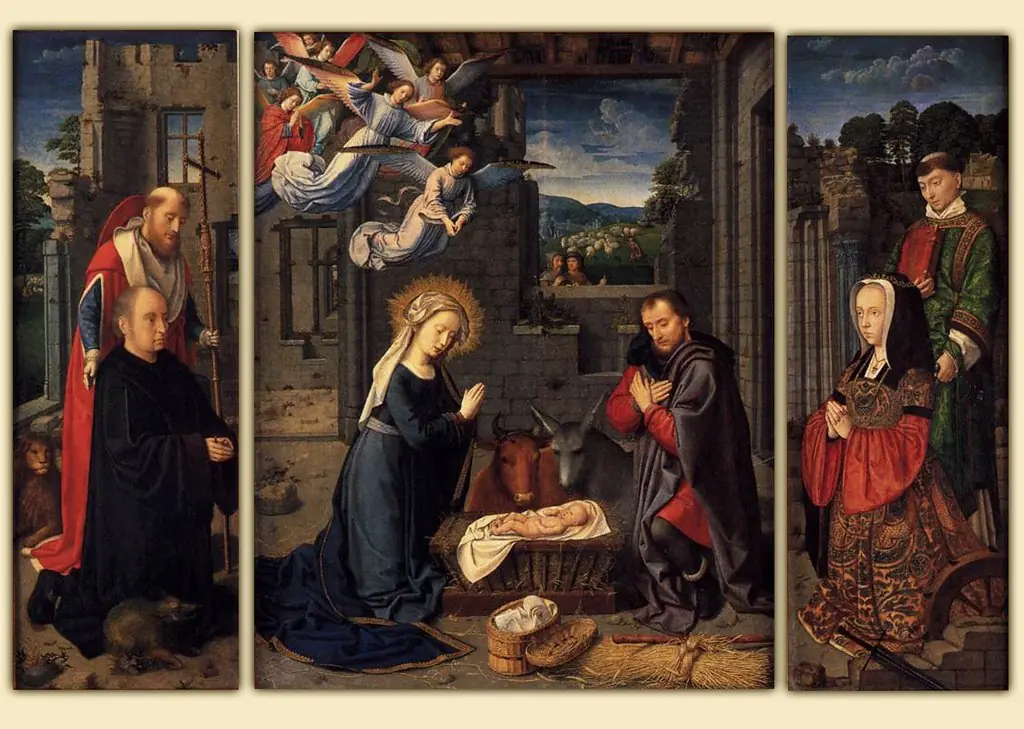 The Nativity with Donors and Saints Jerome and Leonard
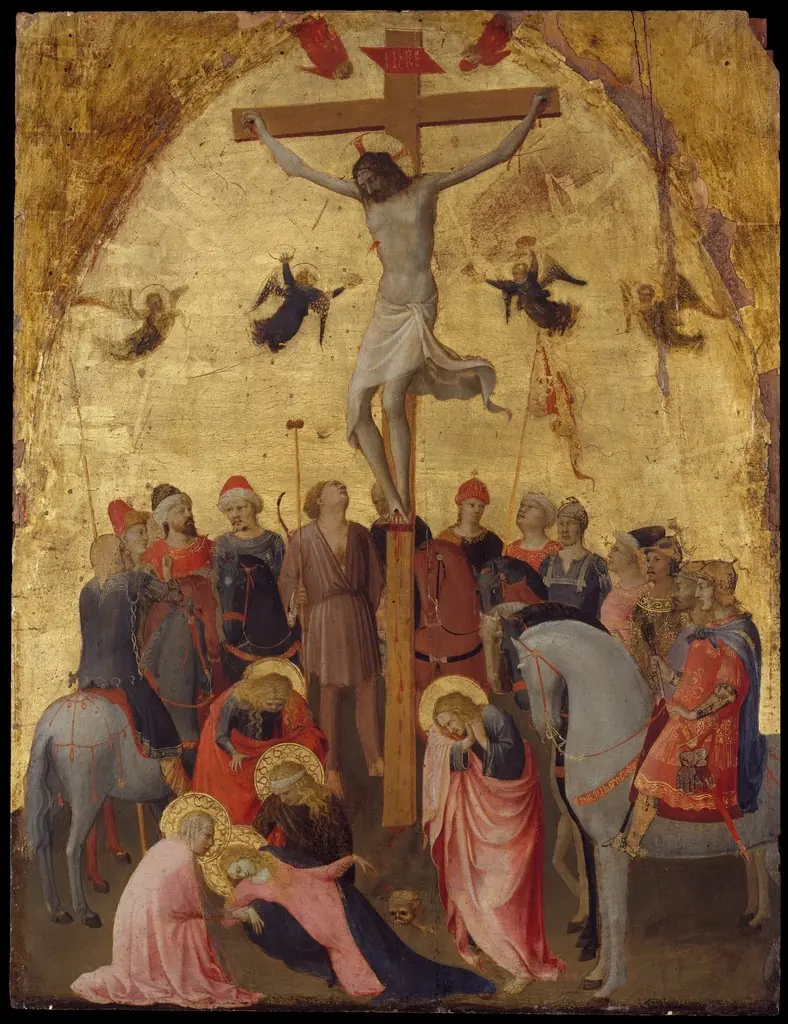 The Crucifixion
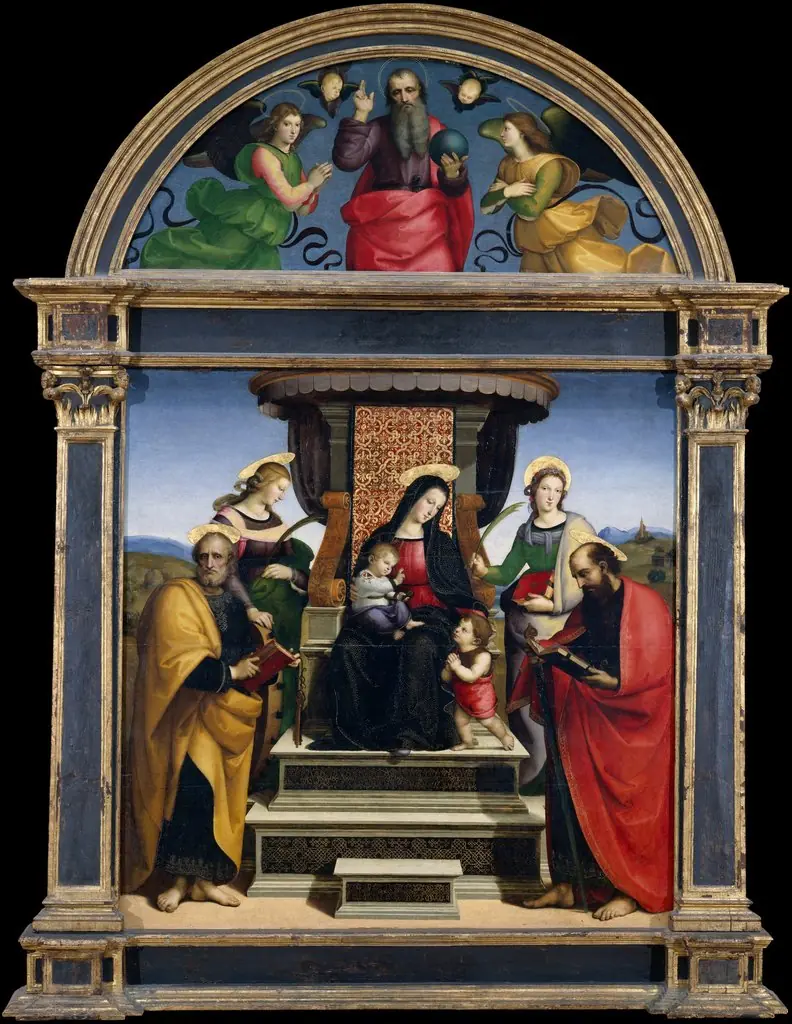 Madonna and Child Enthroned with Saints
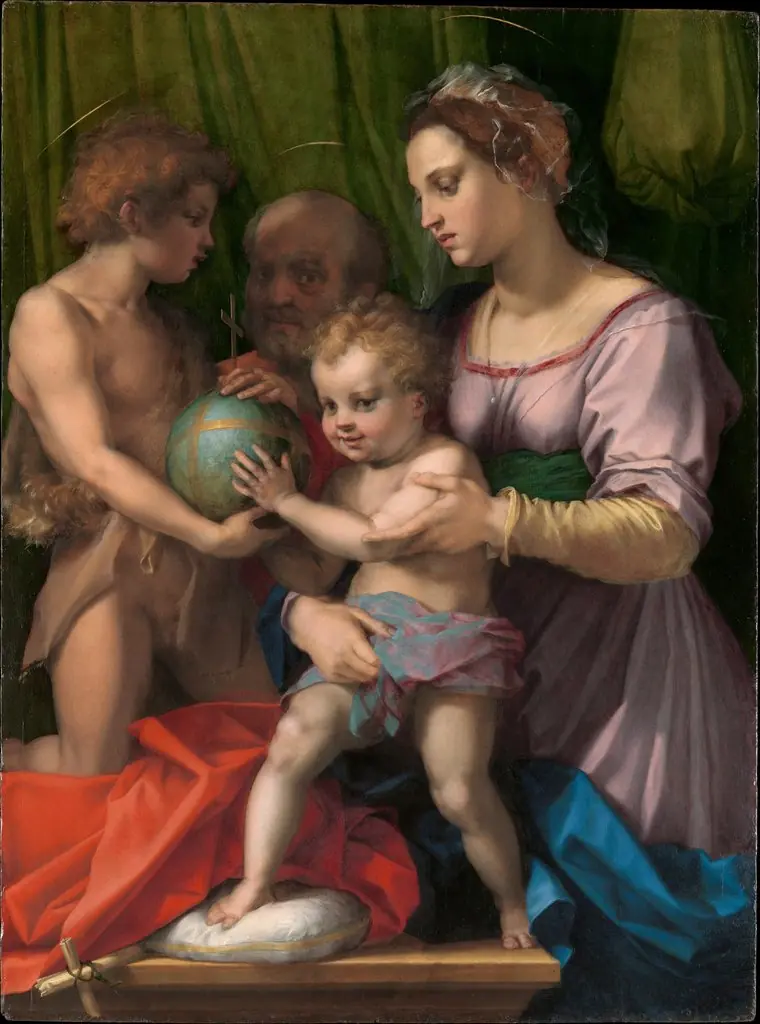 The Holy Family with the Young Saint John the Baptist
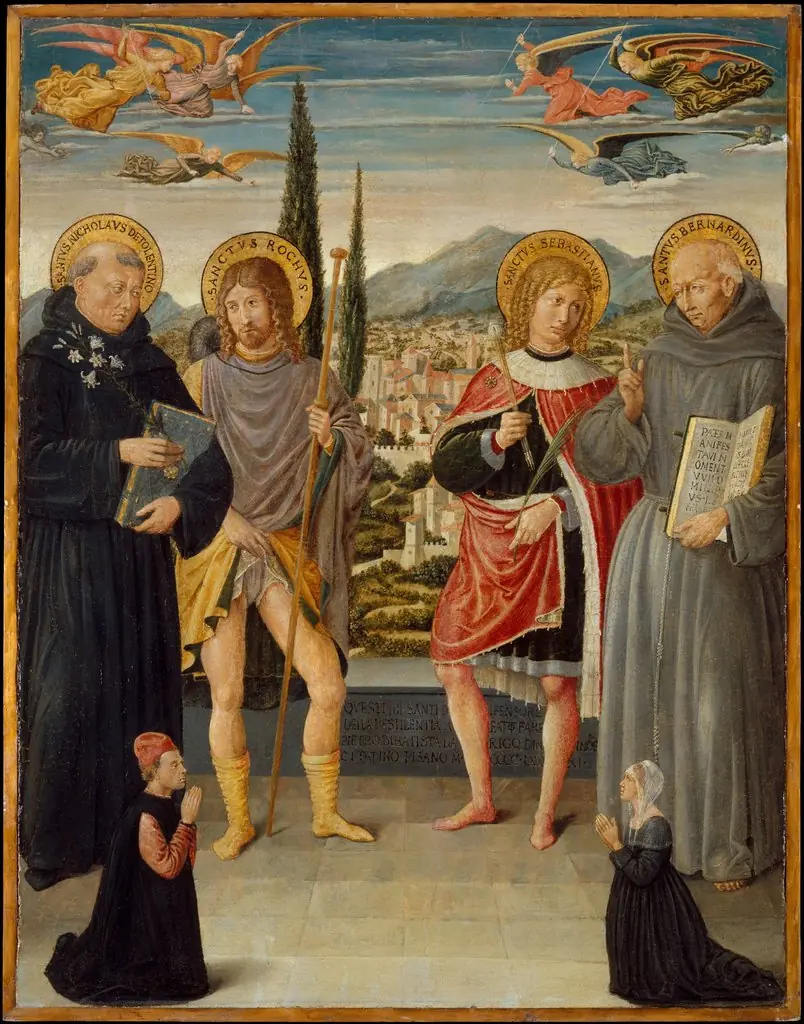 Saints Nicholas of Tolentino, Roch, Sebastian, and Bernardino of Siena, with Kneeling Donors
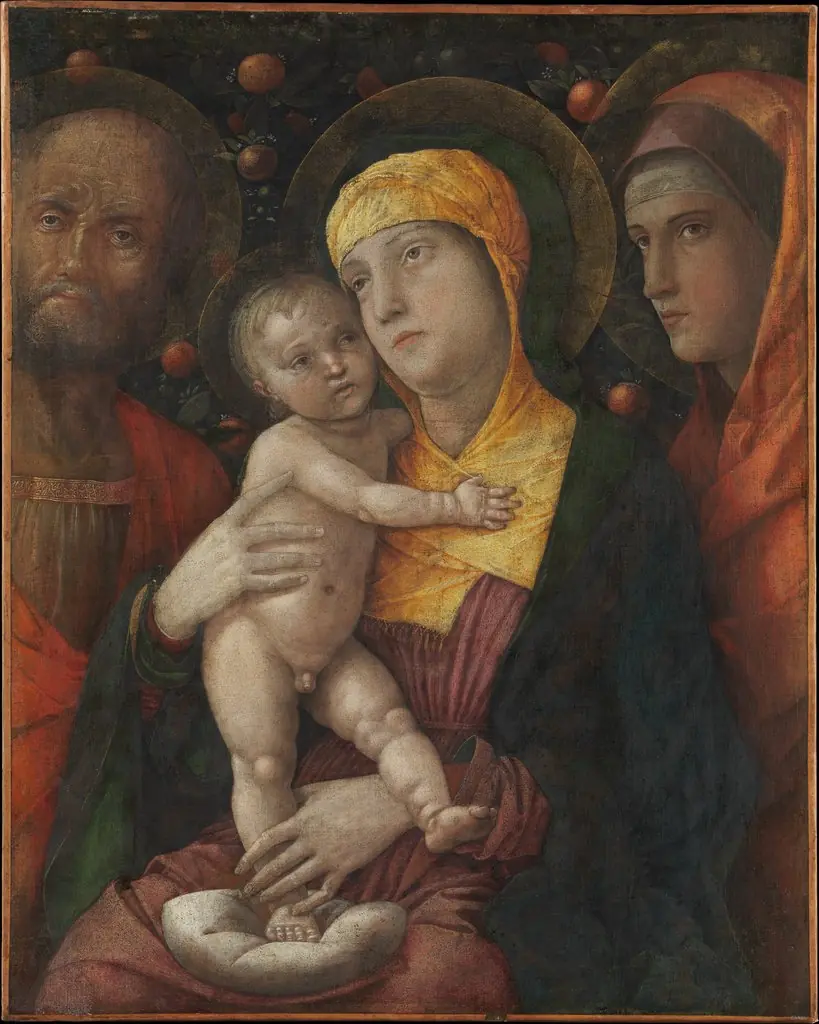 The Holy Family with Saint Mary Magdalen
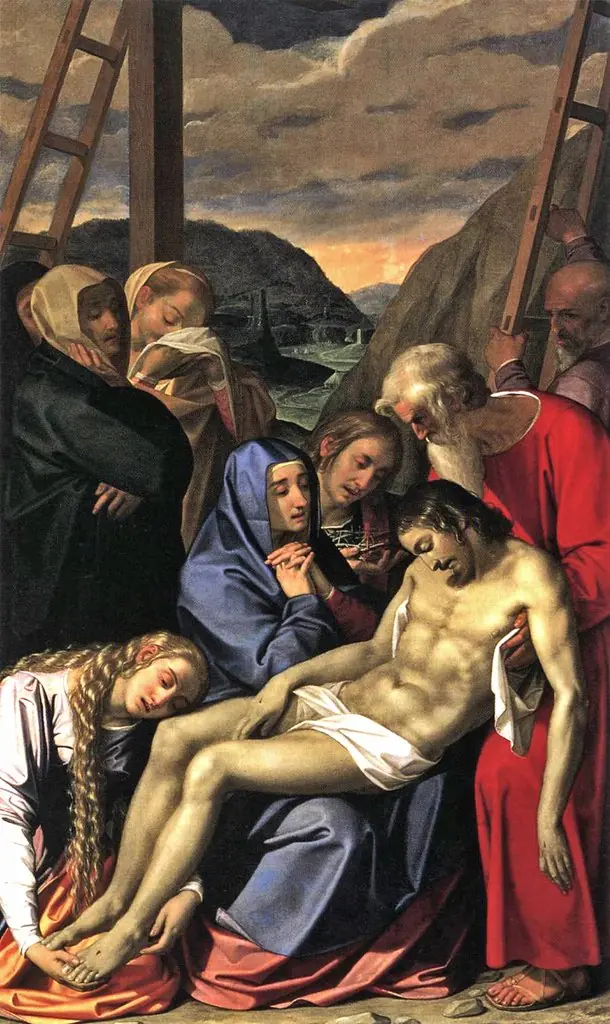 The Lamentation
 The Hunters in the Snow
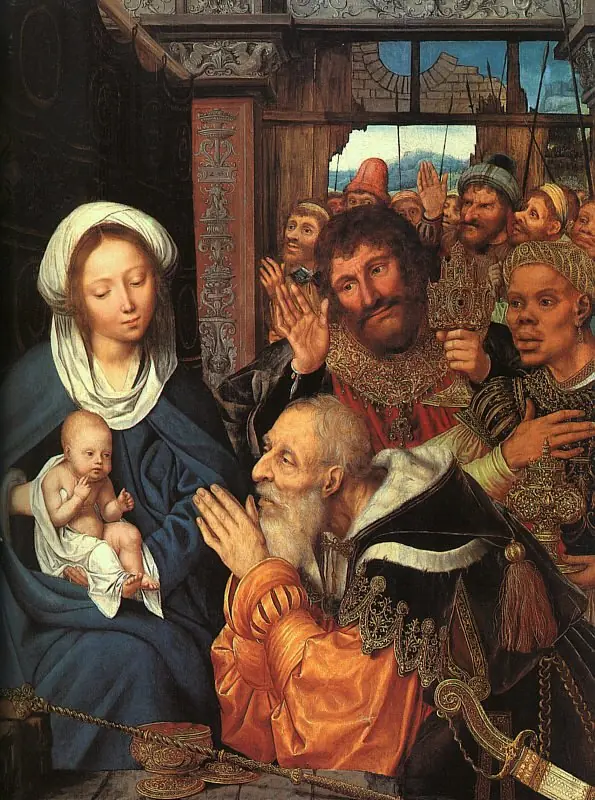 The Adoration of the Magi
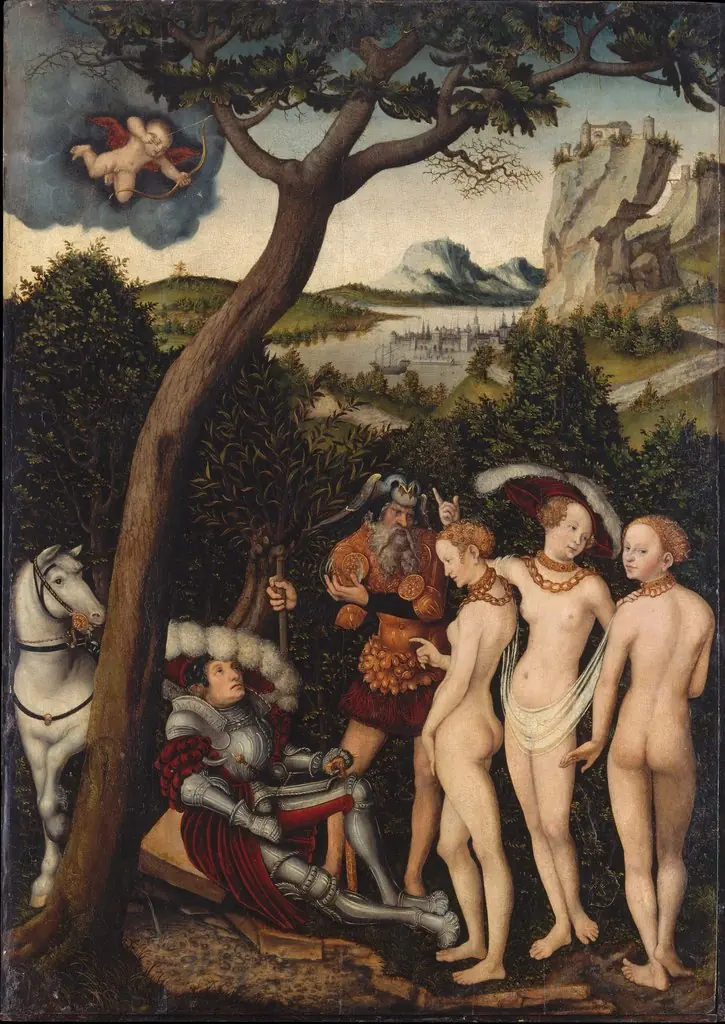 The Judgment of Paris
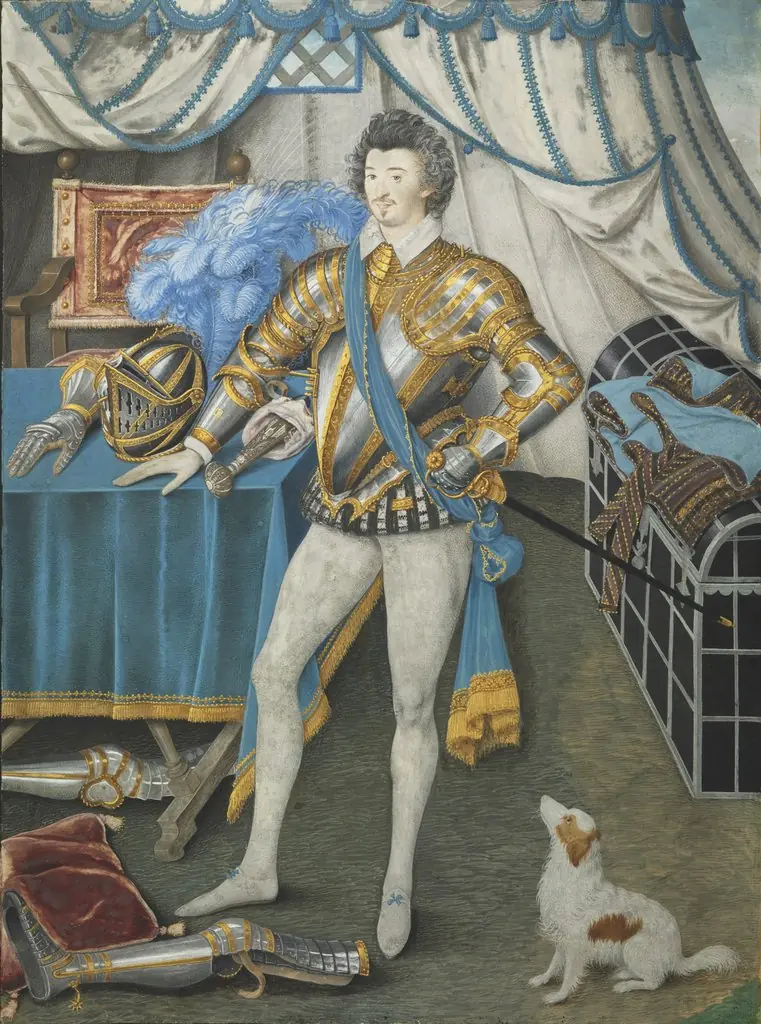 Sir Anthony Mildmay, Knight of Apethorpe, Northamptonshire
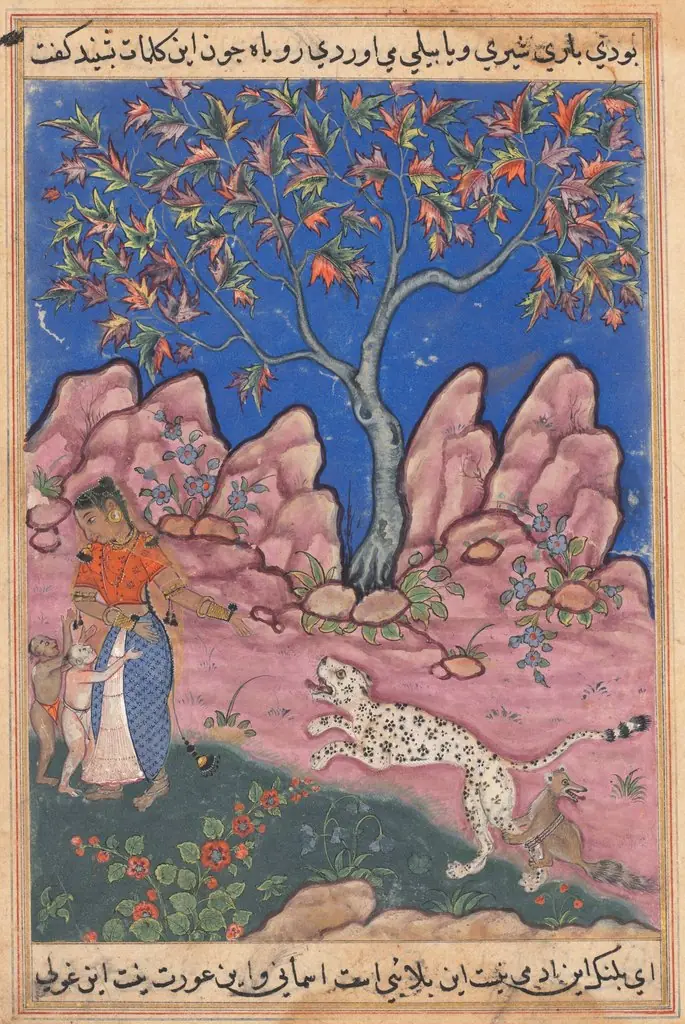 The woman conversing with her children, as the leopard returns, egged on by a fox who is tied to his leg, from a Tuti-nama (Tales of a Parrot): Thirtieth Night
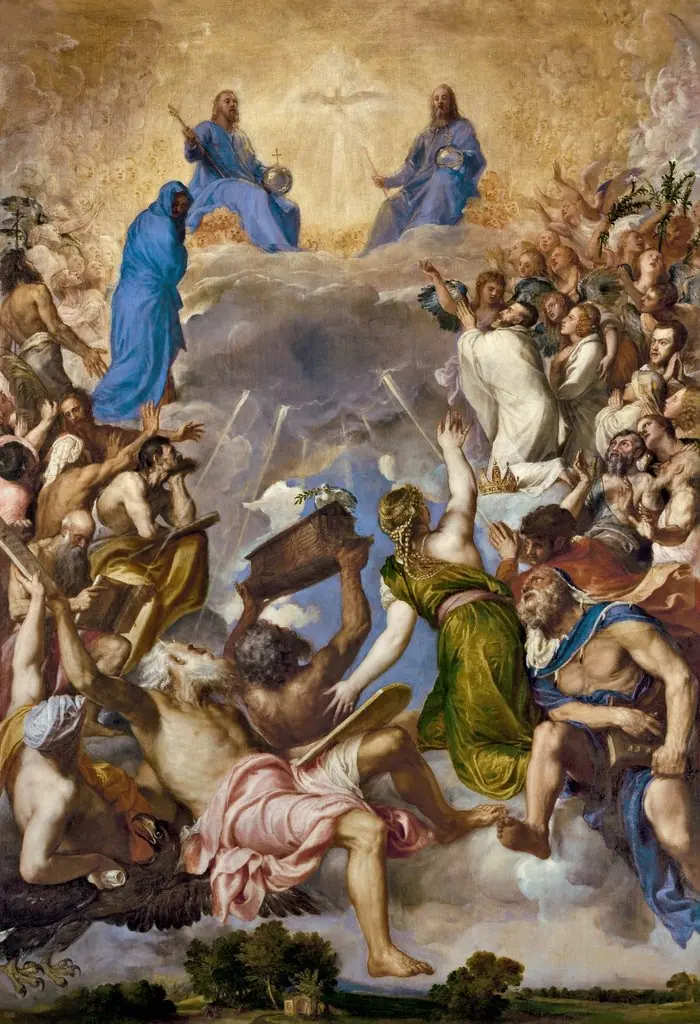 La Gloria
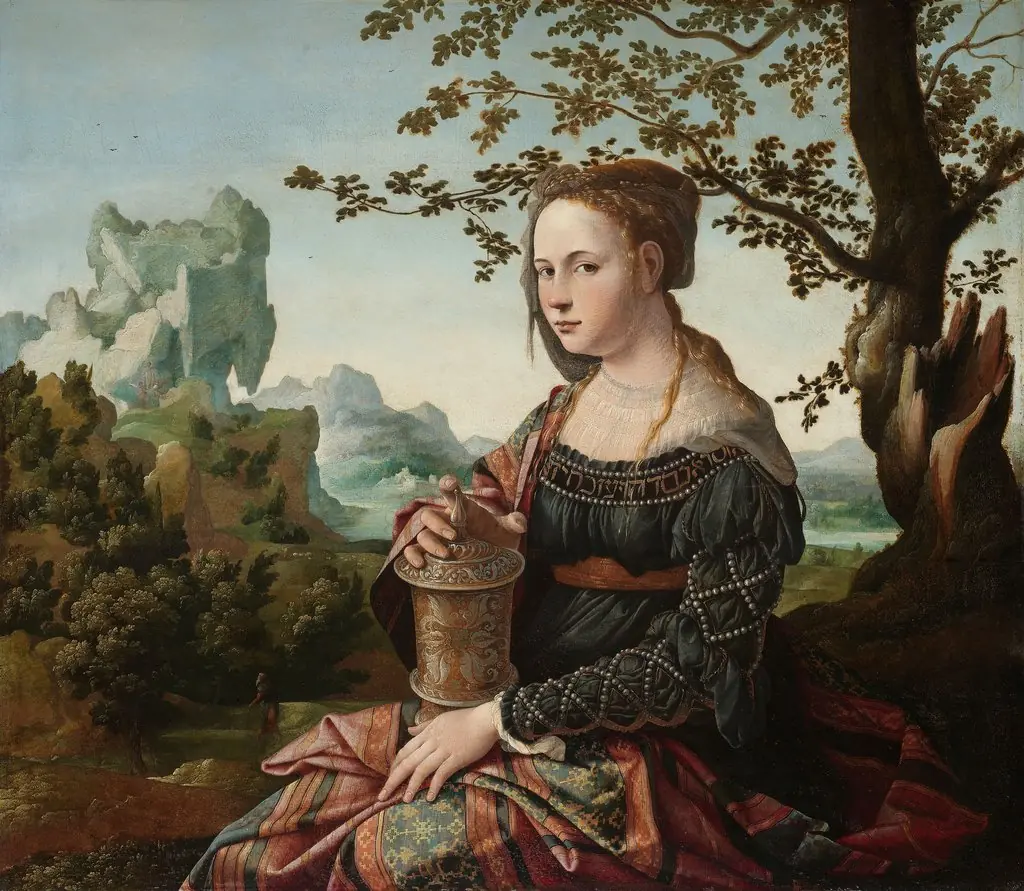 Mary Magdalene
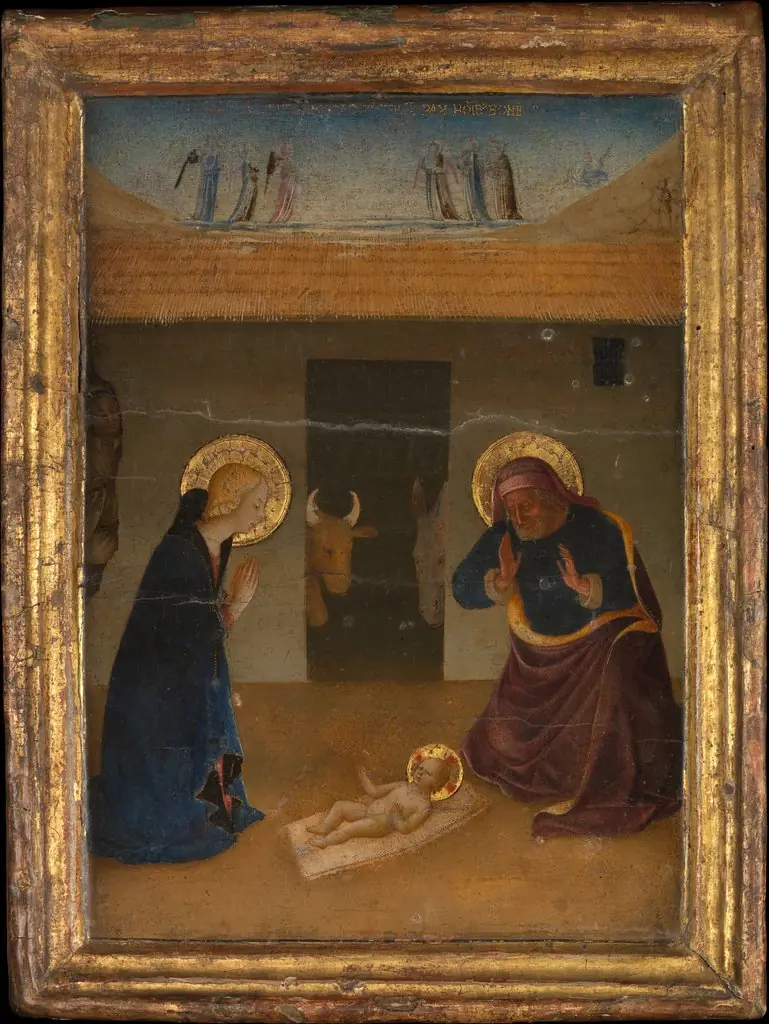 The Nativity
 Madonna and Child Enthroned
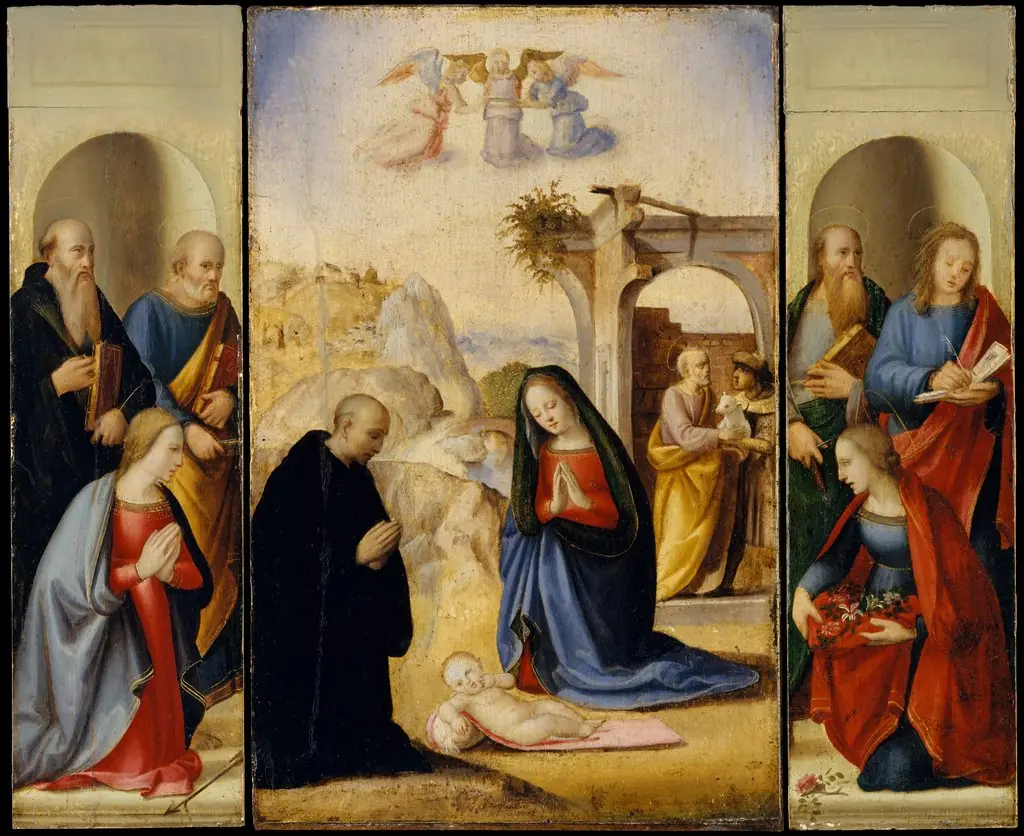 The Nativity with Saints
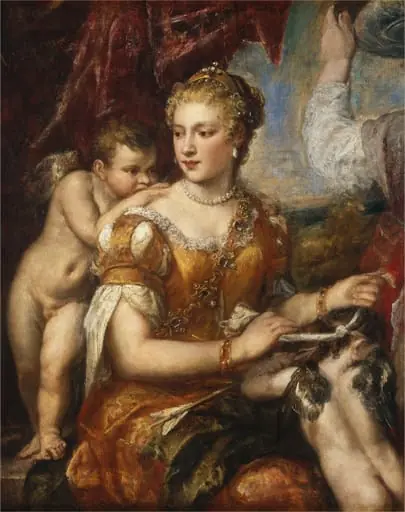 Venus Blindfolding Cupid
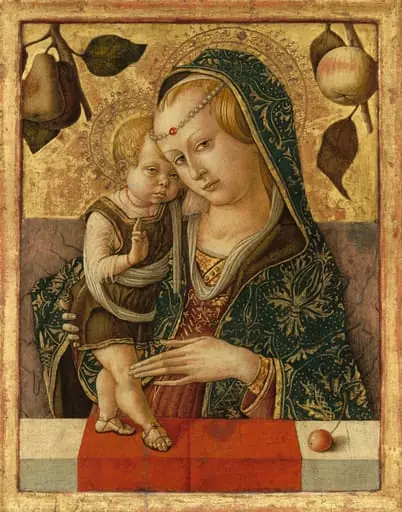 Madonna and Child
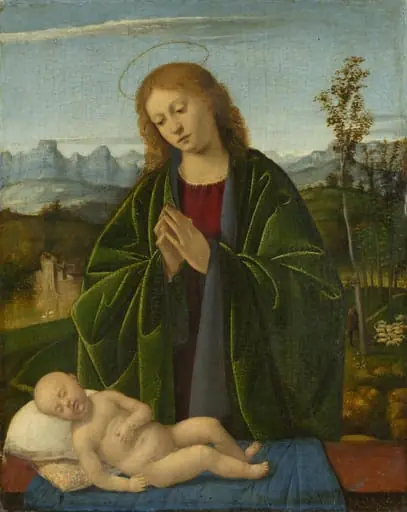 Madonna Adoring the Child
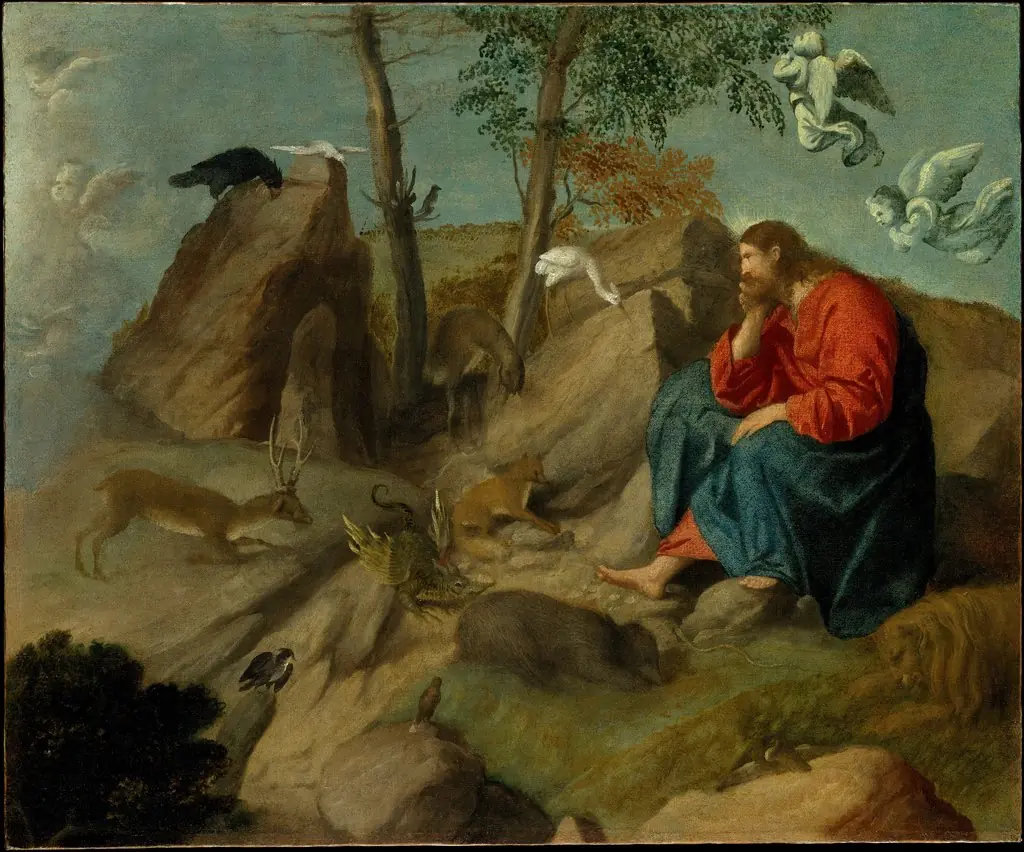 Christ in the Wilderness
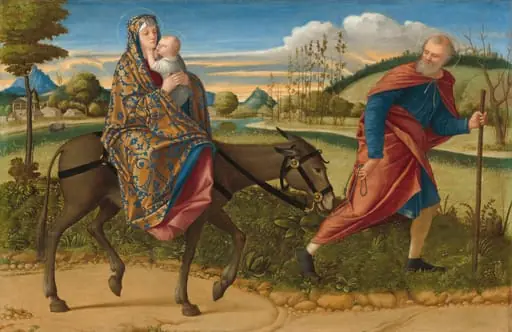 The Flight into Egypt
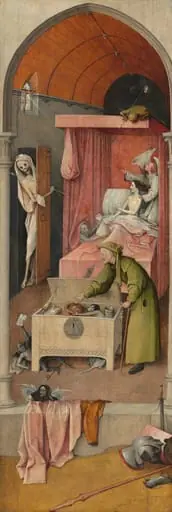 Death and the Miser
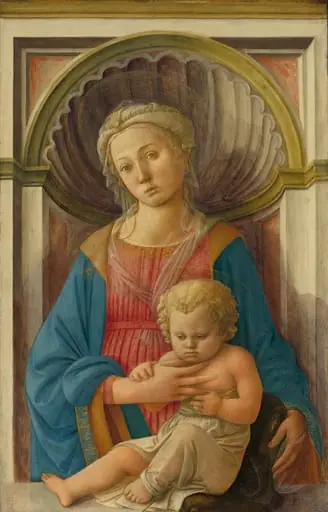 Madonna and Child
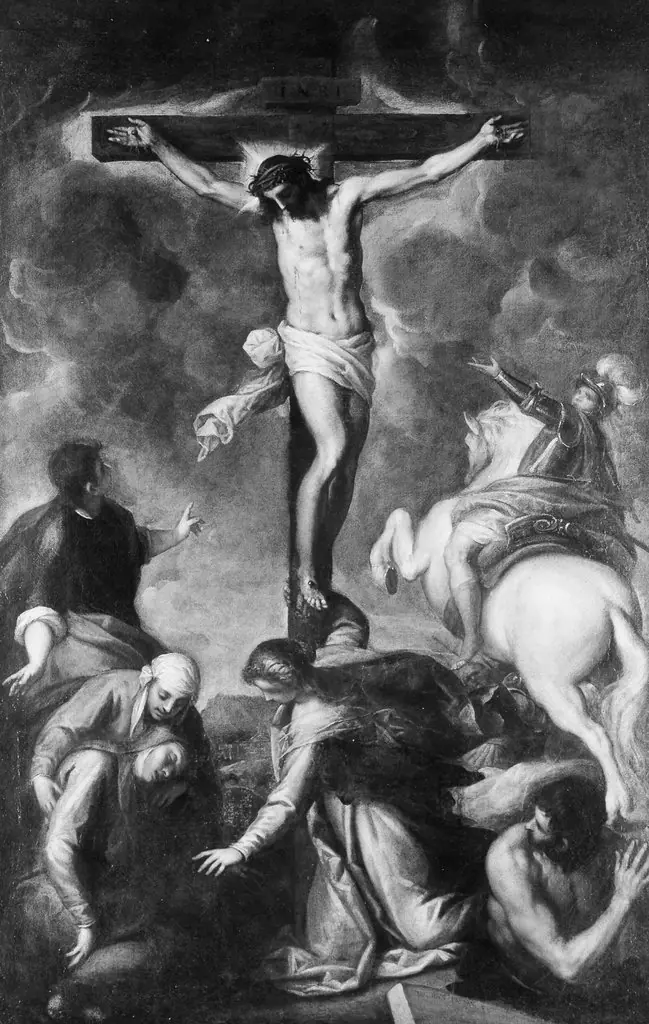 The Crucifixion
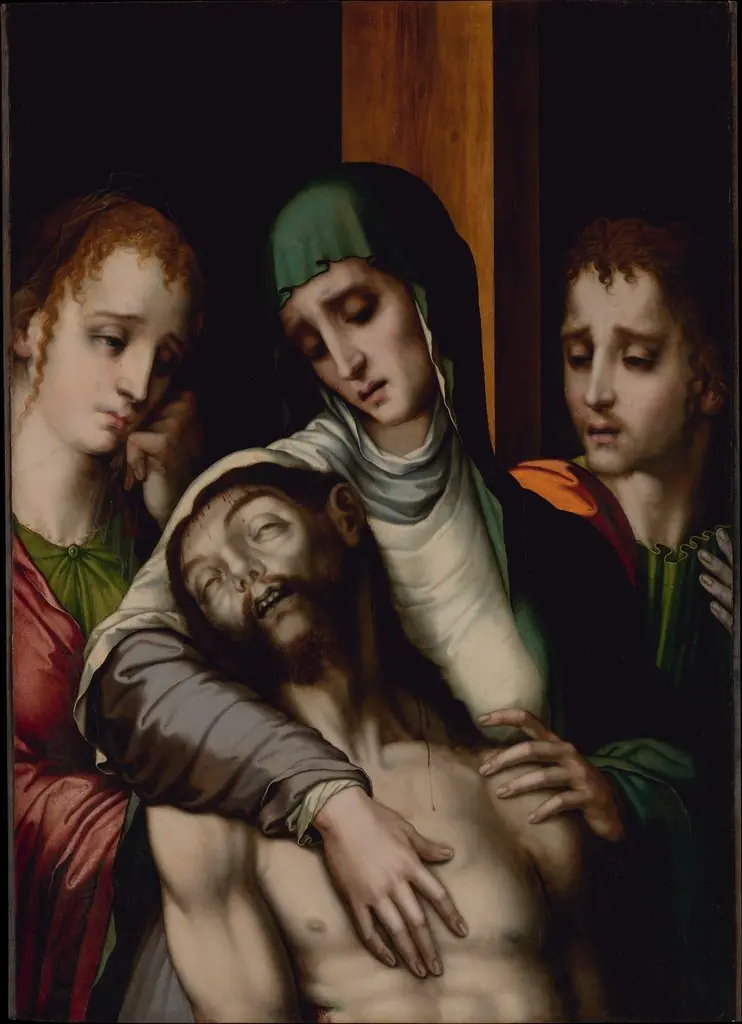 The Lamentation
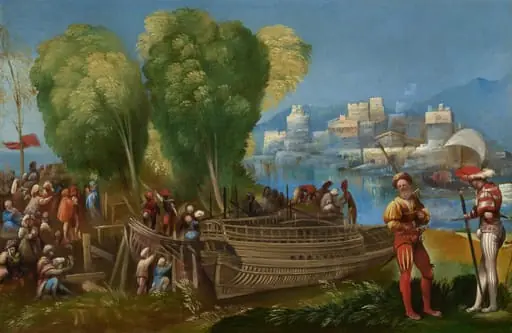 The Trojans Repairing Their Ships in Sicily
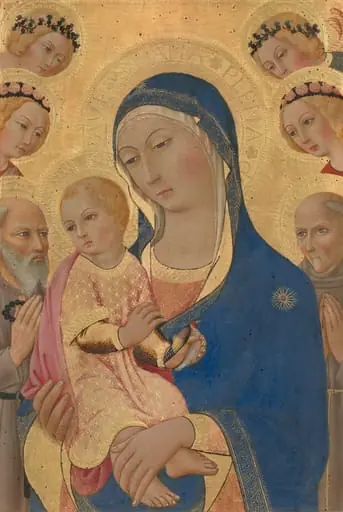 Madonna and Child with Saint Jerome, Saint Bernardino, and Angels
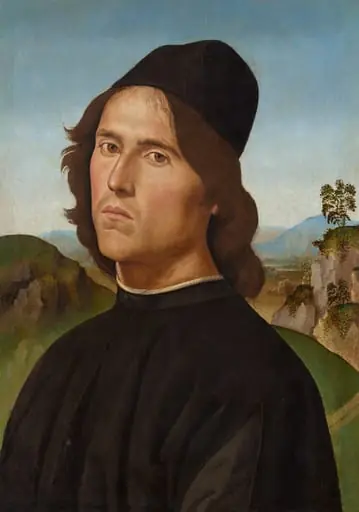 Portrait of Lorenzo di Credi
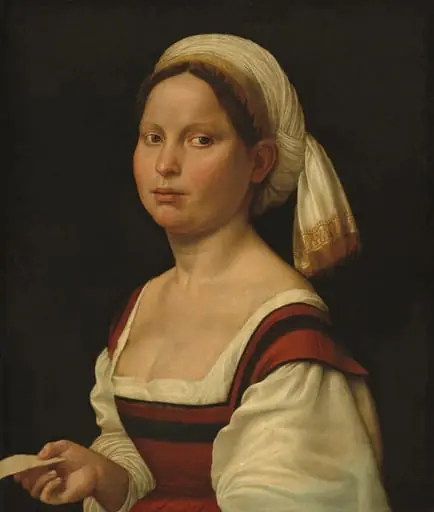 Portrait of a Young Woman
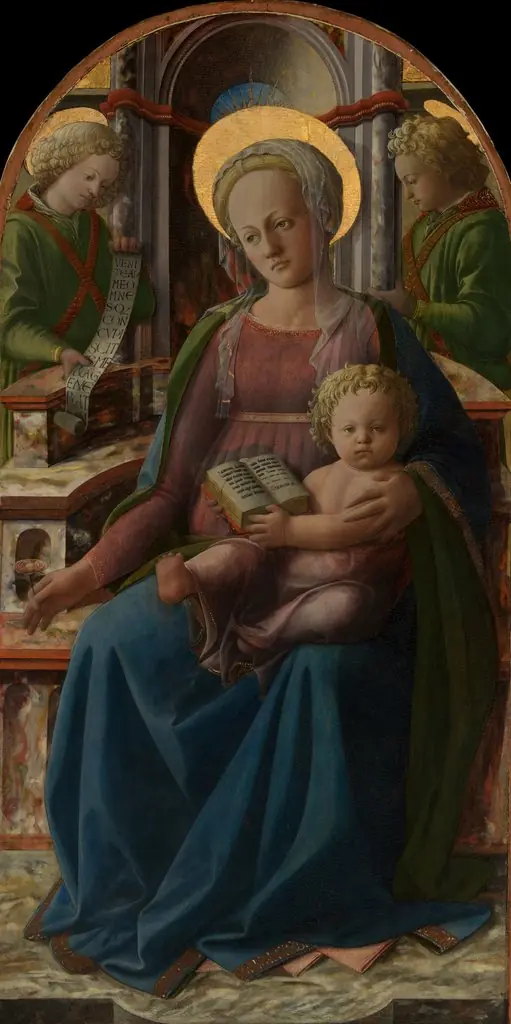 Madonna and Child Enthroned with Two Angels
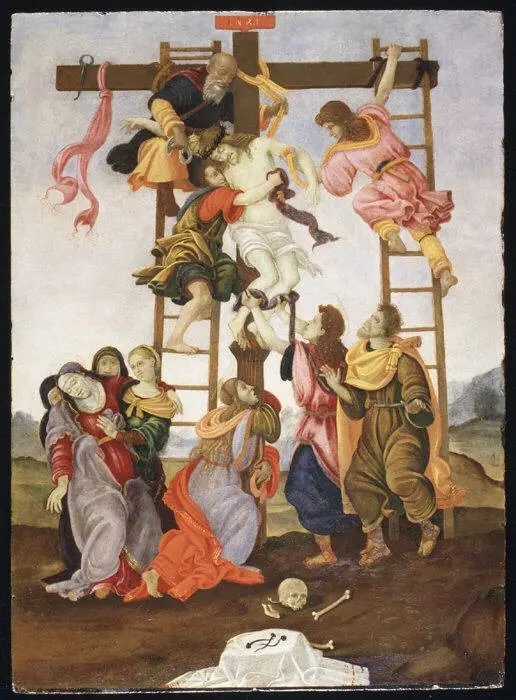 The Descent from the Cross
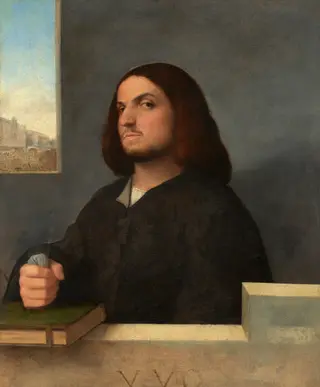 Portrait of a Venetian Gentleman
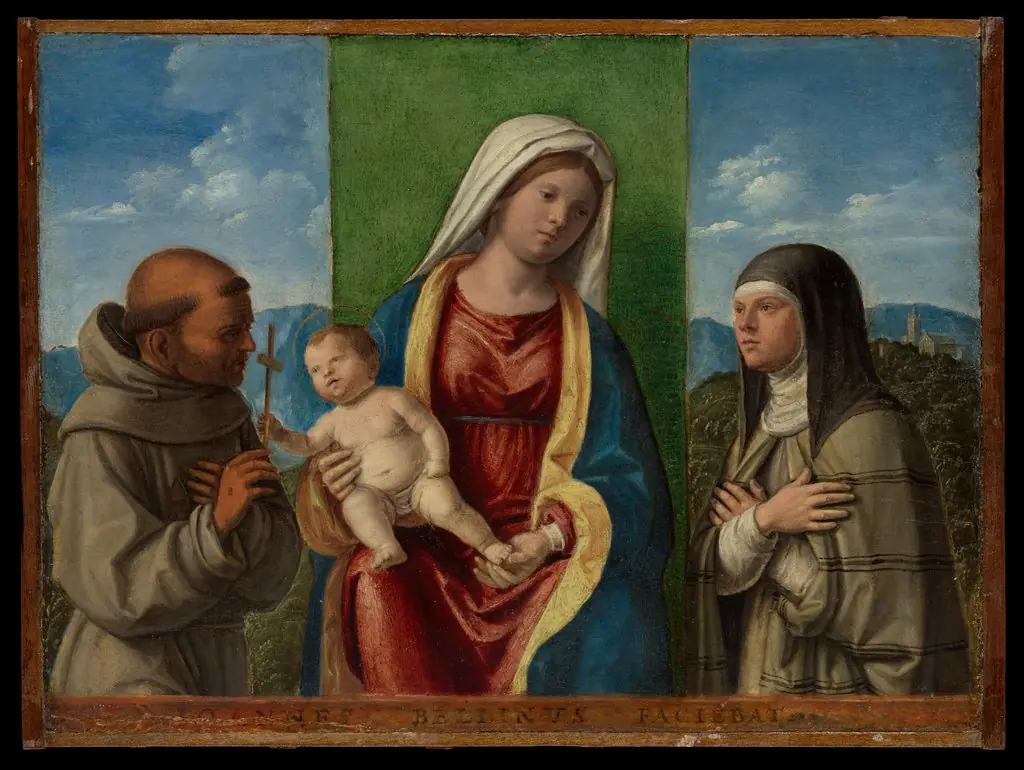 Madonna and Child with Saints Francis and Clare
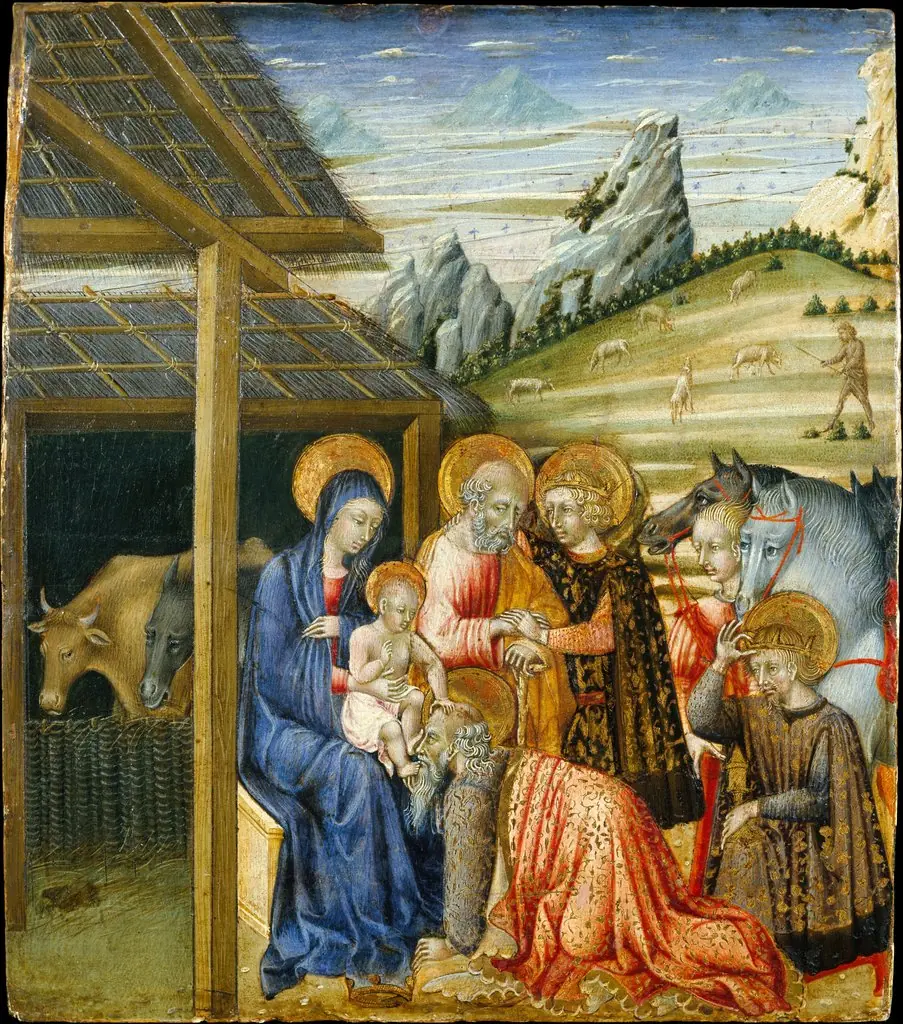 The Adoration of the Magi
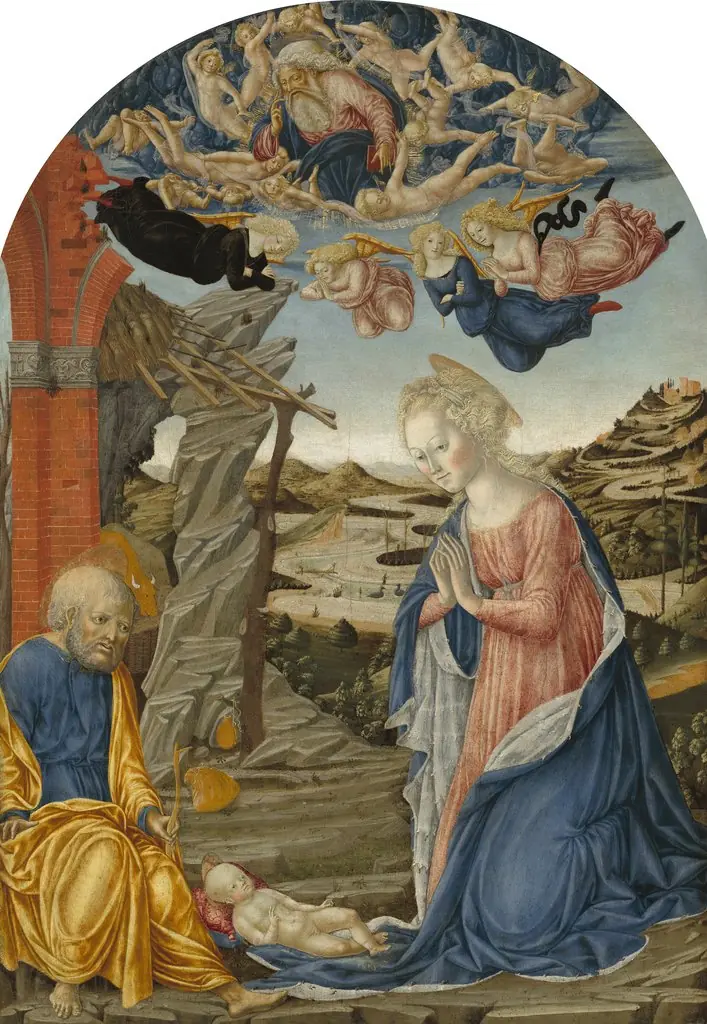 The Nativity
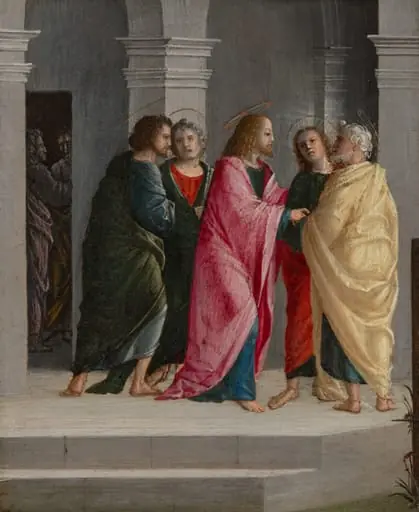 Christ Instructing Peter and John to Prepare for the Passover
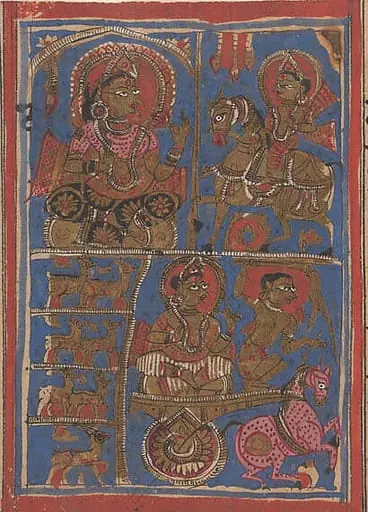 Untitled
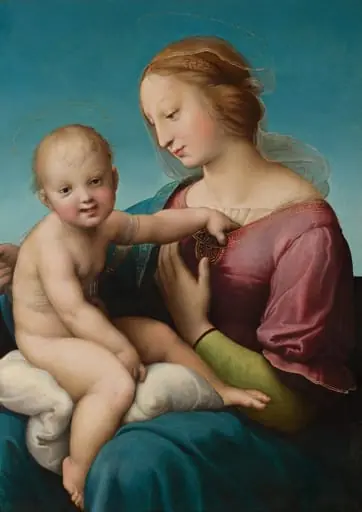 The Niccolini-Cowper Madonna
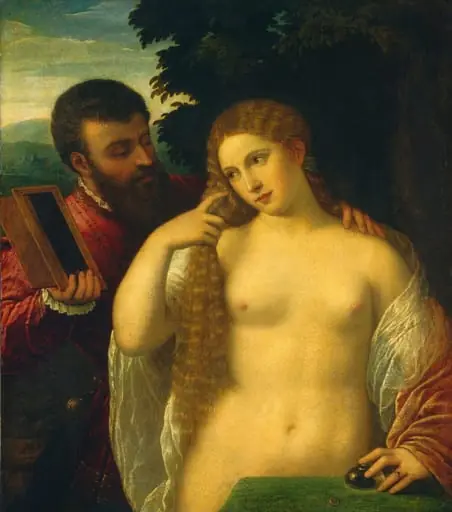 Allegory of Love
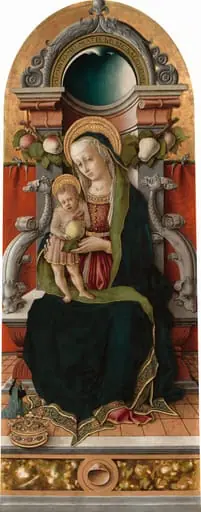 Madonna and Child Enthroned with Donor
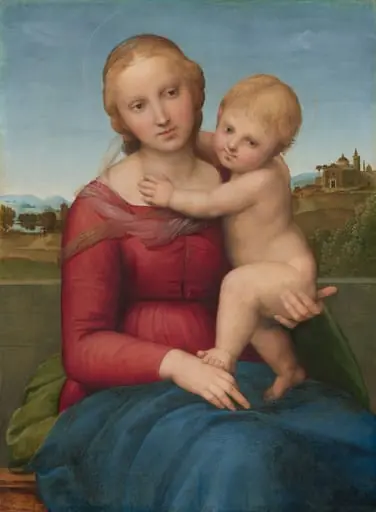 The Small Cowper Madonna
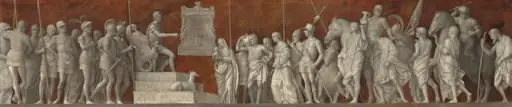 An Episode from the Life of Publius Cornelius Scipio
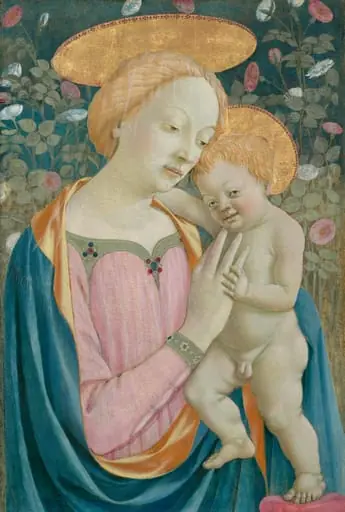 Madonna and Child
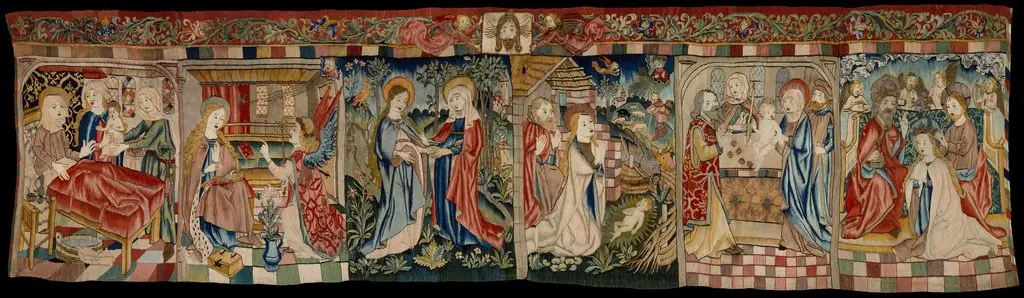 Scenes from the Life of the Virgin
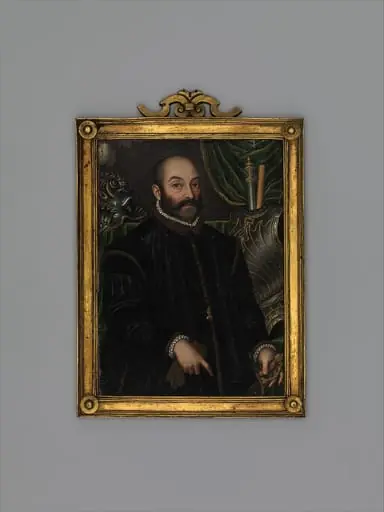 Guidobaldo II della Rovere, Duke of Urbino (1514–1574), With his Armor by Filippo Negroli
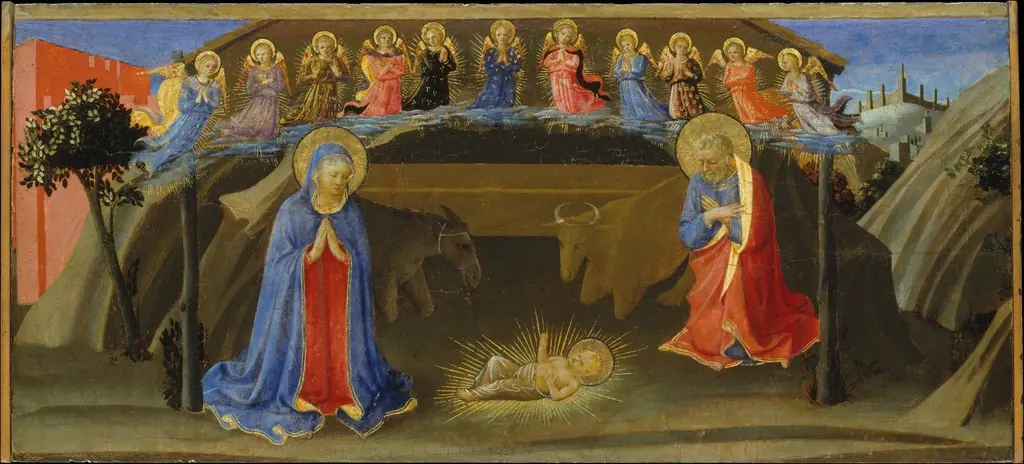 The Nativity
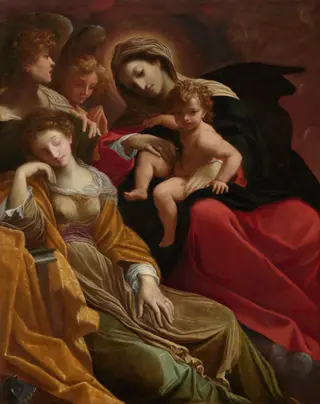 The Dream of Saint Catherine of Alexandria
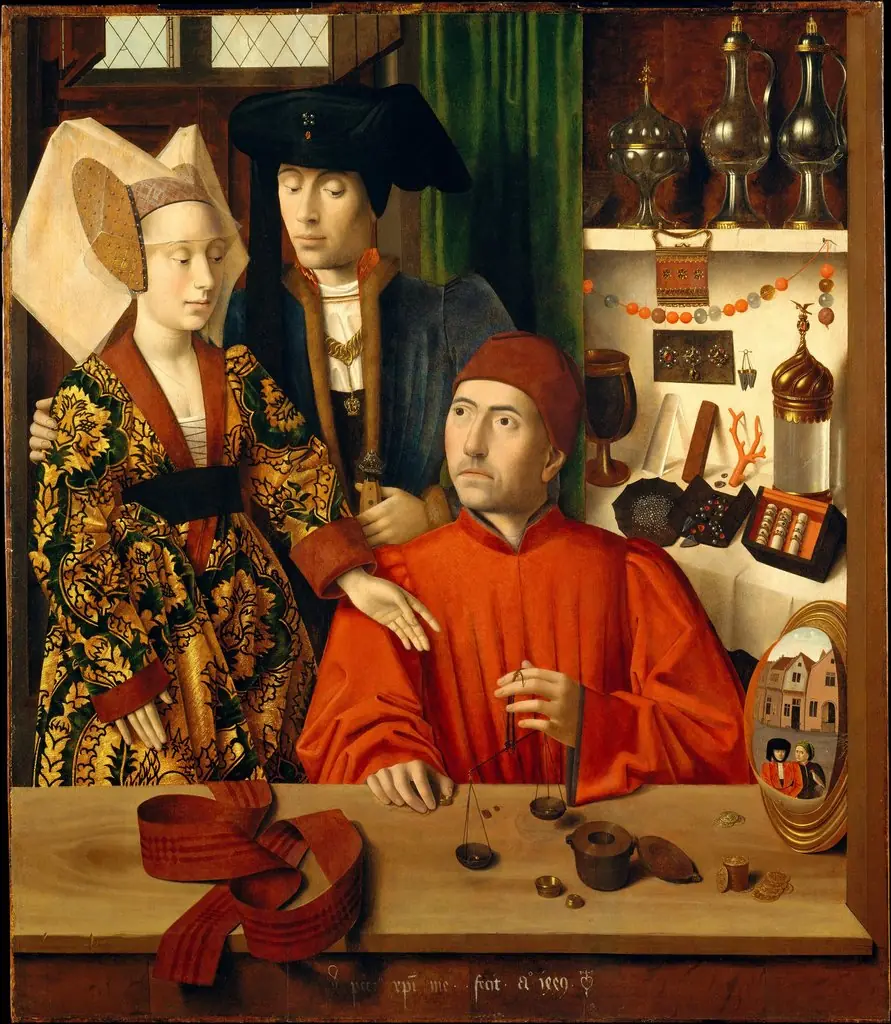 A Goldsmith in His Shop
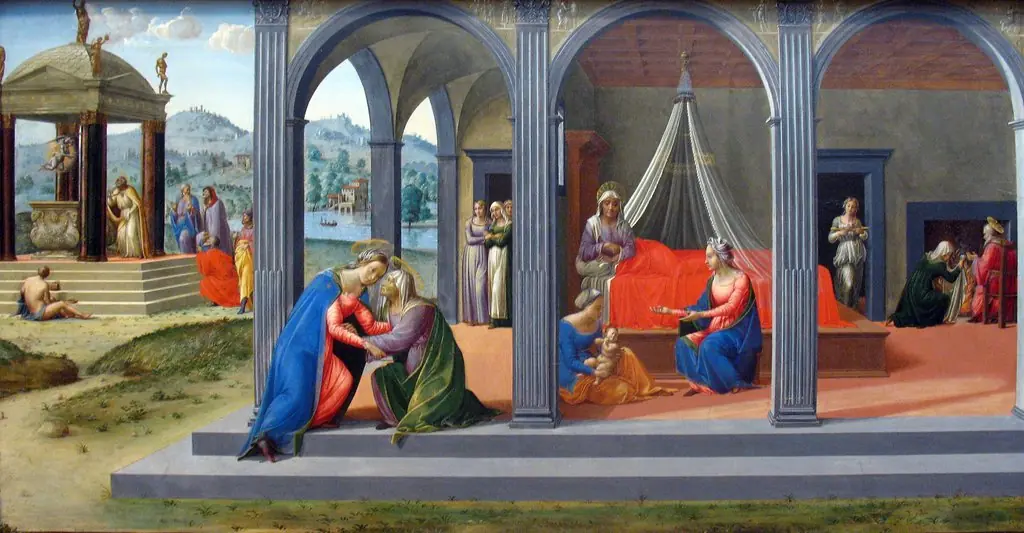 Scenes from the Life of Saint John the Baptist
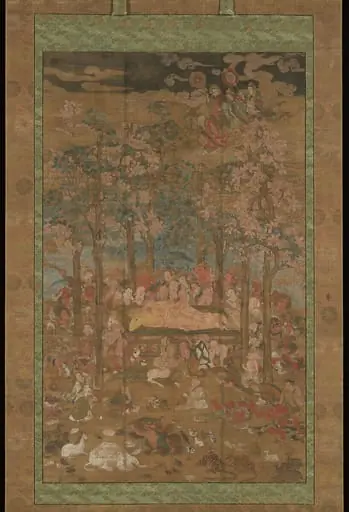 仏涅槃図|Death of the Historical Buddha (Nehan-zu)
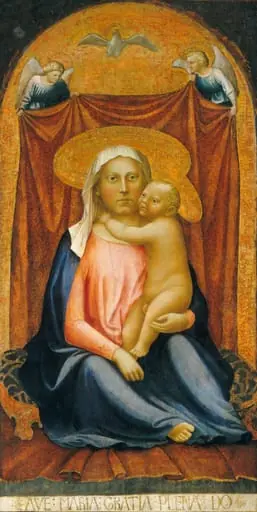 The Madonna of Humility
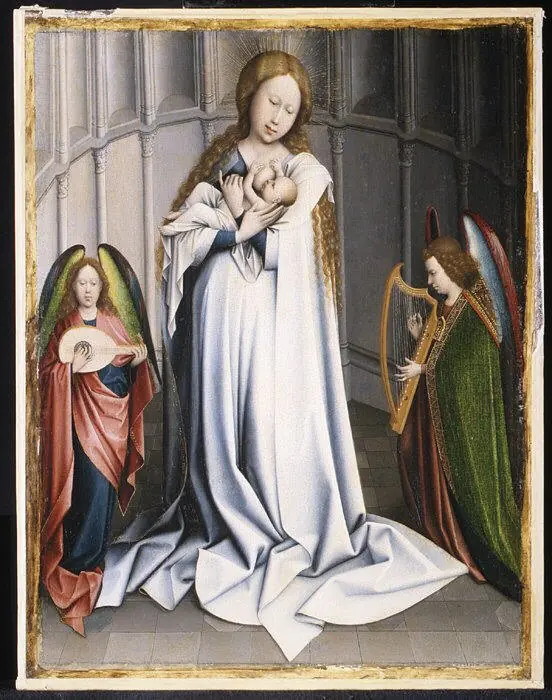 Virgin and Child in an Apse
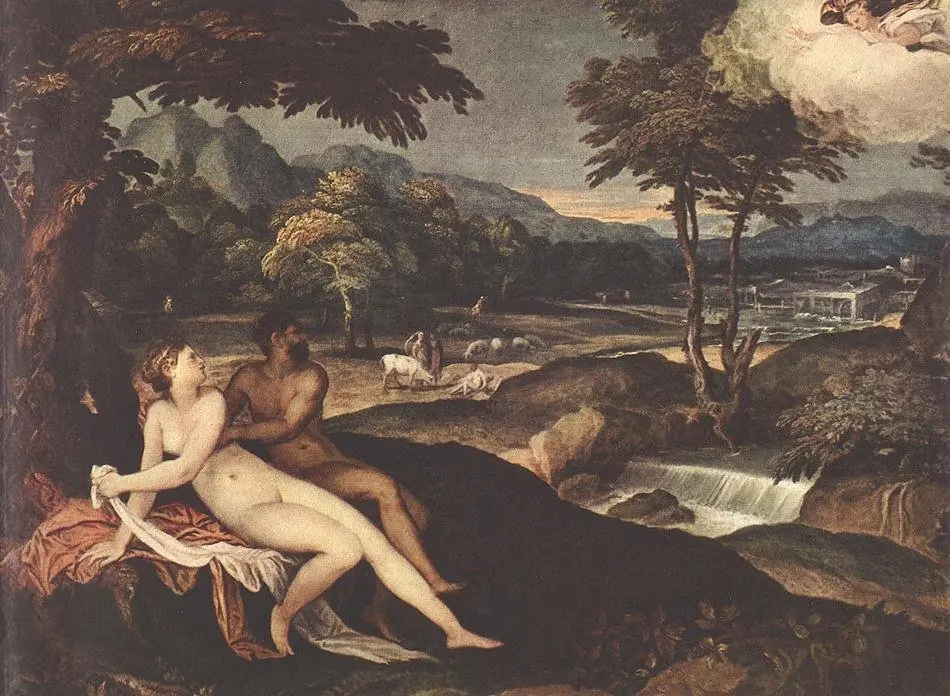 Landscape with Jupiter and Io
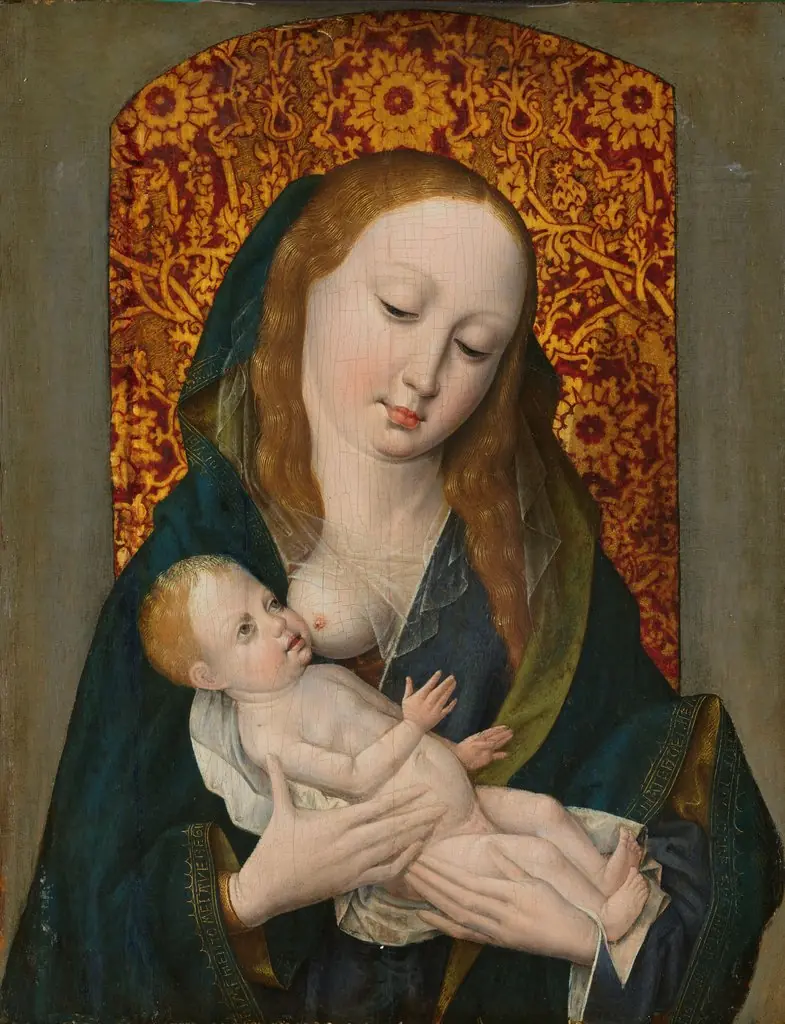 The Virgin and Child
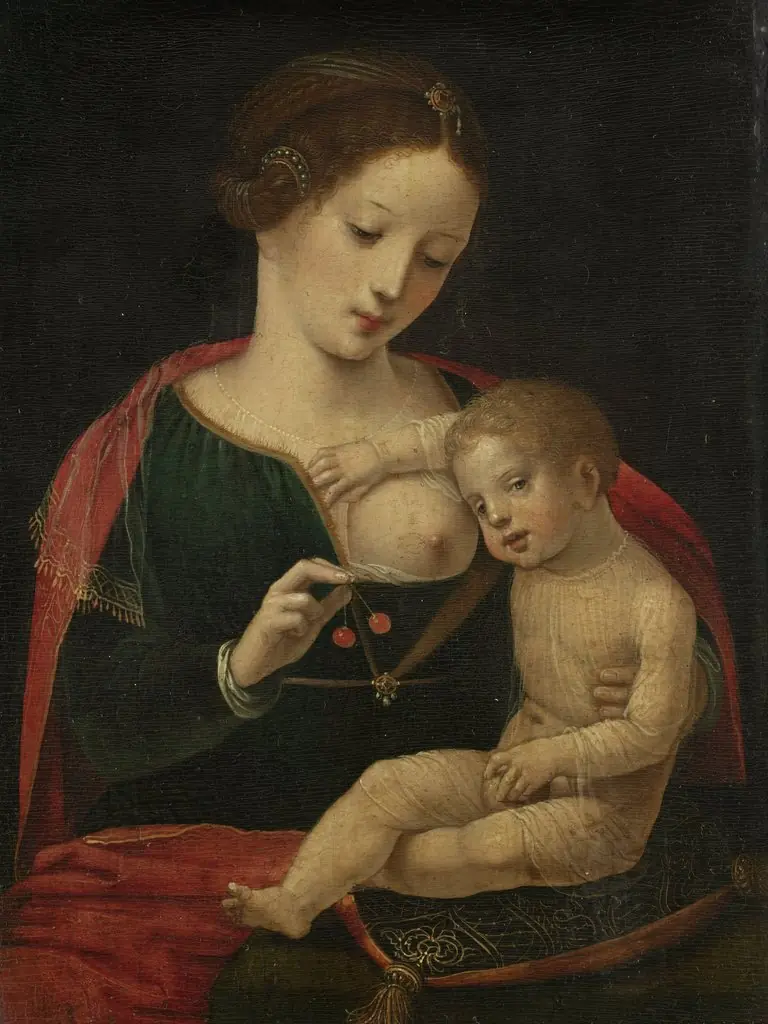 Madonna and child
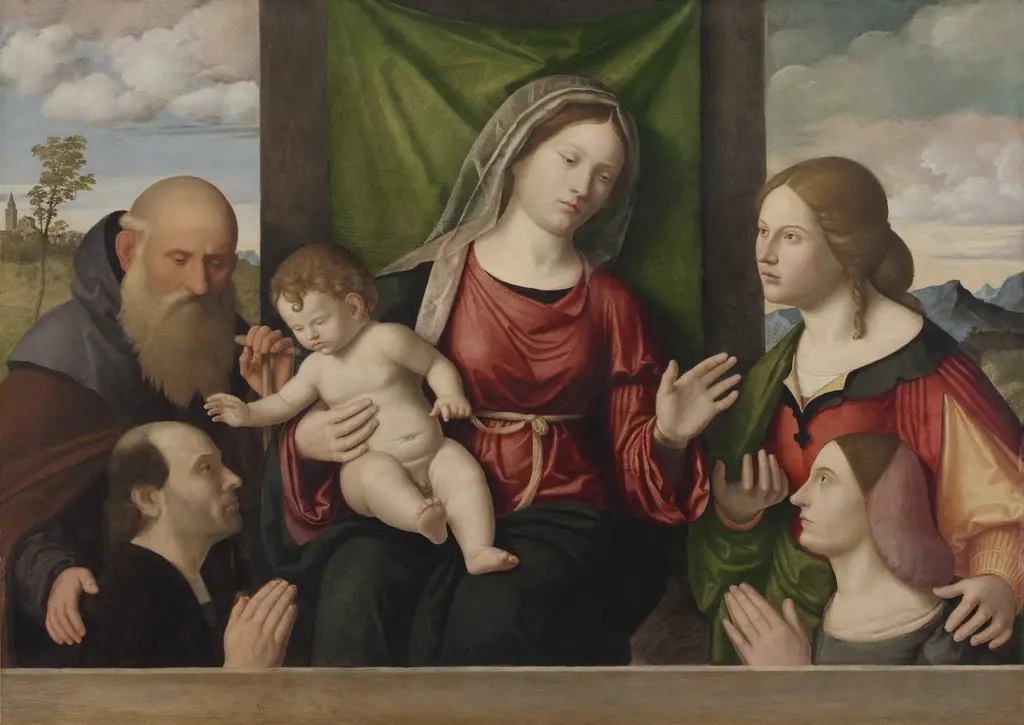 Virgin and Child with Saints and Donors
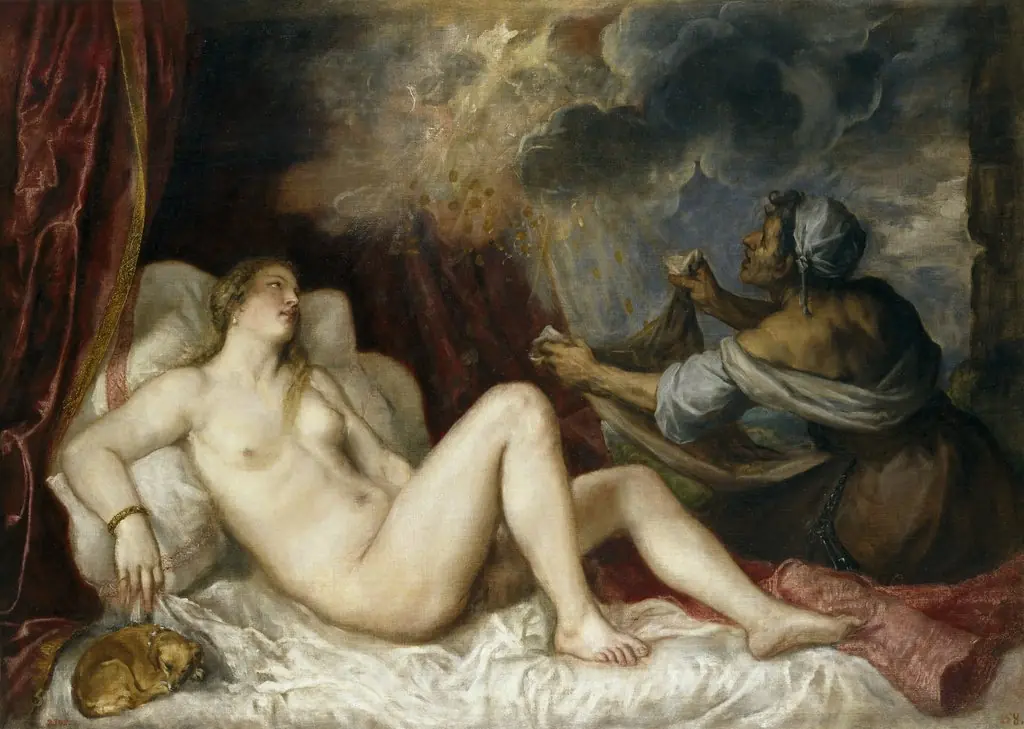 Danaë
Danaë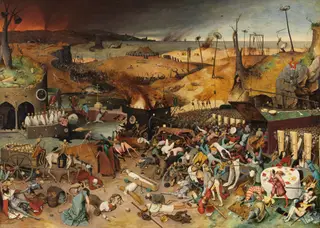 The Triumph of Death
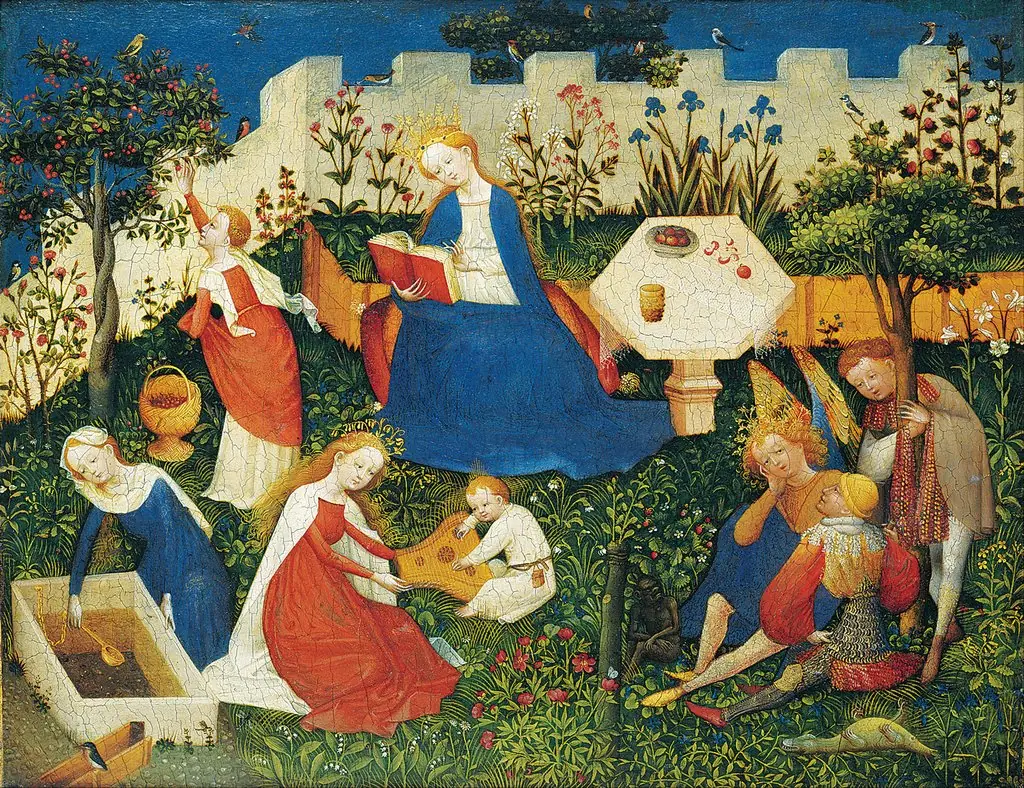 Paradiesgärtlein
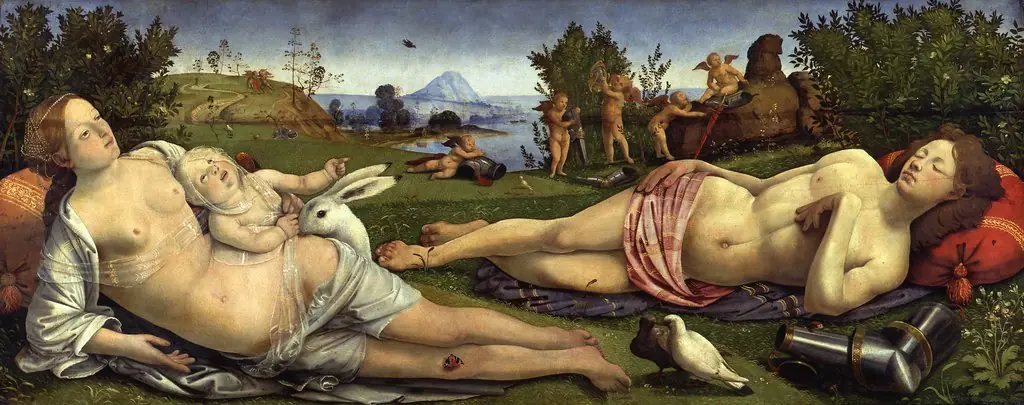 Venus, Mars and Cupid
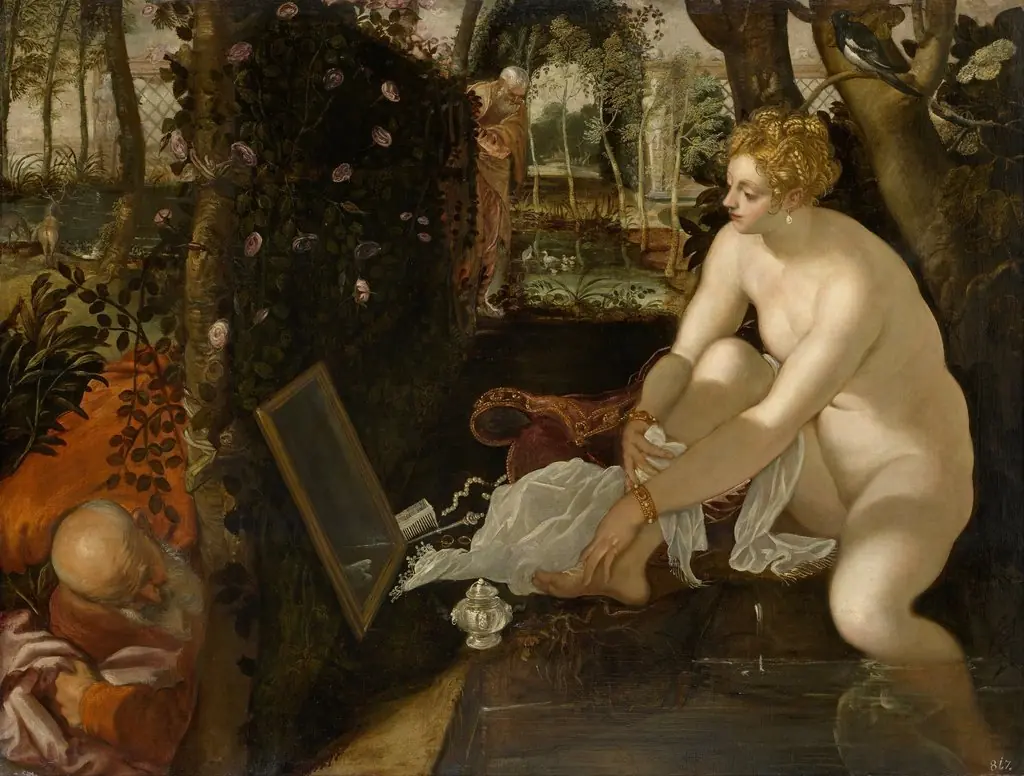 Susanna and the Elders
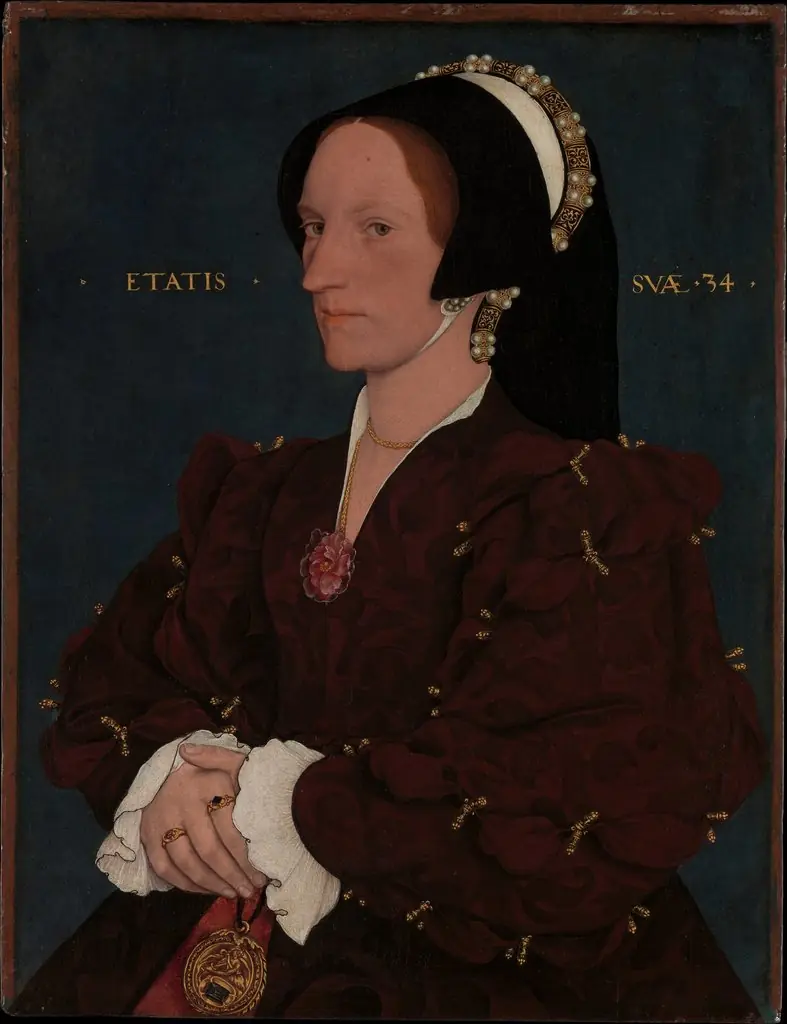 Lady Lee (Margaret Wyatt, born about 1509)
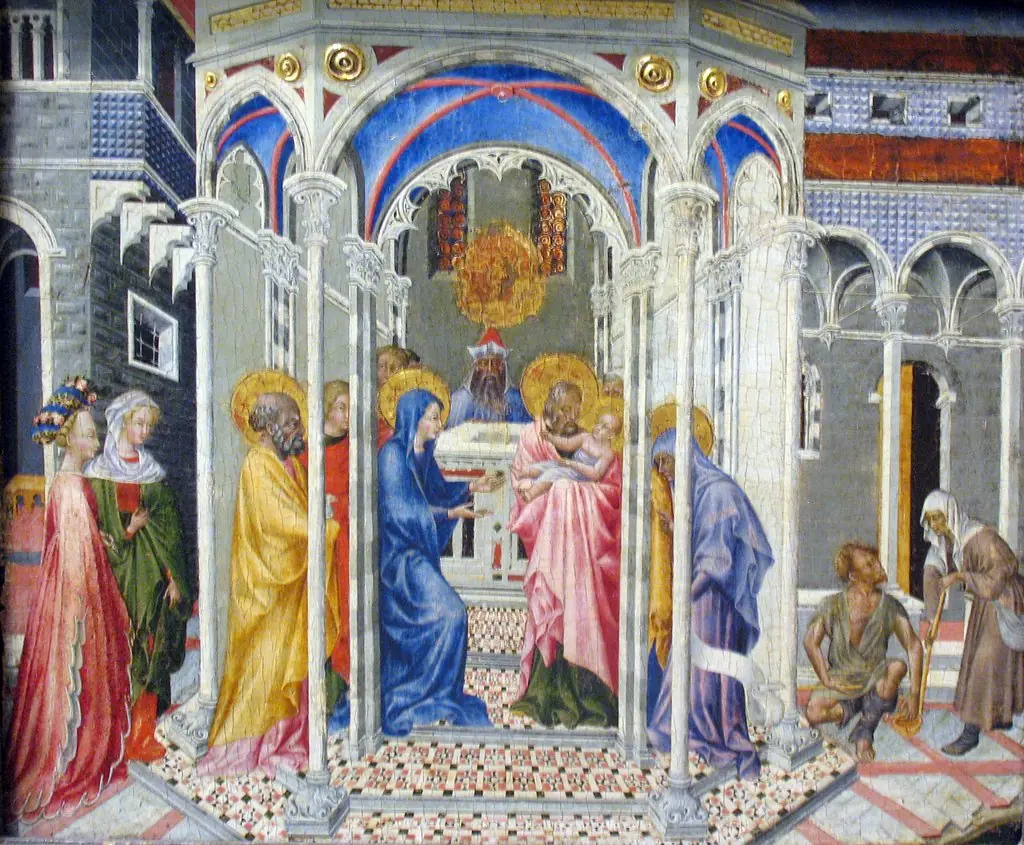 The Presentation of Christ in the Temple
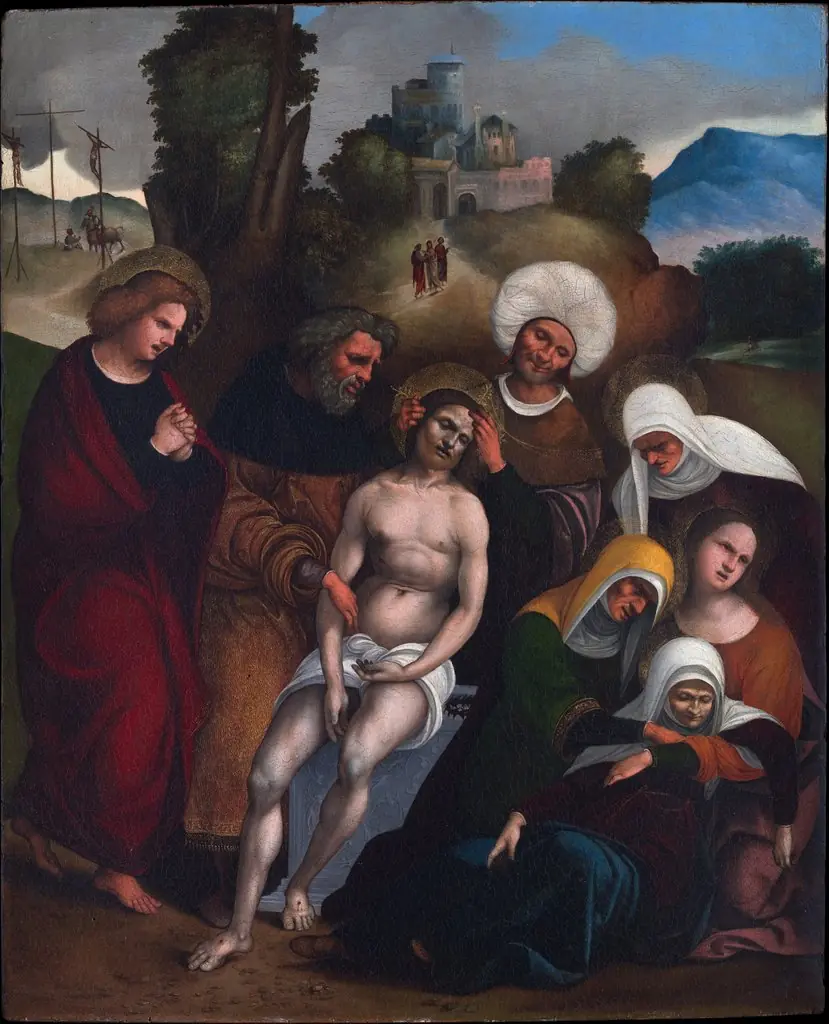 The Lamentation
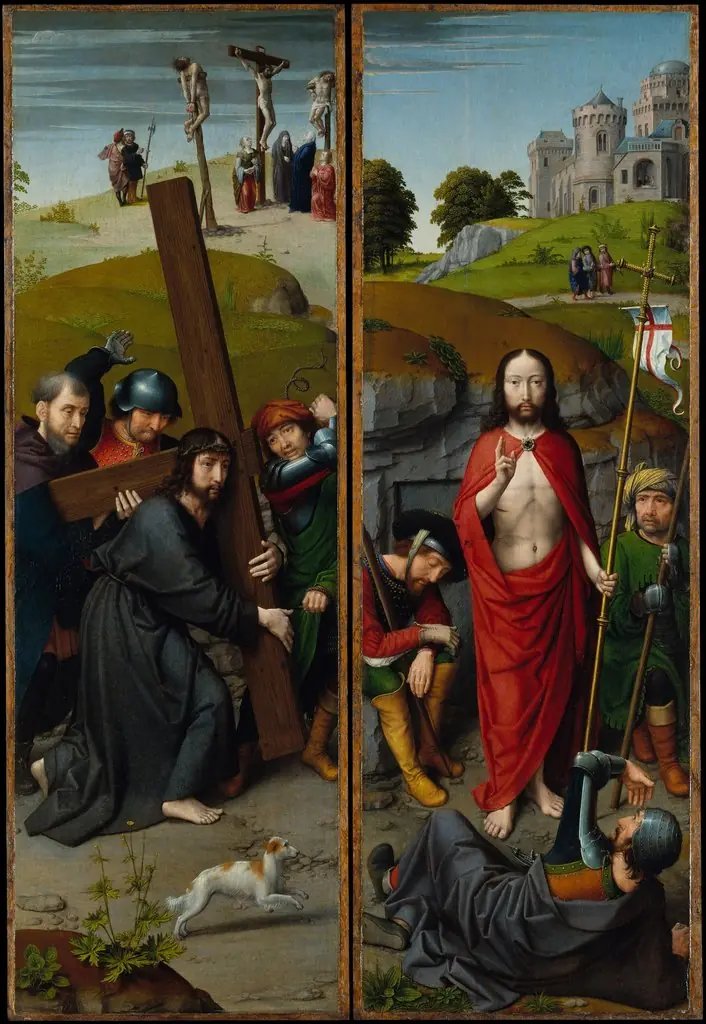 Christ Carrying the Cross, with the Crucifixion; The Resurrection, with the Pilgrims of Emmaus
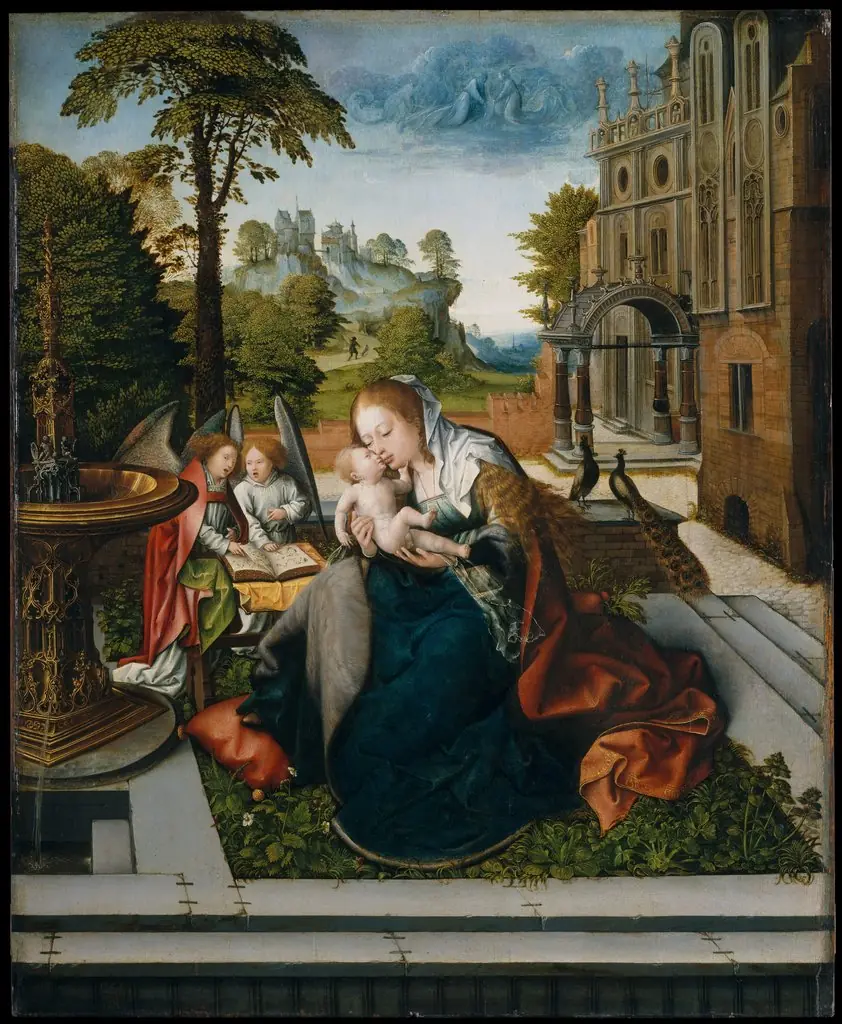 Virgin and Child with Angels
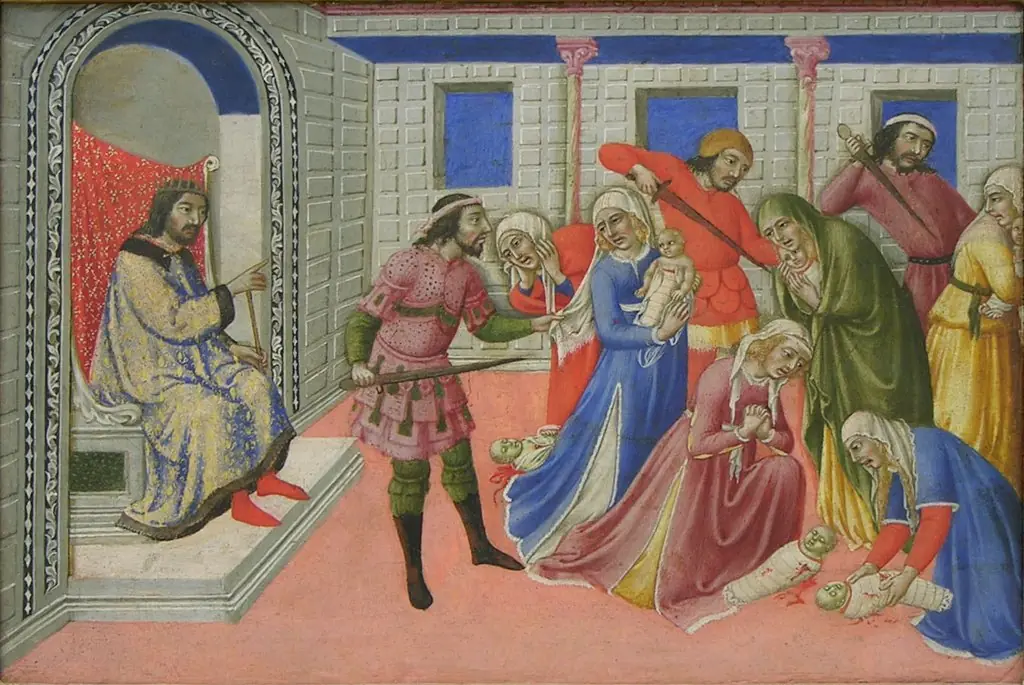 The Massacre of the Innocents
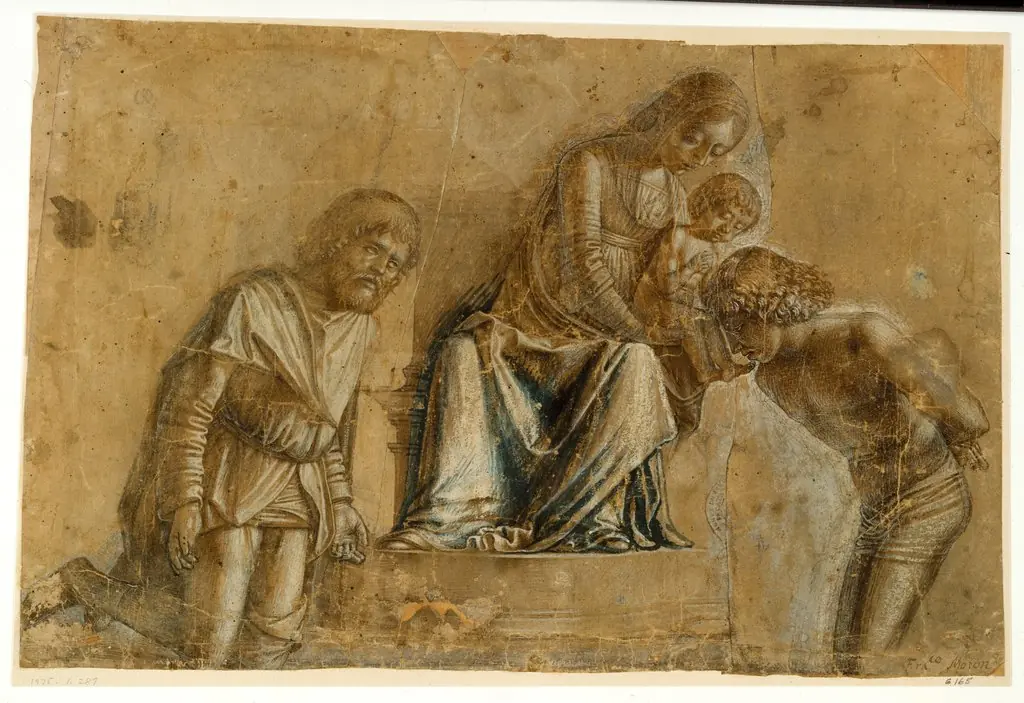 Madonna and Child with Saints Roch and Sebastian
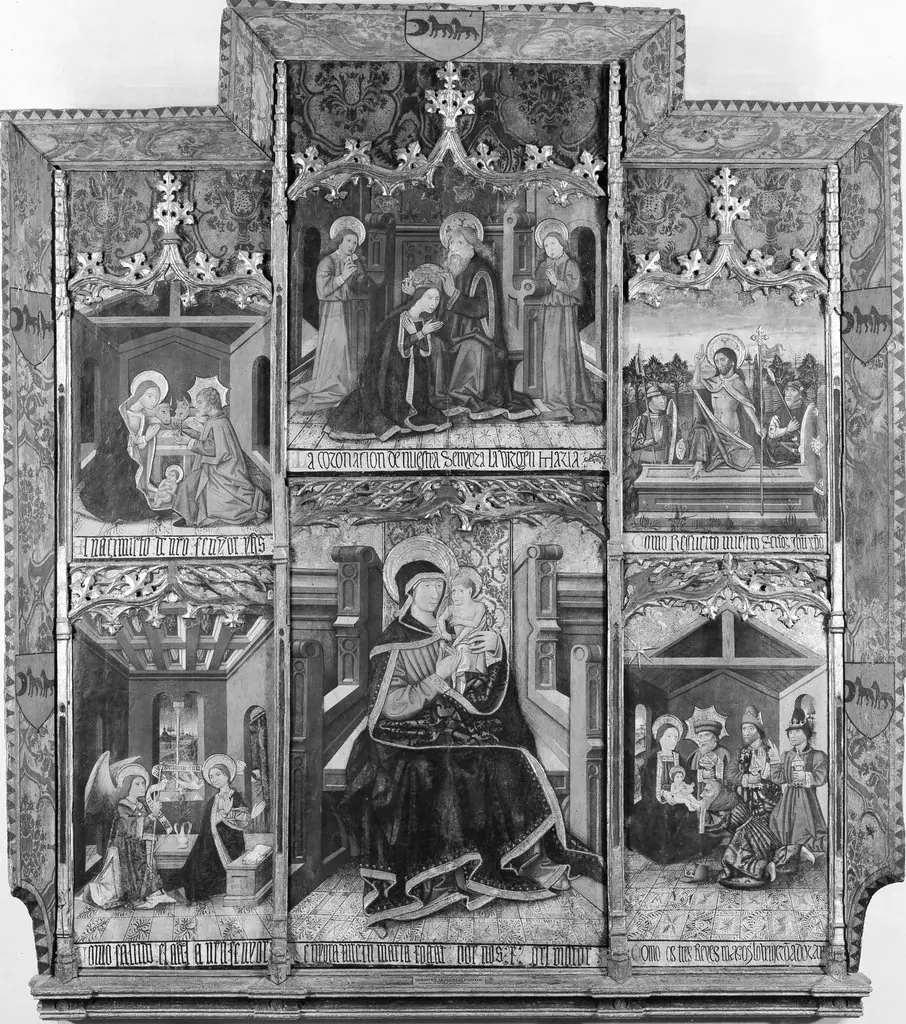 Virgin and Child Enthroned with Scenes from the Life of the Virgin
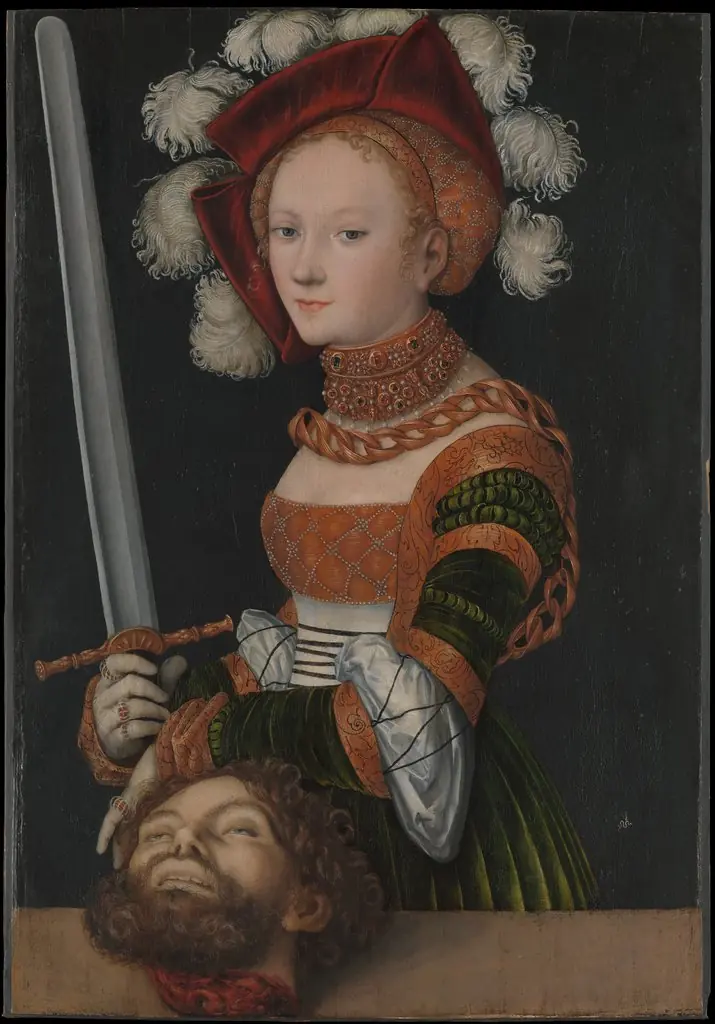 Judith with the Head of Holofernes
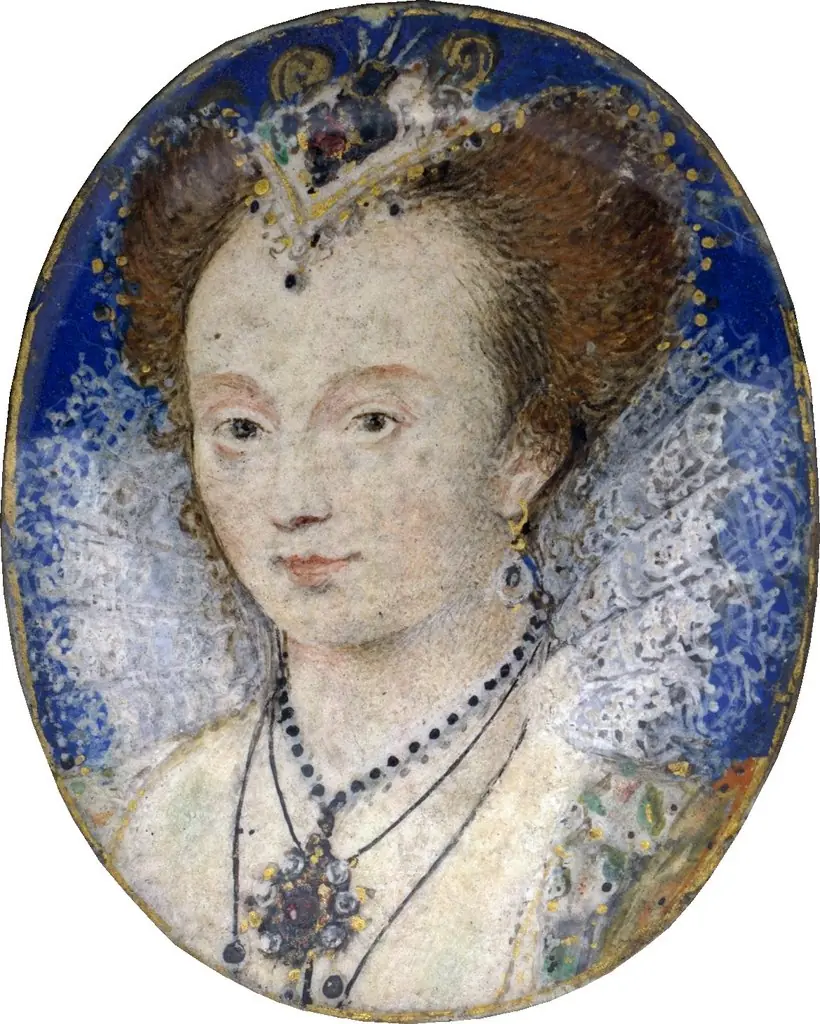 Portrait of a Woman
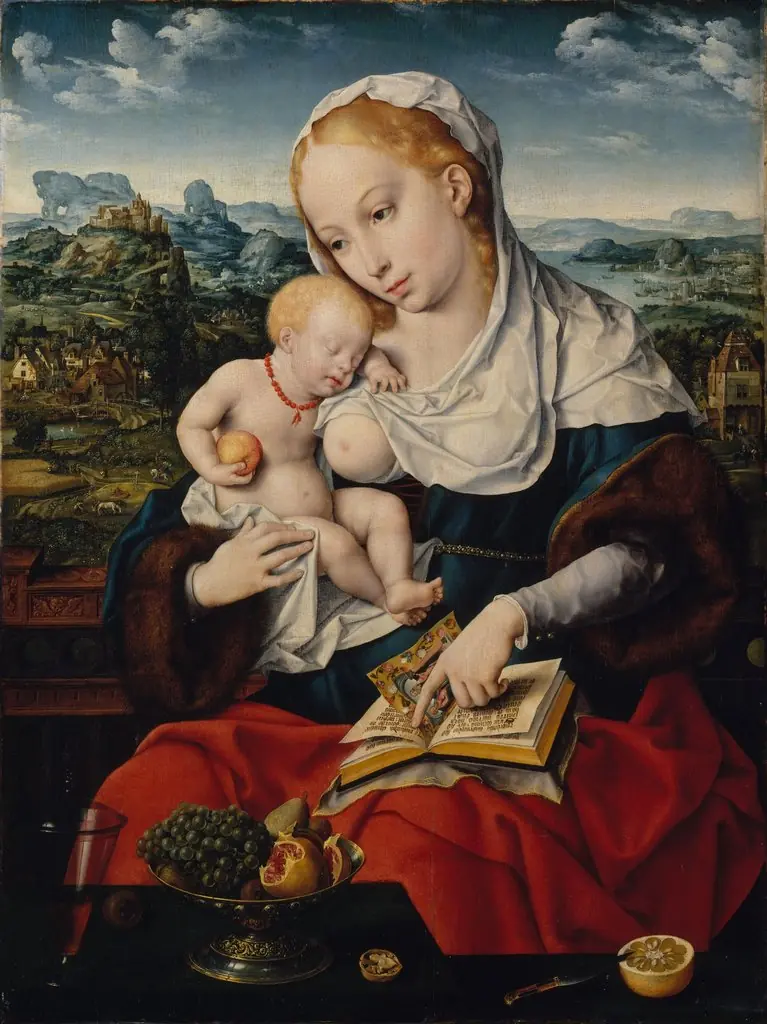 Virgin and Child
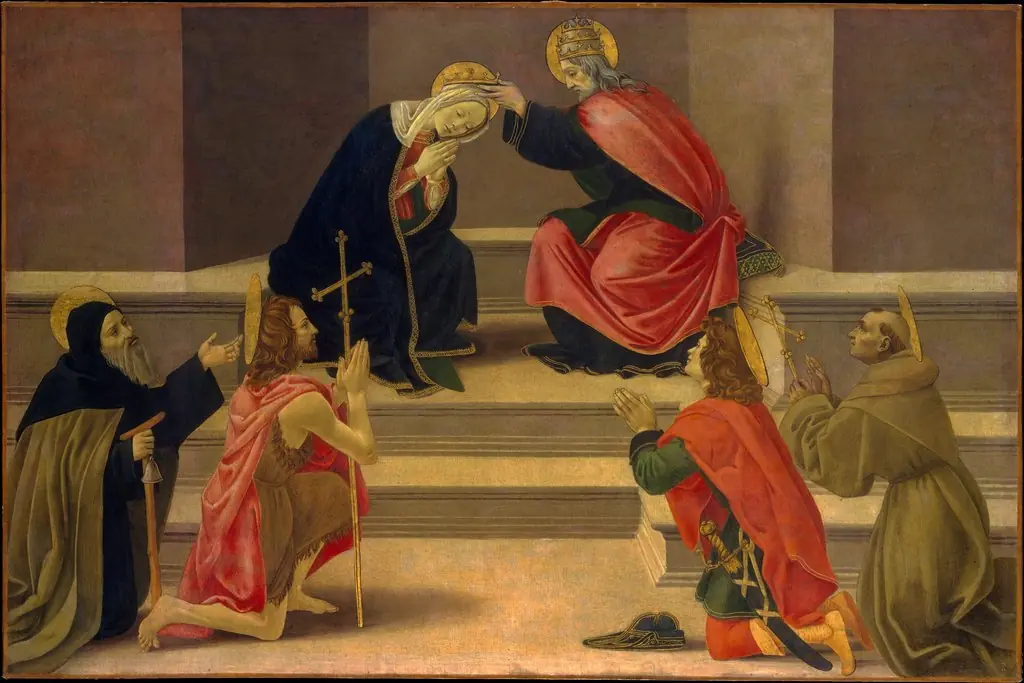 The Coronation of the Virgin
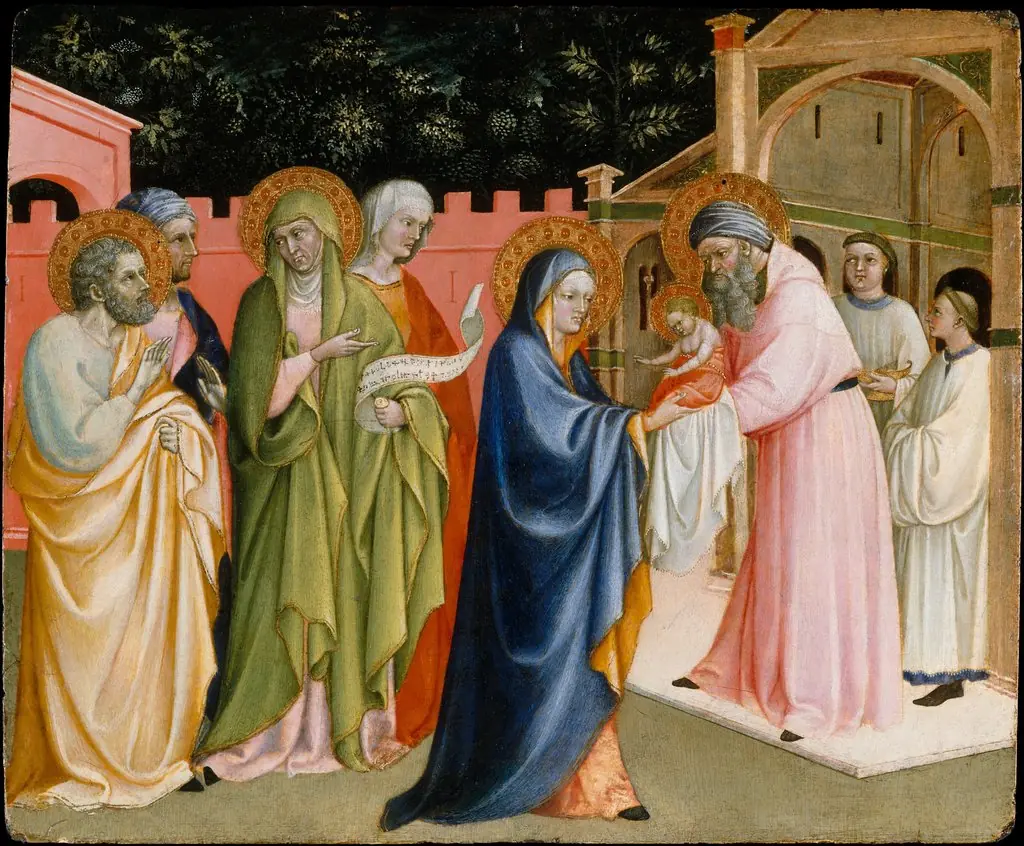 The Presentation in the Temple
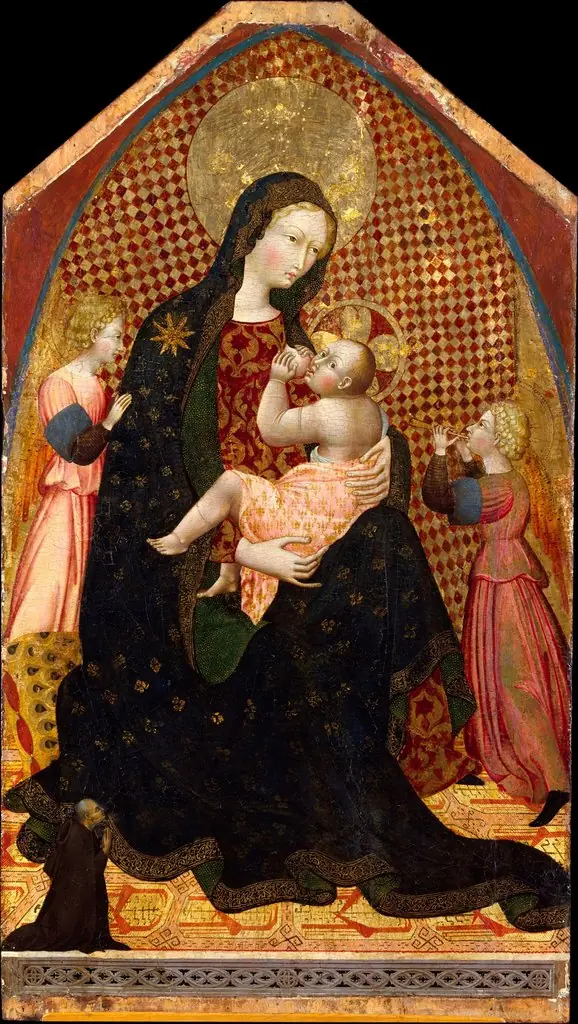 Madonna and Child with Two Angels and a Donor
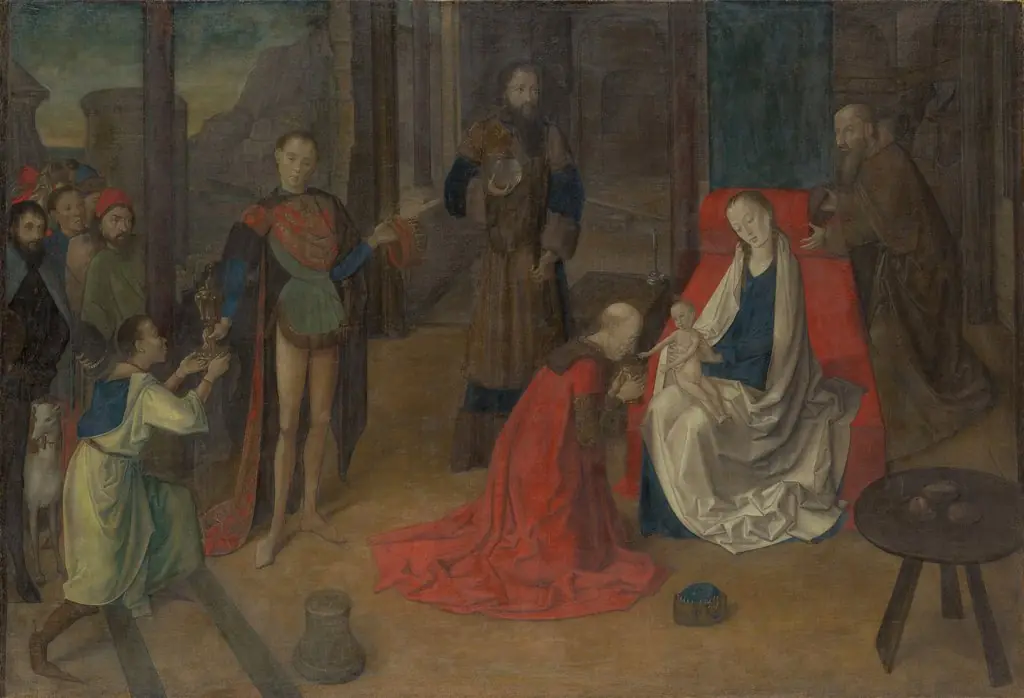 The Adoration of the Magi
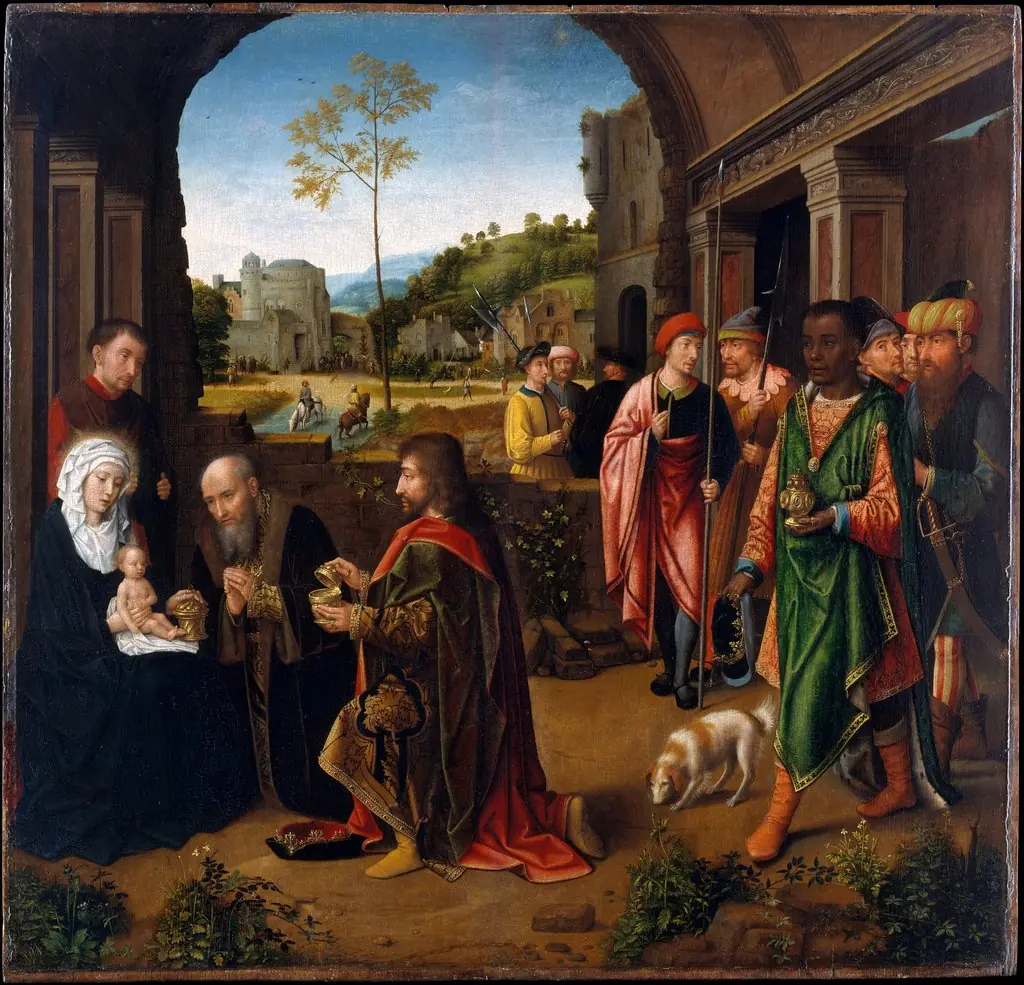 The Adoration of the Magi
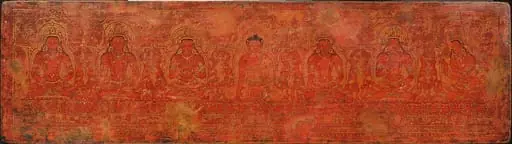 Untitled
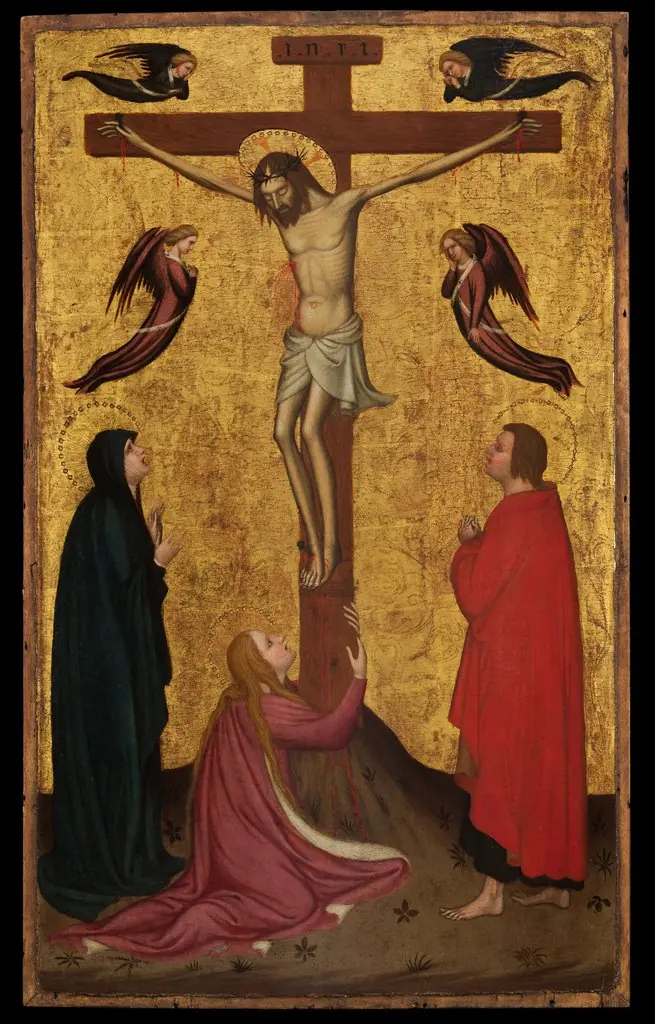 The Crucifixion
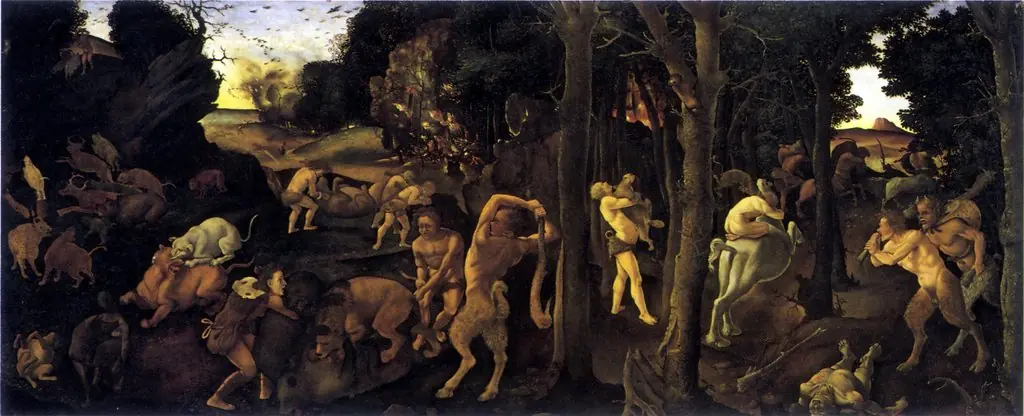 A Hunting Scene
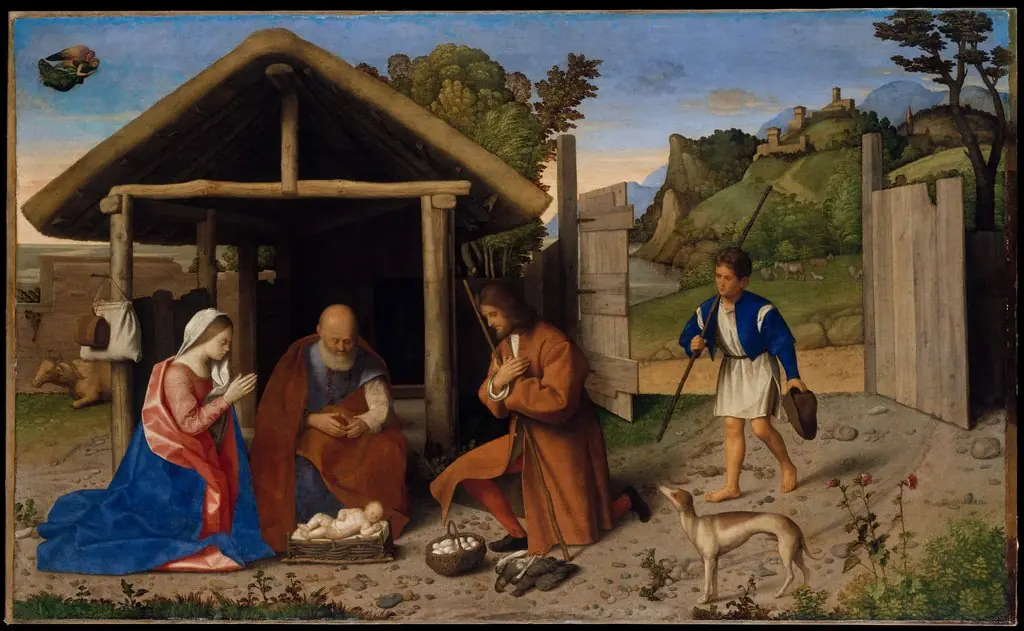 The Adoration of the Shepherds
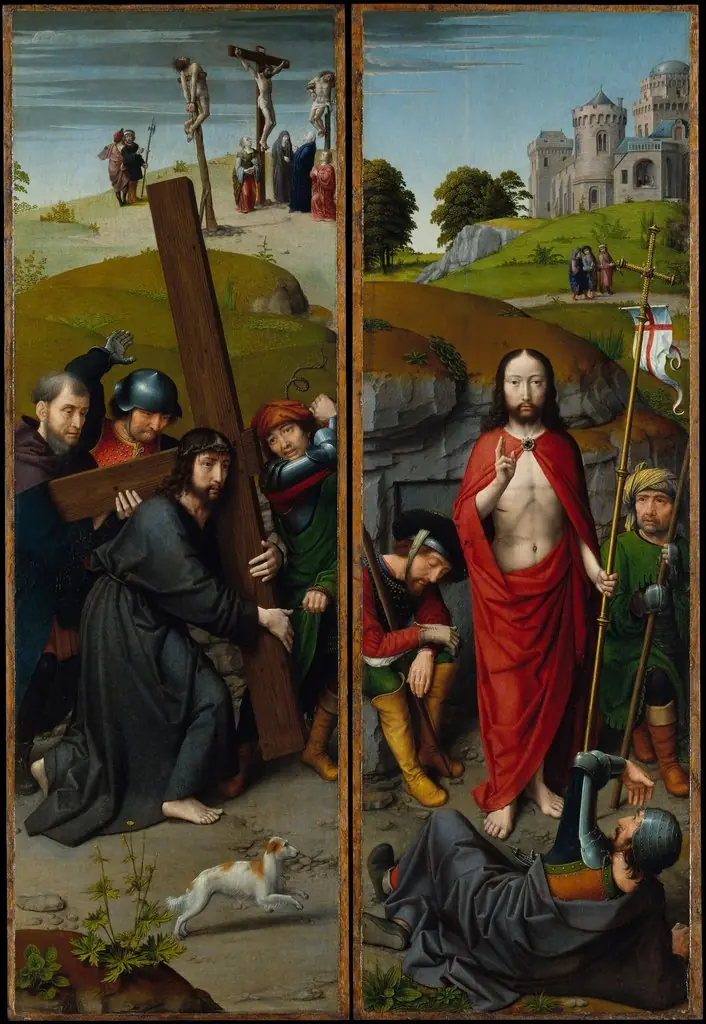 Christ Carrying the Cross, with the Crucifixion; The Resurrection, with the Pilgrims of Emmaus
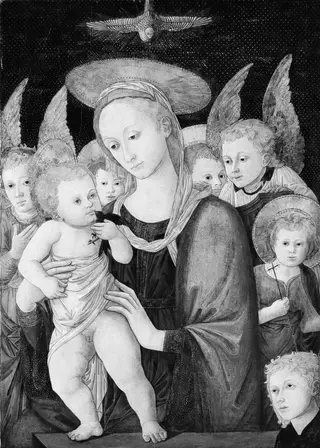 Madonna and Child with the Infant Saint John the Baptist and Angels
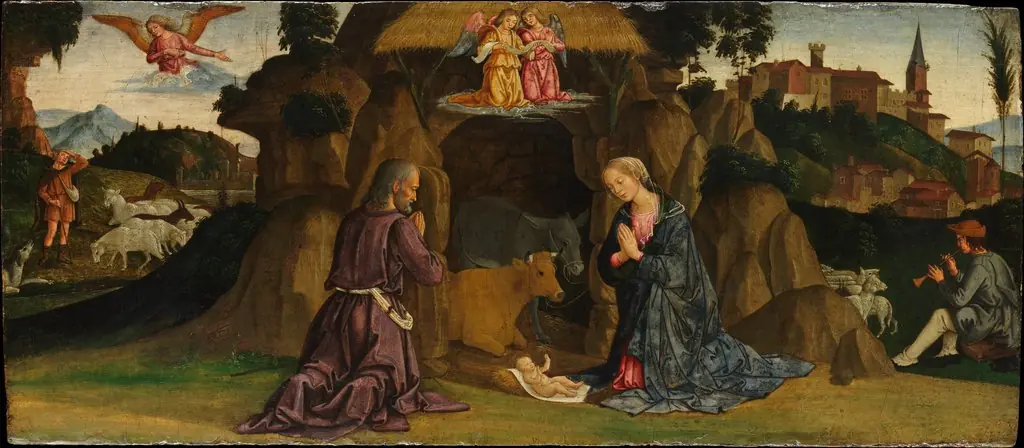 The Nativity
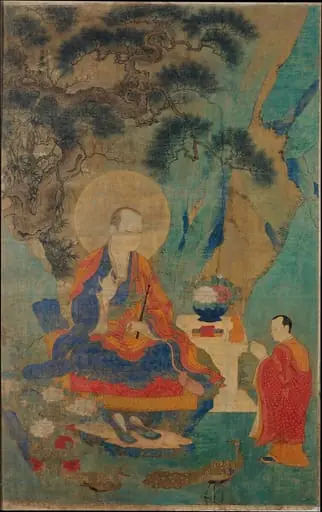 明 佚名 羅漢圖 軸|The Arhat Vajraputra
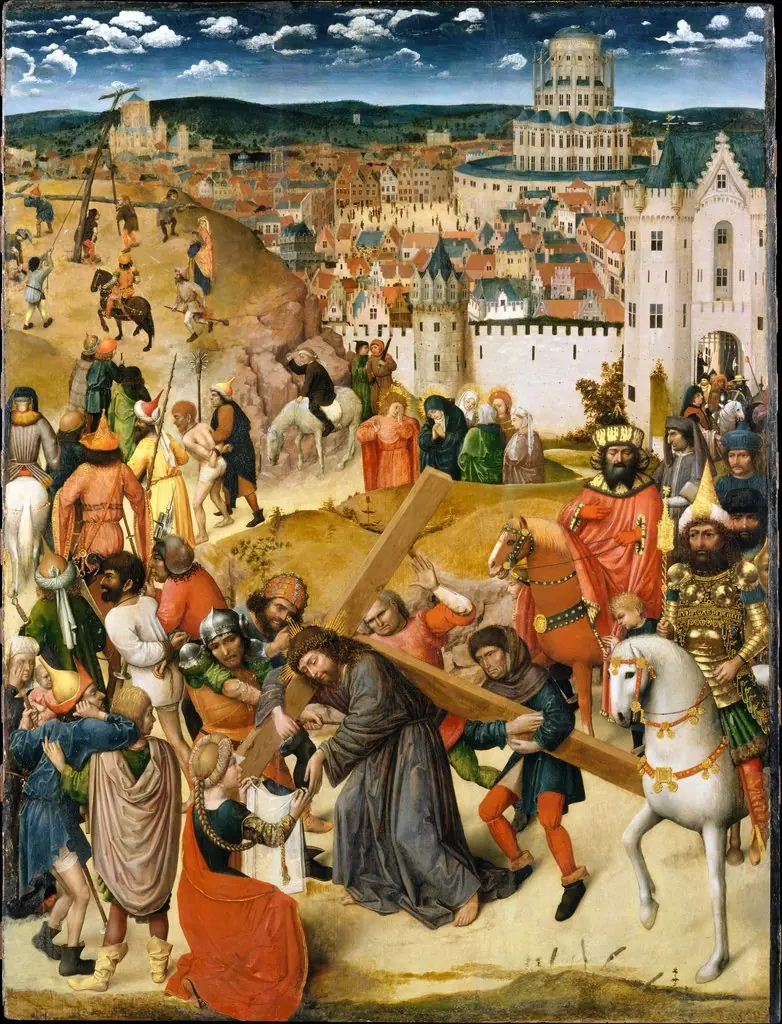 Christ Bearing the Cross
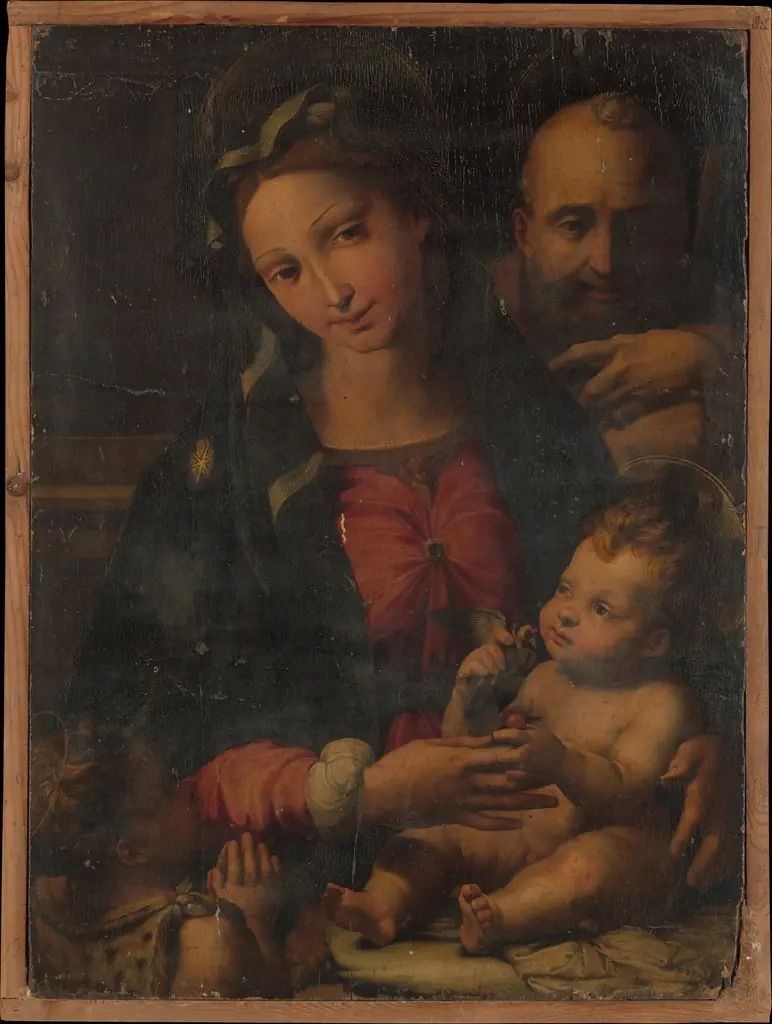 The Holy Family with the Infant Saint John the Baptist
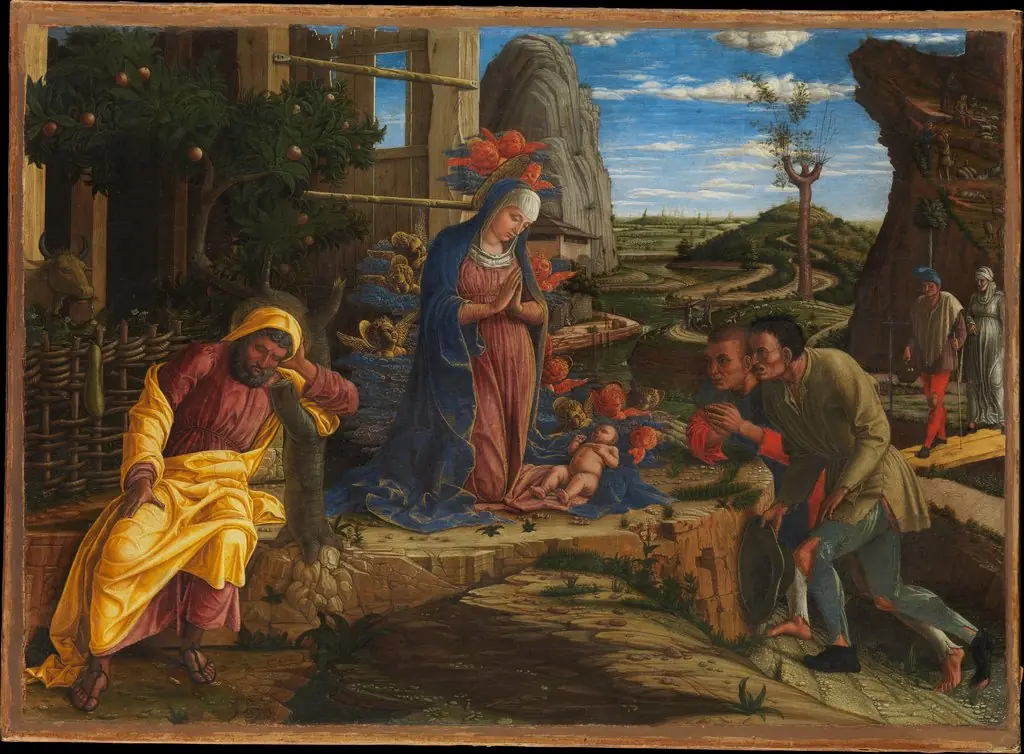 Adoration of the Shepherds
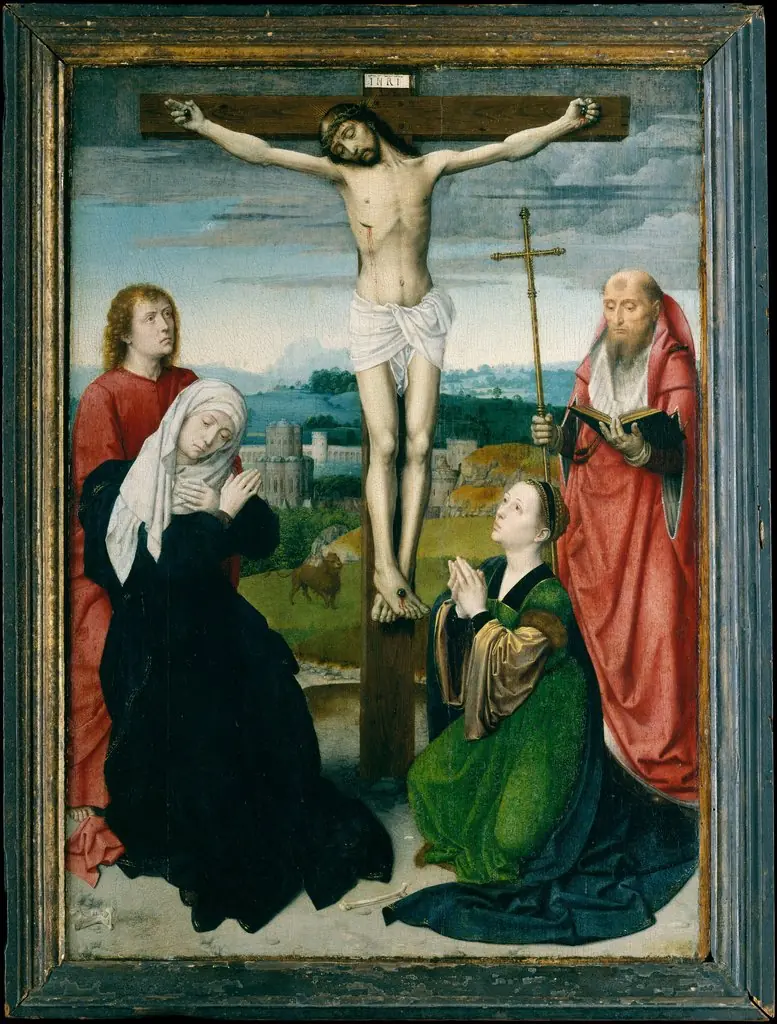 The Crucifixion
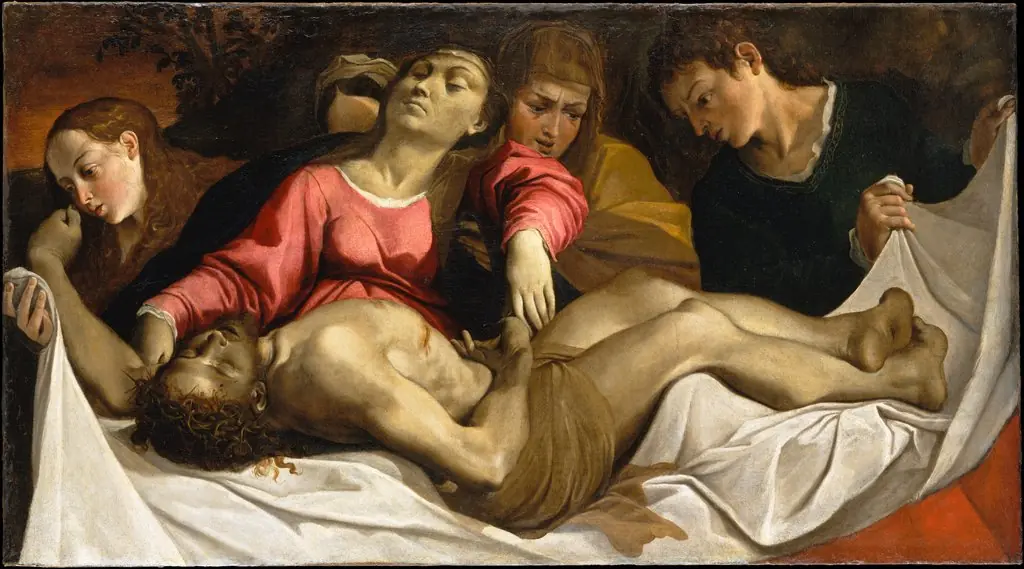 The Lamentation
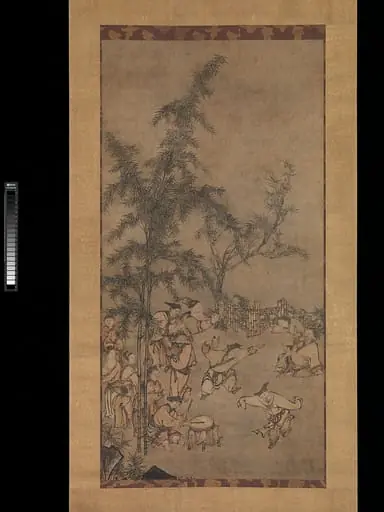 雪村周継筆 竹林七聖図|Seven Sages of the Bamboo Grove
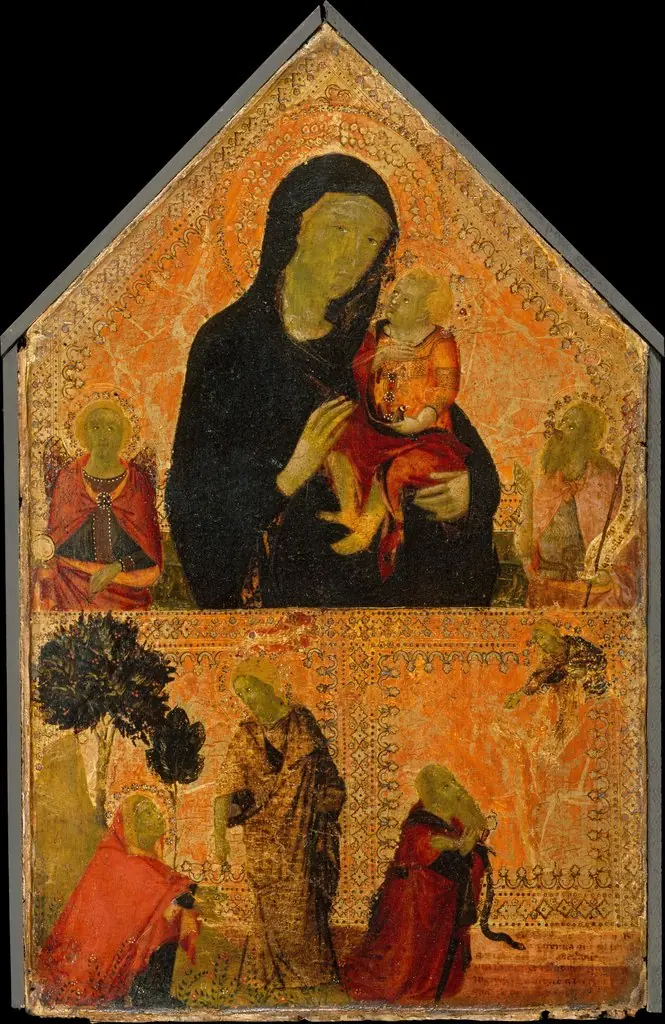 Madonna and Child with Saints Michael and John the Baptist; The Noli Me Tangere; The Conversion of Saint Paul
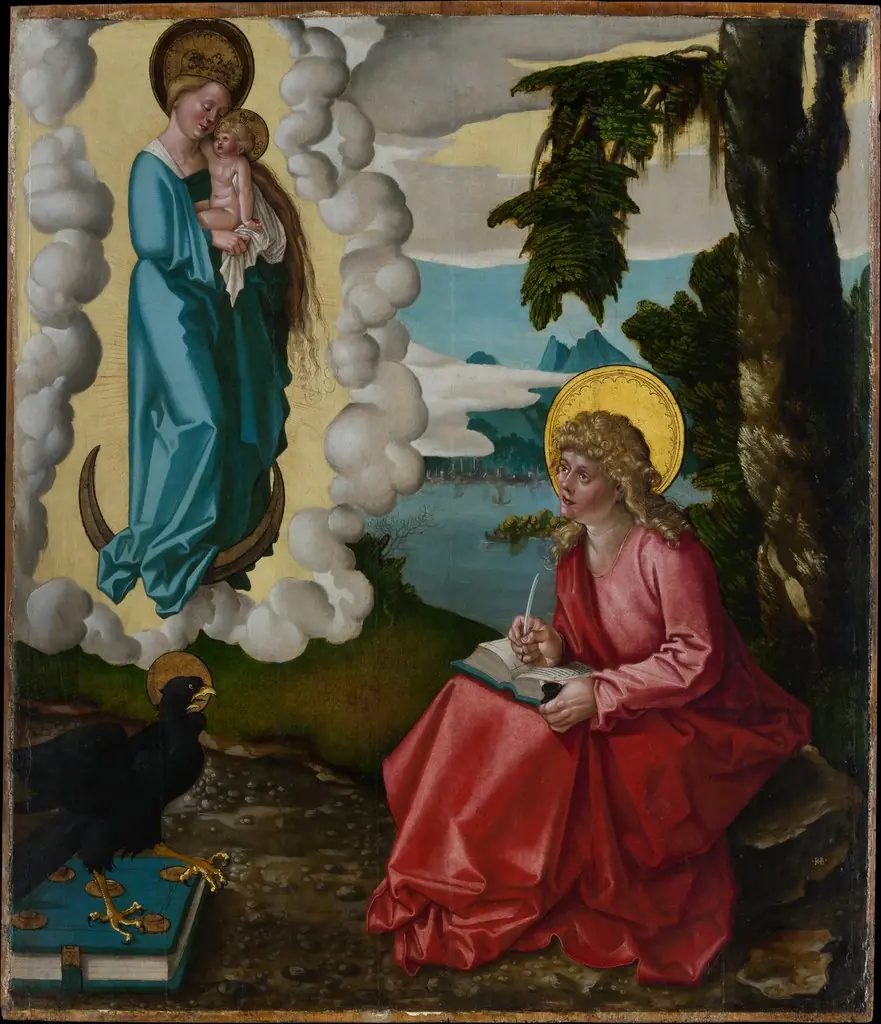 Saint John on Patmos
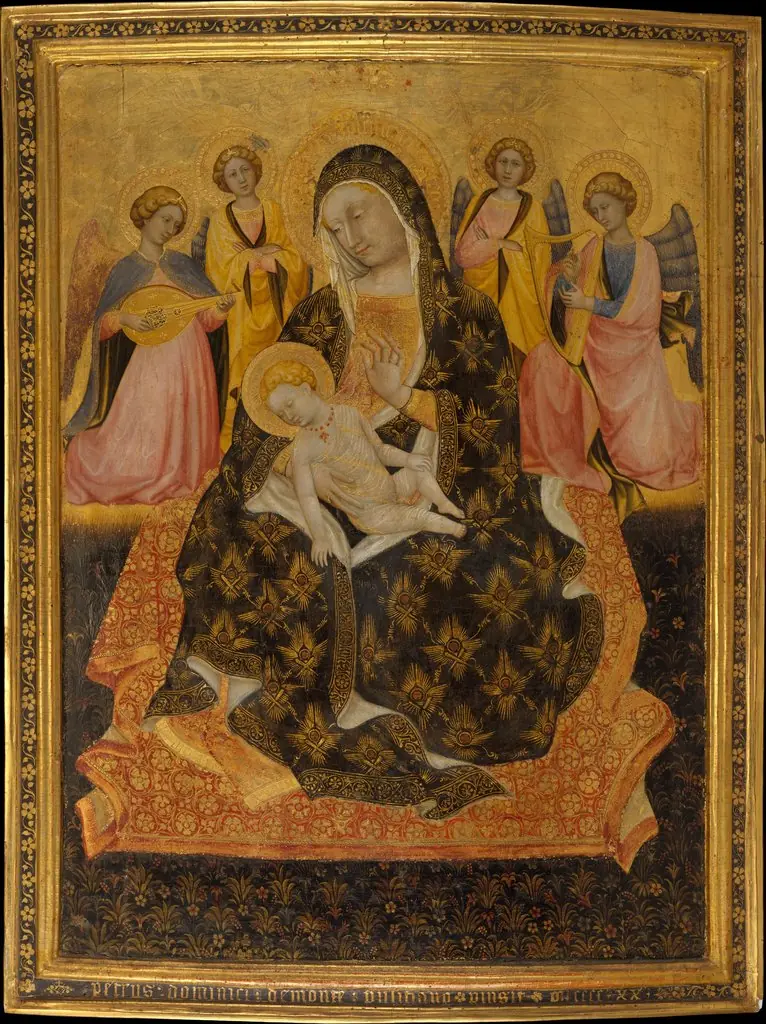 Madonna and Child with Angels
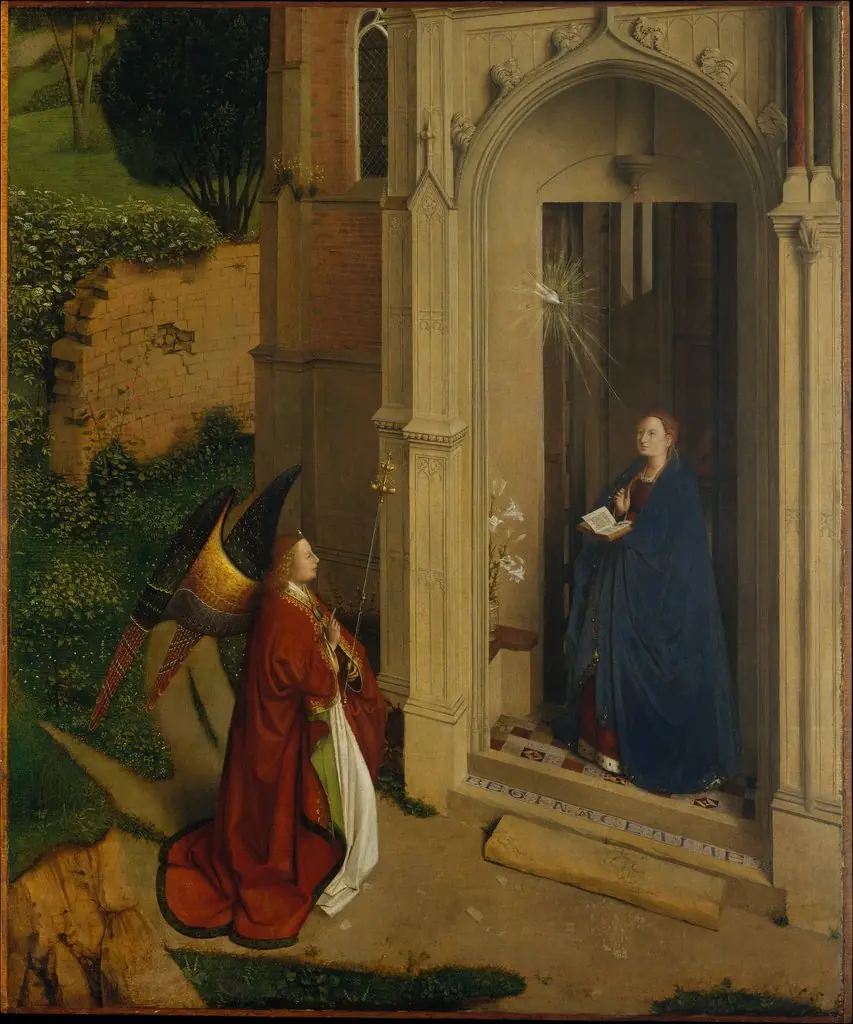 The Annunciation
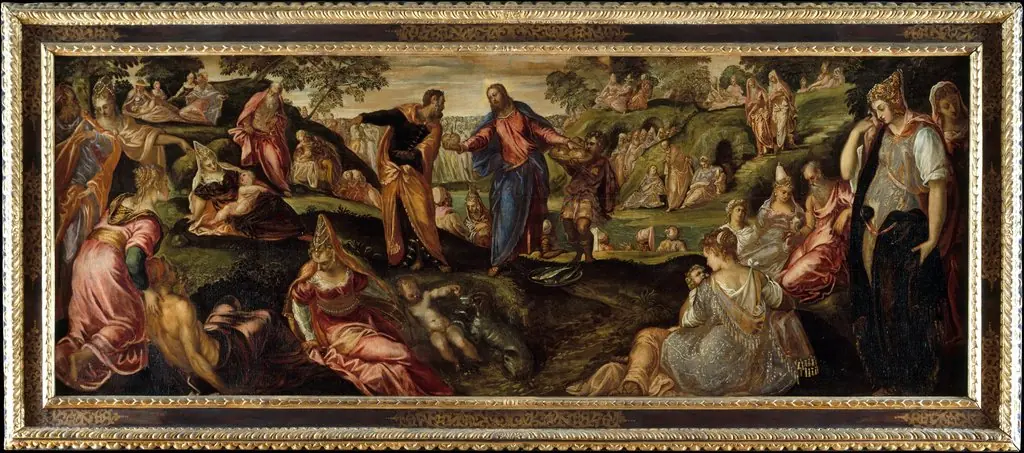 The Miracle of the Loaves and Fishes
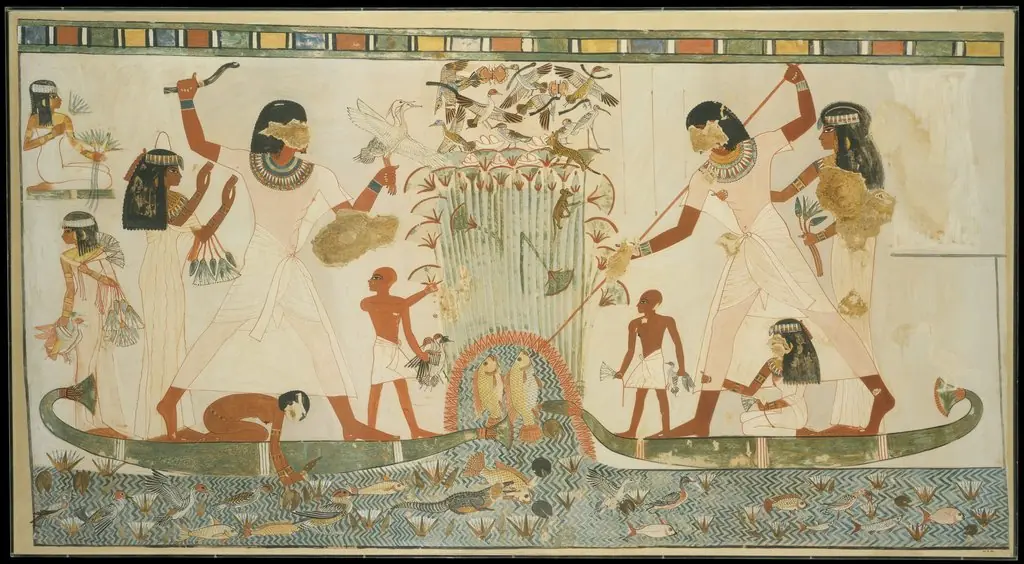 Menna and Family Hunting in the Marshes, Tomb of Menna
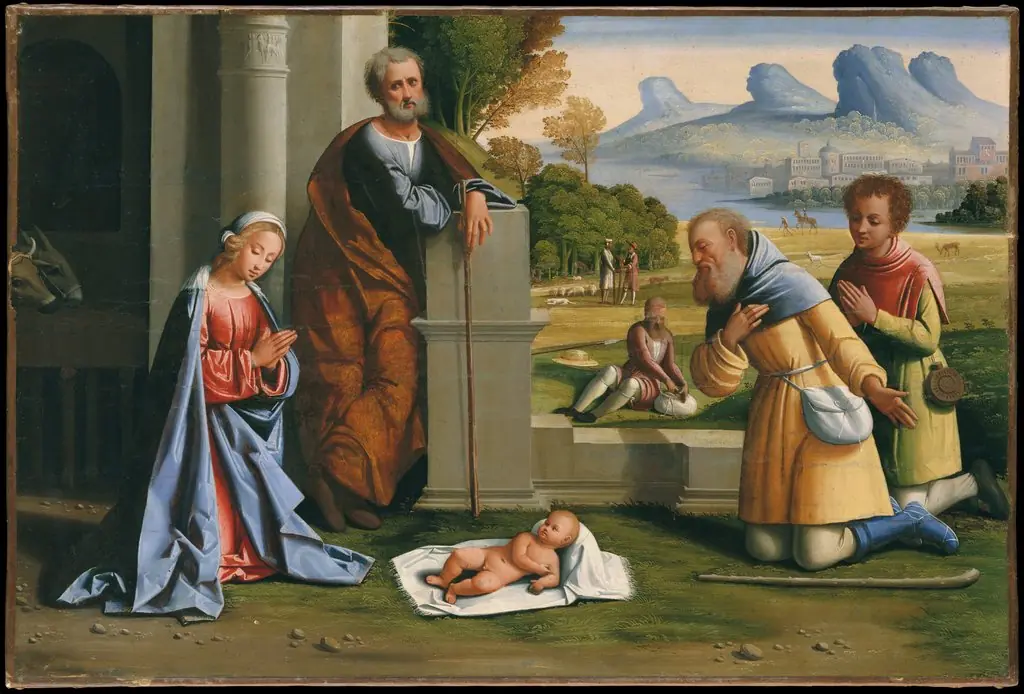 The Adoration of the Shepherds
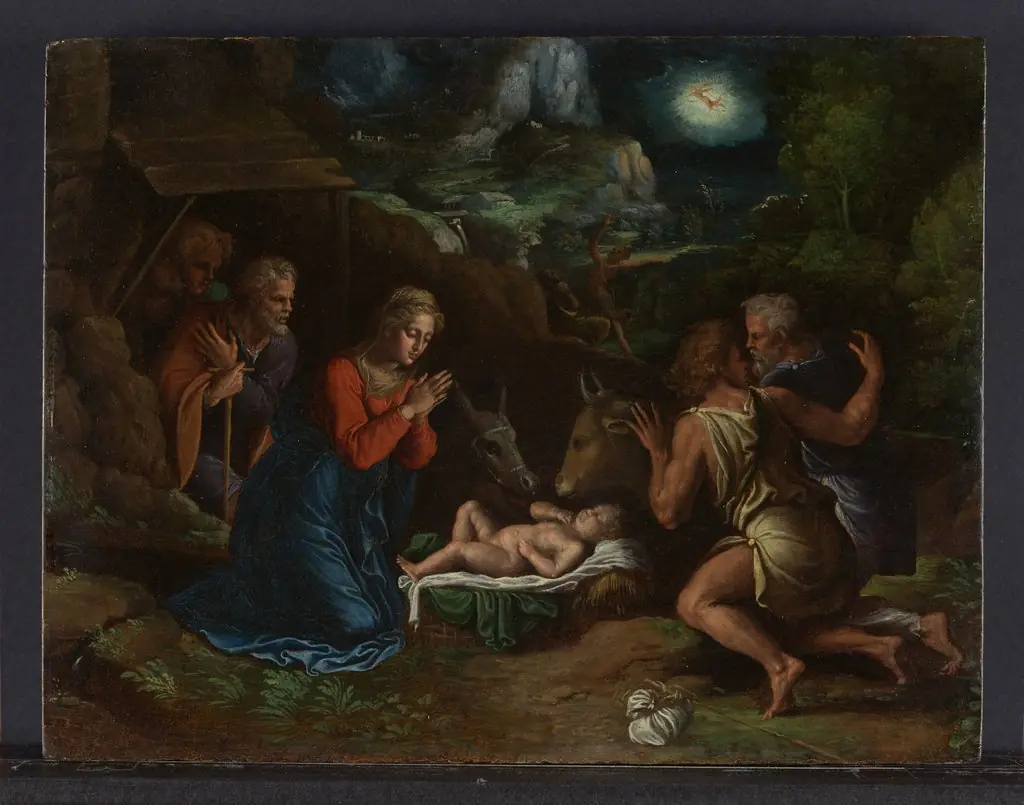 The Adoration of the Shepherds
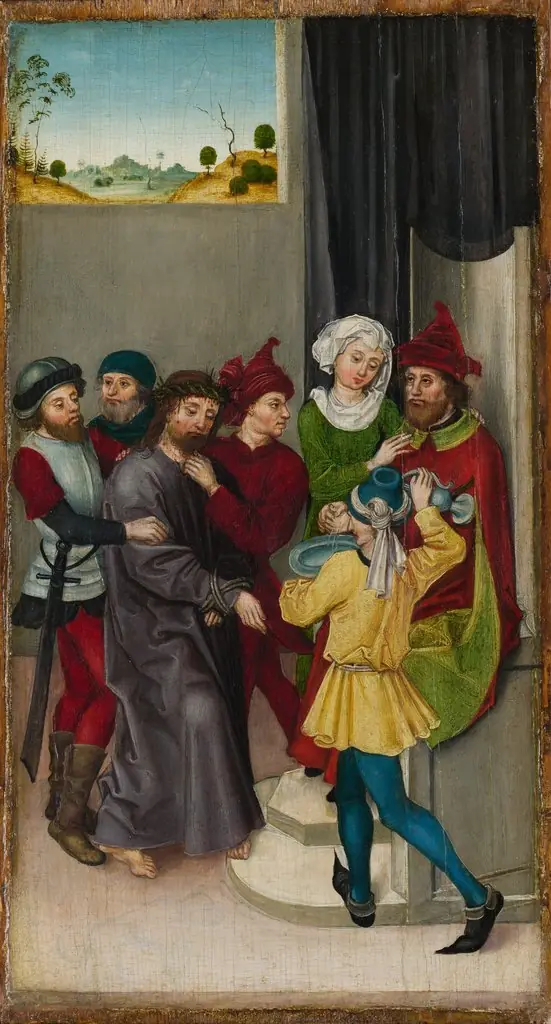 Christ before Pilate; The Resurrection
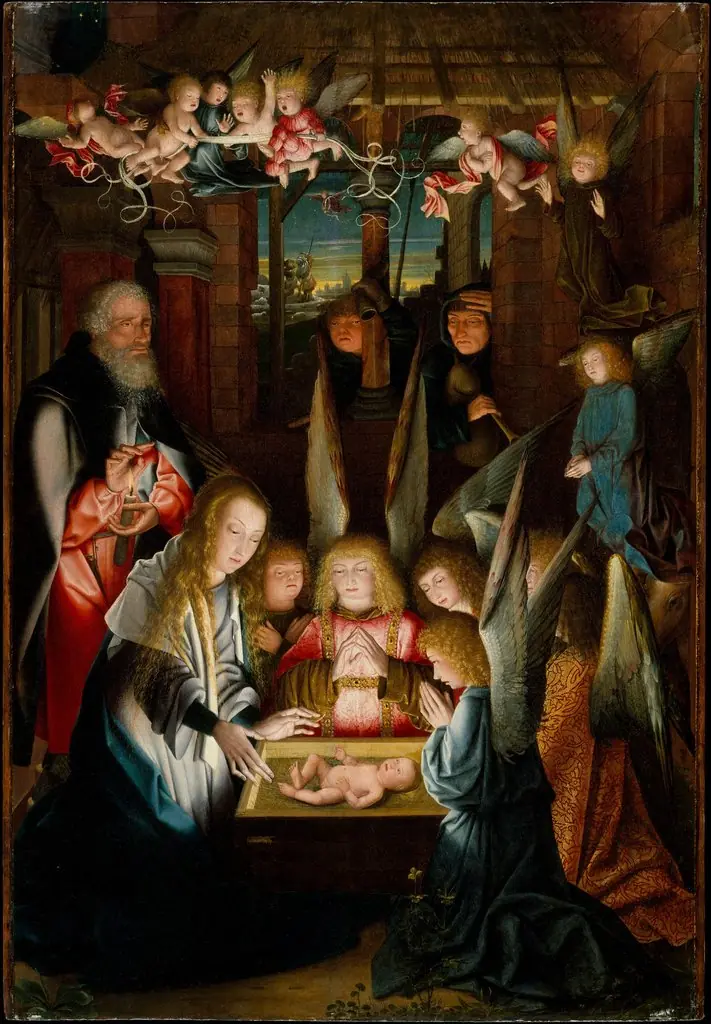 The Adoration of the Christ Child
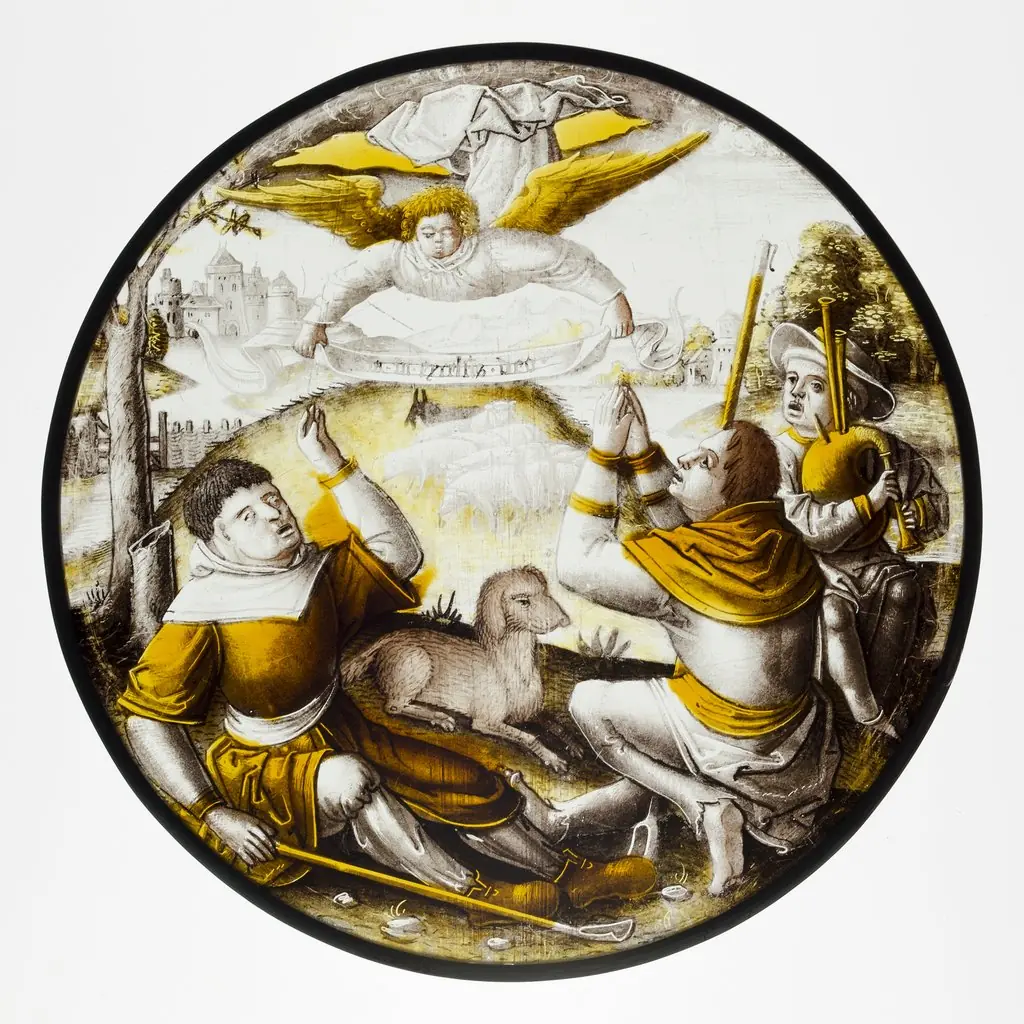 Roundel with Annunciation to the Shepherds
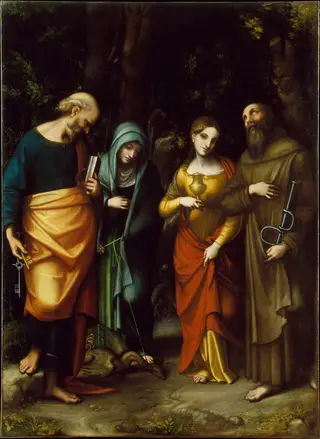 Saints Peter, Martha, Mary Magdalen, and Leonard
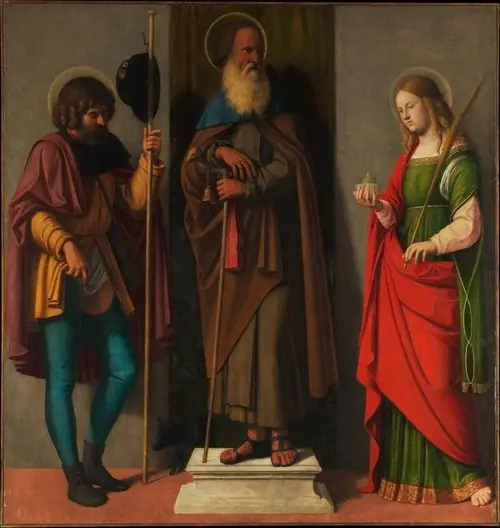 Saints Roch, Anthony Abbot and Lucy
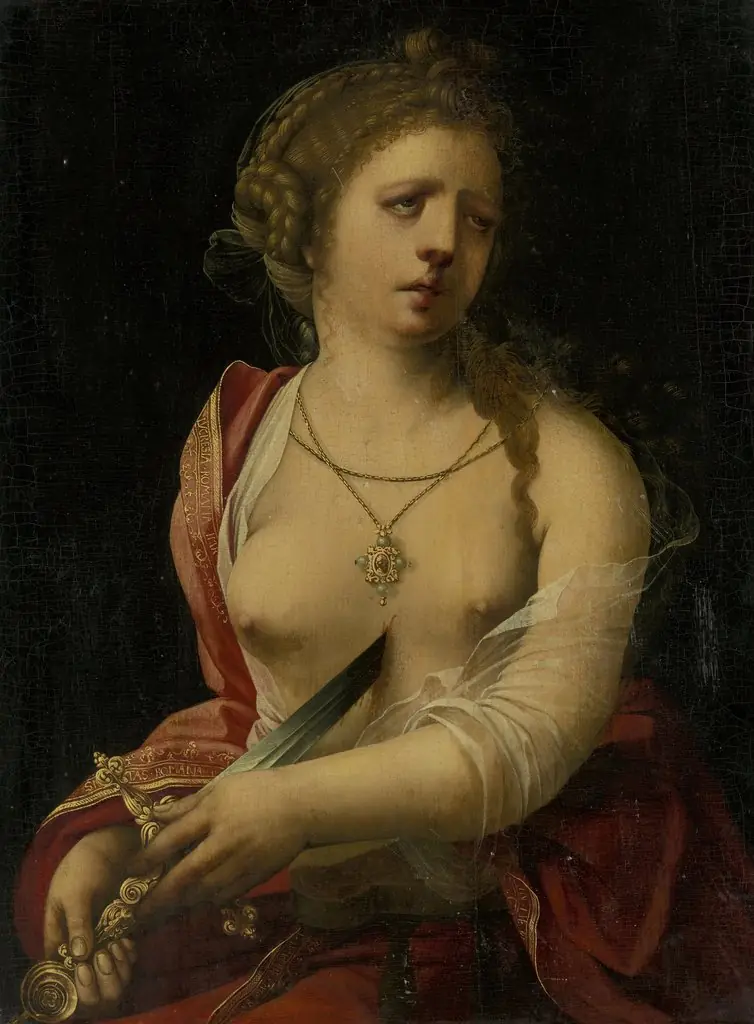 The suicide of Lucretia
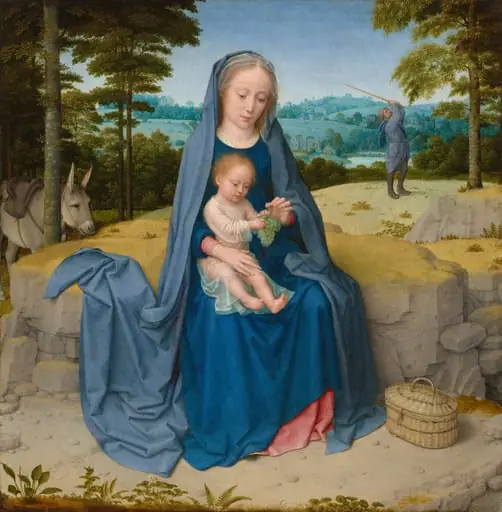 The Rest on the Flight into Egypt
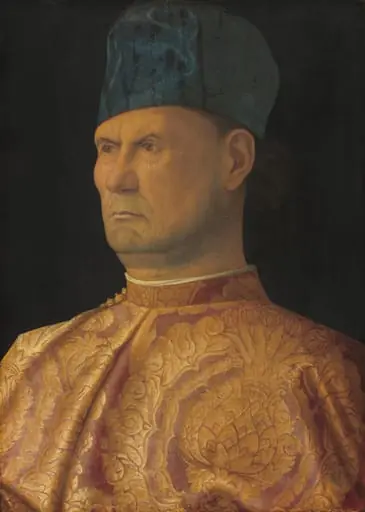 Giovanni Emo
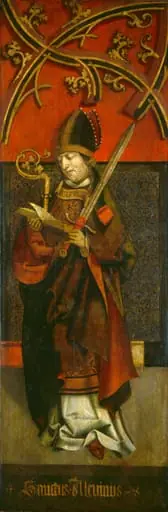 Saint Alcuin
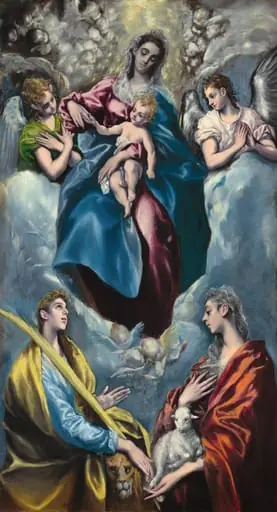 Madonna and Child with Saint Martina and Saint Agnes
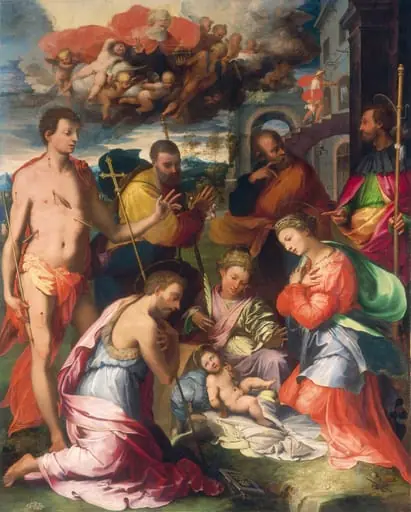 The Nativity
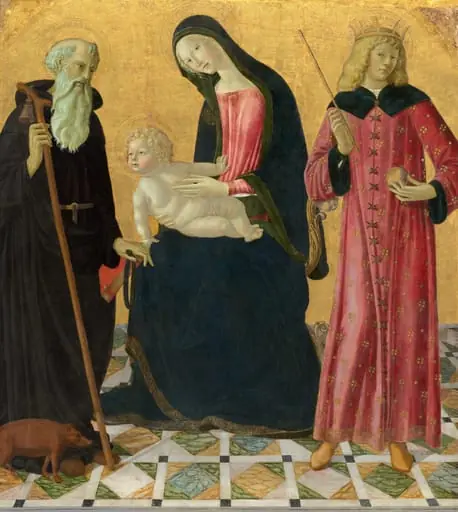 Madonna and Child with Saint Anthony Abbot and Saint Sigismund
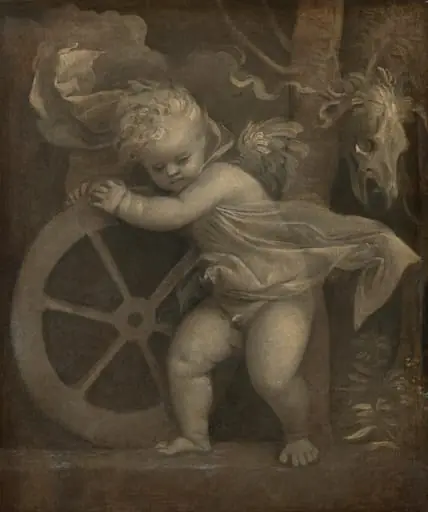 Cupid with the Wheel of Time
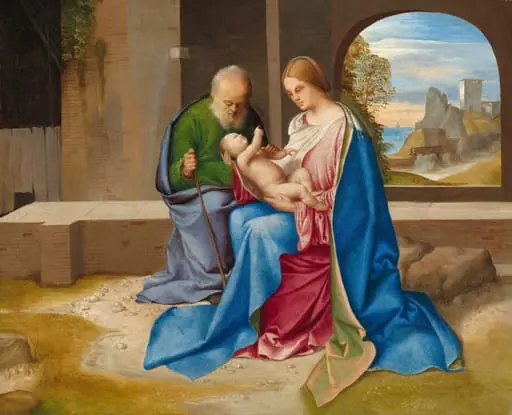 The Holy Family
![Saint Veronica [obverse]](https://artifactworldgallery.com/img/hans-memling--saint-veronica-obverse--5a649fd8b09c96b9-w320.webp) Saint Veronica [obverse]
Saint Veronica [obverse]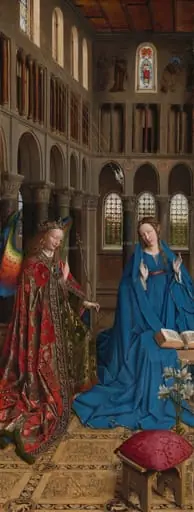 The Annunciation
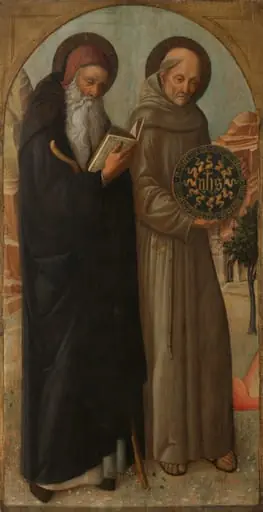 Saint Anthony Abbot and Saint Bernardino of Siena
![The Saint Anne Altarpiece: Saint Anne with the Virgin and Child [middle panel]](https://artifactworldgallery.com/img/gerard-david--the-saint-anne-altarpiece-saint-anne-with-the-virgin-and-chi--781e919f9012a004-w320.webp) The Saint Anne Altarpiece: Saint Anne with the Virgin and Child [middle panel]
The Saint Anne Altarpiece: Saint Anne with the Virgin and Child [middle panel]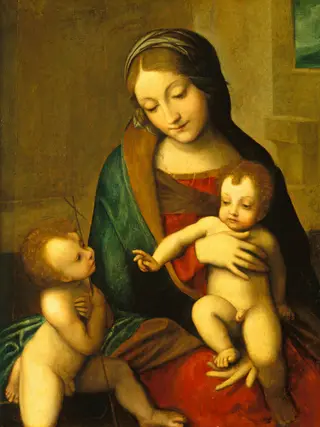 Madonna and Child with the Infant Saint John
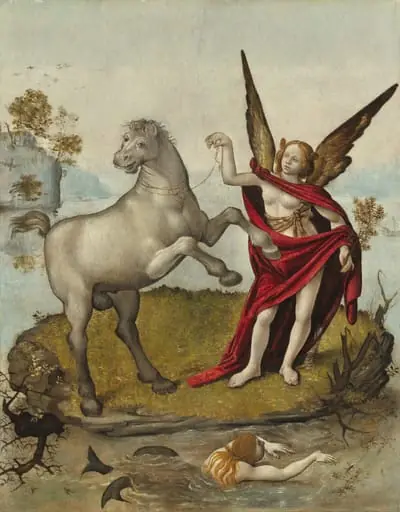 Allegory
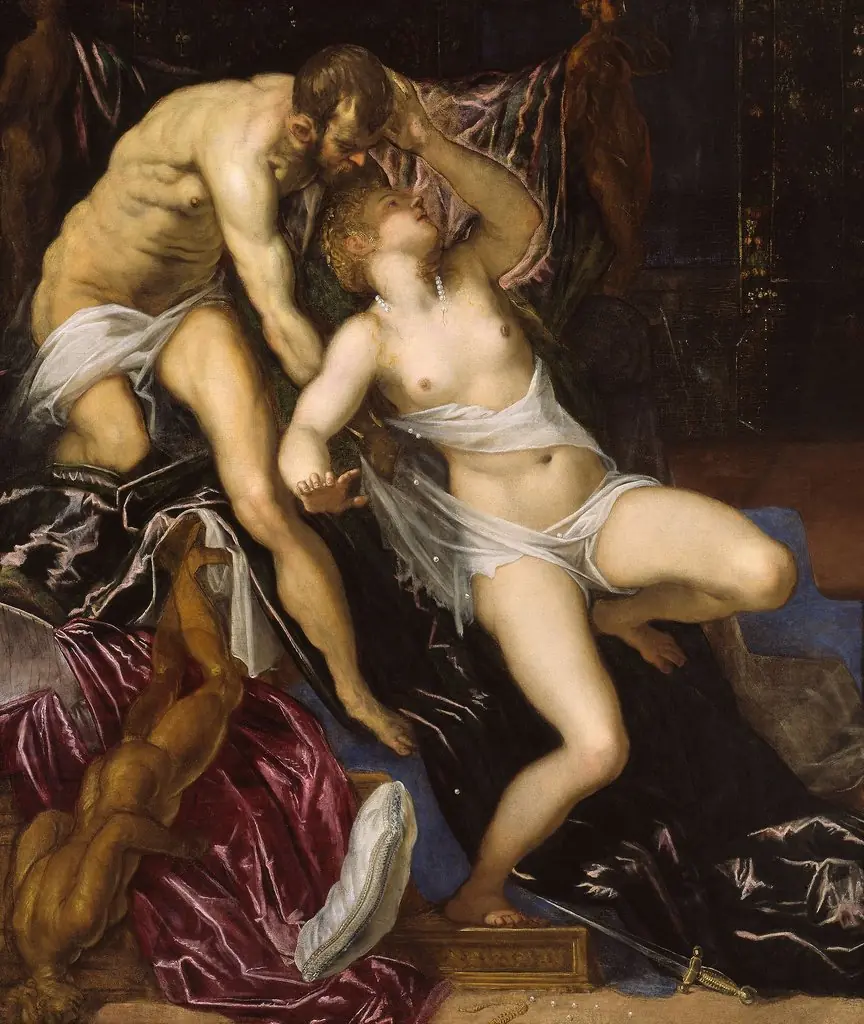 Tarquin and Lucretia
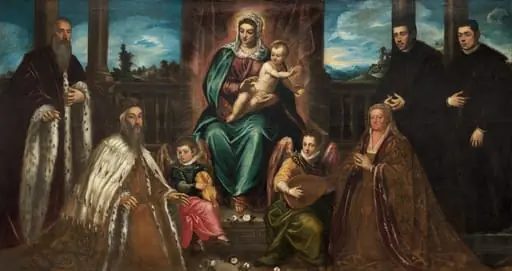 Doge Alvise Mocenigo and Family before the Madonna and Child
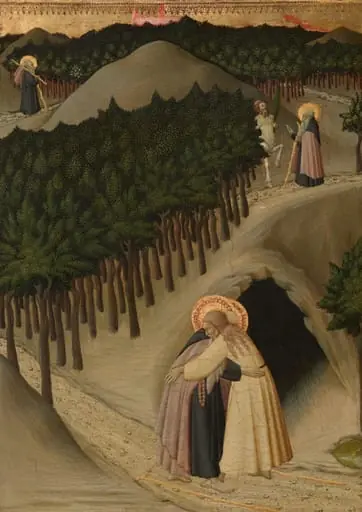 The Meeting of Saint Anthony and Saint Paul
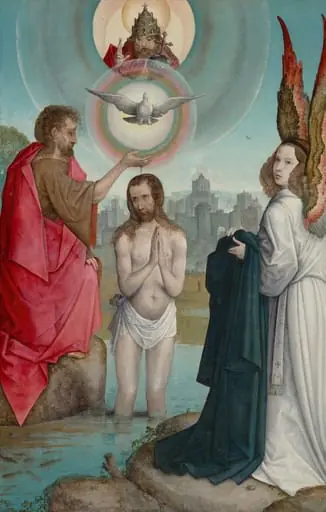 The Baptism of Christ
![Ginevra de' Benci [obverse]](https://artifactworldgallery.com/img/leonardo-da-vinci--ginevra-de-benci-obverse--afb6ec3a3e65f392-w320.webp) Ginevra de' Benci [obverse]
Ginevra de' Benci [obverse]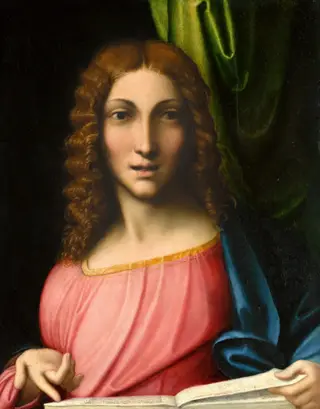 Salvator Mundi
Frequently asked questions
What is Renaissance?
Renaissance is an art period. A cultural movement that swept Europe from roughly the 14th to 17th centuries, driven by a revival of classical antiquity and a new confidence in human capacity.
How many Renaissance works does Artifact World Gallery have?
Artifact World Gallery holds 20,442 public-domain Renaissance works, all free to view and download.
Who are the key Renaissance artists?
Key Renaissance artists in the collection include Titian, Paolo Veronese and Lorenzo Lotto.
When did Renaissance take place?
Renaissance dates from 1400–1650.
Where can I see Renaissance works?
Renaissance works in the collection are held by National Gallery of Art, Cleveland Museum of Art and Metropolitan Museum of Art.