Artwork
The Man with the Torch and a Woman Followed by a Fool
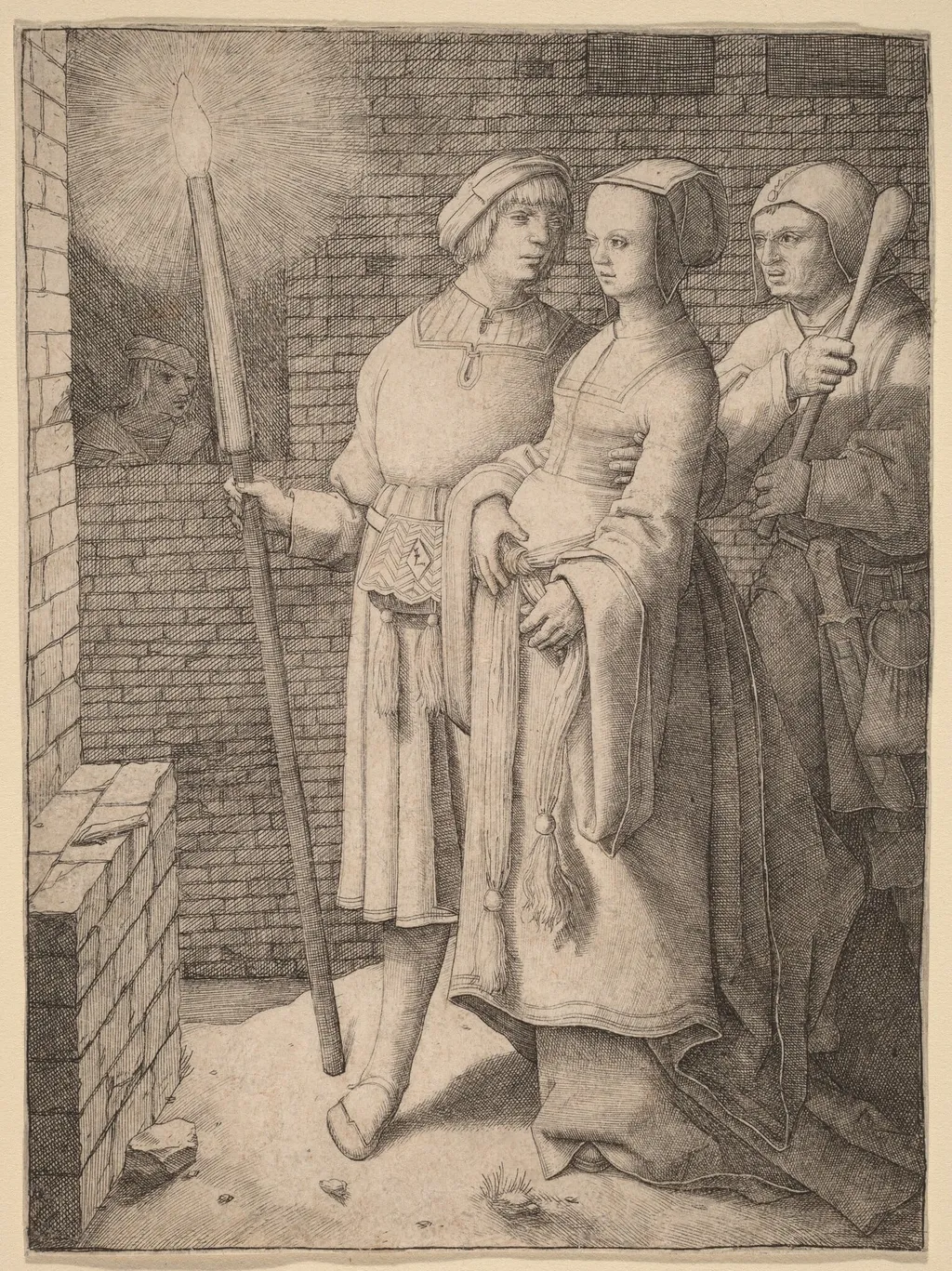
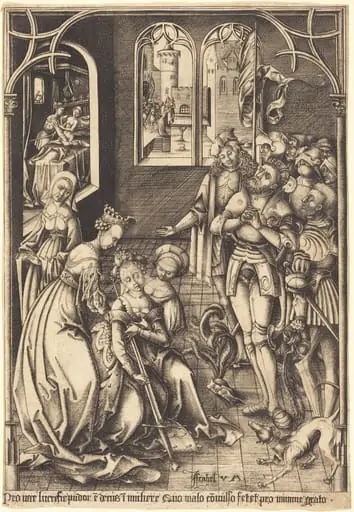
The Man with the Torch and a Woman Followed by a Fool is an ink print by the Renaissance artist Lucas van Leyden. It dates from 1508 and is held in the collection of the National Gallery of Art.
About this work
No one knows why the man carries a torch, but it might symbolize truth or temptation.
This engraving shows a bearded man holding a lit torch. A woman follows him while a fool trails behind. The background is dark, so the torchlight really stands out.
Lucas van Leyden made this in 1508. No one knows why the man carries a torch, but it might symbolize truth or temptation. The lines are sharp and detailed, thanks to engraving.
He used cross-hatching to create shadows and textures. See more of his work at the National Gallery of Art, Washington.
Overview
Created around 1508, this engraving by Lucas van Leyden exemplifies the precision and narrative depth characteristic of early Northern Renaissance printmaking. Executed in fine linear strokes, the work captures a fleeting moment between three figures: a man bearing a torch, a woman following him, and a fool trailing behind. The composition relies on stark contrasts between light and shadow, with the torch serving as the sole source of illumination in an otherwise darkened scene.
Subject & Meaning
The figures suggest a moral or allegorical scene, though no definitive narrative is recorded. The torchbearer may represent revelation, guidance, or temptation, while the woman’s passive following and the fool’s delayed presence imply a hierarchy of awareness or folly. The ambiguity invites interpretation, consistent with contemporary Northern European traditions that used everyday scenes to convey ethical or spiritual themes.
Technique & Style
Van Leyden employed fine engraving tools to carve intricate lines into a copper plate, achieving remarkable detail in fabric, facial expressions, and texture. Cross-hatching and parallel lines build depth and shadow, particularly around the figures’ forms and the surrounding darkness. The torch’s glow is suggested not by white ink but by the absence of engraved lines, allowing the paper’s brightness to simulate illumination.
History & Provenance
The print was produced during van Leyden’s most active period as a printmaker, when he was gaining recognition across Europe for his technical mastery. While its early ownership is undocumented, it entered major collections in the 19th and 20th centuries, including the National Gallery of Art in Washington, D.C., where it remains part of a significant holding of Northern Renaissance prints.
Context
In early 16th-century Netherlands, engravings served both artistic and commercial purposes, circulating widely among educated audiences. Van Leyden’s work responded to growing interest in secular and moral subjects, blending religious symbolism with observations of daily life. His prints competed with those of Dürer, reflecting a broader Northern European dialogue on human behavior and visual storytelling.
Legacy
Van Leyden’s engraving contributed to the elevation of printmaking as a serious artistic medium. His control over line and light influenced later generations of Northern artists, particularly in the depiction of psychological nuance within small-scale works. Though less celebrated today than his paintings, this print endures as a testament to his technical innovation and narrative restraint.
Own this work as a print
Artist & collection

Artist
Lucas van Leyden (1494 – 8 August 1533), was a Dutch painter and printmaker in engraving and woodcut. Lucas van Leyden was among the first Dutch exponents of genre painting and was a very accomplished engraver.

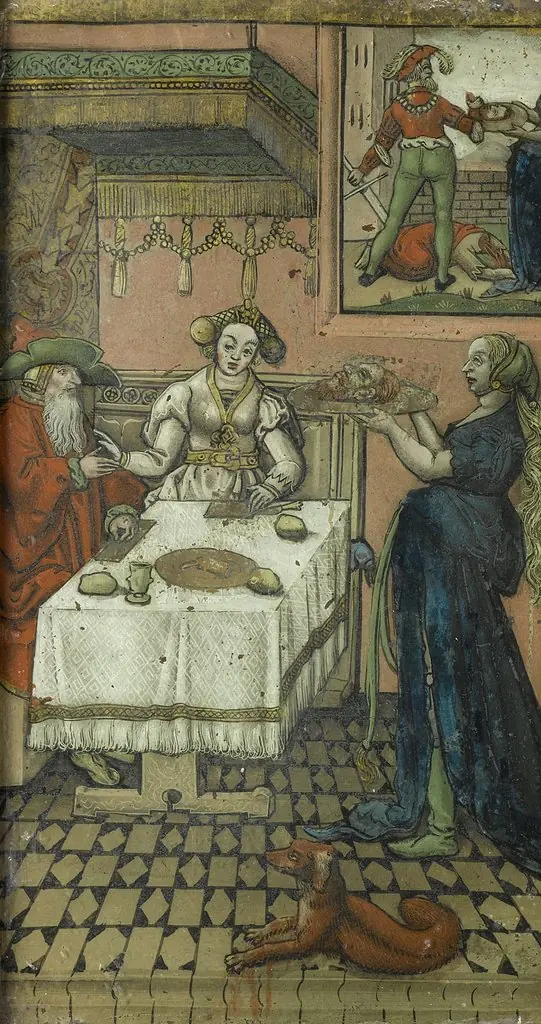 Salome with the head of St John the Baptist
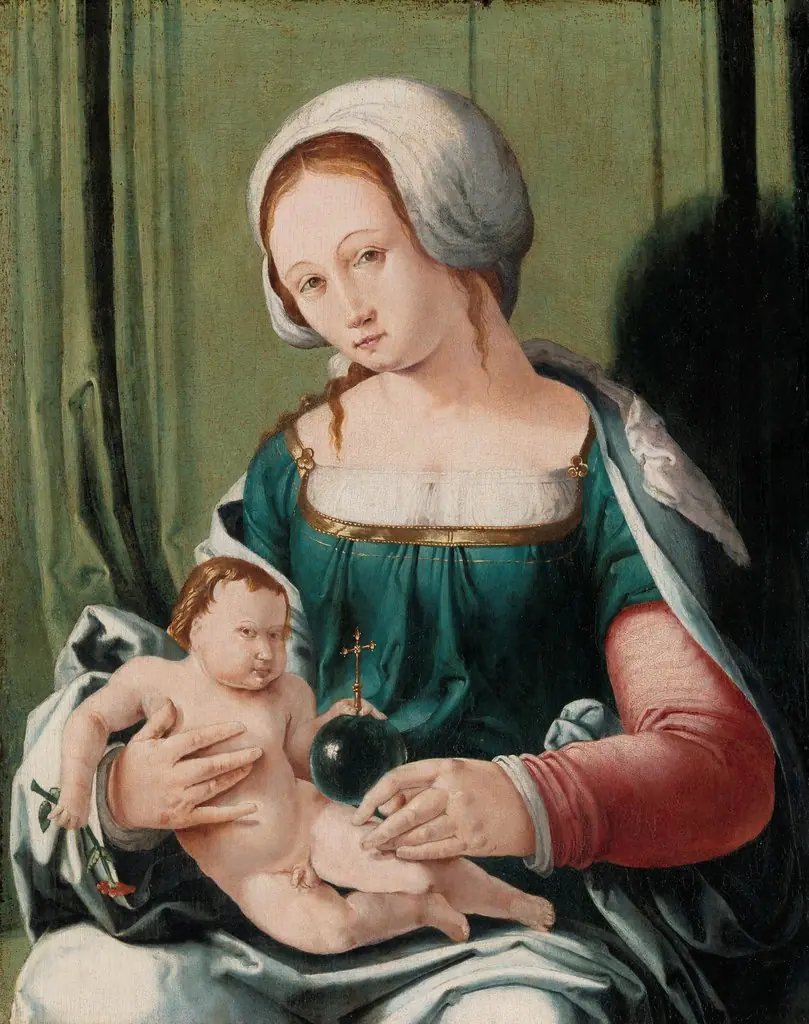 The Virgin and Child
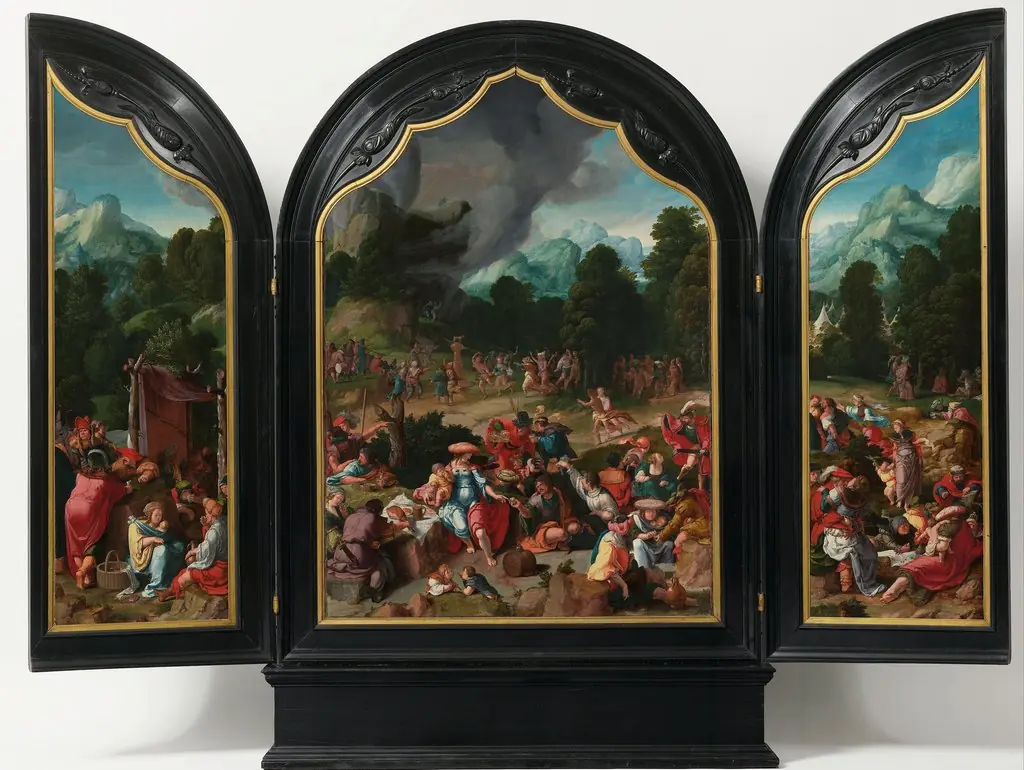 Worship of the Golden Calf
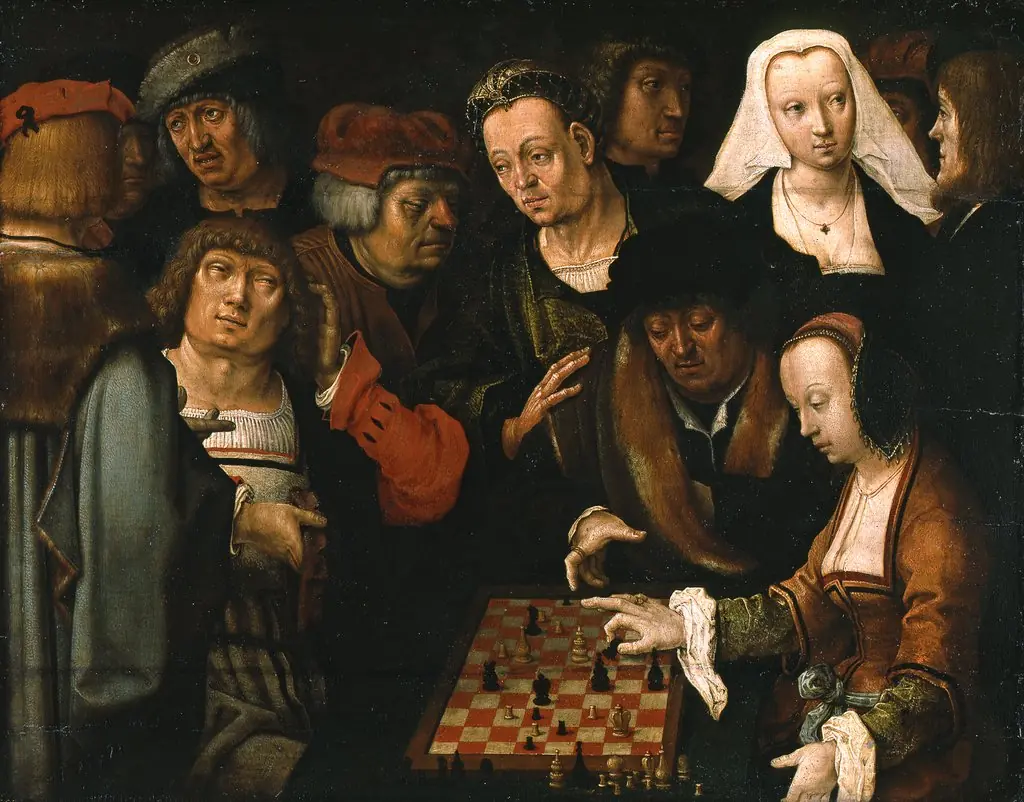 A Game of Chess
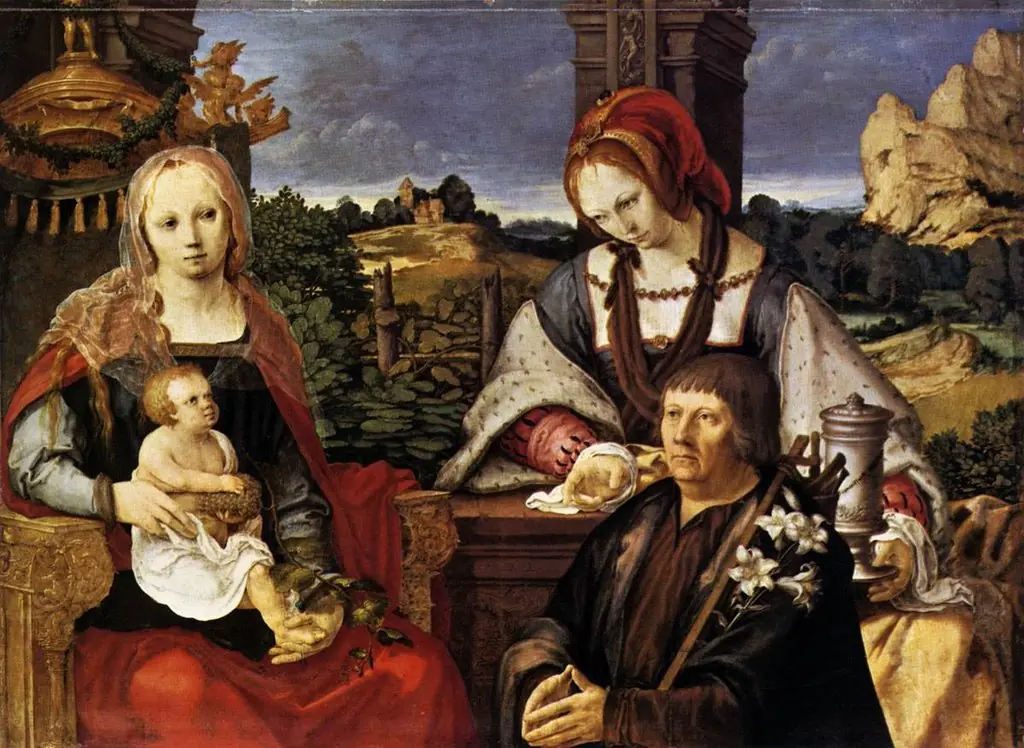 Mary with Child, St. Maria Magdalena and founder (separate outside, Inv. No. 7713)
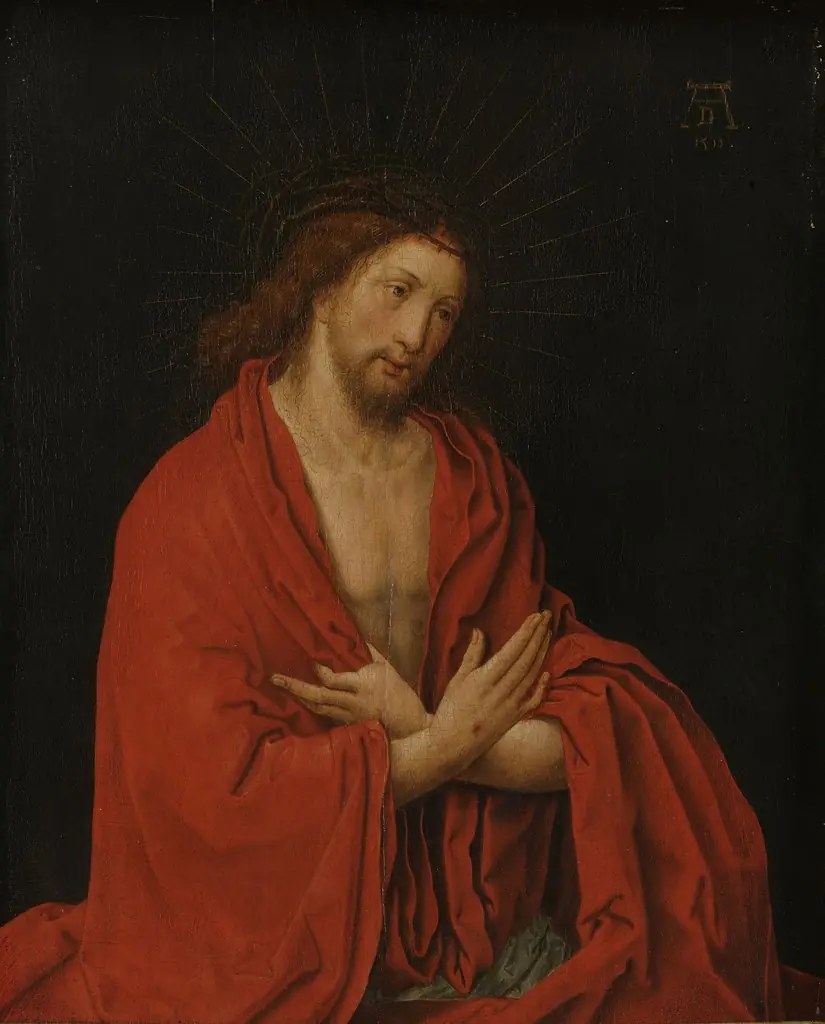 Inner left wing of a diptych with Christ as the Man of Sorrows
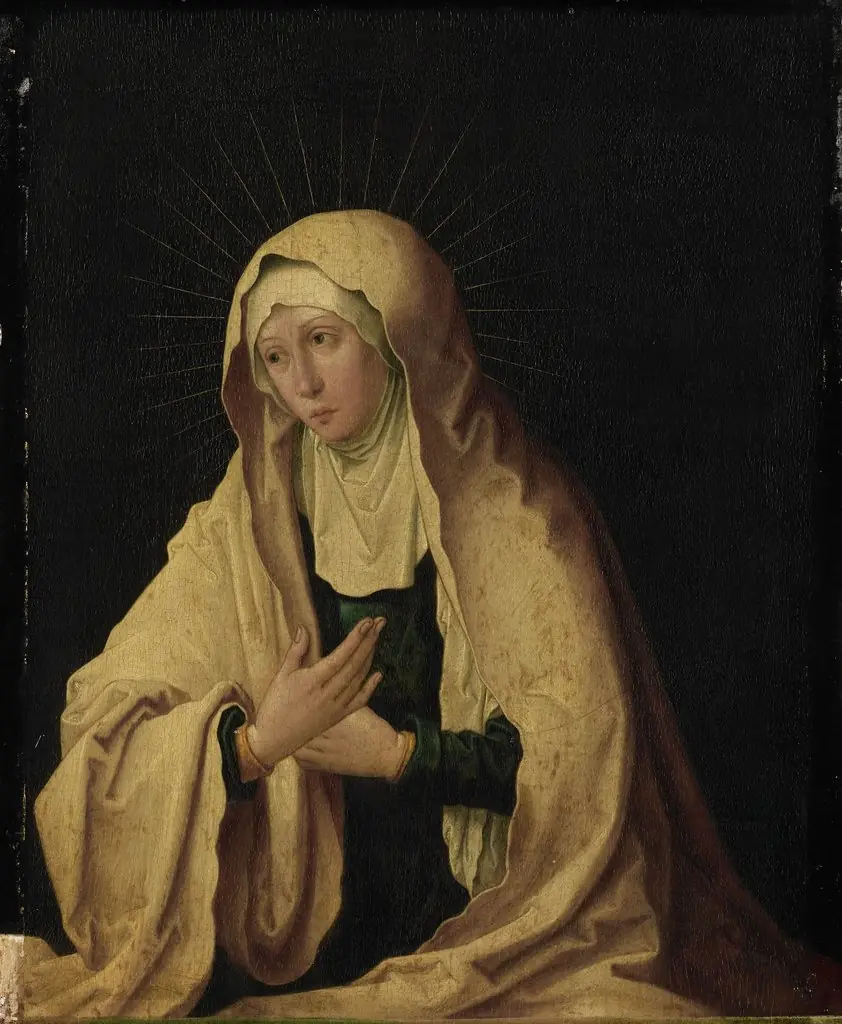 Inner right wing of a diptych with the Virgin as Mater Dolorosa
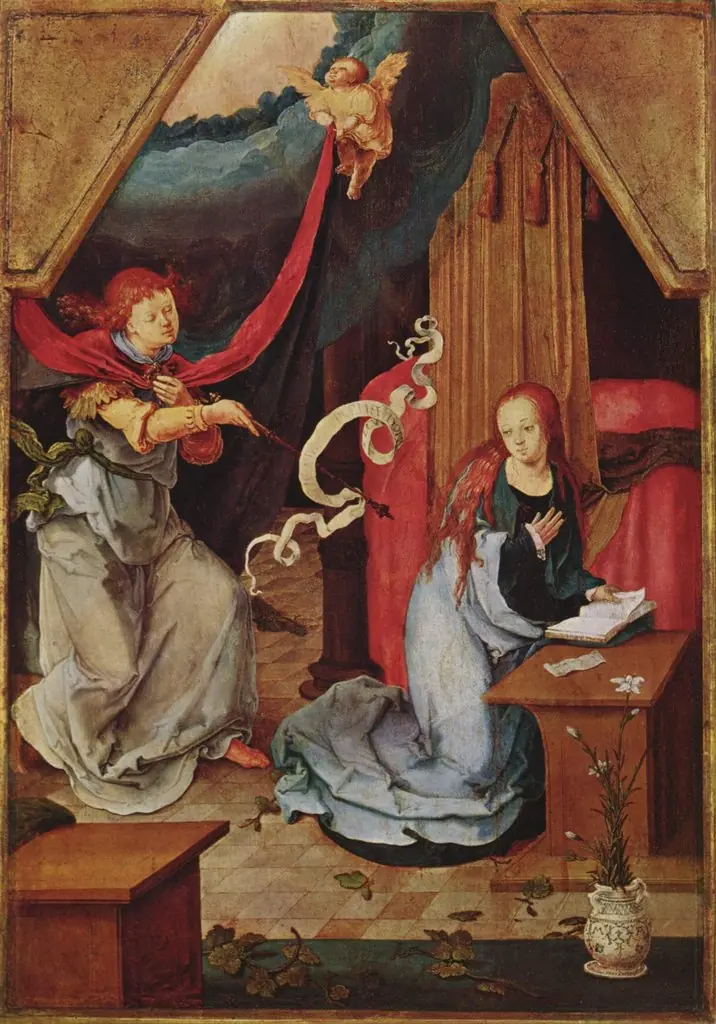 Annunciation
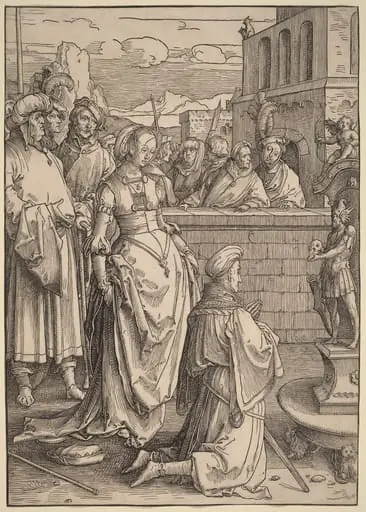 Solomon's Idolatry
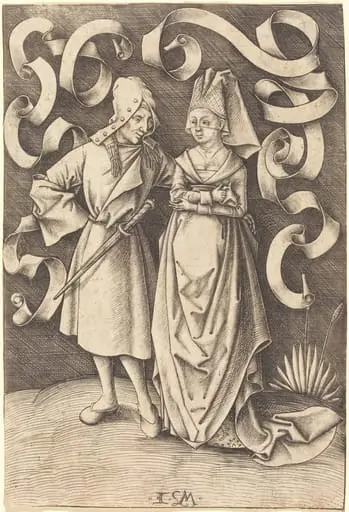 The Dissimilar Couple
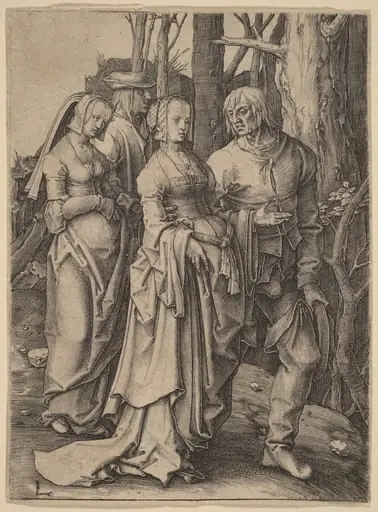 The Two Couples in the Forest
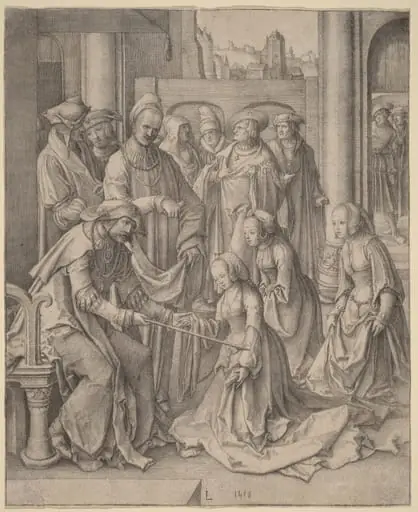 Esther before Ahasuerus
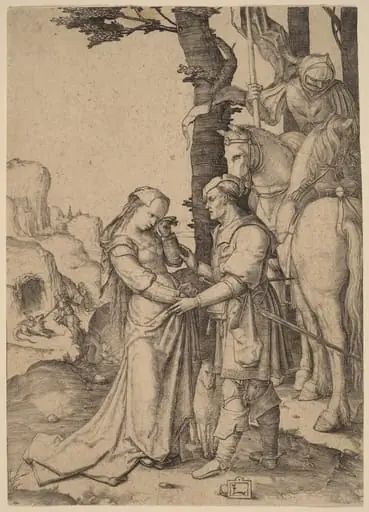 Saint George Liberating the Princess
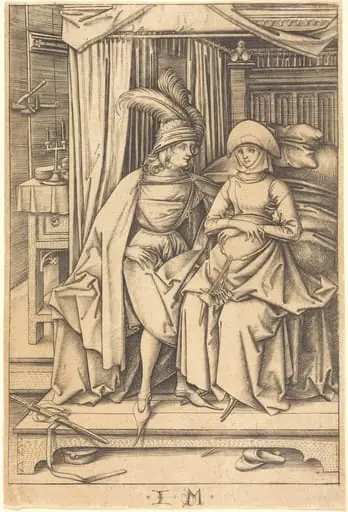 Couple Seated on a Bed
 Virtui est gratus quoties...
 The Churchgoers
 Ecce Homo
 The Passion: Christ Presented to the People
 The Death of Lucretia
- The Man with the Torch and a Woman Followed by a Fool