Artwork
The Vision of St Jerome
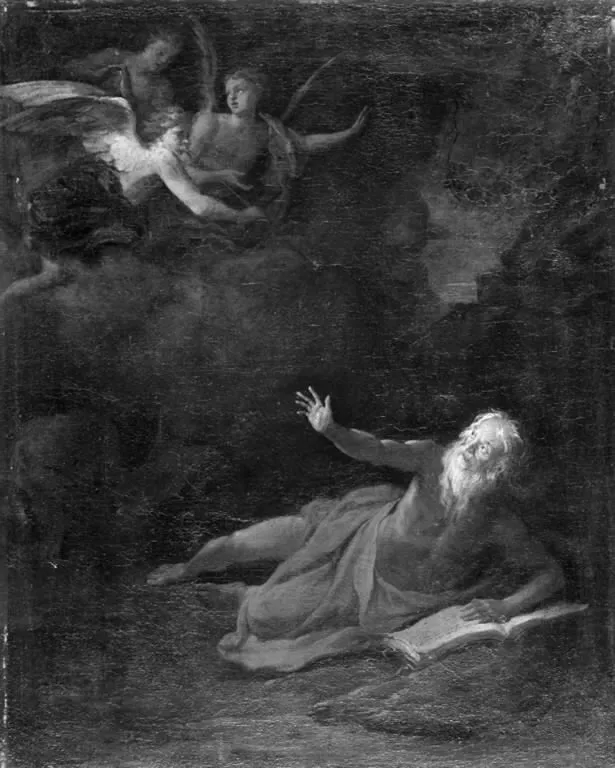
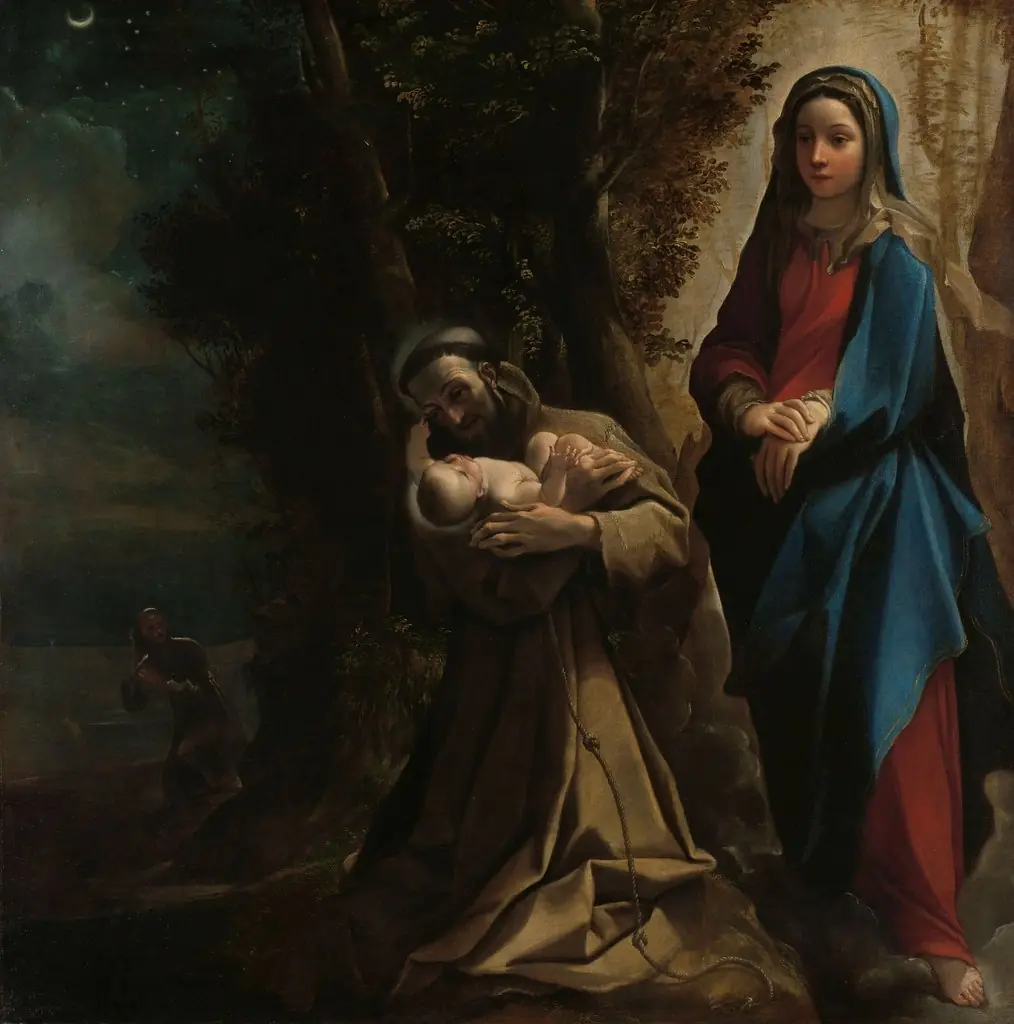
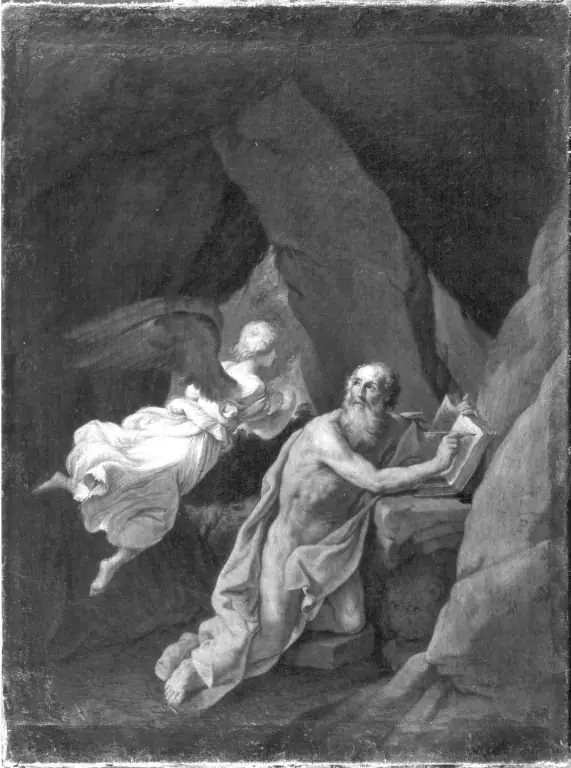
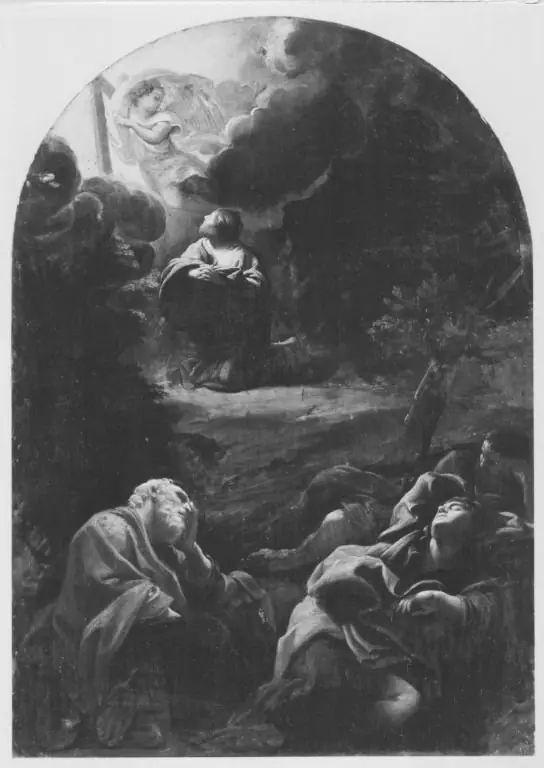
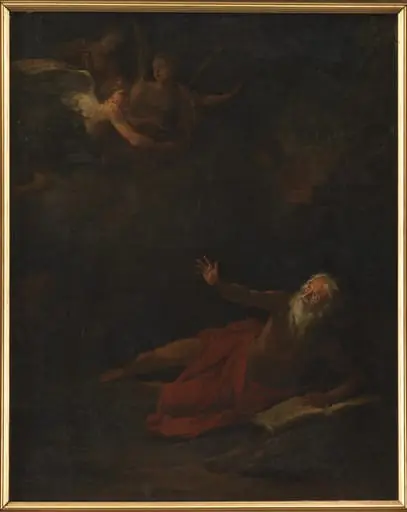
The Vision of St Jerome is an oil painting by the Mannerist artist Ludovico Carracci. It dates from 1598 and is held in the collection of the Statens Museum for Kunst.
About this work
Technique & Style
The work measures 640 cm in height and 515 cm in width, presenting a substantial vertical format typical of major religious commissions of the period.
Ludovico Carracci executed The Vision of St Jerome in 1594 using oil paint on a canvas support. The work measures 640 cm in height and 515 cm in width, presenting a substantial vertical format typical of major religious commissions of the period. As a religious painting, the artist employed the medium of oil to render the depiction of St Jerome, utilizing the material's capacity for depth and tonal variation. The piece is currently held in the collection of the Statens Museum for Kunst.
History & Provenance
The Vision of St Jerome was painted by Ludovico Carracci in 1594 as an oil work on canvas. It entered the collection of the Statens Museum for Kunst, where it remains on view.
The painting was created for a religious context and depicts the saint Jerome.
It measures 640 cm in height and 515 cm in width.
The Vision of St Jerome is held in the collection of the Statens Museum for Kunst. Its accession number is not specified in the sources. The work was created by Ludovico Carracci in 1594 and has been exhibited in museum displays at the Statens Museum for Kunst.
Exhibition history includes display at the Statens Museum for Kunst, though specific exhibition titles or dates are not detailed in the provided documentation.
Legacy
Ludovico Carracci’s 1594 oil painting The Vision of St Jerome entered the collection of the Statens Museum for Kunst, where it remains today. The work’s composition, depicting Saint Jerome in contemplation, has been cited in studies of Counter-Reformation religious imagery and Baroque draftsmanship. Its presence in a national museum has contributed to ongoing scholarly discussion of Carracci’s role in advancing naturalistic figuration within the genre of religious art.
The painting’s dimensions of 640 cm by 515 cm and its material of oil on canvas are documented in the museum’s catalog and have informed technical analyses of Carracci’s technique.
Research on Baroque religious painting frequently references this canvas when examining the transmission of compositional motifs in early 17th‑century Europe.
Overview
Ludovico Carracci’s oil painting The Vision of St Jerome was completed in 1598. Executed in Bologna during the early Baroque period, the work now belongs to the Statens Museum for Kunst. It presents a dramatic encounter between the saint and celestial beings, rendered with a stark contrast of light and darkness that foregrounds the figure’s emotional intensity.
Subject & Meaning
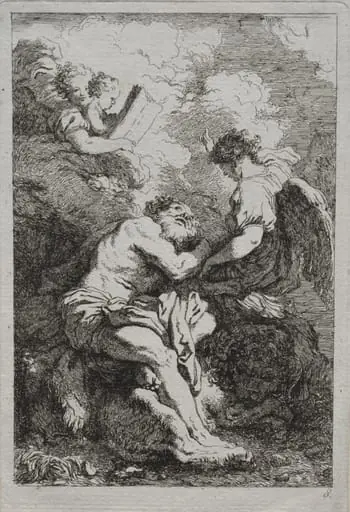
The composition centers on an elderly Jerome, reclined on the ground, his hand raised as if receiving a divine message. He clutches an open book, a traditional attribute of the scholar‑saint, while two angelic figures hover above, one gesturing toward him, the other emitting a faint glow, suggesting a moment of revelation or spiritual awakening.
Artist & collection
Artist
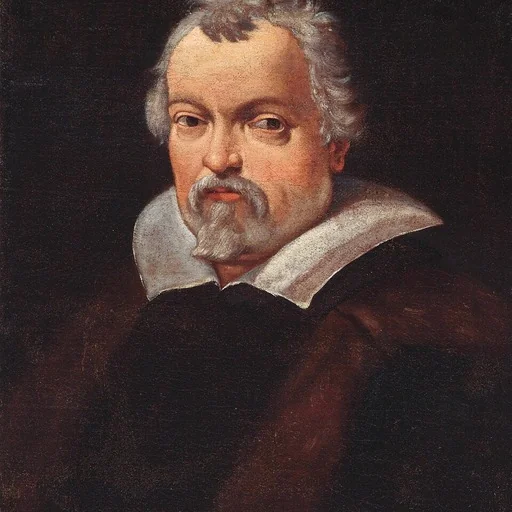
Ludovico (or Lodovico) Carracci ( kə-RAH-chee, UK also kə-RATCH-ee, Italian:; 21 April 1555 – 13 November 1619) was an Italian early-Baroque painter, etcher, and printmaker from Bologna.