Artwork
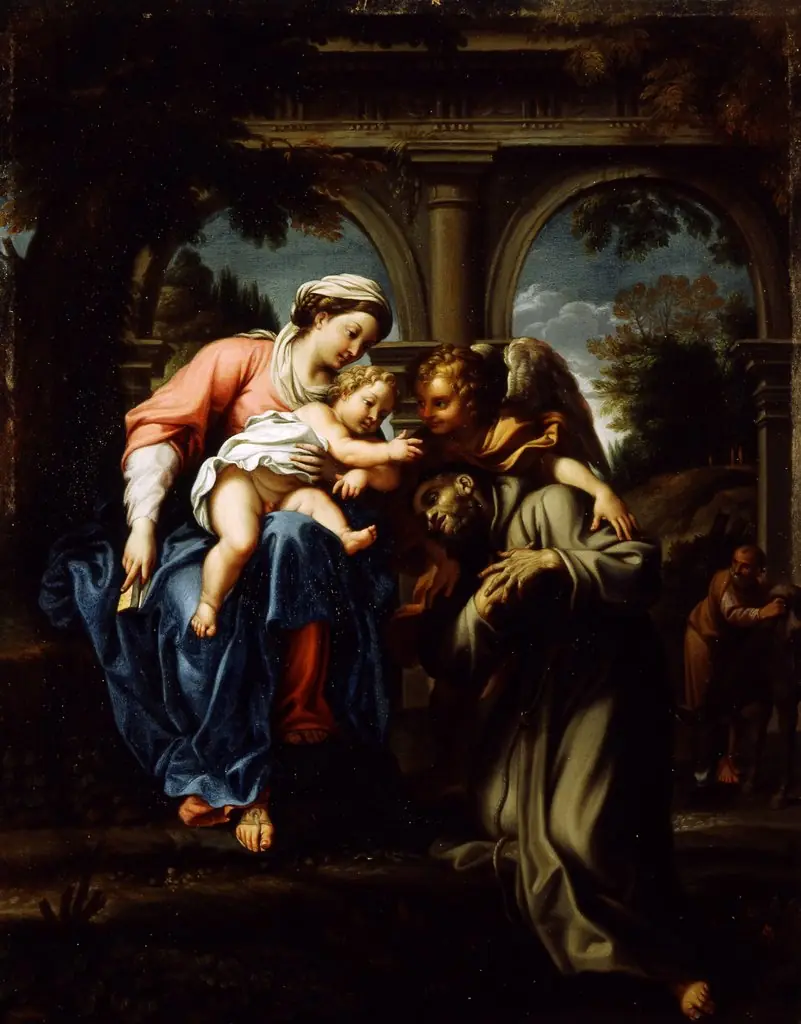
The Vision of Saint Francis of Assisi
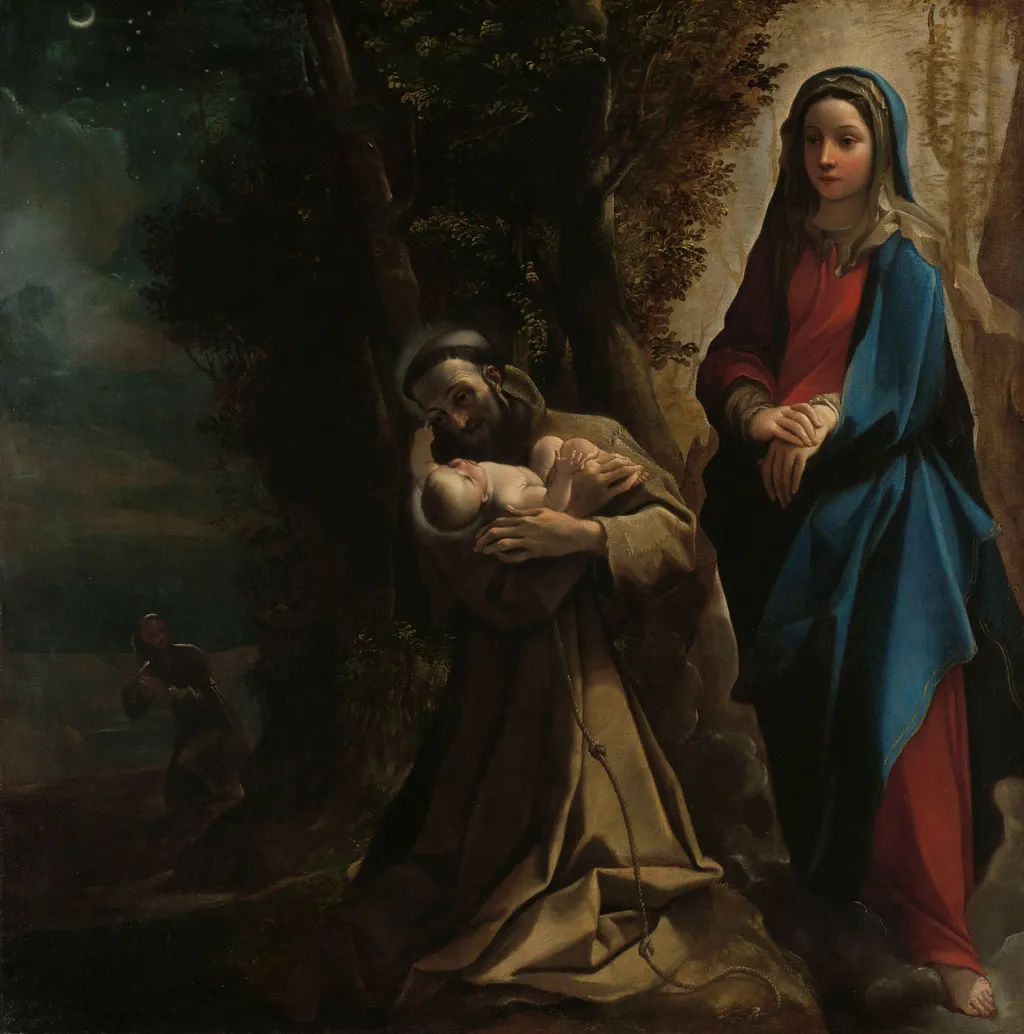
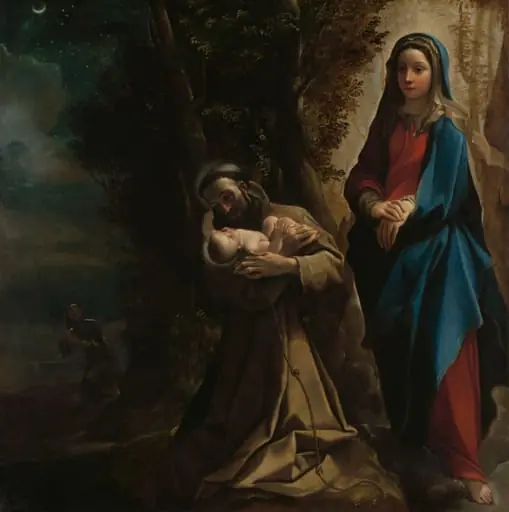
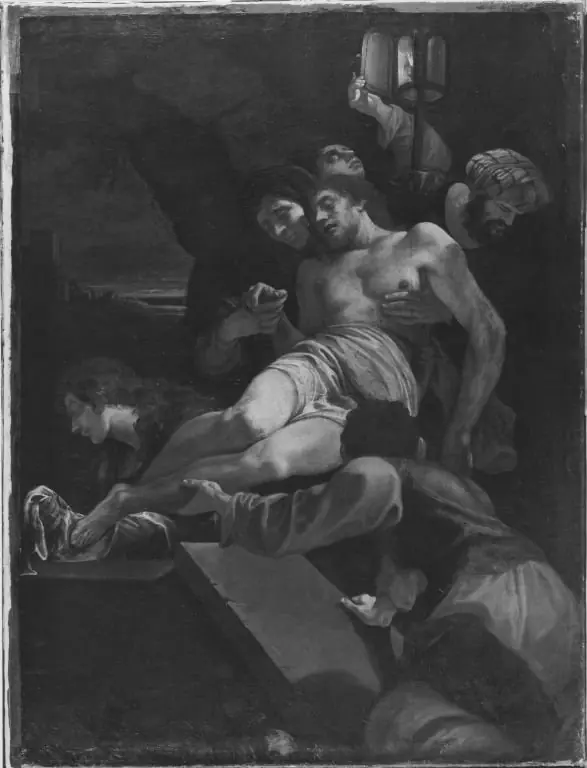
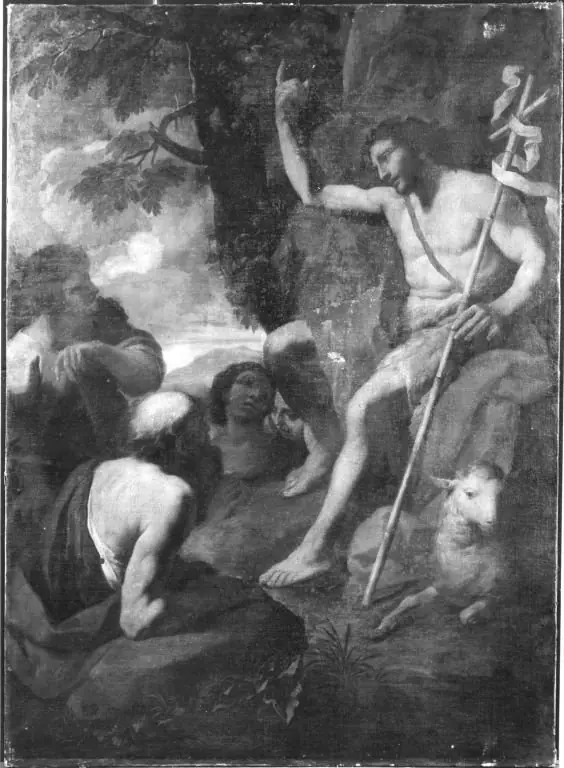
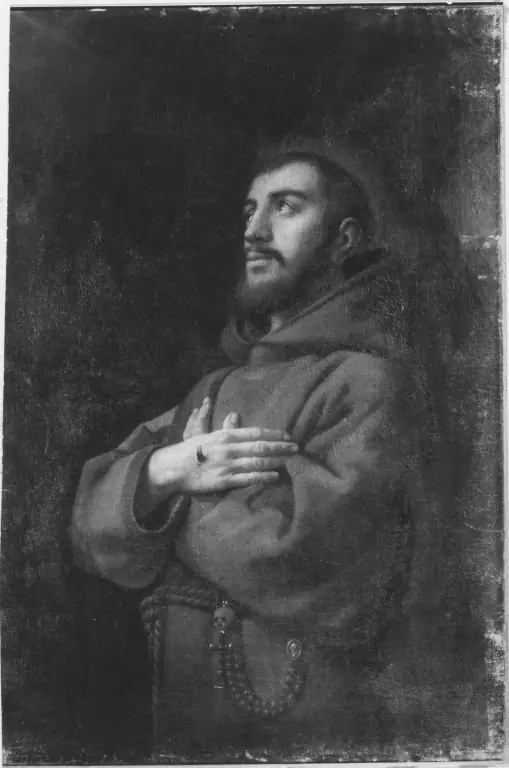
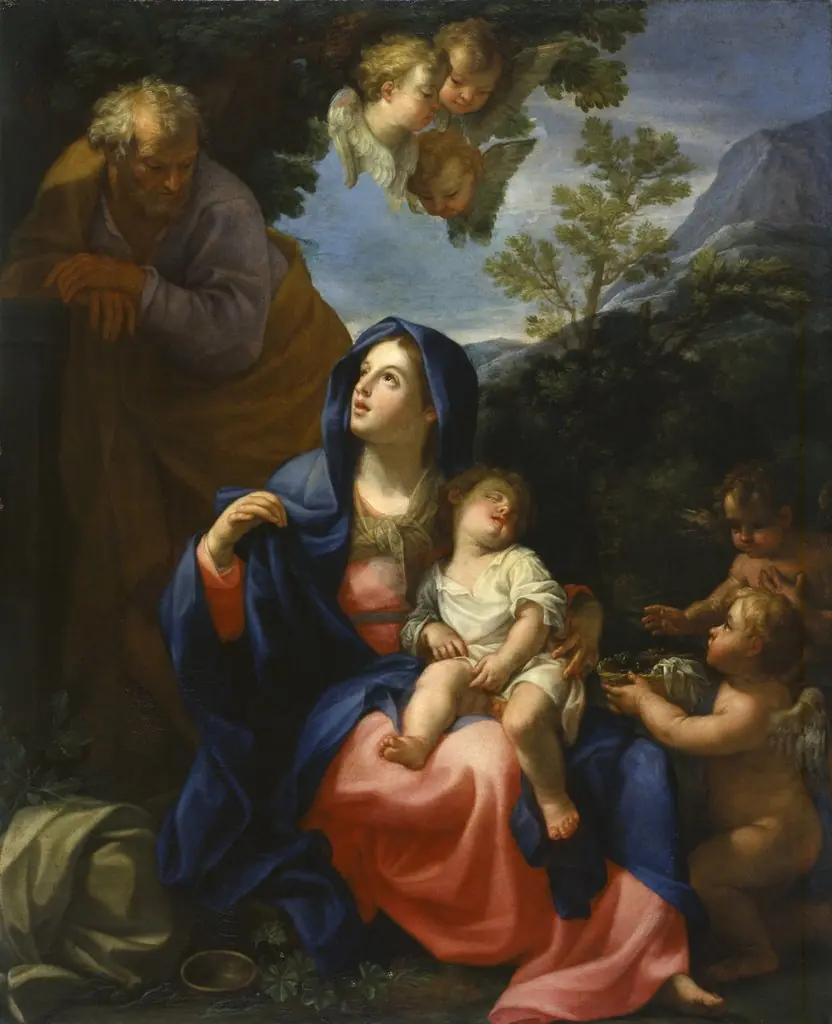
The Vision of Saint Francis of Assisi is an oil painting by the Early Baroque Italian artist Ludovico Carracci. It dates from 1592 and is held in the collection of the Rijksmuseum.
About this work
Subject & Meaning
Created by Ludovico Carracci in 1583, the work falls within the genre of religious art and illustrates the titular vision experienced by the saint.
The painting depicts a religious subject centered on the spiritual experience of Saint Francis of Assisi. Created by Ludovico Carracci in 1583, the work falls within the genre of religious art and illustrates the titular vision experienced by the saint. As an oil painting on canvas, the piece serves as a visual representation of this specific moment in Franciscan hagiography, focusing on the divine encounter rather than a broader narrative scene. The composition functions as a devotional image, emphasizing the spiritual significance of the saint's mystical reception.
Technique & Style
Executed in 1583, this religious painting by Ludovico Carracci utilizes oil paint applied to a canvas support. The work's physical dimensions are recorded with slight variations across records, measuring approximately 102 to 103 centimeters in height and between 99 and 102 centimeters in width. As a piece of religious art, the composition reflects the stylistic approaches characteristic of late sixteenth-century Italian painting, though specific details regarding its current condition, handling history, or distinct formal qualities beyond its genre and medium are not elaborated upon in the available documentation.
History & Provenance
The Vision of Saint Francis of Assisi is an oil painting on canvas created in 1583 by Ludovico Carracci for a religious context. Its dimensions measure 103 cm by 102 cm, and it belongs to the religious art genre. The work entered the collection of the Munich Central Collecting Point before being transferred to the Führermuseum, then to Stichting Nederlands Kunstbezit, and finally to the Rijksmuseum Amsterdam, where it is displayed in room 0.5. It was included in the exhibition 'Tentoonstelling Italiaanse kunst'.
The Vision of Saint Francis of Assisi is held at the Rijksmuseum Amsterdam, where it is listed in the Munich Central Collecting Point collection and displayed in room 0.5. The work entered the collection through the Munich Central Collecting Point and is attributed to Ludovico Carracci, created in 1583 as an oil paint on canvas. Its dimensions measure 103 cm by 102 cm. The painting has been featured in exhibitions including Tentoonstelling Italiaanse kunst and under the Francis identifier. It remains part of the Rijksmuseum's current display.
Legacy
The Vision of Saint Francis of Assisi by Ludovico Carracci exerted a lasting influence on religious painting, particularly in its depiction of mystical experiences. Its representation of the saint's ecstatic vision informed later Counter-Reformation art, shaping narrative strategies in works by artists such as Nicolas Poussin and later Baroque interpreters of saintly visions. The composition's dynamic arrangement and emotive realism contributed to evolving visual vocabularies of spiritual revelation in European art.
The painting remains part of major museum collections, including holdings at the Rijksmuseum Amsterdam and the Munich Central Collecting Point, ensuring continued scholarly attention to its artistic and historical significance.
Overview
The Vision of Saint Francis of Assisi is a 1592 oil painting by Ludovico Carracci, an Italian artist from Bologna. It is an example of early Baroque Italian art and is held in the Rijksmuseum's collection.
Own this work as a print
Artist & collection
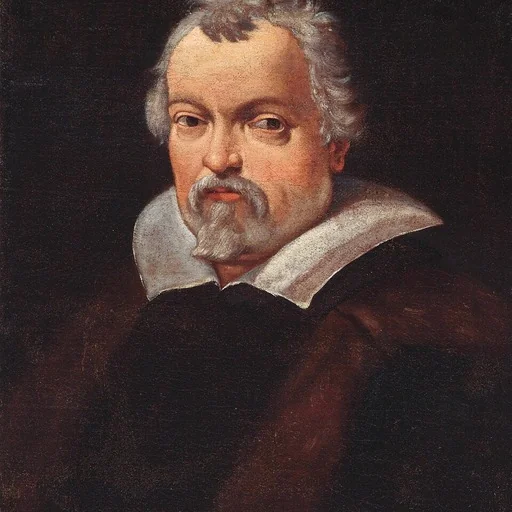
Artist
Ludovico (or Lodovico) Carracci ( kə-RAH-chee, UK also kə-RATCH-ee, Italian:; 21 April 1555 – 13 November 1619) was an Italian early-Baroque painter, etcher, and printmaker from Bologna.