Artwork
El pintor Francisco Sainz
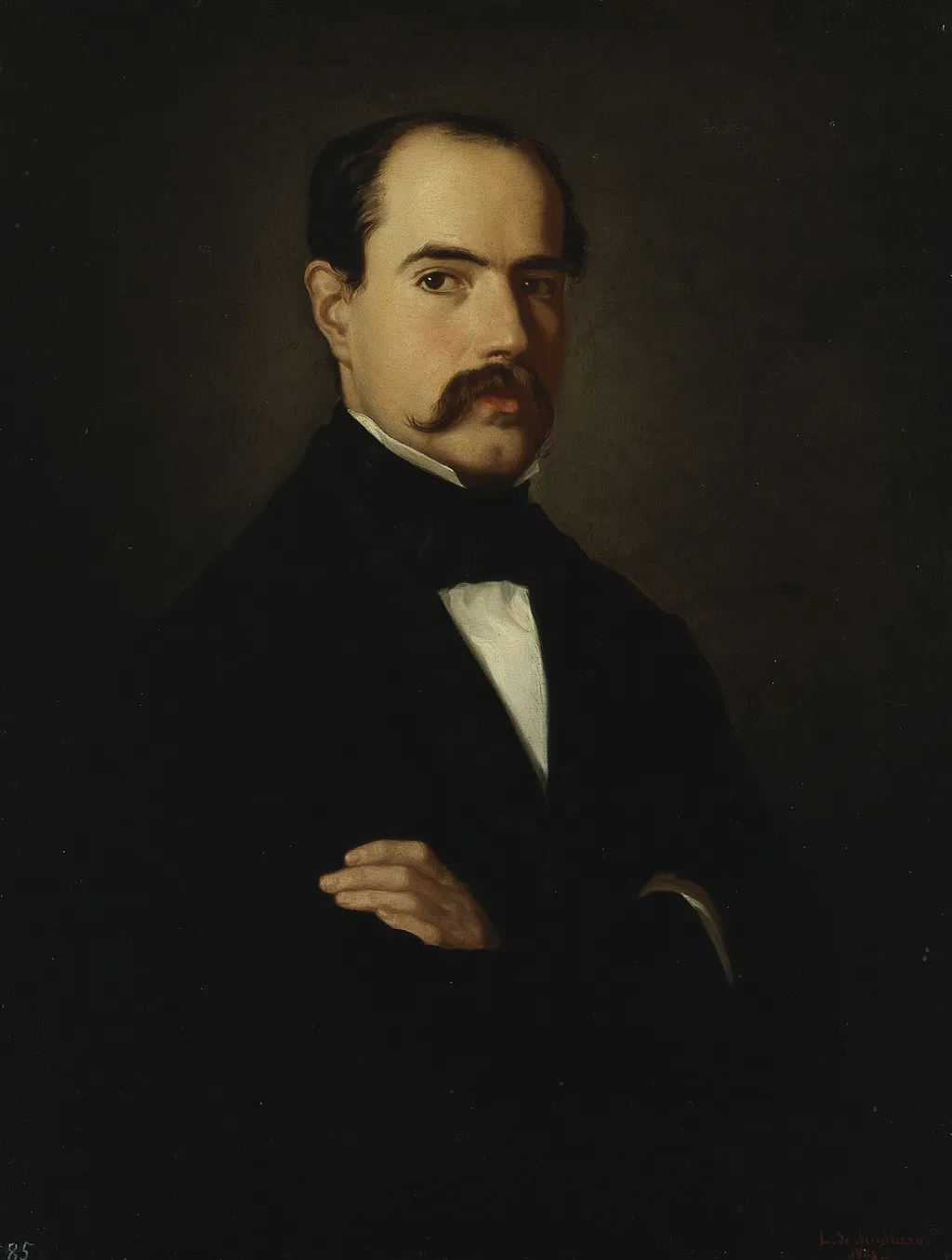
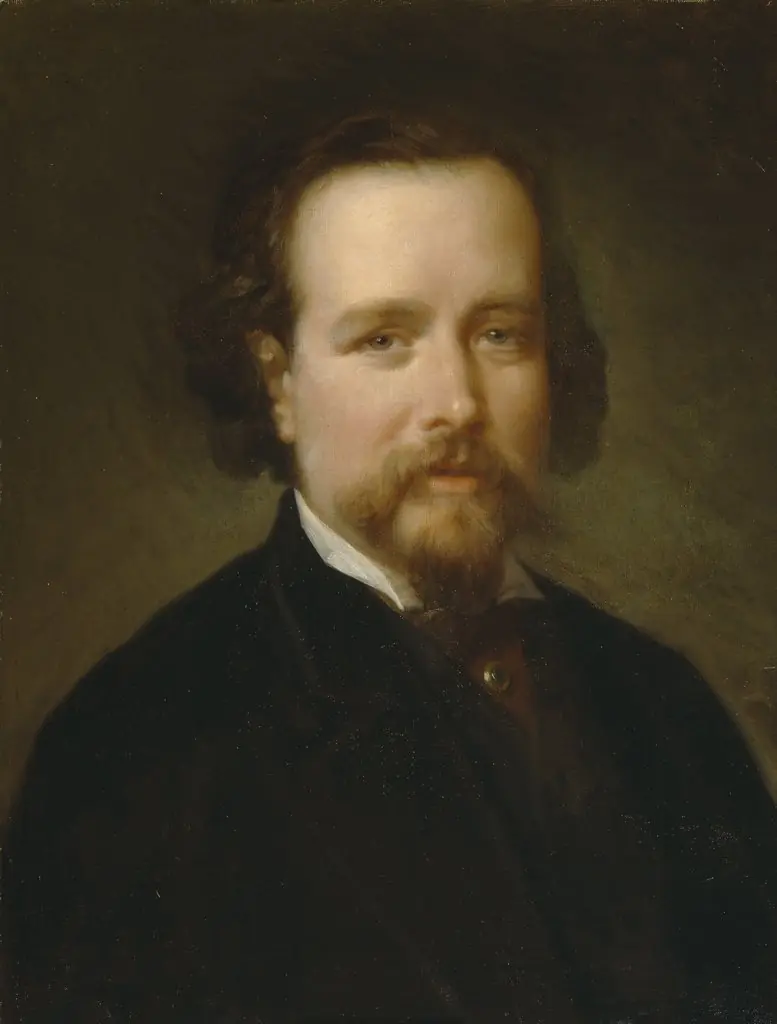
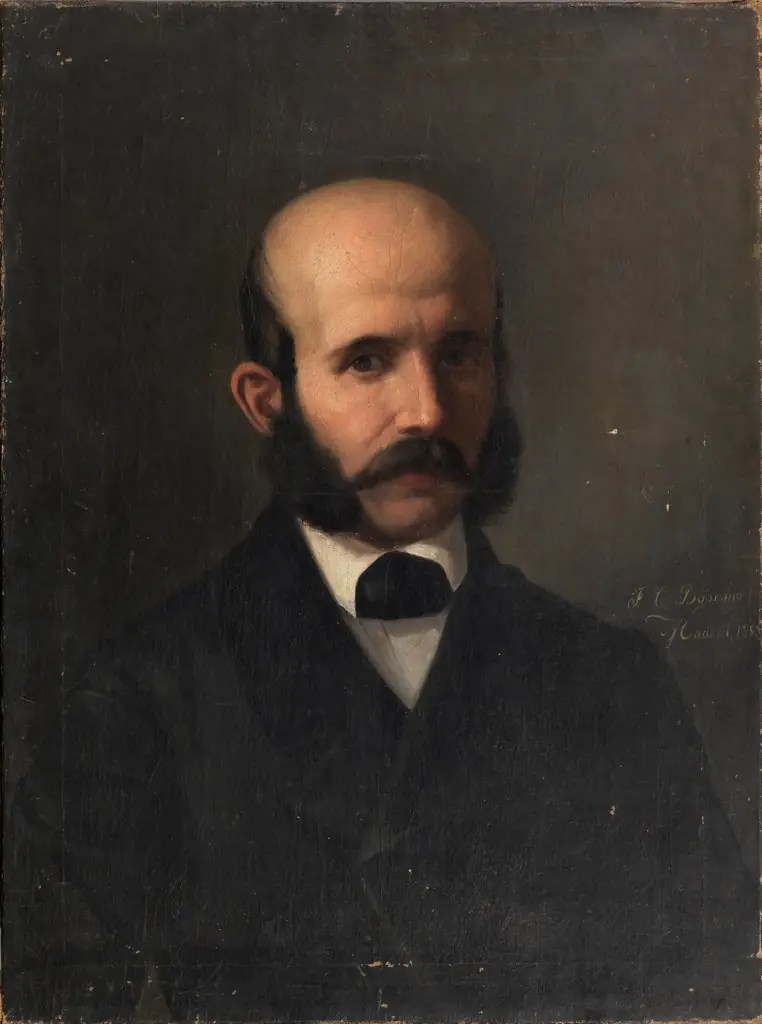
El pintor Francisco Sainz is an oil painting by the Spanish Baroque Tenebrist artist Luis de Madrazo. It dates from 1848 and is held in the collection of the Museo del Prado.
About this work
Overview
Its emphasis on light and shadow aligns with the tenebrist approach, though executed with the precision of mid-19th-century academic sensibilities.
Painted in 1848 by Luis de Madrazo, this oil portrait depicts Francisco Sainz, a fellow artist, in a restrained yet powerful composition. The work is held in the Museo del Prado’s collection and reflects Madrazo’s engagement with traditional Spanish portraiture. Its emphasis on light and shadow aligns with the tenebrist approach, though executed with the precision of mid-19th-century academic sensibilities.
Subject & Meaning
Francisco Sainz is portrayed as a man of quiet intensity, his identity as a painter implied rather than stated. Dressed in formal black attire with a white cravat, he faces the viewer with a direct, unsmiling gaze. The absence of contextual elements or symbols shifts focus entirely to his presence, suggesting an introspective dignity rather than a celebration of status or achievement.
Technique & Style
Madrazo employs dramatic chiaroscuro to isolate Sainz’s face against a deep, unmodulated black background. The lighting carves out the contours of his features, particularly the mustache and eyes, with sharp contrast, while the rest of the figure dissolves into shadow. Brushwork is controlled and economical, prioritizing psychological presence over decorative detail, echoing Baroque precedents with 19th-century restraint.
History & Provenance
The painting entered the Museo del Prado’s collection in the 19th century, likely through the artist’s family or institutional acquisition. Luis de Madrazo, part of a multi-generational Spanish artistic dynasty, maintained close ties with Madrid’s cultural institutions. The portrait’s preservation within the Prado underscores its recognition as a significant example of academic portraiture from the period.
Context
In mid-19th-century Spain, portraiture remained a vital genre among academically trained artists, often serving to document cultural figures. Madrazo, trained in Rome and influenced by Spanish Baroque masters, adapted historical techniques to contemporary subjects. This portrait reflects a broader trend of artists portraying peers with solemn gravitas, emphasizing intellectual and professional identity over ornamentation.
Legacy
Though not widely exhibited outside Spain, the portrait endures as a refined example of academic tenebrism in the 1800s. It illustrates how 19th-century Spanish painters sustained older visual languages while refining them for modern psychological depth. The work contributes to understanding how artistic identity was visually constructed within Madrid’s cultural milieu during a period of transition.
Own this work as a print
Artist & collection
Artist
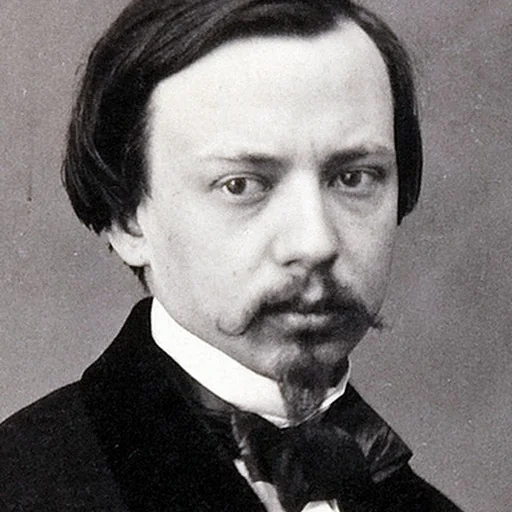
Luis de Madrazo y Kuntz (27 February 1825 – 9 February 1897) was a Spanish painter of portraits and religious scenes from a well-known family that included his father José (a painter), and his brothers Federico (also a…

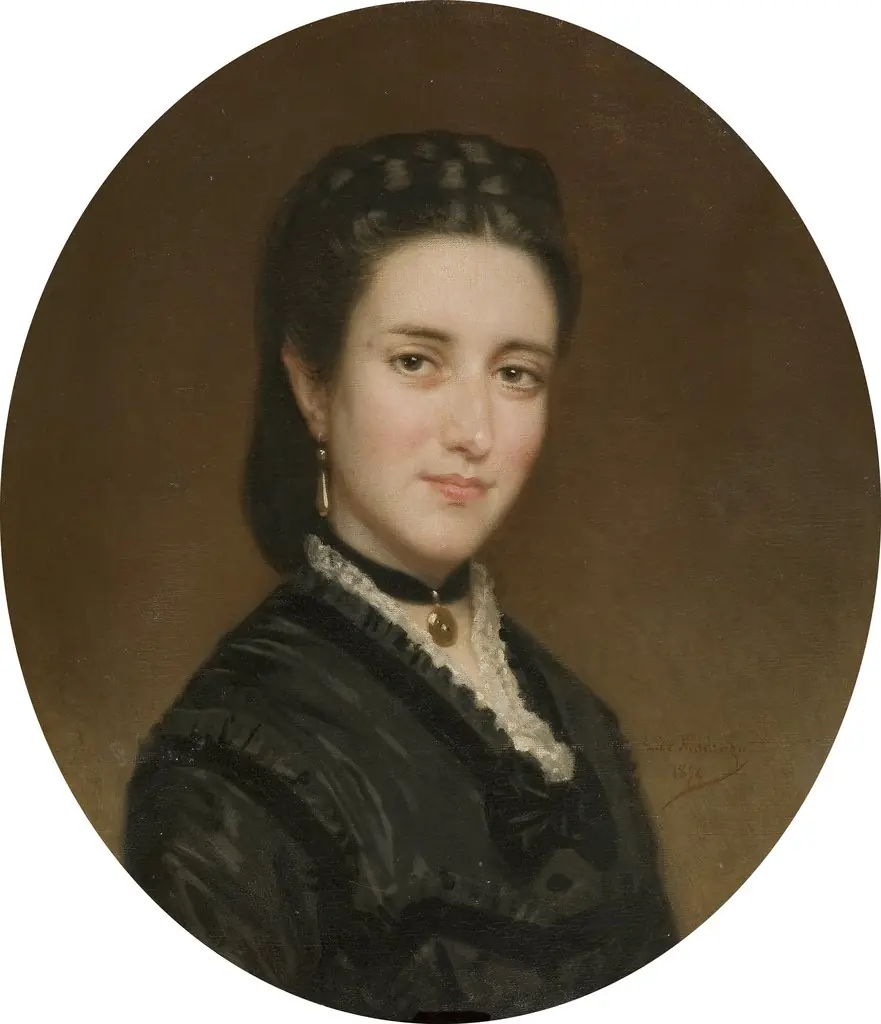
- Retrato de Antonio Rodríguez Ro (Retrato de Antonio Rodriguez Roo)
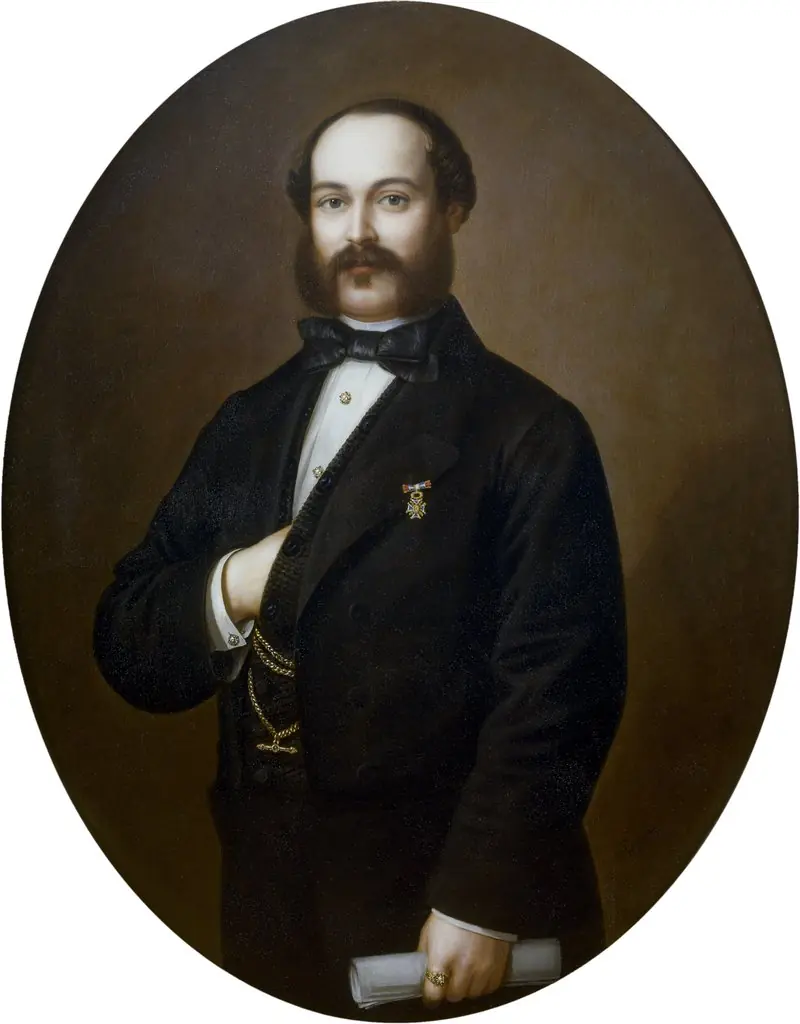 Luis González Martínez
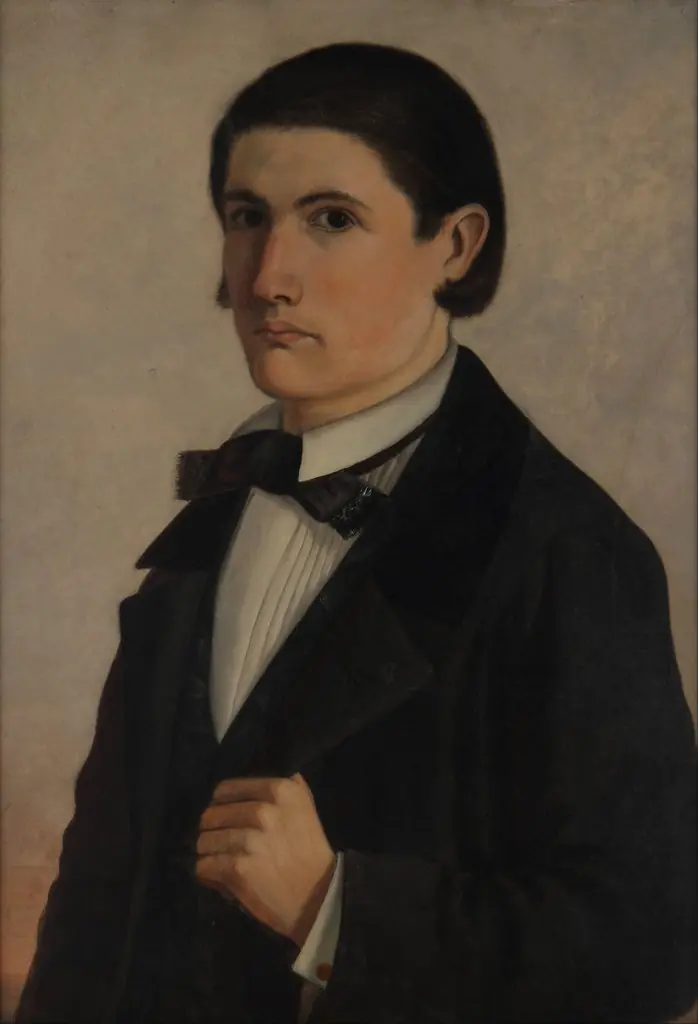 Autorretrato
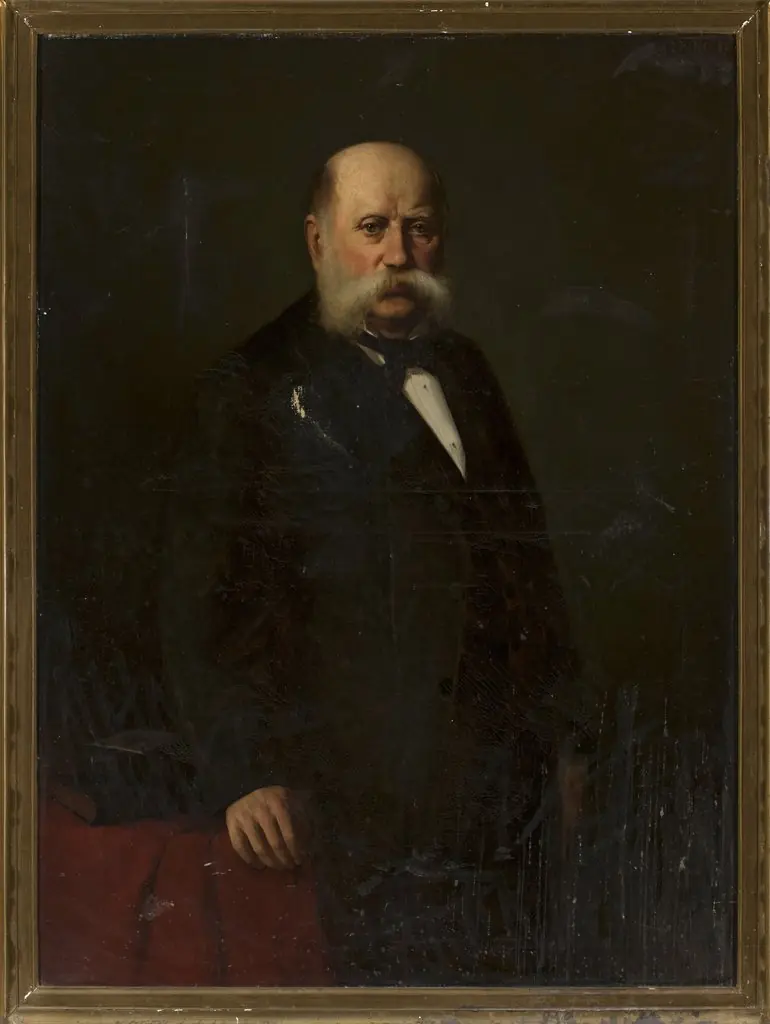 Portrait of a man with grey side-whiskers
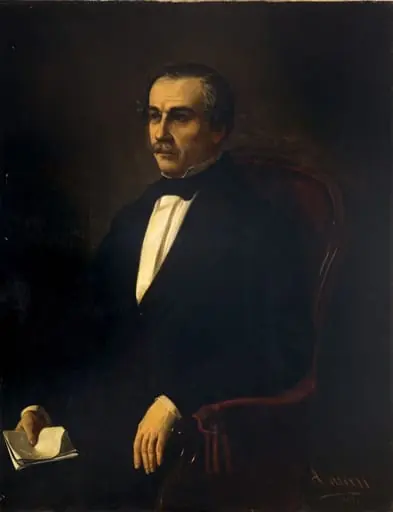 Portret (bărbat)
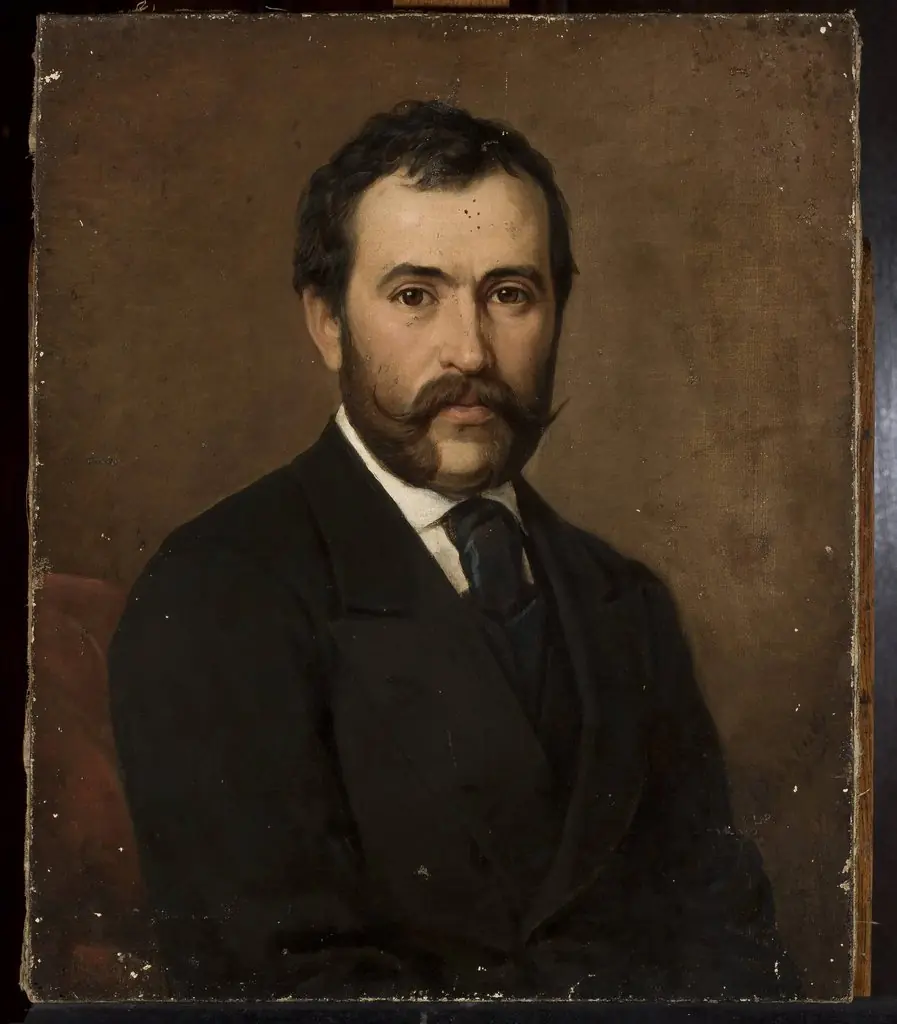 Male portrait
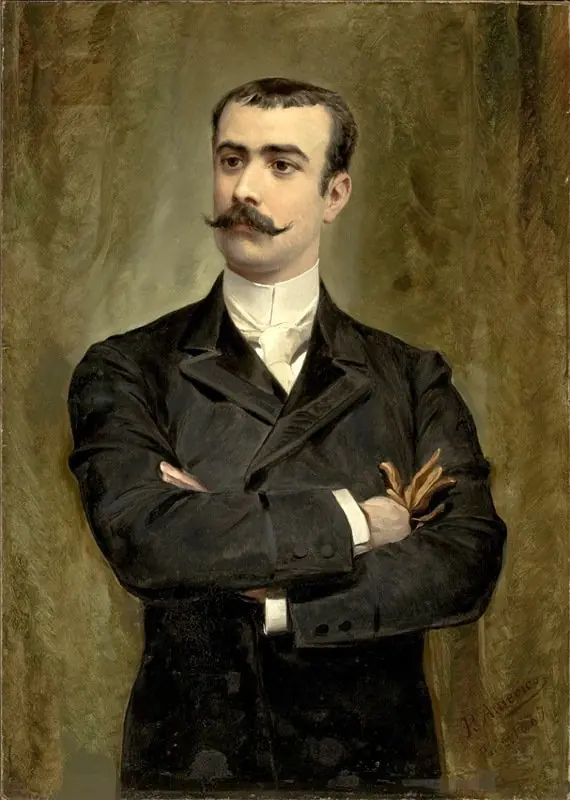 Caio da Silva Prado
 Portrait of Nikolai Monsey
 Portrait of Edward Gleason
 Portrait of a Man
 Portrait of Michał Rola Woszczyński
 Retrato de caballero