Artwork
Entierro de Santa Cecilia en las catacumbas de Roma
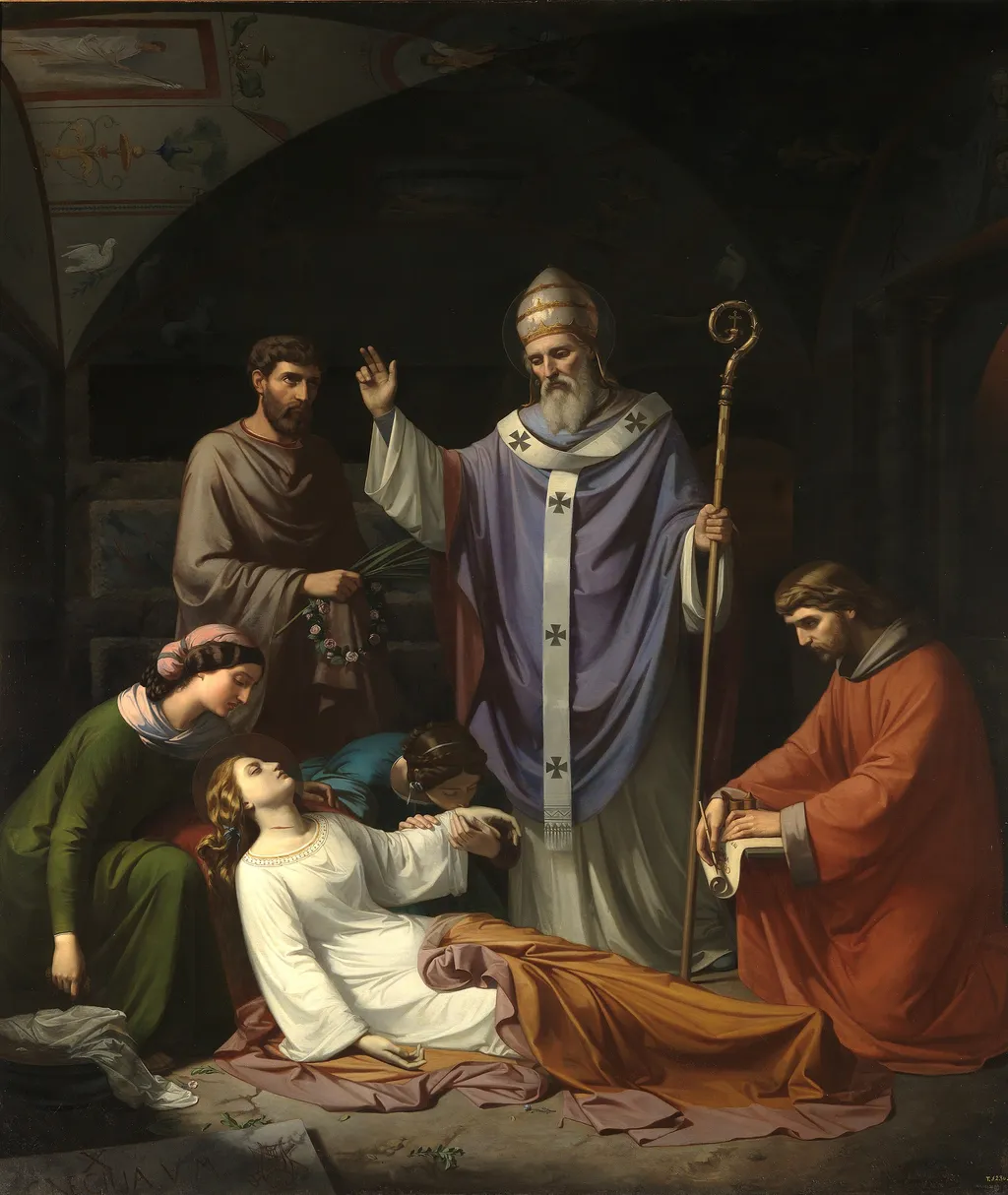
Entierro de Santa Cecilia en las catacumbas de Roma is an oil painting by Luis de Madrazo. It dates from 1852 and is held in the collection of the Museo del Prado.
About this work
Subject & Meaning
The work was completed in 1852 and is housed in the Museo del Prado as part of its collection of religious artworks.
The painting portrays Saint Cecilia in a moment of martyrdom within the ancient Roman catacombs, her presence marked by a crosier and traditional attributes of sainthood. Rendered in oil on canvas, the composition emphasizes spiritual sacrifice amid the subterranean setting, reflecting the religious narrative of early Christian persecution. The work was completed in 1852 and is housed in the Museo del Prado as part of its collection of religious artworks.
Technique & Style
The work is an oil painting executed on canvas, measuring 302 cm in height by 252 cm in width. Executed in 1852, it depicts Saint Cecilia within a religious composition, reflecting the artist's formal handling of light and drapery characteristic of mid-19th-century academic painting.
The surface retains its original oil paint layer without significant degradation, preserving the intended textural effects of the medium.
History & Provenance
The work was commissioned from Luis de Madrazo in 1852, the same year it was painted in oil on canvas with dimensions of 302 × 252 cm.
It entered the collection of the Museo de la Trinidad after its foundation in 1837, when the Spanish state began consolidating religious artworks from dissolved ecclesiastical institutions. Upon the Museo de la Trinidad’s integration into the Museo del Prado in 1872, ownership transferred to the Prado, where the painting remains today.
Held by the Museo del Prado, the work is catalogued under the inventory number P00968. It entered the museum's collection as part of the Museo de la Trinidad holdings. The painting has been displayed in the Prado's permanent exhibition of Spanish religious art and featured in the retrospective 'Luis de Madrazo: 19th‑Century Spanish Painting' in 2004.
Context
Luis de Madrazo's 1852 oil painting Entierro de Santa Cecilia en las catacumbas de Roma entered a corpus shaped by 19th-century Spanish academic art trends and religious sensibilities. Contemporary scholarship situates it within the artist's devotional oeuvre, emphasizing its technical execution and iconographic fidelity to Saint Cecilia traditions. The work's placement in Spanish institutional collections like the Museo del Prado reflects its significance as a religious artwork within European devotional painting.
Critical reception and later scholarship have analyzed its stylistic elements and devotional context, though specific exhibition histories remain unrecorded in available sources.
Overview
Luis de Madrazo’s 1852 oil painting, Entierro de Santa Cecilia en las catacumbas de Roma, presents a nocturnal interior where a small group attends the body of Saint Cecilia. The composition is confined to a dimly lit chamber, its limited palette emphasizing shadows and the solemnity of the moment.
Own this work as a print
Artist & collection
Artist
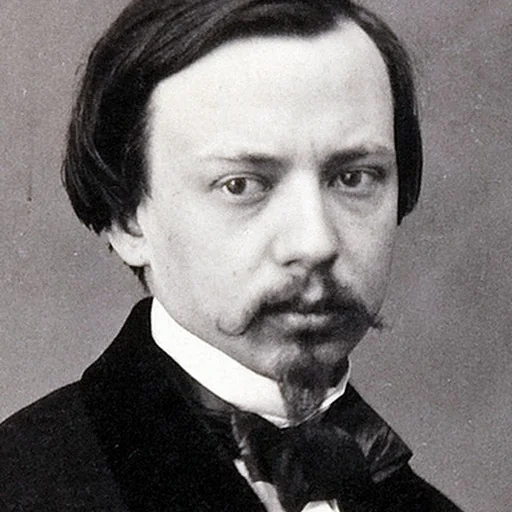
Luis de Madrazo y Kuntz (27 February 1825 – 9 February 1897) was a Spanish painter of portraits and religious scenes from a well-known family that included his father José (a painter), and his brothers Federico (also a…

 San Francisco de Regis dando la comunión a un tullido
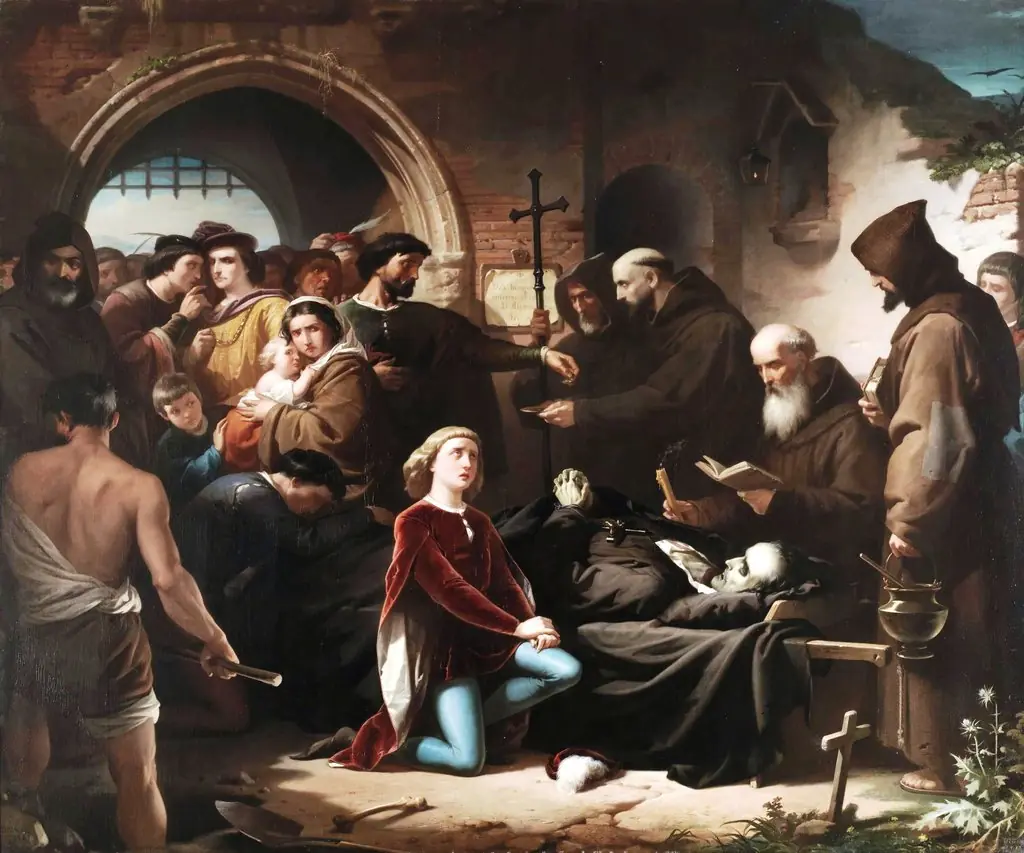 Don Álvaro de Luna condestable y favorito del rey D. Juan II de Castilla decapitado públicamente en la Plaza Mayor de Valladolid el 2 de junio de 1453 es enterrado de limosna en el cementerio de los ajusticiados extramuros de dicha ciudad
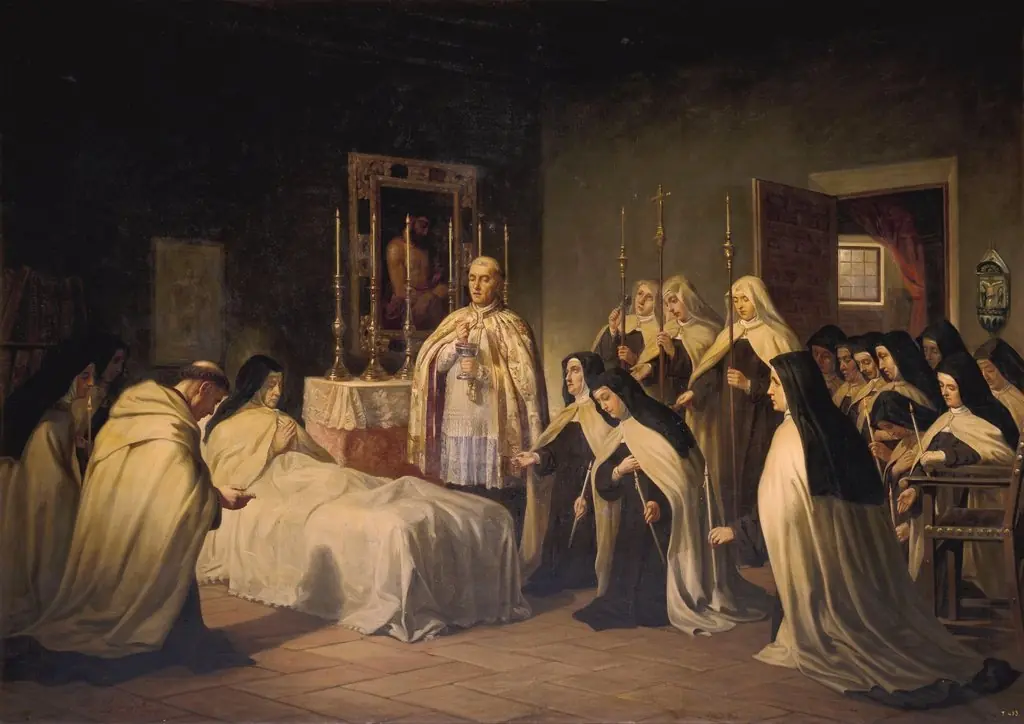 Viático de santa Teresa
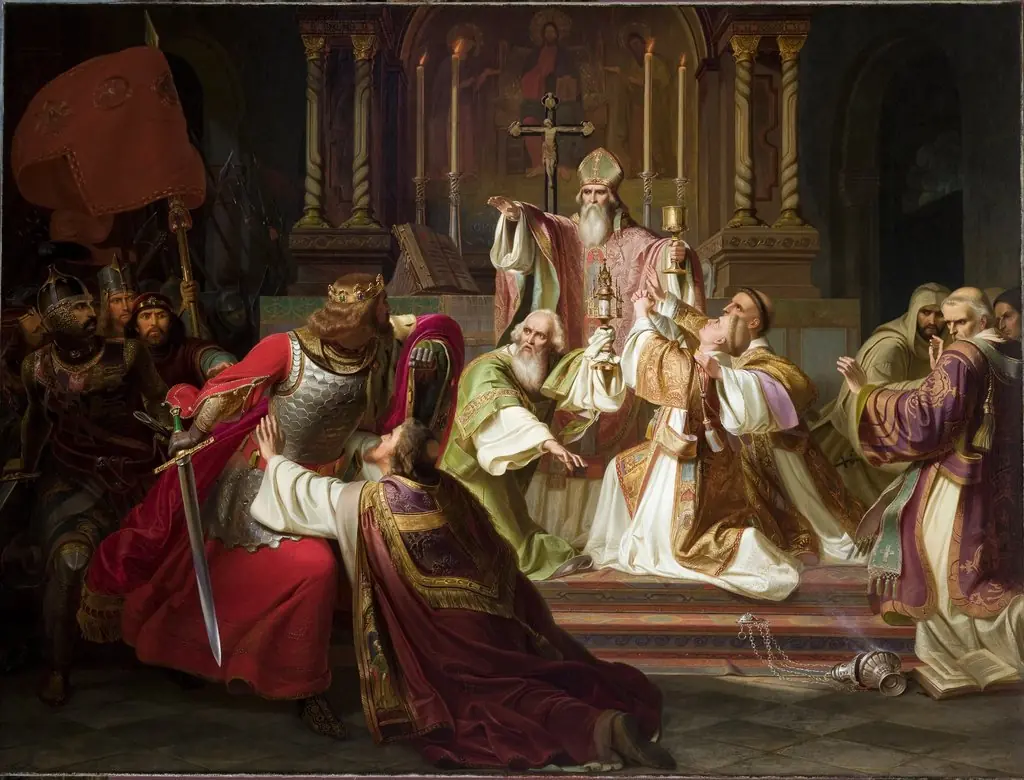 Bishop Stanisław Szczepanowski Putting a Curse on King Bolesław Śmiały
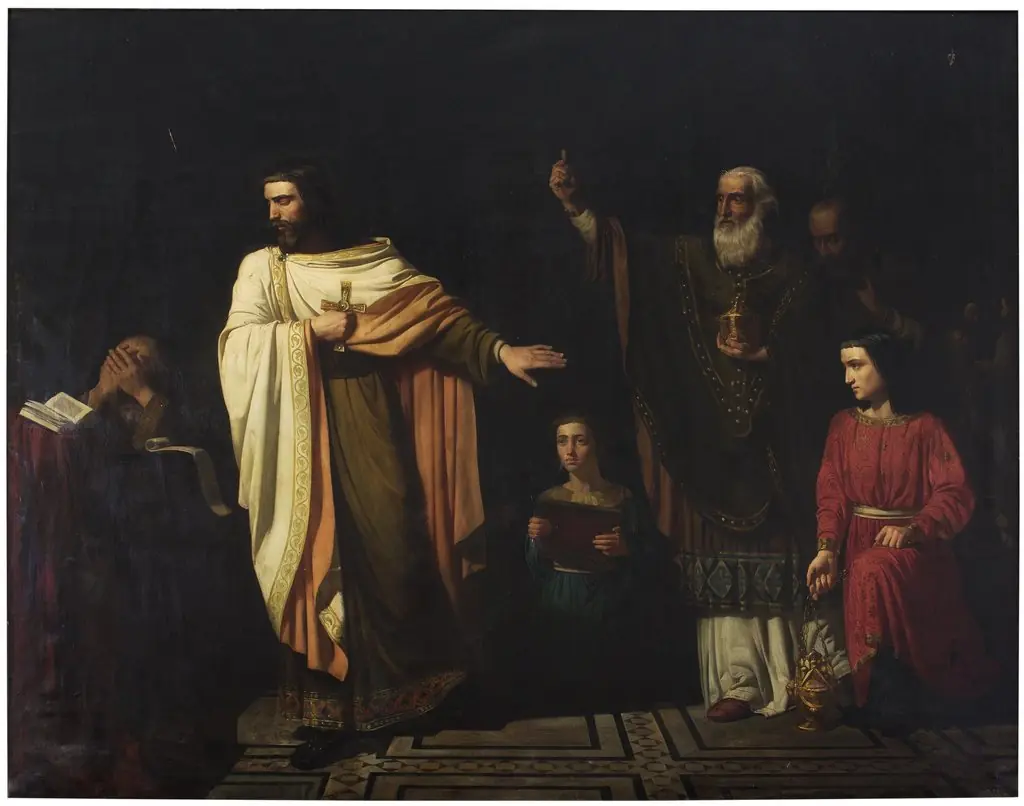 San Hermenegildo en la prisión
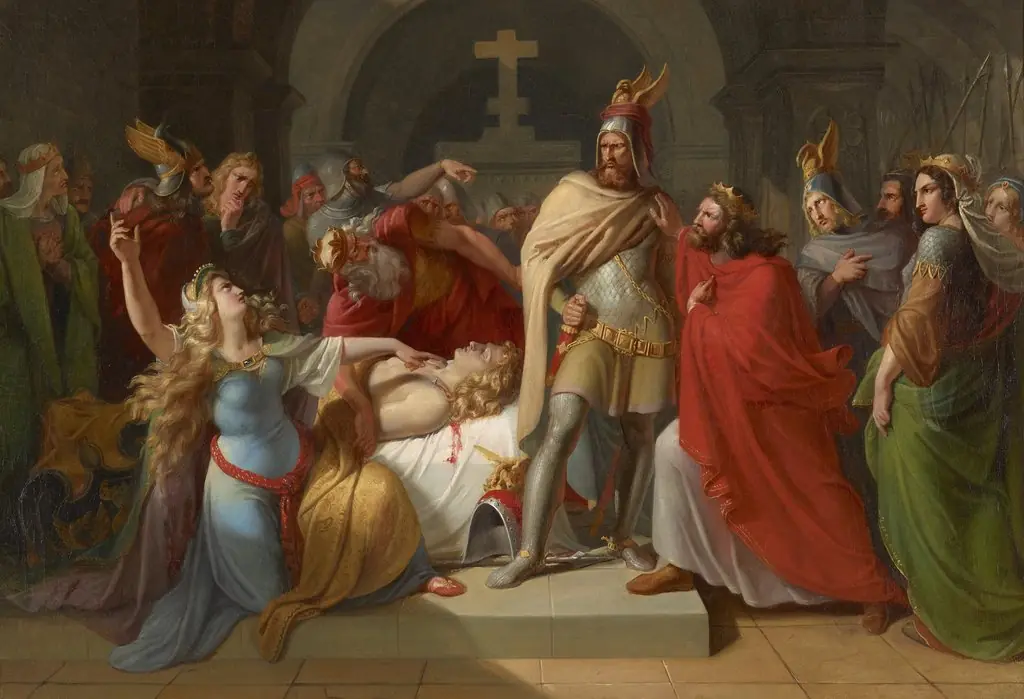 Kriemhild an der Leiche Siegfrieds erklärt Hagen als dessen Mörder und schwört Rache
 Übergabe des Leichnams des heiligen Markus in Alexandria an die Venezianer
 Miracle of Saint Martin of Tours
 Edwy and Elgiva: A Scene from Saxon History
 Traslación de San Francisco de Asís
- Últimos momento de Fray Charles Climaque