Artwork
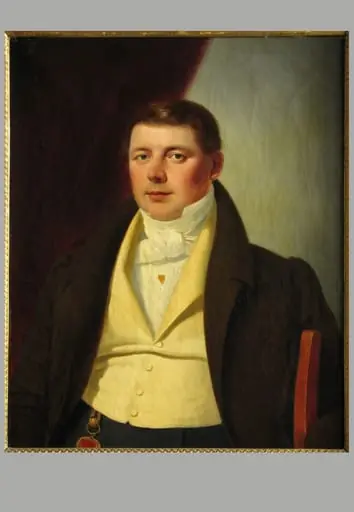
Portrait of a man
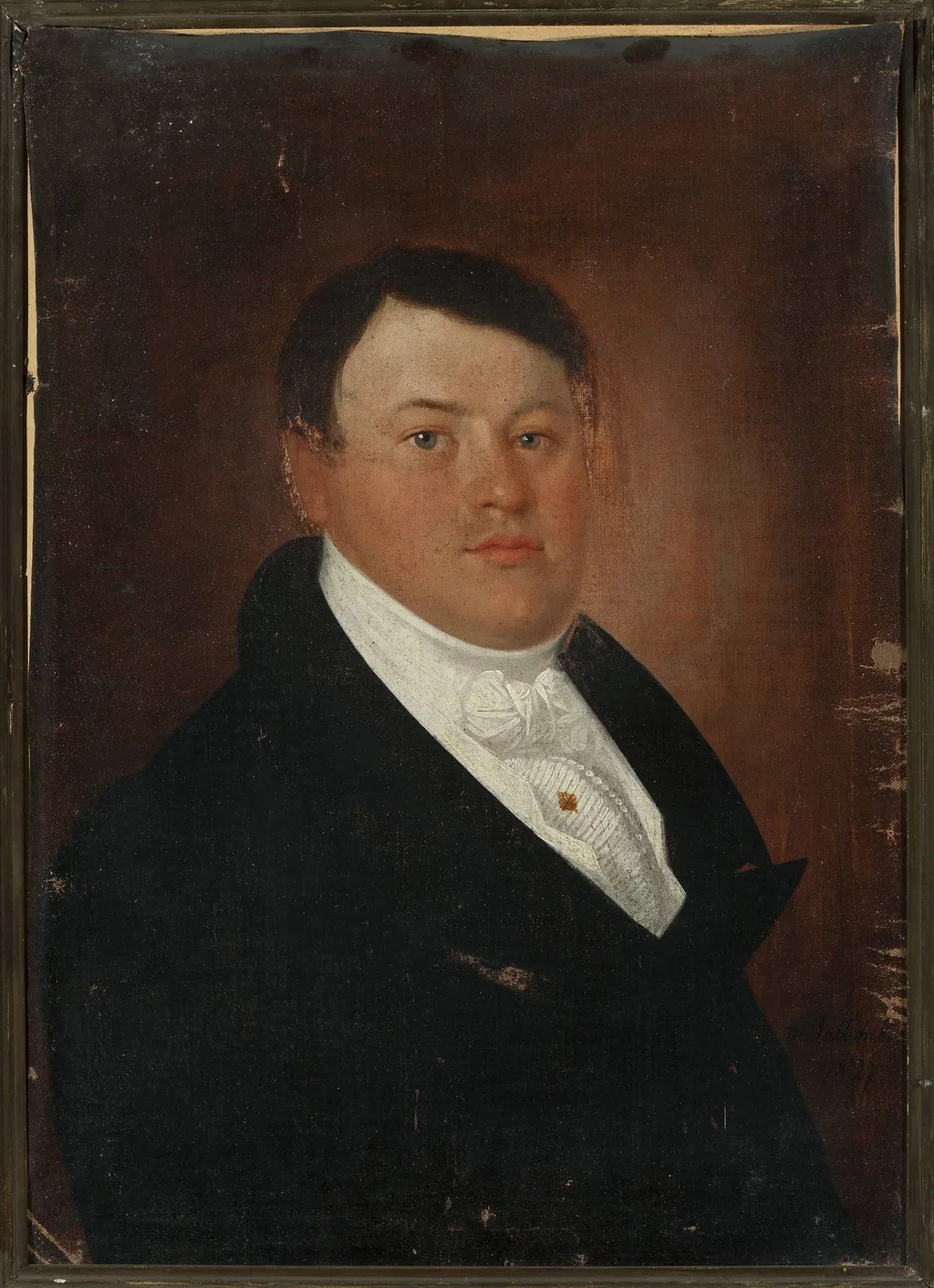
Portrait of a man is an oil painting by the Biedermeier artist Marcin Jabłoński. It dates from 1827 and is held in the collection of the National Museum in Warsaw.
About this work
Overview
0 centimeters, the work presents a bust-length depiction of an unidentified male sitter and is held in the collection of the National Museum in Warsaw.
Portrait of a Man is an oil-on-canvas painting by the Polish artist Marcin Jabłoński, dated 1827. Measuring 65.0 by 47.0 centimeters, the work presents a bust-length depiction of an unidentified male sitter and is held in the collection of the National Museum in Warsaw. The painting occupies a significant place as an early example of Polish portraiture from the period when the nation's independent painting tradition was still in its formative stages. Despite the artist's limited recognition among collectors and art historians, the work's very early date commands scholarly respect for its documentary value in tracing the development of Polish portrait painting in the first half of the nineteenth century.
Subject & Meaning
The painting depicts an anonymous man presented frontally and centered within the frame. The sitter wears a dark coat with wide lapels and a white cravat tied in a bow at the neck, attire consistent with masculine bourgeois or gentry fashion of the late 1820s. His dark hair is combed smoothly back. The restrained palette, deep blacks, warm browns, and crisp whites, together with the plain warm brown background, focus attention entirely on the sitter's physiognomy and social presentation rather than on narrative or allegorical content. The even lighting that falls across the face and cravat, producing soft modeling on the cheeks and forehead, serves a documentary function typical of early nineteenth-century portraiture, aiming to record the sitter's appearance with clarity and dignity. The absence of attributes, settings, or symbolic objects suggests that the portrait's meaning resides in the direct presentation of individual identity and social standing through dress and demeanor.
Technique & Style
The painting is executed in oil on canvas with a matte overall finish. The brushwork varies across the surface: smooth and blended in the facial modeling, more textured in the handling of the cravat. This differential treatment reflects a conventional hierarchy of finish in European portraiture, where the face demands the highest degree of refinement. Light is managed to create soft three-dimensional modeling on the cheeks and forehead while the coat absorbs most illumination, creating a tonal structure that anchors the figure against the warm brown ground. The surface condition shows visible wear including scratches, abrasions, and small losses, particularly along the edges and in the lower right corner, as well as areas of uneven varnish or aging. Faint marks in the lower right suggest a possible signature. A dark frame borders the canvas, though it is unclear whether this is original to the work.
History & Provenance
The painting is dated 1827, placing it at the very beginning of Jabłoński's documented activity. A related work, also dated 1827 and of nearly identical dimensions (64 by 47.5 centimeters), has appeared on the art market: a portrait described as possibly depicting Johann Haan, signed and dated verso with further indistinct inscription on a label. This auctioned picture, sold at Toovey's for GBP 260 against an estimate of £150-250, suggests that Jabłoński produced multiple portraits in this format during the same year. The National Museum in Warsaw acquired the present work for its permanent collection, where it remains. No exhibition history is recorded in the available sources.
Context
Marcin Jabłoński (1801-1870) worked during a period of nascent Polish national culture, when painting was establishing itself as an independent art form in partitioned Poland. The year 1827 falls within the reign of Tsar Nicholas I in the Russian partition and precedes the November Uprising of 1830-1831, a period of intense cultural as well as political activity. Polish art historians have rendered a critical professional opinion of Jabłoński, and he has achieved only moderate success among Polish collectors. Nevertheless, the early date of this portrait situates it at the dawn of Polish painting's modern development, lending it historical importance disproportionate to the artist's overall reputation. The work exemplifies the provincial but earnest adoption of European portrait conventions in a Polish context, where artists looked to Western models while serving local patronage.
Legacy
The painting's afterlife extends into contemporary commercial reproduction. The image has been licensed for museum art prints distributed through retail channels, offered in multiple formats including 11x14 and 18x24 inch sizes with various framing options such as black modern, black ornate, and gold ornate wood frames with double matting. These reproductions, priced between USD $29.99 and $39.99, indicate a modest but persistent cultural presence for the work beyond the museum walls. This commercial afterlife, while not conferring enhanced art historical status, demonstrates the image's continued circulation in popular visual culture and its function as an accessible emblem of early Polish portraiture. The original painting remains the authoritative object, preserved in the National Museum in Warsaw as a document of artistic production in partitioned Poland.
Own this work as a print
Artist & collection

- Dr. Alvah Cook
 Husband
 Nikolai Sinebrychoff
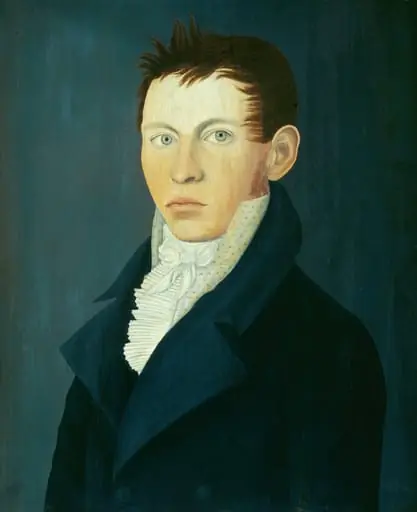 Possibly Harlan Page
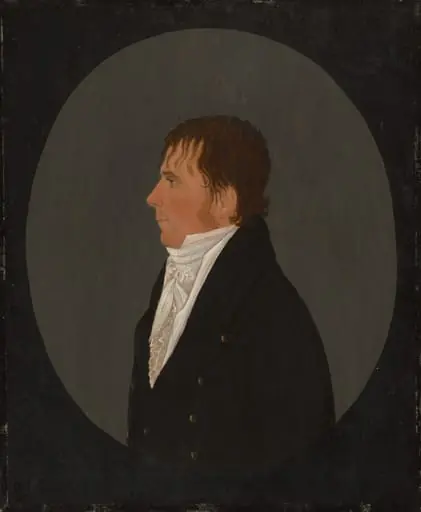 Profile Portrait of a Young Man
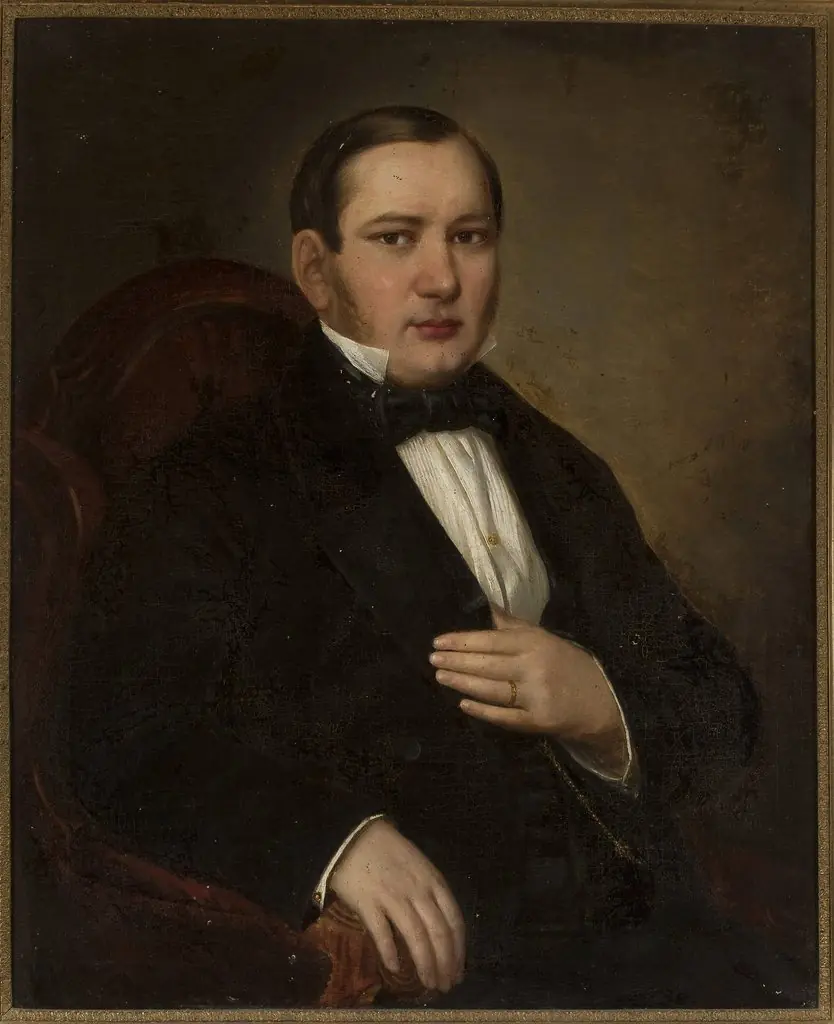 Portrait of Mr. Lempke
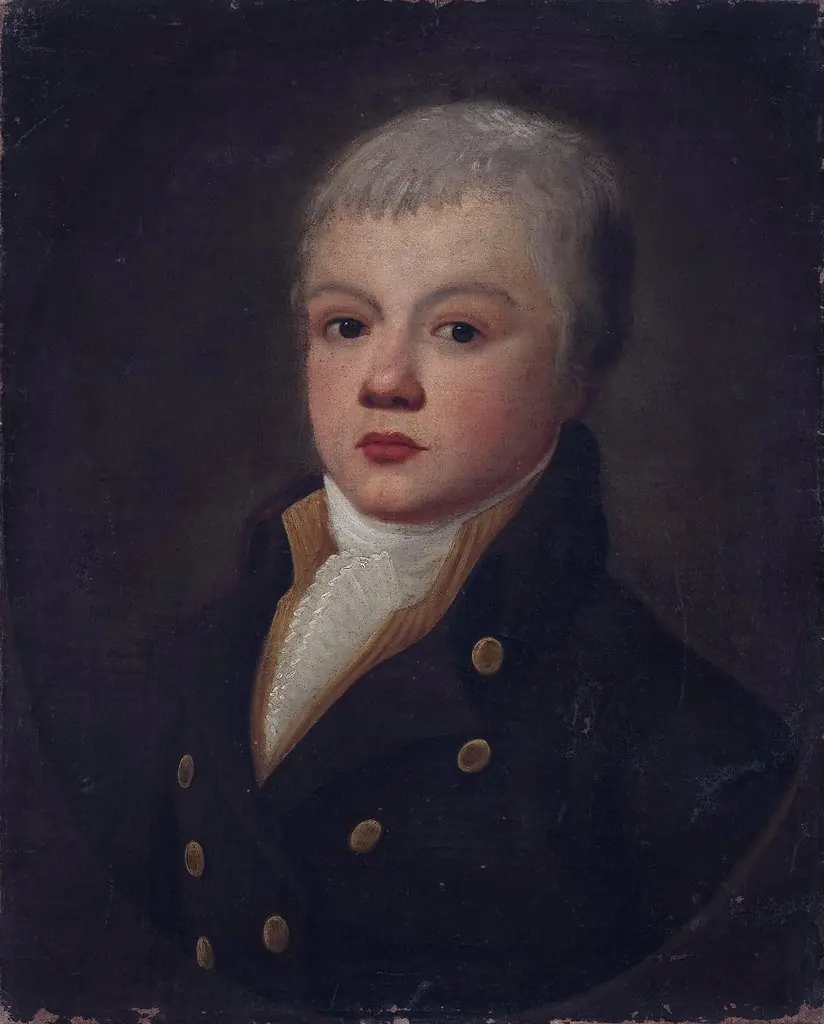 Childhood portrait of Jan Wołowicz (1778–?)
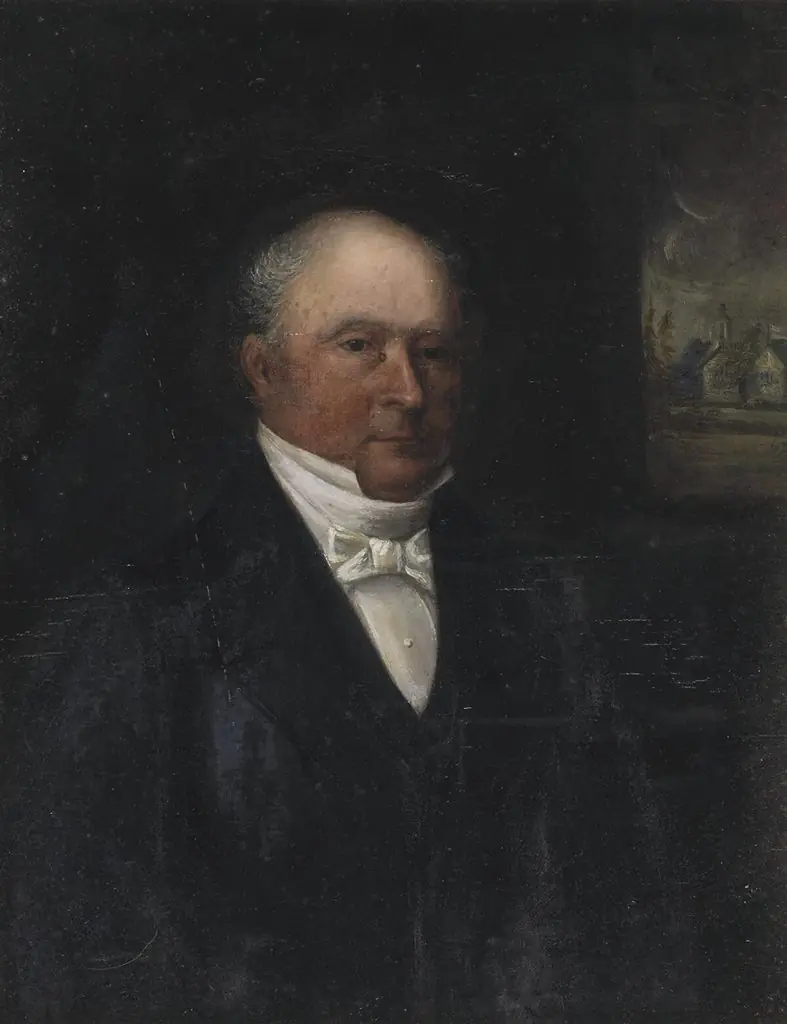 Rev. Thomas Davies
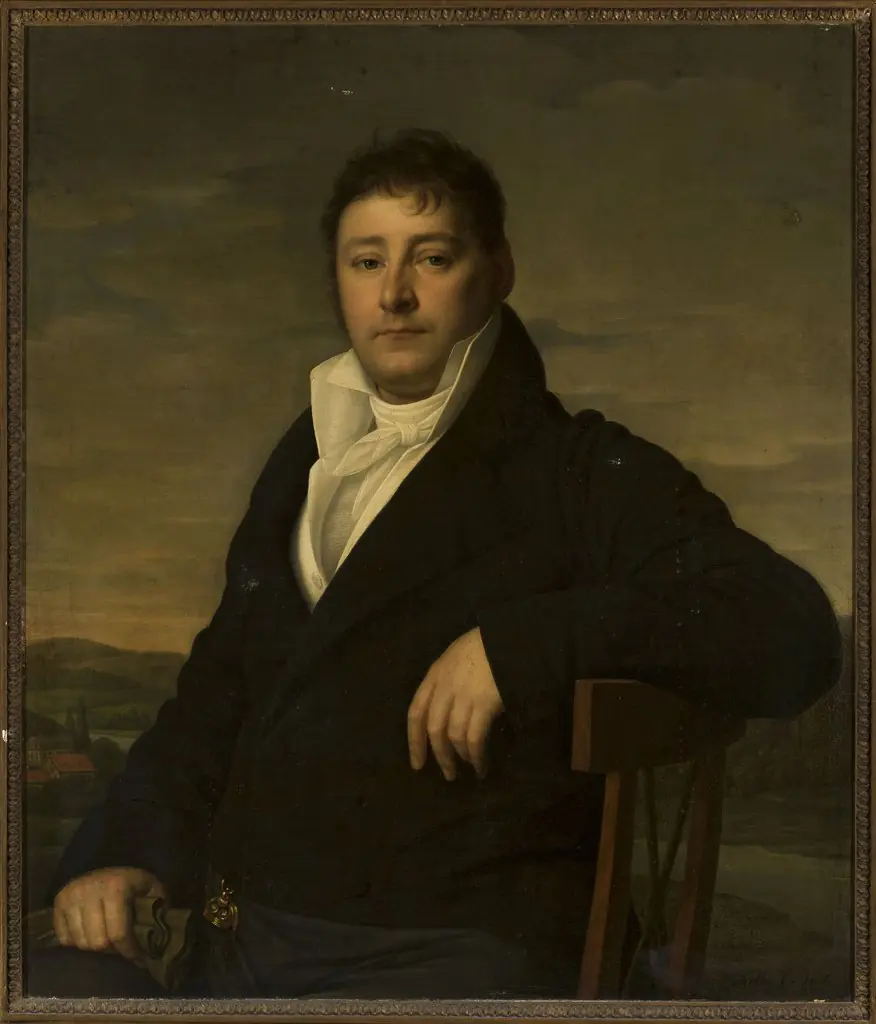 Portrait of Valentin Hellmann
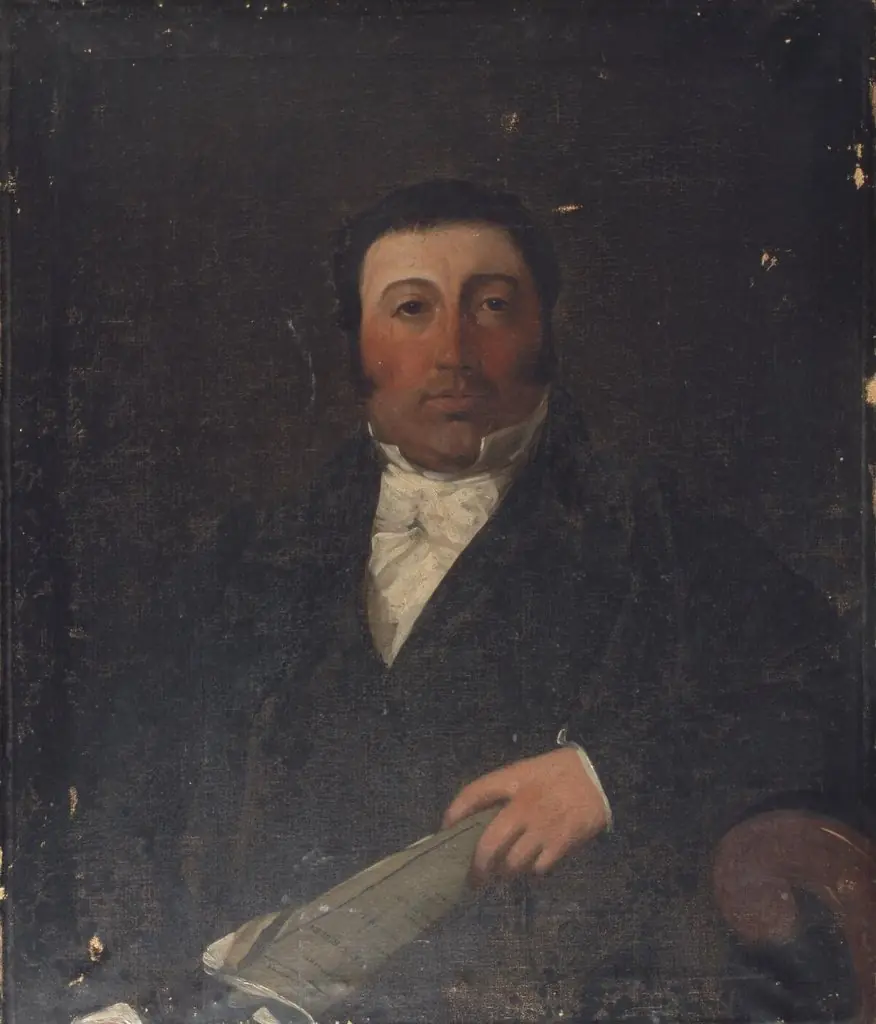 George Bowen of Llwyngwair III
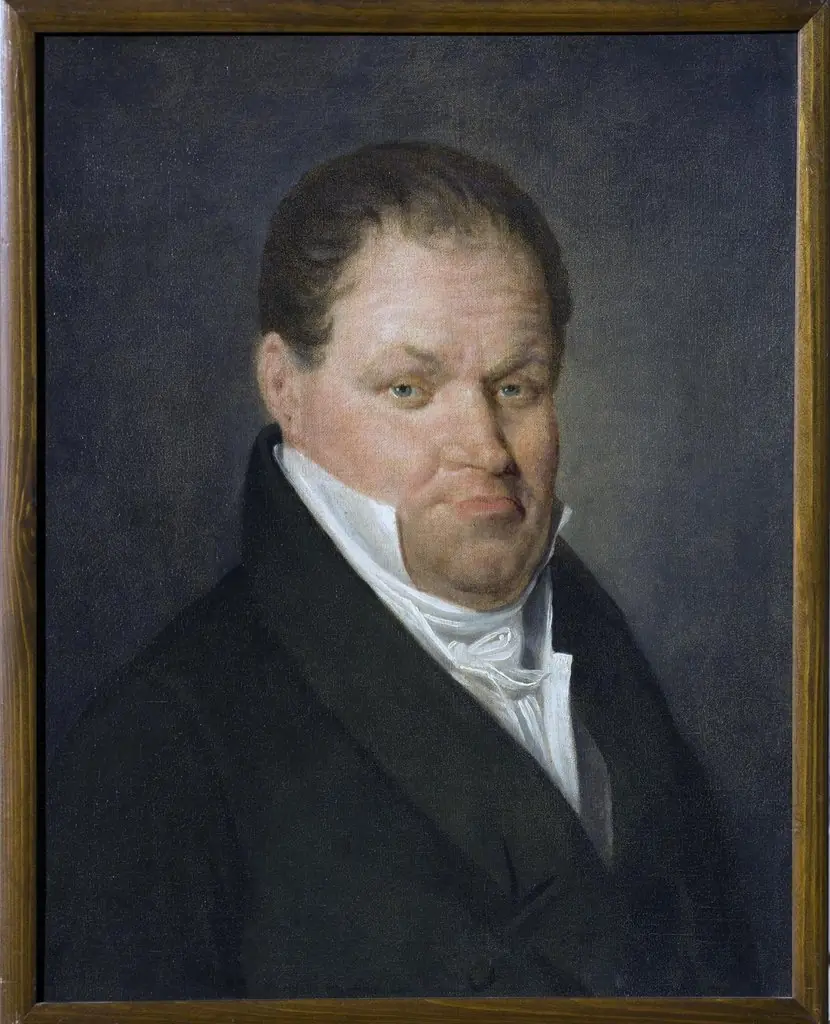 Portrait of N.Aubert, a French Teacher in Moscow
 Portret de bărbat. Pandant: Portret de femeie