Artwork
Mary Magdalene
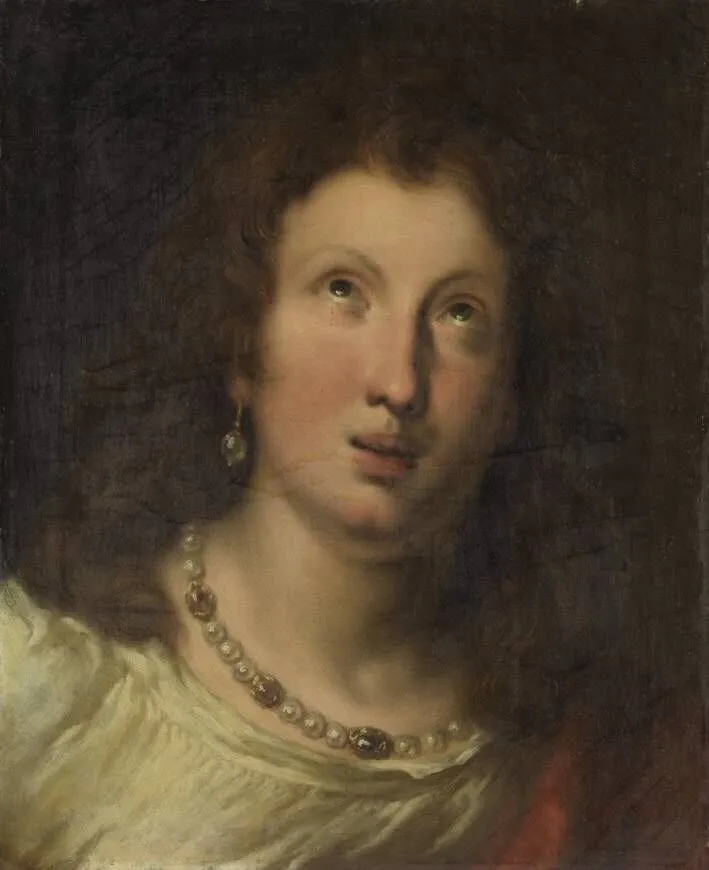
Mary Magdalene is an oil painting by the Rococo painting artist Maria Antonia Walpurgis of Bavaria. It dates from 1752 and is held in the collection of the Bavarian State Painting Collections.
About this work
Subject & Meaning
The painting depicts Mary Magdalene, one of the most frequently portrayed figures in Christian religious art and a saint traditionally associated with penitence, contemplation, and devotion. Classified as a religious work, the painting treats Mary Magdalene as its main subject, consistent with her long-standing iconographic role as a model of spiritual conversion and inner reflection.
The modest scale of the canvas (47.2 by 38.5 cm) suits the intimate, devotional character typical of small-format Magdalene portraits, which were often intended for private contemplation rather than public altarpieces. Rendered in oil paint, the work belongs to a tradition in which Mary Magdalene is shown either in penitential solitude, richly dressed as a contemplative, or in moments of religious ecstasy. By placing her at the center of the composition as the principal figure, the artist emphasizes her symbolic significance as a redeemed sinner and devoted follower of Christ, themes central to her enduring representation in Western religious imagery.
Technique & Style
The figure’s inward gaze and modest pose underscore the period’s blend of devotional sentiment and aristocratic refinement.
The painting employs oil on canvas, a common medium for mid-18th-century European religious works. The support measures 47.2 cm in height by 38.5 cm in width, a modest scale appropriate for private devotion or cabinet display. Handling reflects the Rococo emphasis on delicate modeling and luminous surfaces, with softly blended transitions and refined chiaroscuro to articulate the saint’s features and drapery folds.
Stylistically, the composition aligns with Rococo conventions: asymmetrical balance, graceful contours, and a restrained palette punctuated by pearlescent highlights. The figure’s inward gaze and modest pose underscore the period’s blend of devotional sentiment and aristocratic refinement.
History & Provenance
The oil painting depicting Mary Magdalene was created in 1752 by Maria Antonia Walpurgis of Bavaria. Measuring 47.2 cm in height and 38.5 cm in width on canvas, the work is classified as religious art. It is currently held within the collection of the Bavarian State Painting Collections at the Alte Pinakothek.
No specific details regarding the original commission, patron, or the intermediate chain of ownership prior to its current institutional home are provided in the available records.
The painting Mary Magdalene by Maria Antonia Walpurgis of Bavaria is held within the collection of the Bavarian State Painting Collections. It is specifically located at the Alte Pinakothek in Munich. Created in 1752, the work is cataloged as part of the institution's holdings of religious art, though specific inventory or accession numbers are not provided in the available records. The source material does not list any exhibition history for this specific artwork.
Overview
Created in 1752 by Bavarian artist Maria Antonia Walpurgis, this oil painting presents a solitary figure identified as Mary Magdalene. The work is part of the collection of the Alte Pinakothek in Munich, where it remains on display as an example of mid‑eighteenth‑century religious portraiture.
Artist & collection
Artist
Maria Antonia Walpurgis of Bavaria
Maria Antonia Walpurgis didn’t just sing opera, she painted it, too. A princess who ruled Saxony, she composed and performed while her husband handled politics, a rare woman living two lives at once. She left behind…

- The Head of St Catherine
 Flora
Flora Portrait of a Young Lady in a Garden
 Helena Fourment
 Portrait of a girl
 Head of a Woman (Beatrice)
 Maria van der Burght, eerste echtgenote van François Leidecker
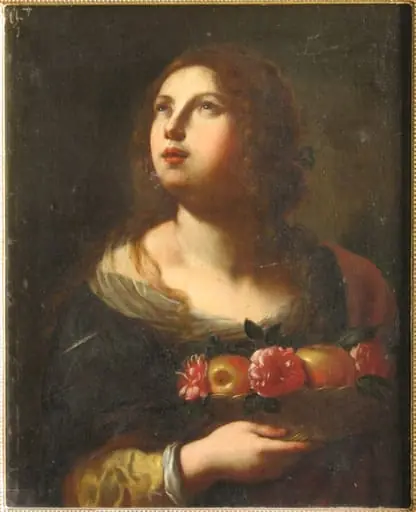 Sfânta Zita (în Reg. Inv.: Fată cu coș de flori)
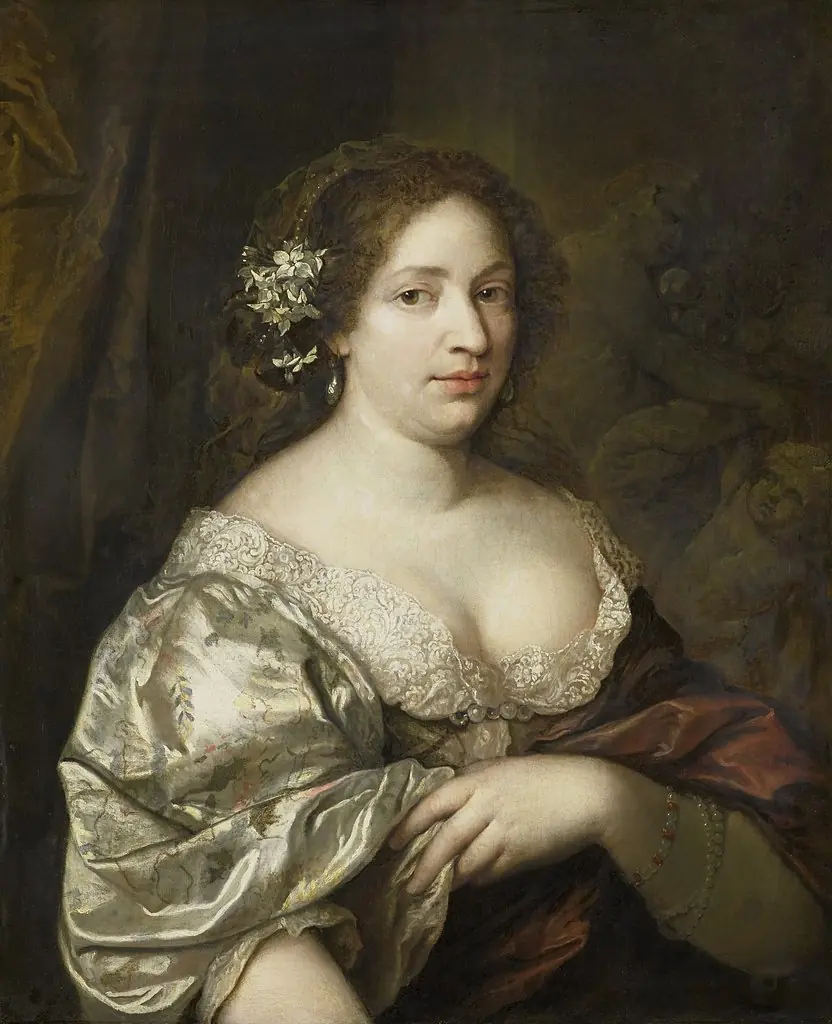 Portrait of Margaretha Godin (d. 1694), wife of the artist
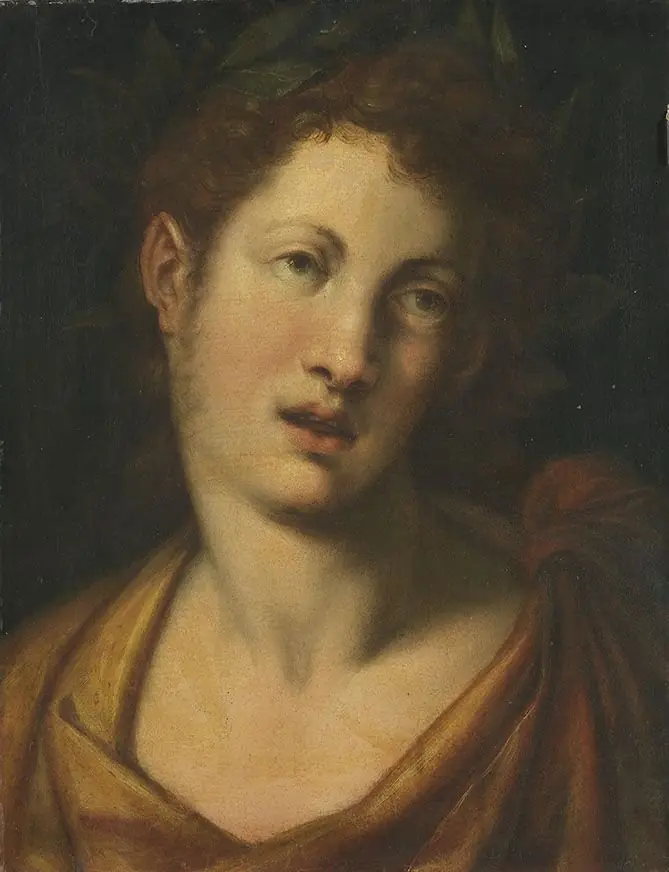 Portrait of an unknown man
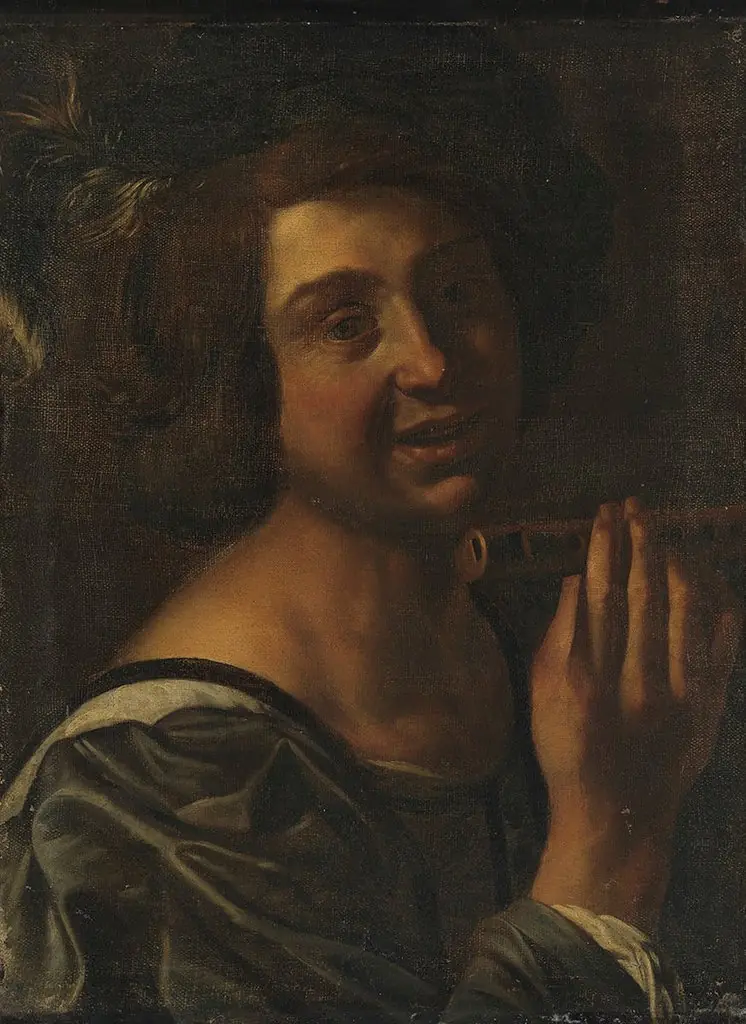 Flötist (Nachahmer)
 Portret van een vrouw