Artwork
Kreuzigung Christi
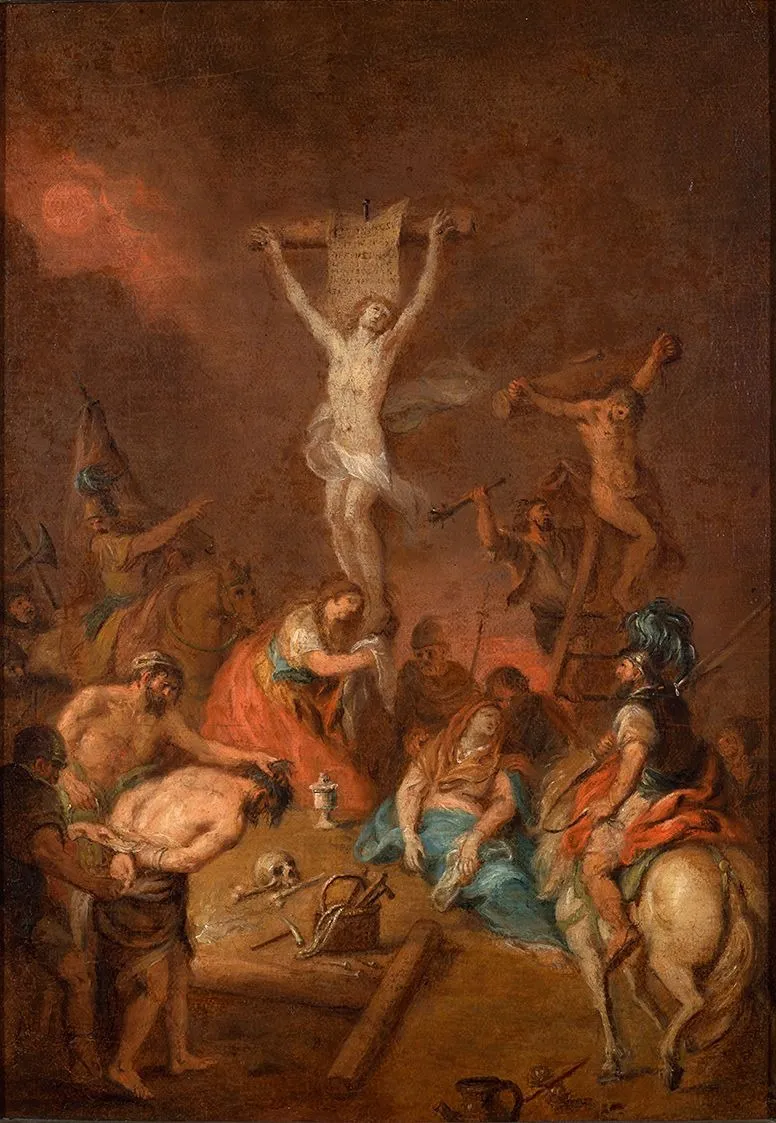
Kreuzigung Christi is an oil painting by the Biedermeier artist Martin Johann Schmidt. It dates from 1799 and is held in the collection of the Kunsthistorisches Museum.
About this work
Subject & Meaning
The Virgin Mary and Saint John the Evangelist are shown at the foot of the cross, a traditional grouping that underscores themes of mourning and witness.
The painting depicts the Crucifixion of Jesus Christ, a central subject in Christian iconography. The composition centers on the upright cross with Christ nailed to it, flanked by the two thieves, Dismas and Gestas, one on each side. The Virgin Mary and Saint John the Evangelist are shown at the foot of the cross, a traditional grouping that underscores themes of mourning and witness.
Below, soldiers cast lots for Christ’s garments, a detail drawn from the Gospel of John (19:24) that emphasizes the fulfillment of scriptural prophecy. The overall arrangement follows established Counter-Reformation conventions, conveying sacrifice, redemption, and the promise of salvation through Christ’s death.
Technique & Style
Kreuzigung Christi is an oil painting executed on a canvas support. Created in 1797 by Martin Johann Schmidt, the work measures 54 cm in height and 38.5 cm in width. As a religious genre piece, it depicts the crucifixion of Jesus Christ. The medium consists of oil paint applied to the canvas surface.
History & Provenance
The oil-on-canvas painting Kreuzigung Christi (Crucifixion of Christ) was created by Martin Johann Schmidt in 1797. The work depicts the crucifixion of Jesus Christ and measures 54 cm in height by 38.5 cm in width. Current records indicate the piece is held within the collections of the Belvedere and the Kunsthistorisches Museum in Vienna.
No specific details regarding the original commission, patron, or the precise chain of ownership prior to its current institutional homes are provided in the available sources.
The painting Kreuzigung Christi by Martin Johann Schmidt is held in the collection of the Belvedere, Kunsthistorisches Museum in Vienna.
The work is recorded with an accession number assigned by the Belvedere, where it remains part of the institution’s holdings. No exhibition history beyond its current institutional location is documented in the provided sources.
Overview
Kreuzigung Christi is a painting executed in oil paint by Martin Johann Schmidt, also known as Kremser Schmidt, in 1799. It is a representation of the crucifixion of Jesus Christ, characteristic of Schmidt's work for Austrian churches and monasteries.
Context
Kreuzigung Christi is associated with the Biedermeier movement, reflecting a shift in artistic style during the late 18th century. Schmidt's work on the painting occurred towards the end of his career, as he continued to produce significant works for religious settings.
Artist & collection
Artist
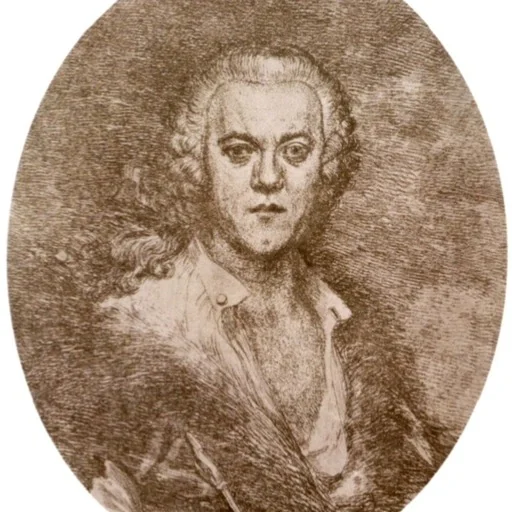
Martin Johann Schmidt, called Kremser Schmidt or Kremserschmidt, (25 September 1718 – 28 June 1801), was one of the outstanding Austrian painters of the late Baroque/Rococo along with Franz Anton Maulbertsch.

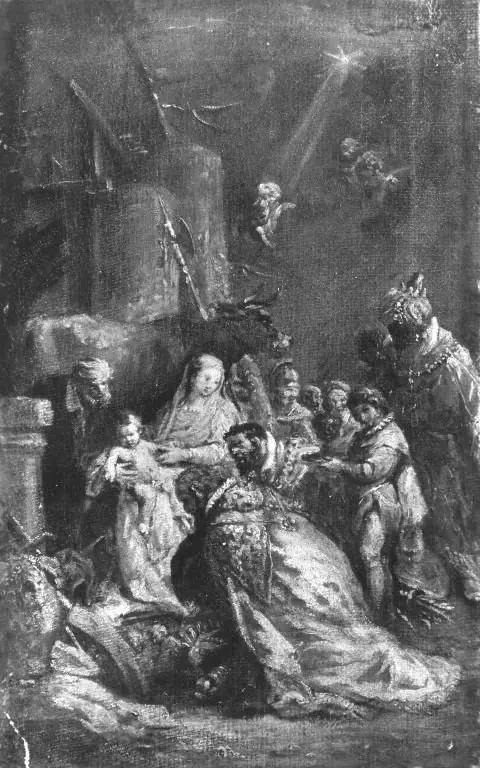
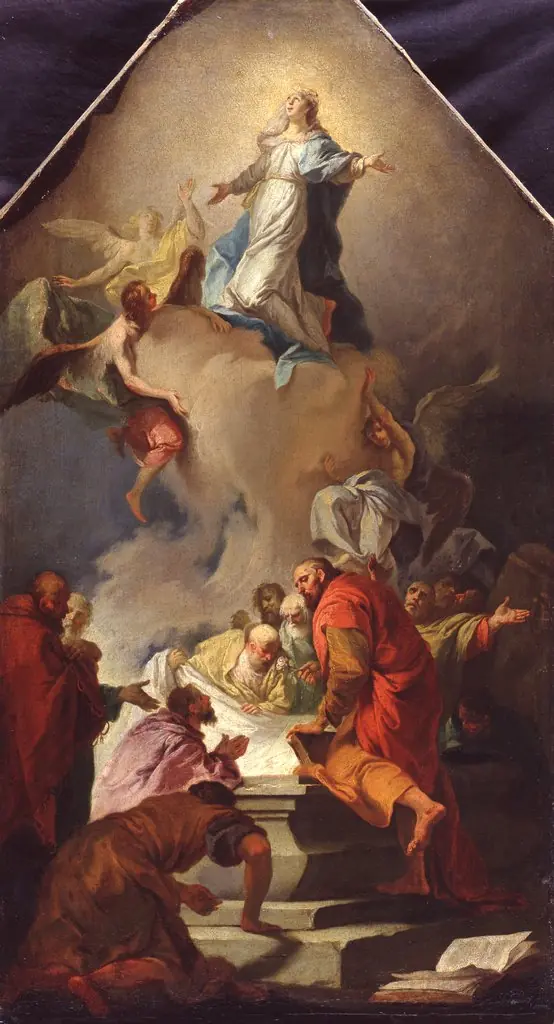
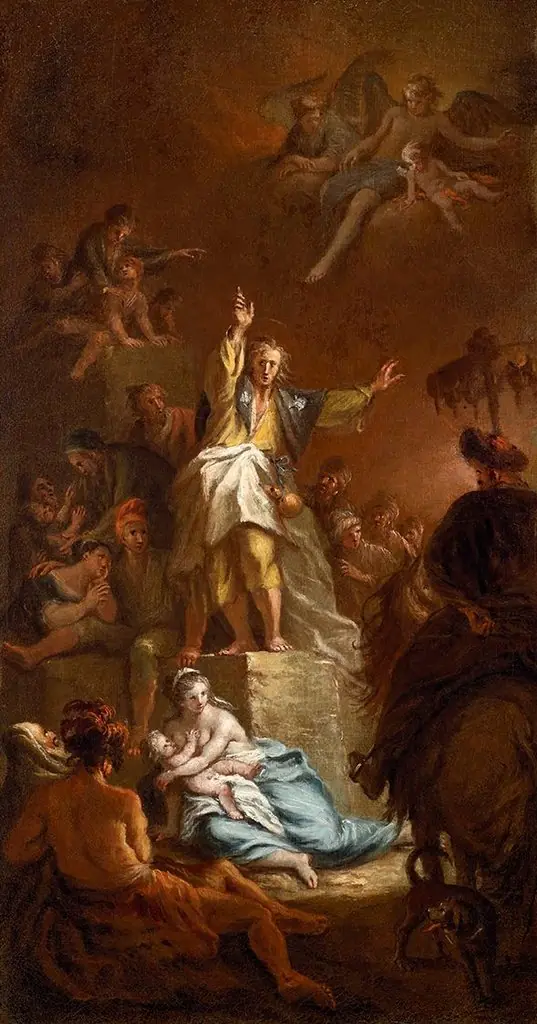
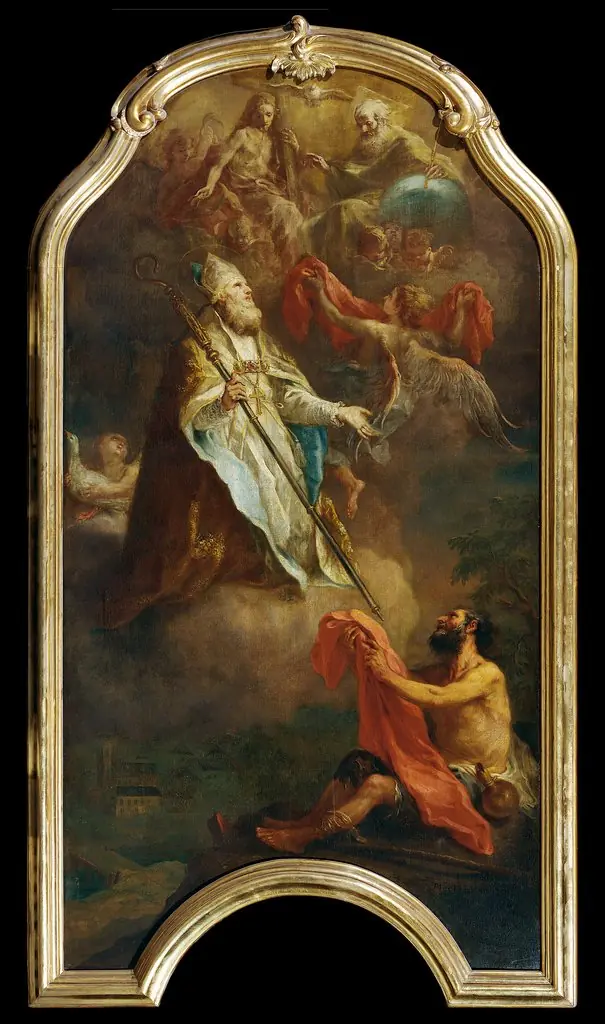
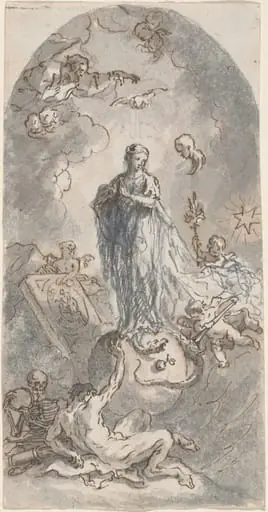
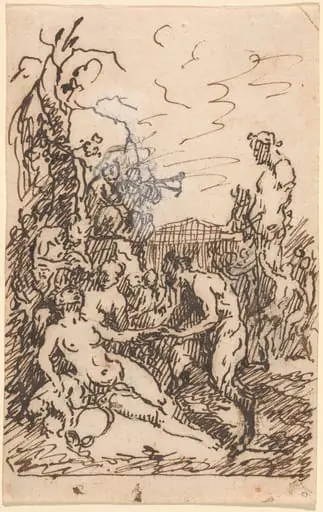
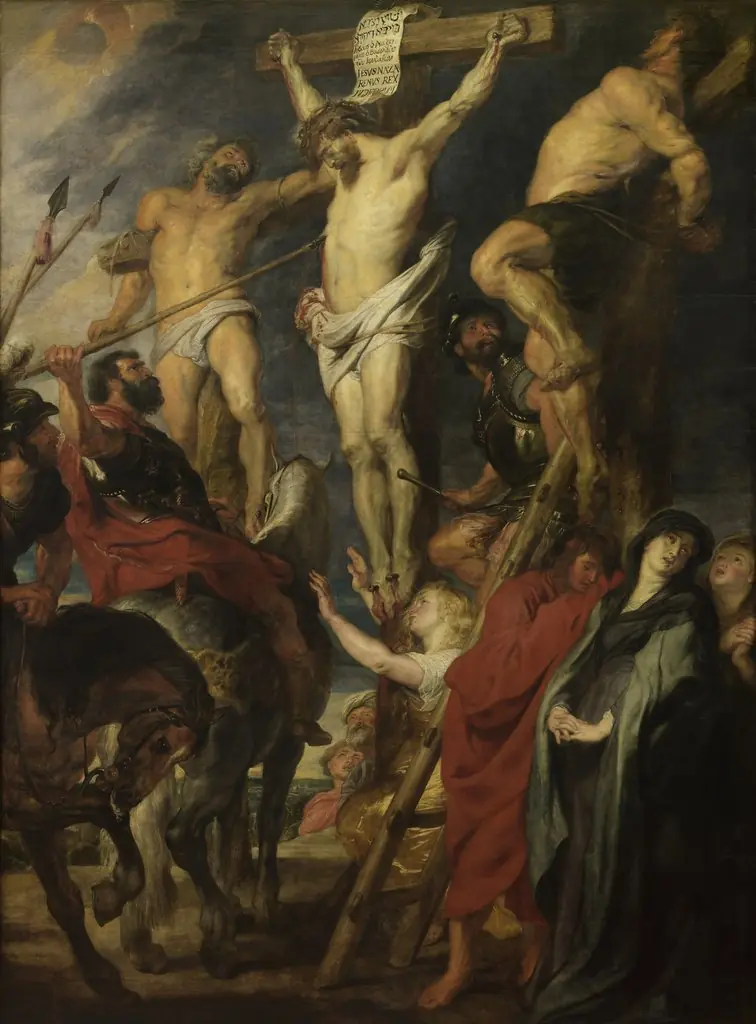
- Christ on the Cross between the two criminals
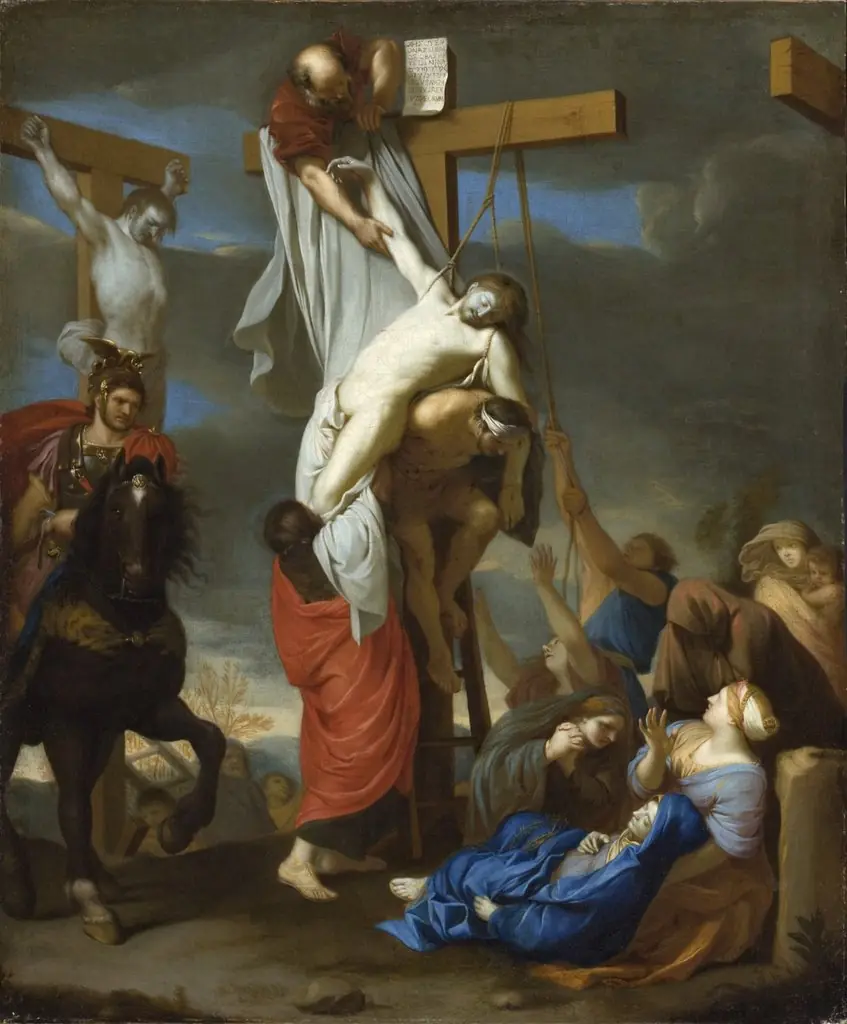 Descent from the Cross
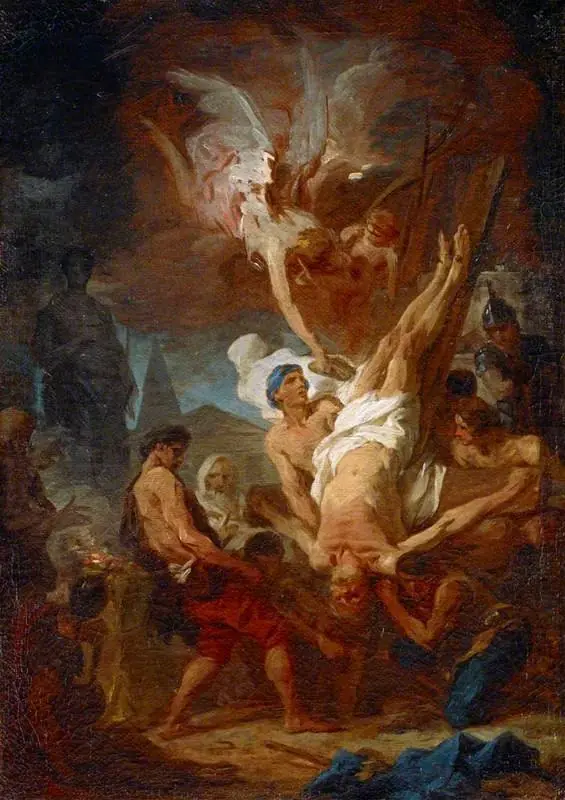 The Crucifixion of Saint Peter
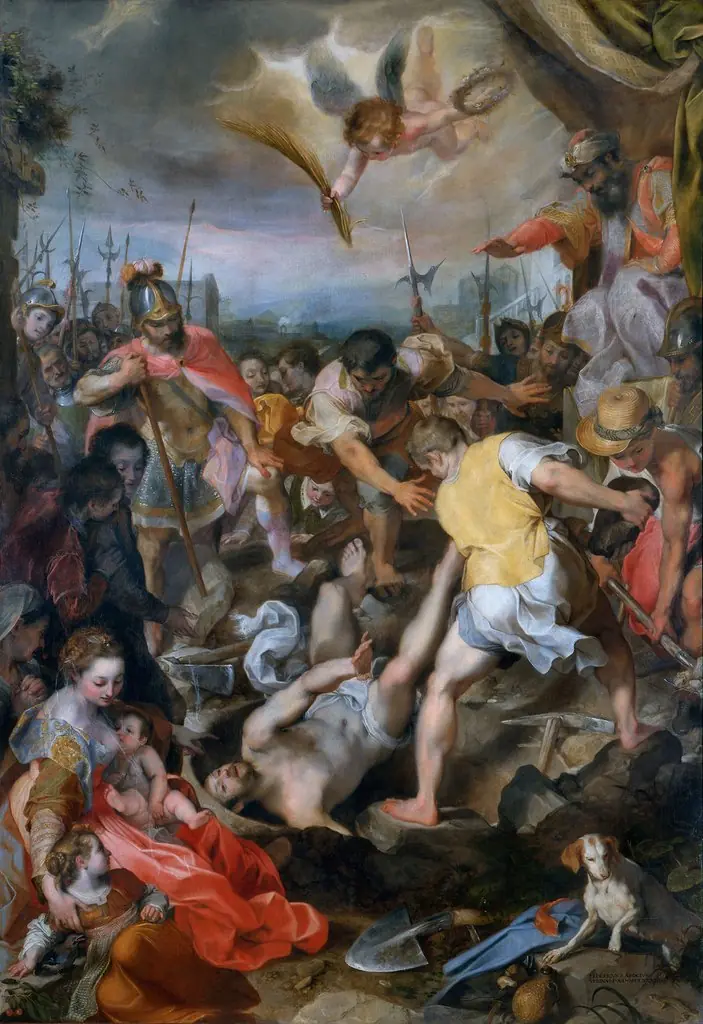 Martirio di san Vitale
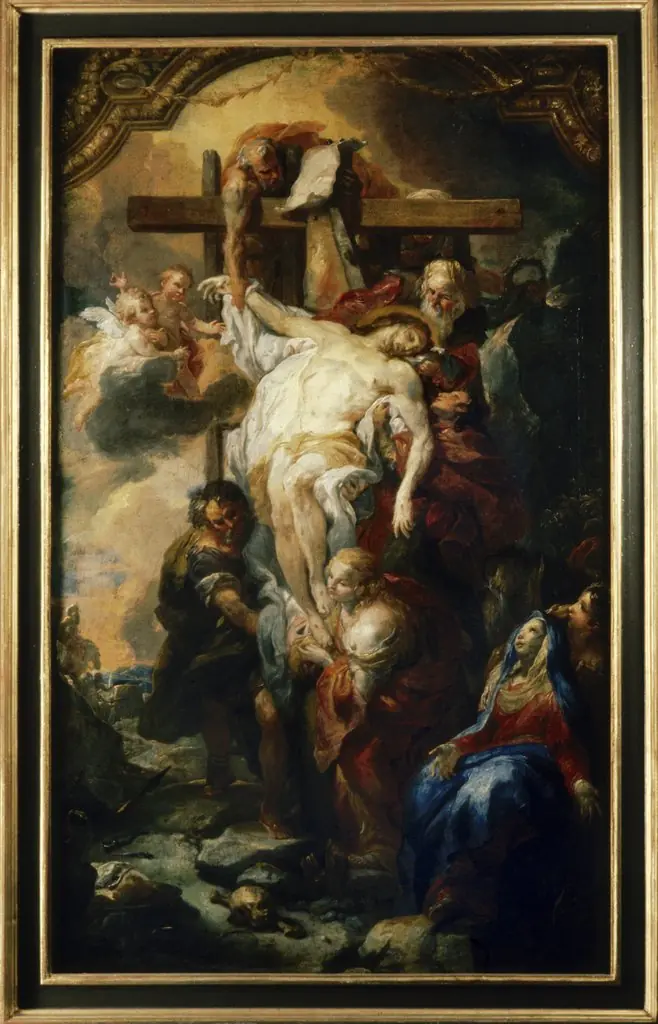 The Deposition from the Cross
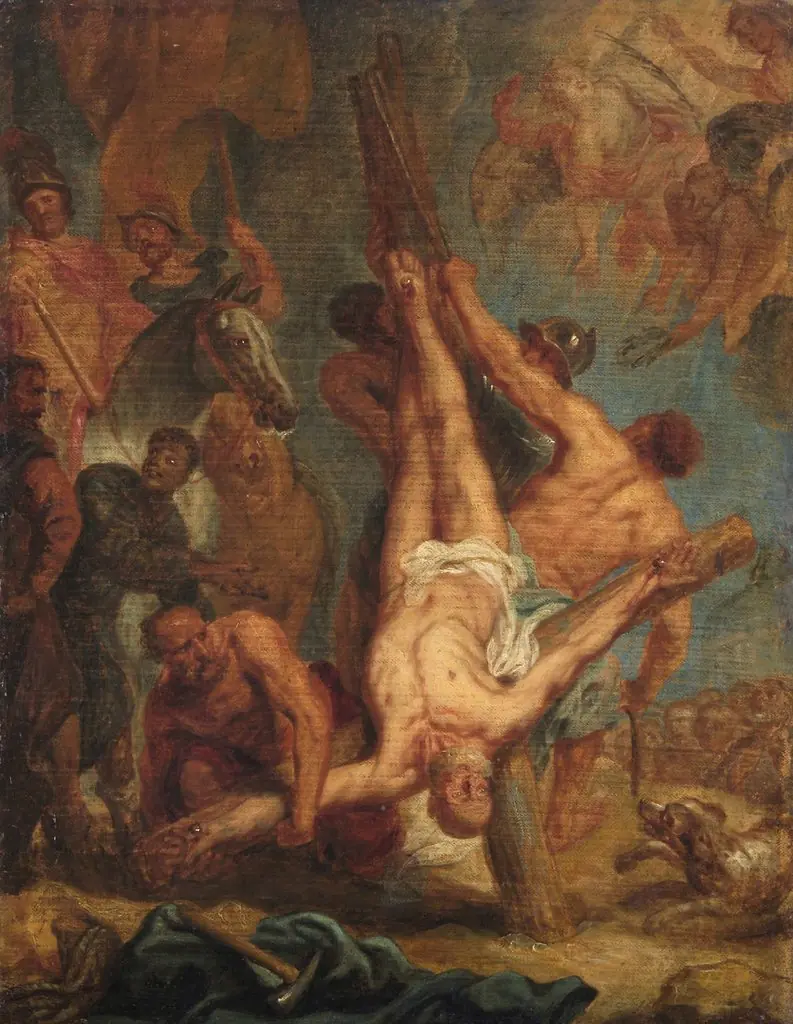 The Crucifixion of Saint Peter
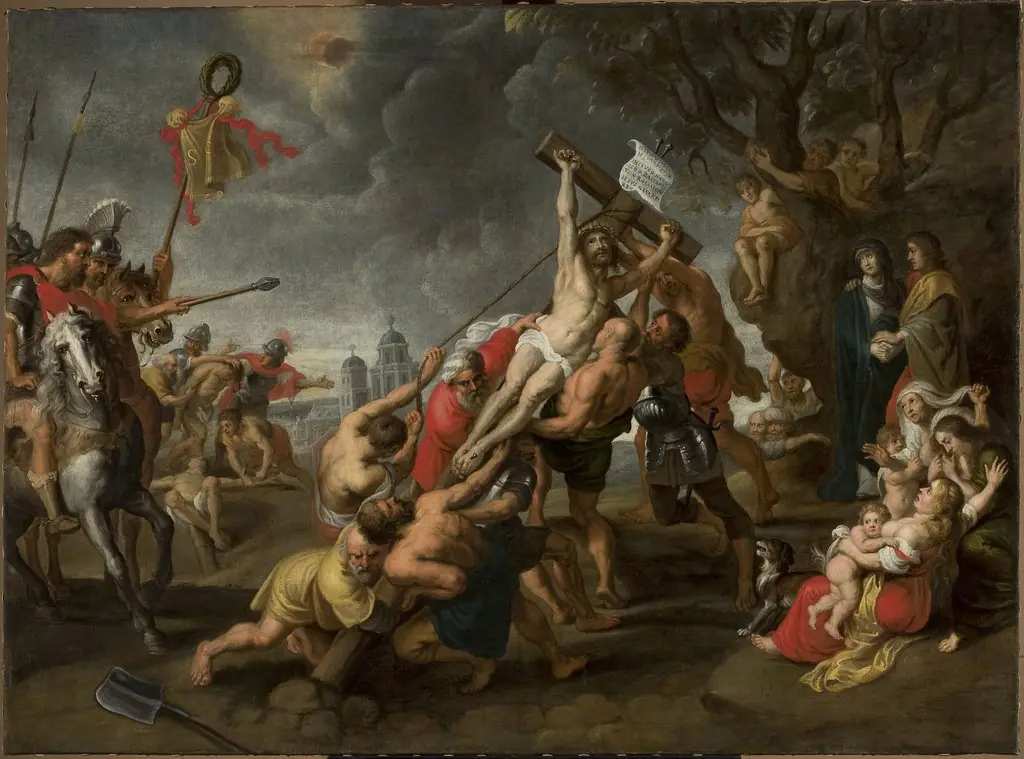 Golgotha (Matthew 27:35-38; Mark 15:24-27; Luke 23:33; John 19:18)
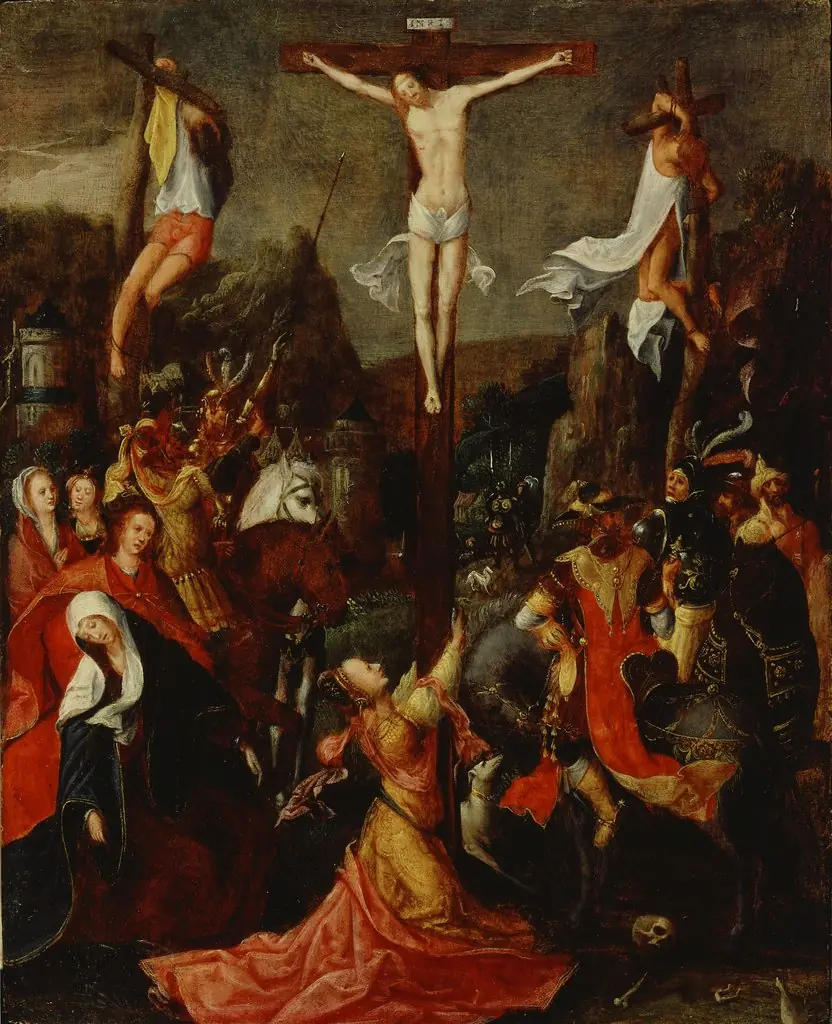 Crucifixion
 Christ on the Cross with Mary Magdalene and Saints
 Study for "The Martyrdom of Saint Sebastian" (for the Augustinian monastery at Diessen, Germany)
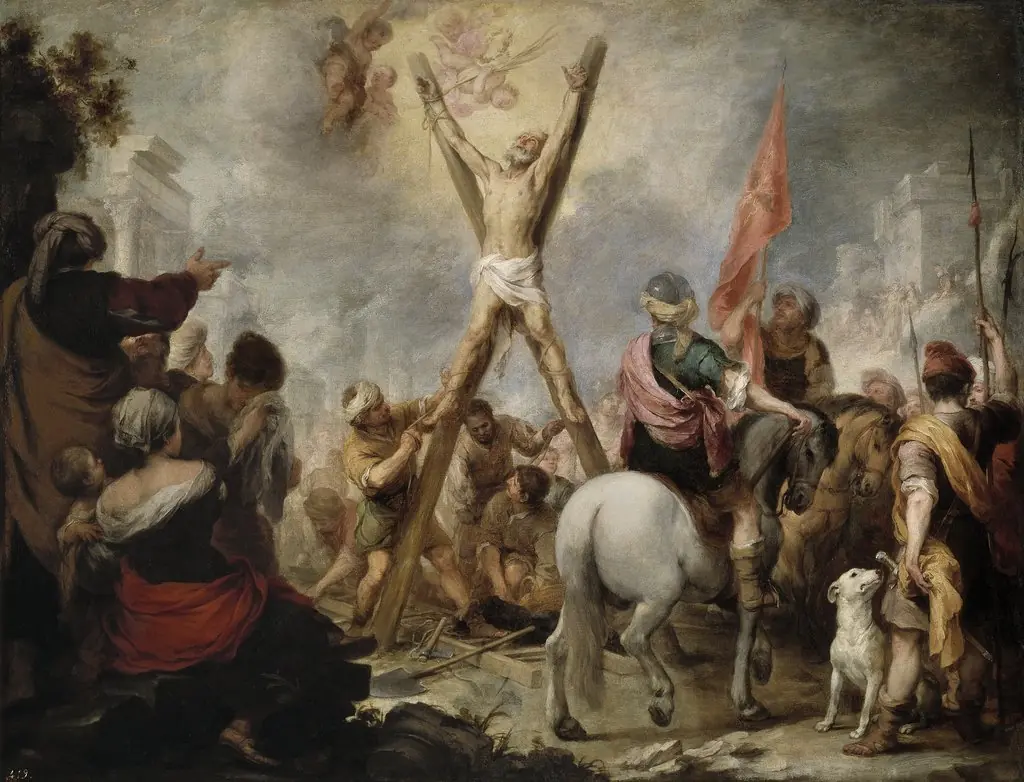 The Martyrdom of St. Andrew
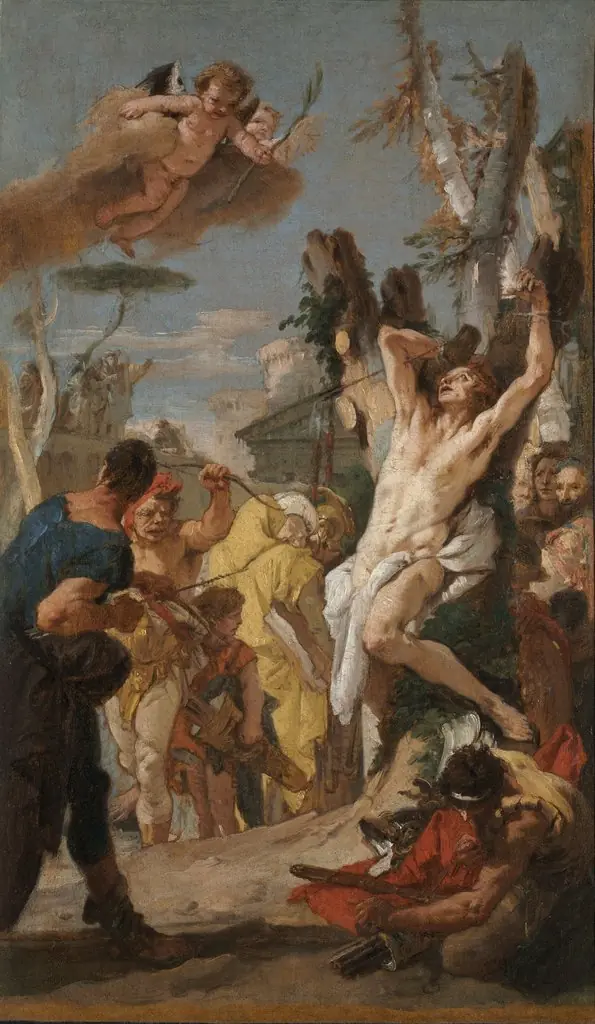 Study for "The Martyrdom of Saint Sebastian" (for the Augustinian monastery at Diessen, Germany)