Artwork
Marienaltar: Vermählung Mariae
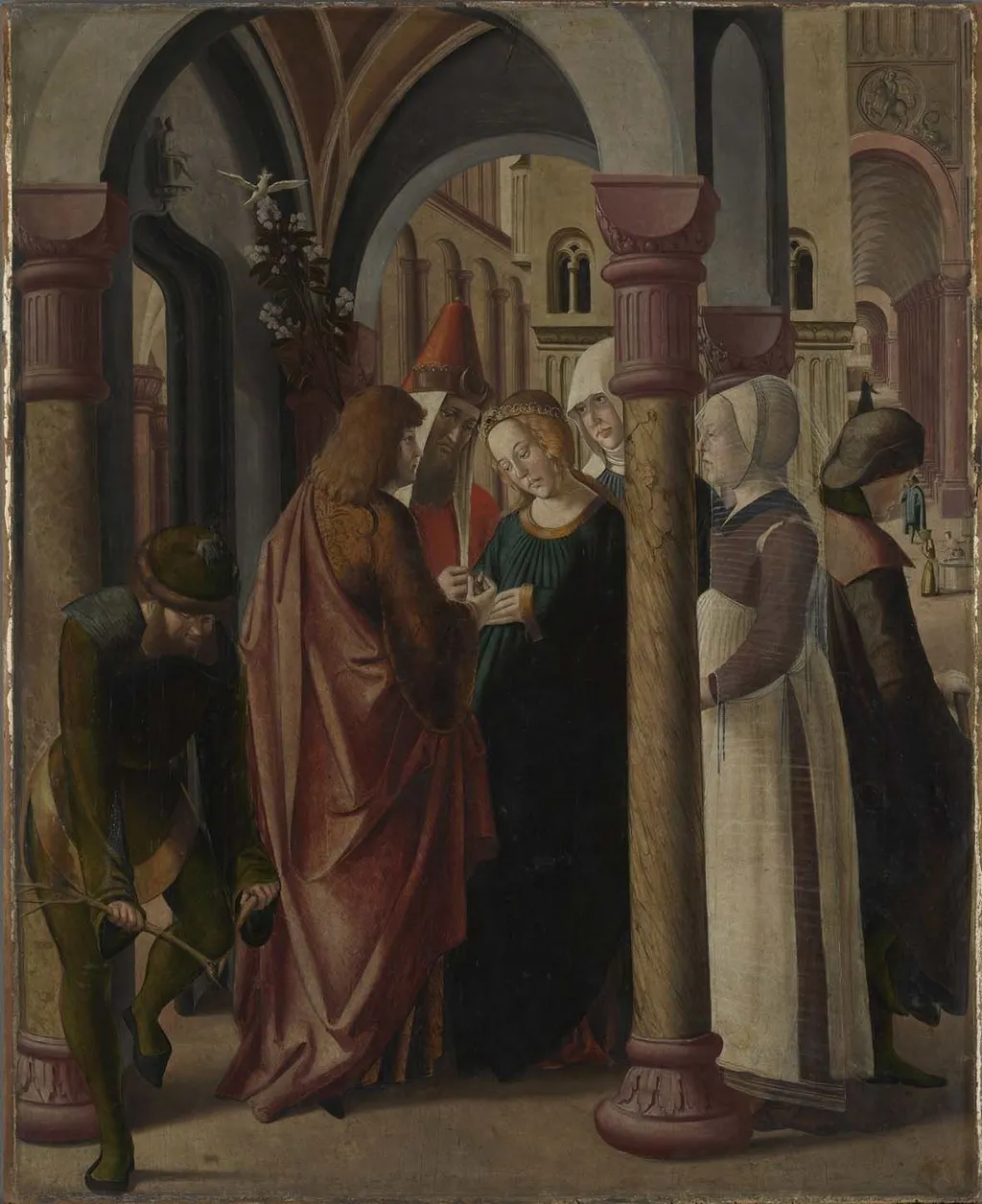
Marienaltar: Vermählung Mariae is an unspecified painting by the Northern Renaissance artist Marx Reichlich. It dates from 1511 and is held in the collection of the Bavarian State Painting Collections.
About this work
Overview
Marx Reichlich’s 1511 panel, titled Marienaltar: Vermählung Mariae, belongs to the Northern Renaissance tradition. Executed for an altar setting, the work presents a religious narrative within an architecturally defined courtyard. The composition is preserved in Munich’s Alte Pinakothek, where it remains a representative example of early‑16th‑century Austrian devotional art.
Subject & Meaning
The scene illustrates the marriage of the Virgin Mary, a motif drawn from apocryphal accounts of her betrothal to Saint Joseph. Central figures, a woman in a green dress and a man in a red robe, are positioned beneath an arch, while a dove above symbolizes the Holy Spirit’s presence, underscoring the sanctity of the union.
Technique & Style
Reichlich employs a clear, linear perspective to organize the courtyard’s columns and arches, creating depth within the limited space. The palette contrasts the cool green of the Virgin’s attire with the warm red of Joseph’s robe, while delicate modeling of faces and hands conveys both calmness and subtle tension.
History & Provenance
Completed in 1511, the panel was likely commissioned for a local Marian altar in Austria. Over the centuries it entered private collections before being acquired by the Bavarian State, ultimately finding a permanent home in the Alte Pinakothek’s early Renaissance holdings.
Context
The work reflects the Northern Renaissance’s interest in integrating detailed architectural settings with devotional narratives. Reichlich’s treatment of the marriage theme aligns with contemporary Germanic interpretations, where the emphasis lies on the human aspects of the Virgin’s life, rendered with a measured realism characteristic of the period.
Artist & collection
Artist
Marx Reichlich (1460–1520) was an Austrian painter. Reichlich was a painter of primarily religious works. He painted a number of traditional scenes as commissions for churches, including "Adoration of the Magi", and…

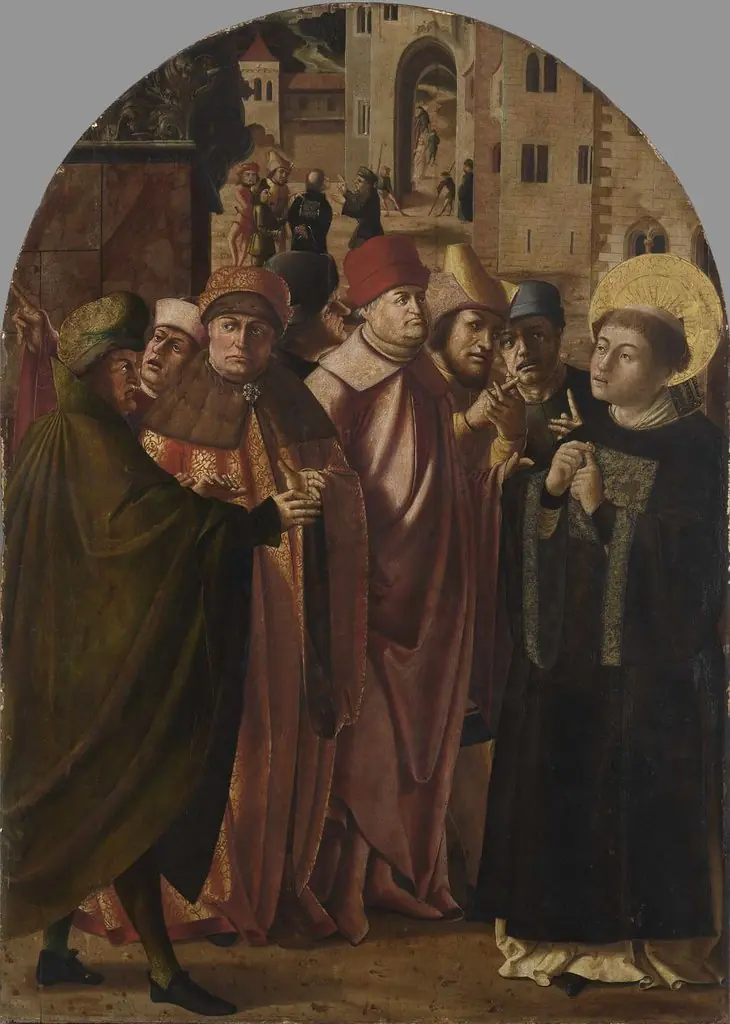 Jakobus-Stephanus-Altar: Disputation des hl. Stephanus
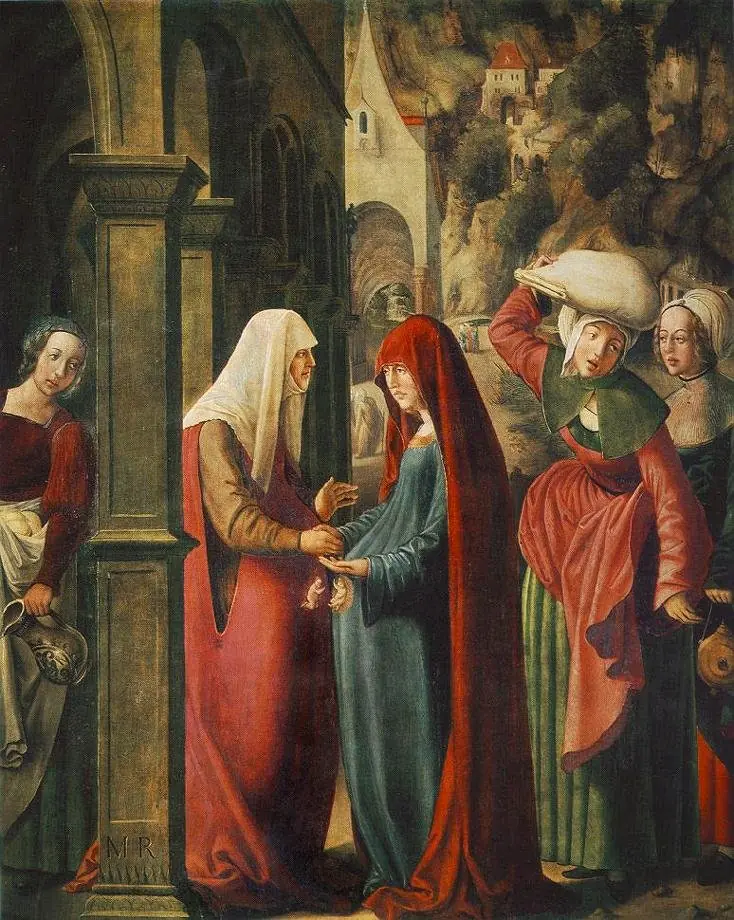 Meeting of Mary and Elisabeth
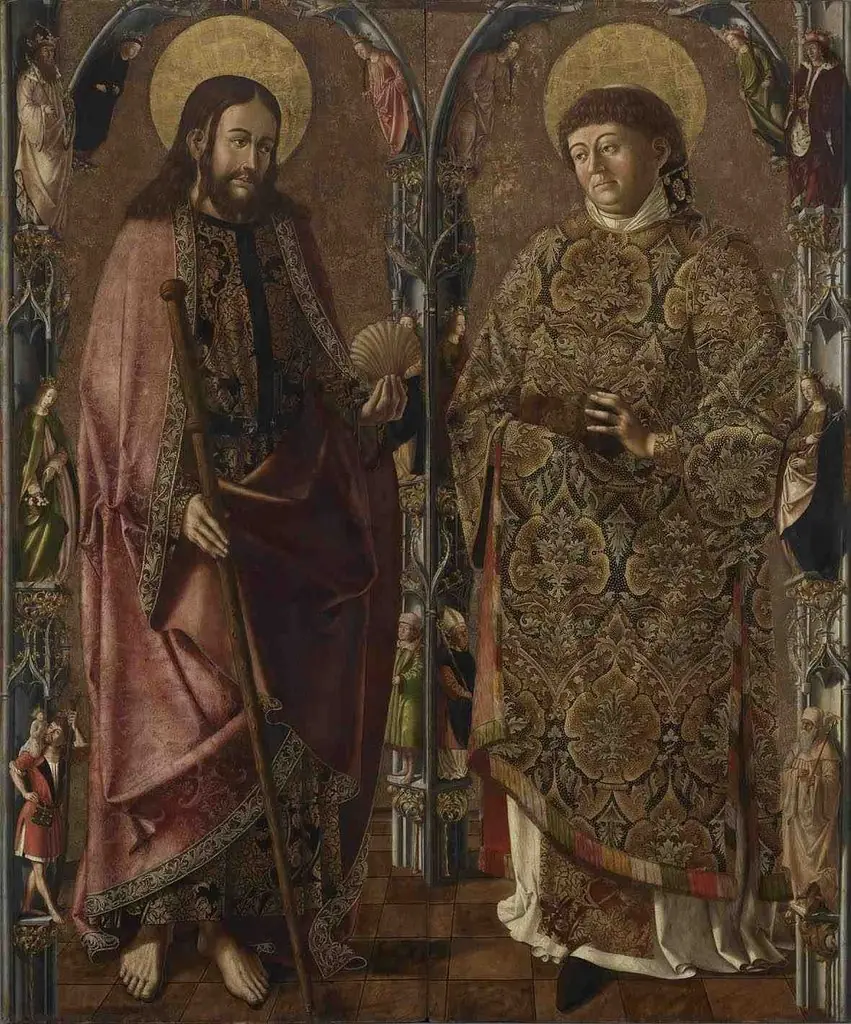 Jakobus-Stephanus-Altar: Die hll. Jakobus und Stephanus
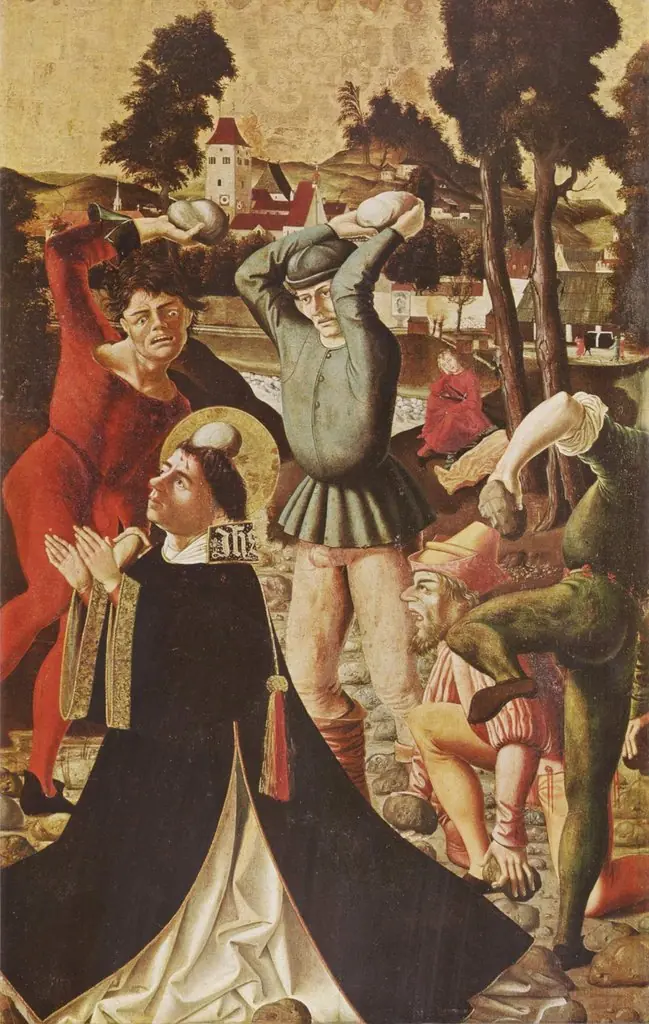 Jakobus-Stephanus-Altar: Steinigung des hl. Stephanus
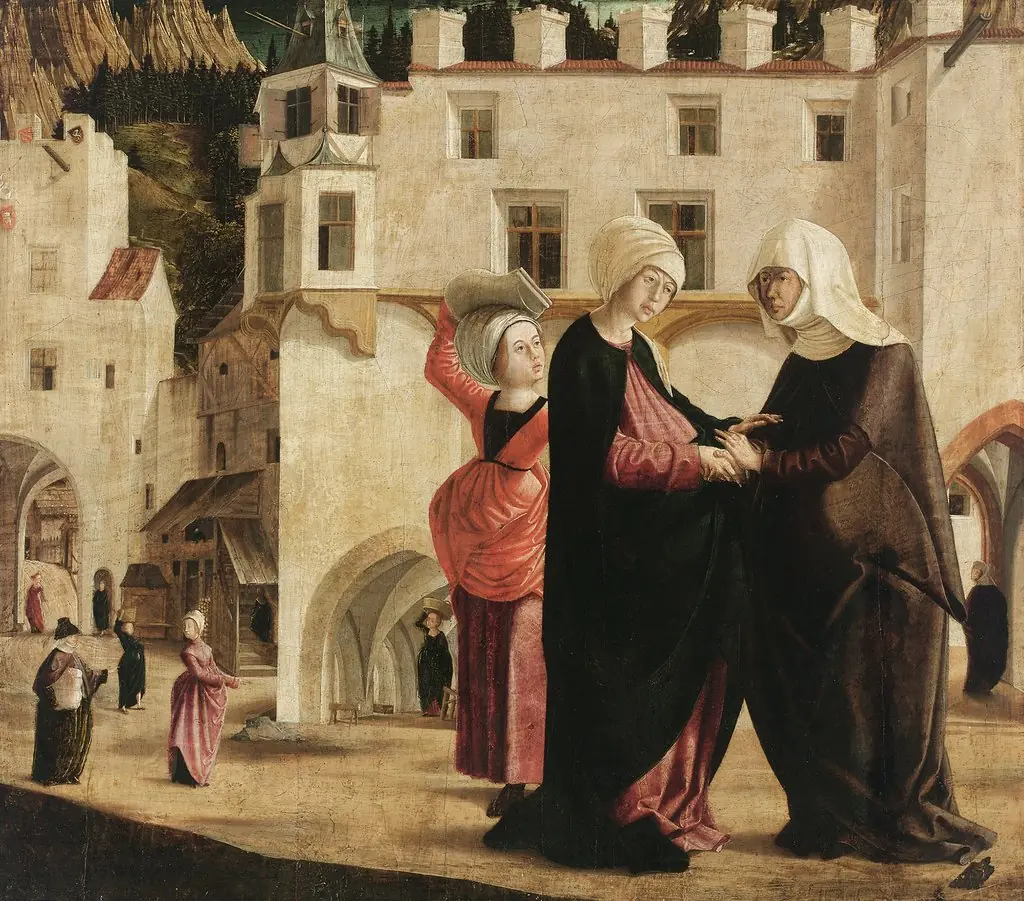 The visitation
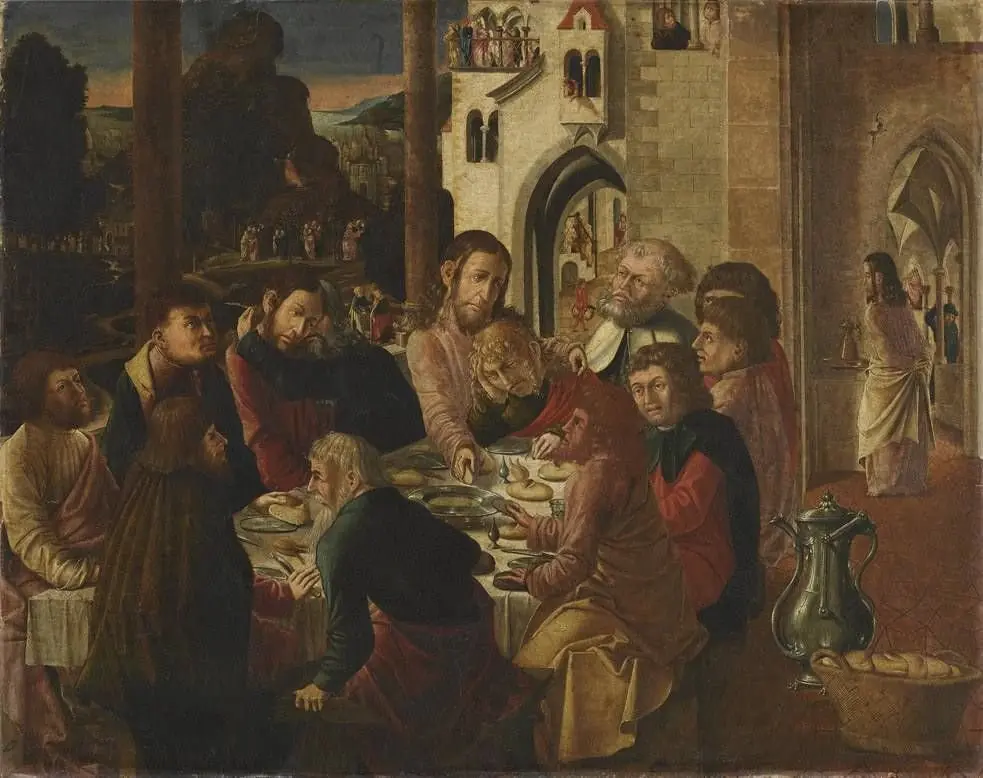 Jacob-Stephen (?): the Last Supper
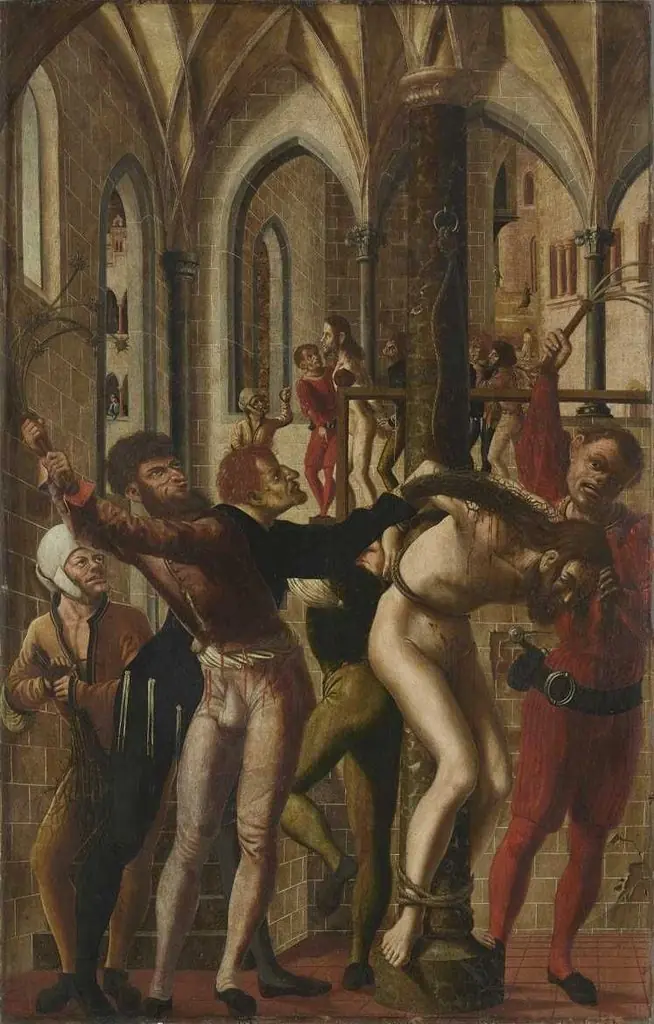 Jakobus-Stephanus-Altar: Geißelung Christi
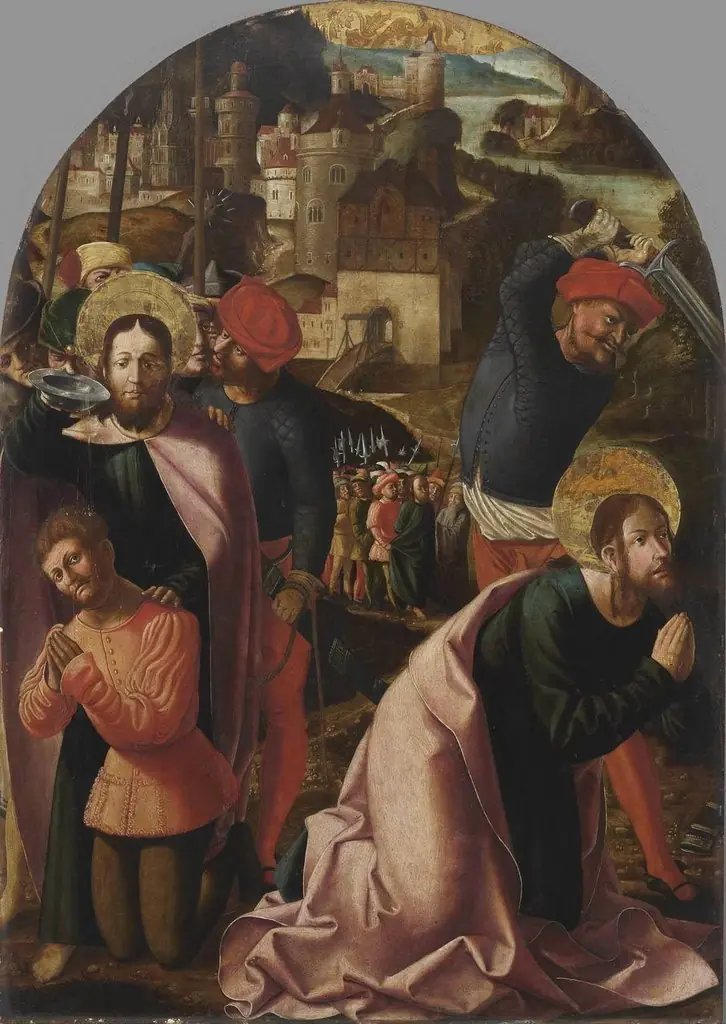 Jakobus-Stephanus-Altar: Der hl. Jakobus tauft Josias und Hinrichtung des Jakobus
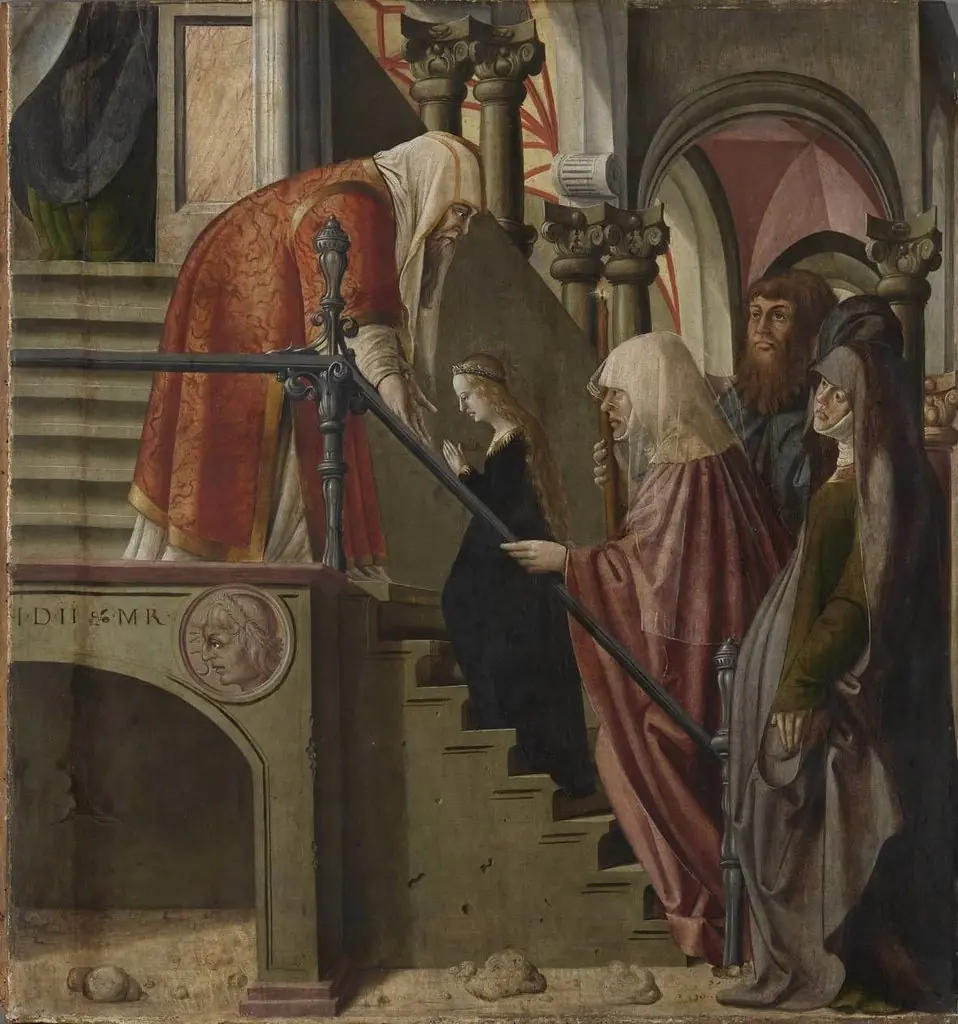 Marienaltar: Tempelgang Mariae
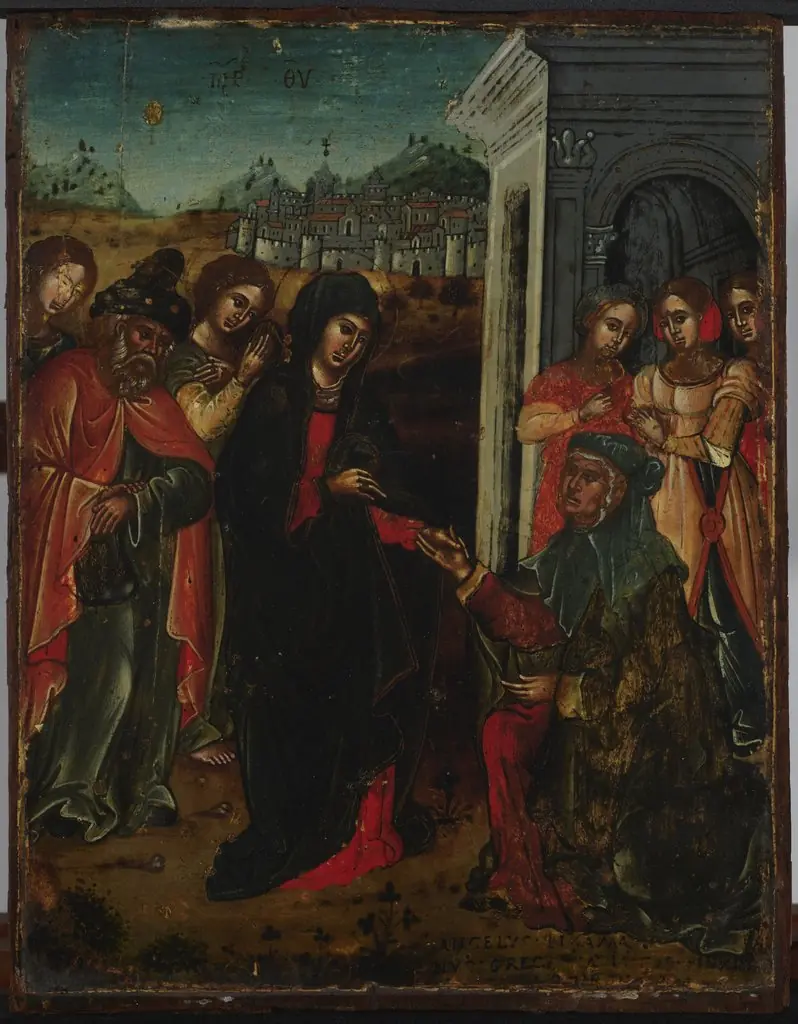 The Visitation
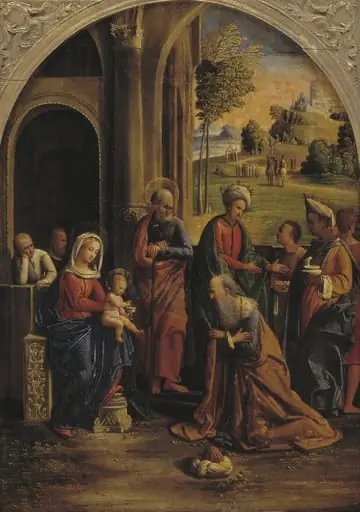 The Adoration of the Kings
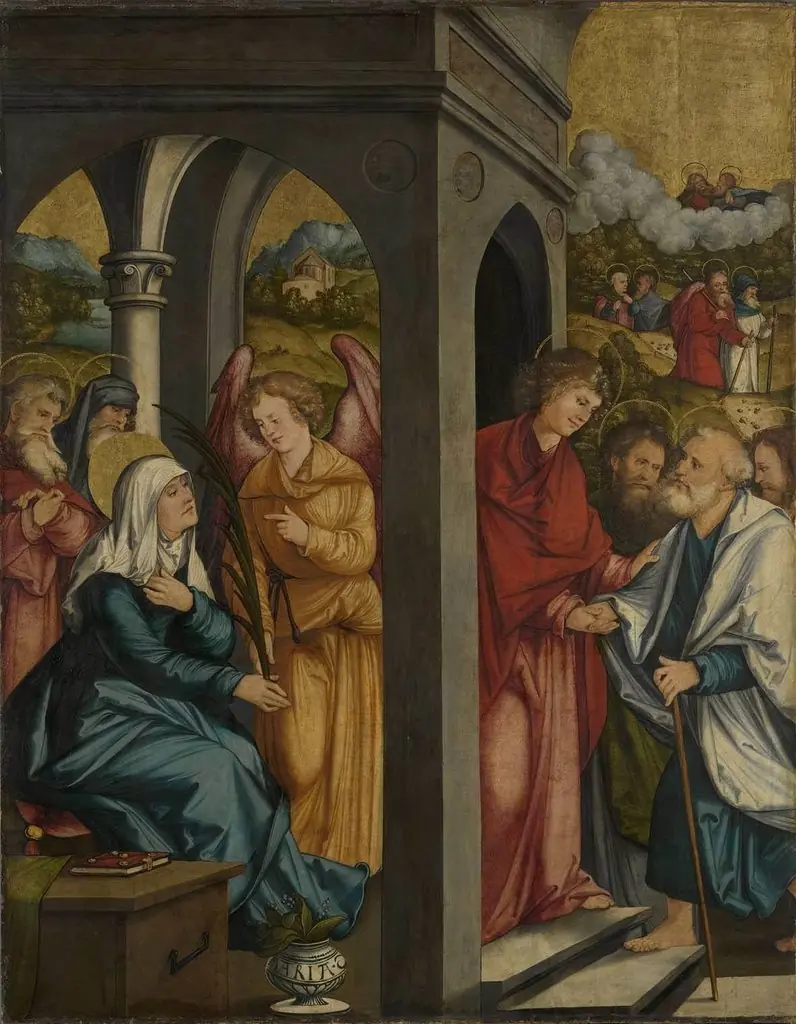 Christgartner Altar: Ein Engel reicht Maria die Palme
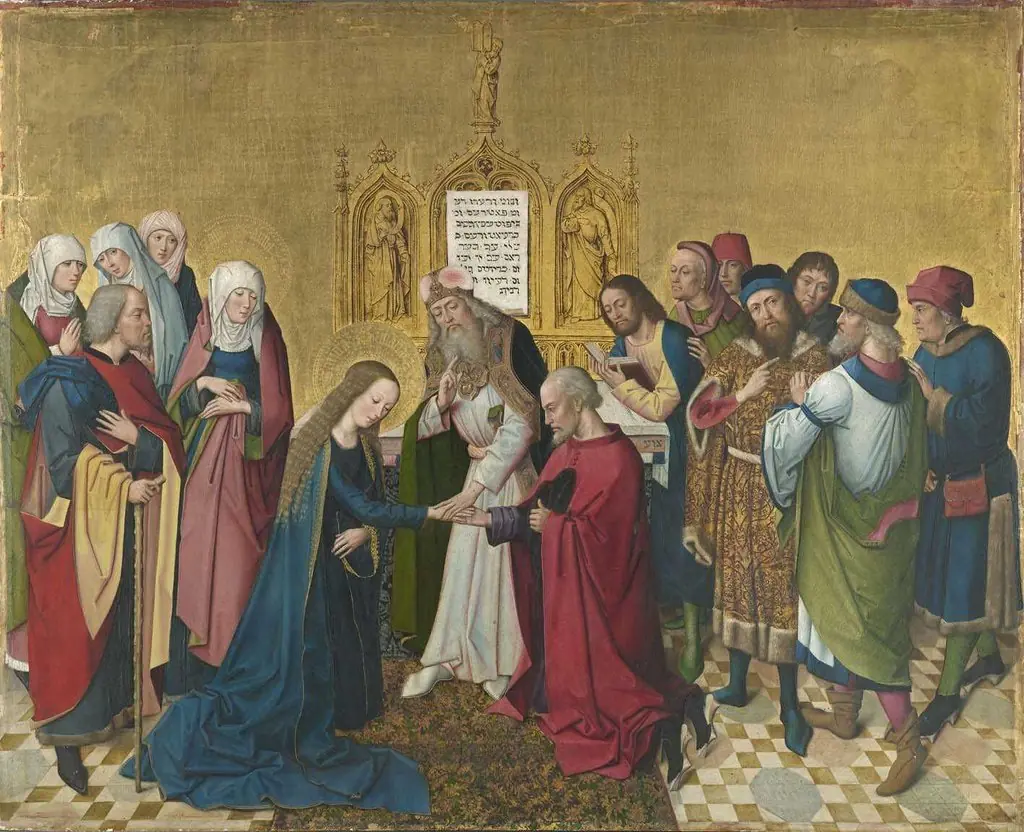 The Engagement of Mary (verso: upper half of the Coronation of Mary)
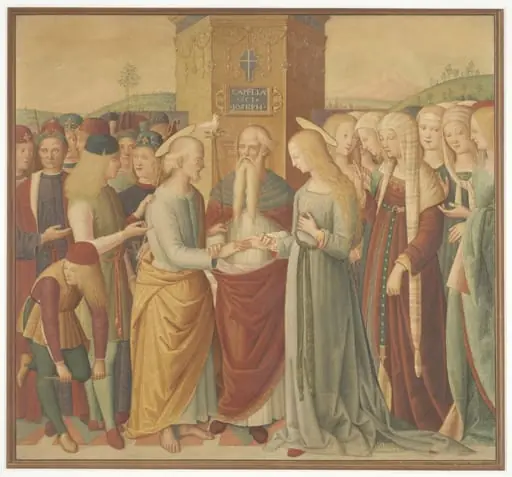 Copy after the painting Marriage of the Virgin by Perugino in S. Girolamo, Spello.
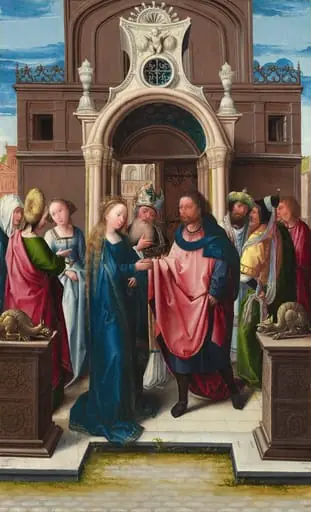 The Marriage of the Virgin
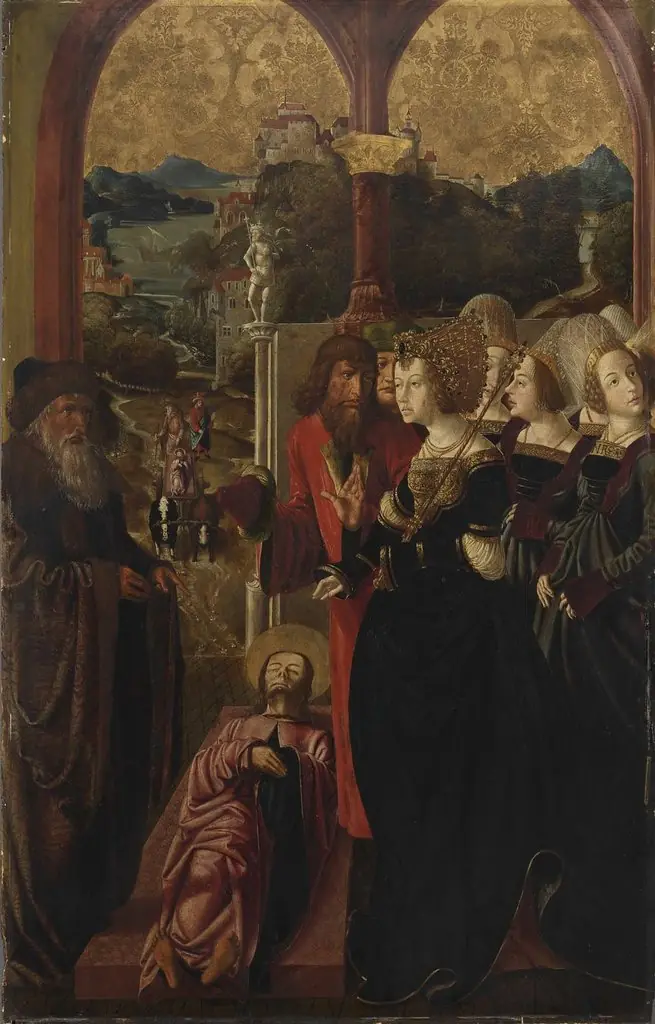 Jakobus-Stephanus-Altar: Der Leichnam des Jakobus wird vor Königin Lupa gebracht
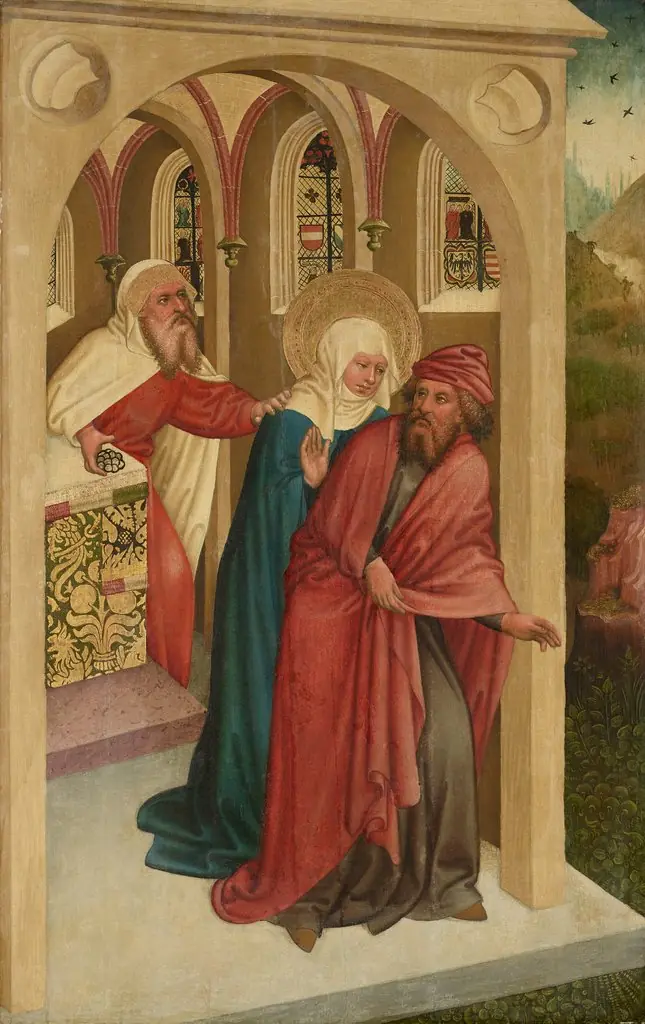 Zurückweisung des Opfers Joachims und Annas
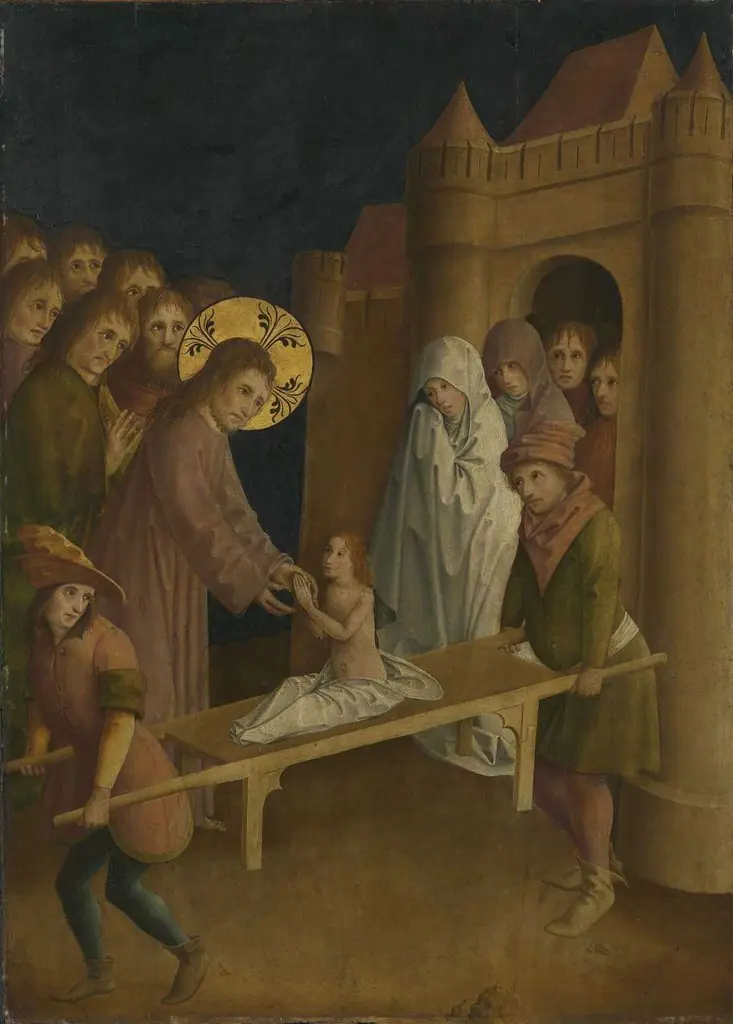 Die Erweckung des Jünglings von Nain
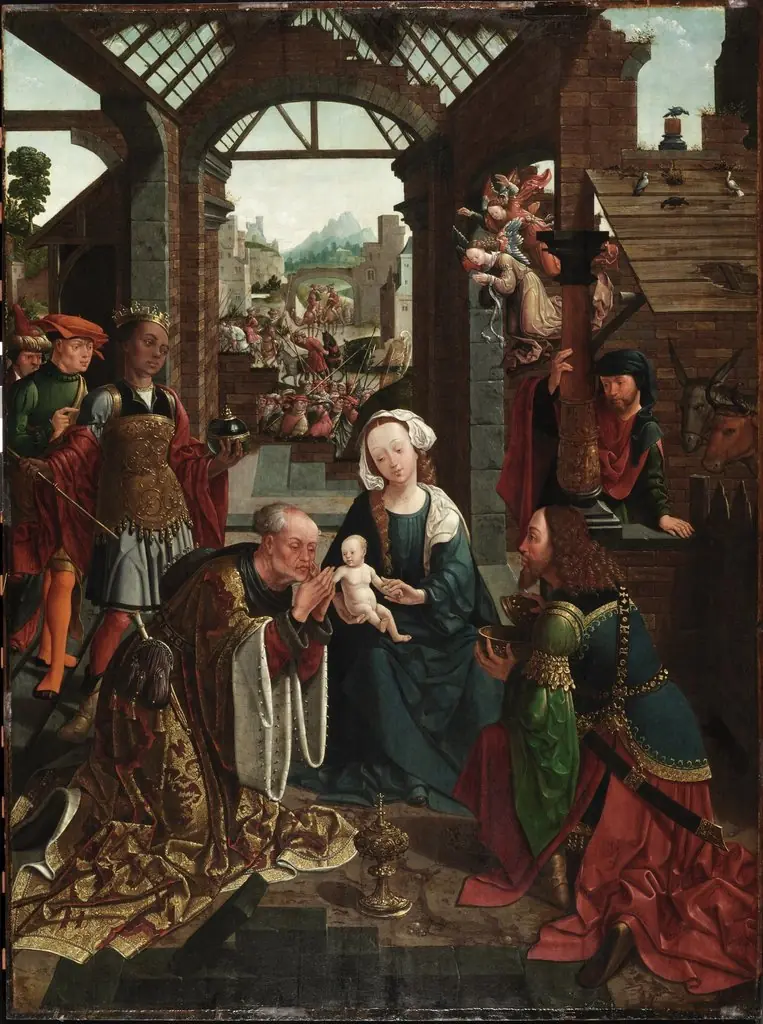 The Adoration of the Kings
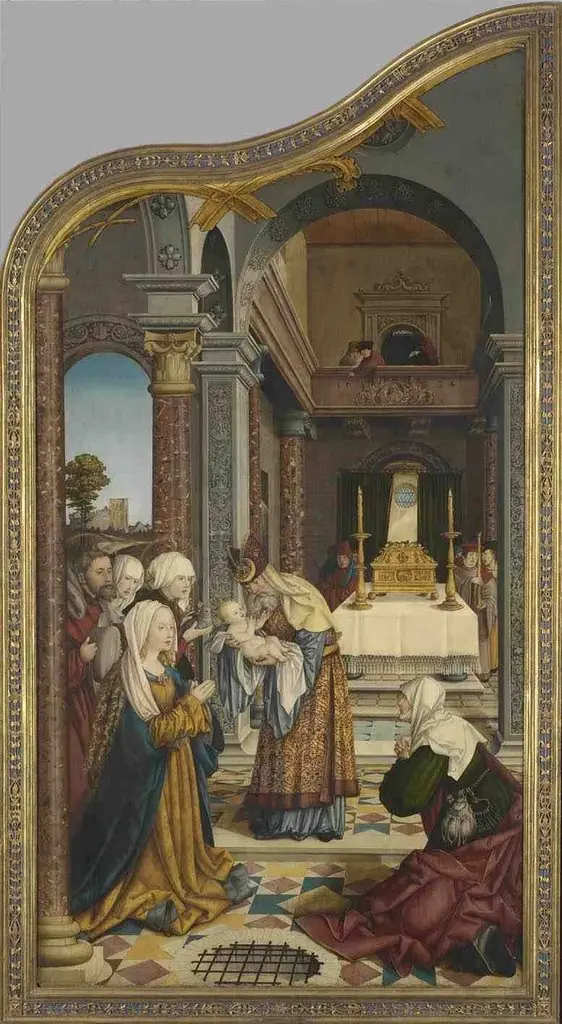
- Wettenhauser Hochaltar: Darbringung im Tempel Rückseite: ehemals Relief mit Anbetung der Hirten