Artwork
Meeting of Mary and Elisabeth
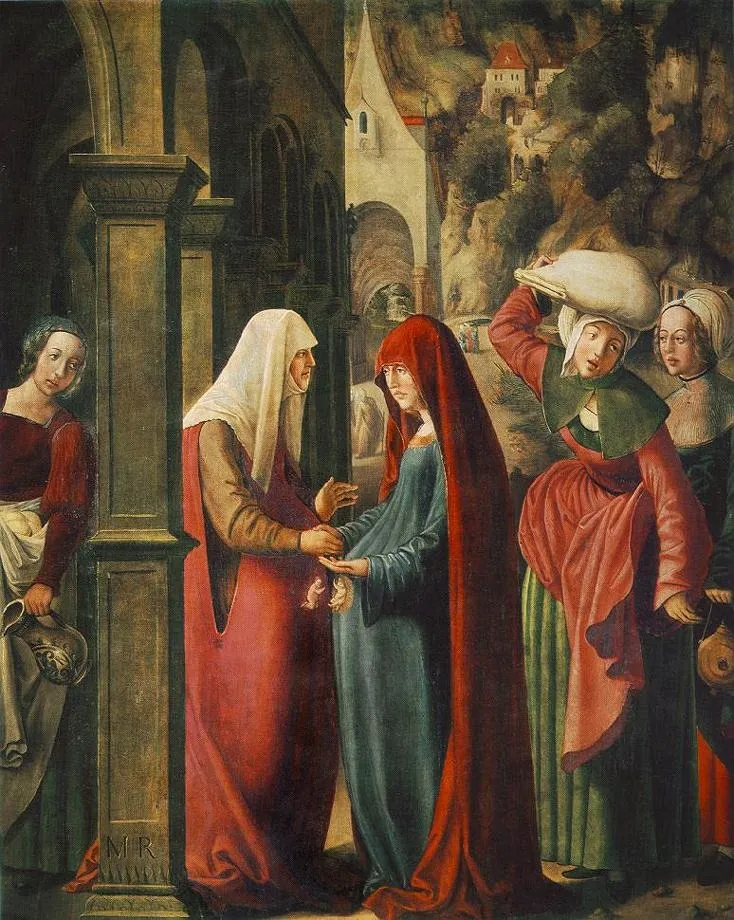
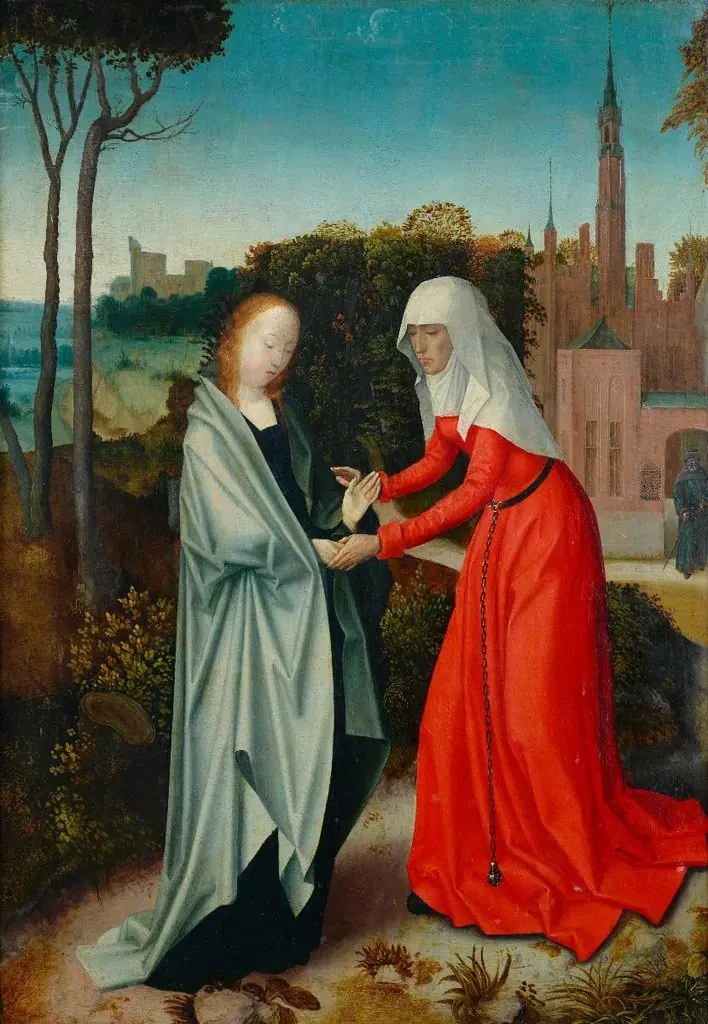
Meeting of Mary and Elisabeth is a wood painting by the Northern Renaissance artist Marx Reichlich. It dates from 1511 and is held in the collection of the Alte Pinakothek.
About this work
Subject & Meaning
The iconography centers on the moment of recognition and blessing between the two women, a standard theme in Christian devotional imagery.
The painting depicts the Visitation, a biblical scene representing the meeting between the Virgin Mary and her cousin Elisabeth. As a work of religious art created in 1511, the composition focuses on this specific encounter as its main subject. The iconography centers on the moment of recognition and blessing between the two women, a standard theme in Christian devotional imagery.
The work serves as a visual representation of this significant event from the Gospel narrative, emphasizing the spiritual connection and shared destiny of the figures.
Technique & Style
Created in 1511, Meeting of Mary and Elisabeth is a religious painting executed on a wood support. The work depicts the Visitation and measures 100.5 cm in height by 81.2 cm in width. As a panel painting from the early 16th century, the piece remains part of the Bavarian State Painting Collections at the Alte Pinakothek.
The medium consists of paint applied to wood, a standard technique for the period and region associated with the artist Marx Reichlich.
History & Provenance
The work titled Meeting of Mary and Elisabeth was created by Marx Reichlich in 1511 as a wooden religious painting depicting the Visitation. It was commissioned for the Bavarian State Painting Collections and has been housed in the Alte Pinakothek since its inception. The painting measures 100.5 cm in height and 81.2 cm in width.
Its creation is documented in archival records from 1511, and it remains part of the Alte Pinakothek's collection to the present day.
Overview
Created in 1511 by Austrian artist Marx Reichlich, this wooden panel portrays the biblical Visitation, a moment when the pregnant Virgin Mary meets her relative Elisabeth. The work exemplifies the Northern Renaissance’s focus on religious narrative and meticulous figure rendering, and it is presently part of the Alte Pinakothek’s collection.
Context
The Visitation was a popular subject in early 16th‑century Central European art, reflecting contemporary theological emphasis on the role of women in salvation history. Reichlich’s treatment aligns with the period’s interest in intimate, narrative scenes that could serve both liturgical and didactic purposes within church settings.
Artist & collection
Artist
Marx Reichlich (1460–1520) was an Austrian painter. Reichlich was a painter of primarily religious works. He painted a number of traditional scenes as commissions for churches, including "Adoration of the Magi", and…

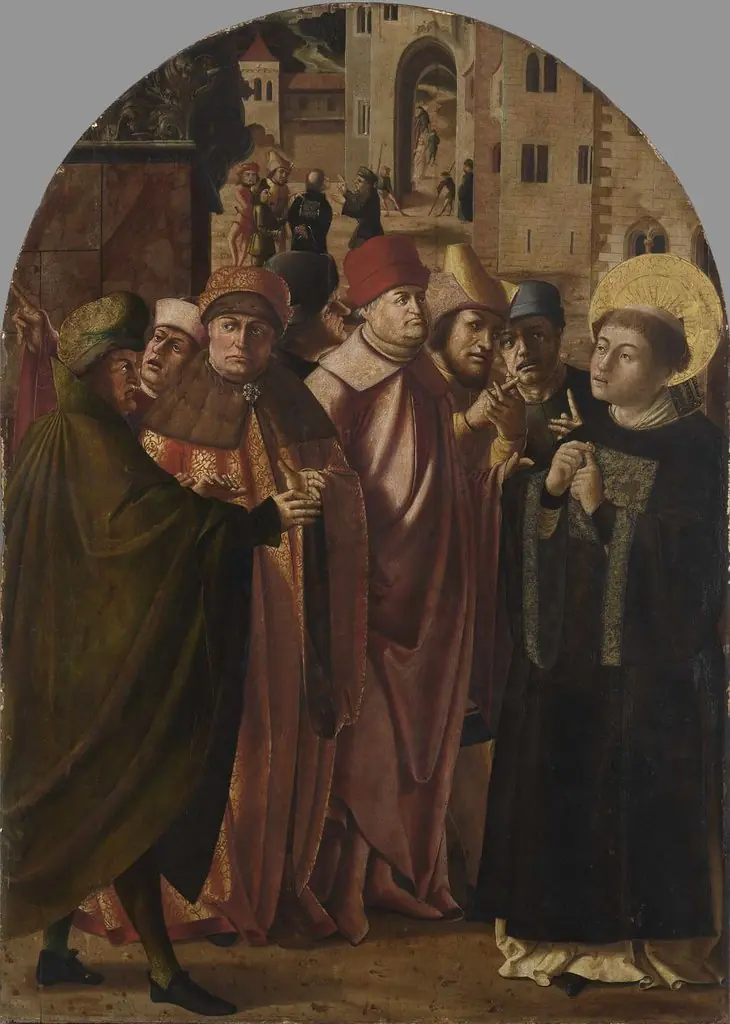 Jakobus-Stephanus-Altar: Disputation des hl. Stephanus
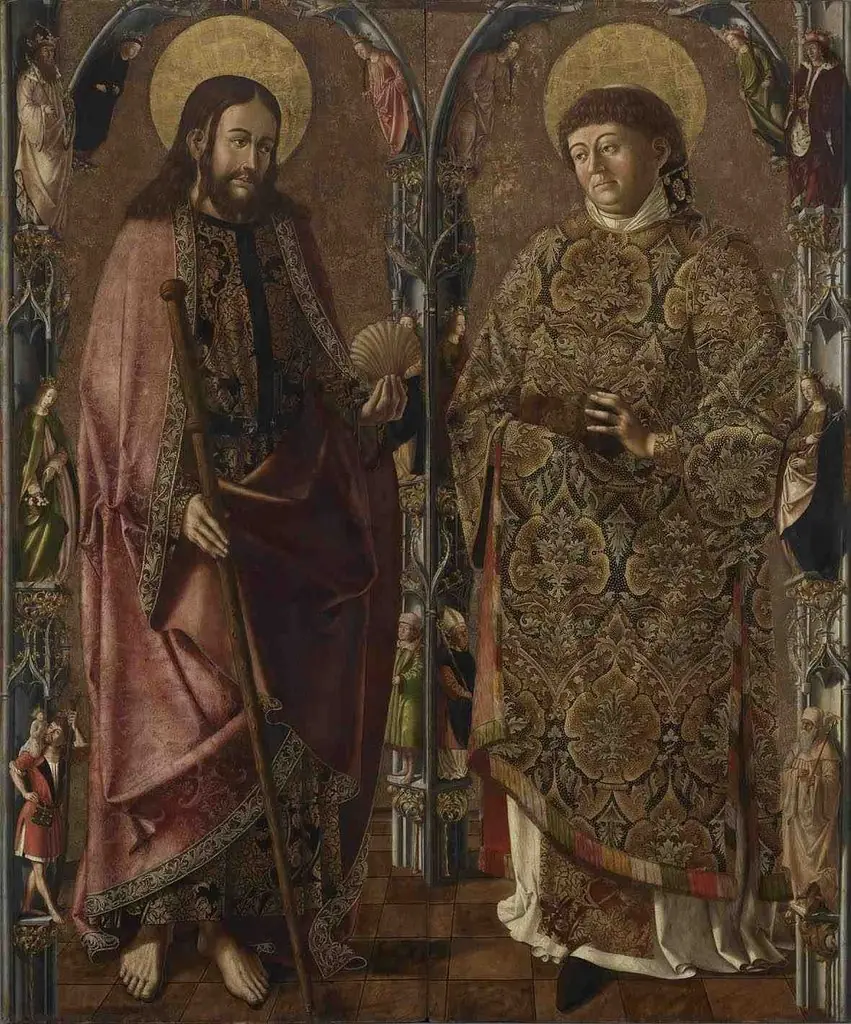 Jakobus-Stephanus-Altar: Die hll. Jakobus und Stephanus
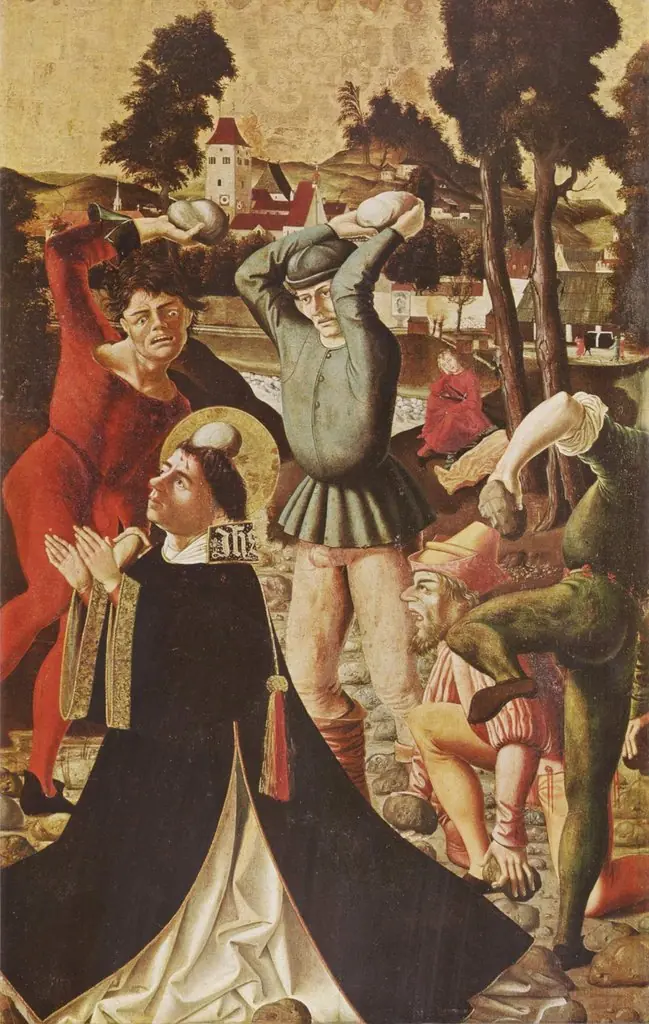 Jakobus-Stephanus-Altar: Steinigung des hl. Stephanus
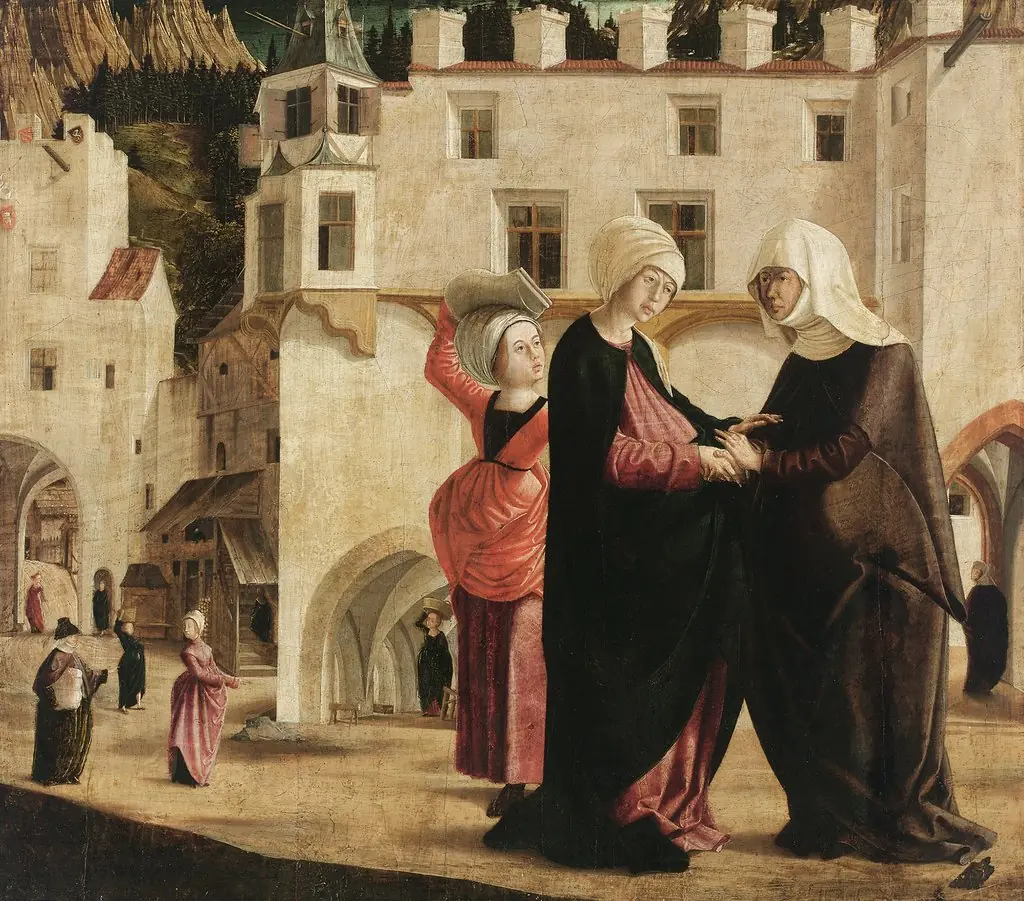 The visitation
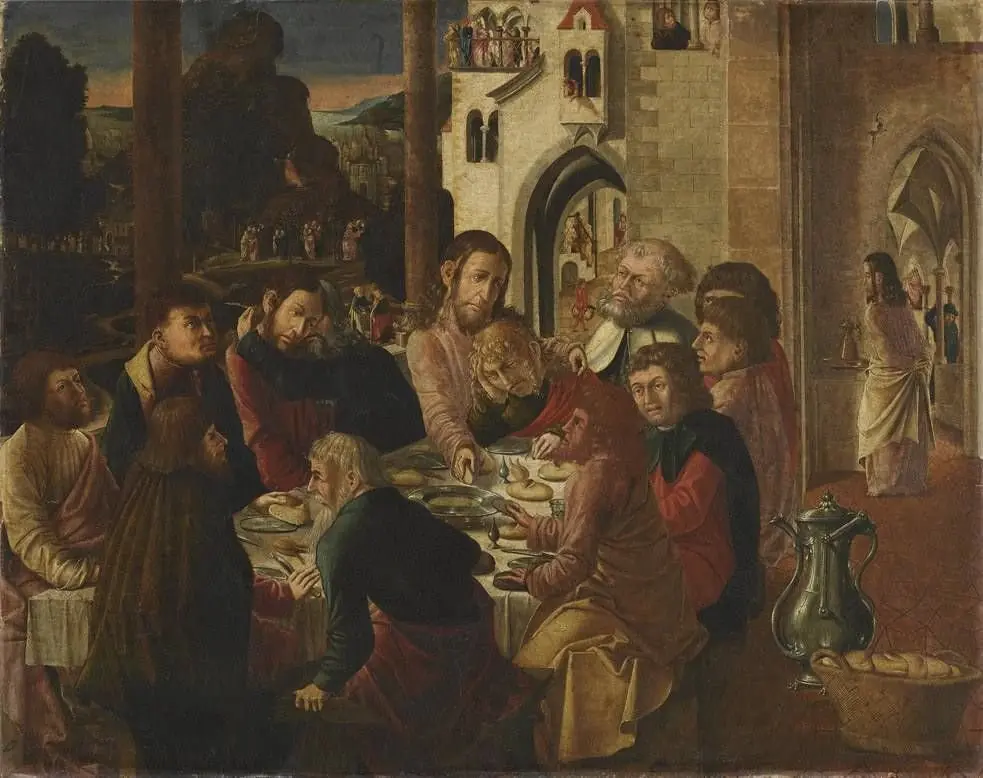 Jacob-Stephen (?): the Last Supper
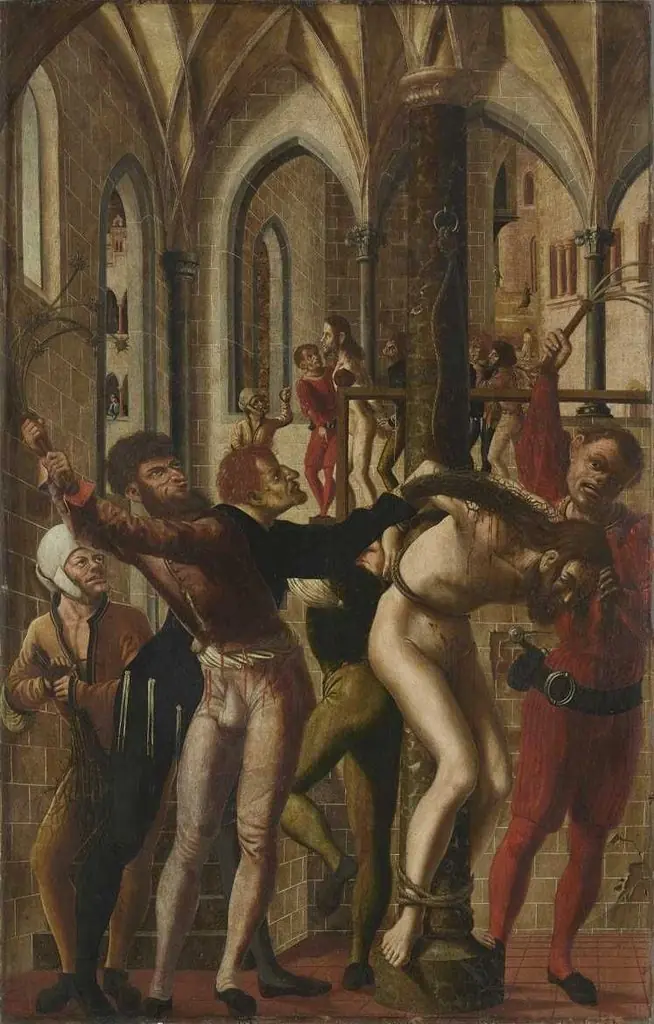 Jakobus-Stephanus-Altar: Geißelung Christi
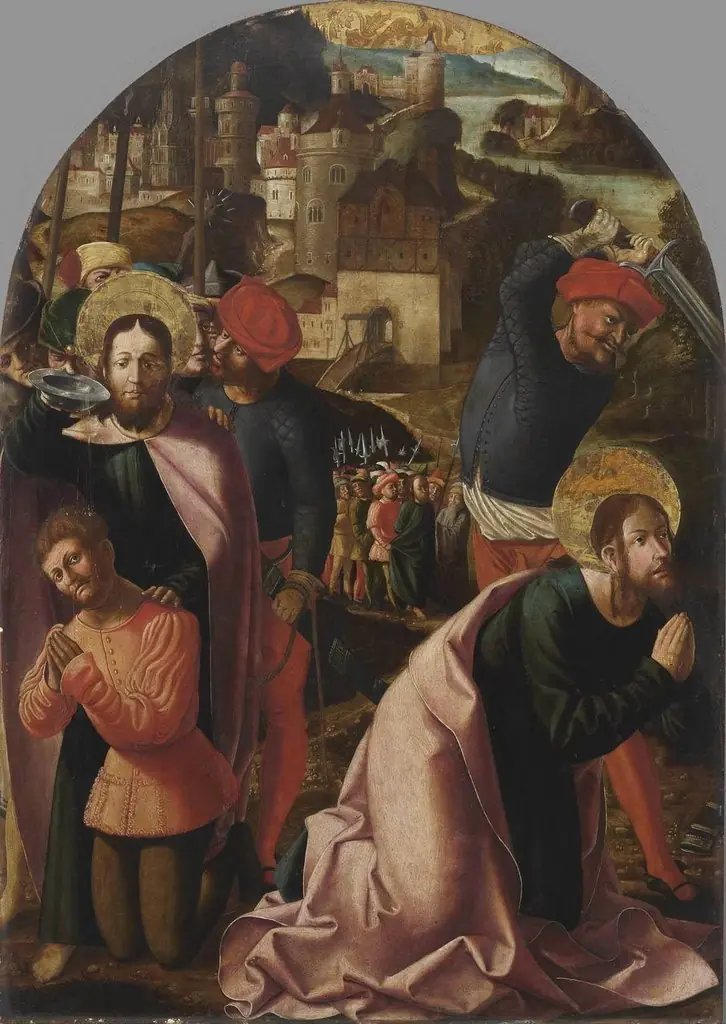 Jakobus-Stephanus-Altar: Der hl. Jakobus tauft Josias und Hinrichtung des Jakobus
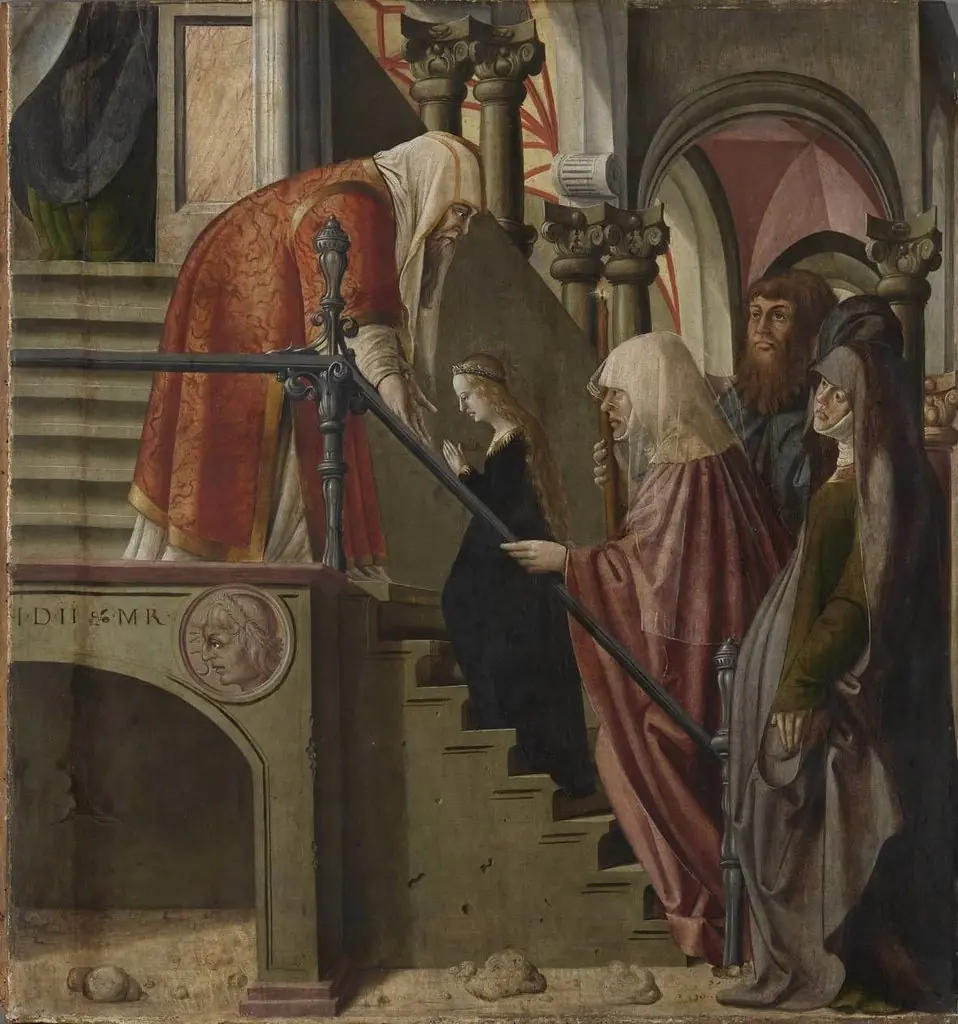 Marienaltar: Tempelgang Mariae
- Columba-Altar: Darbringung im Tempel
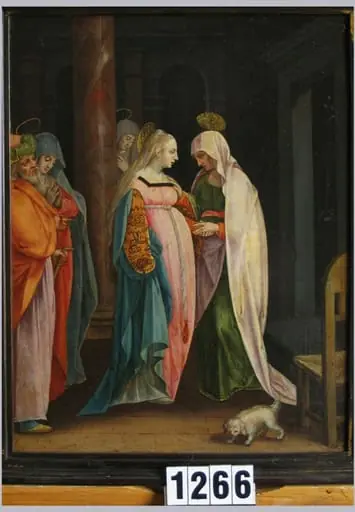 Vizitația (în registrul inventar: Elisabeta și Maria)
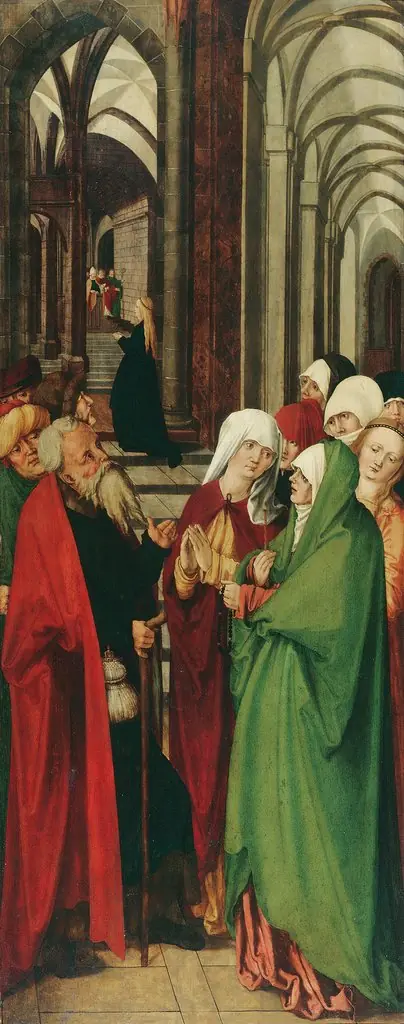 The presentation of Mary in the temple
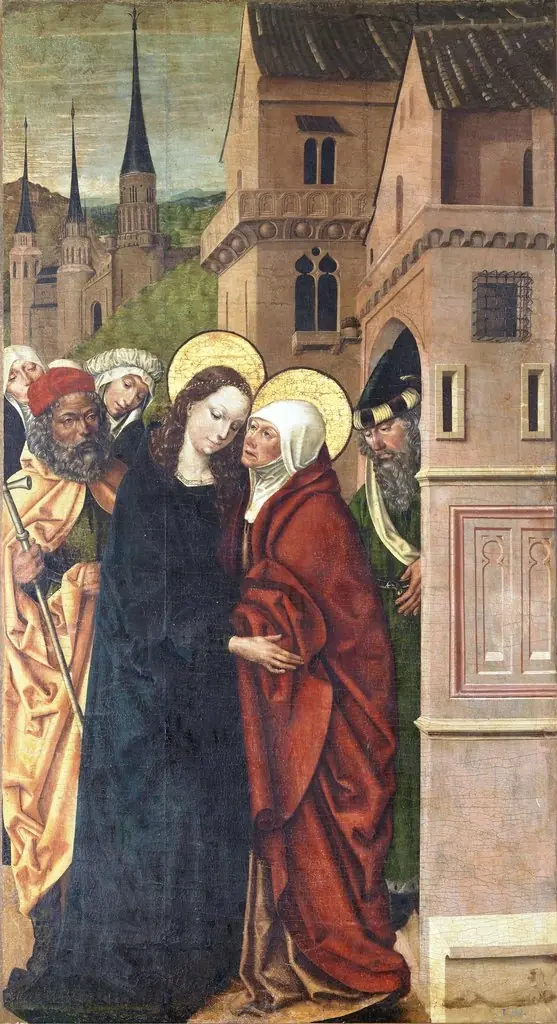 The Visitation
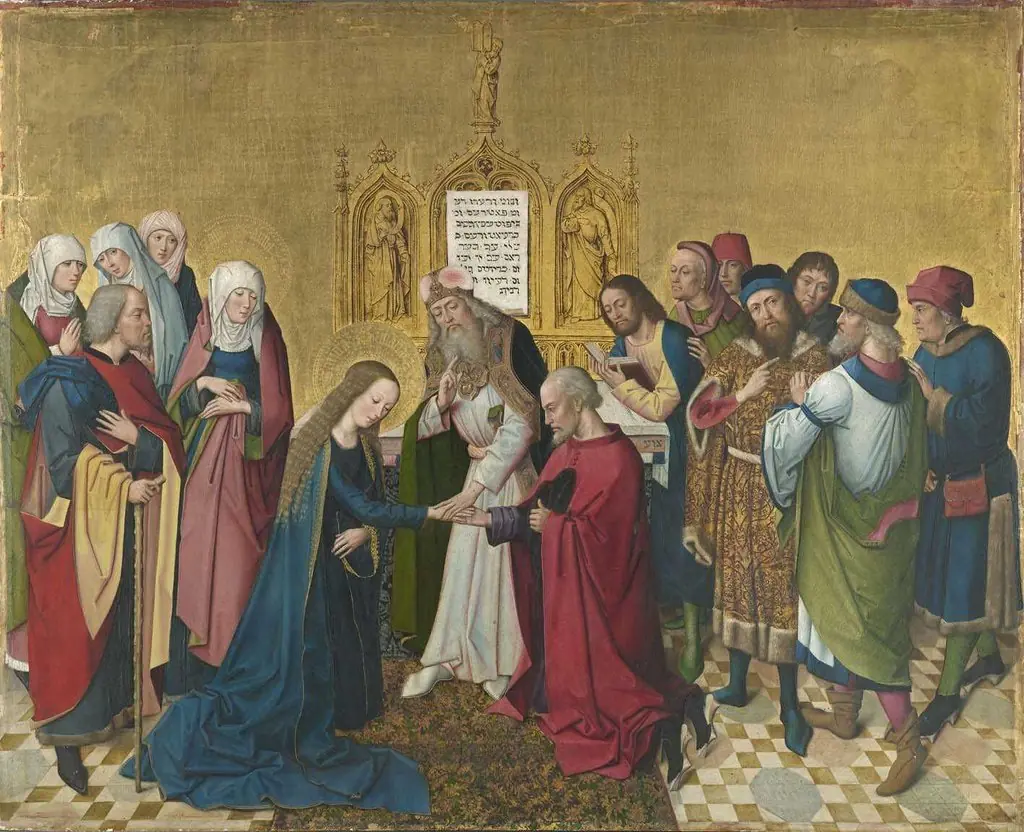 The Engagement of Mary (verso: upper half of the Coronation of Mary)
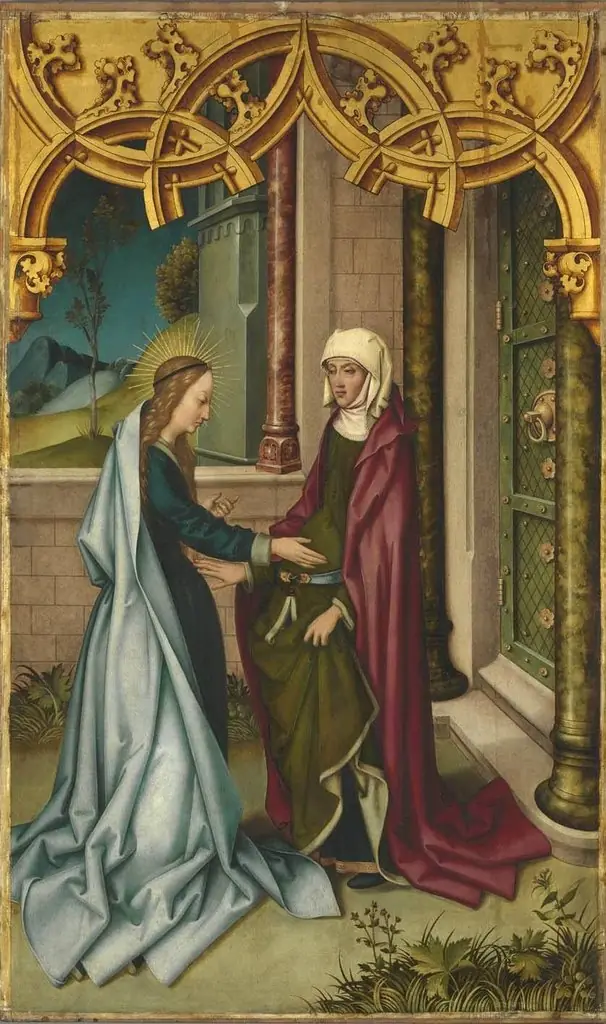 Kaisheimer Altar: Mariae Heimsuchung
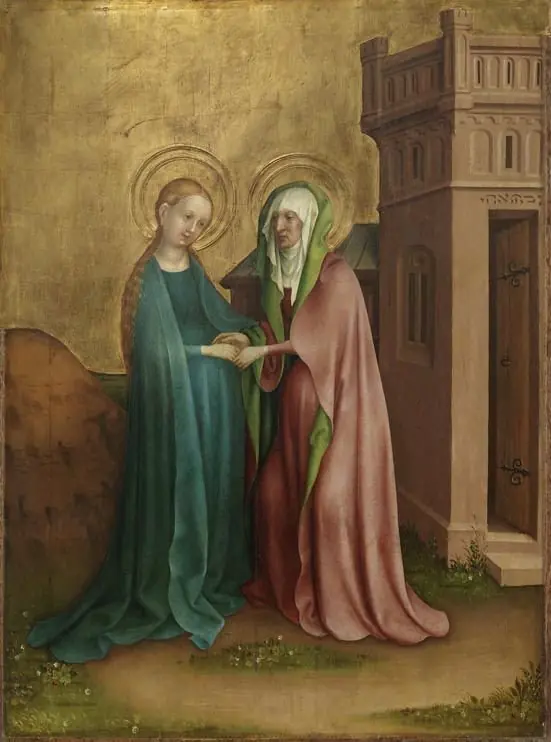 The visitation
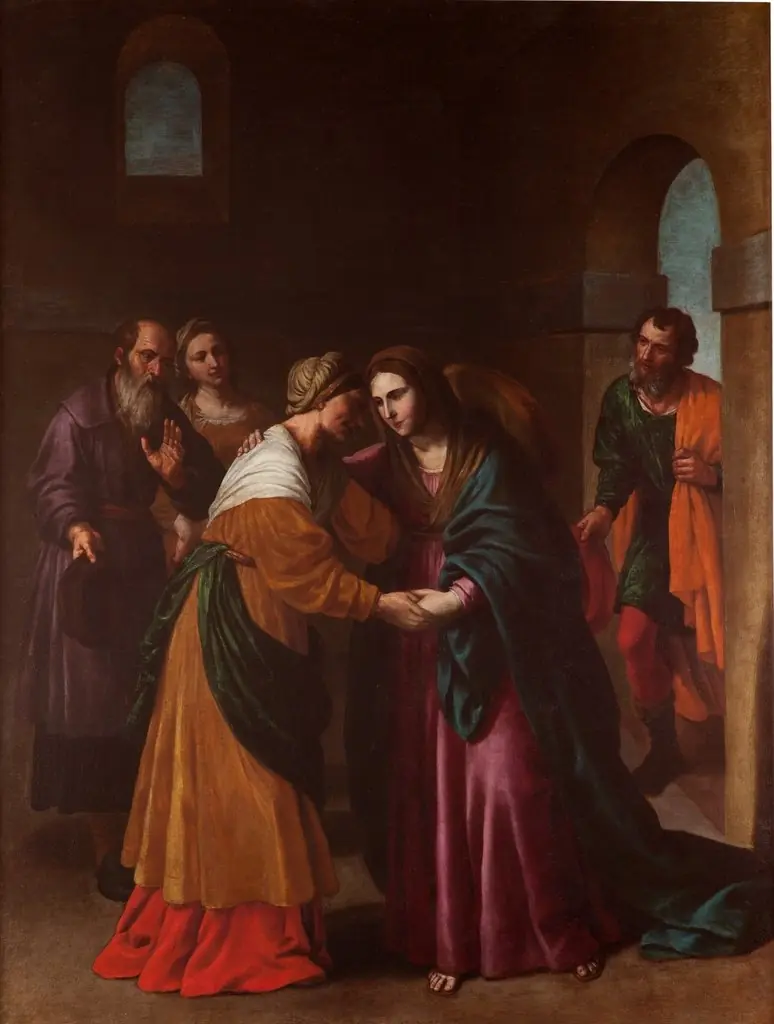 The visitation
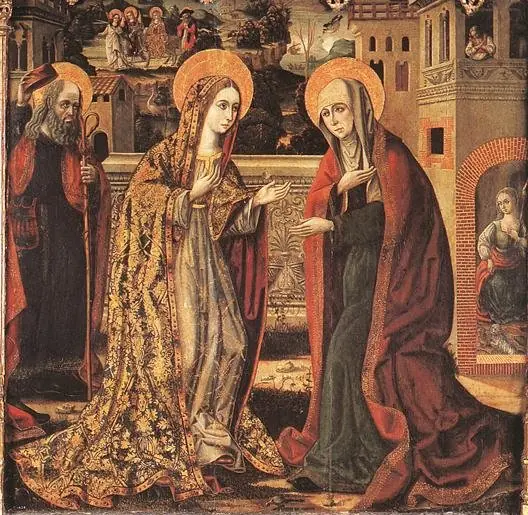 The visitation
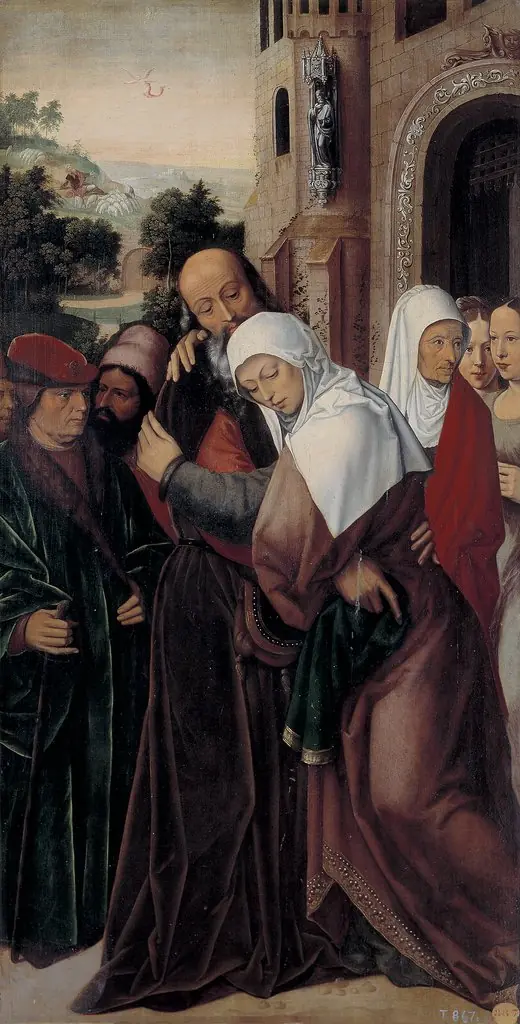 Abrazo de San Joaquín y Santa Ana ante la Puerta Dorada
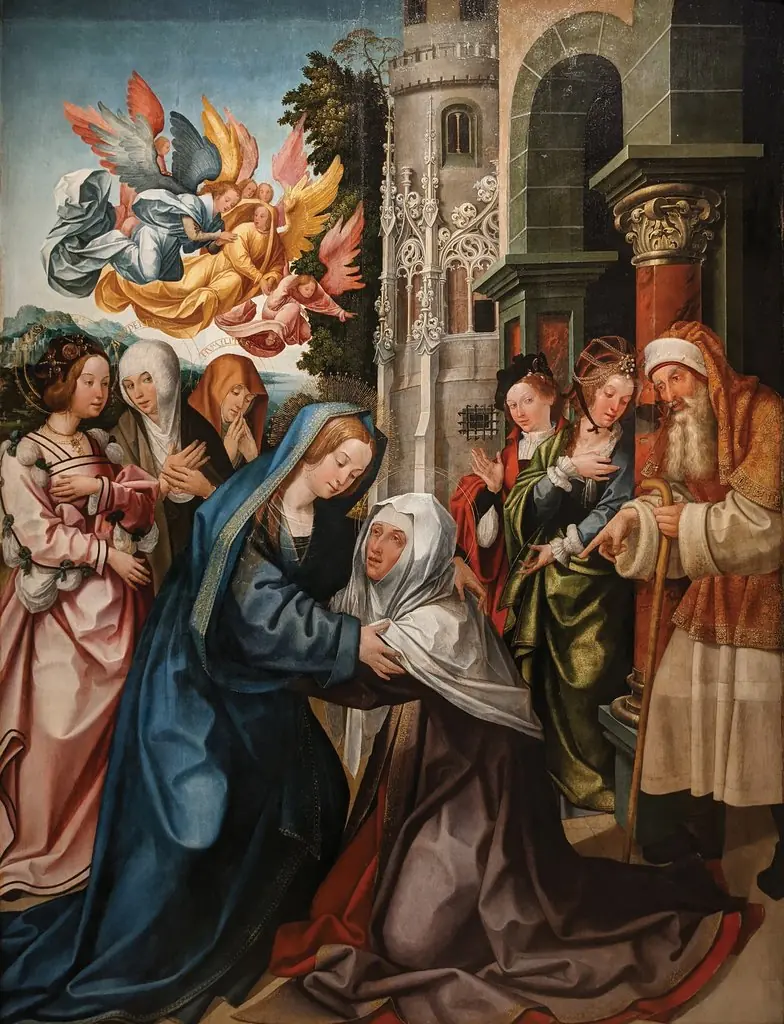 Visitation - Saint Benedict altarpiece
 Heimsuchung Mariae zwischen St. Ursula mit den Zehntausend Jungfrauen und St. Martha. Aussenseiten der Flügel: Verkündigung Mariae