Artwork
Jakobus-Stephanus-Altar: Disputation des hl. Stephanus
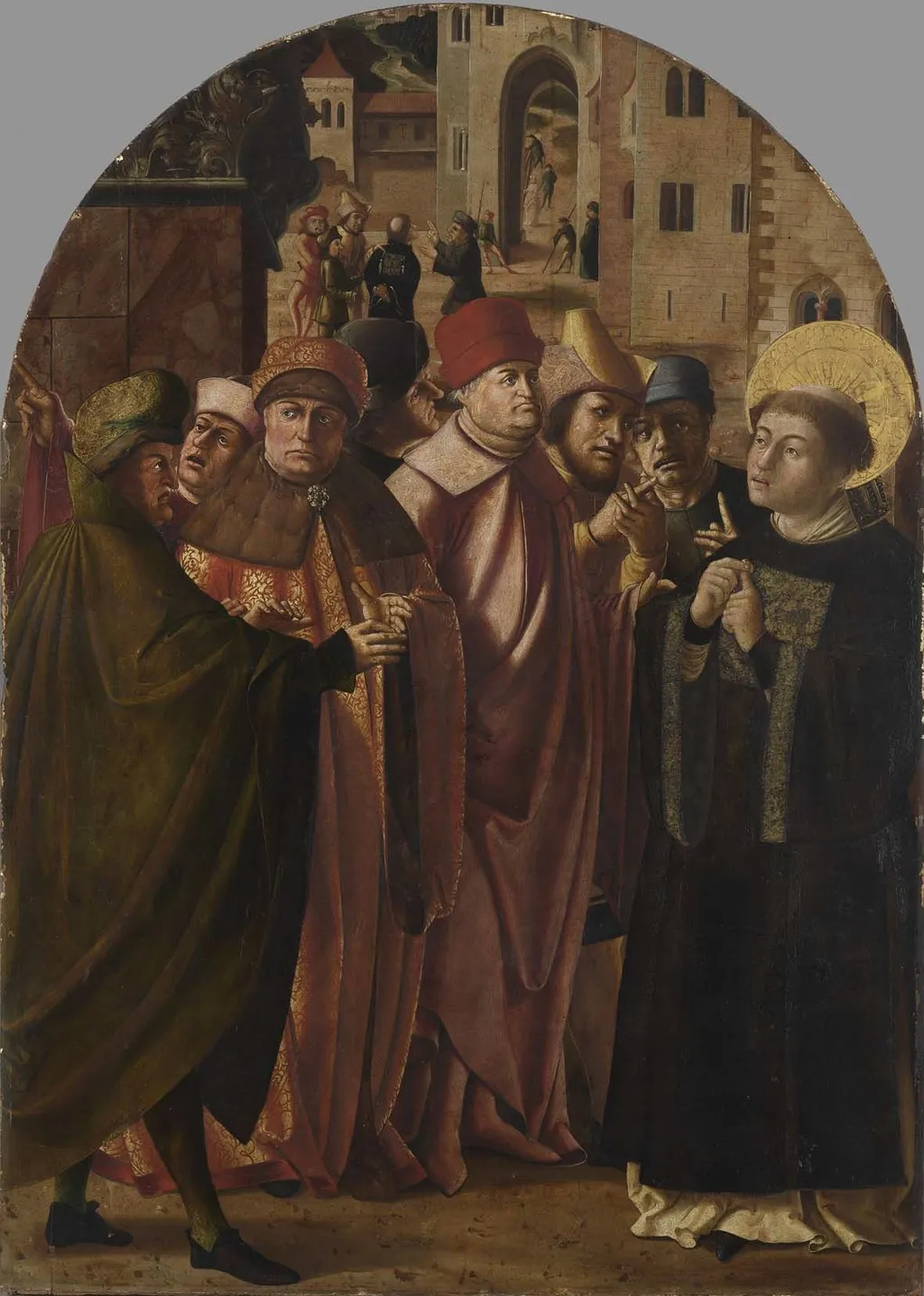
Jakobus-Stephanus-Altar: Disputation des hl. Stephanus is an unspecified painting by the Northern Renaissance artist Marx Reichlich. It dates from 1506 and is held in the collection of the Bavarian State Painting Collections.
About this work
Subject & Meaning
The panel depicts the Disputation of Saint Stephen, presenting the early Christian deacon and protomartyr as a learned theologian engaged in formal debate.
The panel depicts the Disputation of Saint Stephen, presenting the early Christian deacon and protomartyr as a learned theologian engaged in formal debate. Classified as a religious painting, the work visualizes Stephen's role as an apologist of the Christian faith, a subject drawn from the Acts of the Apostles where he argues before the Sanhedrin.
Saint Stephen is rendered as the sole figure of focus, embodying the virtues of wisdom, eloquence, and steadfast belief under persecution. By isolating the disputation as an independent devotional image within the larger Jakobus-Stephanus-Altar ensemble, the panel invites the viewer to contemplate Stephen as a model of intellectual defense of doctrine and of martyrdom borne in witness to Christ.
Technique & Style
The altarpiece is executed in tempera on wood panel, measuring 108.5 cm in height and 78.5 cm in width. It depicts the martyrdom of Saint Stephen, rendered with meticulous detail characteristic of early 16th-century German religious painting. The work belongs to the repertoire of Marx Reichlich, a Nuremberg-based artist active in the late 15th and early 16th centuries, and is housed in the Bavarian State Painting Collections at the Alte Pinakothek in Munich.
History & Provenance
The Disputation des hl. Stephanus, a panel from the Jakobus-Stephanus-Altar, was painted by Marx Reichlich in 1506. This date is firmly established by both documentary evidence and the work’s own inscription.
The painting was commissioned as part of an altarpiece, though the specific patron or ecclesiastical institution for which it was created remains undocumented in the available sources.
Since its creation, the panel has been part of the Bavarian State Painting Collections. It is currently housed in the Alte Pinakothek in Munich, where it has been preserved as part of the museum’s holdings. No intermediate ownership changes or private collections are recorded in the provided sources.
The painting is held in the collection of the Bavarian State Painting Collections and is located at the Alte Pinakothek. Created in 1506, the work measures 108.5 cm in height and 78.5 cm in width. The provided sources do not contain information regarding a specific inventory number or any exhibition history for this artwork.
Overview
Created in 1506 by Austrian painter Marx Reichlich, the work known as the Jakobus‑Stephanus Altar illustrates a biblical dispute involving Saint Stephen. Executed within the Northern Renaissance idiom, the panel was originally intended for liturgical display and now belongs to the Alte Pinakothek’s holdings.
Artist & collection
Artist
Marx Reichlich (1460–1520) was an Austrian painter. Reichlich was a painter of primarily religious works. He painted a number of traditional scenes as commissions for churches, including "Adoration of the Magi", and…

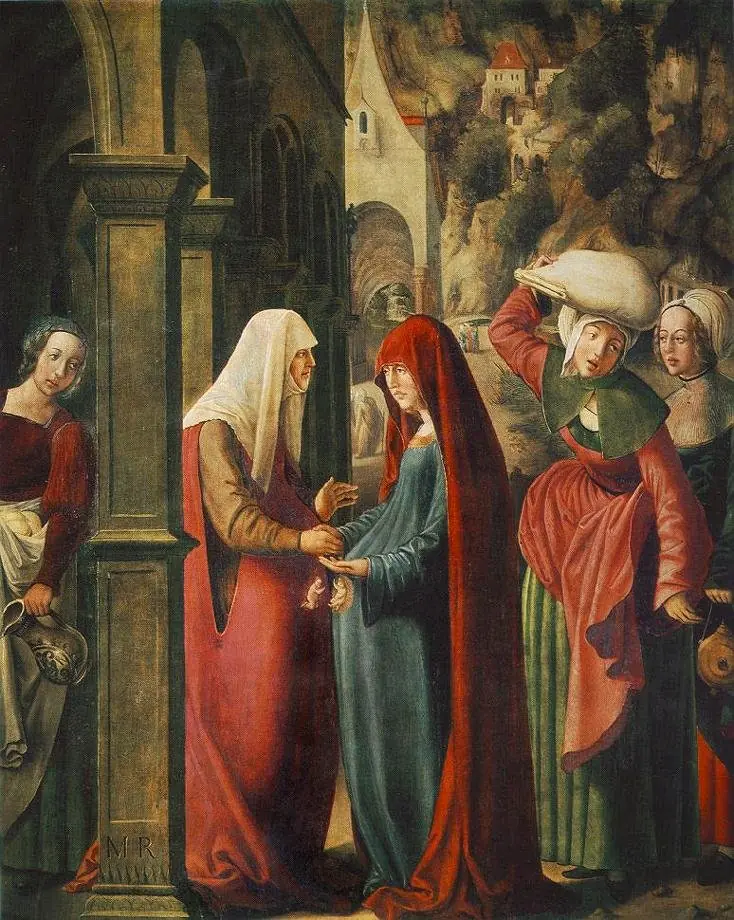 Meeting of Mary and Elisabeth
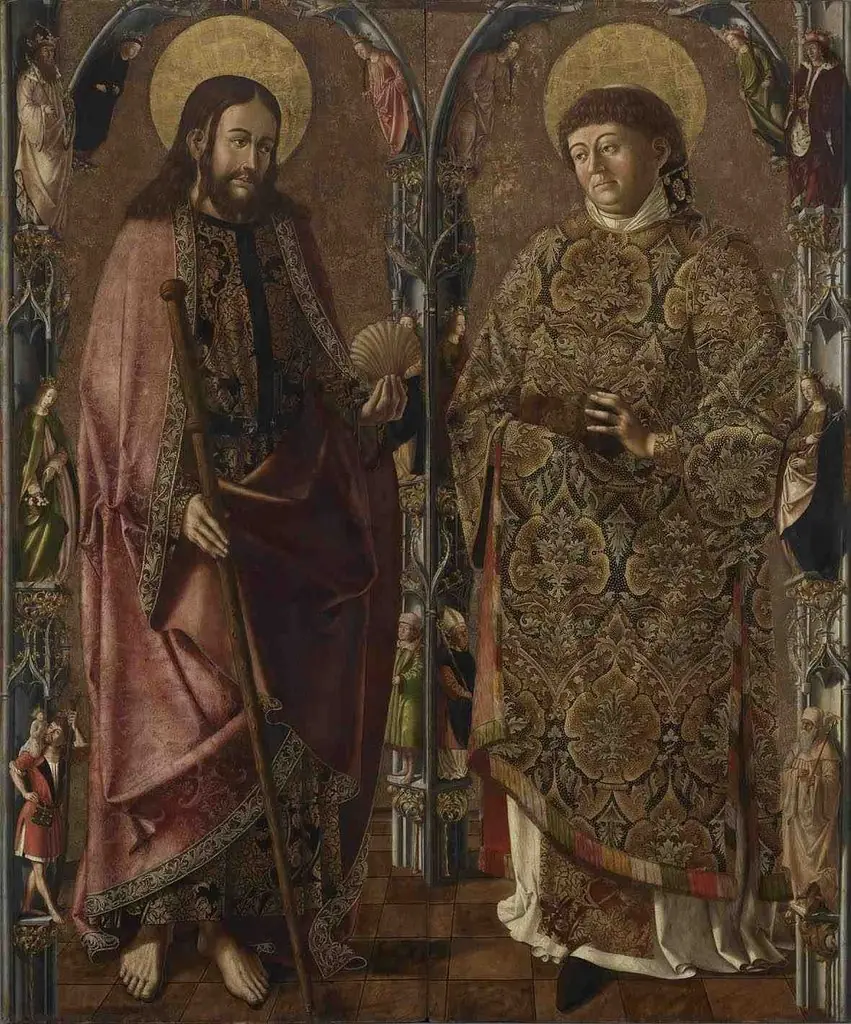 Jakobus-Stephanus-Altar: Die hll. Jakobus und Stephanus
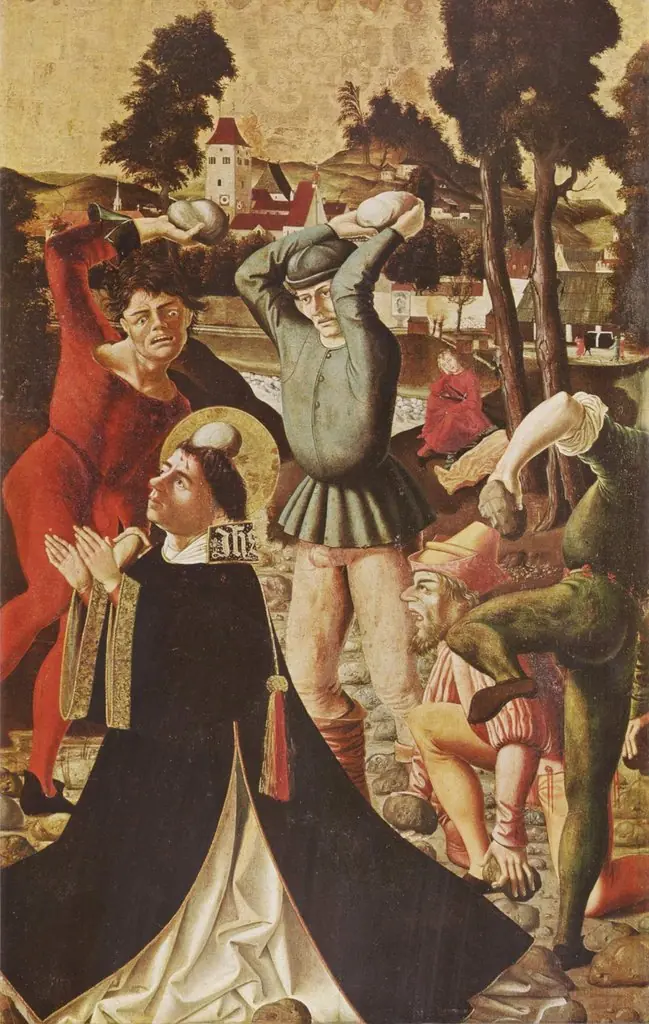 Jakobus-Stephanus-Altar: Steinigung des hl. Stephanus
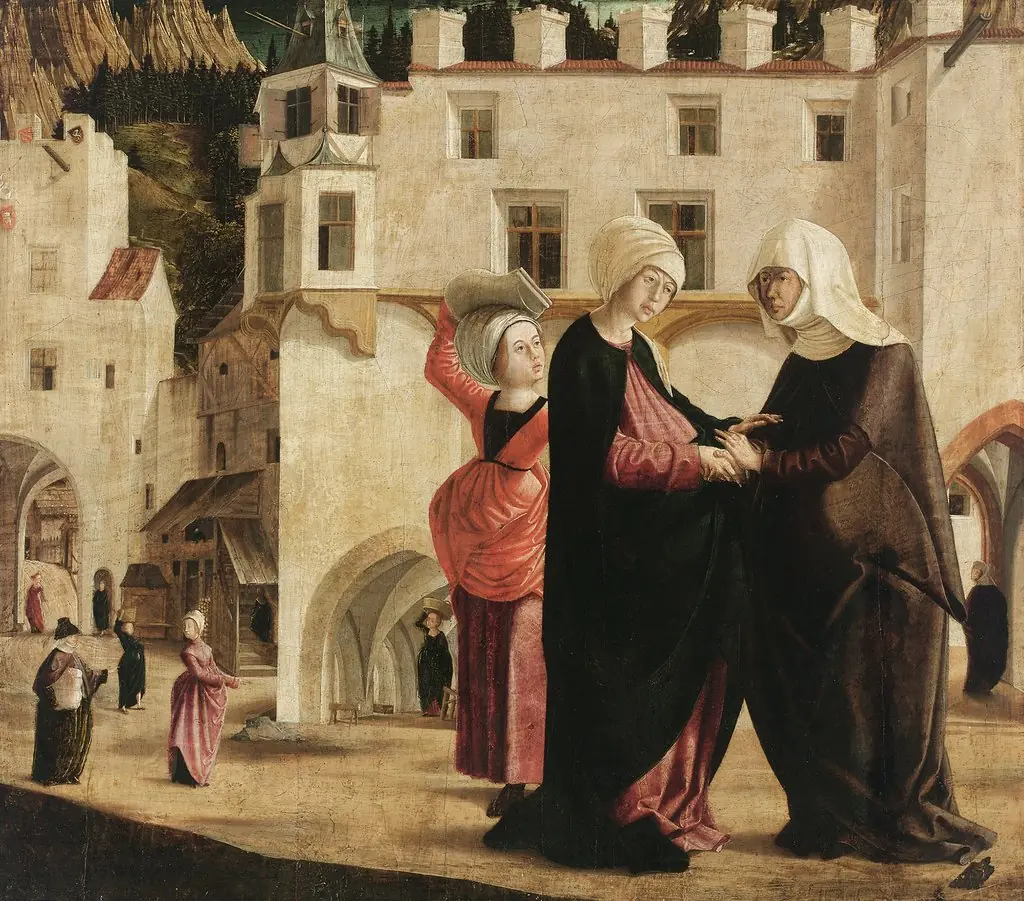 The visitation
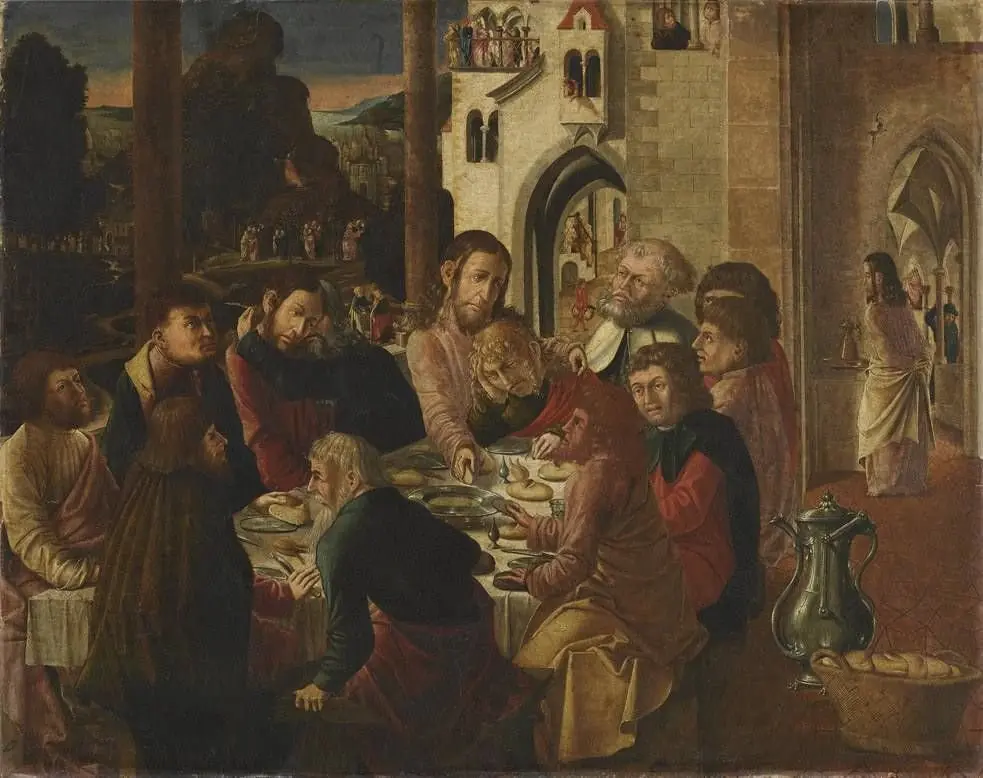 Jacob-Stephen (?): the Last Supper
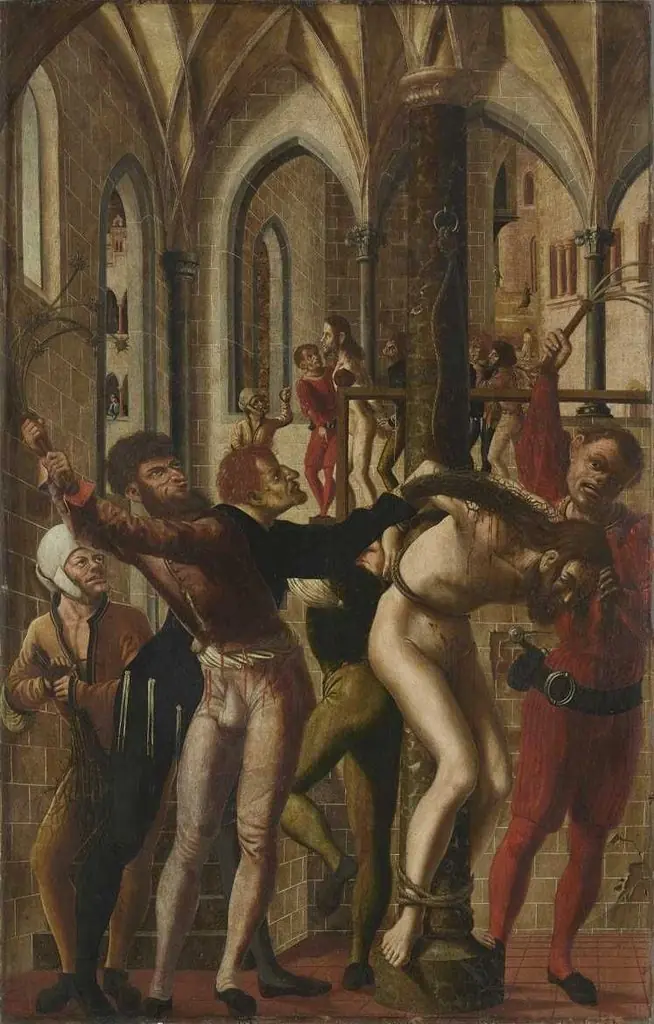 Jakobus-Stephanus-Altar: Geißelung Christi
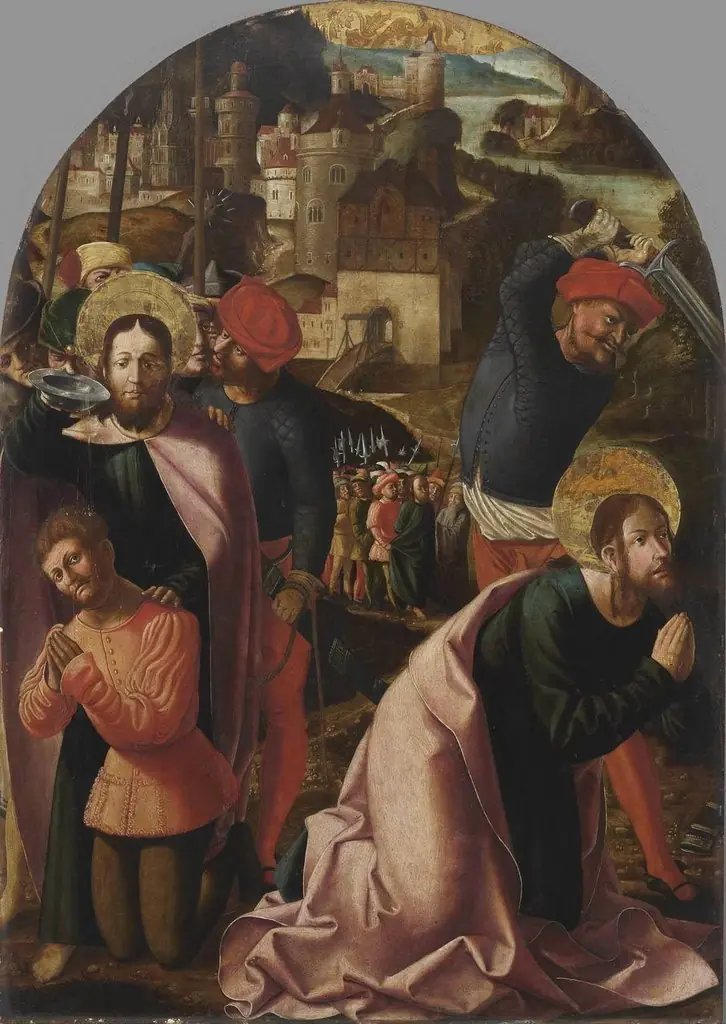 Jakobus-Stephanus-Altar: Der hl. Jakobus tauft Josias und Hinrichtung des Jakobus
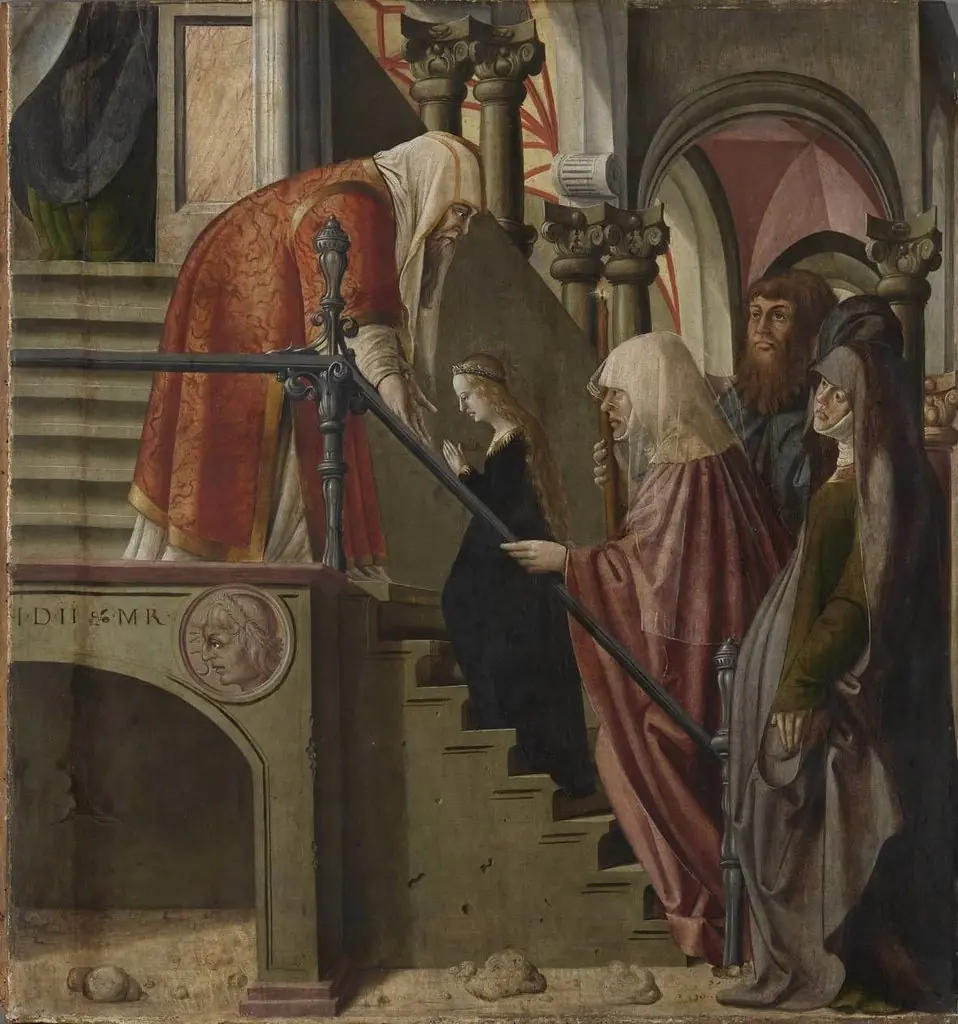 Marienaltar: Tempelgang Mariae
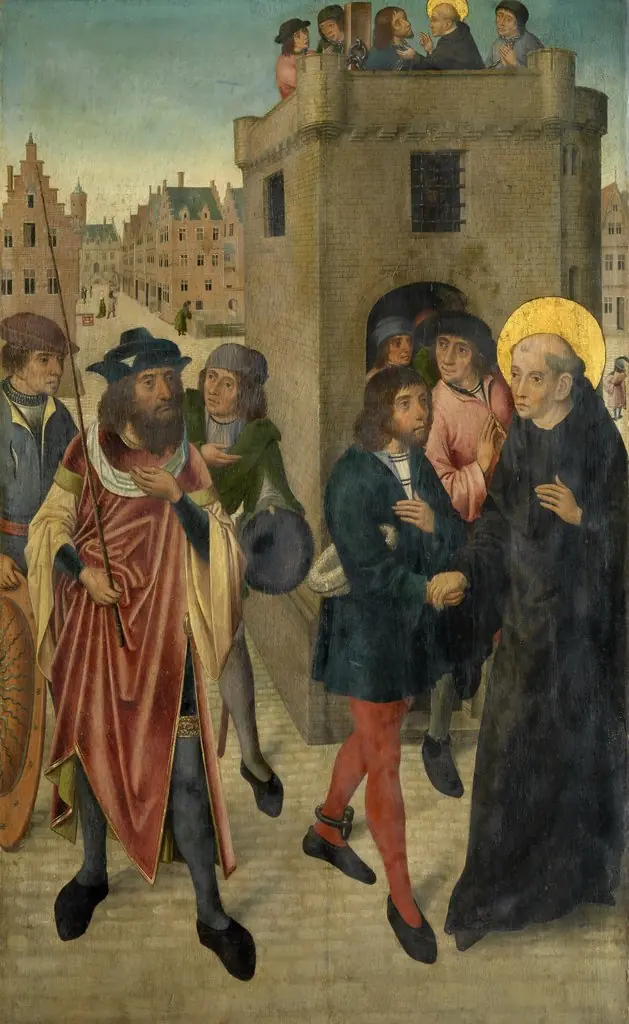
- Saint Leonard Liberating Captives
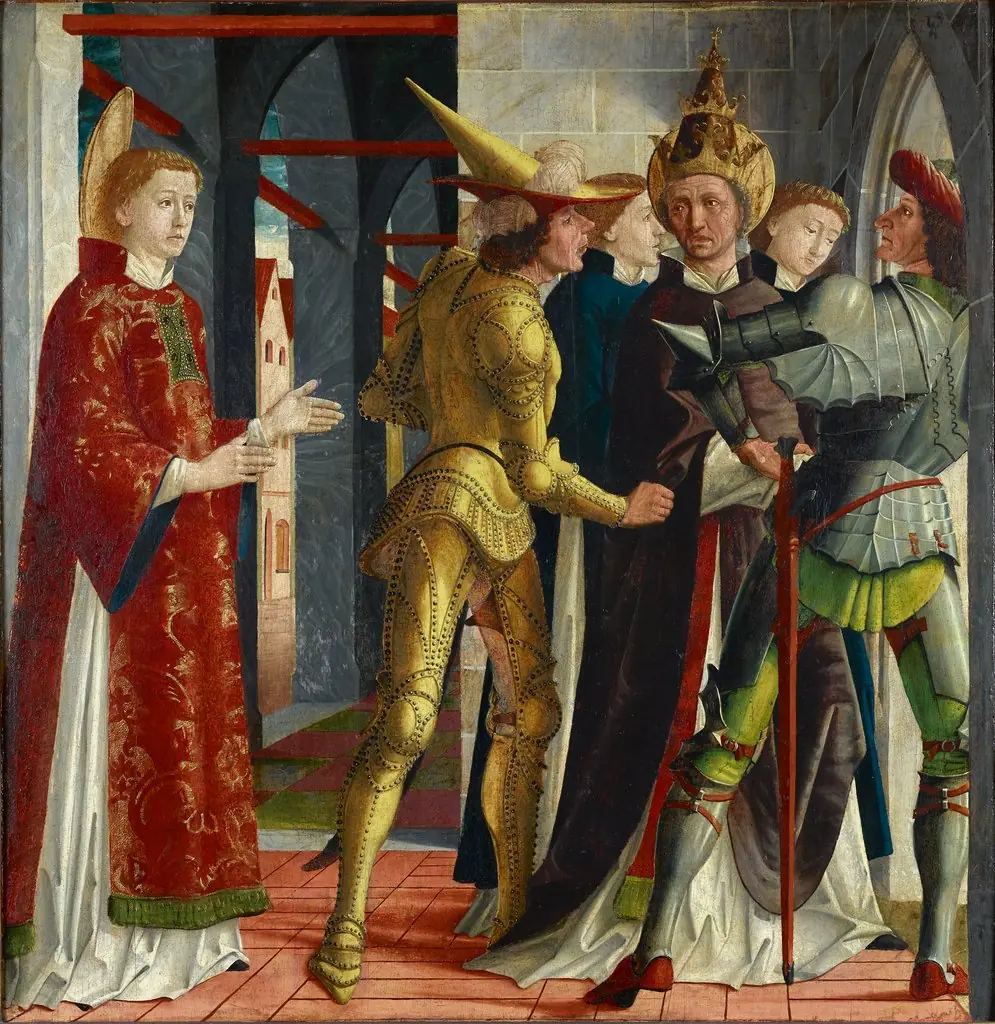 Pope Sixtus II. bids farewell to St. Lawrence
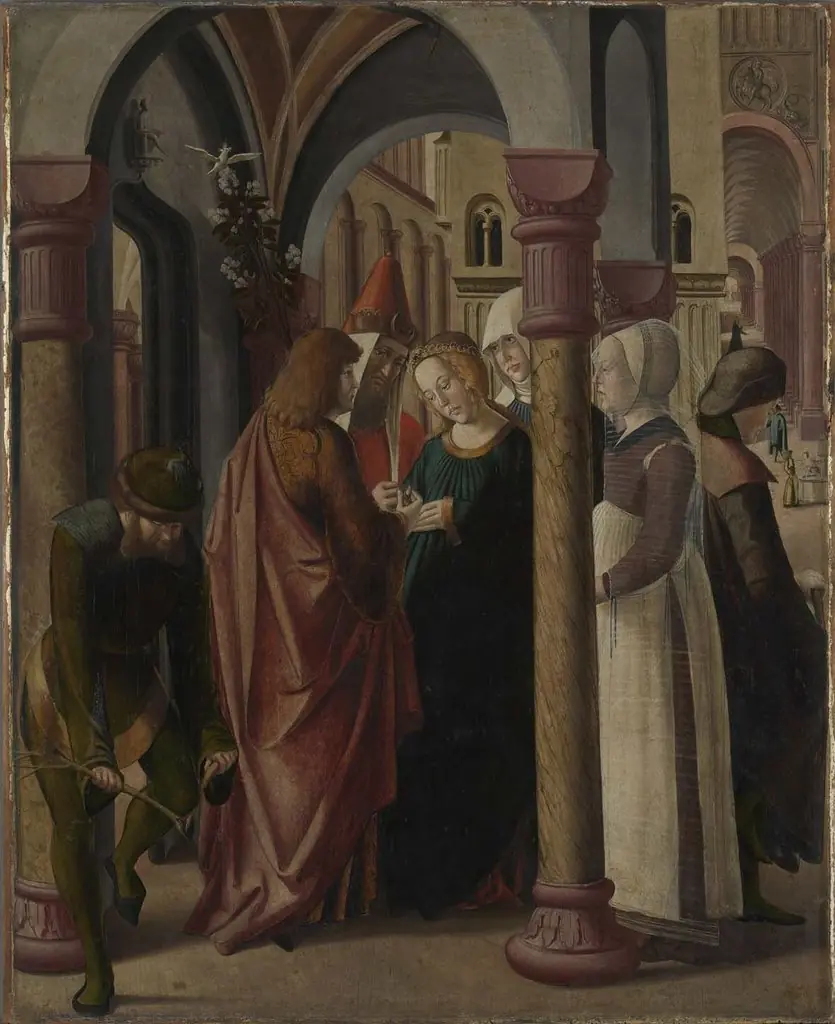 Marienaltar: Vermählung Mariae
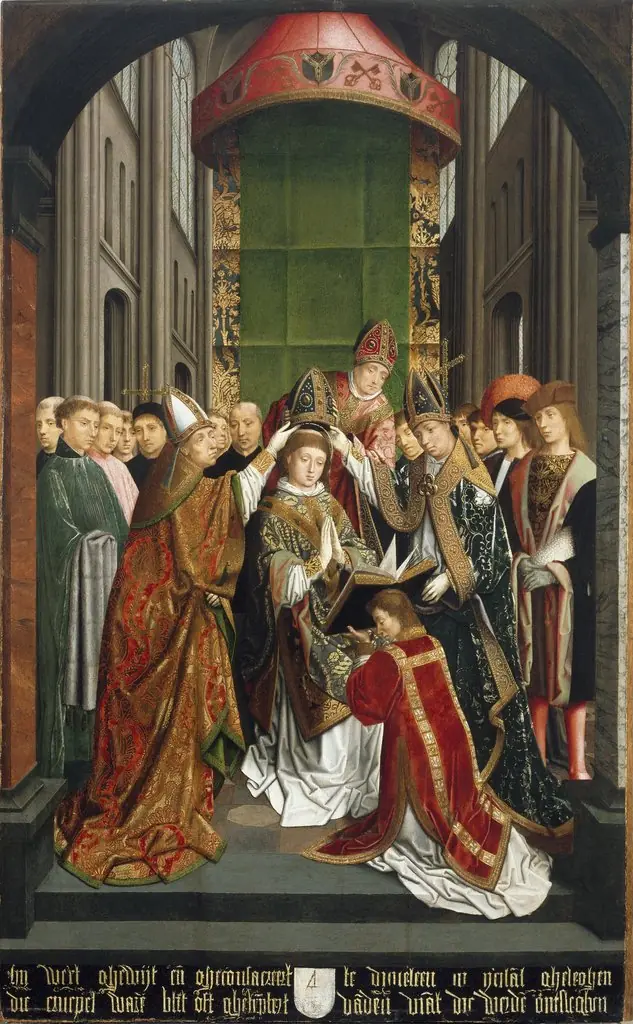 The Enthronement of Saint Romold as Bishop of Dublin
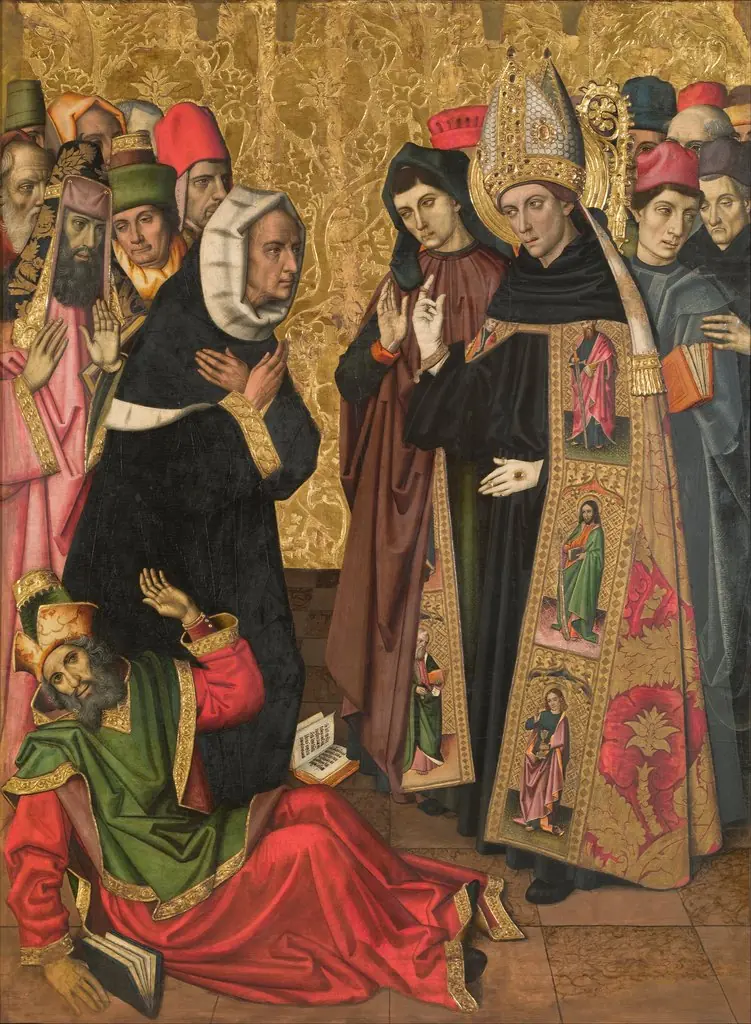 Saint Augustine Disputing with the Heretics
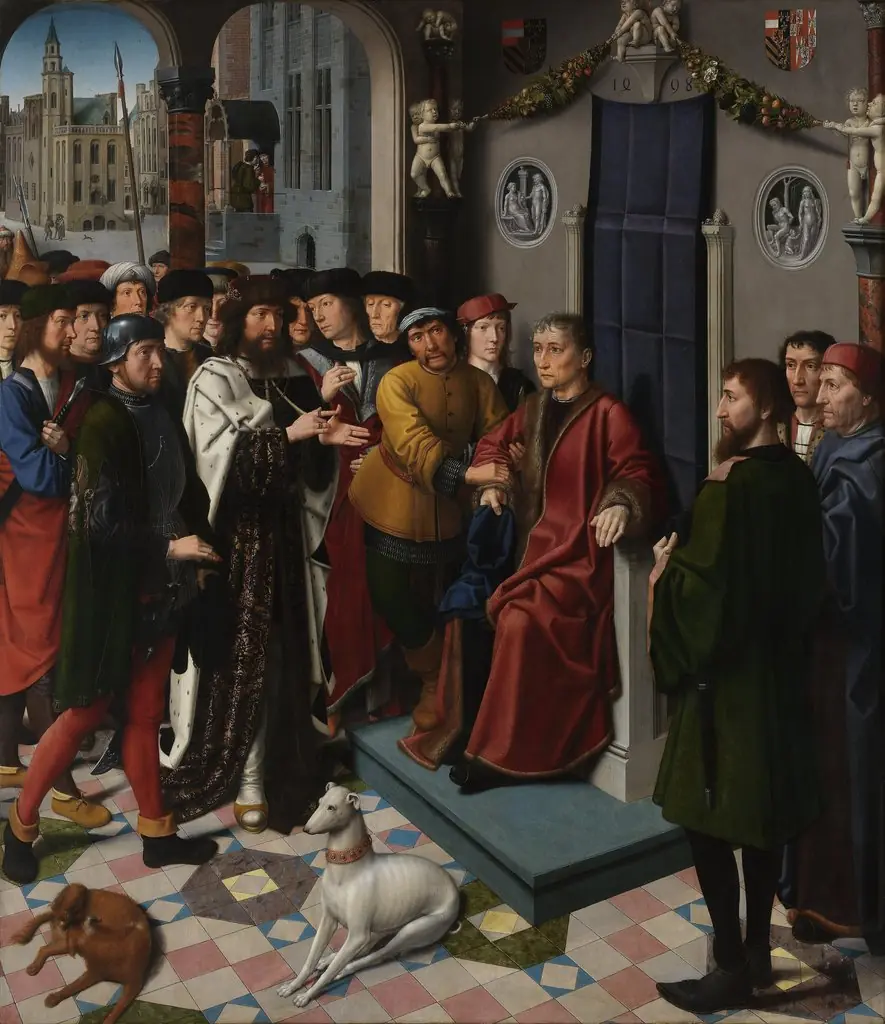 Judgement of Cambyses: The Arrest of Sisamnes
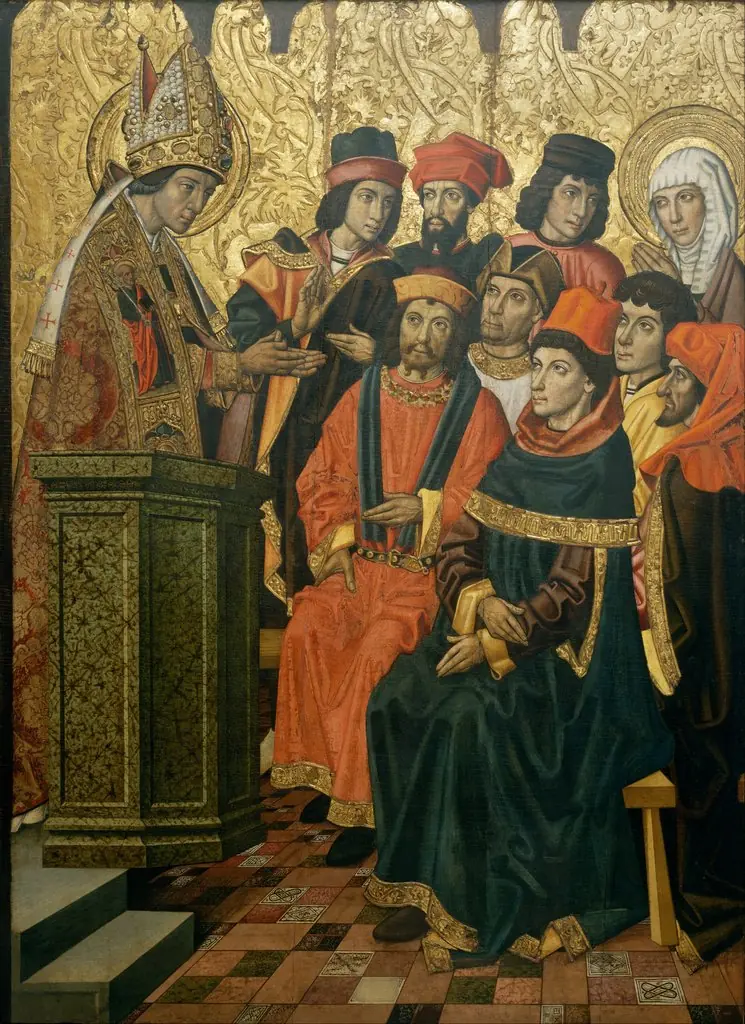 Saint Augustine and Saint Monica in a Sermon by Saint Ambrose
 Saint Peter Martyr Exorcizing a Woman Possessed by a Devil
 Christ before Pilate
 The Miracle of the Cloud