Artwork
Virgin and Child
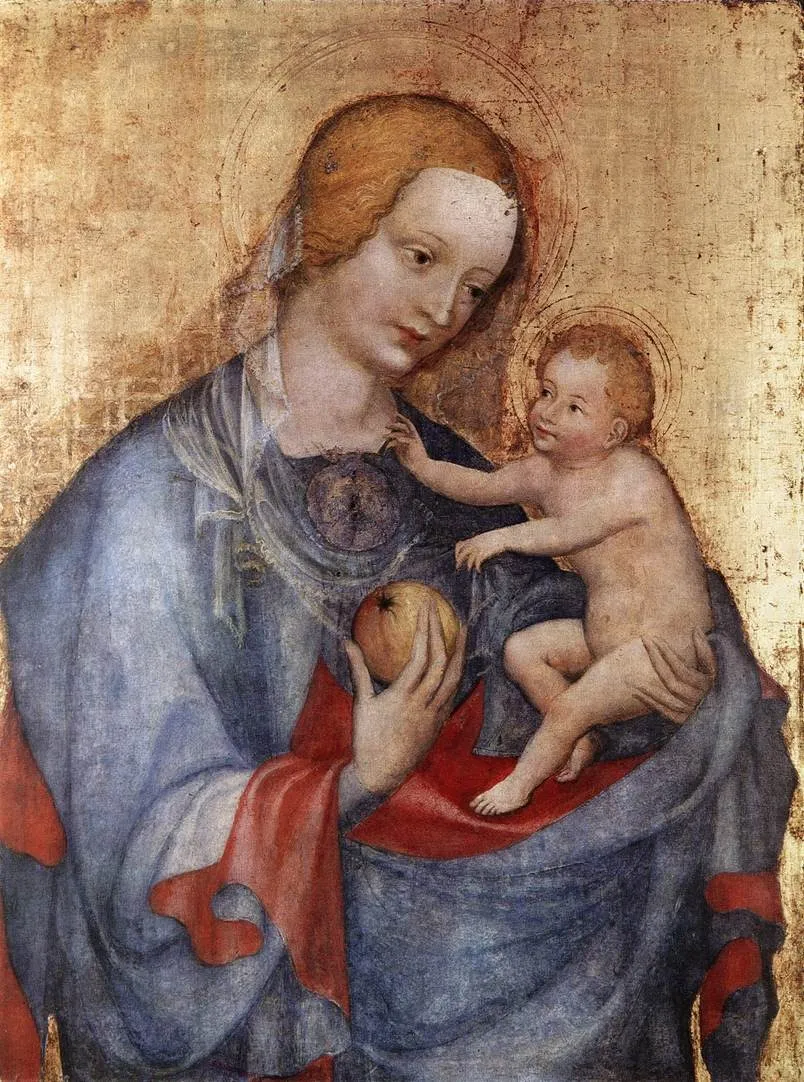
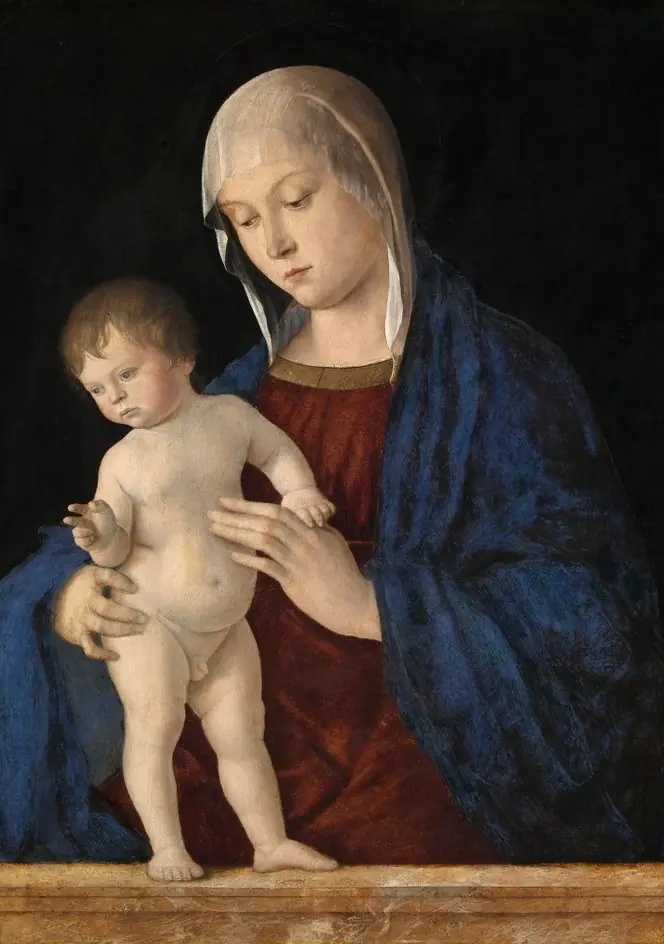
Virgin and Child is an unspecified painting by the Early Renaissance artist Master of the Virgin of Benediktbeuern. It dates from 1412 and is held in the collection of the Bavarian State Painting Collections.
About this work
Subject & Meaning
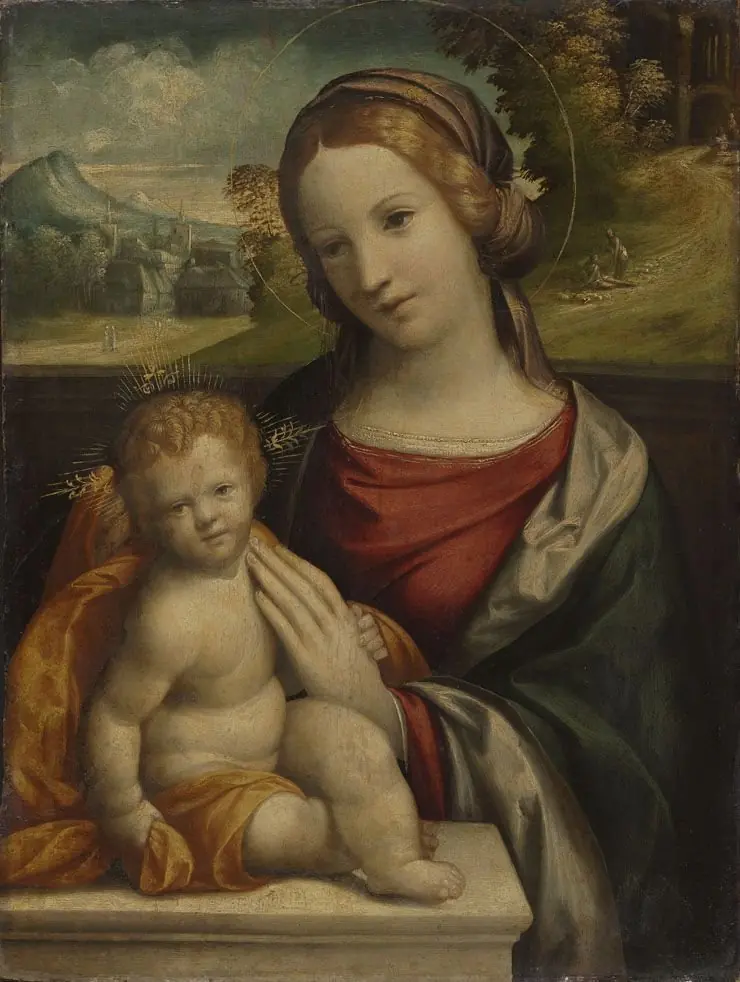
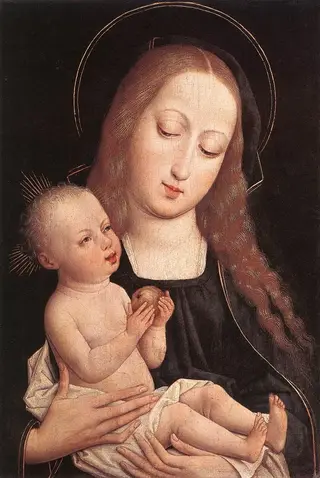
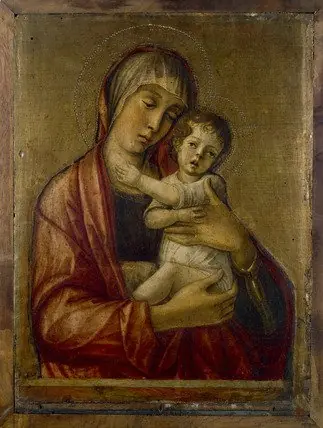
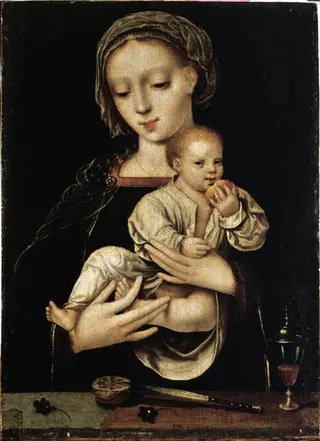
According to the catalogue record, the work portrays Mary and the Christ Child, rendered on canvas and classified as a religious painting.
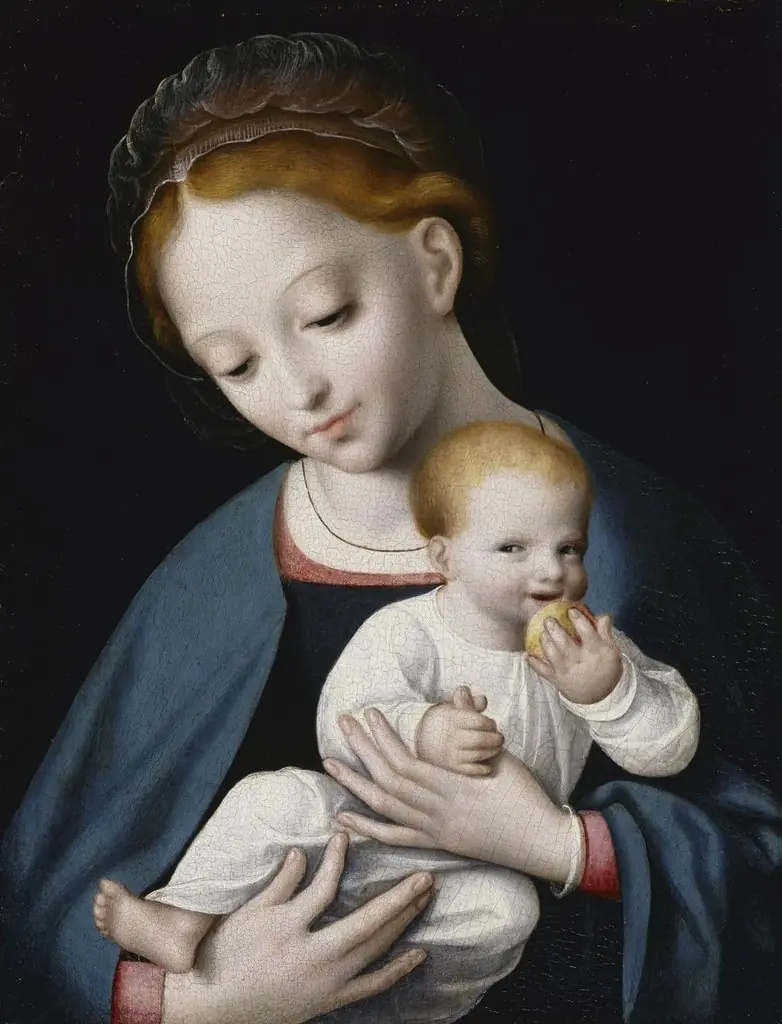
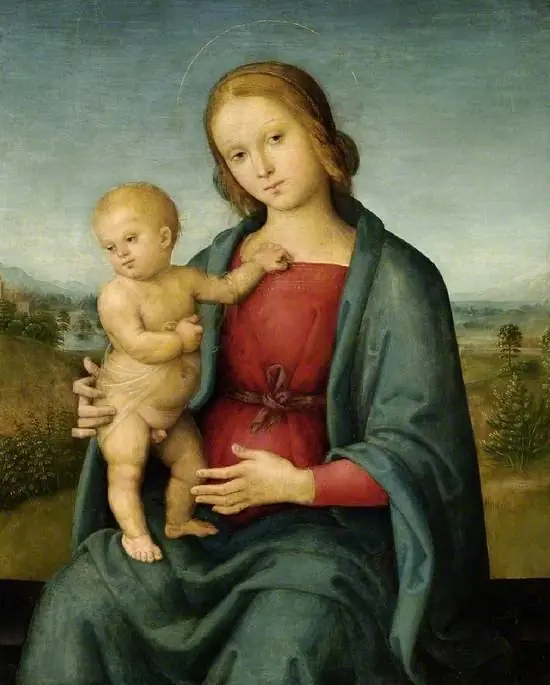
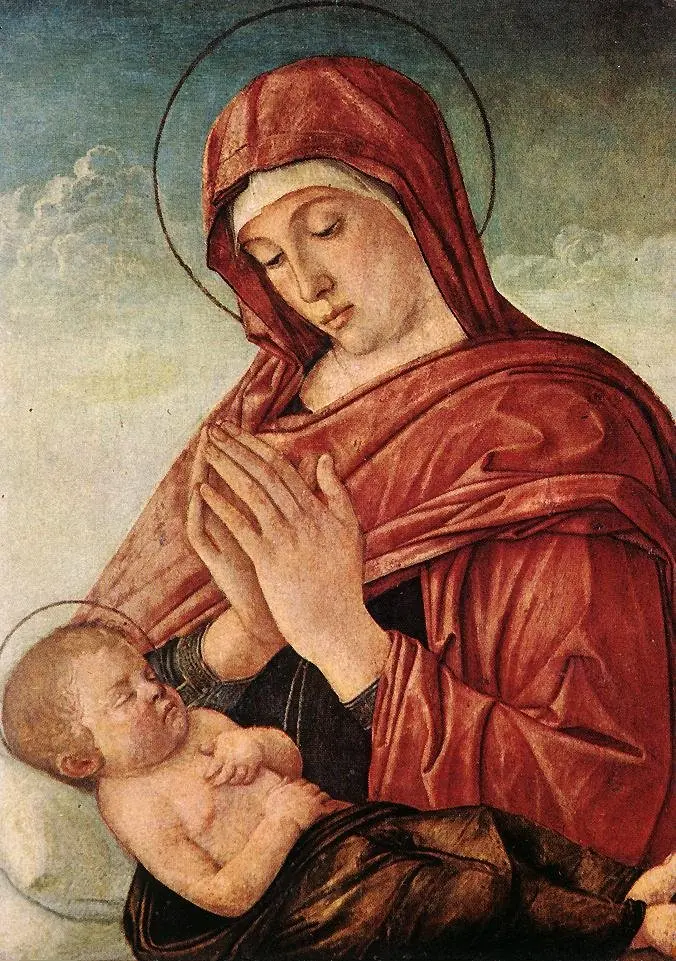
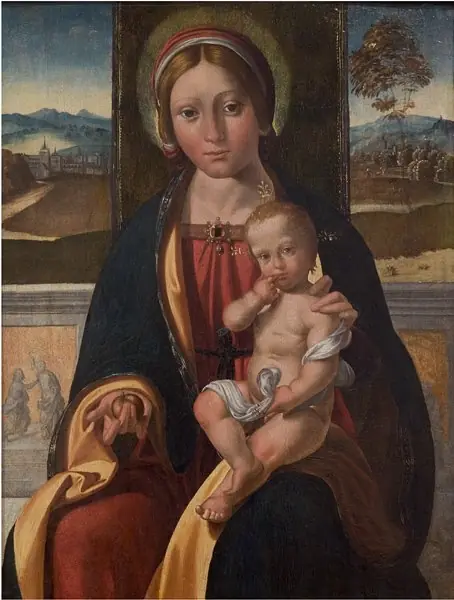
The painting depicts the Madonna and Child, a devotional subject central to late medieval Christian iconography. According to the catalogue record, the work portrays Mary and the Christ Child, rendered on canvas and classified as a religious painting. The main subject is identified as the Madonna and Child, a theme that emphasized Mary's role as the mother of God and the humanity of Christ, inviting personal veneration from the viewer.
Such intimate half-length Madonna compositions were a hallmark of early fifteenth-century devotional art, presenting the Virgin as a tender, accessible intercessor while affirming the Incarnation through the presence of her son. The image would have functioned both as a focus for private prayer and as a meditation on maternal love and divine grace.
Technique & Style
The painting employs oil on canvas, a medium characteristic of early 15th-century panel and canvas works in southern Germany. The support is a single piece of canvas, prepared with a ground layer to receive the paint. Handling reveals delicate modeling of drapery and faces, with fine brushwork defining the Virgin’s serene features and the Christ Child’s tender pose.
Folds of the Virgin’s mantle are rendered with subtle transitions of tone, while the Child’s gesture toward a now-lost object suggests an original devotional function. The composition centers on the figures against a neutral field, emphasizing intimacy and clarity of form typical of the International Gothic idiom.
The palette includes muted earth tones and soft blues, with gilded highlights now largely abraded, indicating age-related wear rather than later overpainting.
History & Provenance
The painting known as the Virgin and Child was created in 1412 by the Master of the Virgin of Benediktbeuern. Executed on canvas, this religious work depicts the Madonna and Christ Child. It is currently held within the Bavarian State Painting Collections, specifically located at the Alte Pinakothek.
The available records do not specify the original commissioning patron or the detailed chain of ownership prior to its inclusion in the state collection.
Overview
Created in 1412, this canvas painting entitled Virgin and Child is attributed to the anonymous workshop known as the Master of the Virgin of Benediktbeuern. It presents the Virgin Mary cradling the infant Jesus and is part of the collection of the Alte Pinakothek in Munich. The work exemplifies early‑15th‑century devotional imagery intended for private contemplation.
Context
Produced during a period of heightened Marian devotion in the Holy Roman Empire, the painting reflects the era’s emphasis on intimate, tender portrayals of the Virgin and Child. Such images were often used in private chapels or as portable objects for personal prayer, aligning with contemporary theological trends that highlighted the humanity of Christ.
Artist & collection
Artist
Master of the Virgin of Benediktbeuern
Master of the Virgin of Benediktbeuern (1380–1450) was an artist.