Artwork
Lulius (July)
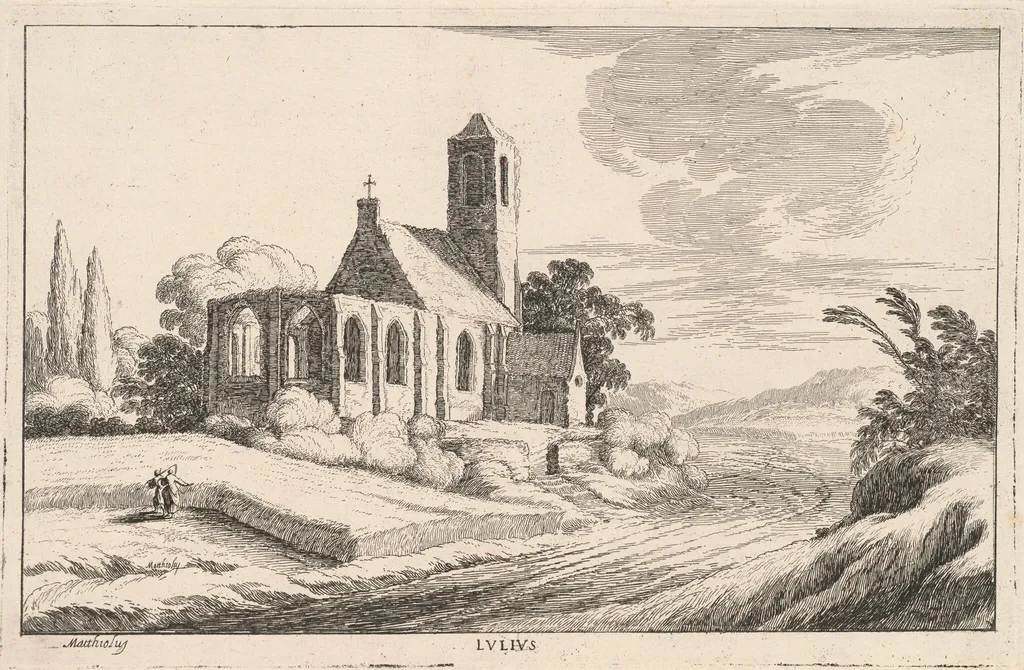
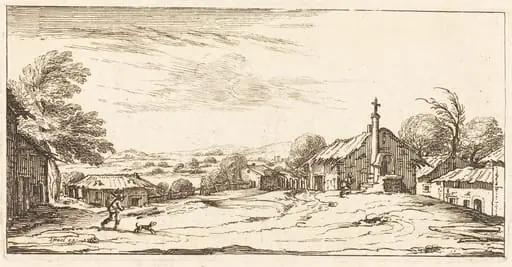
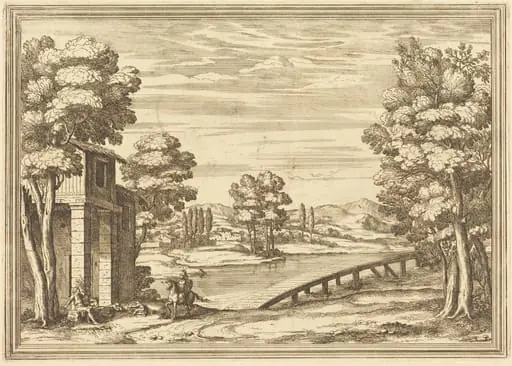
Lulius (July) is an ink print by the Baroque artist Ludovico Mattioli. It dates from 1601 and is held in the collection of the National Gallery of Art.
- Inscription
- Inscribed:lower left in image: Matthiolus; lower left in plate: Matthiolus; lower center in plate: LVLIVS
About this work
Overview
Lulius (July) is a 1601 etching on laid paper by Ludovico Mattioli, portraying a serene summer landscape.
Subject & Meaning
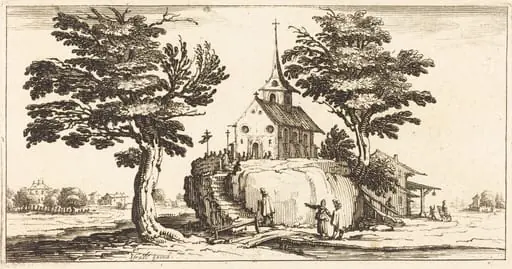
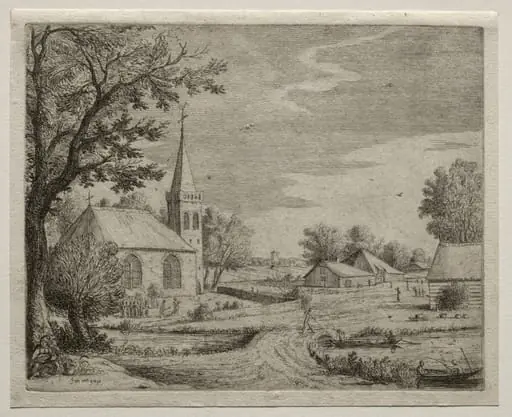
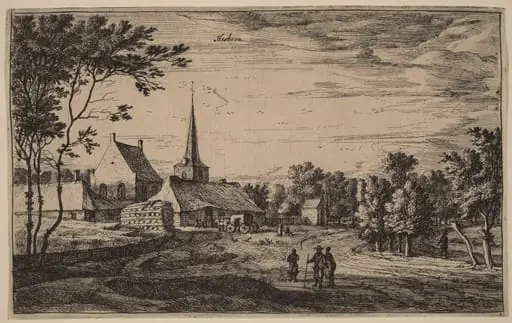
At the composition's heart is a church with a prominent tower and rooftop cross, set amidst trees and foliage. A figure labors in the nearby field, imbuing the scene with peacefulness and potentially alluding to the cyclical nature of rural life and religious presence.
Technique & Style
Mattioli achieves depth and atmosphere through a nuanced tonal range, from light to dark. Expressive lines and varied textures guide the viewer's eye, showcasing the artist's mastery of etching with remarkable detail and pattern intricacy.
History & Provenance
Created in 1601, specific provenance details for 'Lulius (July)' are not provided in available sources.
Context
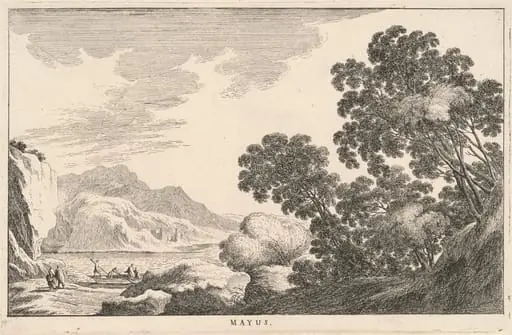
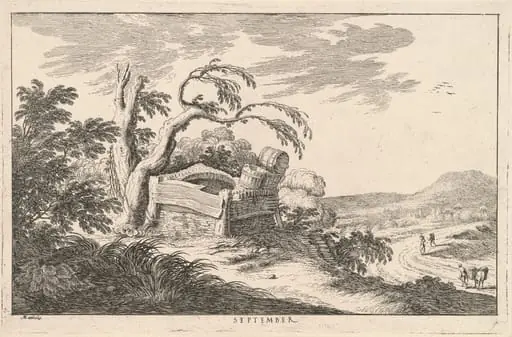
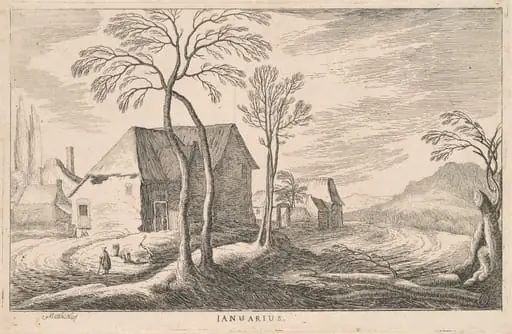
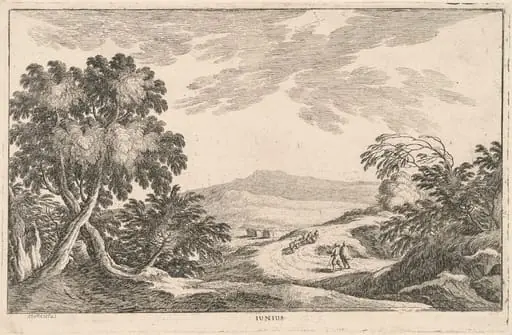
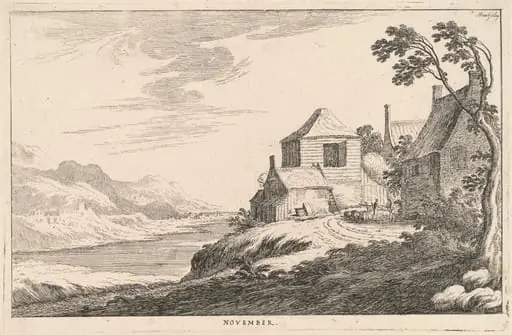
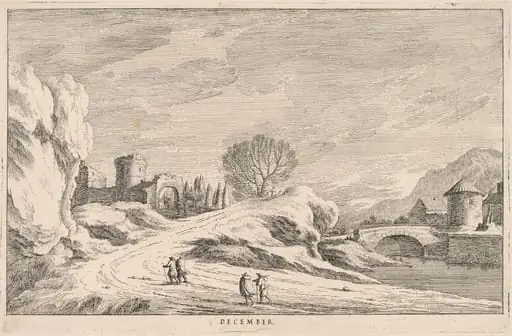
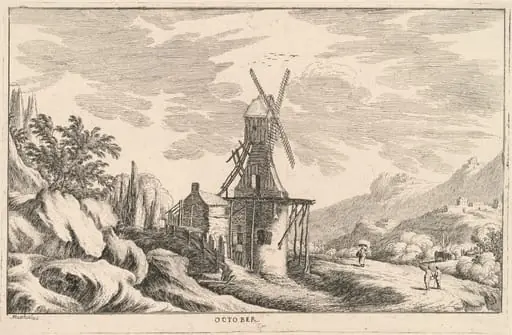
As a 17th-century etching, 'Lulius (July)' reflects the era's interest in capturing serene, everyday landscapes, often infused with religious elements. It may relate to monthly or seasonal series, suggested by its title.
Legacy
While 'Lulius (July)' demonstrates Mattioli's technical proficiency and aesthetic sensibility, its broader impact or influence on subsequent artistic movements is not explicitly documented in the provided information.
Own this work as a print
Artist & collection