Subject
Boat
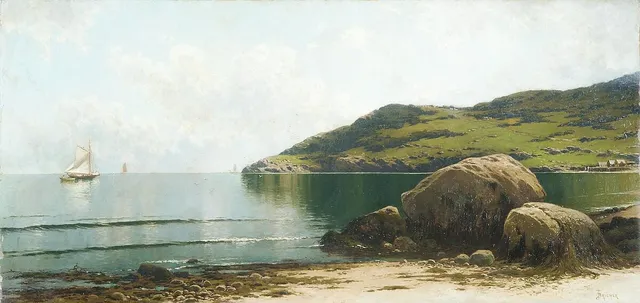
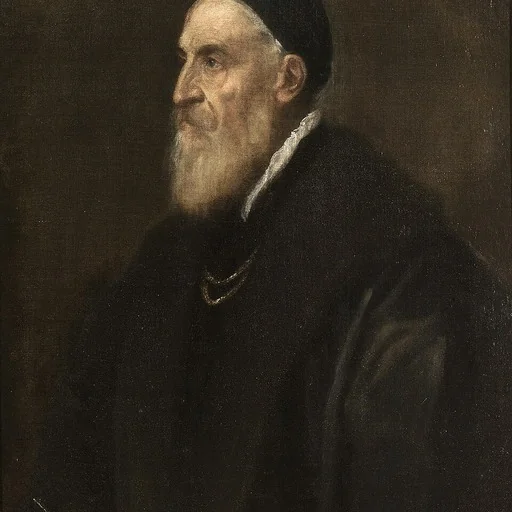
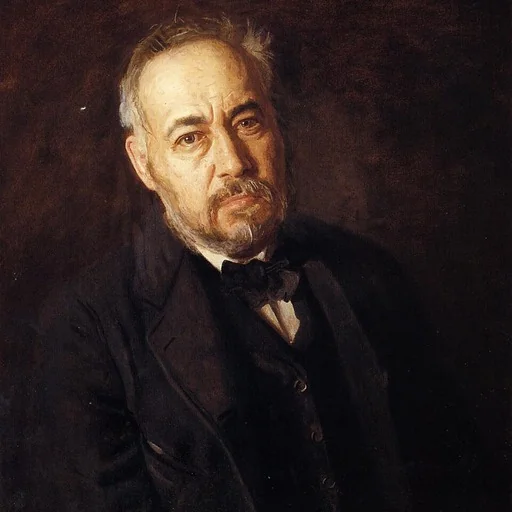
Boat is a subject in art. The gallery holds 200 works in this subject in art, including works by Titian, Thomas Eakins and Jean Baptiste Camille Corot.
The boat is among the oldest recurring motifs in art, but it crystallised into a major subject only when seafaring became central to a society's identity and wealth. The decisive moment came in the seventeenth-century Dutch Republic, whose commercial and naval power—anchored by the Dutch East India Company, founded in 1602—created a prosperous, sea-conscious public eager for images of the vessels on which the nation depended. Pioneers such as Hendrick Vroom (1566–1640) gave the genre its early form, and the specialist marine painting (zeestuk) was born. In parallel, the boat dominated the Venetian vedute of the eighteenth century, where Canaletto (1697–1768) filled the Grand Canal with gondolas, fishing craft and ceremonial barges for Grand Tourists. Across cultures the boat also carried symbolic weight, from the ferry of Charon bearing souls across the Styx to the vessel as an emblem of life's passage.
The genre's defining challenge is technical: rendering hulls, rigging and sails convincingly while capturing water, weather and shifting light. Dutch masters Willem van de Velde the Elder (1611–1693) and his son Willem van de Velde the Younger (1633–1707), the leading marine painter of the later seventeenth century, achieved near-documentary precision in ship portraiture before relocating to England in the 1670s and seeding the British tradition. That tradition culminated in J. M. W. Turner, whose Fishermen at Sea was exhibited at the Royal Academy in 1796 and who increasingly dissolved boats into atmosphere and storm.
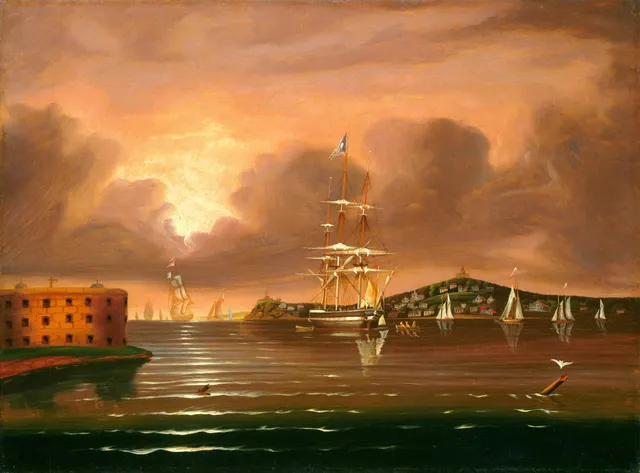
The nineteenth century turned the boat toward light and immediacy. American Luminism—an offshoot of the Hudson River School flourishing in the 1850s–1870s—prized still water and luminous, almost palpable air, as seen in the work of Albert Bierstadt (1830–1902), Martin Johnson Heade (1819–1904) and the marine specialist Alfred Thompson Bricher. Our holdings exemplify this lineage: Bierstadt's Lake Lucerne, Heade's Rio de Janeiro Bay, Bricher's Marine Landscape, and Thomas Chambers's vivid harbour scenes including New York Harbor with Pilot Boat 'George Washington'.
In France the boat became the proving ground of Impressionism. Monet's Impression, Sunrise (1872), with its hazy harbour craft, gave the movement its name; he later worked from a studio boat at Argenteuil to paint the Seine from the water. The motif thus links naval portraiture, topographical view-painting, Romantic seascape and modern plein-air practice—a single subject threading through four centuries of European and American art.
Key artists
Overview
The boat, a watercraft generally smaller than a ship and distinguished by its size, shape, or inability to carry other vessels, ranks among the most enduring and versatile subjects in visual art. Appearing in 1,255 works within this collection alone, the motif encompasses an extraordinary range of types and contexts, from tranquil inland waterways to bustling harbors and open coastal waters. Small boats typically serve rivers, lakes, and protected coastal areas, though some designs, such as whaleboats, were built for offshore use. The subject's persistence across cultures and periods reflects its fundamental role in human experience, transportation, commerce, and survival, as well as its capacity to carry layered symbolic meaning.
Across movements & periods
The treatment of boats in art has evolved substantially across movements and cultures, though the sources indicate persistent themes. The earliest watercraft, rafts used for voyages such as the settlement of Australia between 50,000 and 60,000 years ago, preceded true boats, which obtain buoyancy through waterproof hulls rather than buoyant components. The oldest recovered boat, the Pesse canoe found in the Netherlands, dates to between 8200 and 7600 BC and represents dugout construction from hollowed tree trunks. Plank-built boats emerged later, with earliest examples from the Nile in the third millennium BC. In European art history, the boat's depiction shifted from medieval religious symbolism, where it frequently represented the Church as a vessel of salvation, to Renaissance and Baroque interest in accurate maritime detail and the drama of seafaring. The Dutch Golden Age elevated marine painting to a major genre, with painstaking attention to ship types and sea conditions. The Romantic period emphasized the sublime power of nature and human vulnerability, often placing small boats in storm-tossed seas. In the nineteenth and twentieth centuries, Impressionist and Post-Impressionist painters treated boats as vehicles for exploring light, color, and atmosphere, while modernist approaches increasingly abstracted the vessel's form. The collection's examples, ranging from presumably topographic to more expressive treatments, suggest this continuing evolution across artistic approaches.
Legacy
The boat's afterlife in visual culture remains remarkably robust, sustained by its irreducible connection to human experience and its formal adaptability. The motif's persistence in a single collection across 1,255 works testifies to its inexhaustible utility for artists. Linguistically, the term's flexibility, its etymological roots in Germanic words meaning "hollowed trunk," and the persistent difficulty of precisely distinguishing "boat" from "ship" across languages, French, German, Dutch, and English all reflect conceptual categories that art has both mirrored and complicated. The German source notes that no binding definition of "Boot" exists, with usage varying by epoch, region, and institutional context. Similarly, French usage distinguishes "bateau," "navire," "embarcation," and "vaisseau" without fixed boundaries. This terminological fluidity has allowed artists extraordinary freedom in depicting watercraft of every scale and purpose. The boat's continued presence in contemporary art, photography, and popular imagery, from abstracted sailboat silhouettes to documentary fishing vessel photography, confirms that this ancient subject retains its capacity to signify journey, labor, leisure, and the human relationship with water.
Works
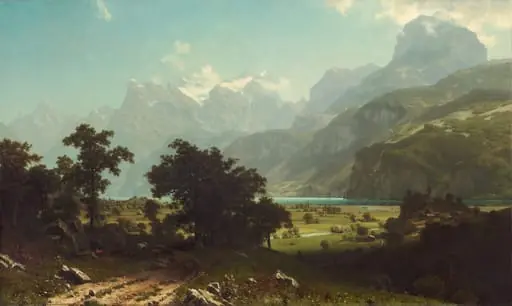 Lake Lucerne
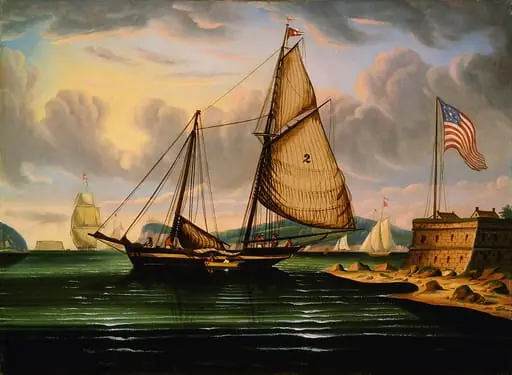 New York Harbor with Pilot Boat "George Washington"
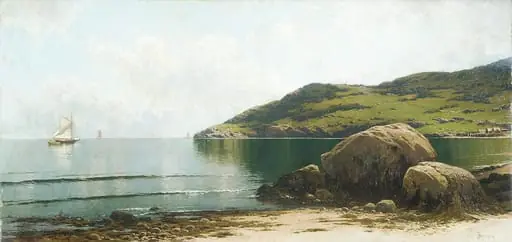 Marine Landscape
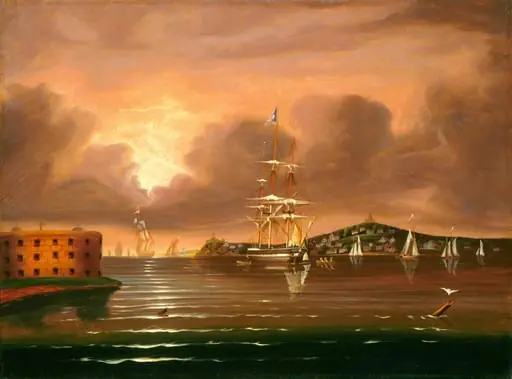 Threatening Sky, Bay of New York
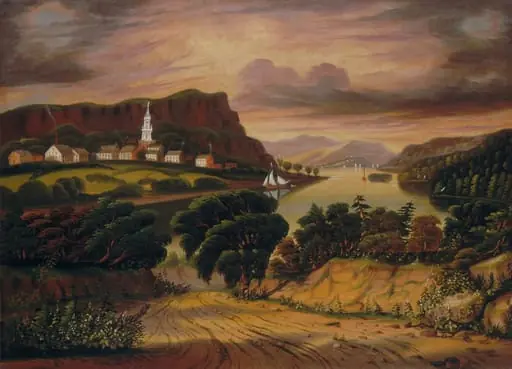 Lake George and the Village of Caldwell
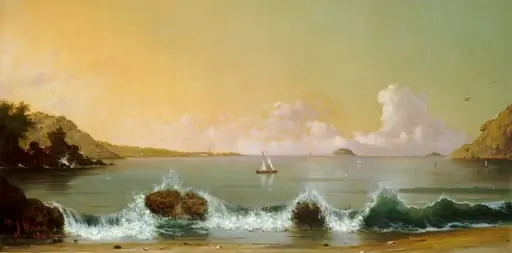 Rio de Janeiro Bay
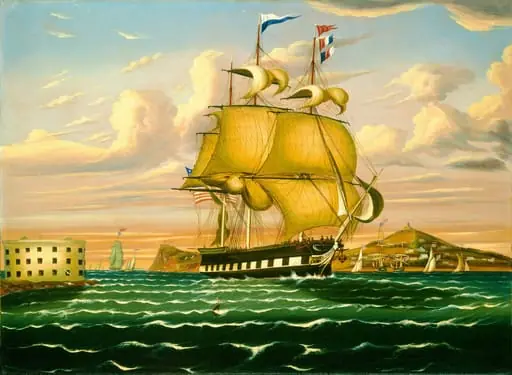 Packet Ship Passing Castle Williams, New York Harbor
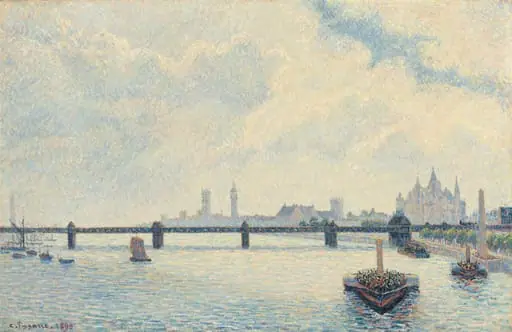 Charing Cross Bridge, London
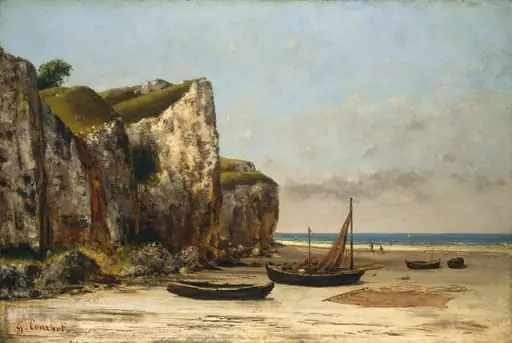 Beach in Normandy
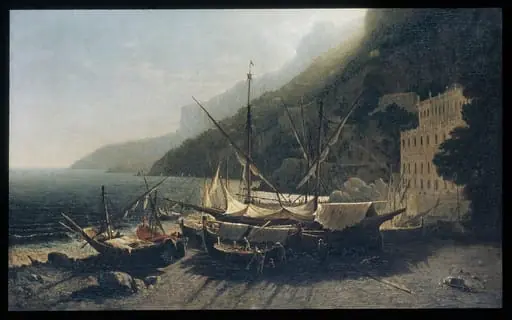 View at Amalfi, Bay of Salerno
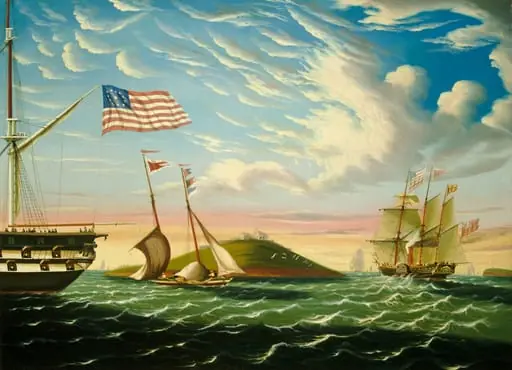 Boston Harbor
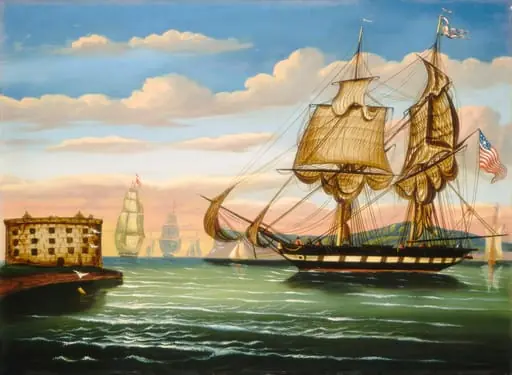 Bay of New York, Sunset
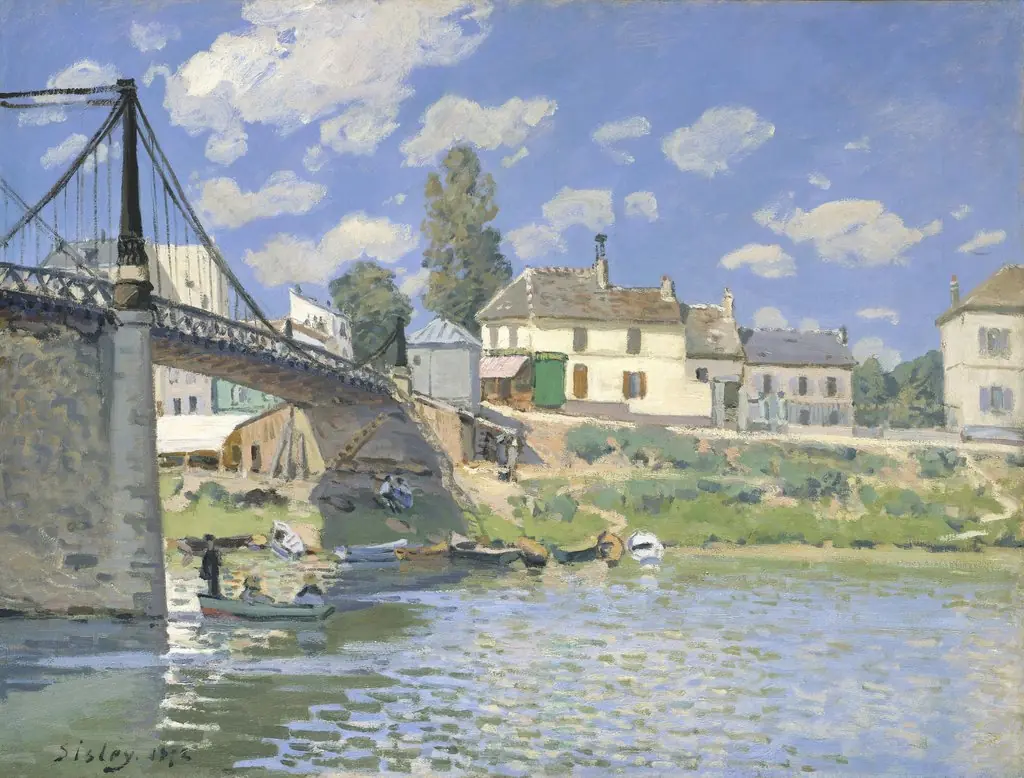 The Bridge at Villeneuve-la-Garenne
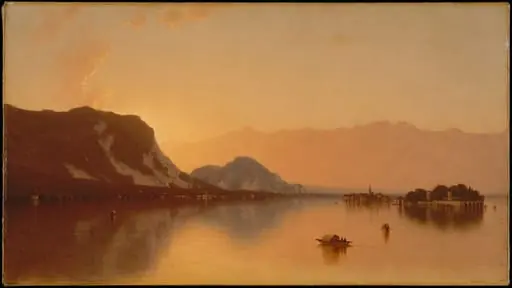 Isola Bella in Lago Maggiore
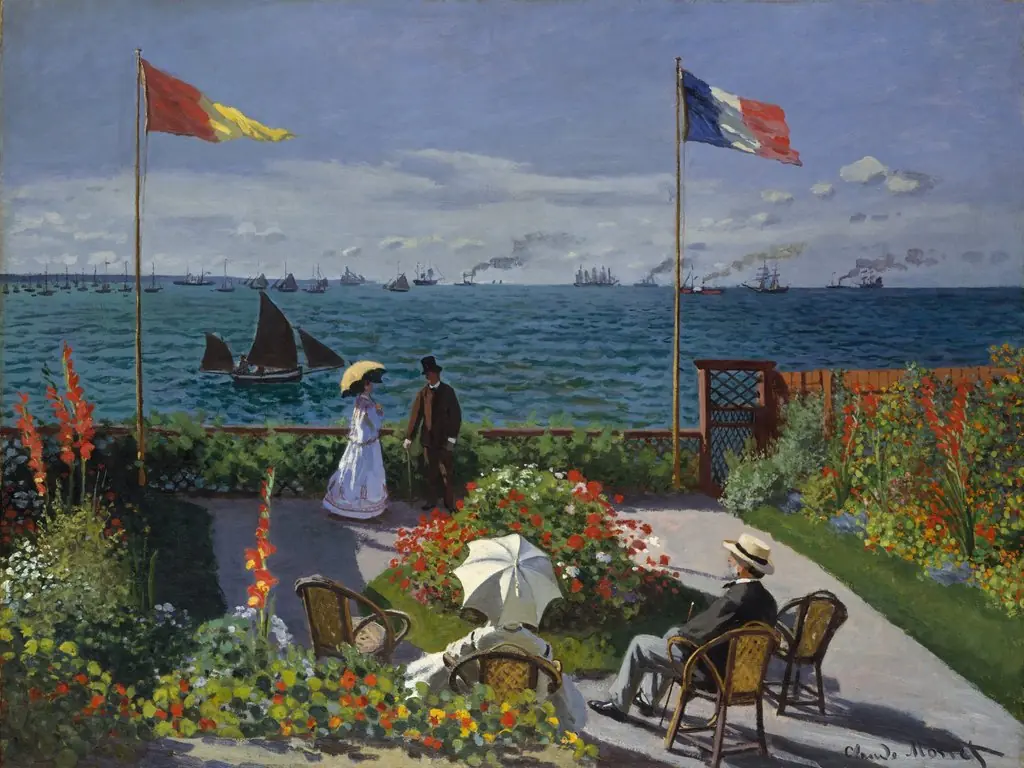 Garden at Sainte-Adresse
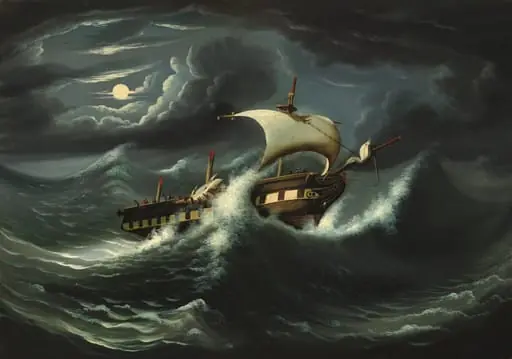 Storm-Tossed Frigate
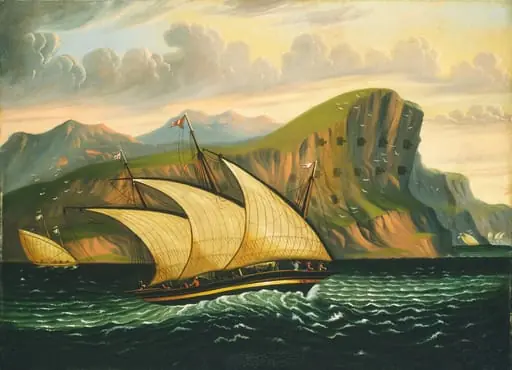 Felucca off Gibraltar
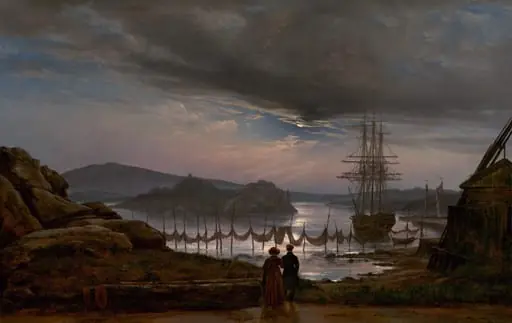 View from Vaekero near Christiania
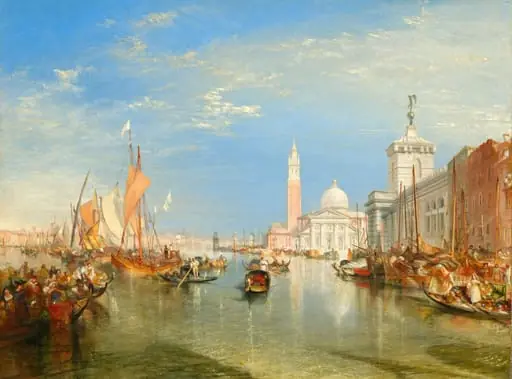 Venice: The Dogana and San Giorgio Maggiore
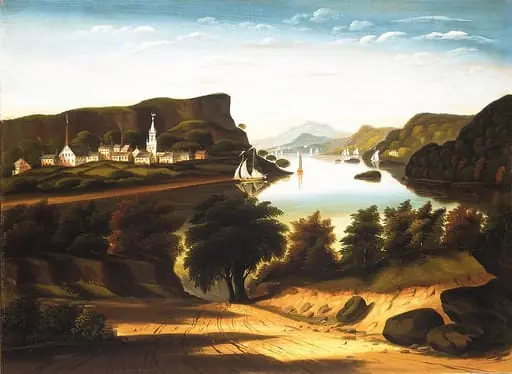 Lake George and the Village of Caldwell
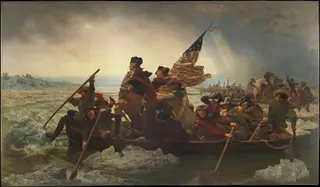 Washington Crossing the Delaware
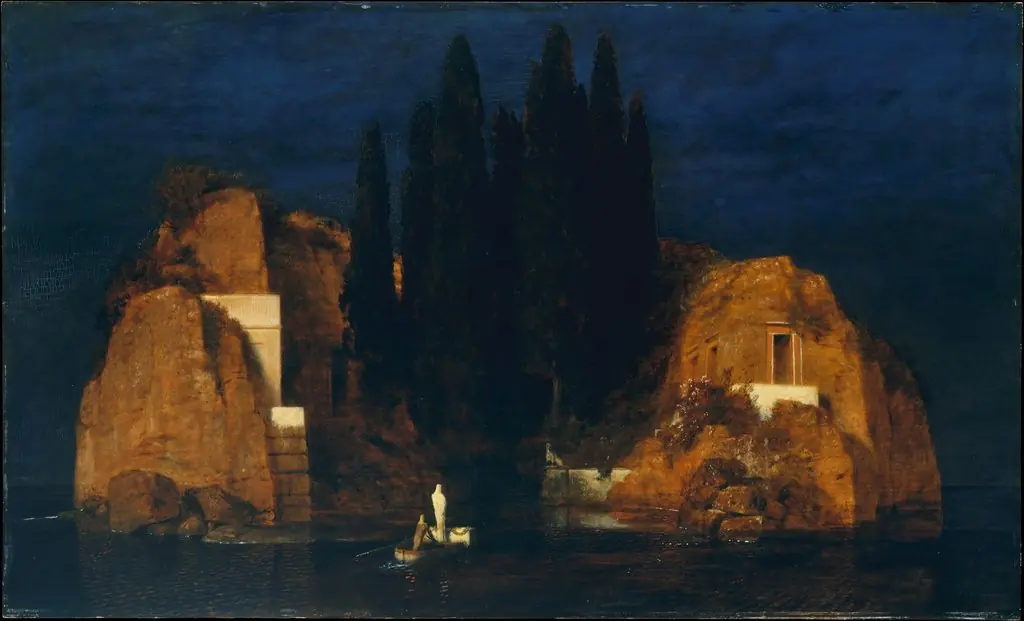 Isle of the Dead
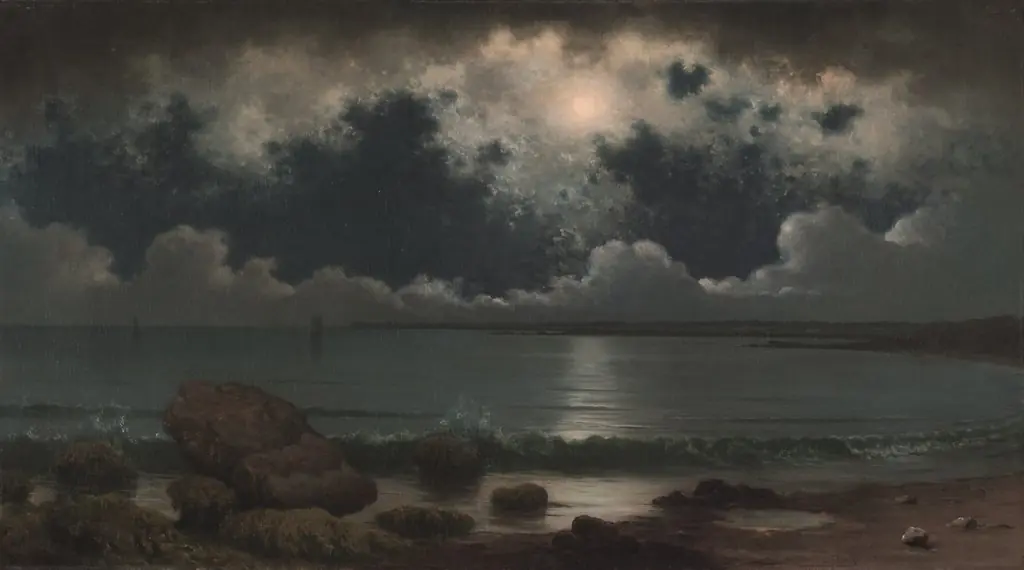 Point Judith, Rhode Island
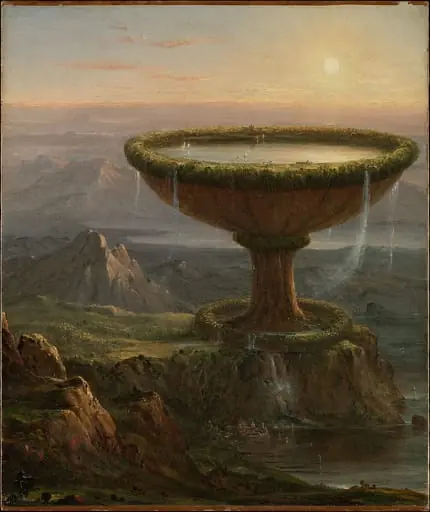 The Titan's Goblet
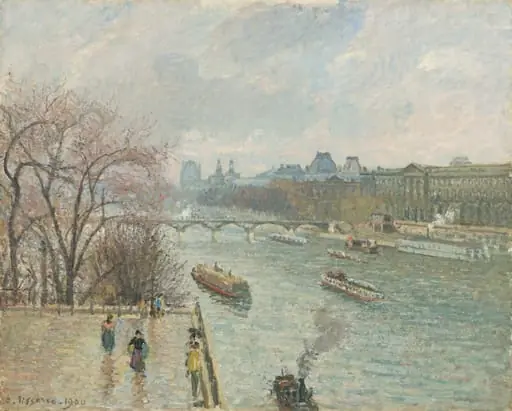 The Louvre, Afternoon, Rainy Weather
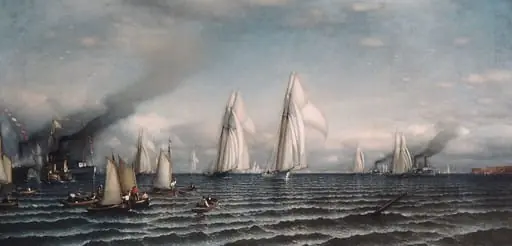 Finish—First International Race for America's Cup, August 8, 1870
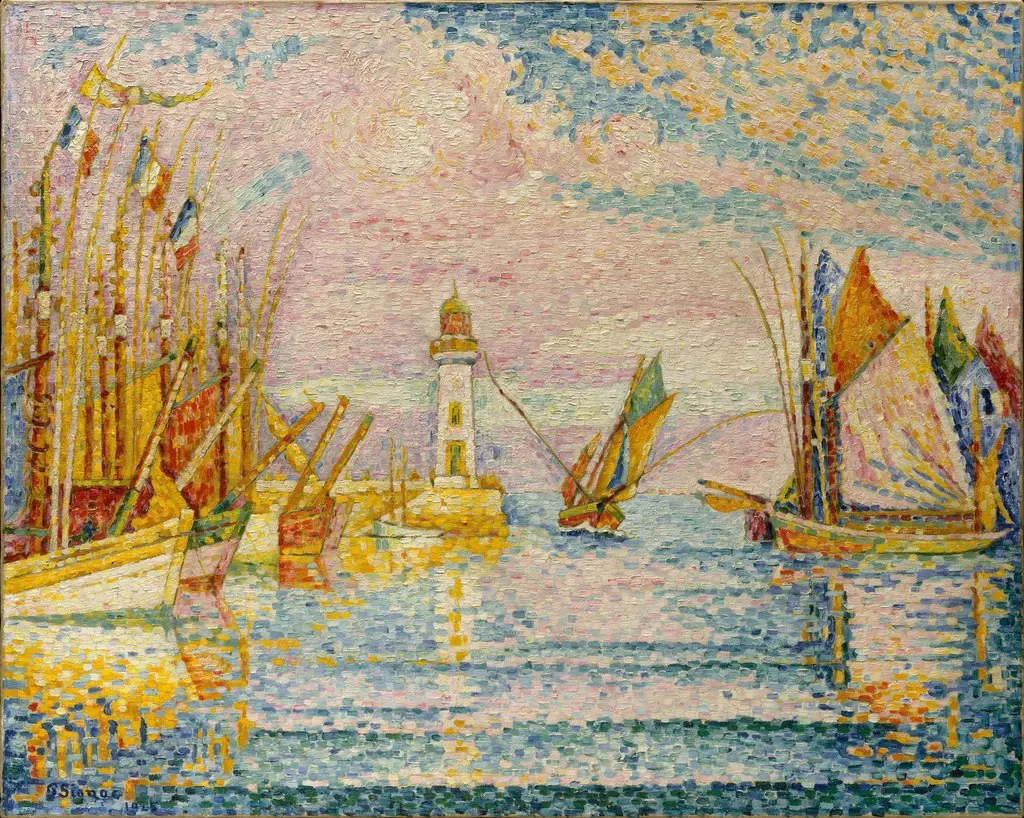 Lighthouse at Groix
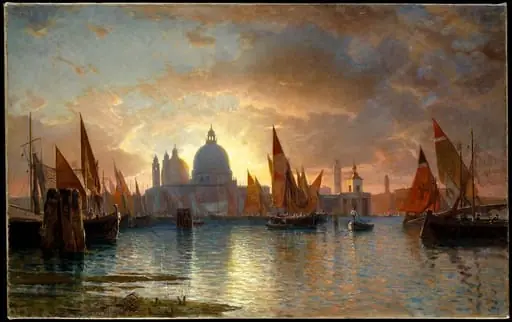 Santa Maria della Salute, Sunset
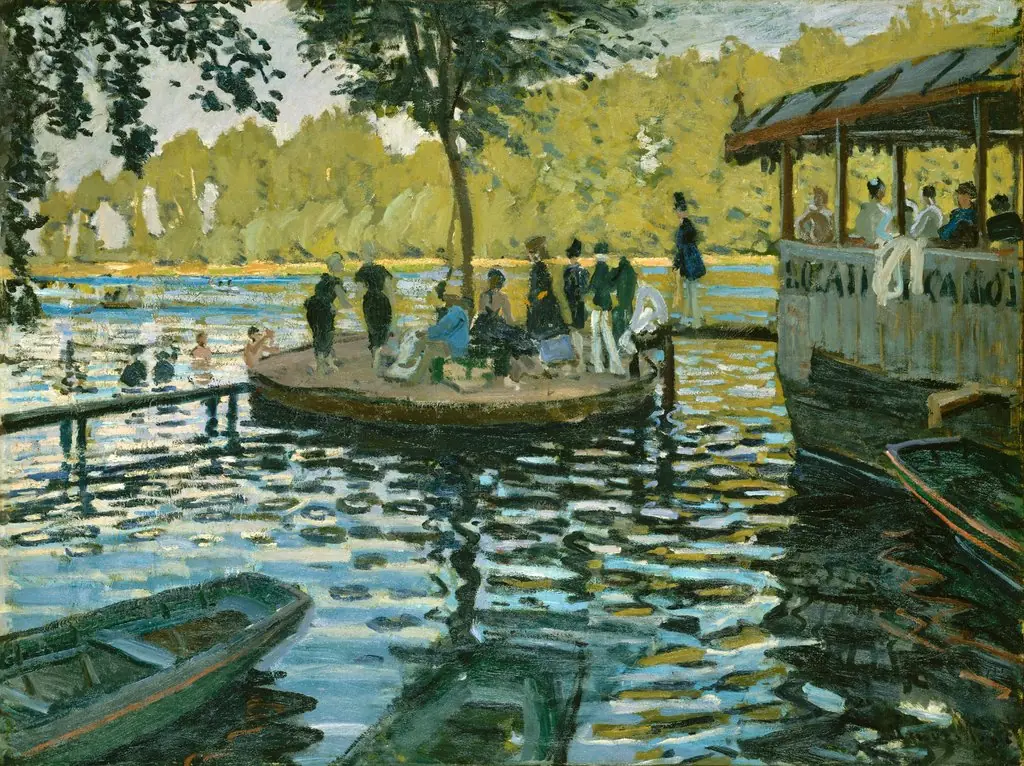 La Grenouillère
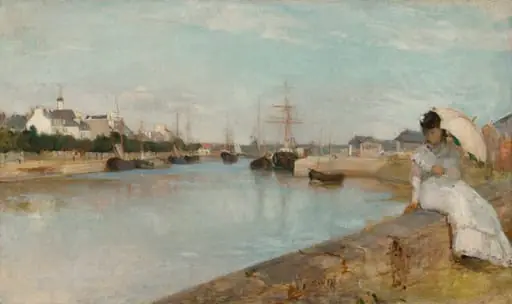 The Harbor at Lorient
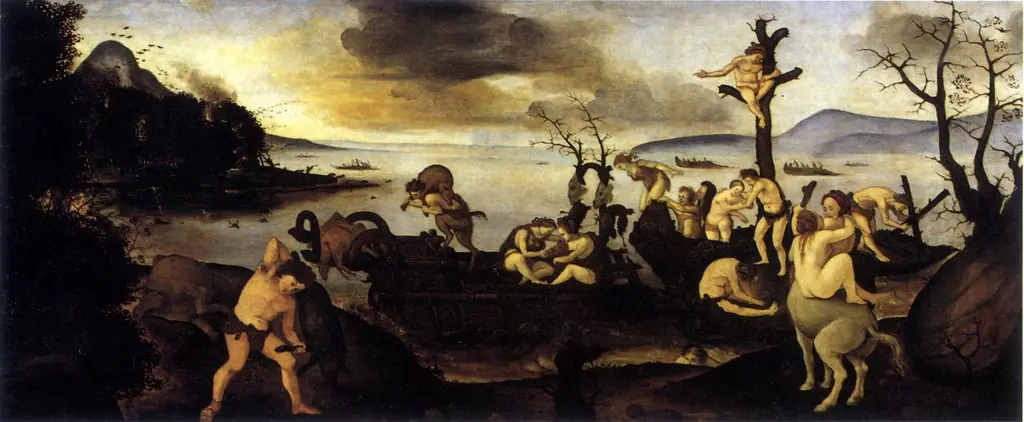 Return from the Hunt by Piero di Cosimo
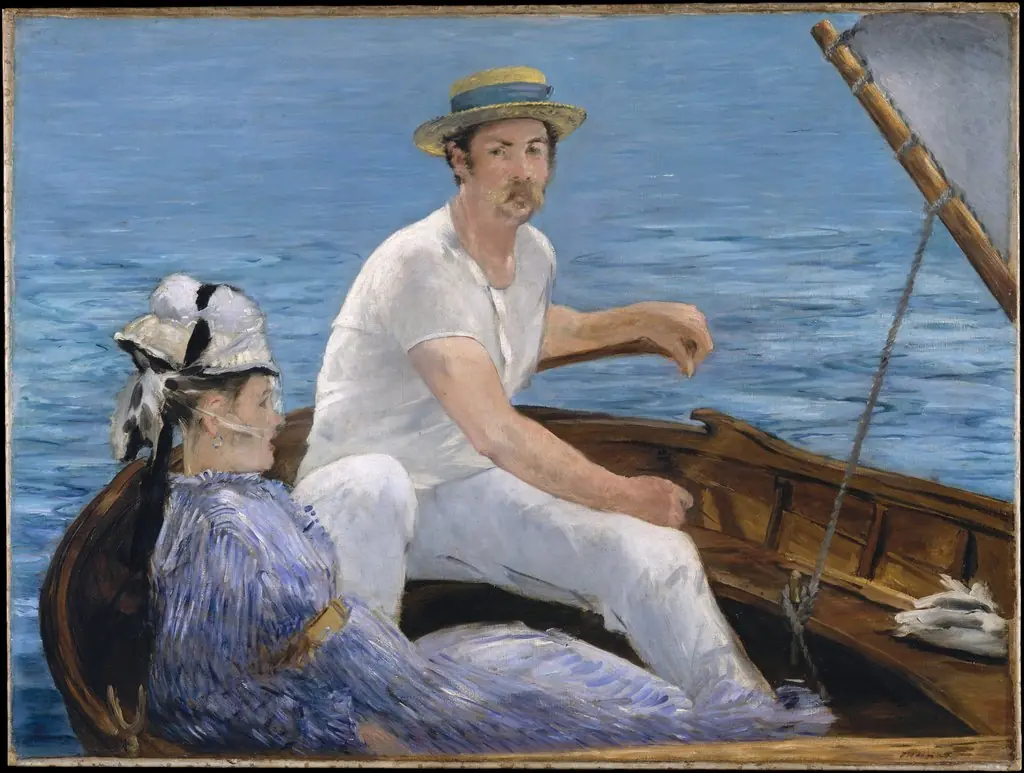 Boating
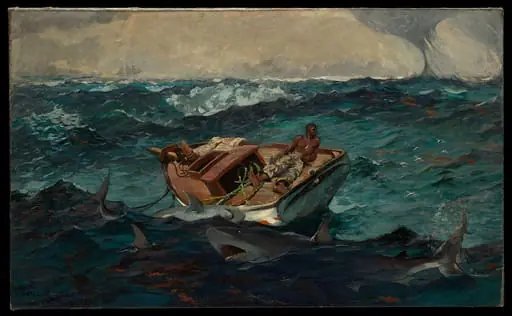 The Gulf Stream
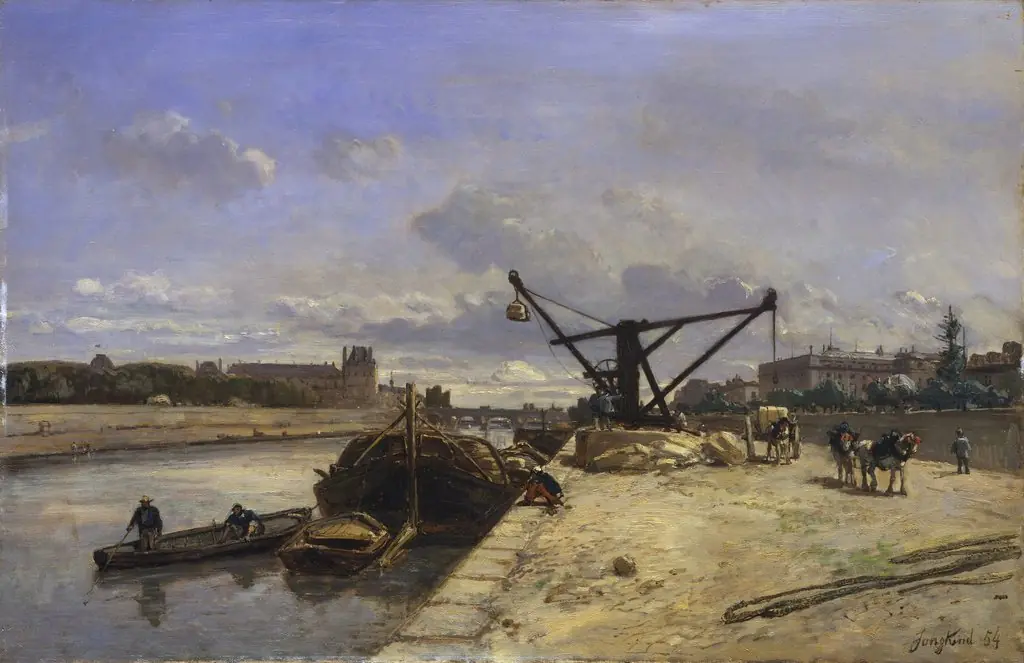 View from the Quai d'Orsay
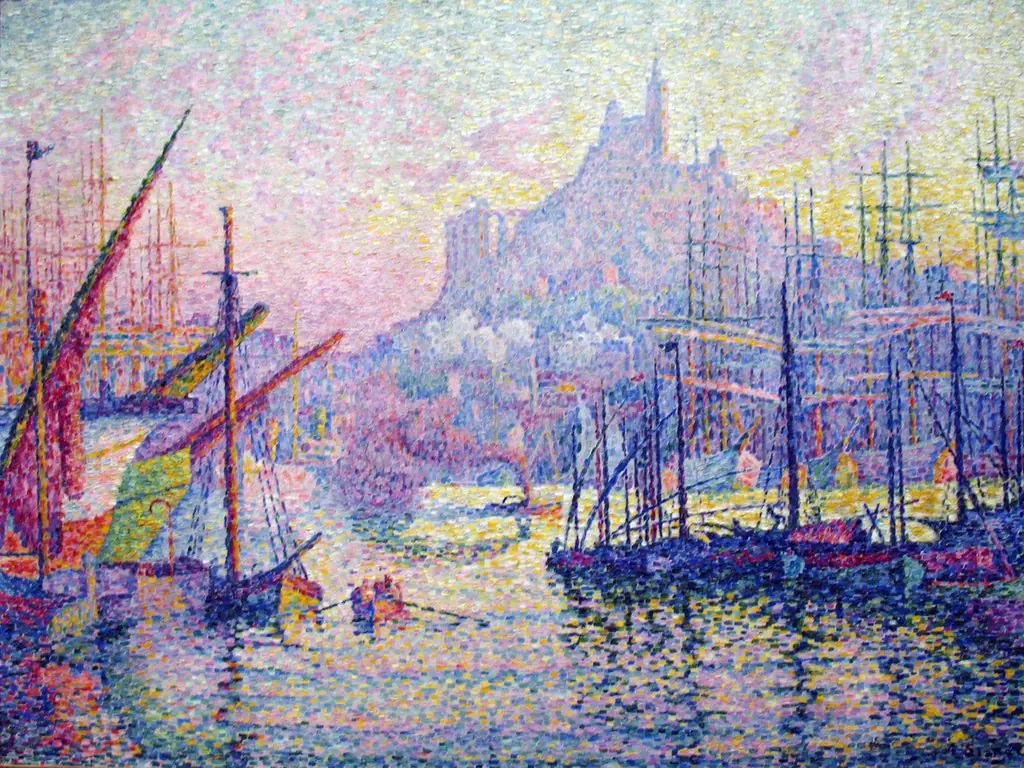 Notre-Dame-de-la-Garde (La Bonne-Mère), Marseilles
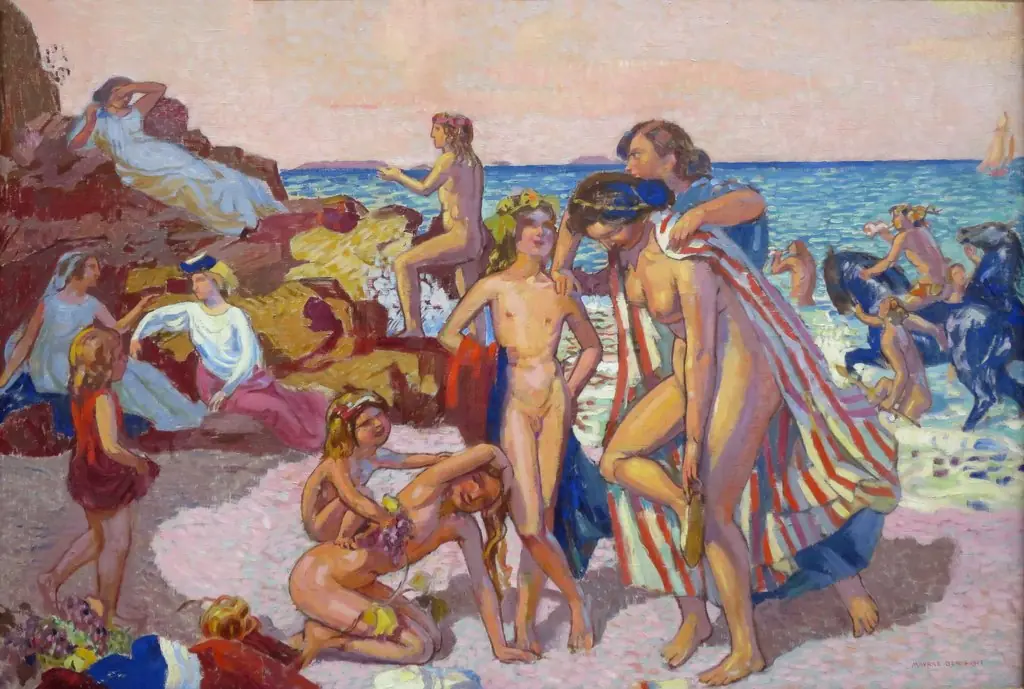 Bacchus and Ariadne
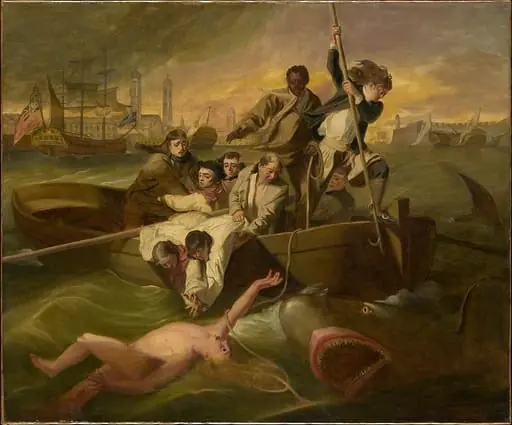 Watson and the Shark
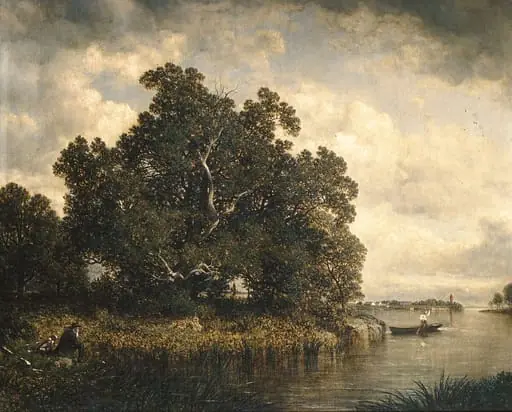 Bayside, New Rochelle, New York
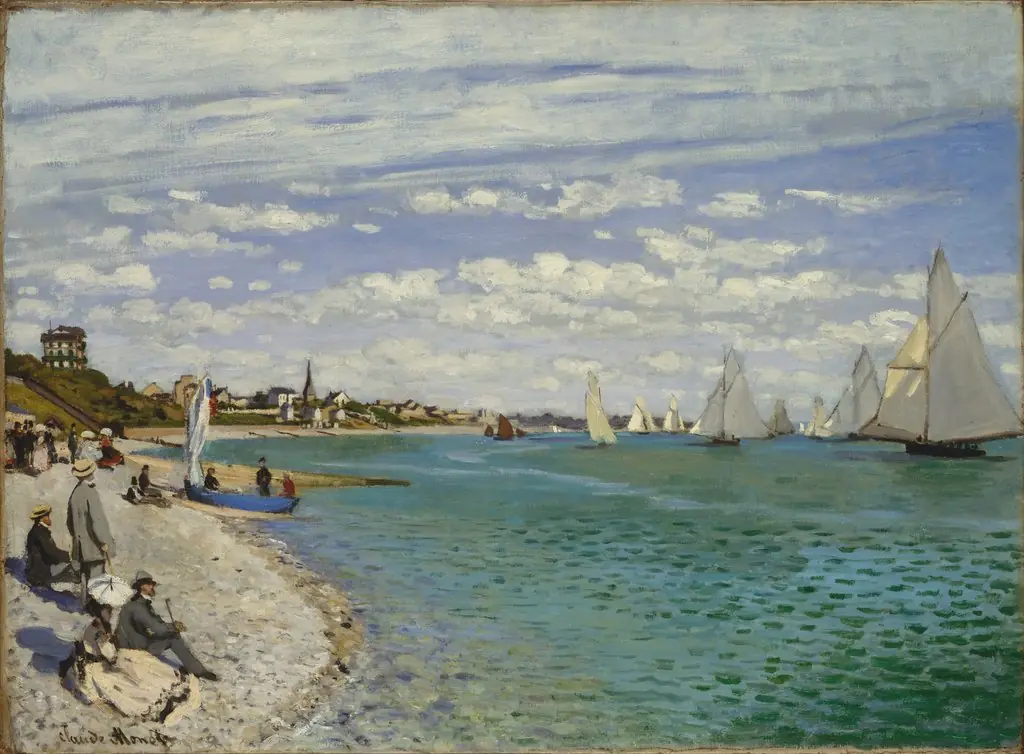 Regatta at Sainte-Adresse
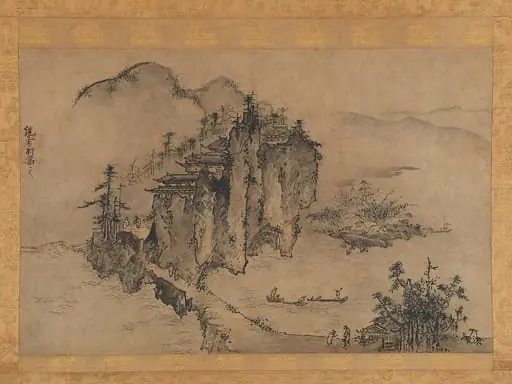 雪村周継筆 山水図|Landscape with Rocky Precipice
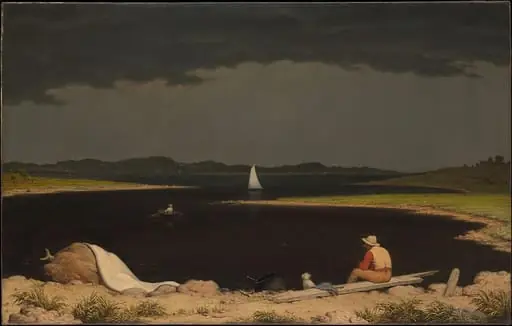 Approaching Thunder Storm
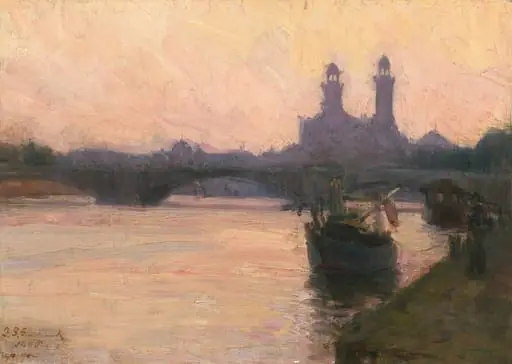 The Seine
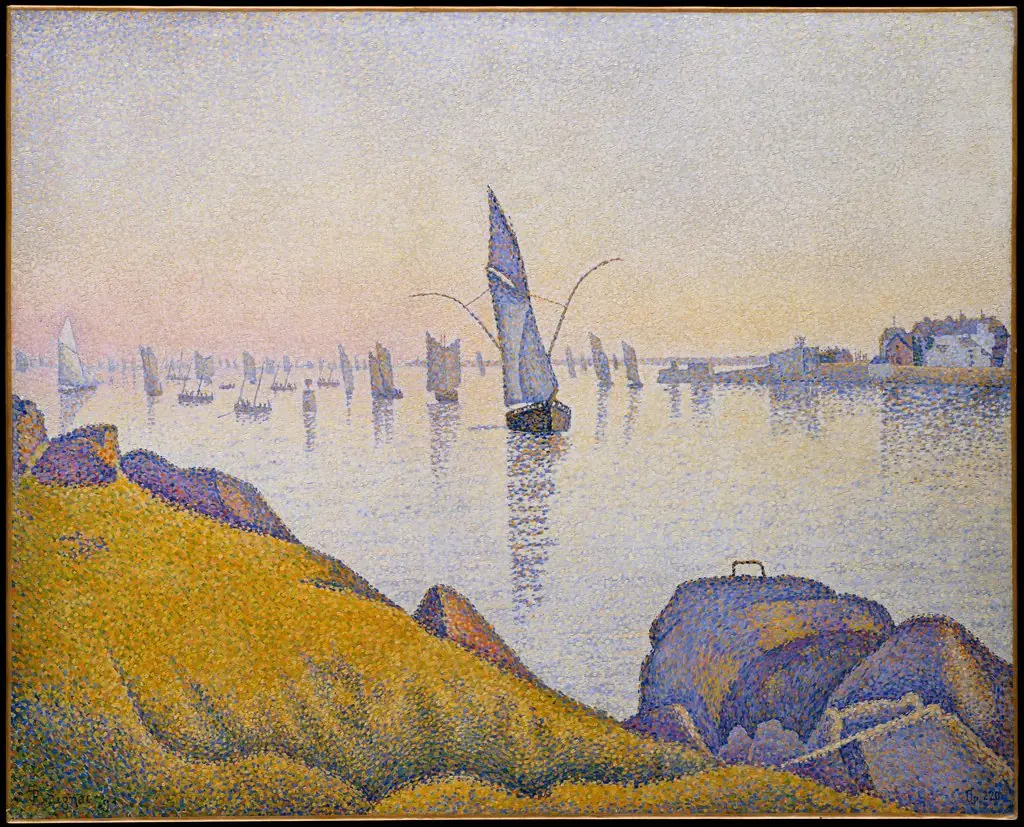 Evening Calm, Concarneau, Opus 220 (Allegro Maestoso)
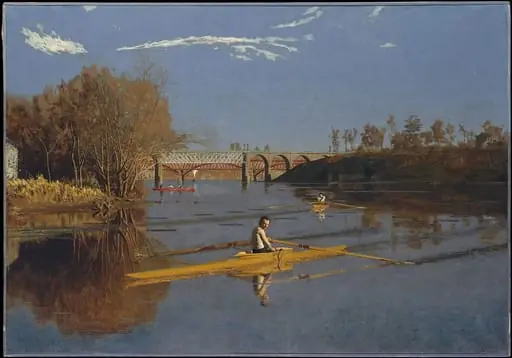 The Champion Single Sculls (Max Schmitt in a Single Scull)
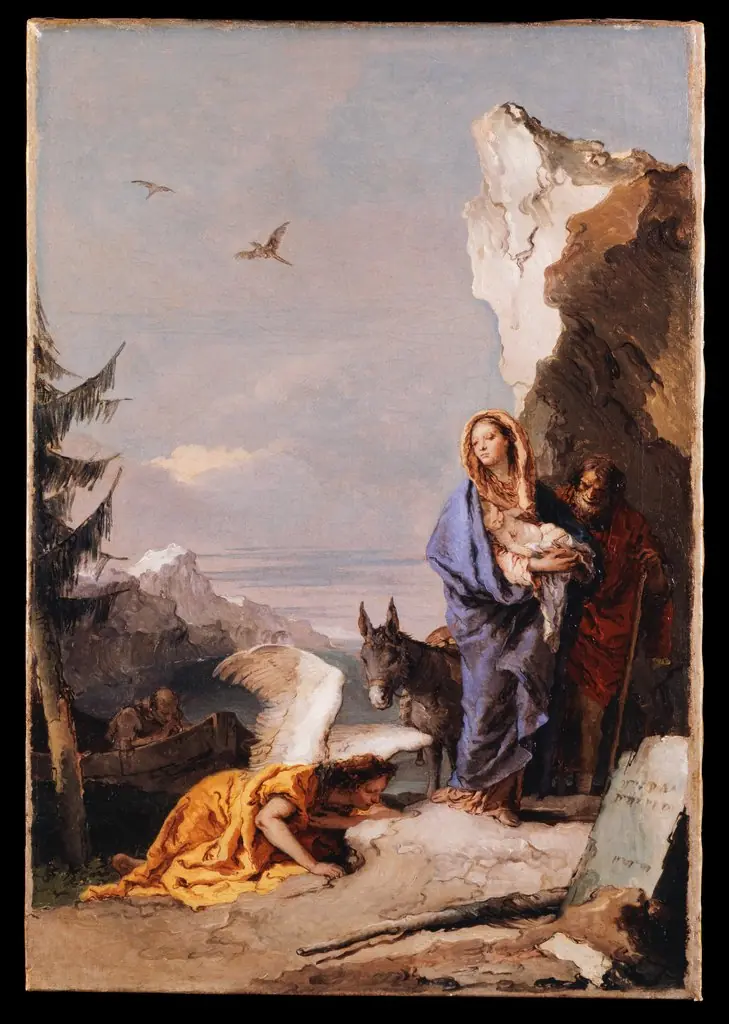 The Flight into Egypt
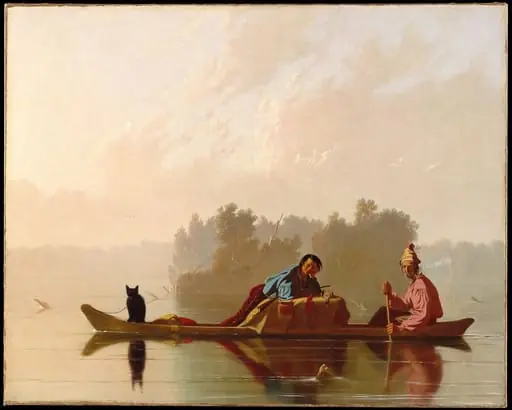 Fur Traders Descending the Missouri
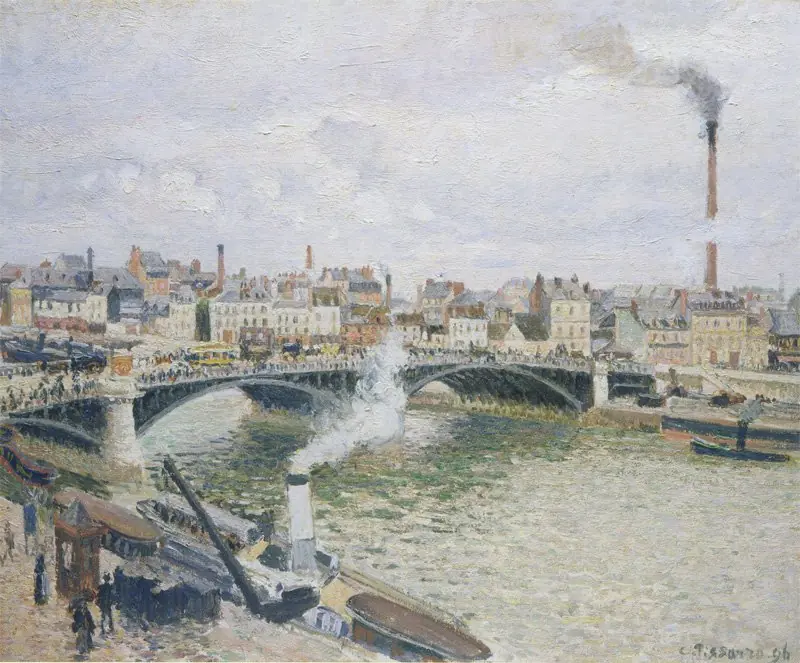 Morning, An Overcast Day, Rouen
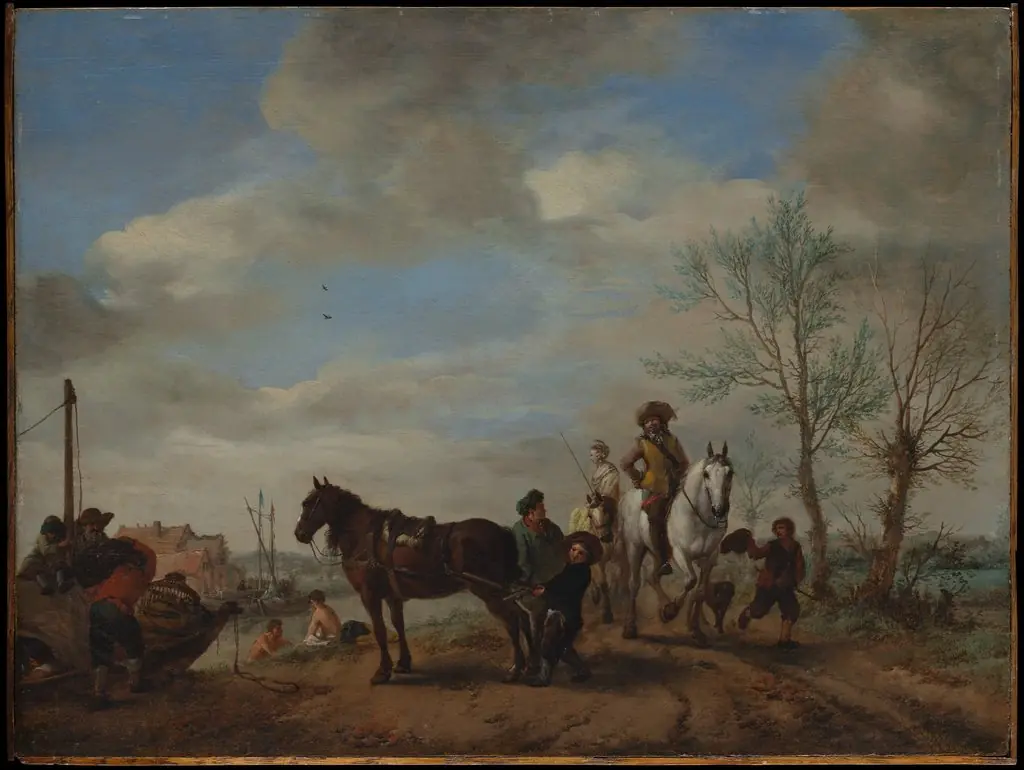 A Man and a Woman on Horseback
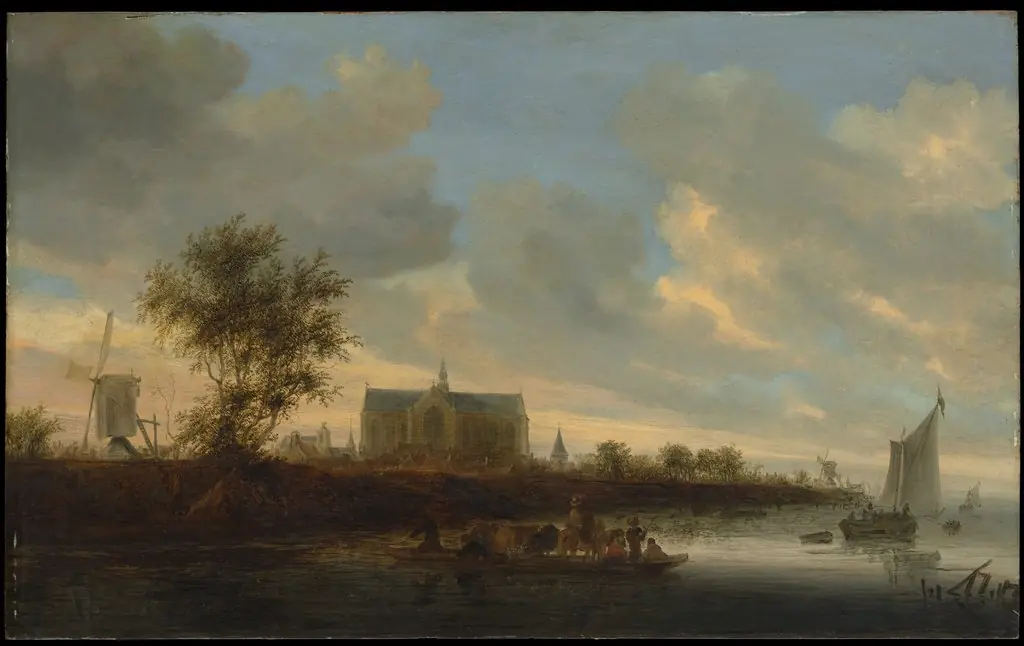 View of the Town of Alkmaar
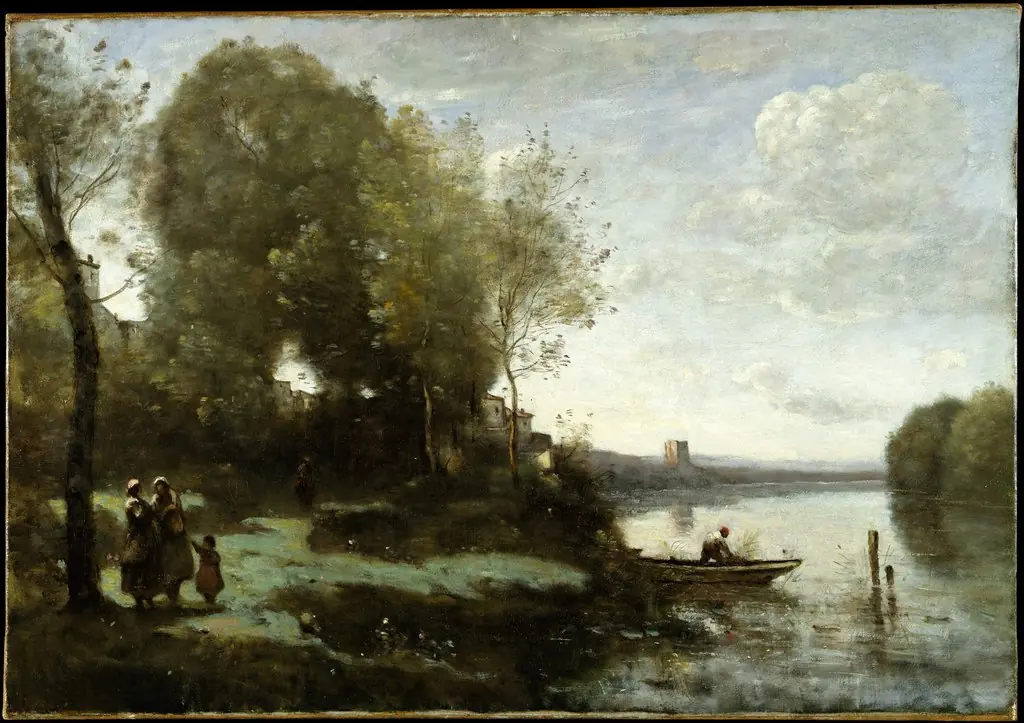 River with a Distant Tower
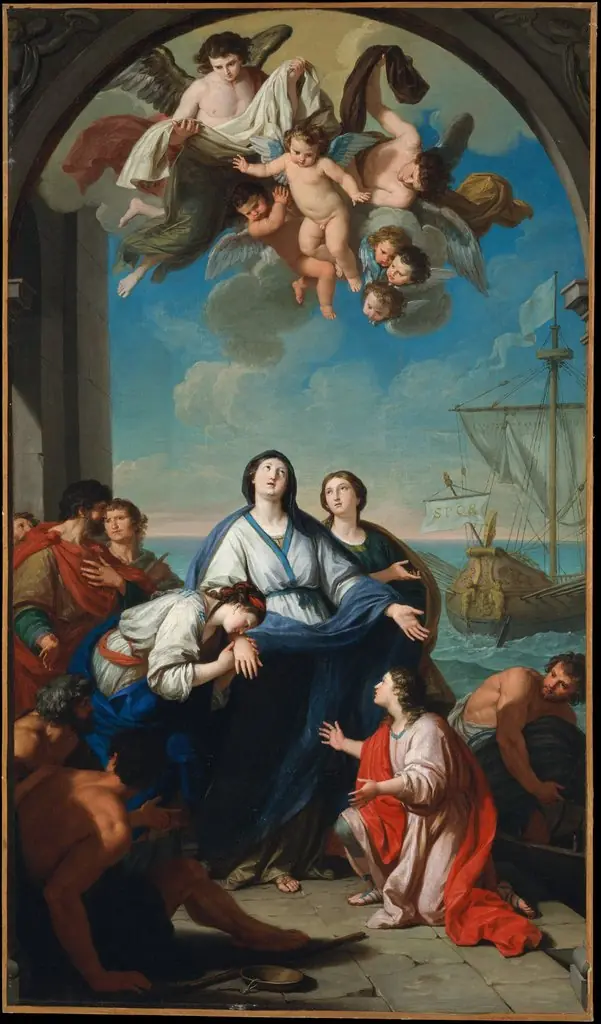 The Departure of Saints Paula and Eustochium for the Holy Land
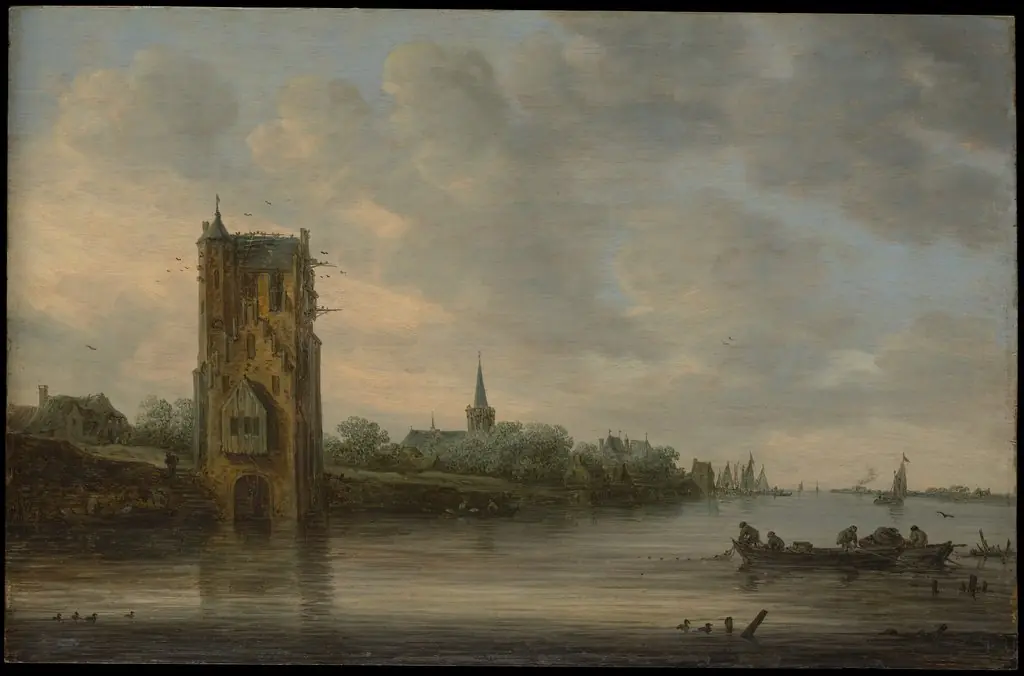 The Pelkus Gate near Utrecht
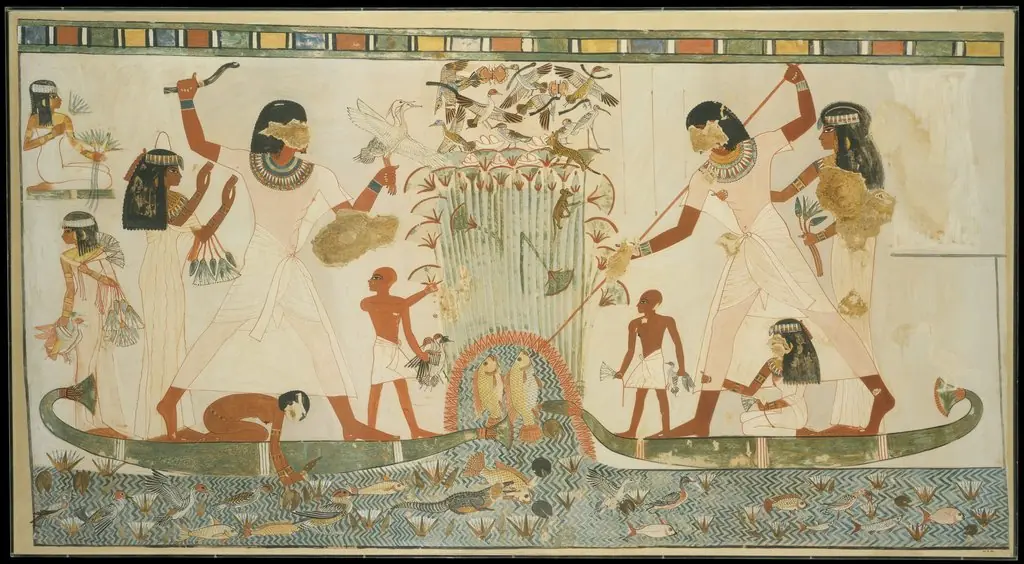 Menna and Family Hunting in the Marshes, Tomb of Menna
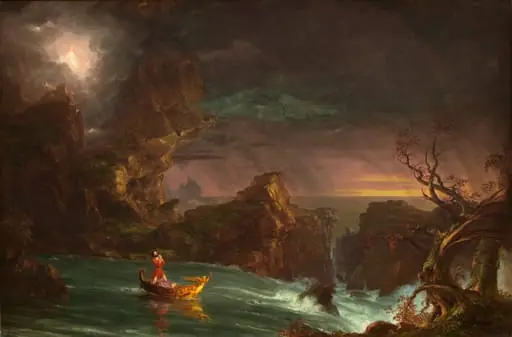 The Voyage of Life: Manhood
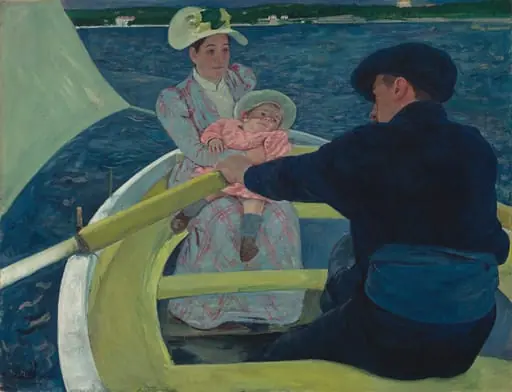 The Boating Party
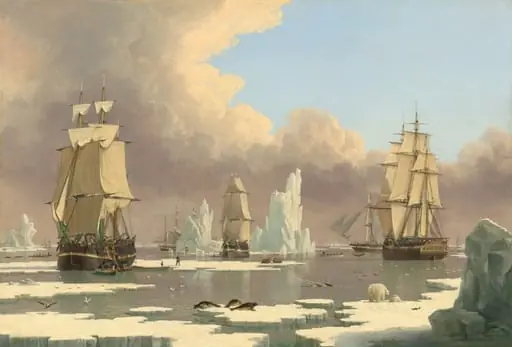 The Northern Whale Fishery: The "Swan" and "Isabella"
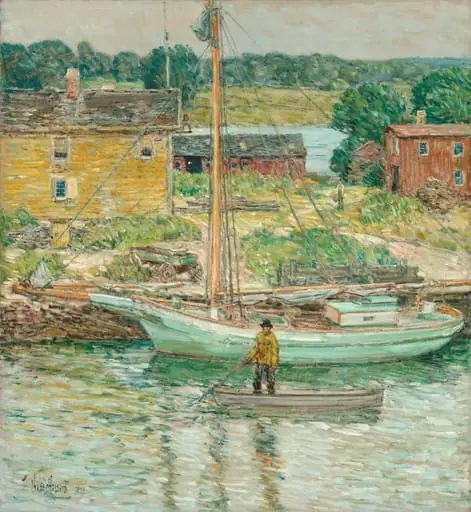 Oyster Sloop, Cos Cob
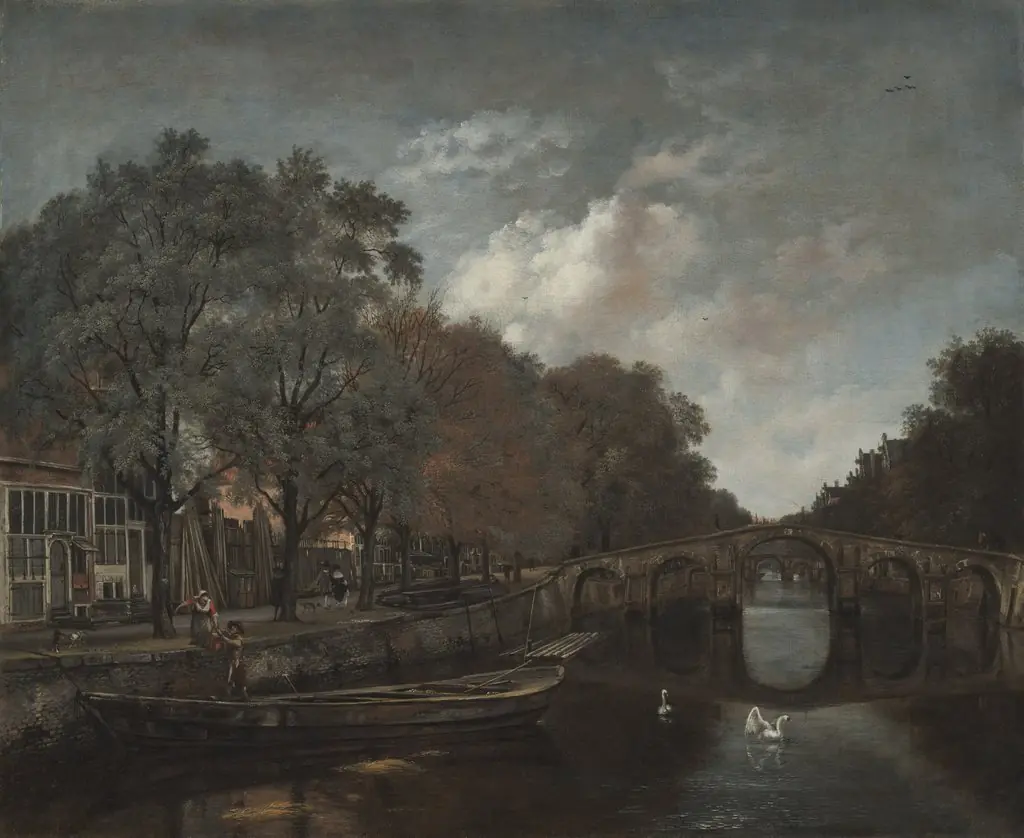 Herengracht, Amsterdam
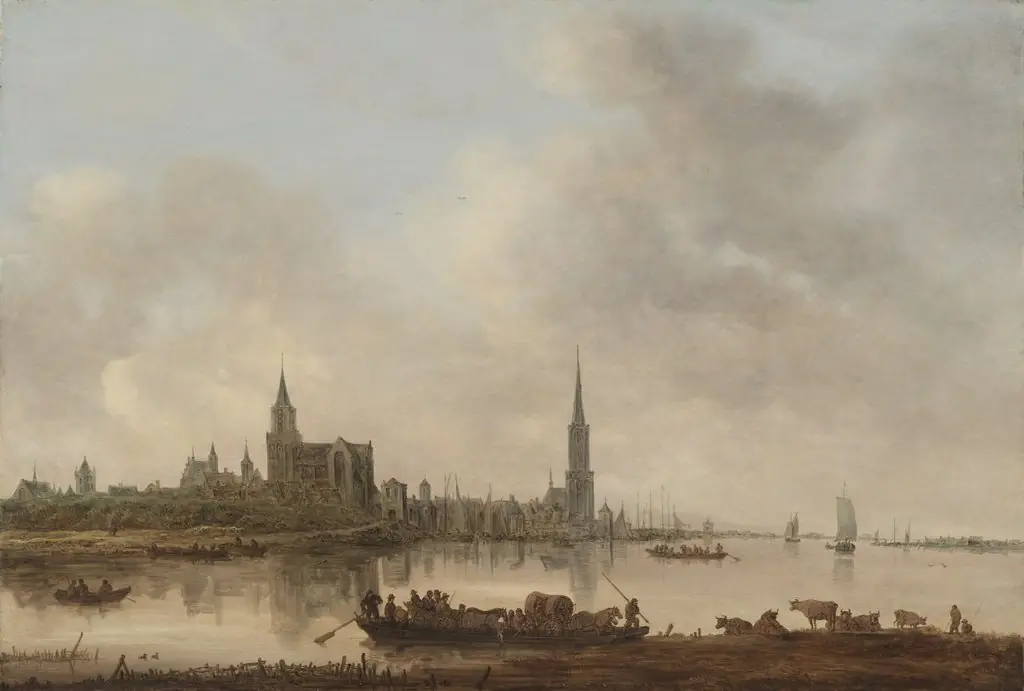 View of Emmerich
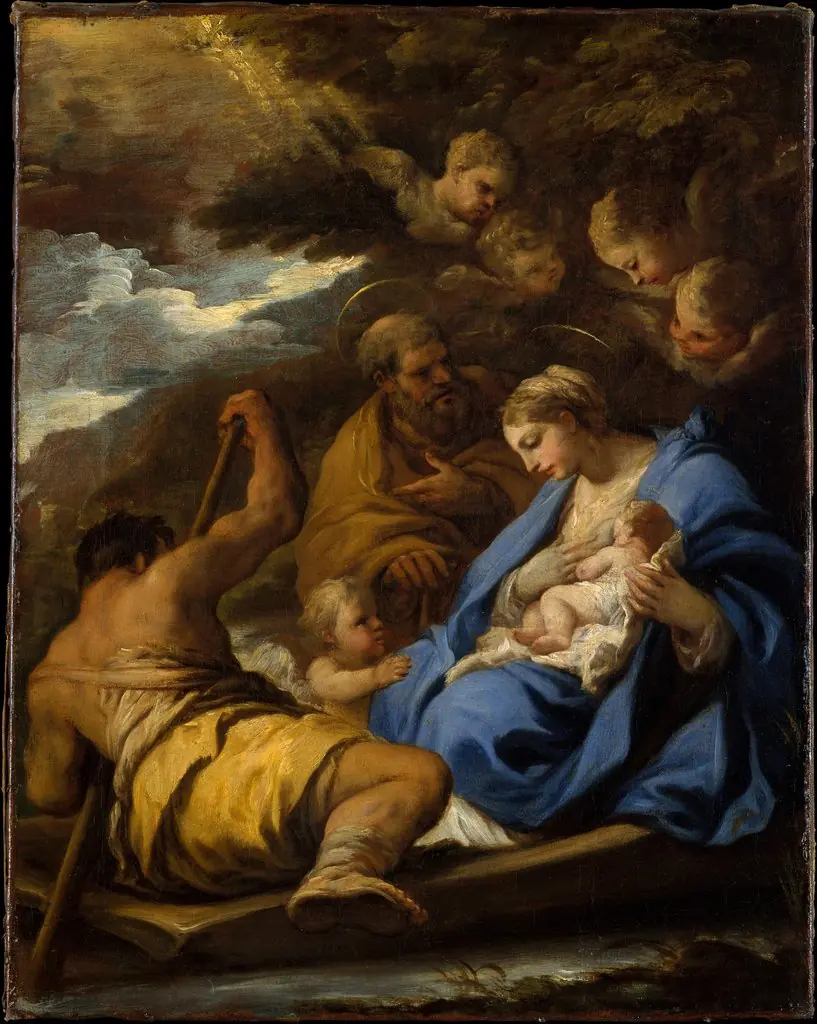 The Flight into Egypt
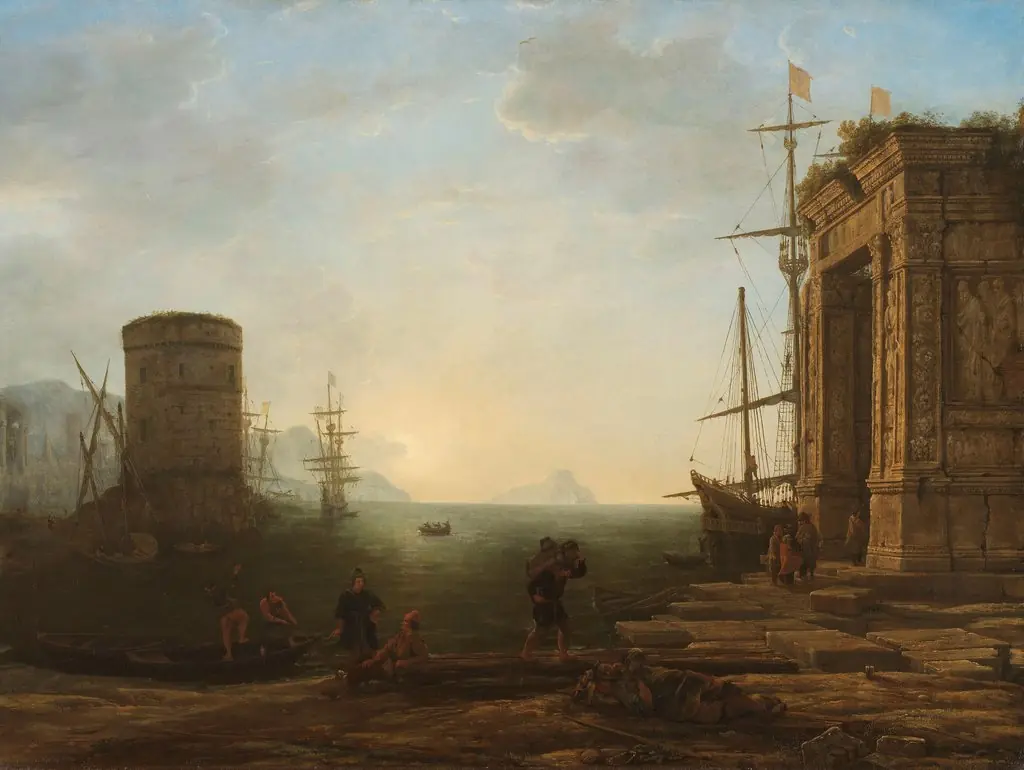 Harbour at Sunrise
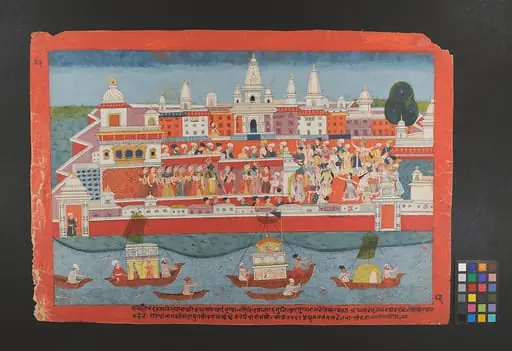 Untitled
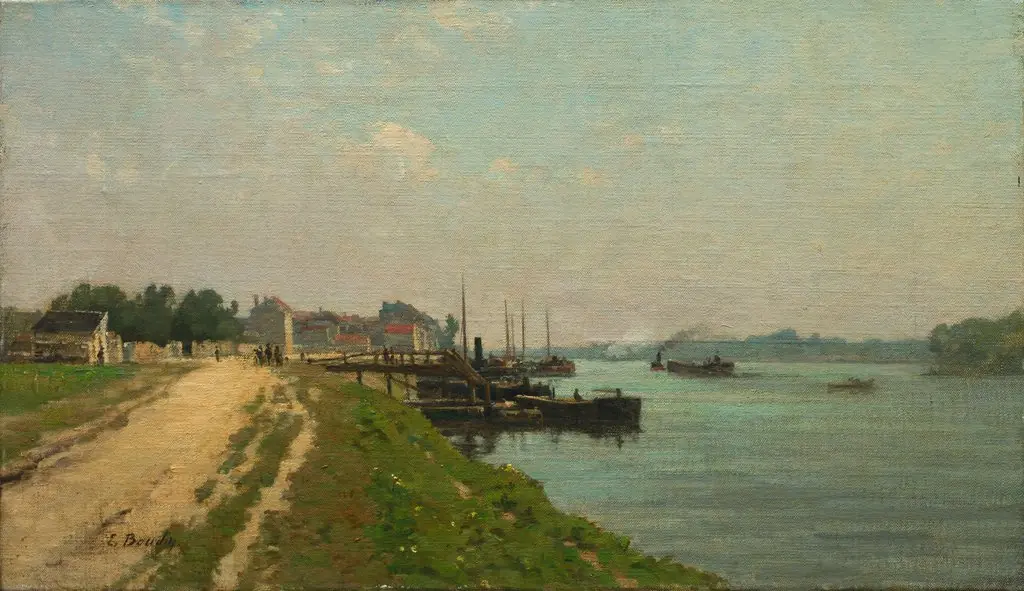 Banks of the Seine
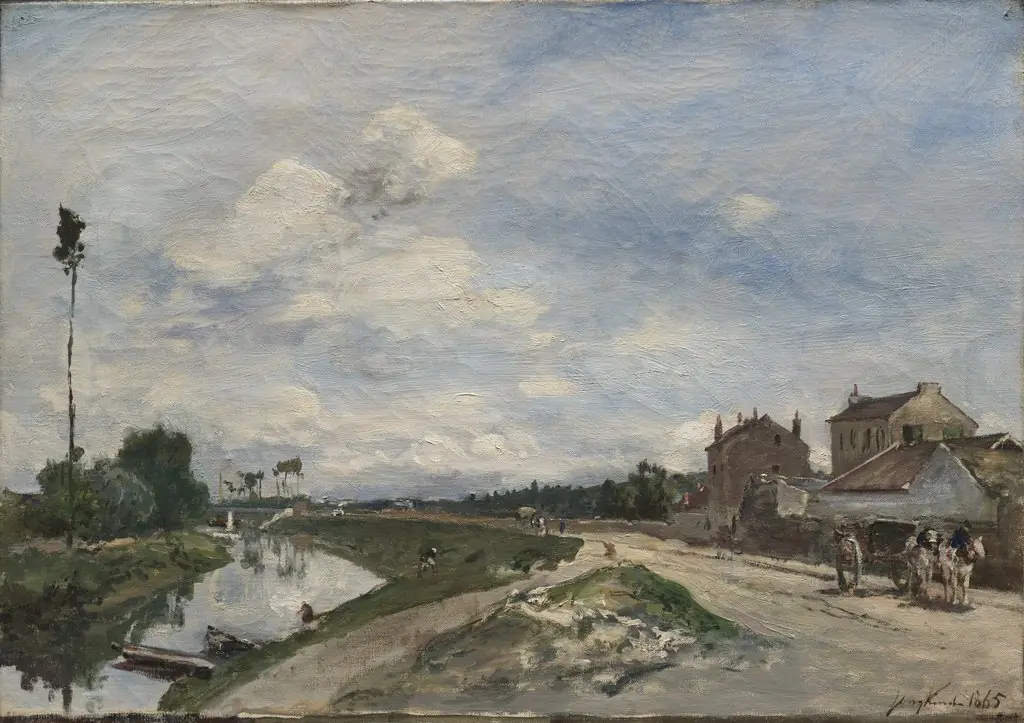 The Seine at Bas-Meudon
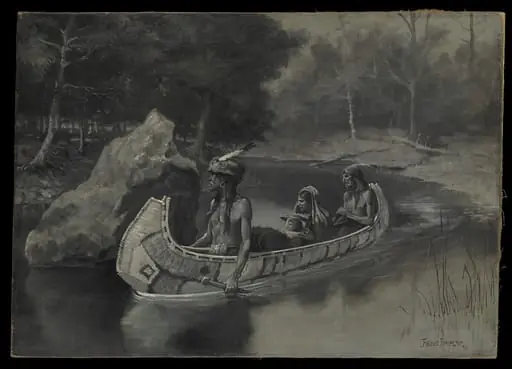 Pitched It Sheer into the River . . . Where It Still Is Seen in the Summer
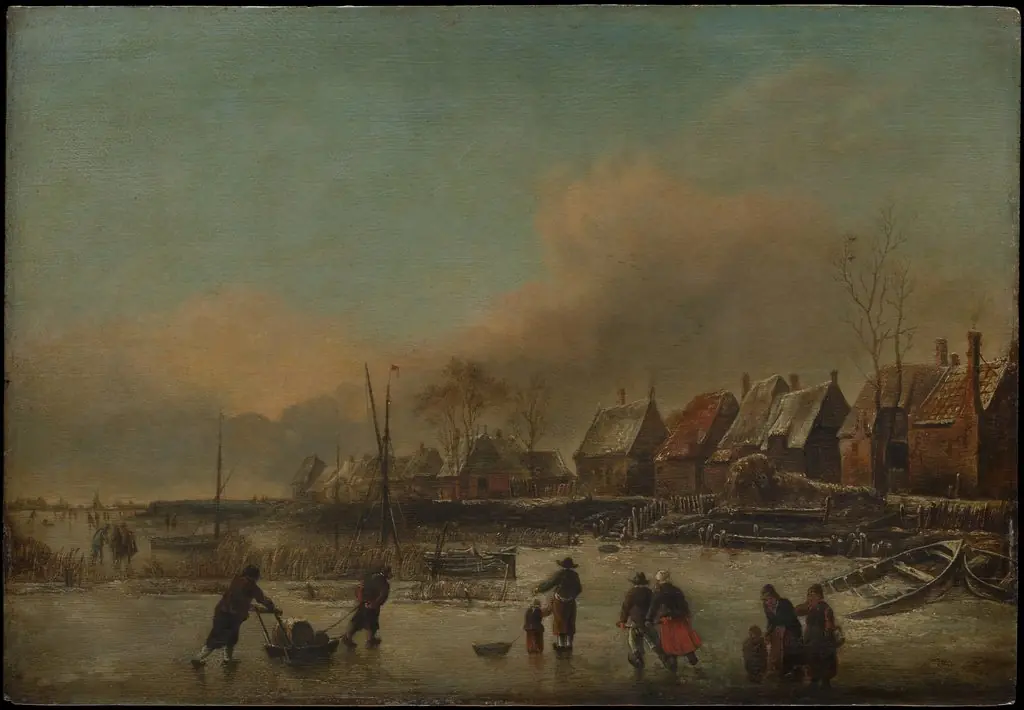 Winter Scene
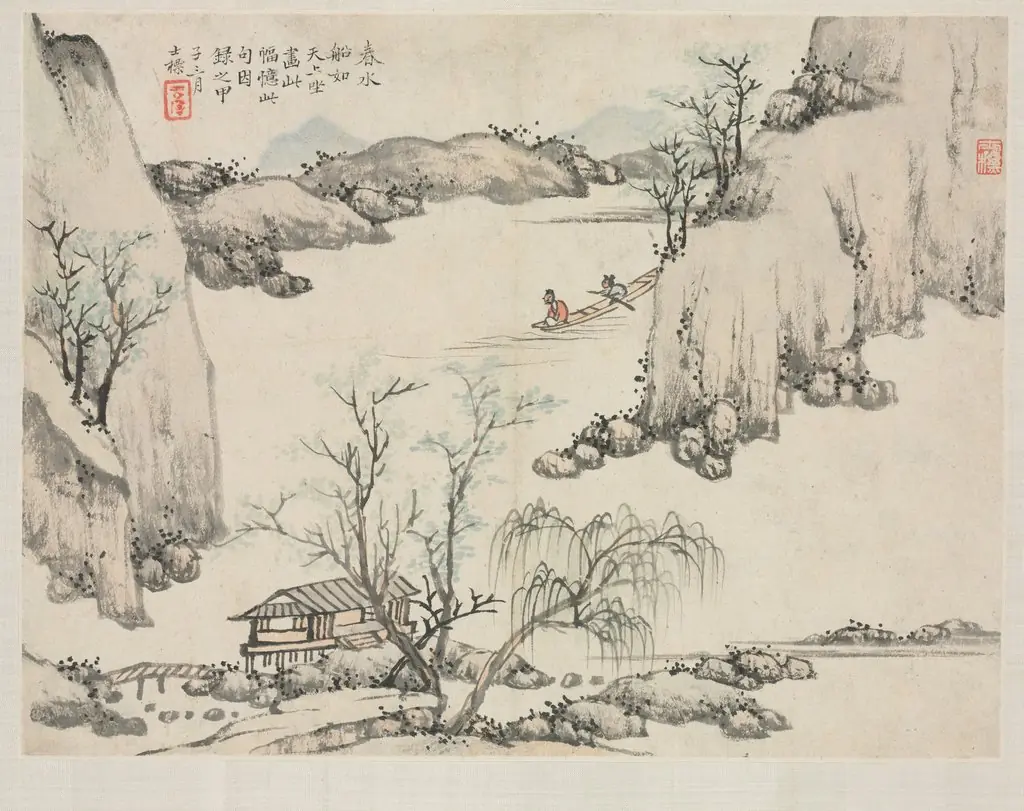 Landscape Album in Various Styles: Boating in Spring Water
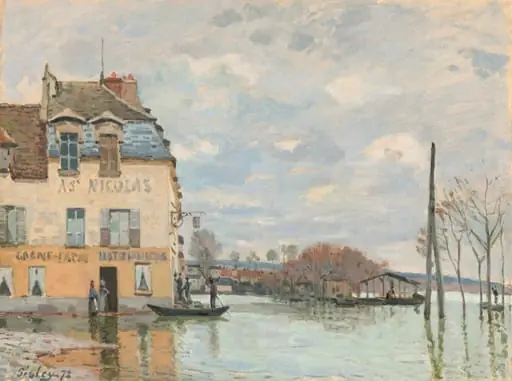 Flood at Port-Marly
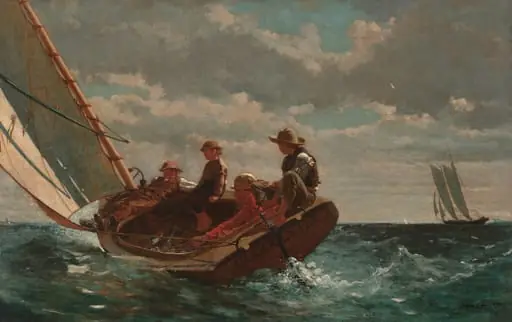 Breezing Up (A Fair Wind)
 Landscape in Auvergne
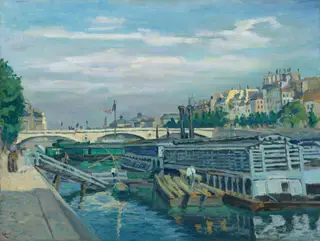 The Bridge of Louis Philippe
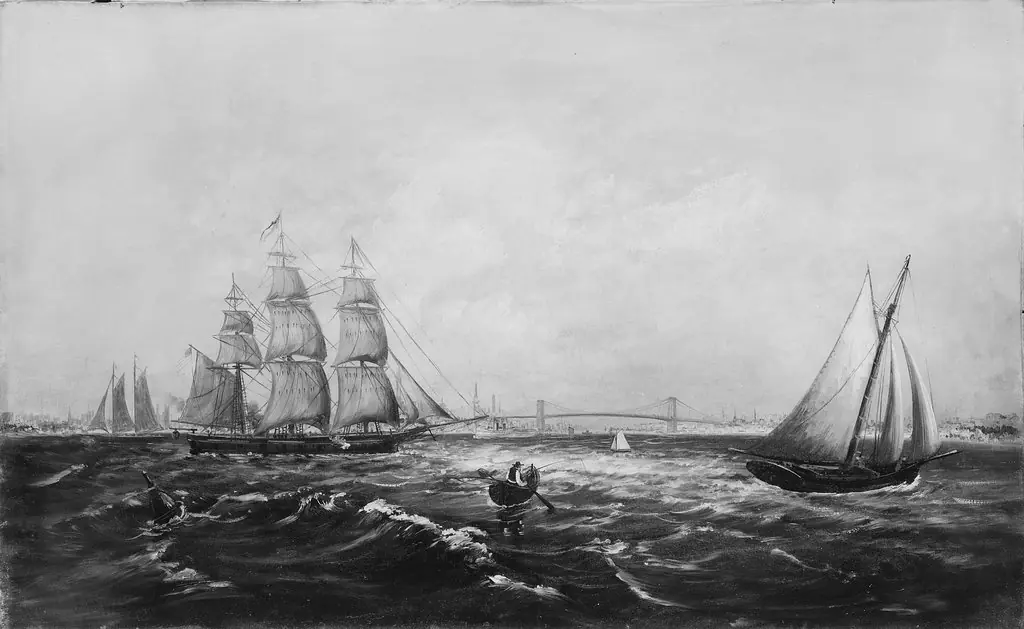 New York Bay and Harbor
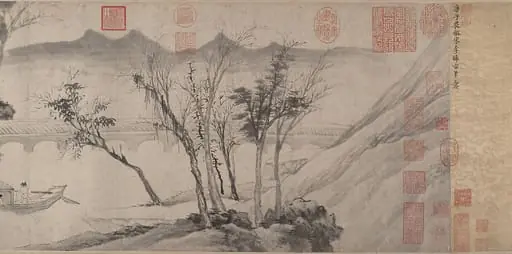 Untitled
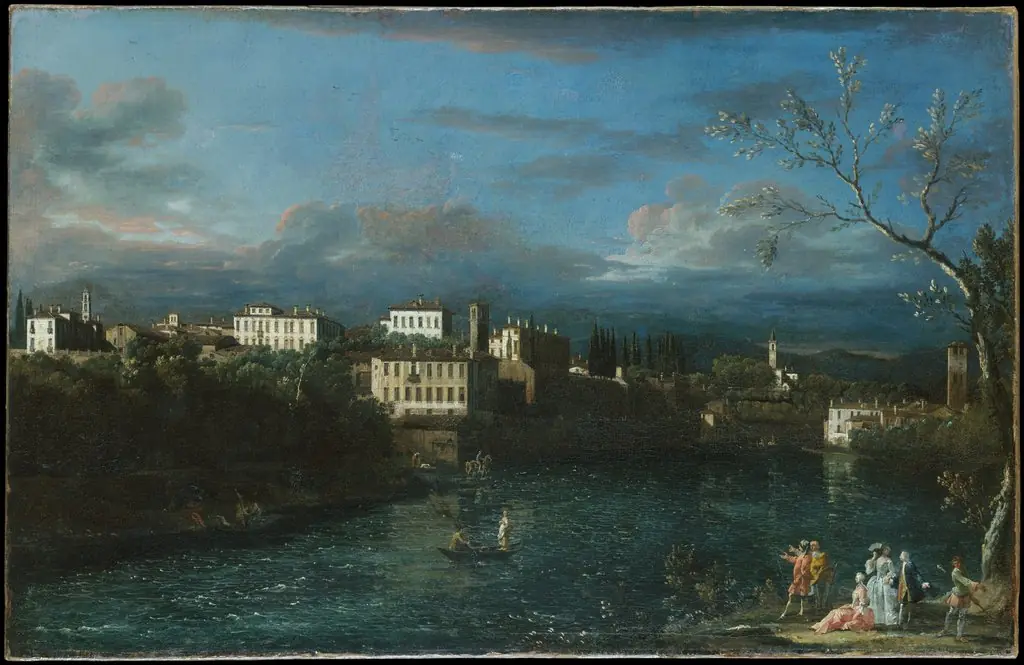 Vaprio d'Adda
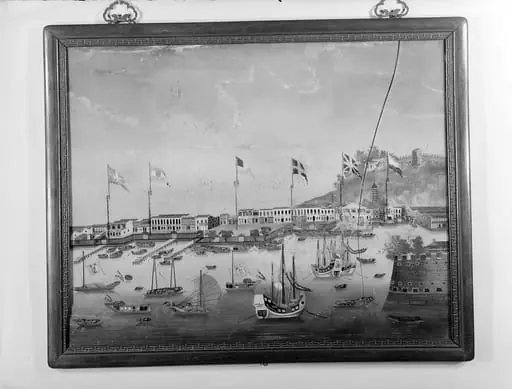 View of the Harbor at Canton
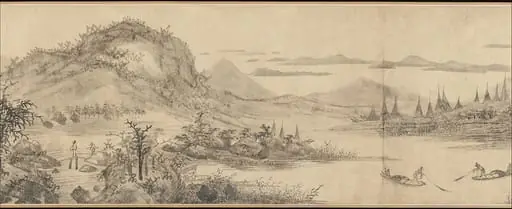 明 王紱 江山漁樂圖 卷|Joys of the Fisherman
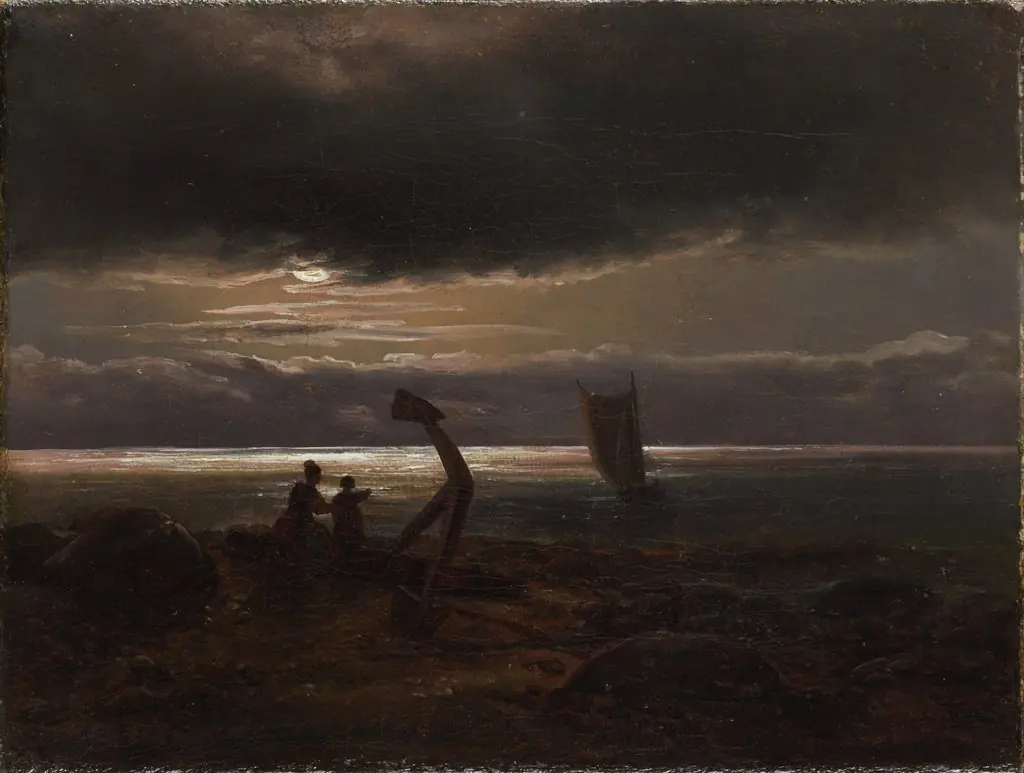 Mother and Child by the Sea
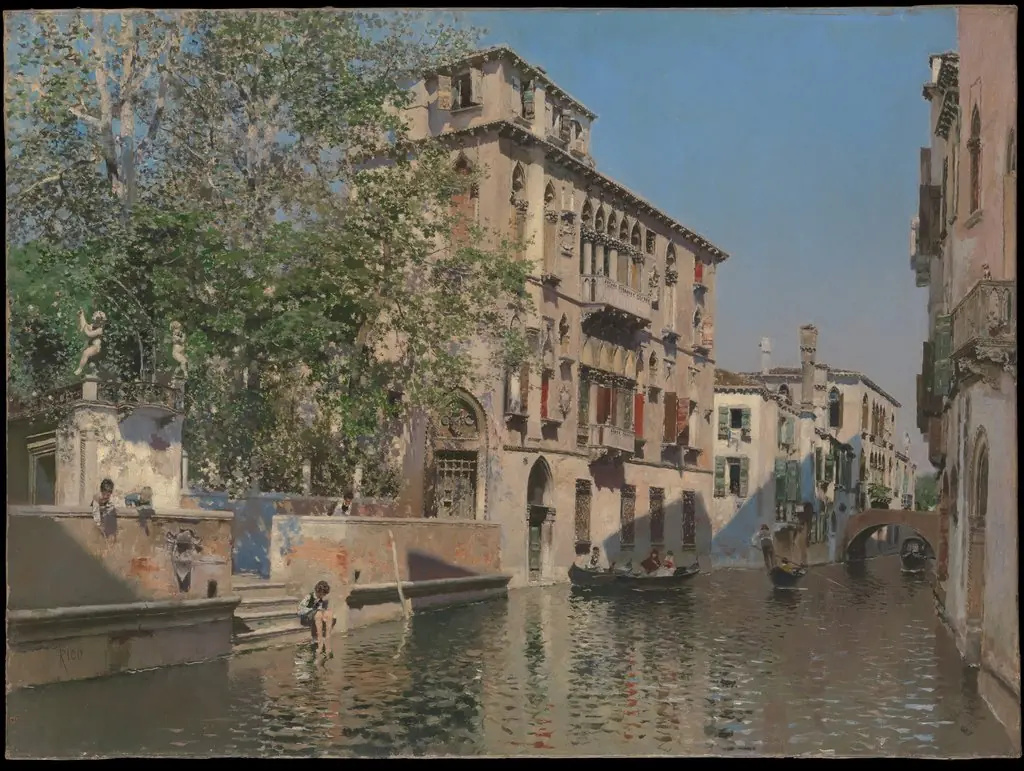 A Canal in Venice
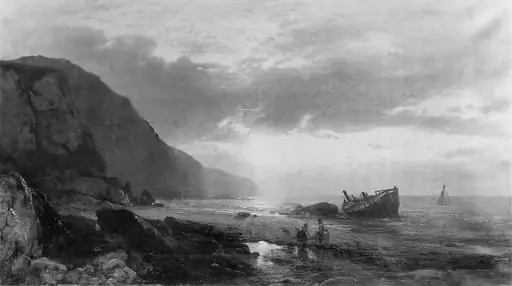 Seashore, Morning
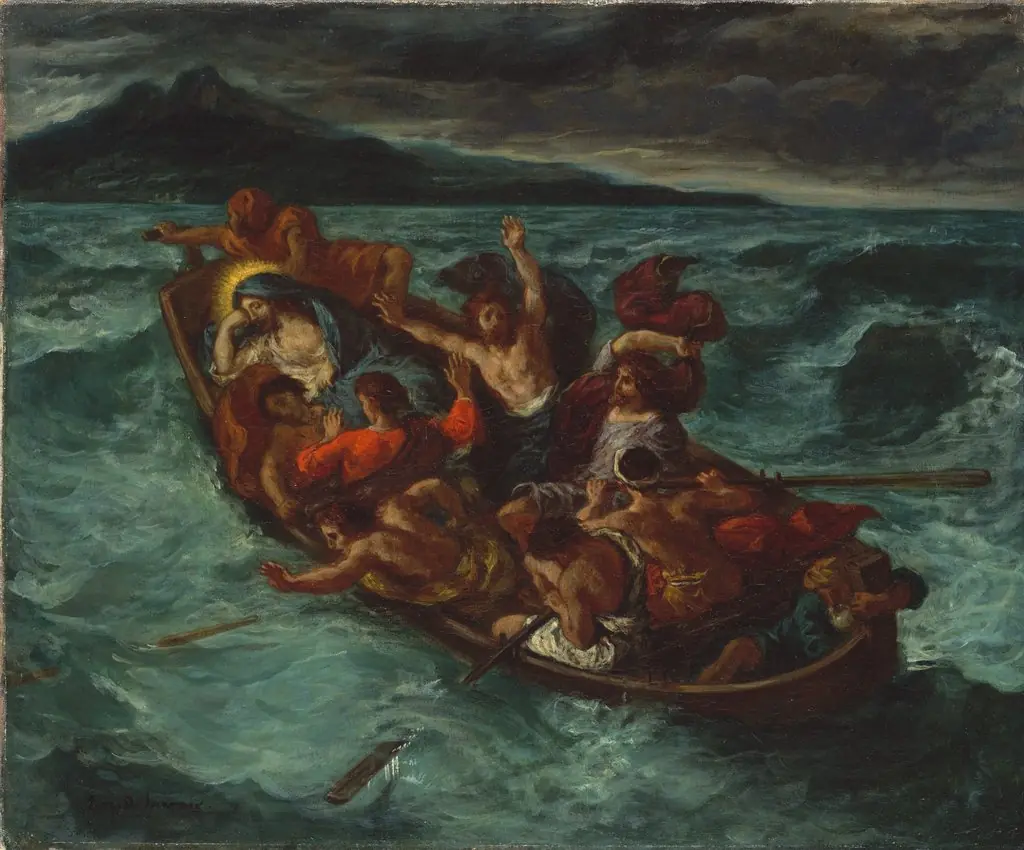 Christ Asleep during the Tempest
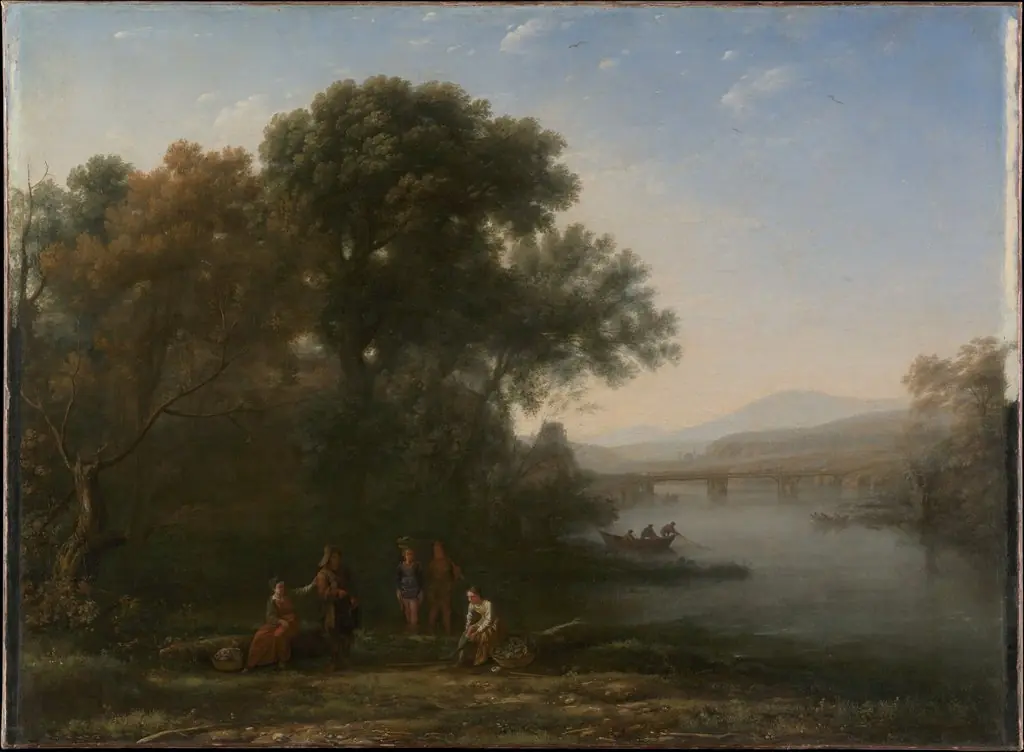 The Ford
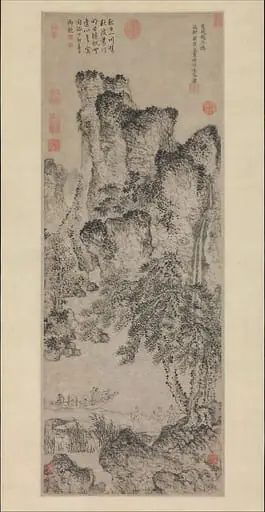 元 趙原 (元) 晴川送客圖 軸|Farewell by a Stream on a Clear Day
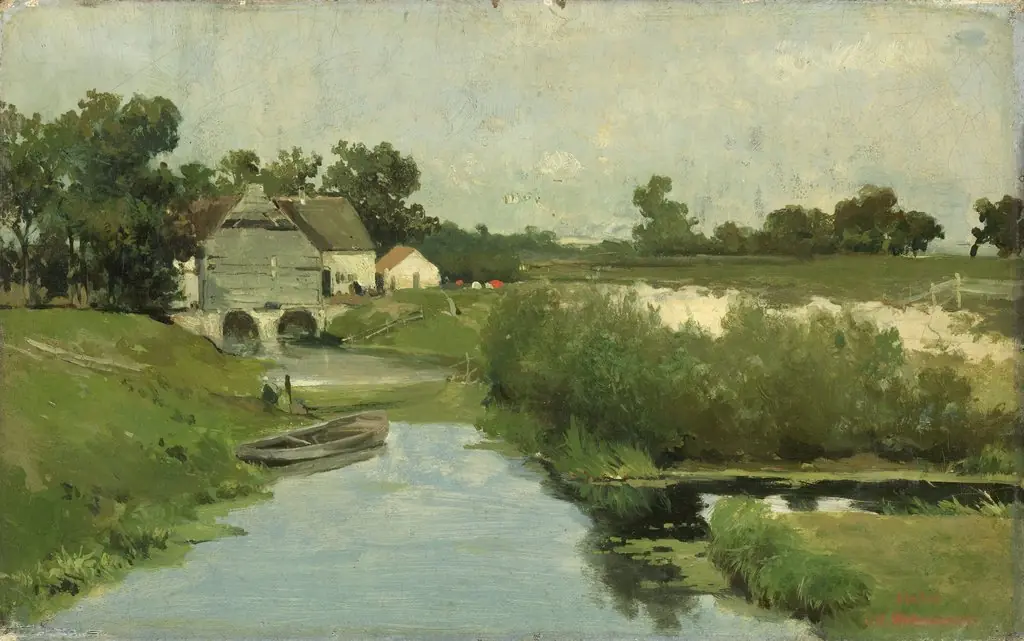 Summer Day
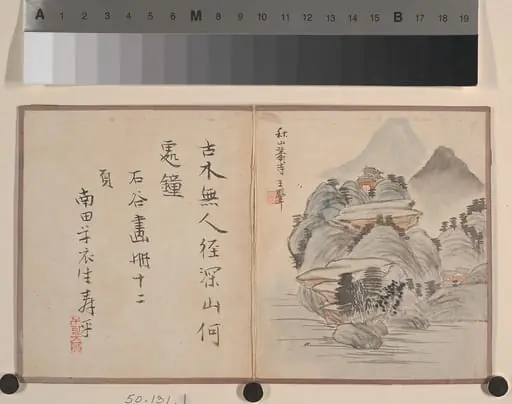 Untitled
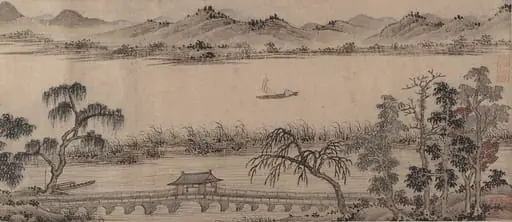 明 佚名 仿趙孟頫 垂虹亭圖 卷|Pavilion of the Hovering Rainbow Bridge
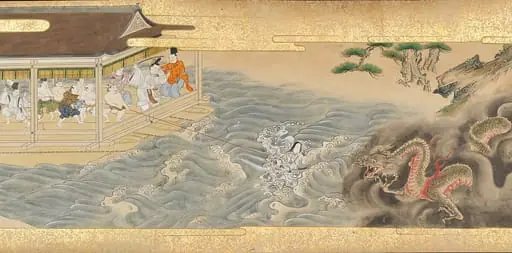 『大織冠』|The Great Woven Cap (Taishokkan)
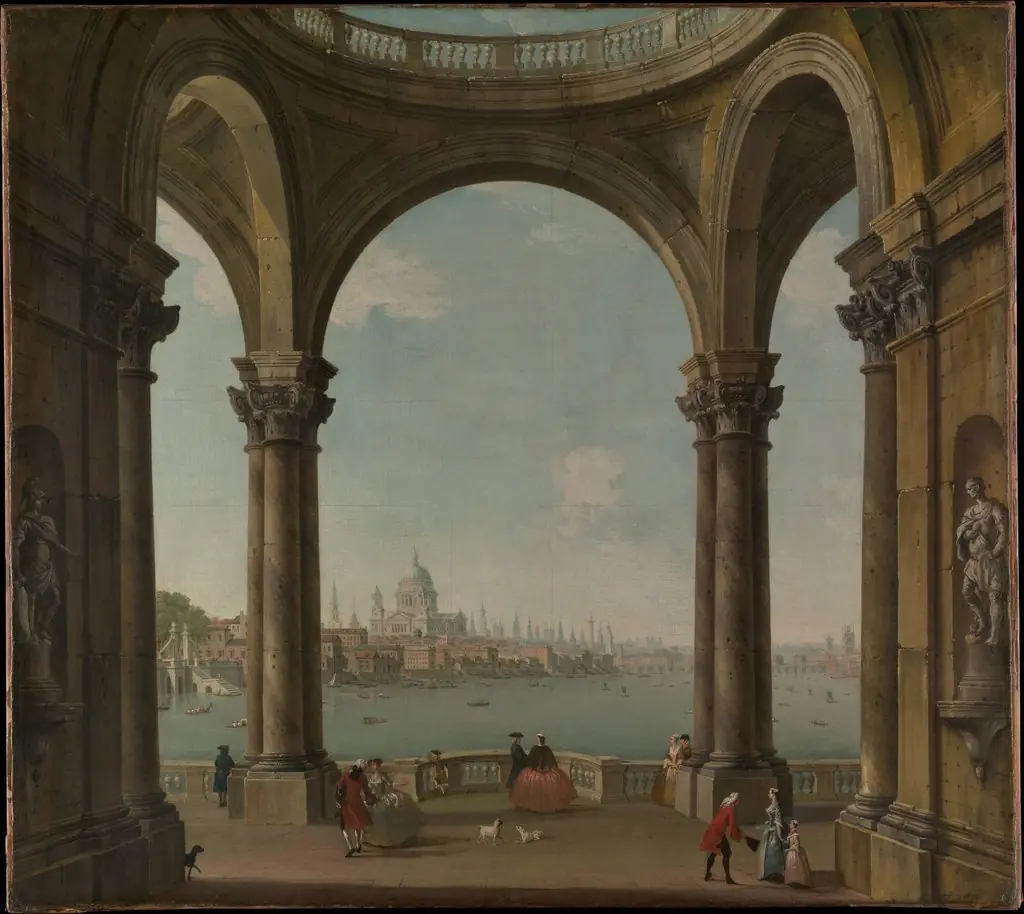 Capriccio with St. Paul's and Old London Bridge
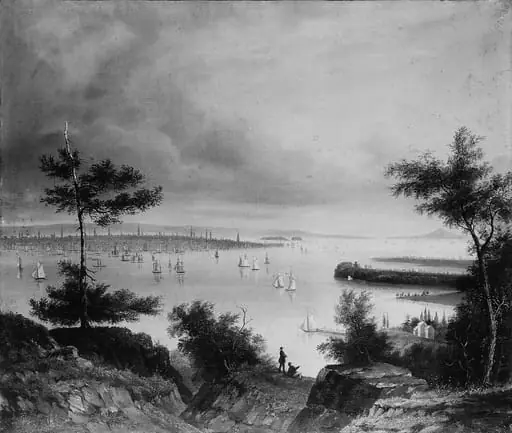 View of New York from Weehawken
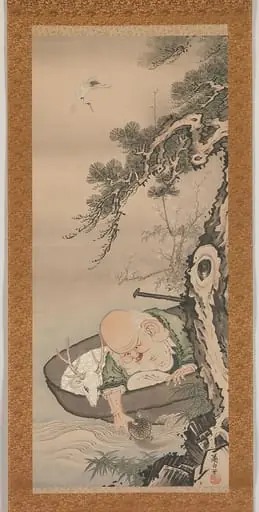 曽我蕭白筆 寿老人図|The God of Good Fortune Jurōjin
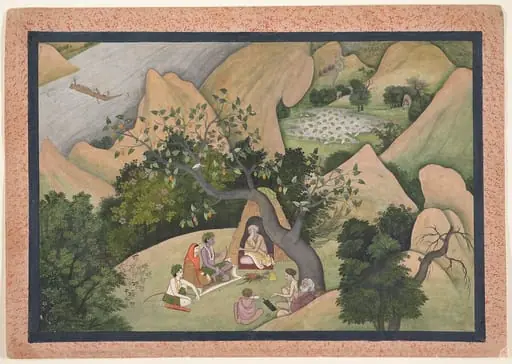 Untitled
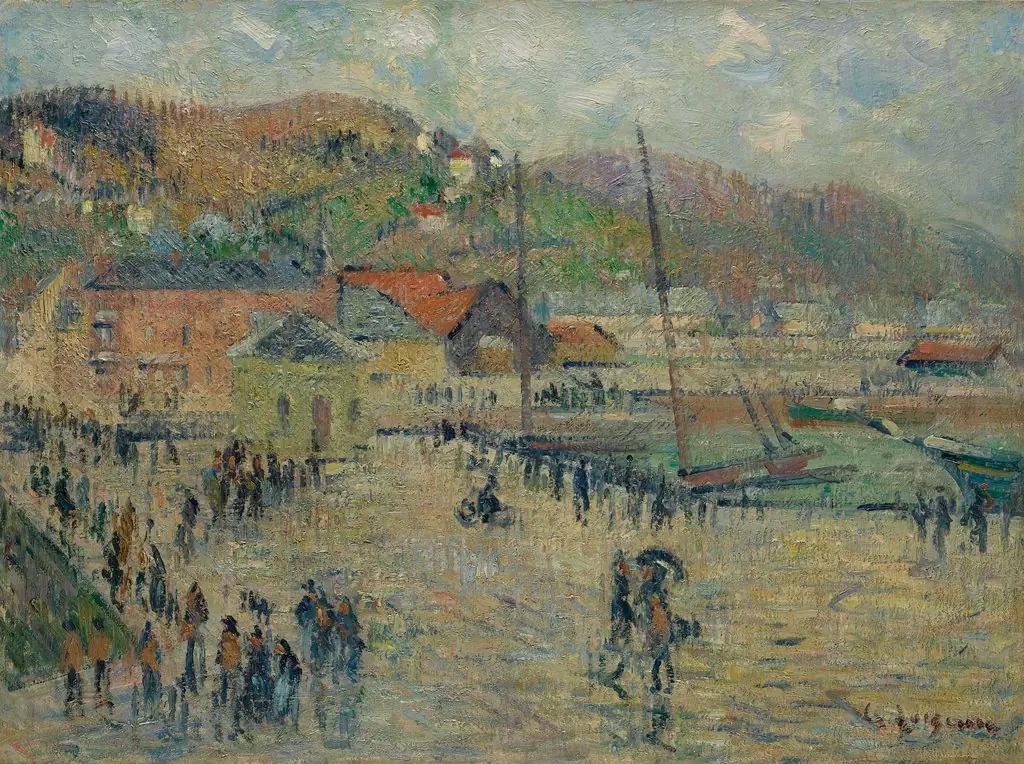 Le Grand Quai, Fécamp
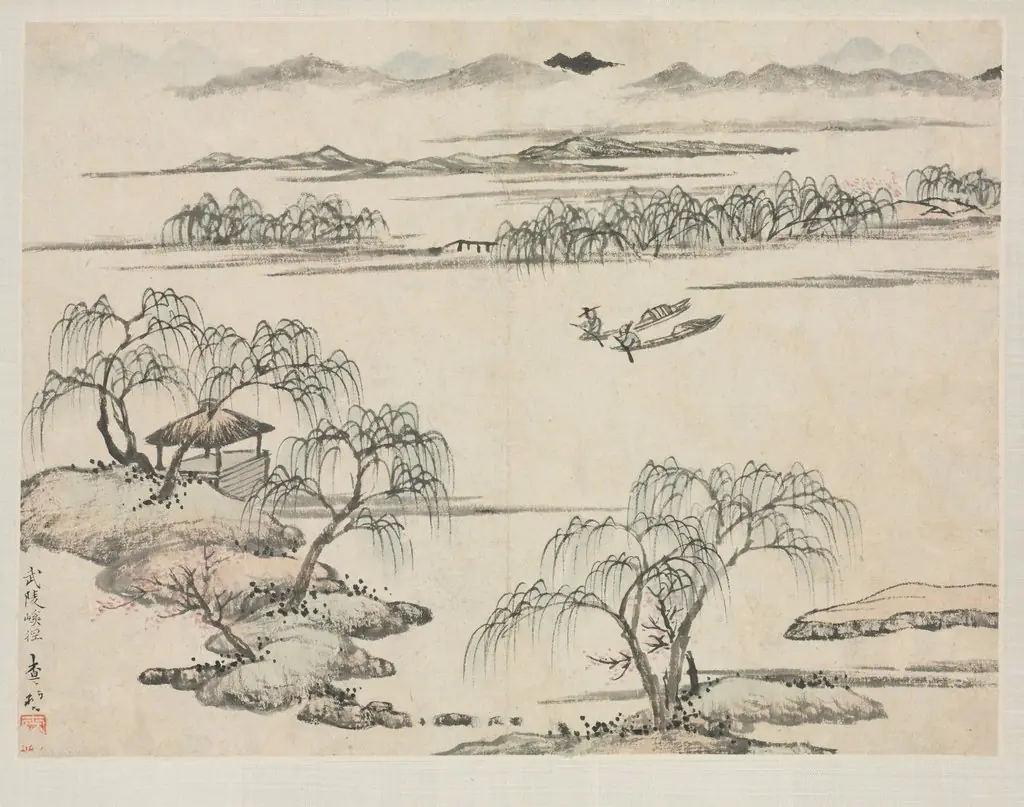 Landscape Album in Various Styles: The Stream of Wuling
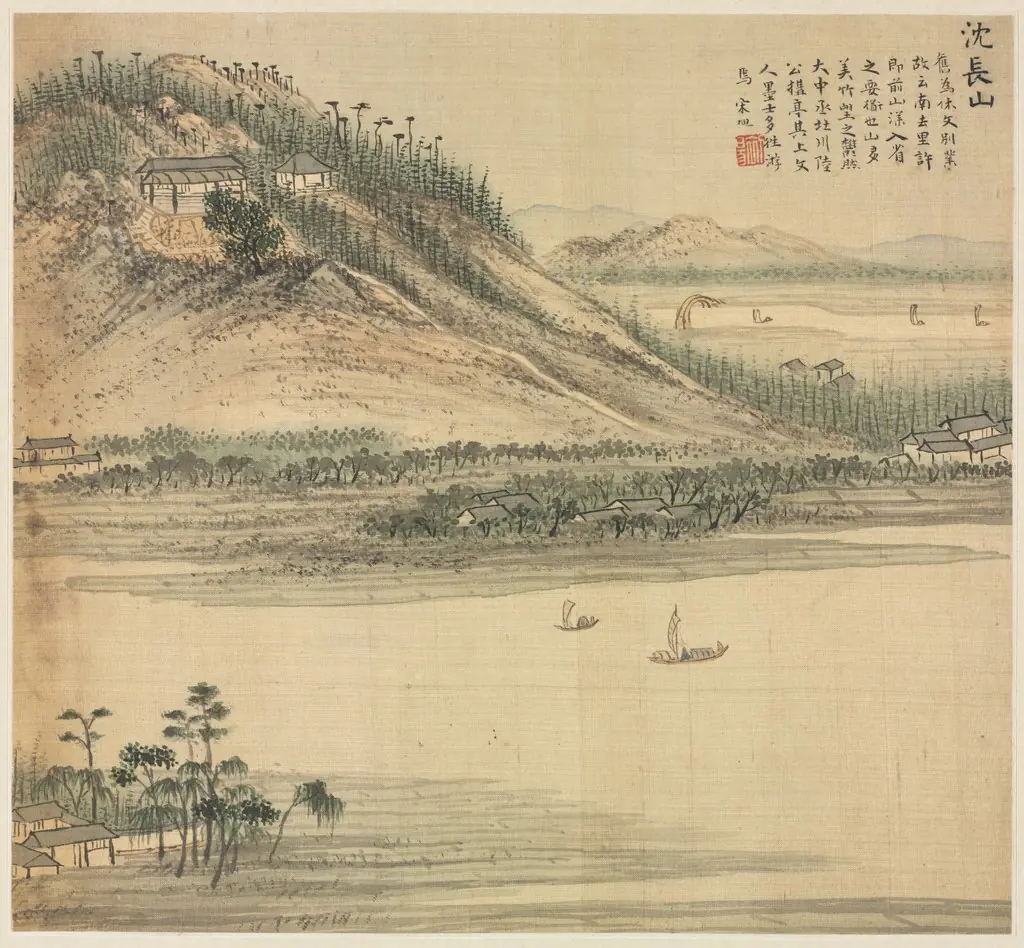 Mt. Shenchang
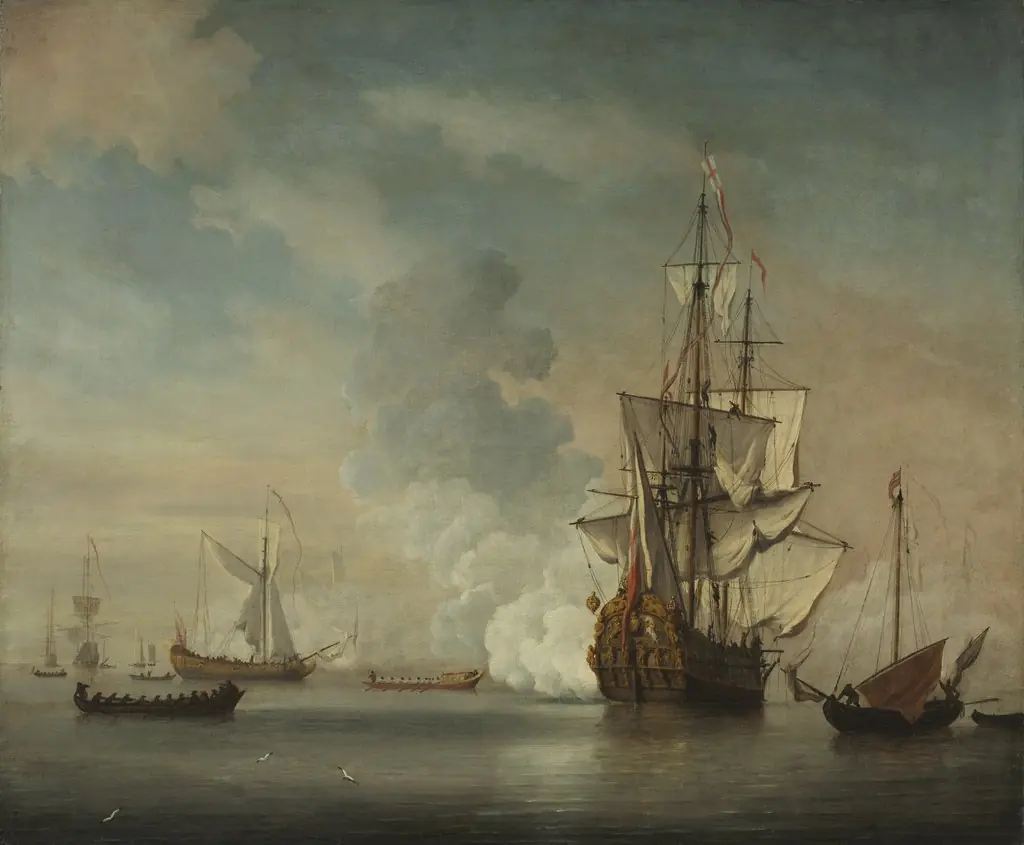 English Warship Firing a Salute
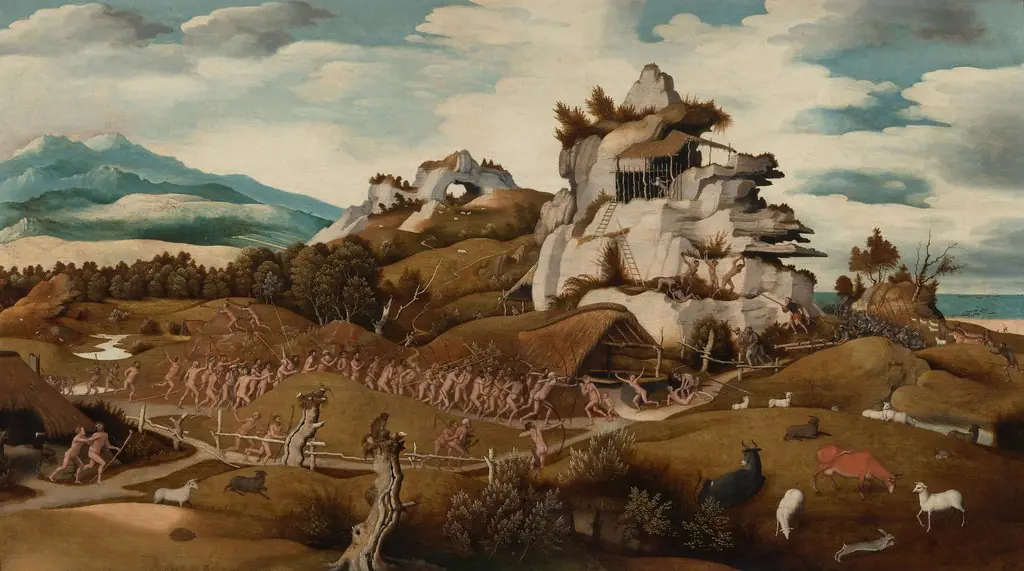 Landscape with a Scene of the Conquest of America
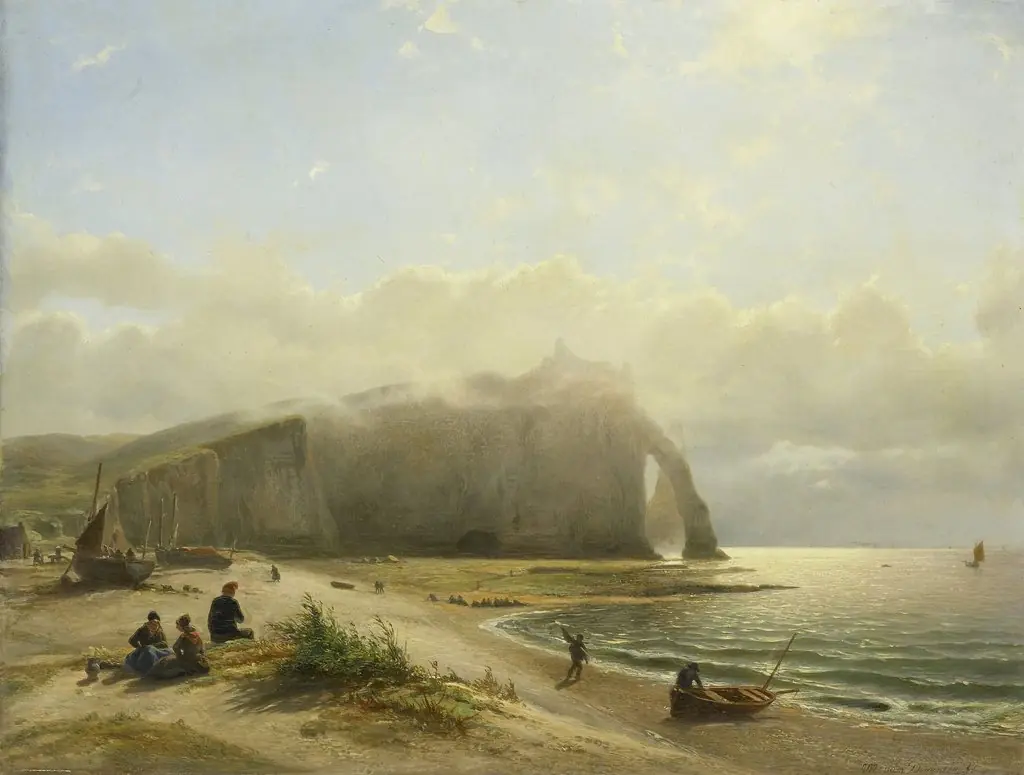 Seascape
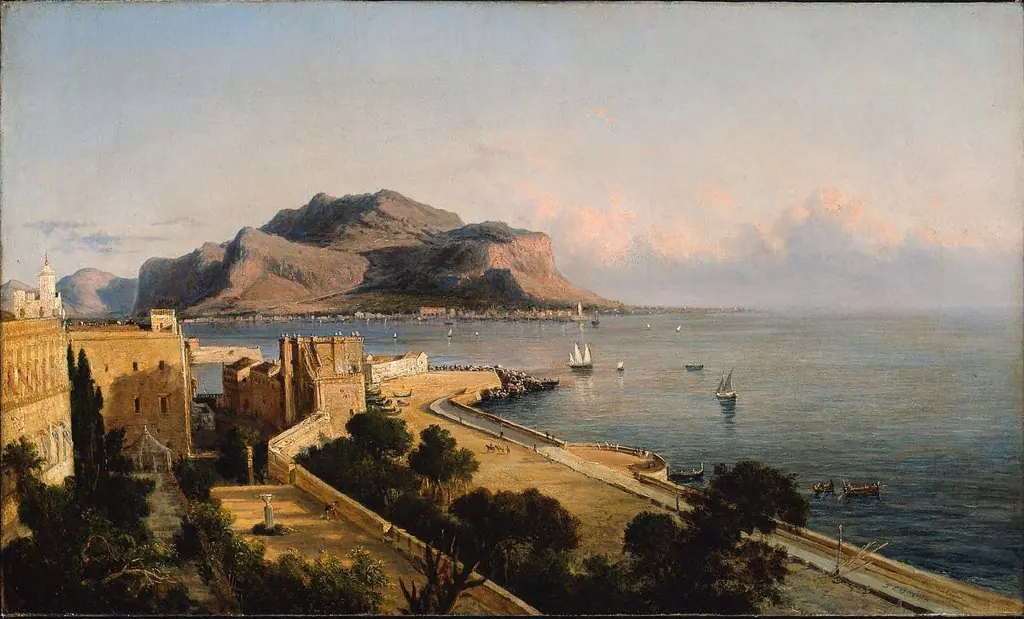 Monte Pellegrino at Palermo, Italy
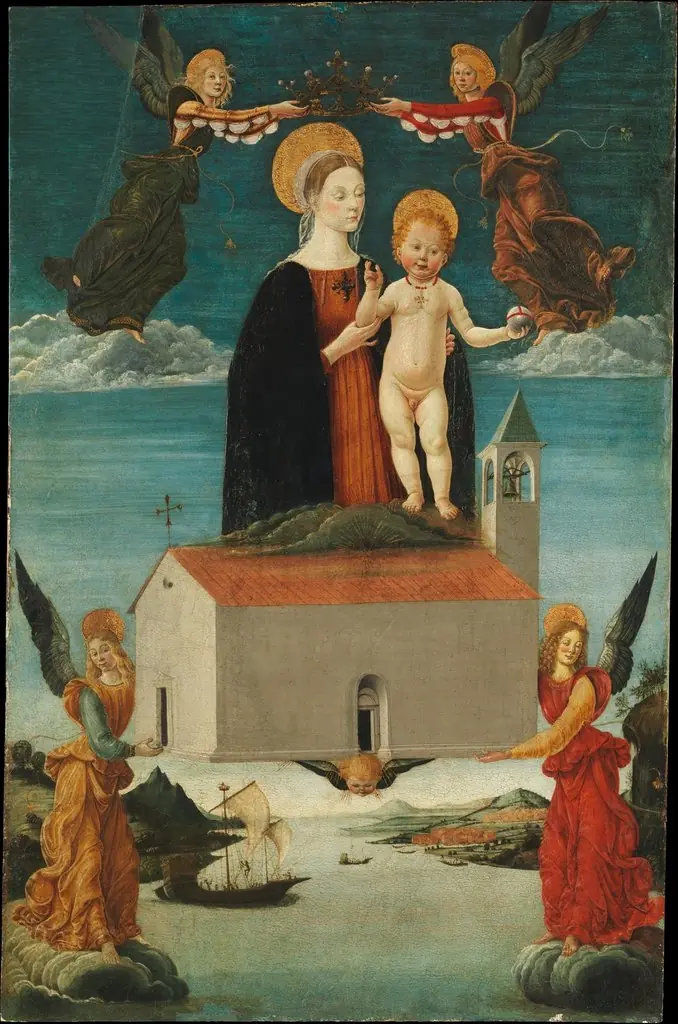 The Translation of the Holy House of Loreto
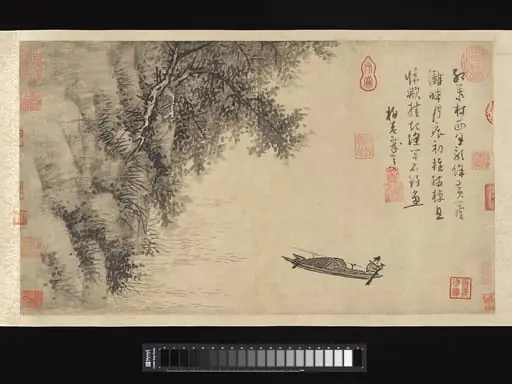 元 吳鎮 蘆灘釣艇圖 卷|Fisherman
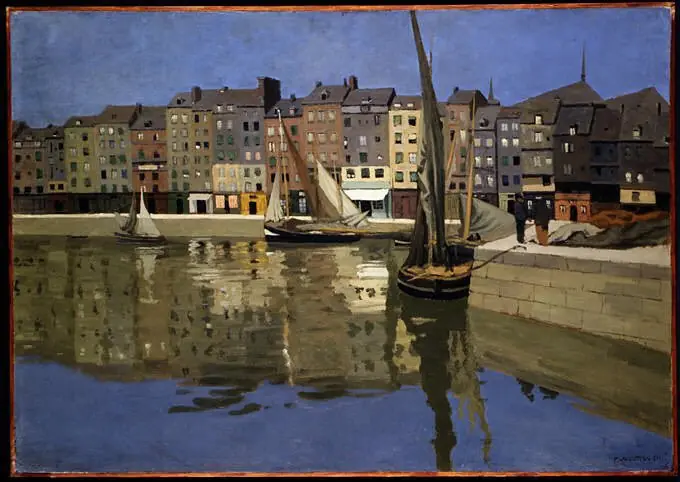 Le port de Honfleur la nuit
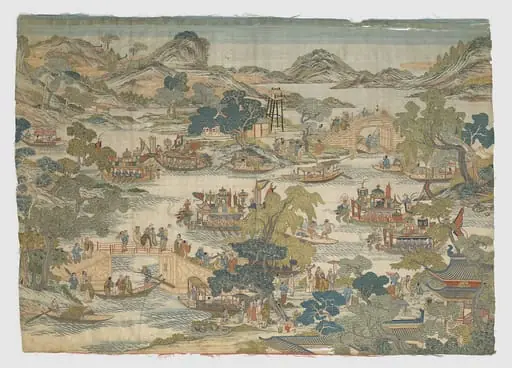 清 緙絲龍舟競渡圖|Dragon-boat festival performance
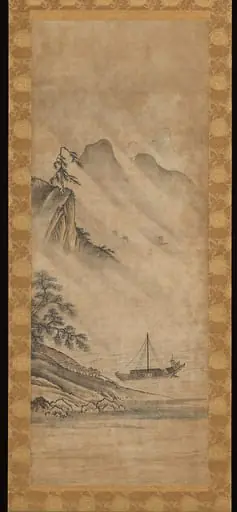 瀟湘八景図|Eight Views of the Xiao and Xiang Rivers
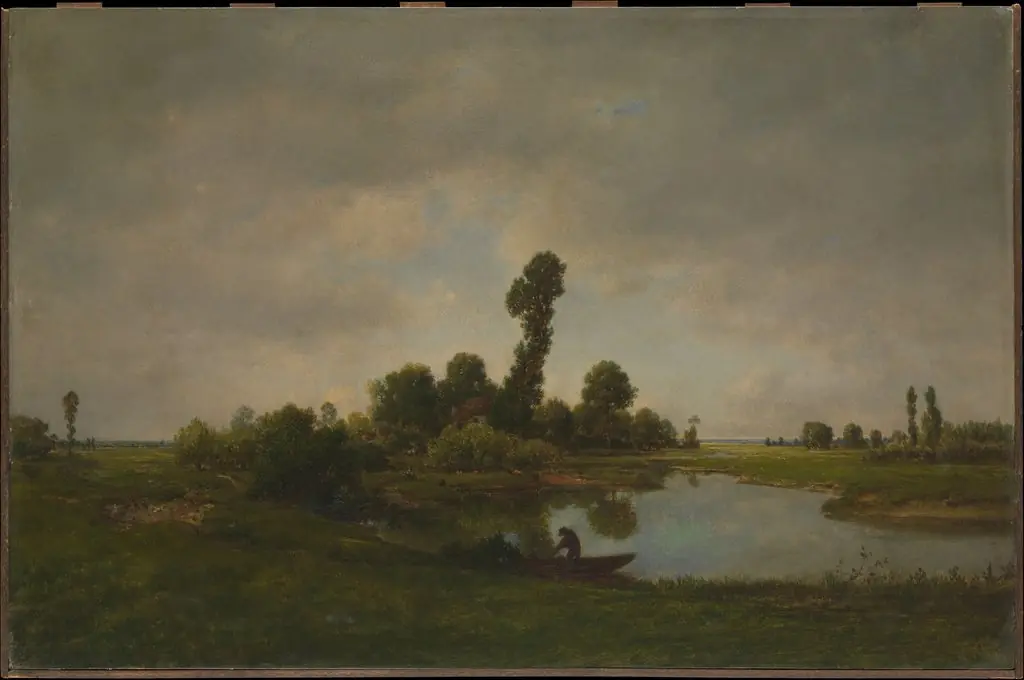 A River Landscape
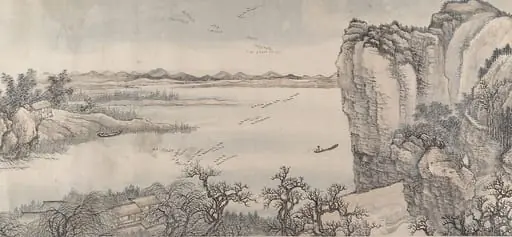 清 王翬 倣巨然燕文貴山水圖 卷|Landscape in the Style of Juran and Yan Wengui
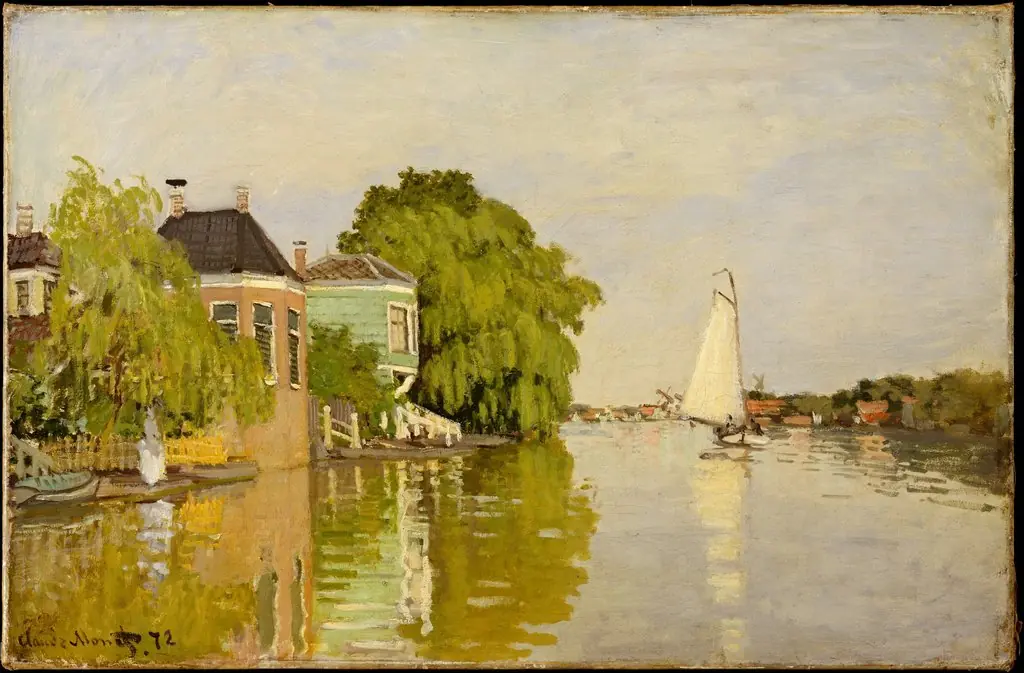 Houses on the Achterzaan
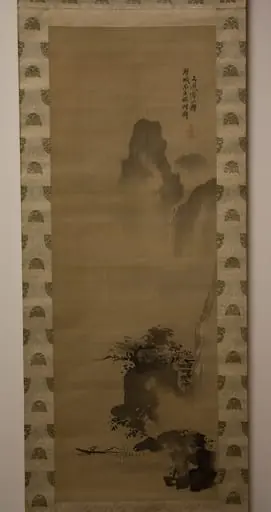 Untitled
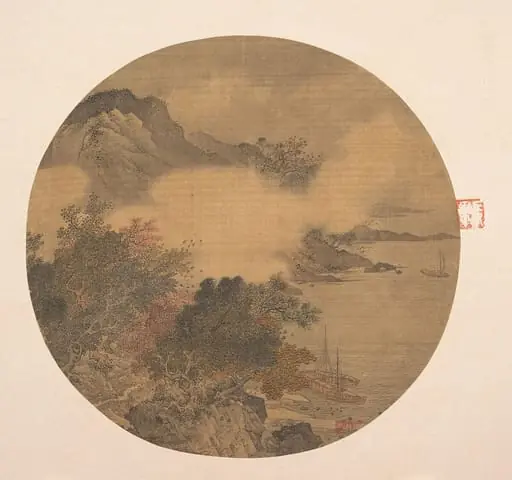 明 佚名 風雨艤舟圖 團扇|Misty Landscape
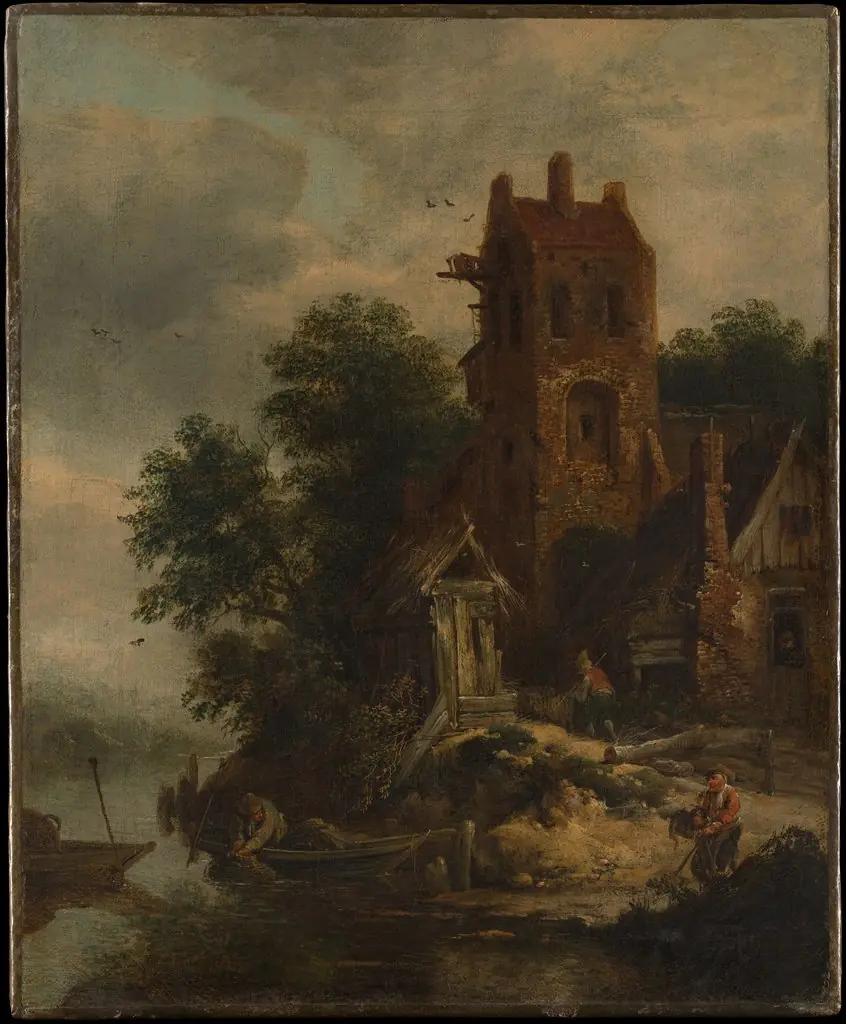 The Pigeon House
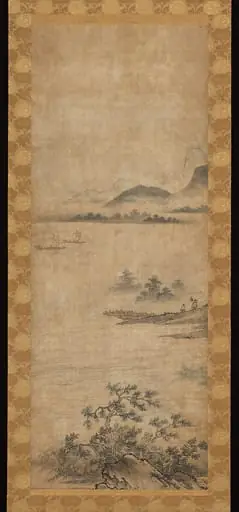 瀟湘八景図|Eight Views of the Xiao and Xiang Rivers
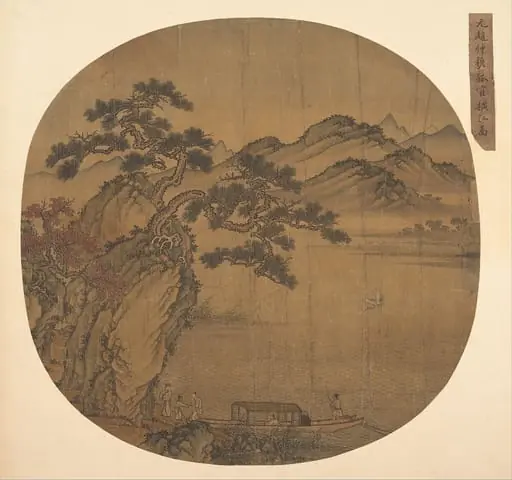 元/明 佚名 舊傳趙雍 倣盛懋 蘇軾後赤壁賦圖 團扇|元/明 佚名 後赤壁賦圖 扇|Illustration of Su Shi's "Second Ode on the Red Cliff"
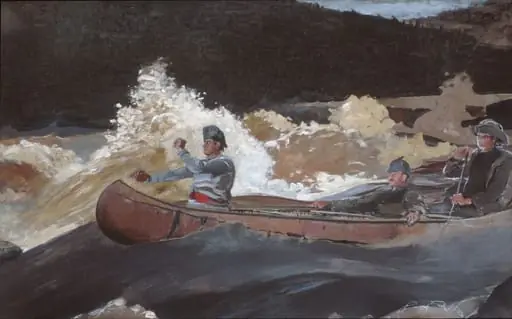 Shooting the Rapids, Saguenay River
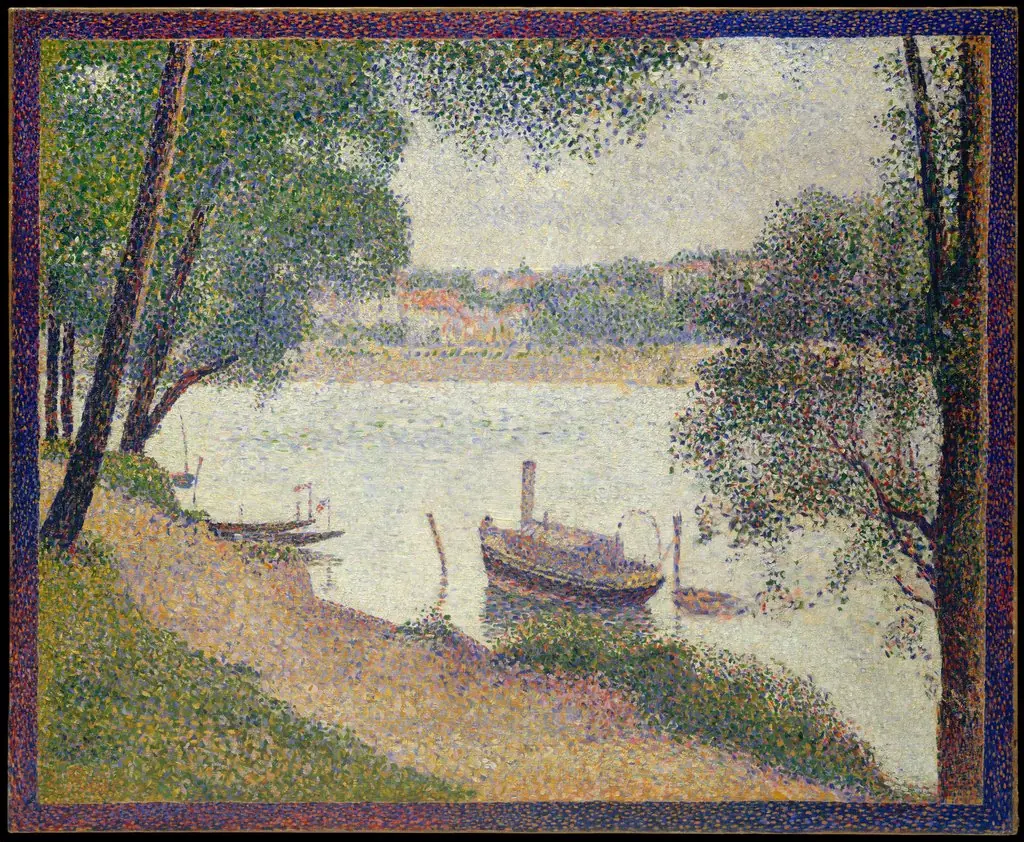 Gray Weather, Grande Jatte
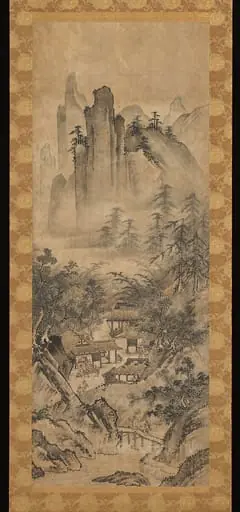 瀟湘八景図|Eight Views of the Xiao and Xiang Rivers
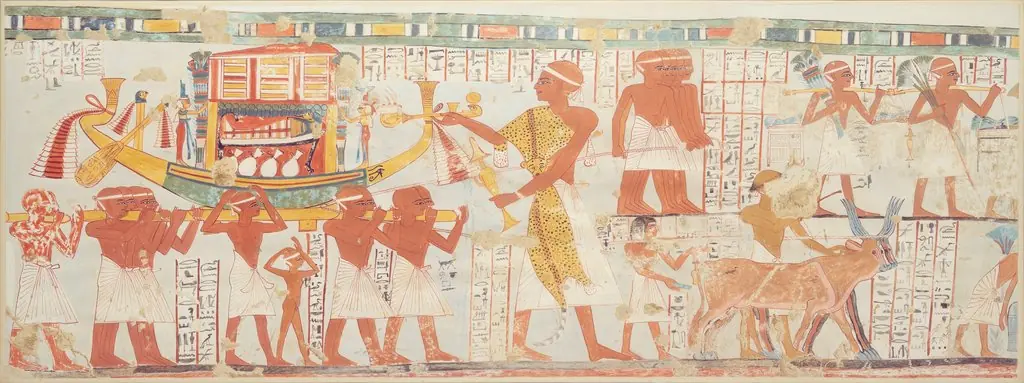 Nakhtamun's Funeral Procession, Tomb of Nakhtamun
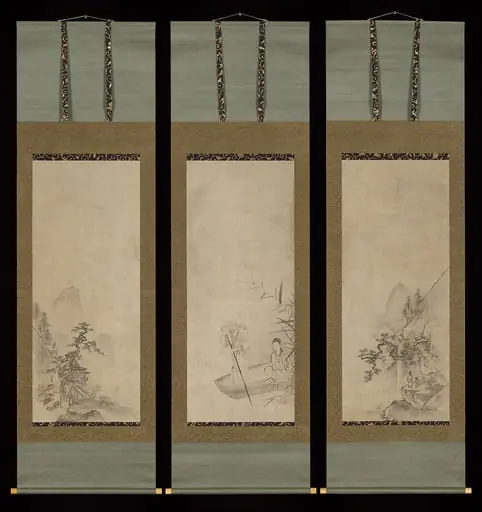 Untitled
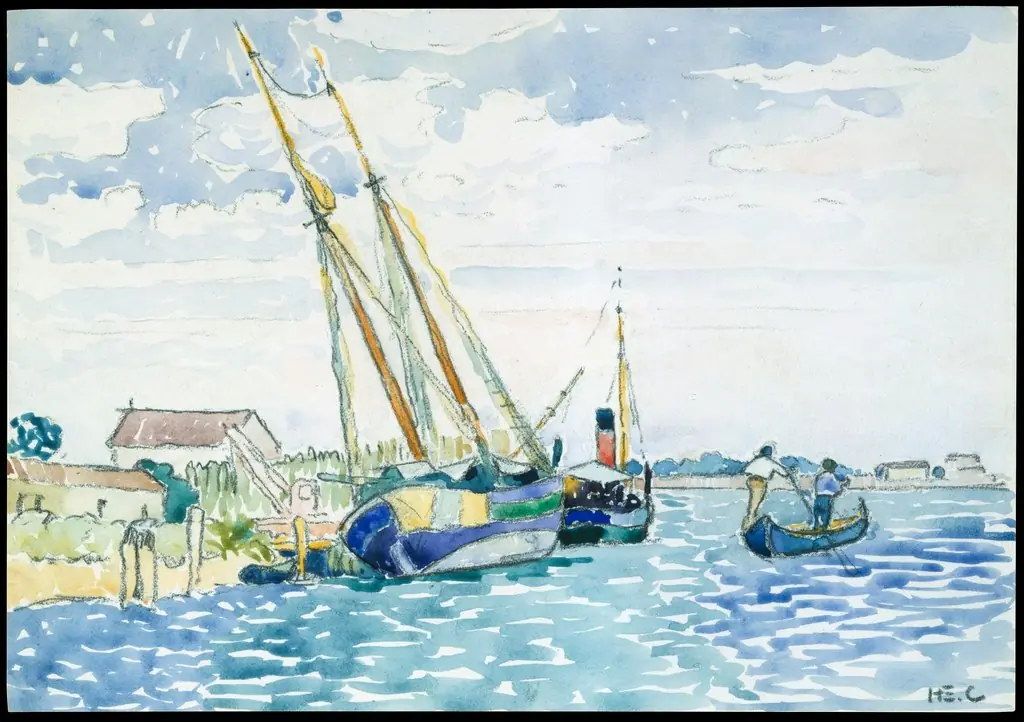 Marine Scene (Boats near Venice)
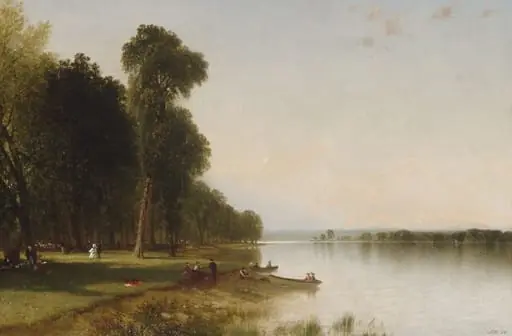 Summer Day on Conesus Lake
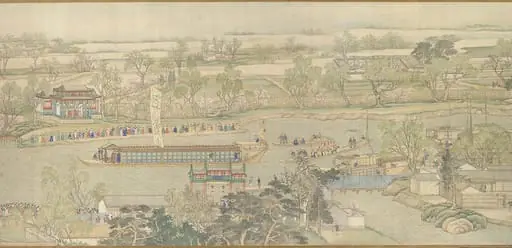 清 徐揚 等 乾隆南巡圖 (第六卷﹕大運河至蘇州) 卷|The Qianlong Emperor's Southern Inspection Tour, Scroll Six: Entering Suzhou along the Grand Canal
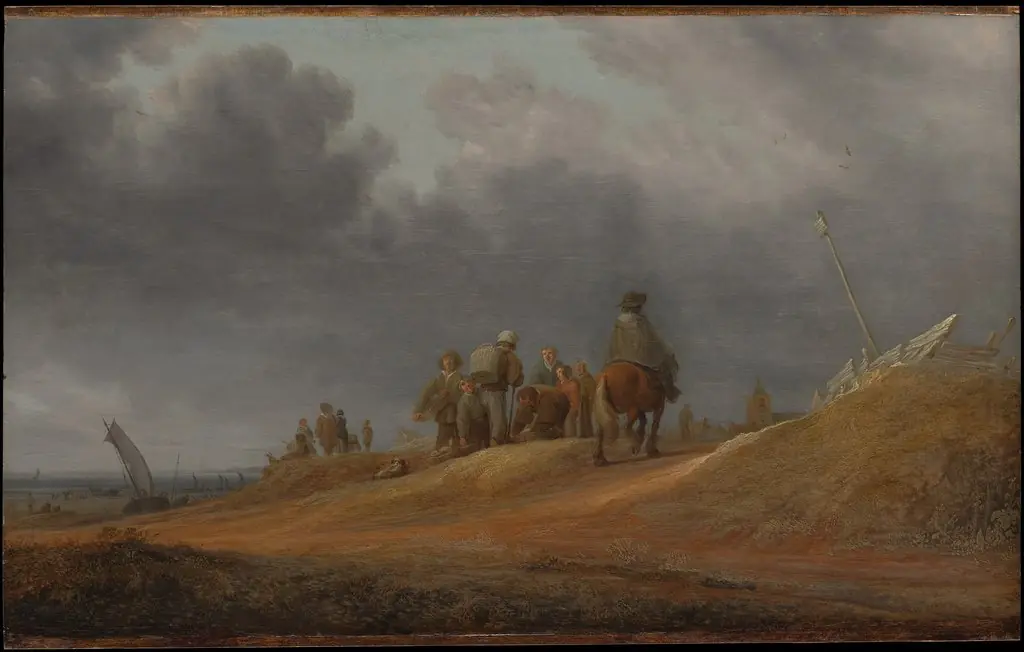 Market by the Seashore
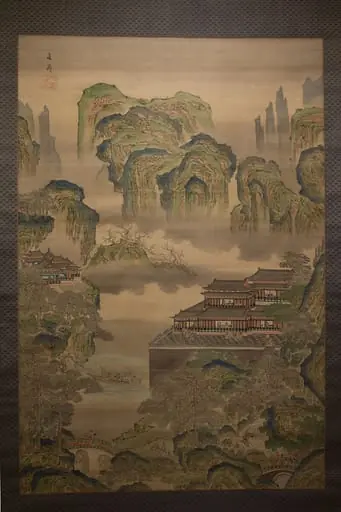 Untitled
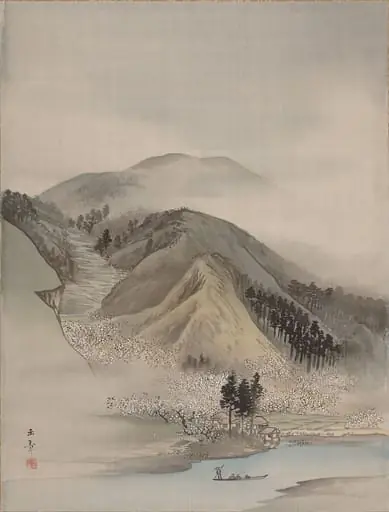 Untitled
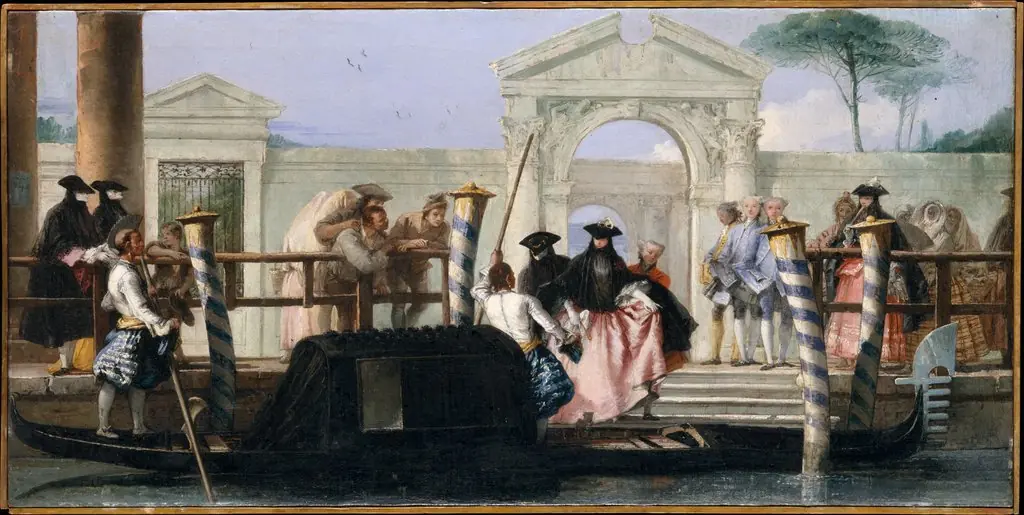 The Departure of the Gondola
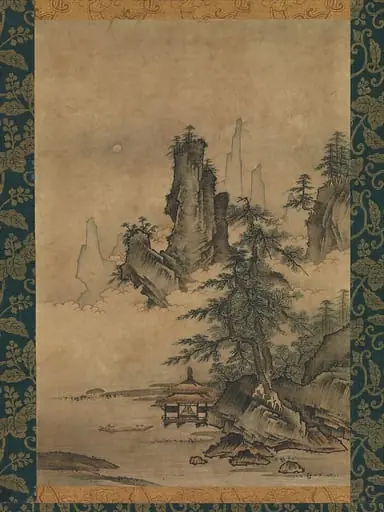 山水図|Landscape
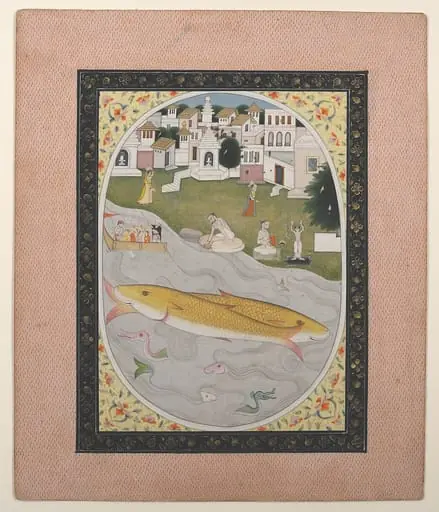 Untitled
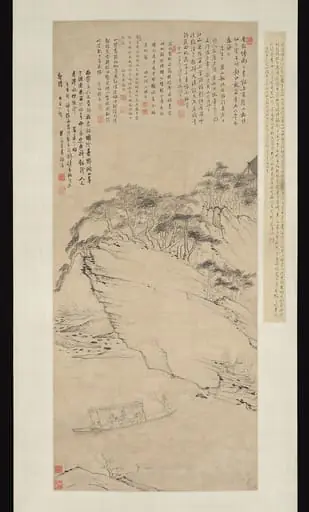 清 倣梅清 響山泛舟圖 軸|Boating beneath Echo Hill
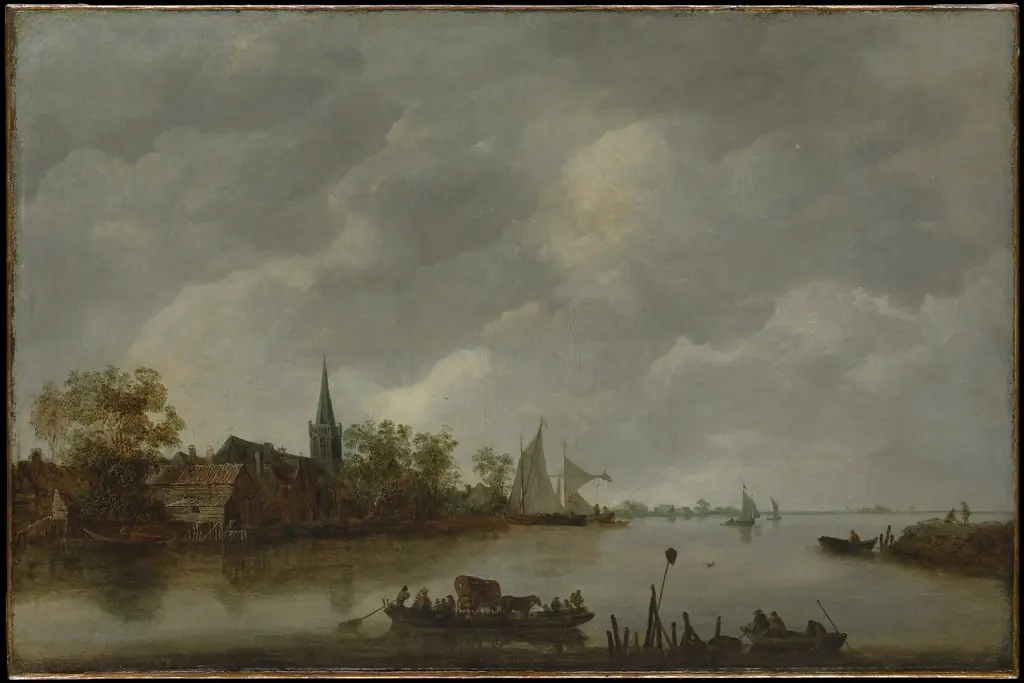 River View with a Village Church
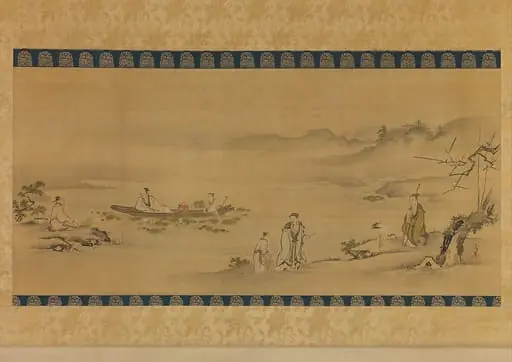 狩野常信筆 四愛図 |Four Admirers
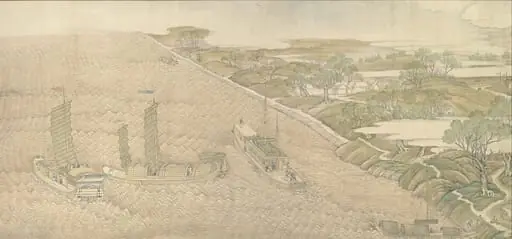 清 徐揚等 乾隆南巡圖, 第四卷﹕黃淮交流|The Qianlong Emperor's Southern Inspection Tour, Scroll Four: The Confluence of the Huai and Yellow Rivers (Qianlong nanxun, juan si: Huang Huai jiaoliu)
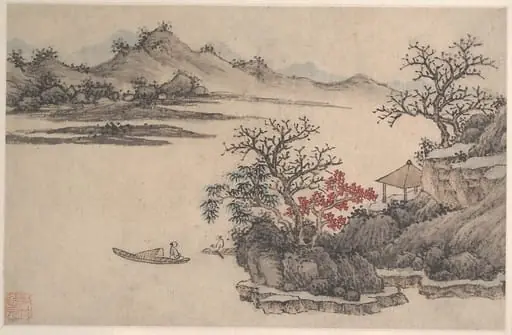 Untitled
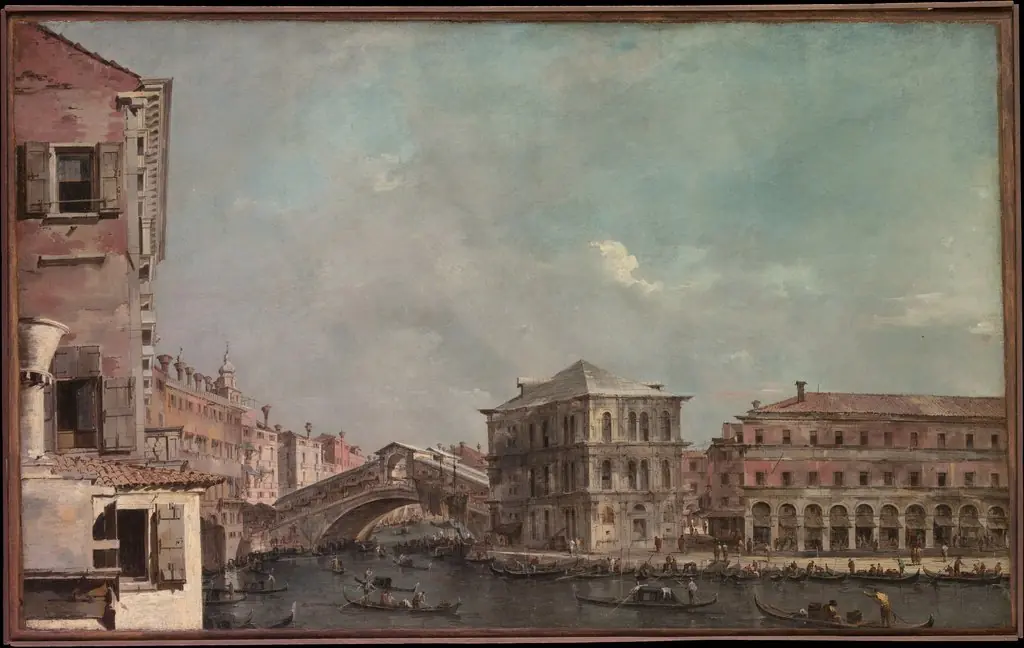 The Grand Canal above the Rialto
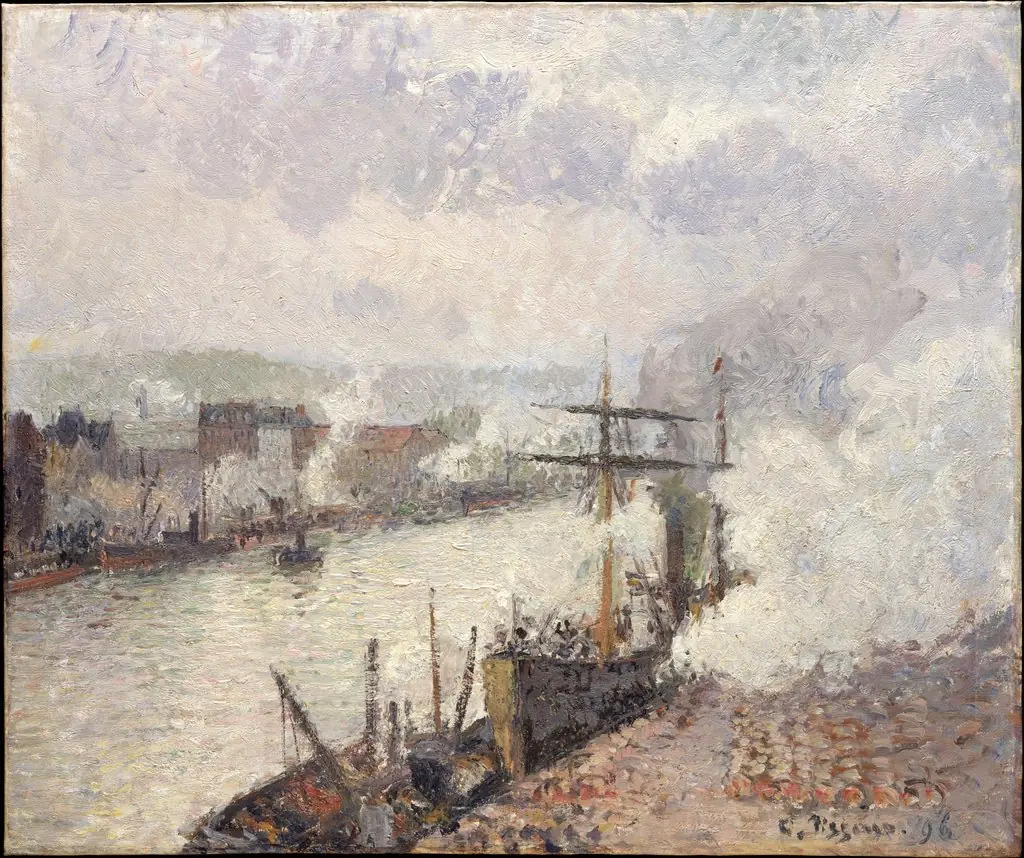 Steamboats in the Port of Rouen
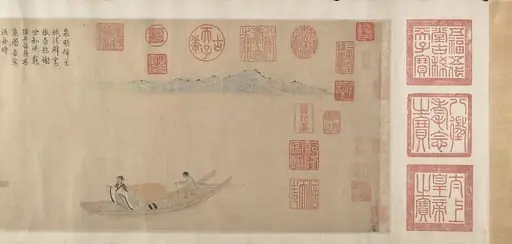 元/明 倣錢選 鮮于樞 歸去來辭 卷|Ode on Returning Home
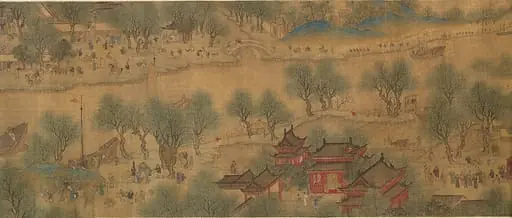 清 佚名 清明上河圖 卷|Spring Festival on the River
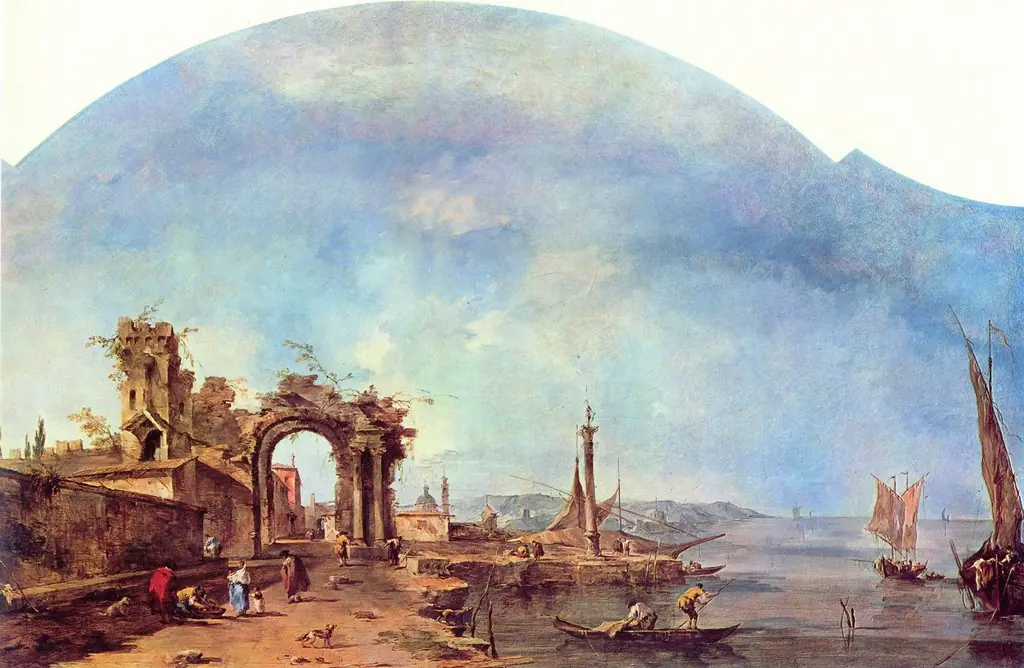 Fantastic Landscape
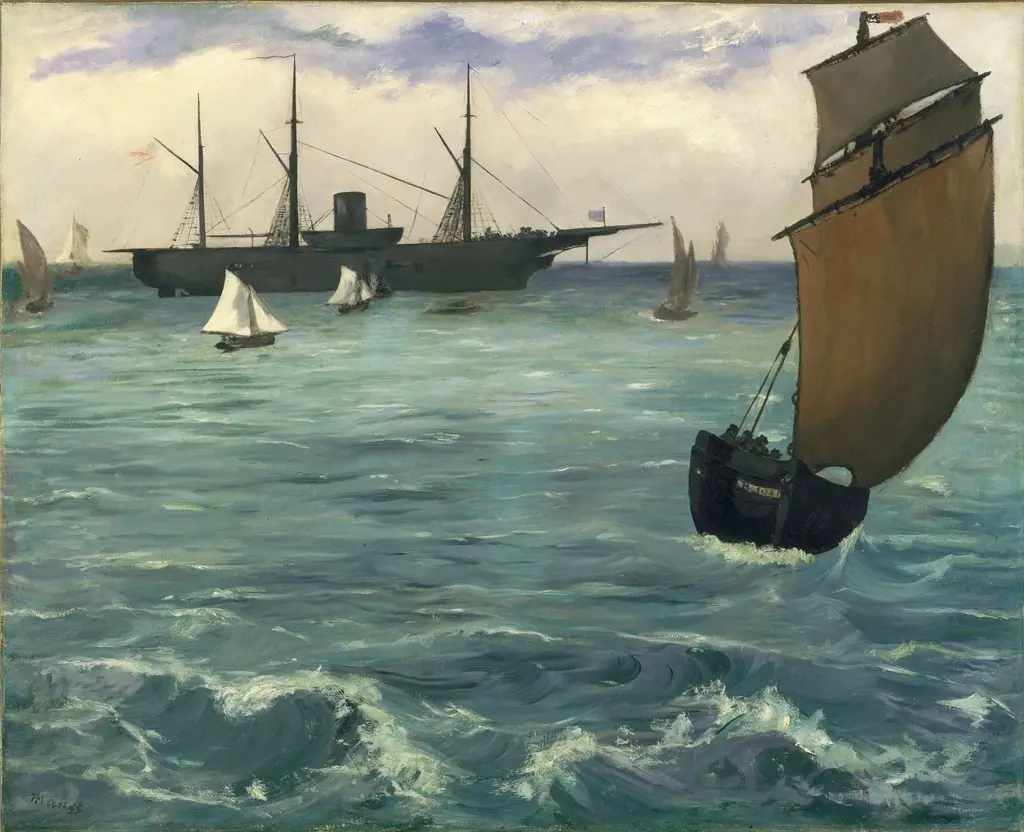 The Kearsarge at Boulogne
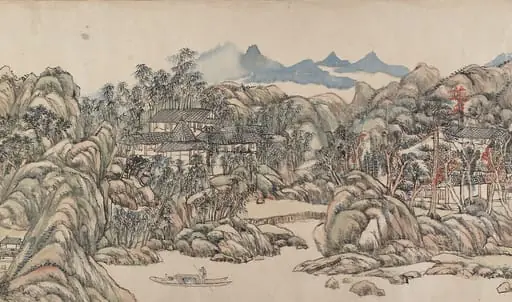 清 王原祁 輞川圖 卷|Wangchuan Villa
 明/清 佚名 趙伯駒(僞款) 漢宮春曉圖 卷|Spring Morning at the Palace of the Han Emperors
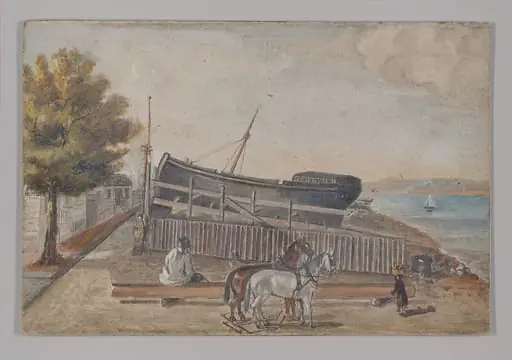 Berg's Ship Yard
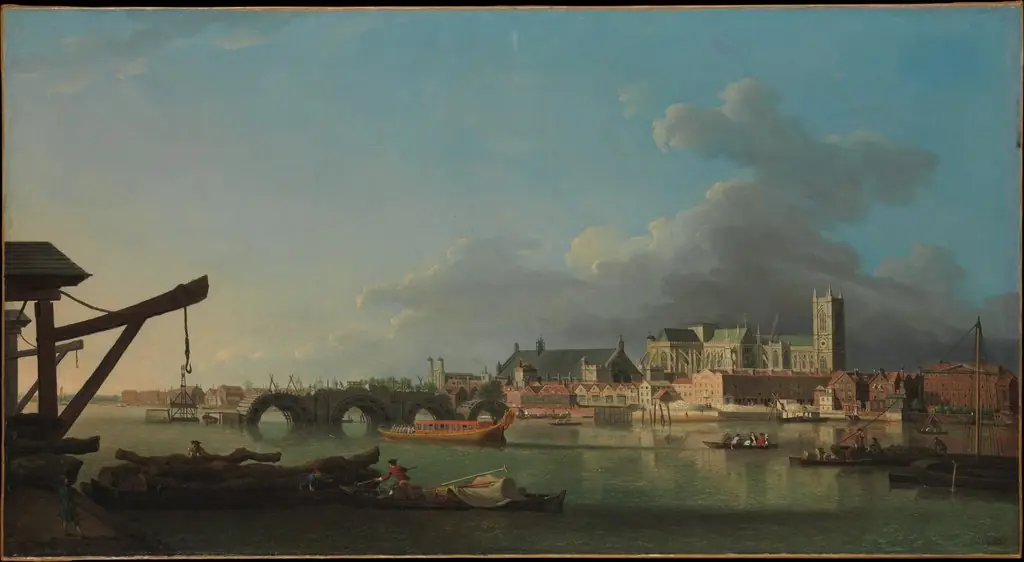 The Building of Westminster Bridge
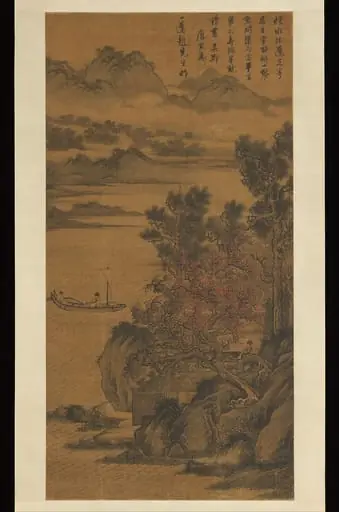 Untitled
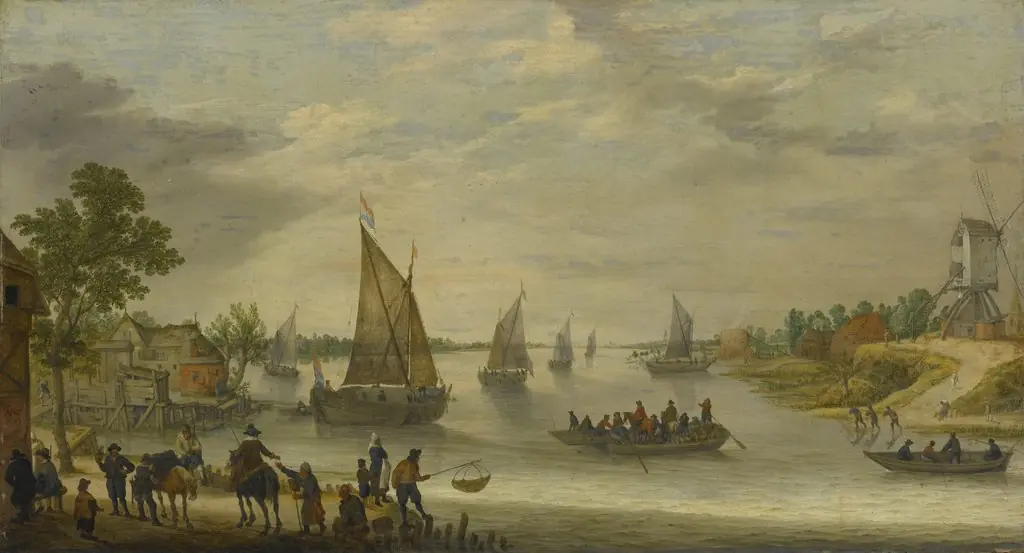 River Scene with Boats
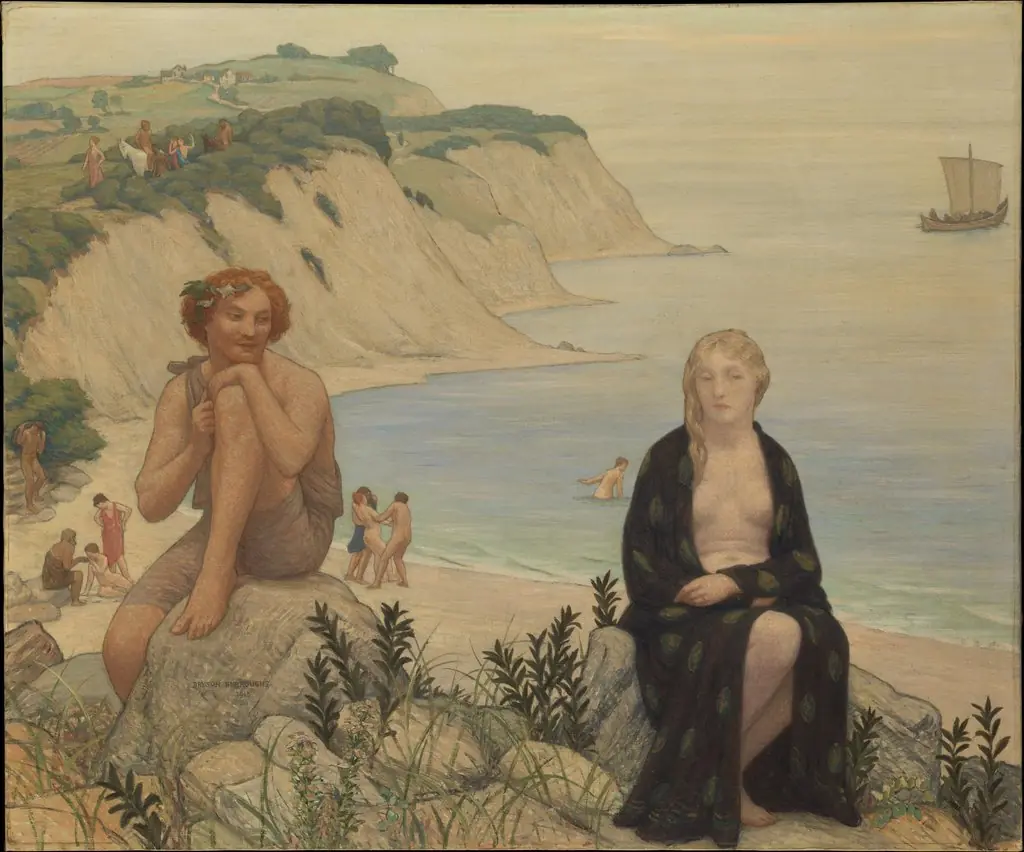 Consolation of Ariadne
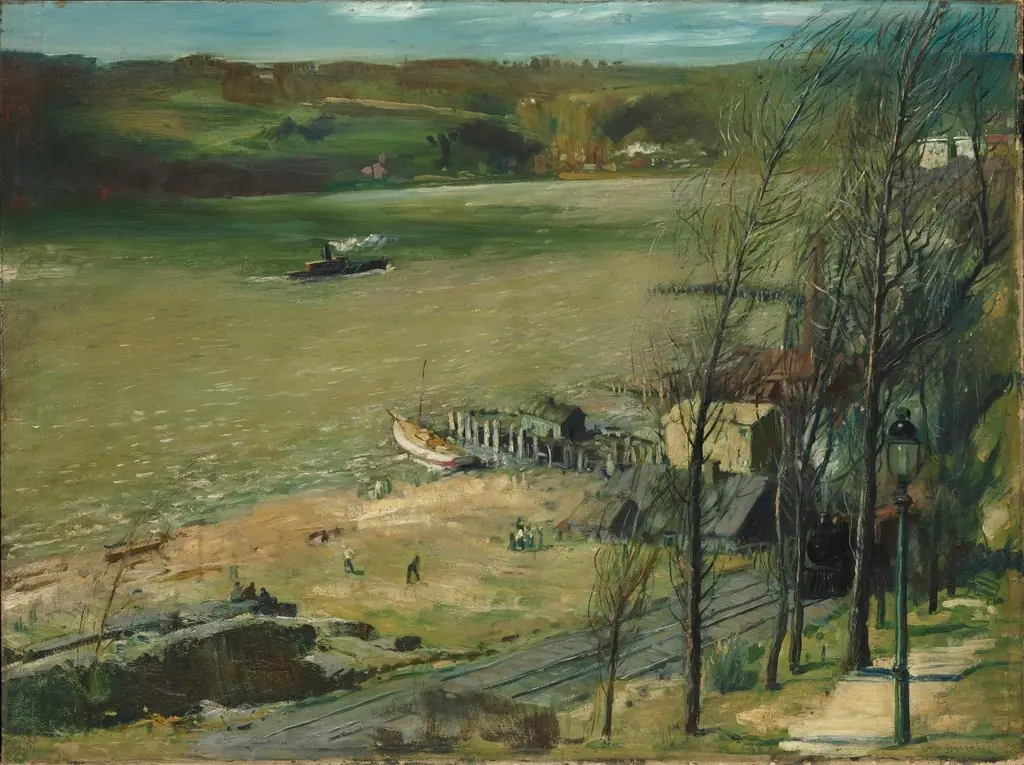 Up the Hudson
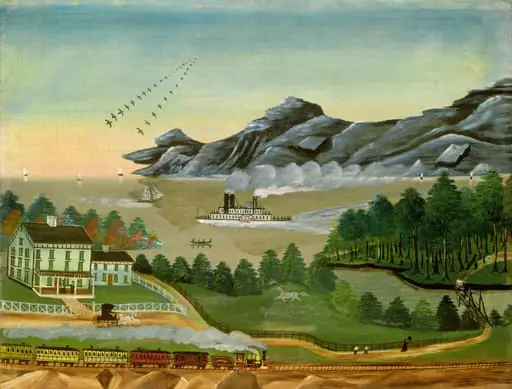 Geese in Flight
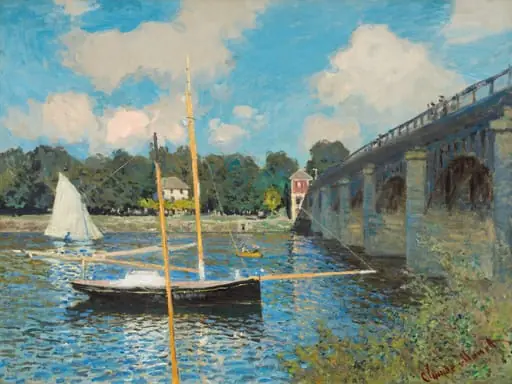 The Bridge at Argenteuil
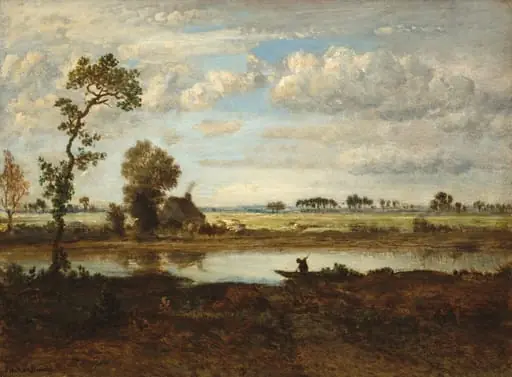 Landscape with Boatman
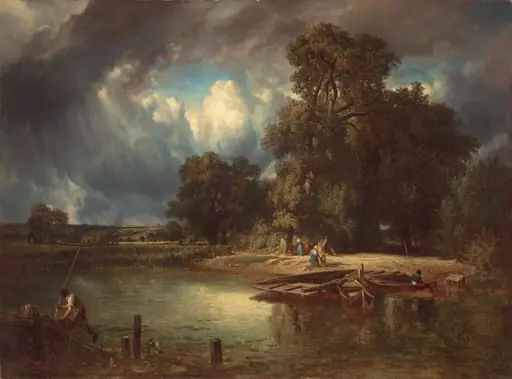 The Approaching Storm
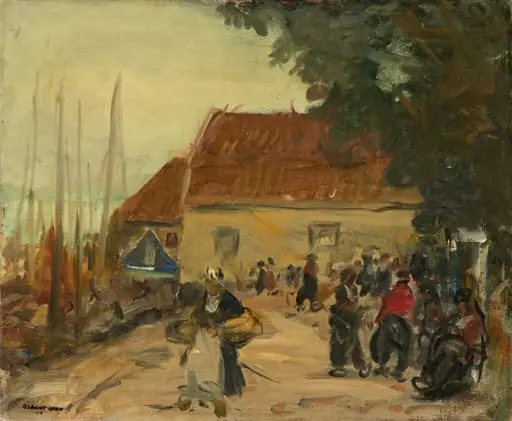 Volendam Street Scene
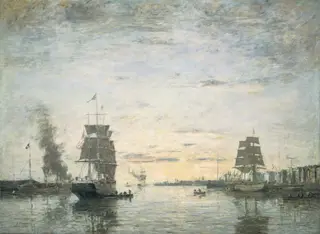 Entrance to the Harbor, Le Havre
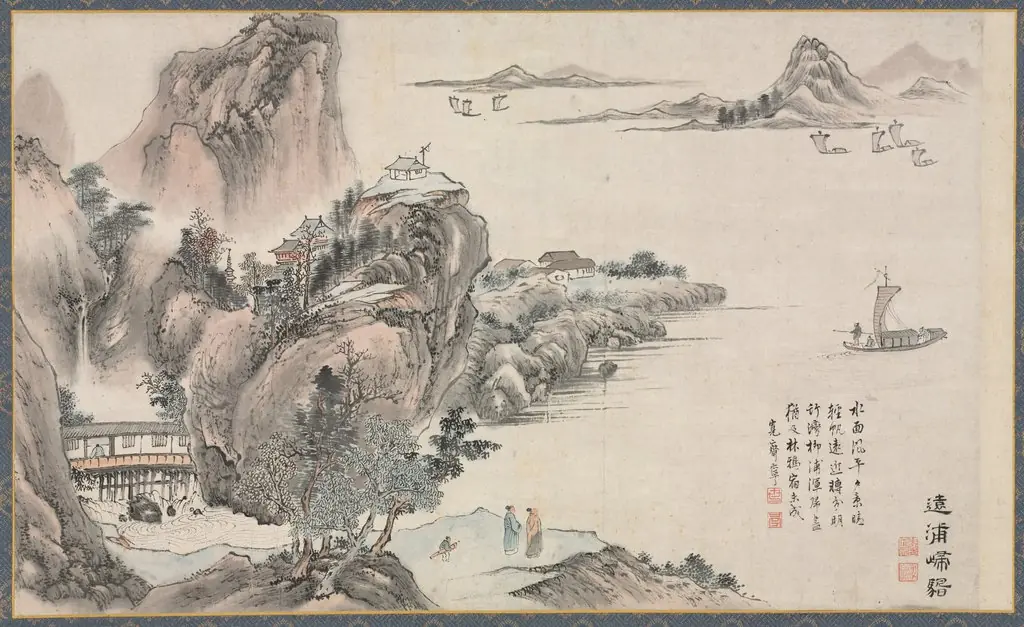 Returning Sails off a Distant Shores, from Eight Views of Xiao-Xiang
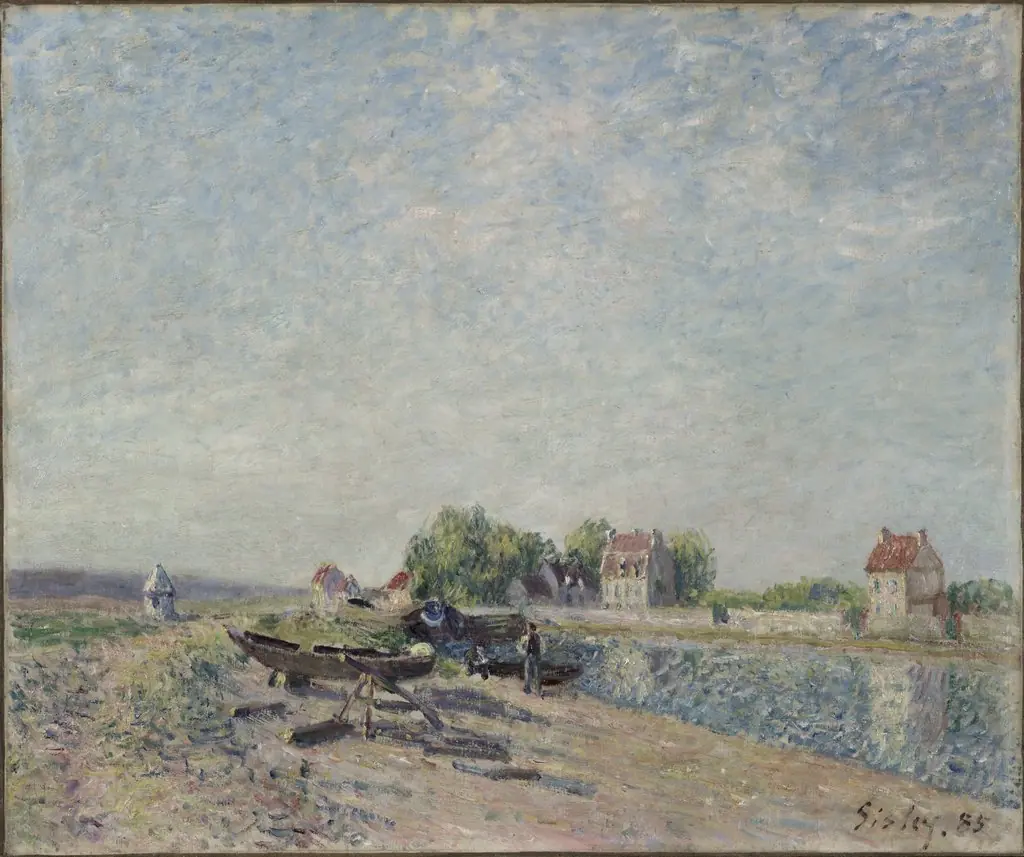 Saint-Mammès, Loing Canal
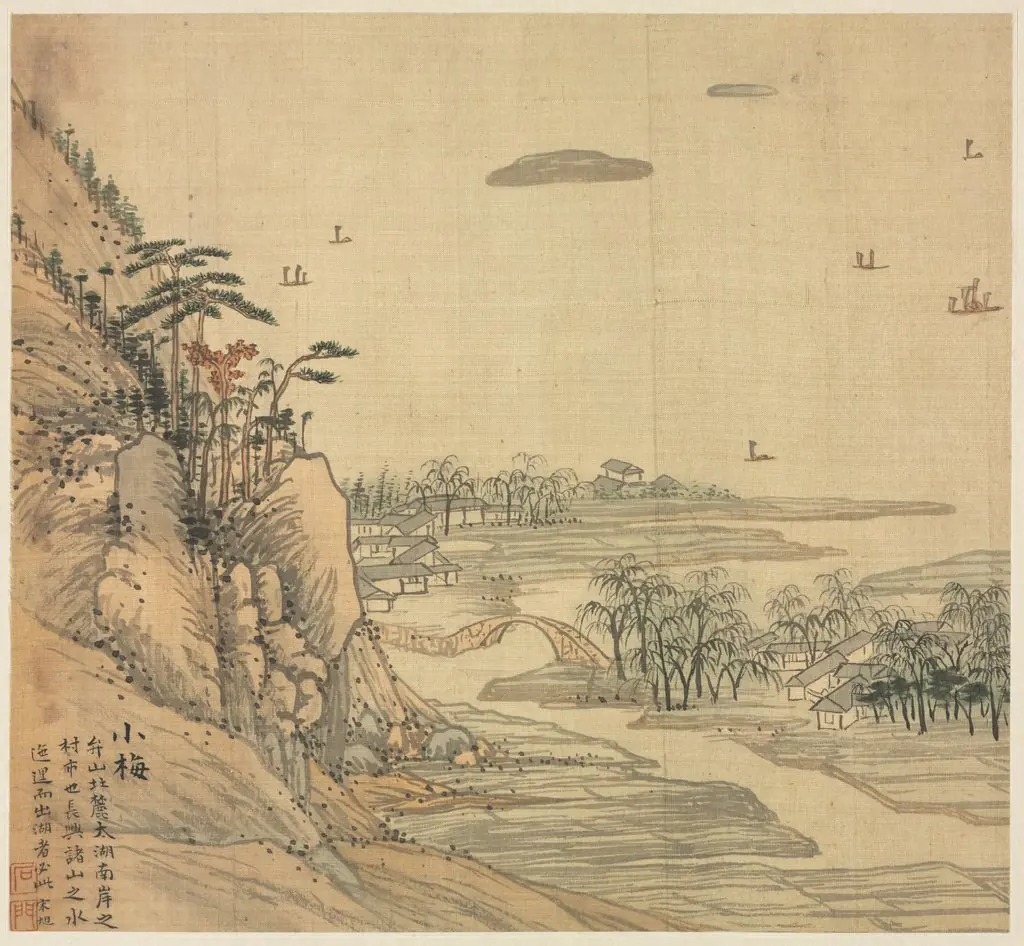 Xiaomei
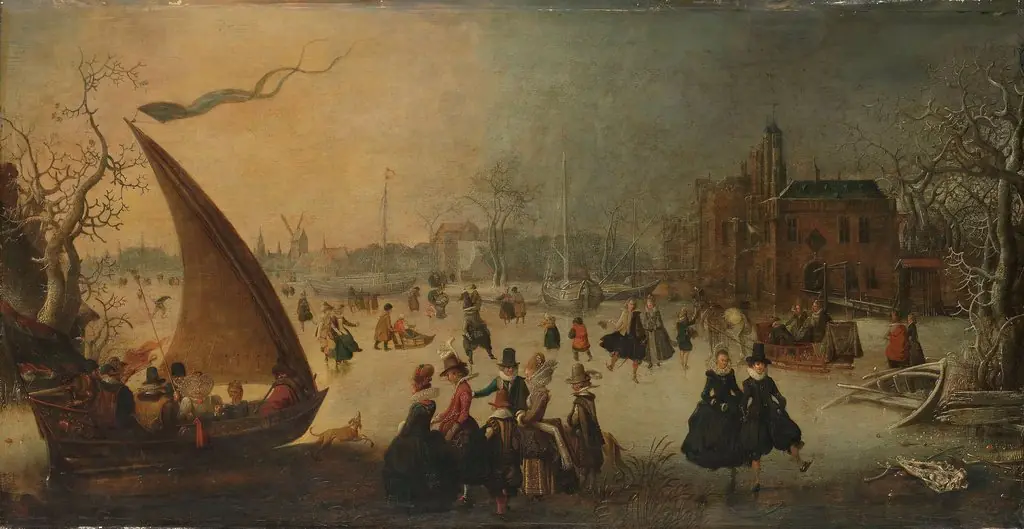 Landscape with frozen canal, skaters and an ice-boat
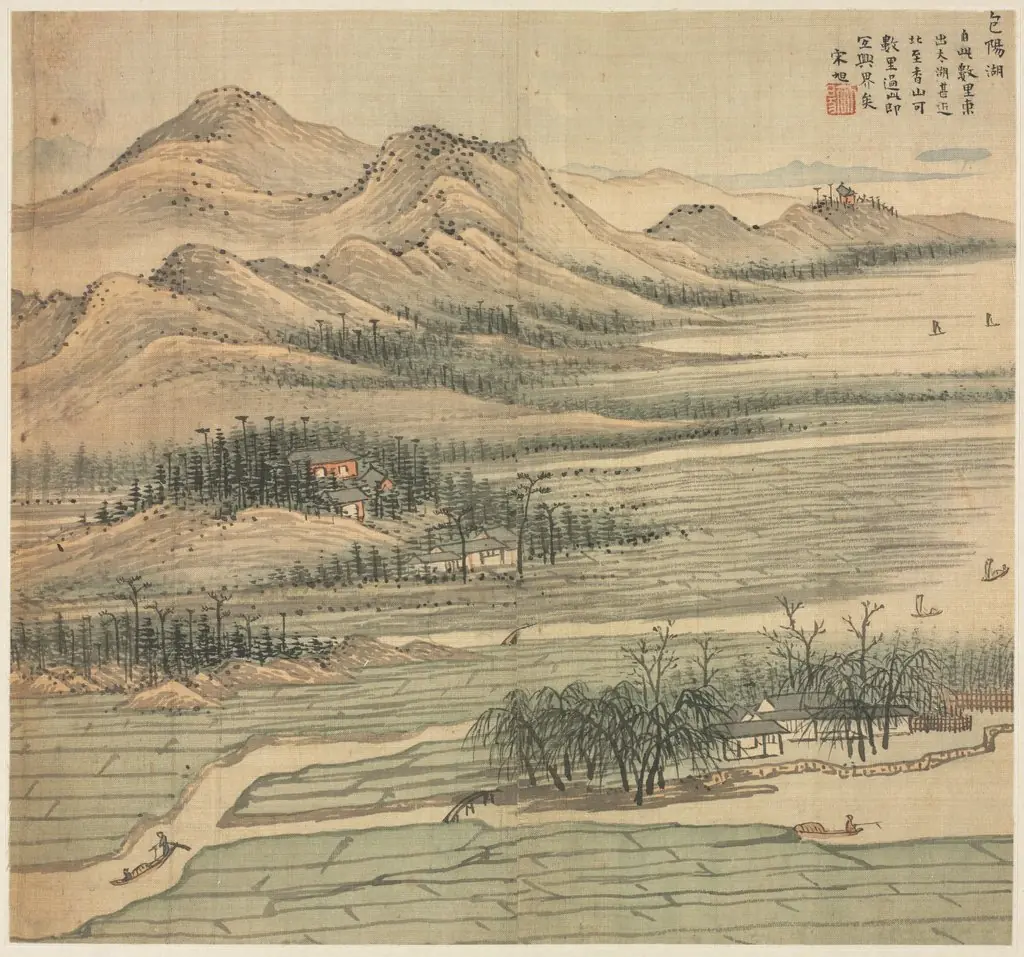 Baoyang Lake
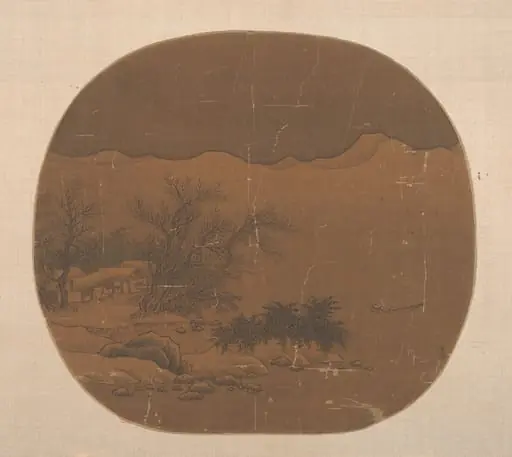 Untitled
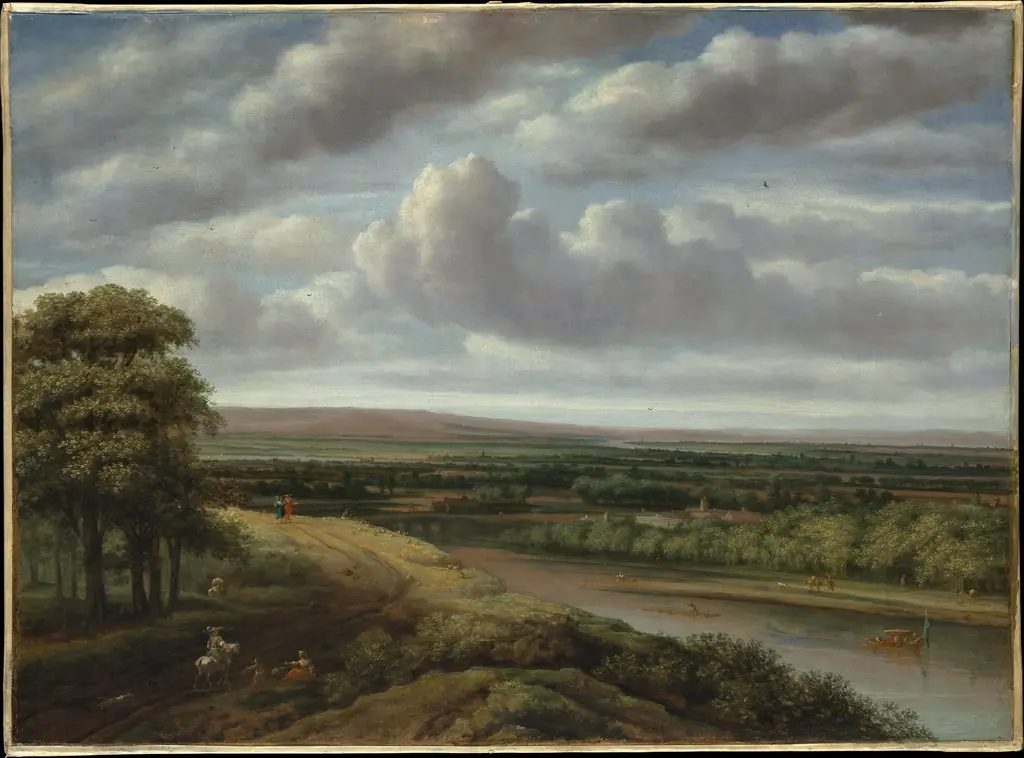 An Extensive Wooded Landscape
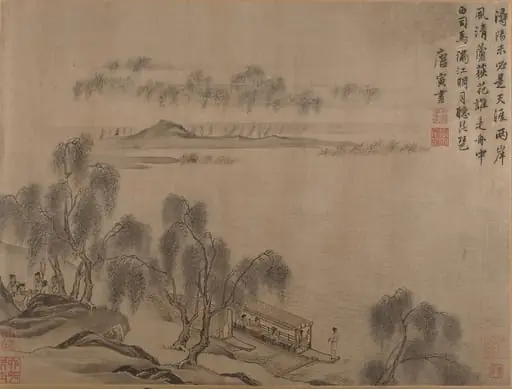 Untitled
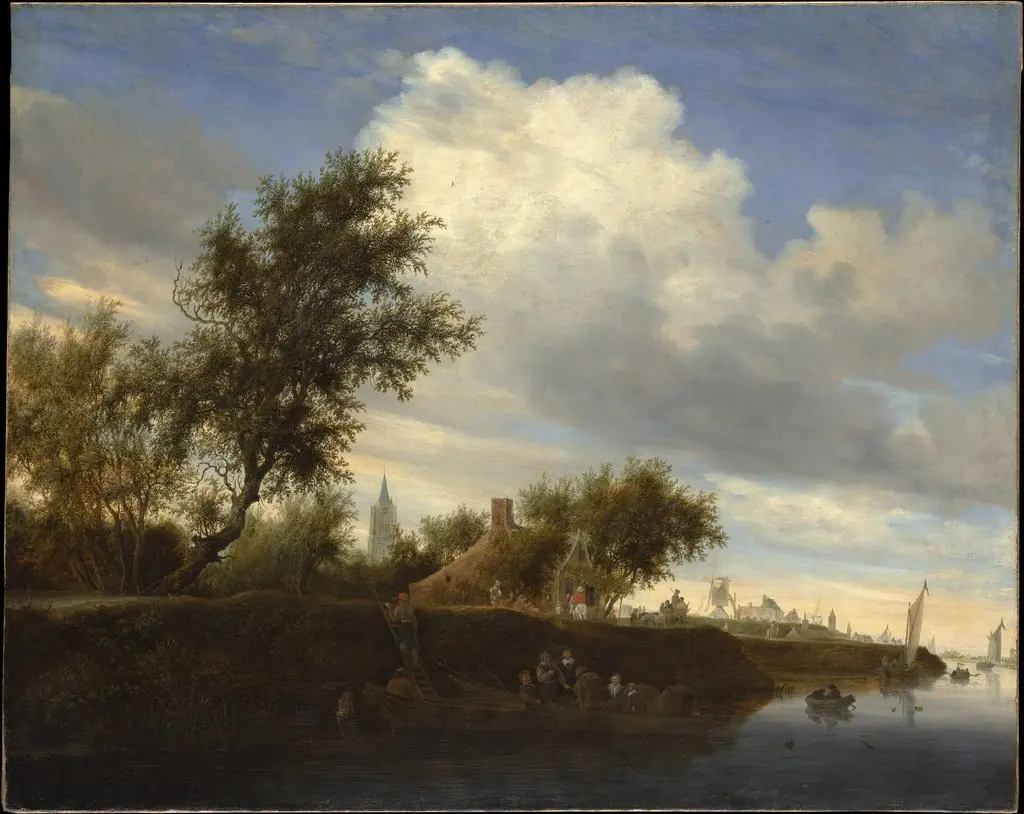 Ferry near Gorinchem
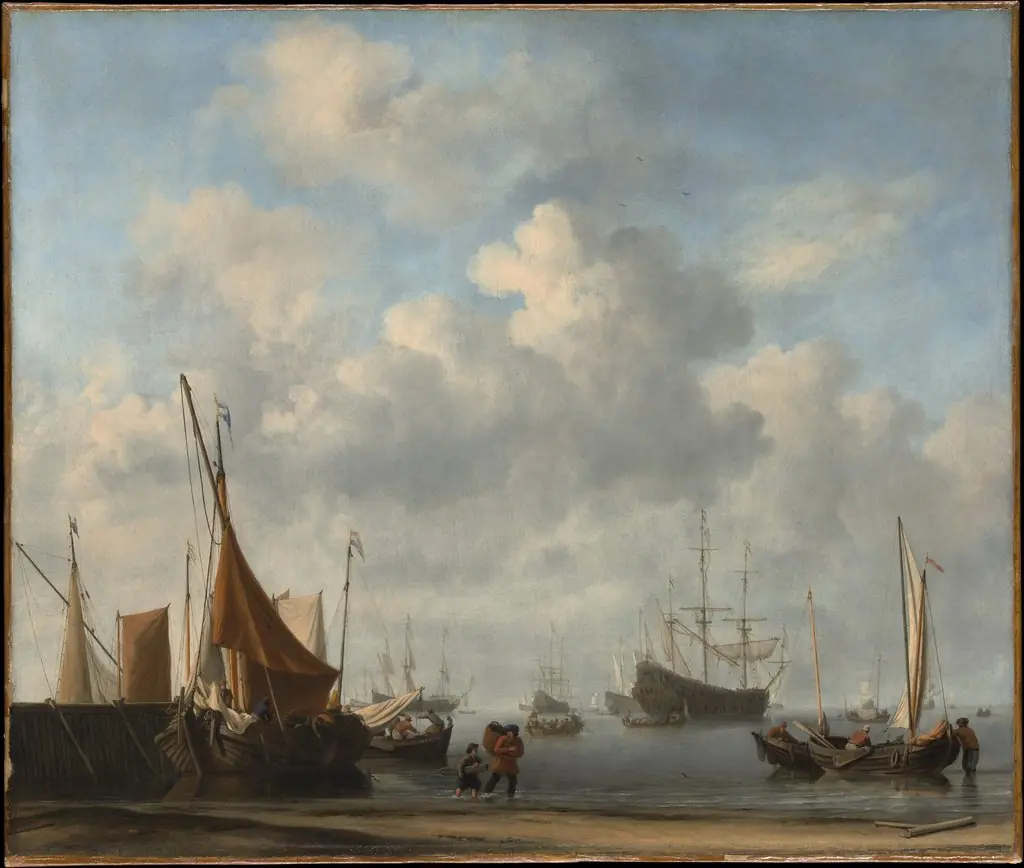 Entrance to a Dutch Port
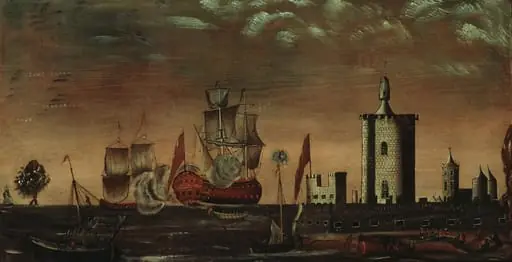 Seascape Fantasy
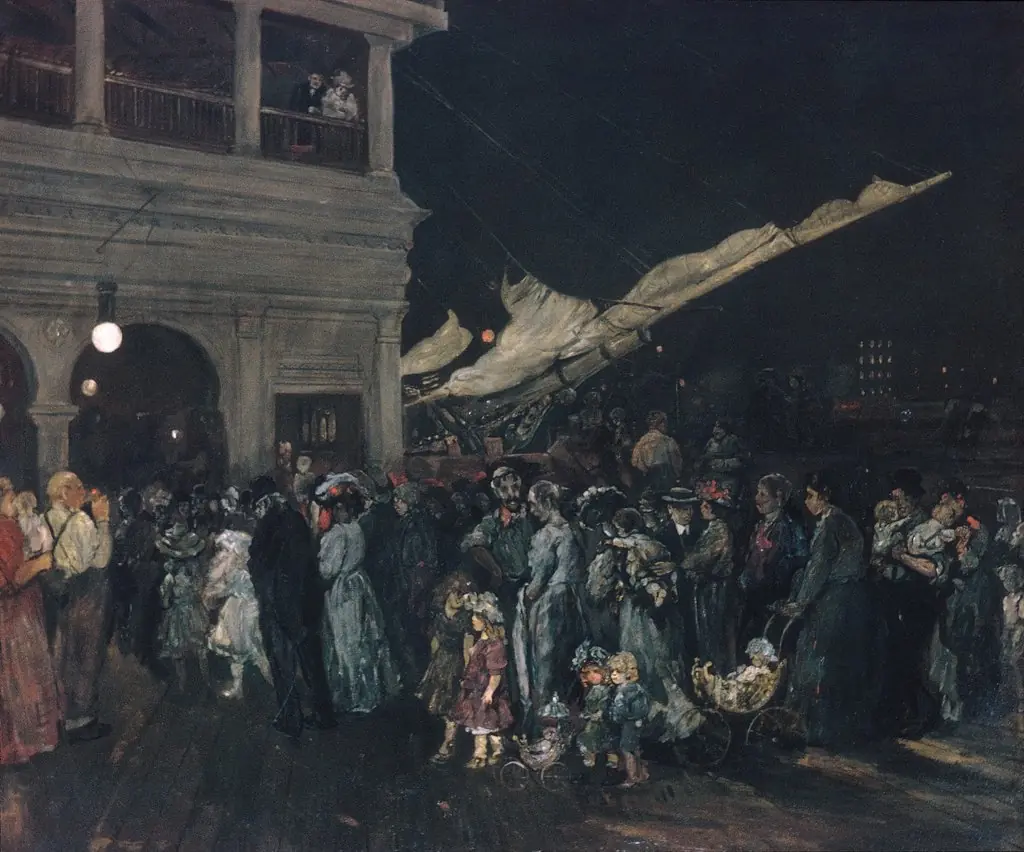 A North River Recreation Pier
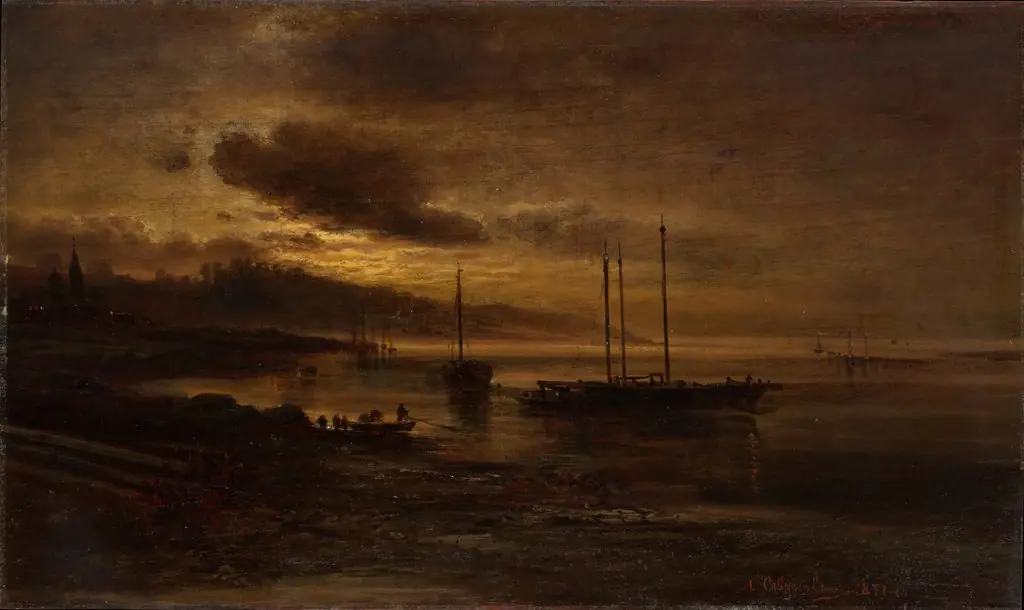 Night Scene on the Volga
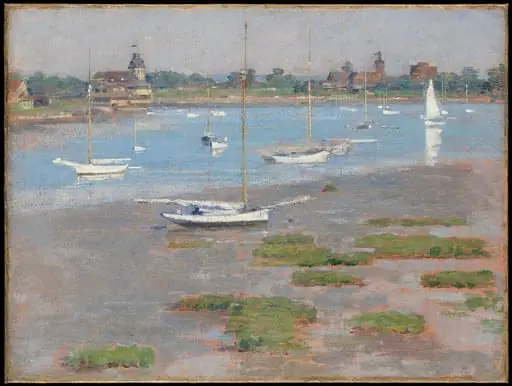 Low Tide, Riverside Yacht Club
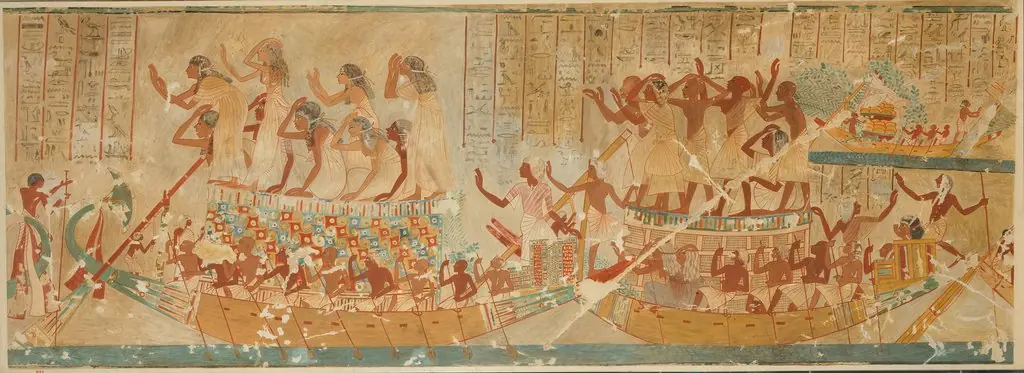 Boats with Mourners and Provisions, Tomb of Neferhotep
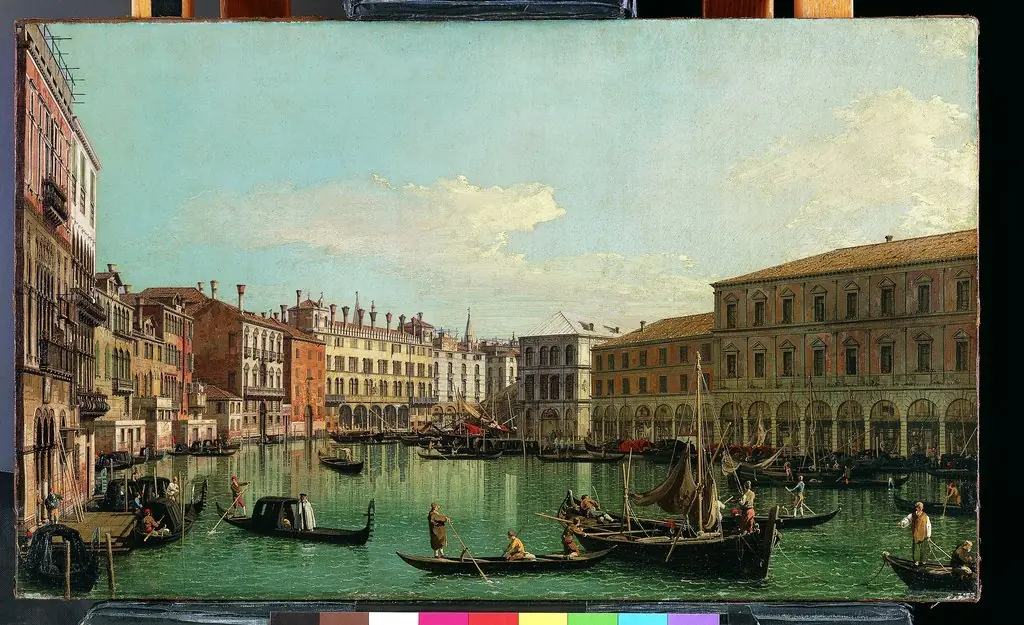 The Grand Canal, Venice, Looking South toward the Rialto Bridge
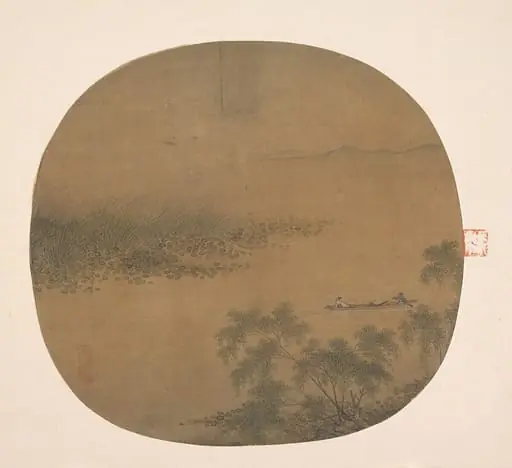 南宋 佚名 泛舟柳塘圖 團扇|Boating by a Willow Bank
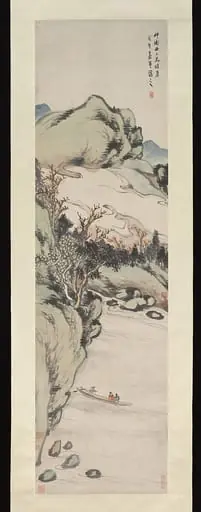 清 吳熙載 山水 軸|Landscape
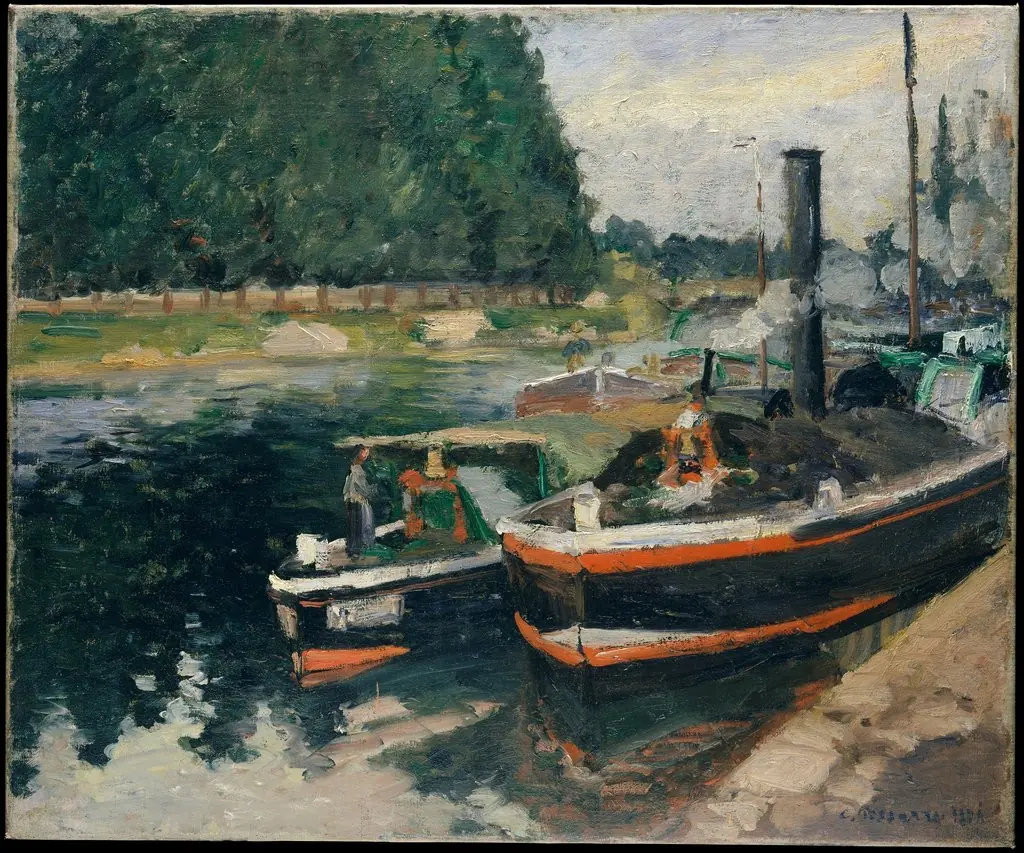 Barges at Pontoise
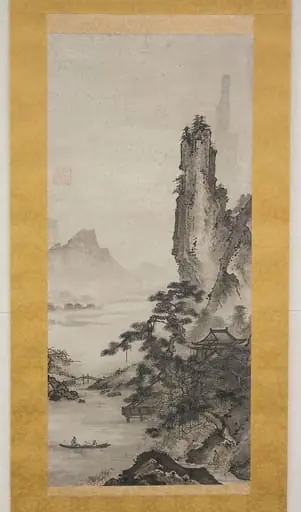 Untitled
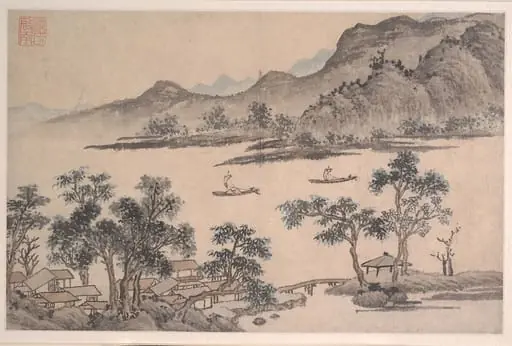 Untitled
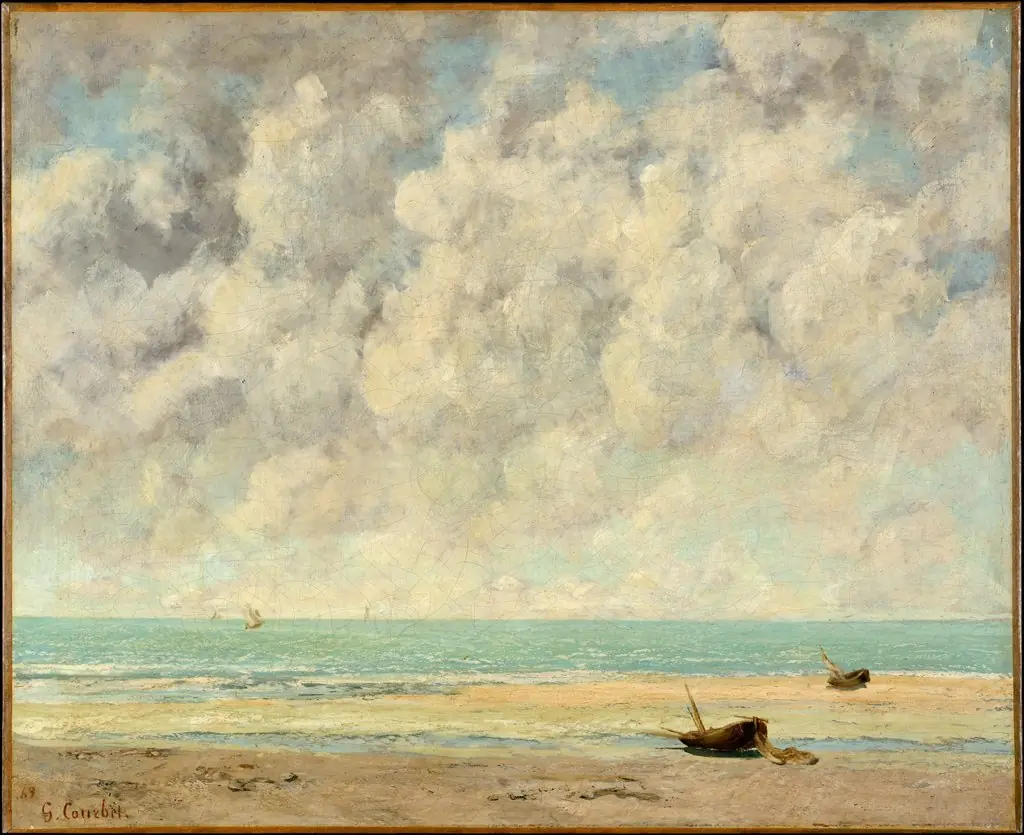 The Calm Sea
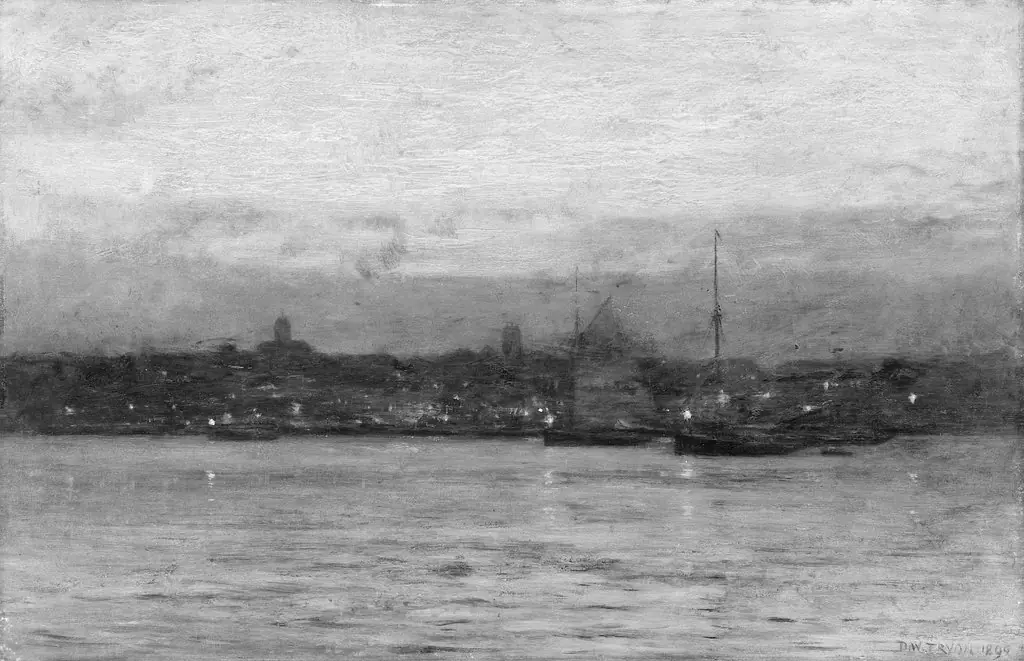 Evening, New Bedford Harbor
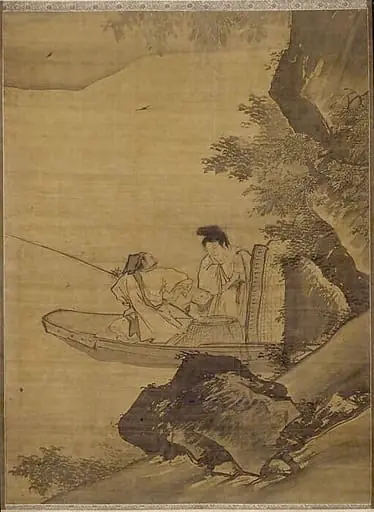 明 傳張路 溪畔漁家圖 軸|Fisherman and family
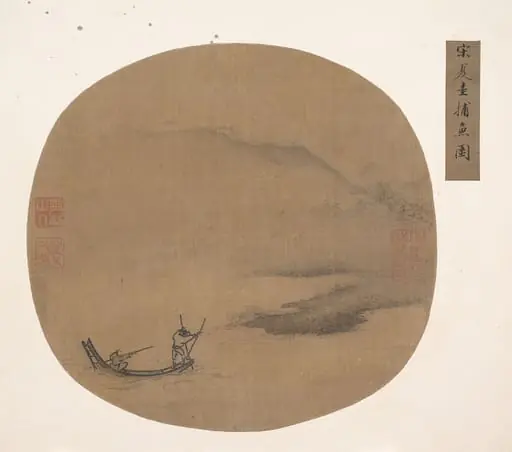 明/清 佚名 仿夏珪 捕魚圖 團扇|River Landscape with Boatmen
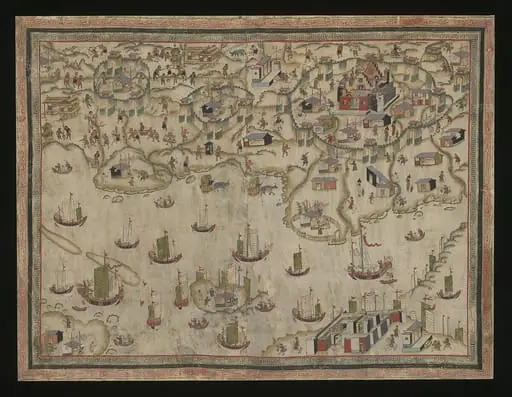 清 佚名 台南地區荷蘭城堡|Forts Zeelandia and Provintia and the City of Tainan
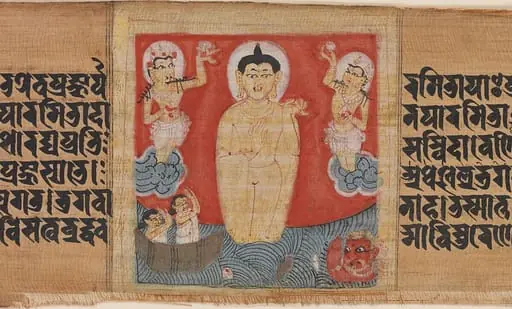 Untitled
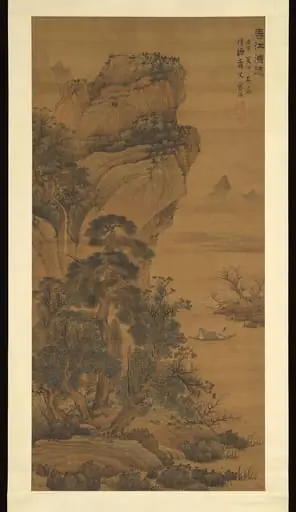 明 藍瑛 春江漁隱圖 軸|Hermit-Fisherman on a Spring River
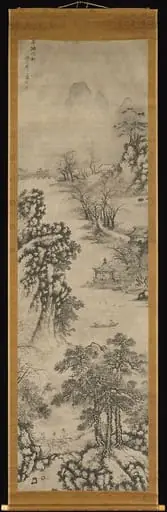 明 謝時臣 四時佳興圖 軸 四幅|Landscapes of the Four Seasons
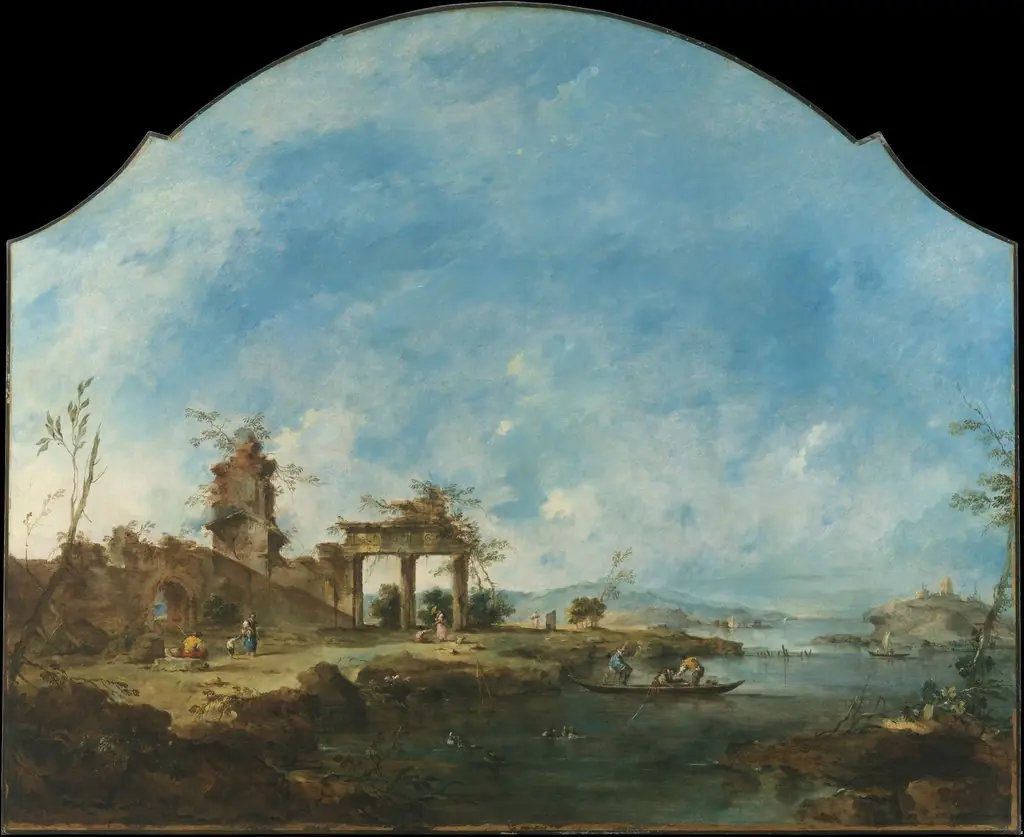 Fantastic Landscape
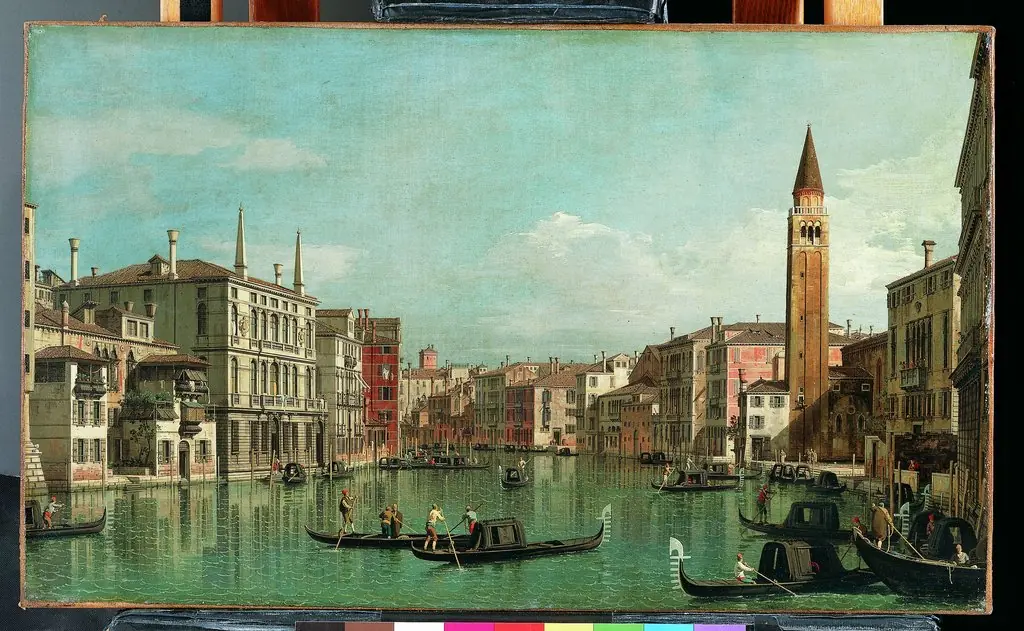 The Grand Canal, Venice, Looking Southeast, with the Campo della Carità to the Right
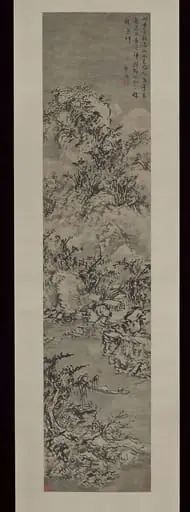 明 史忠 雪景山水圖 軸|Winter landscape with fisherman
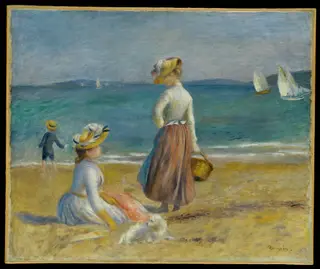 Figures on the Beach
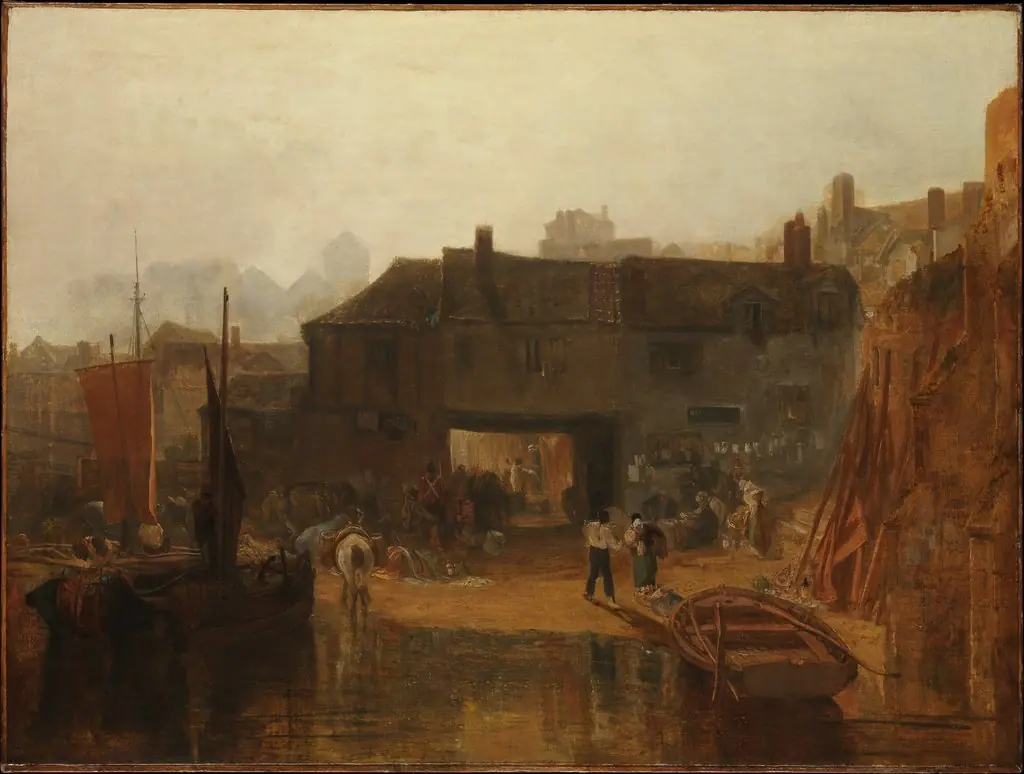 Saltash with the Water Ferry, Cornwall
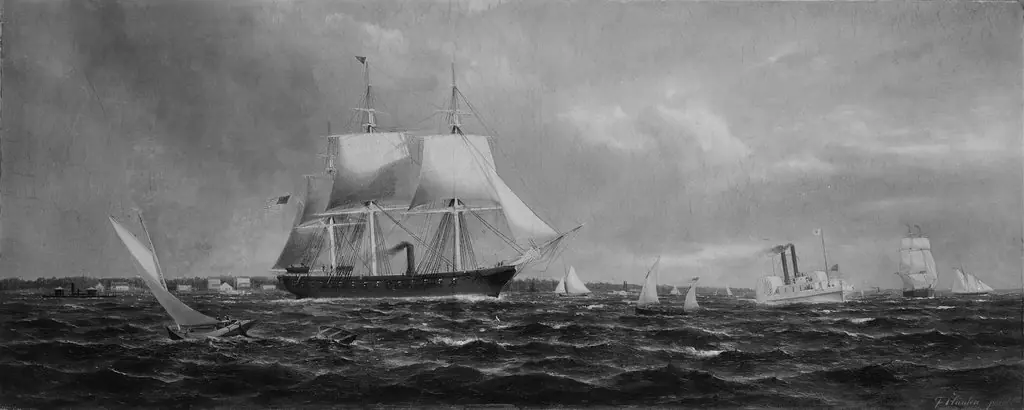 New York Bay
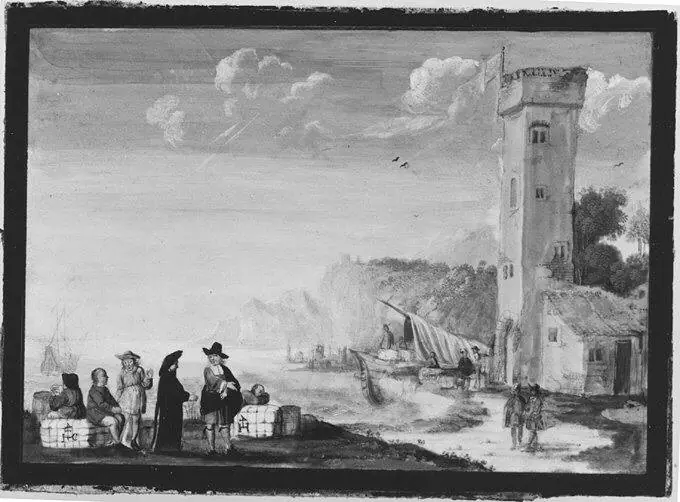 Harbor Scene
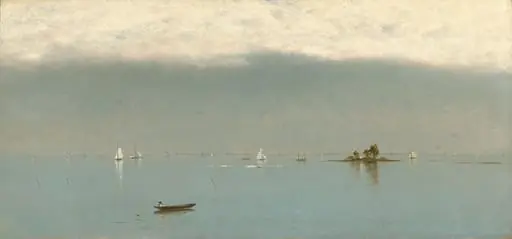 Passing off of the Storm
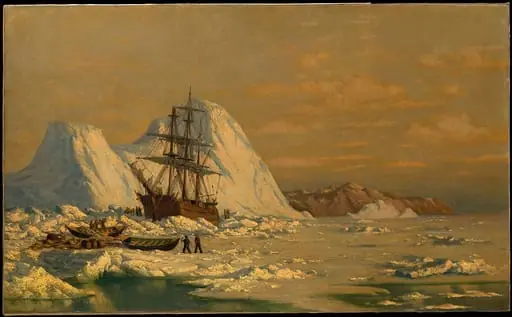 An Incident of Whaling
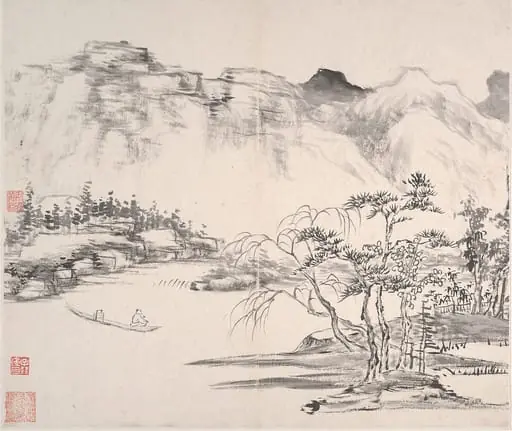 清 伊秉綬 山水 冊|Landscapes
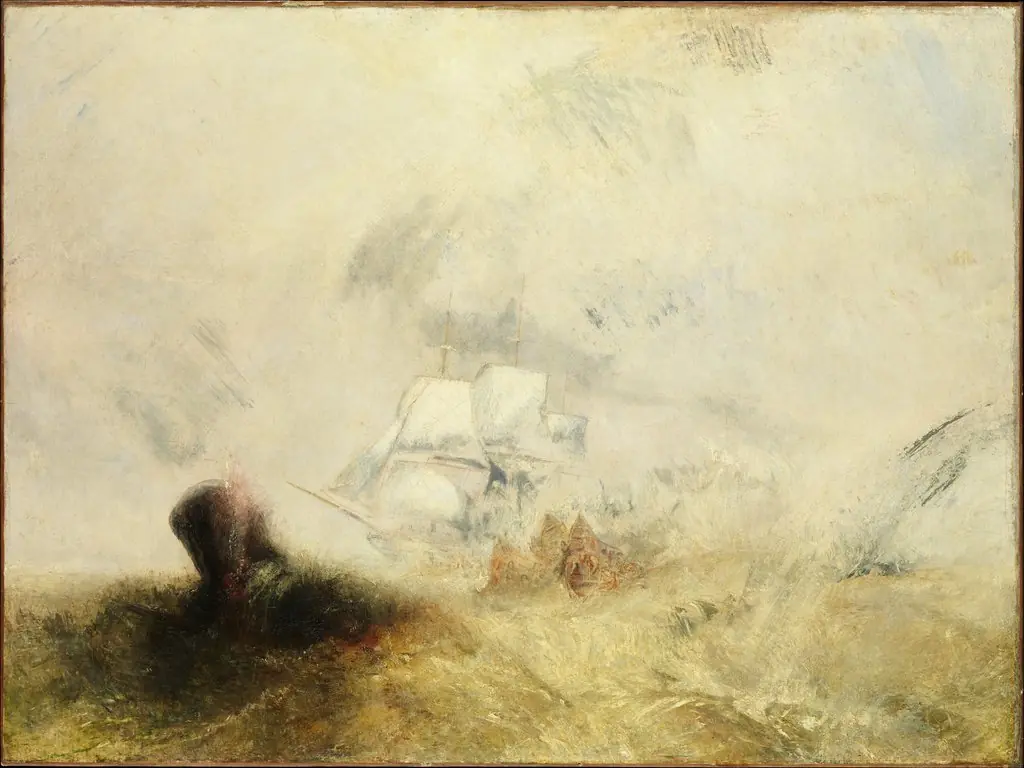 Whalers
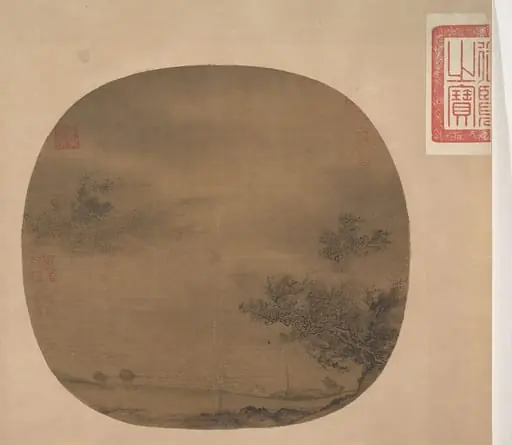 南宋 佚名 風雨拉縴圖 團扇|Towing a Boat in a Rainstorm
 Untitled
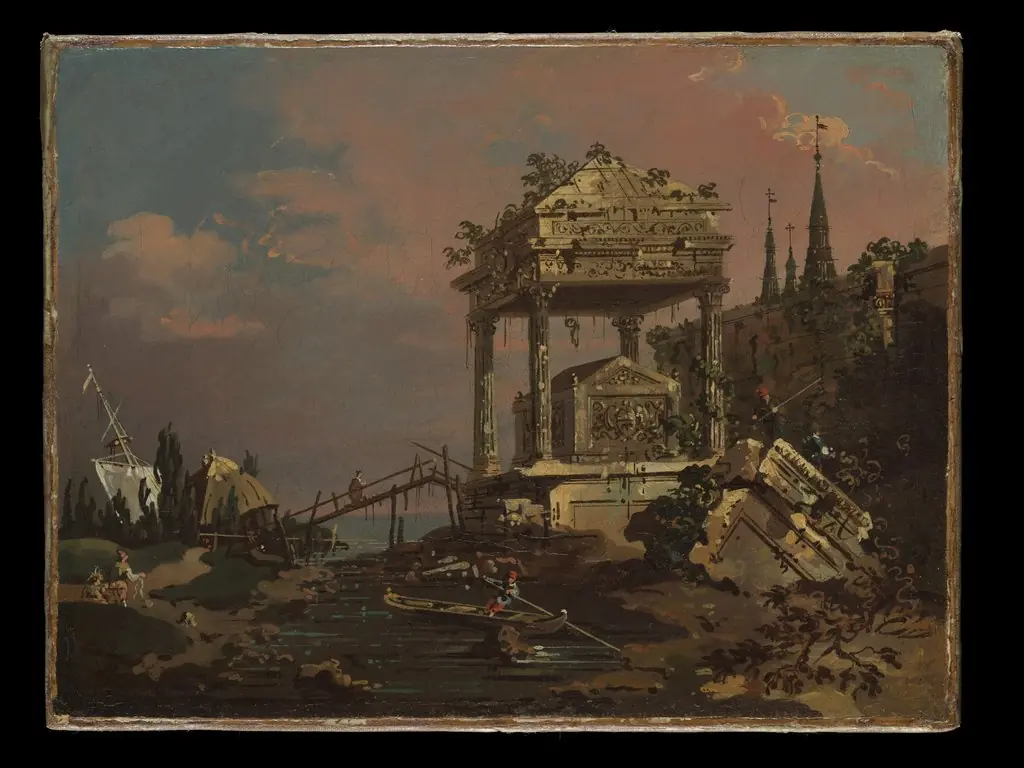 Imaginary View with a Tomb by the Lagoon
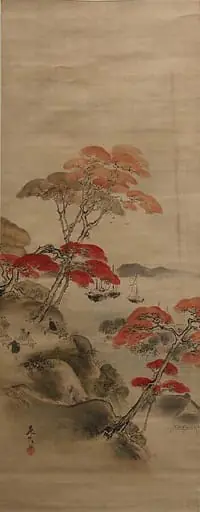 Untitled
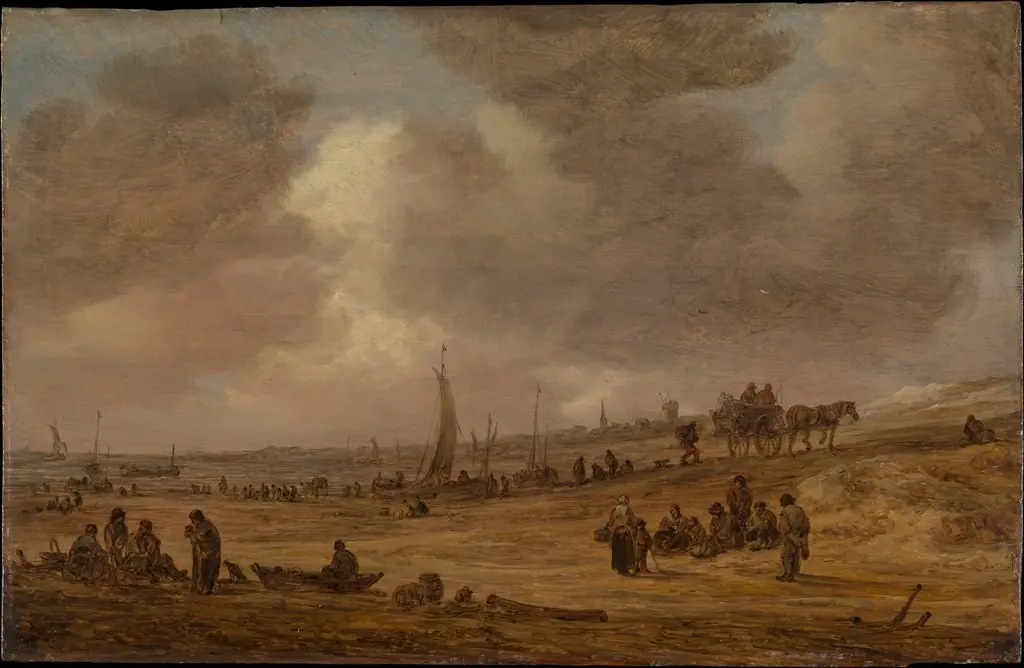 A Beach with Fishing Boats
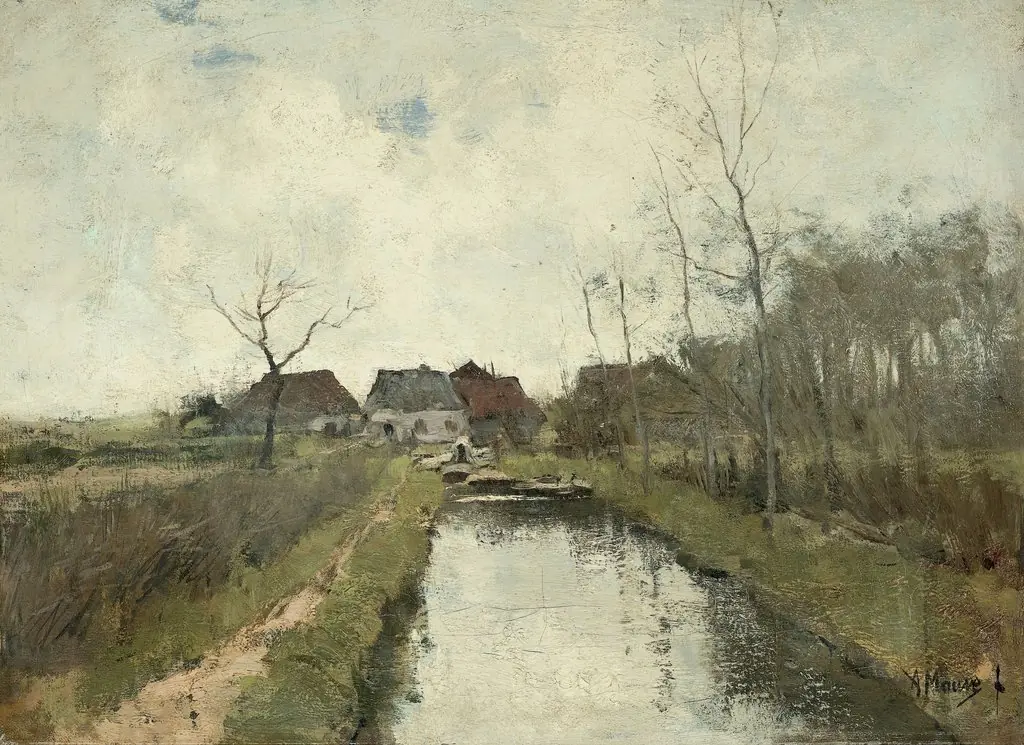 Cottages by a ditch
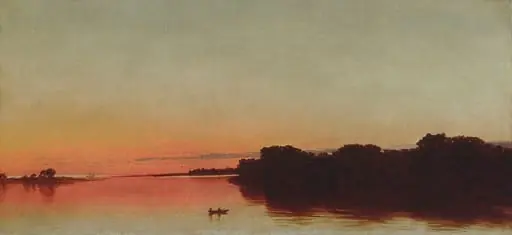 Twilight on the Sound, Darien, Connecticut
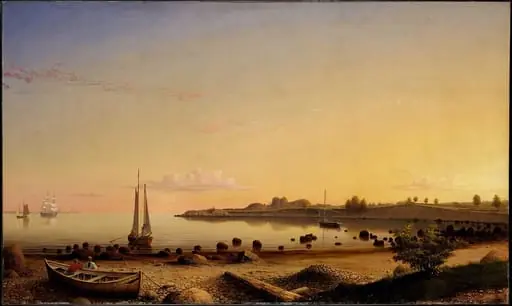 Stage Fort across Gloucester Harbor
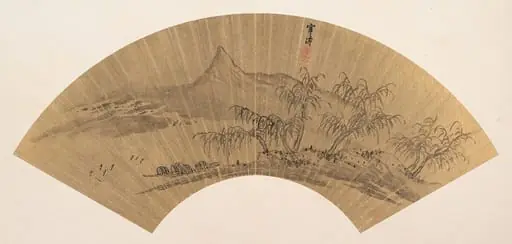 清 吳山濤 山水圖 扇|Riverscape with moored boats
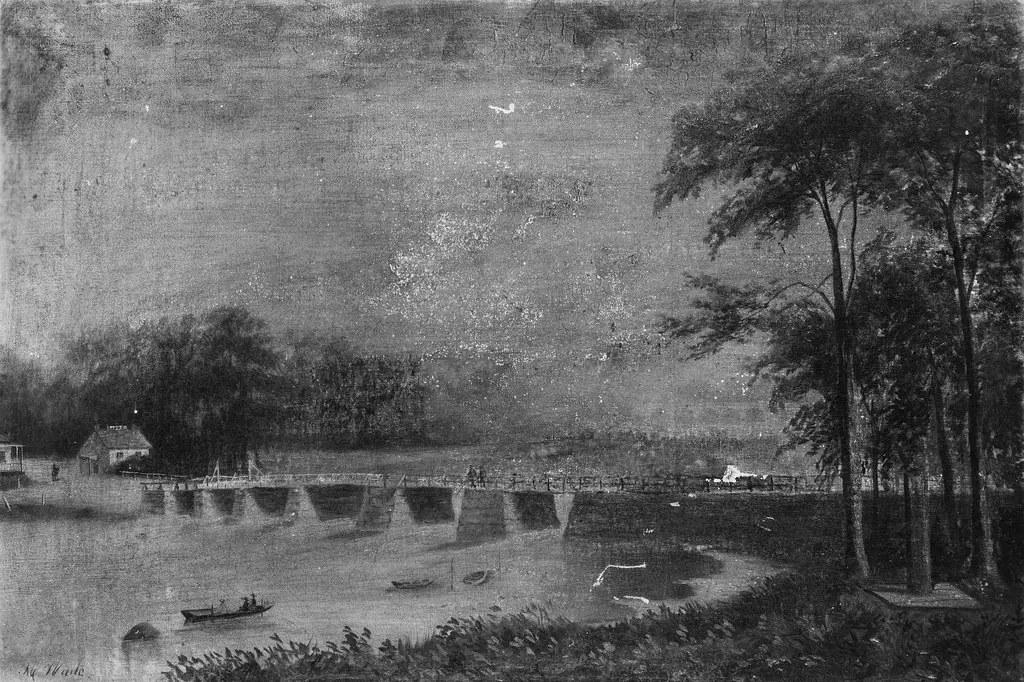 Harlem Bridge, New York
 Untitled
Frequently asked questions
What is Boat?
Boat is a subject in art. A boat is a watercraft of a large range of types and sizes, but generally smaller than a ship, which is distinguished by its larger size or capacity, its shape, or its ability to carry boats.
How many Boat works does Artifact World Gallery have?
Artifact World Gallery holds 200 public-domain Boat works, all free to view and download.
Who are the key Boat artists?
Key Boat artists in the collection include Titian, Thomas Eakins and Jean Baptiste Camille Corot.
Where can I see Boat works?
Boat works in the collection are held by Metropolitan Museum of Art, Rijksmuseum and National Gallery of Art.