Artwork
Portrait
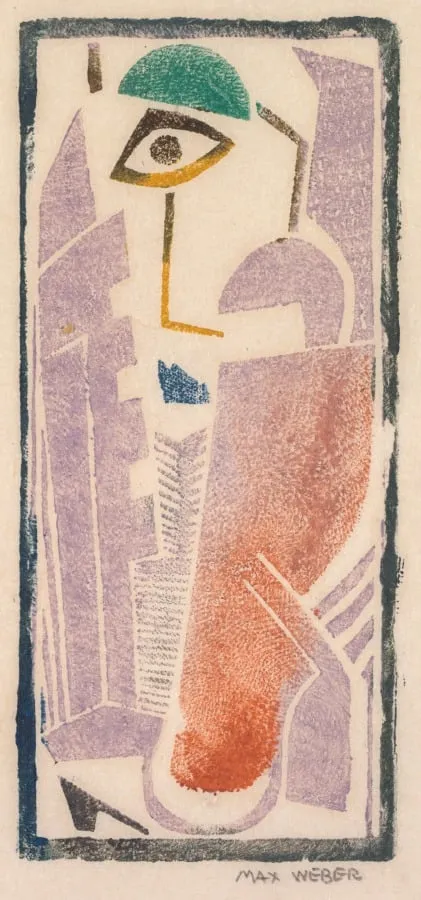
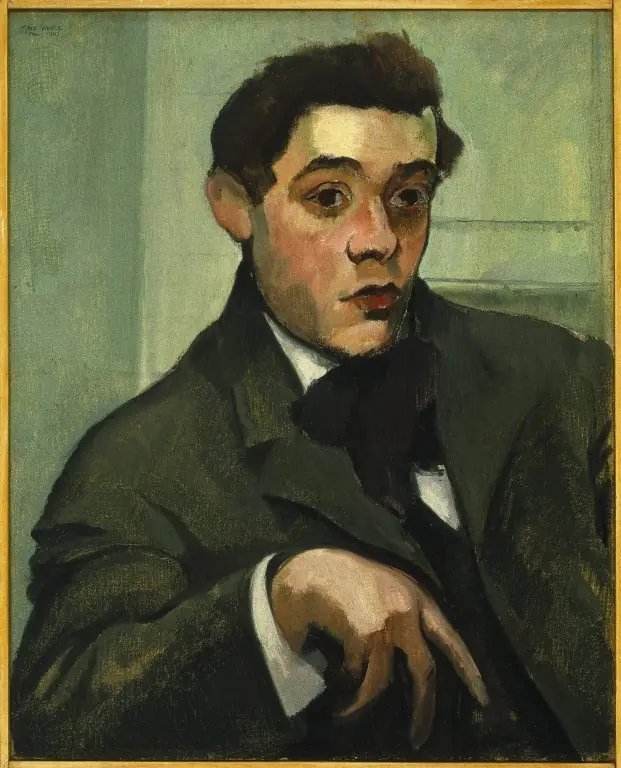
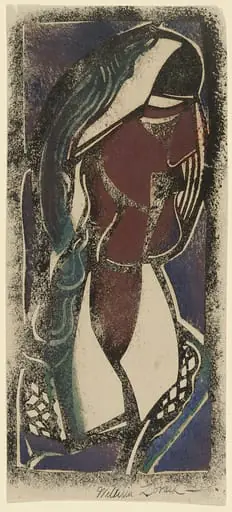
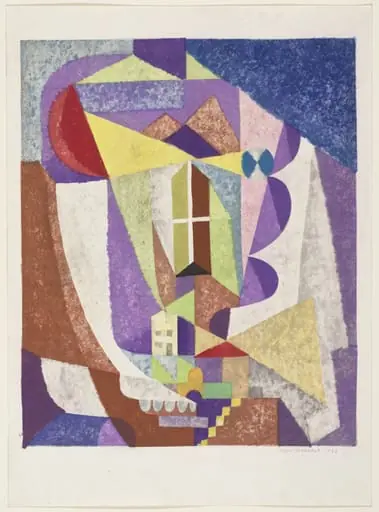
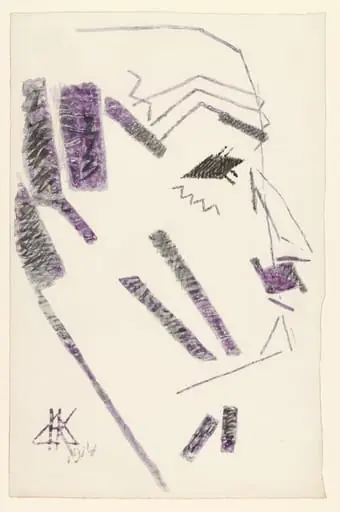
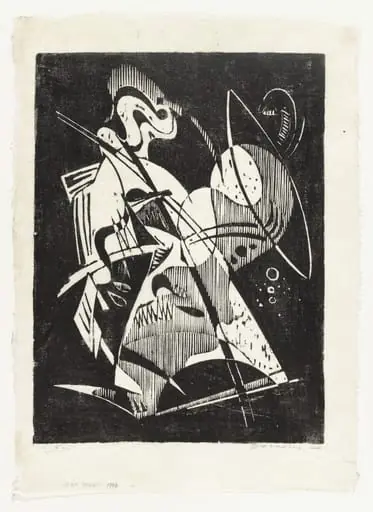
Portrait is a print by Max Weber. It dates from 1920 and is held in the collection of the Cleveland Museum of Art.
- Accession no.
- 2018.1072
- Credit line
- Gift of James and Hanna Bartlett
About this work
Overview
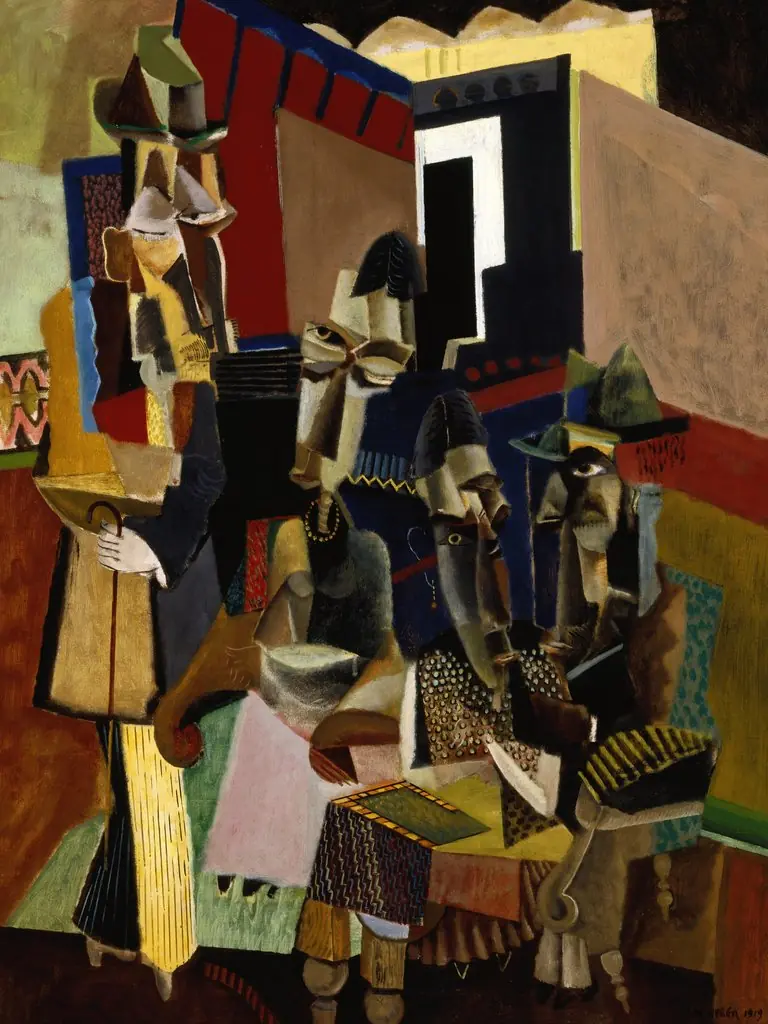
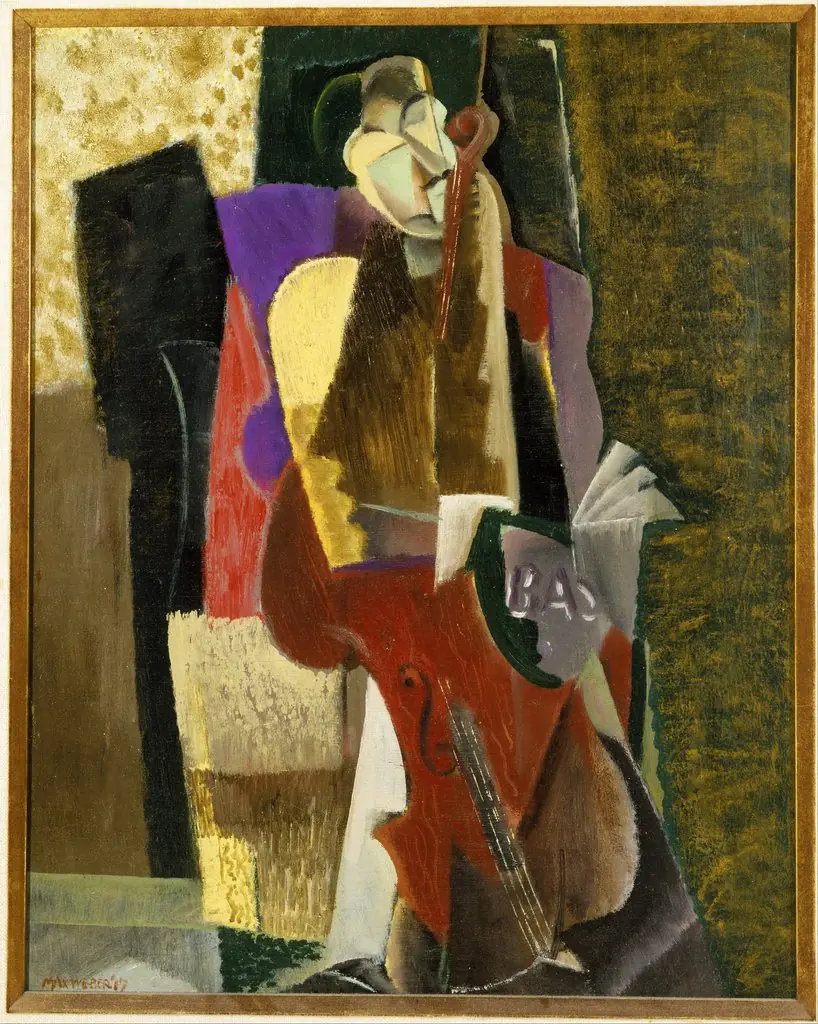
This 1919 print by Max Weber is a representation of a human face, broken down into geometric components.
Subject & Meaning
The artist deconstructed the human figure, simplifying it into basic shapes, drawing inspiration from non-Western art forms.
Technique & Style
Weber's print features flat, angular forms and bold lines, reflecting the influence of African masks and Japanese prints on his work.
Context
Weber's exposure to non-Western art in Paris, including African masks and Japanese prints, informed his artistic style and approach to representing the human form.
Artist & collection