Artwork
Maurice, Prince of Orange
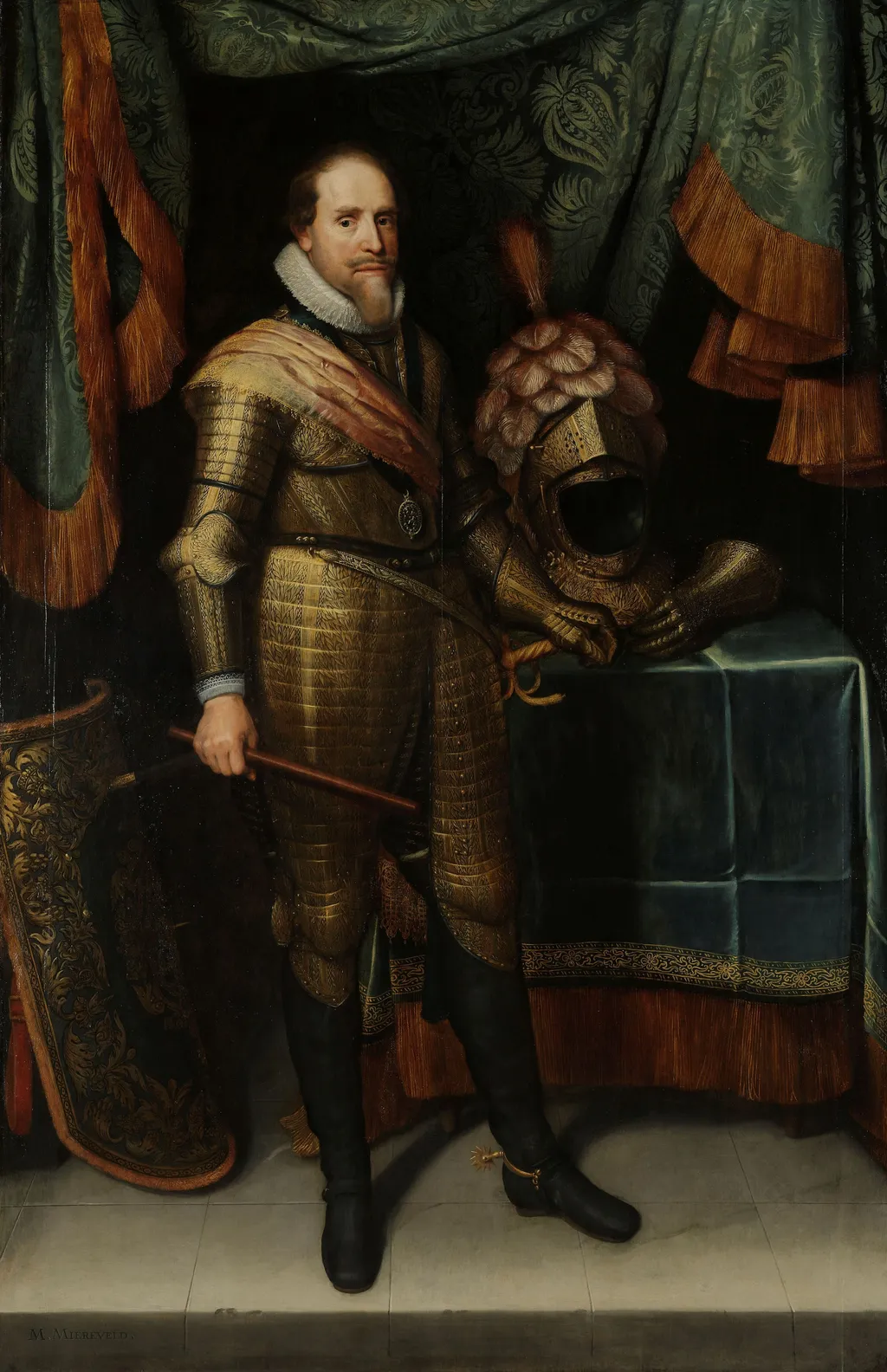
Maurice, Prince of Orange is an oil painting by the Dutch Golden Age artist Michiel Jansz van Mierevelt. It dates from 1613 and is held in the collection of the Rijksmuseum.
About this work
It was painted in oil on a wooden panel by Michiel Jansz van Mierevelt sometime after 1613.
This is a portrait of Maurice, Prince of Orange. It was painted in oil on a wooden panel by Michiel Jansz van Mierevelt sometime after 1613. The work was ordered by the Dutch government to hang in their meeting room.
It shows Maurice in a formal pose. The painting traveled with the government from the 1600s into the 1700s.
Next time you’re in Amsterdam, look up the Rijksmuseum to see it in person.
Subject & Meaning
This full-length portrait depicts Maurice of Nassau, officially titled Prince of Orange following his half-brother's death in 1618, though the States General had previously granted him the birth title. The work functions as a political statement of military leadership and diplomatic status. Maurice is shown wearing gilded armor, a gift from the States General commemorating his victory at the Battle of Nieuwpoort, likely crafted by goldsmith Charles Dartené. Although the original armor no longer survives, its representation here underscores his martial prowess.
Surrounding iconography reinforces his authority: a plumed helmet and an ornate shield, known as a targe made by Jacob de Swart, rest on a table beside him. He holds a command staff in his right hand, symbolizing his role as commander, while wearing the insignia of the Order of the Garter around his neck. This inclusion suggests the portrait was created to mark his induction into the order, blending personal honor with state power.
Technique & Style
The full-length portrait is executed in oil paint on a wooden panel support measuring 220.3 cm in height and 143.5 cm in width.
The handling emphasizes clarity and precision, typical of Dutch portraiture of the period, with careful delineation of facial features and the starched lace collar. Maurice is shown standing in a three-quarter pose, wearing gilded parade armour that was awarded after the Battle of Nieuwpoort. The armour’s decorative gilding and associated accoutrements, helmet with feathered crest, a richly ornamented targe, and a command baton, are rendered with meticulous detail.
The sitter’s Order of the Garter insignia and the later addition of the title "Prince of Orange" reflect political recognition and dynastic status.
History & Provenance
Michiel Jansz. van Mierevelt created this oil-on-panel portrait of Maurice, Prince of Orange, sometime between 1613 and 1620. The work was commissioned by the States General of the Netherlands, likely in connection with Maurice's formal recognition as Prince of Orange in 1618. The painting depicts the ruler in a gilded armor awarded to him by the States General following his victory at the Battle of Nieuwpoort, an armor possibly crafted by Charles Dartené.
According to historical accounts, the portrait hung in the assembly room of the States General as early as 1707, as noted by an English traveler. The work is currently held in the Rijksmuseum in Amsterdam, where it measures 220.3 cm by 143.5 cm.
The portrait is held by the Rijksmuseum in Amsterdam, where it is located in hall 2.1. The work measures 220.3 cm by 143.5 cm and was commissioned by the States General of the Netherlands. Historical records indicate that an English traveler observed the painting hanging in the assembly room of the States General in 1707.
The museum also hosted a dedicated exhibition titled 'Maurits, Prins van Oranje' from December 1, 2000, to March 18, 2001, which featured this work.
Context
The portrait of Maurice, Prince of Orange by Michiel Jansz. van Miereveld is recognized as a key example of Dutch state portraiture of the early seventeenth century. Commissioned by the States General of the Netherlands, the work functioned as political iconography, projecting authority and military triumph during the Dutch Republic’s formative decades. Its display in the assembly room of the States General by 1707 underscores its institutional role in consolidating Maurice’s legacy as commander-in-chief.
The painting’s emphasis on ceremonial armor, awarded after his victory at Nieuwpoort, aligns with contemporary practices of using portraiture to commemorate military leadership and dynastic continuity. Multiple versions attributed to Van Miereveld’s studio reflect the prince’s sustained visual presence in the public sphere, reinforcing his symbolic centrality in Dutch political and military culture of the period.
Overview
Michiel van Mierevelt’s oil portrait of Maurice, Prince of Orange, was executed on a wooden panel between 1613 and 1620. The work presents the Dutch stadtholder in a formal, seated stance, emphasizing his status as a leading military and political figure of the early seventeenth‑century Netherlands.
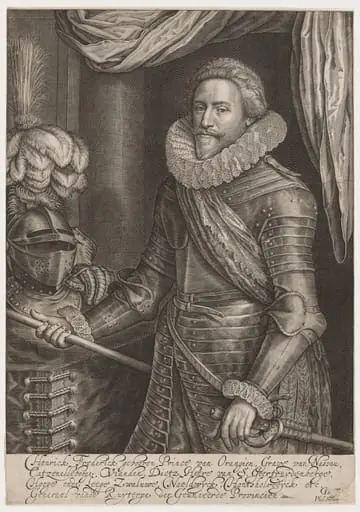
Own this work as a print
Artist & collection
Artist
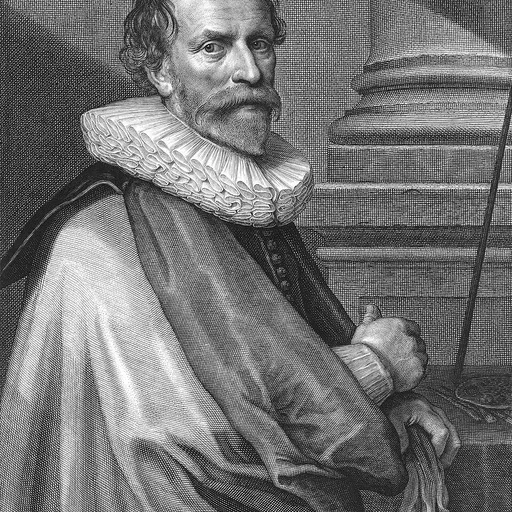
Michiel Janszoon (abbr. Jansz.) van Mierevelt (Dutch pronunciation:; also spelled Miereveld or Miereveldt; 1 May 1566 – 27 June 1641) was a Dutch painter and draftsman of the Dutch Golden Age.

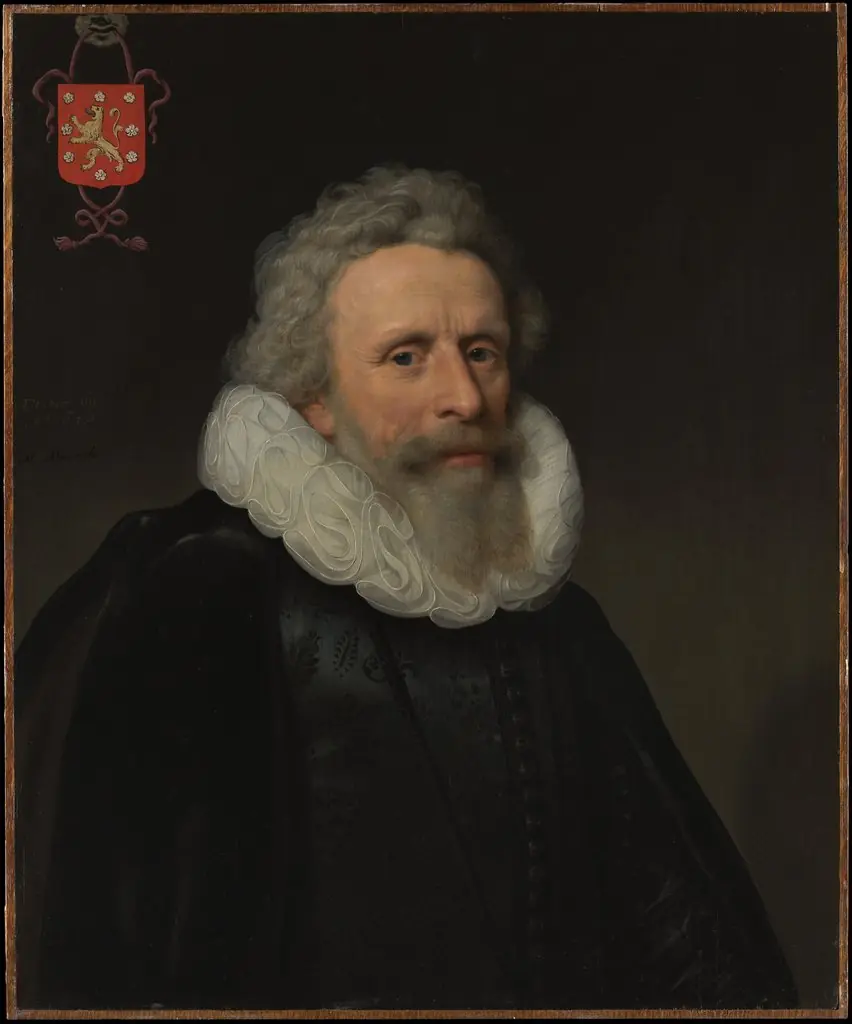 Jacob van Dalen (1570–1644), Called Vallensis
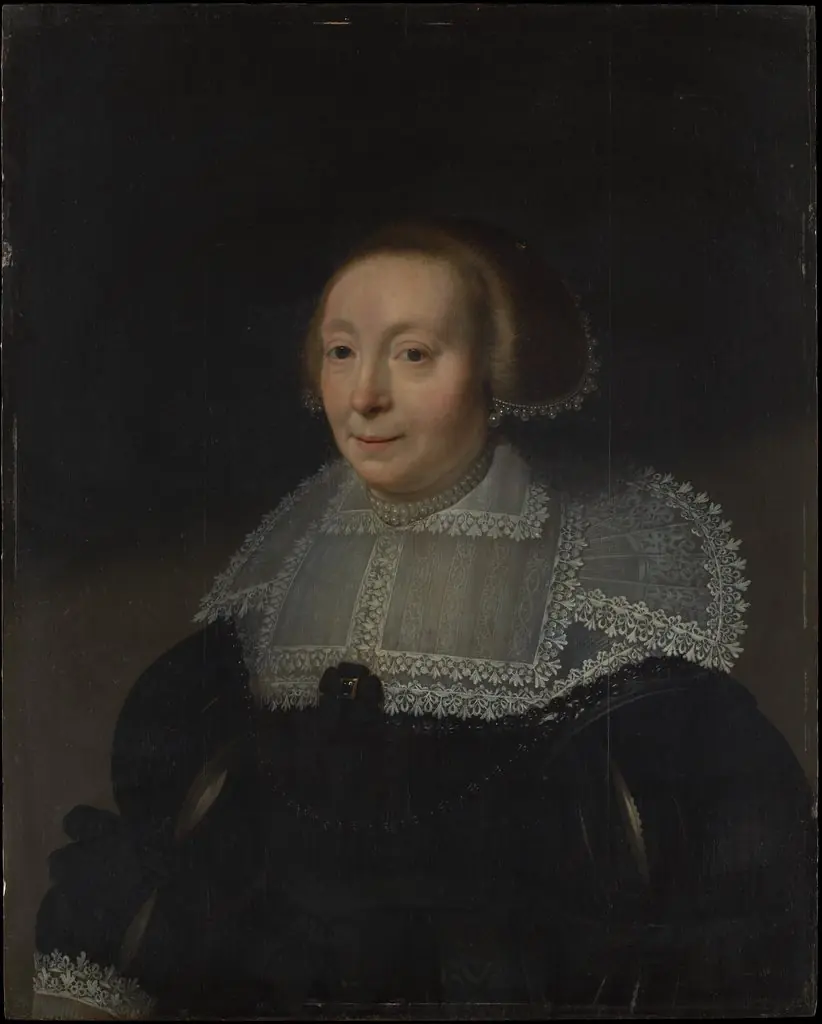 Portrait of a Woman with a Lace Collar
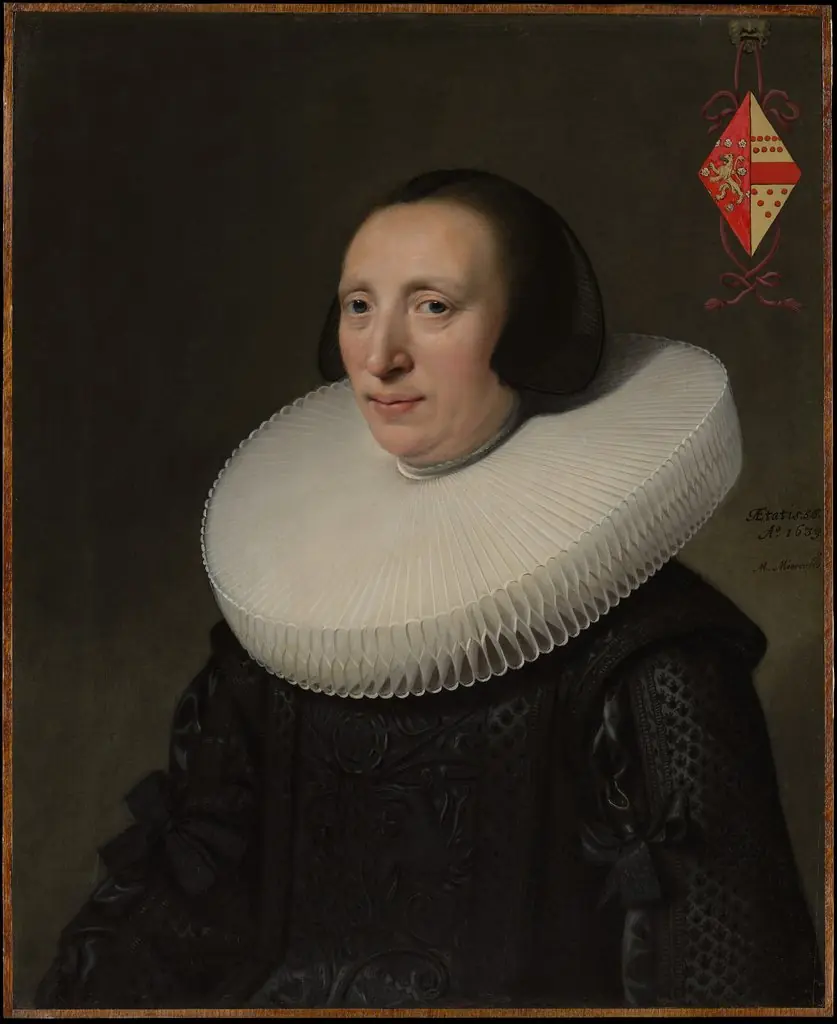 Margaretha van Clootwijk (born about 1580/81, died 1662), Wife of Jacob van Dalen
 Portrait of a Lady with a Ruff
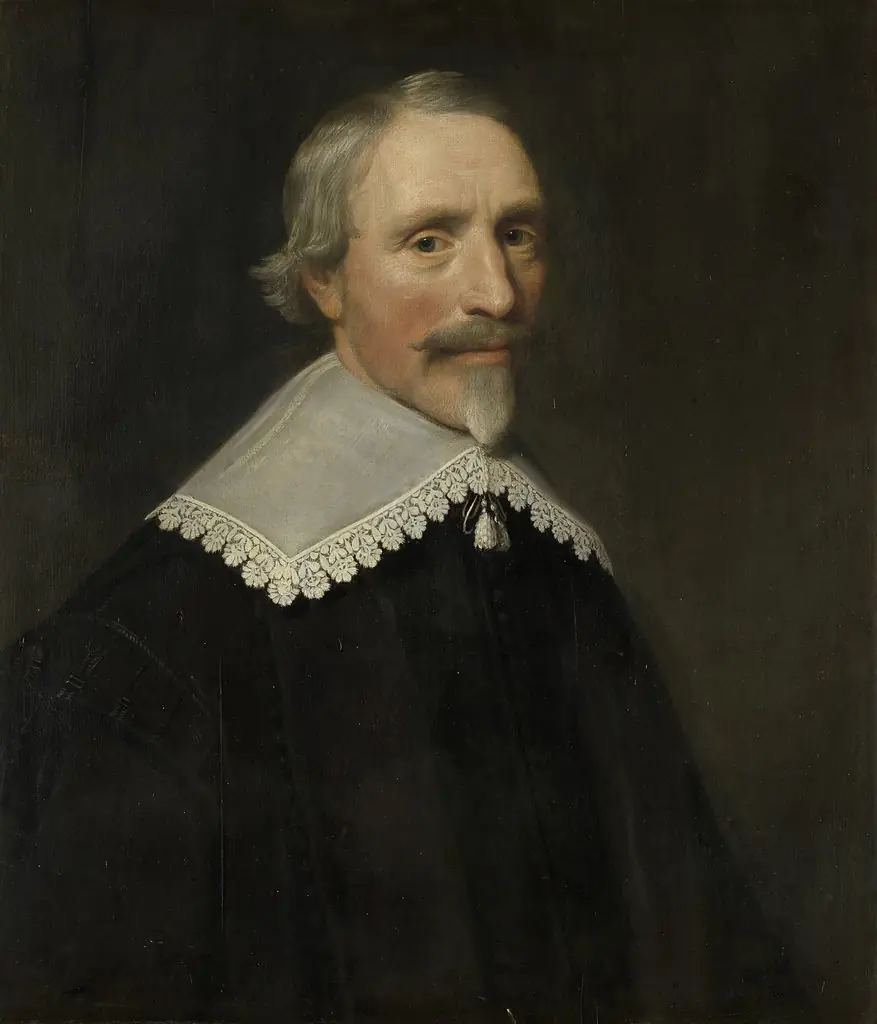 Portrait of Jacob Cats (1577-1660)
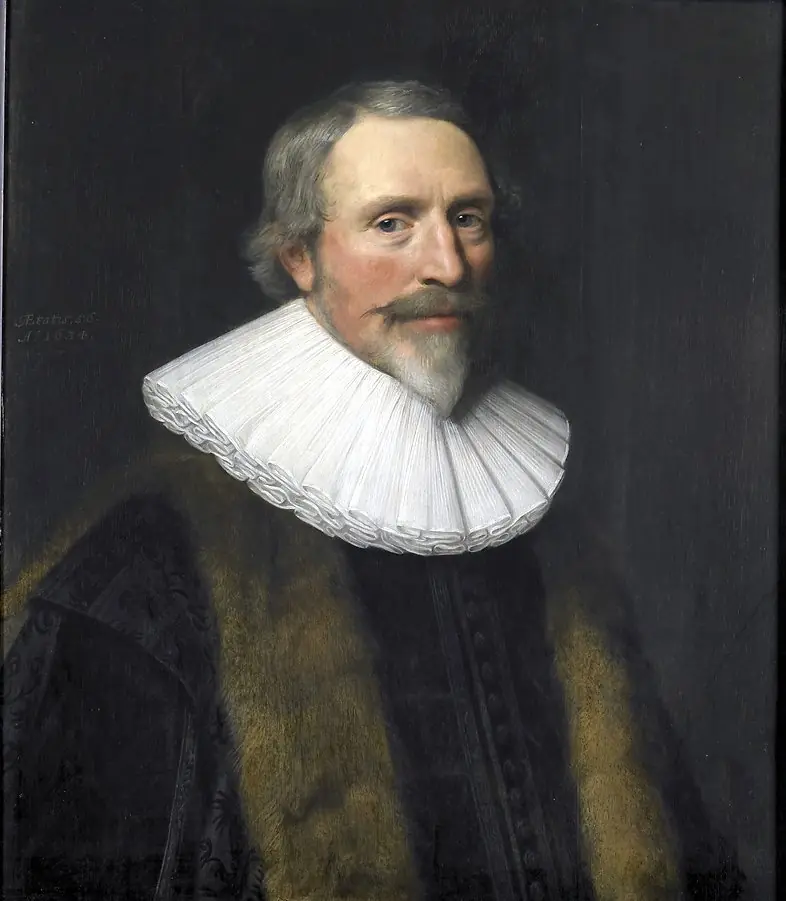 Portrait of Jacob Cats (1577-1660)
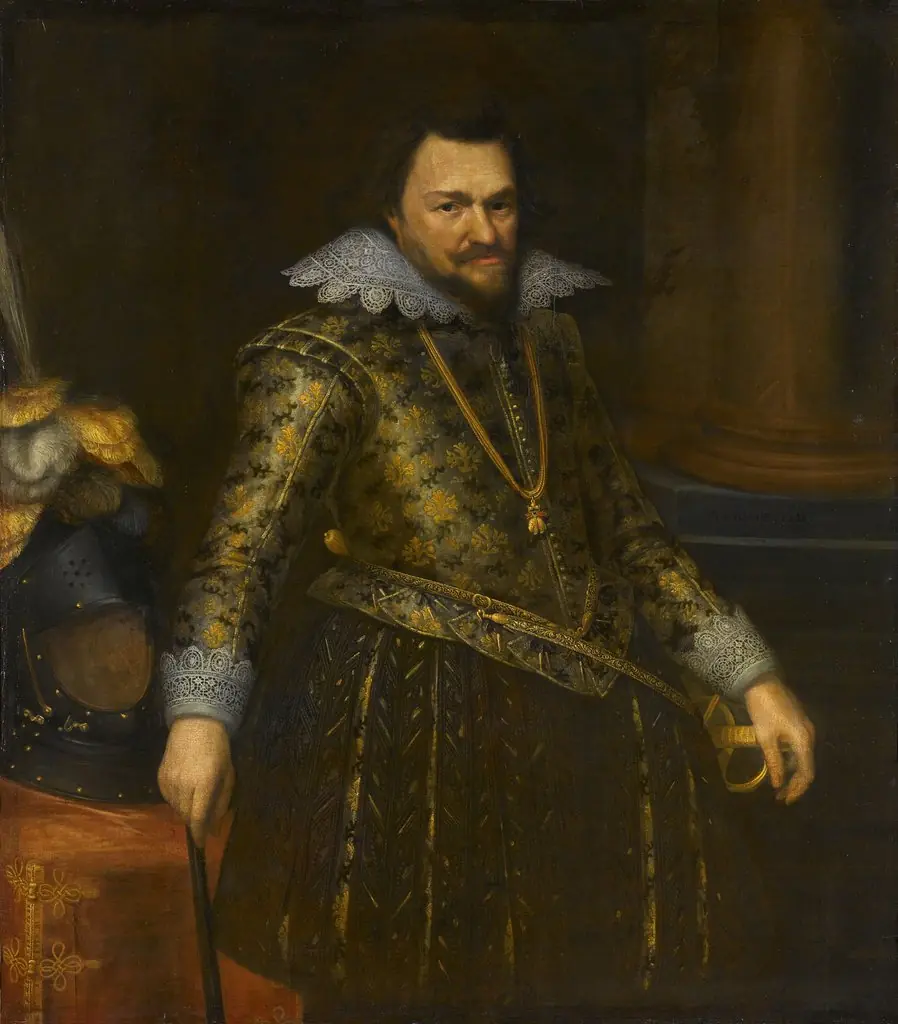 Portrait of Philip Willem (1554-1618), Prince of Orange
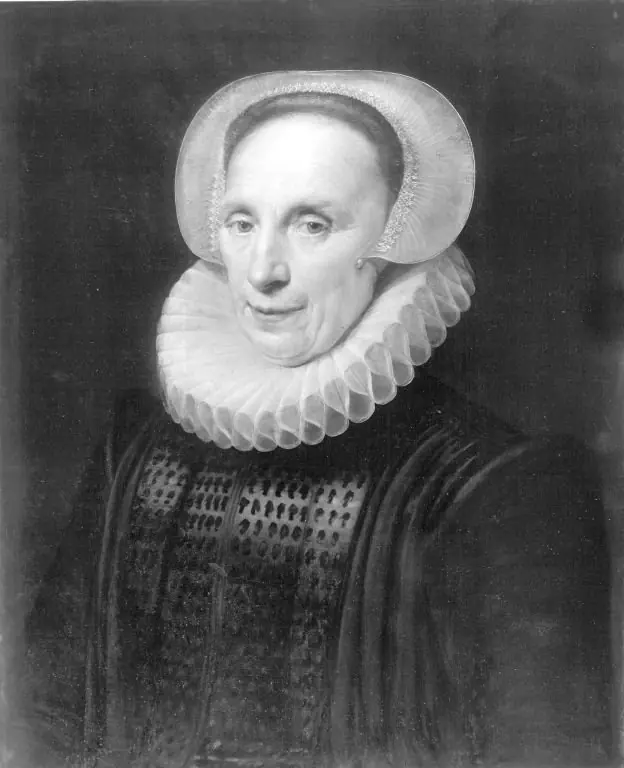 Portrait of a Woman
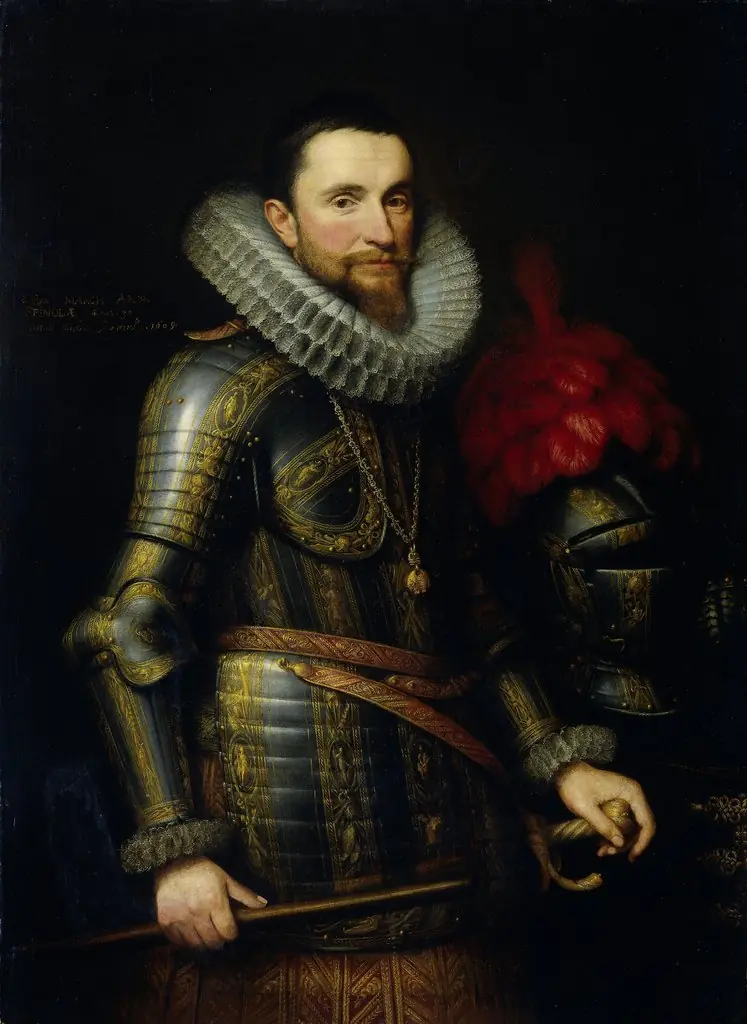 Portrait of Ambrogio Spinola (1569-1630)
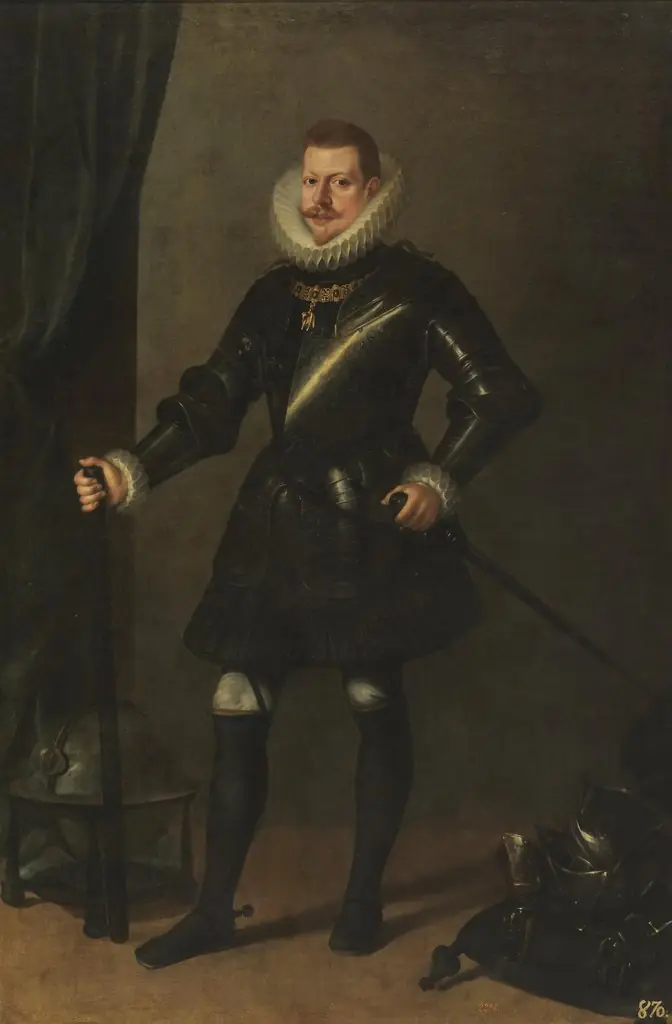 Philip III in Armour
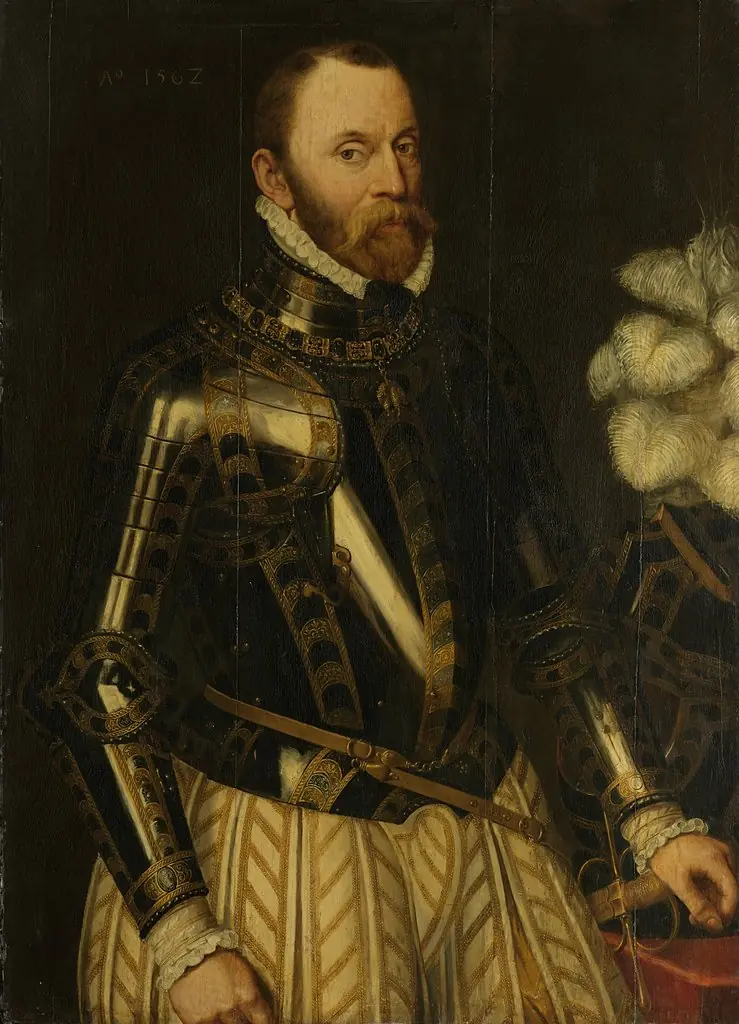 Philippe de Montmorency
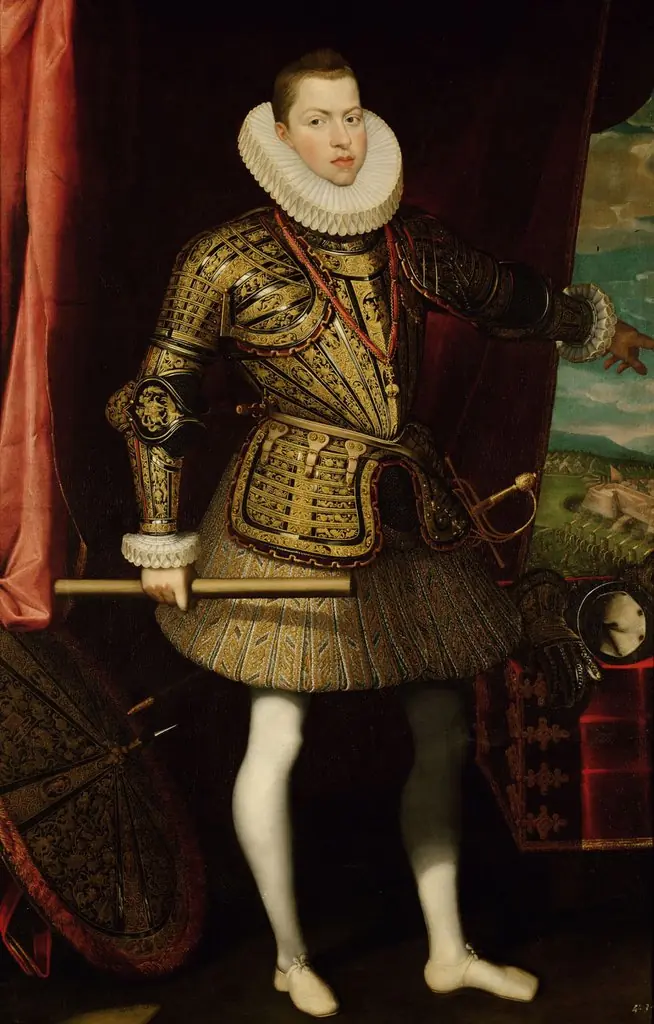 König Philipp III.(1578-1621) von Spanien, Bildnis in ganzer Figur als General der Infanterie (Im Hintergrund: Die Belagerung von Ostende 1601-1604)
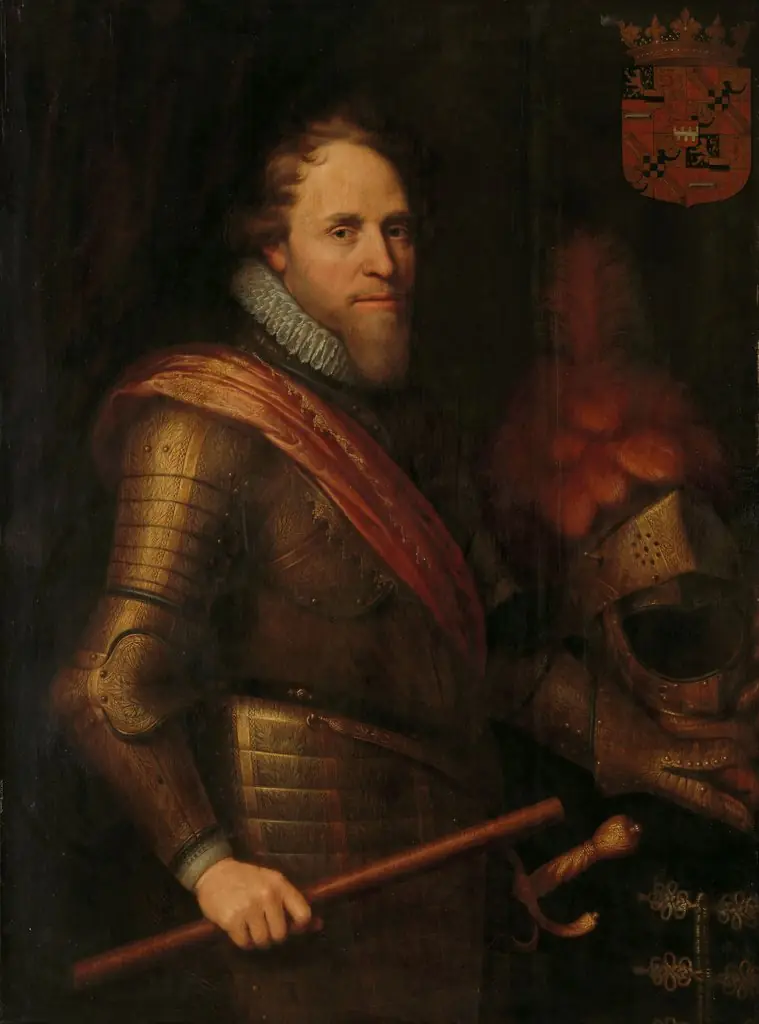 Portrait of Maurits (1567-1625), Prince of Orange
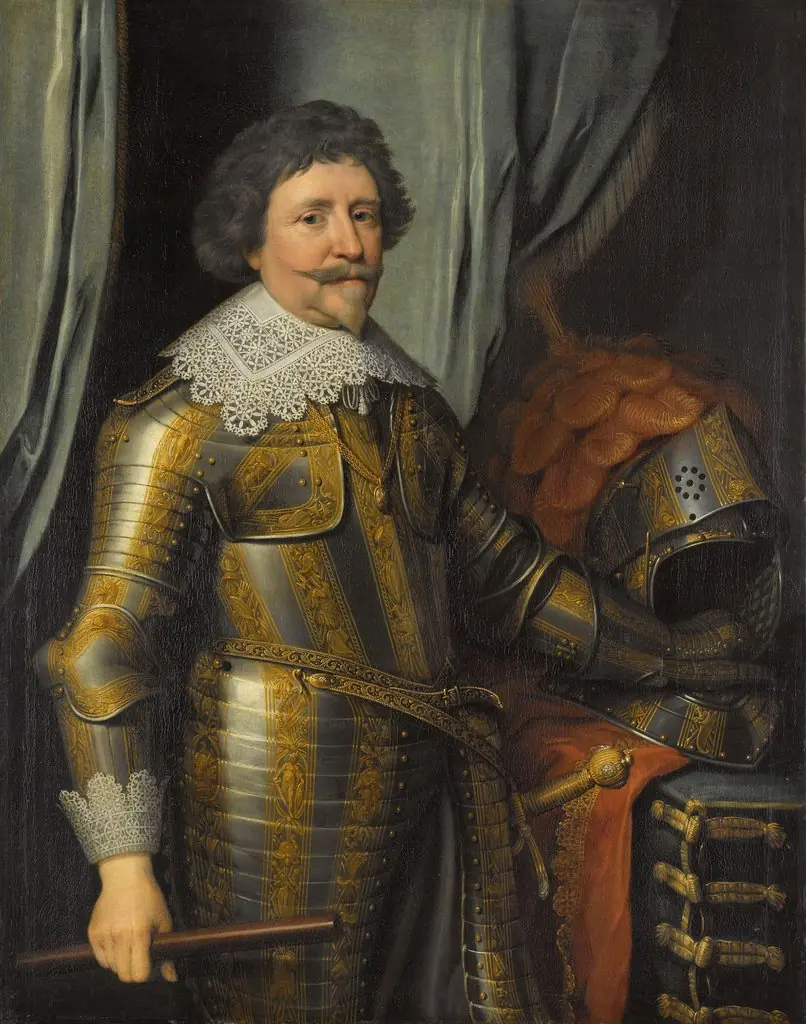 Portrait of Frederick Henry, Prince of Orange
 Portrait of Ferdinand II, Holy Roman Emperor (1578-1637)
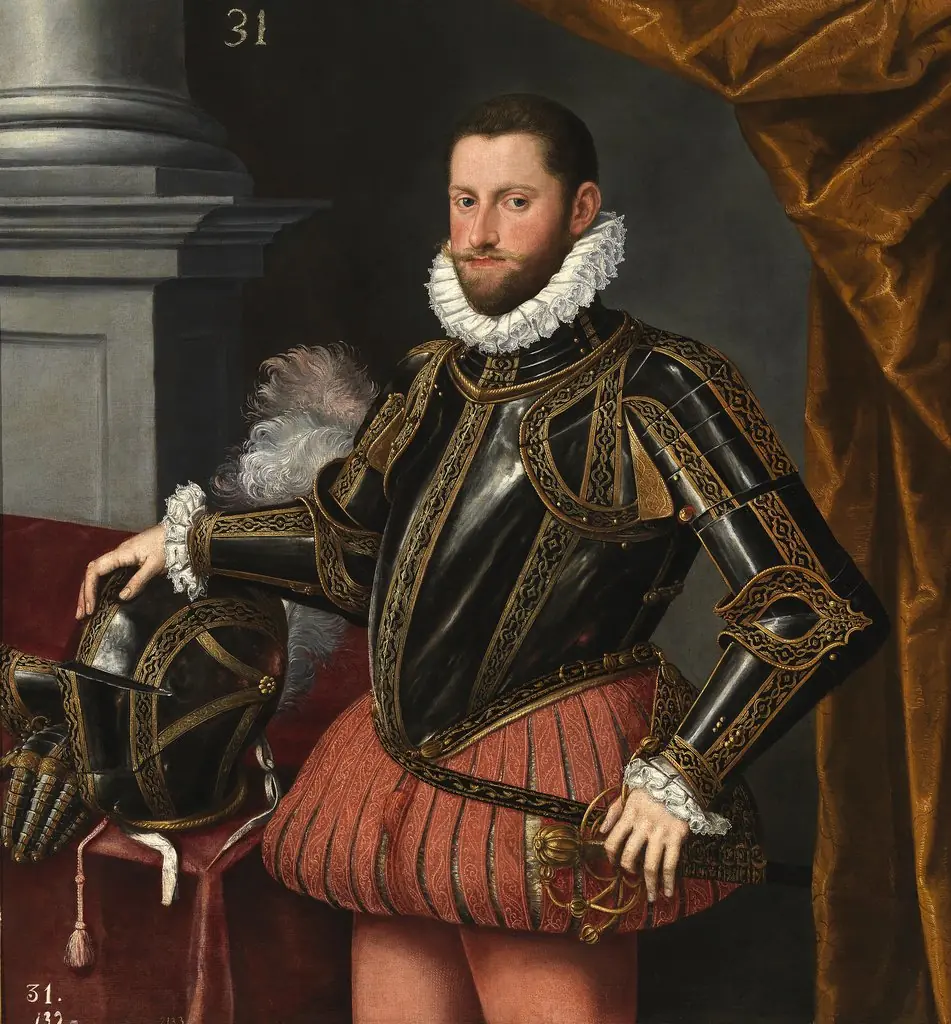 El archiduque Diego Ernesto de Austria
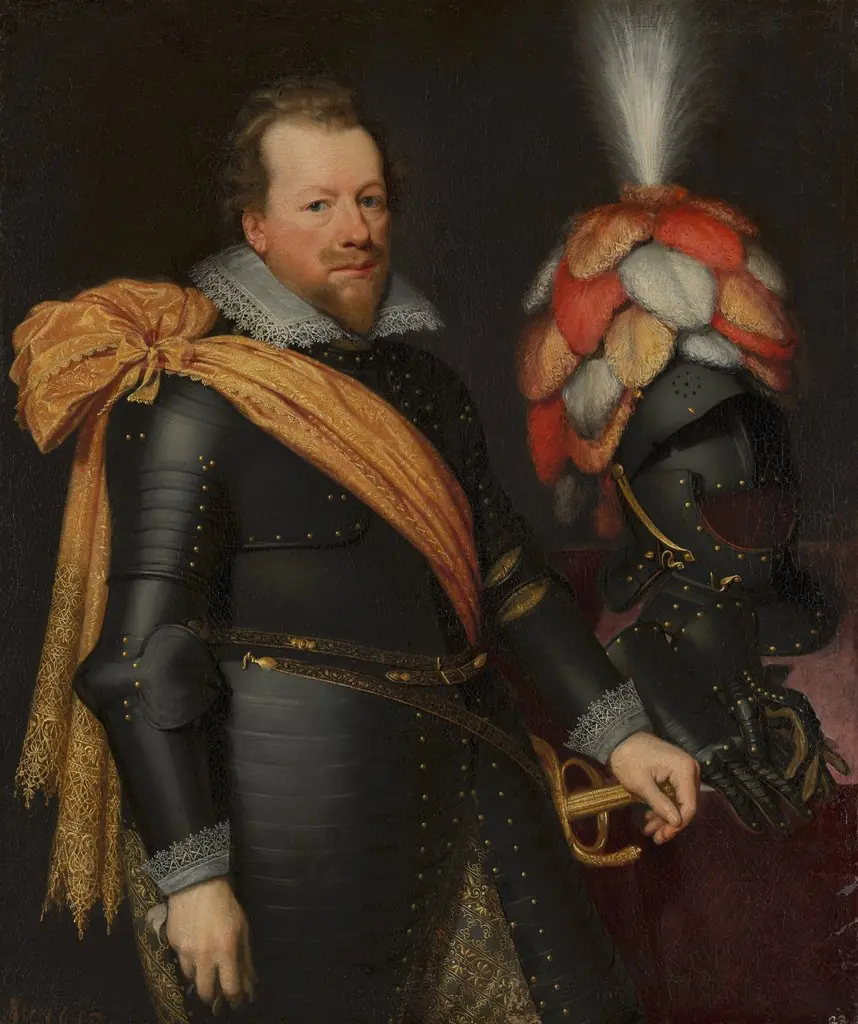 Portret van een onbekende officier