Artwork
Portrait of Maurits (1567-1625), Prince of Orange
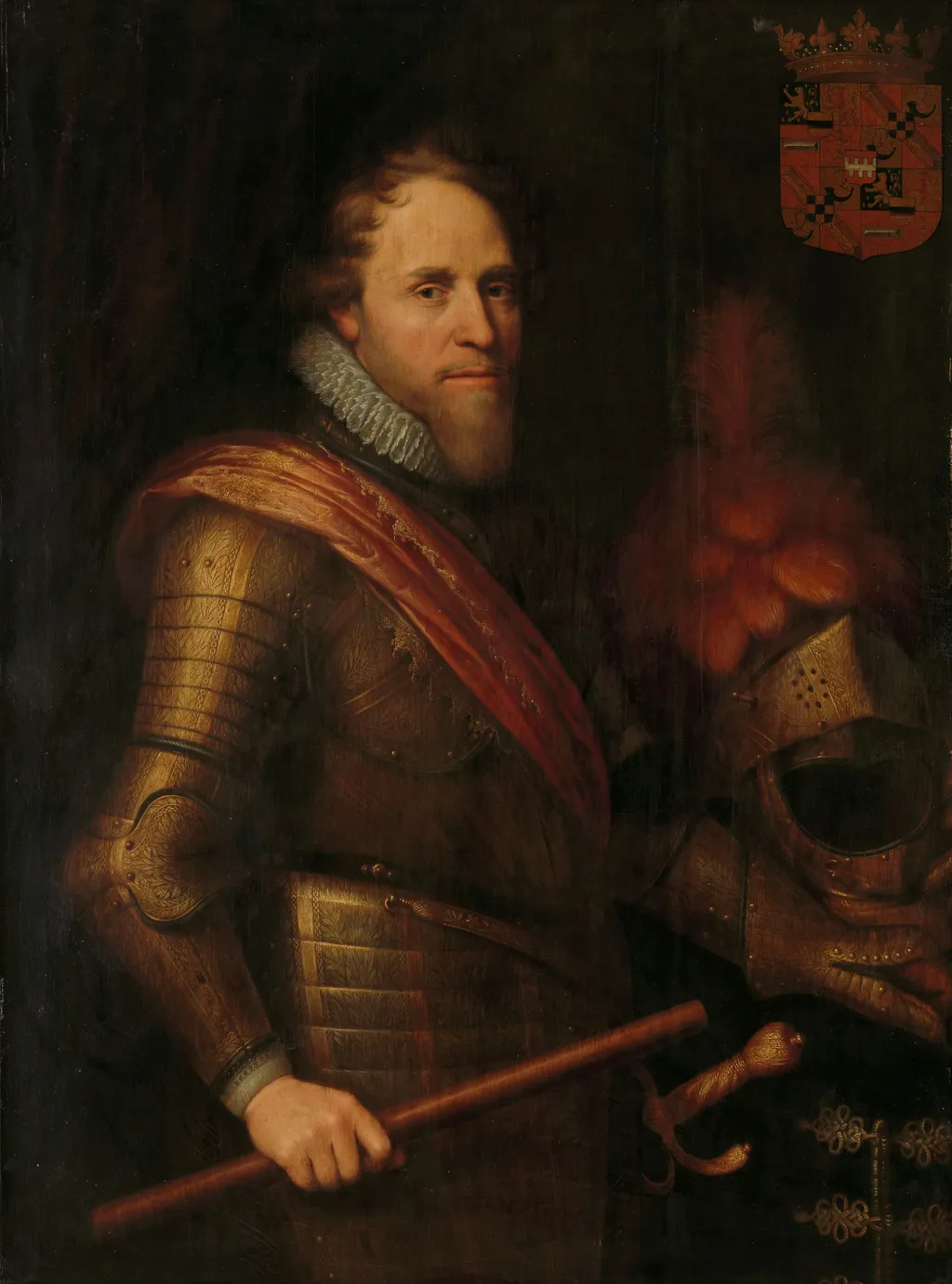
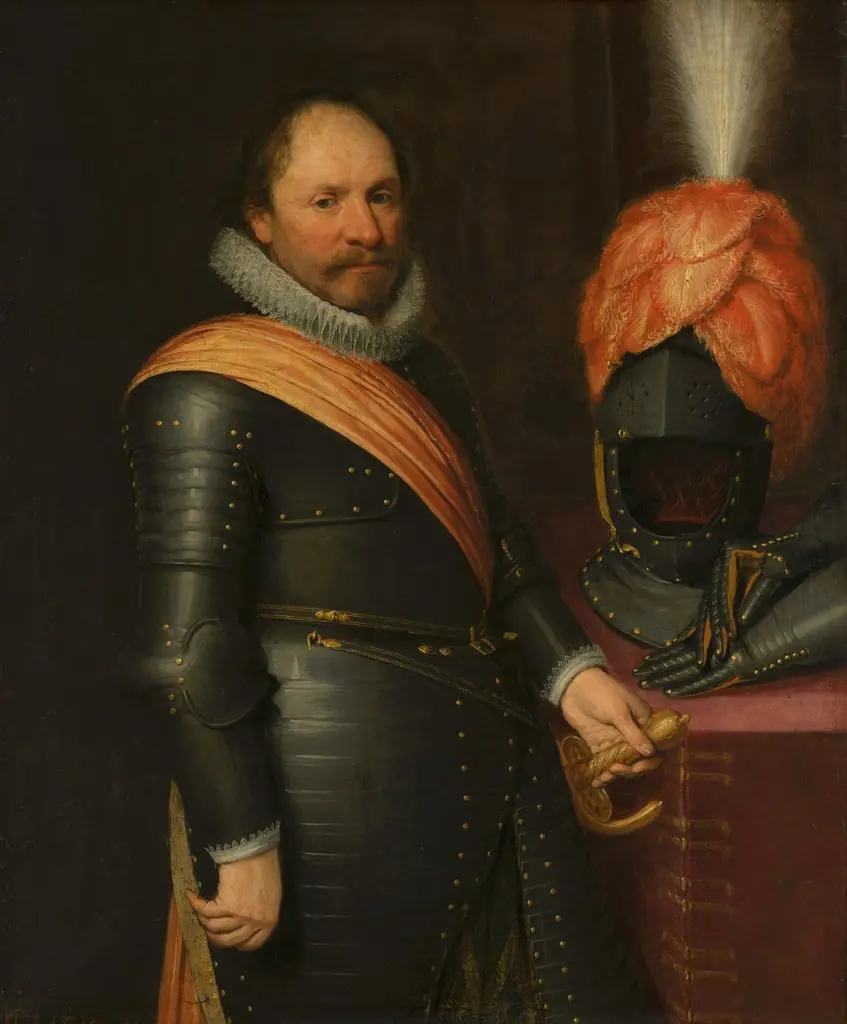
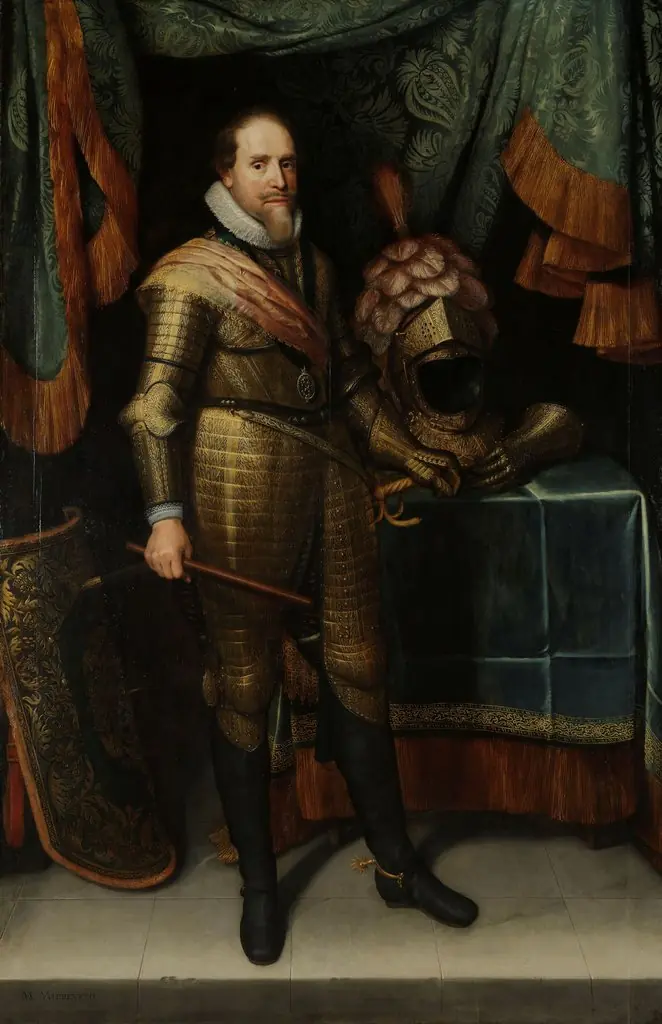
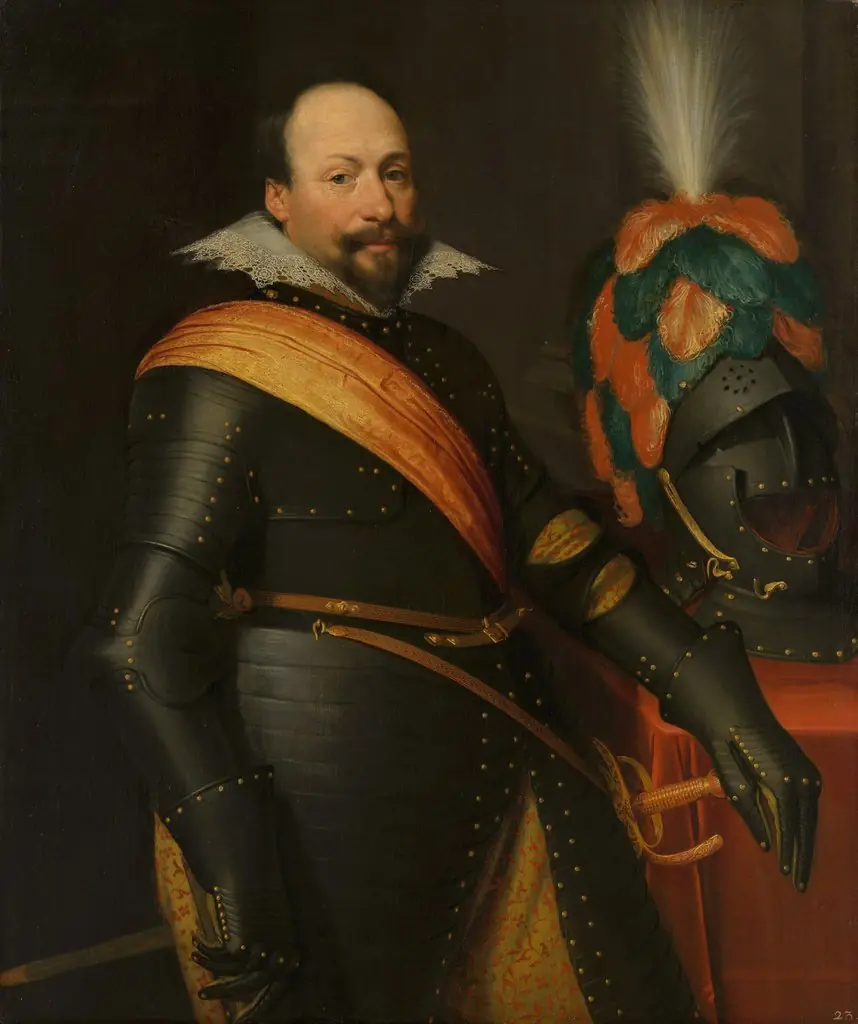
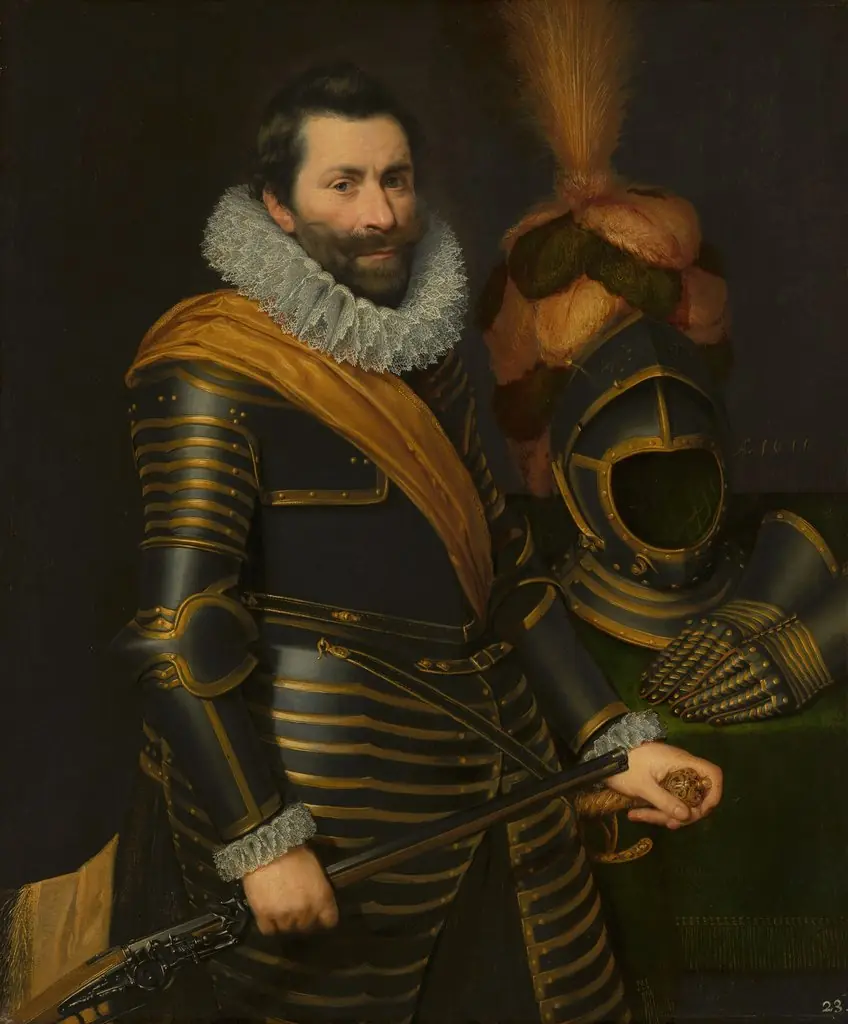
Portrait of Maurits (1567-1625), Prince of Orange is an oil painting. It dates from 1610 and is held in the collection of the Rijksmuseum. The oil painting portrays Maurits, Prince of Orange (1567–1625), dressed in elaborate armor.
About this work
Technique & Style
van Mierevelt rather than the master alone, reflecting the collaborative production methods common in early 17th-century Dutch portraiture.
Created in 1610, this portrait is executed in oil paint on a panel support. The work is attributed to the workshop of Michiel Jansz. van Mierevelt rather than the master alone, reflecting the collaborative production methods common in early 17th-century Dutch portraiture. Physically, the painting measures 111.8 cm in height and 84.4 cm in width.
As a formal portrait of Maurice of Nassau, the piece adheres to the stylistic conventions of the period, utilizing the durable panel medium typical for high-status commissions of the era.
History & Provenance
The portrait of Maurits (1567–1625), Prince of Orange was produced in 1610, executed in oil paint on panel as a work by the workshop of Michiel Jansz. van Mierevelt. The painting is identified with the inventory number SK-A-2731 and entered the collection of the Rijksmuseum, where it is held through the Dienst Verspreide Rijkscollecties and the Nederlandsch Museum voor Geschiedenis en Kunst.
The sources do not document a prior ownership chain, a specific commission, or further transmission history beyond the work's documented inception date and its current institutional custody at the Rijksmuseum.
The Portrait of Maurits (1567–1625), Prince of Orange, is held in the collection of the Rijksmuseum in Amsterdam. It is cataloged under the accession number SK-A-2731 within the Dienst Verspreide Rijkscollecties and the Nederlandsch Museum voor Geschiedenis en Kunst. The painting, attributed to the workshop of Michiel Jansz. van Mierevelt and dated 1610, remains part of the museum's permanent holdings. No specific exhibition history is recorded in the available documentation.
Legacy
The portrait of Maurice of Nassau painted in 1610 by a workshop of Michiel Jansz. van Mierevelt helped cement his image as a decisive military and political figure in the Dutch Republic. By circulating widely through copies and engravings, the image reinforced the narrative of the Prince as both a capable commander and a symbol of emerging statehood, influencing later depictions of Dutch leadership in the 17th century. Today the work is part of the Rijksmuseum collection, where it continues to shape scholarly assessments of early modern portraiture and the visual culture of the Golden Age.
Overview
The oil painting portrays Maurits, Prince of Orange (1567–1625), dressed in elaborate armor. He is shown with a solemn expression, a red cloak draped over gilded breastplate, a white ruff, and a dark beard. His left hand rests on the hilt of a sword, while a shield bearing his red‑and‑gold coat of arms appears behind him against a dark backdrop.
Subject & Meaning
Maurits, a leading military commander of the Dutch Republic, is presented as a figure of authority and martial prowess. The sumptuous armor and heraldic shield emphasize his status as a sovereign leader, while the restrained pose and muted background focus attention on his personal resolve and the gravity of his role in the Eighty‑Years' War.
Context
Created at a time when portraiture served both personal commemoration and political propaganda, the painting reflects the Dutch Republic’s emphasis on strong leadership amid ongoing conflict with Spain. Its visual language aligns with contemporary Northern European court portraiture, which combined realistic detail with symbolic regalia to convey power.
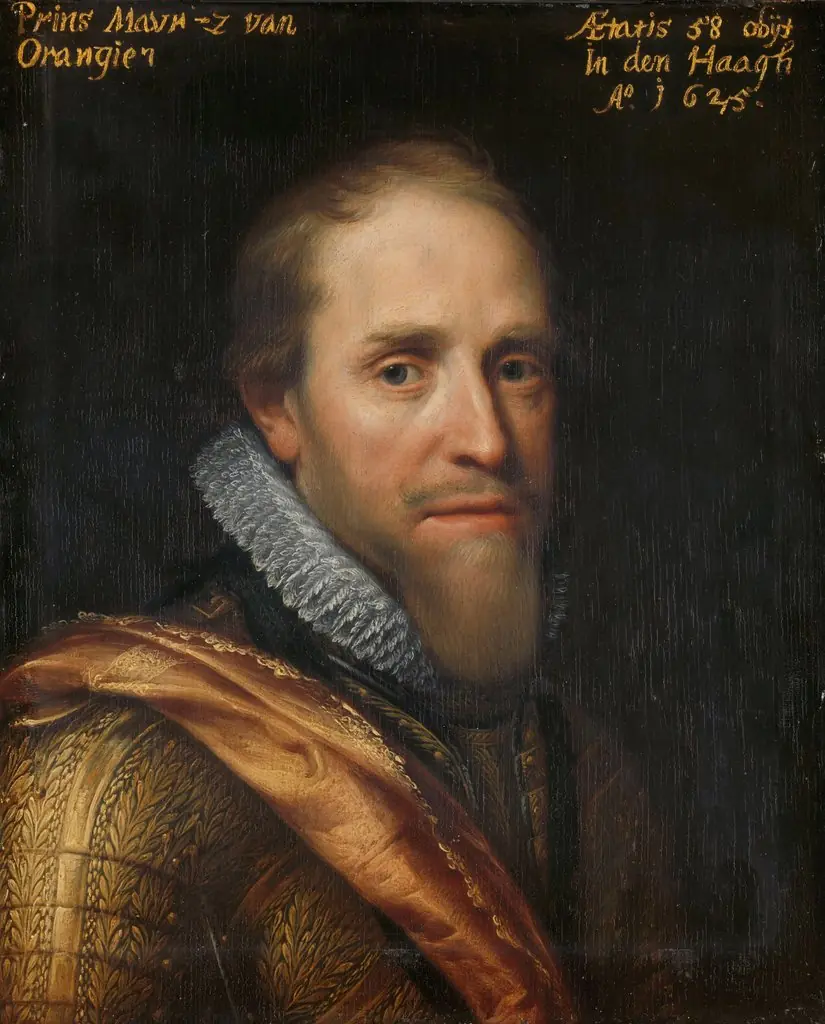
Artist & collection

- Portrait of Maurits (1567-1625), Prince of Orange
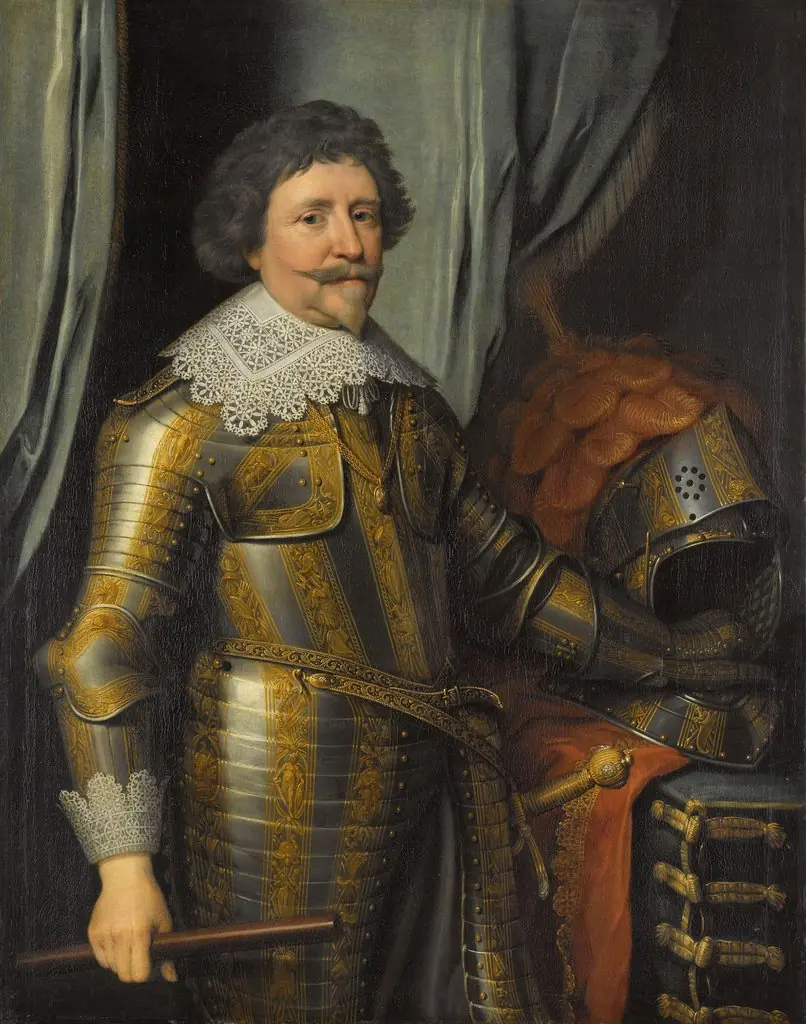 Portrait of Frederick Henry, Prince of Orange
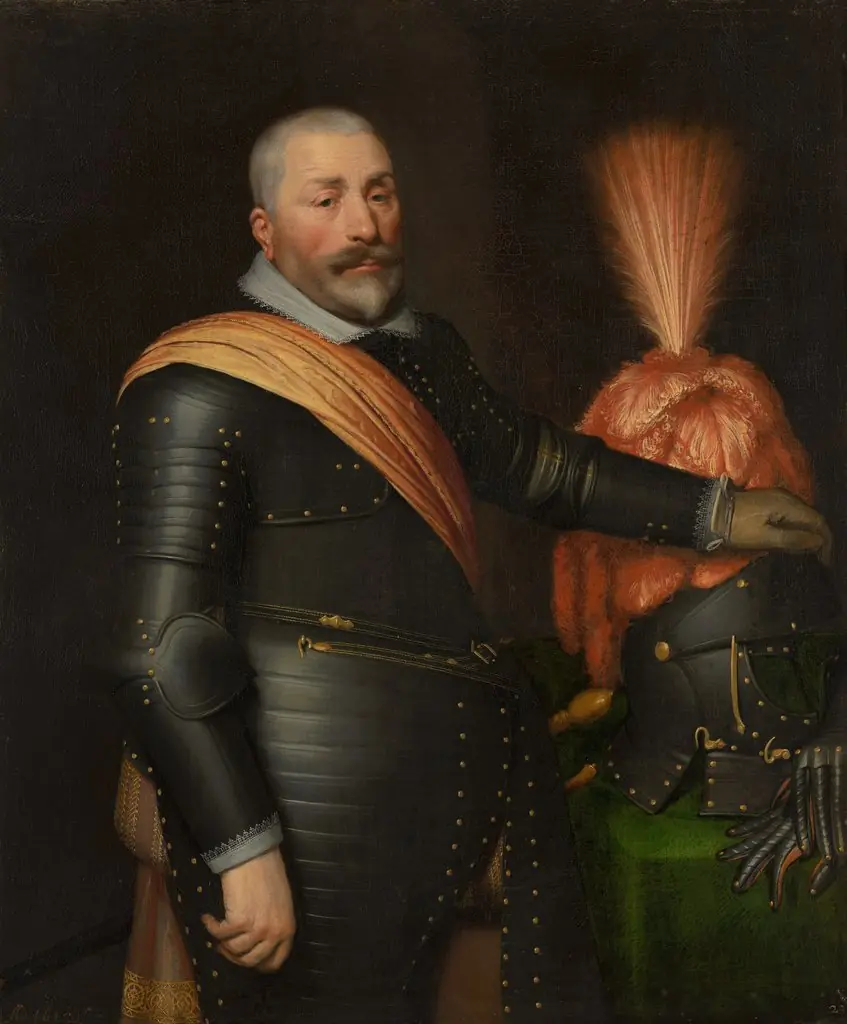 Portrait of an Officer (Mauritshuis)
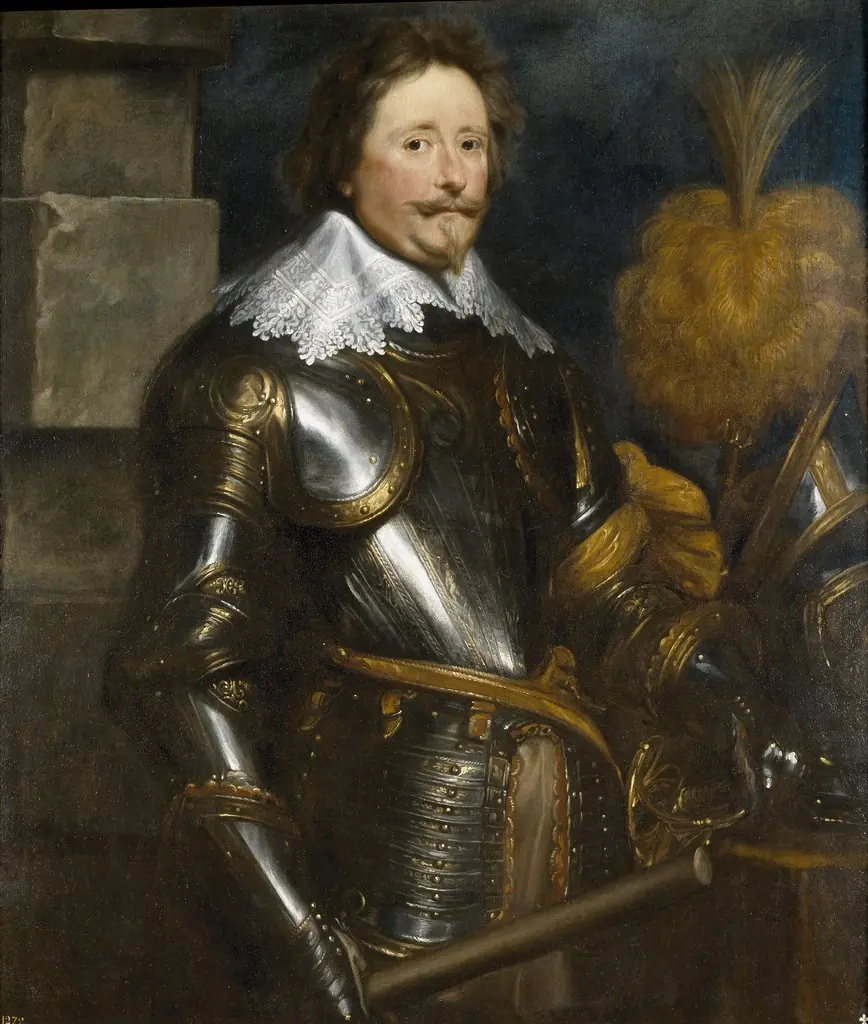 Portrait of Frederick Henry, Prince of Orange
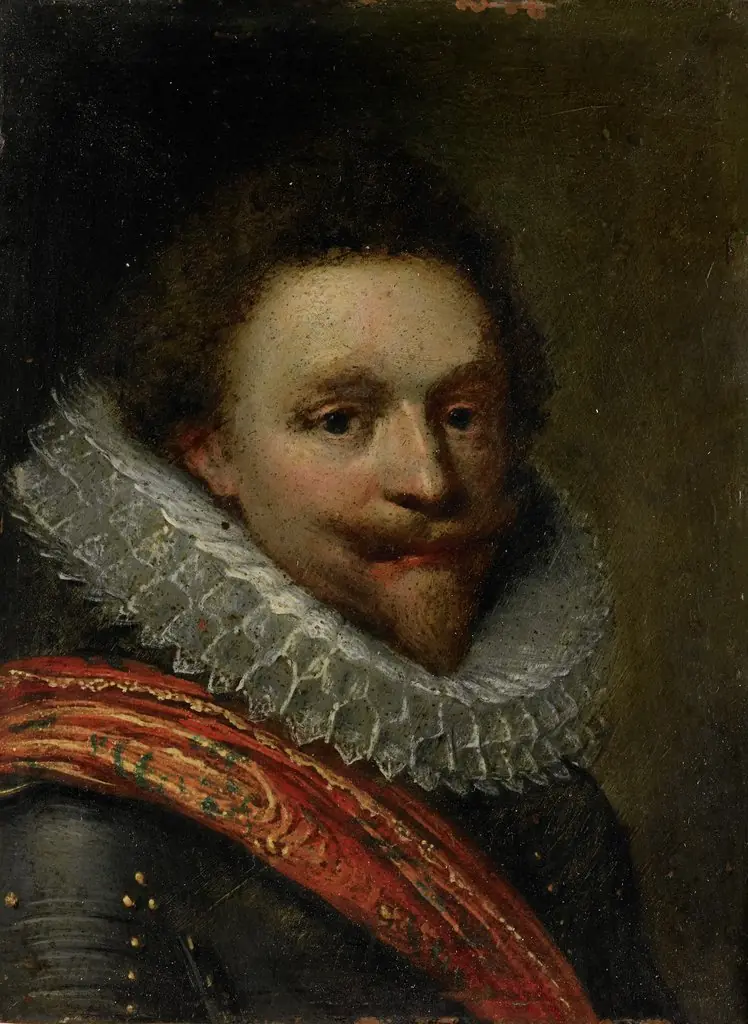 Portrait of Frederik Hendrik (1584-1647), Prince of Orange
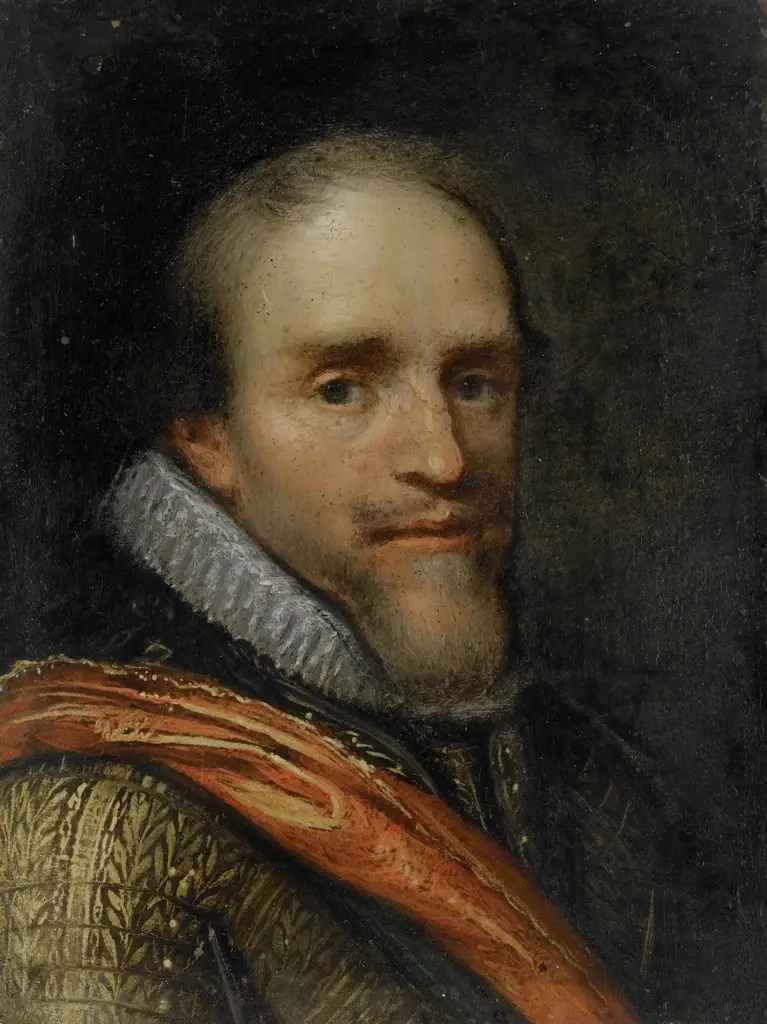 Portrait of Maurits (1567-1625), Prince of Orange
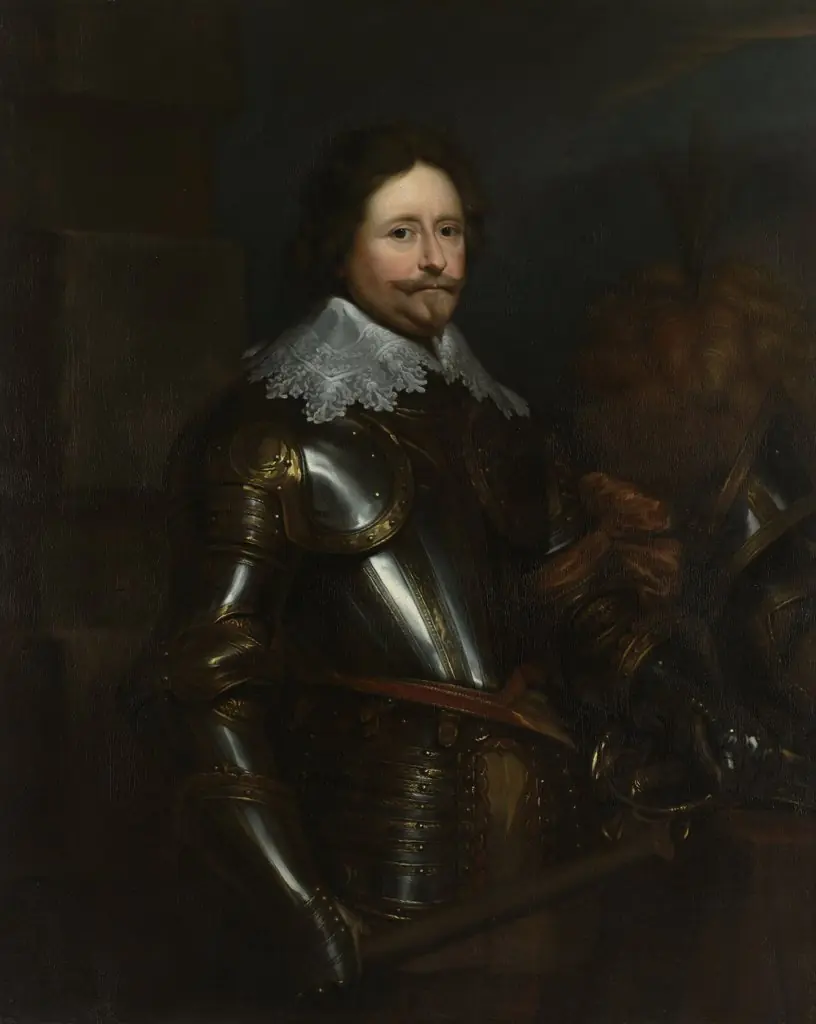 Portrait of Frederik Hendrik (1584-1647), prince of Orange
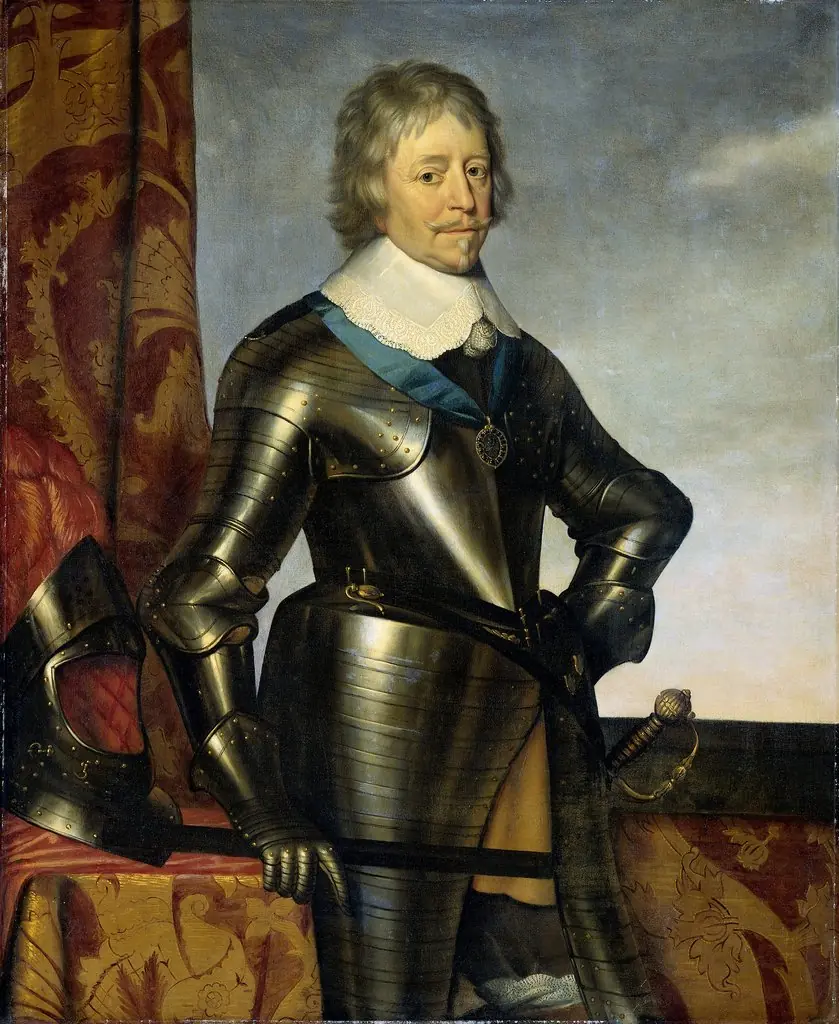 Portrait of Frederik Hendrik (1584 - 1647), Prince of Orange