Artwork
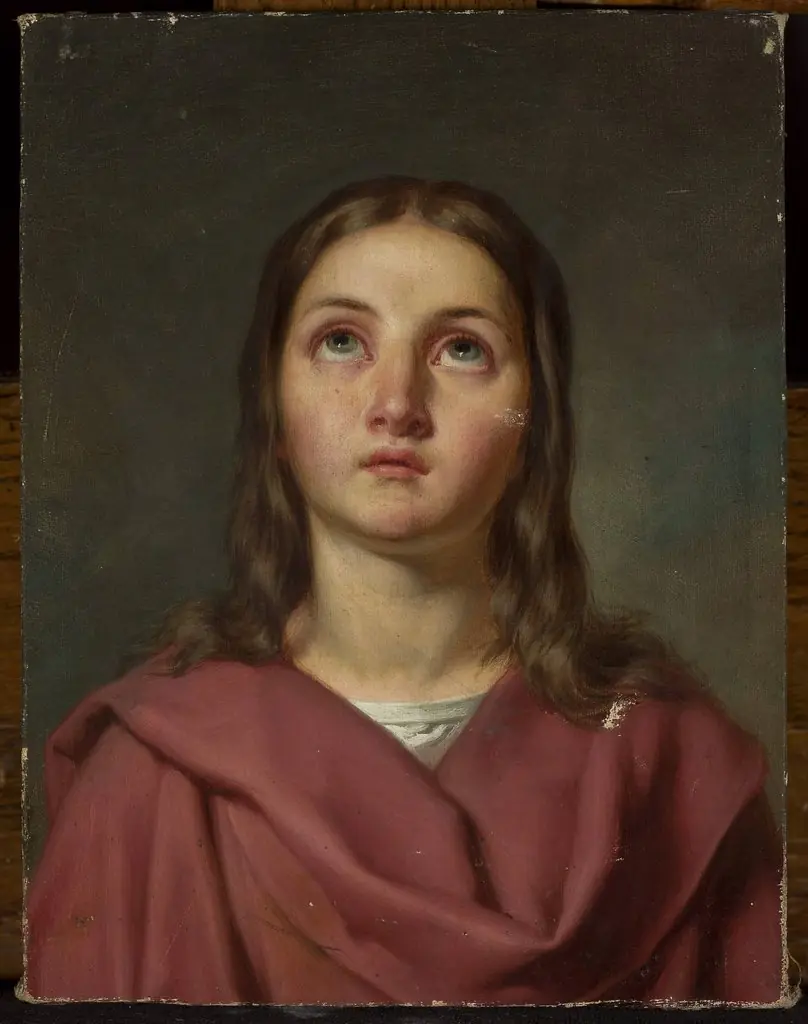
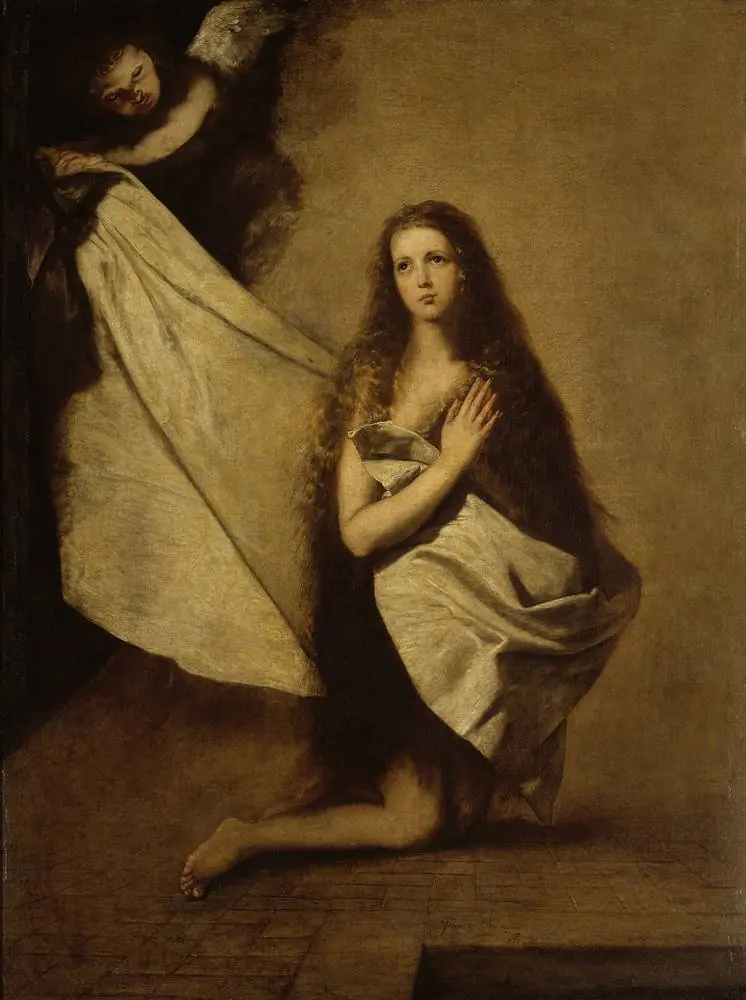
Pyhä Agnes, kopio Jusepe de Riberan mukaan, osa
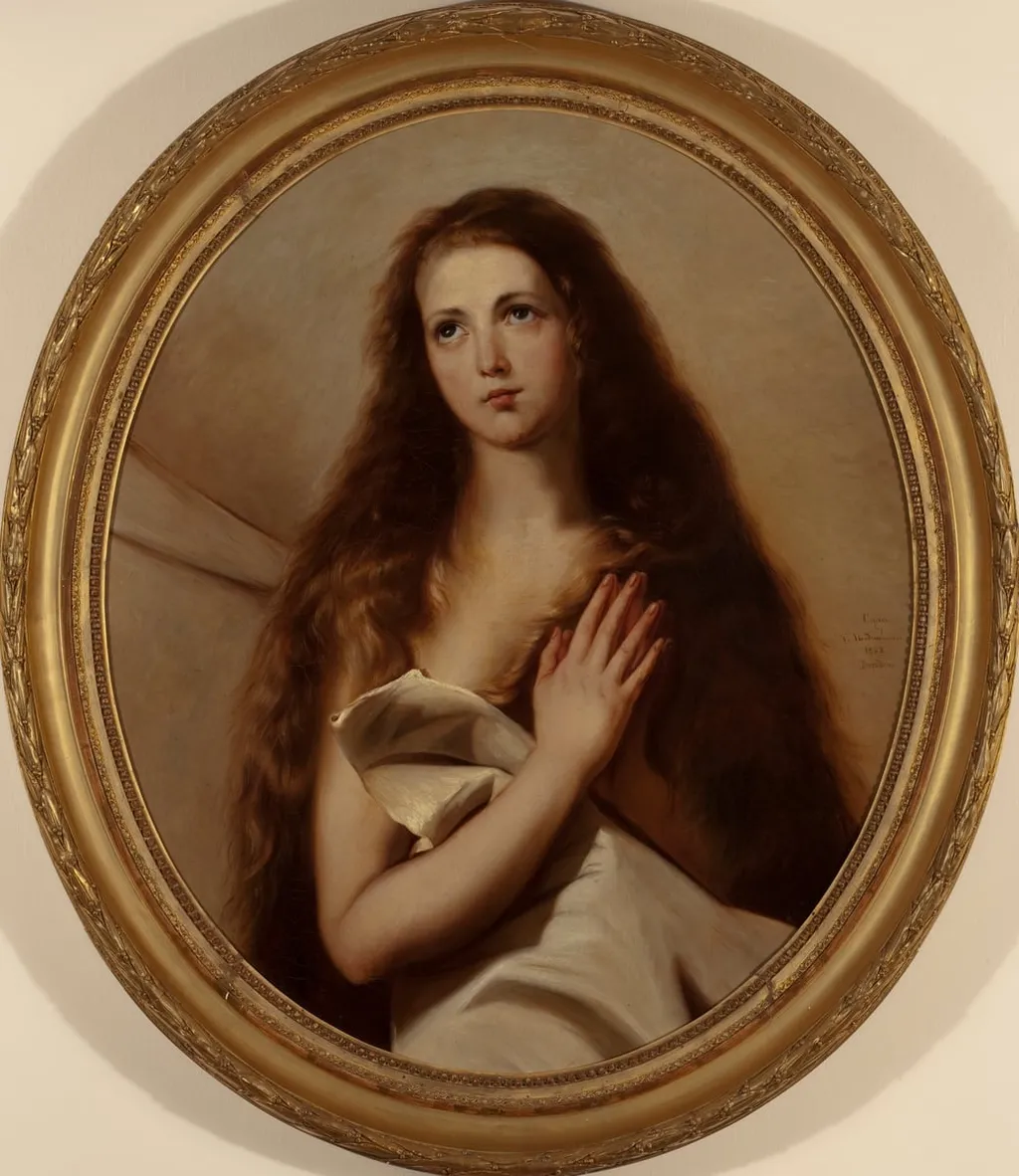
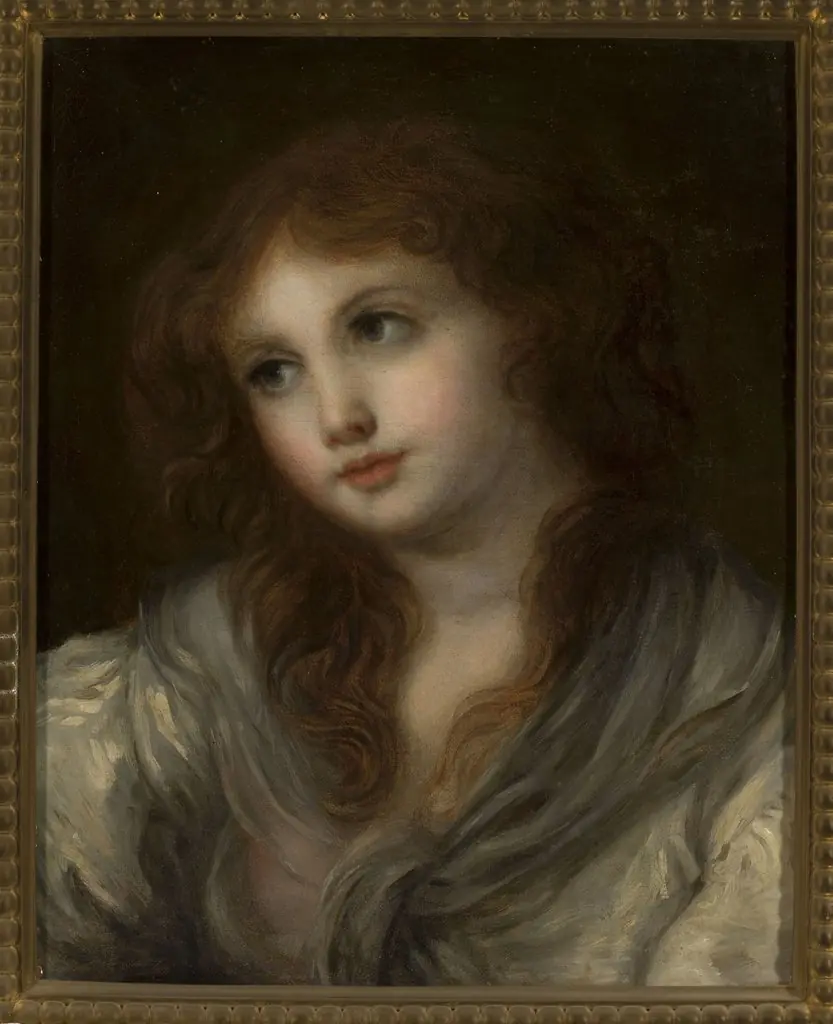
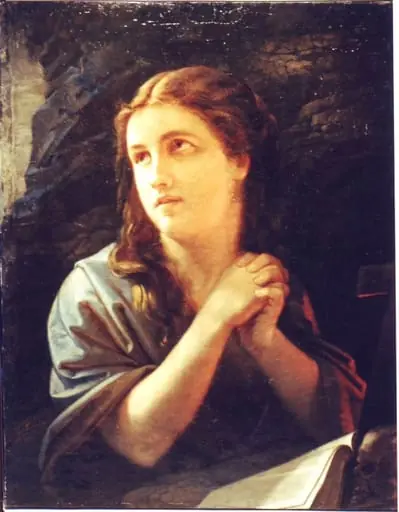
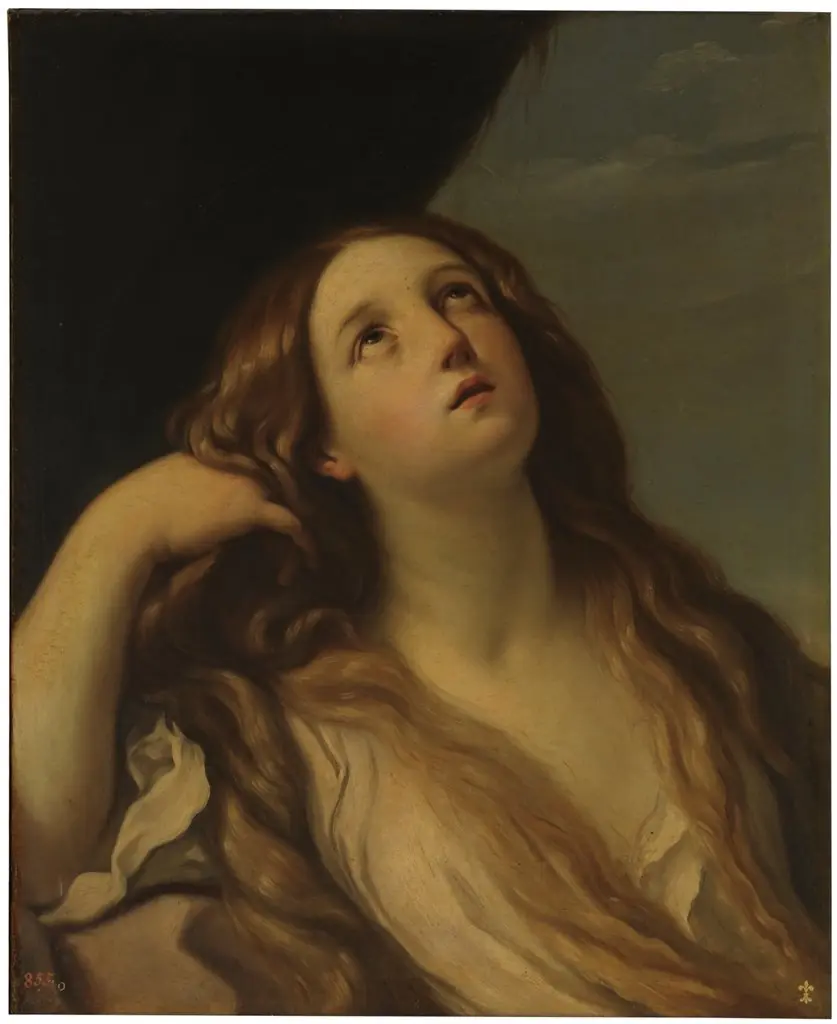
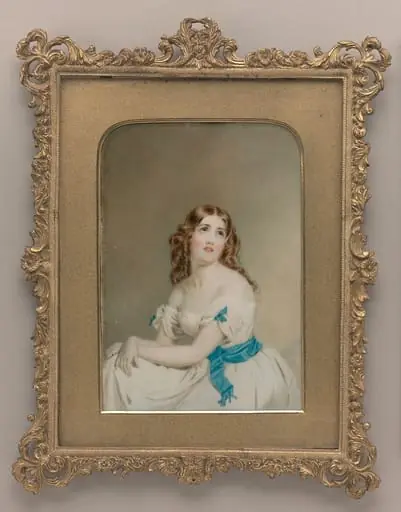
Pyhä Agnes, kopio Jusepe de Riberan mukaan, osa is an unspecified painting by Victorine Nordenswan. It dates from 1865 and is held in the collection of the Finnish National Gallery.
About this work
Overview
Created around 1865 by Finnish artist Victorine Nordenswan, this work is a faithful adaptation of a composition originally by Jusepe de Ribera.
Created around 1865 by Finnish artist Victorine Nordenswan, this work is a faithful adaptation of a composition originally by Jusepe de Ribera. It depicts Saint Agnes, a Christian martyr, rendered in a quiet, intimate manner. The painting reflects Nordenswan’s engagement with Spanish Baroque traditions, filtered through a 19th-century Nordic sensibility. Its restrained tone and focused subject suggest a devotional intent rather than dramatic spectacle.
Subject & Meaning
The figure represents Saint Agnes, traditionally portrayed as a young virgin martyr who resisted persecution and remained faithful to her faith. Her raised hand resting on her chest and direct gaze convey inner resolve and spiritual composure. The simplicity of her attire and the absence of symbolic attributes like a lamb or sword emphasize personal devotion over narrative detail, aligning with a contemplative interpretation of sanctity.
Technique & Style
Nordenswan employs a muted palette of soft browns and whites, creating a gentle luminosity that enhances the figure’s serenity. Subtle contrasts in light and shadow suggest chiaroscuro, though without the dramatic intensity of Ribera’s originals. The brushwork is smooth and controlled, with careful attention to the texture of fabric and the soft fall of hair, contributing to a quiet, almost sculptural presence.
History & Provenance
The painting was produced during Nordenswan’s formative years as an artist, likely while she was studying or influenced by European academic traditions. As a copy after Ribera, it reflects the common practice among 19th-century Nordic artists of engaging with canonical works from Southern Europe. Its current location and ownership history remain undocumented in public records.
Context
In mid-19th-century Finland, religious imagery remained significant in both ecclesiastical and private settings. Female artists like Nordenswan often worked within established genres, including devotional portraiture, despite limited institutional support. Her choice to emulate Ribera indicates exposure to Spanish art through prints or studies, part of a broader Nordic interest in Baroque realism during this period.
Legacy
Though not widely exhibited or reproduced, the painting stands as an example of how Finnish women artists engaged with international artistic models in a time of limited access to formal training abroad. It contributes to a quieter, less documented strand of religious painting in Nordic art history, revealing how personal piety and artistic study intersected in domestic and academic contexts.
Artist & collection

Artist
Victorine Nordenswan was a Finnish painter in the Düsseldorf tradition, specialising in religious themes, and notable as one of the first professional female artists of Finland.