Artwork
La Magdalena
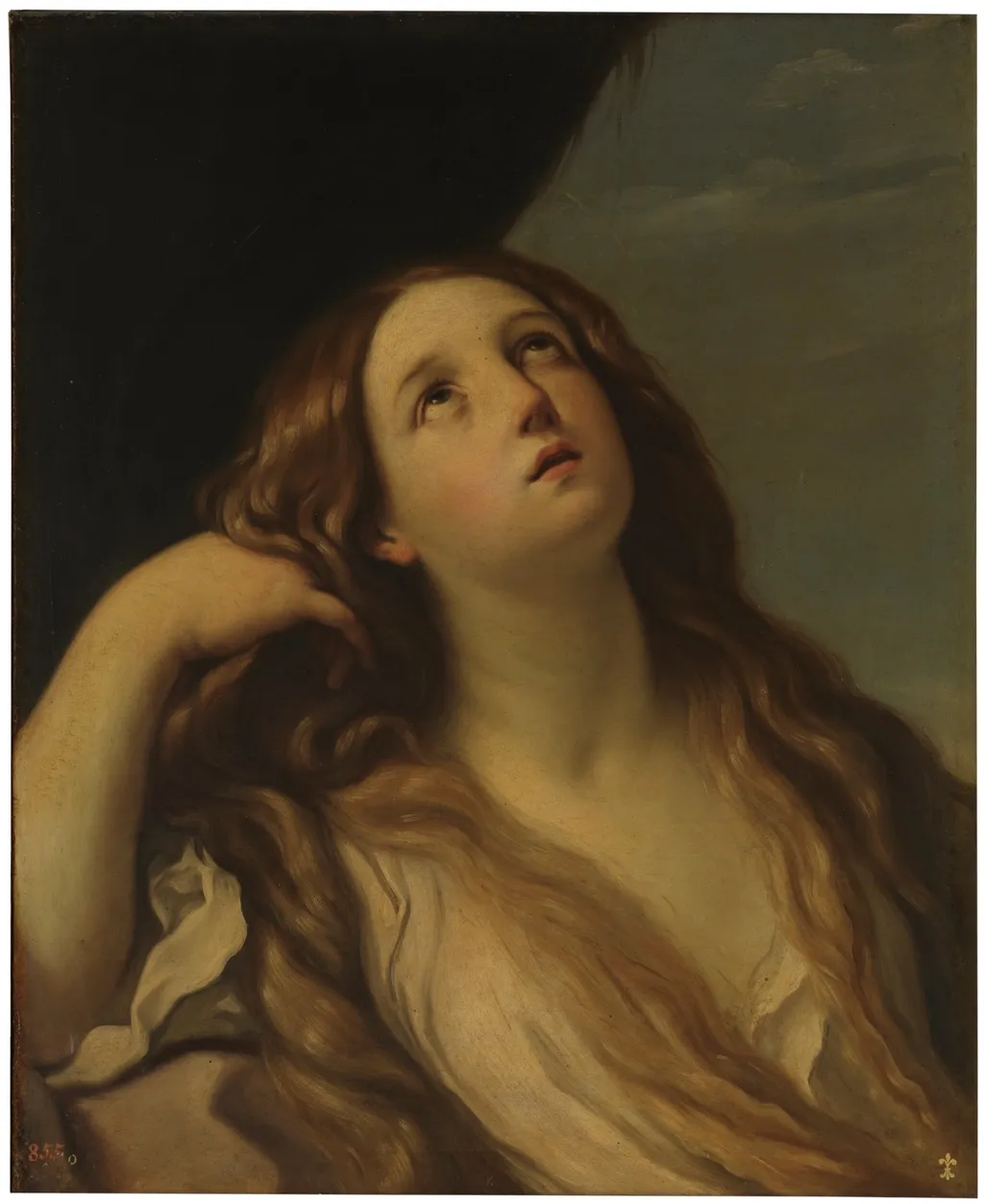
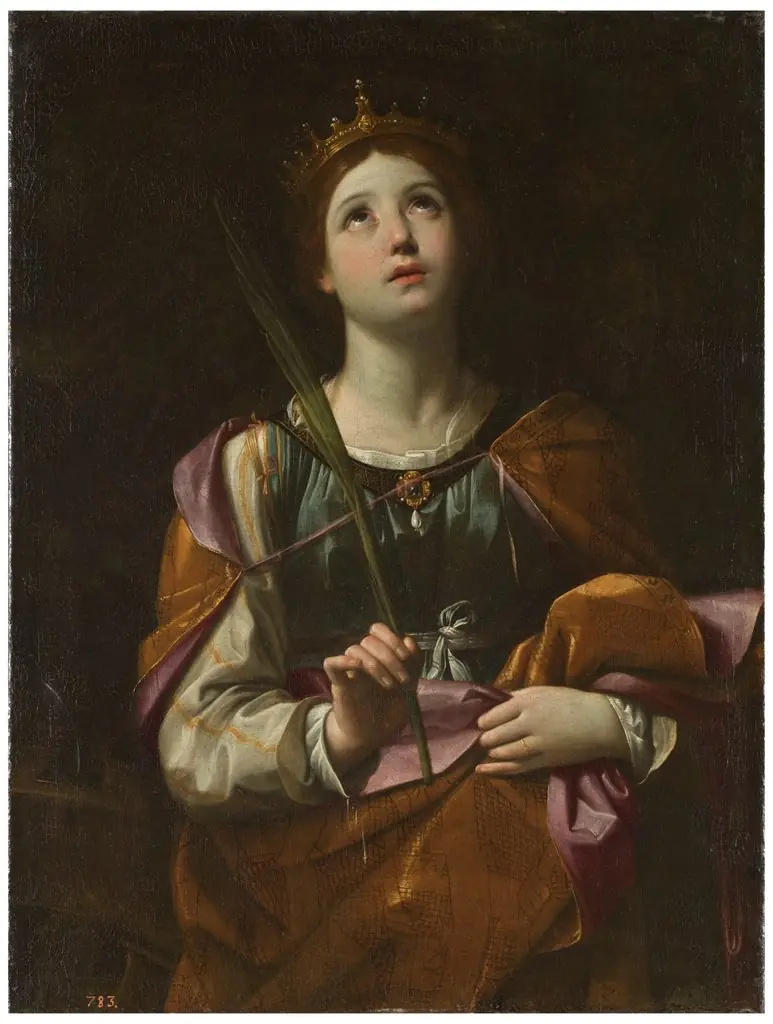
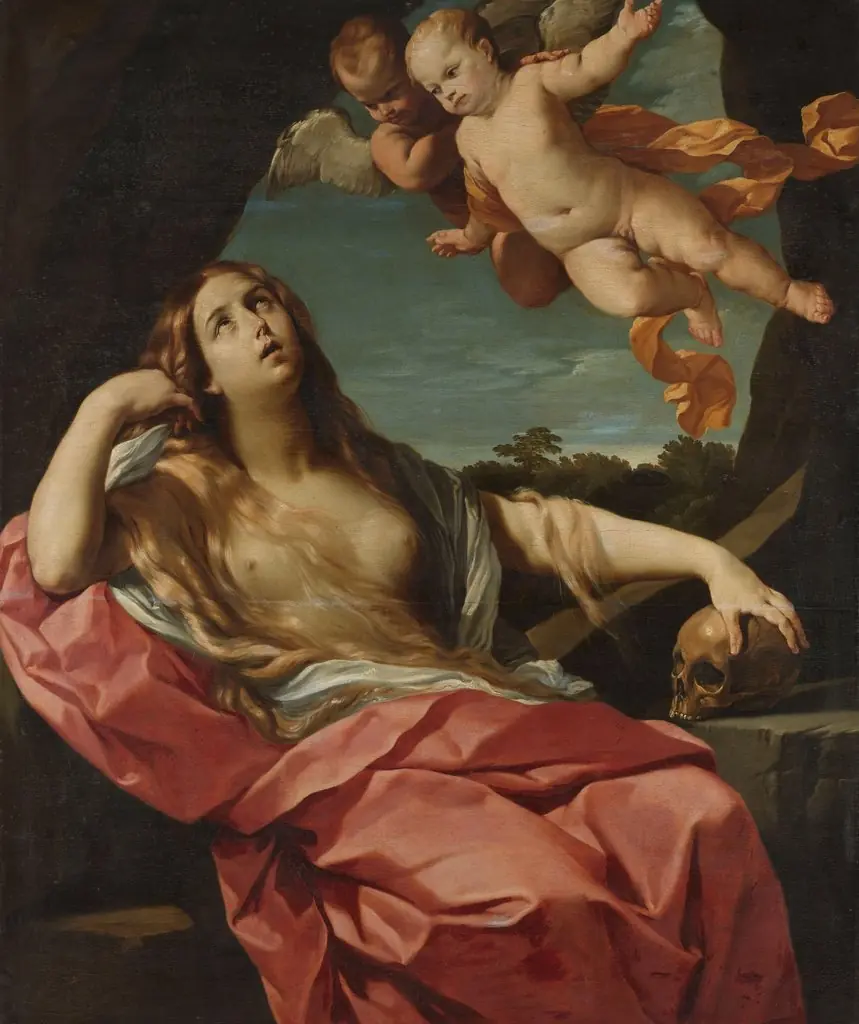
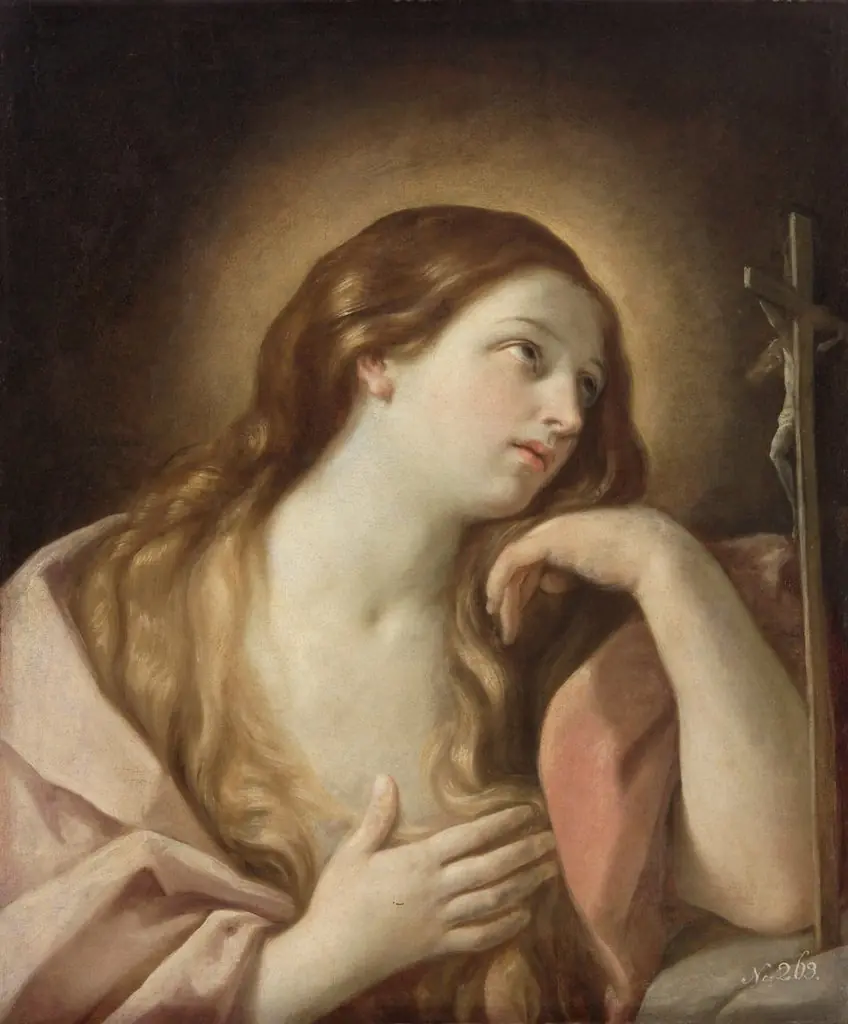
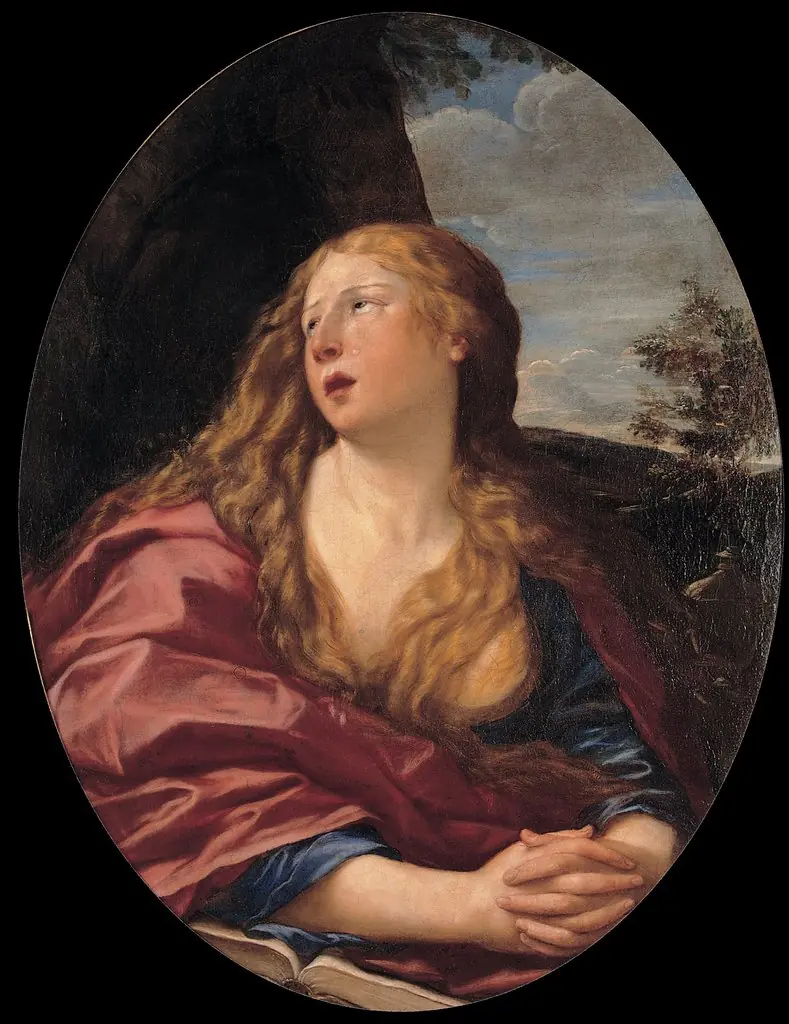
La Magdalena is an oil painting by the Early Baroque Italian artist Guido Reni. It dates from 1601 and is held in the collection of the Museo del Prado.
About this work
Subject & Meaning
The composition follows the Penitent Magdalene motif, using subtle gestures and modest attire to convey spiritual introspection rather than sensuous allure.
The work portrays Mary Magdalene in the act of penitence, a figure traditionally associated with conversion and mystical devotion. In the Baroque context the image emphasizes personal repentance and the transformative power of divine grace, aligning with Counter‑Reformation ideals of inner reform. The composition follows the Penitent Magdalene motif, using subtle gestures and modest attire to convey spiritual introspection rather than sensuous allure.
Technique & Style
La Magdalena is executed in oil paint on canvas, a standard support for early seventeenth-century Italian devotional panels of this scale. The work measures 75 cm in height by 62 cm in width, an upright format suited to its half-length devotional composition. Stylistically, the painting is attributed to Guido Reni (with the Wikidata record noting the workshop of Guido Reni), and it treats the Penitent Magdalene as its main subject within the religious genre. The sources do not provide further detail on handling, condition, or specific stylistic qualities.
History & Provenance
La Magdalena is an oil-on-canvas religious painting dated to 1601, depicting the Penitent Magdalene.
The work passed through the Spanish royal collection, with ownership recorded for Philip V of Spain, Elisabeth Farnese, Charles III of Spain, and Ferdinand VII of Spain. It is documented as held by the Museo del Prado and the Fine Arts Museum of Asturias, and has been associated with locations including the Royal Palace of Aranjuez and the Royal Palace of La Granja de San Ildefonso.
La Magdalena is held in the collection of the Fine Arts Museum of Asturias. The work has also been associated with the Museo del Prado and located at the Royal Palace of Aranjuez and the Royal Palace of La Granja de San Ildefonso. Its provenance includes ownership by Spanish monarchs Philip V, Elisabeth Farnese, Charles III, and Ferdinand VII. No specific inventory numbers or exhibition history details are provided in the available sources.
Context
La Magdalena, an oil painting on canvas completed in 1601, depicts Mary Magdalene in a penitent pose and belongs to the religious genre. The work was created by Guido Reni and reflects the broader context of Counter-Reformation religious art in early Baroque Italy. Its provenance includes ownership by Spanish monarchs such as Philip V and Charles III, linking it to the royal collections of the Spanish Empire.
The painting is part of the holdings at the Museo del Prado and the Fine Arts Museum of Asturias, institutions that have preserved religious artworks from this period. Scholarship on the piece emphasizes its stylistic connections to Reni’s mature output and its significance within the evolution of Magdalene imagery in European art.
Overview
Guido Reni’s oil painting titled La Magdalena was executed in 1601. The work presents a solitary female figure identified as Mary Magdalene, rendered in a restrained palette that emphasizes her contemplative pose. Currently, the canvas belongs to the collection of the Museo del Prado, where it is displayed among the museum’s Baroque holdings.
Own this work as a print
Artist & collection
Artist
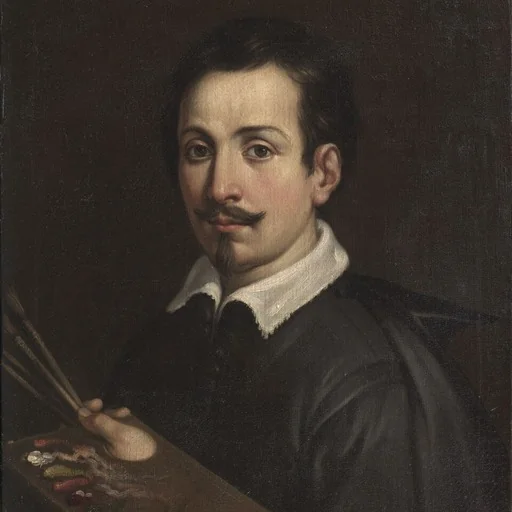
Guido Reni was an Italian Baroque painter, although his works showed a classical manner, similar to Simon Vouet, Nicolas Poussin, and Philippe de Champaigne.