Artwork
Le Bec de L'Aigle, La Ciotat
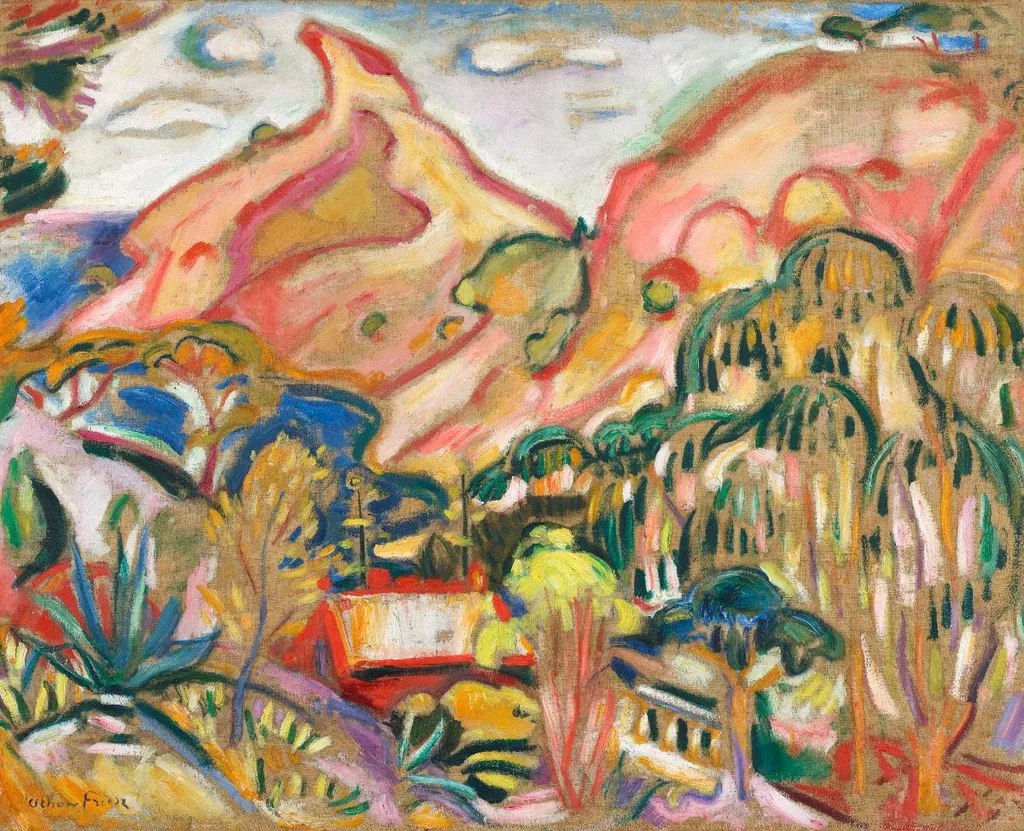
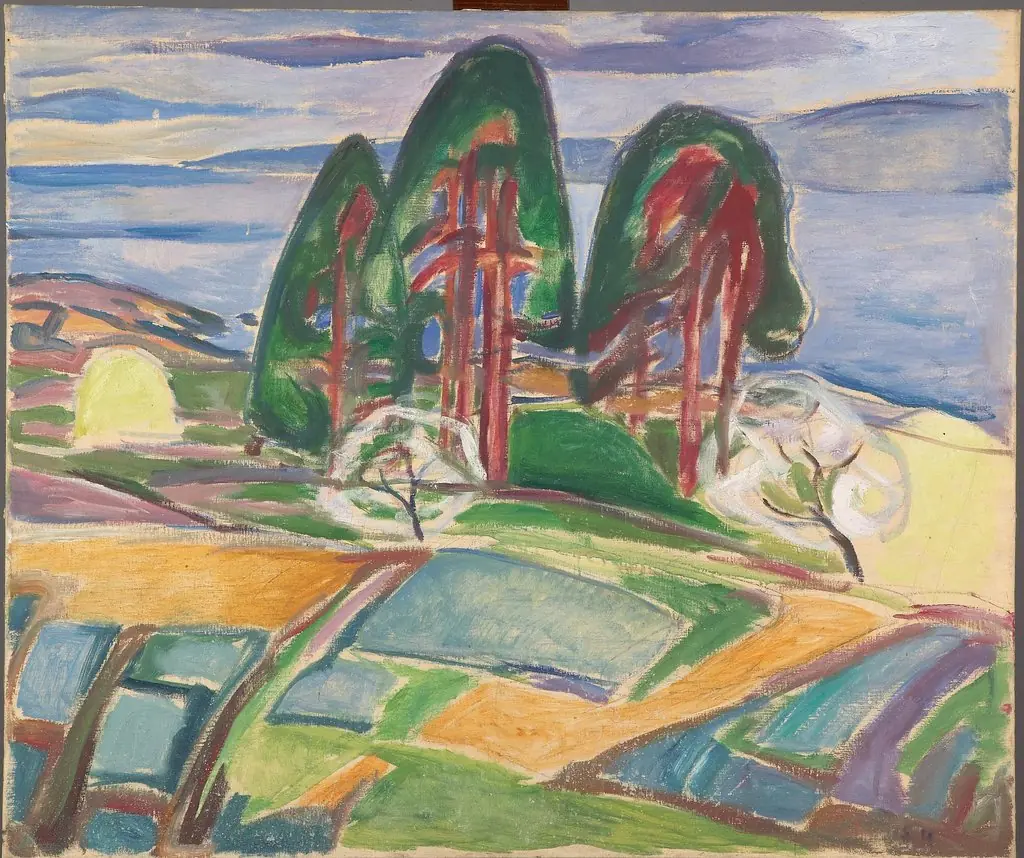
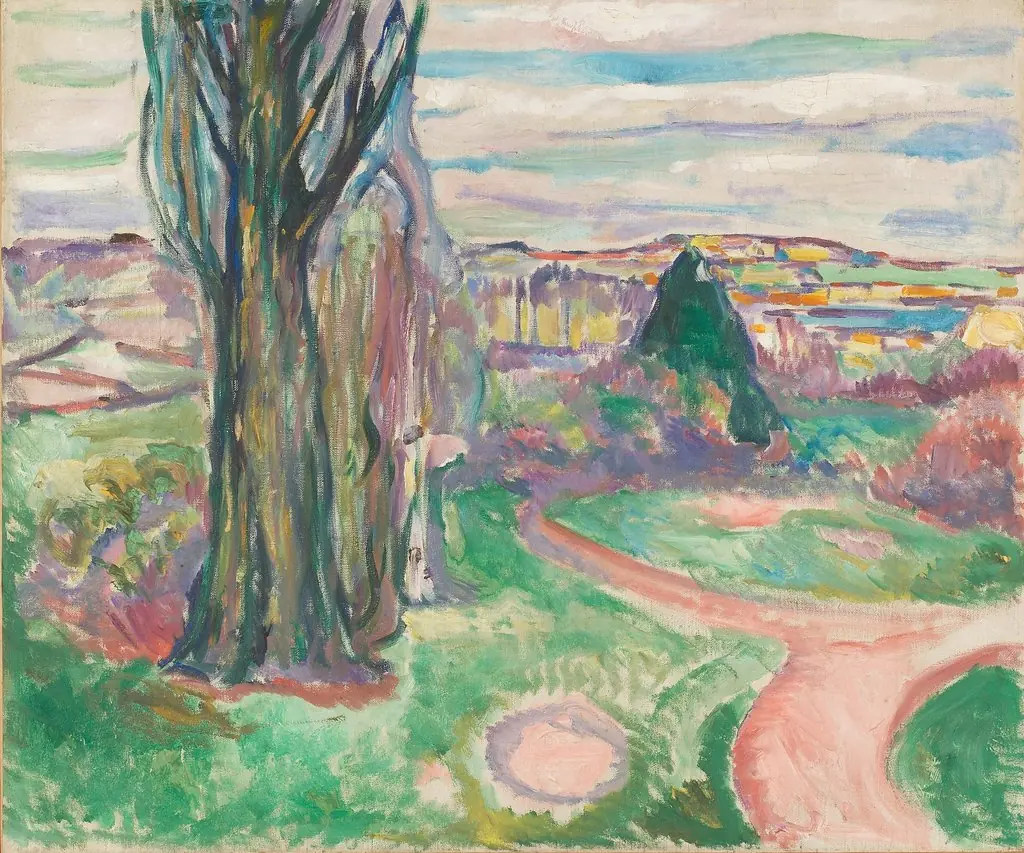
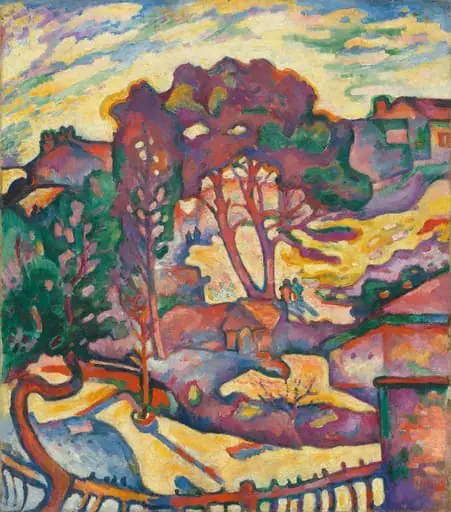
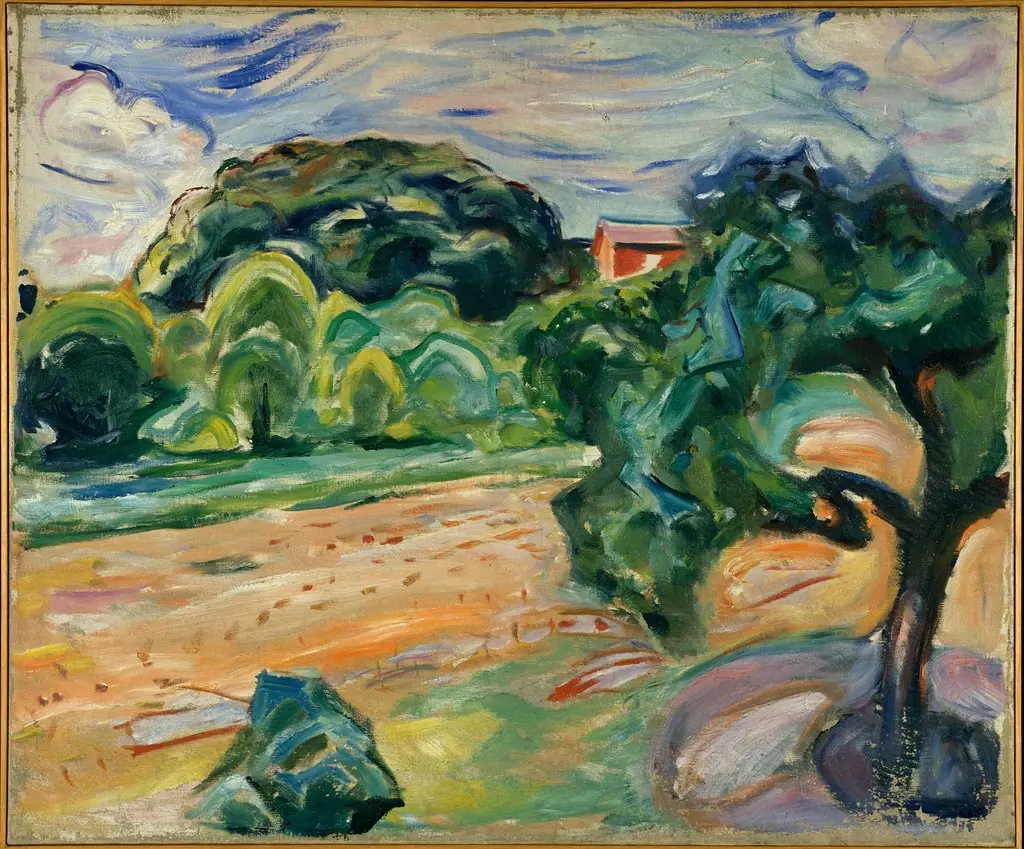
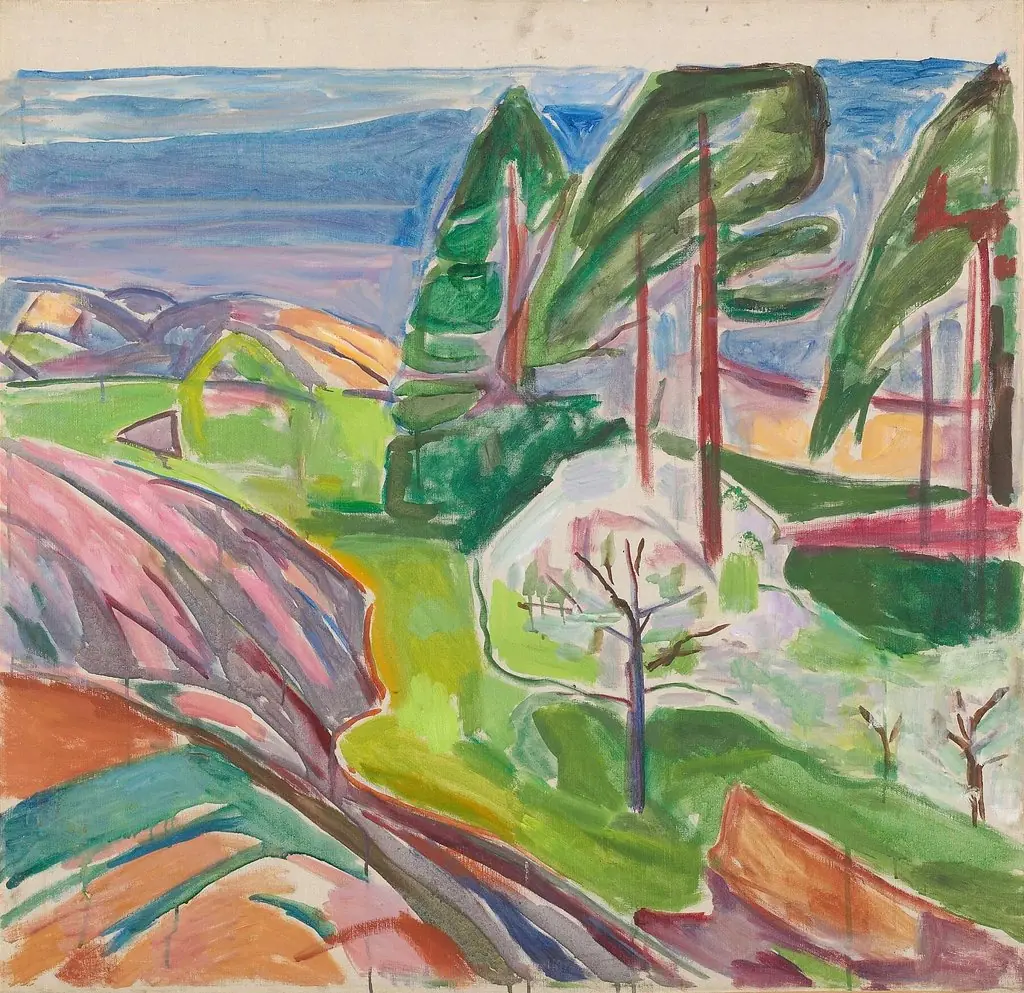
Le Bec de L'Aigle, La Ciotat is an oil painting by the Fauvist artist Othon Friesz. It dates from 1906 and is held in the collection of the Kunsthaus Zürich.
About this work
Overview
Painted in 1906 by French artist Othon Friesz, Le Bec de L'Aigle, La Ciotat is a landscape rendered in oil on canvas. It captures a coastal scene near the southern French town of La Ciotat, reflecting Friesz’s engagement with Fauvism during a period when color and brushwork were prioritized over naturalistic representation. The work is part of the Kunsthaus Zürich’s permanent collection.
Subject & Meaning
The painting portrays a rugged stretch of coastline, with undulating hills rising behind a foreground of sparse, elongated vegetation. Rather than documenting a specific location with precision, Friesz uses the terrain as a vehicle for emotional expression. The absence of human figures or architectural elements directs focus to the raw, elemental qualities of the land and its chromatic intensity.
Technique & Style
Friesz applied paint with loose, energetic brushstrokes, building form through patches of unblended color rather than gradual tonal transitions.
Friesz applied paint with loose, energetic brushstrokes, building form through patches of unblended color rather than gradual tonal transitions. Hues of pink, yellow, green, and blue are juxtaposed without regard for atmospheric realism, creating visual tension. The foreground plants are rendered with swift, directional strokes that suggest movement and texture, reinforcing the Fauvist emphasis on subjective perception over optical accuracy.
History & Provenance
Created during Friesz’s most active Fauvist phase, the painting emerged from his time in southern France, where he and other artists explored the region’s light and topography. It entered the Kunsthaus Zürich’s collection in the 20th century, likely through acquisitions focused on early modern European painting. Its provenance remains largely unaltered since its acquisition by the museum.
Context
In 1906, Friesz was closely associated with Henri Matisse and other artists challenging academic conventions. While not as widely recognized as his peers, his work contributed to the broader Fauvist project of liberating color from descriptive function. Le Bec de L'Aigle reflects this shift, aligning with contemporaneous experiments in southern France that prioritized emotional resonance over traditional perspective.
Legacy
Though not among Friesz’s most frequently exhibited works, Le Bec de L'Aigle remains a representative example of his Fauvist period. It illustrates how regional landscapes inspired a generation of painters to reimagine color as an independent expressive force. The painting continues to be studied for its role in the evolution of modern French painting beyond the better-known figures of the movement.
Artist & collection
Artist
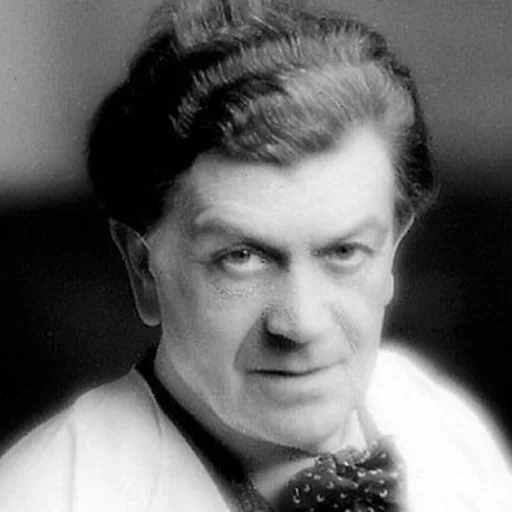
Achille-Émile Othon Friesz (6 February 1879 – 10 January 1949), who later called himself Othon Friesz, a native of Le Havre, was a French artist of the Fauvist movement.