Artwork
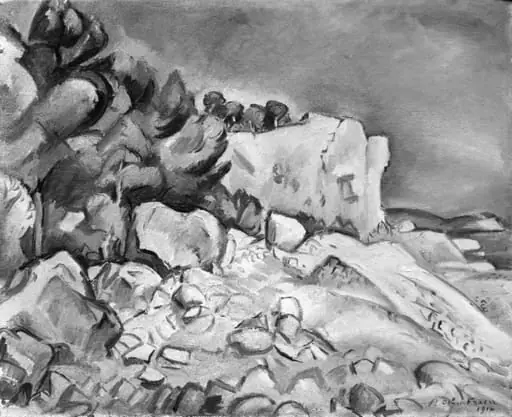
The Cliff at Sainte Marguerite
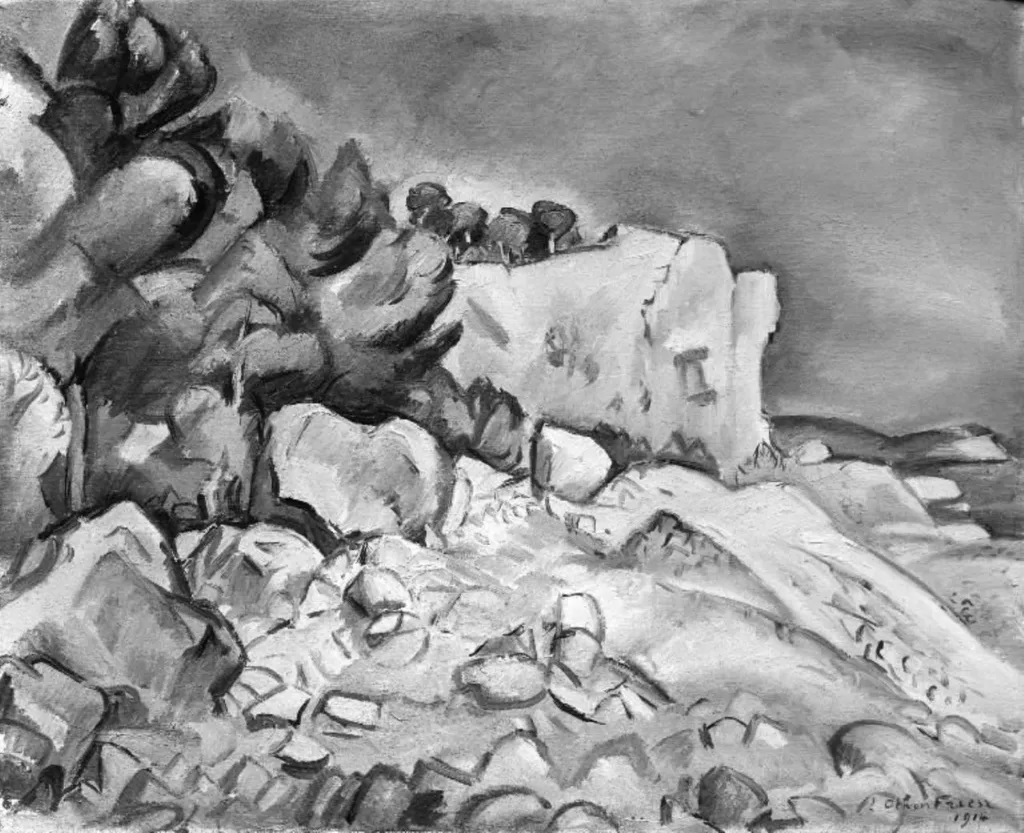
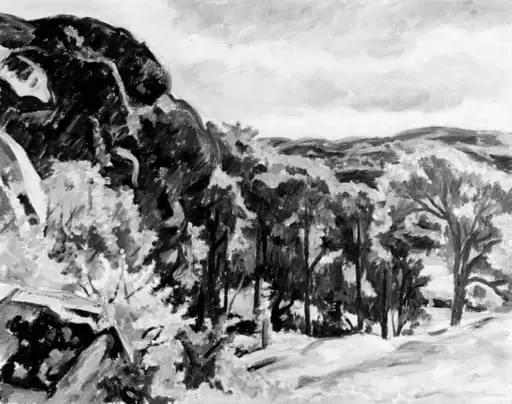
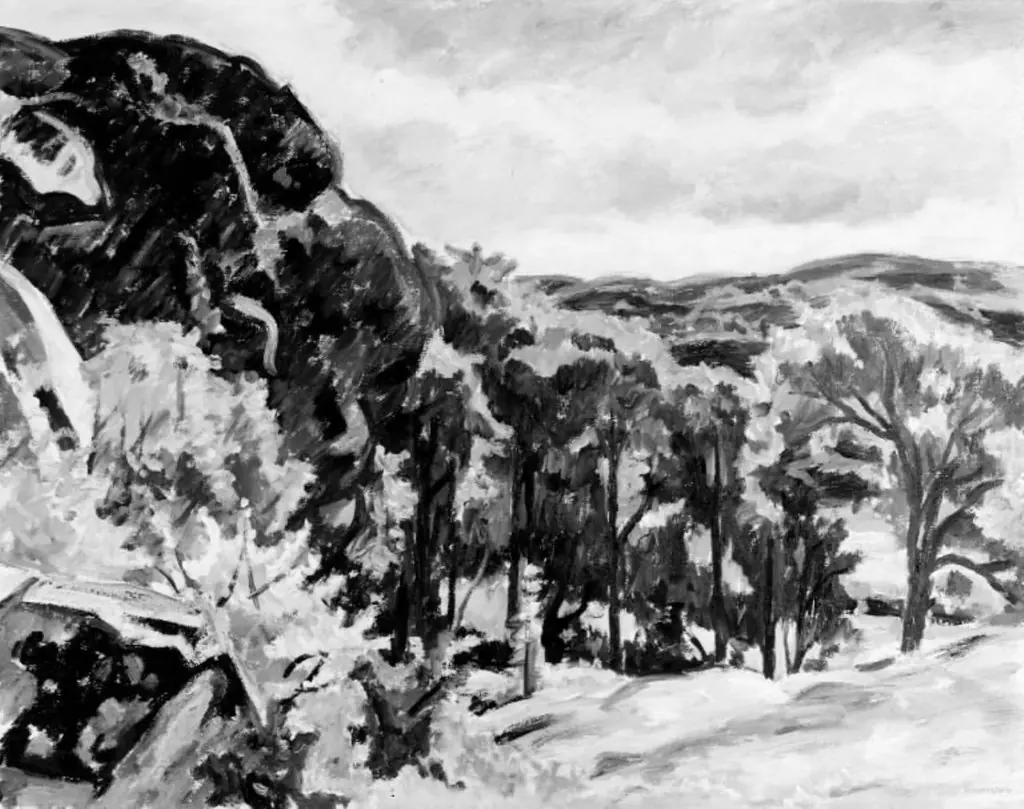
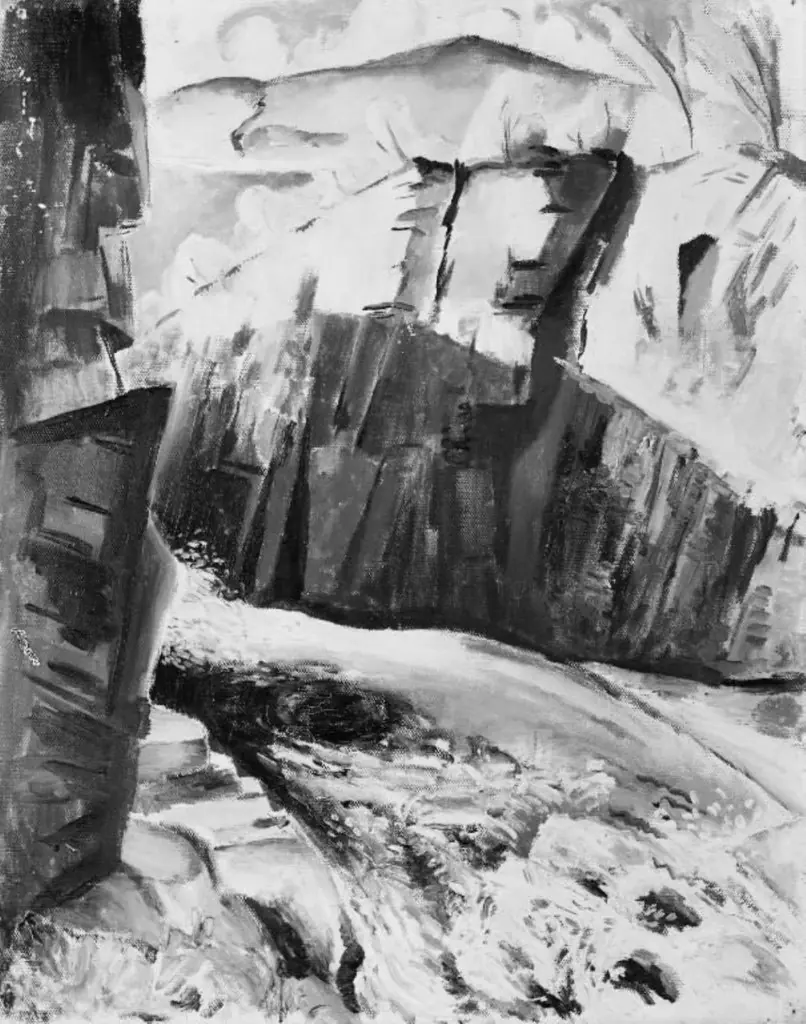
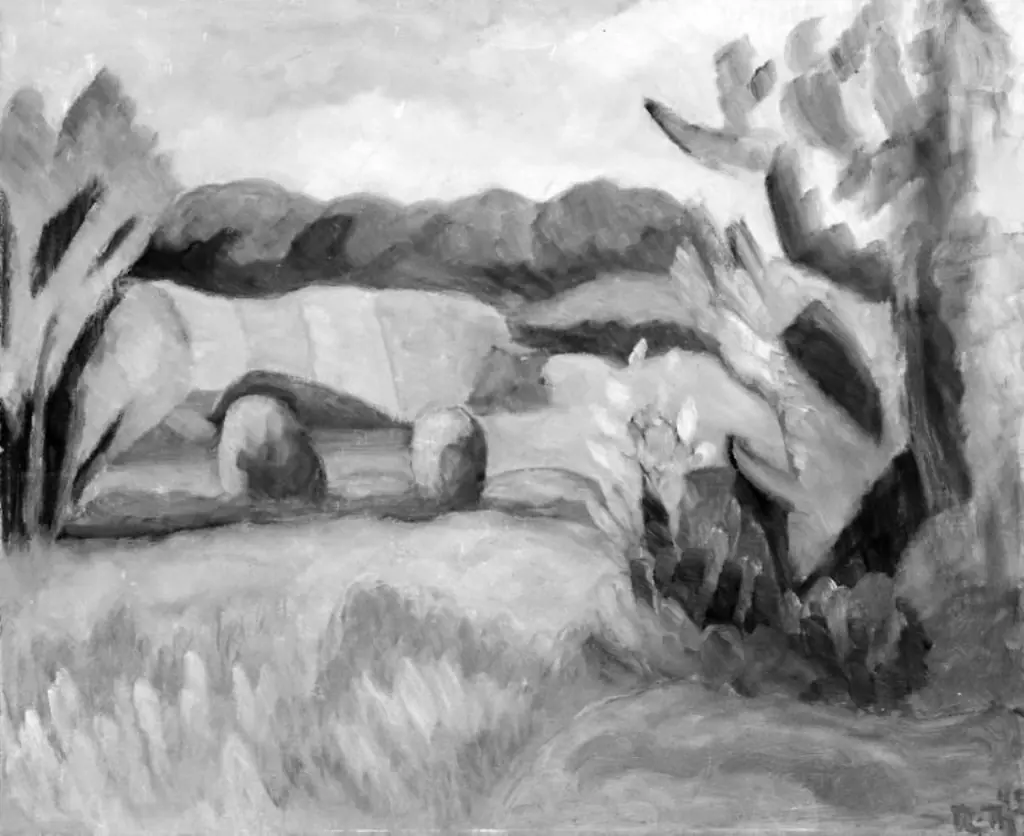
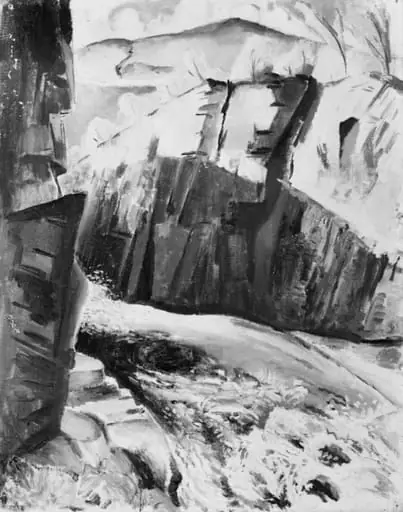
The Cliff at Sainte Marguerite is an oil painting by the Fauvist artist Othon Friesz. It dates from 1914 and is held in the collection of the Statens Museum for Kunst.
About this work
Overview
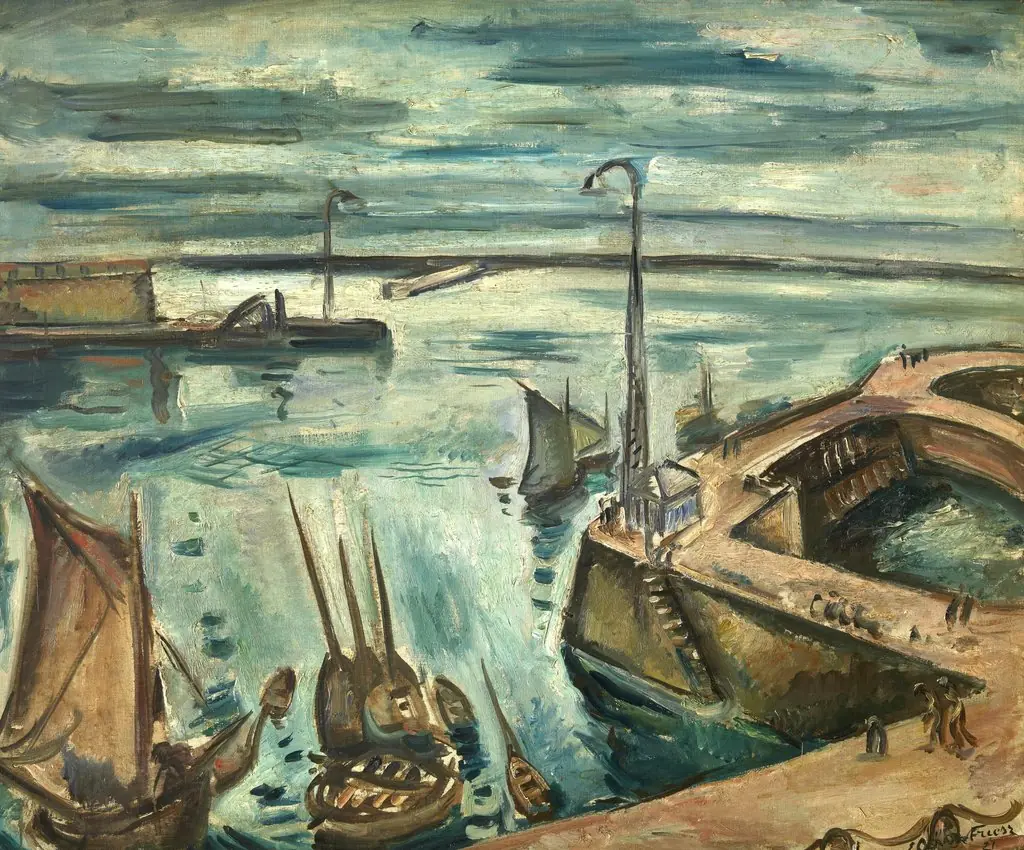
Created in 1914, The Cliff at Sainte Marguerite is an oil painting by French artist Othon Friesz (1879‑1949). Executed during the height of the Fauvist movement, the work presents a coastal landscape dominated by a sheer rock face, a solitary tree, and a distant sea under a muted sky. It is part of the permanent collection of Denmark’s Statens Museum for Kunst.
Subject & Meaning
The composition centers on a rugged cliff rising behind a foreground of jagged stones, while a lone tree anchors the left side of the canvas. A stretch of water appears on the horizon, lending depth to the scene. The subdued palette and calm atmosphere convey a quiet contemplation of nature’s enduring forms rather than dramatic narrative.
Technique & Style
Friesz employs thick, expressive brushstrokes typical of Fauvism, allowing the oil medium to build surface texture that suggests the roughness of rock and foliage. Bold, non‑naturalistic color choices, particularly in the sky and sea, enhance the emotional tone, while the overall handling of paint emphasizes form over precise detail.
History & Provenance
Born in Le Havre, Friesz was an early participant in the avant‑garde circles that gave rise to Fauvism, adopting the movement’s vivid approach before later shifting toward a more restrained style. The Cliff at Sainte Marguerite entered the Statens Museum for Kunst’s collection in the mid‑20th century, where it remains on display as a representative example of his Fauvist period.
Own this work as a print
Artist & collection
Artist
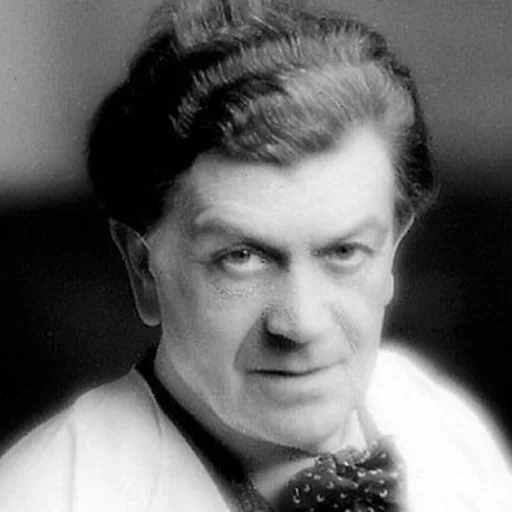
Achille-Émile Othon Friesz (6 February 1879 – 10 January 1949), who later called himself Othon Friesz, a native of Le Havre, was a French artist of the Fauvist movement.