Subject
Shore
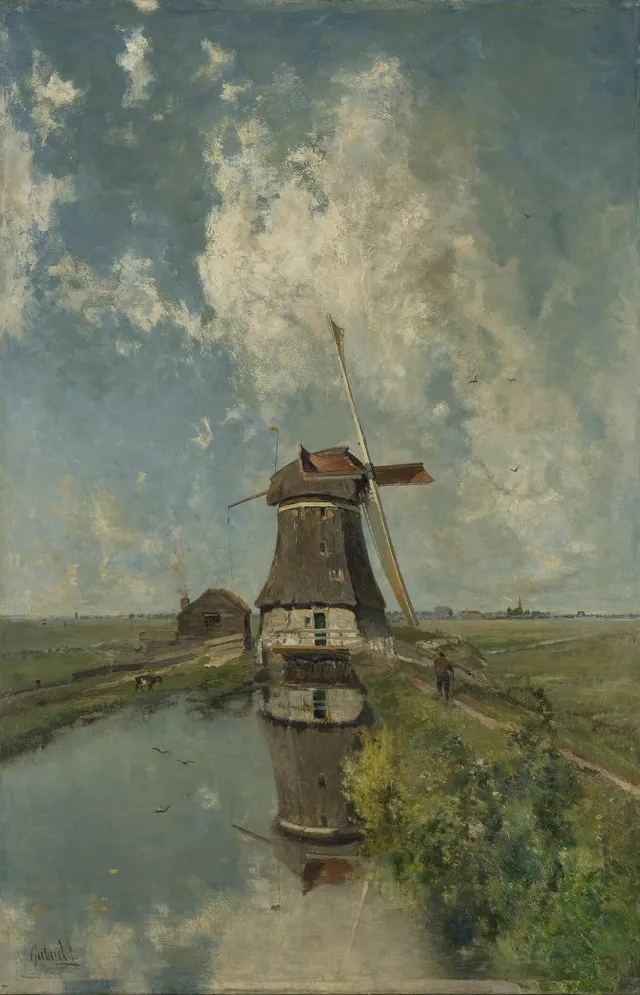
Shore is a subject in art. The gallery holds 66 works in this subject in art, including works by Jean Baptiste Camille Corot, Gustave Courbet and Henry Bone.
The shore—the shifting threshold where land meets sea, lake, or river—has been a subject of European art since at least the seventeenth century, but it first flourished as a theme in its own right during the Dutch Golden Age. As the maritime Dutch Republic grew prosperous, painters such as Hendrick van Anthonissen turned the strand into a stage for everyday life: his "View of Scheveningen Sands" (c. 1641, Fitzwilliam Museum) gathers townsfolk on the cold North Sea beach, originally clustered around a stranded whale that a later owner painted out. Such scenes treated the coast not as wilderness but as a meeting point of labour, commerce, and curiosity, fixing conventions—low horizon, vast luminous sky, beached boats—that would endure for two centuries.
Romanticism transformed the shore into a site of metaphysical reflection. In Caspar David Friedrich's "The Monk by the Sea" (1808–10, Alte Nationalgalerie), a solitary figure confronts an almost empty expanse of sand, sea, and sky, an image of human smallness before the sublime. J. M. W. Turner pushed the same coast toward dissolving storms and shipwrecks, dramatising the sea's elemental power. This Romantic charge persisted even as nineteenth-century artists shifted toward modern realism; Gustave Courbet, whose "The Young Bather" the gallery holds, painted bathers and the bare Mediterranean shore at Palavas with frank, material directness.
The nineteenth century became the golden age of the beach, propelled by railways and the new fashion for seaside tourism. Eugène Boudin, raised on the Normandy coast, made the well-dressed holidaymakers of Trouville and Deauville his signature subject in the 1860s, prizing the fleeting effects of light and weather. His example proved decisive for the young Claude Monet, whom he encouraged to paint outdoors; the two worked side by side at Trouville in the summer of 1870, and Boudin is often called the link between Constable and Impressionism. Riverbanks and harbours extended the theme—Alfred Sisley's "The Bridge at Villeneuve-la-Garenne" and Thomas Chambers's "New York Harbor with Pilot Boat 'George Washington'" both belong to this widened sense of the shoreline.
In America, Winslow Homer settled at Prouts Neck, Maine, in 1884 and devoted his final decades to monumental seascapes of surf pounding rock and fishermen battling the Atlantic. The shore remains a living genre, its lineage running from Dutch realism through Romantic awe to Impressionist light.
Key artists

Works
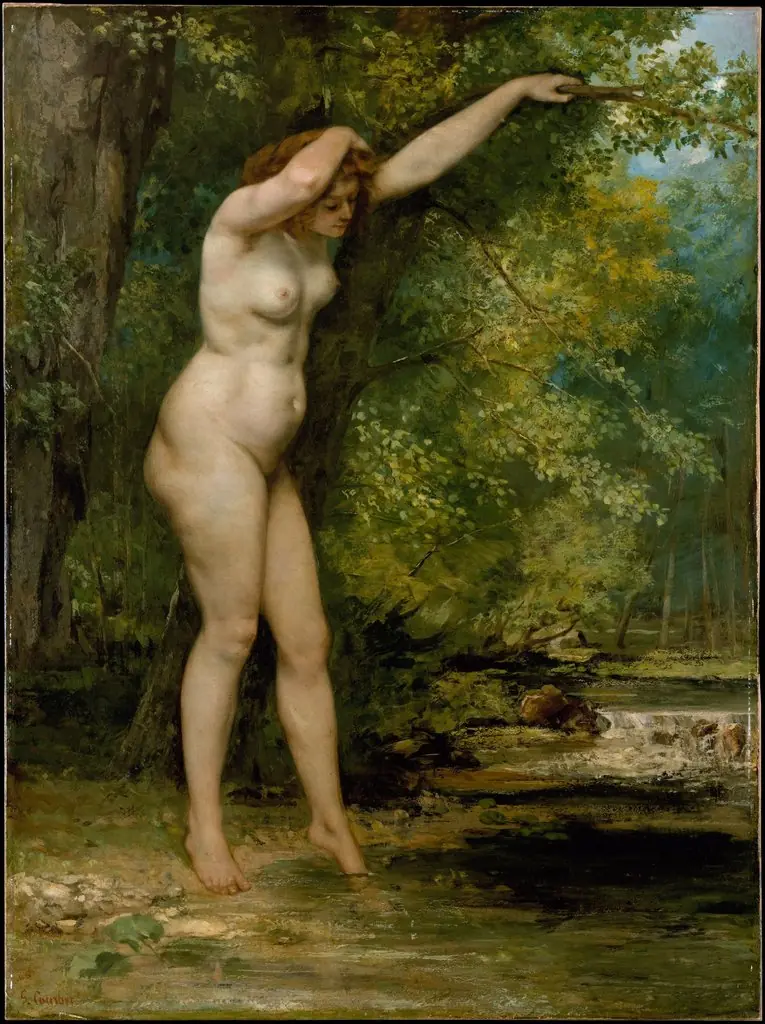 The Young Bather
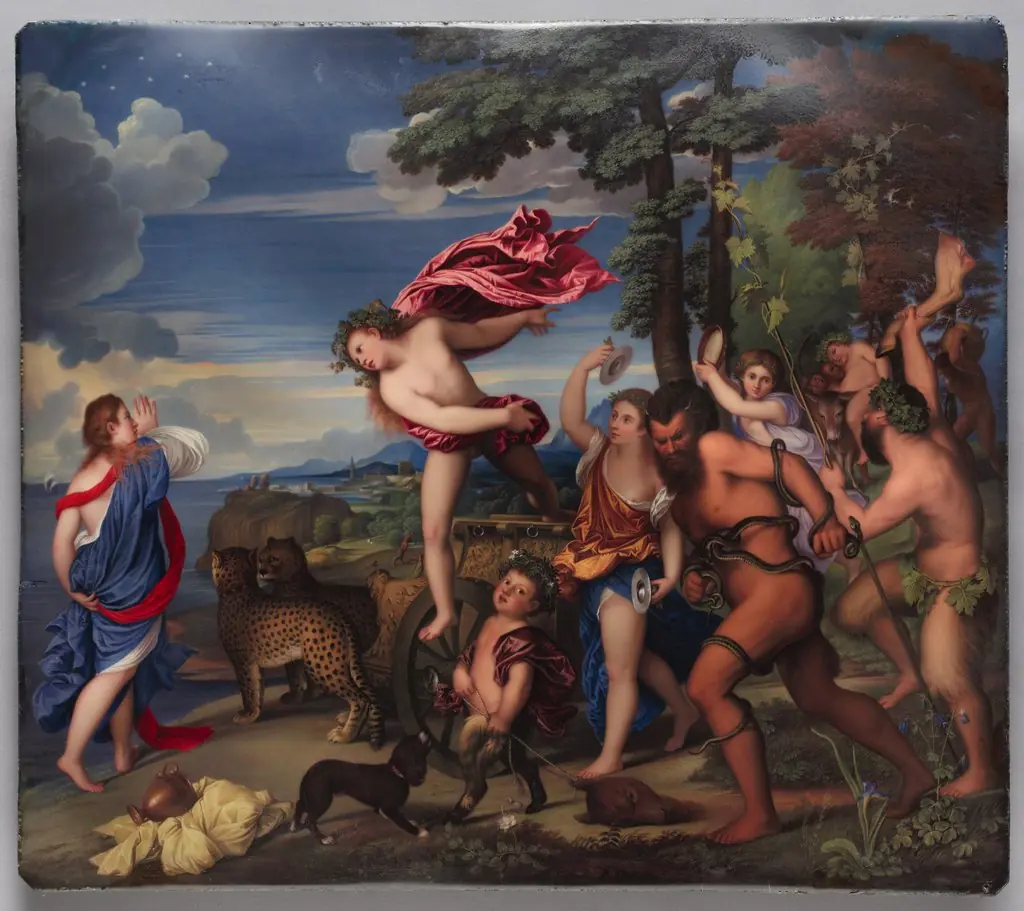 Bacchus and Ariadne
 The Harvesters
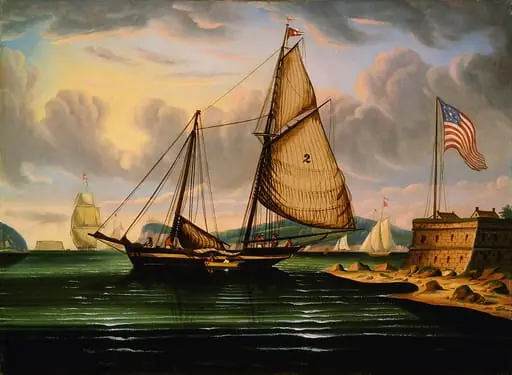 New York Harbor with Pilot Boat "George Washington"
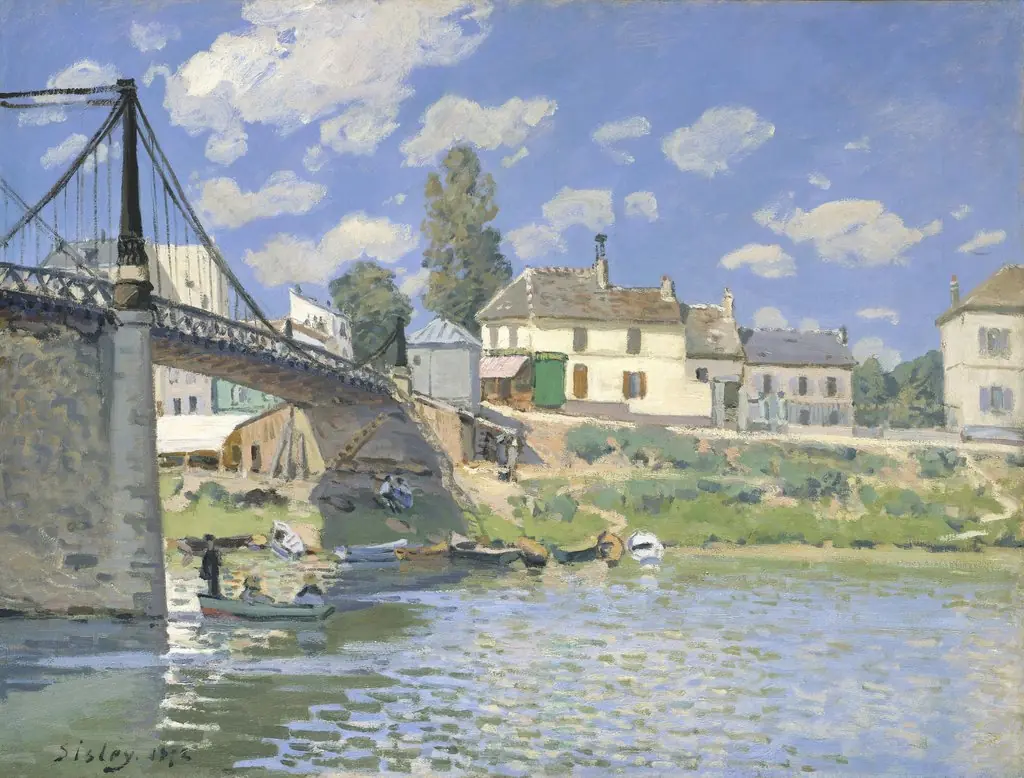 The Bridge at Villeneuve-la-Garenne
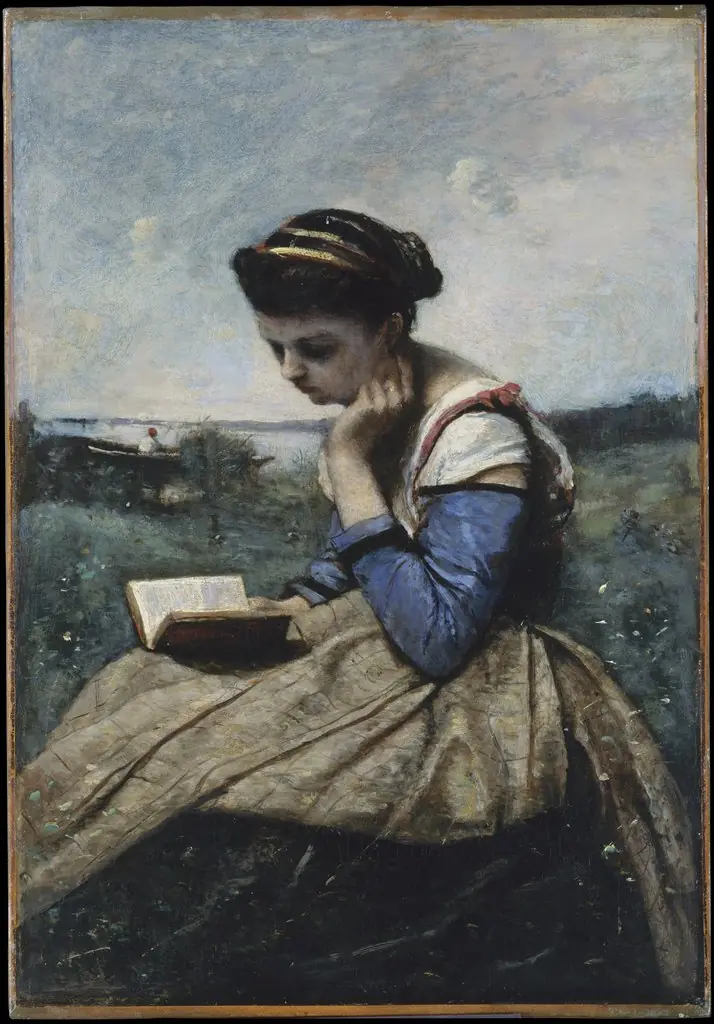 Femme Lisant
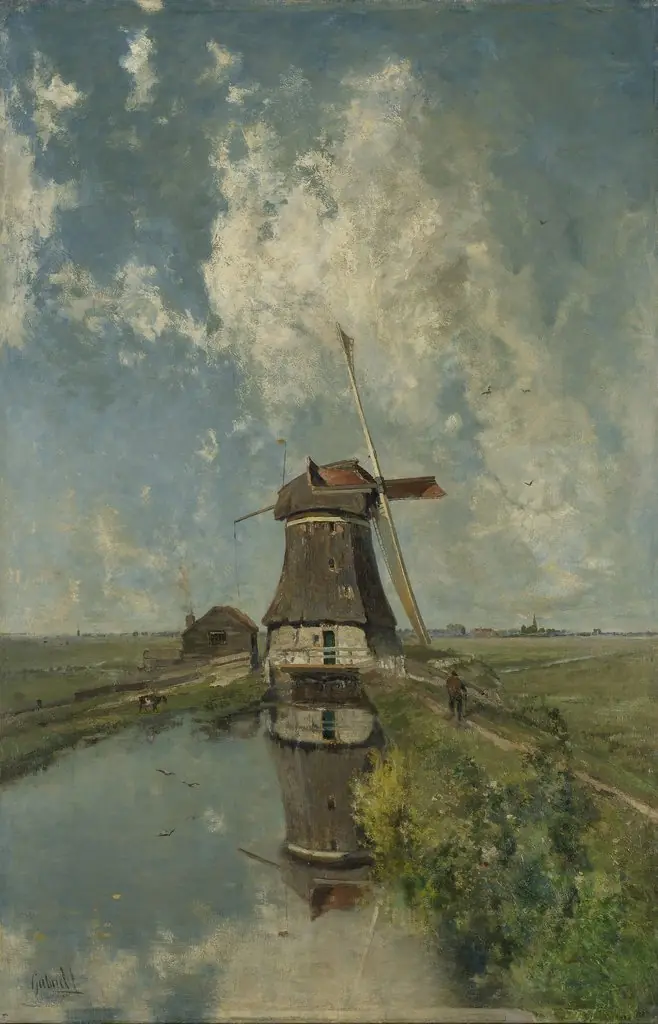 A Windmill on a Polder Waterway, Known as ‘In the Month of July’
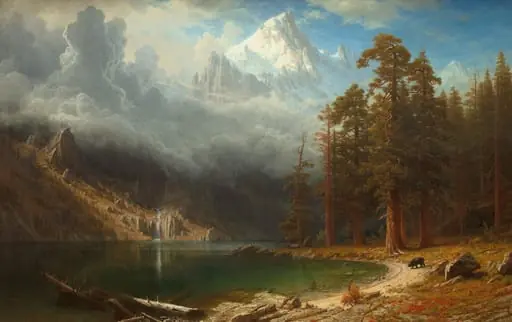 Mount Corcoran
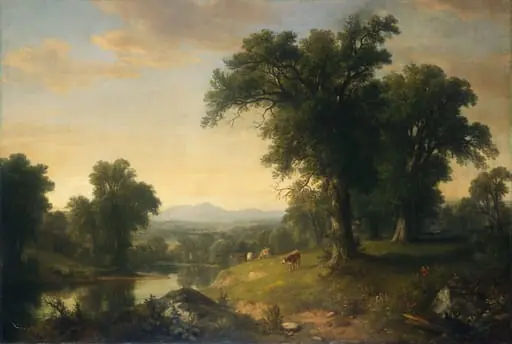 A Pastoral Scene
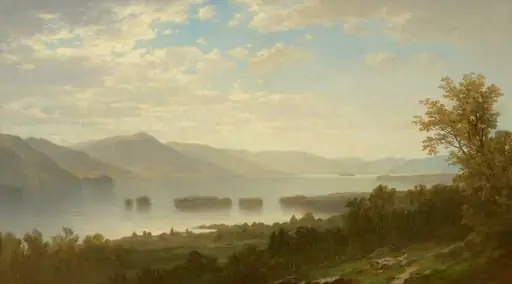 Lake George
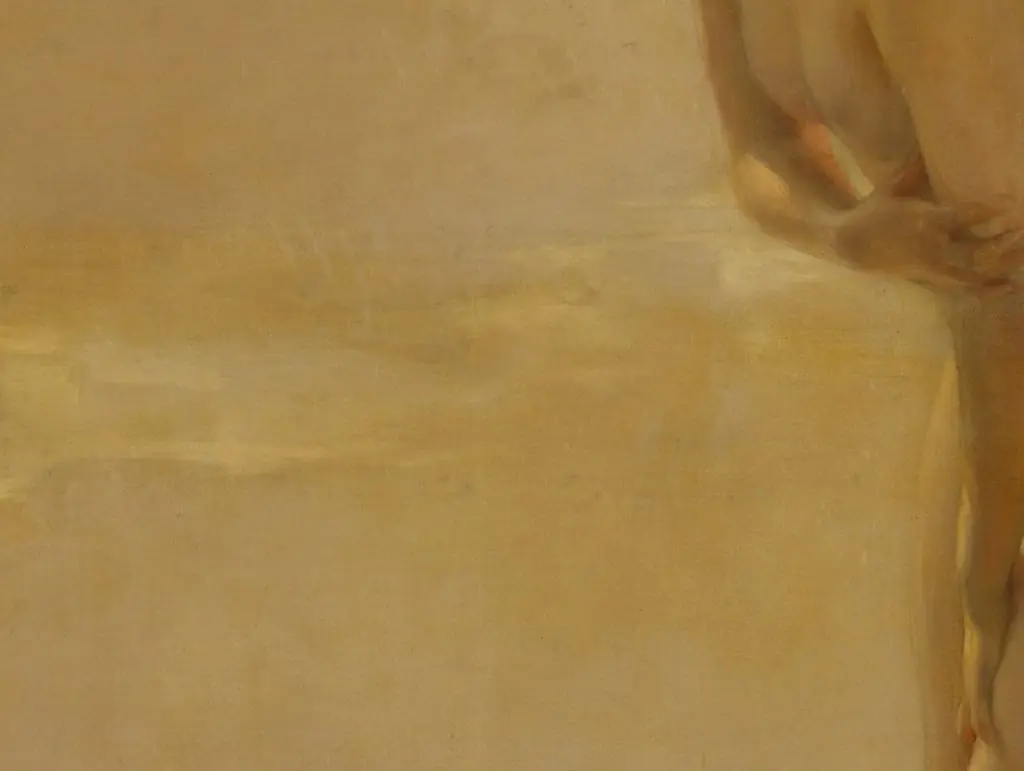 September Morn
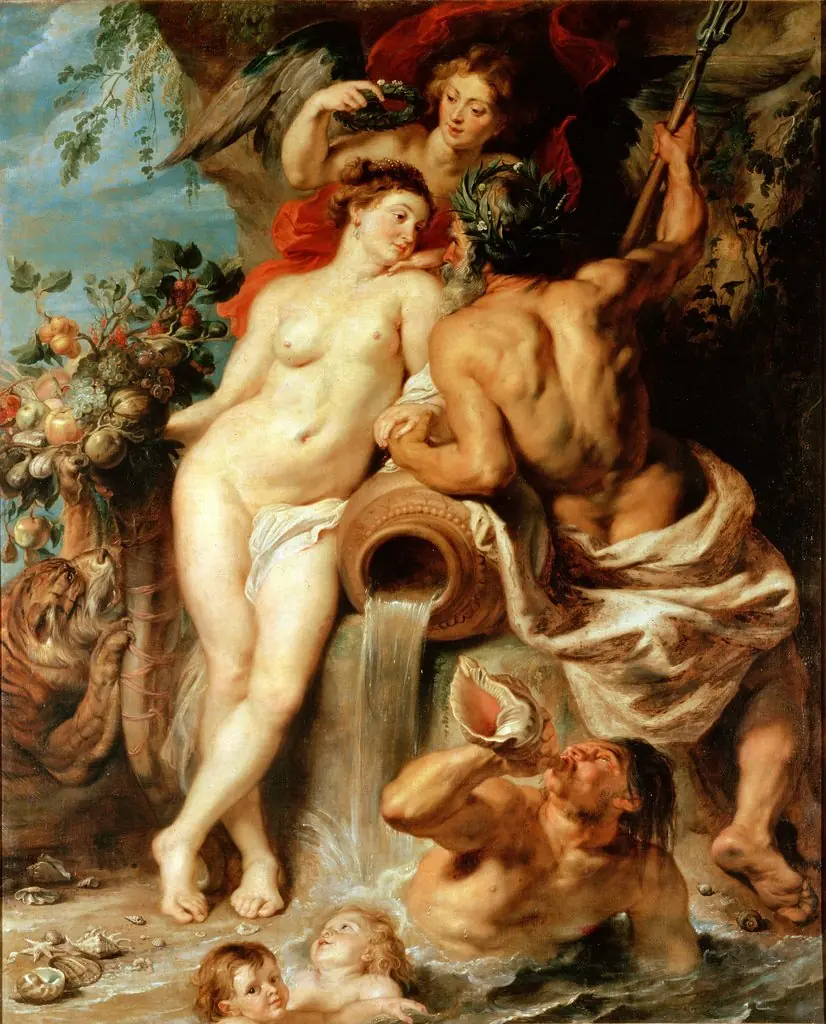 The Union of Earth and Water (Antwerp and the Scheldt)
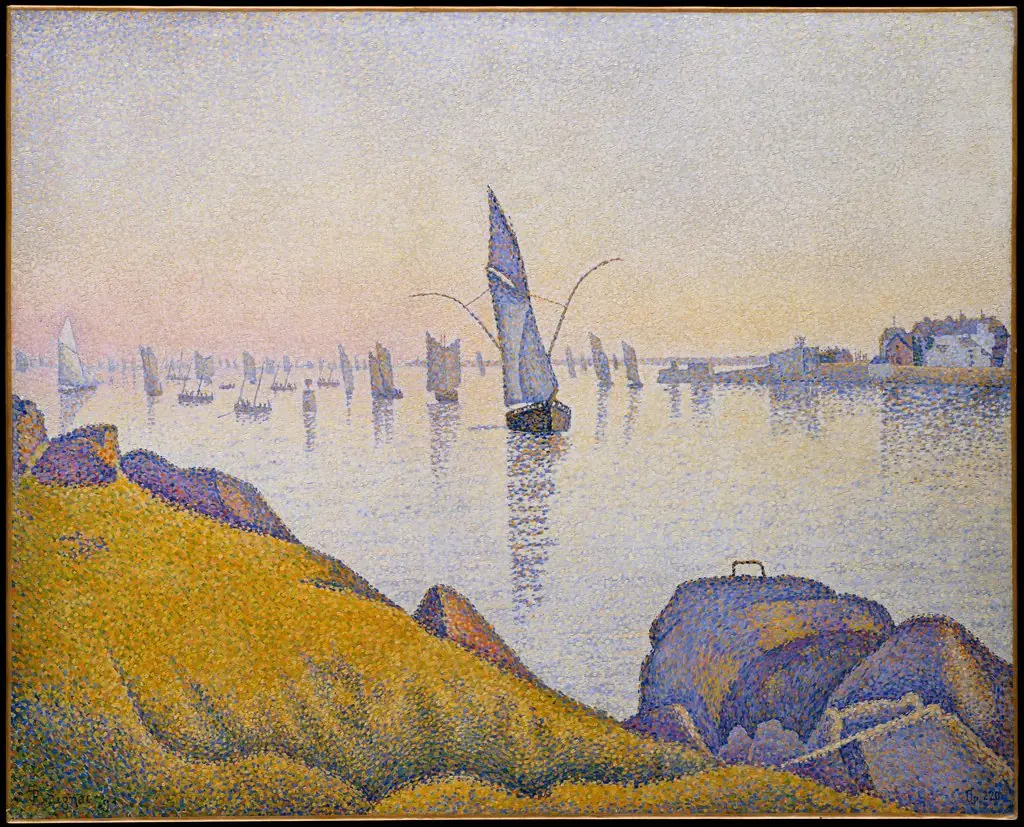 Evening Calm, Concarneau, Opus 220 (Allegro Maestoso)
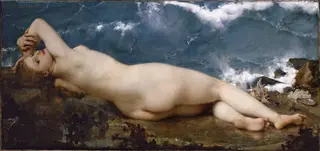 The Pearl and the Wave
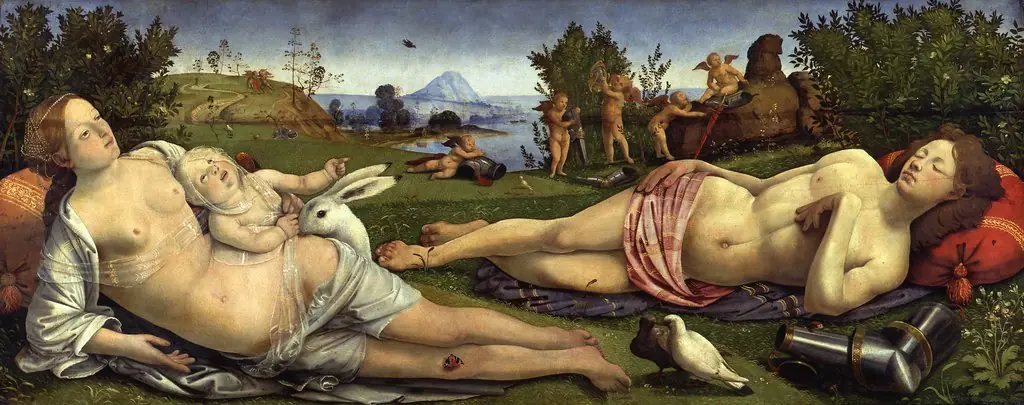 Venus, Mars and Cupid
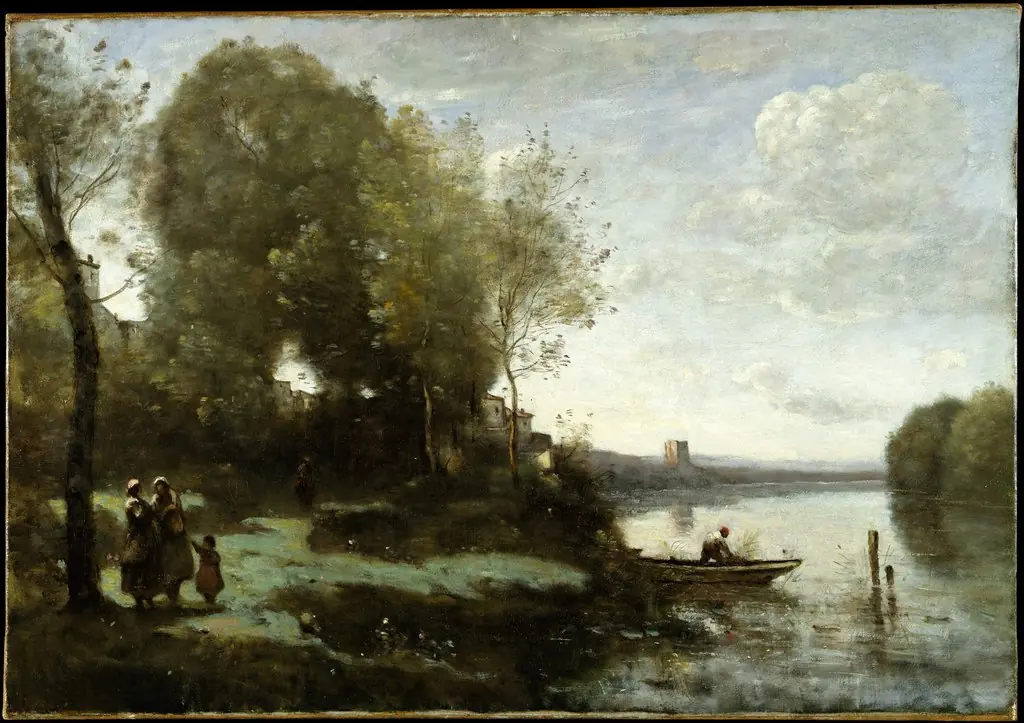 River with a Distant Tower
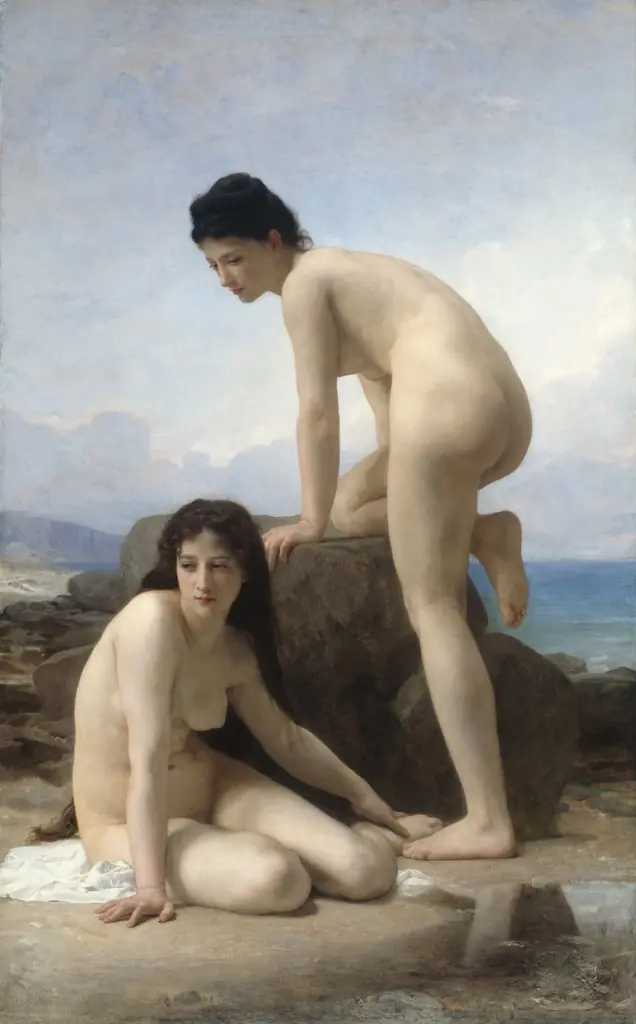 The Two Bathers
 A General and His Aide-de-camp
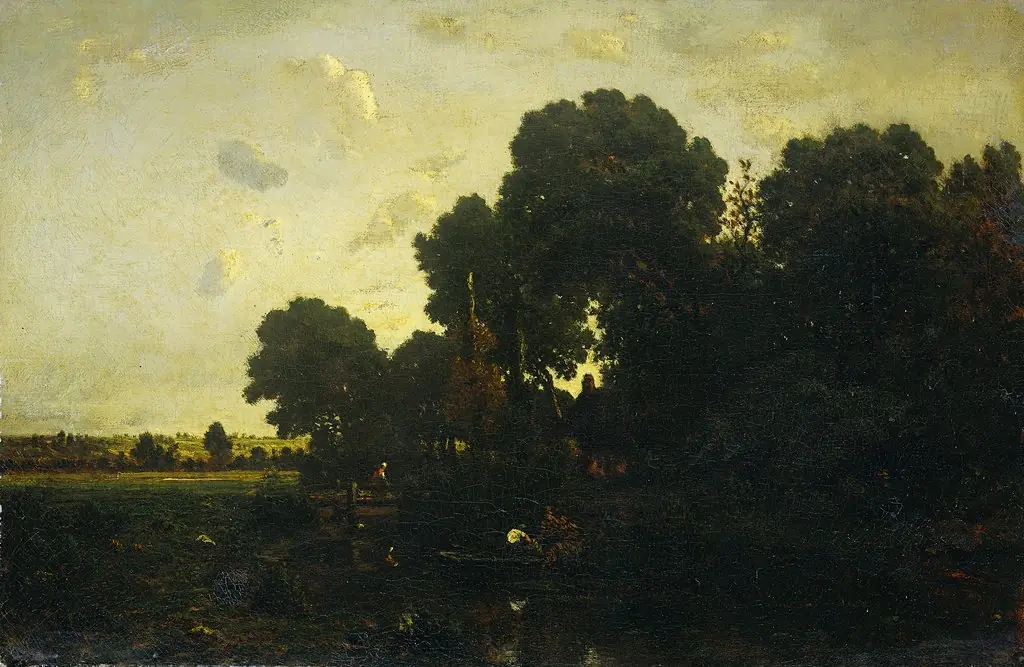 Twilight
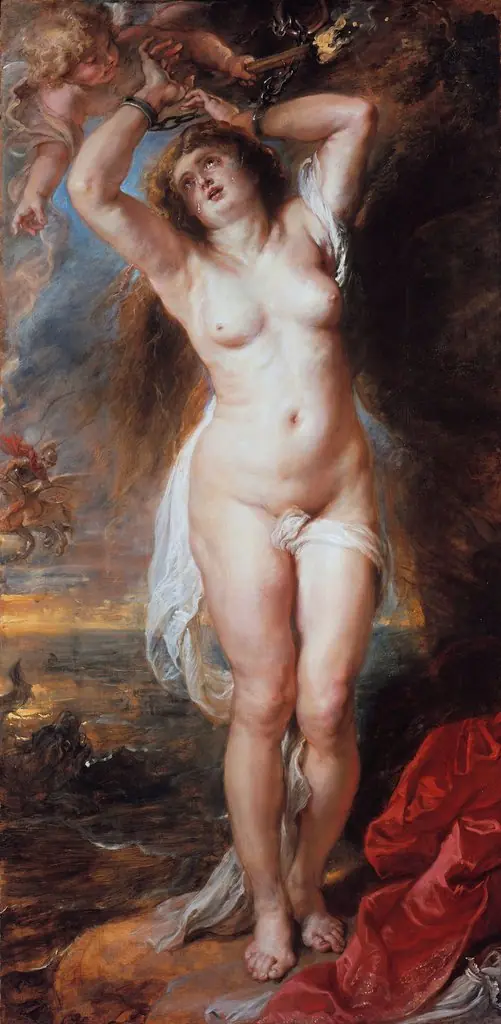 Perseus Freeing Andromeda
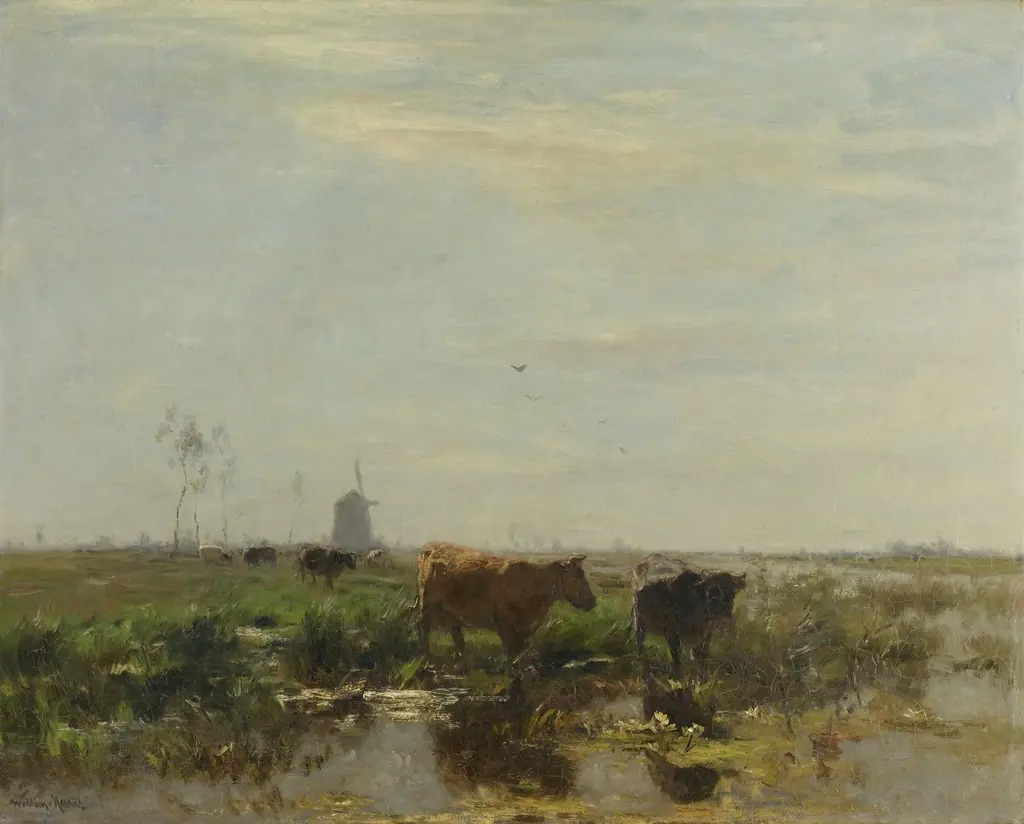 Meadow with Cows by the Water
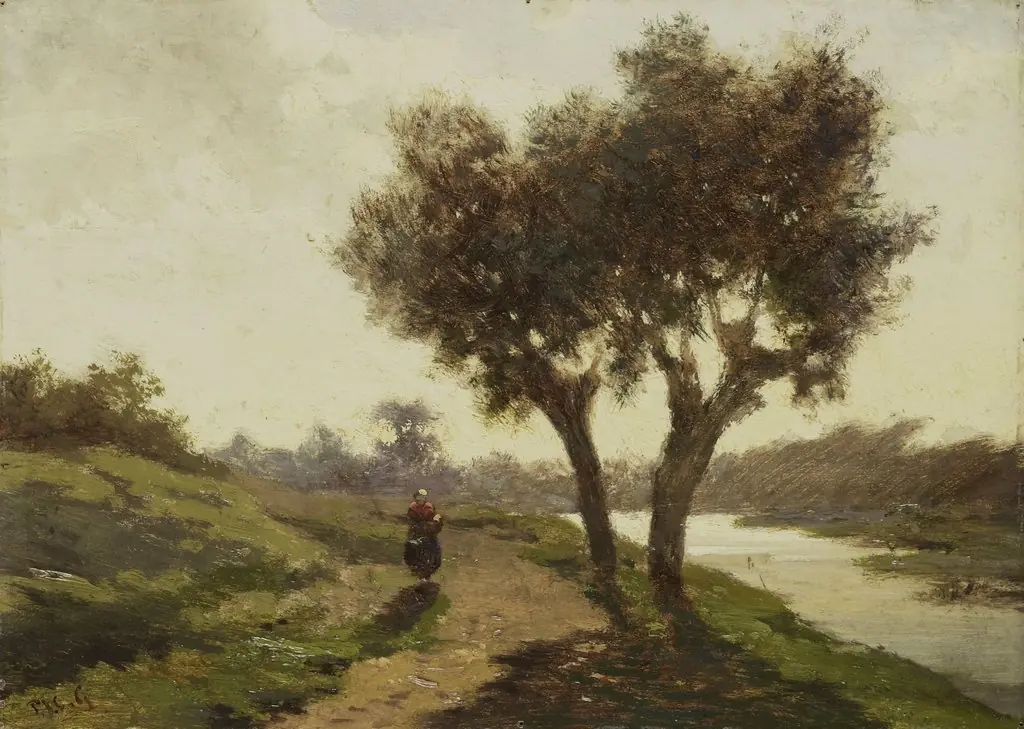 Landscape with two Trees
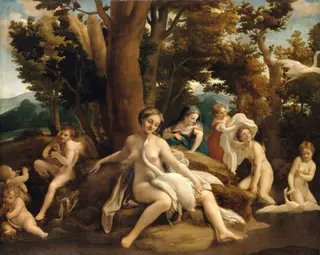 Leda and the Swan
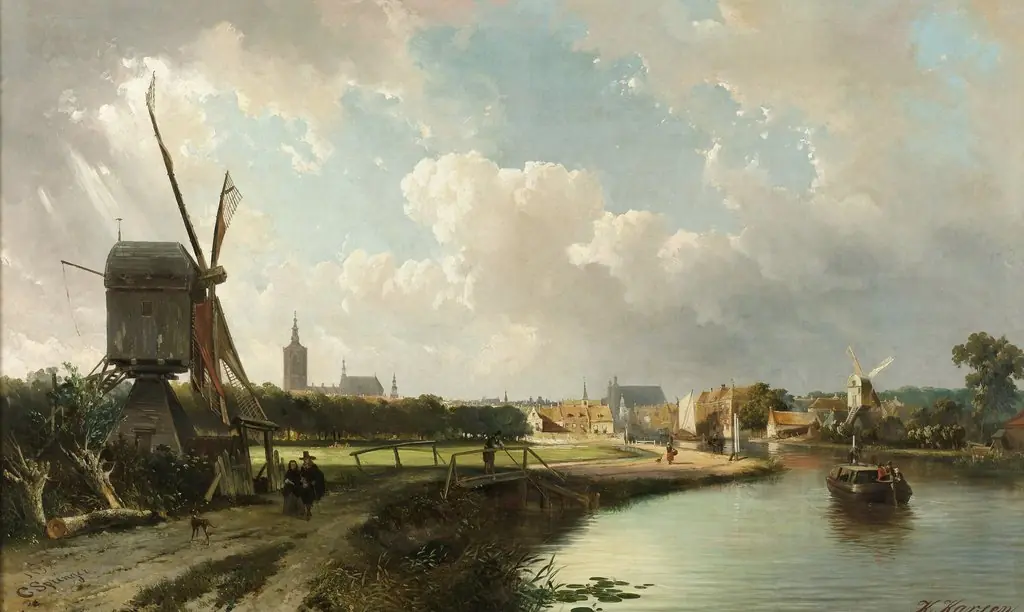 View of The Hague from the Delftse Vaart in the 17th Century
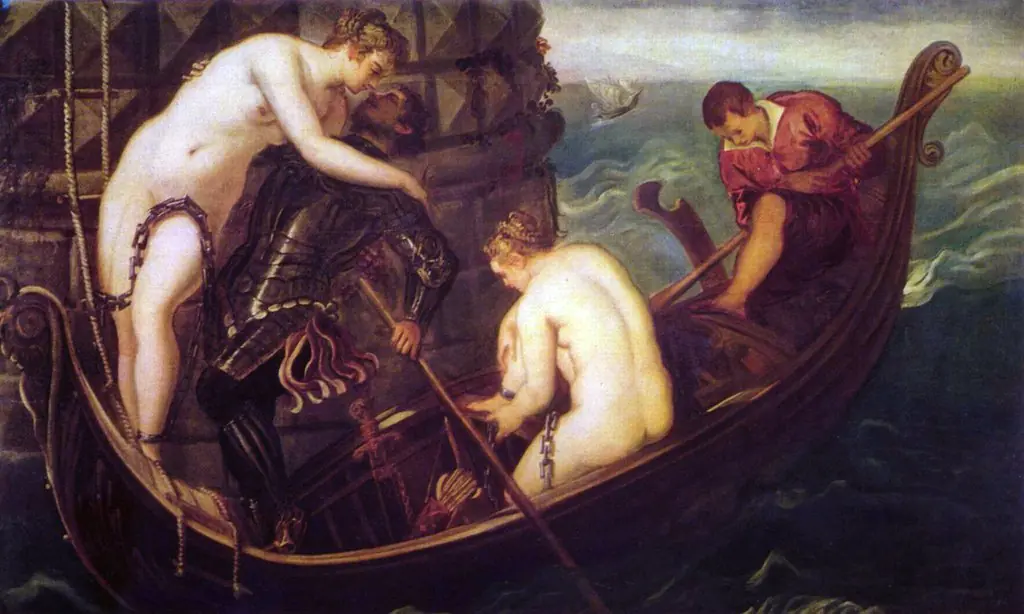 The Deliverance of Arsinoe
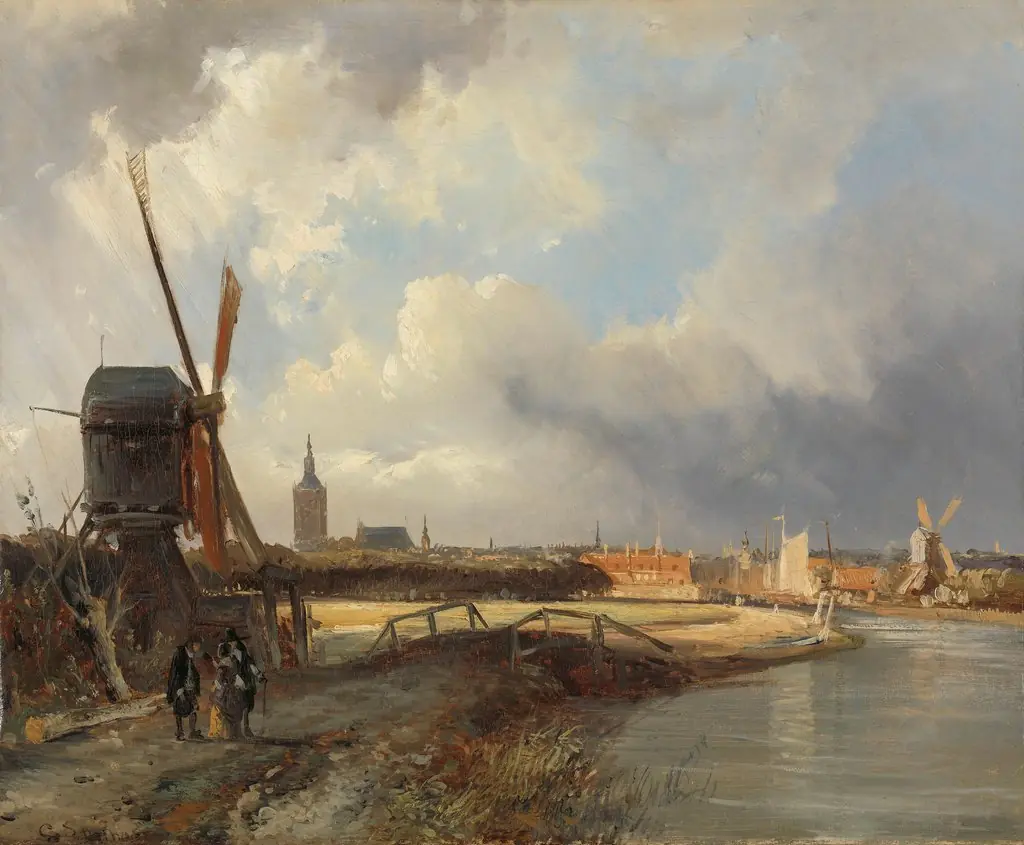 View of The Hague
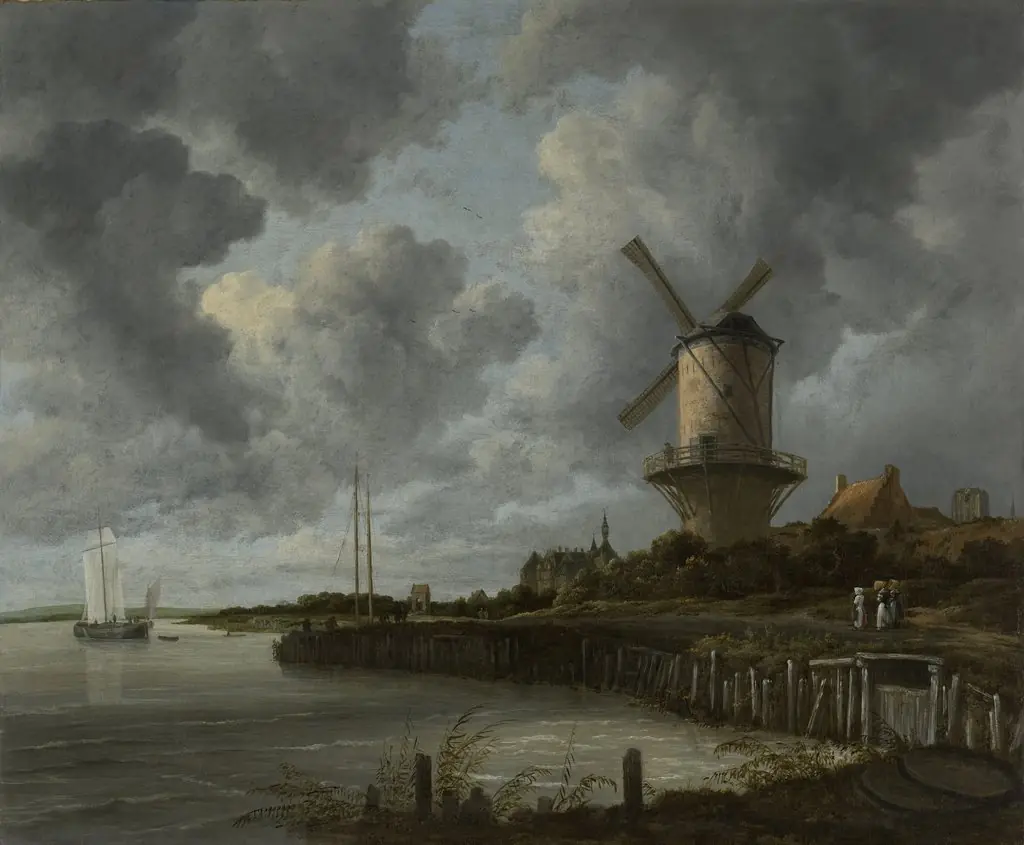 The Windmill at Wijk bij Duurstede
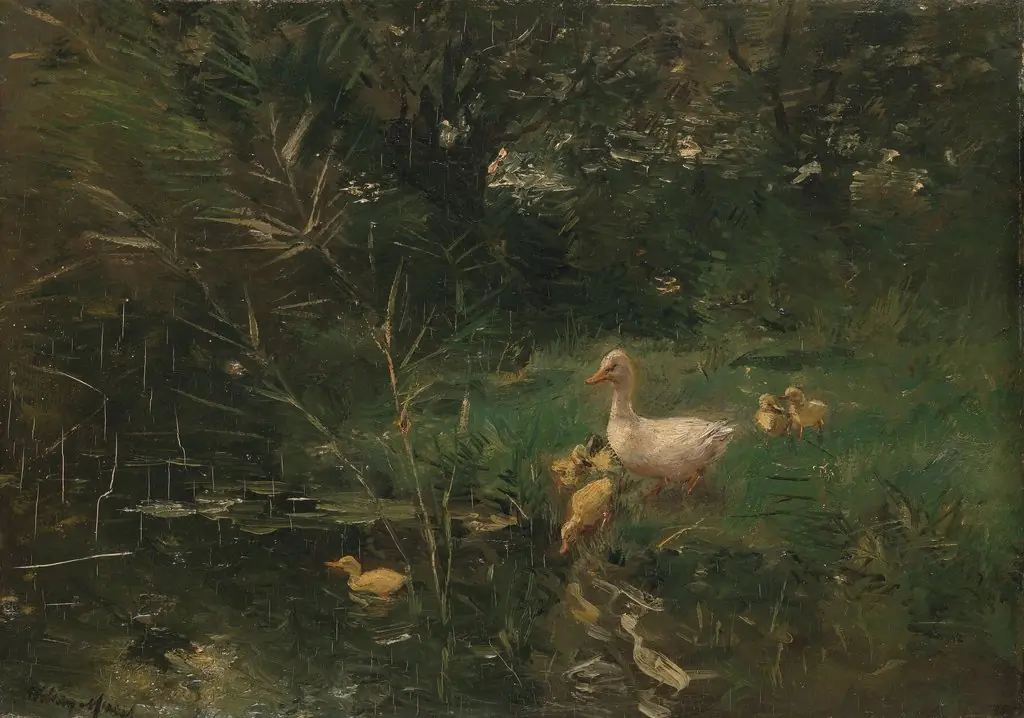 Eendjes
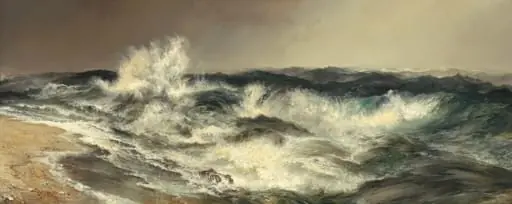 The Much Resounding Sea
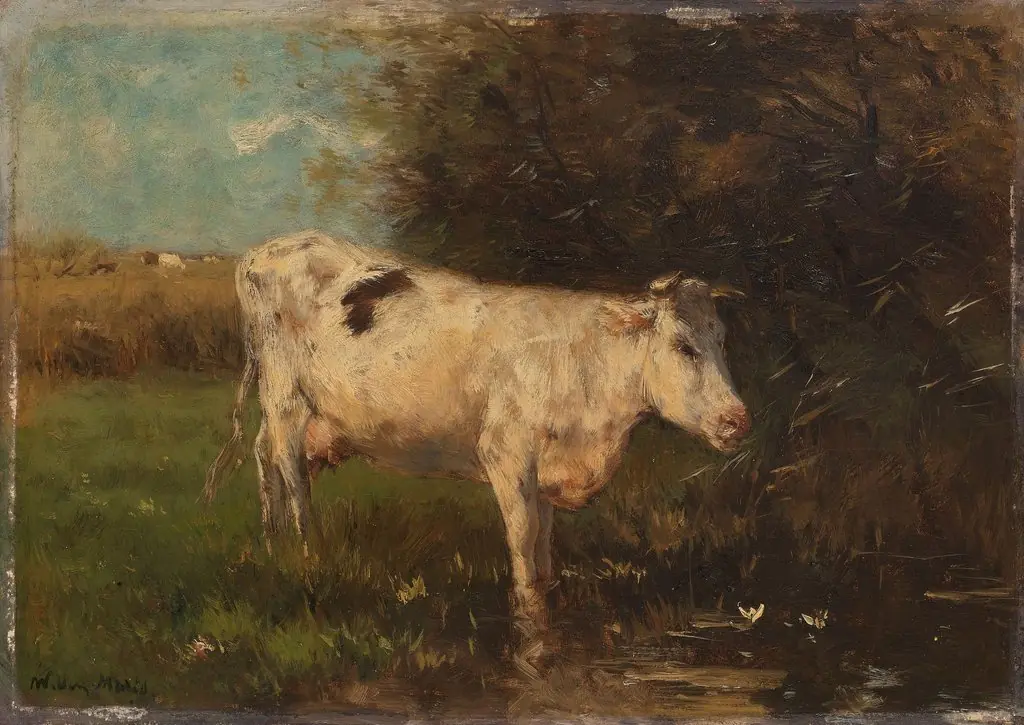 White Cow
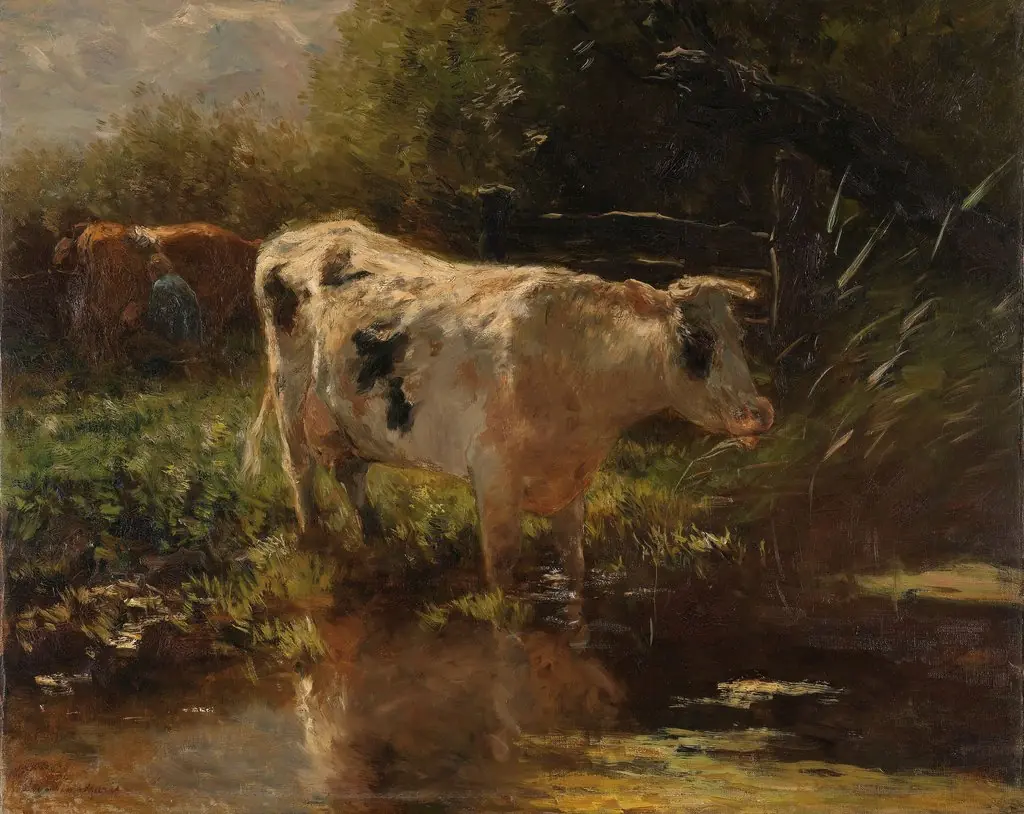 Cow beside a Ditch
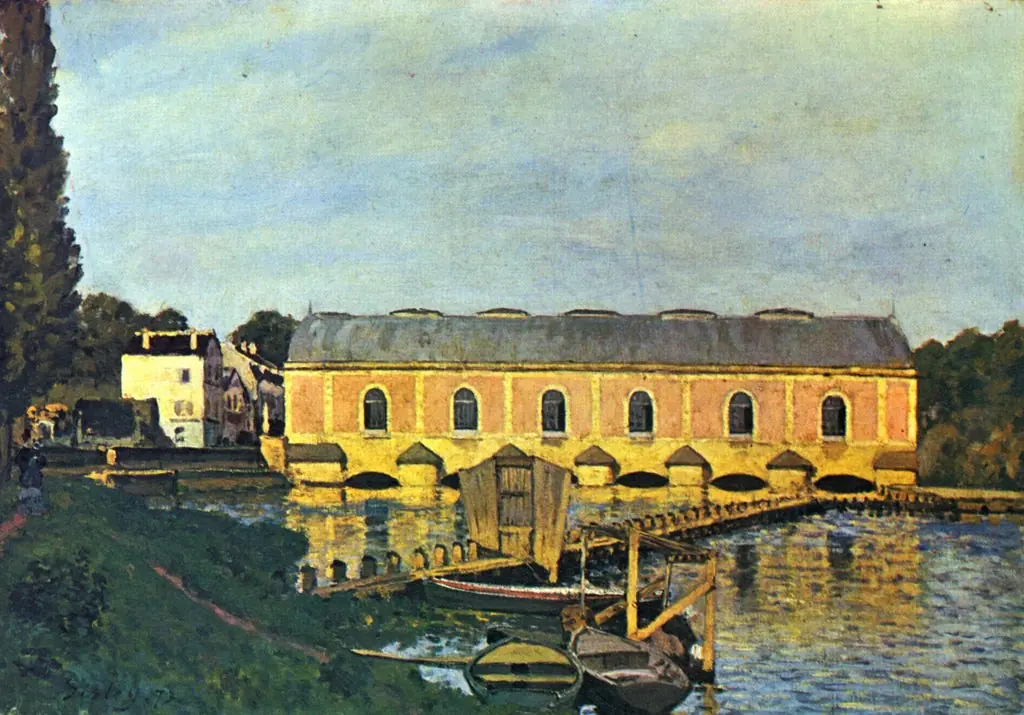 La Machine de Marly
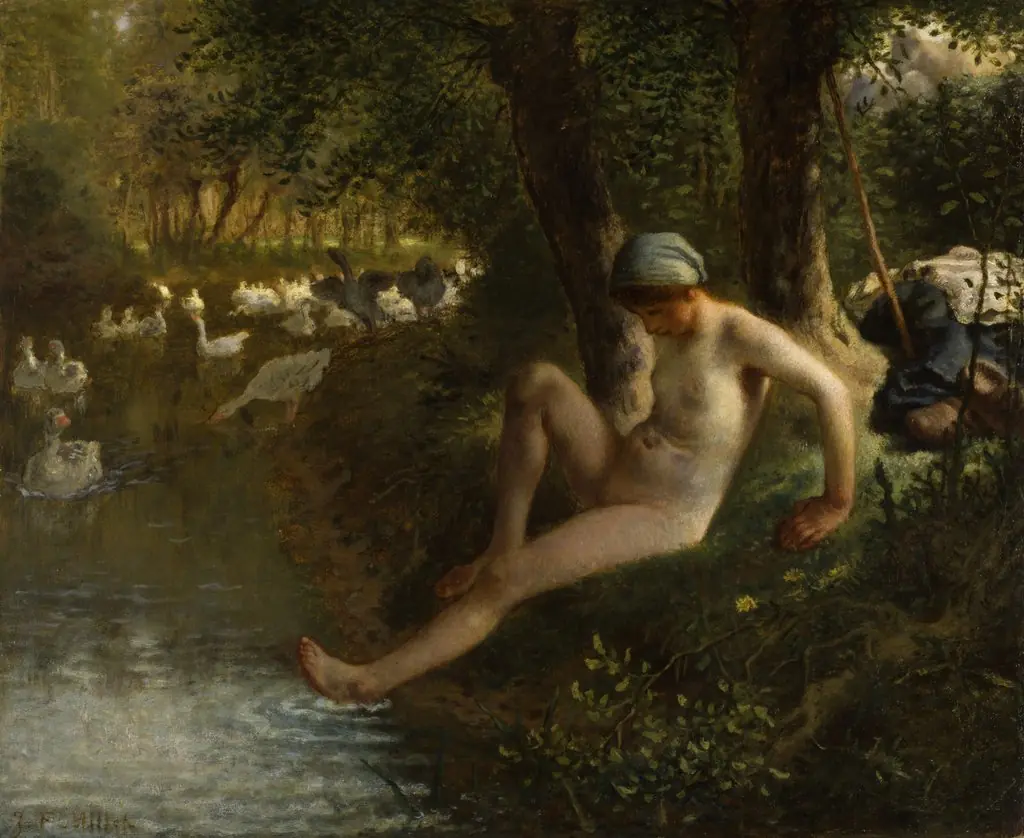 The Goose Girl
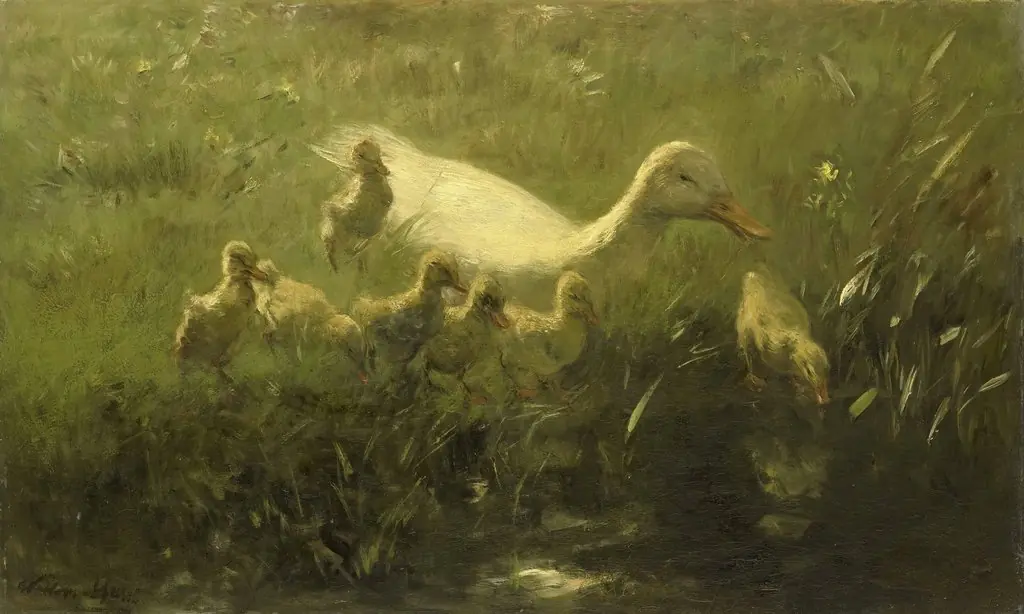 Witte eend met kiekens
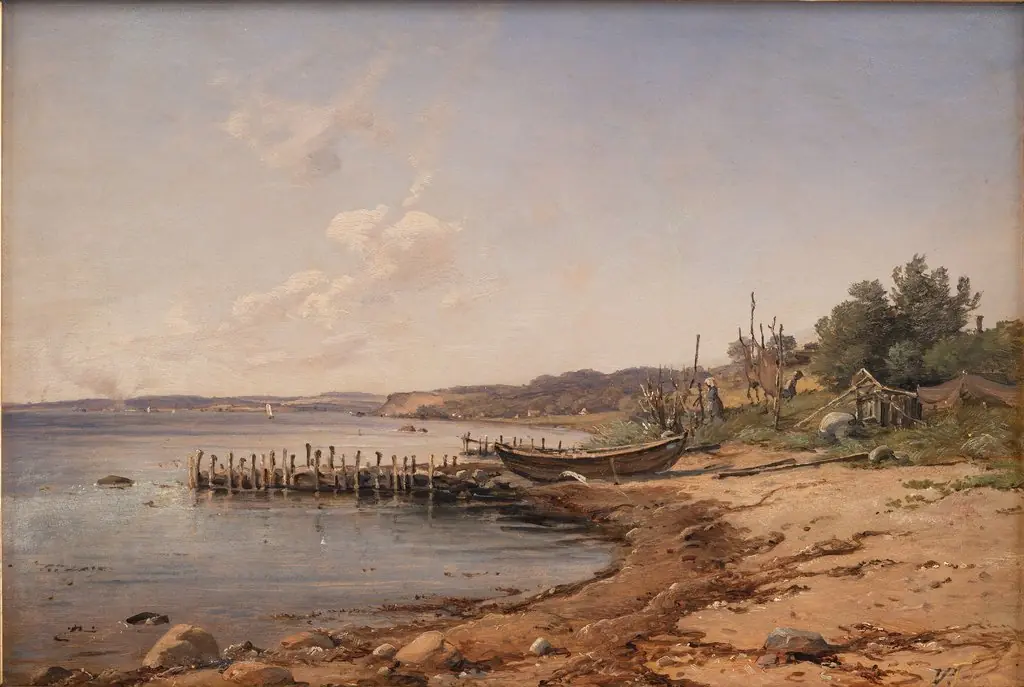 A Beach by the Sound
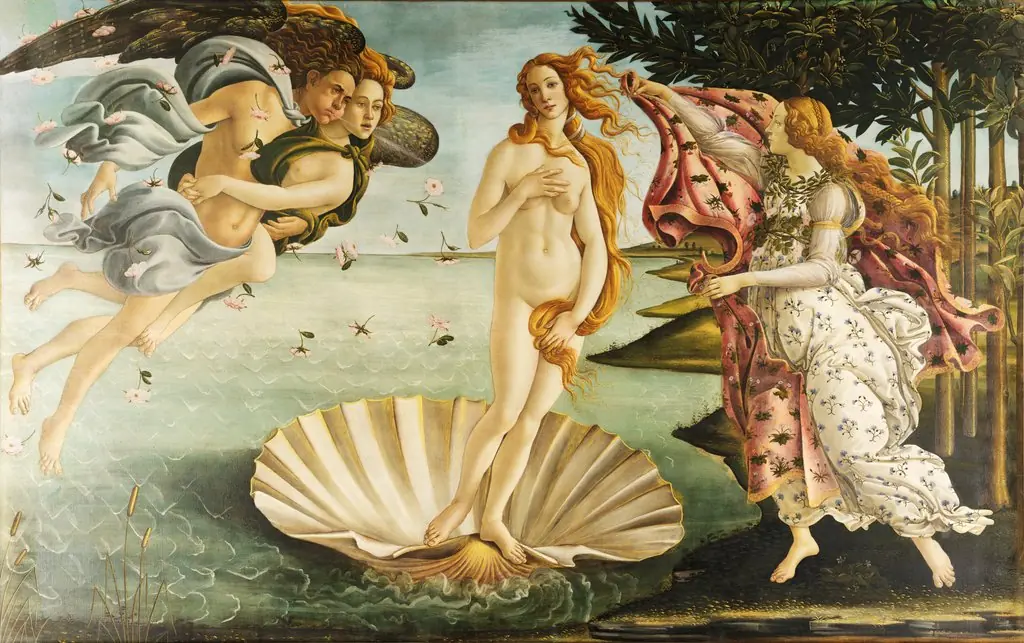 The Birth of Venus
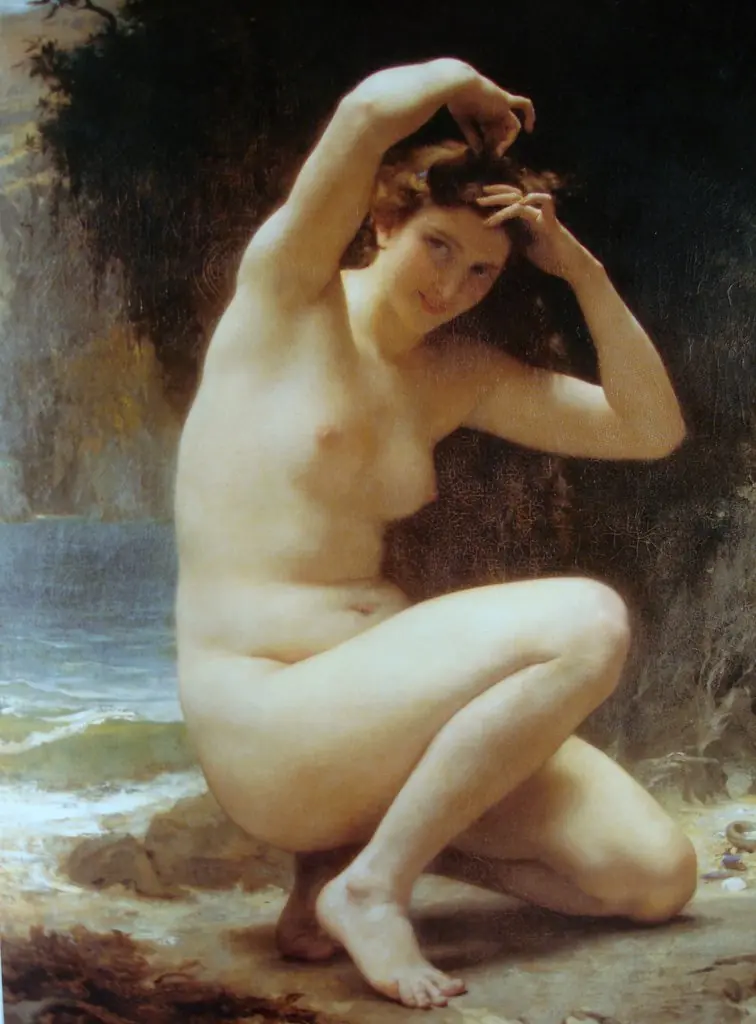 The toilette of Venus
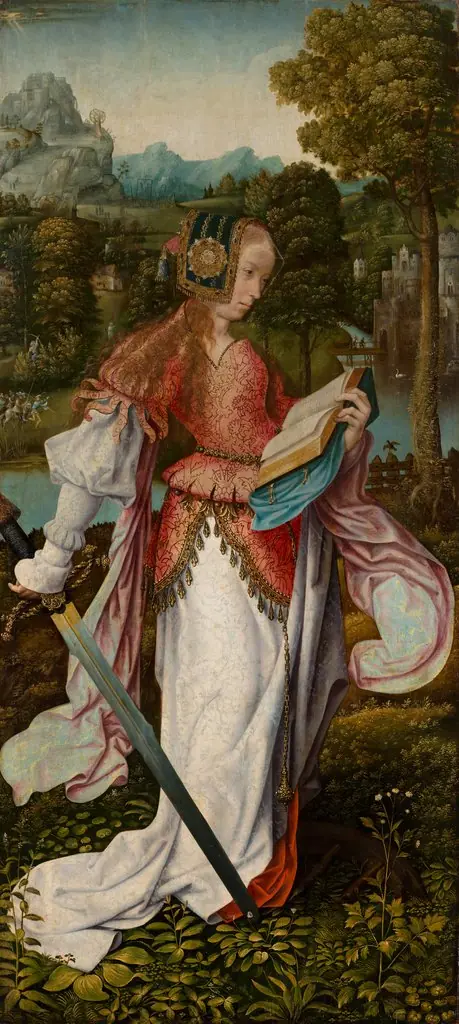 Saint Catherine
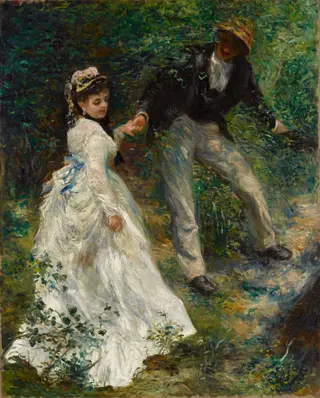 La Promenade
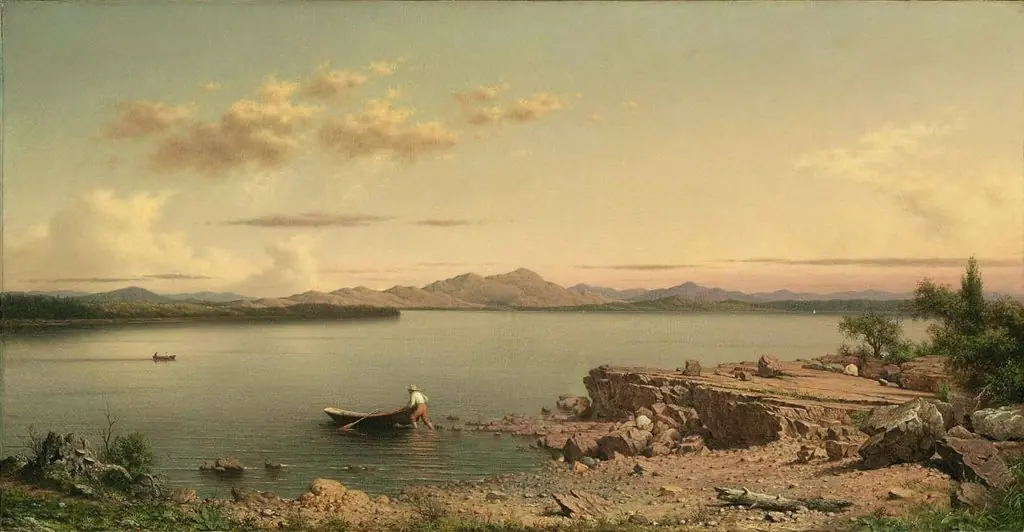 Lake George
 Andromeda Chained to the Rocks
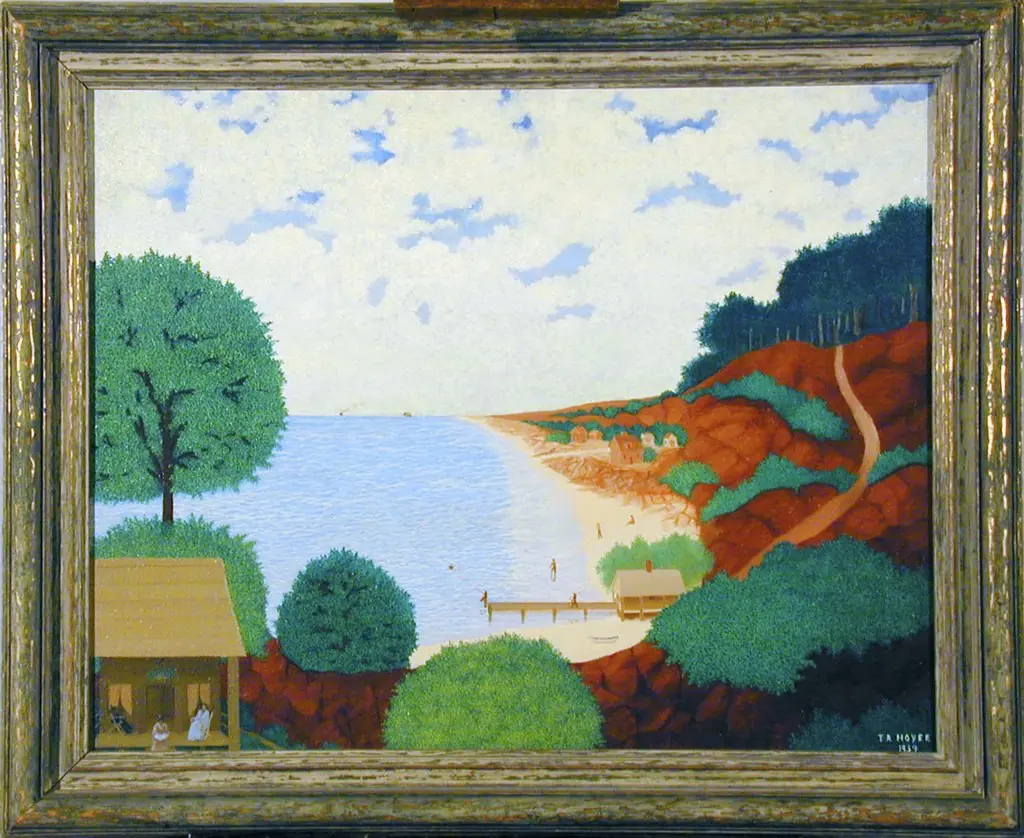 Evening on the Sea Shore
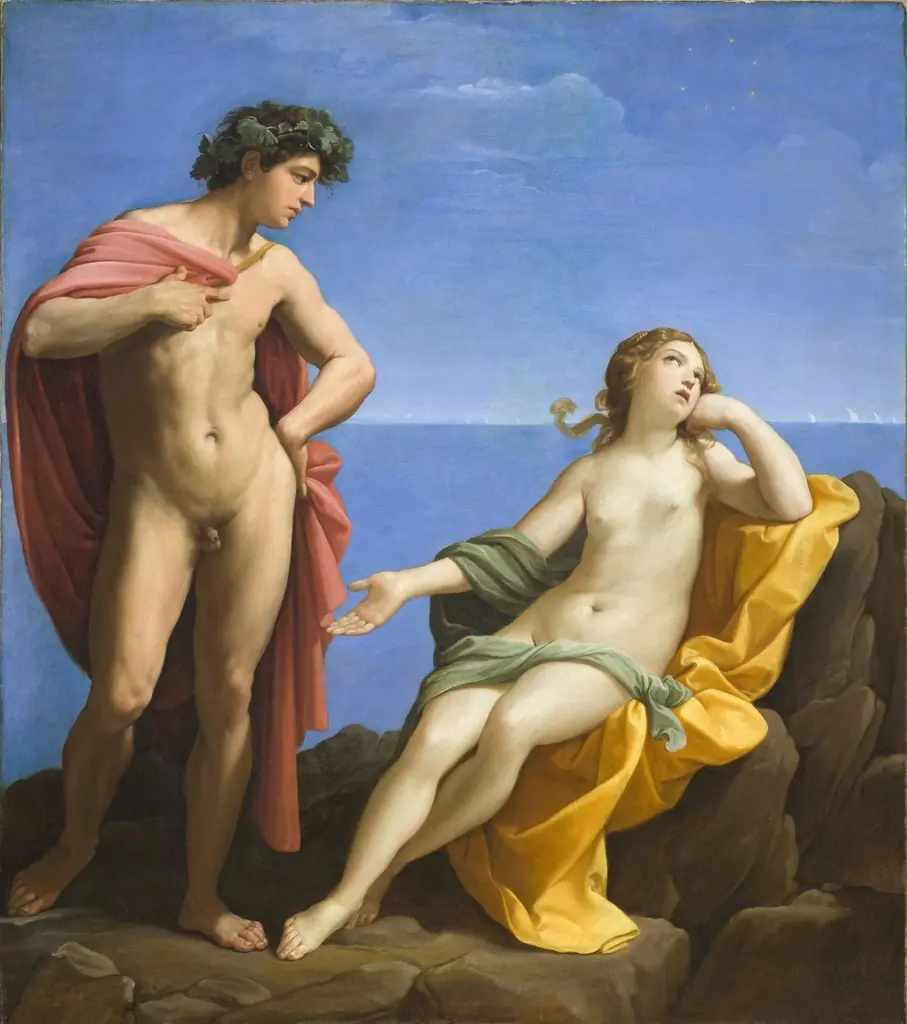 Bacchus and Ariadne
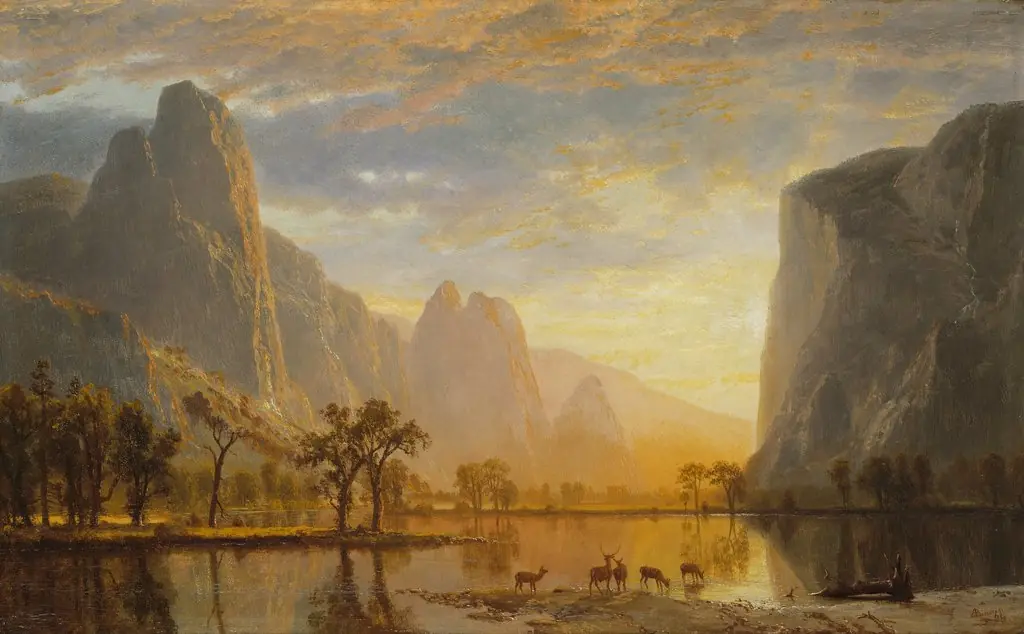 Valley of the Yosemite
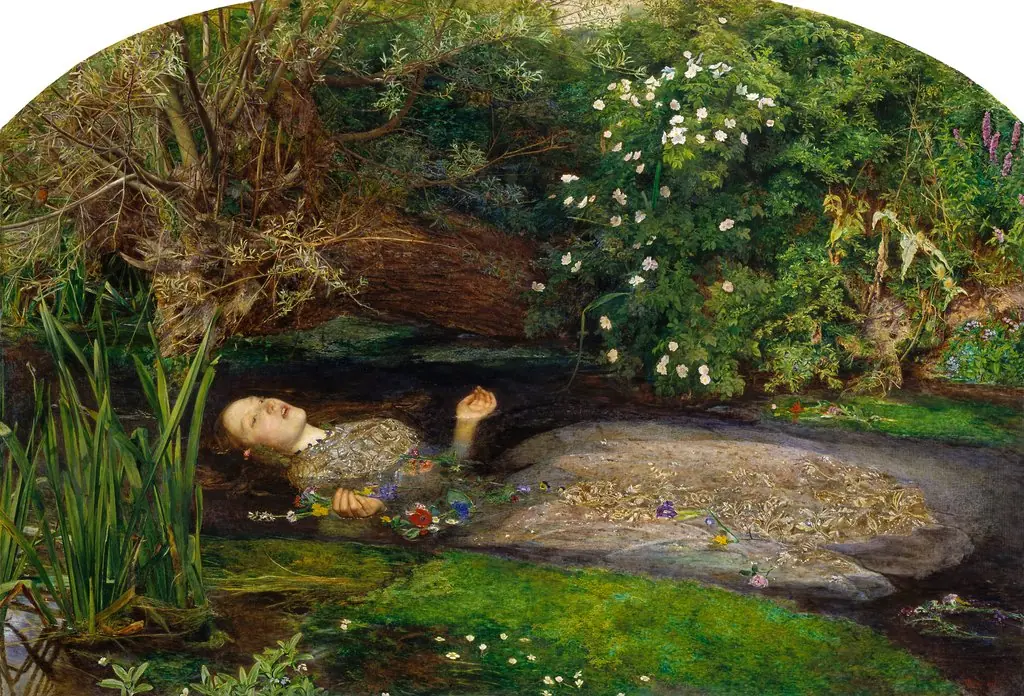 Ophelia
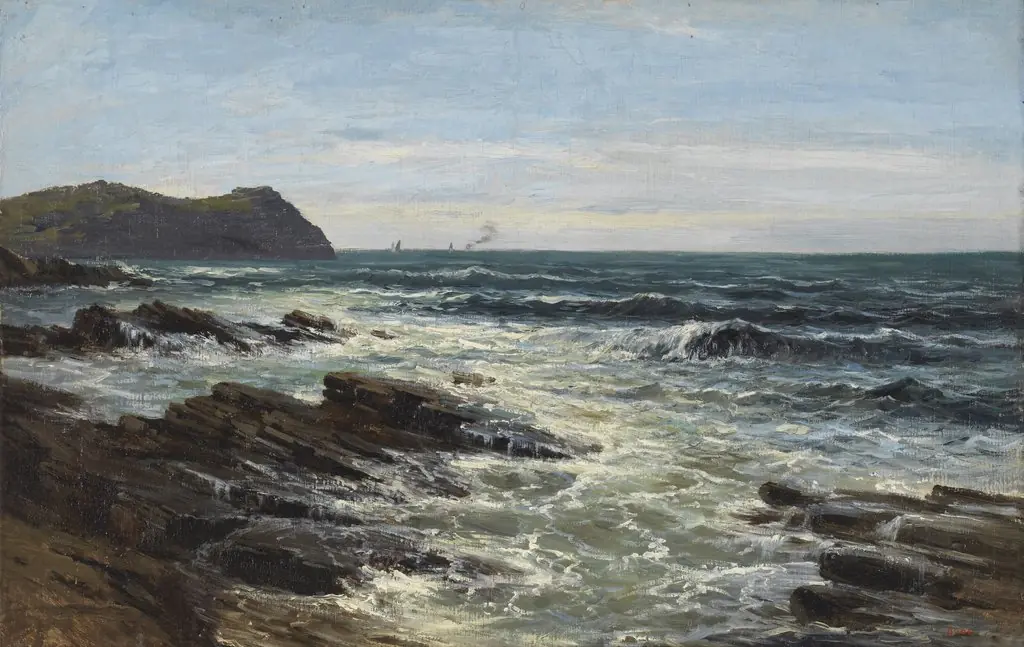 Acantilados (Guéthary)
 The Lorelei
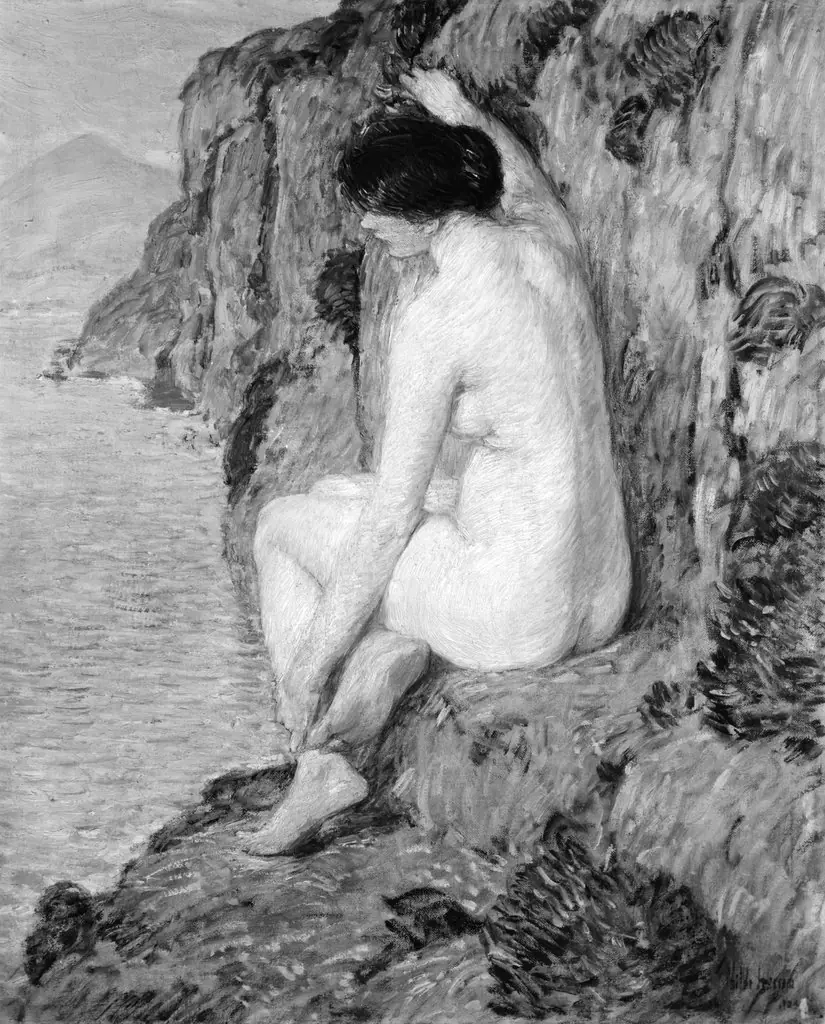
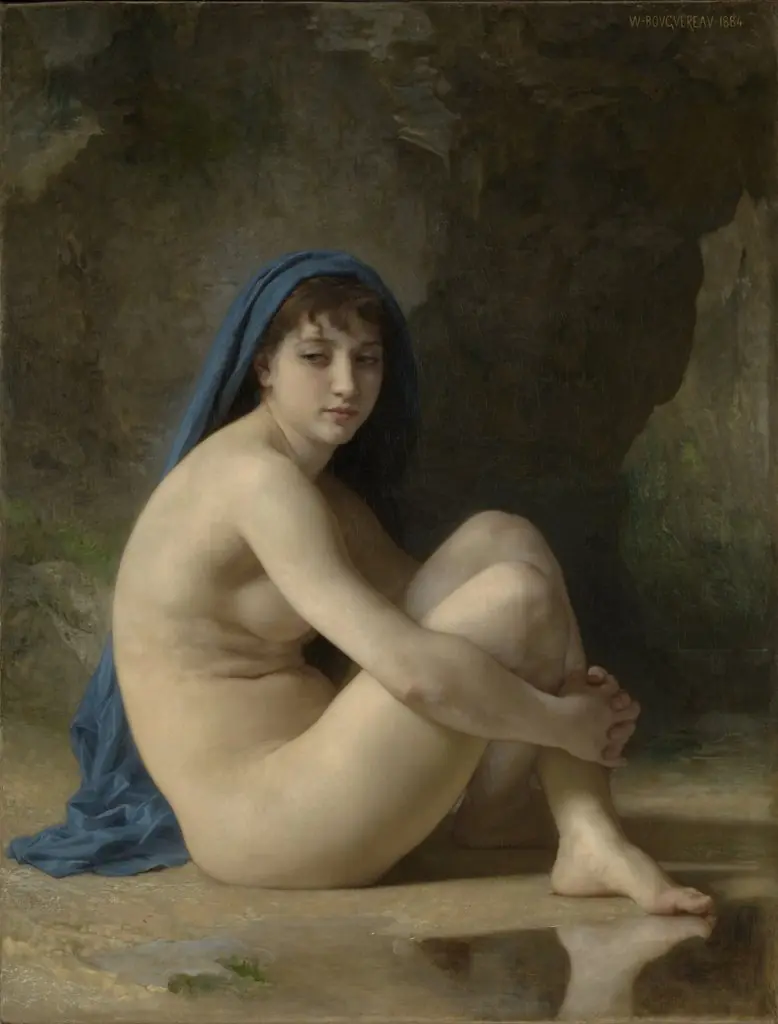 Seated Nude
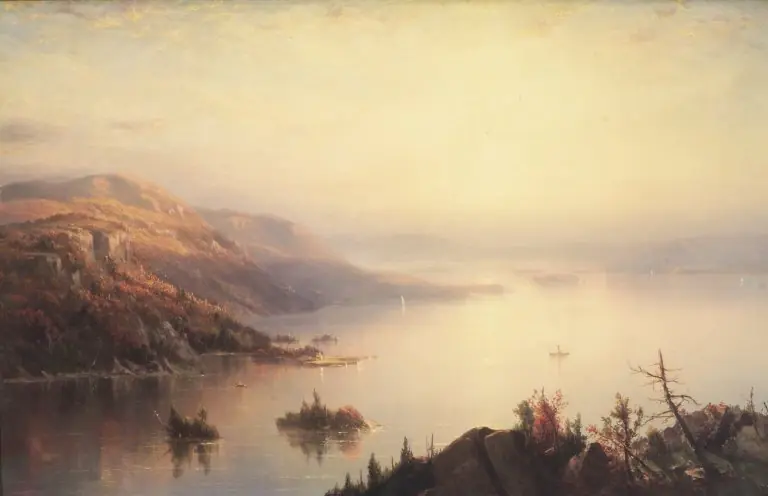 Lake George
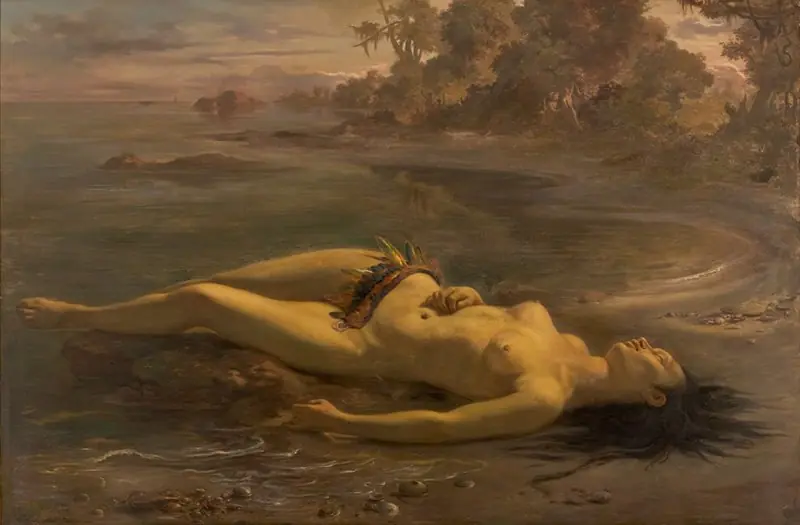 Moema
Moema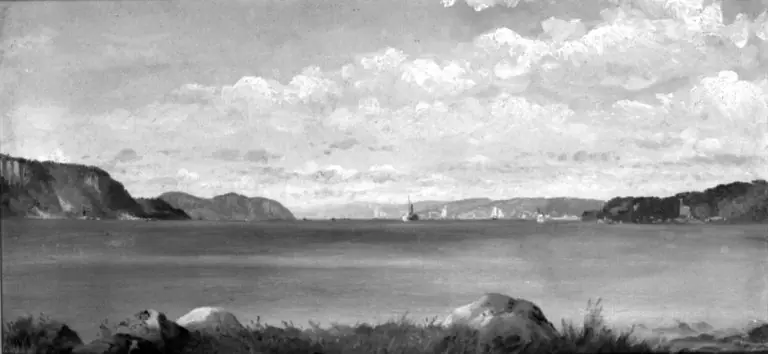 Tappan Zee, from Glenwood
 Hunting Still Life
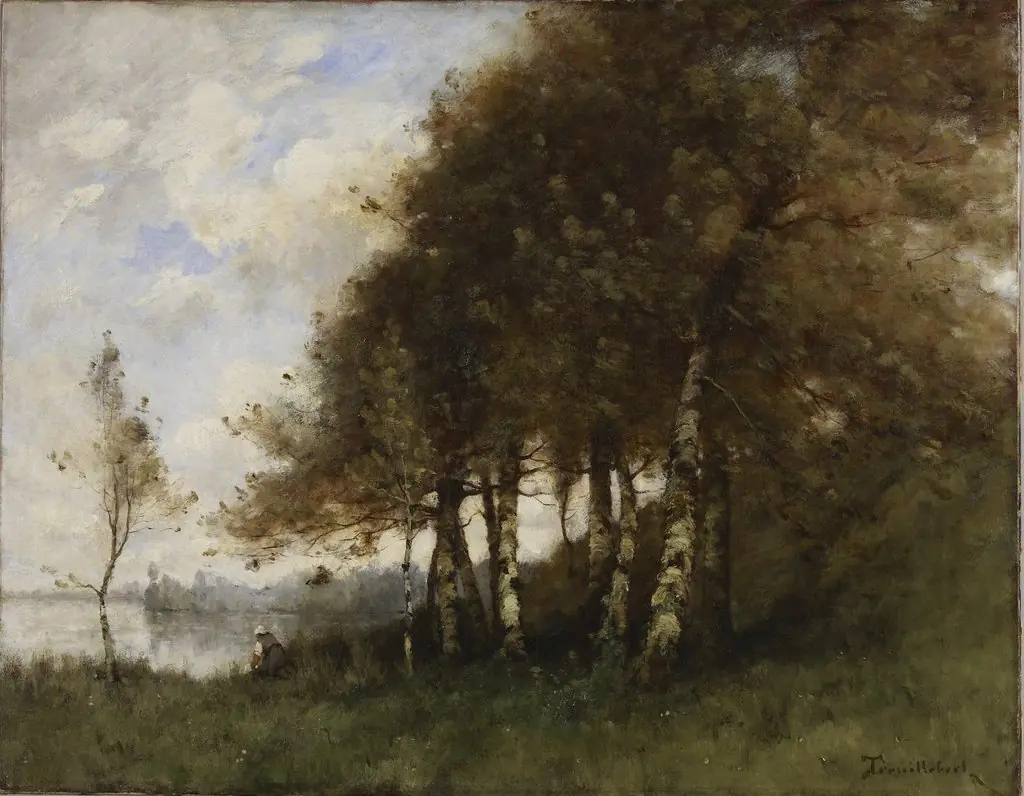 Landscape.
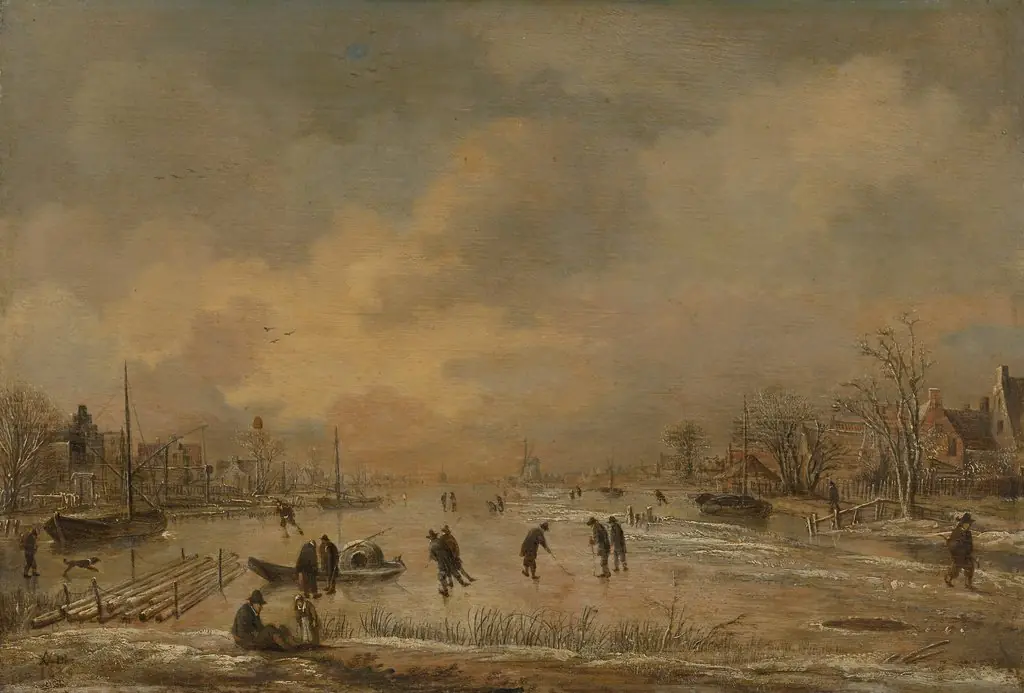 Winter landscape with houses
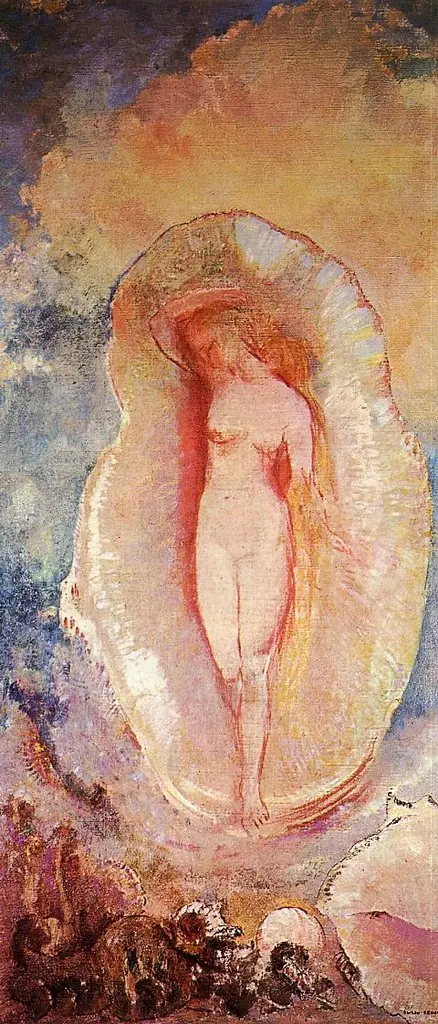 The Birth of Venus
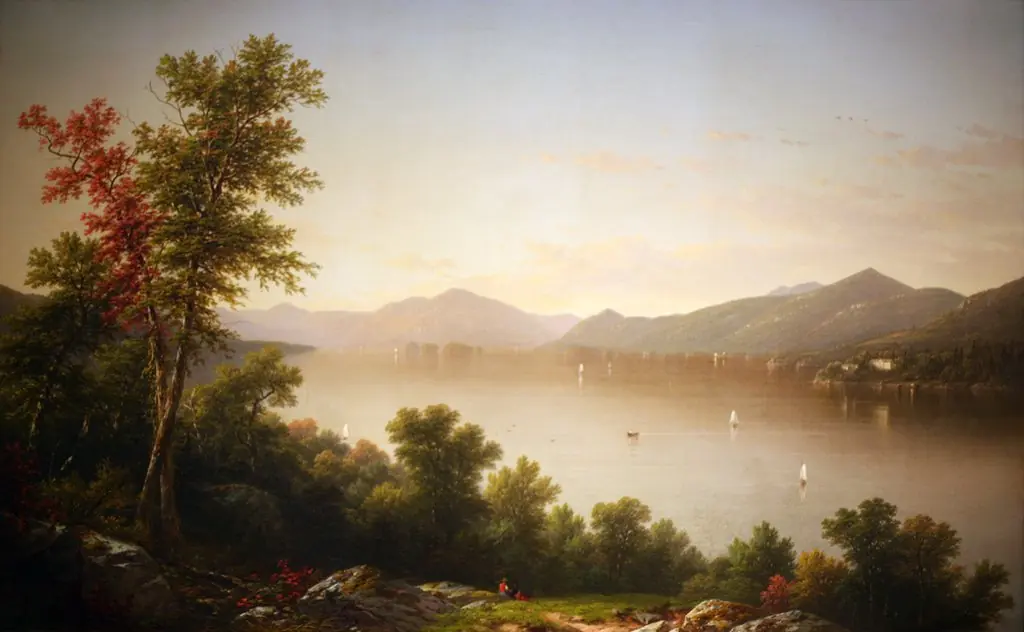 Lake George
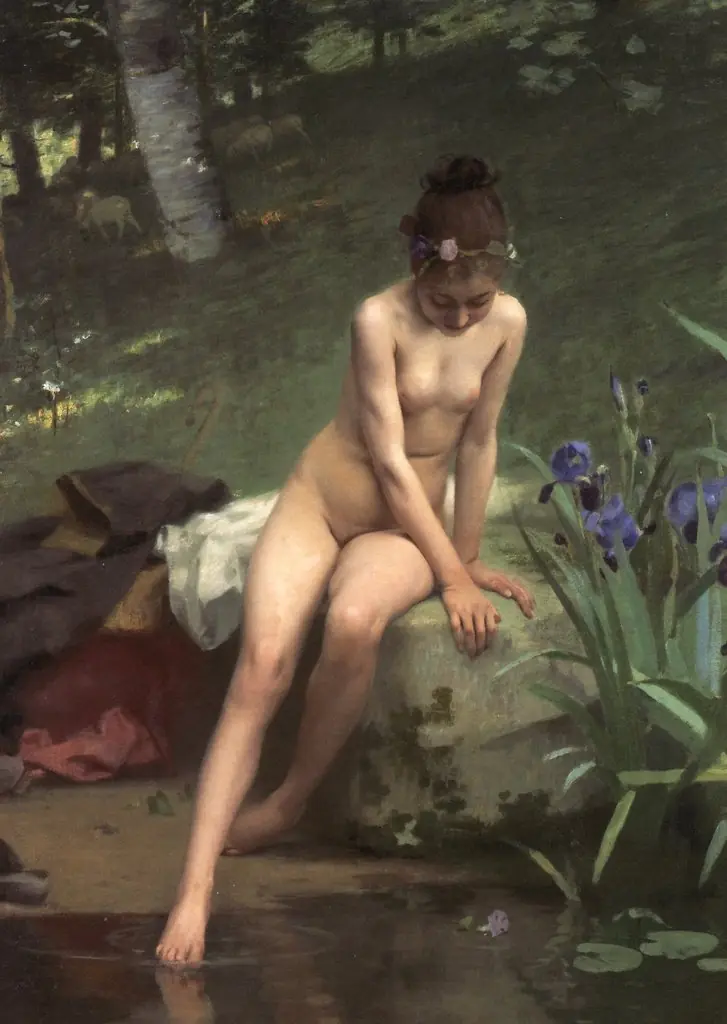 The Young Shepherdess
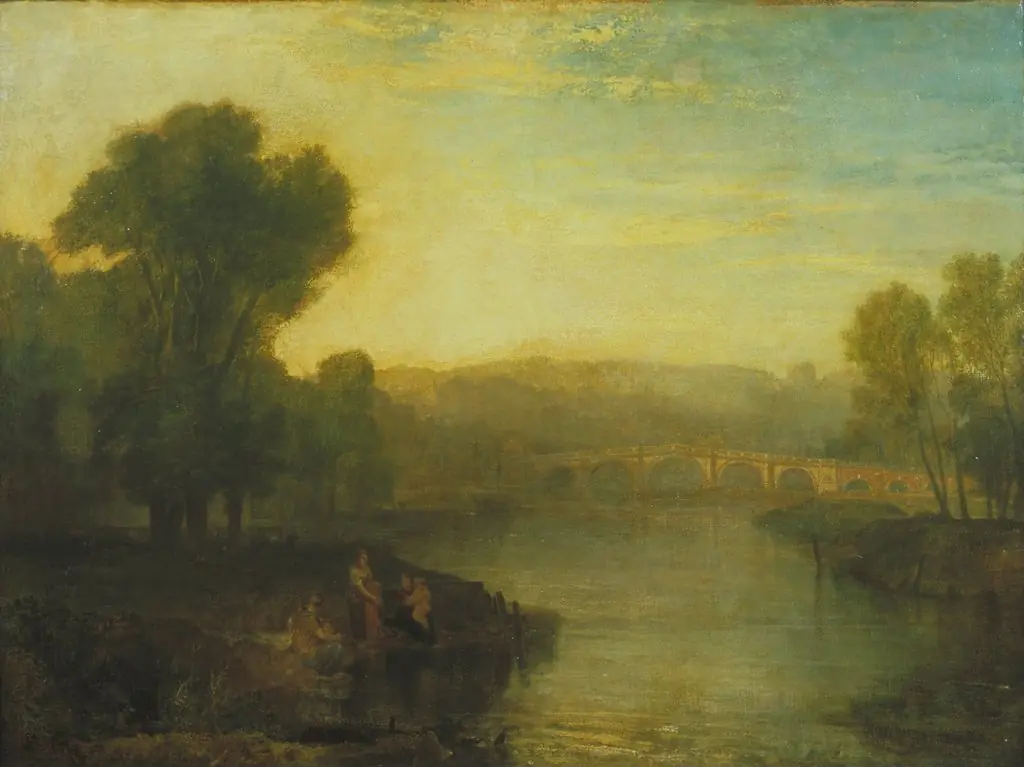 View of Richmond Hill and Bridge
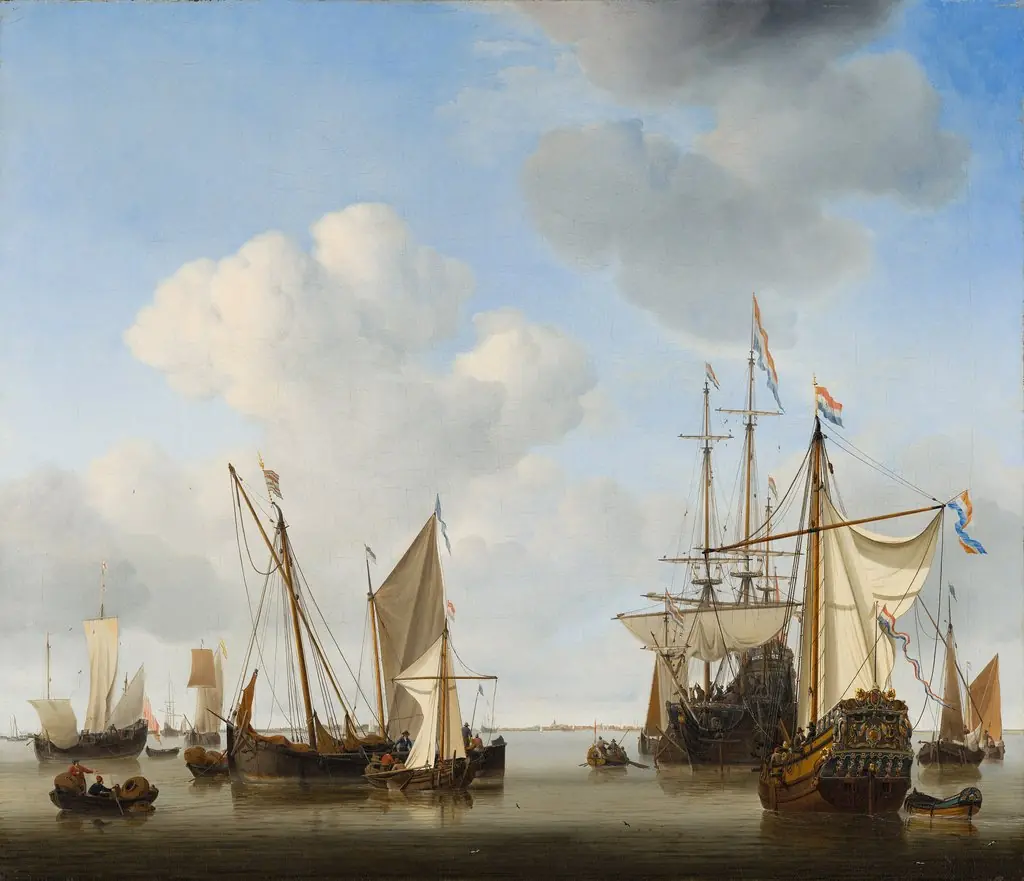 Ships on a Calm Sea
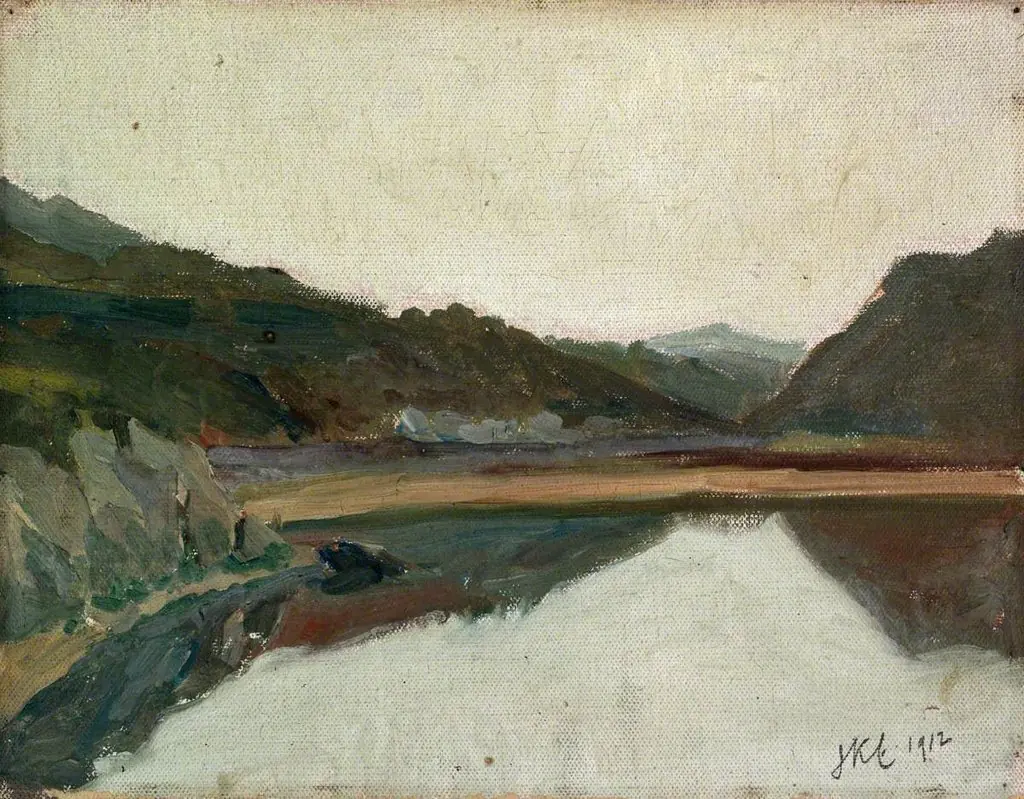 Reflections
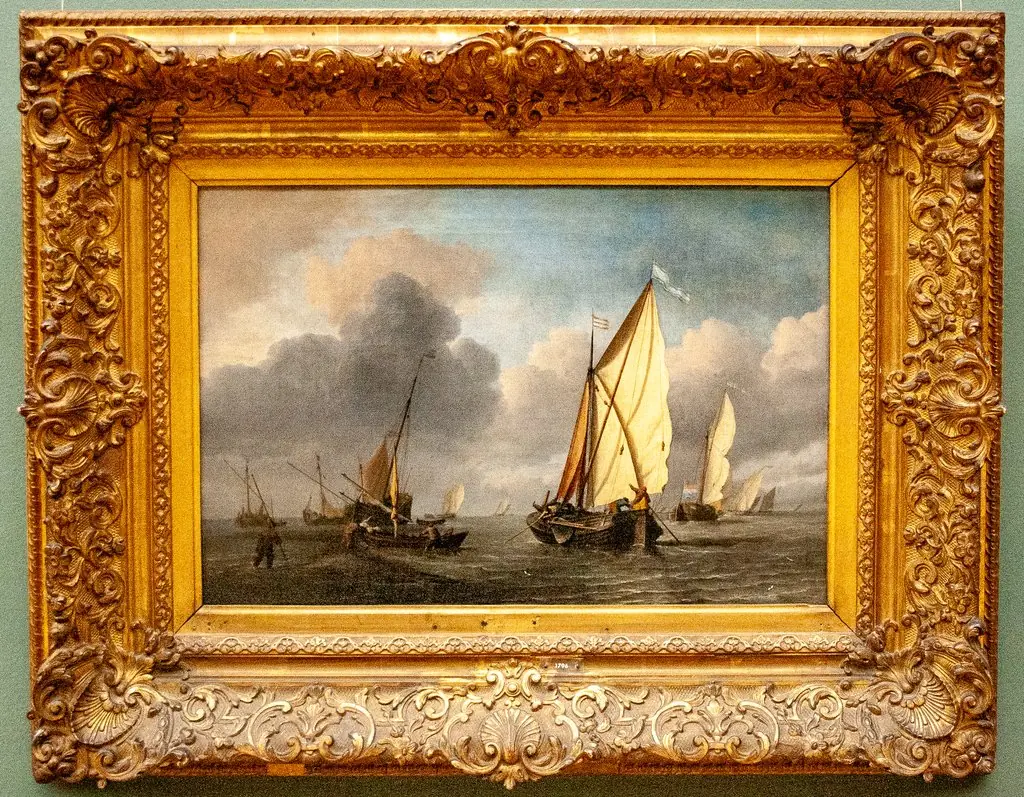 Fishing boats pushing off
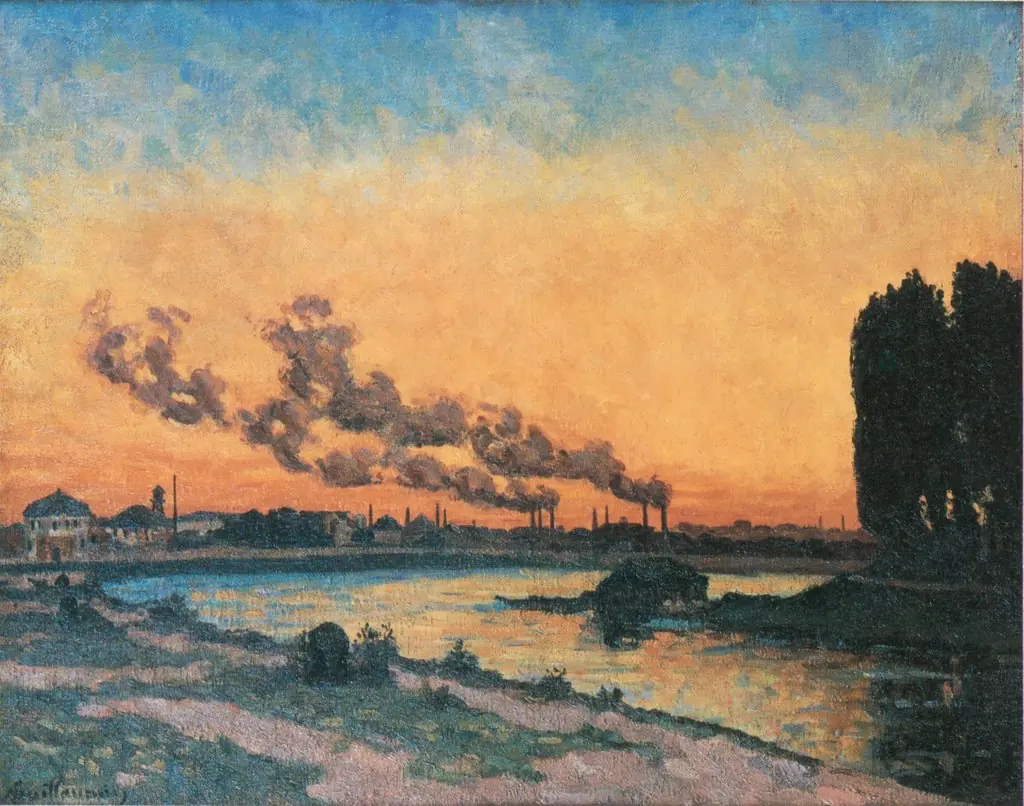 Soleil couchant à Ivry
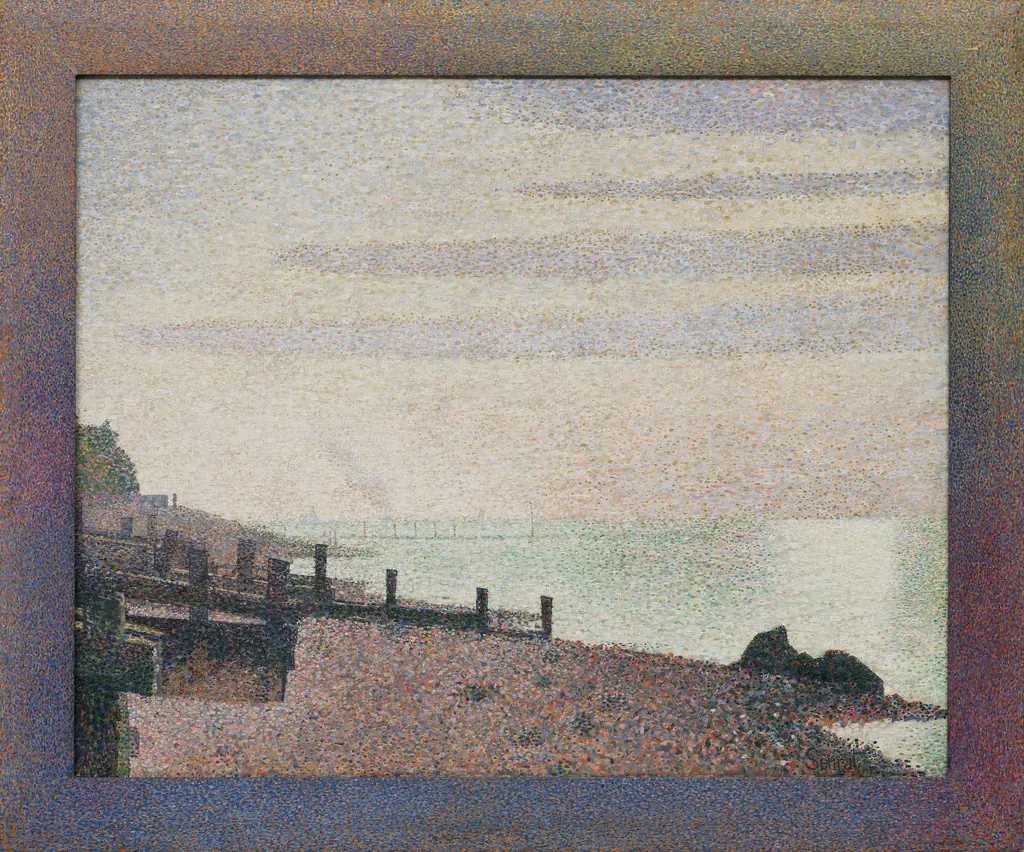 Evening, Honfleur
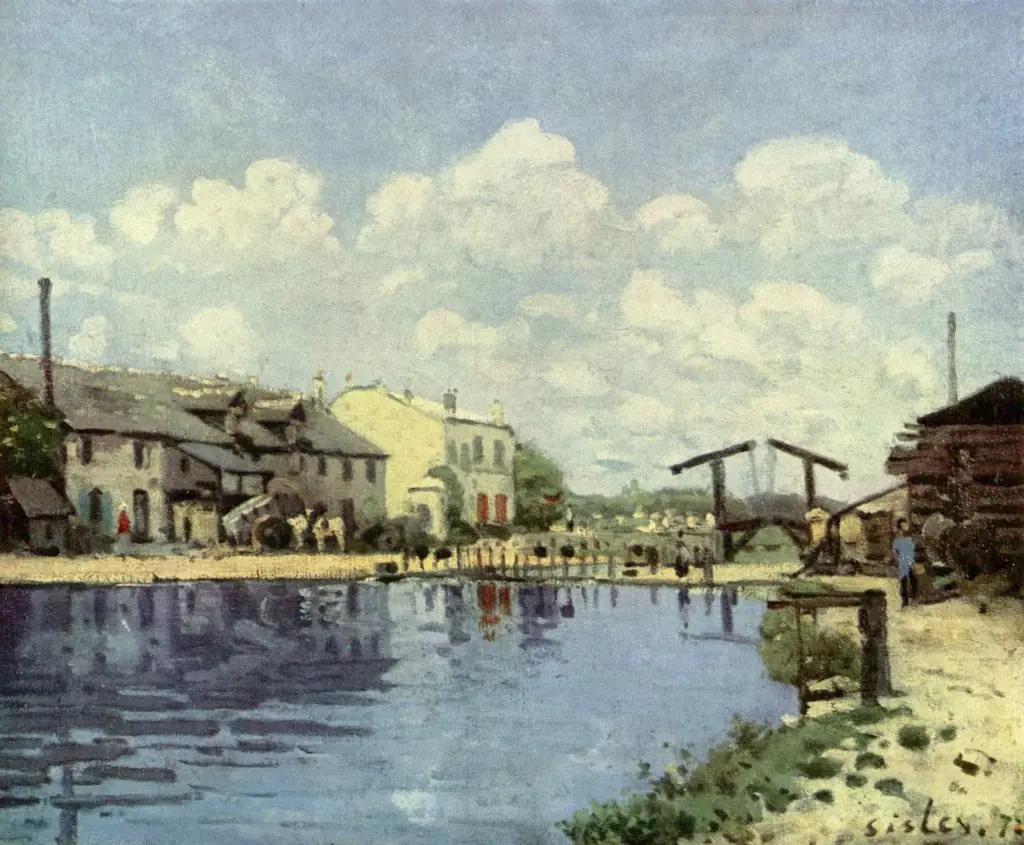 Le Canal Saint-Martin
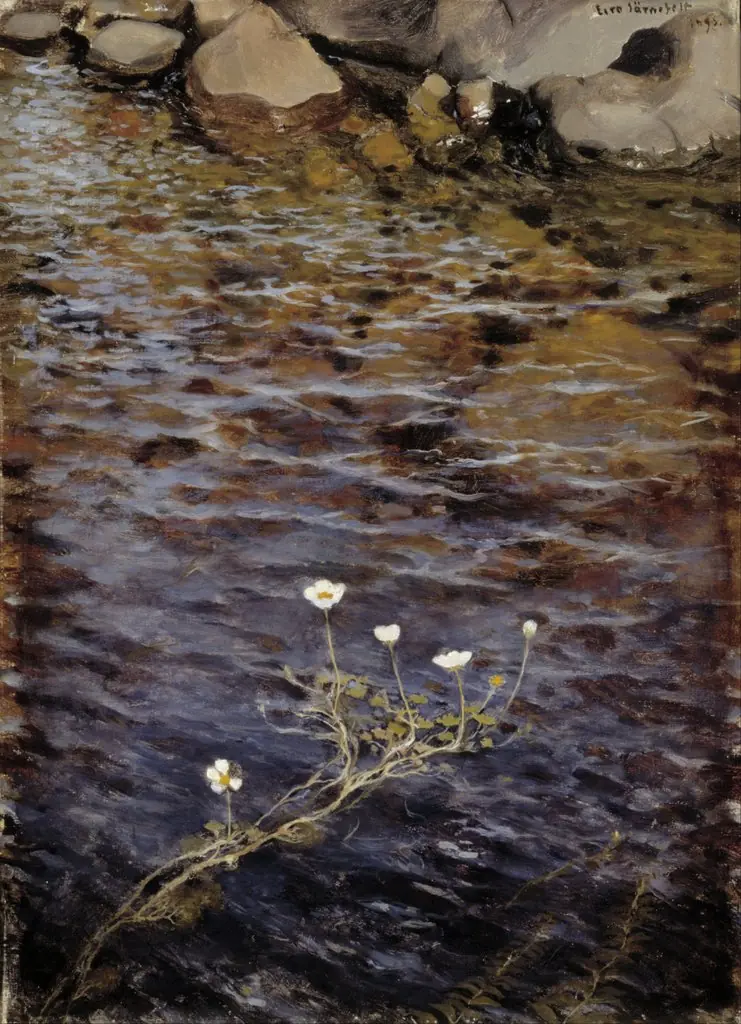 Pond Water Crowfoot ; Pond Weed
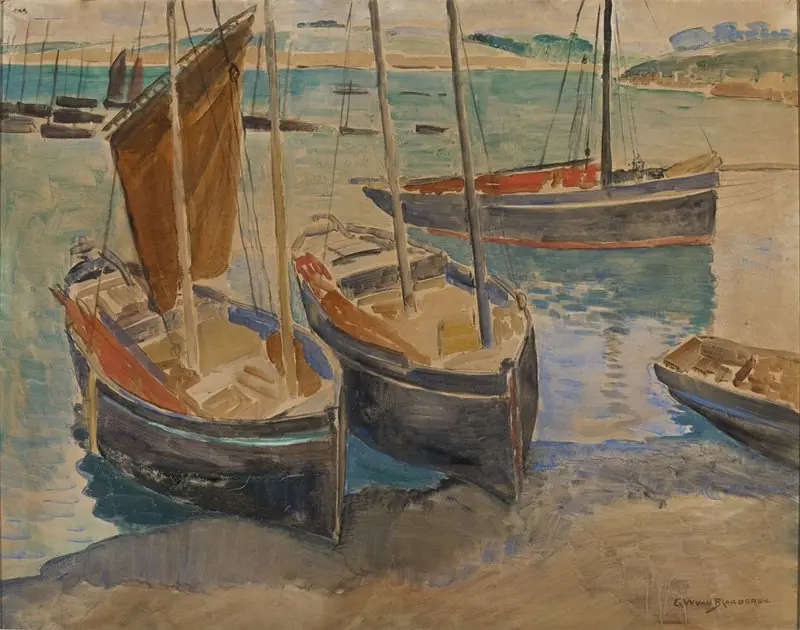 Port with ships in Brittany
Frequently asked questions
What is Shore?
Shore is a subject in art. A coast (also called the coastline, shoreline, or seashore) is the land next to the sea or the line that forms the boundary between the land and the ocean or a lake.
How many Shore works does Artifact World Gallery have?
Artifact World Gallery holds 66 public-domain Shore works, all free to view and download.
Who are the key Shore artists?
Key Shore artists in the collection include Jean Baptiste Camille Corot, Gustave Courbet and Henry Bone.
Where can I see Shore works?
Shore works in the collection are held by Rijksmuseum, Metropolitan Museum of Art and National Gallery of Art.