Artwork
Alonso de Idiáquez duque de Ciudad Real (Cittá-Reale en Nápoles)
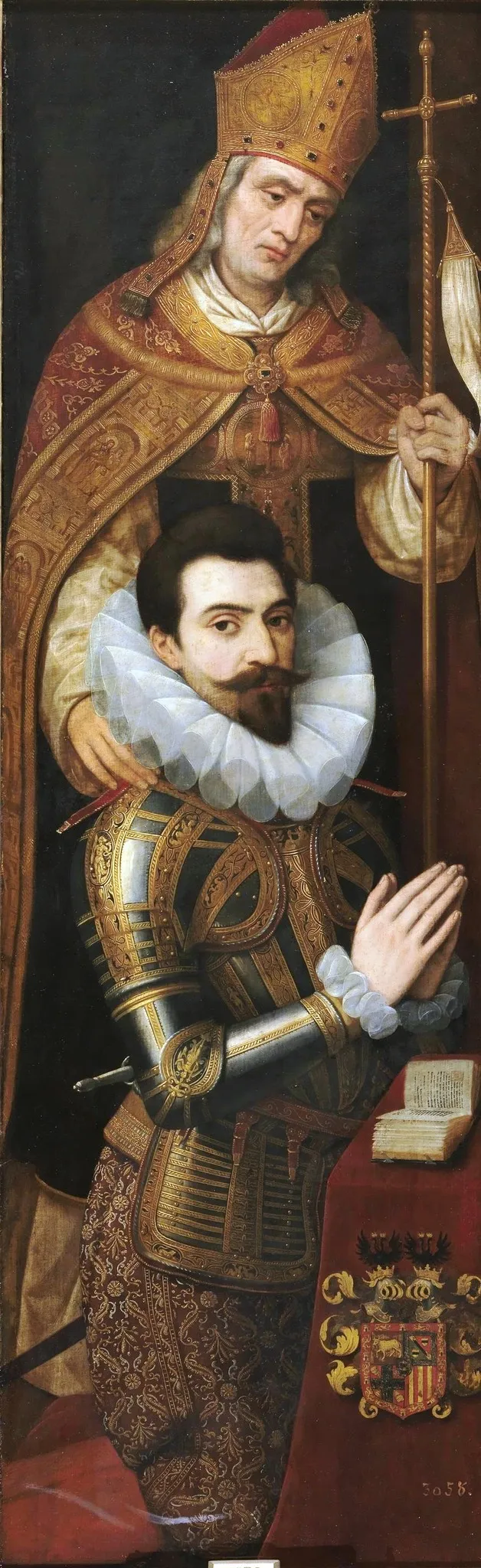
Alonso de Idiáquez duque de Ciudad Real (Cittá-Reale en Nápoles) is an oil painting by the Northern Renaissance artist Otto van Veen. It dates from 1551 and is held in the collection of the Museo del Prado.
About this work
Subject & Meaning
Its composition links personal authority with intellectual refinement, embodying the era's fusion of power and cultured self‑presentation.
The portrait shows Alonso de Idiáquez, 2nd Duke of Ciudad Real, bearing his ducal coat of arms and holding a book, symbols that reference his aristocratic rank and scholarly patronage. Rendered by Otto van Veen in 1551 using oil on panel, the work functions as a visual assertion of noble identity and humanist learning within the Spanish Habsburg court. Its composition links personal authority with intellectual refinement, embodying the era's fusion of power and cultured self‑presentation.
Technique & Style
Executed in 1551 by Otto van Veen, this portrait is an oil painting on a wooden panel. The work measures 119 cm in height and 37 cm in width, presenting a narrow, vertical format. Stylistically, the composition incorporates specific iconographic elements, depicting a coat of arms and a book alongside the sitter.
These objects are rendered within the portrait genre, utilizing the material qualities of oil paint to define the details of the heraldry and the volume of the included items.
History & Provenance
The painting Alonso de Idiáquez, duque de Ciudad Real (Cittá-Reale en Nápoles) is dated 1551 and attributed to Otto van Veen, as recorded in both institutional and Wikidata sources.
Provenance and ownership prior to the twentieth century are not documented in the cited sources. The work entered the collection of the Museo del Prado, where it is currently held, with no intervening ownership history specified.
Context
Otto van Veen's 1551 portrait of Alonso de Idiáquez, duque de Ciudad Real, exemplifies early Netherlandish portraiture's diplomatic function. Depicted wearing regalia symbolizing his role as Spanish ambassador to the Papal Court, the composition integrates heraldic elements and scholarly attributes like a book to convey aristocratic authority. This work reflects the diplomatic circulation of elite portraiture between Habsburg Spain and Italian courts, a context explored in scholarship on Netherlandish artists' international networks. The painting's provenance at the Museo del Prado anchors its significance within institutional collections of European portraiture.
Legacy
The portrait of Alonso de Idiáquez, Duque de Ciudad Real, painted by Otto van Veen in 1551, contributed to the artist’s reputation as a leading court portraitist in the Spanish Habsburg sphere. Its inclusion in the Museo del Prado collection has preserved its visibility within Spanish art history, influencing later depictions of aristocratic identity in Iberian portraiture. The work’s compositional emphasis on symbolic accessories, such as the book and heraldic elements, informed contemporary and subsequent portrayals of nobility in European visual culture.
Overview
Otto van Veen’s oil portrait, painted in 1551, presents the Spanish nobleman Alonso de Idiáquez, duque de Ciudad Real. The work is part of the Museo del Prado’s collection and exemplifies the late‑Renaissance approach to portraiture, combining individual likeness with symbolic accoutrements.
Artist & collection

Artist
Otto van Veen, was a painter, draughtsman, and humanist active primarily in Antwerp and Brussels in the late 16th and early 17th centuries.

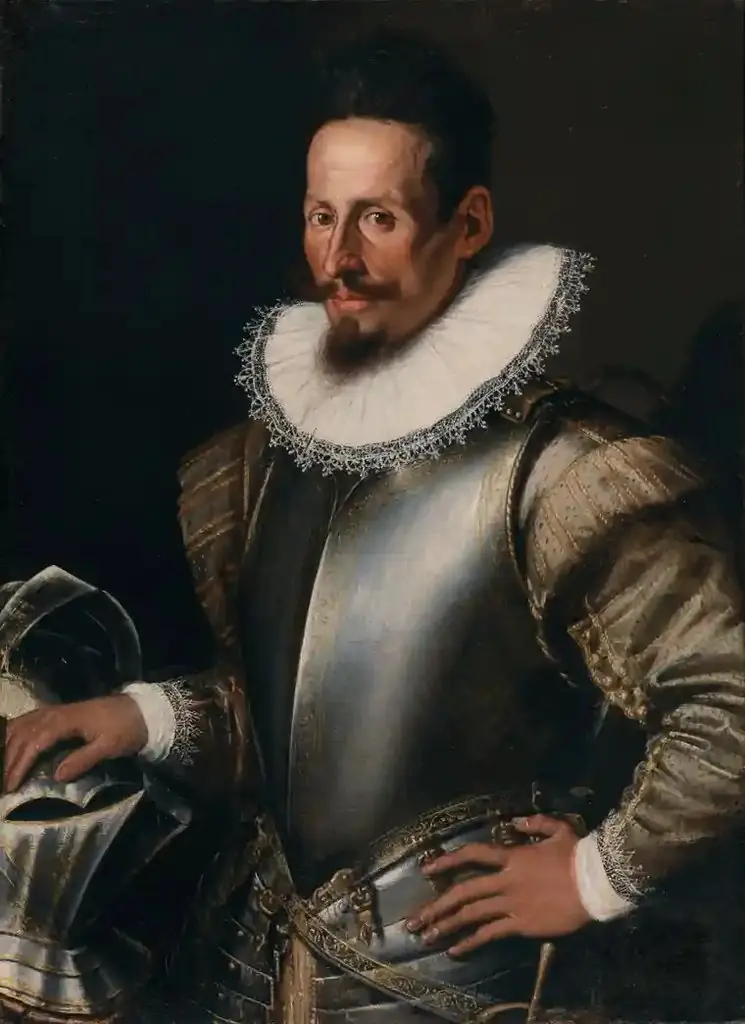
- Portrait of a Gentleman in Armour
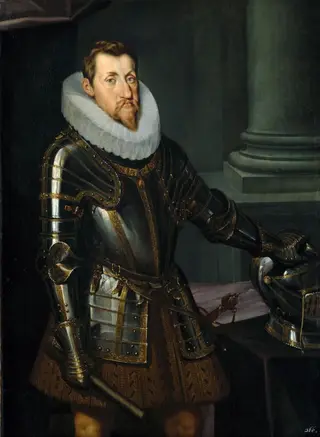 Portrait of Ferdinand II, Holy Roman Emperor (1578-1637)
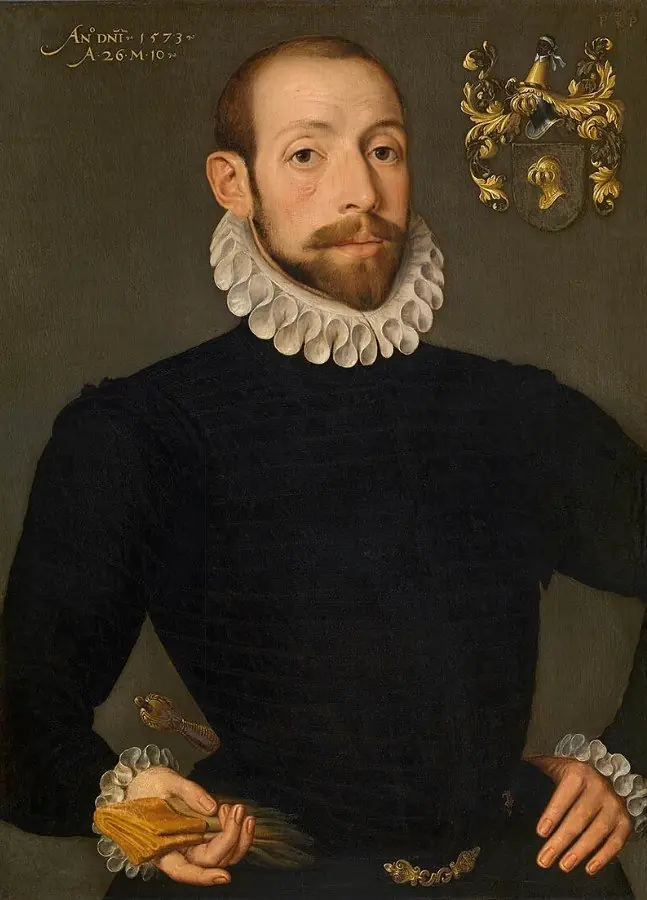 Olivier Nieulant
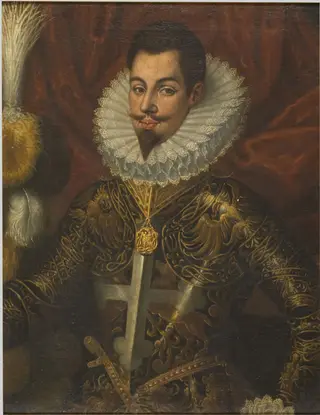 Portrait of a Man in Armor
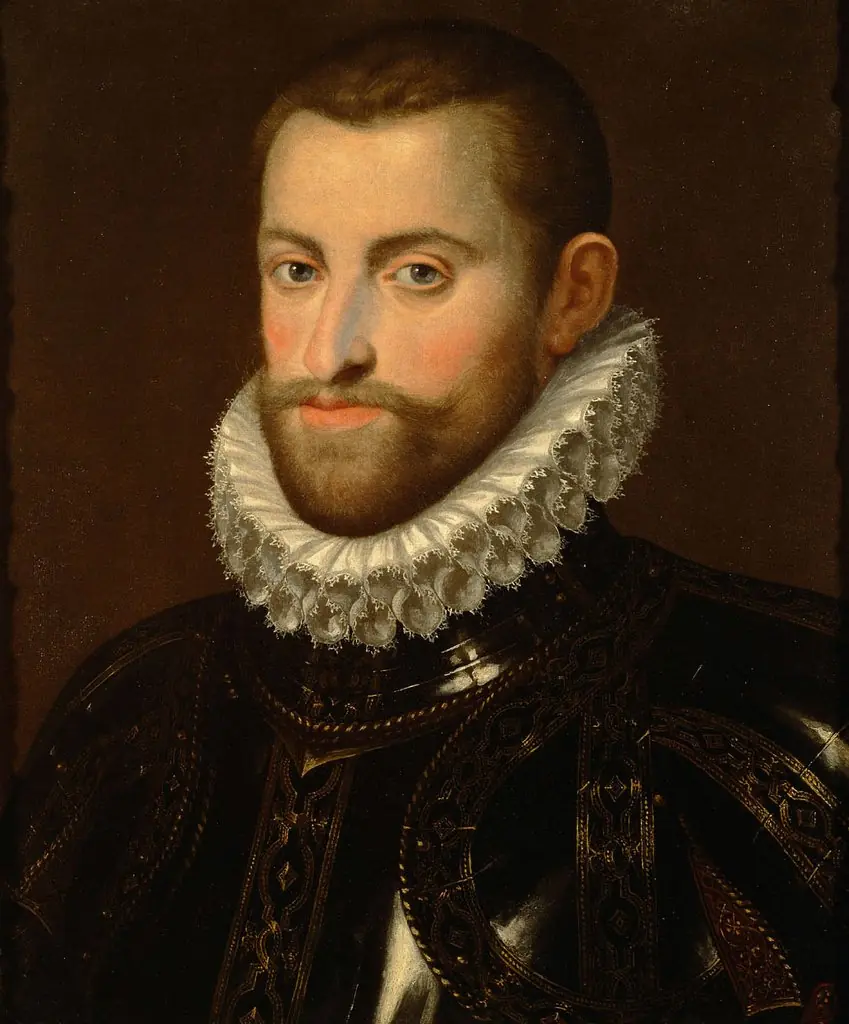 Erzherzog Ernst im Harnisch, Brustbild
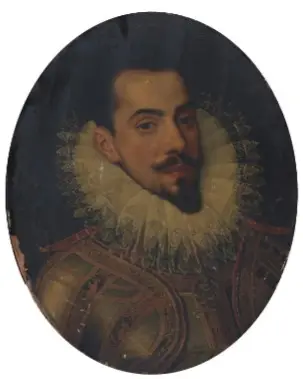 Portrait of a Gentleman in Armour
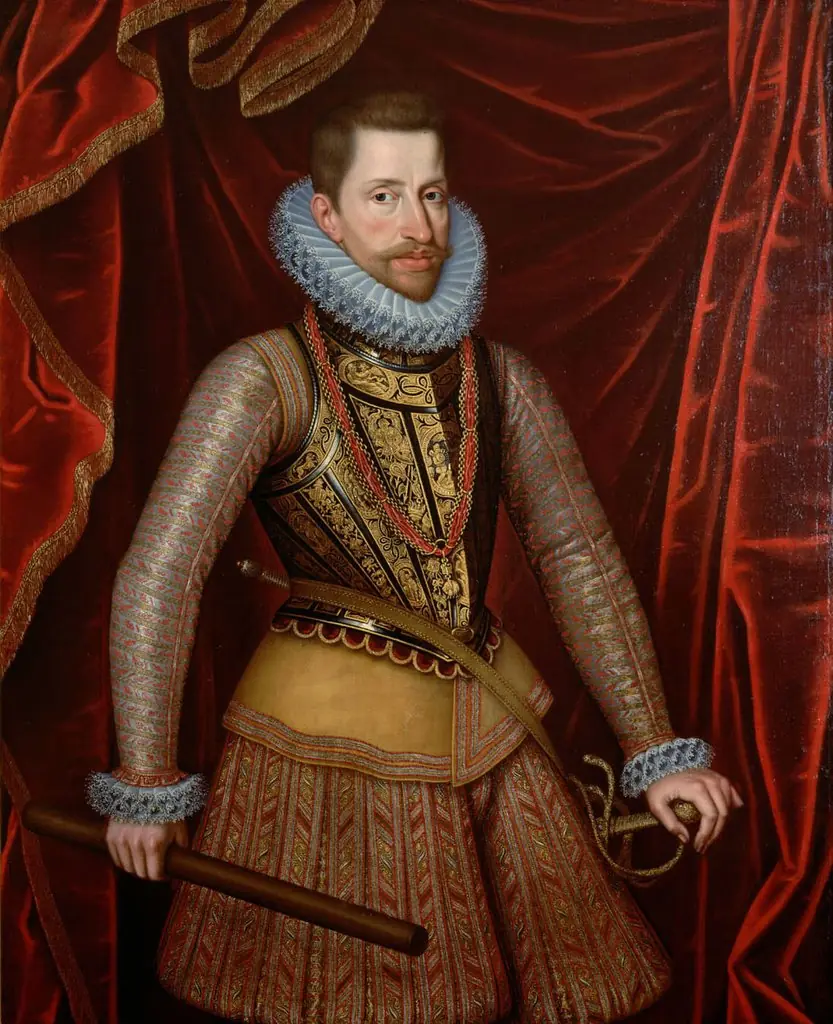 Portrait of Albrecht VII, Archduke of Austria (1559-1621)
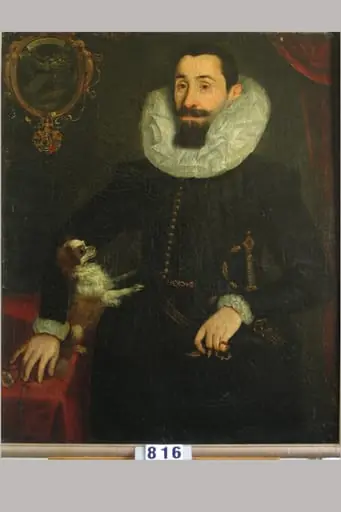 Necunoscut în costum german de curte (în Reg. Inv.: Necunoscut în costum german)
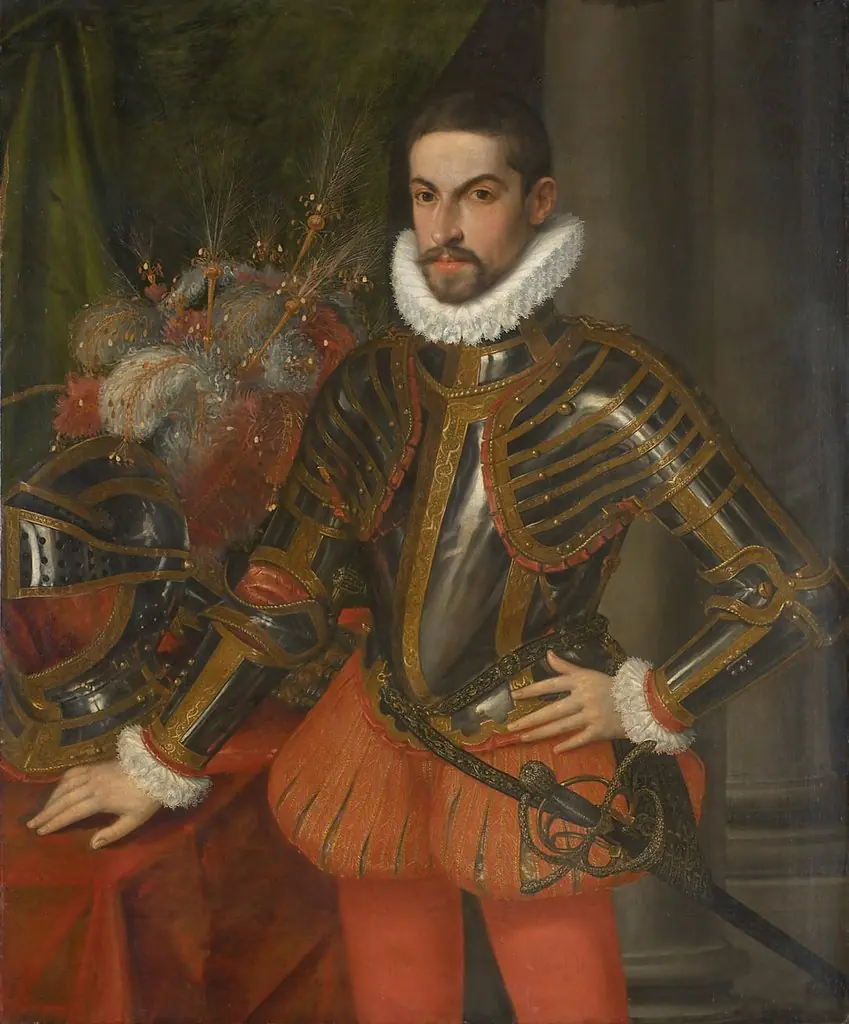 Erzherzog Maximilian III. (1558-1618) im Harnisch, Kniestück
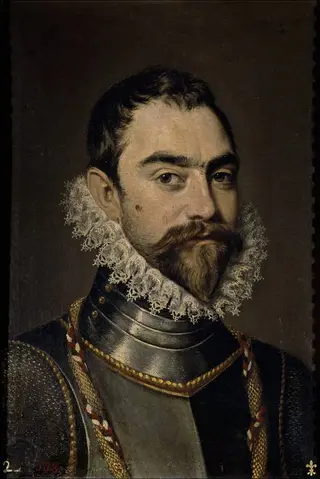 Colonel Francisco Verdugo
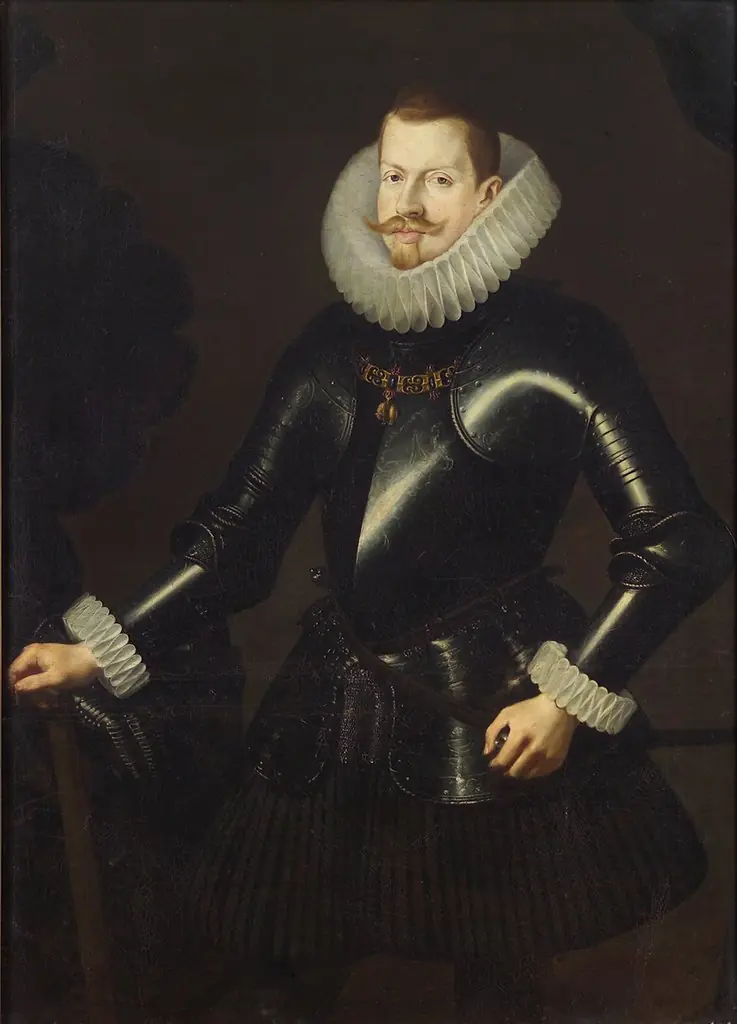 König Philipp III. von Spanien (1578-1621), Bildnis im Harnisch
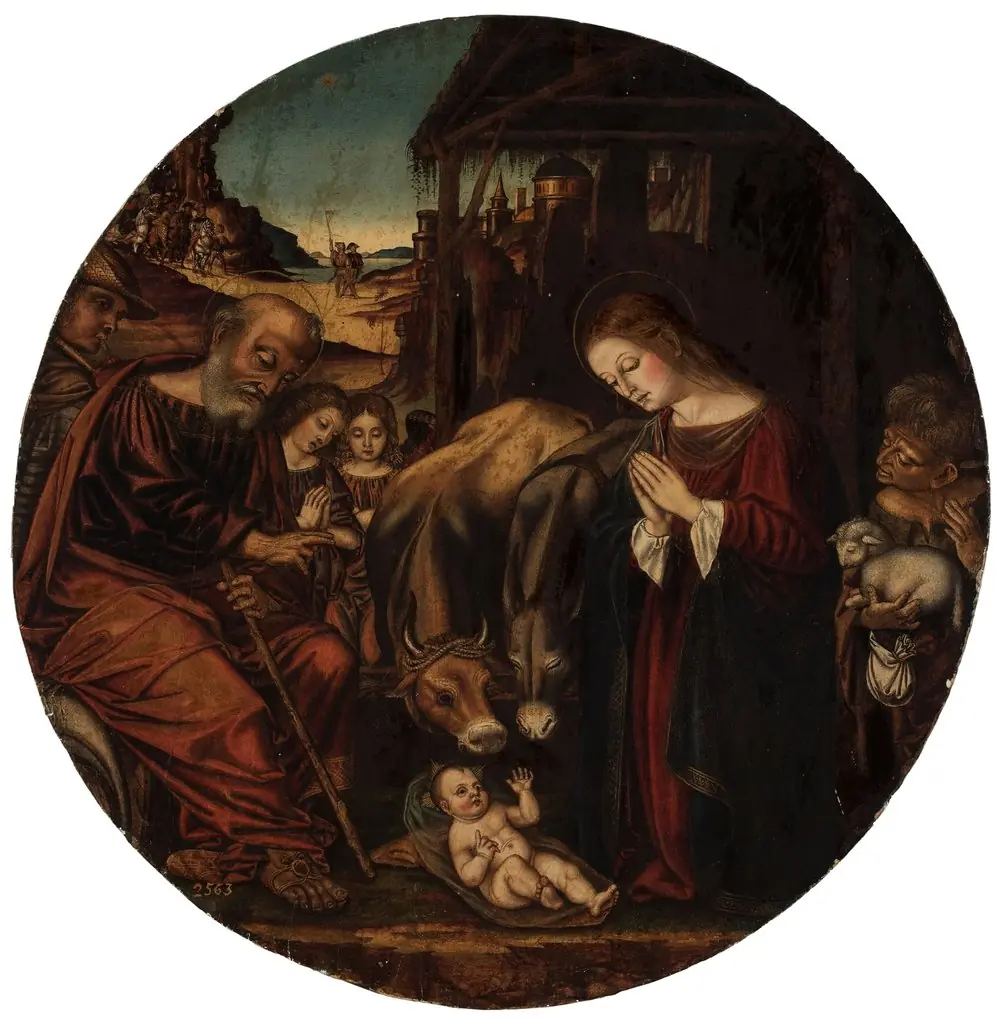 La Natividad