Artwork
König Philipp III. von Spanien (1578-1621), Bildnis im Harnisch
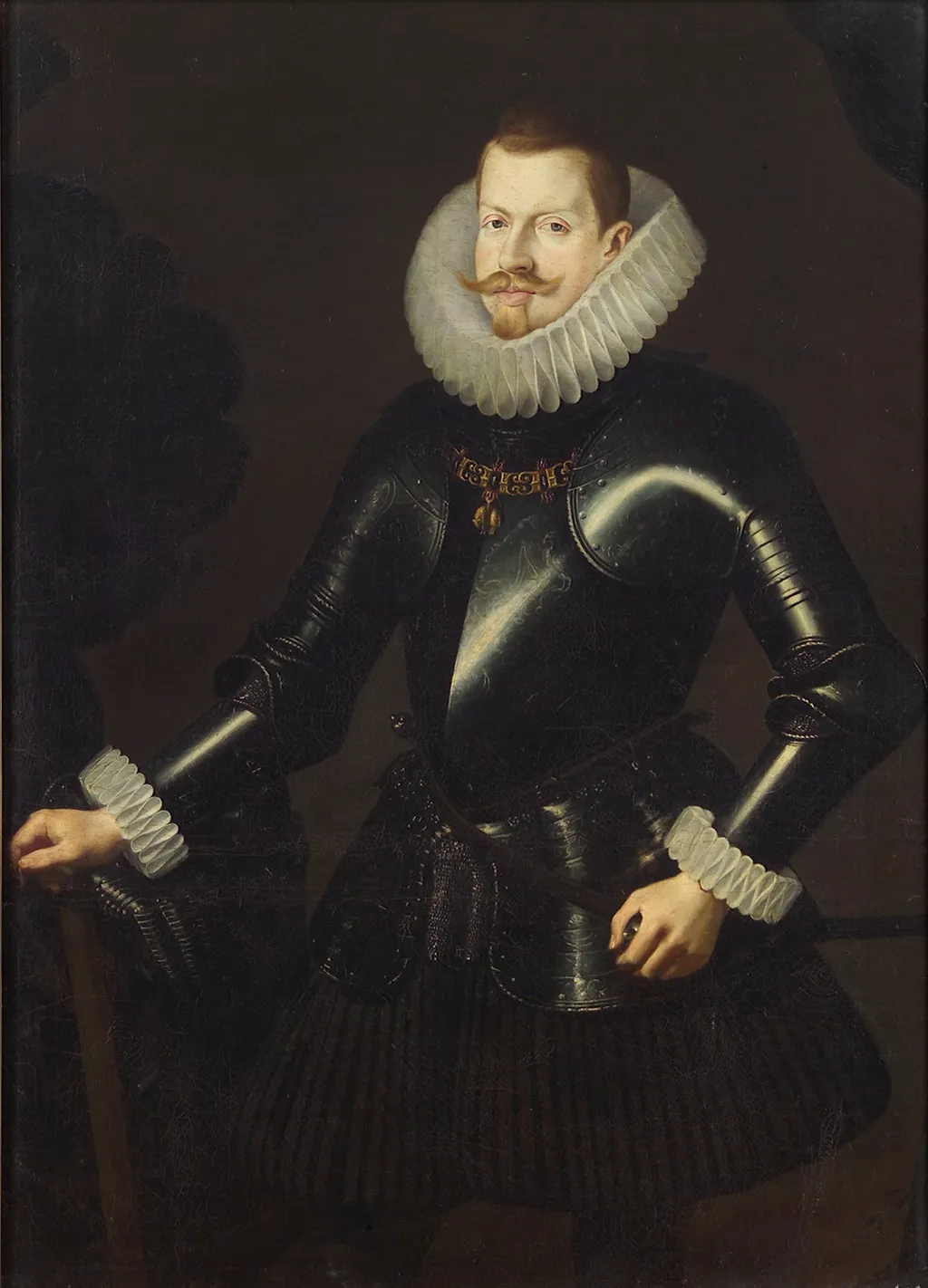
König Philipp III. von Spanien (1578-1621), Bildnis im Harnisch is an oil painting by the Early Baroque Italian artist Andrés López Polanco. It dates from 1617 and is held in the collection of the Kunsthistorisches Museum.
About this work
Subject & Meaning
This depiction of the ruler in a suit of armor serves as the primary iconographic element of the piece, visually emphasizing his role and status.
The painting depicts Philip III of Spain, the monarch reigning from 1578 to 1621, as its central subject. Created in 1617 by Andrés López Polanco, the work presents the king in a portrait format where he is shown wearing armor. This depiction of the ruler in a suit of armor serves as the primary iconographic element of the piece, visually emphasizing his role and status.
The composition focuses entirely on the monarch, identifying him as the main subject without additional narrative figures or complex allegorical settings described in the available records.
Technique & Style
Executed in 1617 by Andrés López Polanco, this portrait of Philip III of Spain is an oil painting on canvas. The work measures 129 cm in height and 93 cm in width. As a formal royal portrait, the composition depicts the monarch clad in armor, adhering to the conventions of early 17th-century court portraiture intended to convey authority and military readiness.
The application of oil paint allows for the detailed rendering of the metallic textures of the harness and the facial features of the sitter.
History & Provenance
The portrait of Philip III of Spain was painted by Andrés López Polanco in 1617 and originally housed in Schloss Ambras Innsbruck. It was later acquired by the Kunsthistorisches Museum, where it remains on display. The work measures 129 by 93 centimeters and is executed in oil on canvas.
Context
The portrait of Philip III of Spain painted by Andrés López Polanco in 1617 was displayed at Schloss Ambras Innsbruck and later entered the collection of the Kunsthistorisches Museum, where it remains today. As an early Baroque court portrait, it exemplifies the Habsburg emphasis on dynastic authority and personal presentation, situating López Polanco within a network of Habsburg-aligned artists active in the Low Countries and Spain during the late 16th and early 17th centuries. The work's composition and material execution reflect contemporary Spanish portraiture while incorporating Netherlandish influences transmitted through imperial patronage.
Scholarship on the painting emphasizes its role in shaping royal imagery, with recent studies linking it to broader discussions of Habsburg visual propaganda and the transnational circulation of court portraiture across early modern Europe.
Overview
This oil painting, created in 1617 by Andrés López Polanco, portrays Philip III of Spain, King from 1598 to 1621. The work is now part of the collection at the Kunsthistorisches Museum.
Legacy
While specific influences or direct artistic descendants of this work are not highlighted, it contributes to the broader legacy of 17th-century royal portraiture, offering insights into the era's political and artistic practices.
Artist & collection

Artist
Andrés López Polanco, was a Spanish Baroque painter specializing in portraits. Documented in Madrid between 1608 and 1641, he worked for the court of King Philip III of Spain and King Philip IV of Spain. His exact date of birth is unknown.

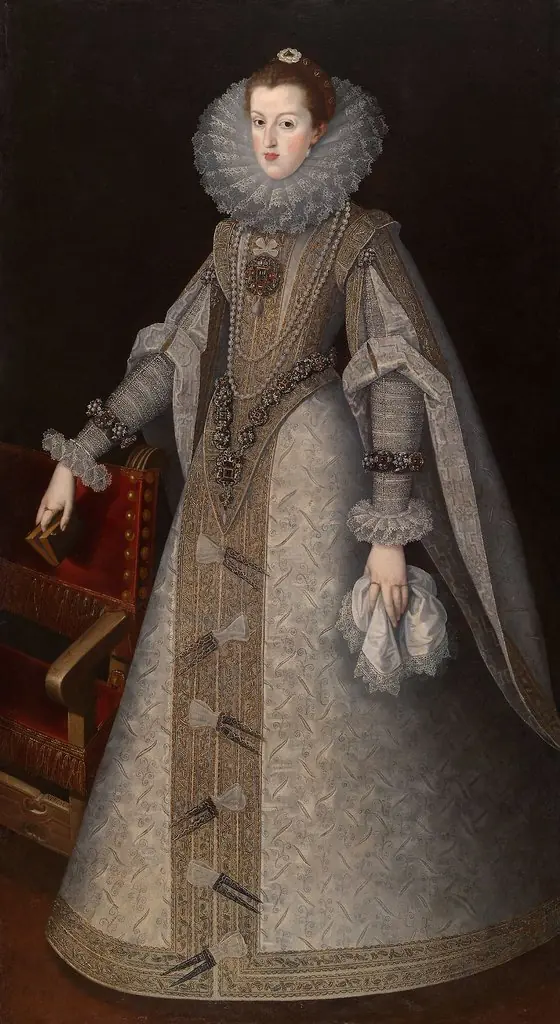
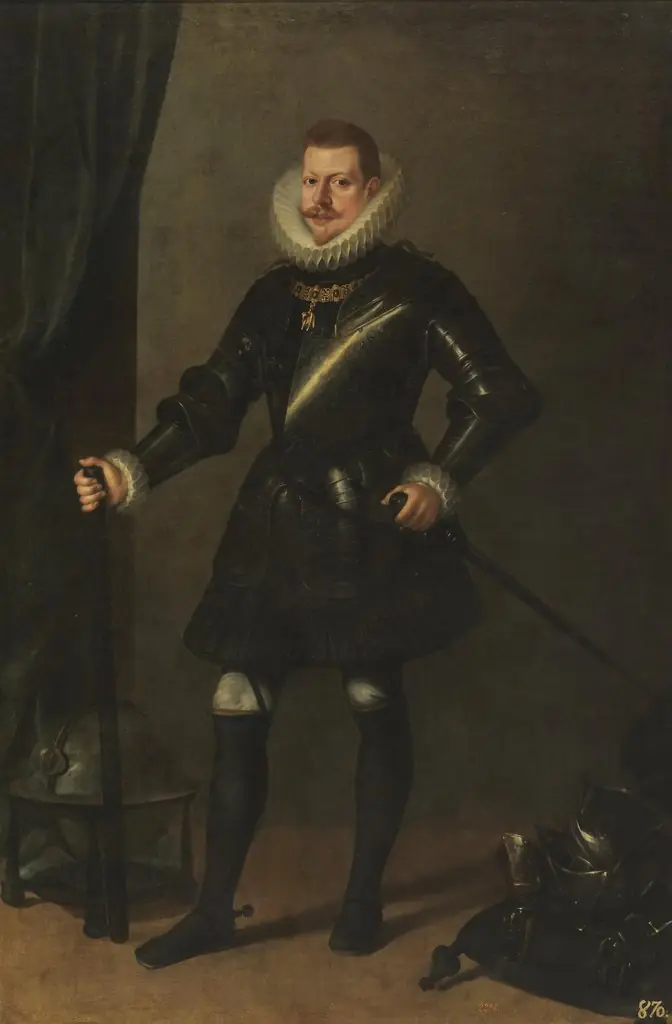
- Philip III in Armour
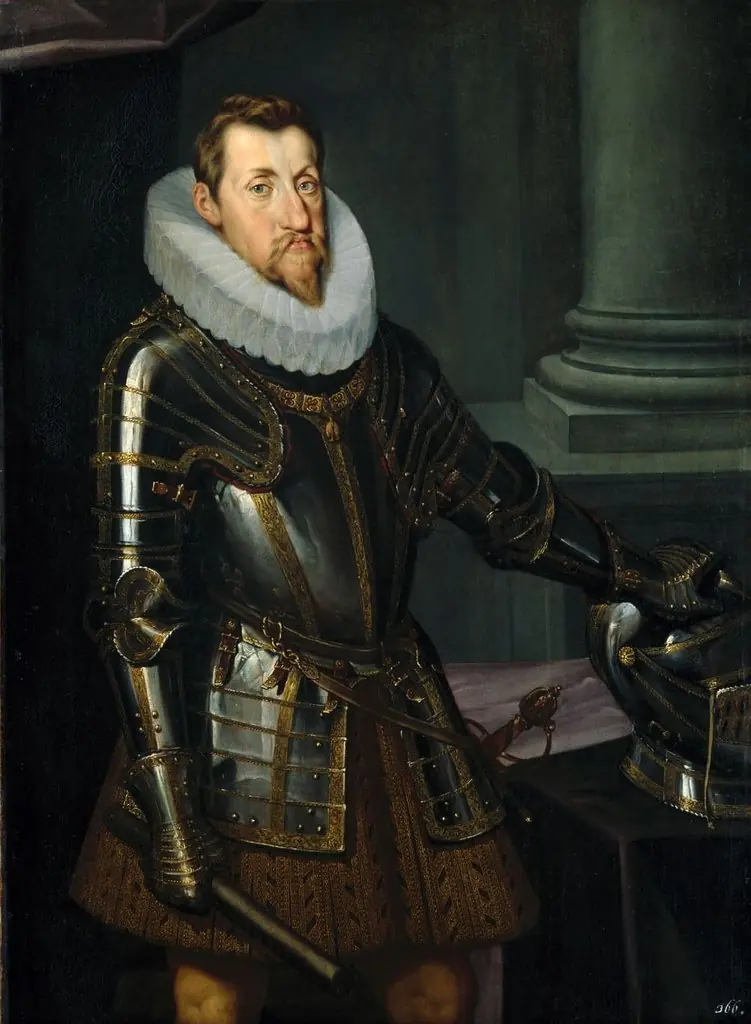 Portrait of Ferdinand II, Holy Roman Emperor (1578-1637)
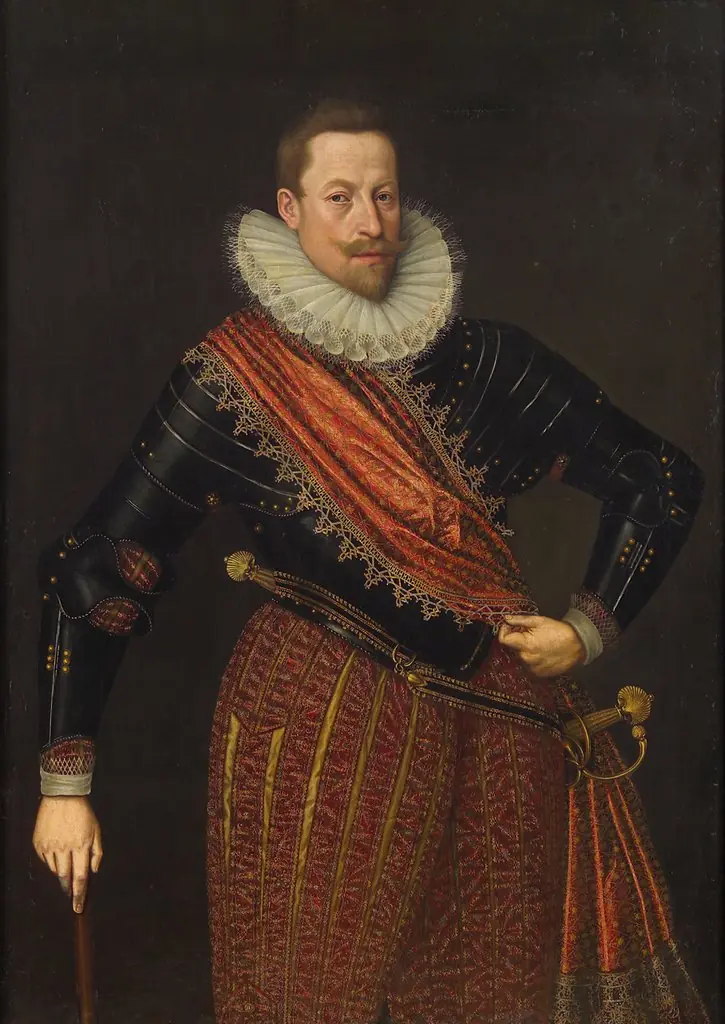 Portrait of Matthias II of Habsburg (1557-1619), the future Holy Roman Emperor
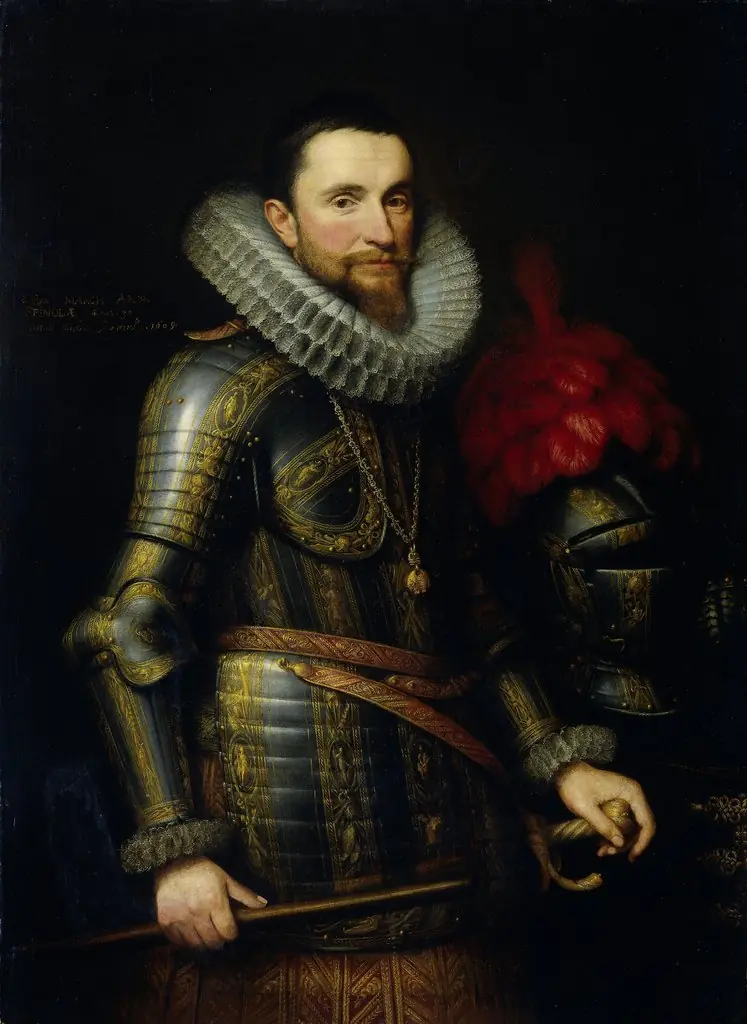 Portrait of Ambrogio Spinola (1569-1630)
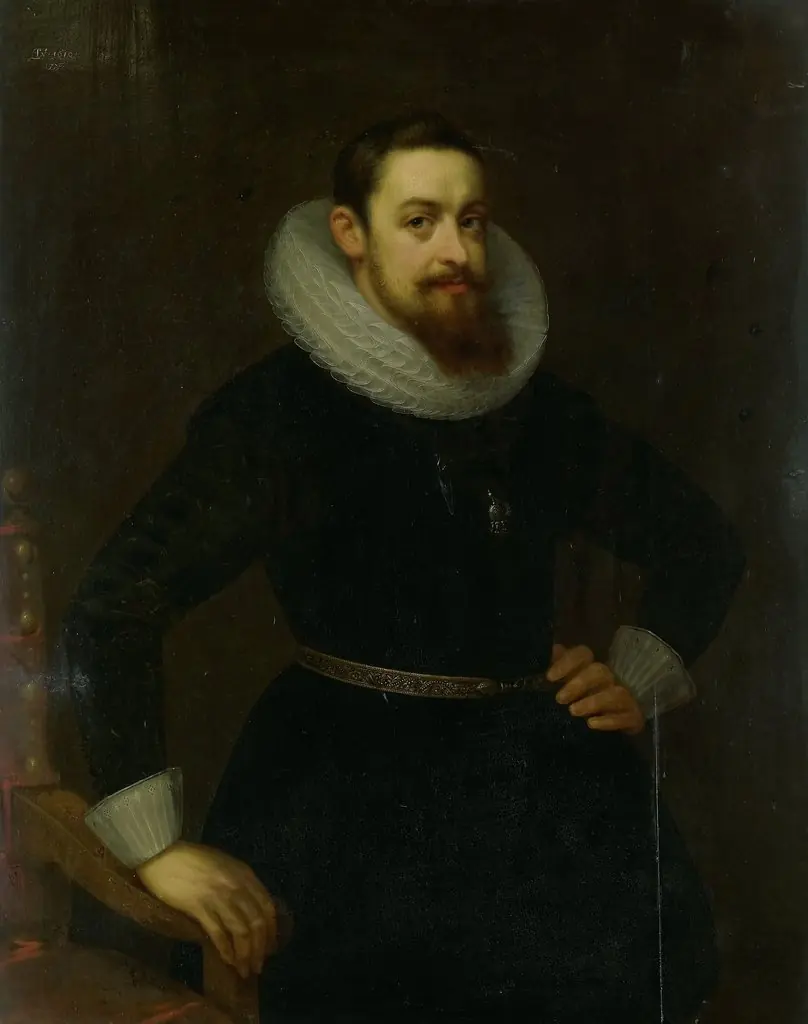 Portrait of Jeremias Boudinois
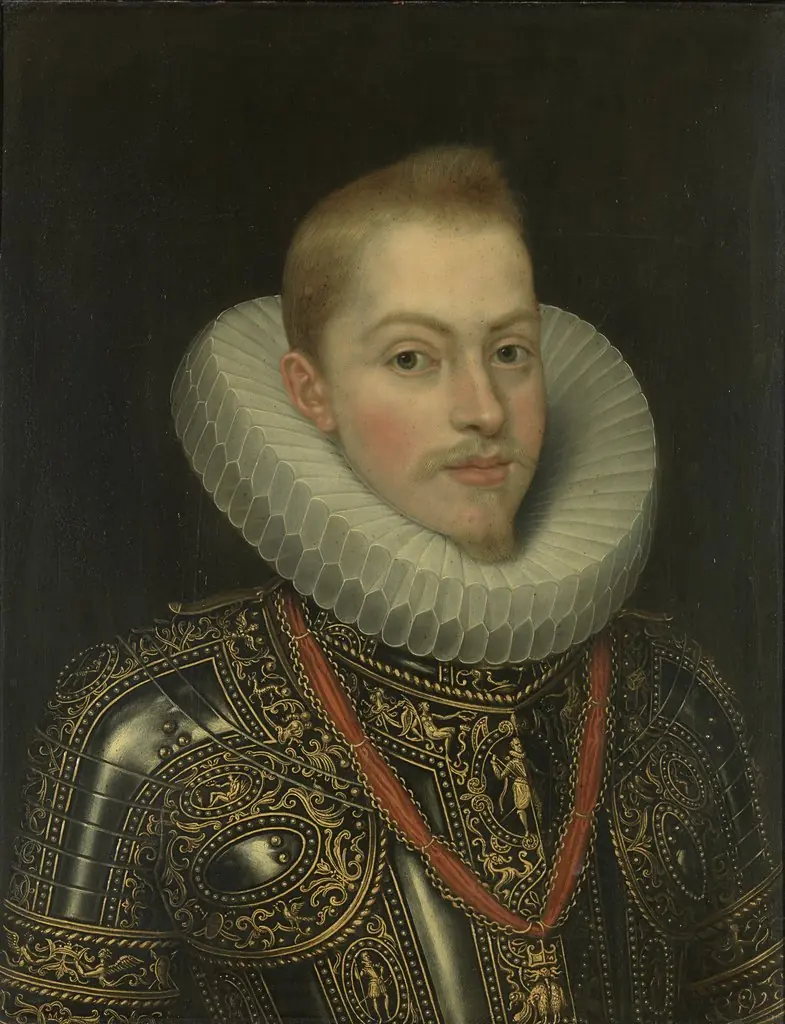 Portrait of Philip III, King of Spain
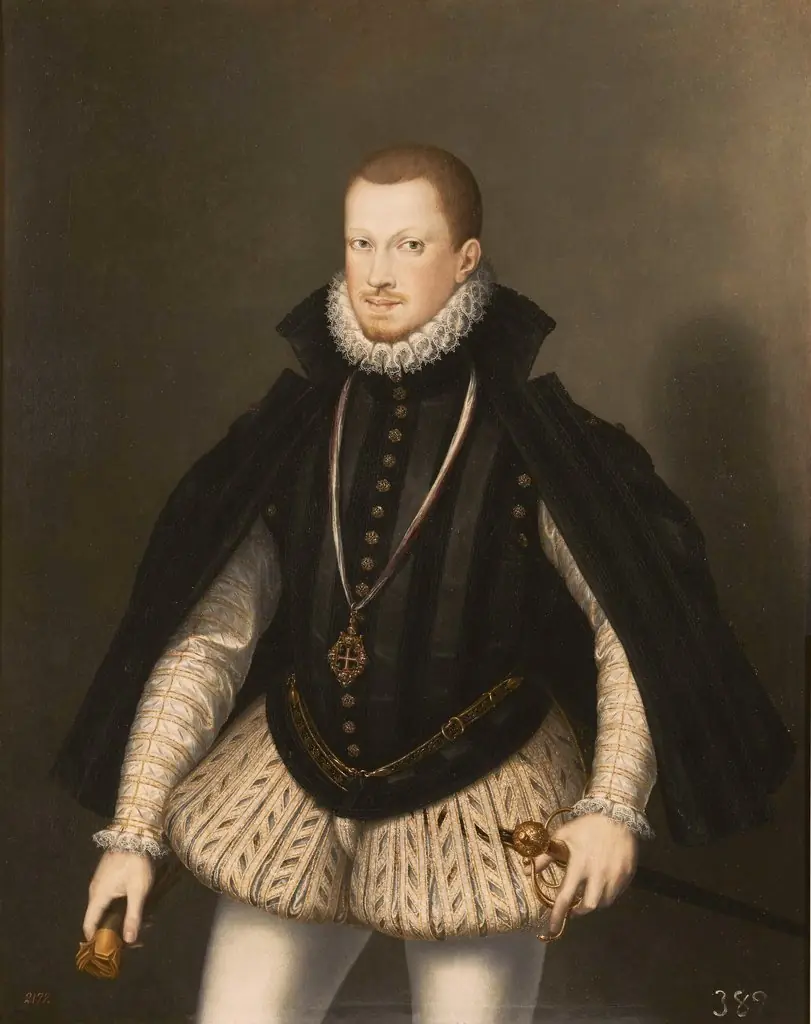 Don Sebastián rey de Portugal
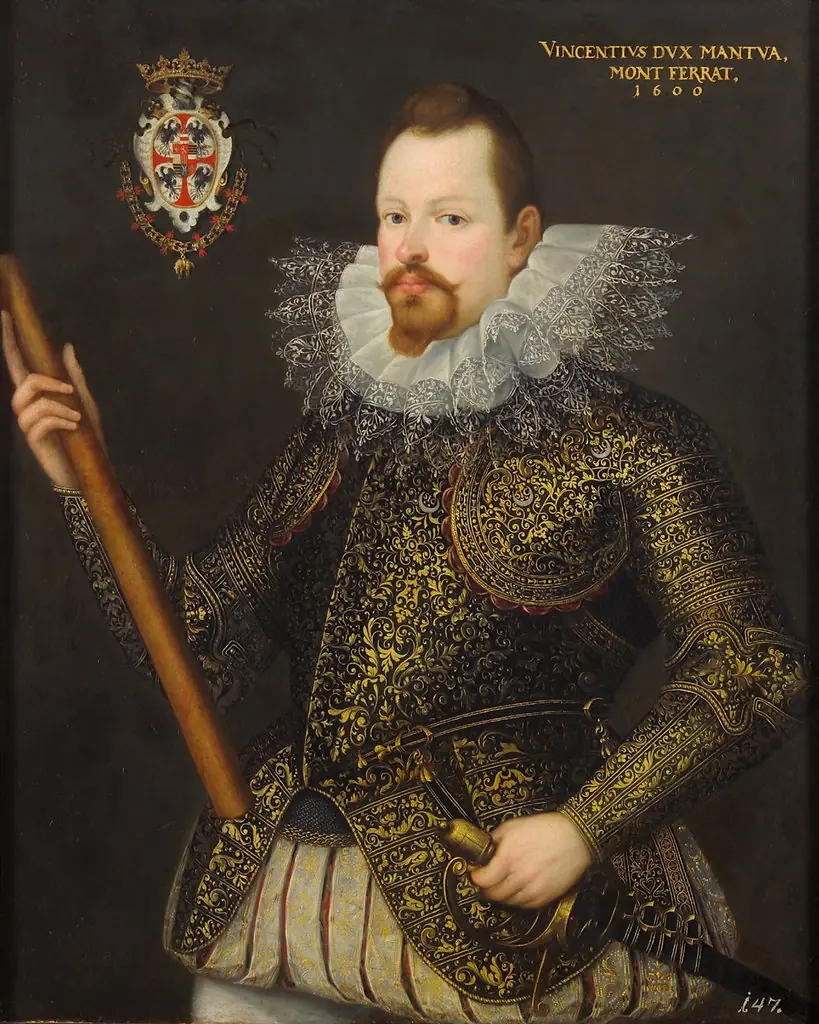 Portrait of Vicenzo Gonzaga, Duke of Mantua
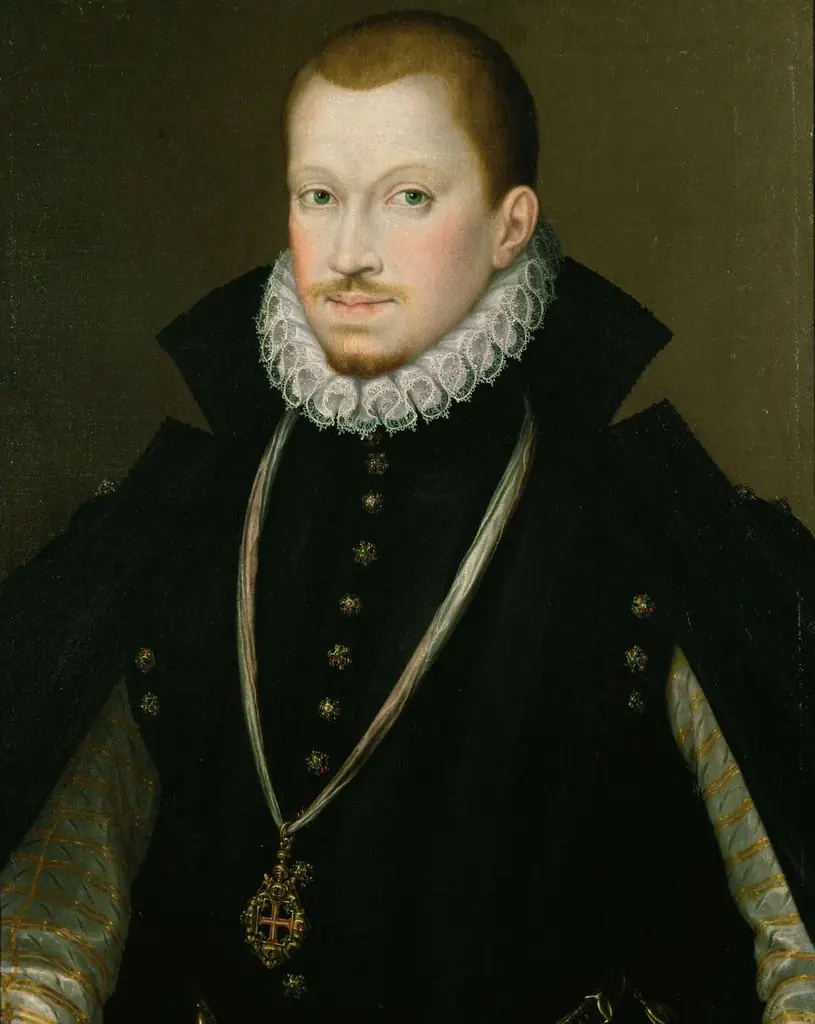 Don Sebastian (1554-nach 1578), König von Portugal, mit dem Kreuz des Christusordens, Halbfigur (beschnitten)
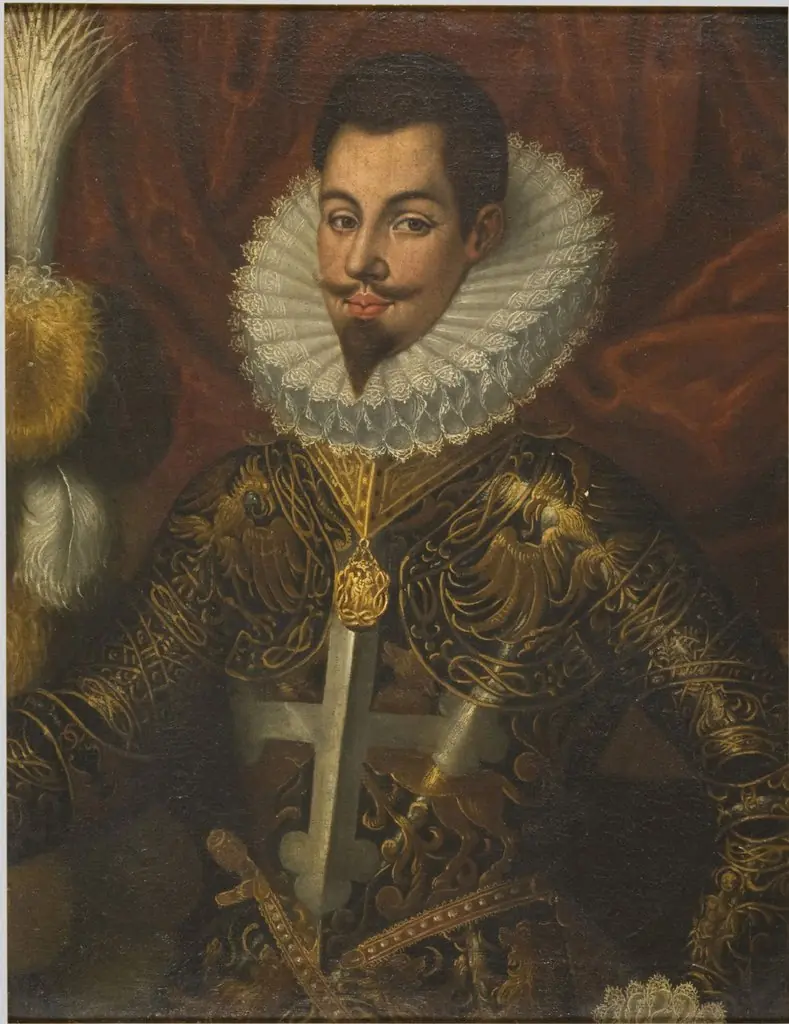 Portrait of a Man in Armor
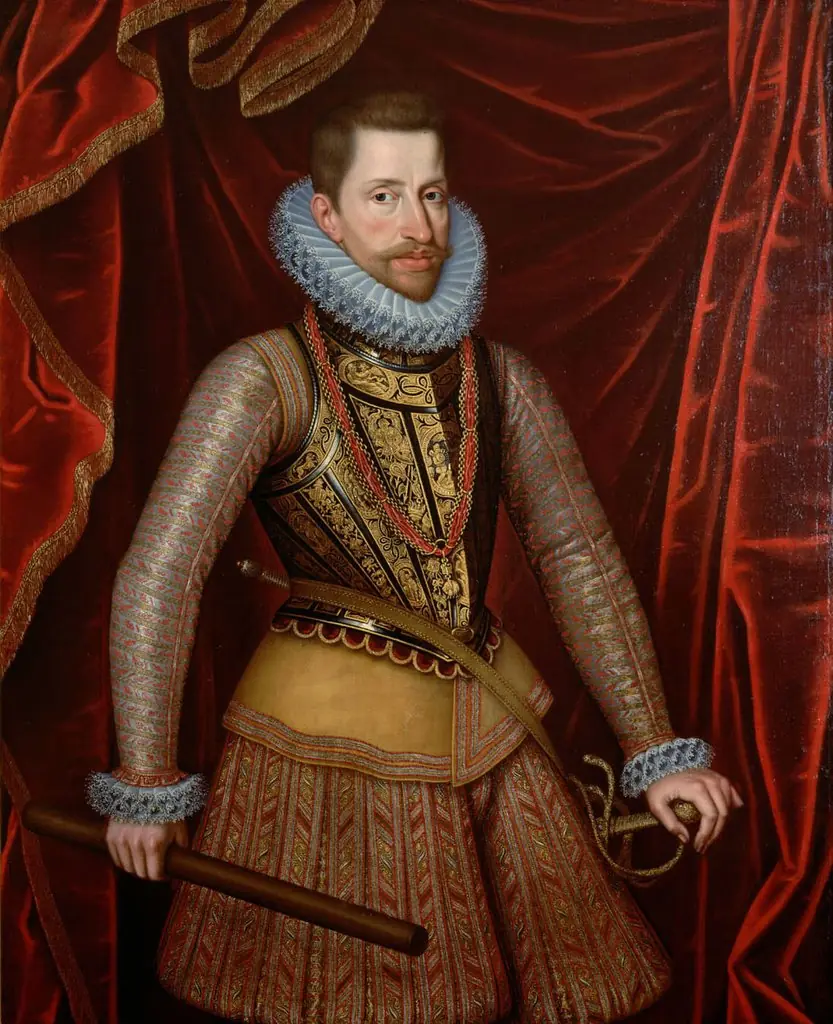 Portrait of Albrecht VII, Archduke of Austria (1559-1621)
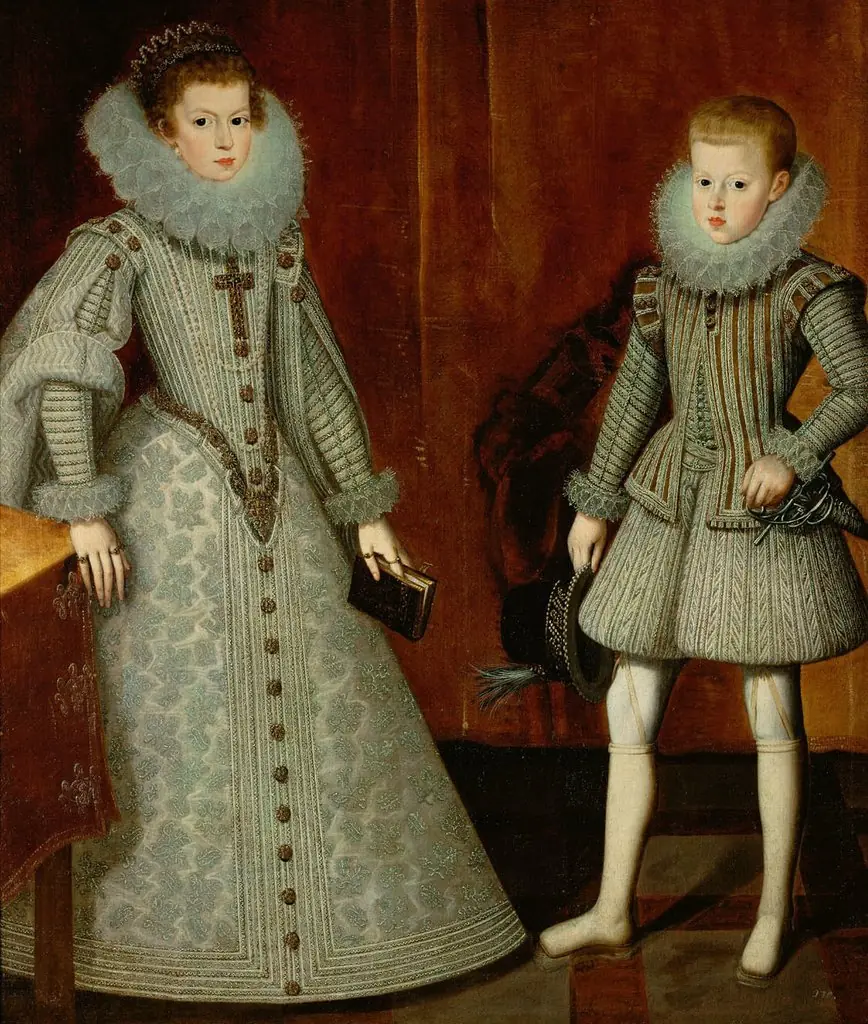 König Philipp IV. von Spanien (1605-1665) mit seiner Schwester, der Infantin Anna (1601-1666), Bildnis in ganzer Figur