Artwork
Cutia neagră
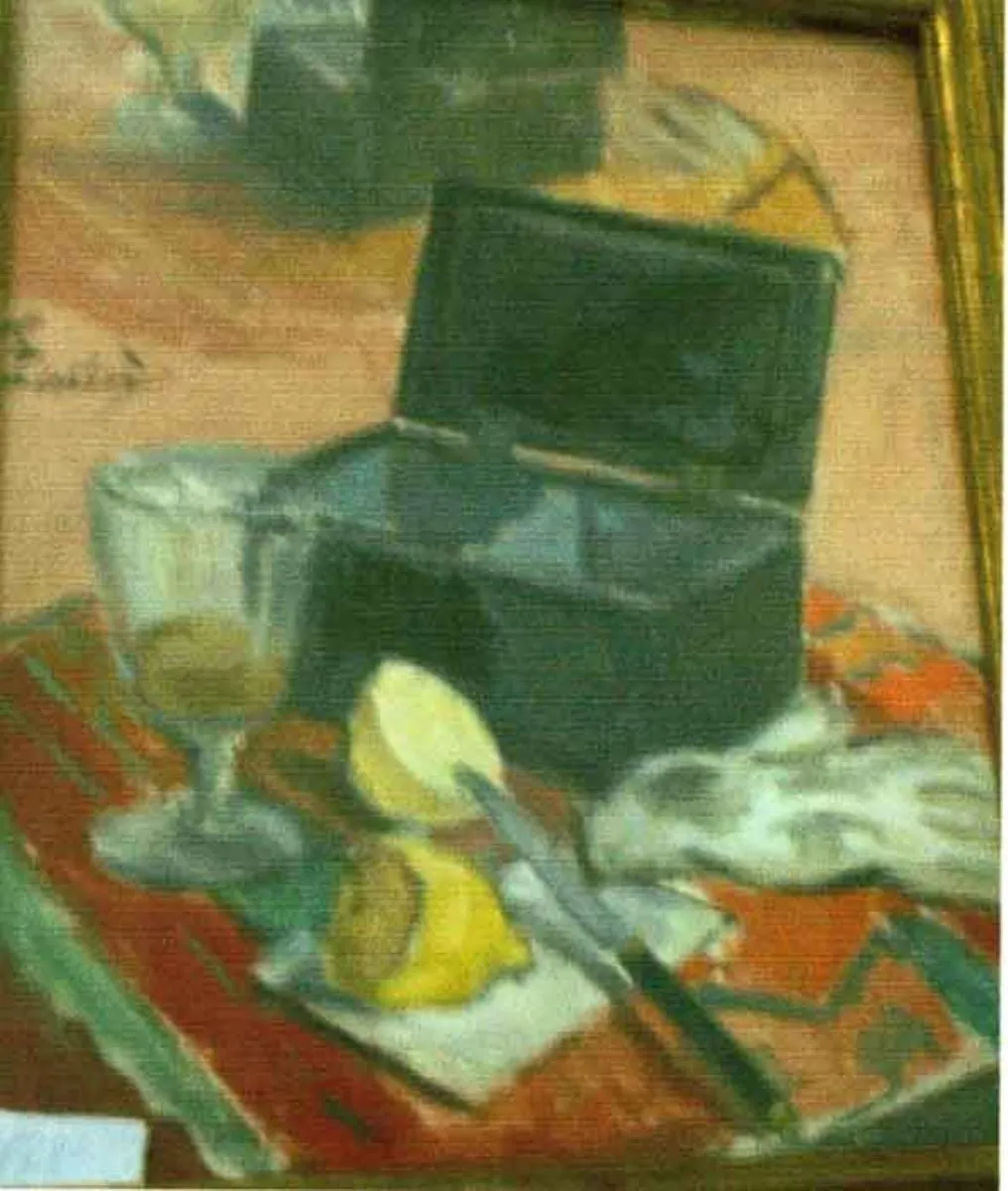
Cutia neagră is an unspecified painting by Theodor Pallady. It dates from 1921 and is held in the collection of the Vasile Pârvan Bârlad Museum.
About this work
Overview
It resides in the collection of the Museum of Ethnography, where its quiet composition contrasts with the museum’s broader cultural artifacts.
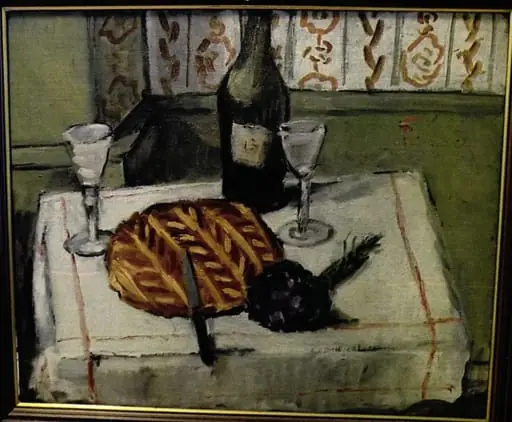
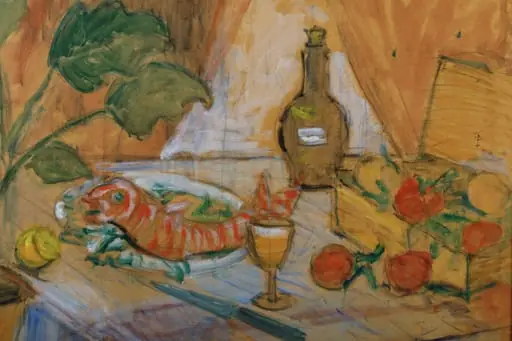
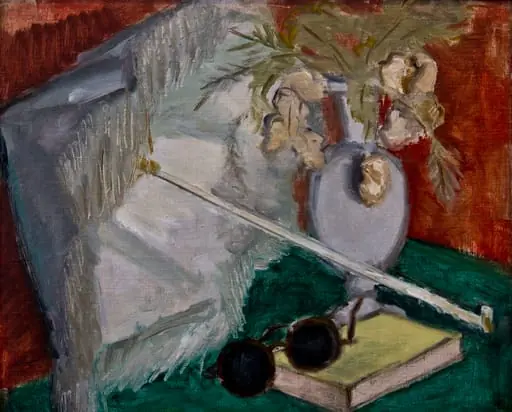
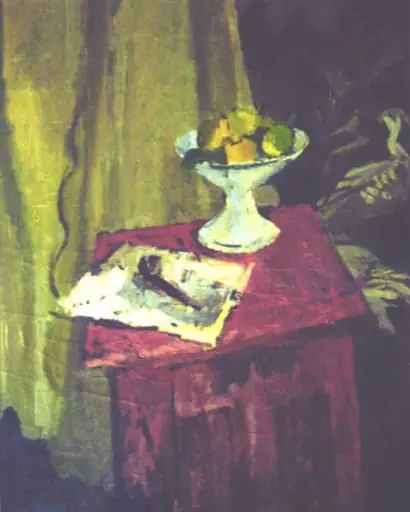
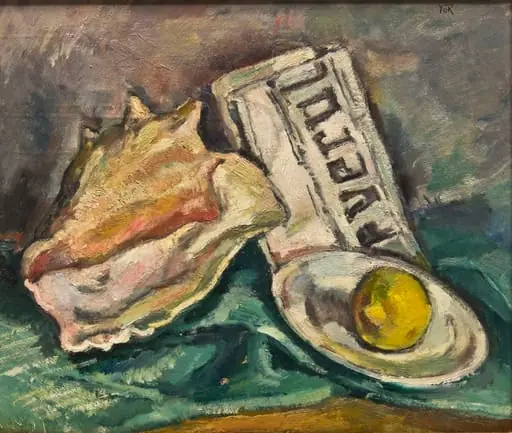
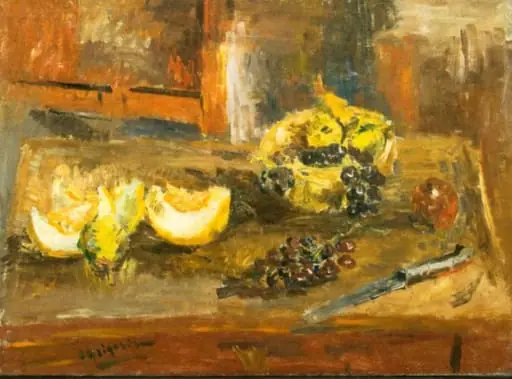
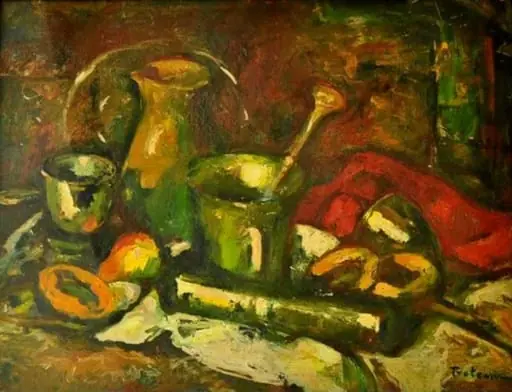
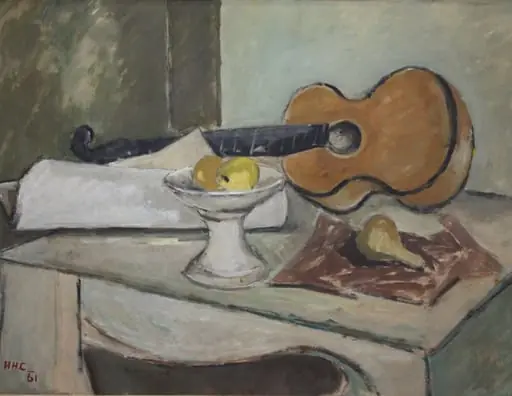
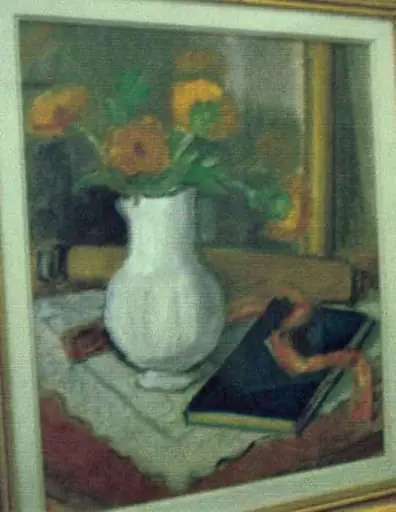
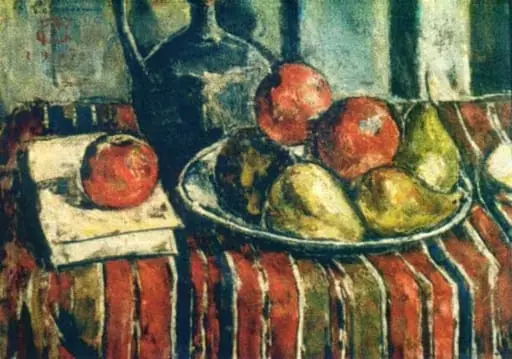
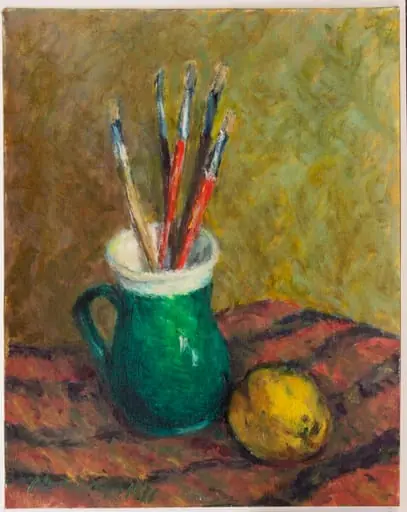
Created around 1921 by Theodor Pallady, Cutia neagră is a still life composed of simple domestic objects: a dark wooden box, a yellow lemon, a white cloth, and a glass pitcher. Painted with visible, textured brushwork, the piece emphasizes tactile presence over narrative. It resides in the collection of the Museum of Ethnography, where its quiet composition contrasts with the museum’s broader cultural artifacts.
Subject & Meaning
The composition centers on a black wooden box, its solidity anchoring the scene. A single lemon, vividly yellow, introduces contrast and a fleeting sense of vitality. The cloth and pitcher suggest a table setting, yet no human presence is implied.
The objects evoke quiet contemplation, their arrangement hinting at routine rather than ceremony, inviting attention to the ordinary.
Technique & Style
Pallady applied paint thickly, using impasto to build surface texture on the box and cloth. Brushstrokes are deliberate and uneven, emphasizing materiality over smooth finish. The background is loosely rendered, blurring architectural details to focus attention on the foreground. The lemon’s intense hue stands in stark relief, drawing the eye through chromatic contrast rather than detail.
History & Provenance
The work dates to Pallady’s post-World War I period, following his time in Paris and return to Romania. It entered the Museum of Ethnography’s collection in the mid-20th century, likely through institutional acquisition. Its placement among ethnographic materials reflects a broader interest in everyday Romanian domestic life during that era.
Context
Painted during a time of national redefinition in Romania, Cutia neagră aligns with a quiet modernist turn in Romanian art, away from grand narratives toward intimate, observed moments. Pallady’s approach echoes French Post-Impressionism but with a restrained, local sensibility, focusing on humble interiors rather than urban or historical themes.
Legacy
The painting is recognized for its understated formal discipline and sensitivity to light and texture. While not widely exhibited outside Romania, it remains a key example of early 20th-century Romanian still life, illustrating how modern techniques were adapted to convey quiet, domestic realism without overt symbolism.
Artist & collection