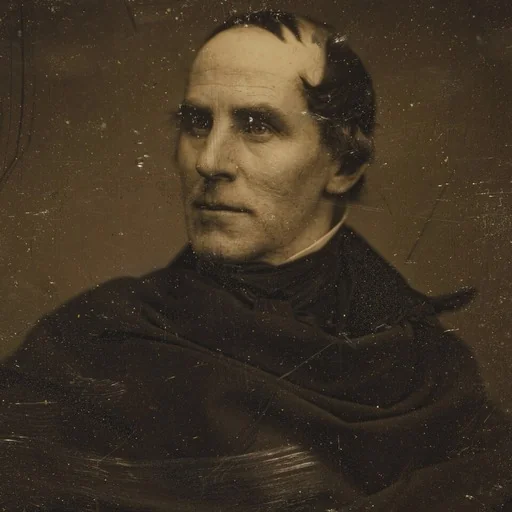
Subject
Paintbrush
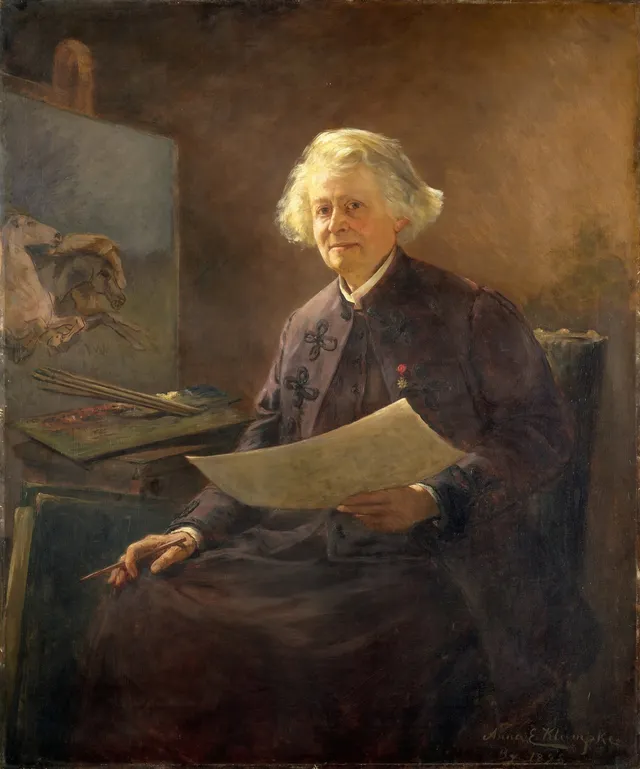
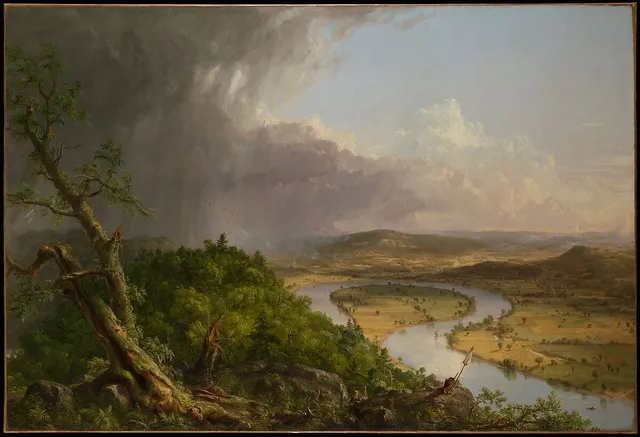
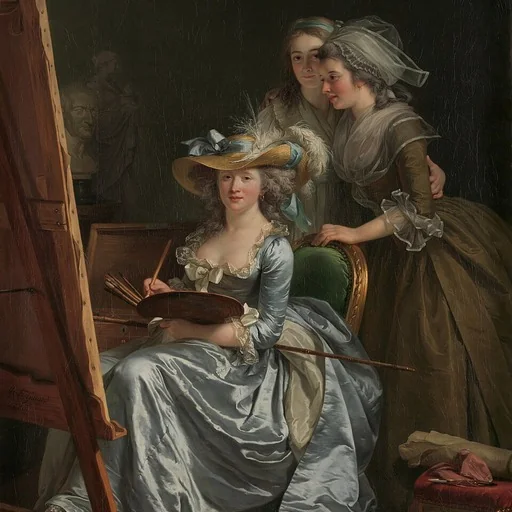
Paintbrush is a subject in art. The gallery holds 43 works in this subject in art, including works by Thomas Cole, Matthew Pratt and Adélaïde Labille-Guiard.
A paintbrush is a brush used to apply paint or ink. A paintbrush is usually made by clamping bristles to a handle with a ferrule.
Key artists


Overview
A paintbrush is a brush used to apply paint or ink, typically constructed by clamping bristles to a handle with a ferrule. Available in various sizes, shapes, and materials, paintbrushes serve as the primary instrument for transferring pigment onto a surface. They are broadly subdivided into decorators' brushes, used for painting and decorating large areas, and artists' brushes, used for visual art. The tool's fundamental structure consists of three main components: the bristles, which form the tuft responsible for transferring paint; the ferrule, the metal band securing the bristles to the handle; and the handle itself, which provides the user interface.
Iconography & meaning
In visual art, the paintbrush functions as an attribute of the painter, signifying the act of artistic creation and the professional identity of the artist. It appears prominently in self-portraits and depictions of artists at work, serving as a symbol of the craft and the intellectual labor of image-making. The brush distinguishes the fine artist from the manual laborer, elevating the act of painting. In East Asian traditions, the brush transcends mere utility and is revered as one of the four treasures of the scholar, symbolizing cultivated knowledge, calligraphic skill, and literary refinement.
Across movements & periods
The physical form and application of the paintbrush have shifted considerably across periods and cultures. Humans utilized early brushes to apply pigment as far back as the Paleolithic era, with painting kits estimated at 100,000 years old discovered in South Africa. Ancient Egyptian brushes were made from split palm leaves, while the oldest surviving examples use animal hair. In traditional East Asian calligraphy and ink wash painting, brushes feature thick wooden handles and broad, soft hair designed to form a fine point when wetted. In Western oil painting, long-handled brushes developed to allow artists to work at a distance from a vertical canvas, whereas watercolor and ink painting favor short-handled brushes for close, flat work. The 20th century introduced synthetic fibers, which proved more durable and compatible with fast-drying acrylics, shifting practice away from exclusive reliance on natural hair.
Legacy
The paintbrush remains the definitive instrument of the painter, its legacy extending from prehistoric cave art to contemporary practice. While the fundamental three-part structure of bristles, ferrule, and handle persists, modern manufacturing has introduced synthetic filaments that mimic the paint retention and taper of natural hair while offering greater durability and lower cost. The tool's cultural afterlife has also expanded into the digital realm, where software applications use the term brush to describe digital tools that simulate the mark-making capabilities of physical paintbrushes. Despite technological shifts, the physical paintbrush retains its status as the primary emblem of the visual artist, preserving its iconographic power in both artistic practice and cultural imagination.
Works
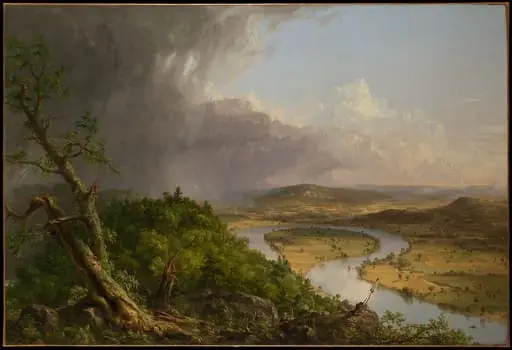 View from Mount Holyoke, Northampton, Massachusetts, after a Thunderstorm—The Oxbow
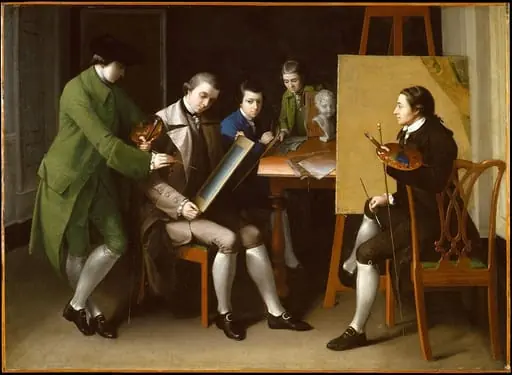 The American School
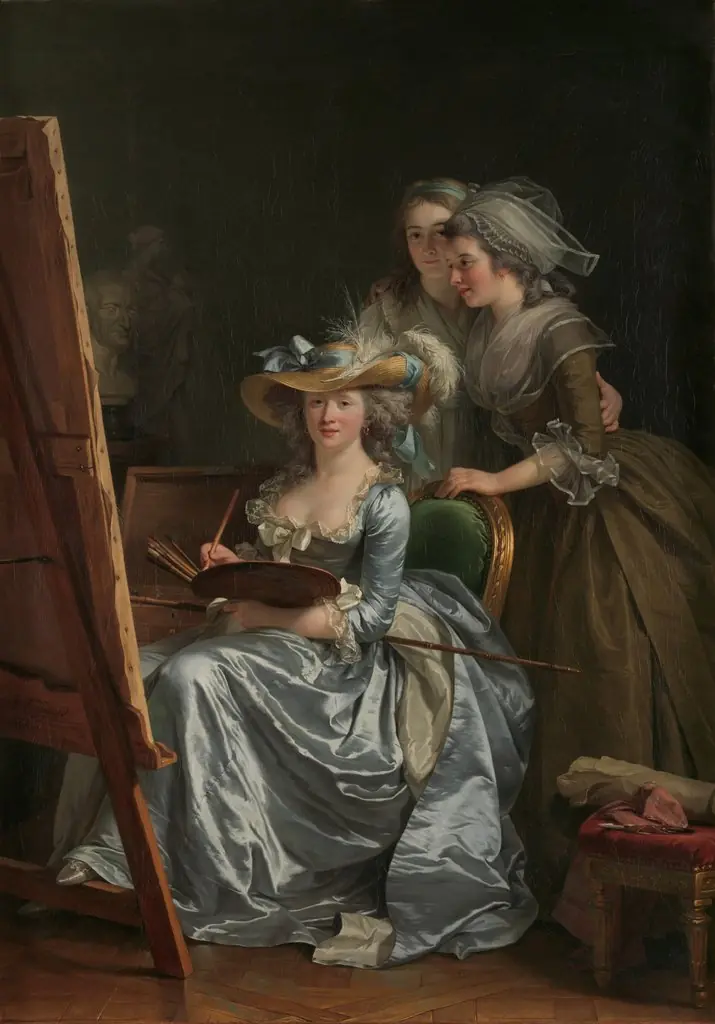 Self-Portrait with Two Pupils
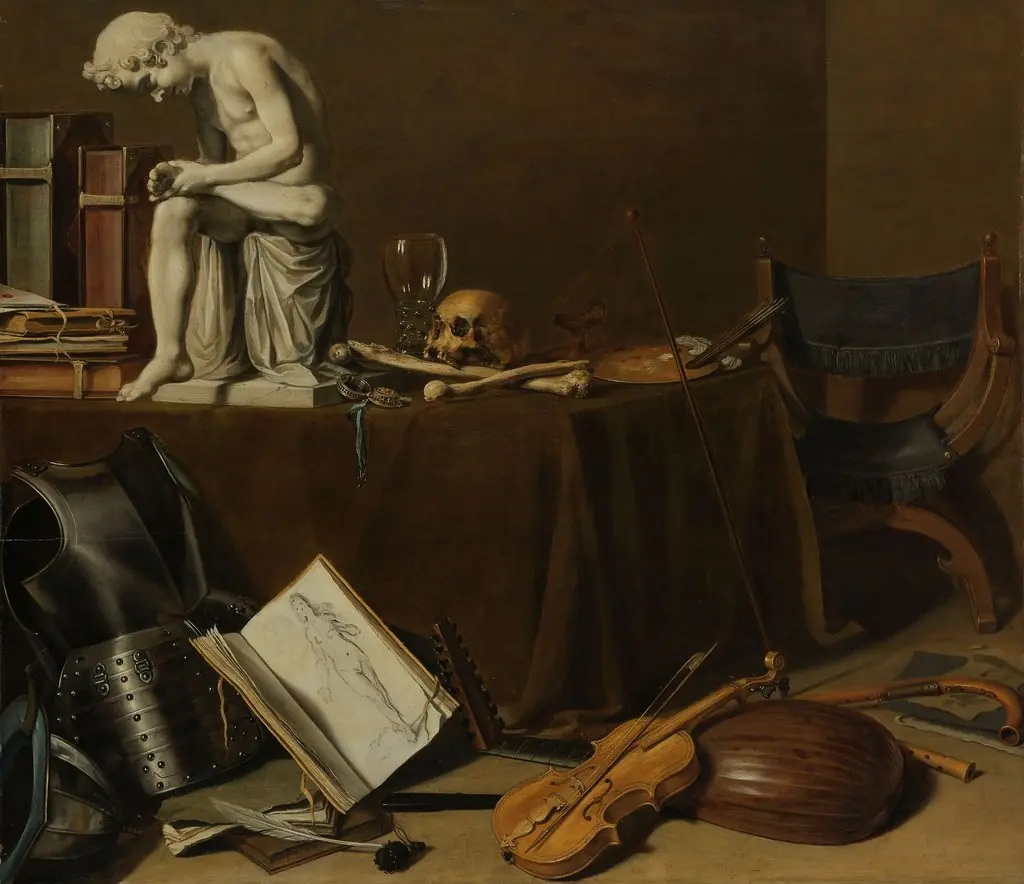 Vanitas Still Life with the Spinario
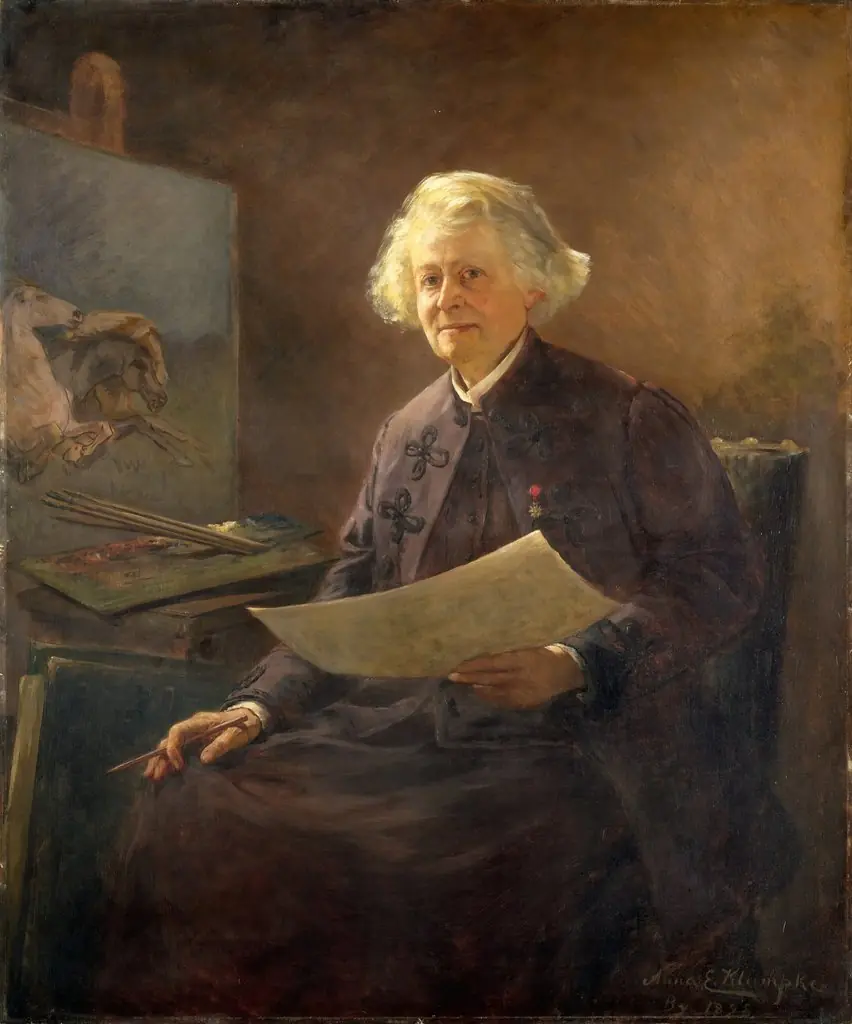 Rosa Bonheur
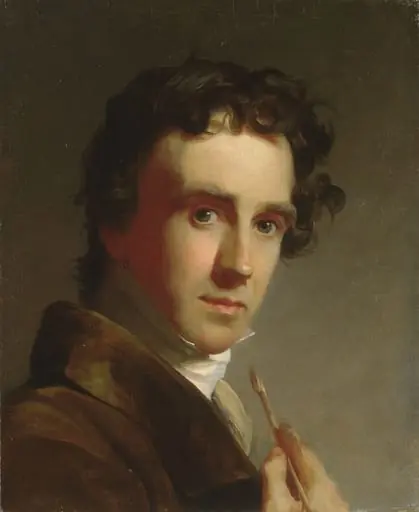 Portrait of the Artist
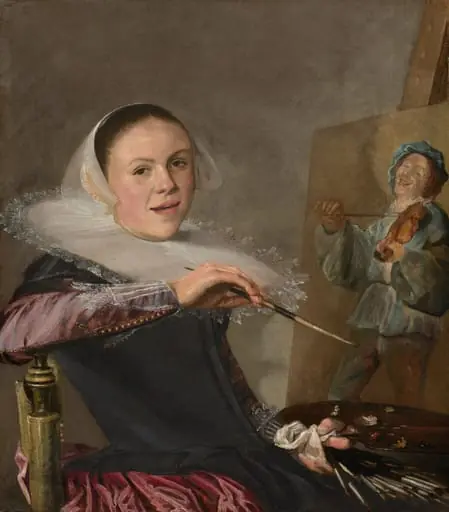 Self-Portrait
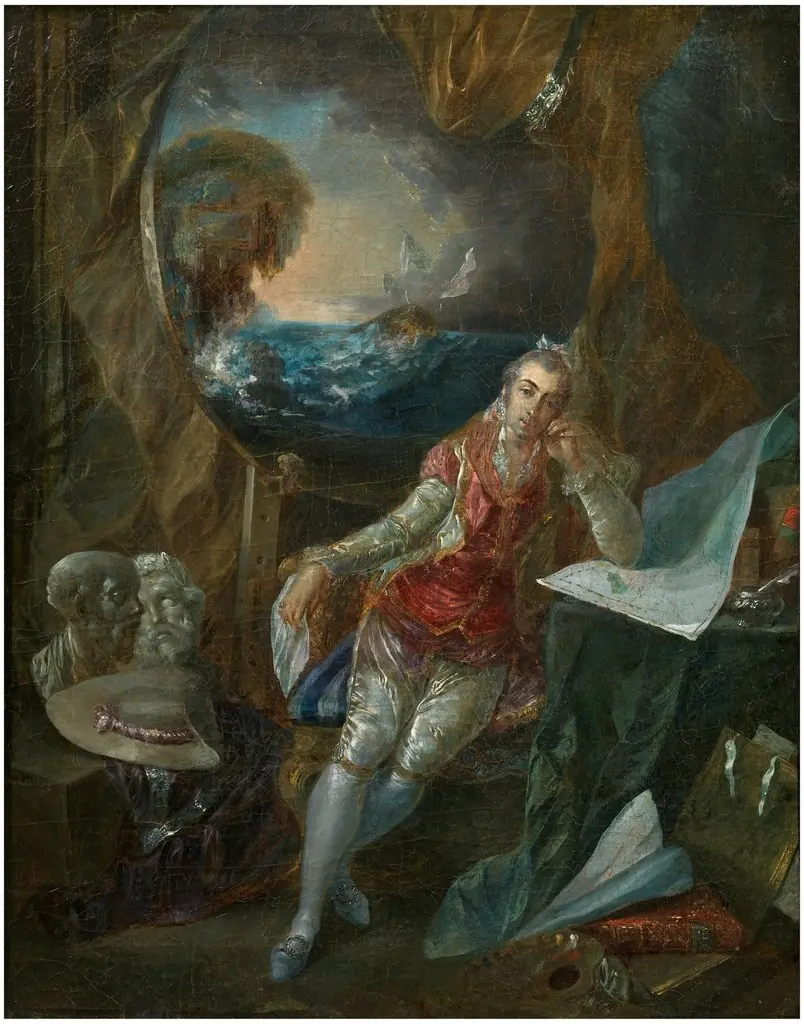 Self-portrait of the Artist in his Studio
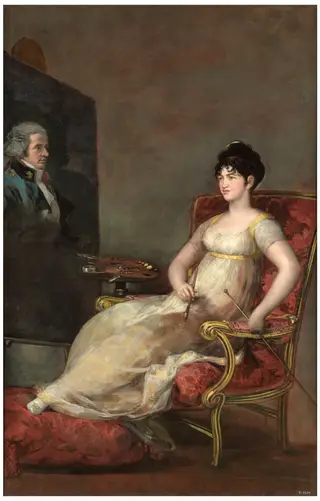 The Marchioness of Villafranca Painting her Husband
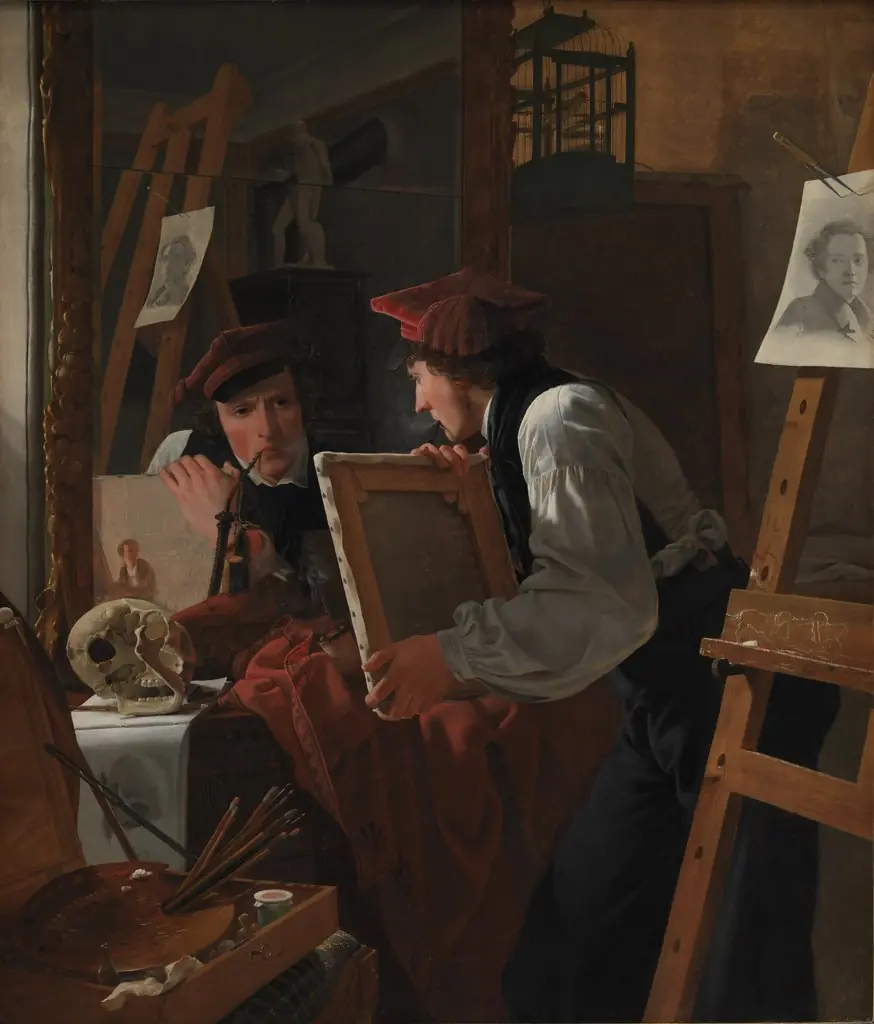 A Young Artist (Ditlev Blunck) Examining a Sketch in a Mirror
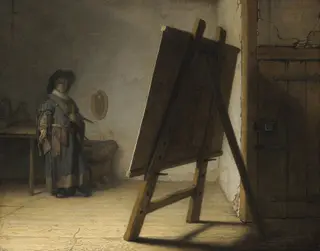 Artist in his studio
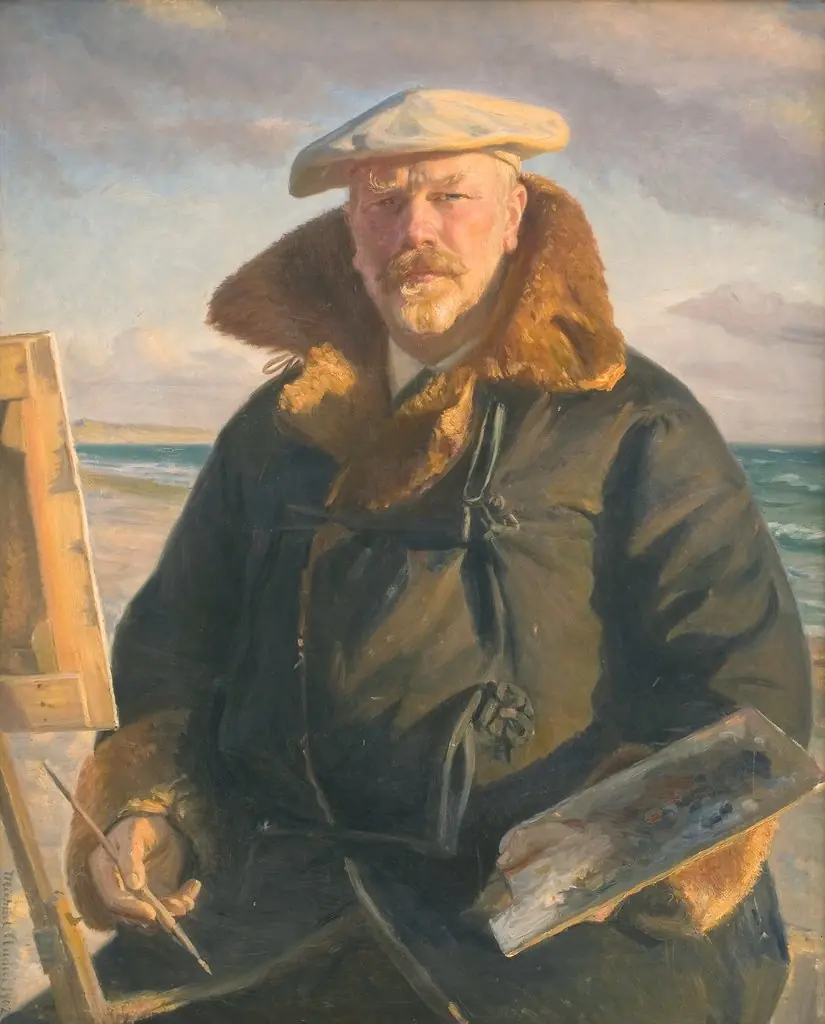 Self-Portrait
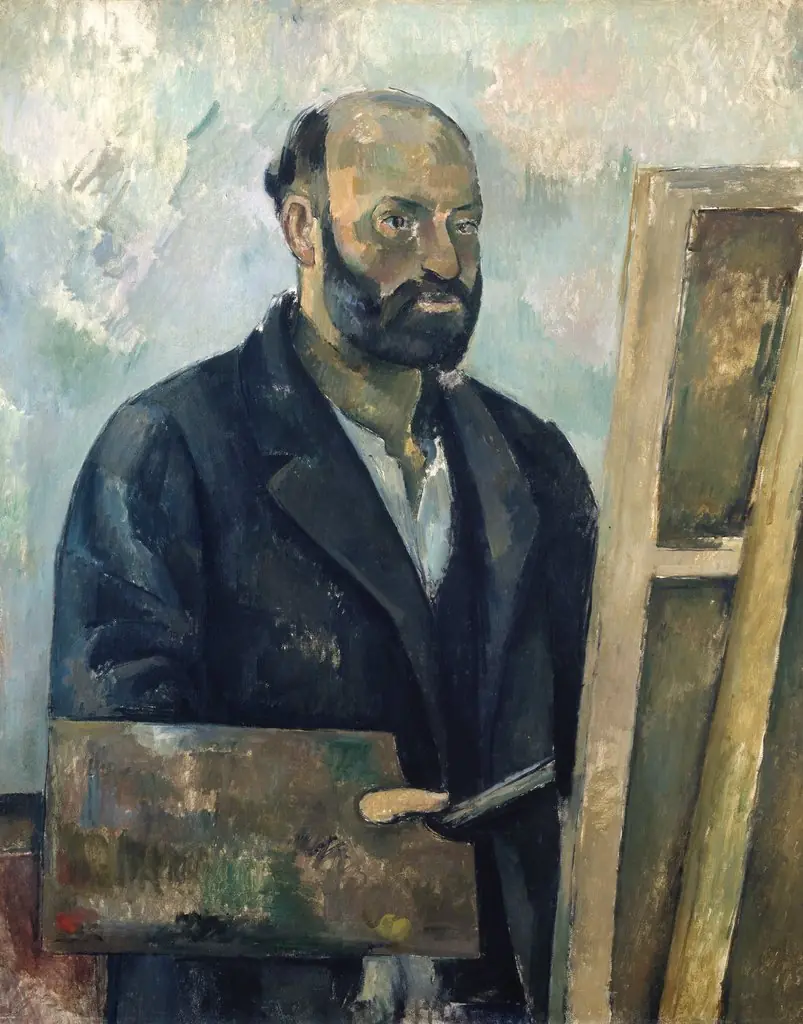 Self-Portrait with Palette
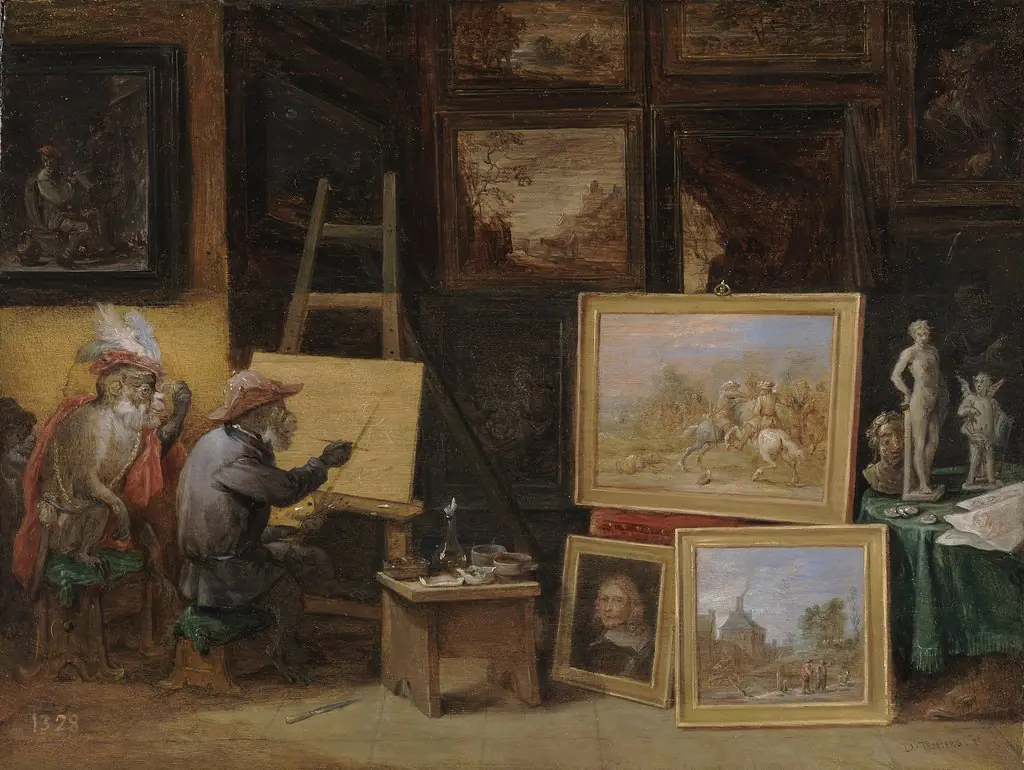 The Monkey Painter
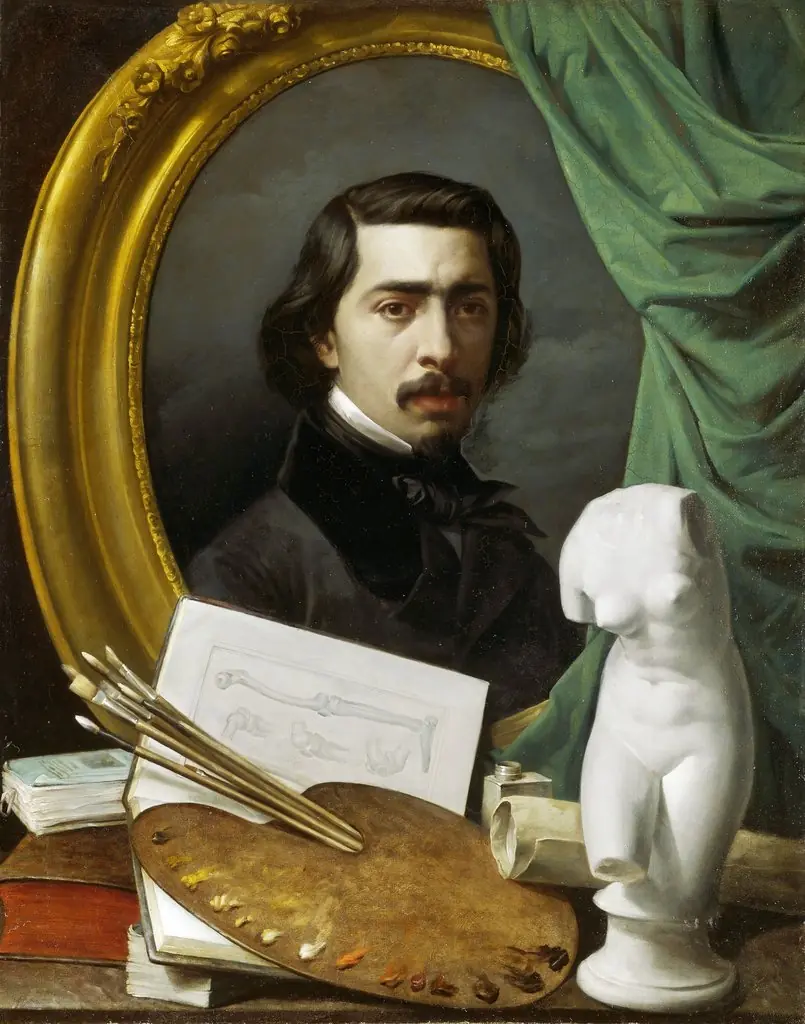 Self-portrait
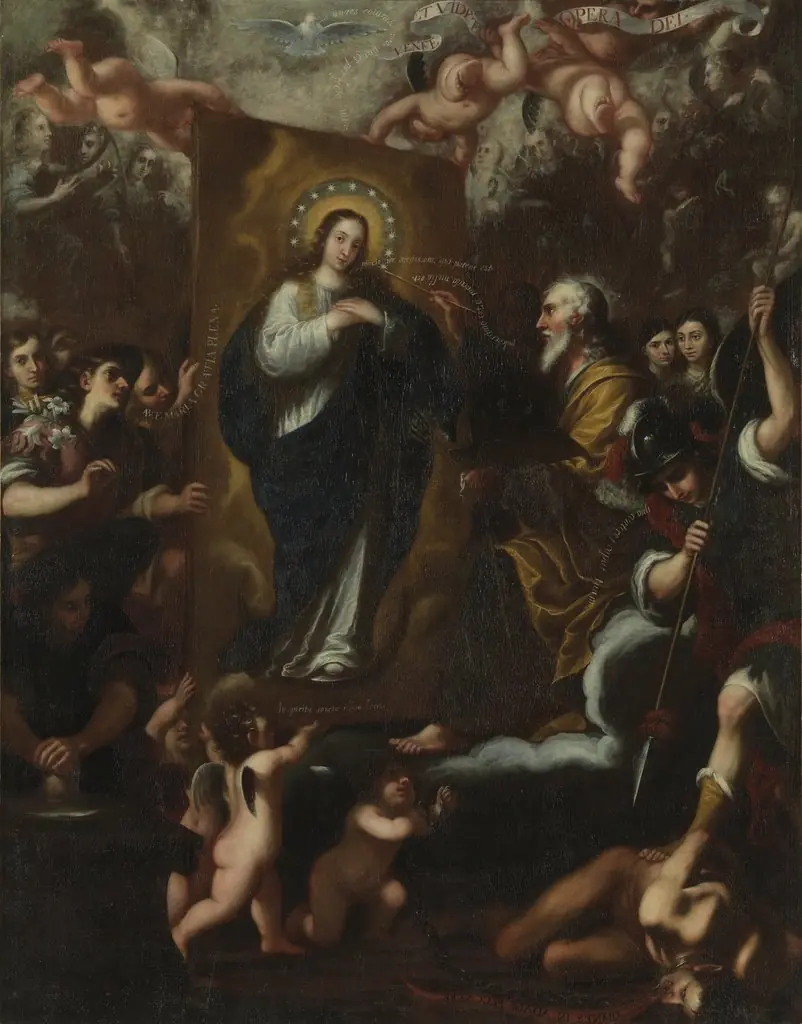 God the Father painting the Immaculate Conception
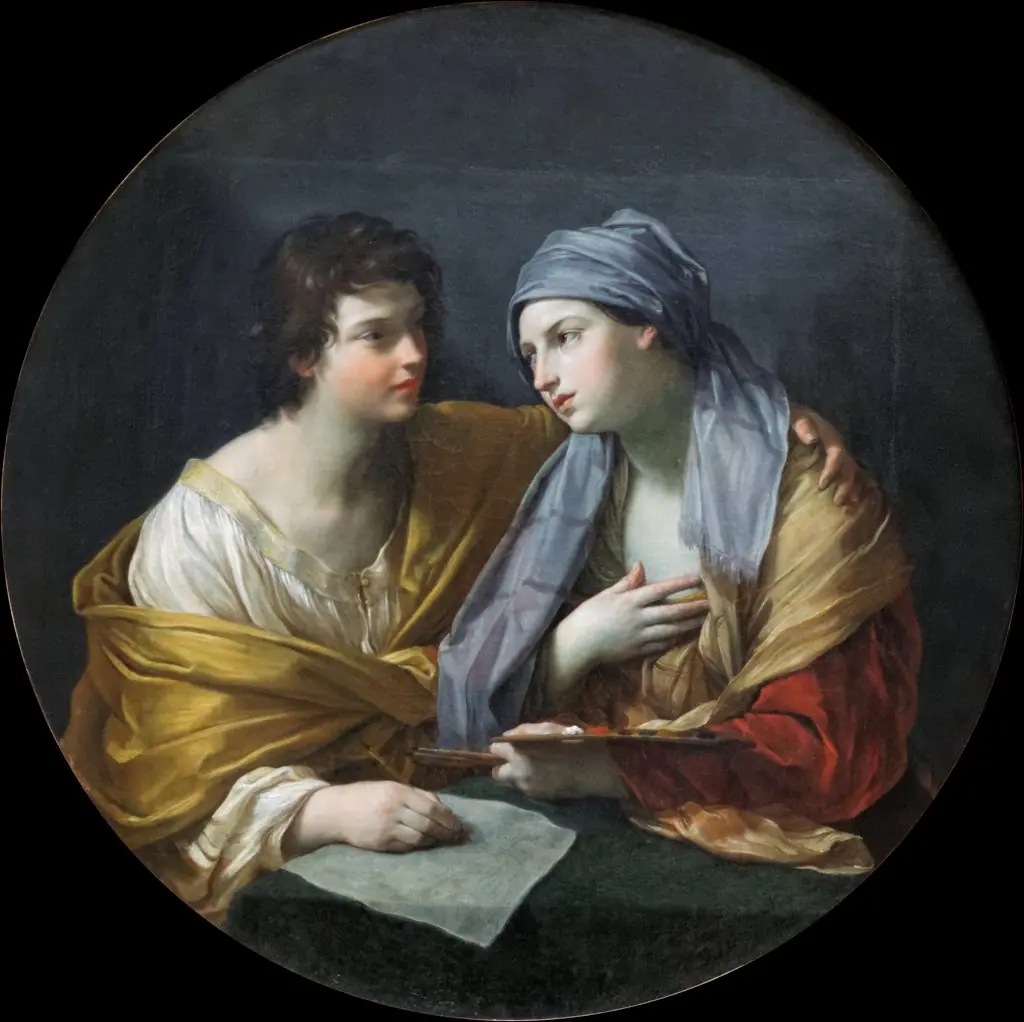 The Union of Drawing and Color
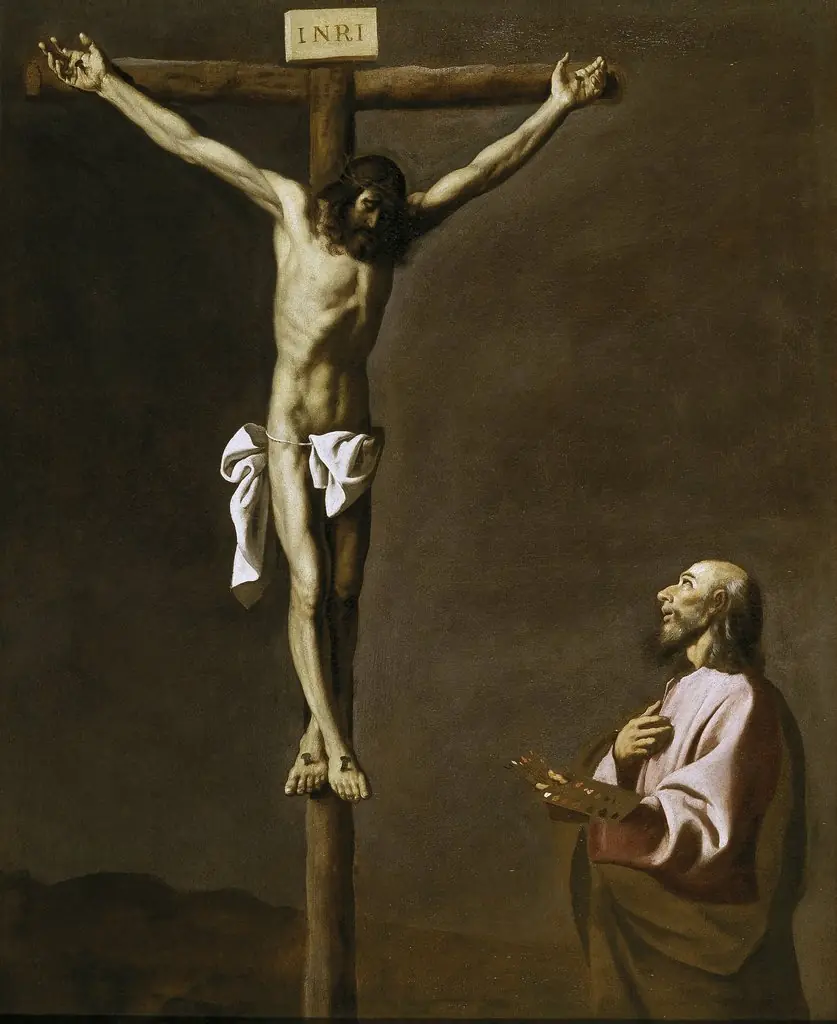 Saint Luke as a painter, before Christ on the Cross
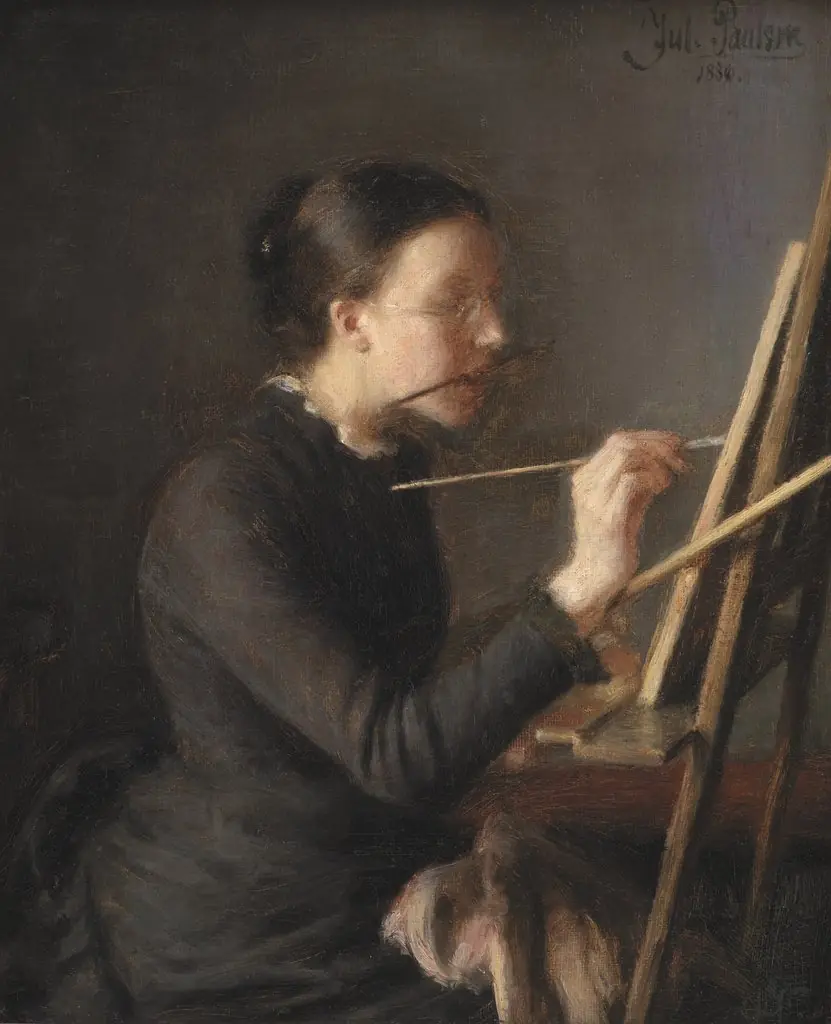 The Painter Agnes Paulsen, the Artist's Sister, at her Easel
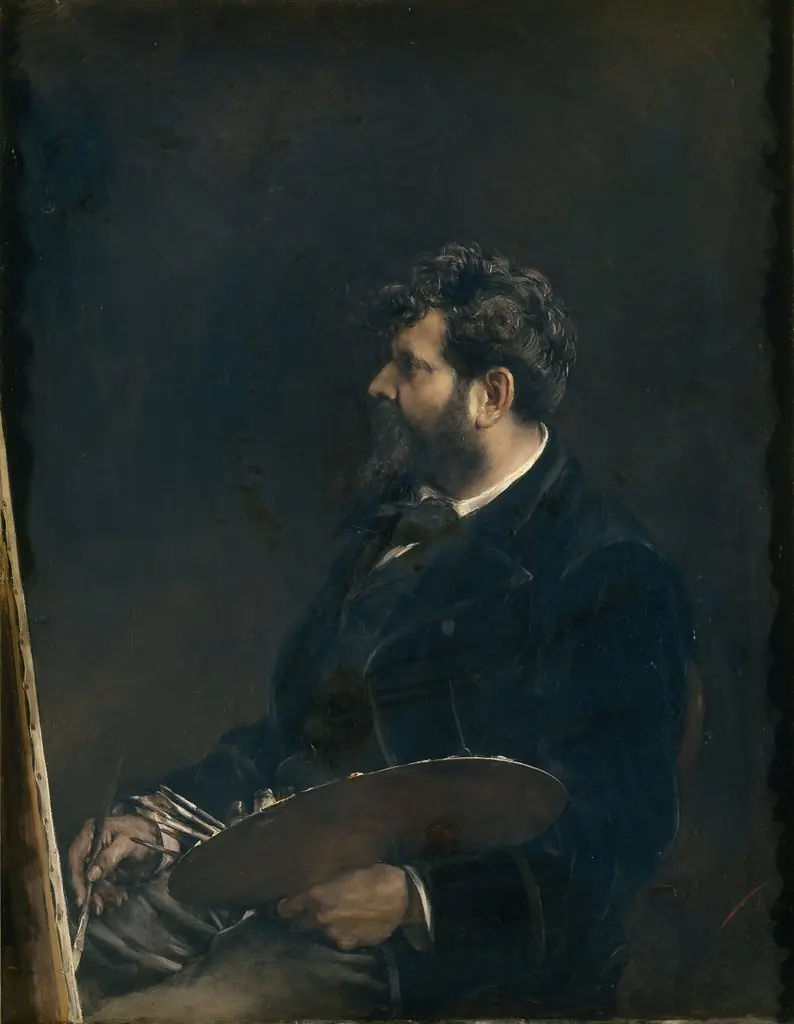 Self-Portrait
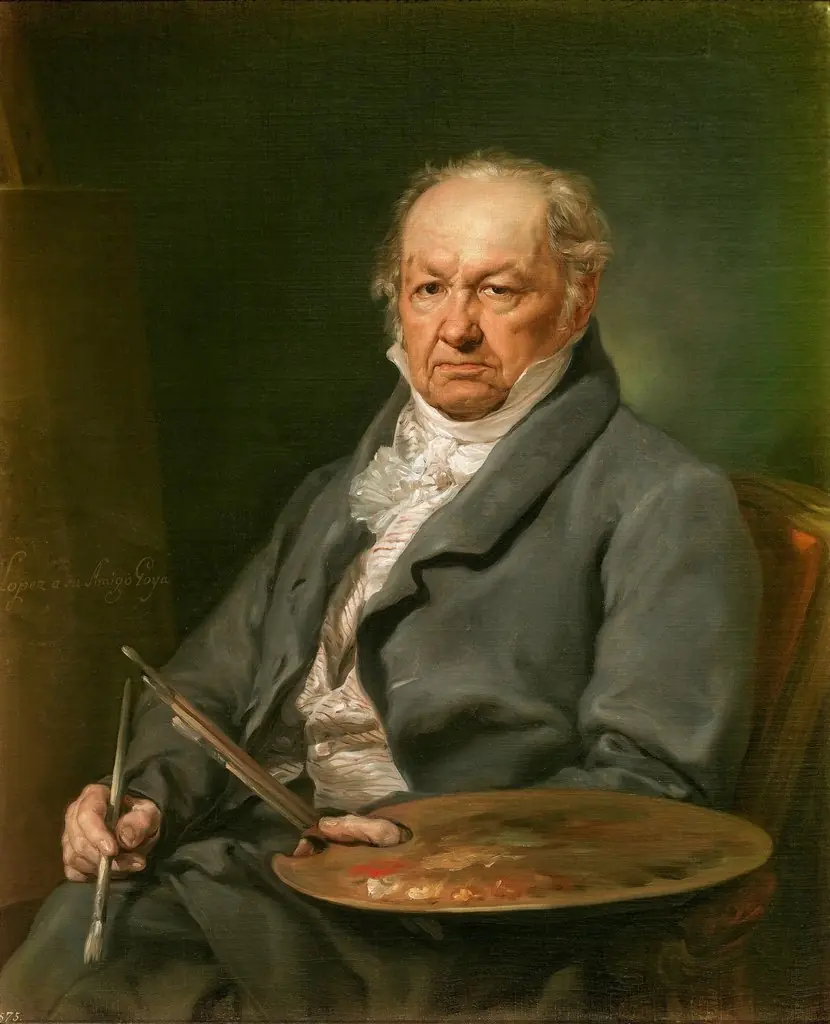 The Painter Francisco Goya
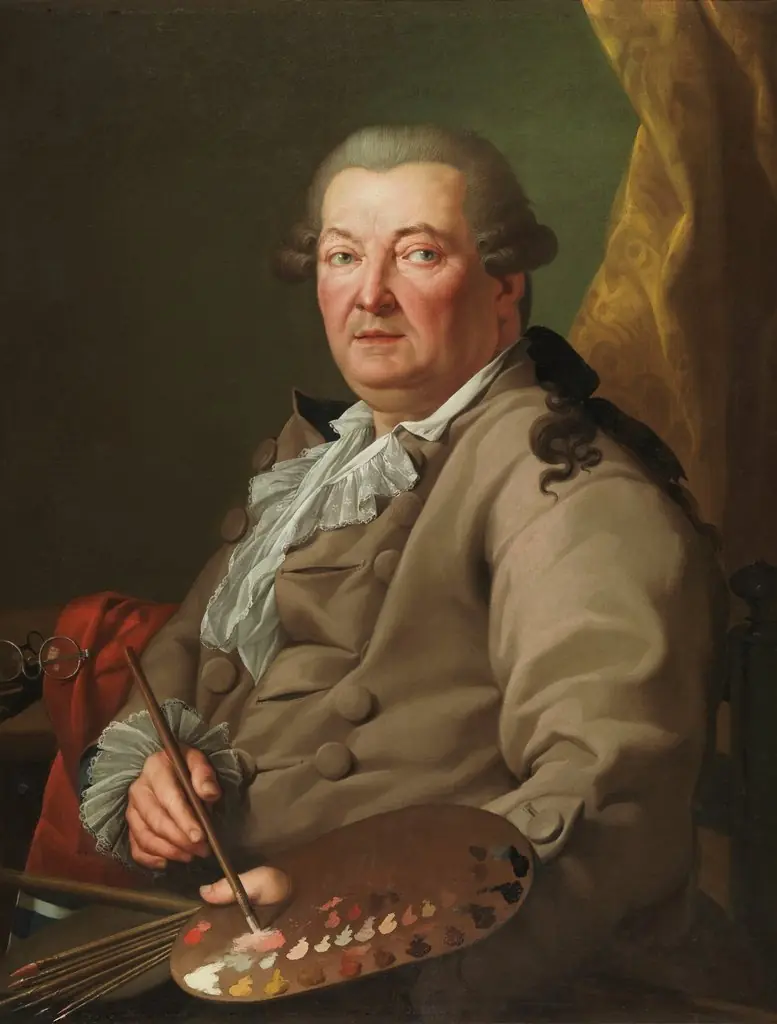 Antonio González Velázquez
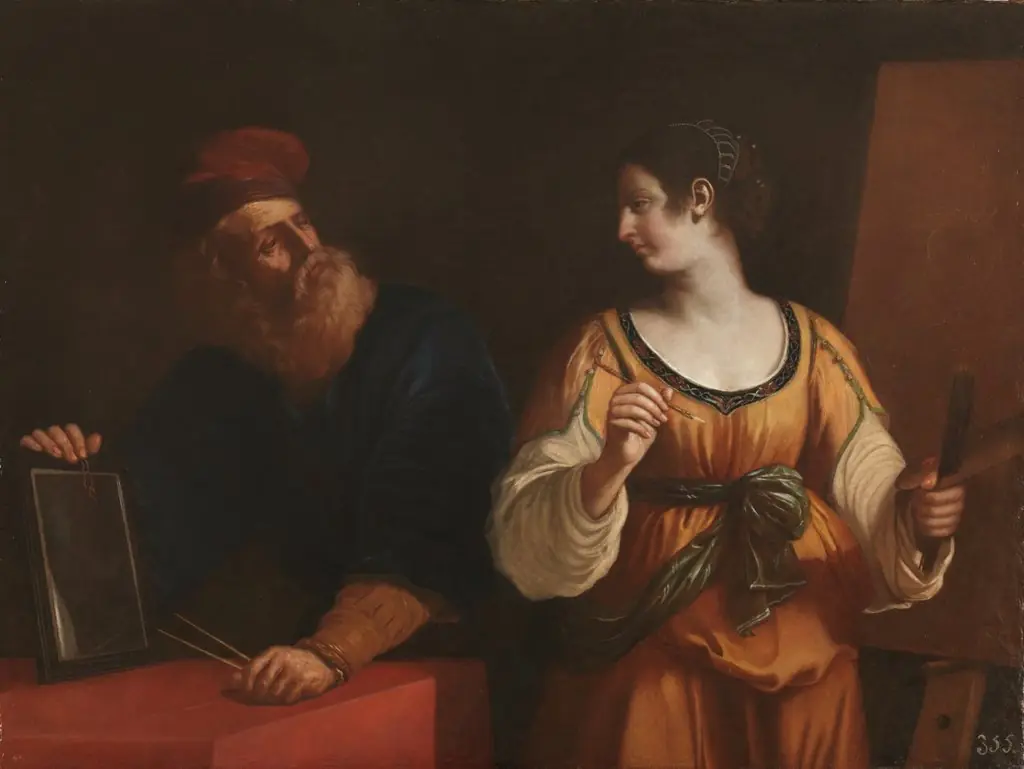 Tiziano y la Pintura o El Dibujo y la Pintura
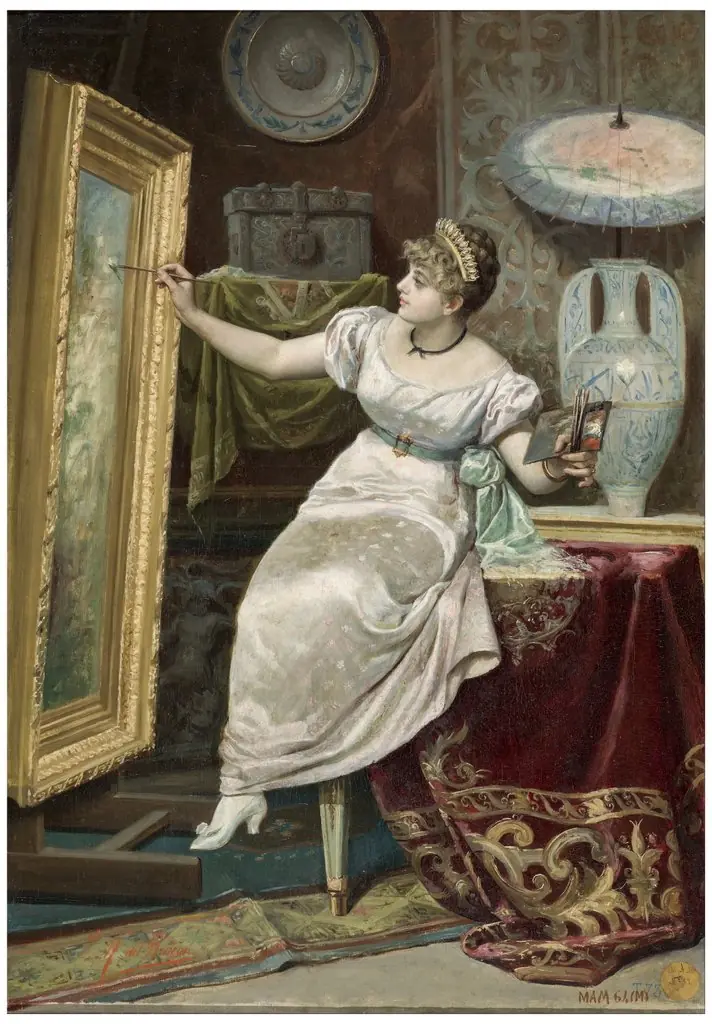 La artista
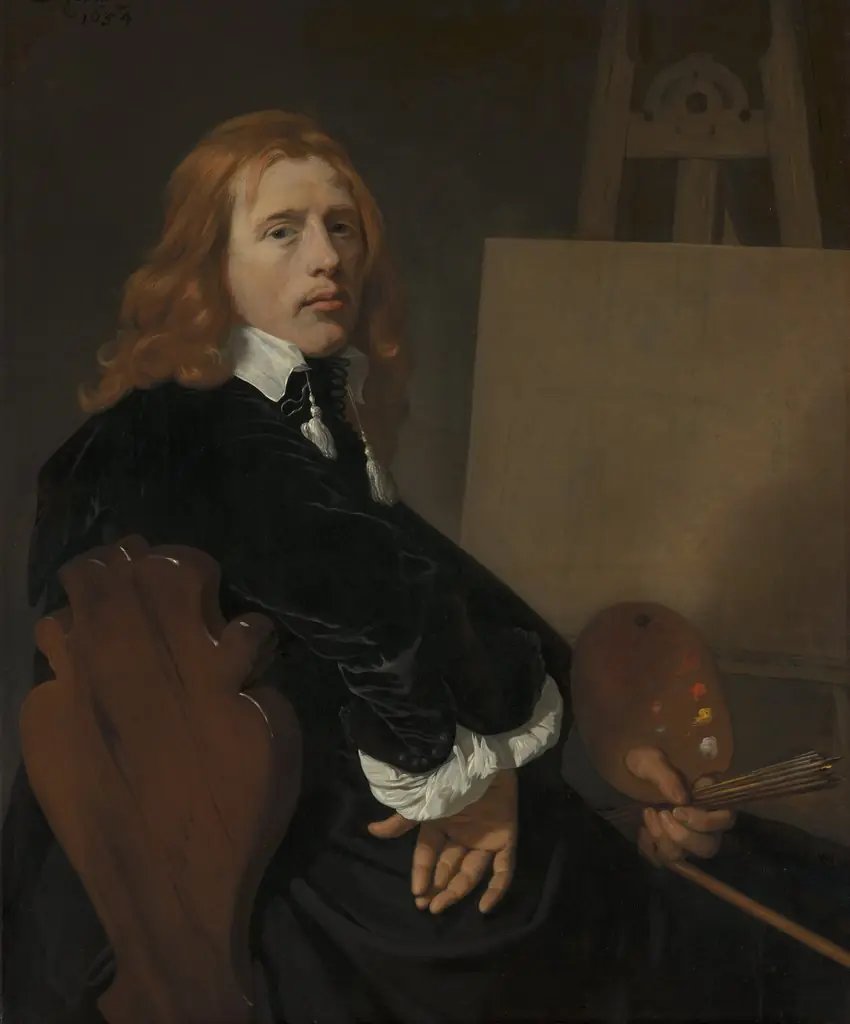 Portrait of Paulus Potter
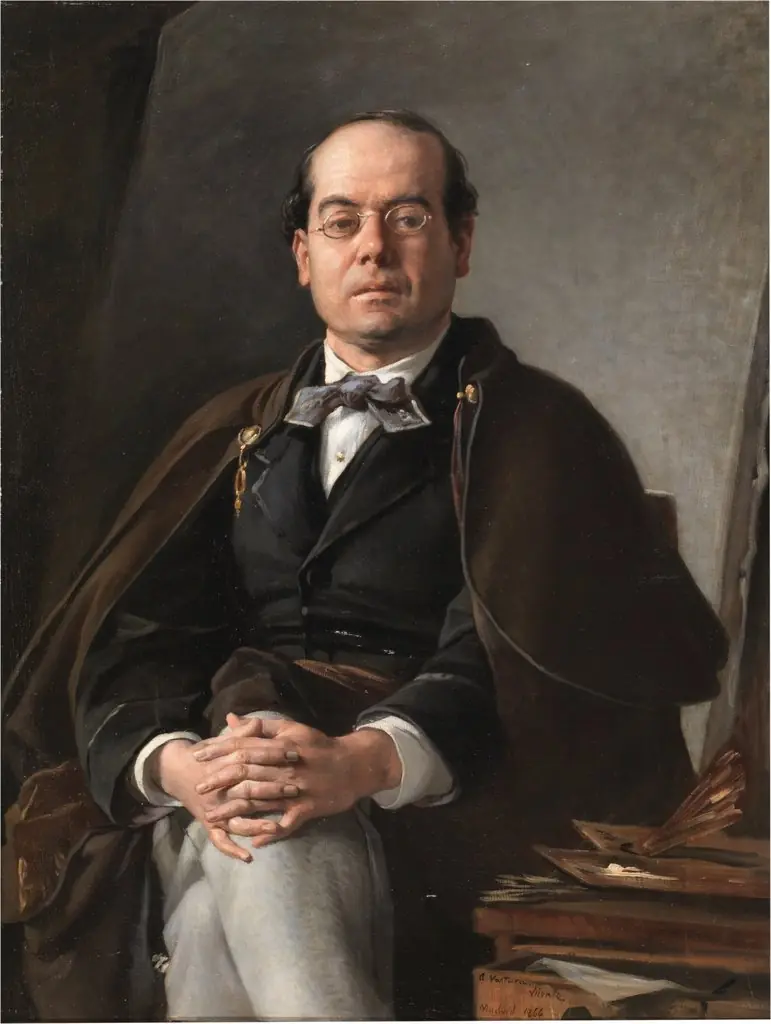 El pintor Ventura Miera
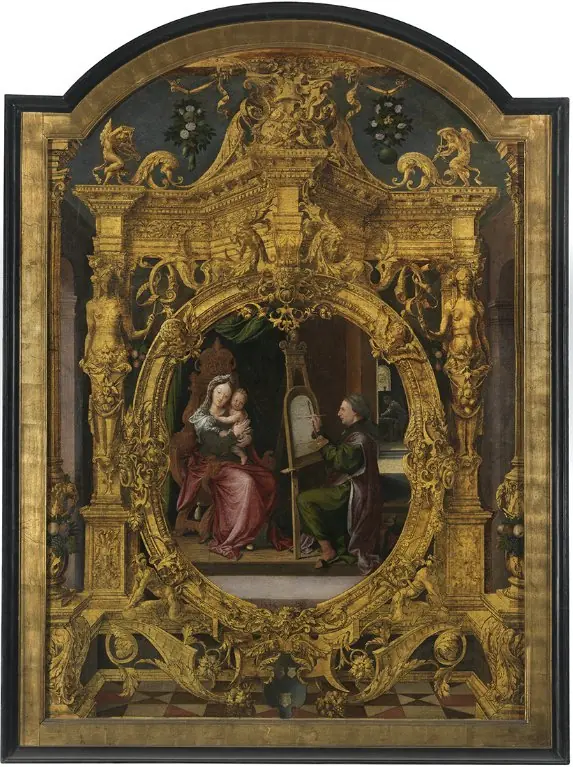 Saint Luke painting the Madonna
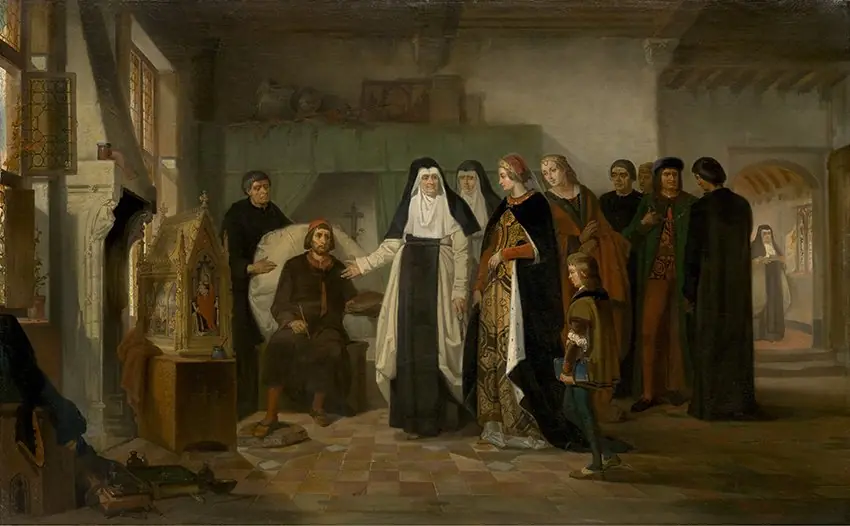 Memling schildert de Rijve van de Heilige Ursula
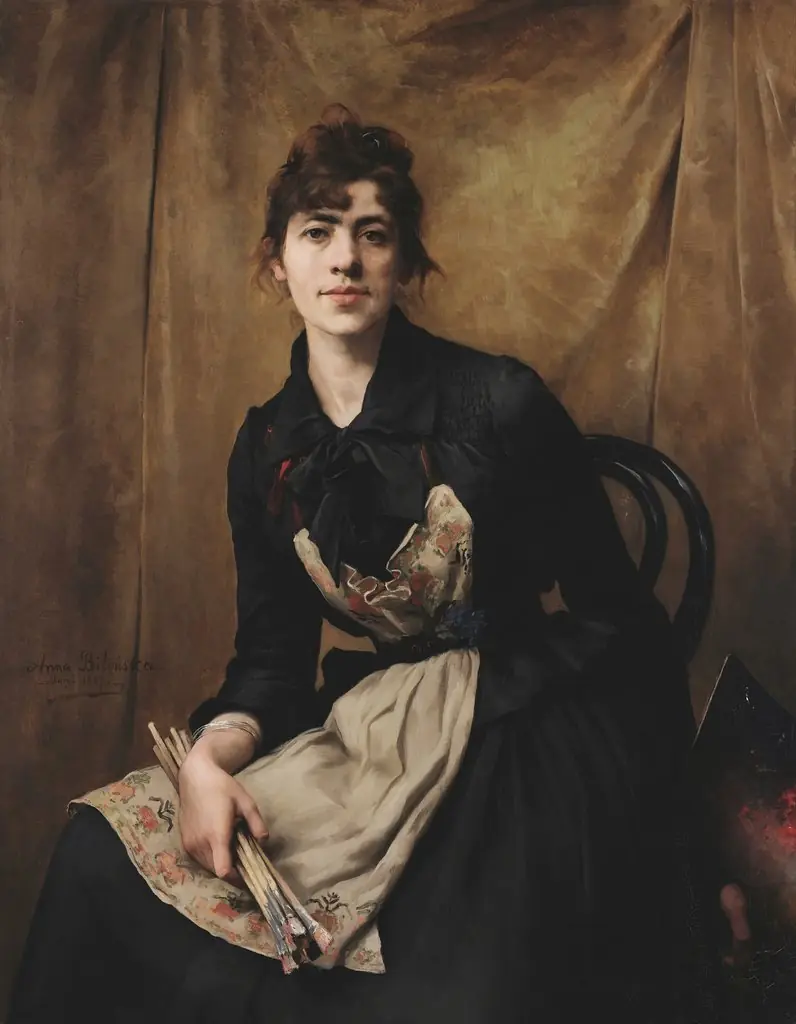 Self-Portrait with Apron and Brushes
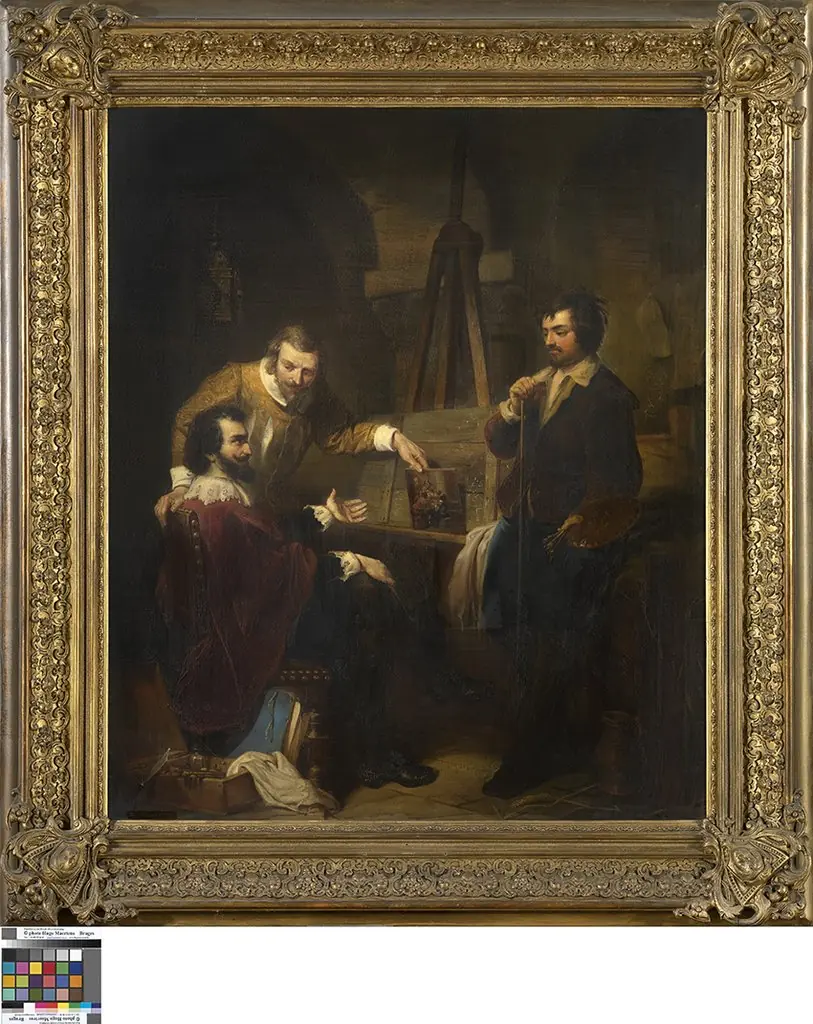 Peter Paul Rubens bezoekt Adriaen Brouwer in de Citadel van Antwerpen
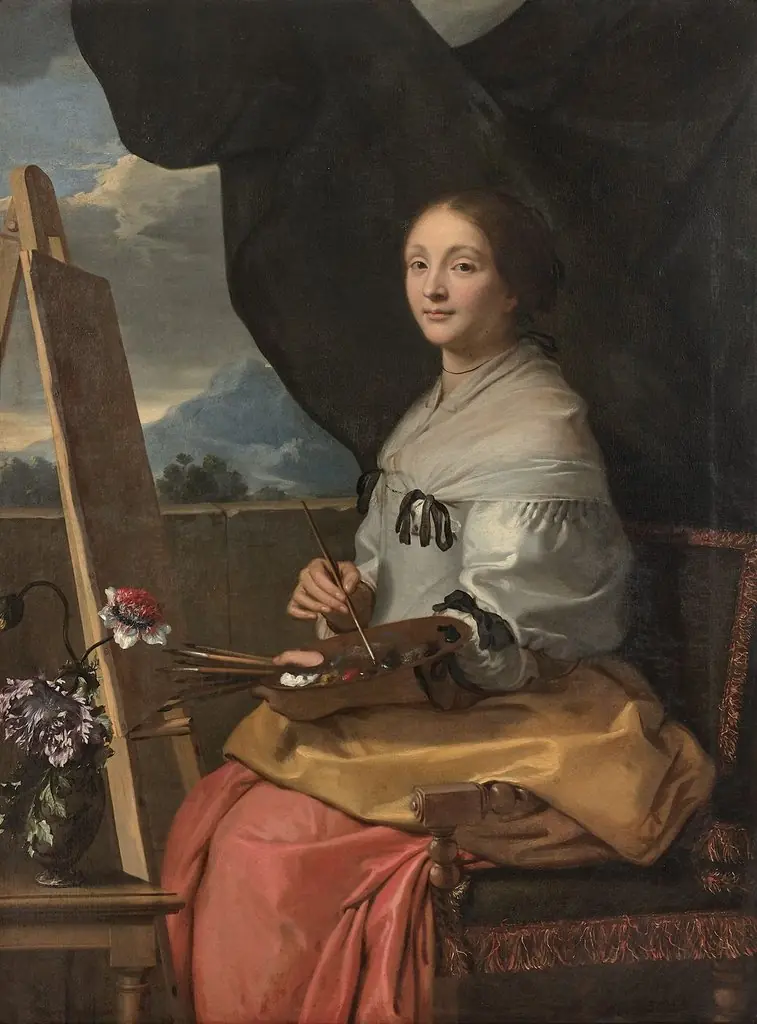 Portrait of Catherine Duchemin
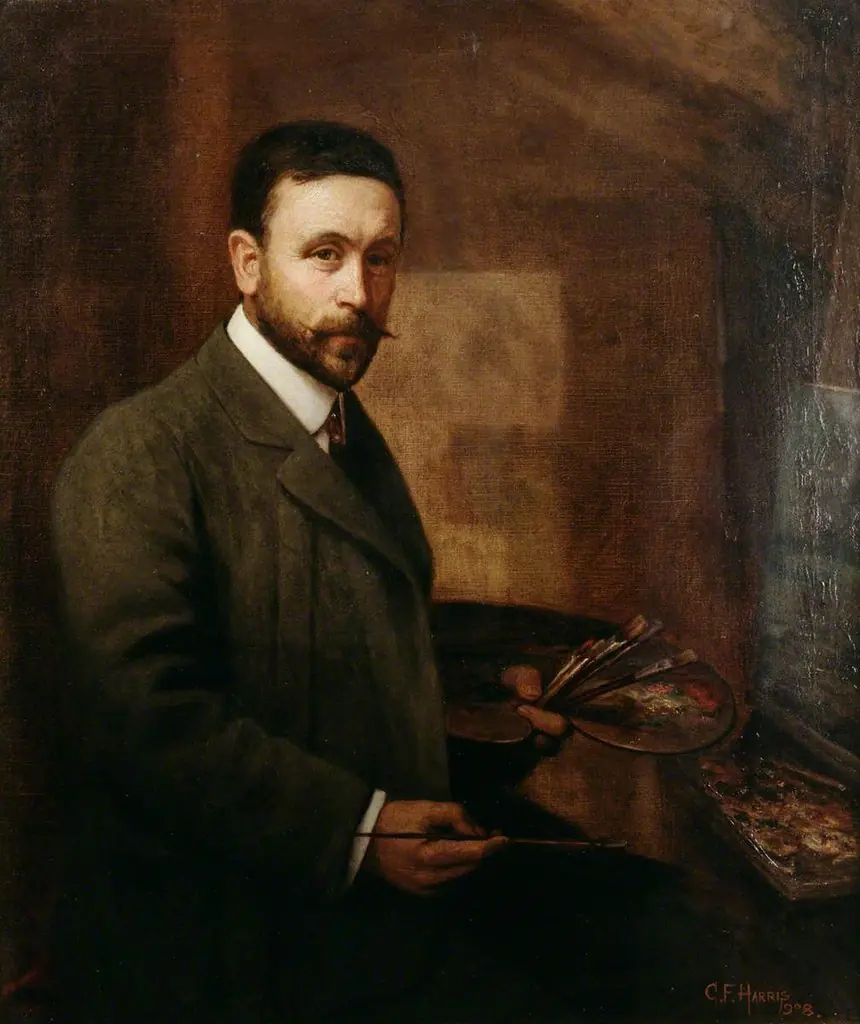 Portrait of a Man
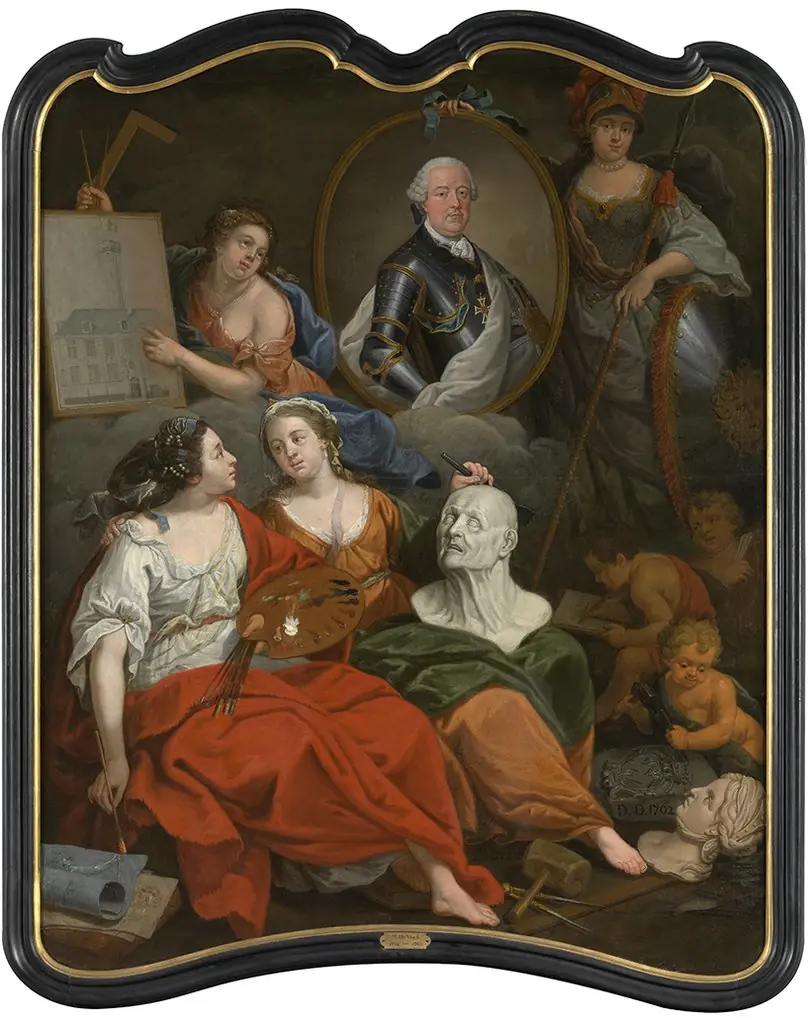 Karel van Lotharingen als beschermheer van de Kunsten
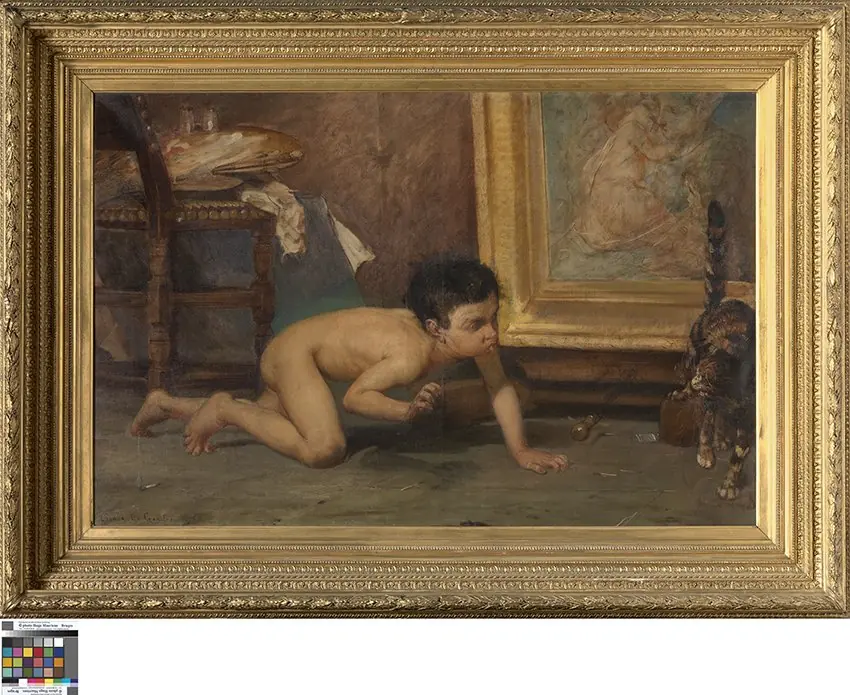 Alleen in het atelier
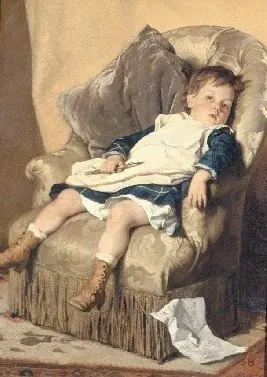 A Vocation
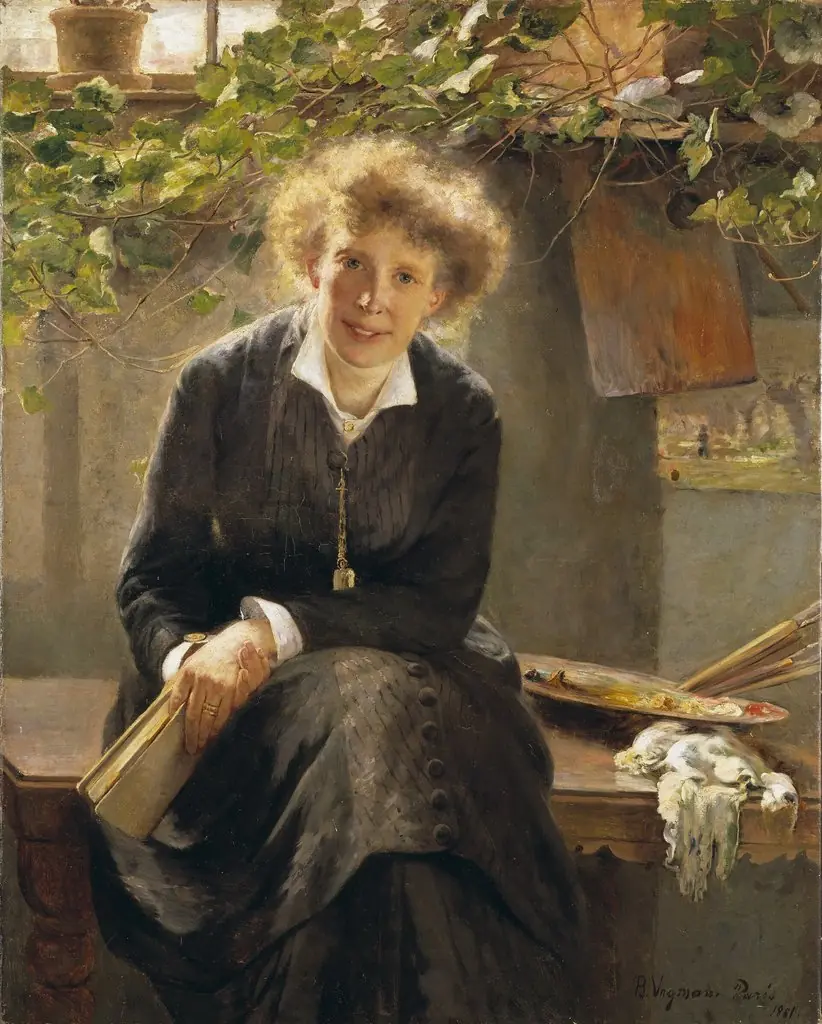 Portrait of the painter Jeanna Bauck
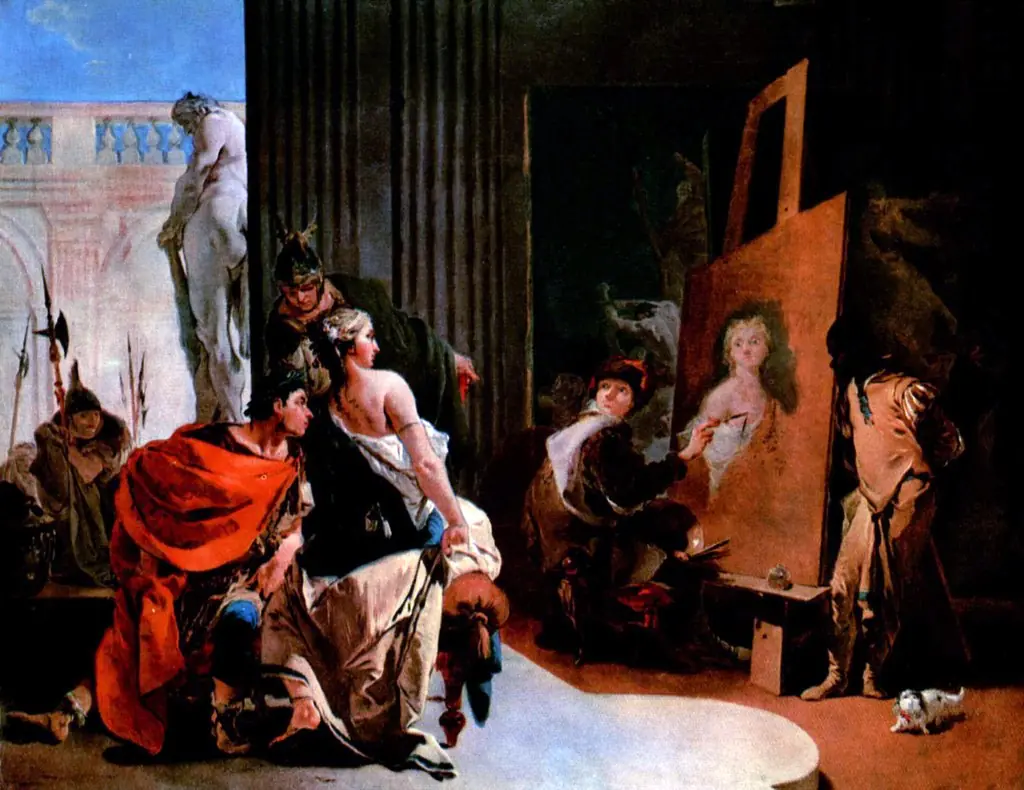 Apelles Painting Campaspe
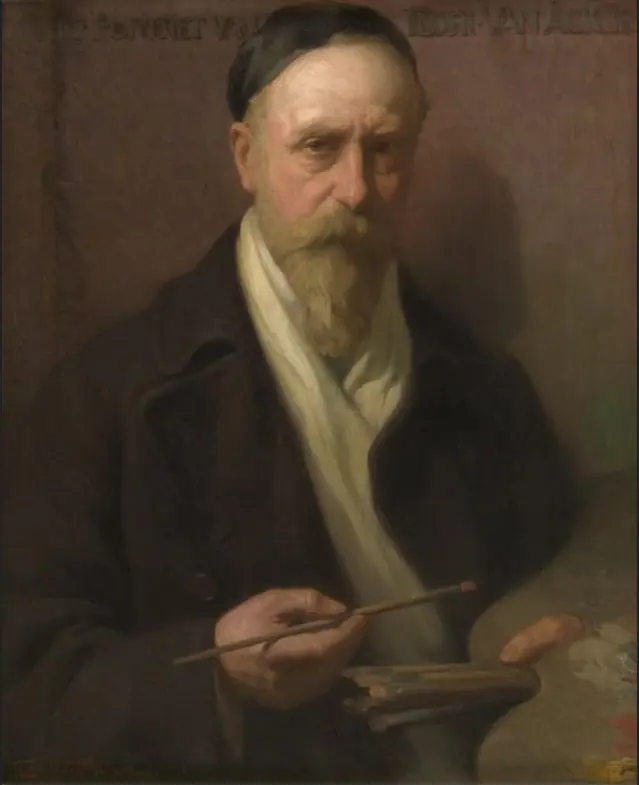 Zelfportret
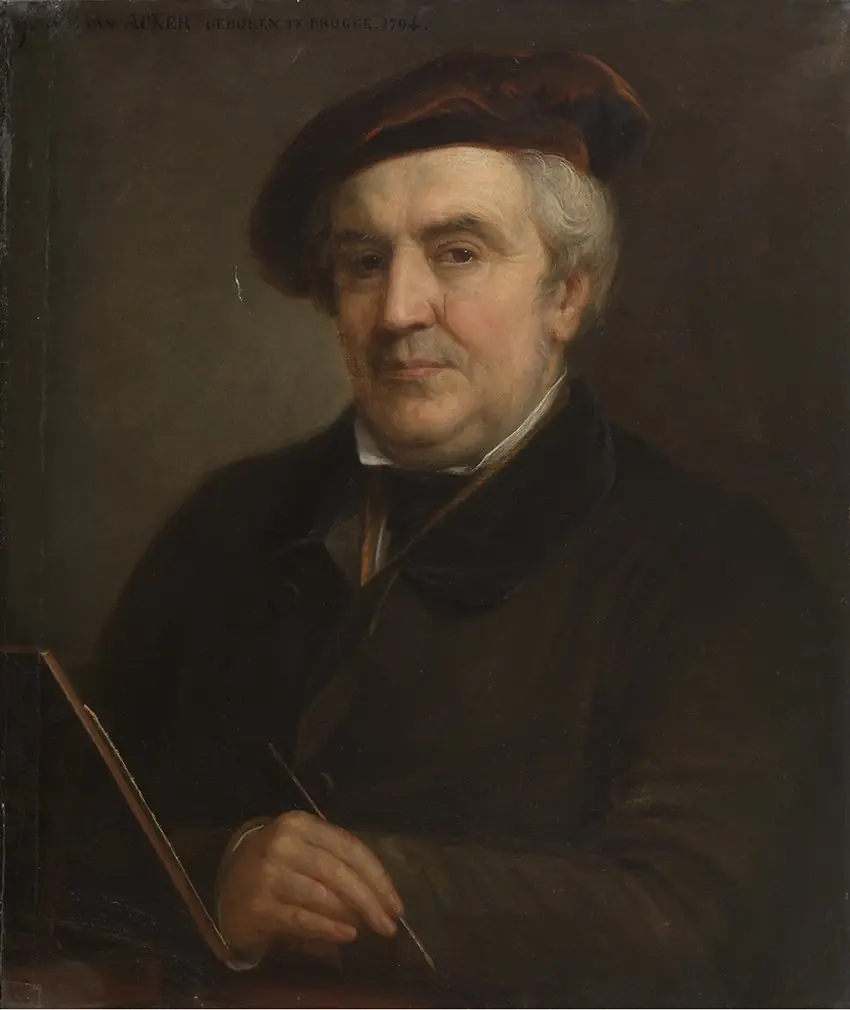 Portrait of Johannes Van Acker
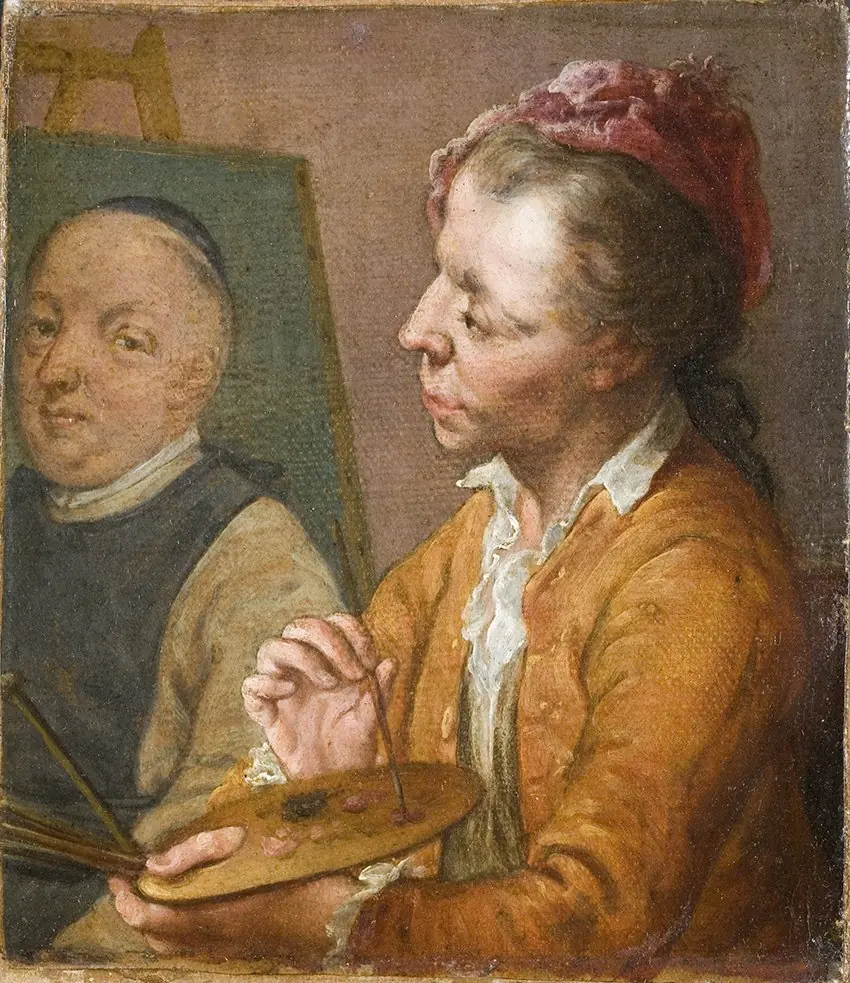 Een schilder aan het werk
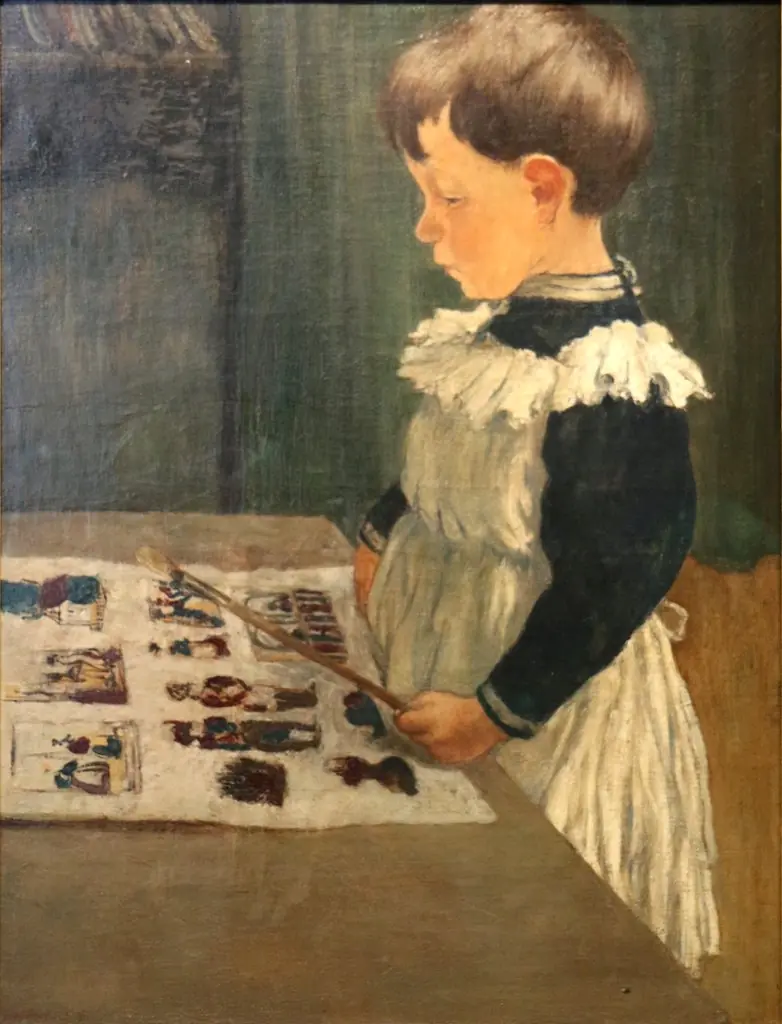 Pictures - Portrait of Louis Charles Crespin
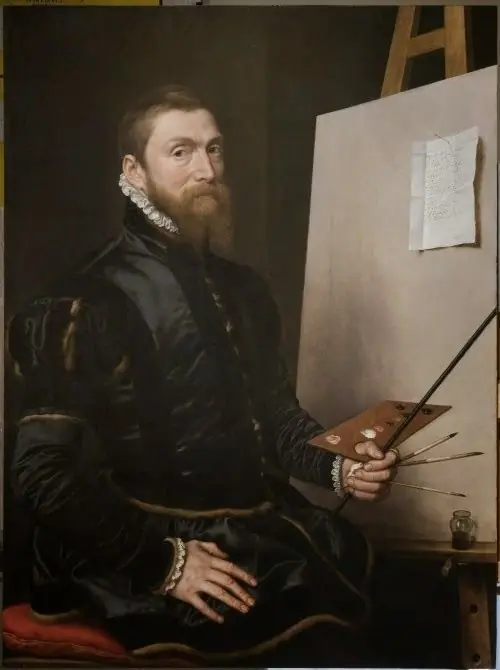 Self-portrait
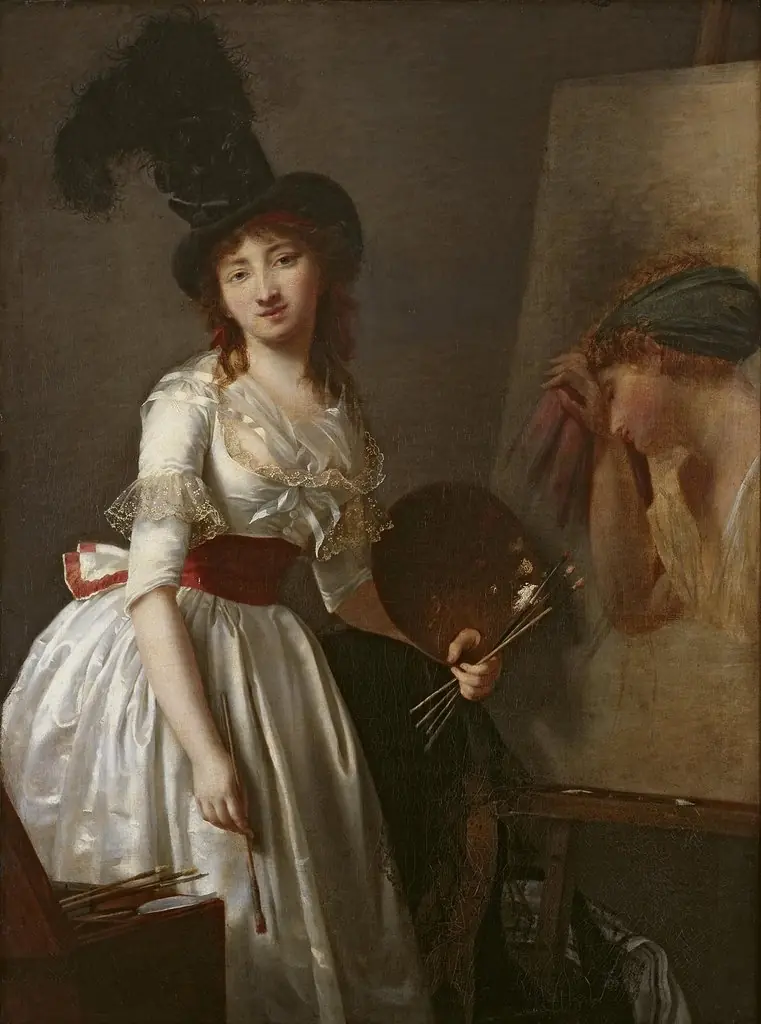 Portrait of a Female Painter, Pupil of David
Frequently asked questions
What is Paintbrush?
Paintbrush is a subject in art. A paintbrush is a brush used to apply paint or ink.
How many Paintbrush works does Artifact World Gallery have?
Artifact World Gallery holds 43 public-domain Paintbrush works, all free to view and download.
Who are the key Paintbrush artists?
Key Paintbrush artists in the collection include Thomas Cole, Matthew Pratt and Adélaïde Labille-Guiard.
Where can I see Paintbrush works?
Paintbrush works in the collection are held by Museo del Prado, Groeningemuseum and Metropolitan Museum of Art.