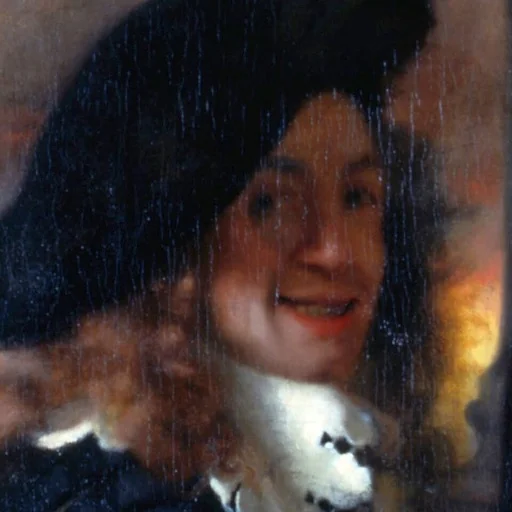
Subject
Wine Glass
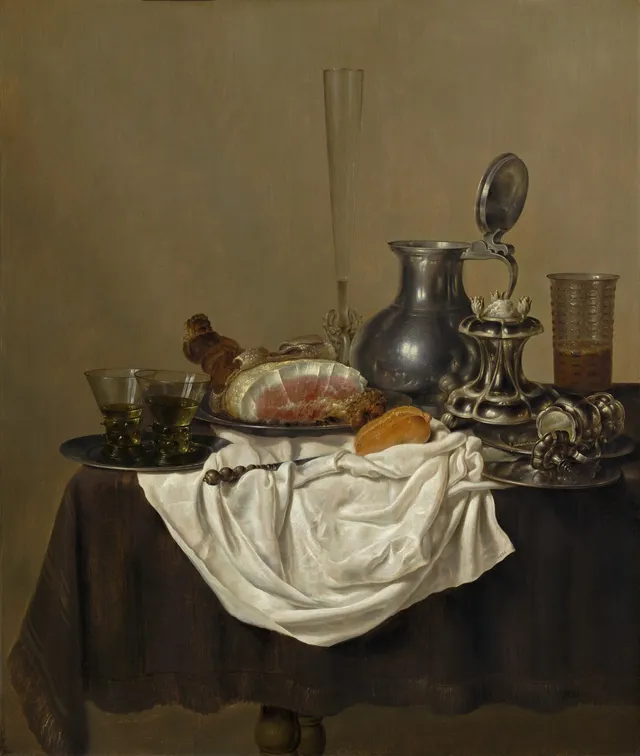
Wine Glass is a subject in art. The gallery holds 50 works in this subject in art, including works by Johannes Vermeer, Pieter Claesz and Jan Davidsz. de Heem.
A wine glass is a type of glass that is used for drinking or tasting wine. Most wine glasses are stemware (goblets), composed of three parts: the bowl, stem, and foot.
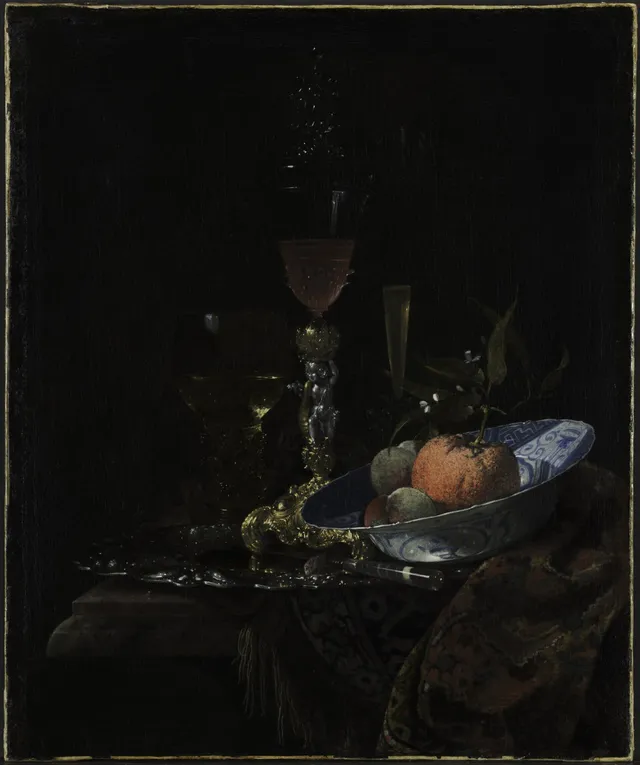
Key artists
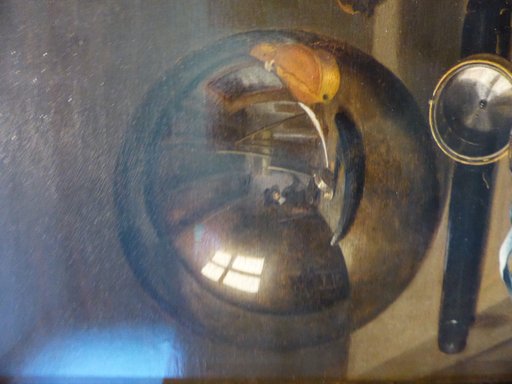
Overview
A wine glass is a specialized drinking vessel used for consuming or tasting wine. The standard form is stemware, a structure composed of three distinct parts: the bowl or calice that holds the liquid, the stem that allows the drinker to hold the glass, and the foot or base that provides stability. Before the word glass was recorded in English to mean a glass drinking vessel around 1382, wine was consumed from cups made of various materials. As glassmaking improved and became more affordable, glass vessels largely replaced silver wine cups in wealthy English homes during the 1600s, though precious metal chalices remained standard in church contexts. Today, the wine glass appears not only as a functional object on the dining table but also as a recurring motif in visual art, appearing in dozens of works in major collections.
Across movements & periods
The artistic treatment of the wine glass has shifted alongside changes in dining culture and glassmaking technology. Early specialized drinking vessels, such as the roemer, appeared frequently in seventeenth-century Dutch still lifes. These featured a thick, ribbed glass construction with a studded foot, where the decorative nodules also served a practical function, preventing the glass from slipping from greasy hands. As table culture evolved in the eighteenth and nineteenth centuries, glasses became increasingly ornate, featuring painted, cut, engraved, etched, and gilded decorations. By the early twentieth century, the Art Deco movement prioritized functional, purpose-driven shapes over decorative embellishment, a shift reflected in the clean, unadorned vessels that appeared in modernist compositions.
Notable depictions
Among the most canonical artistic depictions of wine glasses are those by the seventeenth-century Dutch still life painters Willem Claesz Heda and Pieter Claesz. Their paintings frequently feature roemers, capturing the specific material qualities of the thick, textured glass and its studded base. The roemer became a staple of the ontbijtje, or breakfast piece, and the banketje, or banquet piece, where the vessel was meticulously rendered alongside ham, fruit, and other provisions. These works are notable for their ability to capture the interplay of light on the glass bowl, the reflection on the liquid surface, and the contrast between the transparent vessel and the opaque elements of the meal.
Legacy
The legacy of the wine glass extends beyond its art historical representation into modern functional design. The twentieth century saw a shift toward physiology and sensory optimization, pioneered by Austrian glass designer Claus Josef Riedel, whose work established the principle that a glass shape should reflect the character of the wine. This legacy continues in contemporary glassware, such as the Denk'Art series conceived by Hans Denk and the Waldviertler glassworks Zalto, which rejected the traditional tulip shape in favor of straight sidewalls and large bowls for optimal aeration. The standardization of tasting vessels, like the ISO 3591 glass adopted in 1977 and the French l'Impitoyable, demonstrates the enduring cultural afterlife of the wine glass as an instrument of analytical evaluation rather than mere consumption.
Works
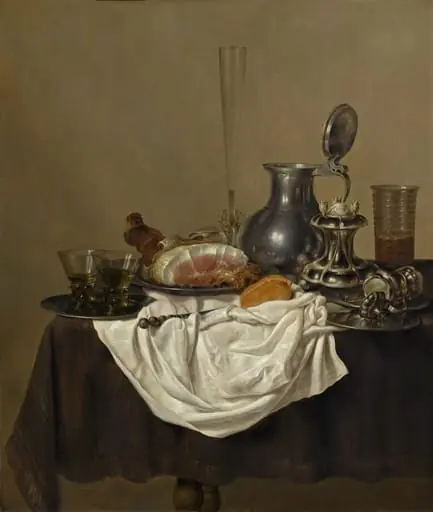 Still Life with Ham
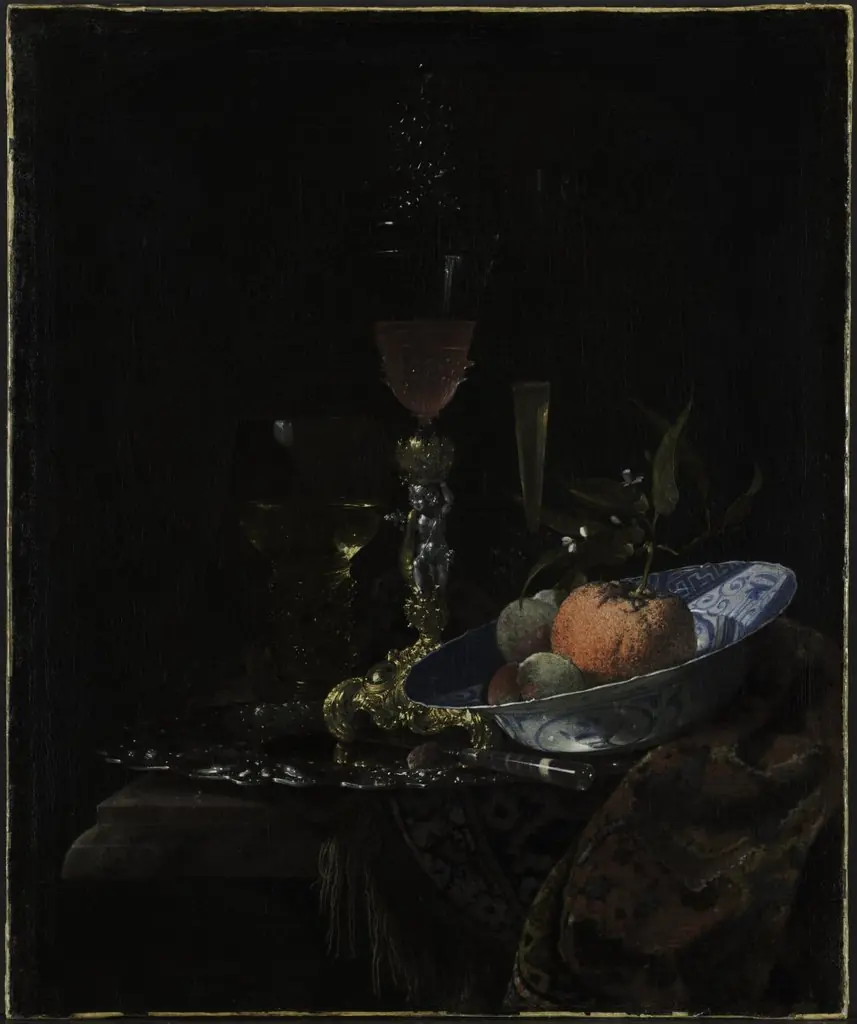 Wineglass and a Bowl of Fruit
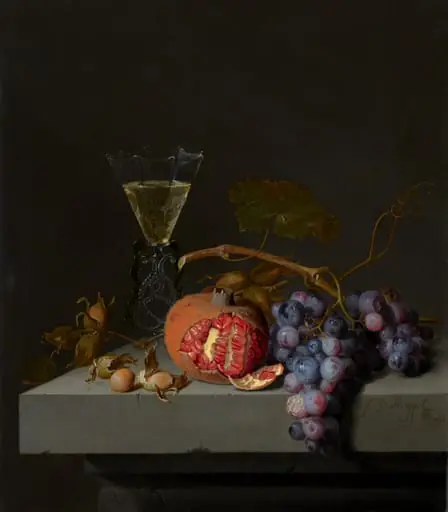 Still Life with Fruit
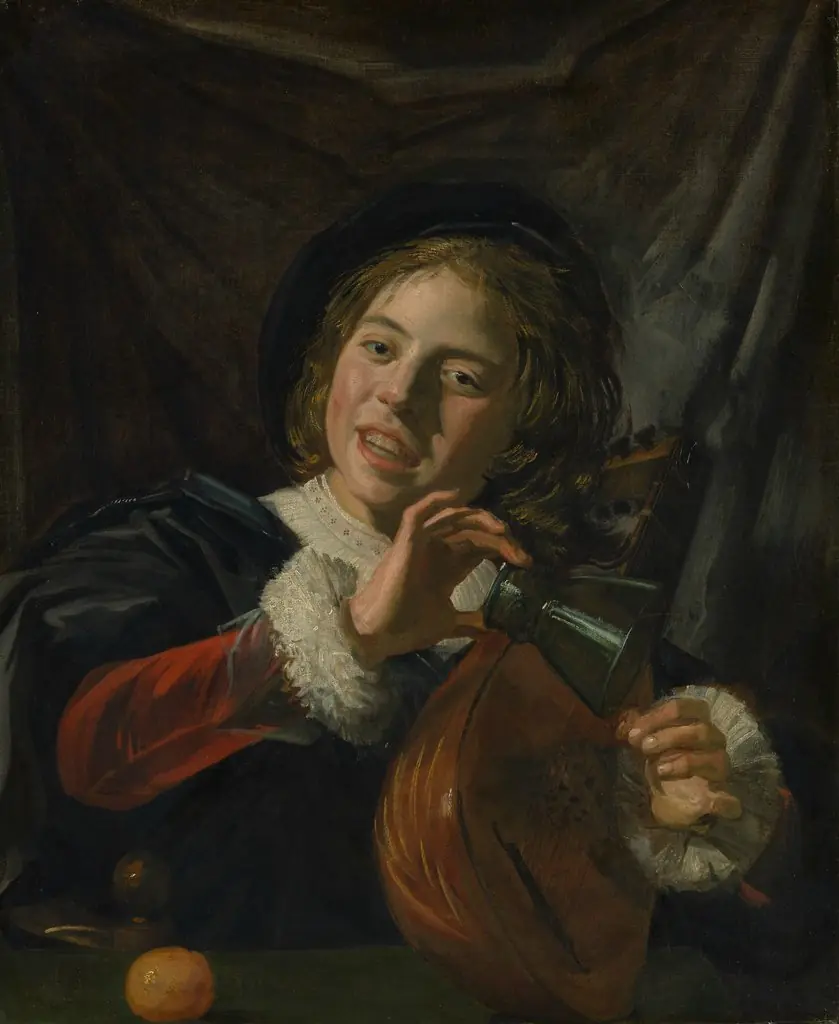 Boy with a Lute
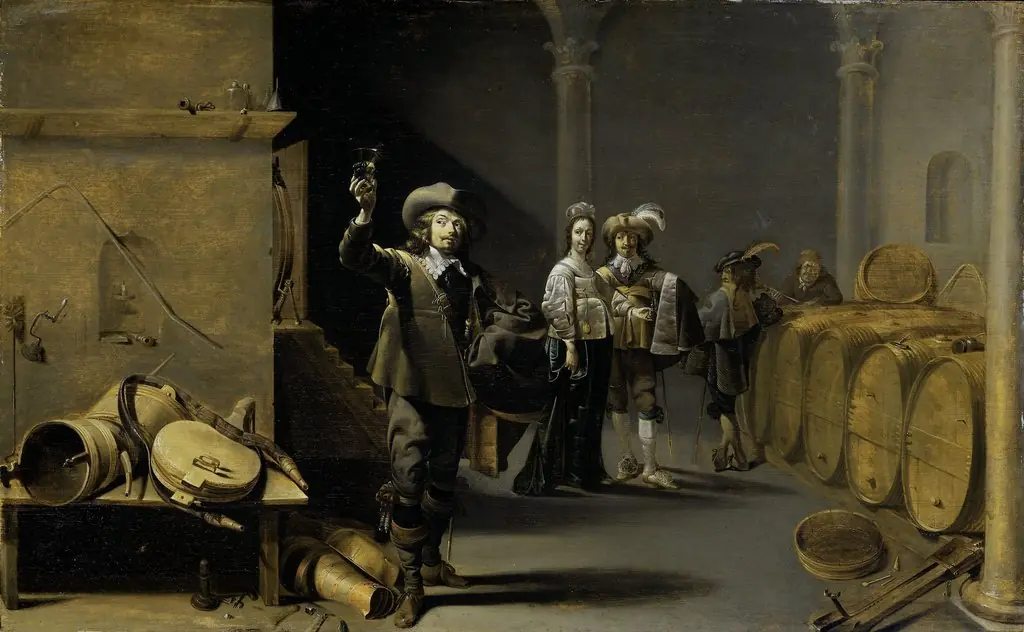 The wine connoisseurs
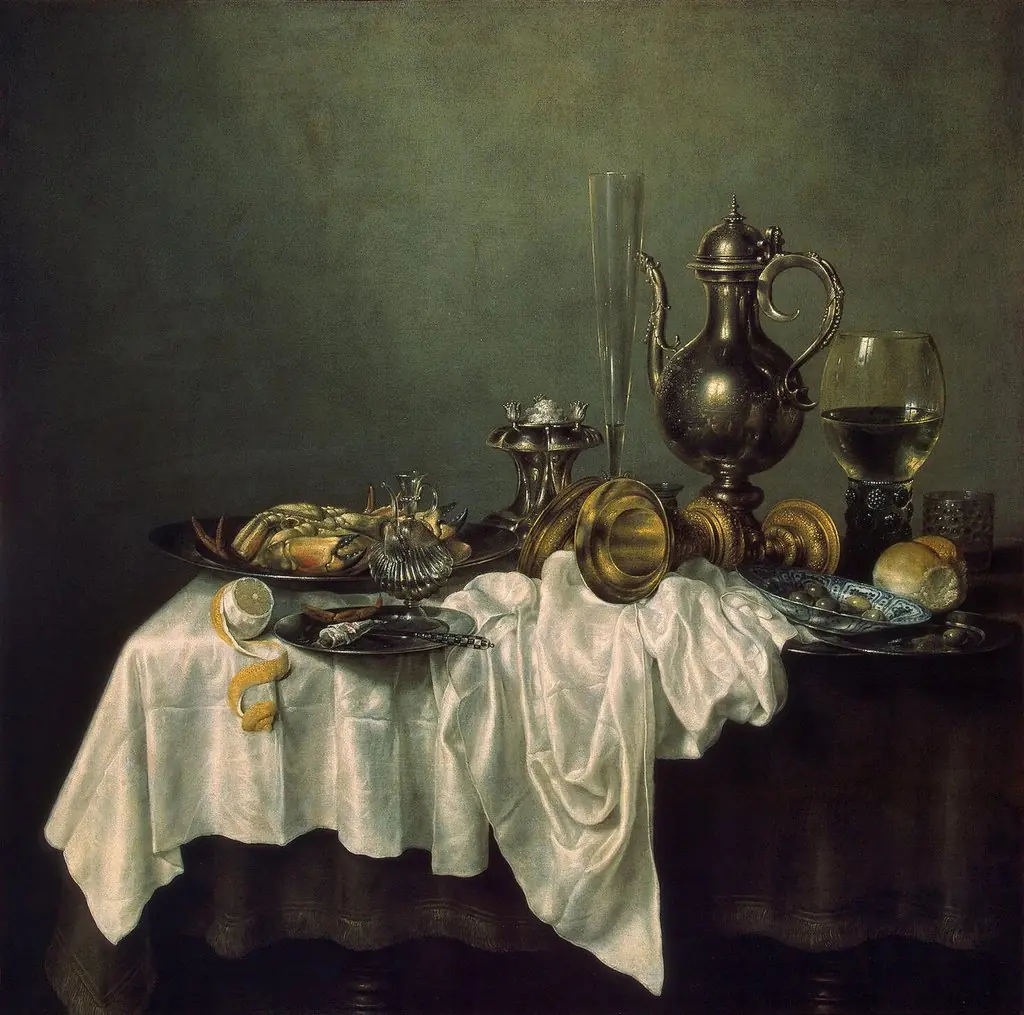 Breakfast with a Crab
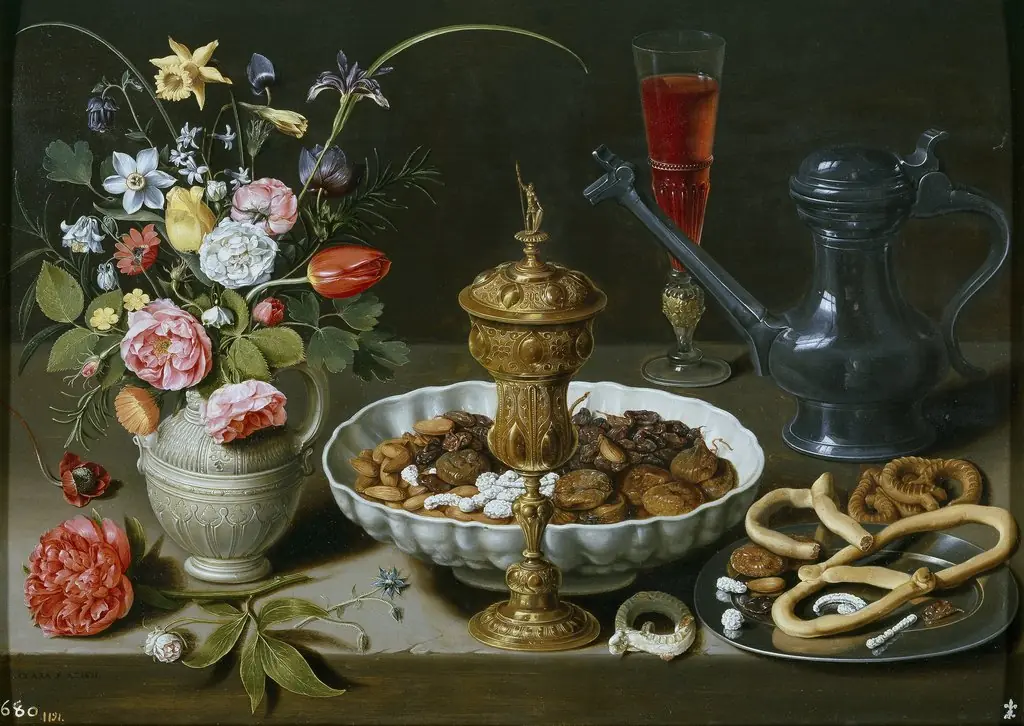 Still life with flowers, goblet and dainties
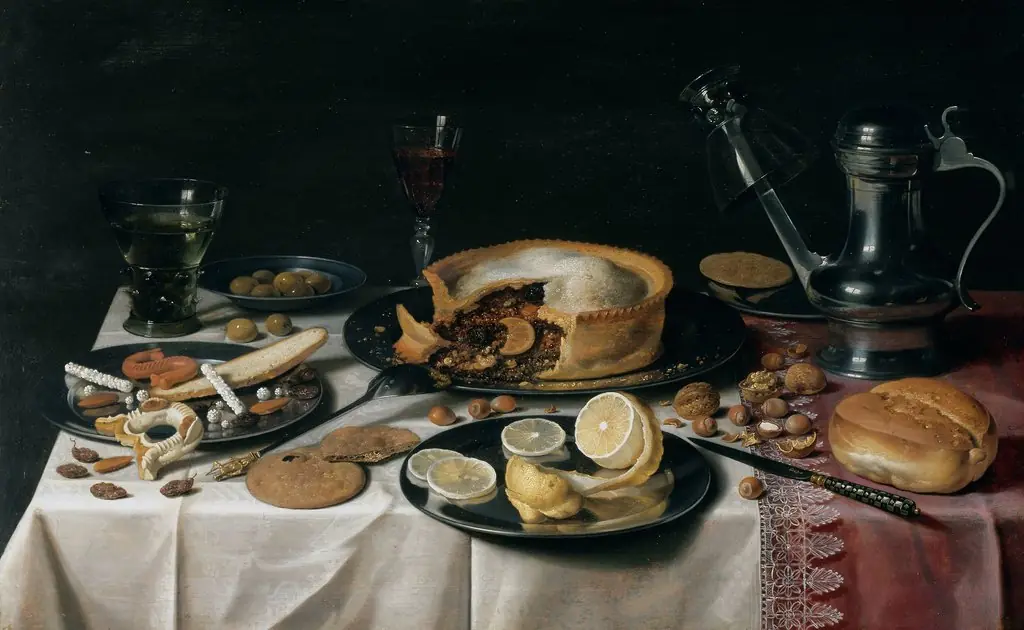 Still Life
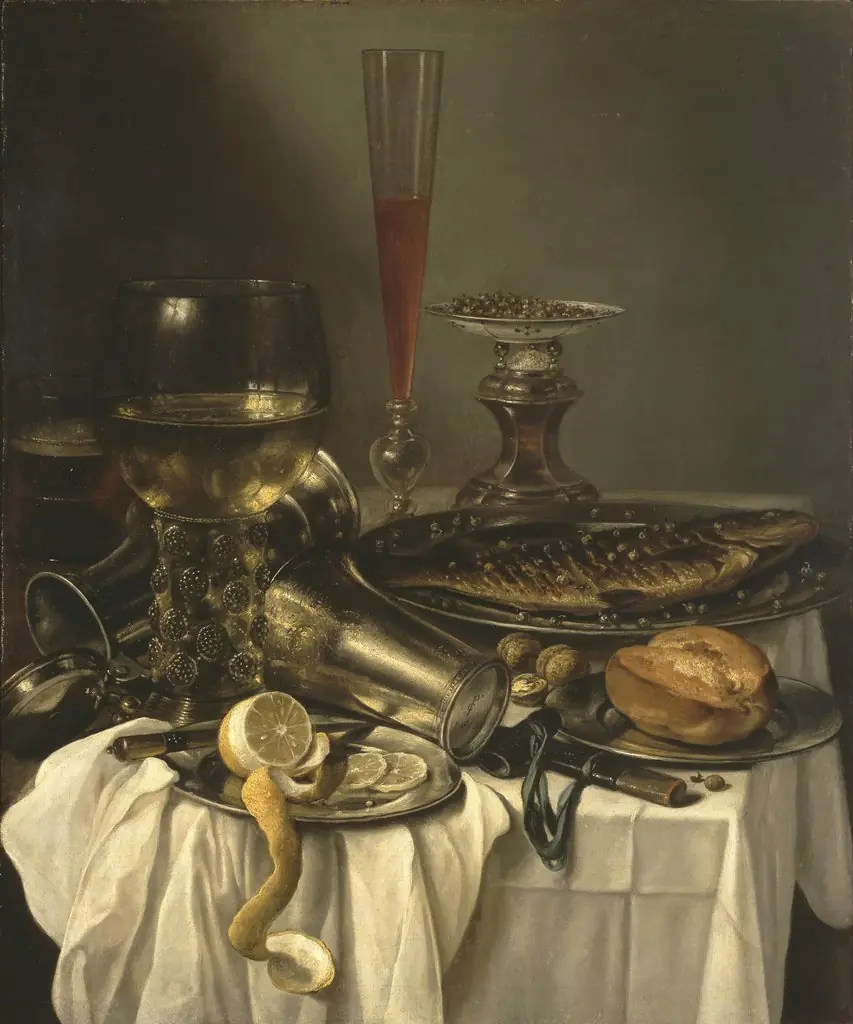 Breakfast with Fish
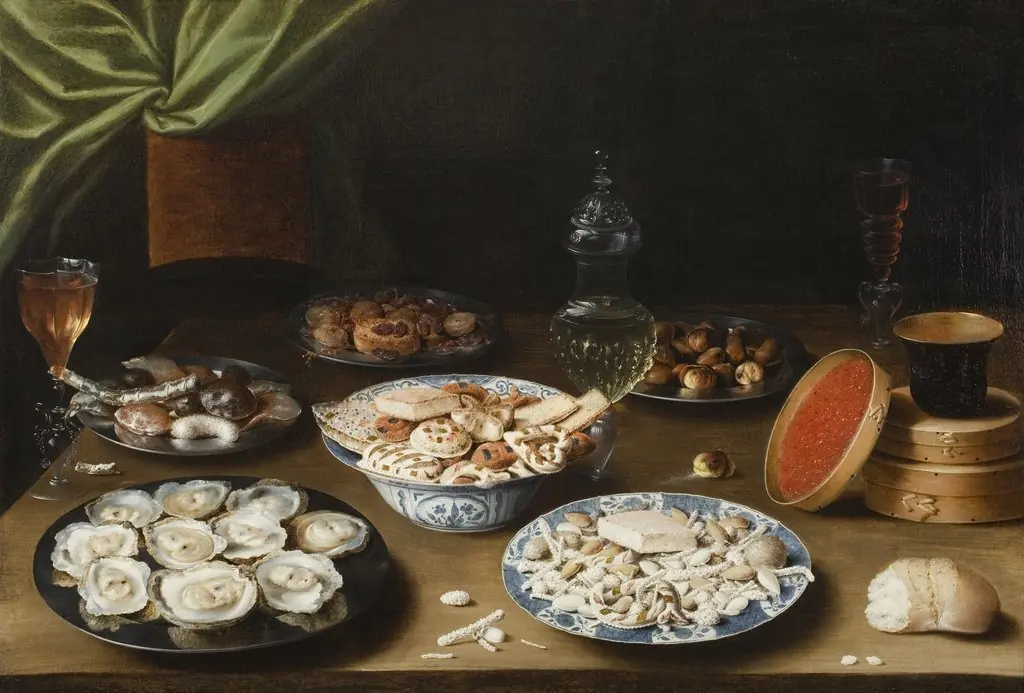 Still Life with Various Vessels on a Table
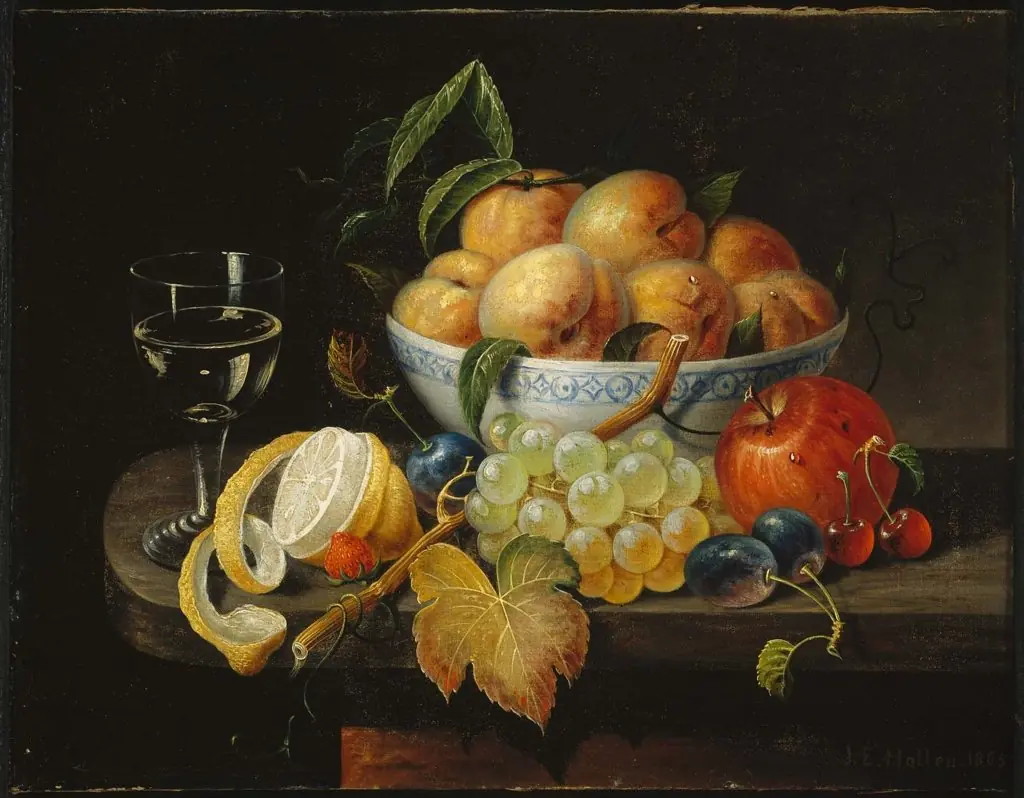 Still Life: Bowl with Fruit and Wine Glass
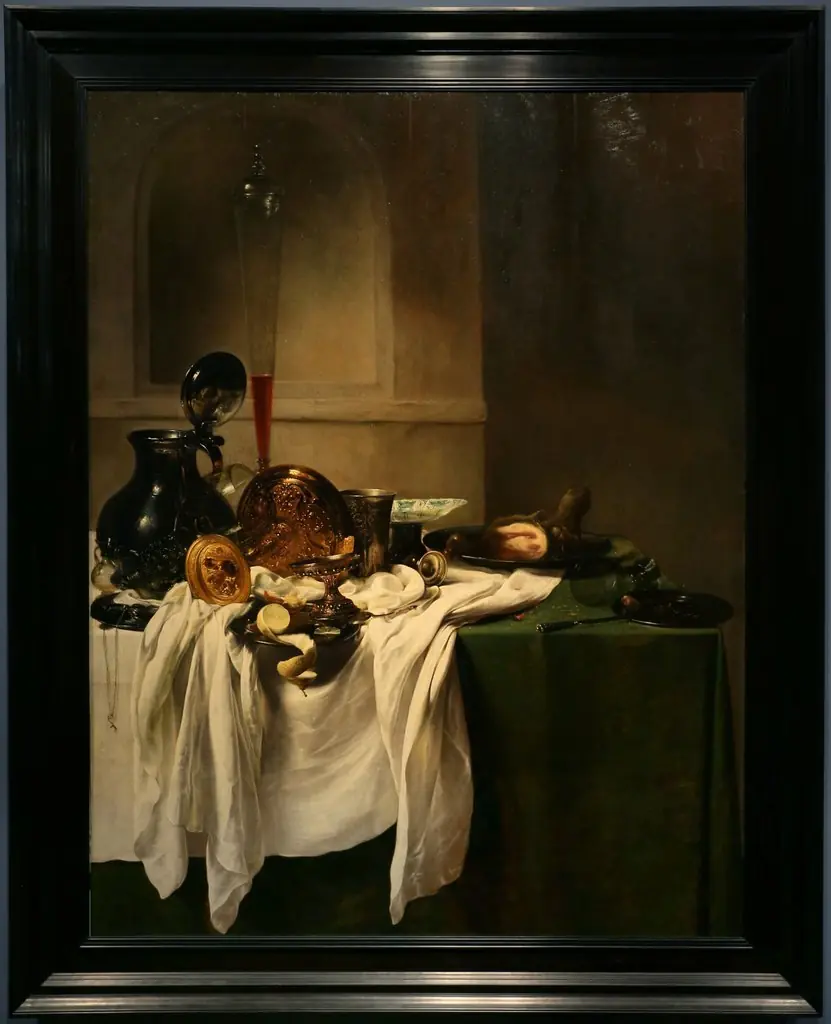 Still life of a laid table with ham and a view of a niche
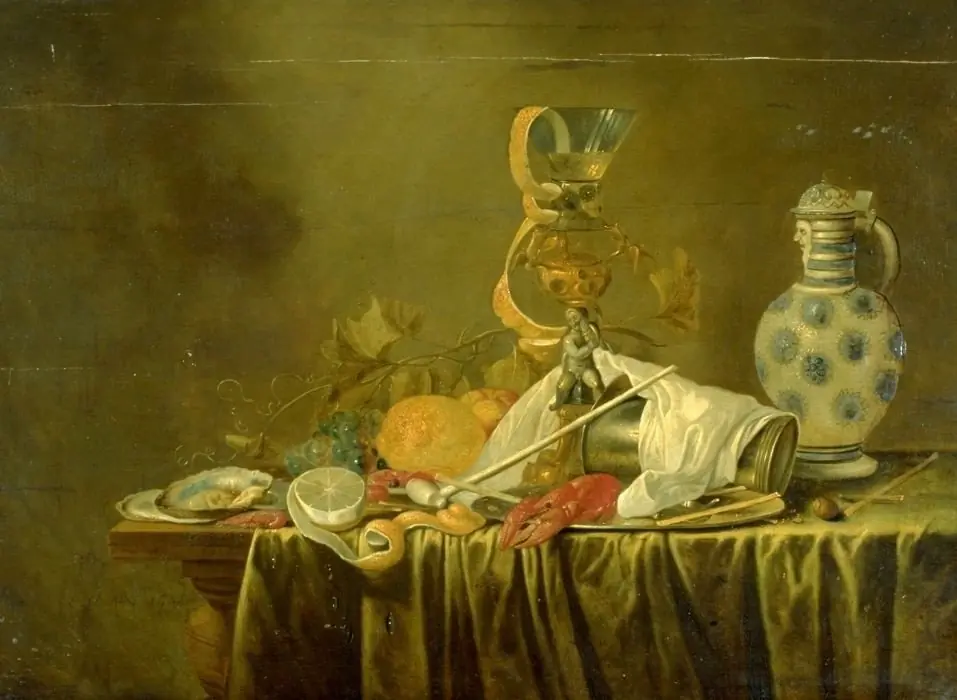 Still life with wine glass and stoneware jug
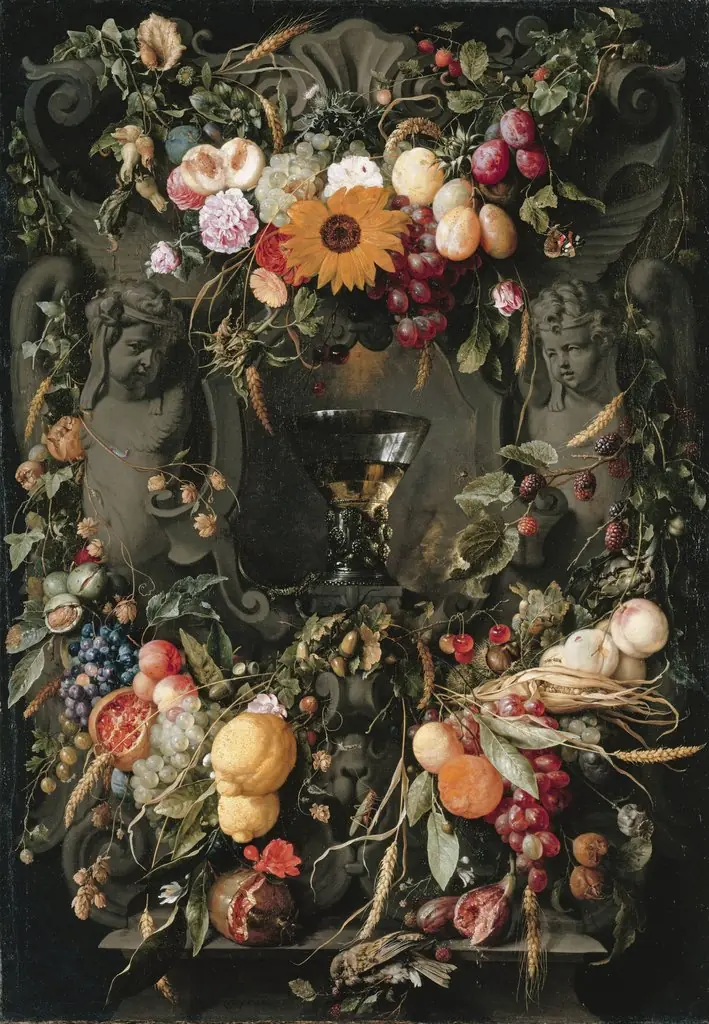 Cartouche with fruit and flowers and wine glass
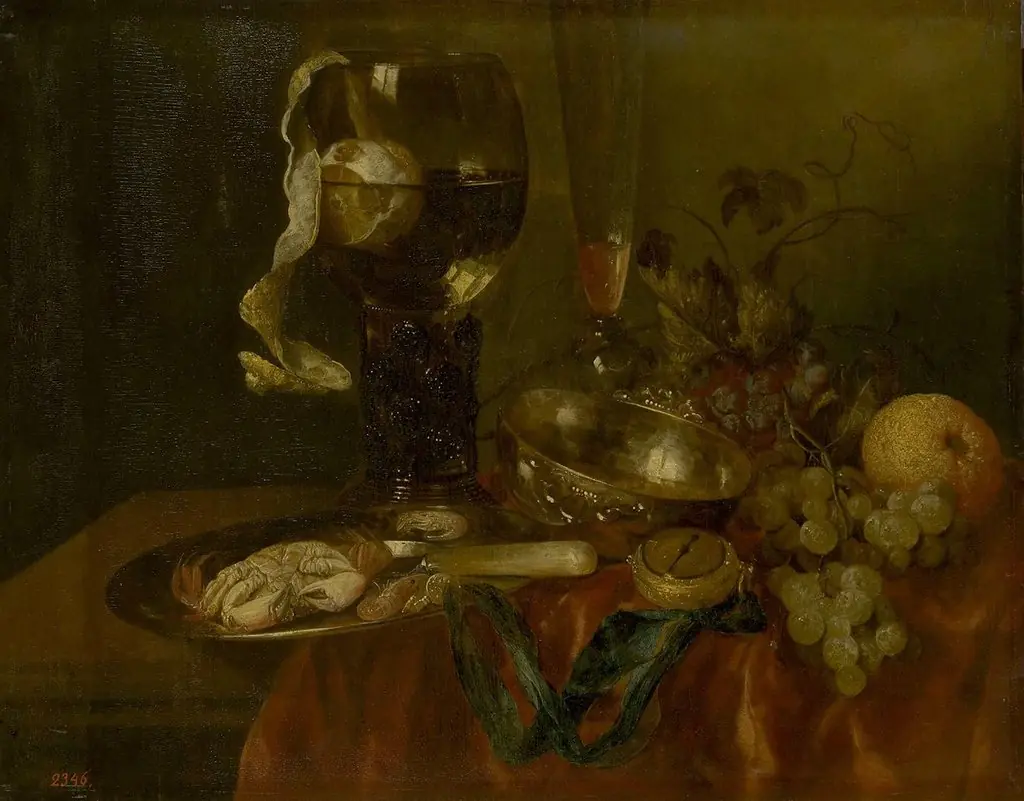 Snack (Still Life with Crab, Fruit and Clock)
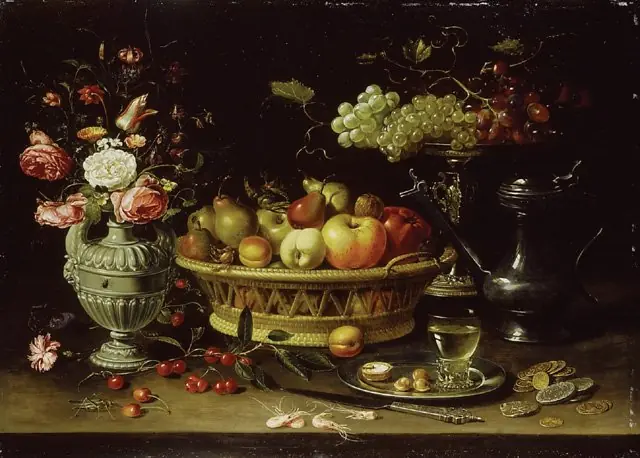 Still life of fruit and flowers
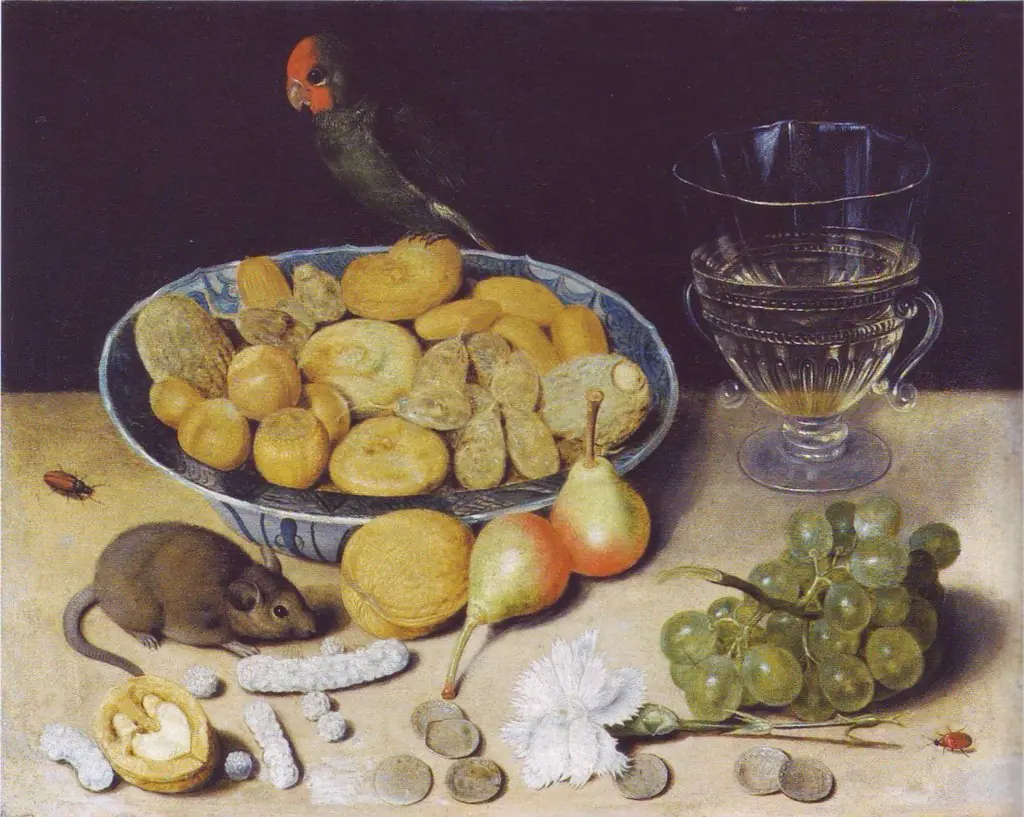 Meal with a Mouse and a Parrot
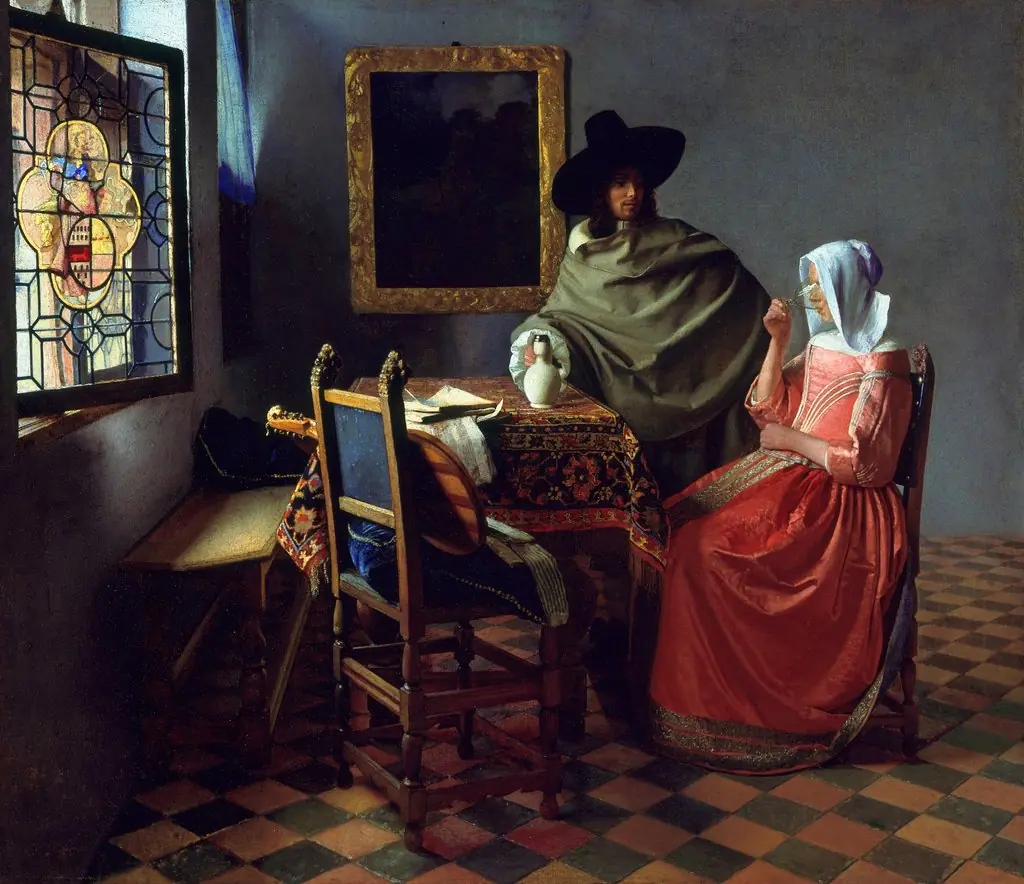 The Wine Glass
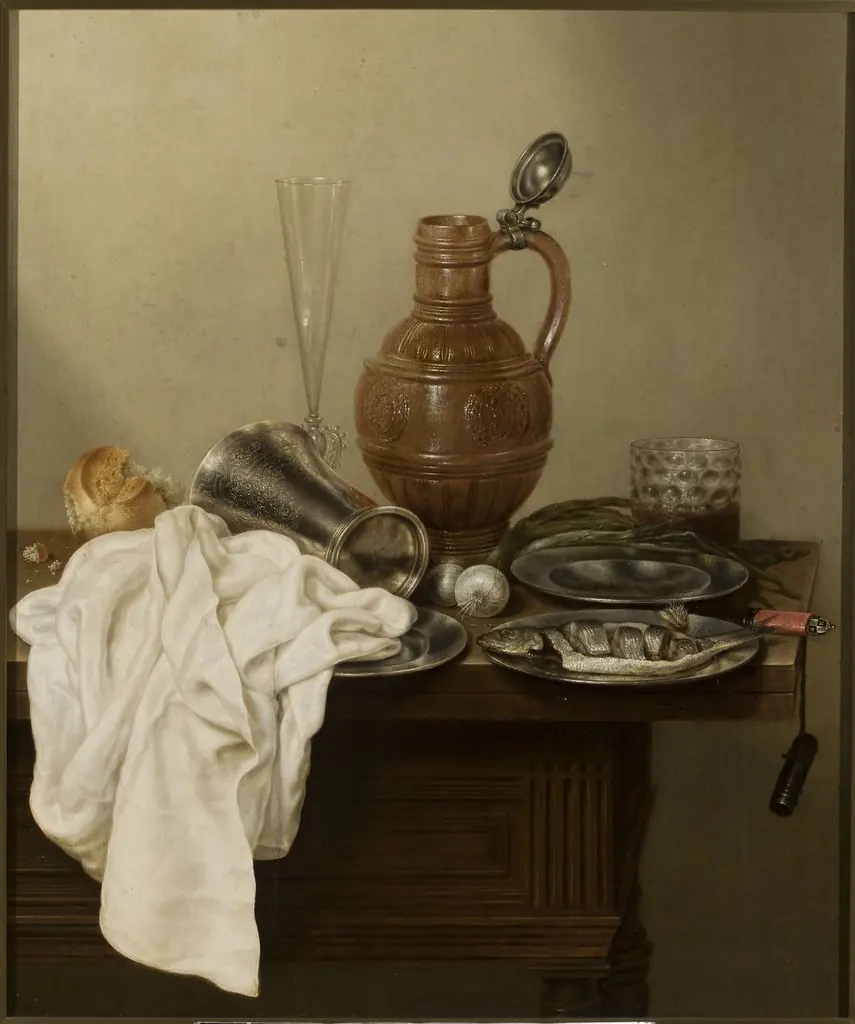 Still life with a herring
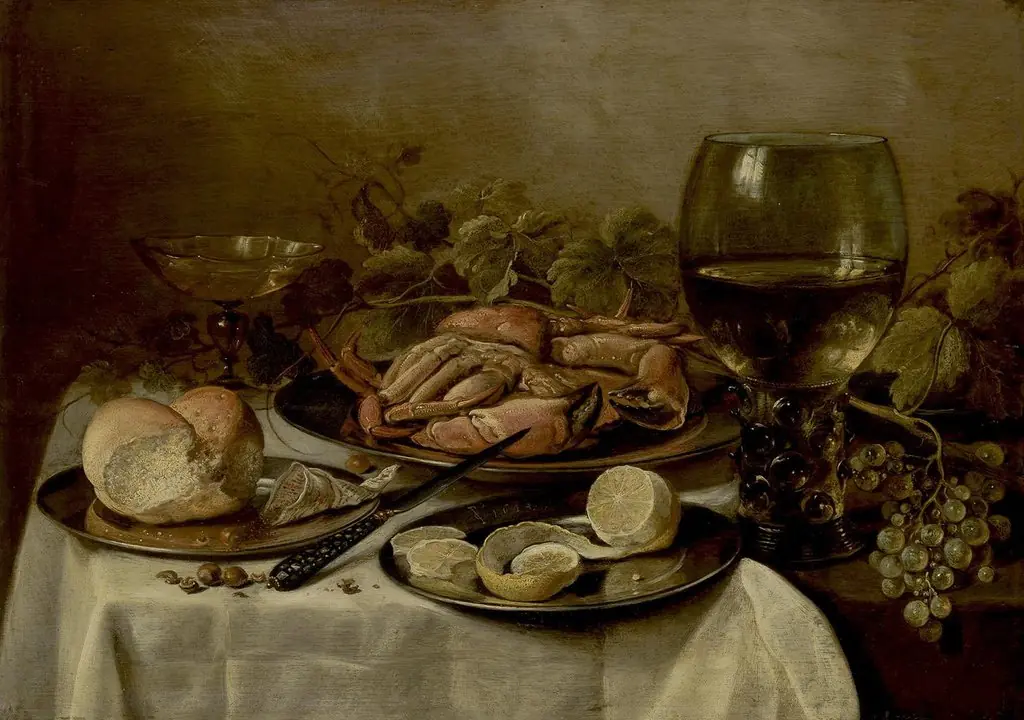 Still Life with Crab, Rummer and Grape
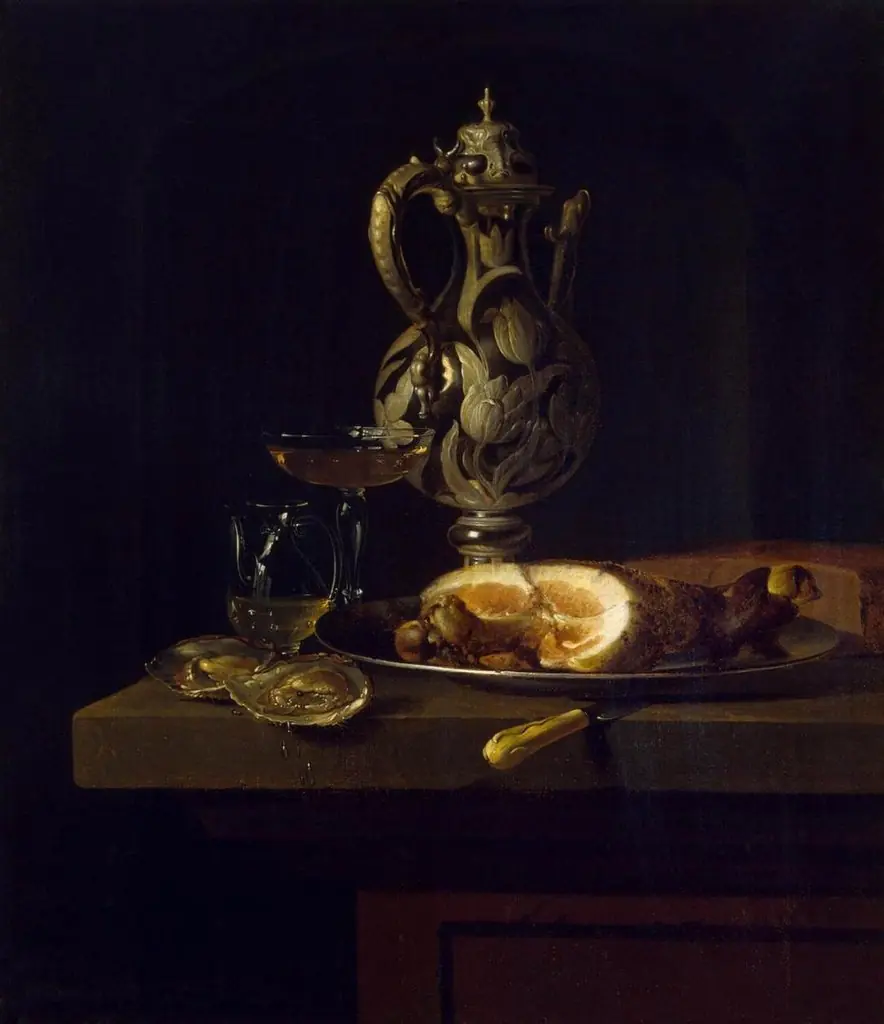 Breakfast with Ham
 A Banquet-piece
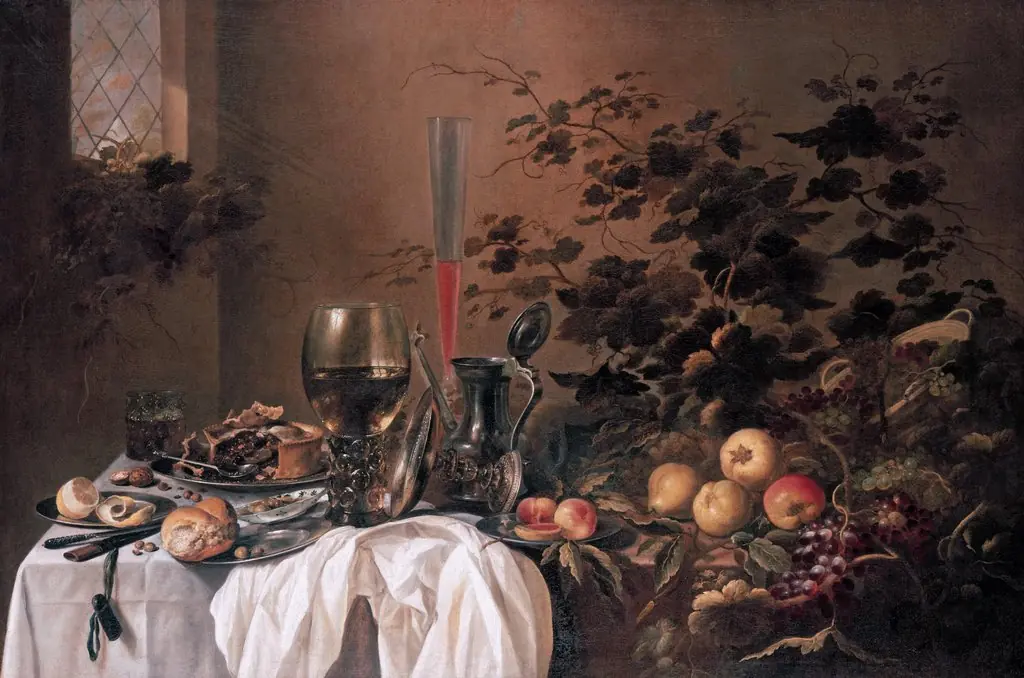 Still life with tumblers and fruit
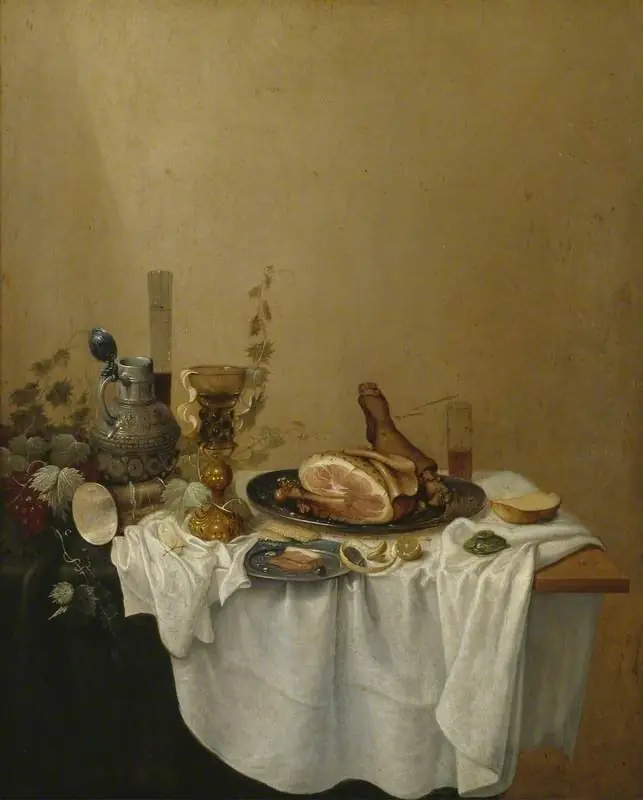 Still life with stoneware jug, bekerschroef, glassware and a leg of ham
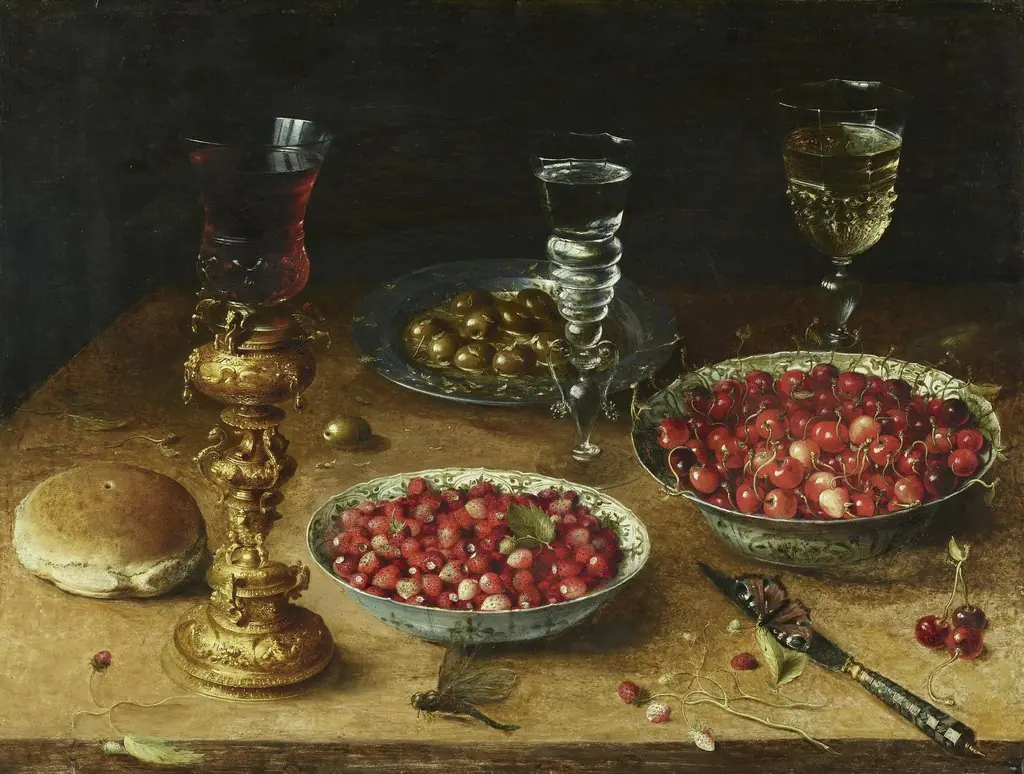 Still-Life with Cherries and Strawberries in China Bowls
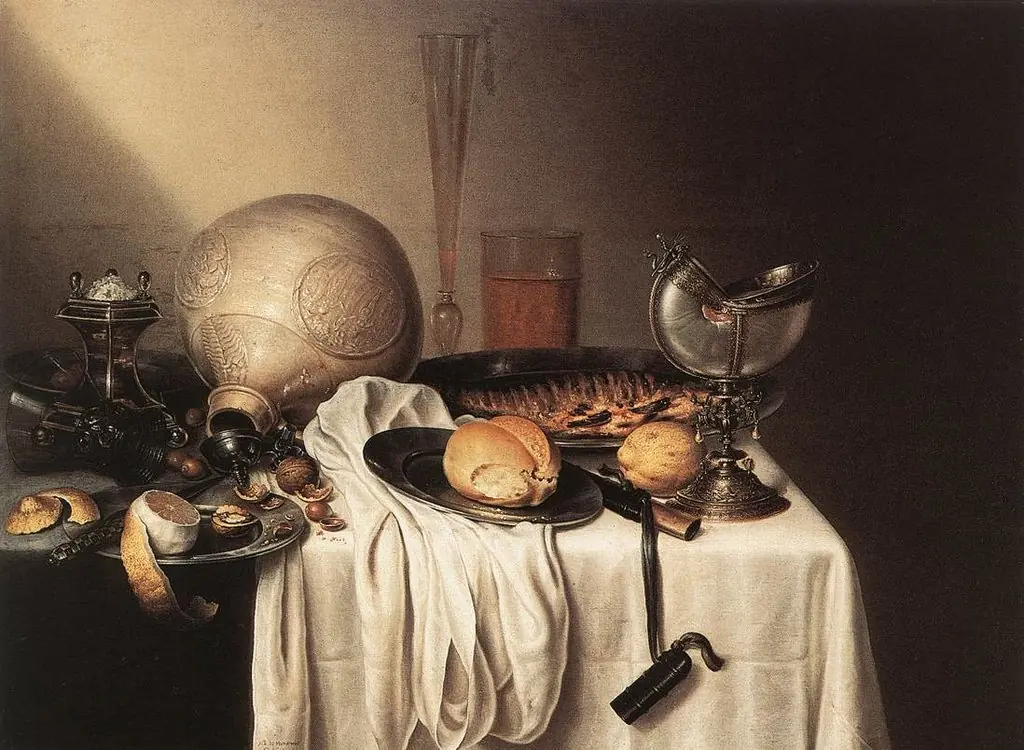 Still-Life with a Bearded Man Crock and a Nautilus Shell Cup
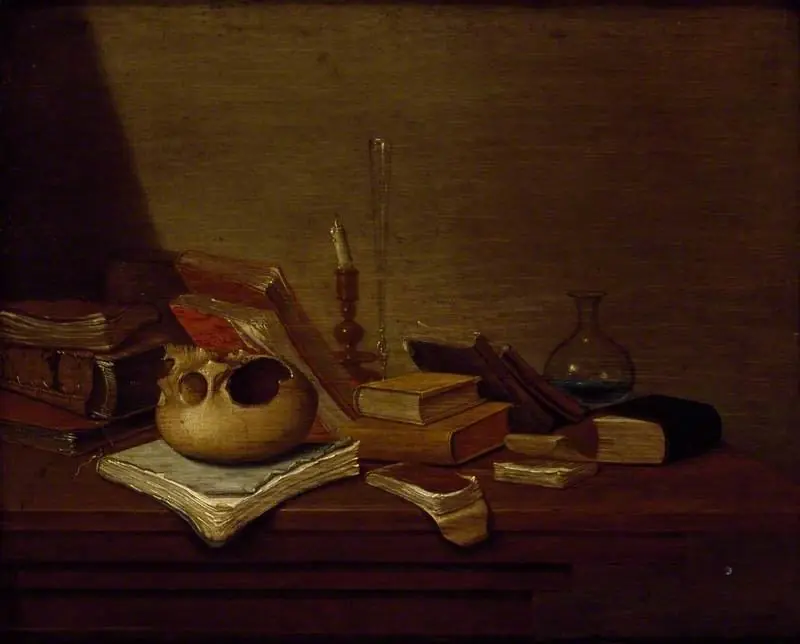 Still life with skull, books, candle and a flask
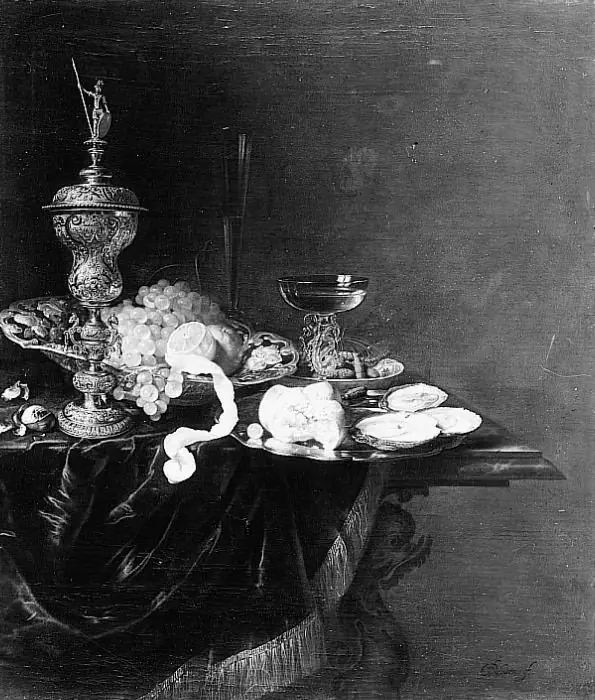 Still life with Akelei covered beaker dish of grapes, lemon and wine glasses
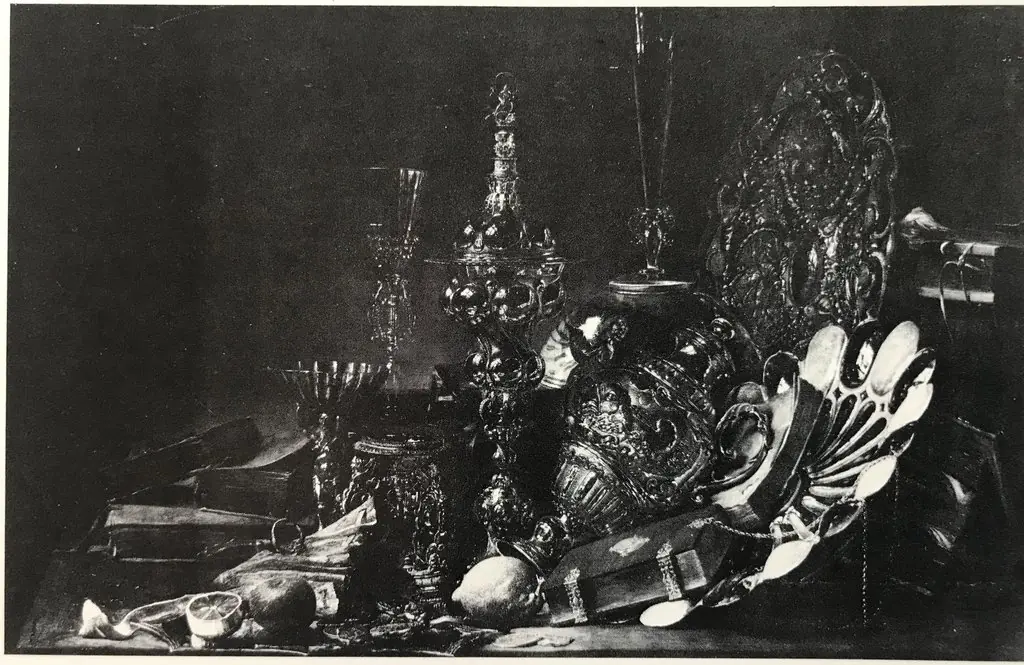 Pronk Still Life
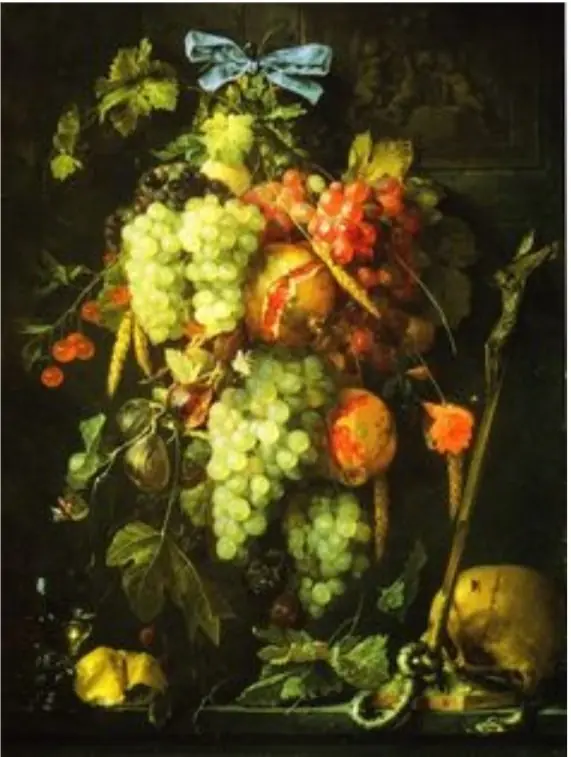 A Vanitas Still Life
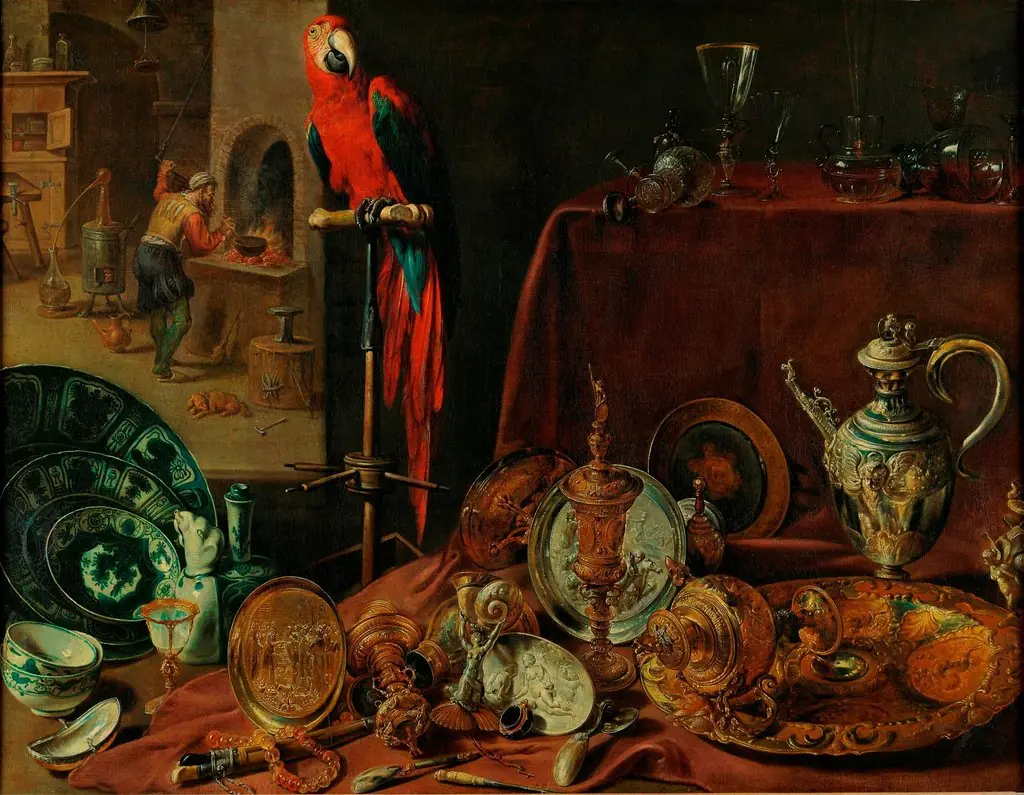 Still life with parrot, an allegory of fire
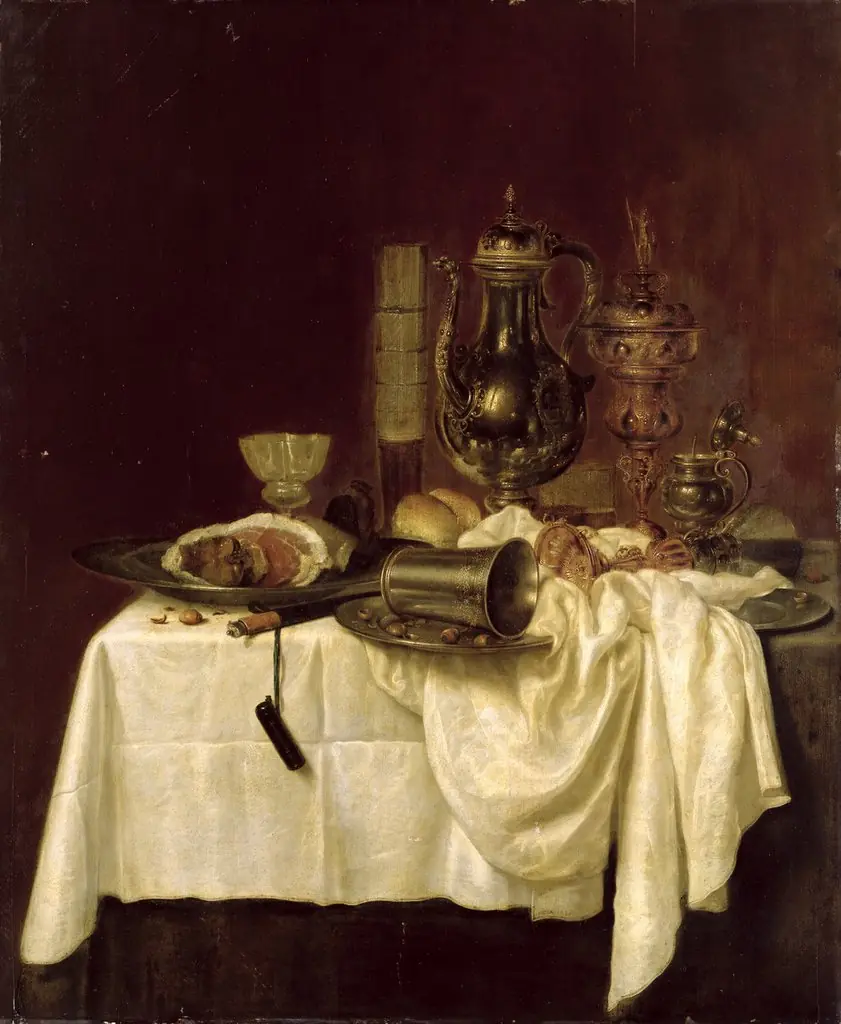 Still life with ham, decanter, columbine cup and passglass on a laid table
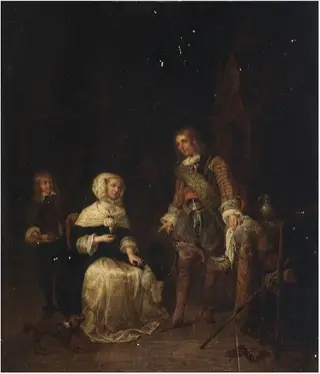 A Cavalier and Lady
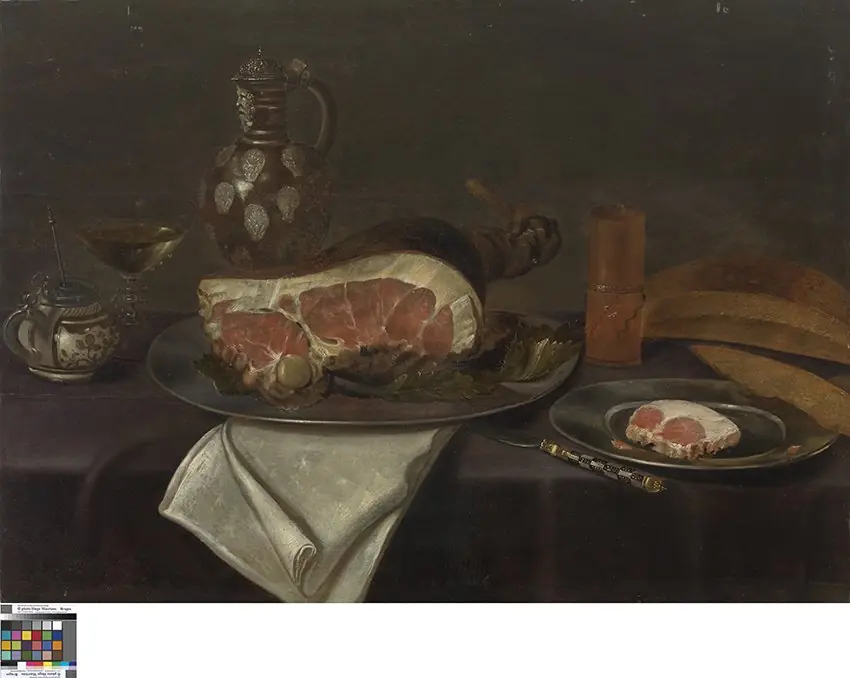 Still life with ham, mustard pot, and stoneware jug
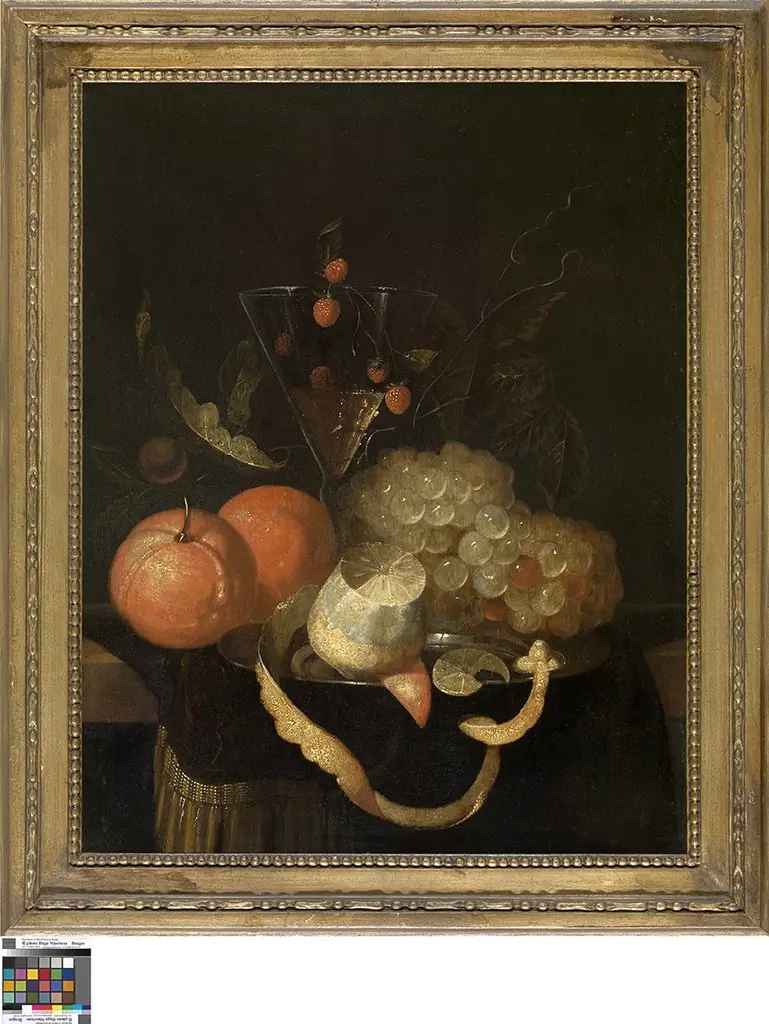 Stilleven met fruit
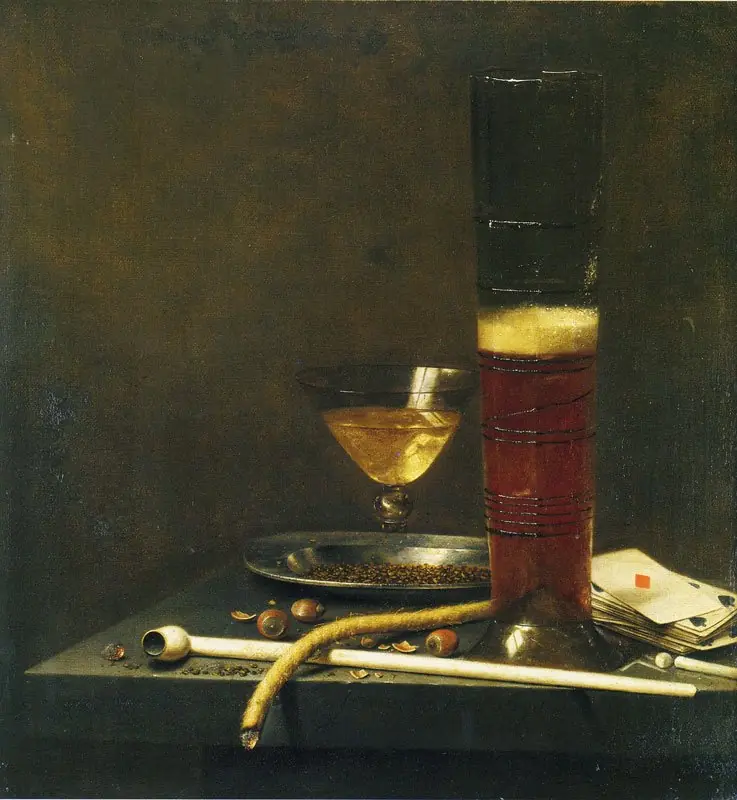 Glasses, Smoking Implements, and Cards
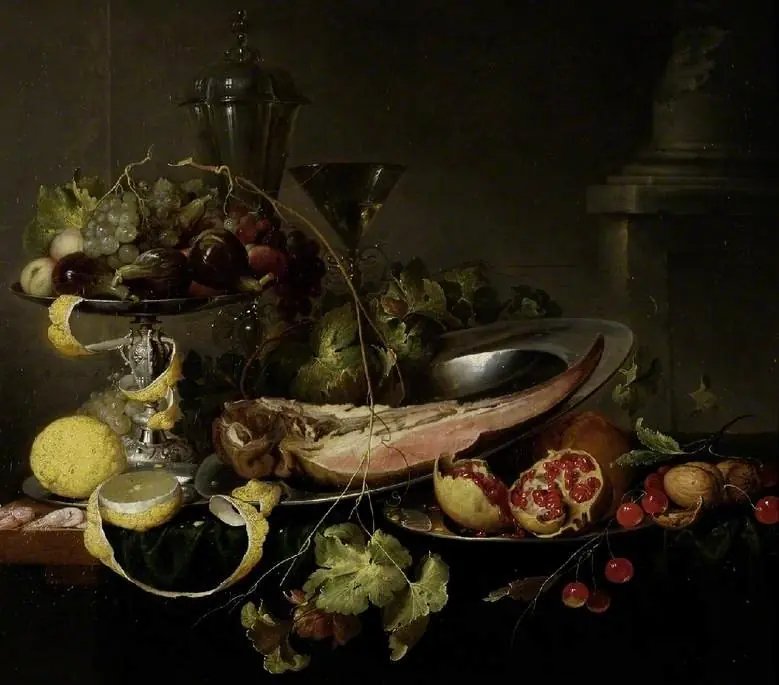 Still-life with fruit
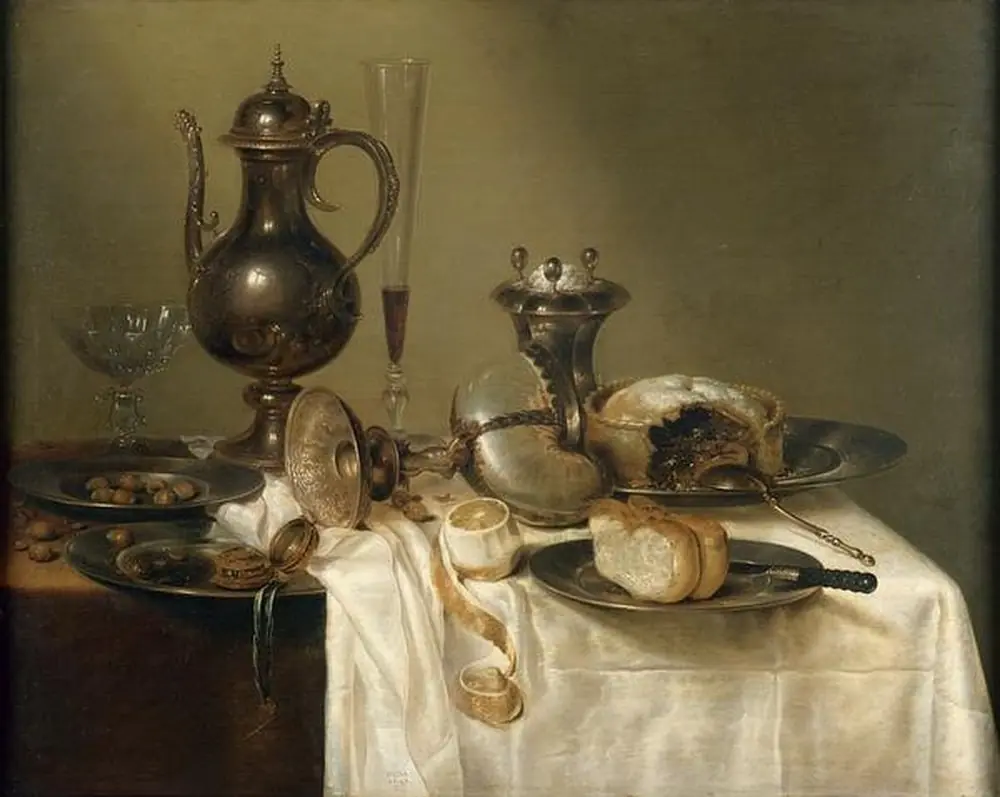 Still life with decanter, nautilus cup, wine glasses and pie
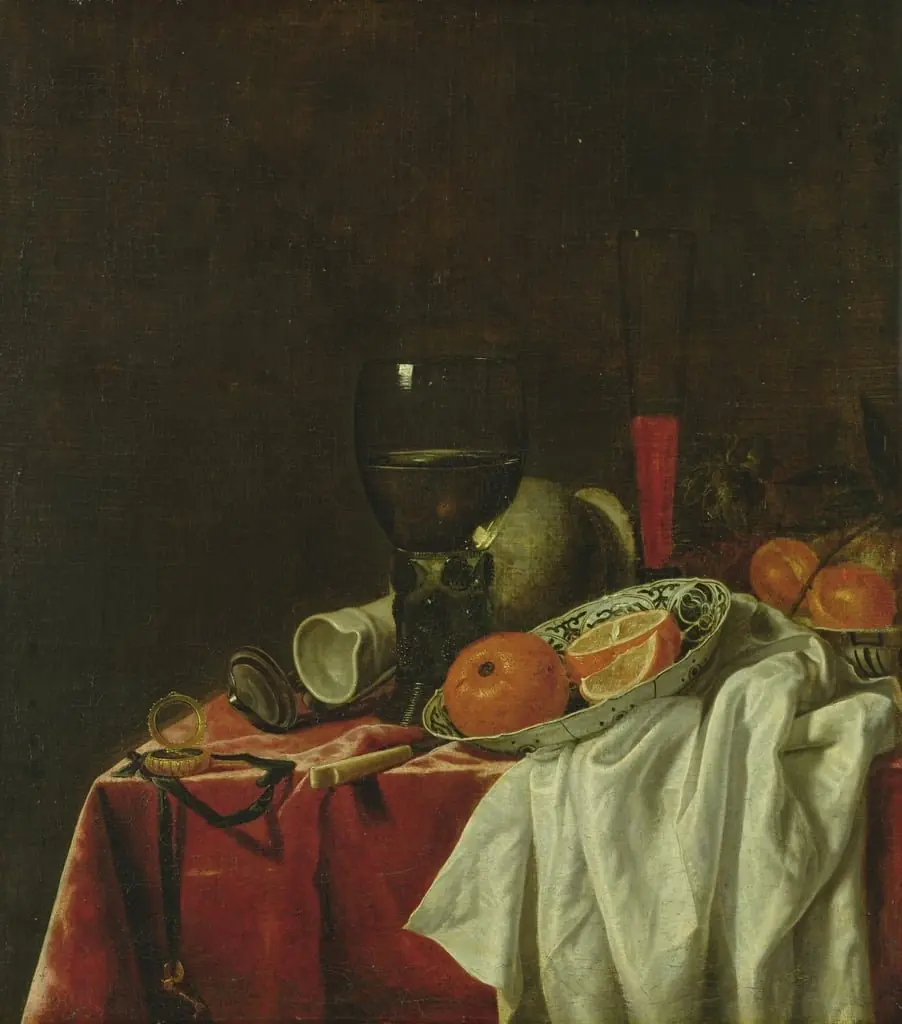 Still Life
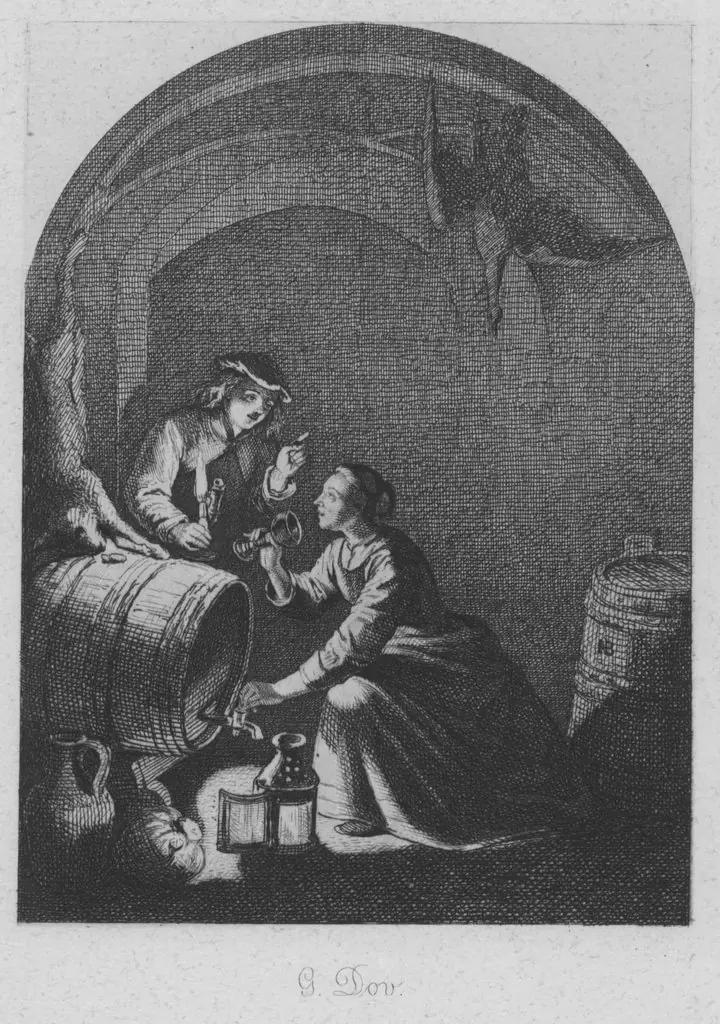 In the Wine Celler (The Surprise)
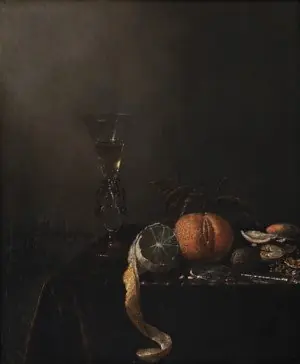 Still life with fruit and wine glass
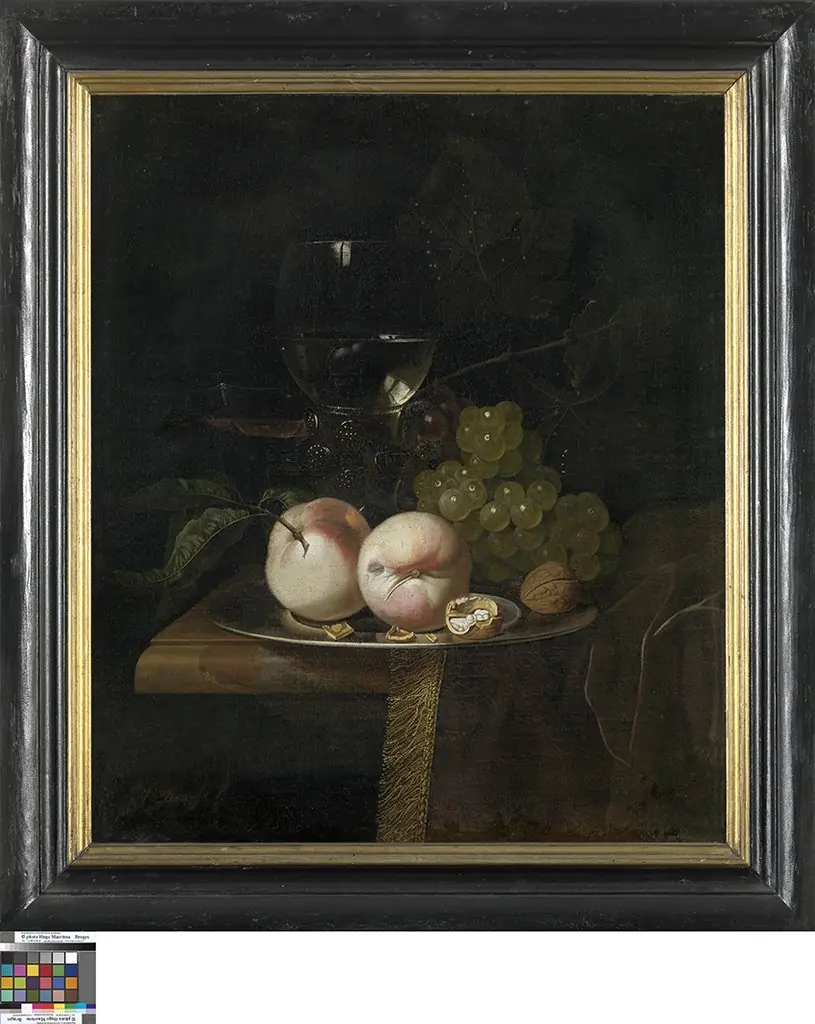 Stilleven met fruit en een wijnglas
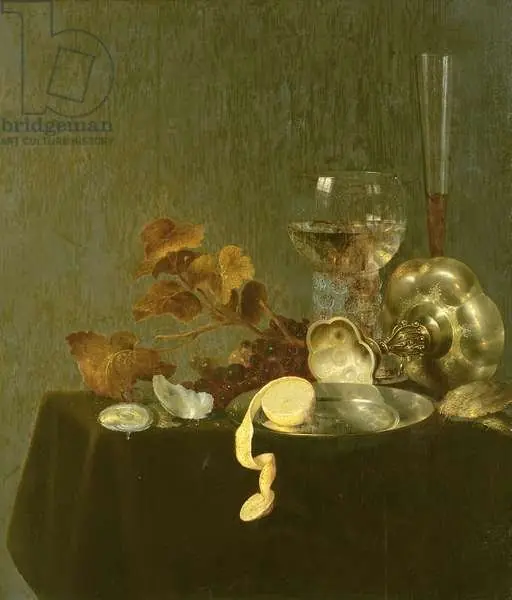 Still life with roemer and tazza
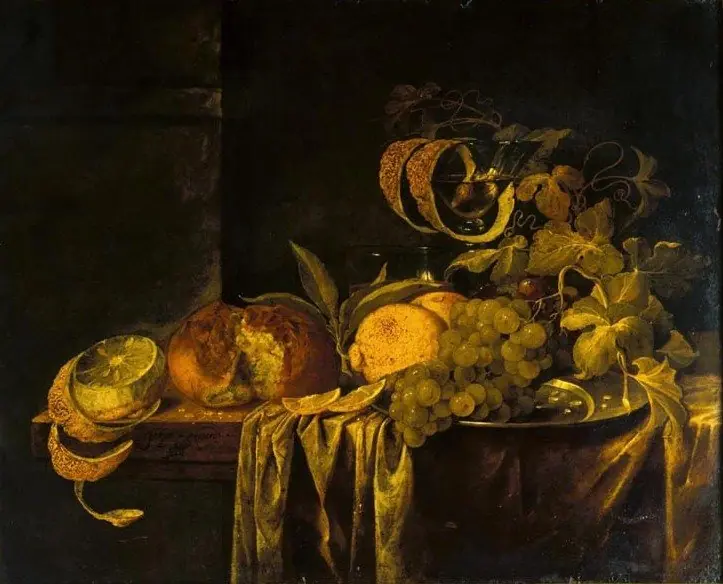 Still life with fruit, bread, and glassware
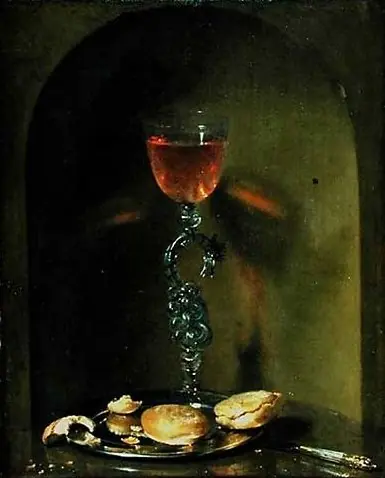 Still Life with Bread and Wine Glass
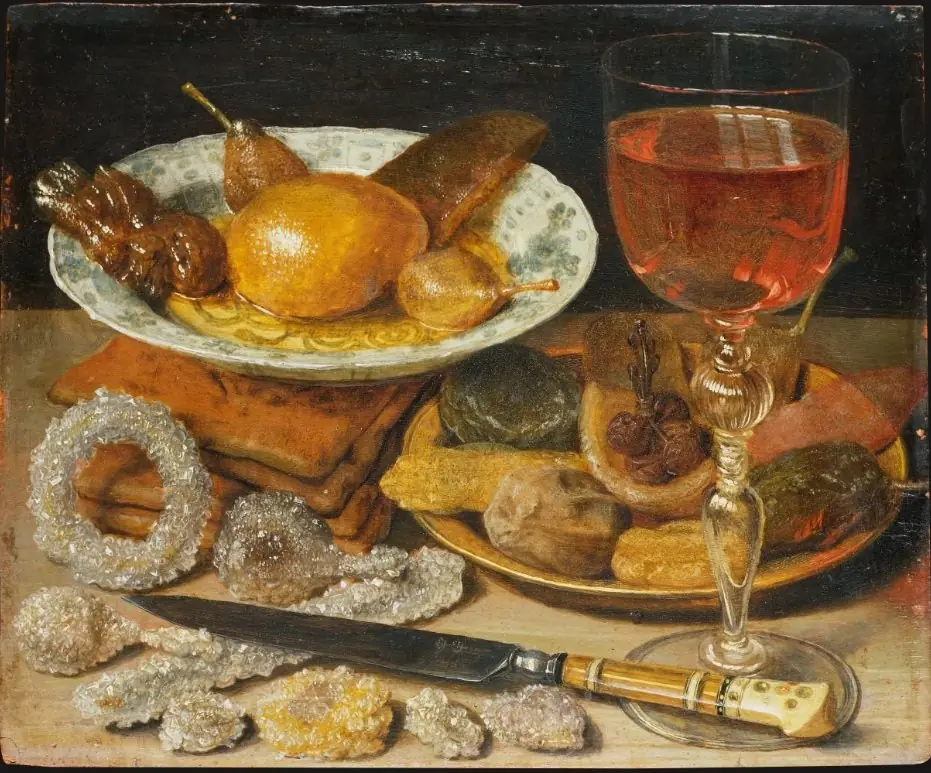 Still Life with Sweetmeats
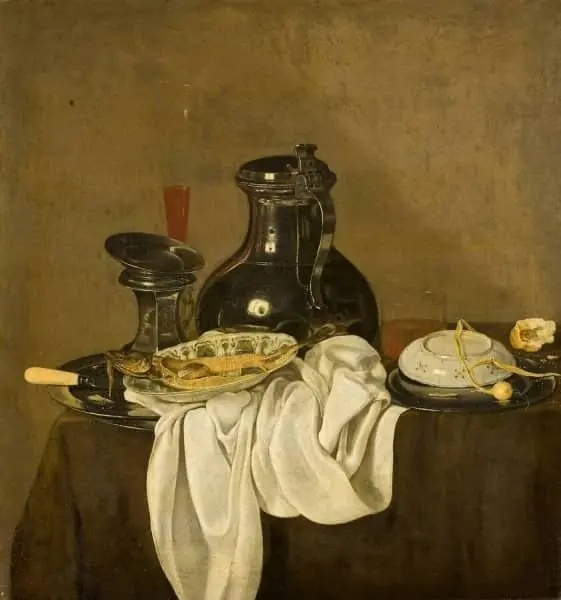 Still Life circa 1640
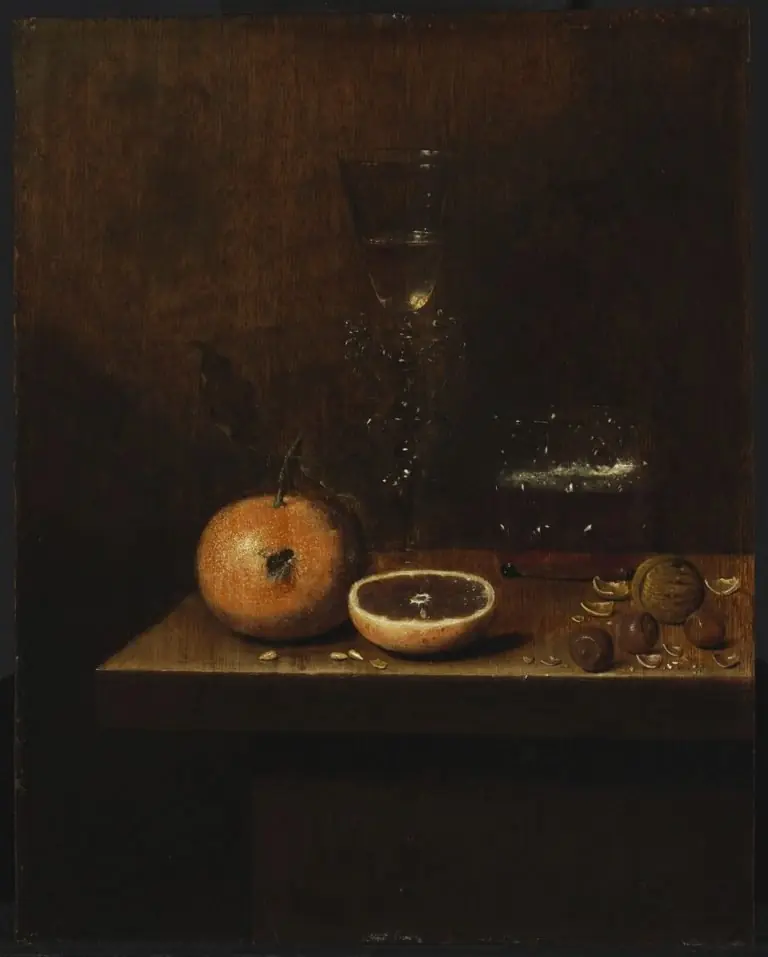 Still Life with Orange and Venetian Glass
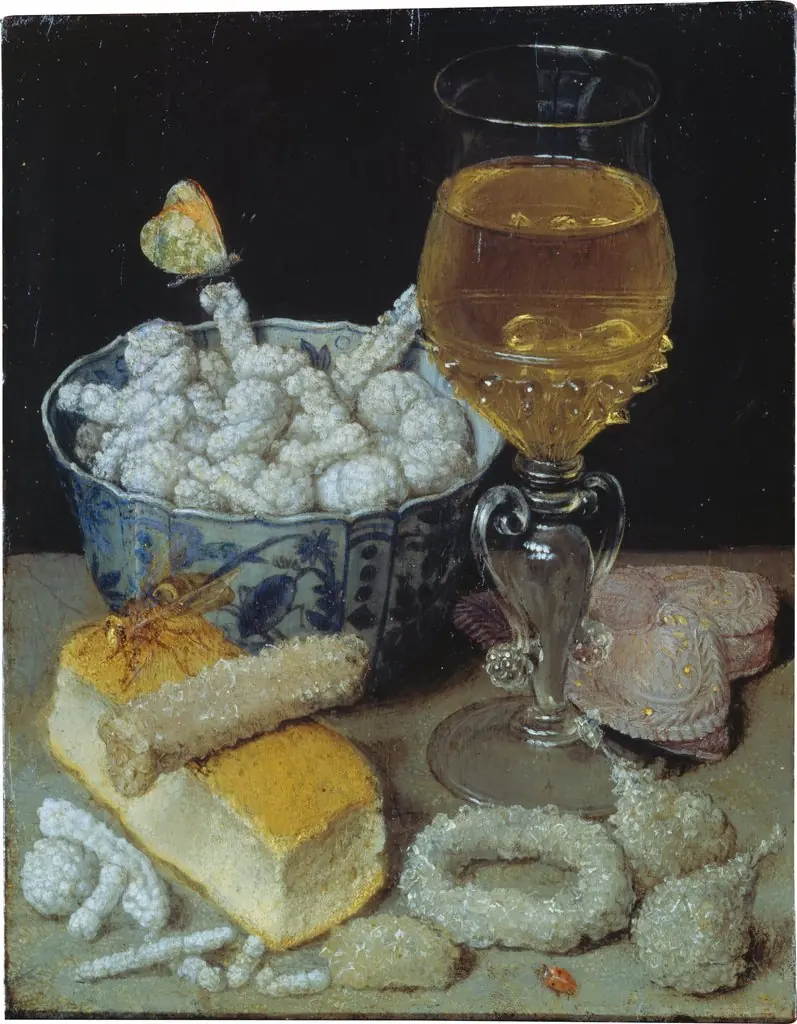 Still Life with Bread and Sweetmeats
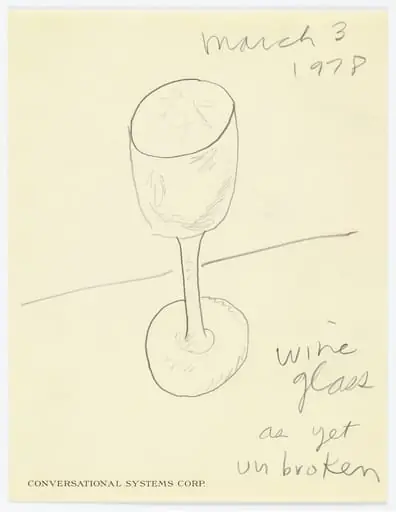 Untitled
Frequently asked questions
What is Wine Glass?
Wine Glass is a subject in art. A wine glass is a type of glass that is used for drinking or tasting wine.
How many Wine Glass works does Artifact World Gallery have?
Artifact World Gallery holds 50 public-domain Wine Glass works, all free to view and download.
Who are the key Wine Glass artists?
Key Wine Glass artists in the collection include Johannes Vermeer, Pieter Claesz and Jan Davidsz. de Heem.
Where can I see Wine Glass works?
Wine Glass works in the collection are held by Gemäldegalerie Berlin, Hermitage Museum and Ashmolean Museum.