Artwork
Allegory of the Birth of the Infante Don Fernando
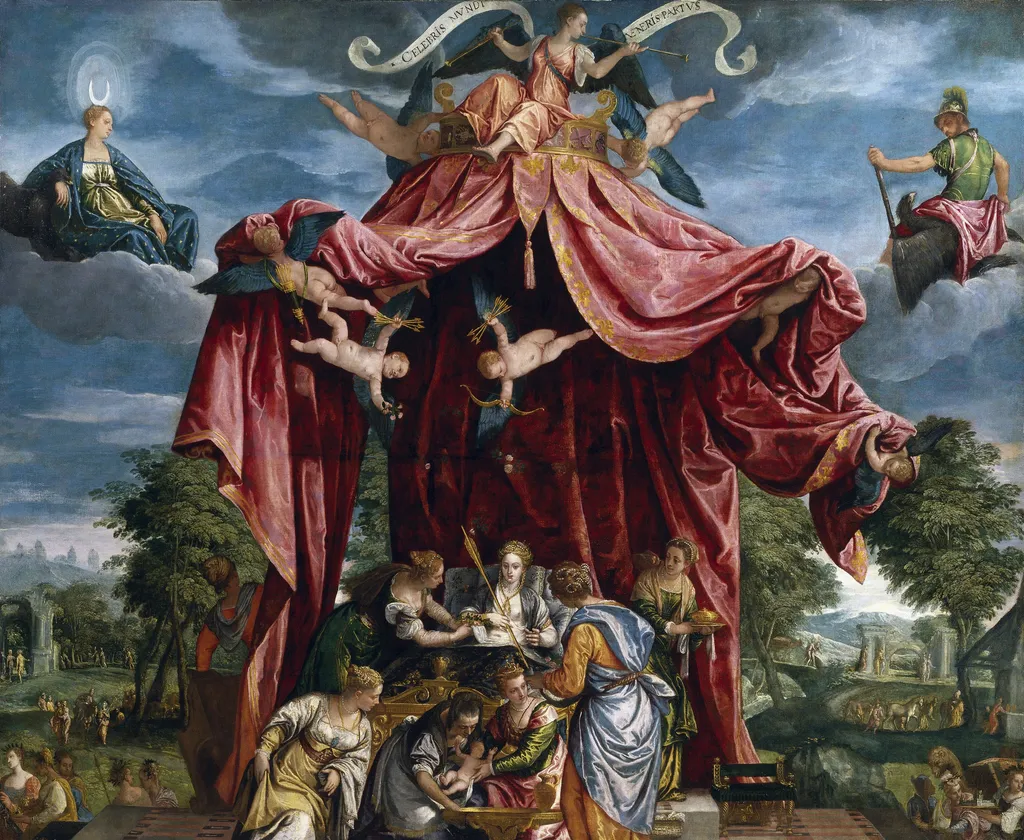
Allegory of the Birth of the Infante Don Fernando is an oil painting by the Mannerist artist Parrasio Micheli. It dates from 1575 and is held in the collection of the Museo del Prado.
About this work
Subject & Meaning
The painting is part of the Museo del Prado collection, housed in the Royal Palace of Madrid, where it remains on public display.
The work allegorically celebrates the birth of Infante Don Fernando, son of King Philip II, using symbolic elements such as a trumpet to signify royal proclamation and new succession. Micheli combines courtly iconography with naturalistic detail to convey both divine favor and dynastic continuity, reflecting the political ambitions of the Spanish Habsburg court in the late sixteenth century.
The painting is part of the Museo del Prado collection, housed in the Royal Palace of Madrid, where it remains on public display.
Technique & Style
The work is executed in oil paint on a canvas support, a typical medium for Spanish allegorical painting of the late sixteenth century. The paint handling follows the period’s practice of building up translucent glazes to model forms, though specific brushwork details are not recorded in the sources. No information on the painting’s current condition or any restoration history is provided in the available references. Further technical analysis would be required to assess pigment composition and layer structure.
History & Provenance
Parrasio Micheli executed the Allegory of the Birth of the Infante Don Fernando in 1575. Created as an oil painting on canvas, the work measures 182 cm in height and 223 cm in width. Historical records indicate that the piece was owned by Ferdinand VII of Spain.
The painting is currently held in the collection of the Museo del Prado, located within the Royal Palace of Madrid.
Allegory of the Birth of the Infante Don Fernando is housed in the Museo del Prado in Madrid, where it is catalogued under the inventory number P00968. The work entered the royal collection through King Ferdinand VII of Spain and has been part of the museum's permanent display since its acquisition. It was first exhibited publicly during the Prado's inaugural exhibition in 1819 and has subsequently appeared in several retrospectives on 16th‑century Spanish allegory, including the 1995 Prado exhibition "Allegories of the Spanish Renaissance."
Context
The work was created in 1575 by Parrasio Micheli, an artist whose broader oeuvre reflects the late Renaissance synthesis of courtly allegory and naturalistic detail. Contemporary scholarship highlights its significance within the Spanish Habsburg cultural program, emphasizing how the allegory served both propagandistic and devotional functions. The painting’s composition and iconography have been analyzed in relation to other allegorical works of the period, illustrating Micheli’s role in bridging Italianate techniques with Iberian patronage.
Its placement in the collection of Ferdinand VII of Spain underscores its political resonance within the royal household.
The Allegory of the Birth of the Infante Don Fernando is housed in the Museo del Prado, Royal Palace of Madrid, where it remains part of the museum’s permanent display of 16th‑century Spanish art.
Legacy
The Allegory of the Birth of the Infante Don Fernando, painted in 1575 by Parrasio Micheli, was housed in the Royal Palace of Madrid as part of Ferdinand VII of Spain's collection and is now displayed at the Museo del Prado. Its allegorical genre and large-scale composition (182 cm by 223 cm) reflect Renaissance influences, particularly in its use of symbolic elements such as the trumpet. The work has been studied for its stylistic connections to courtly Spanish art of the 16th century, though its attribution and interpretation continue to be examined within art historical scholarship.
Overview
Created in 1575, the oil painting titled Allegory of the Birth of the Infante Don Fernando is attributed to the Italian‑Spanish court painter Parrasio Micheli. The work is part of the collection of the Museo del Prado, where it hangs among other examples of late‑Renaissance allegorical art.
Own this work as a print
Artist & collection

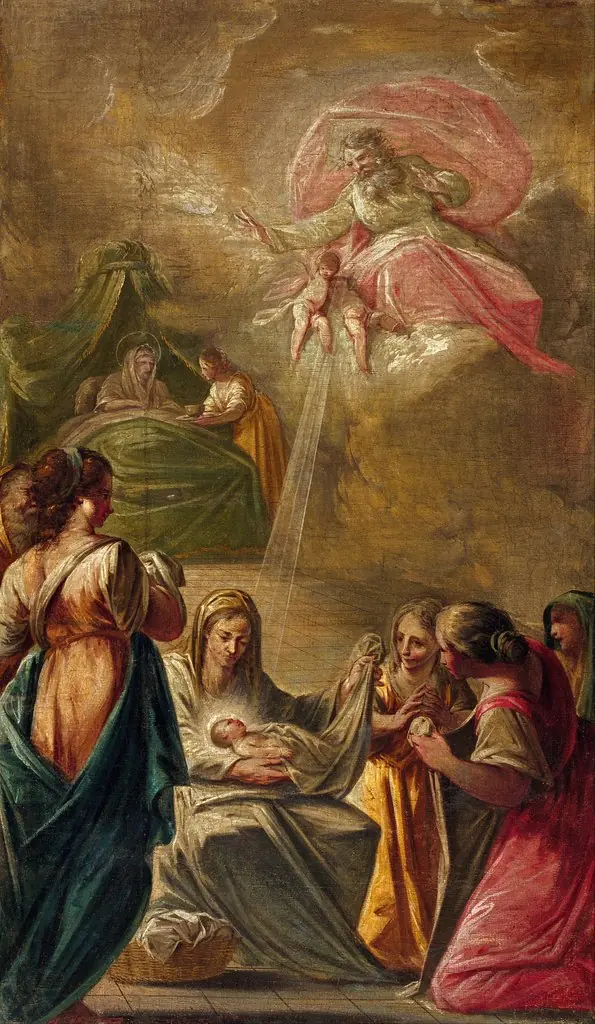 Birth of the Virgin
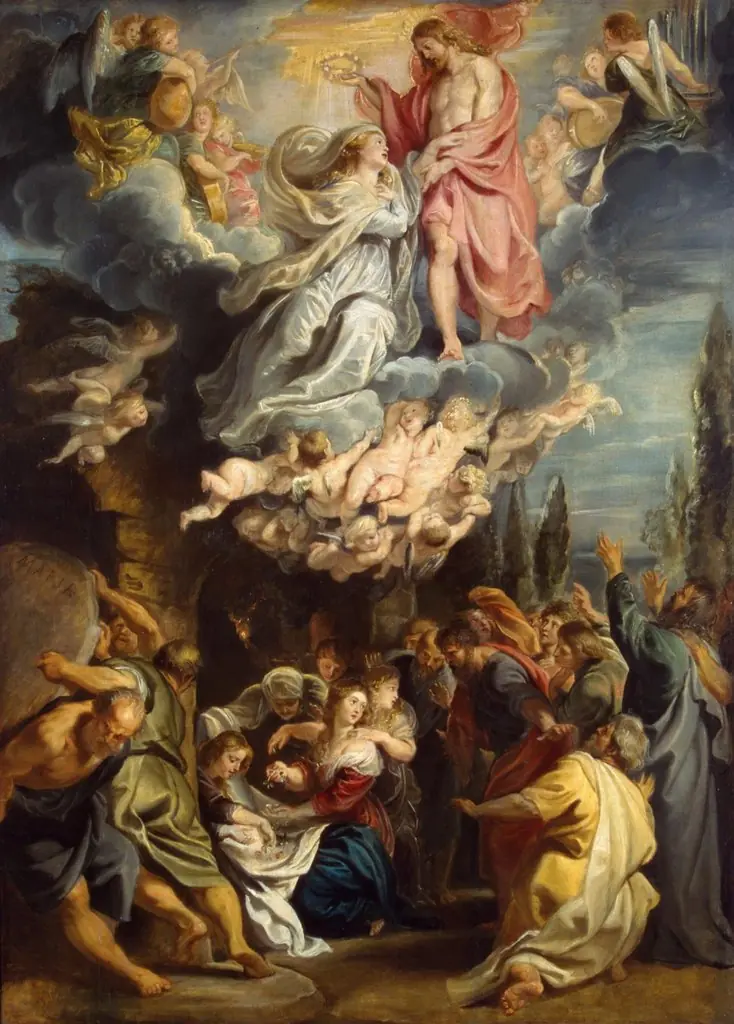 Coronation and Assumption of the Virgin
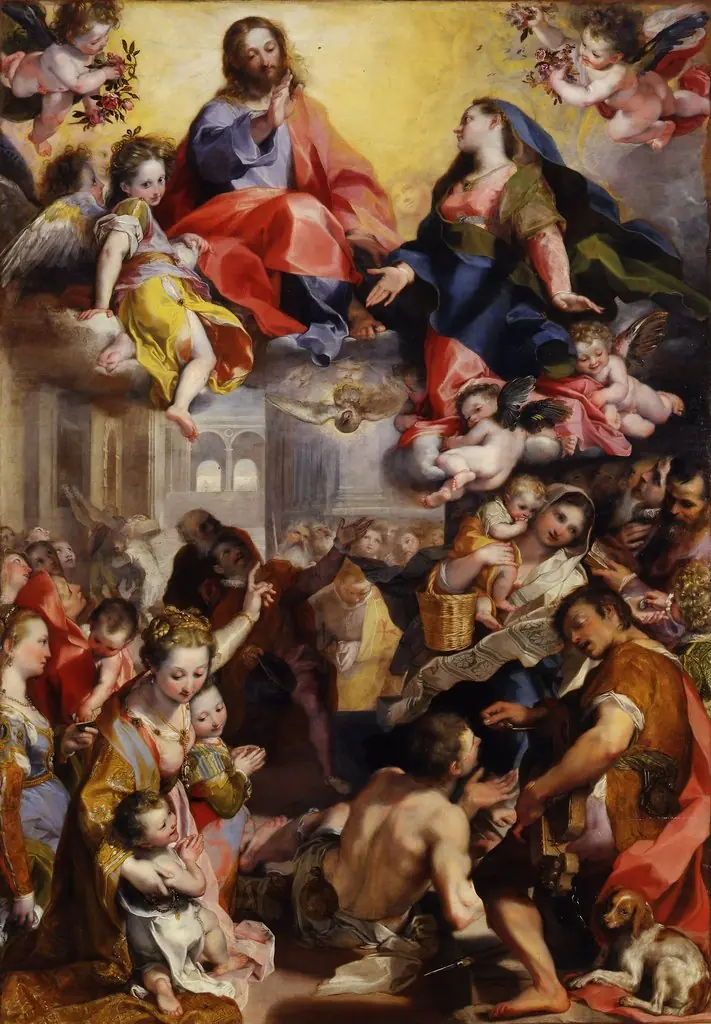 Madonna of the people
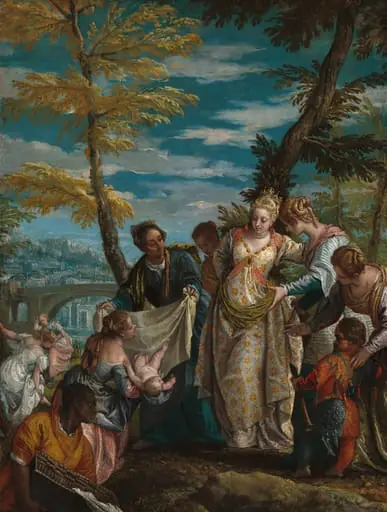 The Finding of Moses
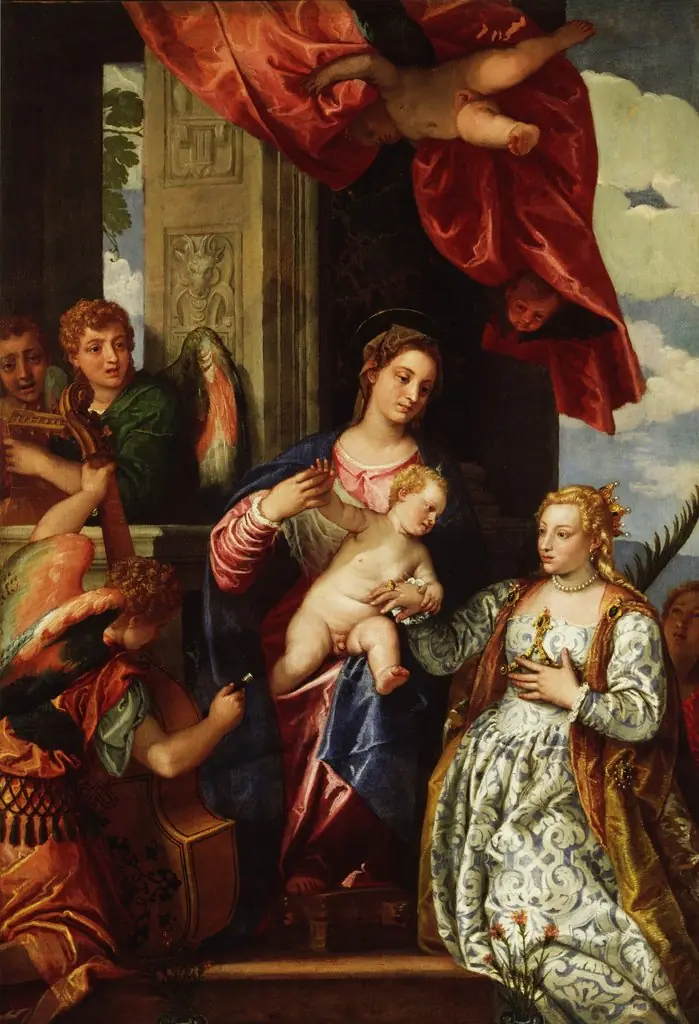 The Mystic Marriage of St. Catherine
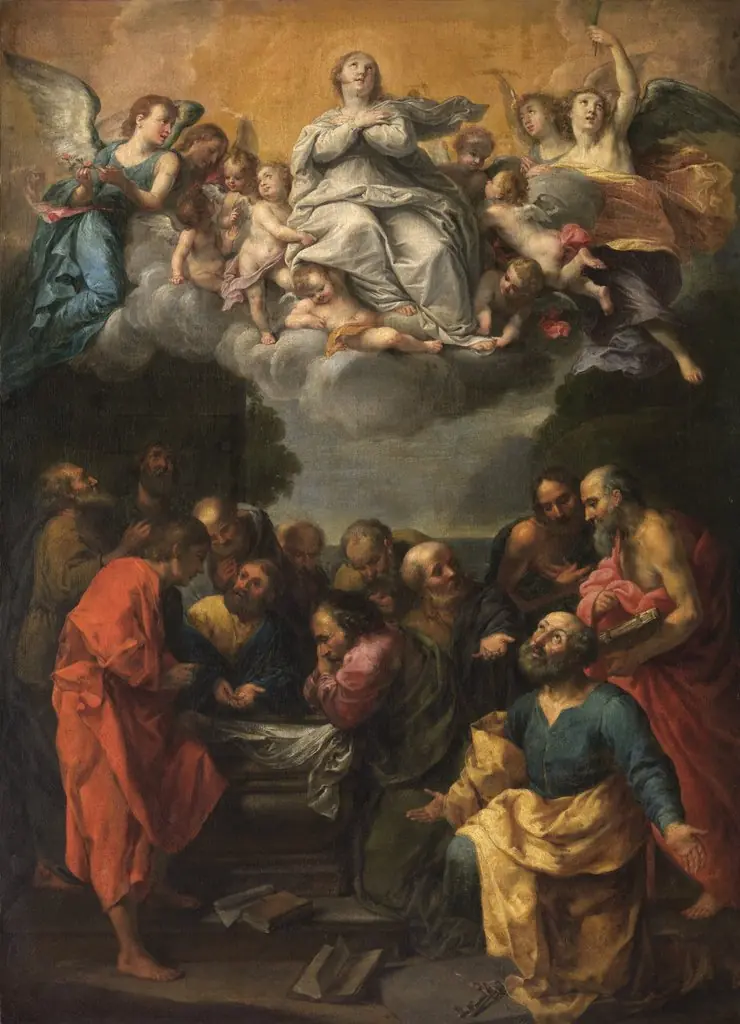 The Assumption of Mary
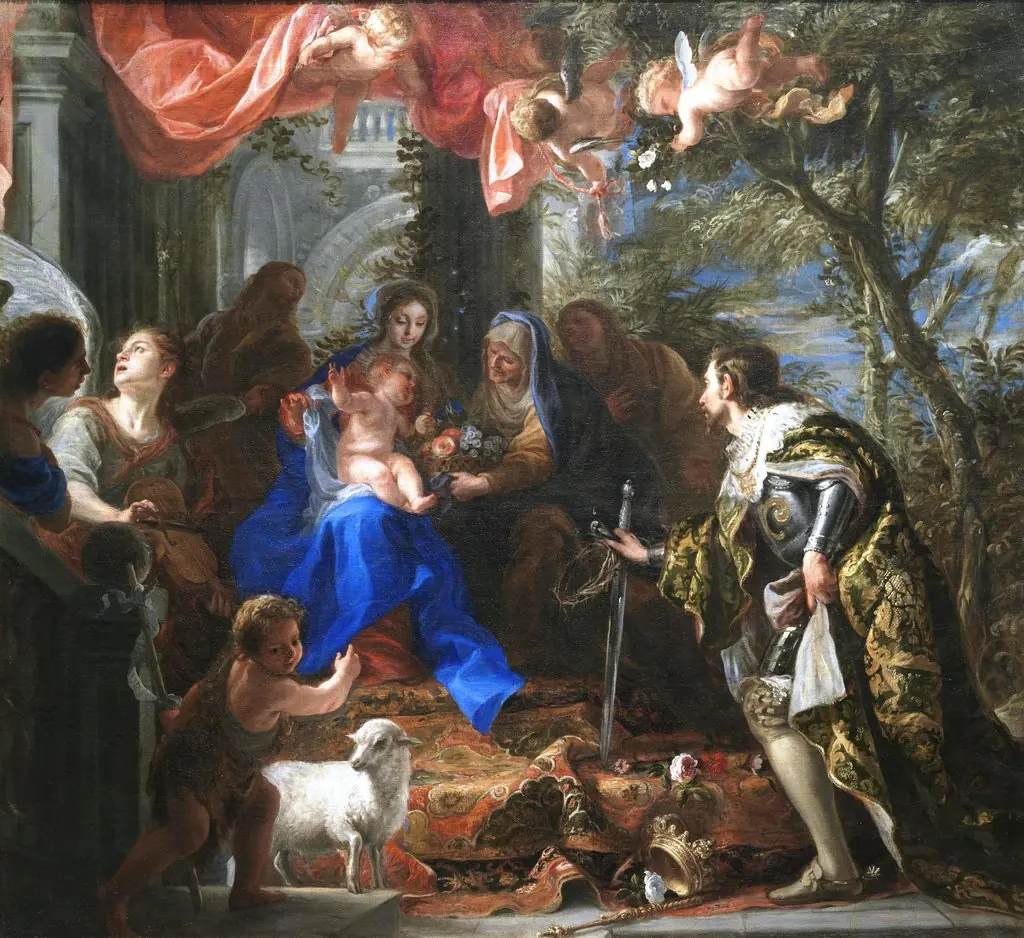 The Virgin and Child adored by Saint Louis, King of France
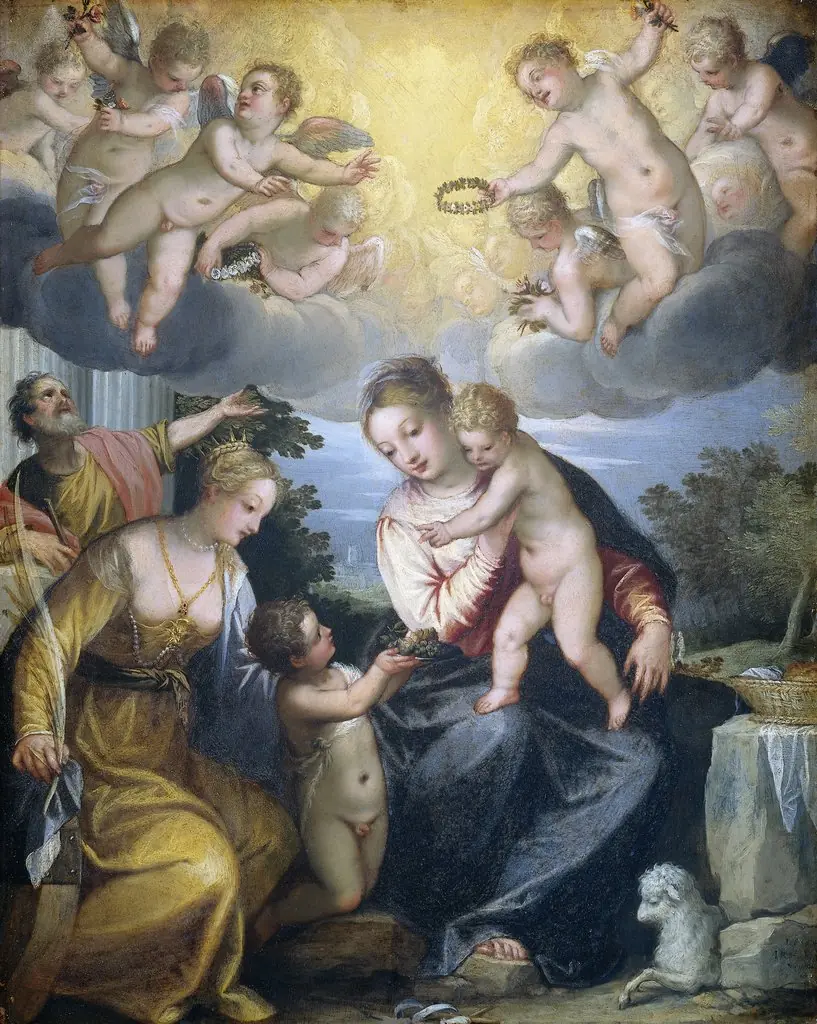 Virgin and Child with young John the Baptist and Saint Catherine
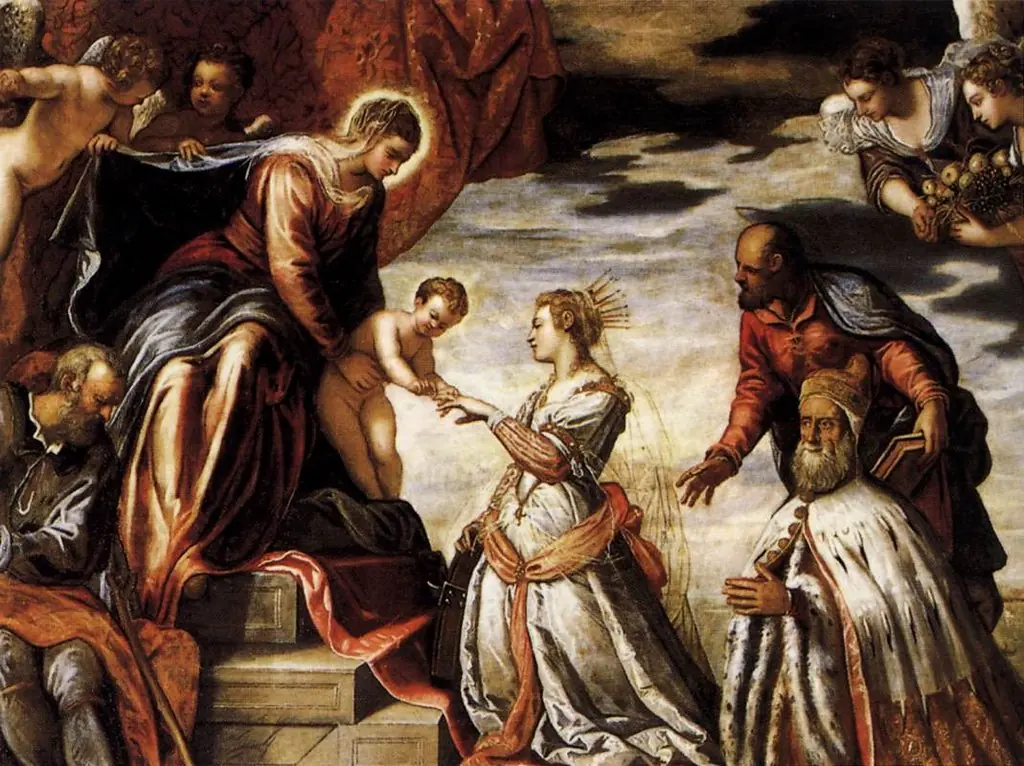 Mystic Marriage of St Catherine