Artwork
Portrait of Henriette Sontag
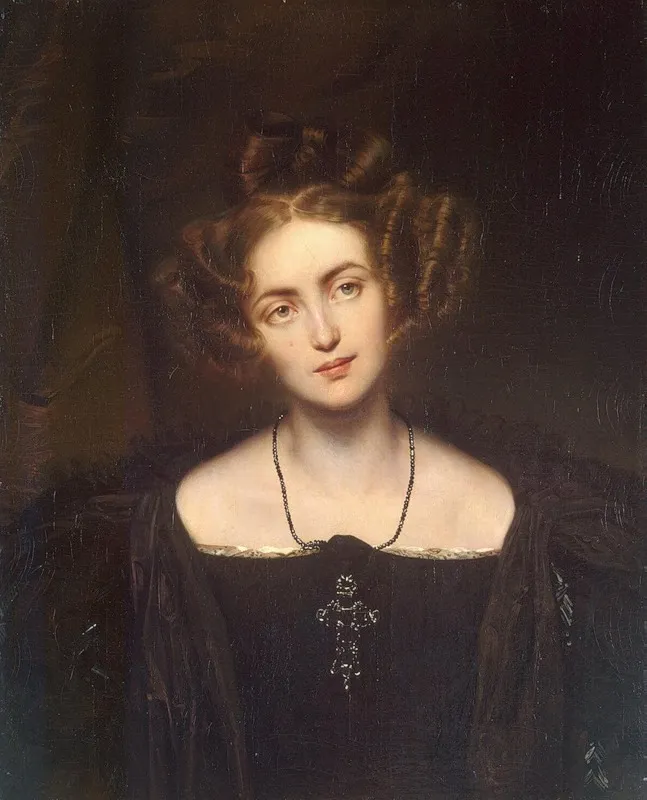
Portrait of Henriette Sontag is an oil painting by the French Romanticist artist Paul Delaroche. It dates from 1831 and is held in the collection of the Hermitage Museum.
About this work
Overview
The portrait was exhibited at the Salon of 1831, placing it within a crucial moment of Delaroche's career and of French artistic culture more broadly.
The Portrait of Henriette Sontag is an oil-on-canvas painting by the French Romantic artist Paul Delaroche, completed in 1831. Measuring 73 by 60 centimeters, the work depicts the celebrated German operatic soprano Henriette Sontag at the age of twenty-five, during the period when she was achieving international renown. The painting is held in the collection of the Hermitage Museum in Saint Petersburg, Russia, where it has remained as a significant example of Delaroche's portraiture and of early nineteenth-century French academic painting. The portrait was exhibited at the Salon of 1831, placing it within a crucial moment of Delaroche's career and of French artistic culture more broadly.
Subject & Meaning
Henriette Sontag (1806-1854) was among the most celebrated vocalists of her generation, a German operatic soprano who had risen to international prominence through performances of Mozart, Rossini, and Beethoven. Born in Coburg, she had made her breakthrough in Vienna in 1821 at the age of fifteen, and by 1831 she was at the height of her powers. According to some accounts, Delaroche depicted her in the role of Donna Anna from Mozart's Don Giovanni, a part she had first performed in Paris in 1828 and that ranked among her greatest achievements. The portrait presents her bust-length, her head turned slightly to her left with eyes gazing upward and to her right, lips slightly parted in an expression that has been described as calm, composed, and dreamily contemplative. She wears a dark, low-cut dress with a wide neckline revealing a white underlayer, and a dark beaded necklace with a jeweled cross pendant at her chest. The cross has been interpreted as potentially alluding to faith or familial heritage, though its precise significance remains open to interpretation. The overall effect suggests restrained elegance and quiet introspection rather than theatrical display, capturing something of the spirituality and refinement for which the singer was renowned.
Technique & Style
Delaroche executed the portrait in oil on canvas, the standard medium for academic painting of the period. The work displays the smooth, highly finished surface characteristic of his technique, achieved through thin layers of pigment carefully blended to create an almost porcelain-like effect on the skin. This handling reflects the premium placed on technical refinement in French academic circles, where visible brushwork was generally eschewed in favor of an illusionistic finish that concealed the artist's labor. The lighting falls strongly on the sitter's face, neck, and shoulders, creating dramatic contrast with the shadowed background and dark clothing, a chiaroscuro that isolates the figure and heightens her psychological presence. The brushwork appears smooth and blended on the skin, with more visible texture in the elaborately curled auburn hair and the heavy fabric of the dress, possibly velvet or a similar material. Fine craquelure is now visible across the paint surface, consistent with the painting's age. The palette is dominated by browns and blacks, with the warmth of the skin tones achieved through mixtures of white, yellow ochre, burnt umber, and touches of crimson. This deliberate suppression of gestural mark-making in favor of polish elevates both image and sitter to an idealized realm, embodying the academic aesthetic where skill and finish were paramount.
History & Provenance
The portrait was painted in France in 1831, during the period when Sontag was at the peak of her international career. Following its creation, the work was exhibited at the Salon of 1831, the principal venue for contemporary art in Paris, which ensured its visibility among critics, collectors, and the broader public. The painting subsequently entered the collection of the Hermitage Museum in Saint Petersburg, Russia, where it remains today. Its acquisition by the Hermitage reflects both the museum's systematic collecting of Western European painting and the particular prestige that attached to portraits of cultural celebrities during this period. The exact circumstances of its transfer to Russia are not fully documented in the available sources, though Sontag's own connection to the country provides context: from 1830 she resided in St. Petersburg for ten years, where her husband served as the King of Sardinia's ambassador, and where she gave concerts that represented perhaps the pinnacle of her artistic career.
Context
Paul Delaroche (1797-1856) occupied a central position in French art between the fall of Napoleon and the rise of the Impressionist generation, celebrated for his meticulously finished history paintings and portraits that bridged the Neoclassical emphasis on draftsmanship and the Romantic interest in emotional immediacy. The Portrait of Henriette Sontag belongs to his significant body of portraiture of contemporary cultural figures, a genre through which he demonstrated his remarkable technical facility. The work emerges from a moment when French academic painting prized smooth finish and idealized representation as markers of both artistic virtue and social distinction. The portrait also intersects with the broader European fascination with opera and its stars: Sontag had been praised by Hector Berlioz for her sweetness, agility, and perfect intonation, and had been the soprano soloist in the first performances of Beethoven's Ninth Symphony and Missa Solemnis. Critical reception of the portrait has emphasized its capture of the singer's spirituality and refinement, with later writers noting the contemplative, almost melancholic quality of her gaze. The painting has been described as one of the most beautiful female portraits in the history of painting, a judgment that speaks to its persistent power to move viewers across nearly two centuries.
Legacy
The Portrait of Henriette Sontag has endured as a defining image of one of the nineteenth century's greatest vocal artists, preserving her appearance at the height of her beauty and fame at age twenty-five. Its residence in the Hermitage Museum has ensured its continued visibility and scholarly attention, while its reproduction and discussion in digital contexts, from art history websites to instructional platforms analyzing its technique, testify to its ongoing pedagogical and cultural utility. The painting's legacy is inseparable from the tragic arc of Sontag's own life: after retiring from the stage, she returned to performing to support her family, and died in Mexico City in 1854 from cholera and typhus at the age of forty-eight. The portrait thus serves not only as a record of artistic achievement but as a poignant memorial, its dreamlike quality perhaps unconsciously prefiguring the premature end of its subject. Within Delaroche's oeuvre, the work stands as a prime example of his ability to infuse academic portraiture with psychological depth, influencing subsequent generations' understanding of what a portrait of a performer could achieve. Its smooth finish and idealized presentation continue to exemplify the values of French academic painting for modern viewers, even as they mark a historical moment distant from contemporary artistic practice.
Artist & collection
Artist
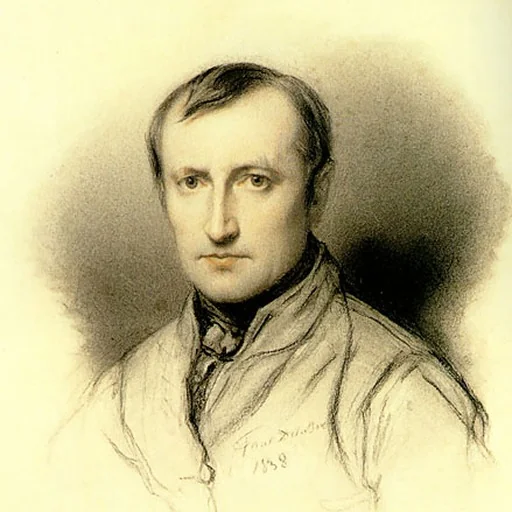
Hippolyte-Paul Delaroche (French pronunciation:; 17 July 1797 – 4 November 1856) was a French painter known for his depiction of scenes from English and French history.

- Portrait of a Lady (Possibly Mrs. Patrick Campbell, Neé Fitzgerald)
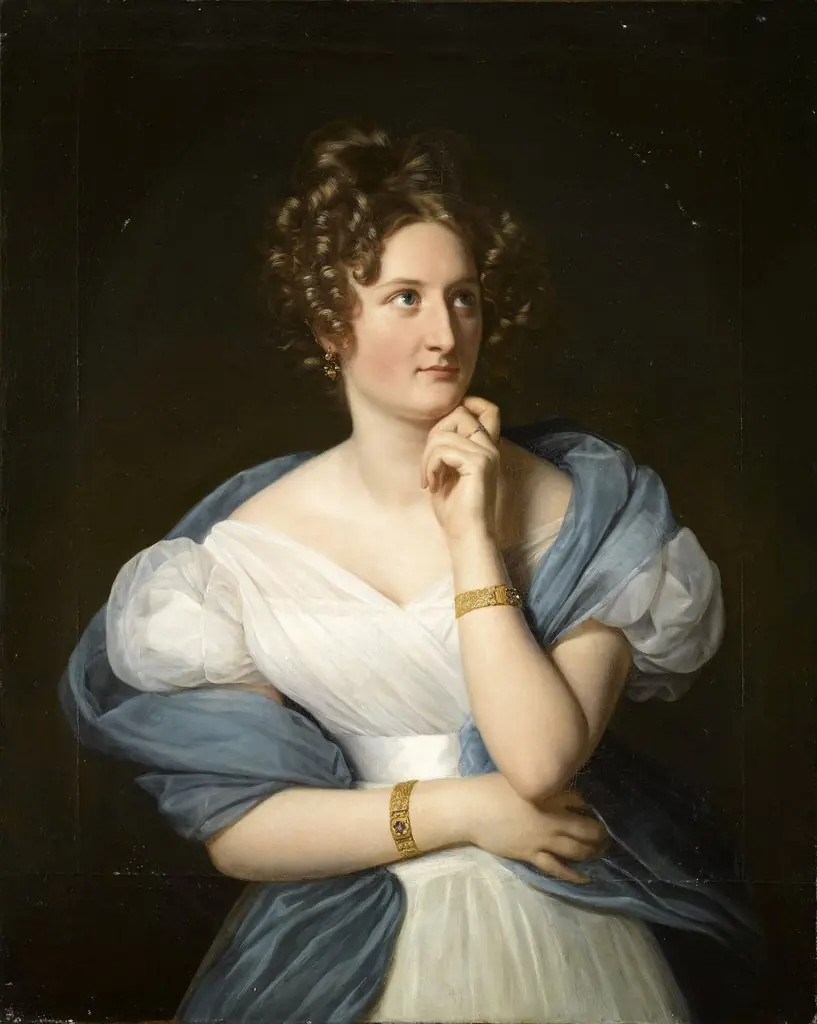 Delphine Gay
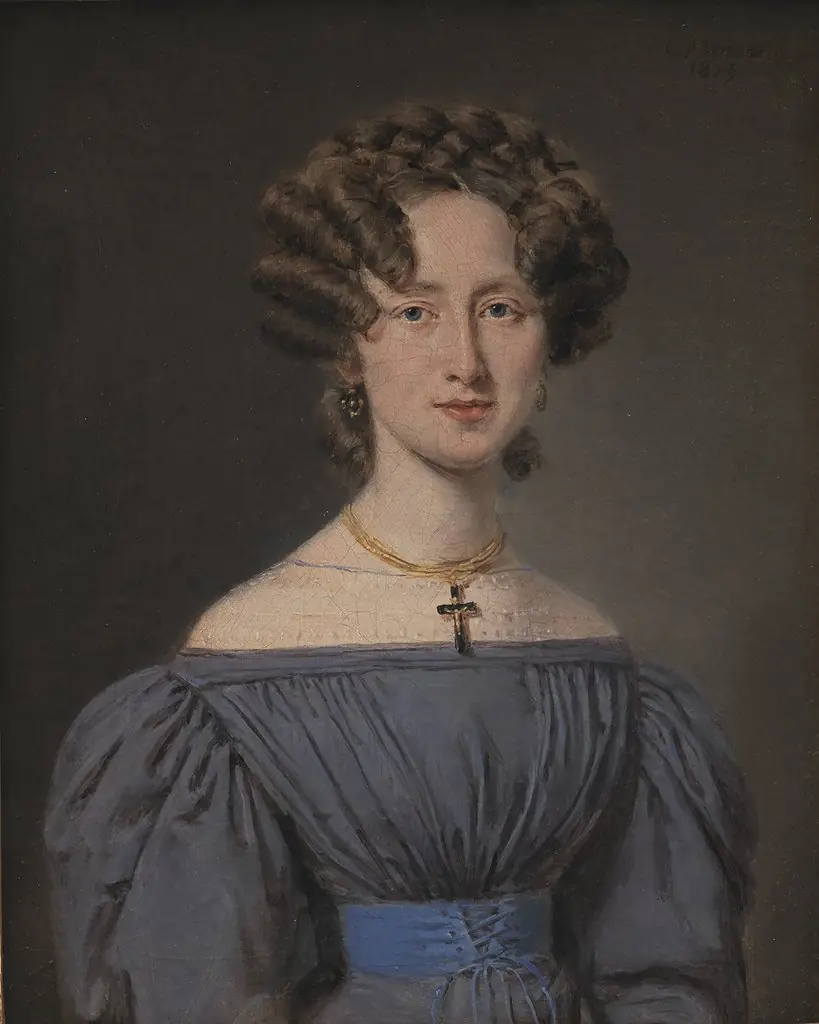 Cecilie Lønborg, gift 1830 med skibsintendant Theodor Emil Ludvigsen
 Cecilie Lønborg, gift 1830 med skibsintendant Theodor Emil Ludvigsen
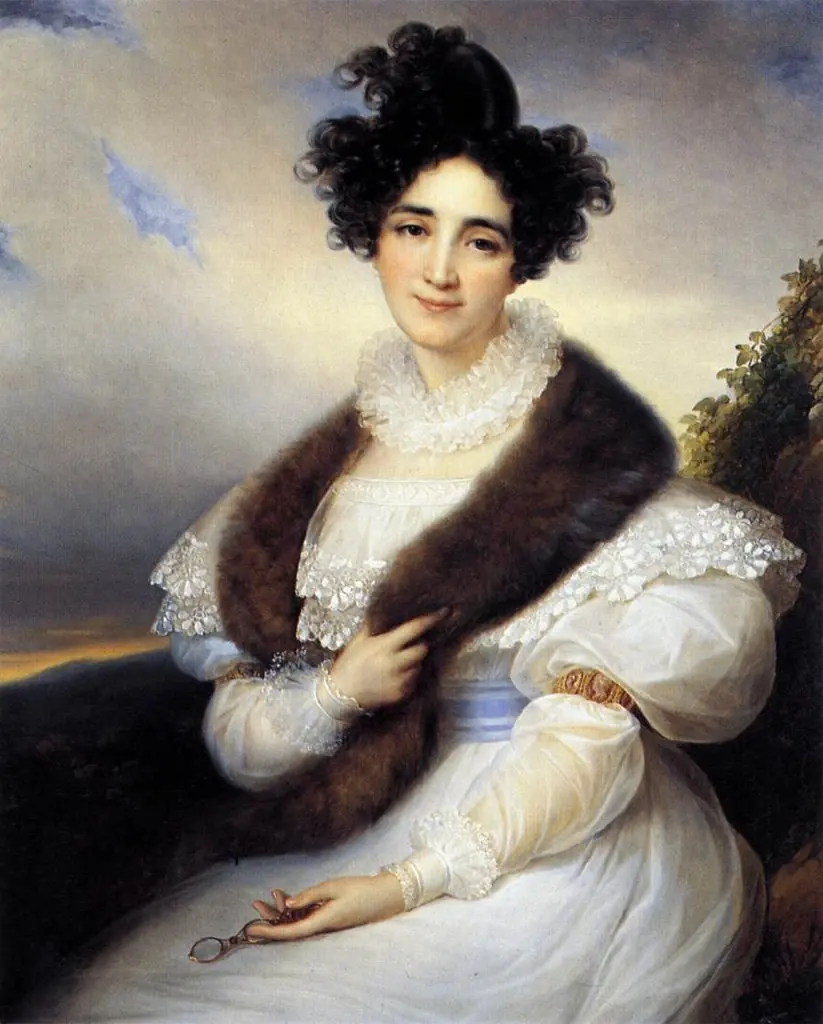 Marie-Joséphine Lafont-Porcher
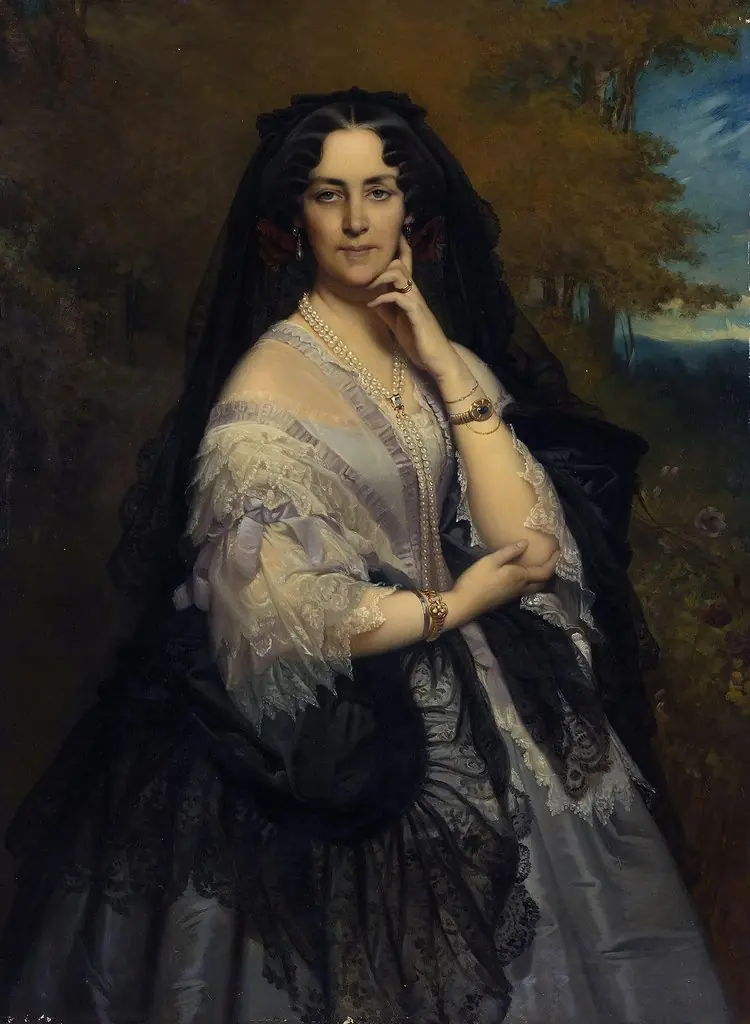 Portrait of Princess Zinaida I. Yusupova
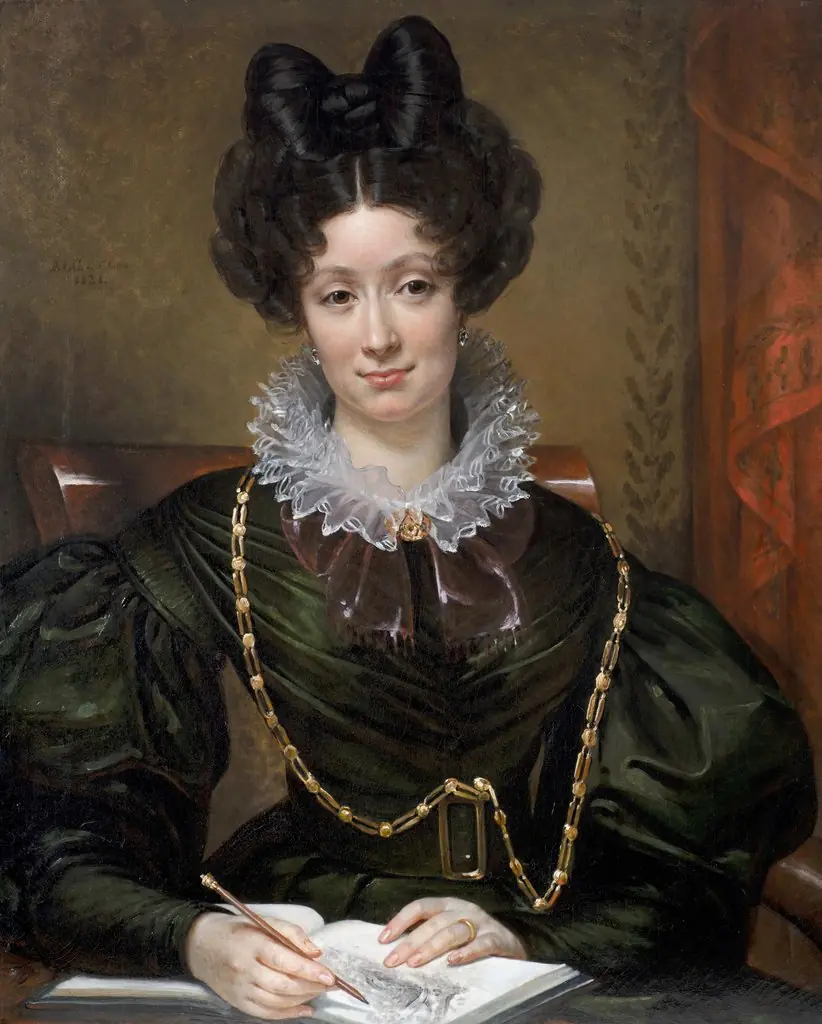 Portrait of a Young Artist
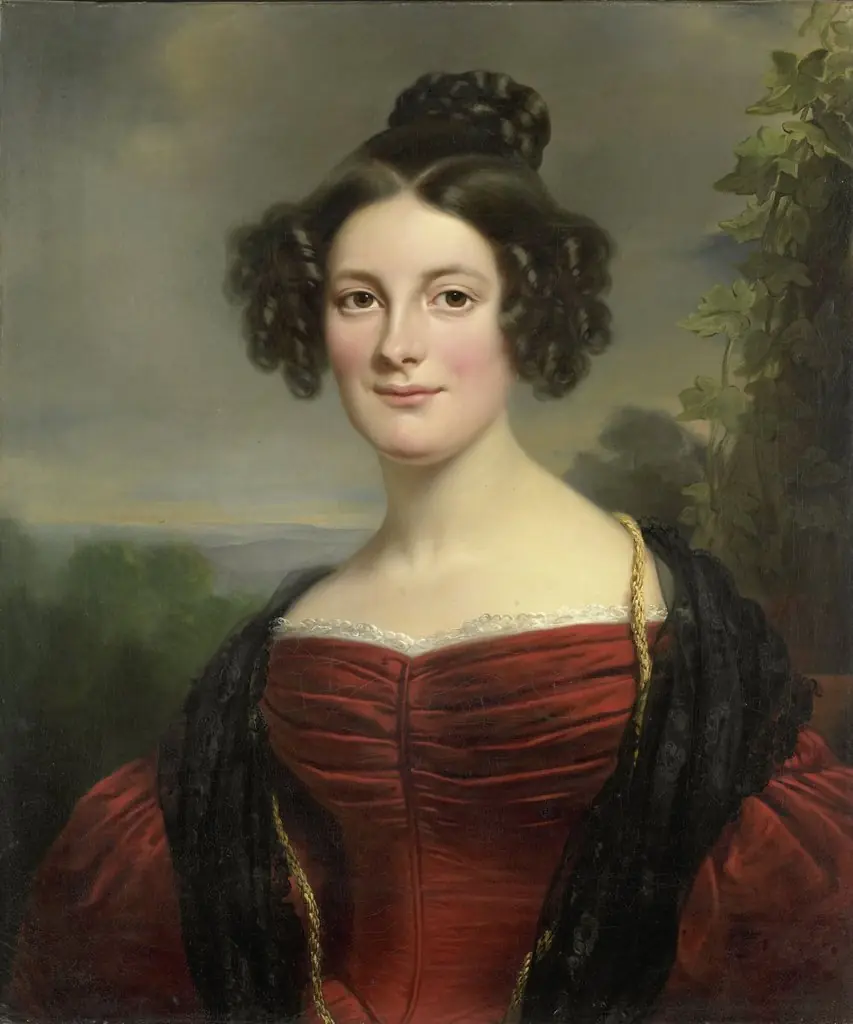 Catharina Annette Fraser (1815-92)
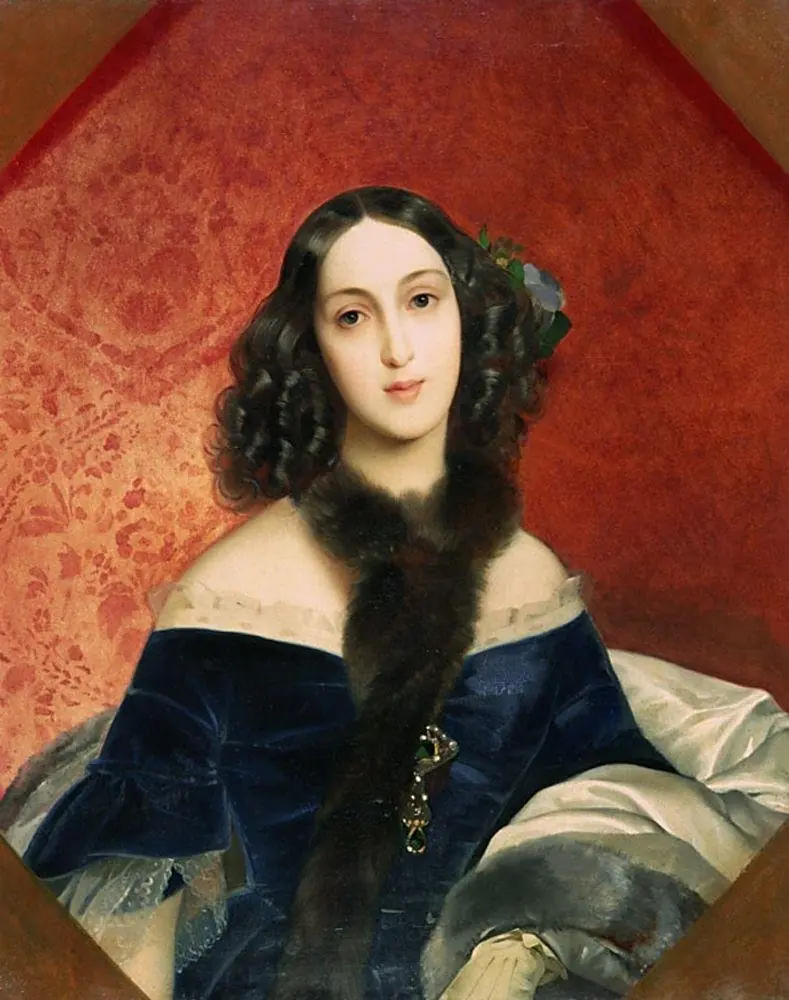 Maria Beck (née Stolypina, later Princess Vyazemskaya)
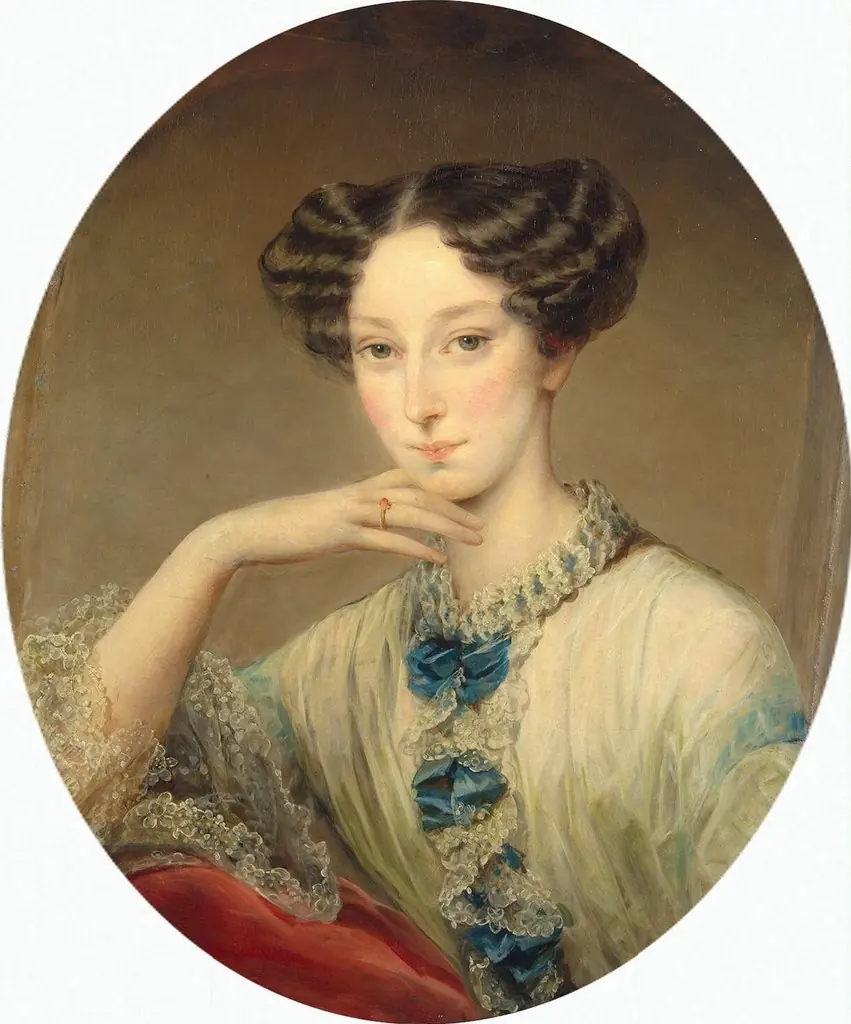 Portrait of Grand Duchess Maria Alexandrovna
 Pilar Gandiola
 Mrs. Daniel Embury (Emma Catherine Manley)