Artwork
Strange Garden
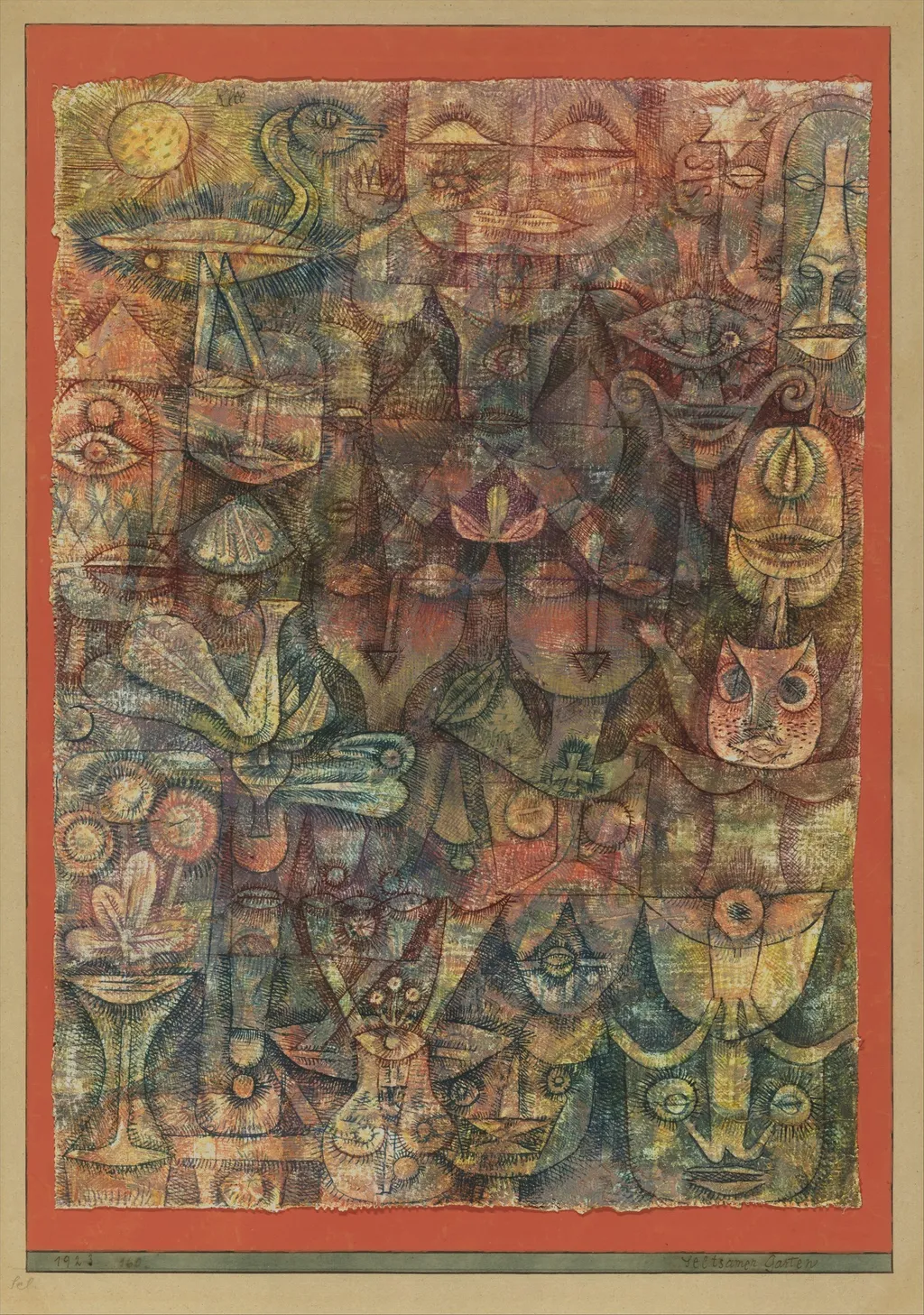
Strange Garden is an unspecified painting by the Bauhaus artist Paul Klee. It dates from 1923 and is held in the collection of the Metropolitan Museum of Art.
About this work
Subject & Meaning
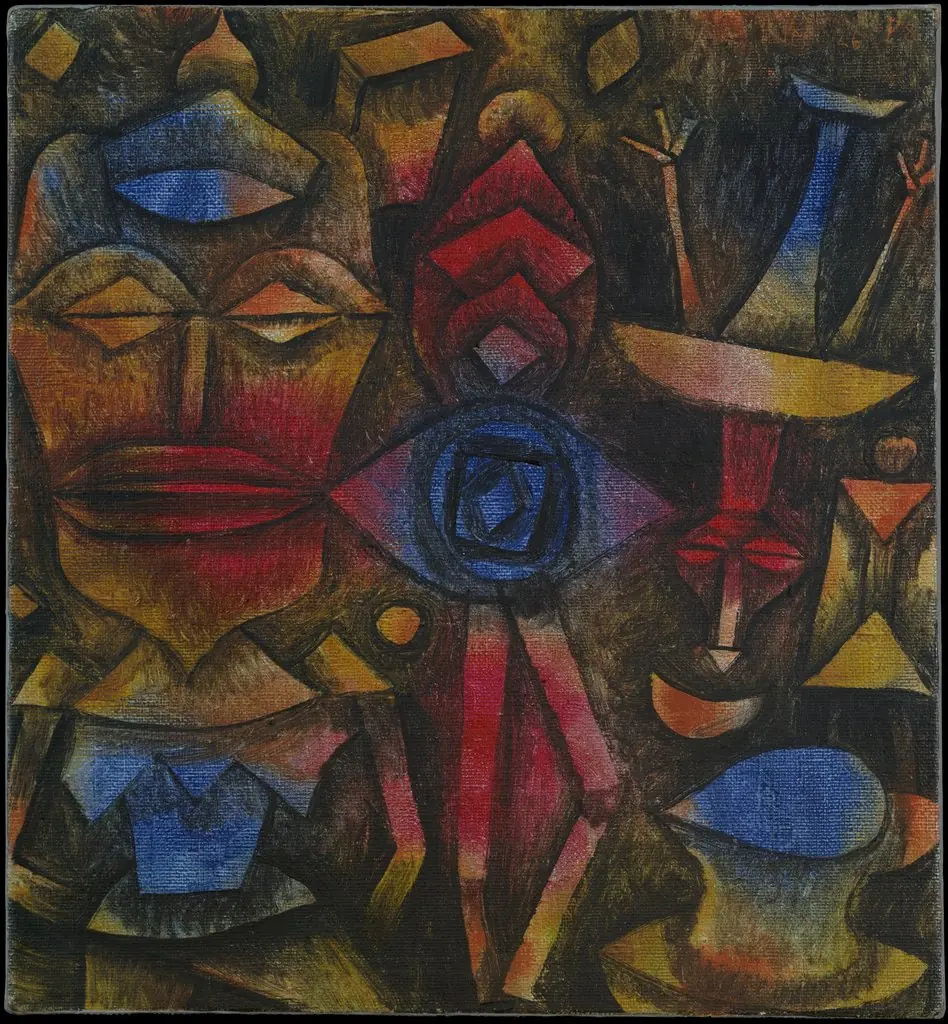
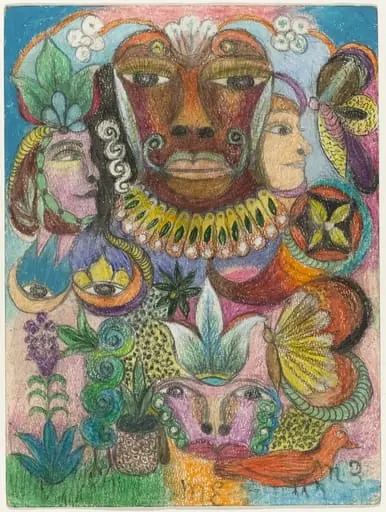
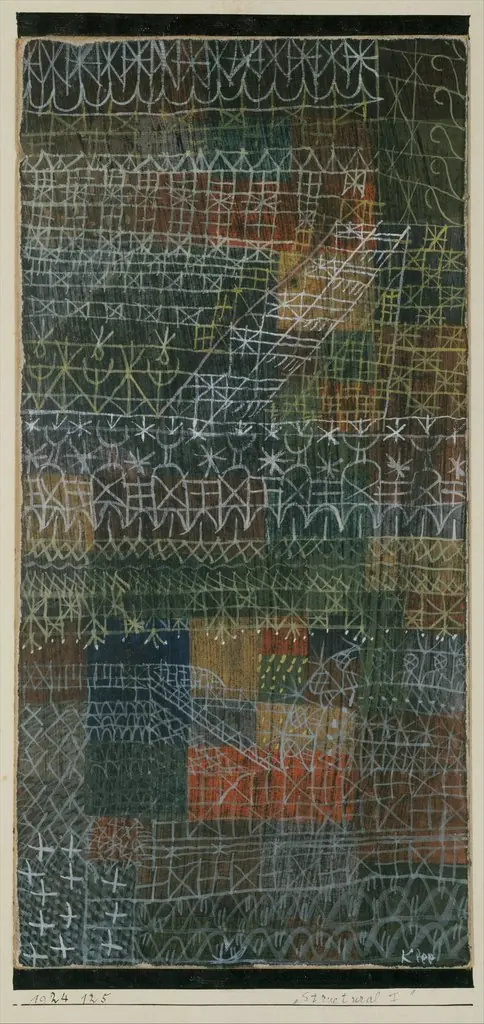
The work presents a whimsical garden scene rendered in abstracted forms, where plant life and fantastical creatures merge into a cohesive visual narrative.
The work presents a whimsical garden scene rendered in abstracted forms, where plant life and fantastical creatures merge into a cohesive visual narrative. Symbolic elements suggest a personal meditation on nature's vitality and dreamlike states, reflecting the artist's fascination with the interplay between reality and imagination. The composition balances delicate line work with subtle color fields to evoke a sense of quiet wonder, inviting viewers to contemplate the underlying meanings embedded within its stylized flora and fauna.
History & Provenance
Strange Garden was created by Paul Klee in 1923. The work is recorded as a painting completed that year, with dimensions of 53.3 cm in height and 39.4 cm in width.
The painting entered the collection of the Metropolitan Museum of Art, where it remains located. Its provenance at the museum begins with acquisition following its creation, though specific early ownership details prior to the museum’s holding are not documented in the available sources.
Paul Klee's 1923 painting Strange Garden is held in the collection of the Metropolitan Museum of Art. The work is located within the museum's permanent holdings in New York. While the specific inventory or accession number is not provided in the available records, the artwork is cataloged as a painting by the artist depicting abstraction.
The piece measures 53.3 cm in height and 39.4 cm in width. No specific exhibition history or past display dates are recorded in the provided sources.
Overview
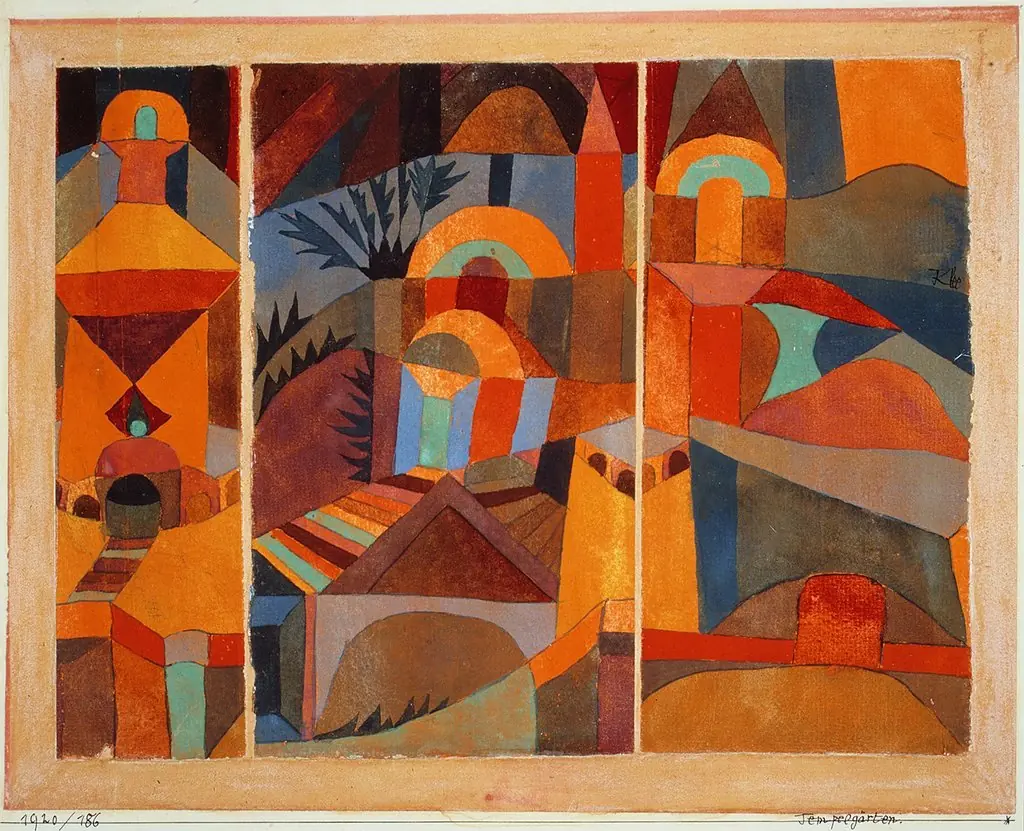
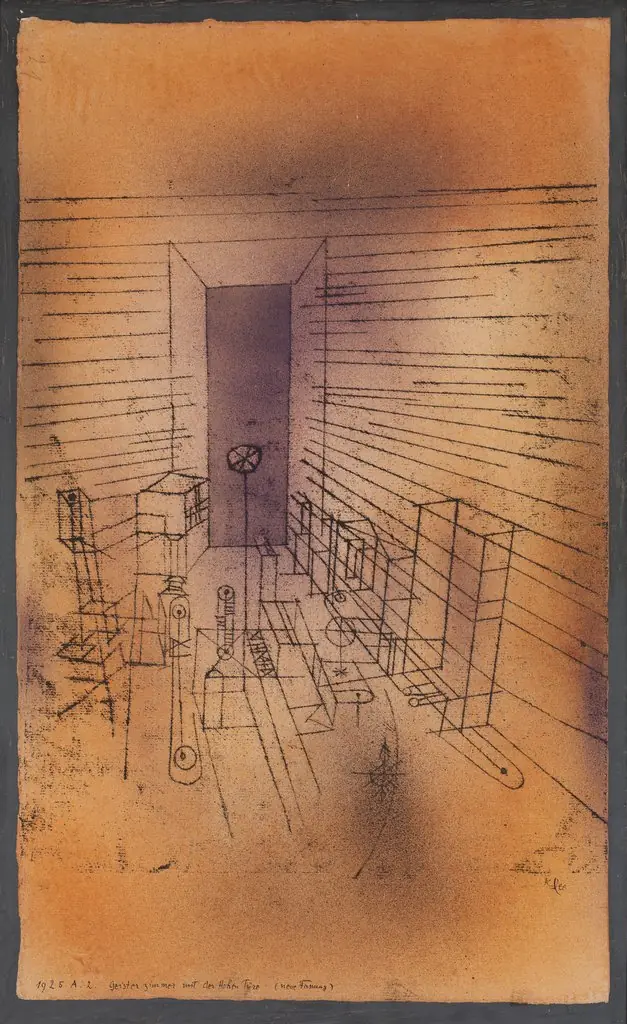
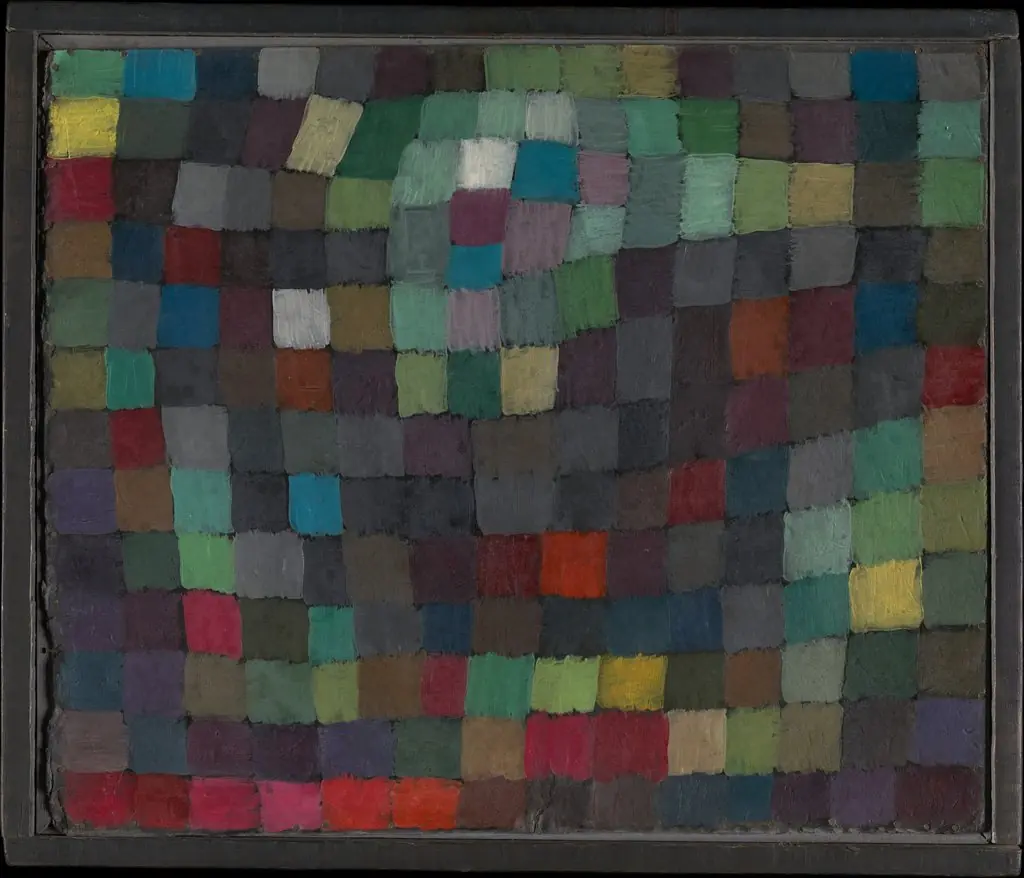
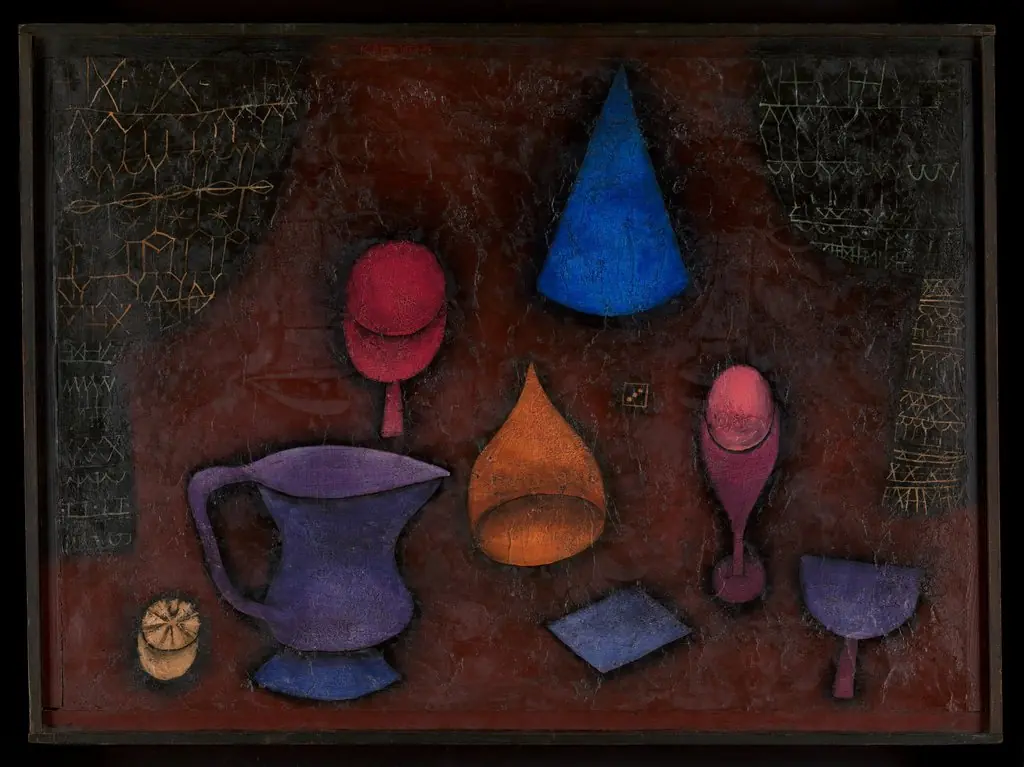
Created in 1923 during the Bauhaus period, Strange Garden is an oil painting by Paul Klee that combines a dense array of biomorphic forms and vivid hues. The work juxtaposes ambiguous figures, suggestive of faces, birds, cats, and plant‑like structures, within a tangled, dream‑like field. Earthy browns, greens, and yellows dominate, punctuated by flashes of red and blue, while the canvas edge appears uneven, as if torn.
Technique & Style
Klee’s background as a draftsman informs the precise yet spontaneous line work that defines each element. He employs a layered application of pigment, allowing some areas to glow while others recede, creating depth through contrast. The painting exemplifies his synthesis of expressionist vigor, cubist fragmentation, and surrealist imagination, all filtered through his ongoing experiments with color theory.
Context
Strange Garden emerged at a time when the Bauhaus encouraged interdisciplinary exploration across art, design, and architecture. Klee, a faculty member at the school, contributed theoretical writings on color in his Paul Klee Notebooks, which influenced contemporaries and later modernist practices. The work embodies the experimental ethos promoted by the institution.
Own this work as a print
Artist & collection
Artist
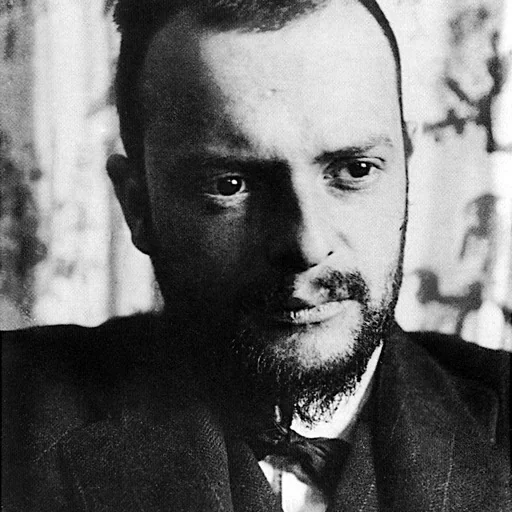
Paul Klee (German:; 18 December 1879 – 29 June 1940) was a Swiss-born German artist.