Movement
Bauhaus
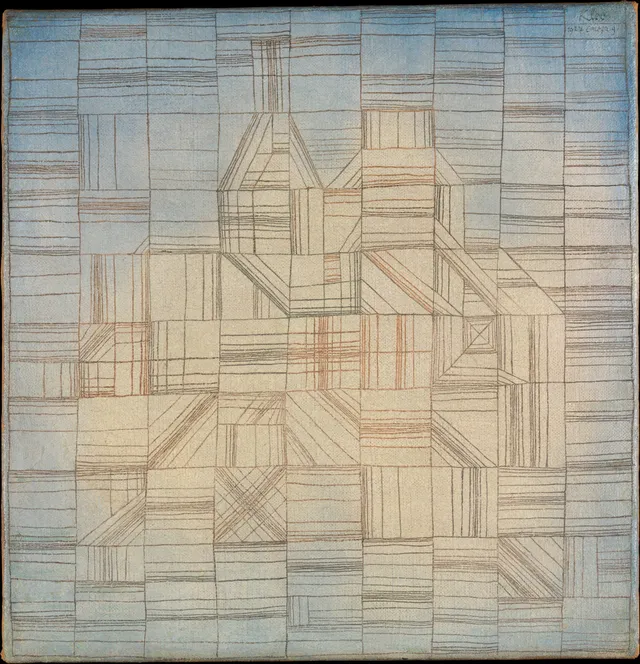
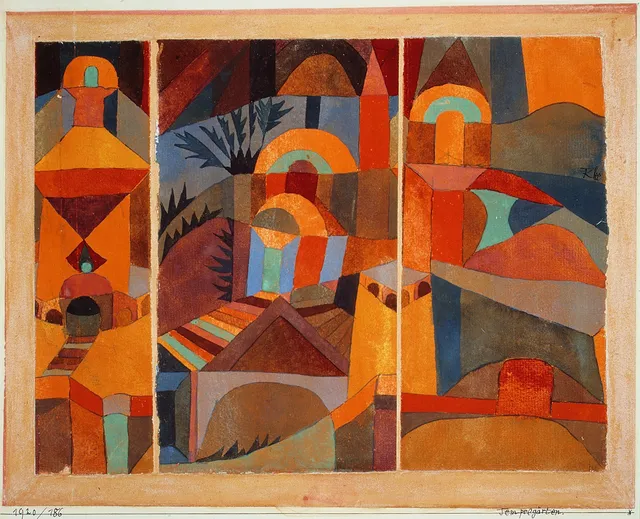
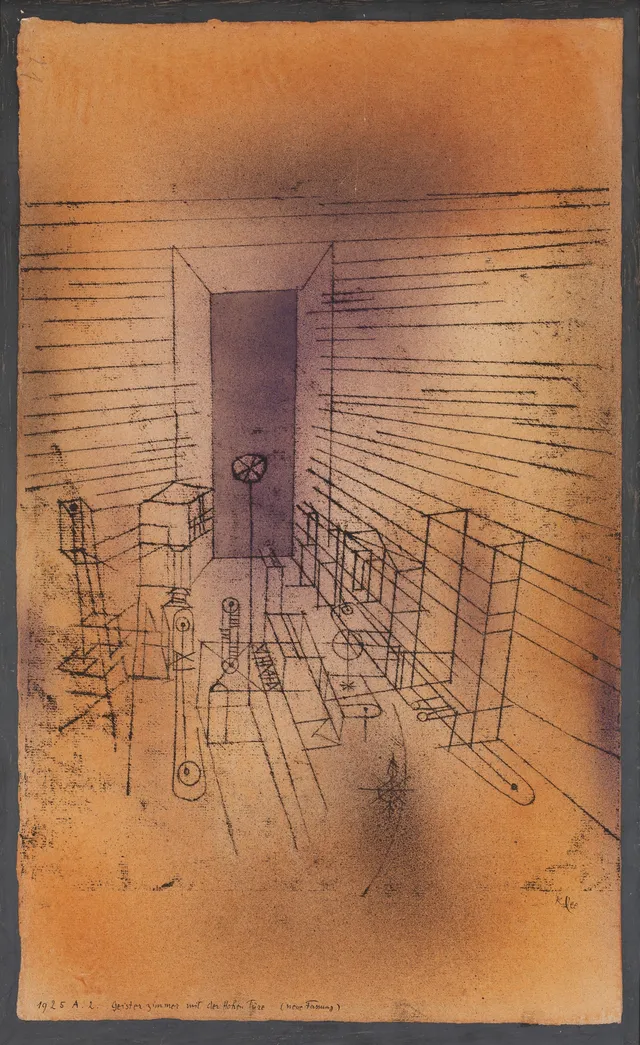
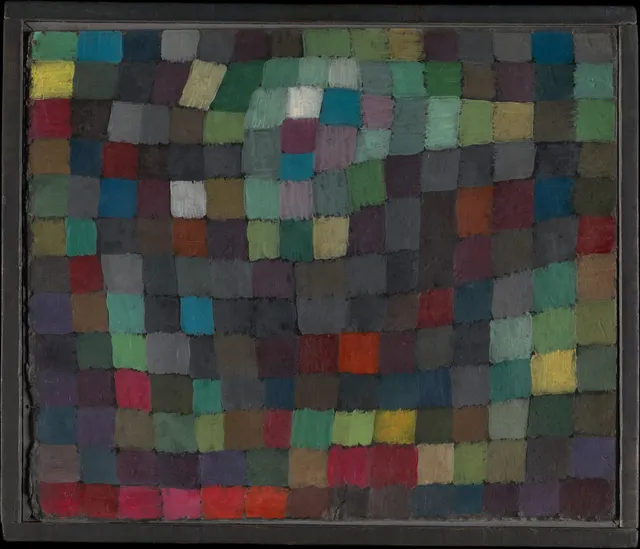
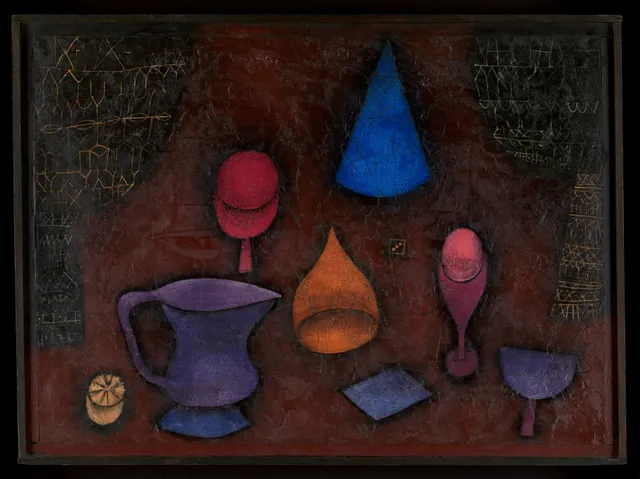
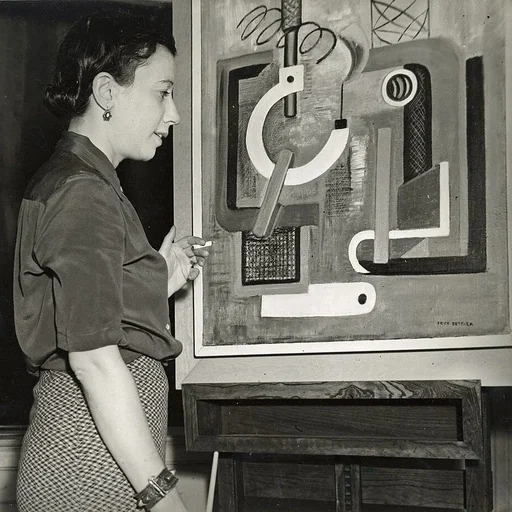
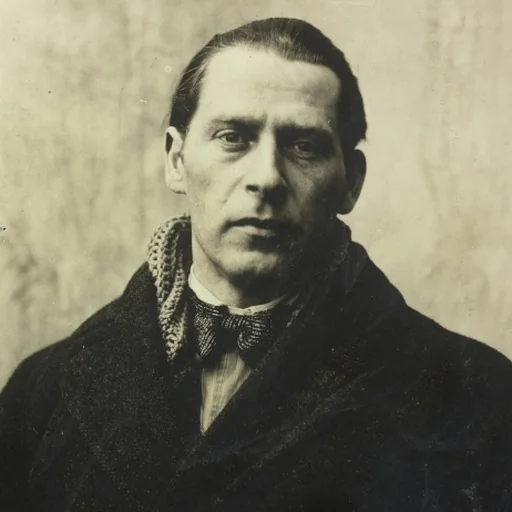
Bauhaus is an art movement of the 1919–1933 period. The gallery holds 60 works in this movement, including works by Paul Klee, Wassily Kandinsky and I. Rice Pereira. Browse Bauhaus paintings, portraits, pictures and artworks from the world's public-domain museum collections.
The Bauhaus was a German school of art, craft, and design founded by the architect Walter Gropius in Weimar on 1 April 1919, in the unsettled aftermath of the First World War and the birth of the Weimar Republic. Its founding manifesto, illustrated with Lyonel Feininger's woodcut of a crystalline cathedral, called for tearing down the barrier between the fine and the applied arts and uniting all creative disciplines under "the building of the future." Against a backdrop of economic crisis and industrial modernization, Gropius sought to reconcile handcraft with mass production and to train a new kind of artist-craftsman. Political pressure forced the school to relocate from Weimar (1919–1925) to Dessau (1925–1932), where Gropius designed its iconic glass-and-steel home, and finally to Berlin, where it was shuttered under Nazi pressure in 1933.
Teaching began with a celebrated six-month preliminary course (Vorkurs)—led successively by Johannes Itten, László Moholy-Nagy, and Josef Albers—that grounded every student in color, form, and material before they entered specialized workshops in metal, weaving, cabinetmaking, typography, wall painting, and stagecraft. Each workshop paired a "Form Master" with a craftsman. The mature Bauhaus aesthetic that emerged—geometric clarity, primary colors, sans-serif typography, tubular-steel furniture, and the credo that form follows function—shaped products from Marcel Breuer's "Wassily" chair to Marianne Brandt's metalwork and Wilhelm Wagenfeld's table lamp.
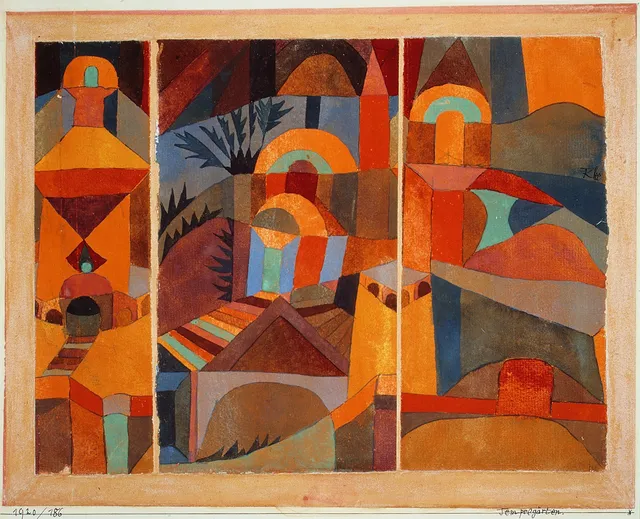
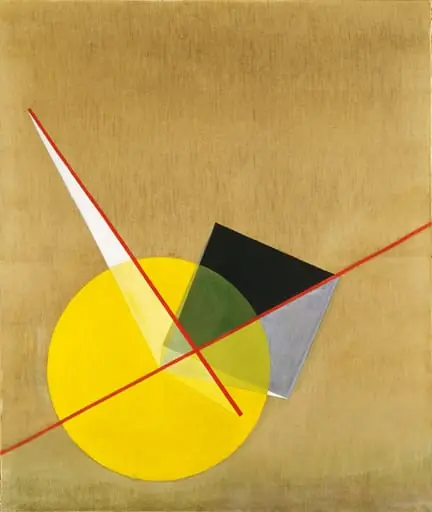
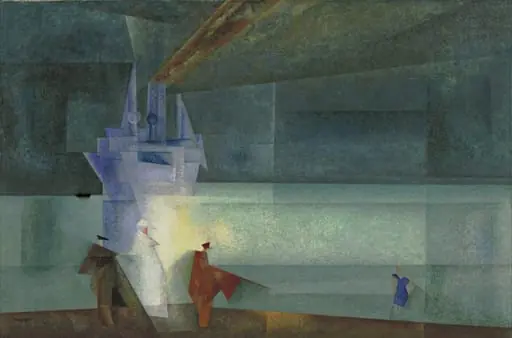
The faculty included some of modernism's greatest painters. Wassily Kandinsky and Paul Klee taught compulsory theory seminars on color and form, Lyonel Feininger led graphic arts, Oskar Schlemmer directed the theatre workshop and devised the "Triadic Ballet," and Moholy-Nagy advanced photography and constructivist design. Klee's Weimar- and Dessau-era output—including works held here such as Temple Gardens, May Picture, and Ghost Chamber with the Tall Door—translated his playful, color-theoretical investigations into paint.
Though open only fourteen years, the Bauhaus became the most influential design school of the twentieth century. It absorbed the geometric abstraction of Dutch De Stijl and Russian Constructivism, and its diaspora—Gropius and Breuer to Harvard, Mies van der Rohe and Moholy-Nagy to Chicago, Albers to Black Mountain and Yale—carried its principles into American architecture, the International Style, and modern graphic and industrial design worldwide.
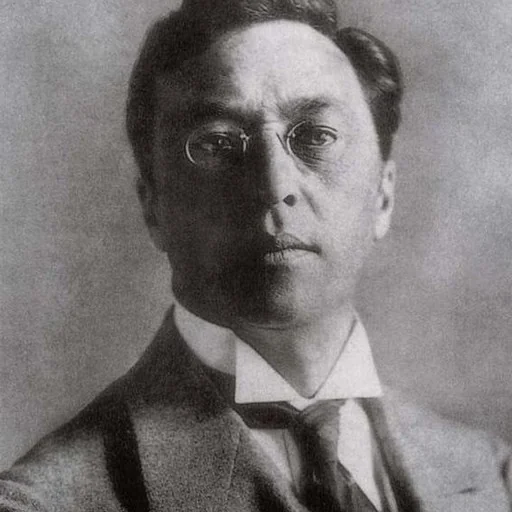
Key artists
Works
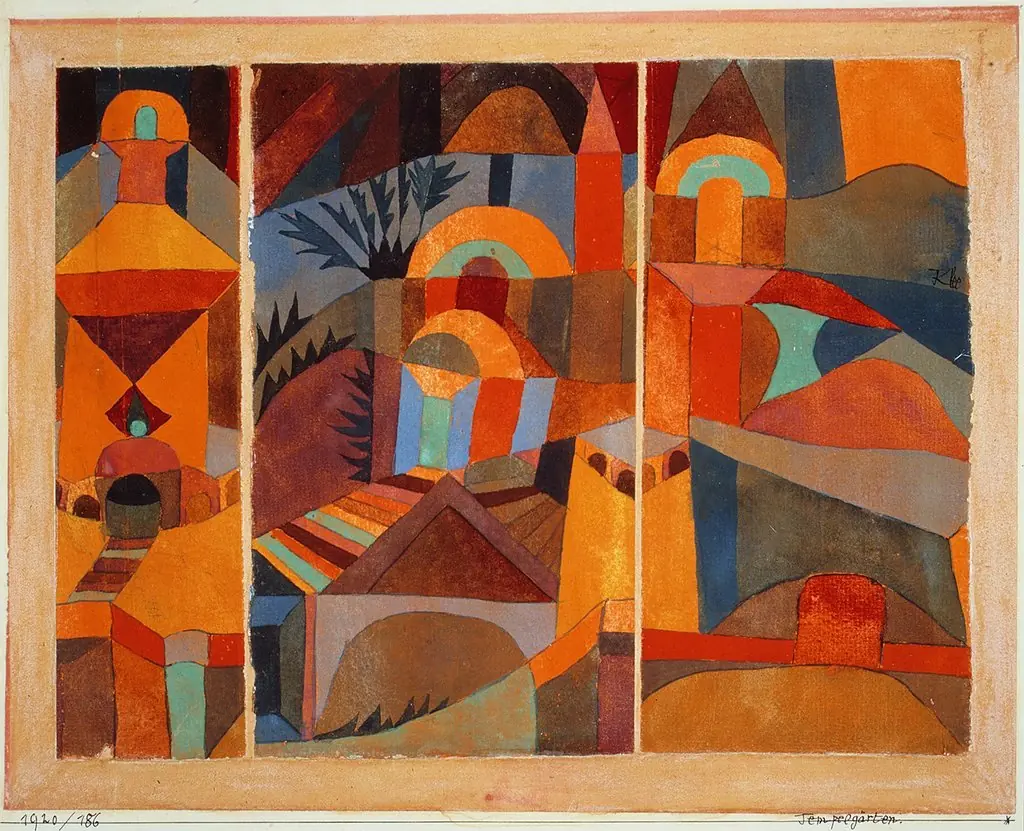 Temple Gardens
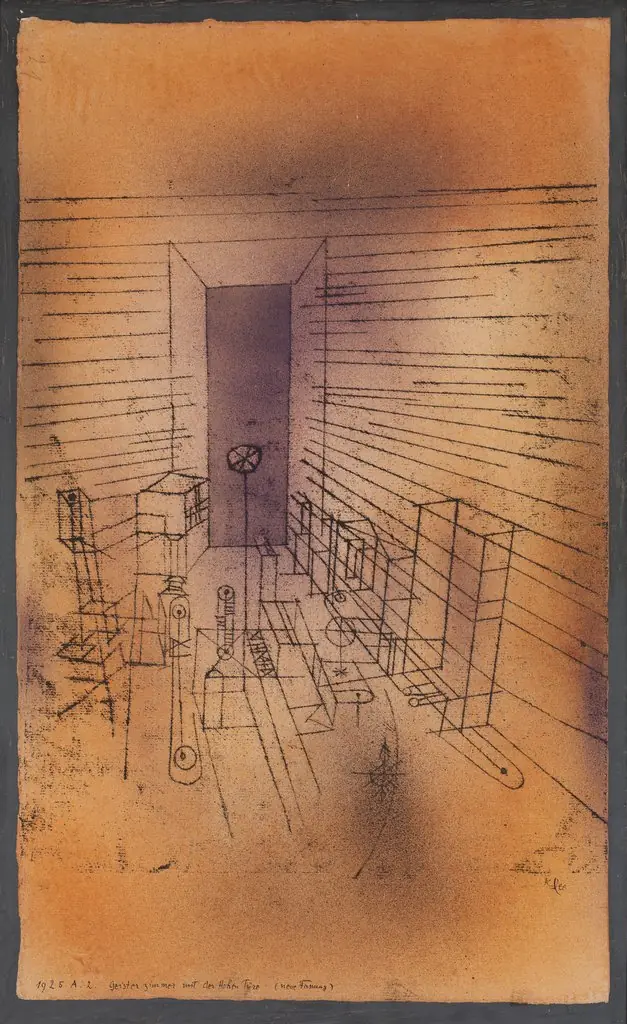 Ghost Chamber with the Tall Door (New Version)
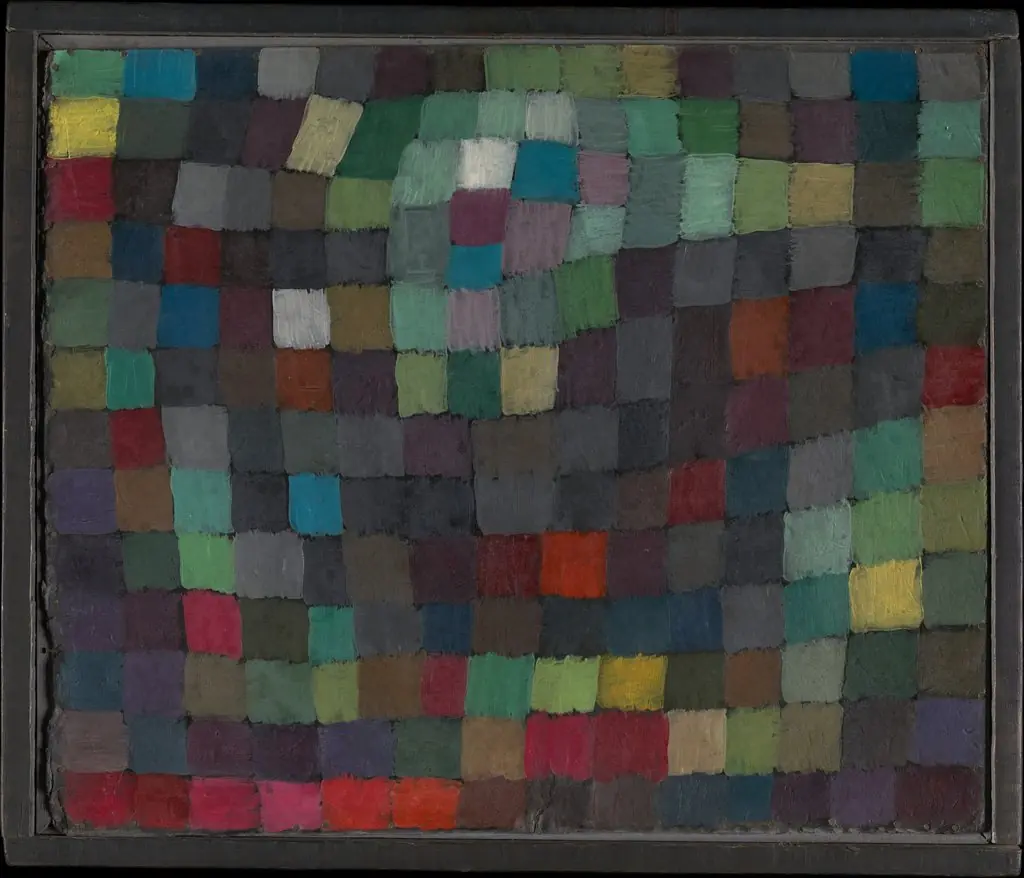 May Picture
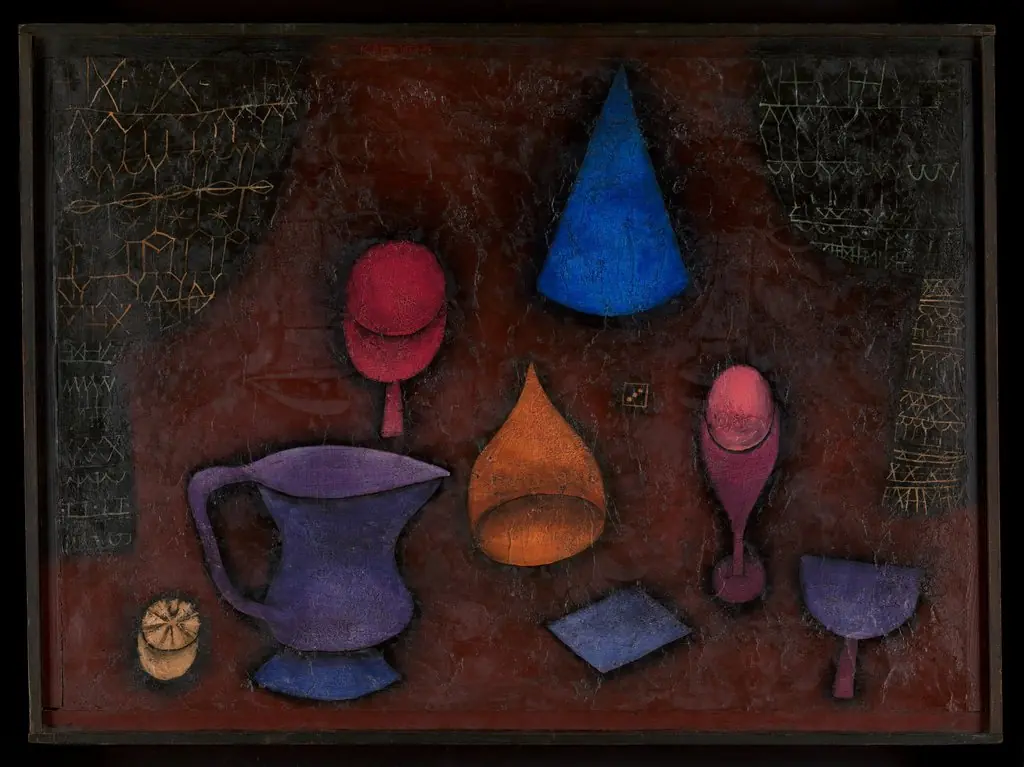 Still Life
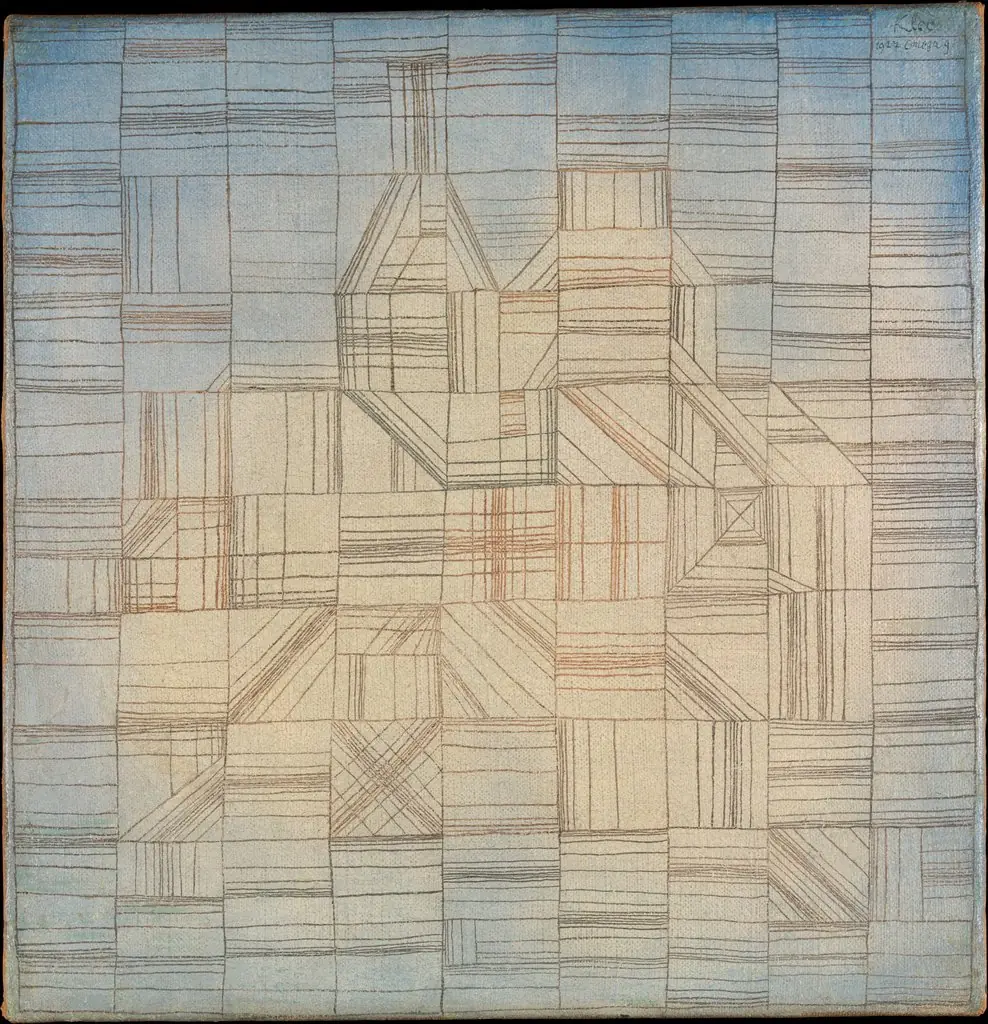 Variations (Progressive Motif)
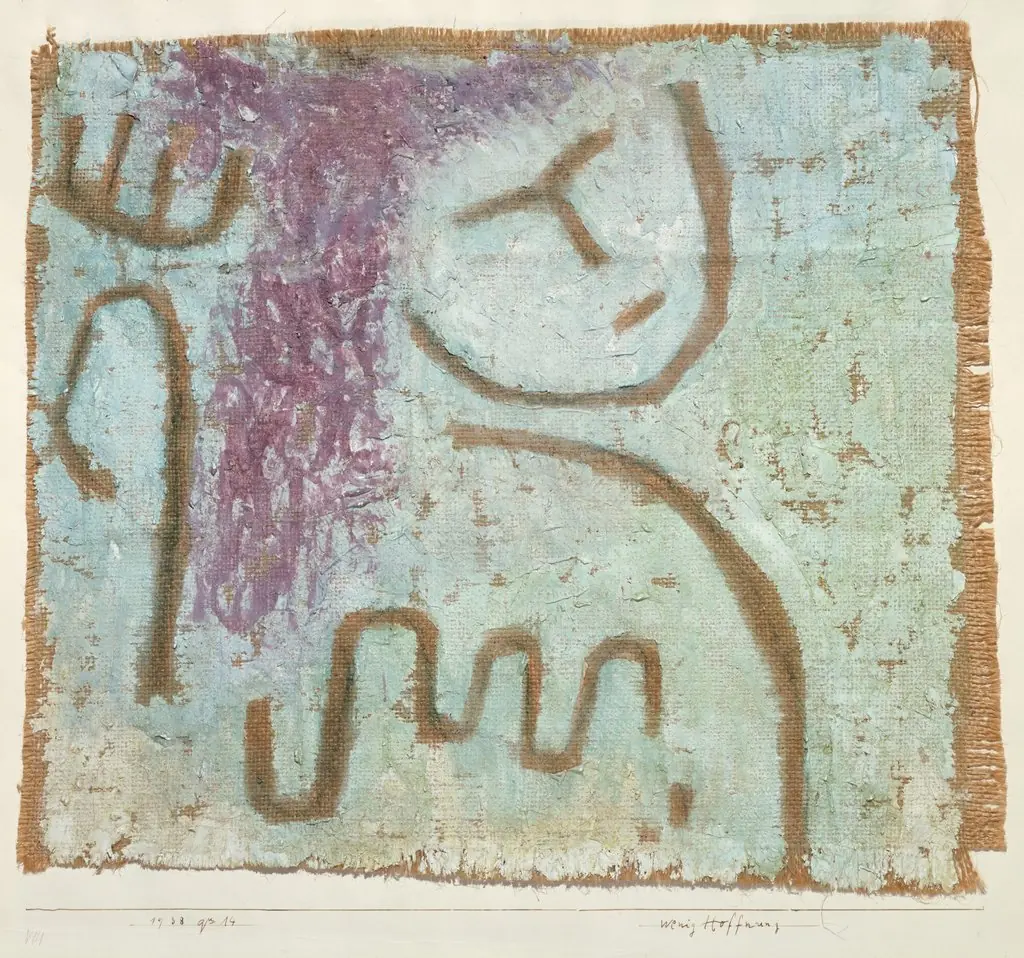 Little Hope
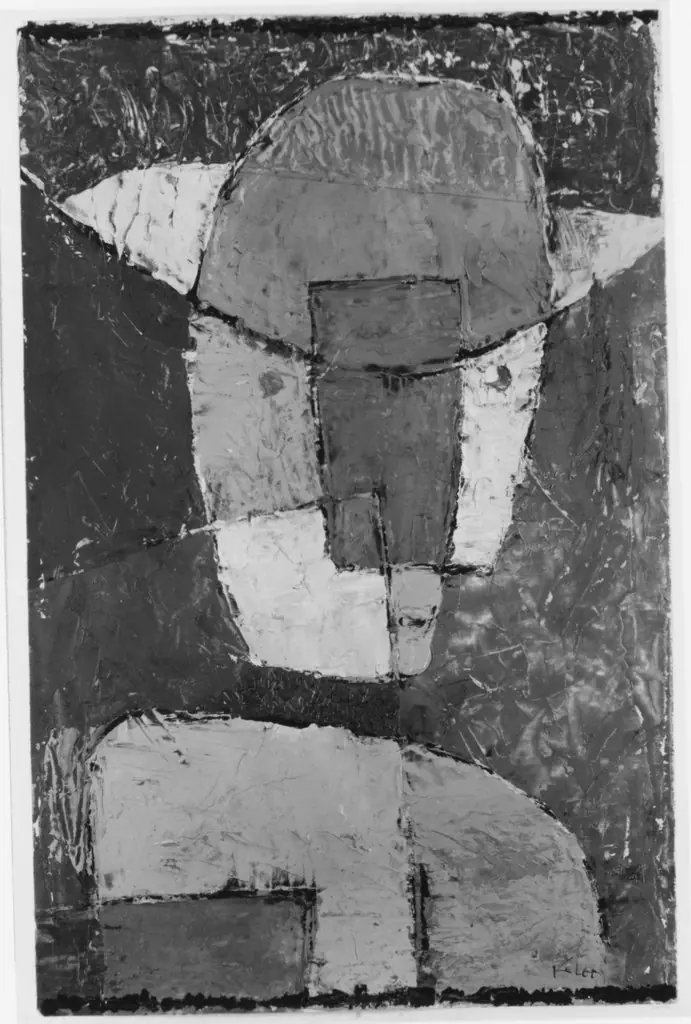 La Kash-Ne
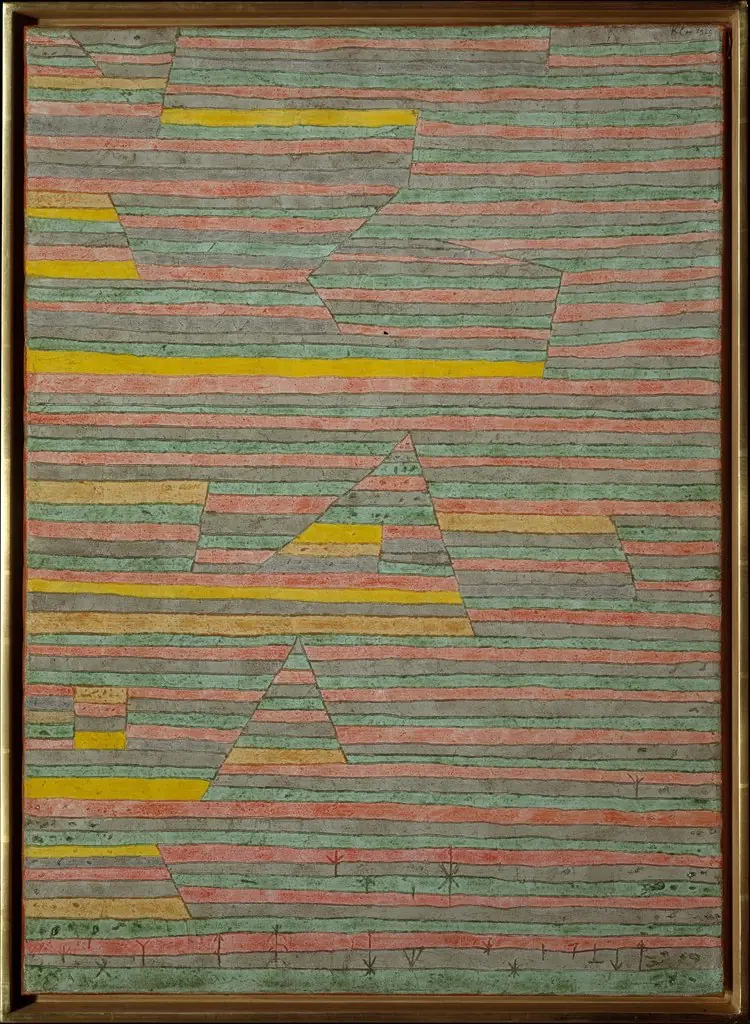 Monuments at G.
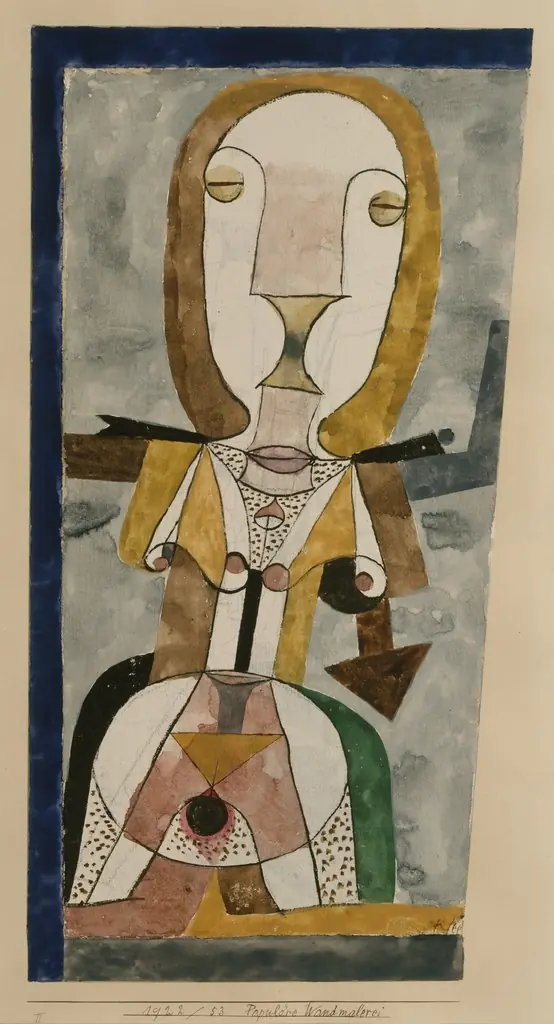 Popular Wall-Painting
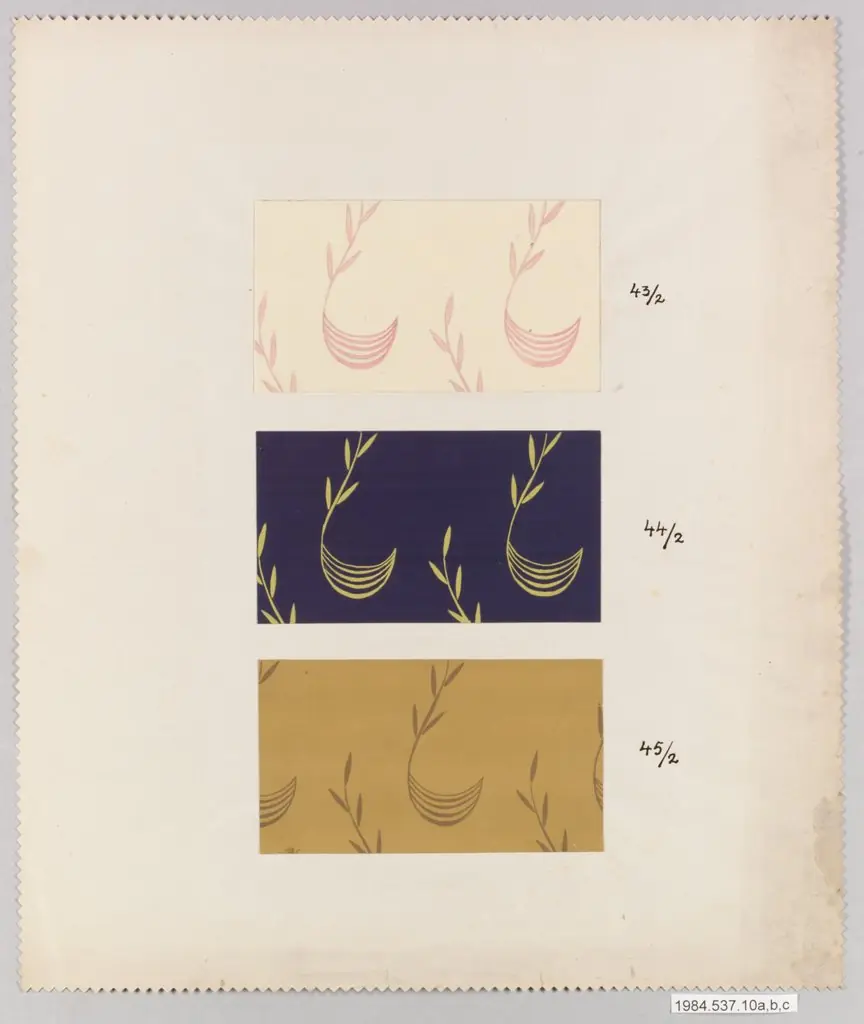 ALUM
ALUM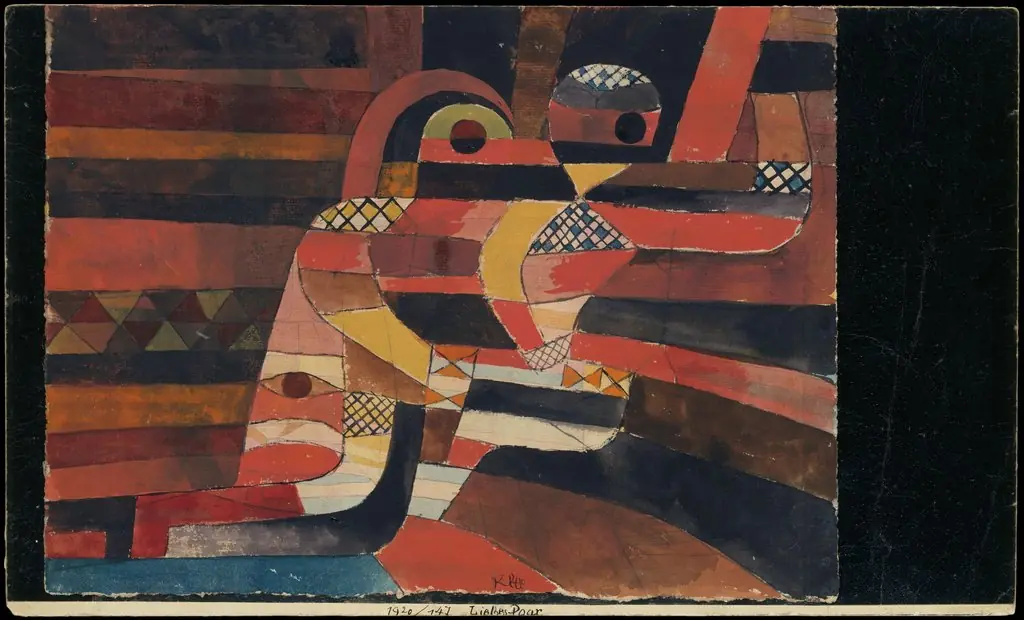 Lovers
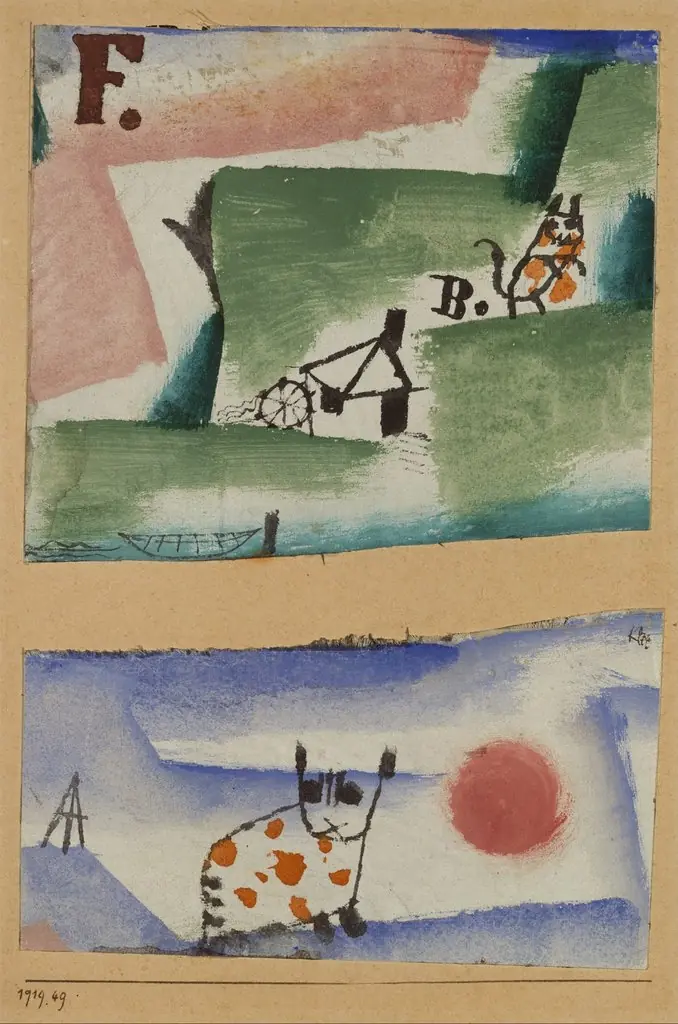 Tomcat's Turf
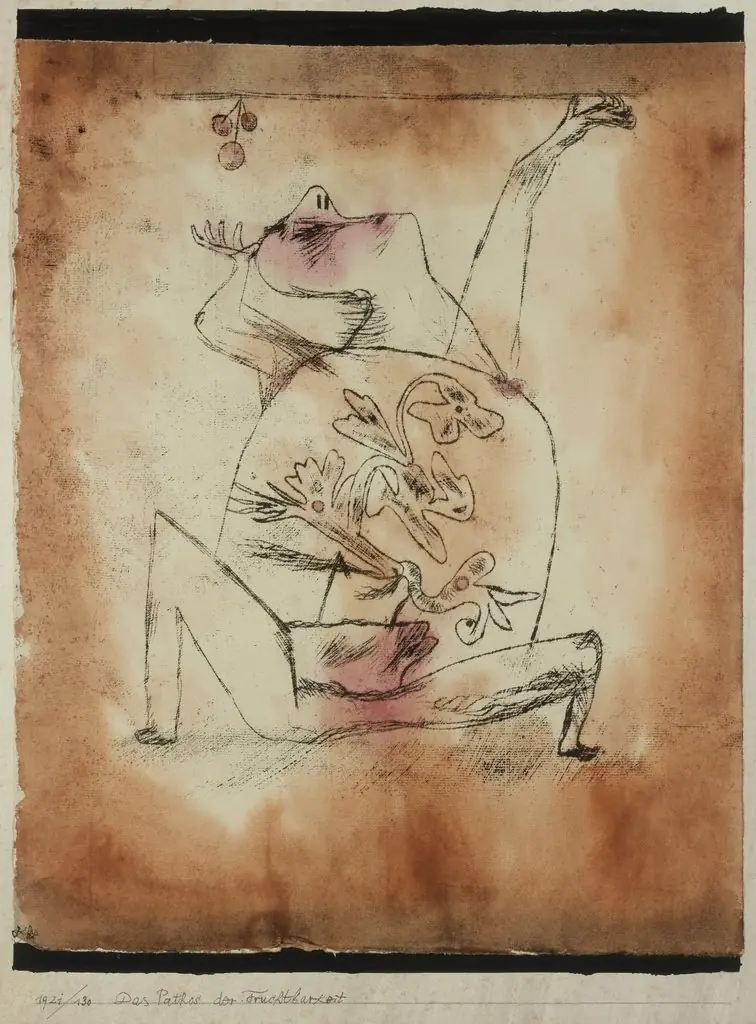 The Pathos of Fertility
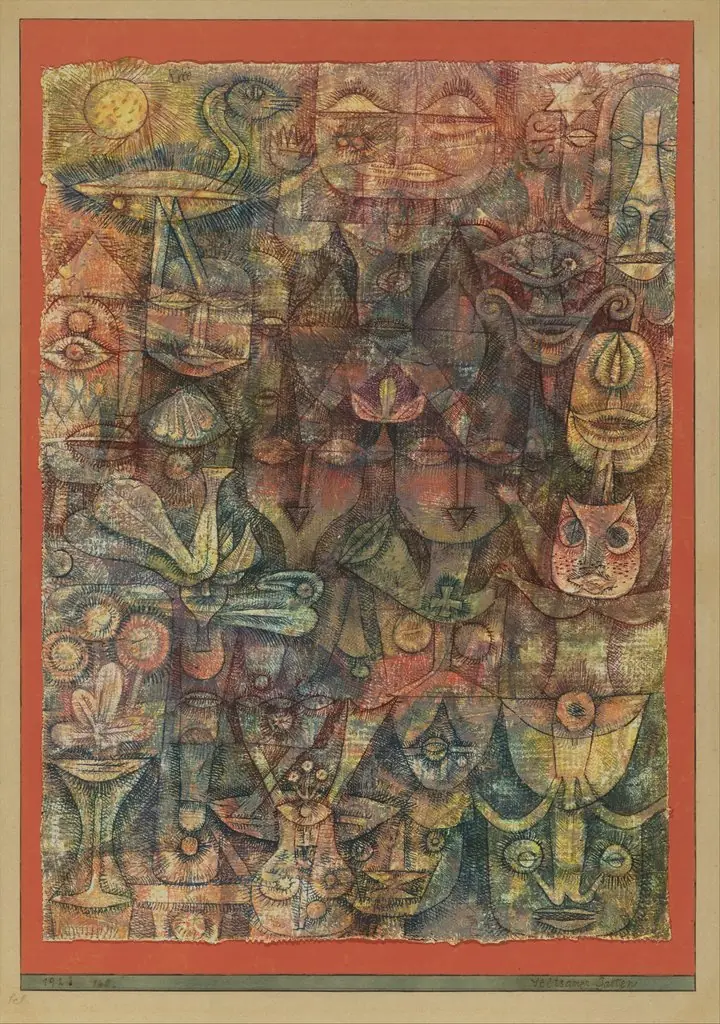 Strange Garden
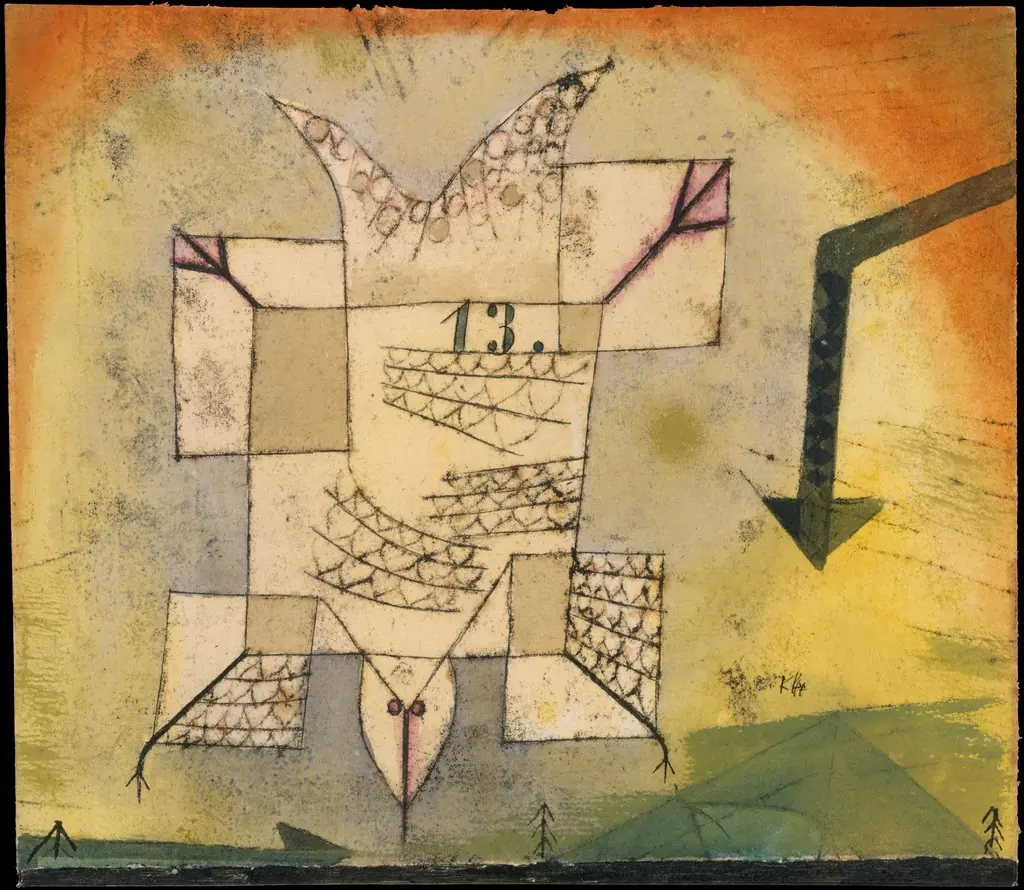 Falling Bird
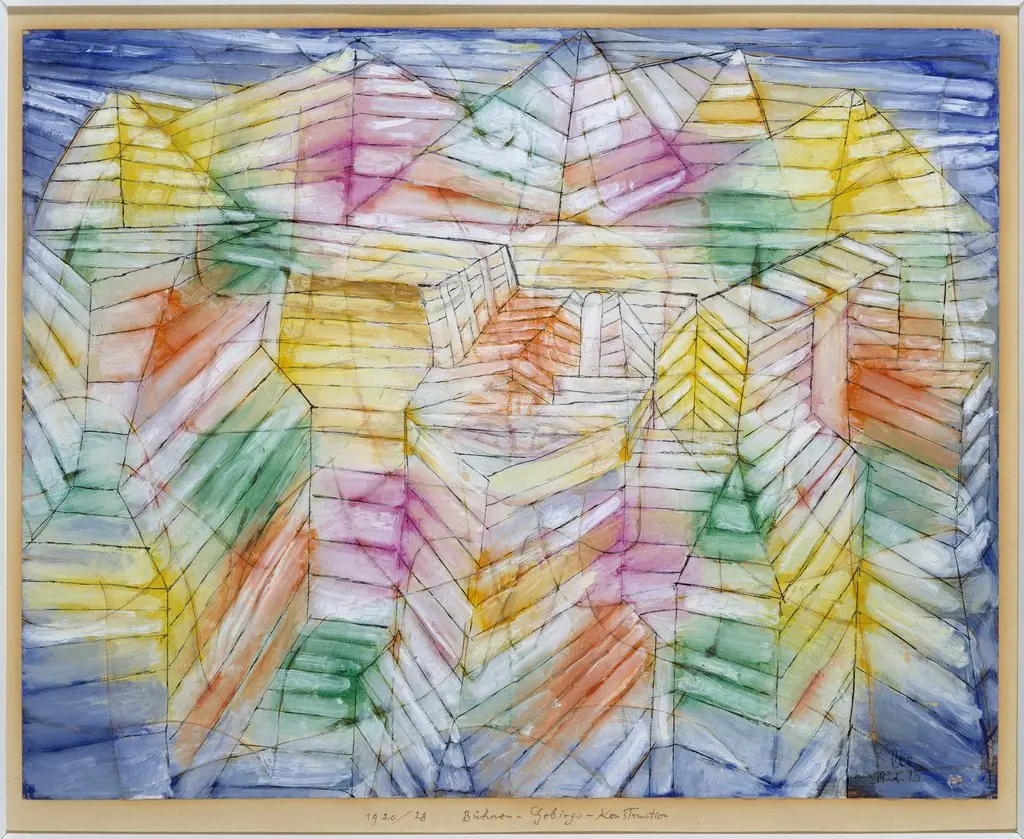 Theater-Mountain-Construction
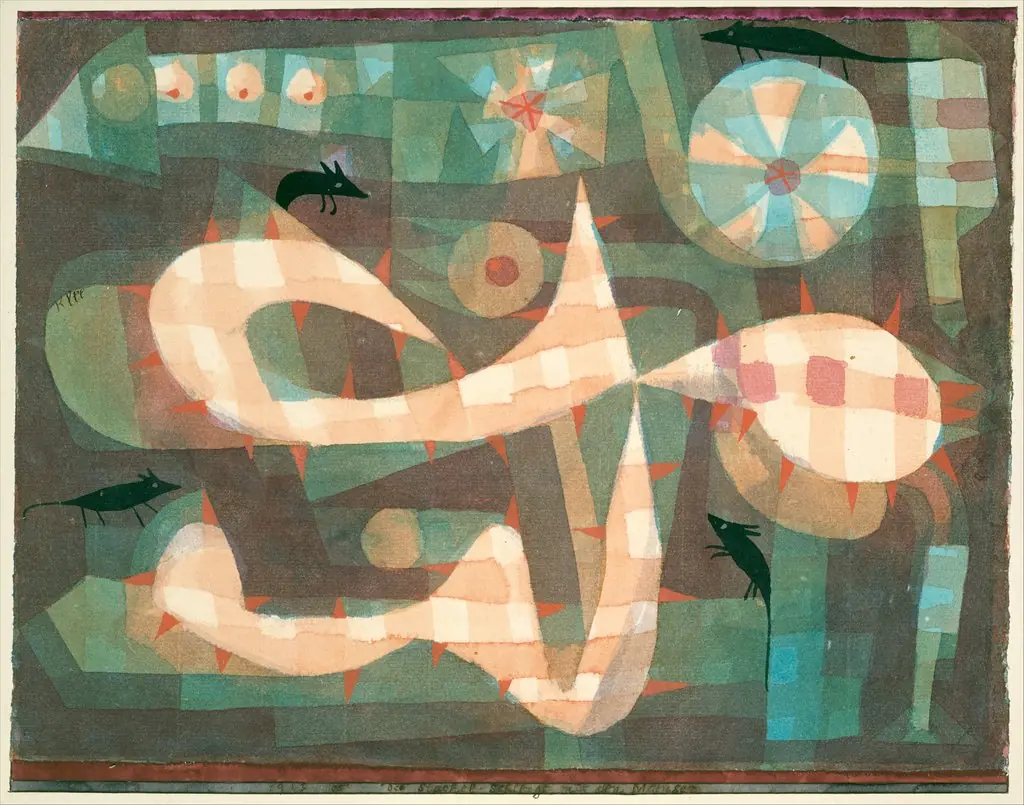 The Barbed Noose with the Mice
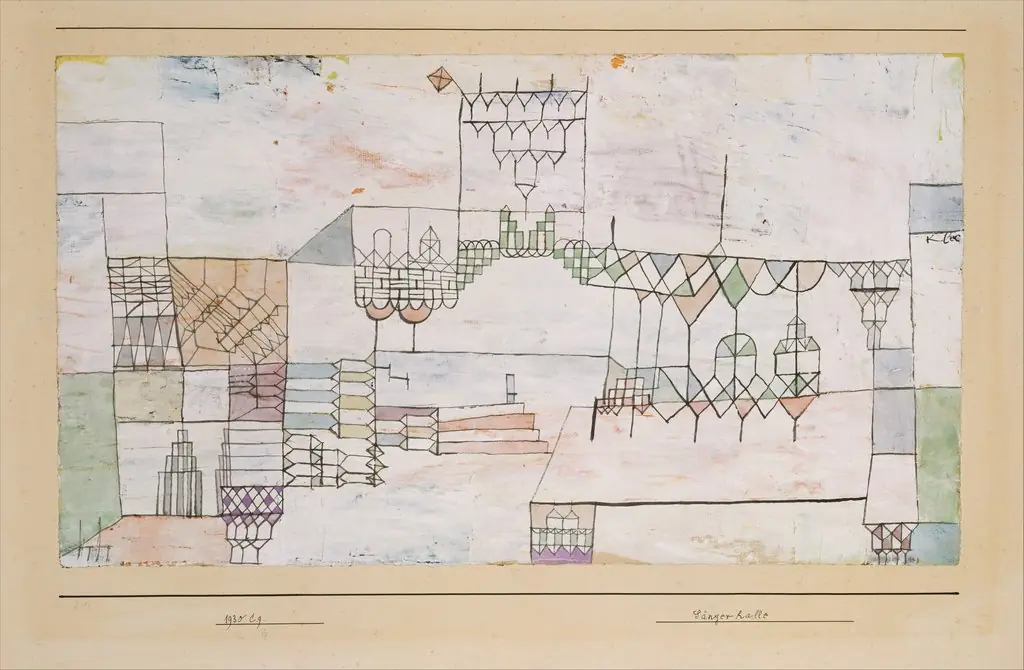 Great Hall for Singers
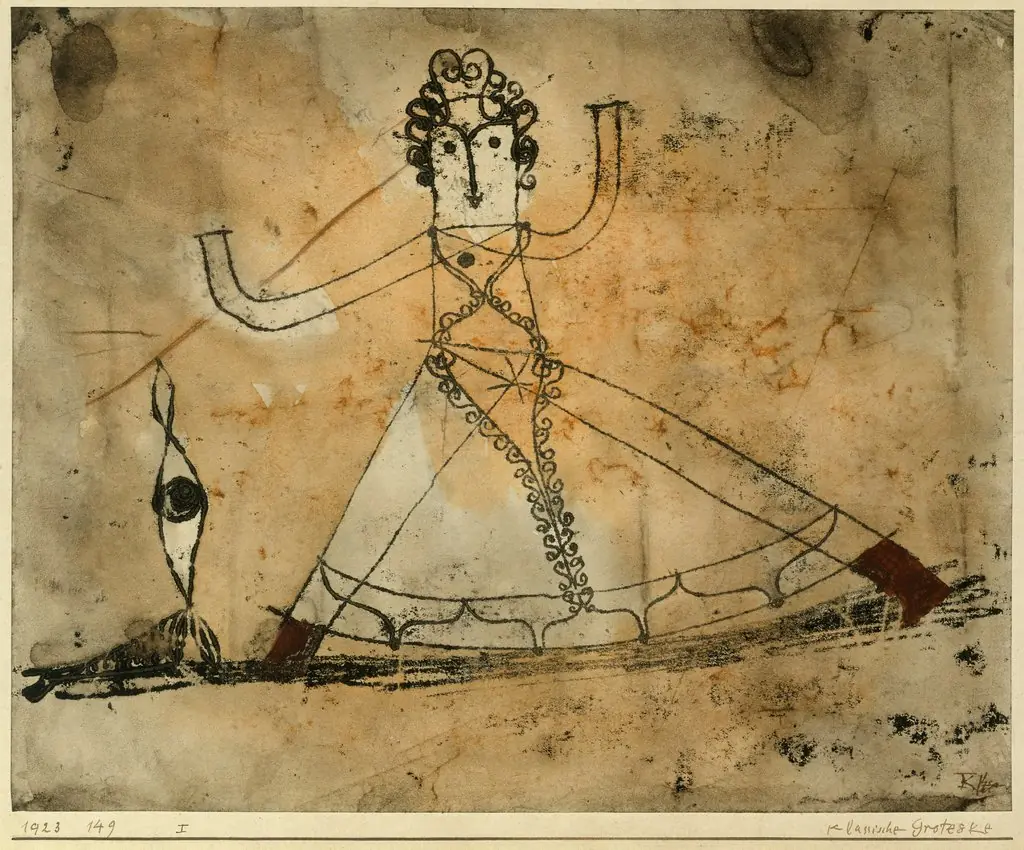 Classical Grotesque
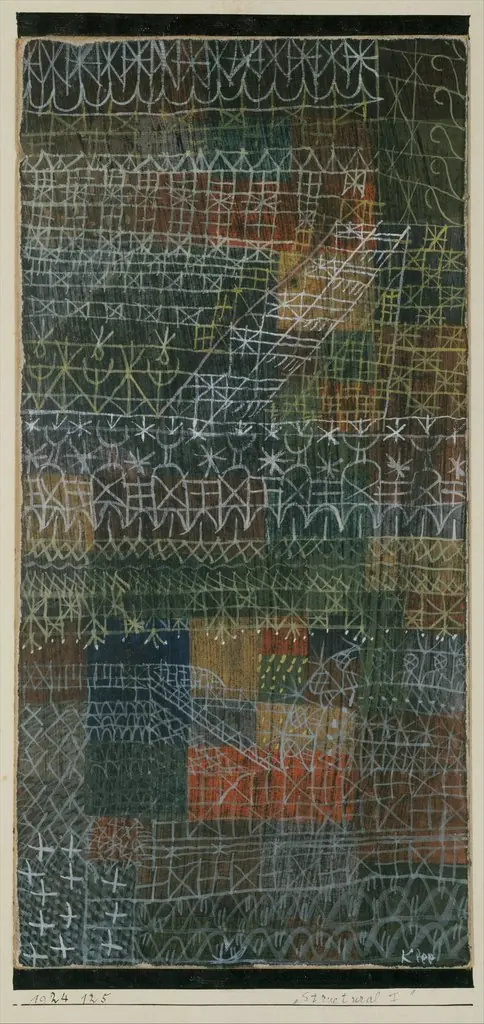 Structural I
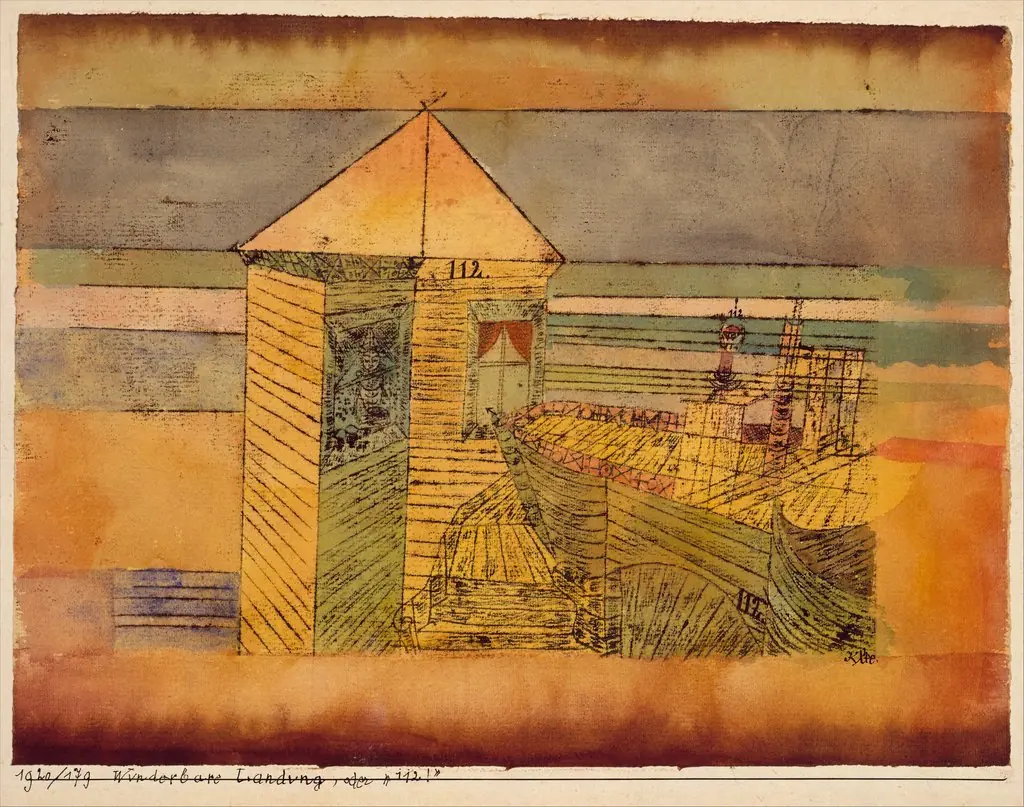 Miraculous Landing, or the "112!"
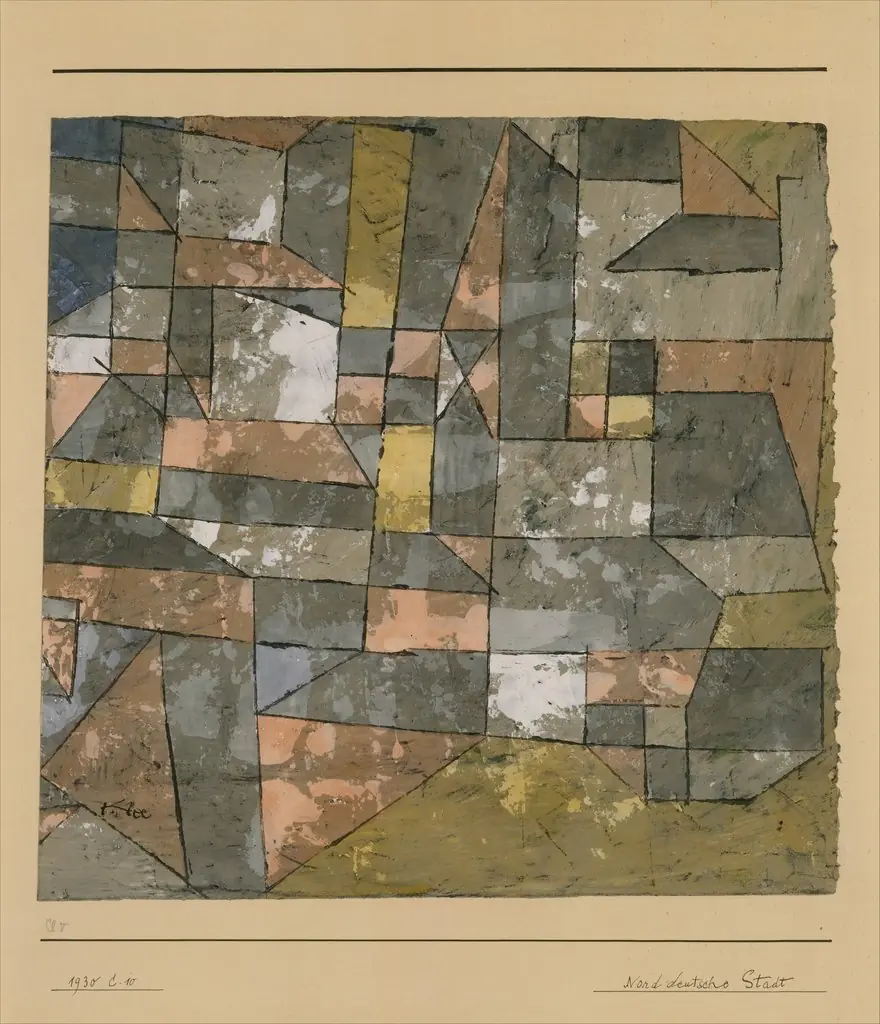 North German City
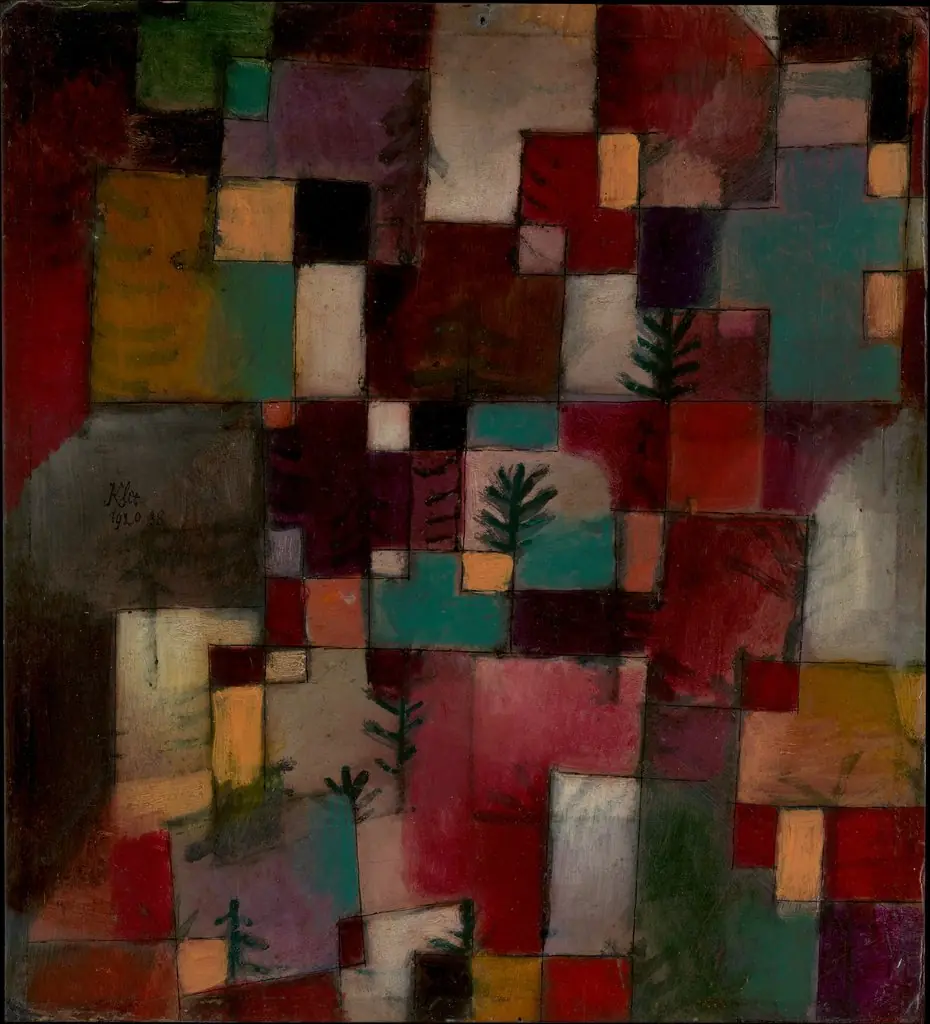 Redgreen and Violet-Yellow Rhythms
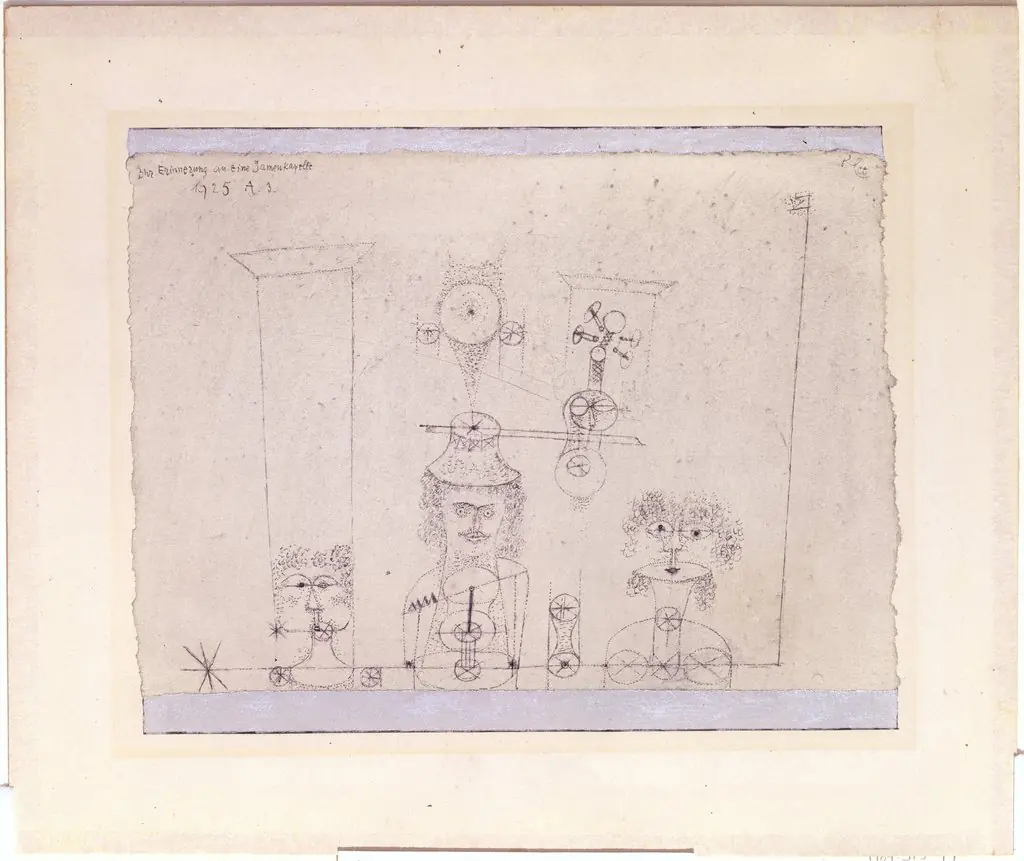 In Memory of an All-Girl Band
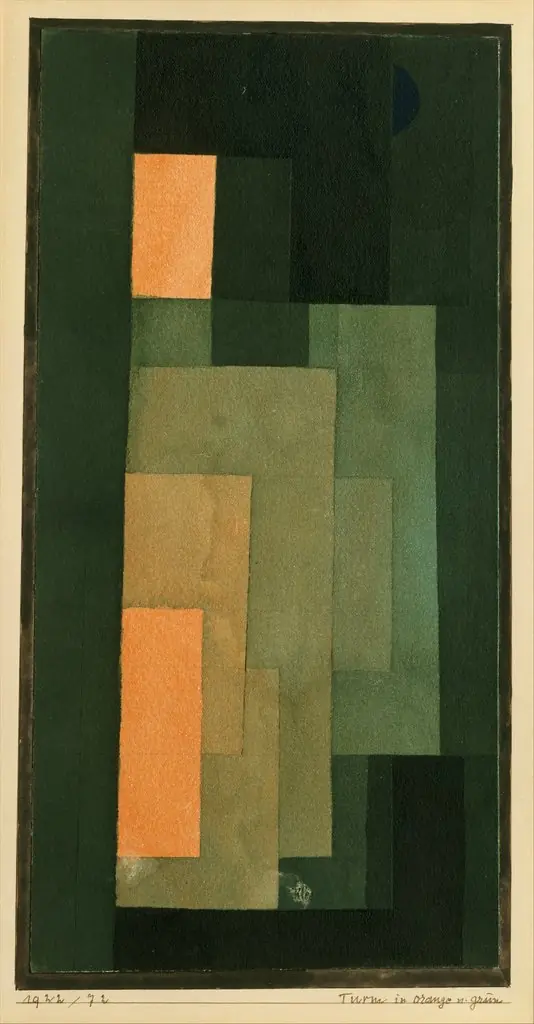 Tower in Orange and Green
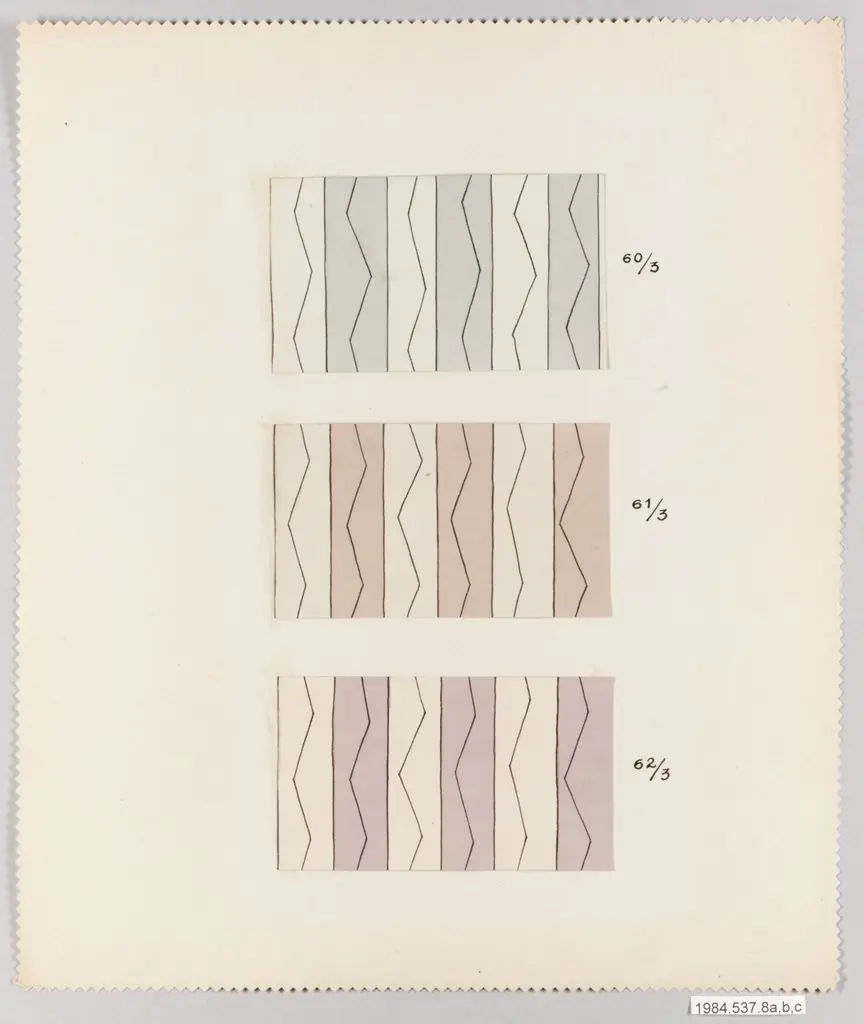 ZIGZAG BRAID
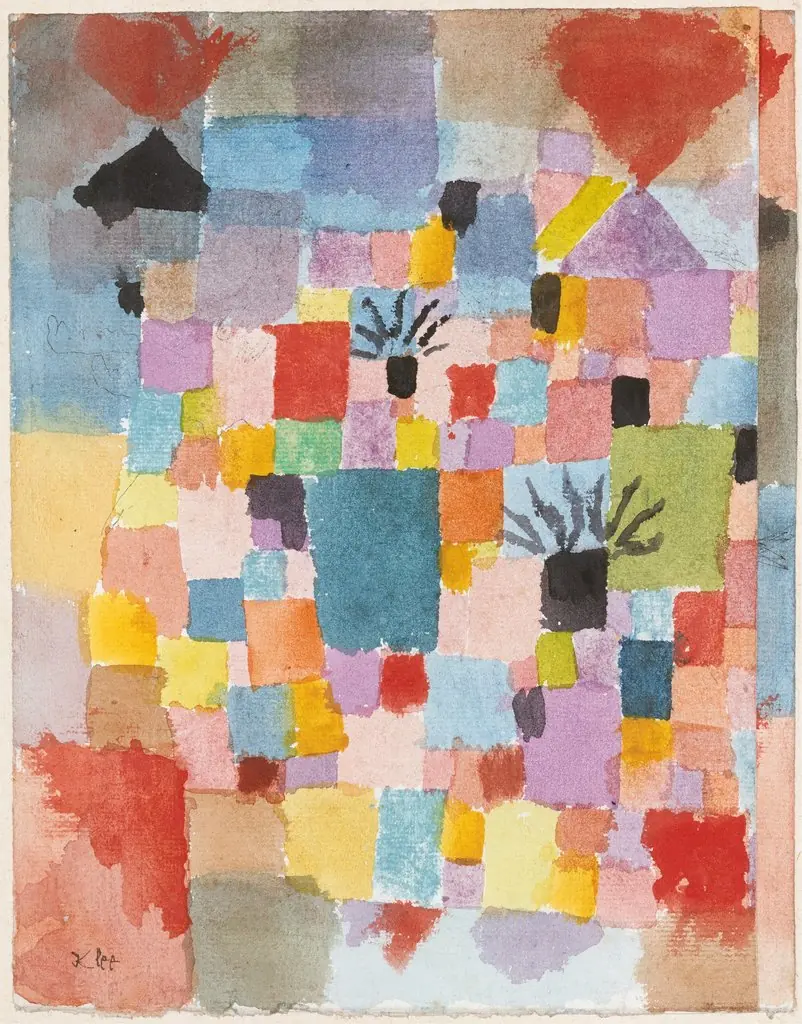 Southern Gardens
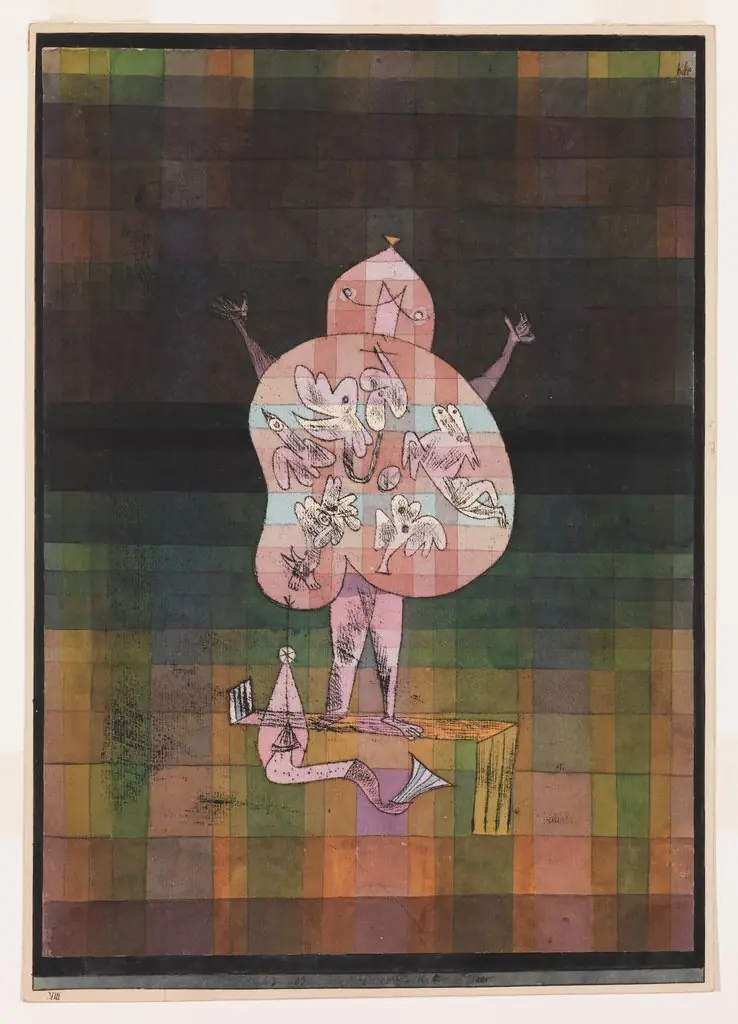 Ventriloquist and Crier in the Moor
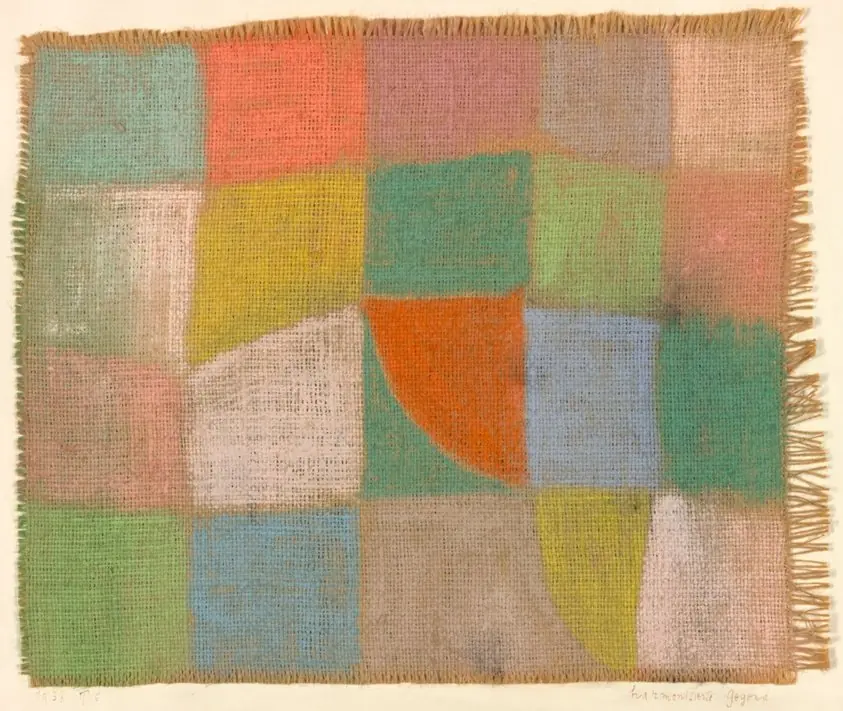 Harmonized Region
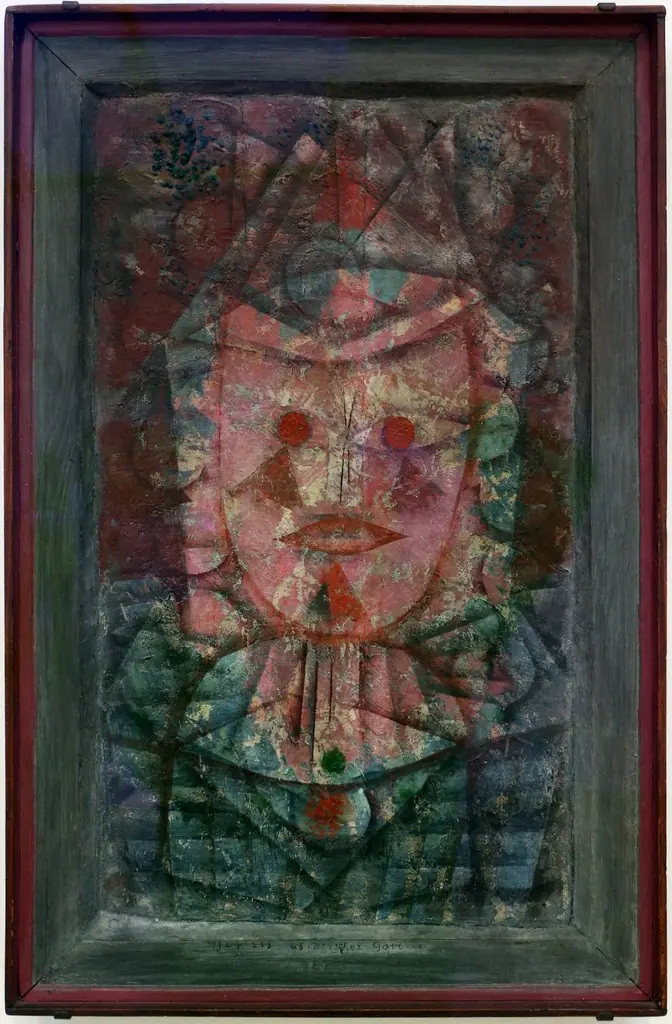 Asiatic God
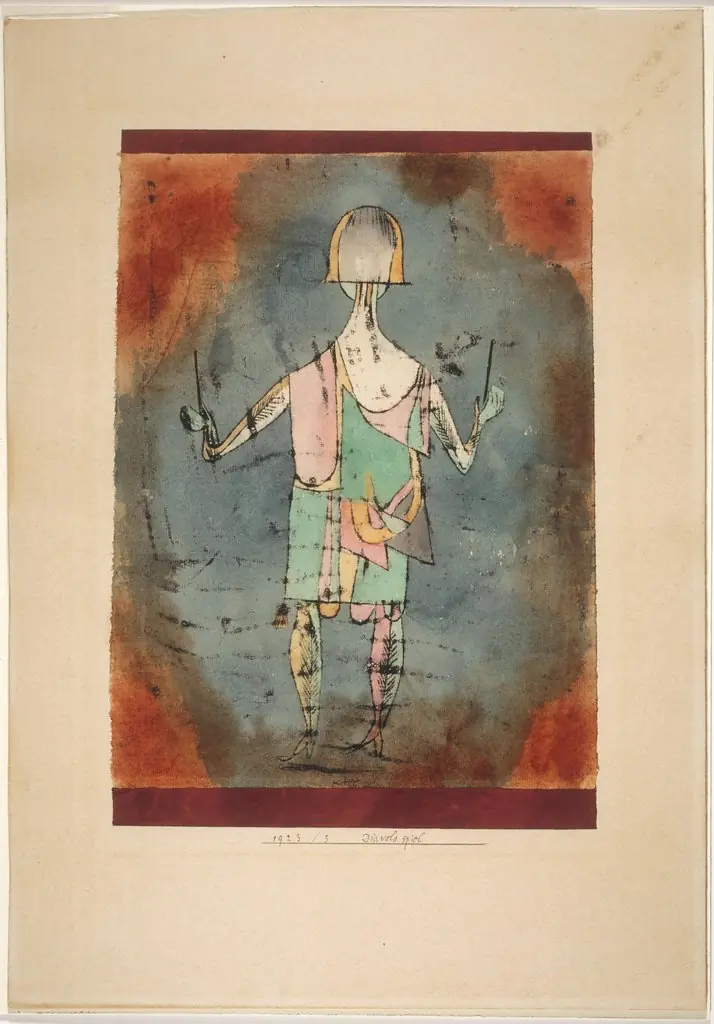 Diavolo Player
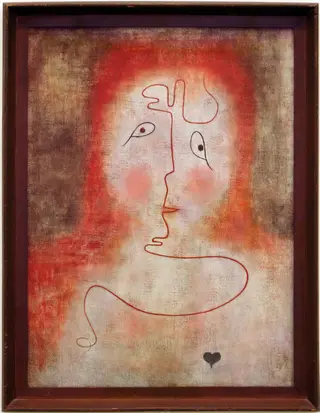 In the Magic Mirror
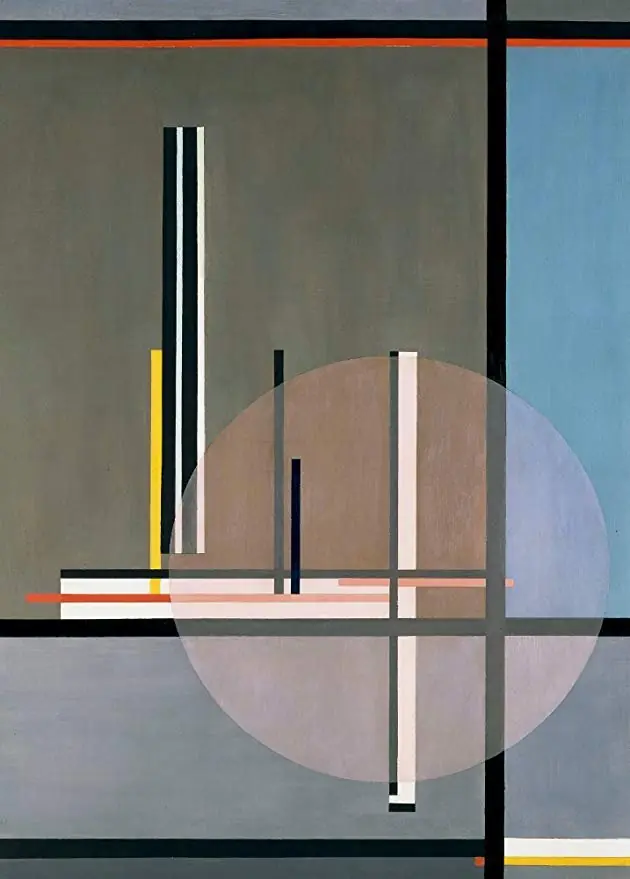 LIS
LIS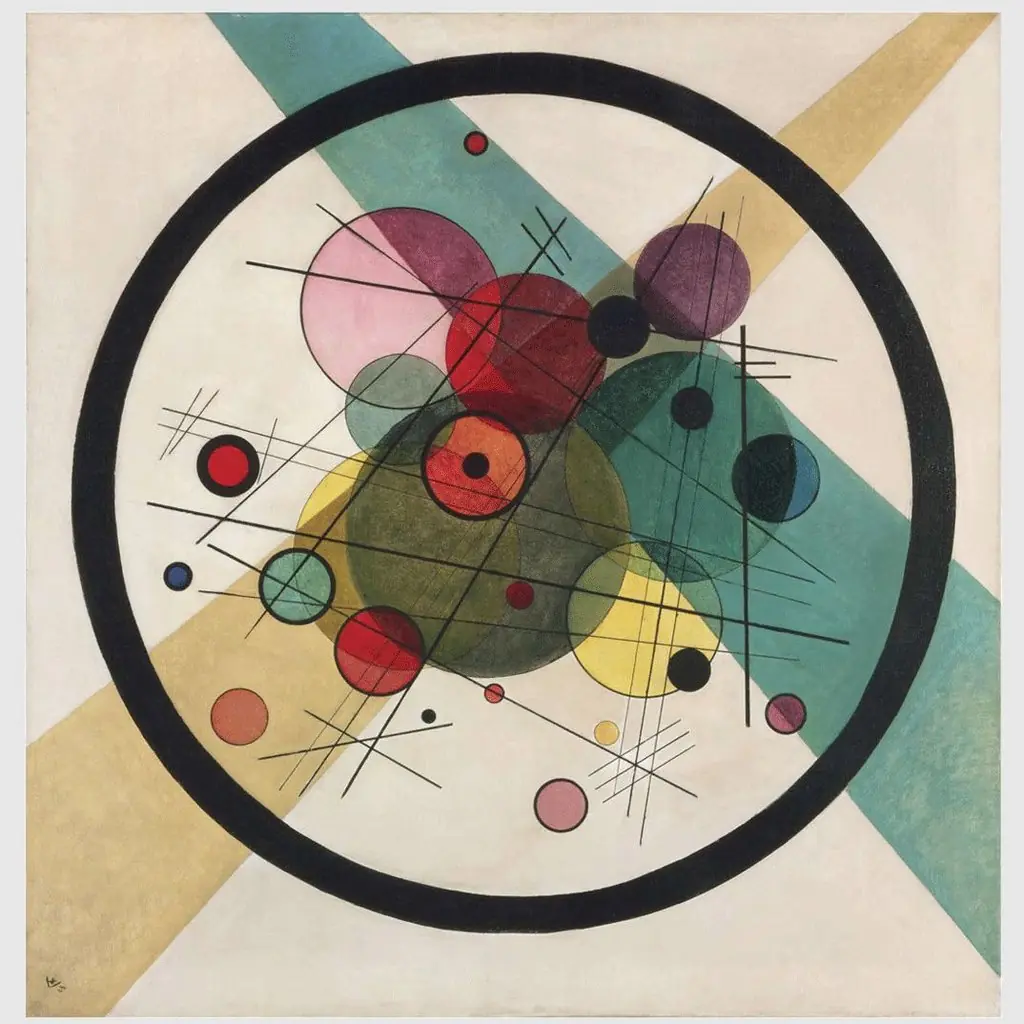 Circles in a Circle
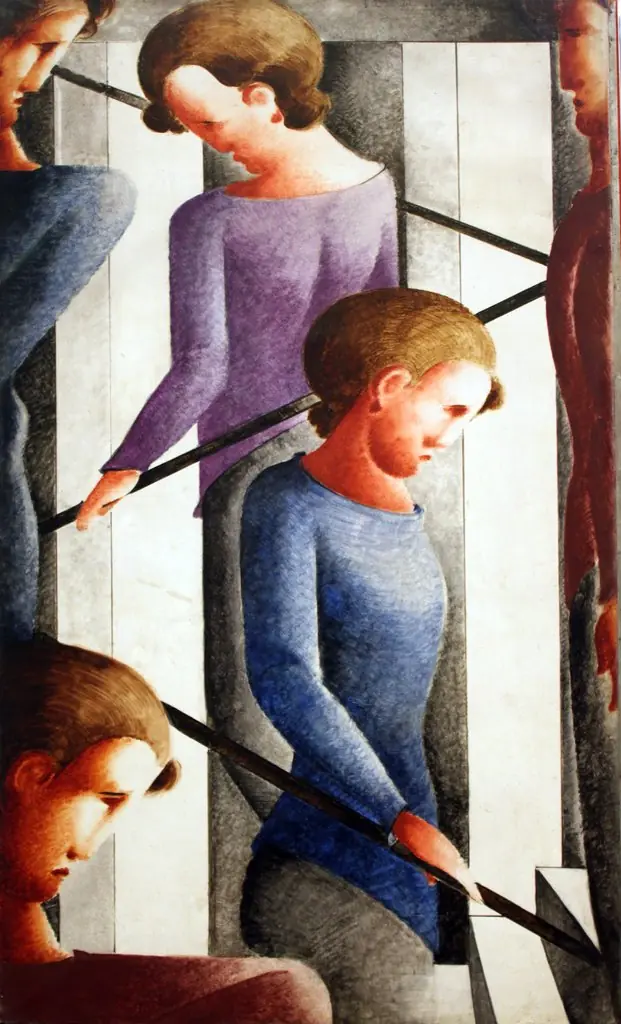 Stairway Scene
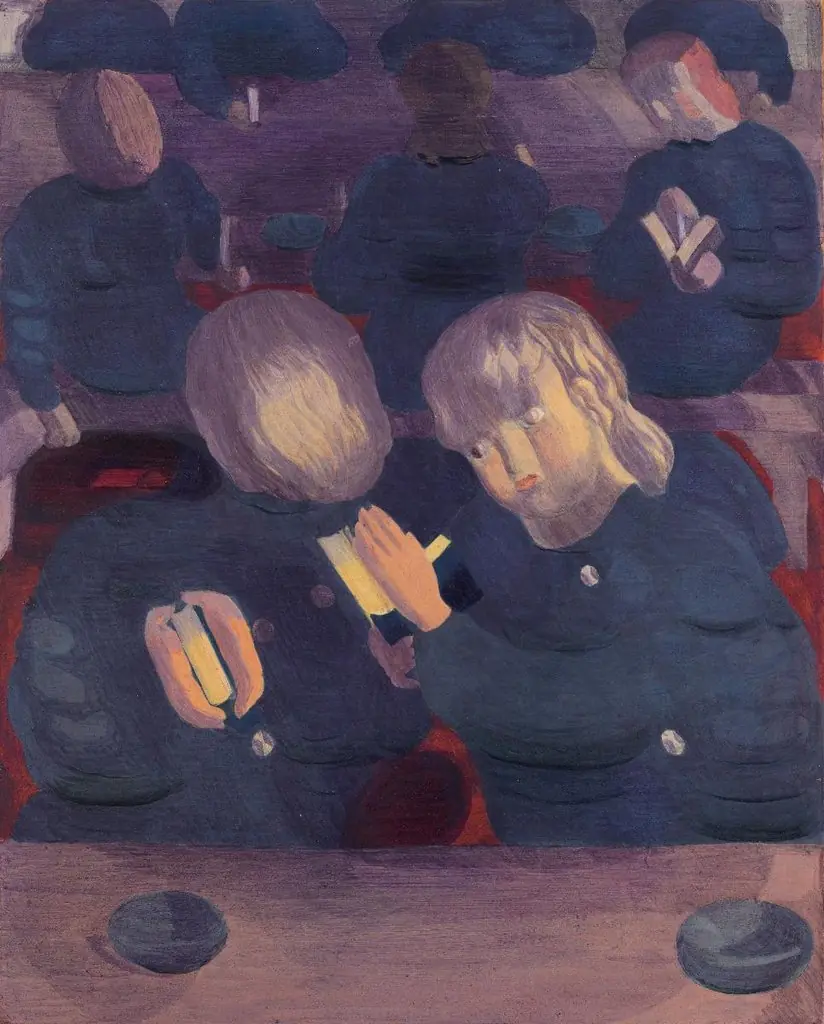 Vorbereitung. Studie mit sich Zuneigenden VI
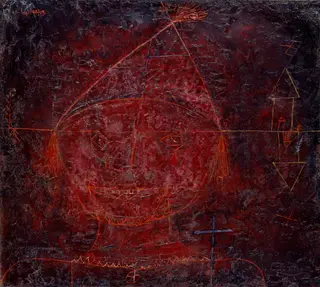 Narr der Tiefe
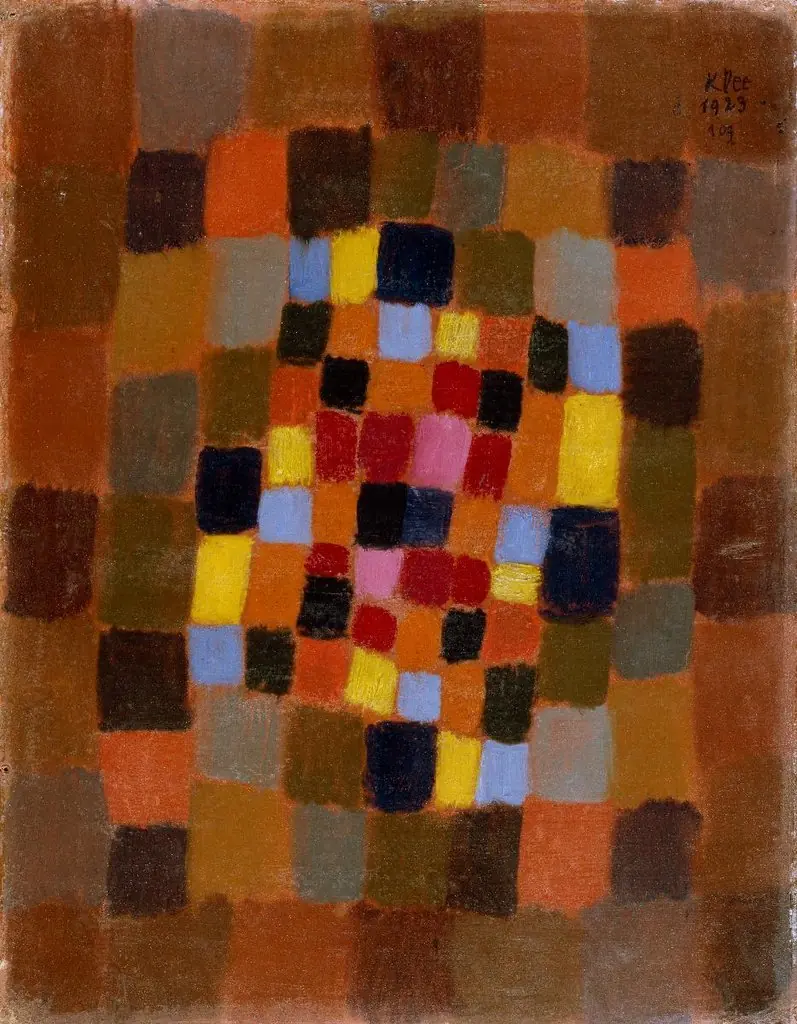 Buntes Beet
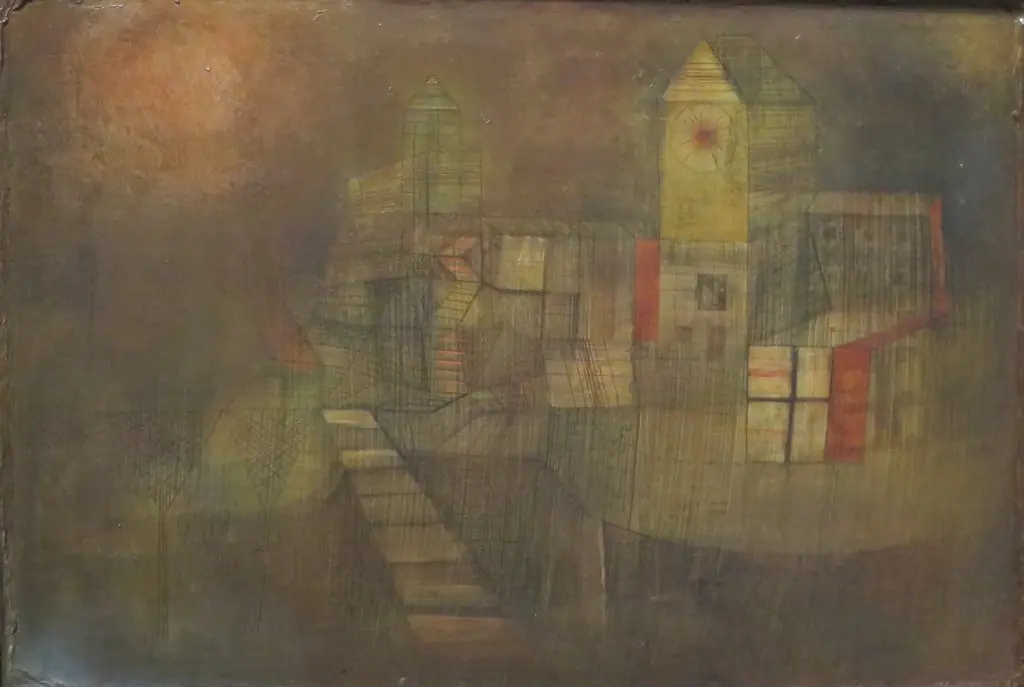 Small Village in the Autumn Sun
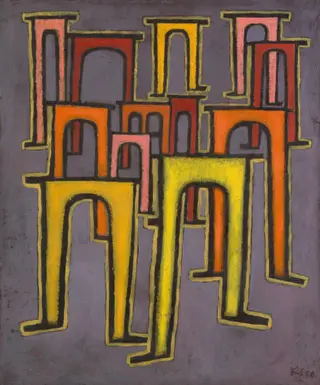 Revolution of the Viaduct
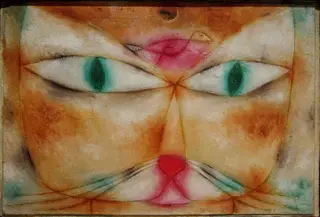 Cat and Bird
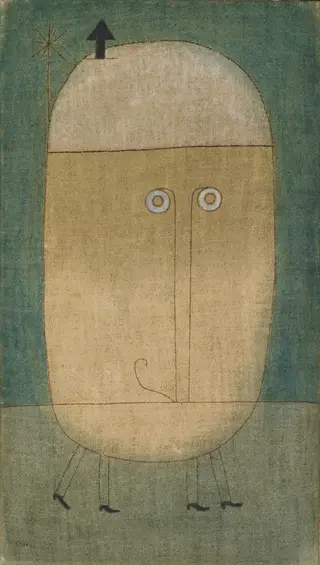 Mask of Fear
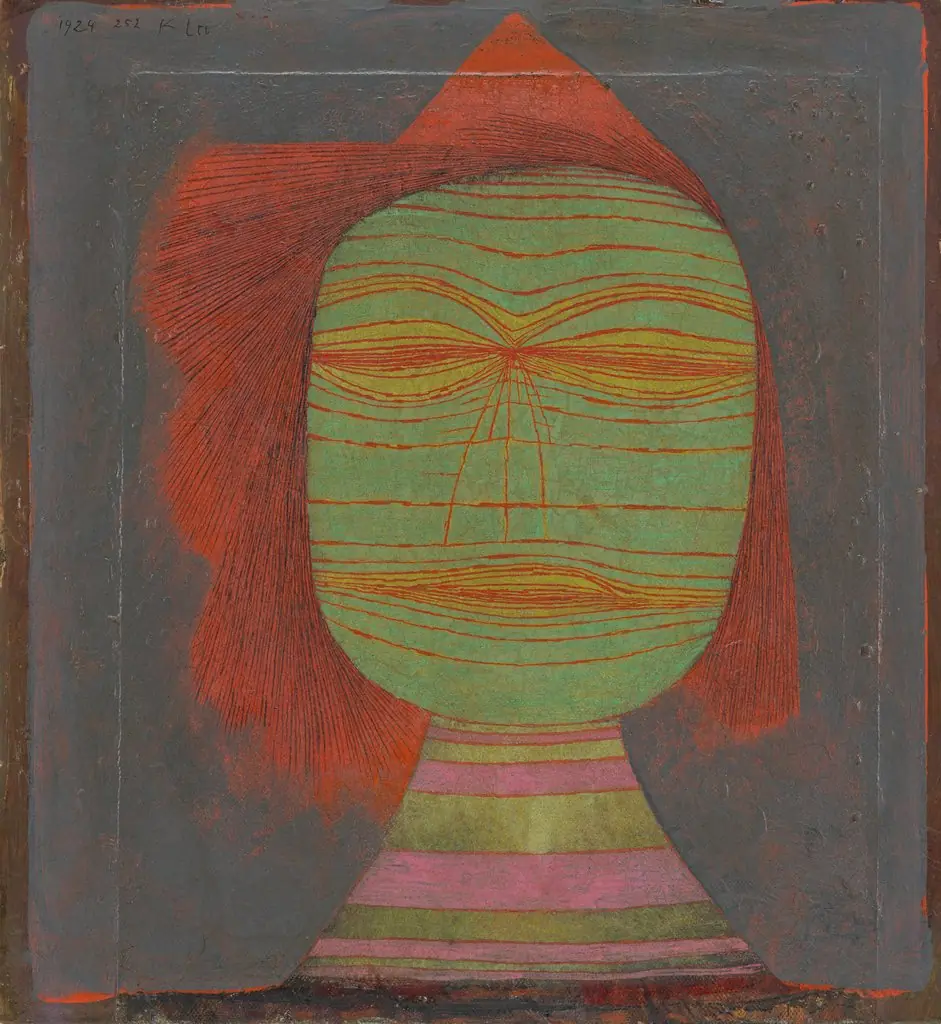 Actor's Mask
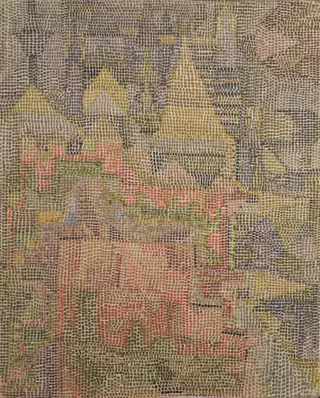 Castle Garden
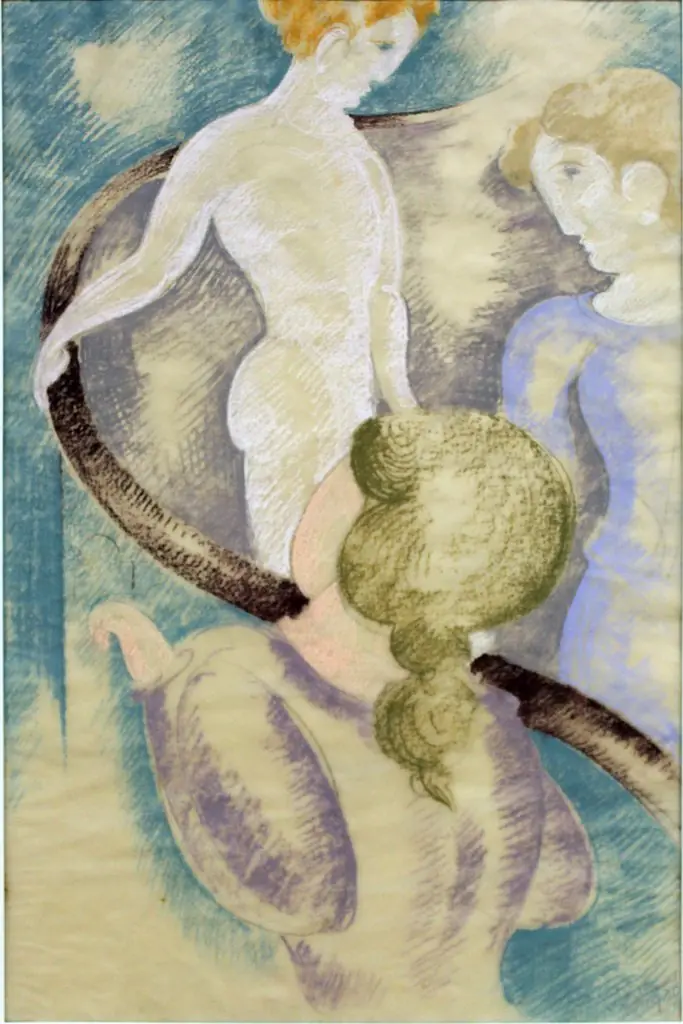 Three Figures at the Balustrade II
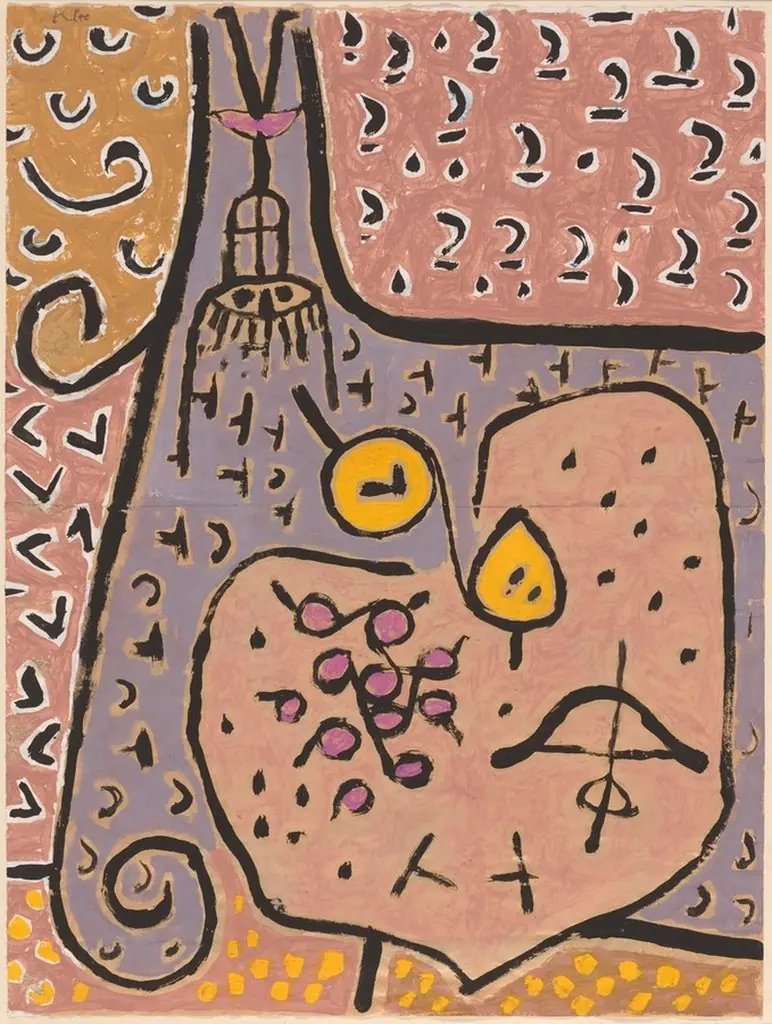 Chalice of the Heart
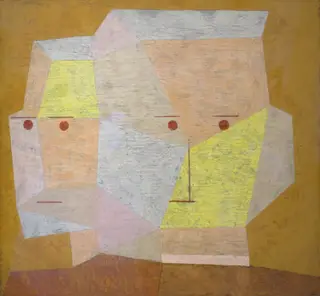 Two Heads
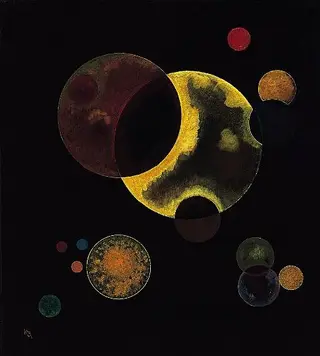 Heavy Circles
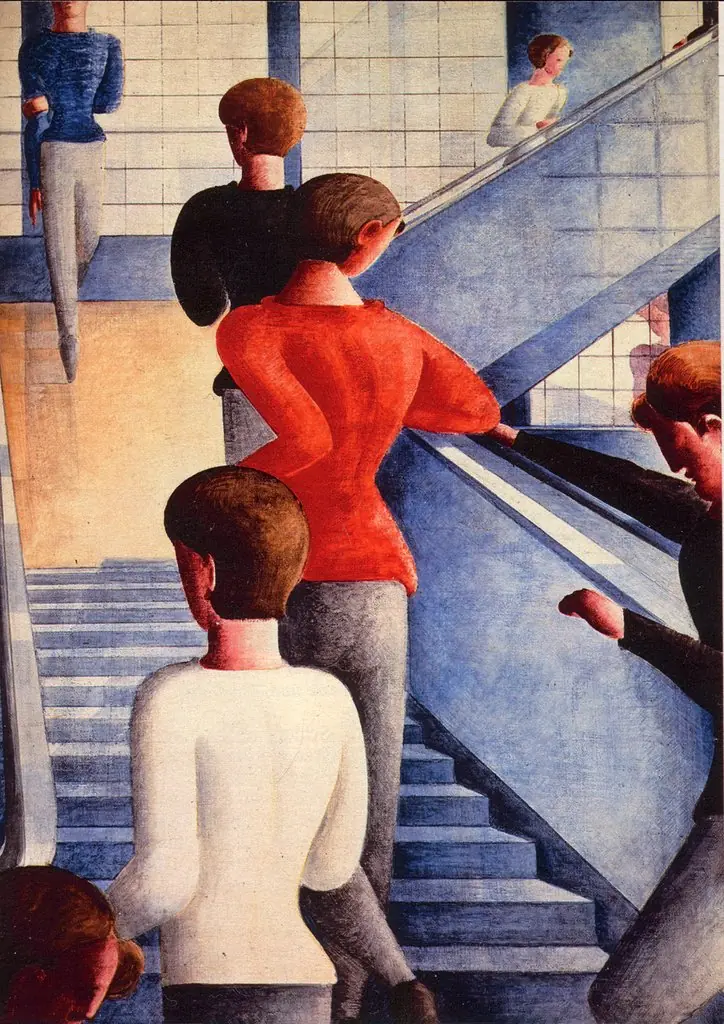 Bauhaus Stairway
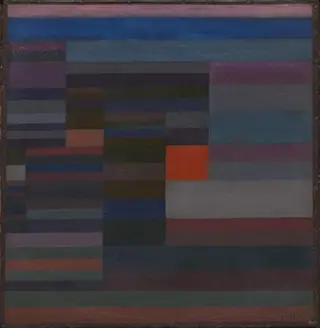 Fire in the Evening
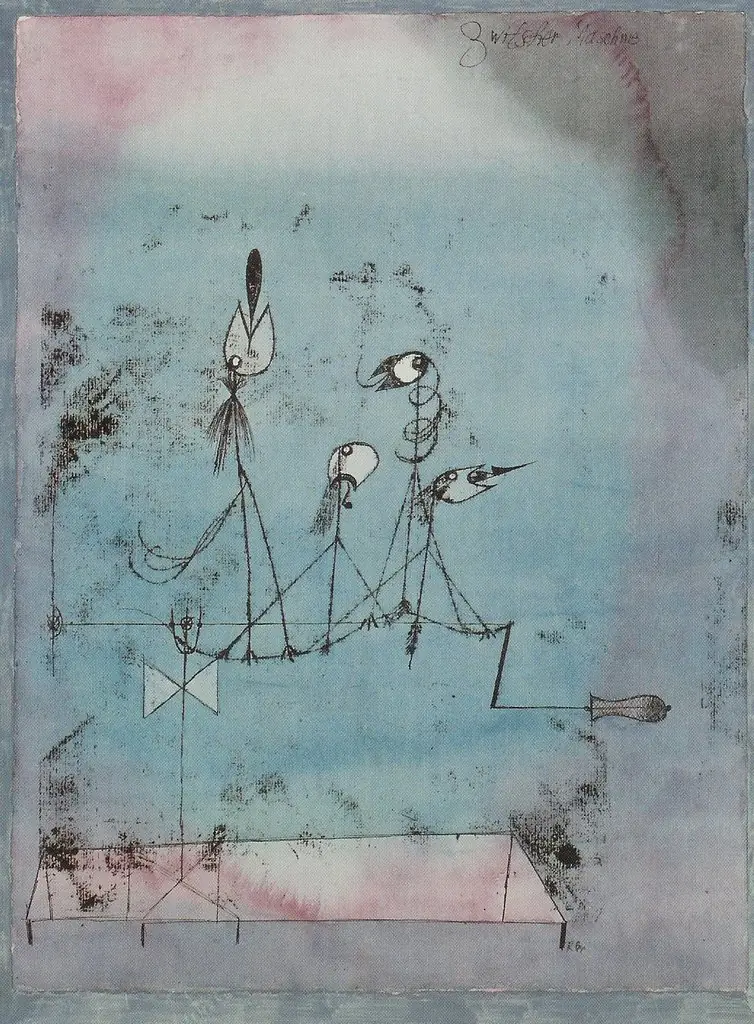 Twittering Machine
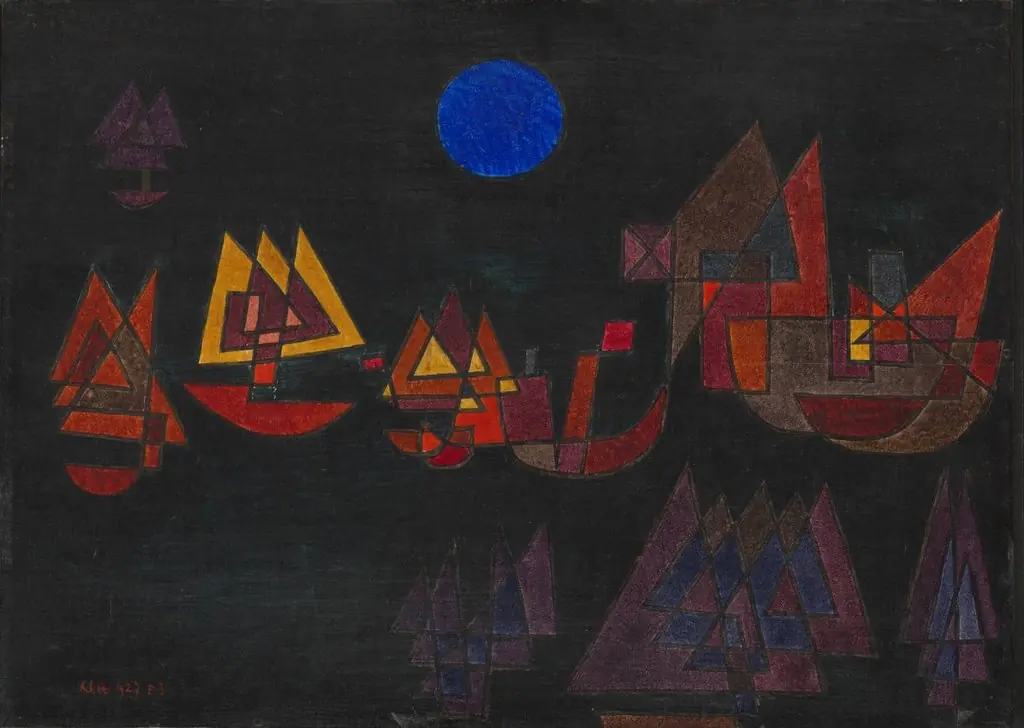 Ships in the Dark
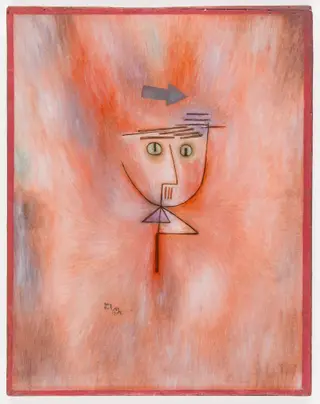 Nearly Hit
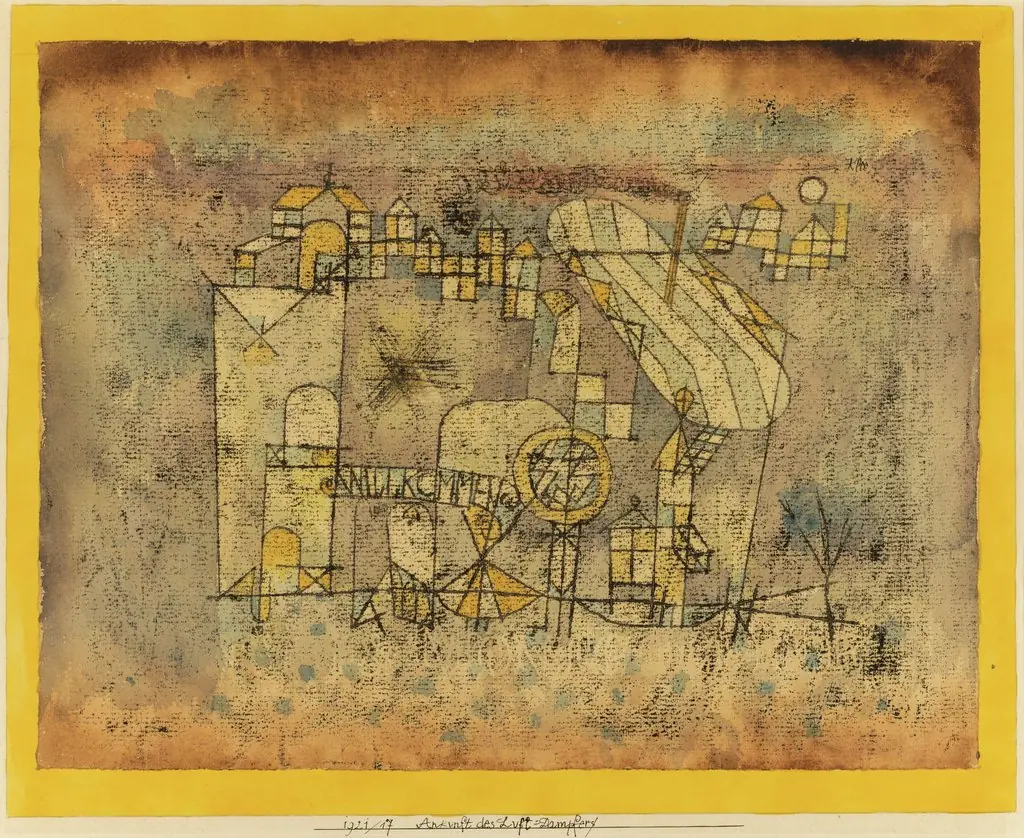 Arrival of the Air Steamer
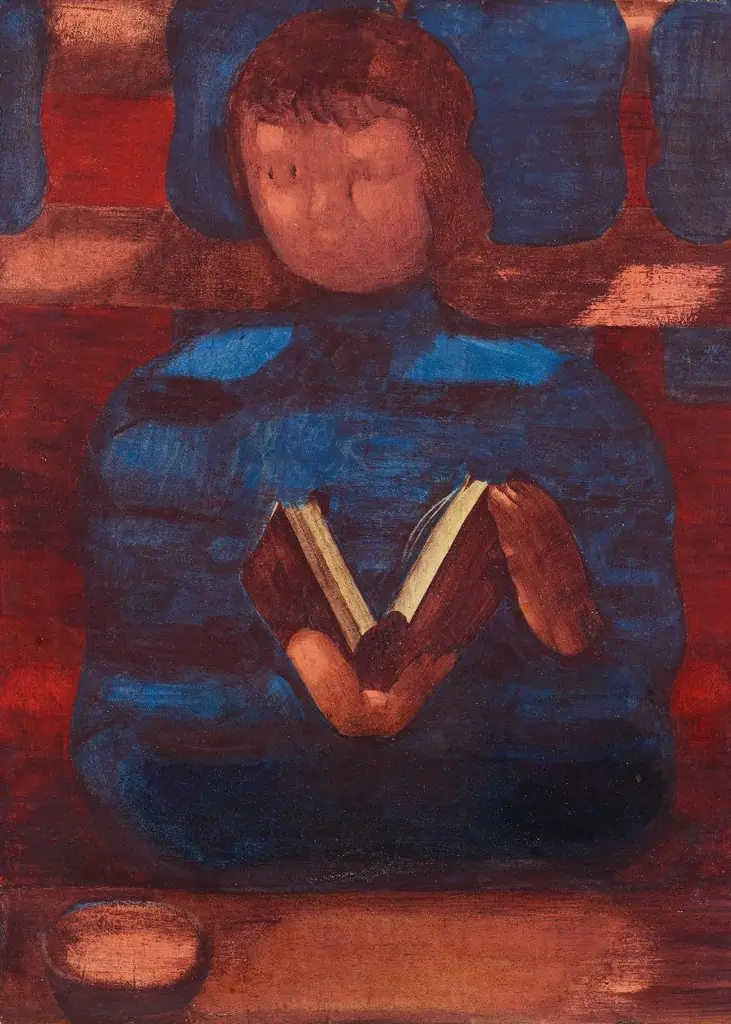 Vorbereitung. Einzelfigur
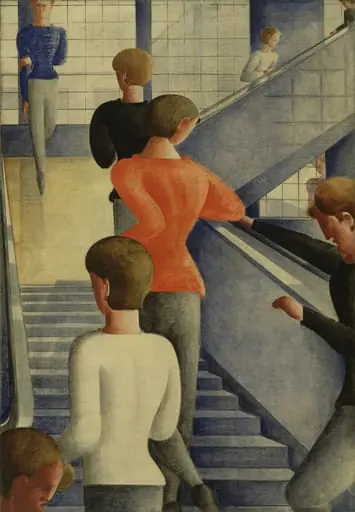 Untitled
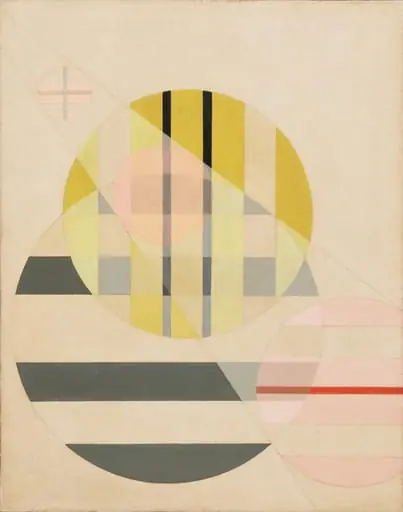 Untitled
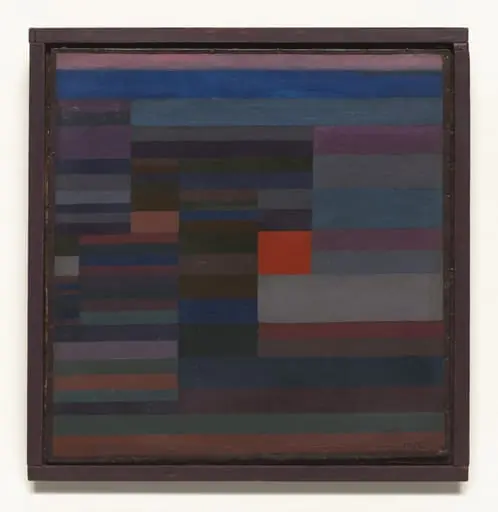 Untitled
 Untitled
 Untitled
Groups & collectives
Frequently asked questions
What is Bauhaus?
Bauhaus is an art movement. A German school founded by Walter Gropius in Weimar in 1919 that united fine art, craft, and industrial design under a single radical curriculum.
How many Bauhaus works does Artifact World Gallery have?
Artifact World Gallery holds 60 public-domain Bauhaus works, all free to view and download.
Who are the key Bauhaus artists?
Key Bauhaus artists in the collection include Paul Klee, Wassily Kandinsky and I. Rice Pereira.
When did Bauhaus take place?
Bauhaus dates from 1919–1933.
Where can I see Bauhaus works?
Bauhaus works in the collection are held by Metropolitan Museum of Art, Museum of Modern Art and Kunsthaus Zürich.