Artwork
Little Hope
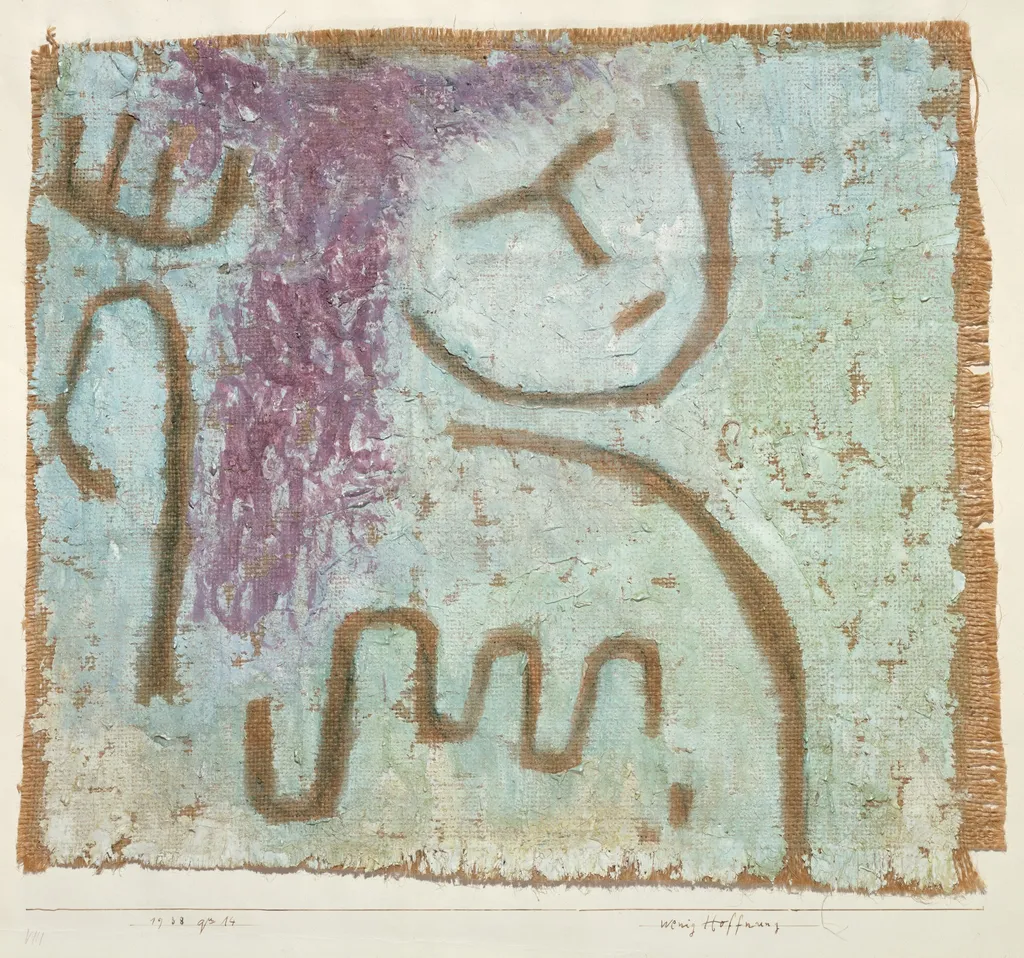
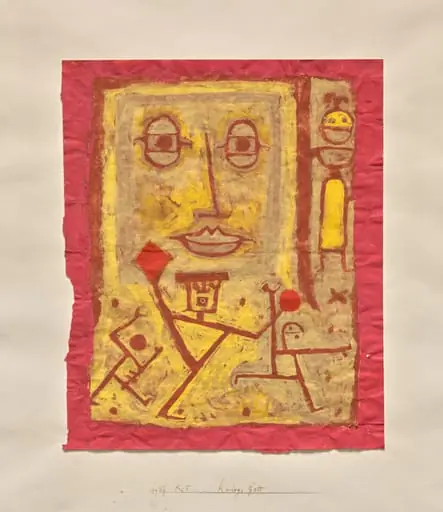
Little Hope is a watercolor painting by the Bauhaus artist Paul Klee. It dates from 1938 and is held in the collection of the Metropolitan Museum of Art.
About this work
Subject & Meaning
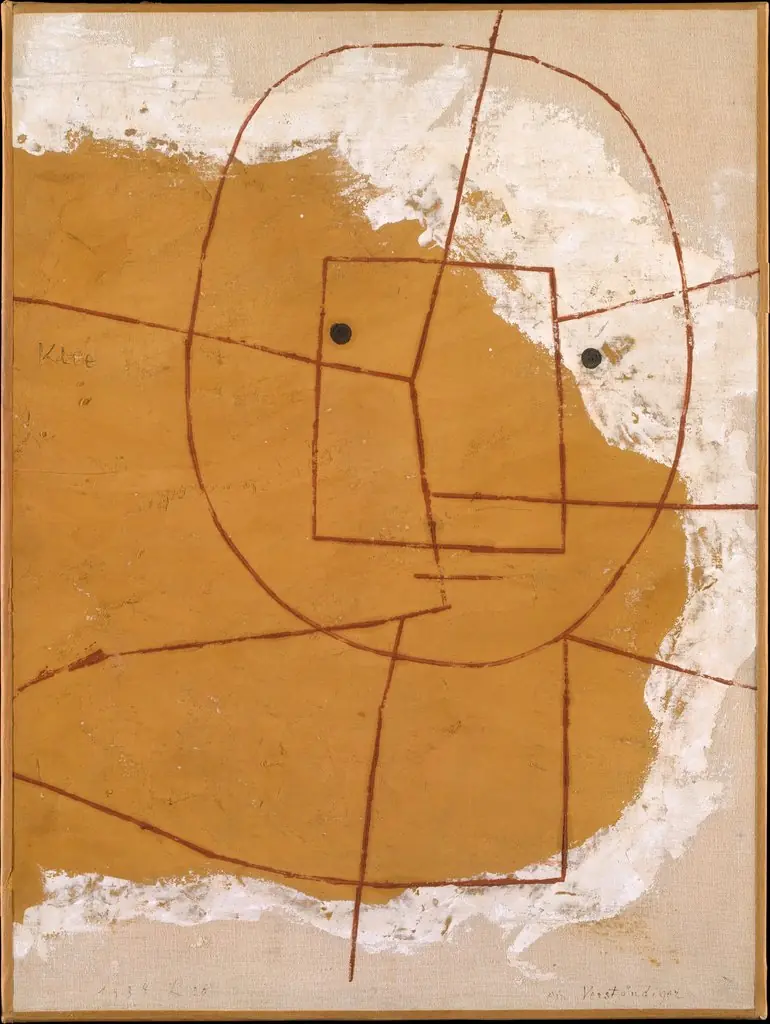
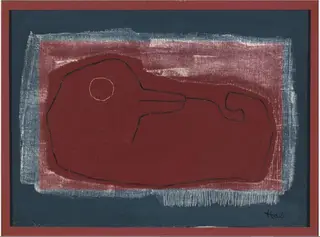
Little Hope presents a solitary human figure rendered in plaster, watercolor, hessian and cardboard, as documented in the Metropolitan Museum of Art’s records.
Little Hope presents a solitary human figure rendered in plaster, watercolor, hessian and cardboard, as documented in the Metropolitan Museum of Art’s records. The work is categorized as a portrait, indicating an intention to represent an individual rather than a narrative scene. The figure’s ambiguous posture and simplified form invite interpretations of vulnerability or resilience, though the sources do not elaborate on explicit symbolism.
Its creation in 1938 is recorded both in the artist’s internal catalogue and the museum’s provenance, situating the piece within Klee’s later output. The dimensions of 46 cm by 51.8 cm further emphasize the intimate scale of the portrait.
Technique & Style
Created in 1938, Little Hope is a portrait by Paul Klee that utilizes an unconventional mixture of materials. The work is executed in watercolor paint and plaster applied onto a support composed of hessian mounted on cardboard. This combination of media results in a textured surface distinct from traditional canvas paintings.
The composition depicts a human figure, reflecting the artist's late-period stylistic approach to portraiture through these specific material choices.
History & Provenance
Little Hope is a portrait by Paul Klee dated to 1938, executed in plaster, watercolor, hessian, and cardboard. The work is held in the collection of the Metropolitan Museum of Art, where it remains located. No further details regarding commission, prior ownership, or intermediate provenance are documented in the available sources.
Overview
Paul Klee's Little Hope, created in 1938, is a plaster work that exemplifies his distinctive approach to abstraction. This piece, now part of The Metropolitan Museum of Art's collection, reflects Klee's ongoing investigation into color and form. It combines geometric and organic elements to suggest a human figure, characteristic of his unique style developed within the broader context of modern art movements.
Context
Paul Klee, a Swiss-born German artist, developed an individual style informed by Expressionism, Cubism, and Surrealism. His work, including Little Hope, emerged from a period of intense experimentation and theoretical writing, particularly during his involvement with the Bauhaus movement. Klee's lifelong dedication to color theory and the exploration of abstract forms shaped his unique contribution to 20th-century art.
Own this work as a print
Artist & collection
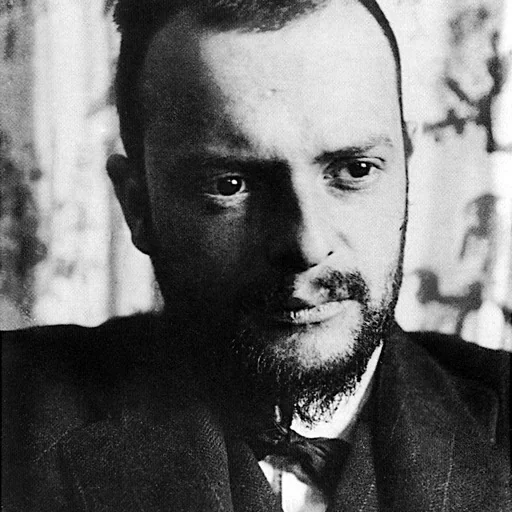
Artist
Paul Klee (German:; 18 December 1879 – 29 June 1940) was a Swiss-born German artist.