Artwork
One Who Understands
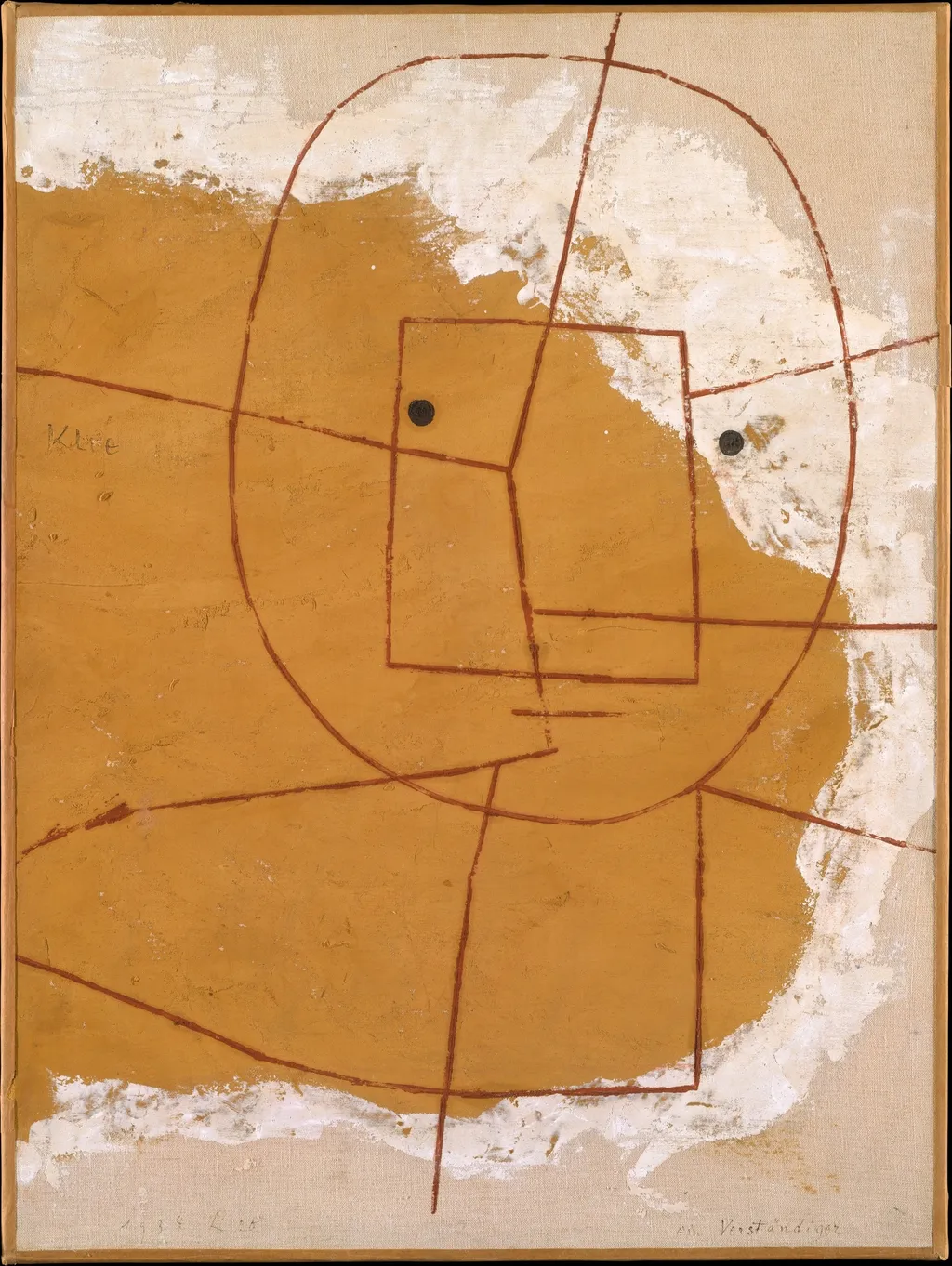
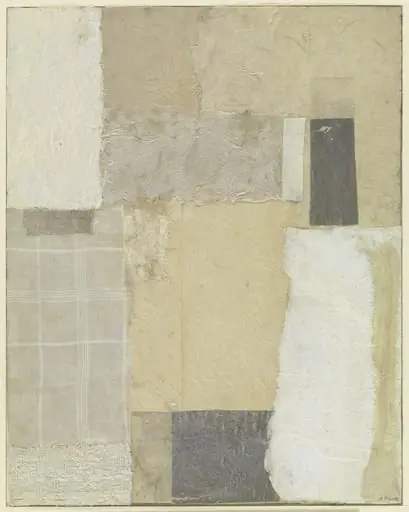
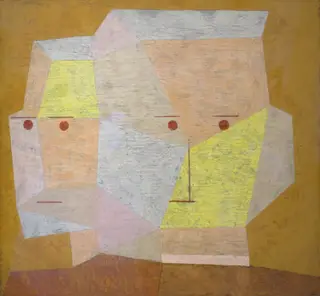
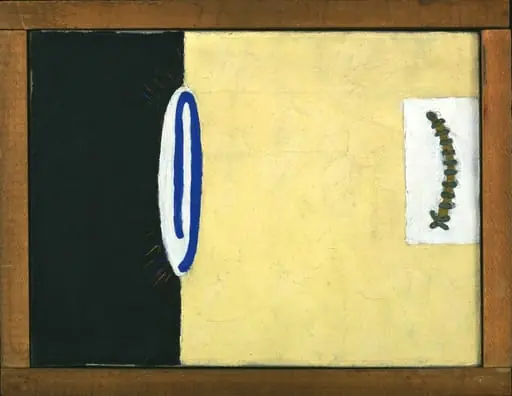
One Who Understands is an oil painting by the Art Informel artist Paul Klee. It dates from 1934 and is held in the collection of the Metropolitan Museum of Art.
About this work
Technique & Style
6 cm in width, in keeping with the modest formats Klee favored for intimate, exploratory works.
Executed in 1934, the work is rendered in oil paint combined with gypsum on canvas, a mixture that produces the matte, textured surface characteristic of Klee's later production.
The composition unfolds through delicate linear rhythms and muted tonalities typical of Klee's abstract idiom of the period, with restrained brushwork guiding the eye across lightly modeled planes. The support measures 54 cm in height and 40.6 cm in width, in keeping with the modest formats Klee favored for intimate, exploratory works.
History & Provenance
Paul Klee created the abstract painting One Who Understands in 1934 using oil paint and gypsum on canvas; it measures 54 cm in height and 40.6 cm in width. The work entered the collection of Jacques Gelman and was shown in the exhibition Twentieth-Century Modern Masters: The Jacques and Natasha Gelman Collection. It is now held by the Metropolitan Museum of Art as part of the Jacques and Natasha Gelman Collection. No accession number is publicly recorded in the available sources.
Overview
Paul Klee created One Who Understands in 1934, an abstract composition rendered in gypsum. This work exemplifies Klee's distinctive artistic approach, which synthesized elements of Expressionism, Cubism, and Surrealism. It is particularly noted for its connection to the Art Informel movement, characterized by its emphasis on spontaneous and non-geometric forms. The piece is part of the collection at The Metropolitan Museum of Art.
Subject & Meaning
As an abstract work, One Who Understands does not depict a recognizable subject but instead explores form and color through non-geometric arrangements. The title itself suggests an internal, contemplative dimension, inviting viewers to engage with the visual language on an intuitive level. Klee's intention often lay in conveying inner states or universal principles rather than external realities, a characteristic approach within his broader oeuvre.
Context
Paul Klee developed a highly individual artistic language that integrated diverse influences from Expressionism, Cubism, and Surrealism. One Who Understands aligns with the principles of Art Informel, a mid-20th-century movement that prioritized spontaneous gestures and organic, non-geometric shapes over strict compositional rules. This connection highlights Klee's continuous exploration of abstraction and his willingness to experiment with emerging artistic trends, even as he maintained his unique vision.
Own this work as a print
Artist & collection
Artist
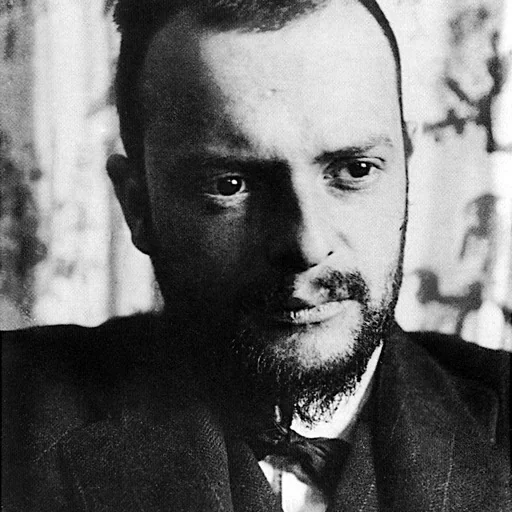
Paul Klee (German:; 18 December 1879 – 29 June 1940) was a Swiss-born German artist.