Artwork
Tomcat's Turf
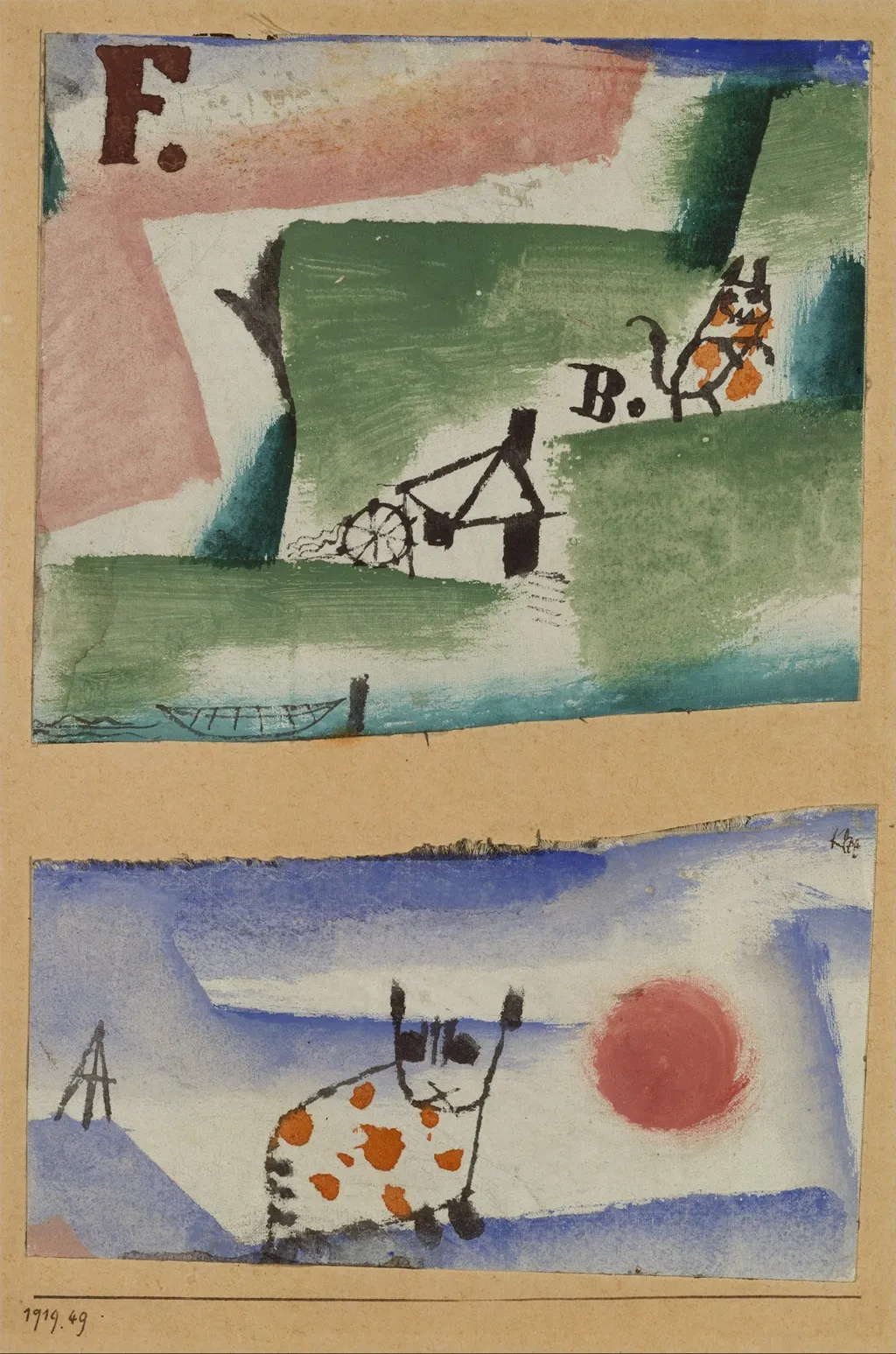
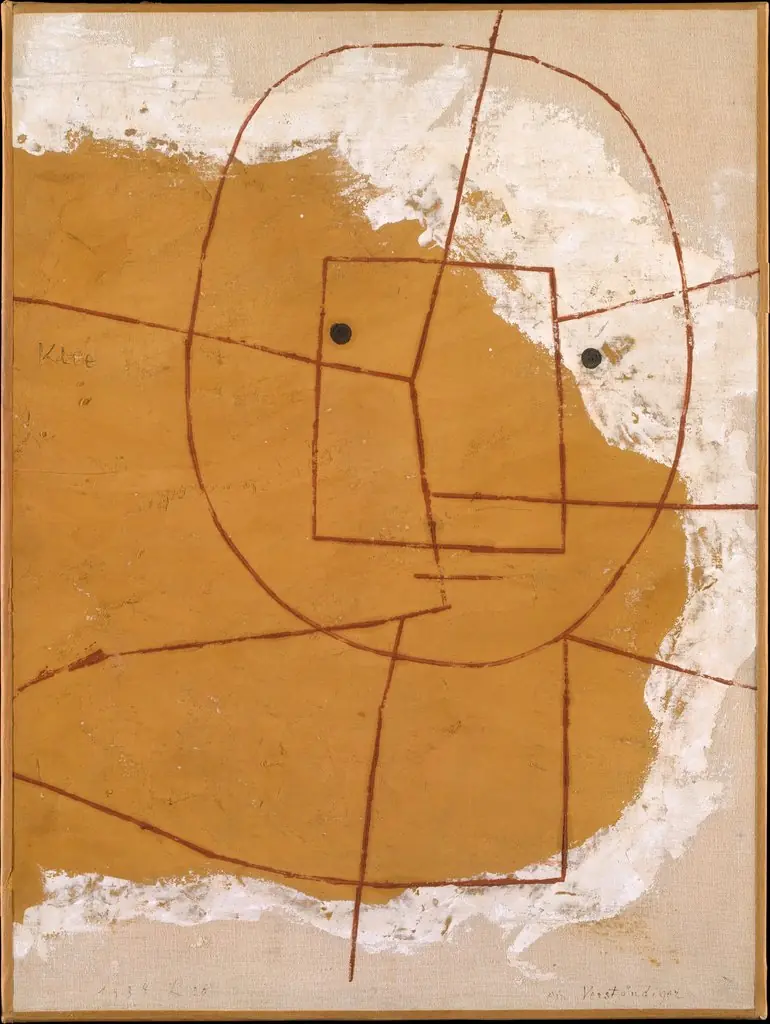
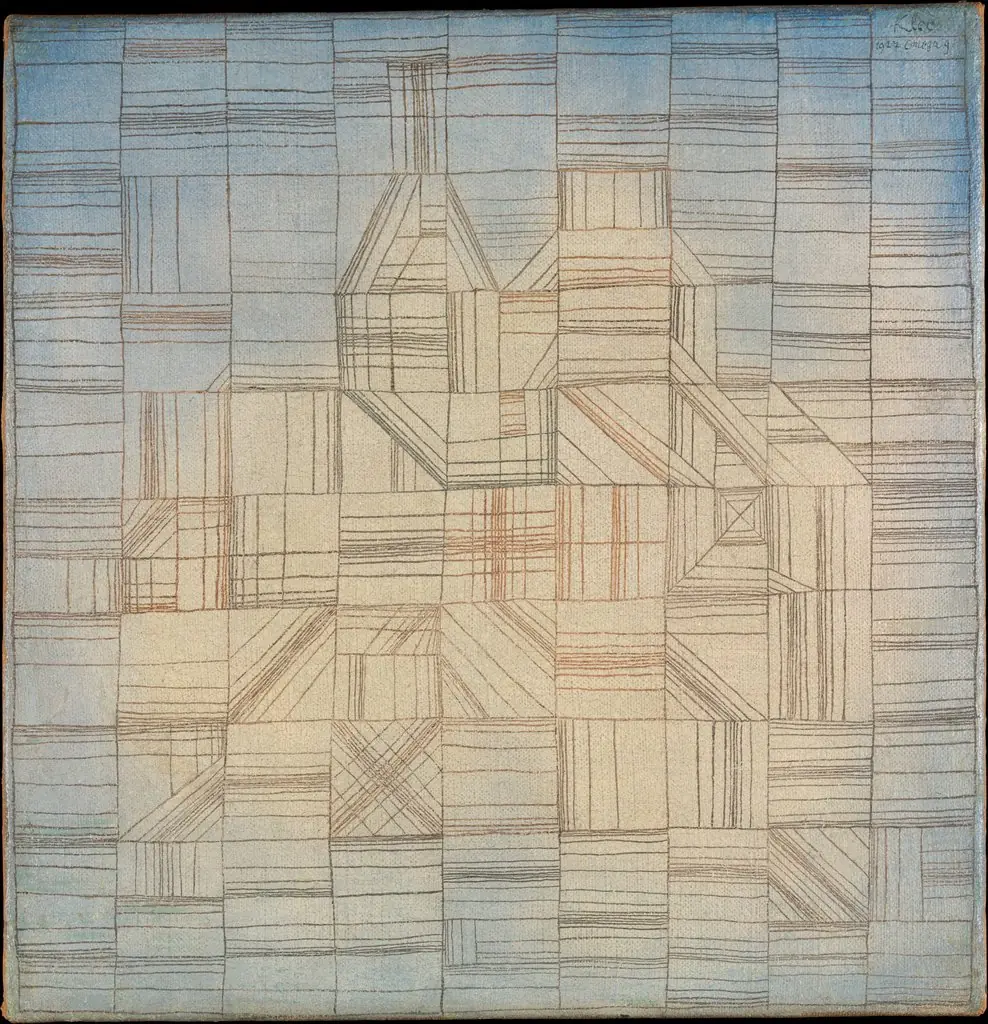
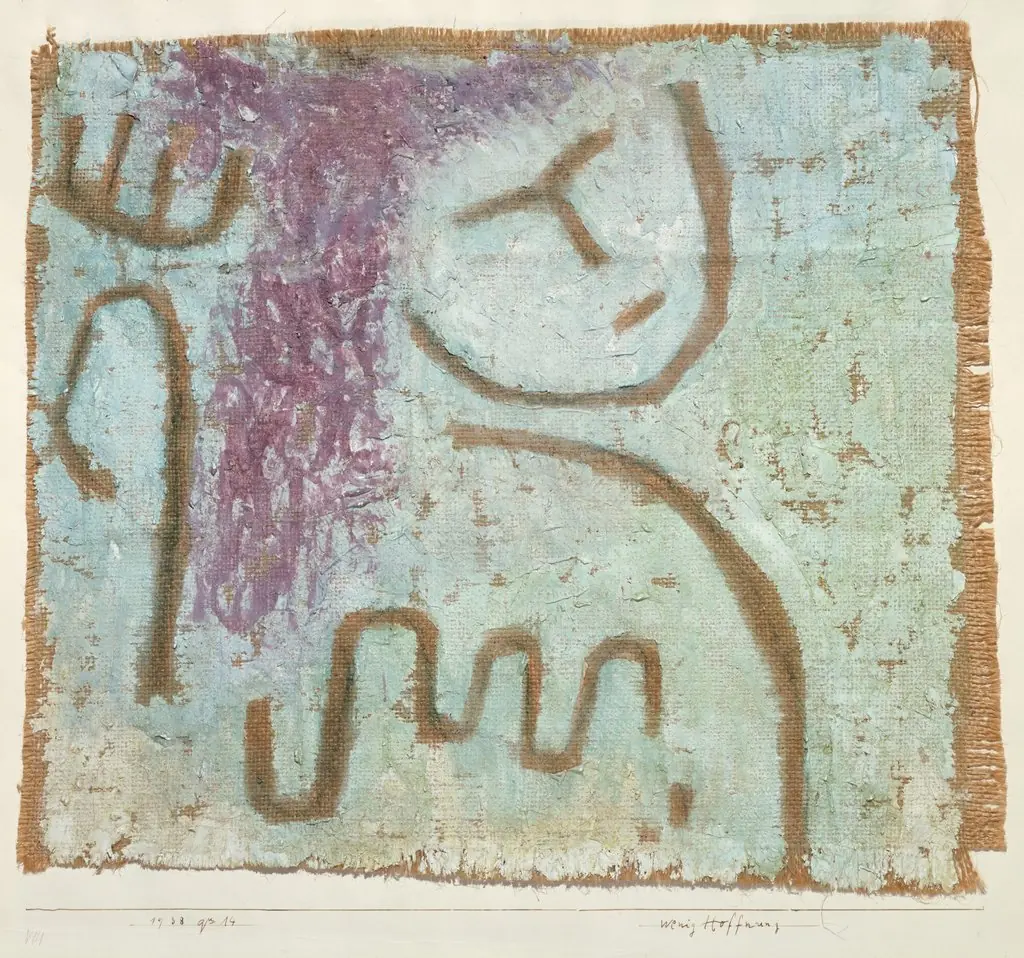
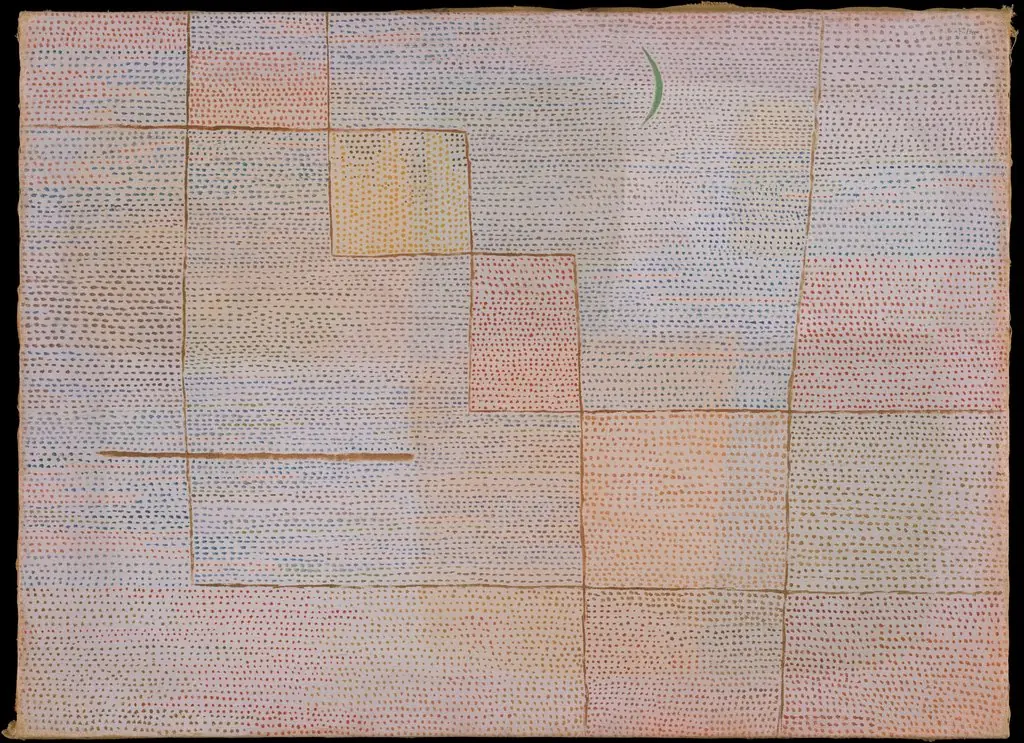
Tomcat's Turf is an unspecified painting by the Bauhaus artist Paul Klee. It dates from 1919 and is held in the collection of the Metropolitan Museum of Art.
About this work
History & Provenance
Tomcat's Turf is held in the collection of the Metropolitan Museum of Art, where it is catalogued under the accession number 1983.294. The painting was first exhibited as part of the museum's 1983 exhibition of Paul Klee works, and it has subsequently appeared in several retrospectives of the artist's oeuvre, including a 1995 Klee survey at the Museum of Modern Art.
Context
The painting depicts a cat and was created during Klee's early period in Switzerland, shortly after his move from Munich.
Paul Klee painted Tomcat's Turf in 1919, a work held in the collection of the Metropolitan Museum of Art. The painting depicts a cat and was created during Klee's early period in Switzerland, shortly after his move from Munich. It reflects his expressionist experimentation with animal subjects and geometric abstraction, situating it within the broader trajectory of modernist painting in the early twentieth century.
Legacy
Tomcat's Turf (1919) by Paul Klee, housed at the Metropolitan Museum of Art, emerged as an early example of his whimsical animal subjects rendered with abstracted forms and delicate line work. Though not widely known during Klee's lifetime, the painting has since attracted scholarly attention for its playful yet precise treatment of feline anatomy, influencing later artists who explore similar intersections of animal symbolism and modernist abstraction. Its presence in a major institutional collection has contributed to its recognition within Klee's oeuvre as a representative work of his 1910s period.
The painting's legacy is anchored in its inclusion in key retrospectives of Klee's career, where curators have highlighted its technical experimentation with watercolor and ink. Art historians note its role in shaping contemporary interpretations of Klee's engagement with nature and domesticity, though specific contemporary references to its influence remain limited in published literature.
Scholarly discourse continues to examine the work within broader contexts of early 20th-century European painting, particularly regarding its contribution to discussions of animal representation in modern art.
Overview
Created in 1919, Tomcat’s Turf is a small oil painting by Paul Klee, a Swiss‑born artist active in Germany. The work belongs to the Bauhaus period of his career and is part of the permanent collection of the Metropolitan Museum of Art in New York.
Subject & Meaning
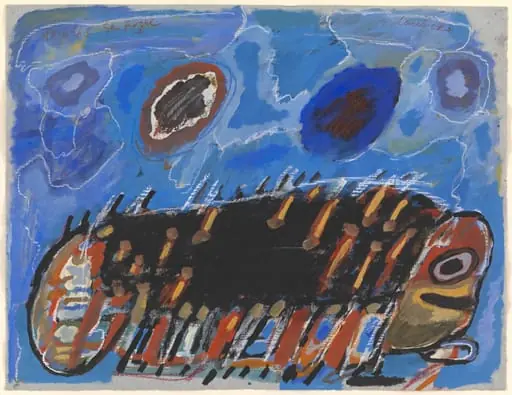
The canvas is split horizontally. The lower half shows a stylised black cat, speckled with orange, gazing upward toward a bright red sun set against a blue sky. Above, a green‑pink field contains a simple house, a wheel and a tree rendered in black outlines, punctuated by the letters “F” and “B” in the upper left and centre respectively. The juxtaposition of elementary forms and vivid hues suggests a whimsical, child‑like narrative.
Technique & Style
Klee employs flat, geometric shapes and a limited palette of primary and secondary colours, characteristic of his synthesis of expressionist, cubist and surrealist influences. The bold black contours define each element, while the contrasting blocks of colour create a rhythmic visual balance across the two sections.
Own this work as a print
Artist & collection
Artist
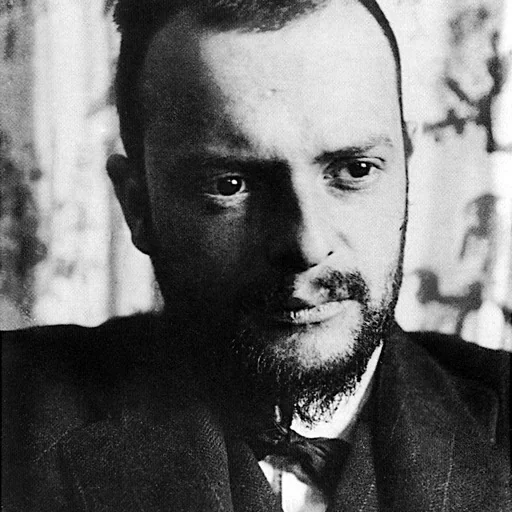
Paul Klee (German:; 18 December 1879 – 29 June 1940) was a Swiss-born German artist.