Artwork
The Descent from the Cross
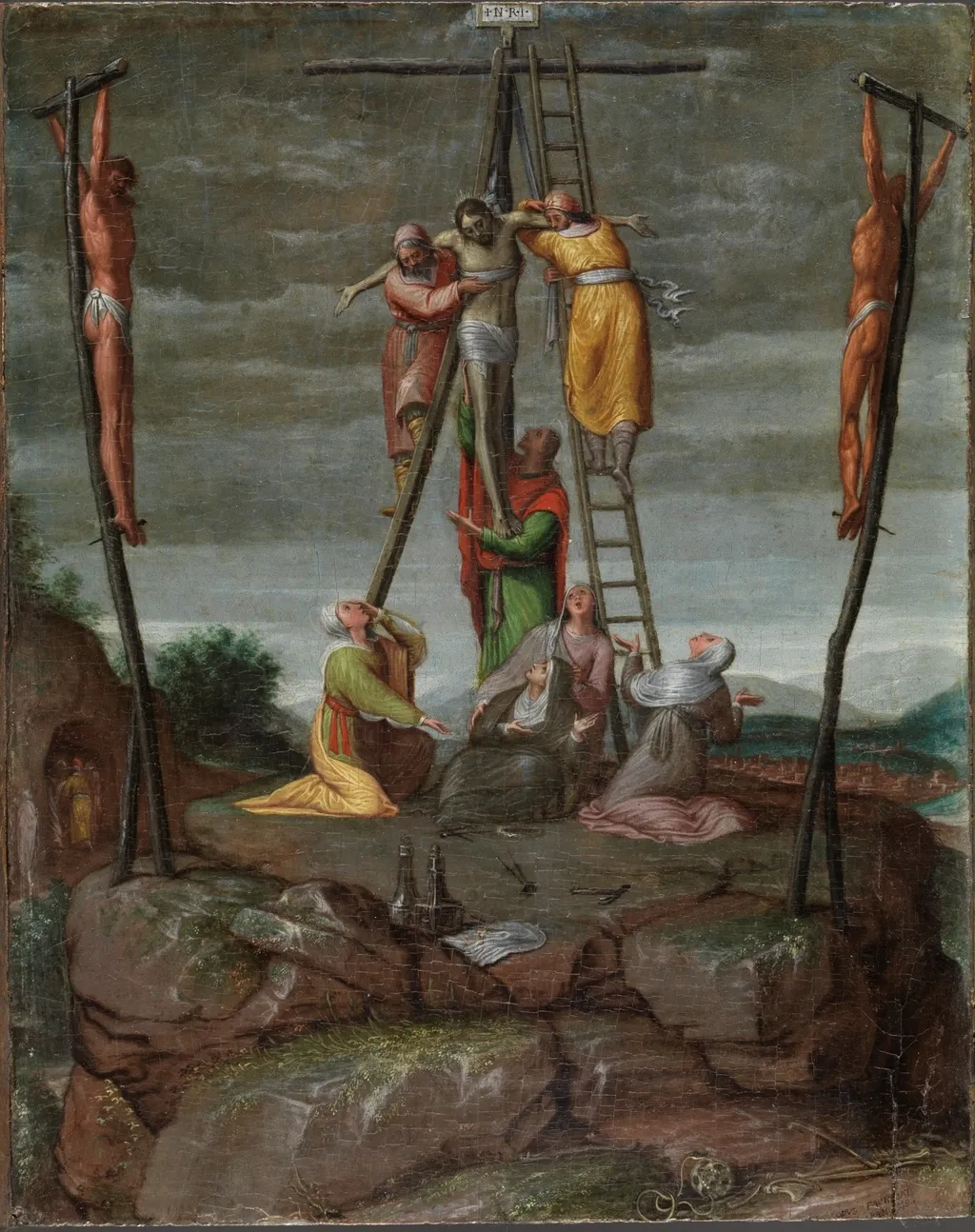
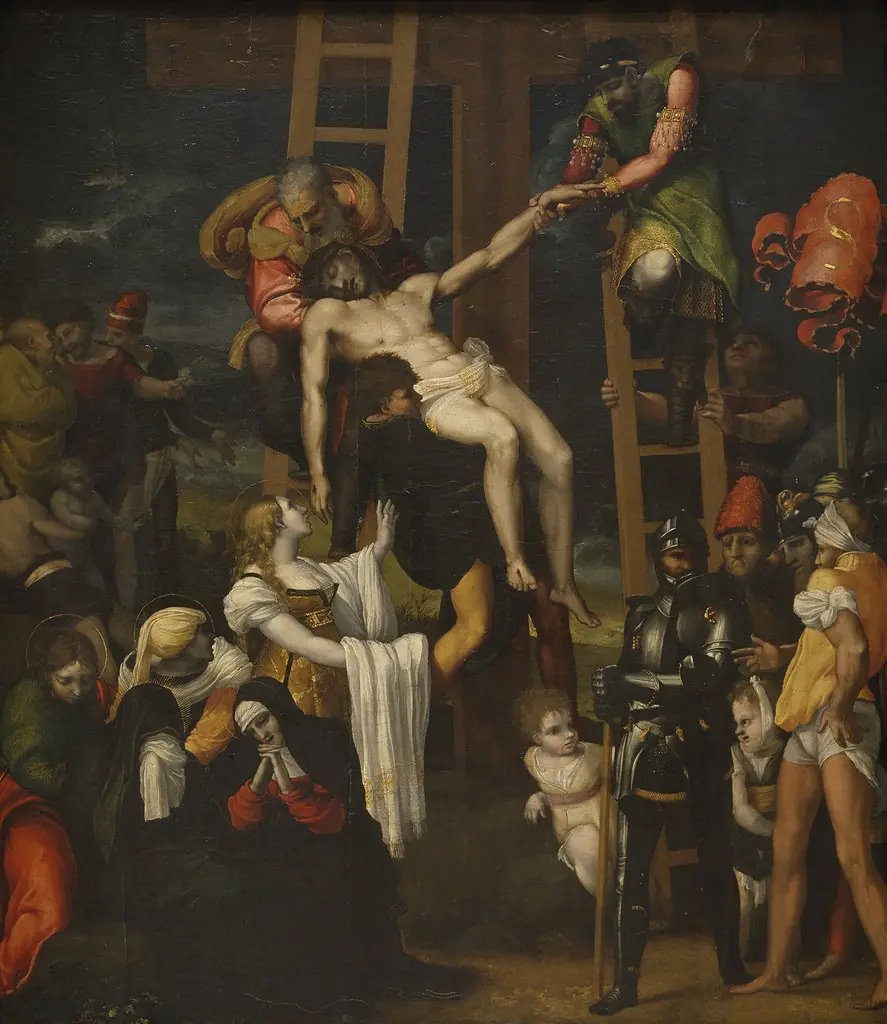
The Descent from the Cross is an unspecified painting by the Mannerist artist Pedro de Campaña. It dates from 1570 and is held in the collection of the Museo del Prado.
About this work
Subject & Meaning
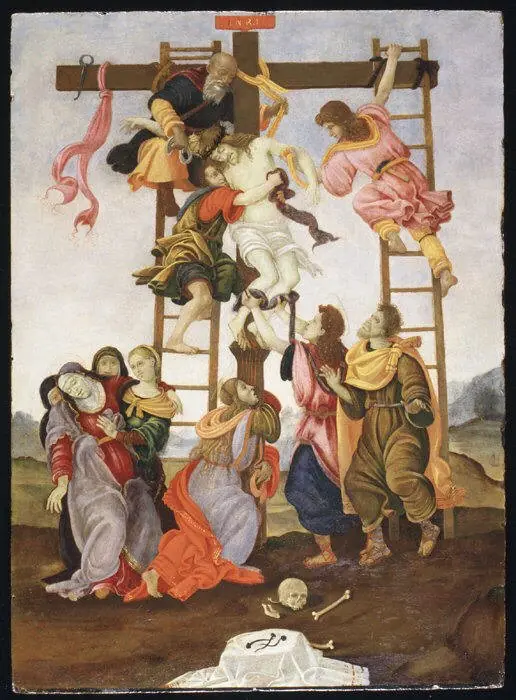
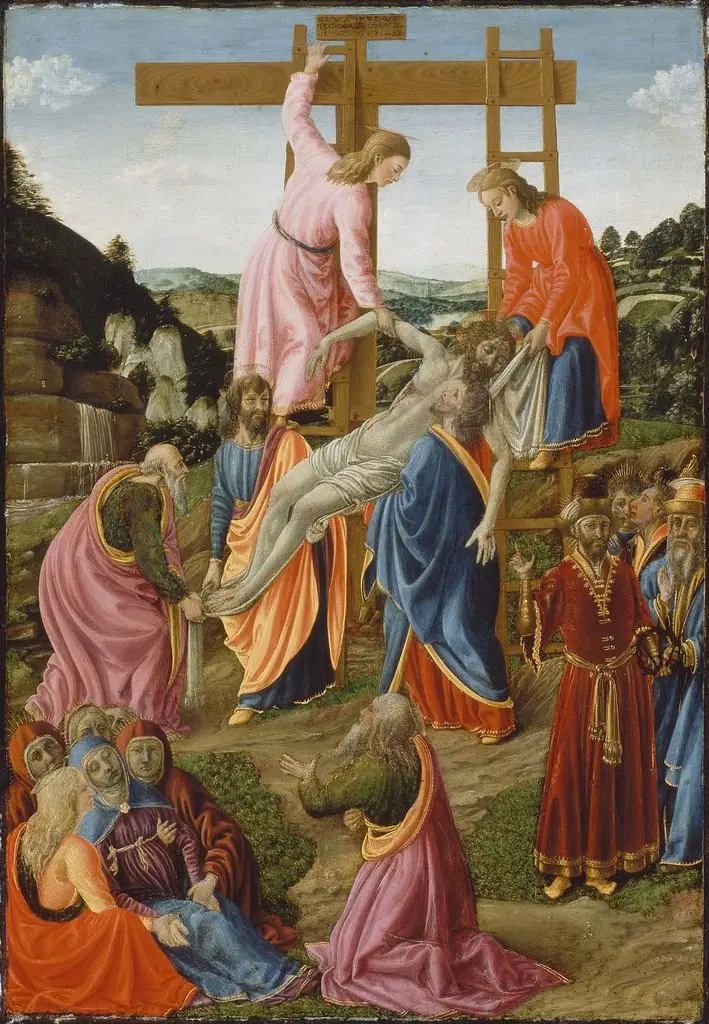
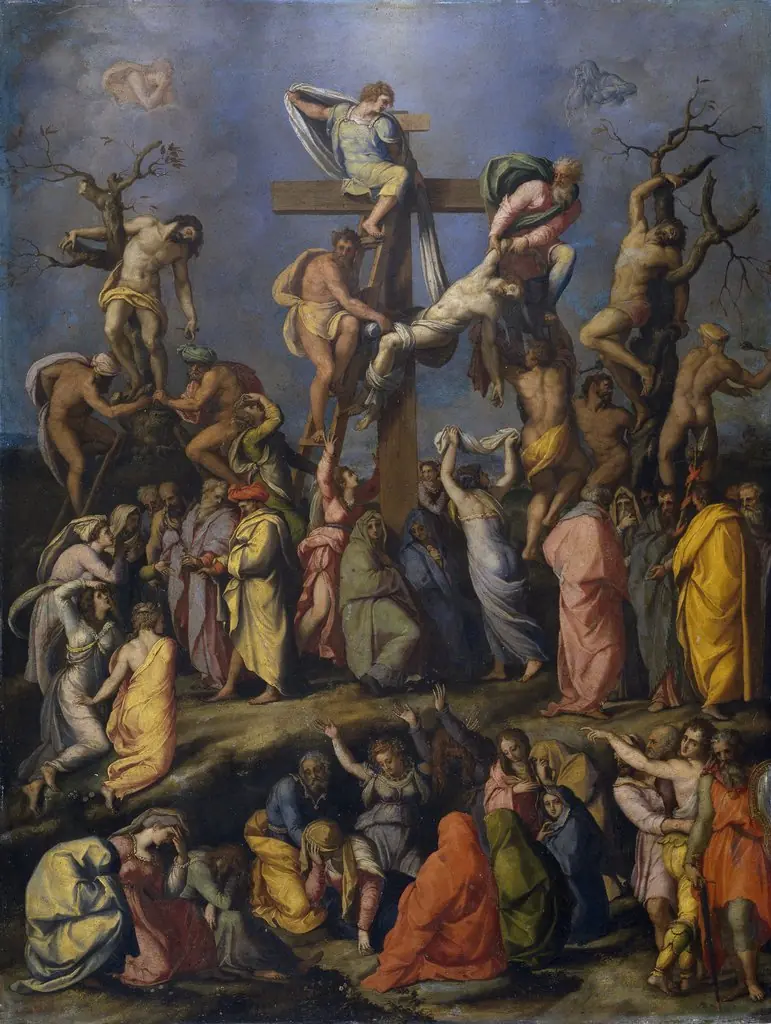
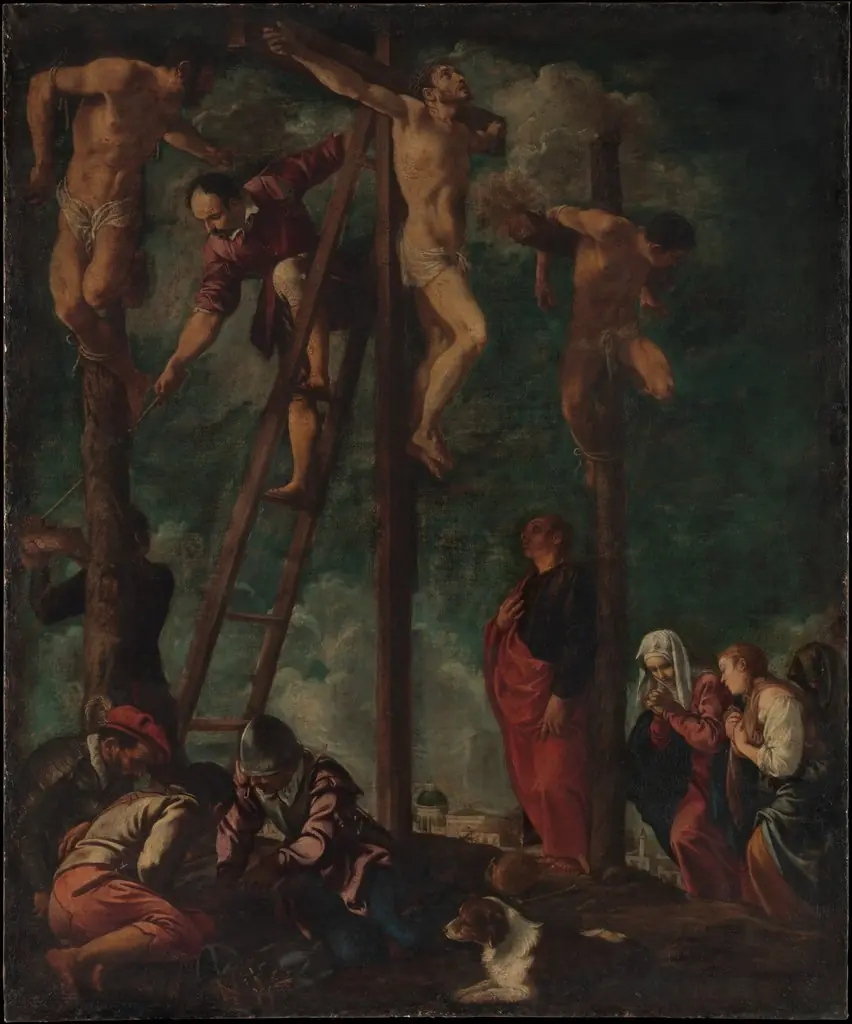
The painting portrays the moment of Christ's removal from the crucifix following his crucifixion, a scene drawn from the Gospel narratives of the Passion.
The painting portrays the moment of Christ's removal from the crucifix following his crucifixion, a scene drawn from the Gospel narratives of the Passion. In this composition the central figures include the Virgin Mary fainting, Saint John supporting the body, and Joseph of Arimathea preparing the descent, all arranged to emphasize the physical weight and solemnity of the event. The work functions as a devotional image focused on themes of sacrifice, mourning, and the transition toward burial, reflecting Counter‑Reformation emphases on the humanity of Christ's suffering.
History & Provenance
The Descent from the Cross by Pedro de Campaña is dated to 1570, aligning with the artist’s documented activity in Seville during the late sixteenth century.
The painting entered the collection of the Museo del Prado, where it remains held. Its presence there is recorded in the museum’s holdings and catalogue descriptions, which identify the work as a religious depiction of the Descent from the Cross by Campaña.
Pedro de Campaña's painting The Descent from the Cross, dated 1570, is held in the collection of the Museo del Prado in Madrid. The work is cataloged within the museum's holdings as a religious artwork depicting the removal of Jesus Christ from the cross. While the painting is part of the permanent collection at this location, the provided sources do not contain a specific inventory or accession number, nor do they record any past or future exhibition history for this piece.
Overview
Pedro de Campaña, a Flemish artist who worked across Italy and Spain during the Renaissance, completed his painting The Descent from the Cross in 1570. Executed in the Mannerist style, the work portrays the biblical moment when Christ’s body is lowered from the crucifix. It is presently part of the Museo del Prado’s collection in Madrid.
Technique & Style
Campaña employs the elongated proportions and heightened emotional expression typical of Mannerism. The figures are rendered with exaggerated gestures, and the chiaroscuro contrasts a dark, storm‑filled sky against the illuminated central group. The palette of muted earth tones and the dramatic lighting enhance the sense of solemnity and movement within the scene.
Context
The work belongs to a broader tradition of Passion imagery that flourished in Counter‑Reformation Spain, where visual representations of Christ’s suffering were intended to inspire devotion. While not as widely reproduced as later Baroque treatments, Campaña’s Descent illustrates the Mannerist transition toward heightened emotional realism that would influence subsequent Spanish painters.
Own this work as a print
Artist & collection
Artist
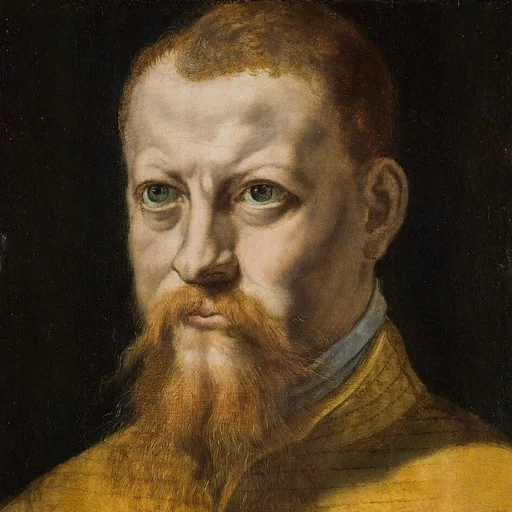
Pedro Campaña (1503–1586) was a Flemish painter of the Renaissance period, mainly active in Italy and Spain. His actual name was Pieter de Kempeneer, translated into French as Champaigne, and was also known as Peter van de Velde.