Artwork
Pampa
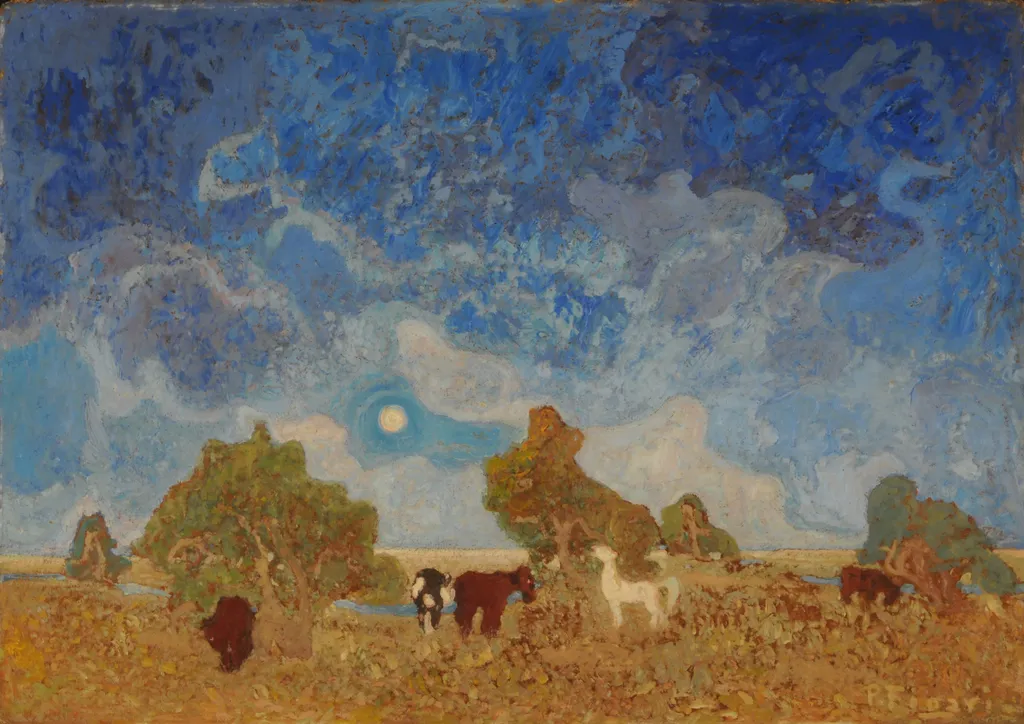
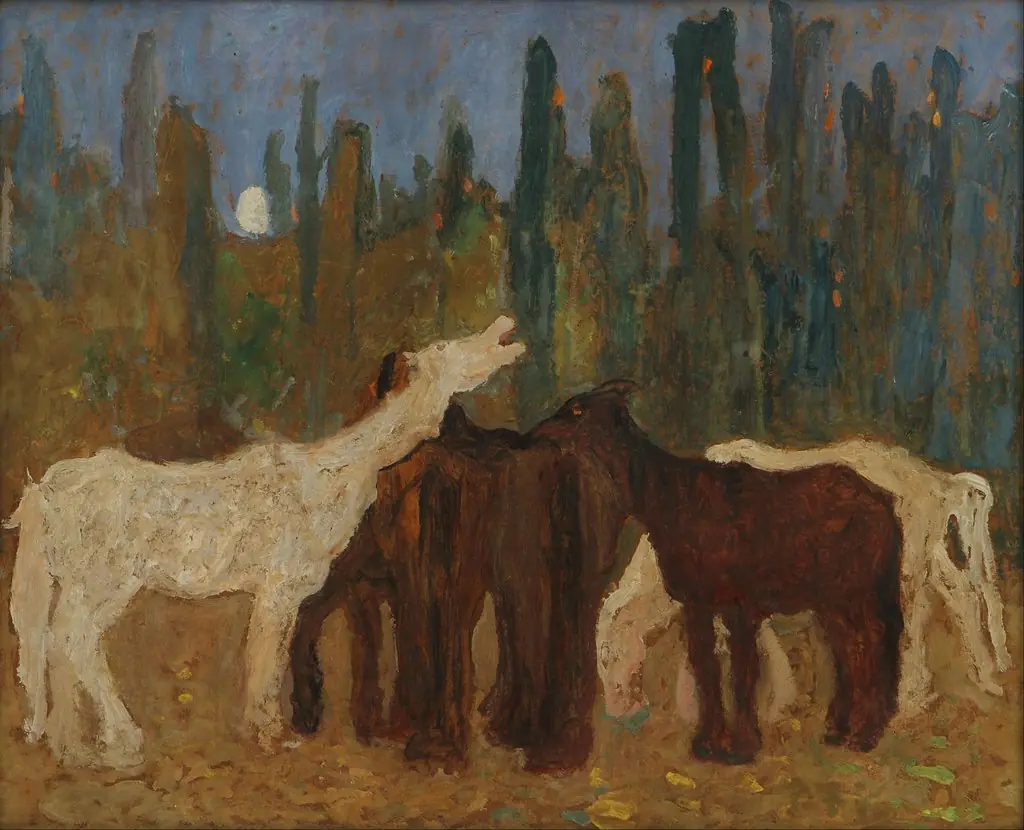
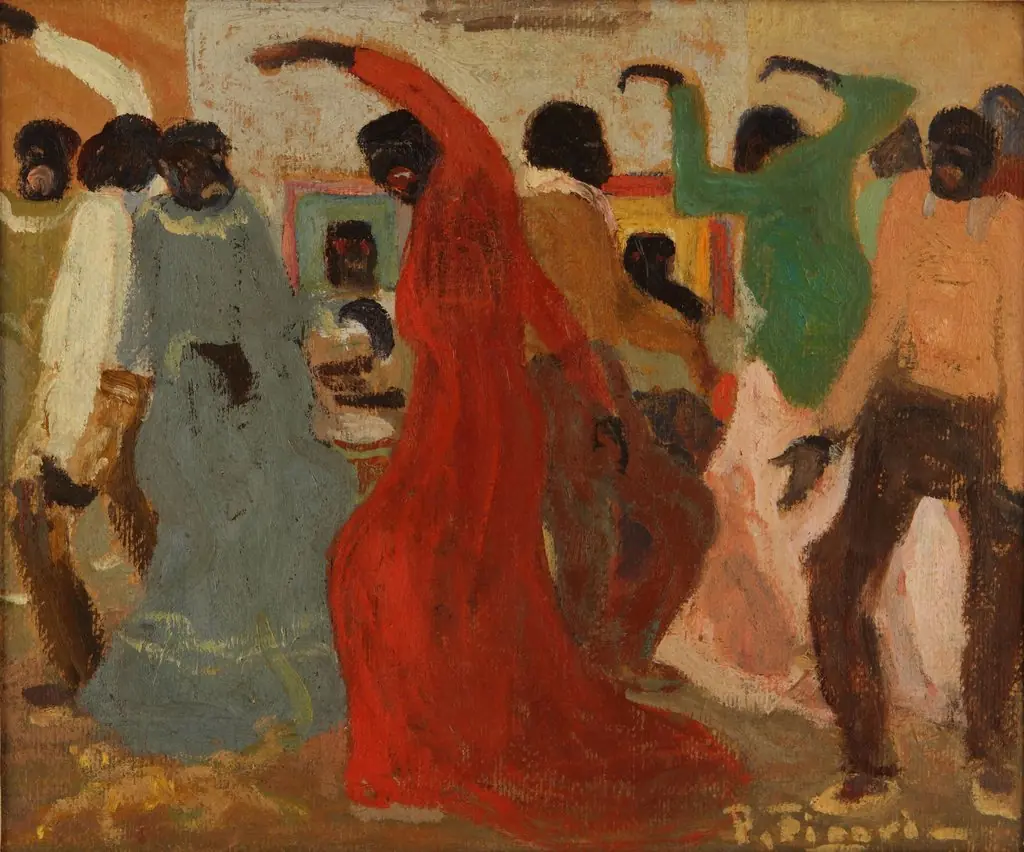
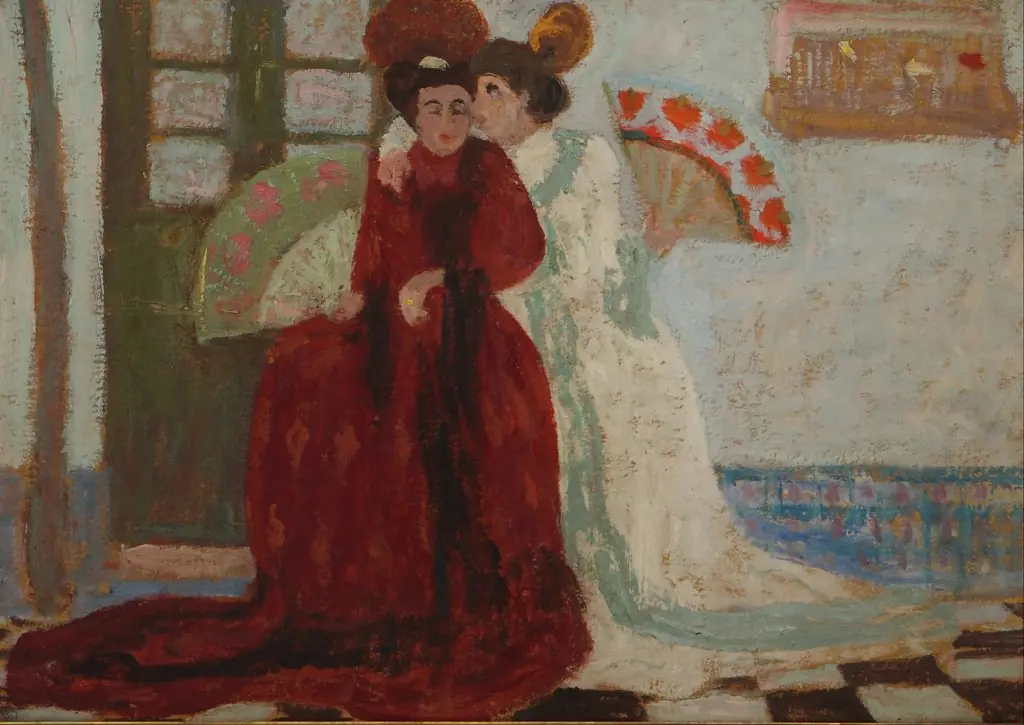
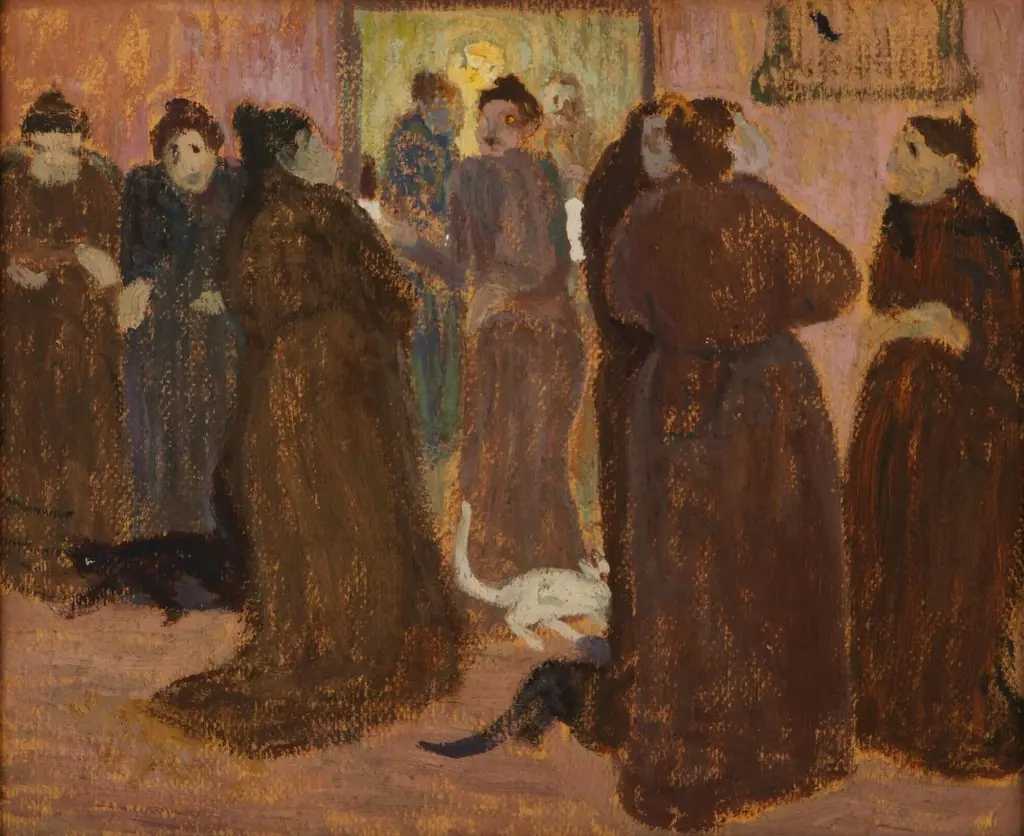
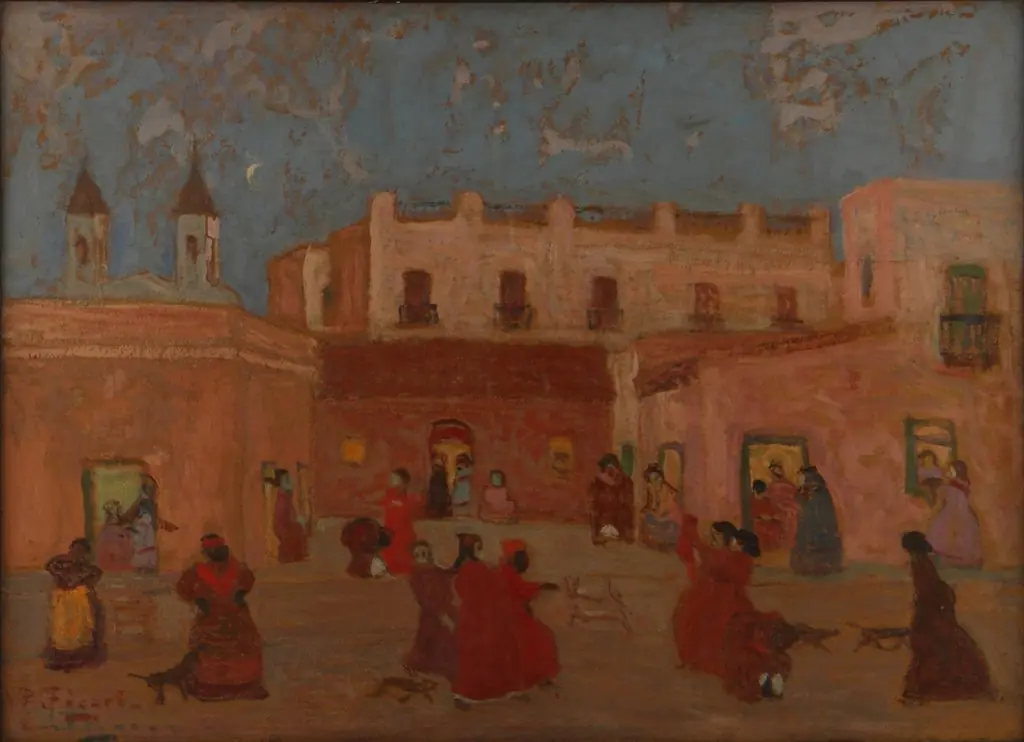
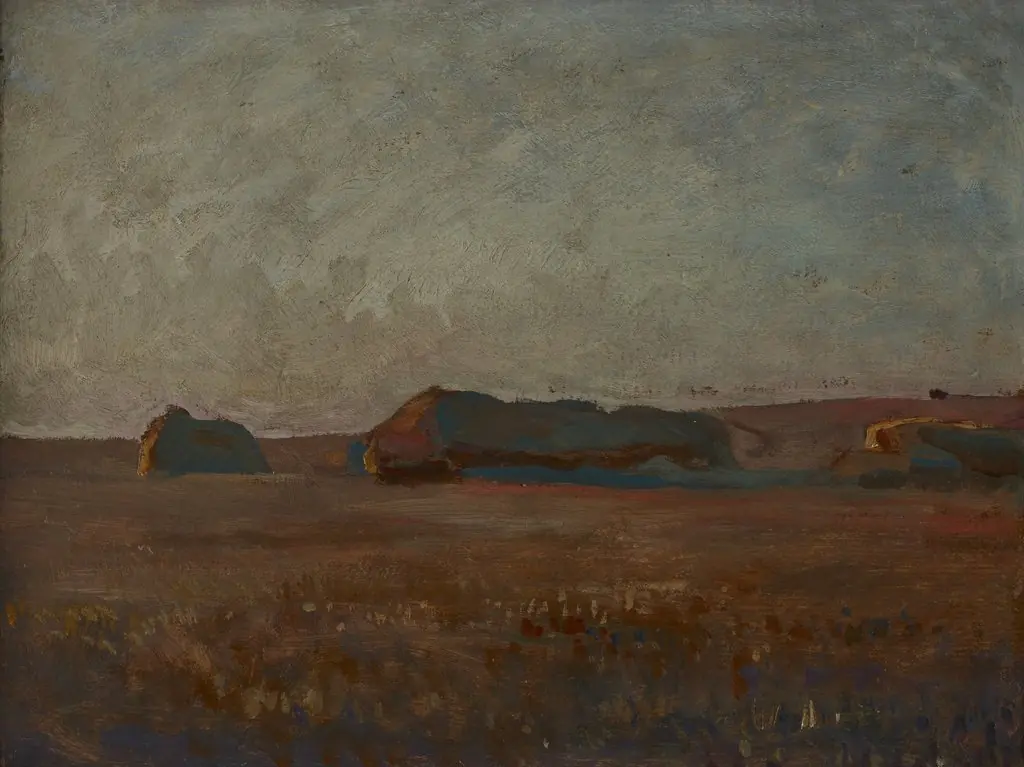
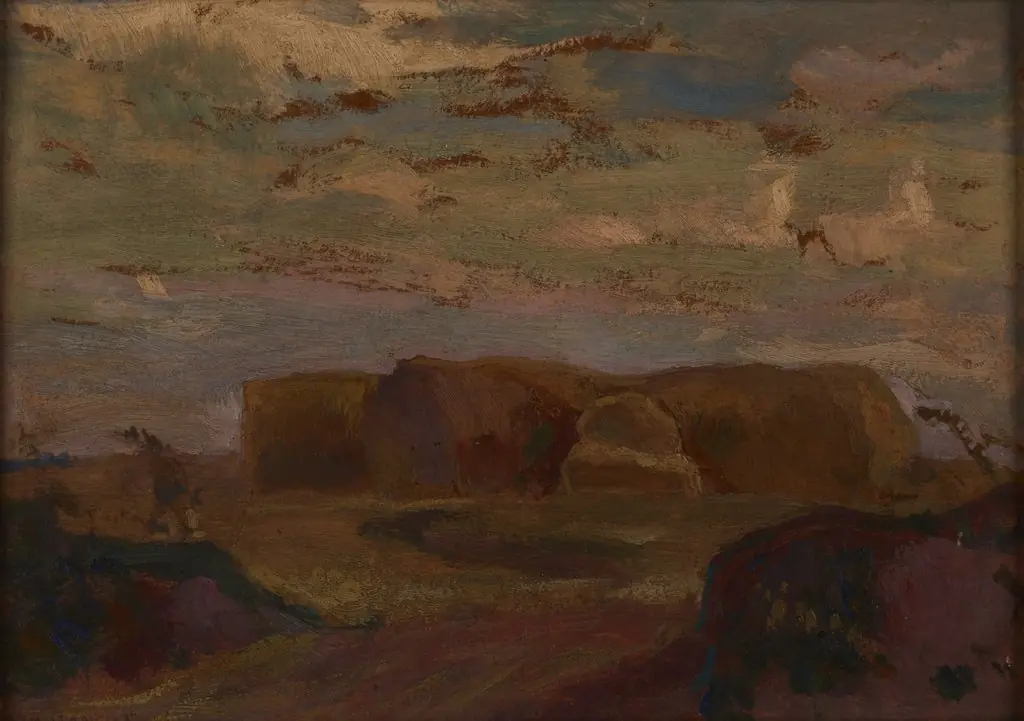
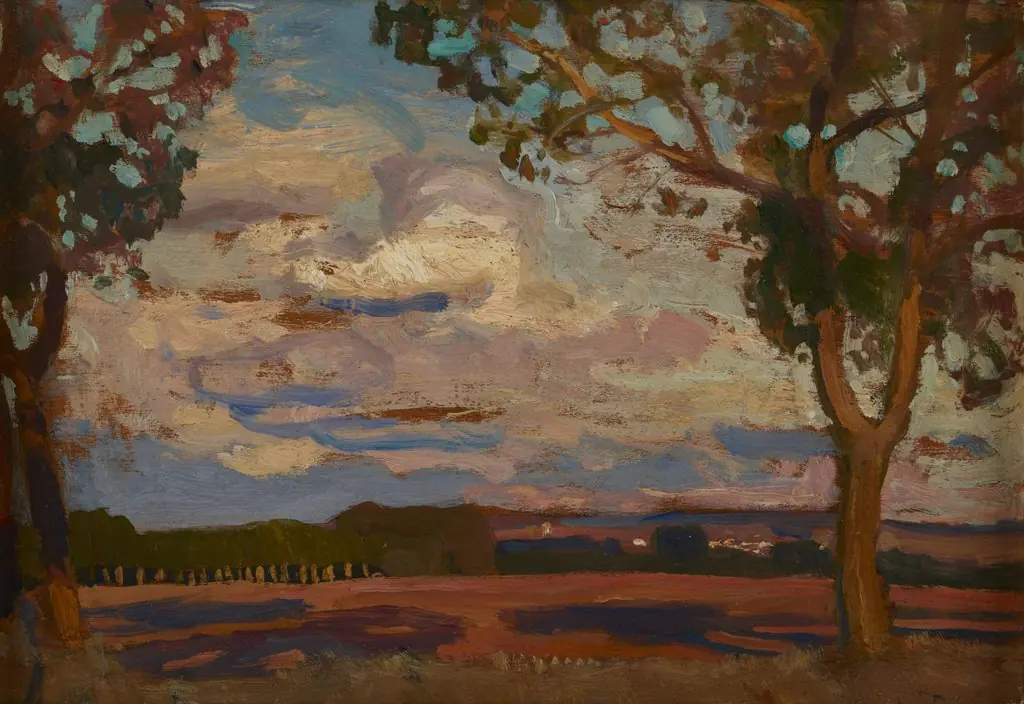
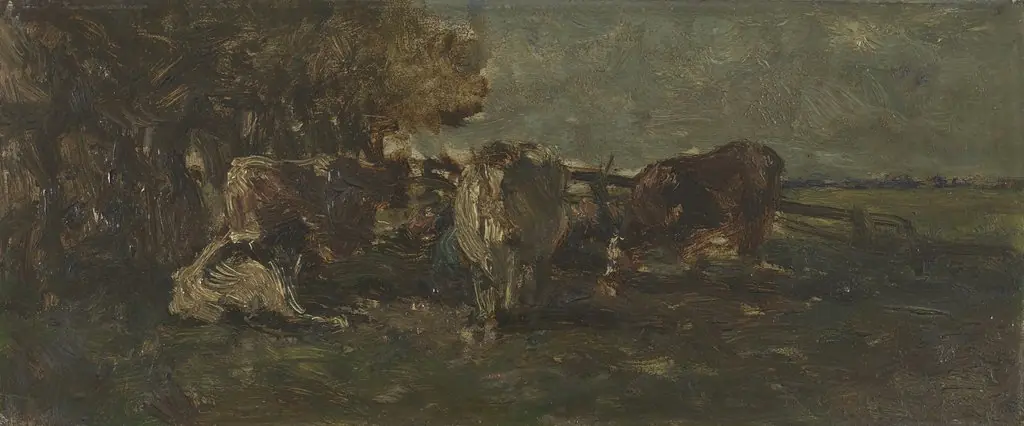
Pampa is an unspecified painting by the Impressionist artist Pedro Figari. It dates from 1890 and is held in the collection of the National Museum of Fine Arts, Argentina.
About this work
Overview
Pampa is a painting created in 1890 by Uruguayan artist Pedro Figari, who transitioned to art from law, writing, and politics. This early work reflects his modernist inclination, focusing on familiar subjects from his childhood.
Subject & Meaning
The painting depicts a serene landscape with grazing horses in a field, set against a blue sky with white clouds. The scene conveys a sense of peacefulness, emphasizing everyday rural life and local customs.
Technique & Style
Executed in an impressionist style, Pampa utilizes color contrast to create depth. The juxtaposition of a vibrant blue sky, green foliage, and brown horses generates visual interest and guides the viewer's gaze.
History & Provenance
Pampa is part of the collection at the National Museum of Fine Arts in Buenos Aires, highlighting its significance within Figari's early modernist output.
Own this work as a print
Artist & collection
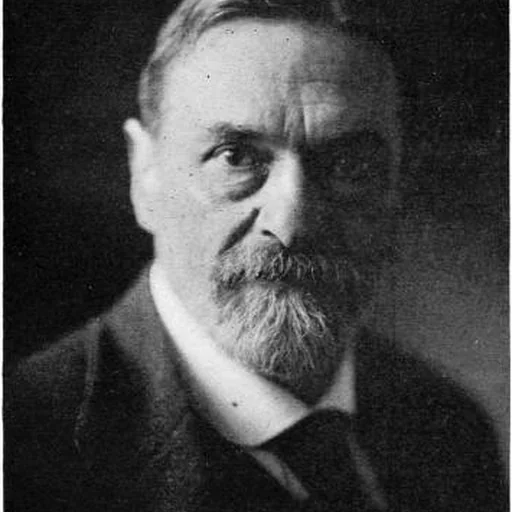
Artist
Pedro Figari (June 29, 1861 – July 24, 1938) was a Uruguayan painter, lawyer, writer, and politician.

Museum
National Museum of Fine Arts, Argentina
Continue through works from the same source collection.