Artwork
Lehmiä
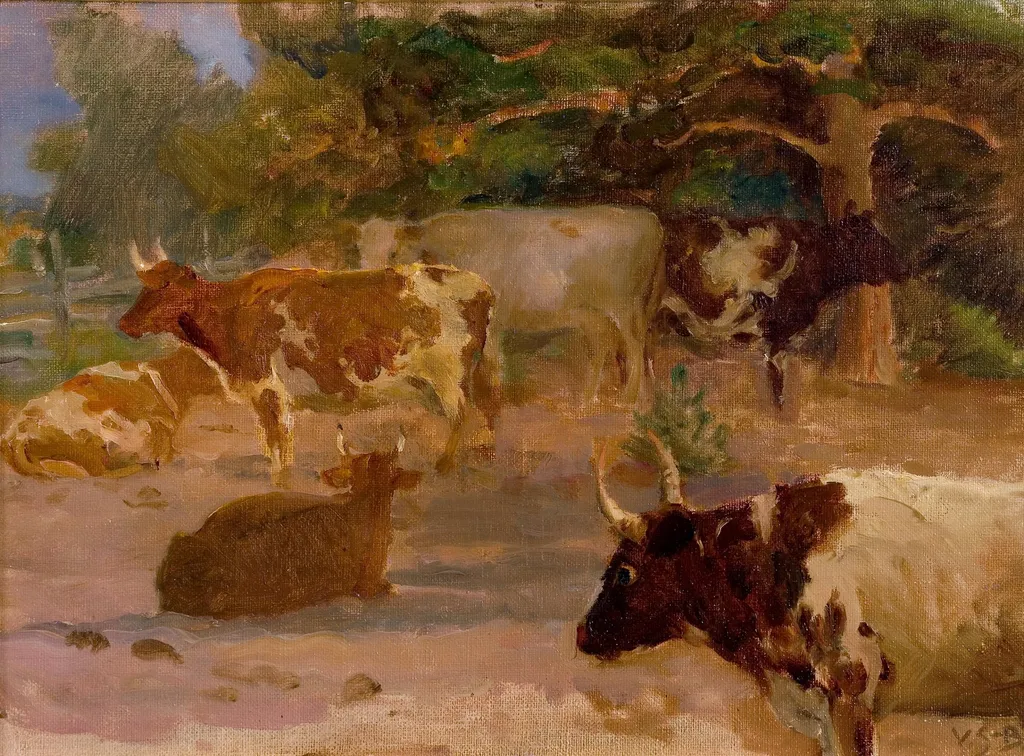
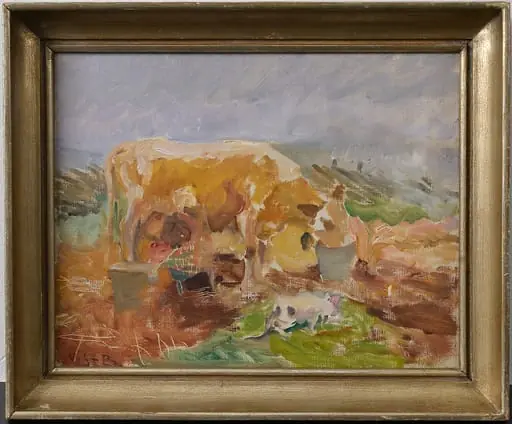
Lehmiä is a photography by Venny Soldan-Brofeldt. It dates from 1913 and is held in the collection of the Järvenpää Art Museum.
About this work
Overview
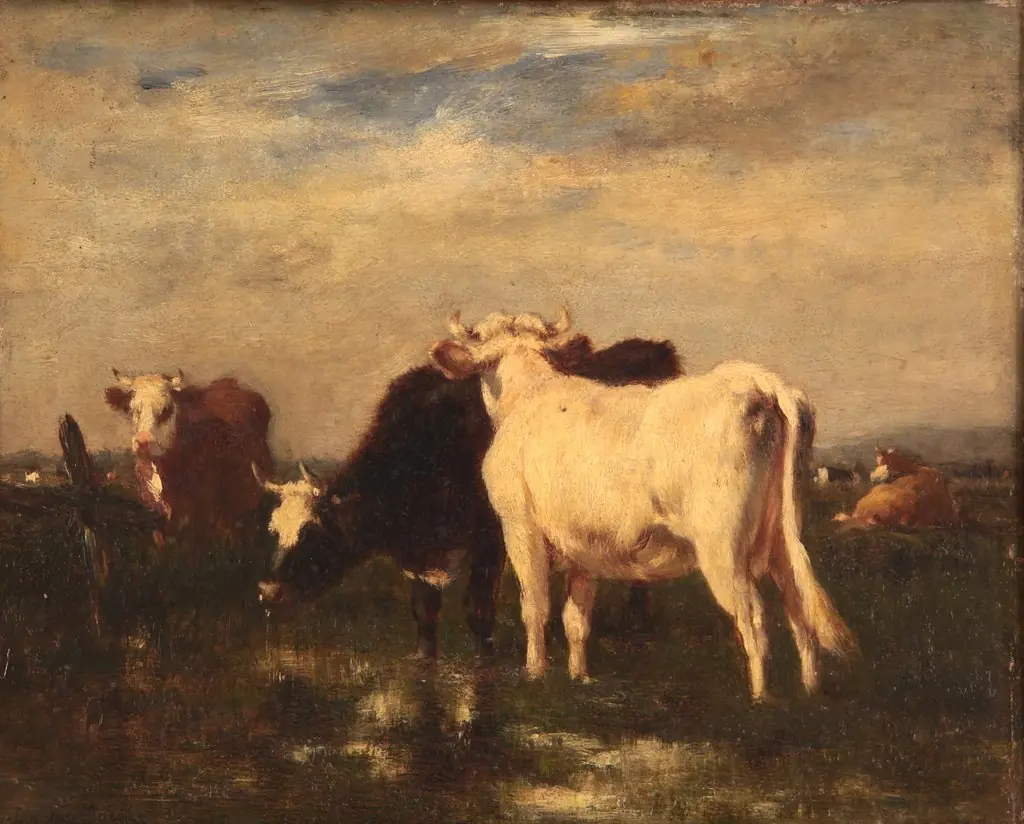
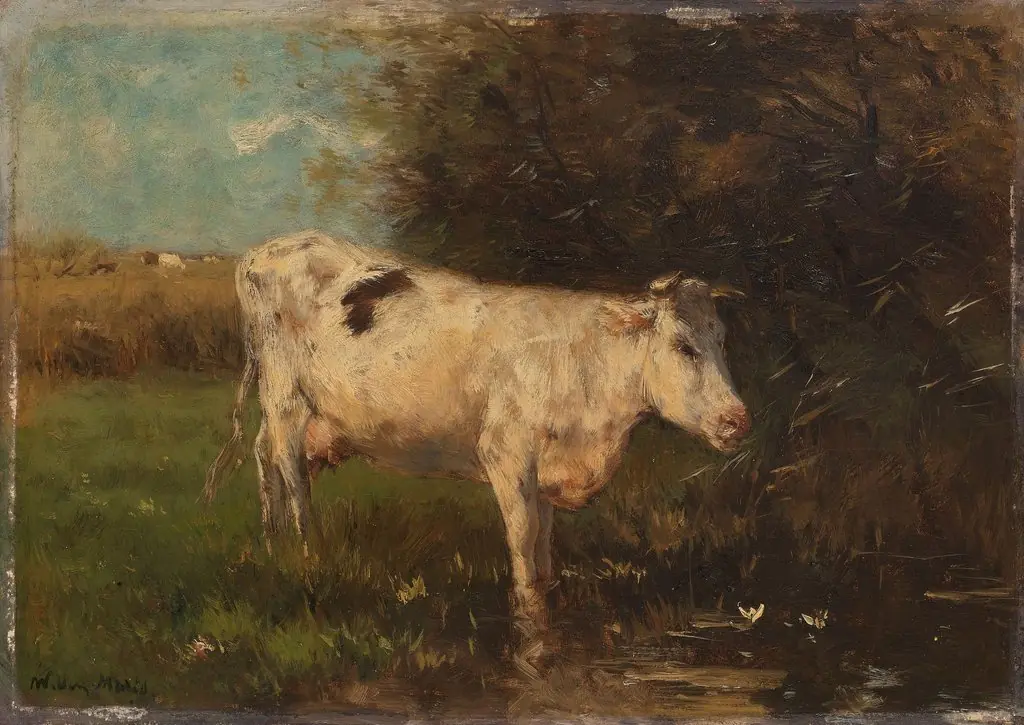
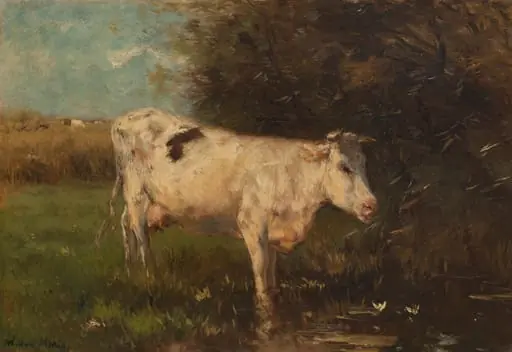
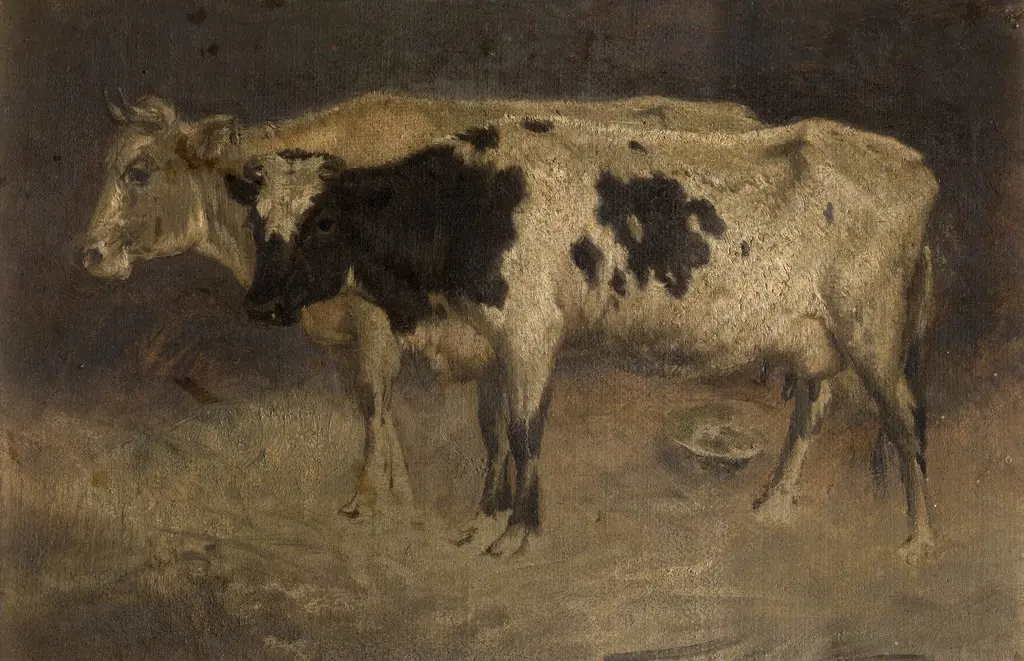
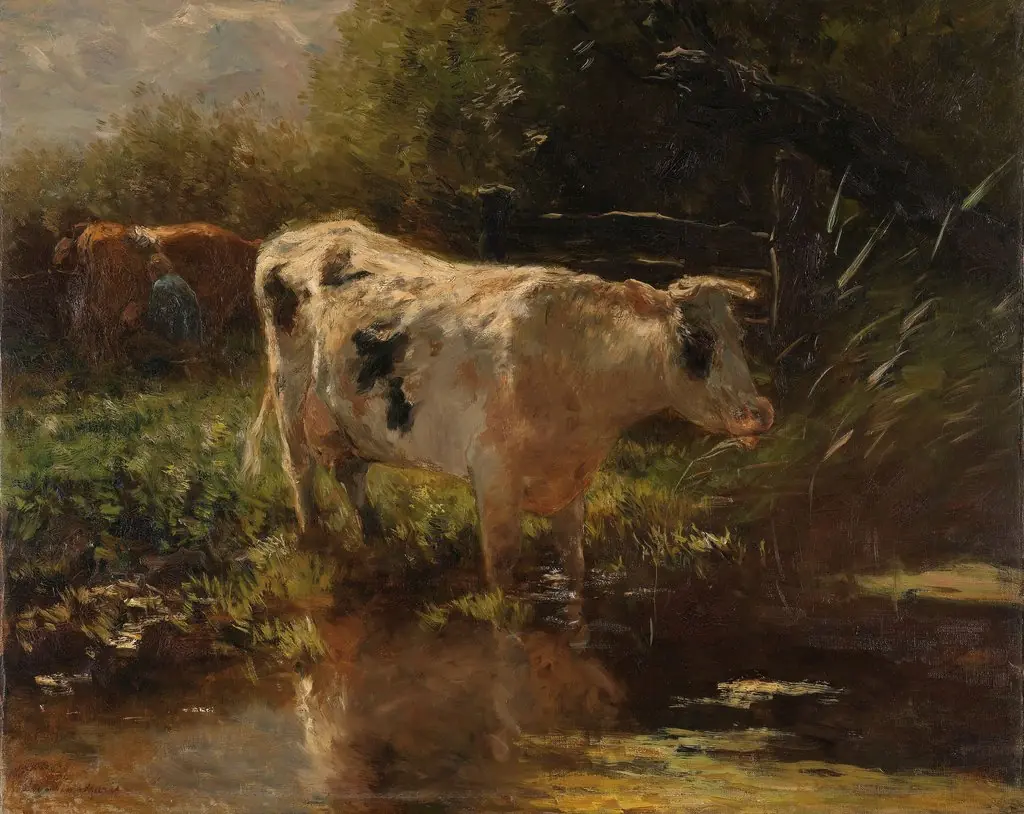
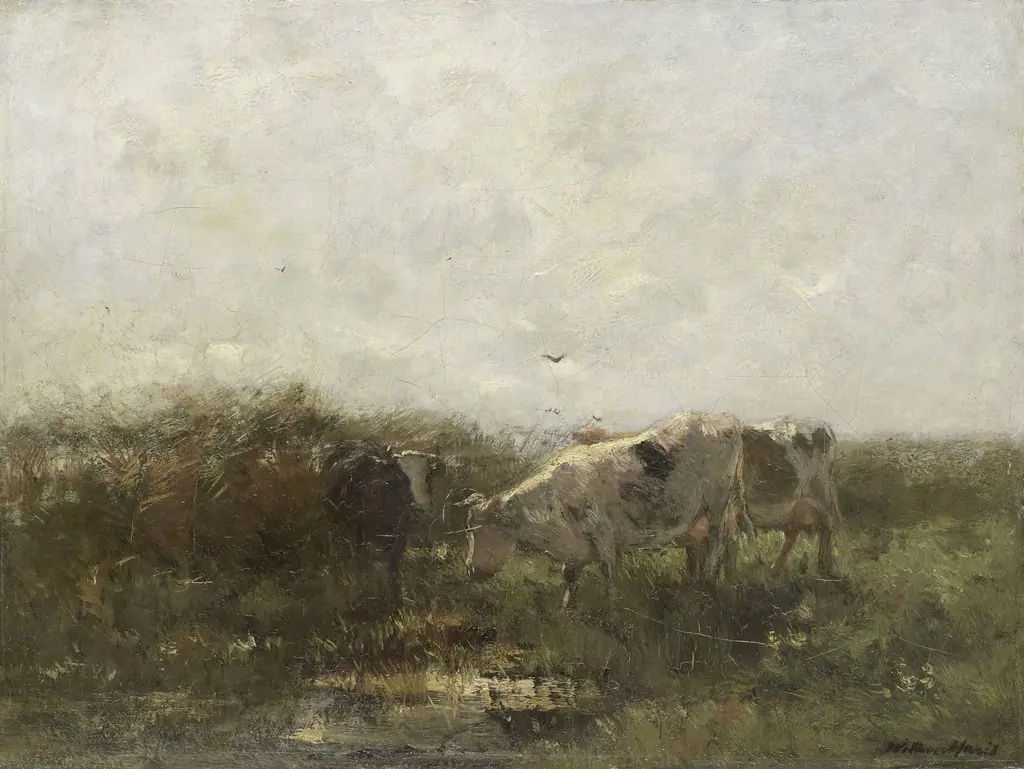
Lehmiä, created circa 1913 by Venny Soldan-Brofeldt, is a painting depicting a serene natural scene of two cows in a field.
Subject & Meaning
The subject is everyday rural life, focusing on two cows, one resting in the foreground, the other standing behind, set against a backdrop of trees and rocks. The composition emphasizes the tranquil coexistence of animals within their natural habitat.
Technique & Style
The painting features prominent, thick brushstrokes and a textured, impasto technique, which adds depth to the work. The color palette is characterized by warm, earthy tones.
History & Provenance
Created around 1913, specific details about the work's history, exhibitions, or ownership changes are not provided in the available information.
Context
Lehmiä reflects the artist's interest in capturing simple, everyday scenes from nature, aligning with early 20th-century artistic movements that valued the beauty of mundane life.
Legacy
The legacy of Lehmiä is not explicitly outlined in the provided information, though it contributes to the broader understanding of Venny Soldan-Brofeldt's oeuvre and early 20th-century European art practices.
Artist & collection
Artist
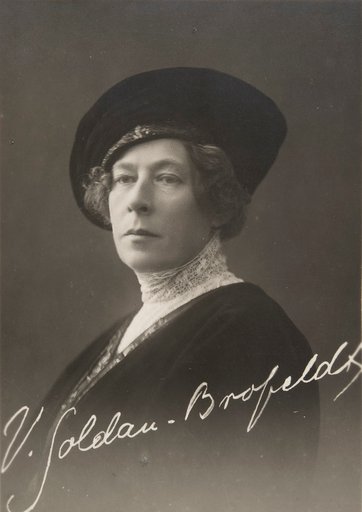
Wendla Irene Soldan-Brofeldt, known as Venny was a Finnish painter, illustrator, graphic artist, wood sculptor and jewelry designer. She belonged to the Swedish speaking population of Finland.