Artwork
Lamento
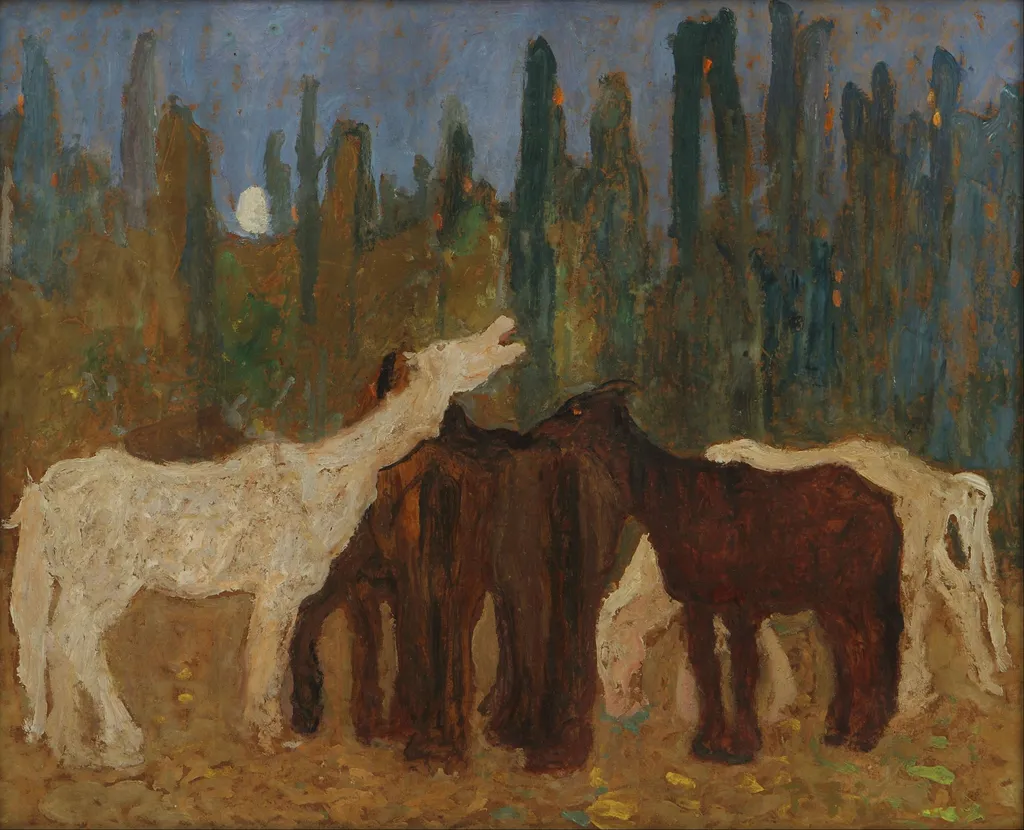
Lamento is an unspecified painting by the Naïve art artist Pedro Figari. It dates from 1924 and is held in the collection of the National Museum of Fine Arts, Argentina.
About this work
Overview
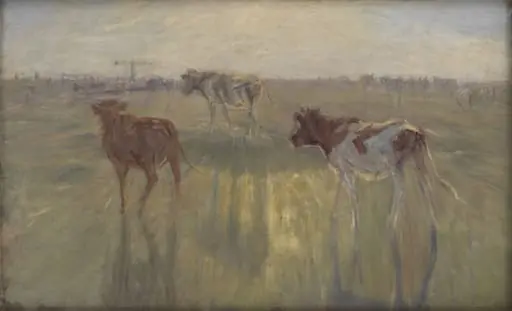
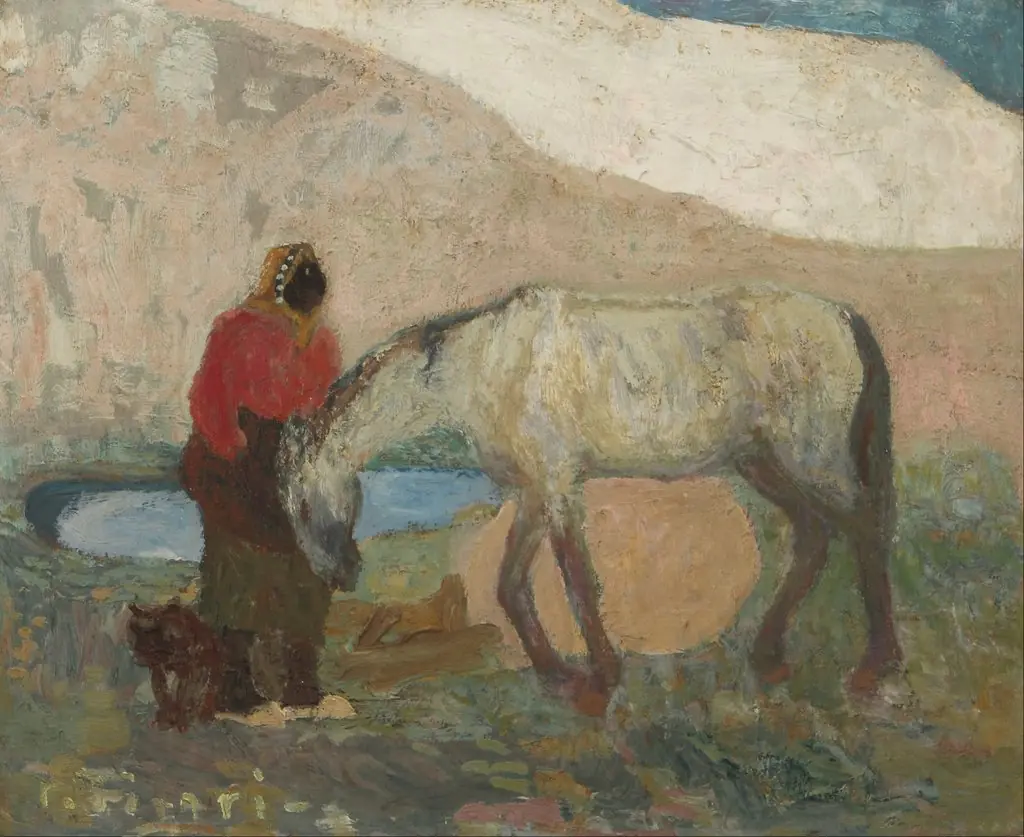
Created in 1924, Lamento is an oil painting by Uruguayan artist Pedro Figari. Though Figari began his artistic career later in life, he devoted this work to the naïve style that characterizes much of his output. The canvas presents a tranquil rural scene dominated by three horses, set against a sky punctuated by a pale sun or moon and a backdrop of trees rendered in muted greens and browns.
Subject & Meaning
The composition centers on three horses positioned in the foreground, with the middle animal gently pressing its head against the flank of a companion, suggesting a moment of quiet interaction. The surrounding landscape, with its soft foliage and expansive sky, reinforces a mood of calm and contemplation, reflecting Figari’s interest in everyday life and the simple, affectionate bonds observed in his memories of the countryside.
Technique & Style
Figari worked largely from recollection, favoring personal observation over strict realism. In Lamento he employs a limited palette of earthy browns, greens, and blues, allowing color to define form rather than detailed modeling. The brushwork is loose and flat, characteristic of naïve art, while the arrangement of planes creates a modest sense of depth without relying on linear perspective.
History & Provenance
After its completion, the painting entered the collection of the National Museum of Fine Arts in Buenos Aires, where it remains on display. Its presence in a major Argentine institution underscores Figari’s cross‑border recognition and the work’s role in representing early 20th‑century Latin American naïve painting within a public museum context.
Own this work as a print
Artist & collection
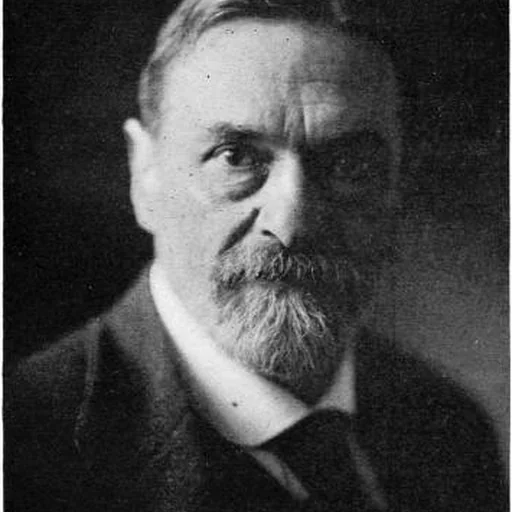
Artist
Pedro Figari (June 29, 1861 – July 24, 1938) was a Uruguayan painter, lawyer, writer, and politician.

Museum
National Museum of Fine Arts, Argentina
Continue through works from the same source collection.