Artwork
Havnefogeden, rebslageren og skipperen. "Najaden" krydser ind
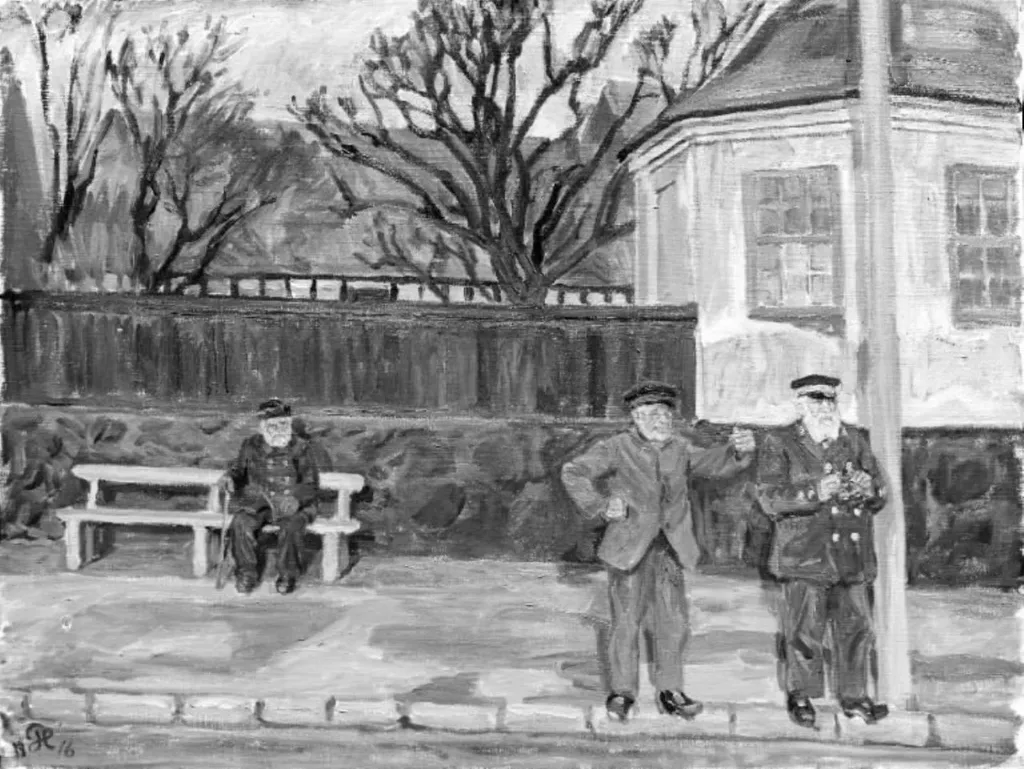
Havnefogeden, rebslageren og skipperen. "Najaden" krydser ind is an oil painting by the Impressionist artist Peter Hansen. It dates from 1916 and is held in the collection of the Statens Museum for Kunst.
About this work
Overview
The scene centers on three figures, harbor official, rope maker, and ship captain, standing near a building with a tree and bench in the background.
Painted in 1916 by Danish artist Peter Hansen, this oil on canvas work captures a quiet urban moment in Copenhagen. The scene centers on three figures, harbor official, rope maker, and ship captain, standing near a building with a tree and bench in the background. The composition is restrained, emphasizing stillness and the ordinary rhythms of port life. Hansen’s focus on unremarkable figures reflects his interest in documenting the quiet dignity of working-class existence.
Subject & Meaning
The three men represent distinct roles in Copenhagen’s maritime economy: a harbor official overseeing operations, a rope maker supplying essential gear, and a ship captain preparing to depart. Their formal attire and composed postures suggest duty and routine rather than celebration. The painting avoids narrative drama, instead conveying a sense of shared responsibility and quiet solidarity among those who sustained the city’s port activities during the early 20th century.
Technique & Style
Hansen employs a muted palette of grays, browns, and deep greens to ground the scene in realism. Brushwork is precise but unobtrusive, with careful attention to fabric texture, shadow, and the play of natural light on brick and foliage. The figures are arranged in a stable, triangular formation, anchoring the composition.
Background elements like the tree and building are rendered with subtle depth, enhancing spatial coherence without drawing focus from the central group.
History & Provenance
The painting entered the collection of Statens Museum for Kunst shortly after its completion, likely acquired directly from the artist. It has remained in public ownership since, with no record of private sale or significant relocation. Its consistent presence in the museum’s holdings reflects its recognition as a representative example of Hansen’s documentary approach to Danish urban life in the early 1900s.
Context
Created during a period of industrial transition in Denmark, the painting reflects the enduring presence of manual labor in Copenhagen’s harbor district. Though steam power and mechanization were rising, many tasks, like rope-making and ship handling, still relied on skilled human labor. Hansen’s choice to depict these figures without idealization aligns with broader Nordic realist traditions that valued truth over spectacle in depictions of everyday life.
Legacy
While not widely exhibited outside Denmark, the work remains a key example of Hansen’s contribution to early 20th-century Danish realism. It contributes to a visual archive of port workers whose roles were often overlooked in art. The painting’s quiet authority and attention to detail continue to inform scholarly interest in the social history of Danish urban labor during the interwar years.
Artist & collection
Artist
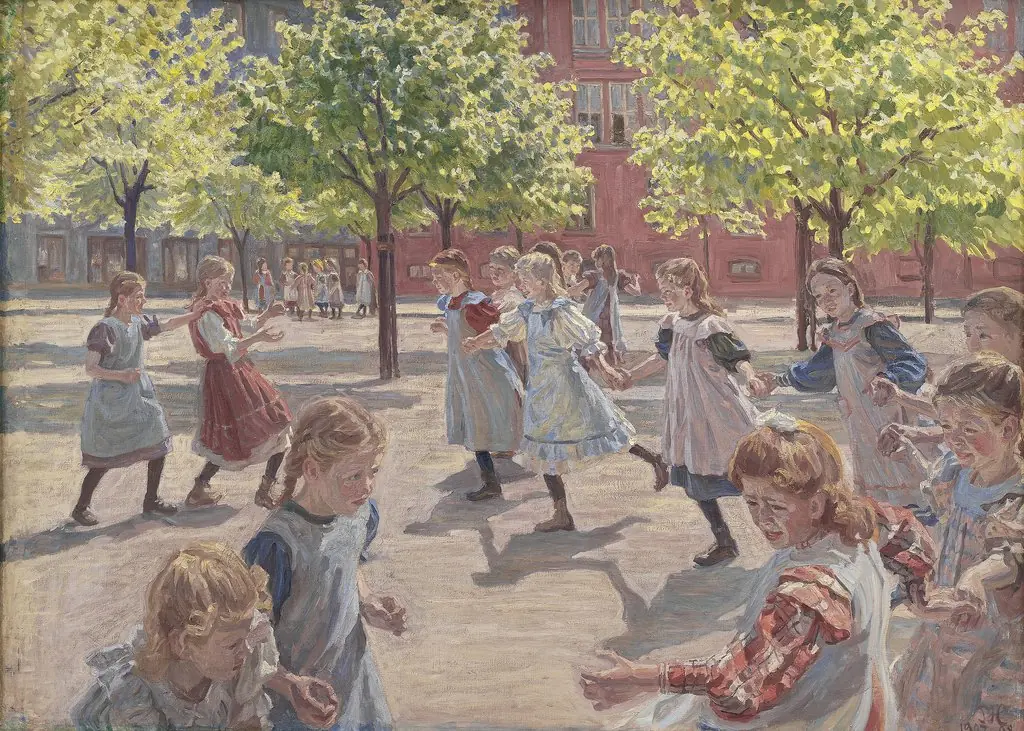
Peter Hansen painted everyday life in Denmark around 1900, often using oil to catch light on roads and squares.

 Artillerivej. Forår
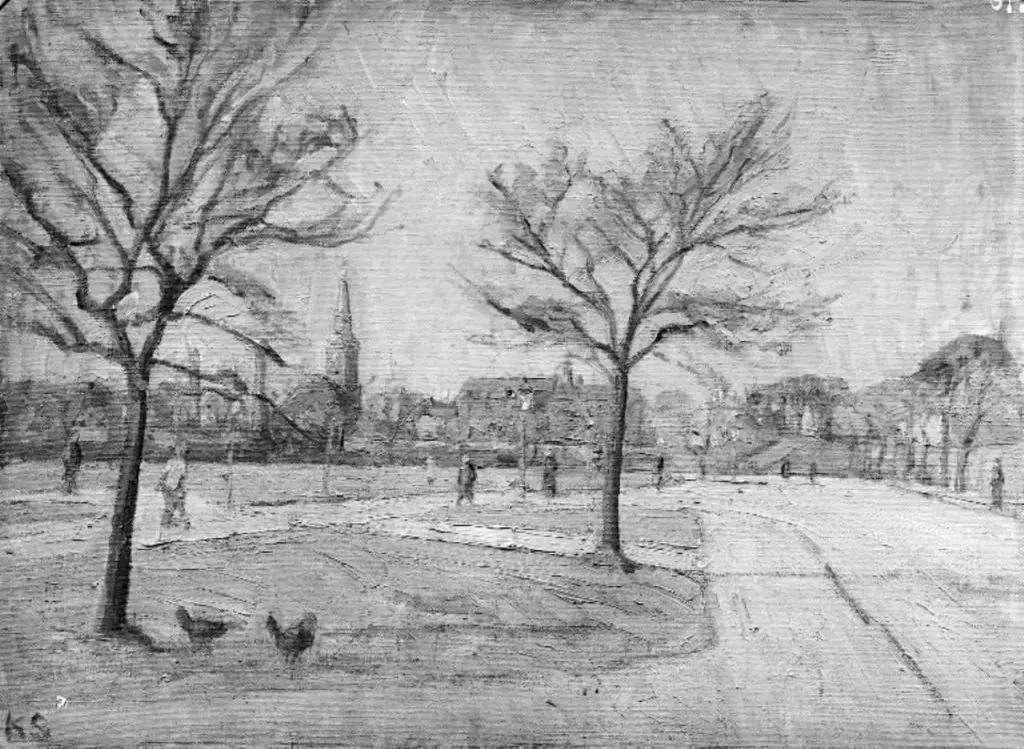 Artillerivej. Forår
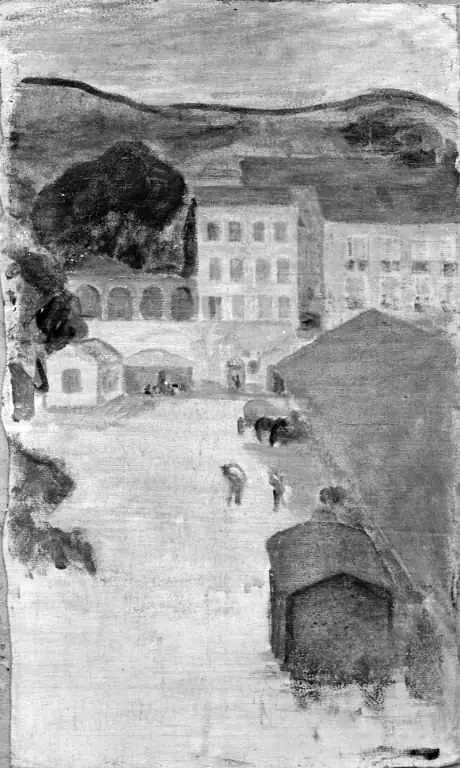 The Market Square in Banuyls-sur-Mere
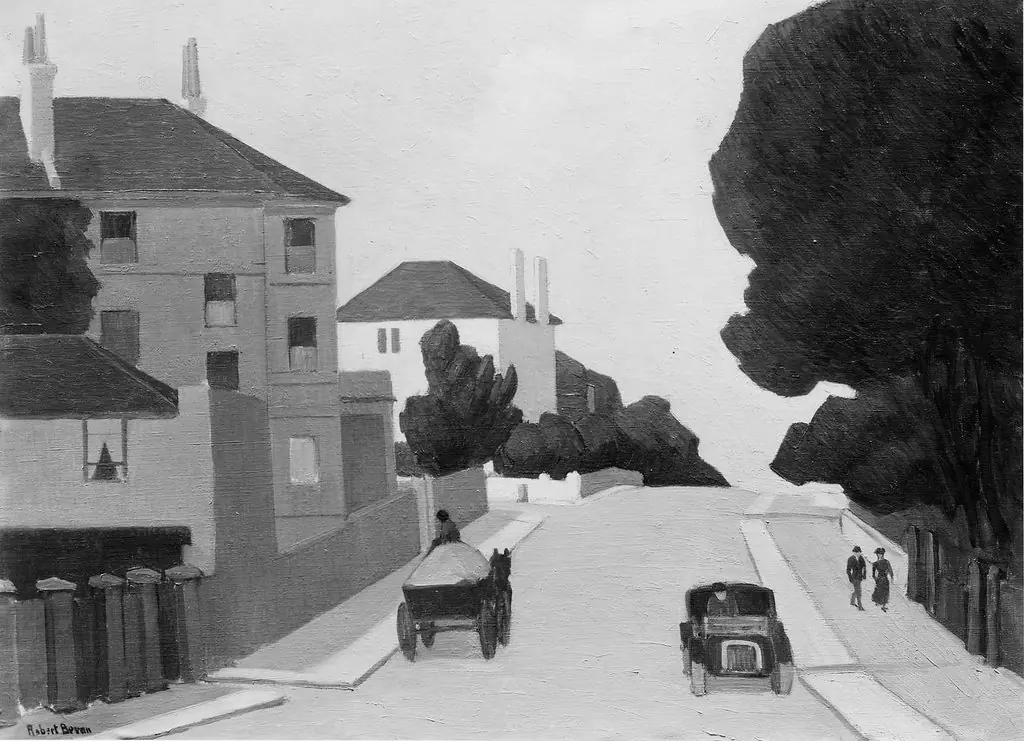 Adelaide Road, N.W.
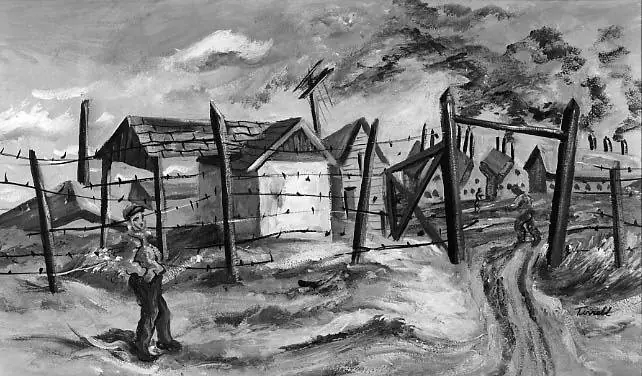 Industrial Landscape
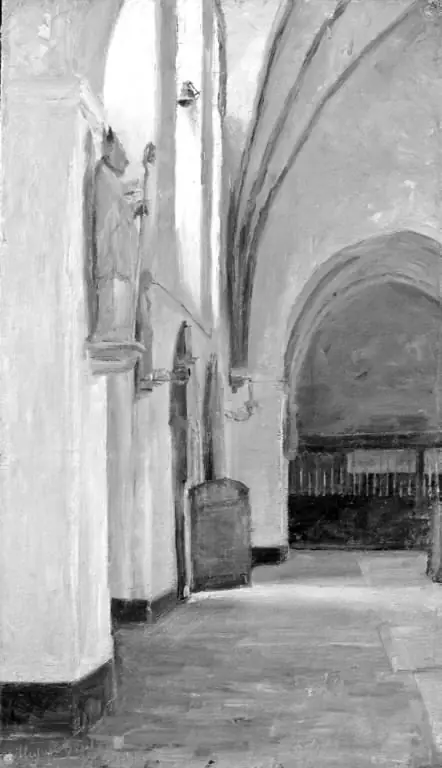 The Hospital of the Holy Ghost, Lübeck
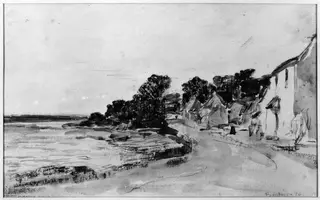 Village and Landscape
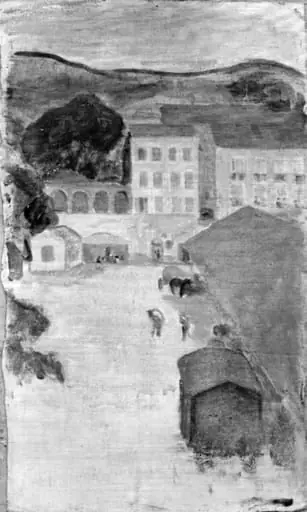 The Market Square in Banuyls-sur-Mere
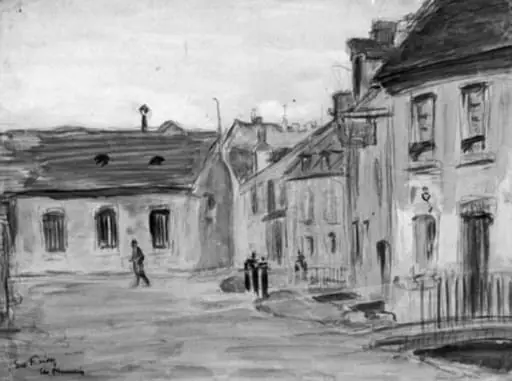 Garverierne i Falaise, Normandiet
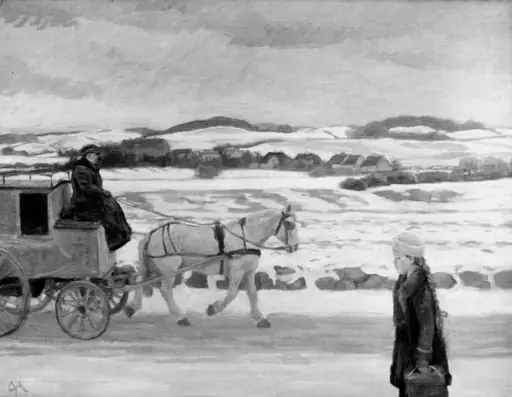 Postvognen. Assens Landevej
 Peisaj cu casă roșie/Peisaj de vară
- Havnefogeden, rebslageren og skipperen. "Najaden" krydser ind